Library
Browse and search books
13,360 novels found
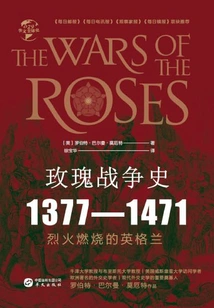
玫瑰战争史:1377—1471(华文全球史)
K
This book is the representative work of the famous British diplomatic historian Robert Balmain Mowert. It tells the whole process of the murder of Richard II, the destruction of the English throne succession system, the century-old fierce battle between the York family and the Lancaster family for the right to inherit the throne, the collapse of the Plantagenet dynasty, and the ascension of Henry VII to the throne to establish the Tudor dynasty. Why did Richard II fail in the coup? Why did the Houses of York and Lancaster gain legal inheritance rights to the throne of England after the death of Richard II? Why is this civil war in England called the "War of the Roses"? Why were the dynasties established by the Yorks and Lancastrians never able to stabilize the political situation? What battle in the War of the Roses determined the fate of both families? Why did Henry Tudor become a beneficiary of the Wars of the Roses? This book will answer it in detail.
This book is the representative work of the famous British diplomatic historian Robert Balmain Mowert. It tells the whole process of the murder of Richard II, the destruction of the English throne succession system, the century-old fierce battle between the York family and the Lancaster family for the right to inherit the throne, the collapse of the Plantagenet dynasty, and the ascension of Henry VII to the throne to establish the Tudor dynasty. Why did Richard II fail in the coup? Why did the Houses of York and Lancaster gain legal inheritance rights to the throne of England after the death of Richard II? Why is this civil war in England called the "War of the Roses"? Why were the dynasties established by the Yorks and Lancastrians never able to stabilize the political situation? What battle in the War of the Roses determined the fate of both families? Why did Henry Tudor become a beneficiary of the Wars of the Roses? This book will answer it in detail.
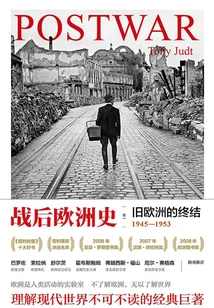
战后欧洲史(卷一):旧欧洲的终结 1945-1953
I
"Postwar European History" is the most important representative work of Tony Judt, the most respected historian and thinker in the world today. It took 20 years to conceive and 10 years to write. It extensively uses documents in 6 languages, covers 34 countries, and takes into account Western and Eastern Europe. Covering the whole of Europe, it is the first master-level historical masterpiece that comprehensively displays the political, economic and cultural changes in modern Europe over the past 60 years. It is highly recommended by European and American political leaders such as President Barroso of the European Commission, President Schulz of the European Parliament, and the visiting Uzbekistan. From brutal genocide to the advocacy of human rights values, from fascism sweeping the world to the disintegration of the Soviet Eastern European socialist bloc, from free capital markets to big-government welfare states, from arms races to the establishment of the European Union for mutual assistance and cooperation, from tariff barriers to the unified currency Euro... Europe is a laboratory of human activities. It has experienced the baptism and experimentation of various political systems, ideologies, social systems, economic orders, and cultural trends of thought. No wonder, Tony Judt said: "Like a fox, Europe knows a lot." For the modern public, "it is impossible to understand the world without understanding Europe." "Postwar European History" is a masterpiece that Tony Judt, the top contemporary historian, has worked on for more than ten years. From the end of World War II to the beginning of the 21st century, this book shows the political, economic, social, and cultural history of Europe, comprehensively and concisely reproduces the reality and spiritual process of Europe's reconstruction on the ruins of the war, and reveals Europe's future path toward unity and self-reliance. Tony Judt used keen observation, profound humanistic care and superb narrative ability to refine the sixty years of European history from 1945 to 2005 into a fascinating, significant and deeply personal work. "Postwar European History" has received rave reviews since its publication and won numerous awards. It has been hailed as "the best book on postwar European history" and "a great book that cannot be surpassed in the short term". It has become a "must-read classic for the public to understand the modern world."
"Postwar European History" is the most important representative work of Tony Judt, the most respected historian and thinker in the world today. It took 20 years to conceive and 10 years to write. It extensively uses documents in 6 languages, covers 34 countries, and takes into account Western and Eastern Europe. Covering the whole of Europe, it is the first master-level historical masterpiece that comprehensively displays the political, economic and cultural changes in modern Europe over the past 60 years. It is highly recommended by European and American political leaders such as President Barroso of the European Commission, President Schulz of the European Parliament, and the visiting Uzbekistan. From brutal genocide to the advocacy of human rights values, from fascism sweeping the world to the disintegration of the Soviet Eastern European socialist bloc, from free capital markets to big-government welfare states, from arms races to the establishment of the European Union for mutual assistance and cooperation, from tariff barriers to the unified currency Euro... Europe is a laboratory of human activities. It has experienced the baptism and experimentation of various political systems, ideologies, social systems, economic orders, and cultural trends of thought. No wonder, Tony Judt said: "Like a fox, Europe knows a lot." For the modern public, "it is impossible to understand the world without understanding Europe." "Postwar European History" is a masterpiece that Tony Judt, the top contemporary historian, has worked on for more than ten years. From the end of World War II to the beginning of the 21st century, this book shows the political, economic, social, and cultural history of Europe, comprehensively and concisely reproduces the reality and spiritual process of Europe's reconstruction on the ruins of the war, and reveals Europe's future path toward unity and self-reliance. Tony Judt used keen observation, profound humanistic care and superb narrative ability to refine the sixty years of European history from 1945 to 2005 into a fascinating, significant and deeply personal work. "Postwar European History" has received rave reviews since its publication and won numerous awards. It has been hailed as "the best book on postwar European history" and "a great book that cannot be surpassed in the short term". It has become a "must-read classic for the public to understand the modern world."
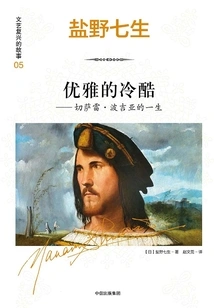
优雅的冷酷:切萨雷·波吉亚的一生
G
"Elegant Coolness" is a work about Cesare Borgia, the brother of Lucrezia Borgia, a character who appears in "Renaissance Women". Cesare and Lucrezia were both illegitimate sons of the Pope, but he cleverly used this relationship to ambitiously become the overlord of Italy. The work presents the sensuality and cruelty of Cesare, a young man. Although it is a very early work, it is very much Shiono's style.
"Elegant Coolness" is a work about Cesare Borgia, the brother of Lucrezia Borgia, a character who appears in "Renaissance Women". Cesare and Lucrezia were both illegitimate sons of the Pope, but he cleverly used this relationship to ambitiously become the overlord of Italy. The work presents the sensuality and cruelty of Cesare, a young man. Although it is a very early work, it is very much Shiono's style.
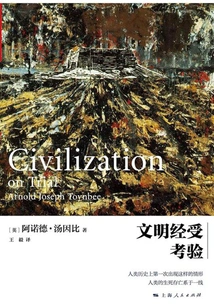
Y
Historyy
H
"Civilization Tested" is a collection of Toynbee's series of articles about the relationship between civilization and reality in the mid-20th century, which shows his consistent strong concern for the fate of mankind. If Toynbee believes that human history as a whole, an irreversible movement in time and space, can be understood within a certain limit, then the real world after World War II has become the background for his view of the history of civilization at this moment. In this book, Toynbee's realistic concern and historical philosophy met after World War II, and the result of the challenge and response was the "world government" and "higher religion" that he repeatedly emphasized. He hoped that different human civilizations could shake hands and realize that the future and destiny of mankind must find a suitable way to live in peace, maintain vitality, and continue to develop. His feelings of compassion for mankind are vividly displayed on the page.
"Civilization Tested" is a collection of Toynbee's series of articles about the relationship between civilization and reality in the mid-20th century, which shows his consistent strong concern for the fate of mankind. If Toynbee believes that human history as a whole, an irreversible movement in time and space, can be understood within a certain limit, then the real world after World War II has become the background for his view of the history of civilization at this moment. In this book, Toynbee's realistic concern and historical philosophy met after World War II, and the result of the challenge and response was the "world government" and "higher religion" that he repeatedly emphasized. He hoped that different human civilizations could shake hands and realize that the future and destiny of mankind must find a suitable way to live in peace, maintain vitality, and continue to develop. His feelings of compassion for mankind are vividly displayed on the page.
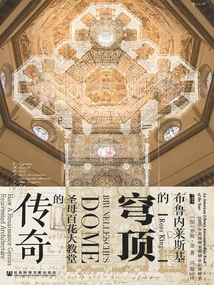
布鲁内莱斯基的穹顶:圣母百花大教堂的传奇
S
He is a genius, he is a madman, and he created architectural miracles that will go down in history. "Brunelleschi's Dome" is the story of how a Renaissance genius avoided limited manpower, material means and difficult natural conditions to build an architectural miracle that still amazes us today. In the book, the author describes how Brunelleschi, a genius, turned an impossible task into a pioneering achievement. He invented new machines and used new working methods to build them. In the story, the author organically weaves this historical event with plagues, wars, power struggles, and ideological turmoil. By narrating history, the author makes the life, traditions, various characters, and social conditions of the fifteenth century vivid on the page.
He is a genius, he is a madman, and he created architectural miracles that will go down in history. "Brunelleschi's Dome" is the story of how a Renaissance genius avoided limited manpower, material means and difficult natural conditions to build an architectural miracle that still amazes us today. In the book, the author describes how Brunelleschi, a genius, turned an impossible task into a pioneering achievement. He invented new machines and used new working methods to build them. In the story, the author organically weaves this historical event with plagues, wars, power struggles, and ideological turmoil. By narrating history, the author makes the life, traditions, various characters, and social conditions of the fifteenth century vivid on the page.
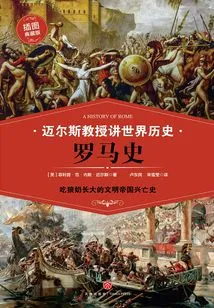
迈尔斯教授讲世界历史:罗马史
I
This book is a Roman history textbook written by Professor Miles. This book is one of the most complete versions of Roman history. It narrates the history from the origin of Rome to Charlemagne's restoration of the former territory of the Western Roman Empire in 800 AD. This is very different from the general Roman history that regards the demise of the Western Roman Empire in 476 AD as the end of Roman history. Because it not only includes the history of Rome (Western Rome) in the traditional sense, but also covers the history of the early Byzantine Empire (Eastern Roman Empire) and the early European Middle Ages.
This book is a Roman history textbook written by Professor Miles. This book is one of the most complete versions of Roman history. It narrates the history from the origin of Rome to Charlemagne's restoration of the former territory of the Western Roman Empire in 800 AD. This is very different from the general Roman history that regards the demise of the Western Roman Empire in 476 AD as the end of Roman history. Because it not only includes the history of Rome (Western Rome) in the traditional sense, but also covers the history of the early Byzantine Empire (Eastern Roman Empire) and the early European Middle Ages.
Catastrophe in Germany
History德国的浩劫
K
Friedrich Meinecke, the author of "The Holocaust in Germany", is one of the most famous historians in the contemporary West. Gu Zhi called him the most eye-catching figure in German historiography after the First World War; Breisach also called him the chief spokesperson of contemporary German historicism. "The Holocaust of Germany" is divided into two contemporary waves, the German people before and after the establishment of the Second Reich; Hitlerism and Western powers, etc. There are fifteen chapters.
Friedrich Meinecke, the author of "The Holocaust in Germany", is one of the most famous historians in the contemporary West. Gu Zhi called him the most eye-catching figure in German historiography after the First World War; Breisach also called him the chief spokesperson of contemporary German historicism. "The Holocaust of Germany" is divided into two contemporary waves, the German people before and after the establishment of the Second Reich; Hitlerism and Western powers, etc. There are fifteen chapters.
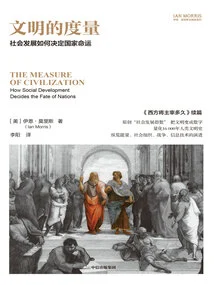
文明的度量:社会发展如何决定国家命运(伊恩·莫里斯文明史系列)
I
For hundreds of years, the world has been dominated by the West, and people have been arguing about why the West has so much power. If civilization determines all this, how should civilization be defined and how should it be measured? More importantly, how will civilization determine the direction of the world in the 21st century? This book is written to answer these questions. In this book, world-renowned historian Ian Morris presents the analysis that underpins the claims of How Long Will the West Dominate? He spanned the history of human civilization for 16,000 years and used a series of reliable archaeological evidence, historical data, and modern social data to design a "social development index" that can quantify civilization. He scored Eastern and Western civilizations in different times and spaces in terms of energy acquisition, social organization capabilities, war capabilities, and information technology. He quantitatively described many factors that determine economic and social development trends, so as to pursue the past, present, and future of world civilization. At the end of the book, Morris's data and stories present us with a surprising prediction: the social development of the East will catch up with the West by 2103. Whether for readers who are concerned about the development of contemporary China or the trajectory of tomorrow's world, the analytical ideas and predictions of this book will become a powerful guide to the real future.
For hundreds of years, the world has been dominated by the West, and people have been arguing about why the West has so much power. If civilization determines all this, how should civilization be defined and how should it be measured? More importantly, how will civilization determine the direction of the world in the 21st century? This book is written to answer these questions. In this book, world-renowned historian Ian Morris presents the analysis that underpins the claims of How Long Will the West Dominate? He spanned the history of human civilization for 16,000 years and used a series of reliable archaeological evidence, historical data, and modern social data to design a "social development index" that can quantify civilization. He scored Eastern and Western civilizations in different times and spaces in terms of energy acquisition, social organization capabilities, war capabilities, and information technology. He quantitatively described many factors that determine economic and social development trends, so as to pursue the past, present, and future of world civilization. At the end of the book, Morris's data and stories present us with a surprising prediction: the social development of the East will catch up with the West by 2103. Whether for readers who are concerned about the development of contemporary China or the trajectory of tomorrow's world, the analytical ideas and predictions of this book will become a powerful guide to the real future.
U
Historyu
I
"A Brief History of the World" (also known as "Wells' Brief History of the World") is a unique world history written by the famous British writer H. G. Wells. The content traces back to the beginning of human civilization and down to the Second World War. There are unique narratives on ancient Egypt, ancient Greece and Rome, the European Renaissance, the Reformation, the British Industrial Revolution, the American War of Independence, the French Revolution, etc. Eastern culture, including Confucianism and Taoism, are all involved. Wells wrote history as a writer, with a brilliant literary talent, so it is highly readable and has been loved by readers all over the world since its publication.
"A Brief History of the World" (also known as "Wells' Brief History of the World") is a unique world history written by the famous British writer H. G. Wells. The content traces back to the beginning of human civilization and down to the Second World War. There are unique narratives on ancient Egypt, ancient Greece and Rome, the European Renaissance, the Reformation, the British Industrial Revolution, the American War of Independence, the French Revolution, etc. Eastern culture, including Confucianism and Taoism, are all involved. Wells wrote history as a writer, with a brilliant literary talent, so it is highly readable and has been loved by readers all over the world since its publication.
英国史Ⅰ:在世界的边缘?(3000BC-AD1603)
I
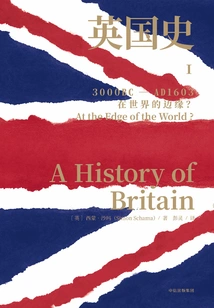
A History of Britain I: At the Edge of the World? (3000BC-AD1603)" covers over 1,500 years of British history, from the first Roman invasion to the extraordinary reign of Queen Elizabeth. The perspective of this book starts from the birth of civilization to the Norman Conquest, from the religious wars, the dark Middle Ages to the national turmoil of Henry II; the outbreak of the Black Death, which almost destroyed half of the population of Europe, the intricate conflicts of the Tudor Dynasty, and the conflict between Elizabeth I and Mary Queen of Scots constitute the main content of this volume. Through the story itself, a network of interrelated themes is explored - why a nation-state was formed, the struggle between the oppressors and the oppressed, and the internal driving forces of history are all evident during the period.
A History of Britain I: At the Edge of the World? (3000BC-AD1603)" covers over 1,500 years of British history, from the first Roman invasion to the extraordinary reign of Queen Elizabeth. The perspective of this book starts from the birth of civilization to the Norman Conquest, from the religious wars, the dark Middle Ages to the national turmoil of Henry II; the outbreak of the Black Death, which almost destroyed half of the population of Europe, the intricate conflicts of the Tudor Dynasty, and the conflict between Elizabeth I and Mary Queen of Scots constitute the main content of this volume. Through the story itself, a network of interrelated themes is explored - why a nation-state was formed, the struggle between the oppressors and the oppressed, and the internal driving forces of history are all evident during the period.
罗马人的故事14:基督的胜利
H
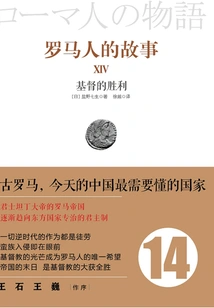
It is a must-read for business elites and politicians in Japan and South Korea, and a must-read for education! Wang Shi and Wang Wei wrote the preface, and Wu Xiaobo, Qin Shuo, and Wu Bofan jointly recommended it. After the death of Emperor Constantine, he left behind the Roman Empire that he had transformed with his own hands. When Rome was about to fall, the traitor Uris went to war and turned the tide for the gods. Euris spent his childhood in the storm of the struggle for the throne, and his imprisoned life allowed him to wander in the philosophical world of Greece and Rome. However, he was finally pushed to the highest stage of politics. His unexpected military exploits against the barbarians and his drastic attitude in promoting policies won him the love of the army and the people. He did more than that. He was determined to resist the Christian trend that had been coming in force for fifty years. He tried to turn things around, but was killed in the Persian War. The temple door, which was finally reopened, was closed again.
It is a must-read for business elites and politicians in Japan and South Korea, and a must-read for education! Wang Shi and Wang Wei wrote the preface, and Wu Xiaobo, Qin Shuo, and Wu Bofan jointly recommended it. After the death of Emperor Constantine, he left behind the Roman Empire that he had transformed with his own hands. When Rome was about to fall, the traitor Uris went to war and turned the tide for the gods. Euris spent his childhood in the storm of the struggle for the throne, and his imprisoned life allowed him to wander in the philosophical world of Greece and Rome. However, he was finally pushed to the highest stage of politics. His unexpected military exploits against the barbarians and his drastic attitude in promoting policies won him the love of the army and the people. He did more than that. He was determined to resist the Christian trend that had been coming in force for fifty years. He tried to turn things around, but was killed in the Persian War. The temple door, which was finally reopened, was closed again.
第三帝国三部曲:第三帝国的到来(全集)
G
W
W
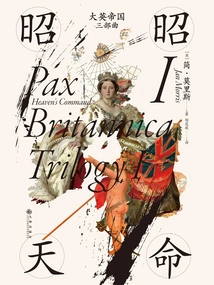
大英帝国三部曲I:昭昭天命
S
"The British Empire Trilogy" narrates the British history from Queen Victoria's accession to the throne to Churchill's death in a huge space. The narrative style is brilliant and vivid, involving different continents, various characters and multiple wars. Supplemented by the author's field trips, it reproduces the long process of the British Empire from its rise to its decline. The first part, "Manifest Destiny" traces the history from Victoria's accession to the British Empire's expansion and aggression in 1897. It records the Kabul rout, the Indian Mutiny, the Zulu War, the Ashanti War, the conflict with the Boers and other wars. It also records the abolition of the slave trade, Australia Major events such as the demise of the indigenous people, the exploration of the Nile, the Great Famine in Ireland, the Universal Exposition, and the Irish Home Rule Movement demonstrate the social changes and technological development in Britain in the second half of the 19th century, as well as the social landscape of different regions in Asia, Africa, America, and Oceania from the perspective of the colonists.
"The British Empire Trilogy" narrates the British history from Queen Victoria's accession to the throne to Churchill's death in a huge space. The narrative style is brilliant and vivid, involving different continents, various characters and multiple wars. Supplemented by the author's field trips, it reproduces the long process of the British Empire from its rise to its decline. The first part, "Manifest Destiny" traces the history from Victoria's accession to the British Empire's expansion and aggression in 1897. It records the Kabul rout, the Indian Mutiny, the Zulu War, the Ashanti War, the conflict with the Boers and other wars. It also records the abolition of the slave trade, Australia Major events such as the demise of the indigenous people, the exploration of the Nile, the Great Famine in Ireland, the Universal Exposition, and the Irish Home Rule Movement demonstrate the social changes and technological development in Britain in the second half of the 19th century, as well as the social landscape of different regions in Asia, Africa, America, and Oceania from the perspective of the colonists.
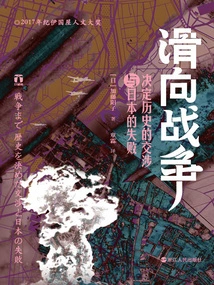
滑向战争:决定历史的交涉与日本的失败(好望角丛书)
Z
2017 Ikuniya Humanities Award, the final work of Kato Yoko's "War Trilogy". Why does Japan, which has been asked three times by the world "Which side to choose", always slides into war? An in-depth analysis of Japan's path to war and the secret of the diplomatic mistakes behind Japan's war. Before the outbreak of the Pacific War in 1941, the world tested Japan's choices through three diplomatic incidents. However, Japan ultimately failed to choose the right path. This book is the last part of the "War Trilogy" by Yoko Kato, a history professor at the University of Tokyo, Japan. It uses diplomatic negotiations as the entry point and focuses on three choices in Japan's history, namely how to deal with the "September 18th" incident, whether to join the German-Italian-Japanese Triple Alliance, and whether the relationship with the United States will be war or peace? Describe in detail the ins and outs of Japan's final "slide" into the vortex of World War II. Based on rigorous historical research and extensive archival materials, the author conducts an in-depth analysis of Japan's political, diplomatic and media environment, analyzes Japan's diplomatic decision-making mistakes before World War II, and reveals the deep reasons why Japan chose the path of war many times in modern history, especially during World War II when it chose to confront the United States and ultimately failed.
2017 Ikuniya Humanities Award, the final work of Kato Yoko's "War Trilogy". Why does Japan, which has been asked three times by the world "Which side to choose", always slides into war? An in-depth analysis of Japan's path to war and the secret of the diplomatic mistakes behind Japan's war. Before the outbreak of the Pacific War in 1941, the world tested Japan's choices through three diplomatic incidents. However, Japan ultimately failed to choose the right path. This book is the last part of the "War Trilogy" by Yoko Kato, a history professor at the University of Tokyo, Japan. It uses diplomatic negotiations as the entry point and focuses on three choices in Japan's history, namely how to deal with the "September 18th" incident, whether to join the German-Italian-Japanese Triple Alliance, and whether the relationship with the United States will be war or peace? Describe in detail the ins and outs of Japan's final "slide" into the vortex of World War II. Based on rigorous historical research and extensive archival materials, the author conducts an in-depth analysis of Japan's political, diplomatic and media environment, analyzes Japan's diplomatic decision-making mistakes before World War II, and reveals the deep reasons why Japan chose the path of war many times in modern history, especially during World War II when it chose to confront the United States and ultimately failed.
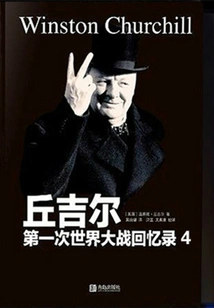
丘吉尔第一次世界大战回忆录4:世界危机·东线战争
H
"Memoirs of World War I 4: World Crisis·War on the Eastern Front" is dedicated to the war on the Eastern Front of World War I. It begins by talking about the historical origins of the quarrel between the two major groups before World War I; then details the assassination of the Austrian crown prince and how this incident became the trigger for the war; details the Austrian declaration of war on Serbia, and the subsequent process of the two major groups declaring war on each other and fighting the war on the Eastern Front. Russia's march into East Prussia reduced the pressure on the German army on the west front against France and Britain, and the Russian army initially achieved victory. However, the situation changed after the German army changed its command, and Hindenburg and Ludendorff took over the command of the eastern front. In addition, the Russian army was surrounded and annihilated by the German army due to leaked telecommunications, and was retreated steadily thereafter. Finally, the October Revolution broke out in Russia and it withdrew from the First World War.
"Memoirs of World War I 4: World Crisis·War on the Eastern Front" is dedicated to the war on the Eastern Front of World War I. It begins by talking about the historical origins of the quarrel between the two major groups before World War I; then details the assassination of the Austrian crown prince and how this incident became the trigger for the war; details the Austrian declaration of war on Serbia, and the subsequent process of the two major groups declaring war on each other and fighting the war on the Eastern Front. Russia's march into East Prussia reduced the pressure on the German army on the west front against France and Britain, and the Russian army initially achieved victory. However, the situation changed after the German army changed its command, and Hindenburg and Ludendorff took over the command of the eastern front. In addition, the Russian army was surrounded and annihilated by the German army due to leaked telecommunications, and was retreated steadily thereafter. Finally, the October Revolution broke out in Russia and it withdrew from the First World War.
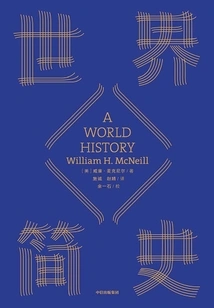
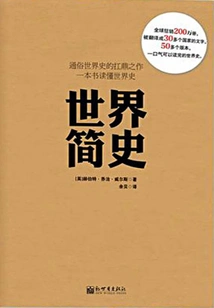
A Brief History of the World
History世界简史
I
McNeil's "A Brief History of the World" uses civilization as a unit to write about the interaction of global civilizations, turning the previously isolated and isolated world history into a dynamic and interactive world history, and drawing an interactive network diagram of human civilization. This is considered the beginning of the study of world history. The book is divided into four parts and thirty chapters, starting from the origin of human beings and ending at the beginning of the 21st century. It focuses on the four major civilizations of the Middle East, India, China, and Europe. It treats human history as a potential whole and uses the mutual influence between different civilizations as the main line to outline important events in overall and interactive world history. It provides a comprehensive overview of the integration, inheritance, rise and fall of various civilizations over thousands of years. "A Brief History of the World" has an outstanding theme and a clear context: one part is the emergence and establishment of major civilizations in the Old World, the second part is the balance between civilizations, the third part is the dominance of the West, and the fourth part is the beginning of global cosmopolitanism. He emphasized the integration of civilizations and constantly wrote about the impact and counter-impact, conquest and counter-conquest between civilizations, geography, transportation, technology, literature and art, etc. All the elements of human civilization are displayed one by one in his brilliant pen. Not only is the content all-inclusive, but the text is also fascinating. William McNeil has a profound insight into the development of human history and has painted a picture of the development of human history in a broad scope. Anyone who reads this book will gain a deeper insight and understanding of the long and complex historical process that shaped our world today.
McNeil's "A Brief History of the World" uses civilization as a unit to write about the interaction of global civilizations, turning the previously isolated and isolated world history into a dynamic and interactive world history, and drawing an interactive network diagram of human civilization. This is considered the beginning of the study of world history. The book is divided into four parts and thirty chapters, starting from the origin of human beings and ending at the beginning of the 21st century. It focuses on the four major civilizations of the Middle East, India, China, and Europe. It treats human history as a potential whole and uses the mutual influence between different civilizations as the main line to outline important events in overall and interactive world history. It provides a comprehensive overview of the integration, inheritance, rise and fall of various civilizations over thousands of years. "A Brief History of the World" has an outstanding theme and a clear context: one part is the emergence and establishment of major civilizations in the Old World, the second part is the balance between civilizations, the third part is the dominance of the West, and the fourth part is the beginning of global cosmopolitanism. He emphasized the integration of civilizations and constantly wrote about the impact and counter-impact, conquest and counter-conquest between civilizations, geography, transportation, technology, literature and art, etc. All the elements of human civilization are displayed one by one in his brilliant pen. Not only is the content all-inclusive, but the text is also fascinating. William McNeil has a profound insight into the development of human history and has painted a picture of the development of human history in a broad scope. Anyone who reads this book will gain a deeper insight and understanding of the long and complex historical process that shaped our world today.
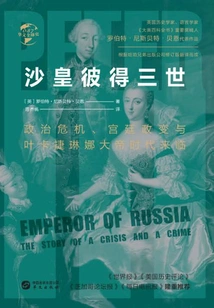
沙皇彼得三世:政治危机、宫廷政变与叶卡捷琳娜大帝时代来临(华文全球史)
M
This book tells the political situation in the Russian Empire and Europe from 1741 to 1762. Peter III came to Russia from the age of fourteen when he was designated as the heir by his aunt Tsar Elizabeth Petrovna to being overthrown by his wife Catherine the Great in 1762. What kind of legendary life did he experience in his short life of thirty-four years? What significant impact did his becoming Tsar have on the Seven Years' War? How did Tsar Peter III disrupt European politics? Why did his wife stage a coup to depose him? In his short reign of more than 180 days, what impact did the various bills passed have on the church, the people at the bottom and the nobility? Why did Peter III die? What indispensable preparations did the reign of Peter III make for the coming of the era of Catherine the Great? This book will answer it in detail.
This book tells the political situation in the Russian Empire and Europe from 1741 to 1762. Peter III came to Russia from the age of fourteen when he was designated as the heir by his aunt Tsar Elizabeth Petrovna to being overthrown by his wife Catherine the Great in 1762. What kind of legendary life did he experience in his short life of thirty-four years? What significant impact did his becoming Tsar have on the Seven Years' War? How did Tsar Peter III disrupt European politics? Why did his wife stage a coup to depose him? In his short reign of more than 180 days, what impact did the various bills passed have on the church, the people at the bottom and the nobility? Why did Peter III die? What indispensable preparations did the reign of Peter III make for the coming of the era of Catherine the Great? This book will answer it in detail.
剑桥中国晚清史(1800-1911年)(上卷)
X
E
E
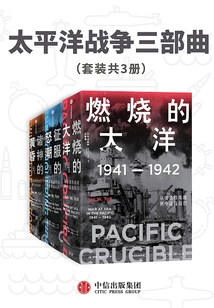
太平洋战争三部曲(套装共3册)
I
"The Burning Ocean: 1941-1942, from the Assault on Pearl Harbor to the Battle of Midway": In the early morning of December 7, 1941, the residents of Honolulu, who were used to military exercises, woke up to the noisy sound of artillery fire as usual. They did not realize that a magnificent symphony that staked the fate of the country had already been played... The arrogant Japan launched an undeclared war on the United States. "The Fury of Conquest: 1942-1944, from the Battle of Guadalcanal to the Battle of the Philippine Sea": In early June 1942, the Japanese army, eager to win, suffered heavy losses in the Battle of Midway. The desire for a quick victory was completely shattered. The Pacific War has since turned into a protracted war of attrition. After the Allied forces sounded the clarion call for counterattack, the beautiful Pacific islands, from the Solomon Islands, the Gilbert Islands to the Marshall Islands, all turned into blood-filled Shura fields. "Twilight of the Gods: 1944-1945, from the Battle of Leyte Gulf to Japan's Surrender": Continuing the characteristics of the first two volumes, it vividly restores the thrilling scenes at the end of the war, and leads readers into the decision-making places in Washington and Tokyo to appreciate the major strategic and diplomatic decisions made by the leaders of all parties. It not only brings a perfect conclusion to this landmark work, but also pushes military history writing to a new peak.
"The Burning Ocean: 1941-1942, from the Assault on Pearl Harbor to the Battle of Midway": In the early morning of December 7, 1941, the residents of Honolulu, who were used to military exercises, woke up to the noisy sound of artillery fire as usual. They did not realize that a magnificent symphony that staked the fate of the country had already been played... The arrogant Japan launched an undeclared war on the United States. "The Fury of Conquest: 1942-1944, from the Battle of Guadalcanal to the Battle of the Philippine Sea": In early June 1942, the Japanese army, eager to win, suffered heavy losses in the Battle of Midway. The desire for a quick victory was completely shattered. The Pacific War has since turned into a protracted war of attrition. After the Allied forces sounded the clarion call for counterattack, the beautiful Pacific islands, from the Solomon Islands, the Gilbert Islands to the Marshall Islands, all turned into blood-filled Shura fields. "Twilight of the Gods: 1944-1945, from the Battle of Leyte Gulf to Japan's Surrender": Continuing the characteristics of the first two volumes, it vividly restores the thrilling scenes at the end of the war, and leads readers into the decision-making places in Washington and Tokyo to appreciate the major strategic and diplomatic decisions made by the leaders of all parties. It not only brings a perfect conclusion to this landmark work, but also pushes military history writing to a new peak.
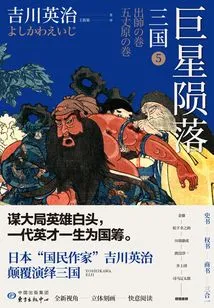
Three Kingdoms 5: Fall of a Star
General Fiction三国5:巨星陨落
H
"Three Kingdoms" is the pinnacle work of Eiji Yoshikawa, and it is also the ultimate work of the blend of Chinese culture and Japanese temperament. In Japan, there are countless historians, politicians, entrepreneurs, writers and artists influenced by "Three Kingdoms". They regard "Three Kingdoms" as a historical masterpiece, a comprehensive collection of political strategies, a business war manual and an inspirational book, and learn from it history and culture, ways of success, methods of doing things, leadership theories, etc. There are five volumes in the "Three Kingdoms" series, and this is the last one, including the Chu Shi Volume and the Wuzhang Yuan Volume among the ten volumes. Volume of Departure: After Liu Bei proclaimed himself emperor in Chengdu, he sent troops to attack Soochow, was defeated and returned to Baidi City. Later, he died of illness and was succeeded by Prince Liu Chan. Zhuge Liang wrote the "Execution of the Discipline", admonishing the young master to govern the country with all his heart, and expressed his determination to send troops to the Northern Expedition. The Volume of Wuzhangyuan: In order to complete the great cause of dominating the Central Plains and unifying the Han Dynasty, Zhuge Liang went out to Qishan to attack the Wei State six times, but all ended in failure. Later, he became seriously ill and failed to extend his life by praying for relief. He died of illness in Wuzhangyuan. At this point, a generation of talents has fallen like a superstar.
"Three Kingdoms" is the pinnacle work of Eiji Yoshikawa, and it is also the ultimate work of the blend of Chinese culture and Japanese temperament. In Japan, there are countless historians, politicians, entrepreneurs, writers and artists influenced by "Three Kingdoms". They regard "Three Kingdoms" as a historical masterpiece, a comprehensive collection of political strategies, a business war manual and an inspirational book, and learn from it history and culture, ways of success, methods of doing things, leadership theories, etc. There are five volumes in the "Three Kingdoms" series, and this is the last one, including the Chu Shi Volume and the Wuzhang Yuan Volume among the ten volumes. Volume of Departure: After Liu Bei proclaimed himself emperor in Chengdu, he sent troops to attack Soochow, was defeated and returned to Baidi City. Later, he died of illness and was succeeded by Prince Liu Chan. Zhuge Liang wrote the "Execution of the Discipline", admonishing the young master to govern the country with all his heart, and expressed his determination to send troops to the Northern Expedition. The Volume of Wuzhangyuan: In order to complete the great cause of dominating the Central Plains and unifying the Han Dynasty, Zhuge Liang went out to Qishan to attack the Wei State six times, but all ended in failure. Later, he became seriously ill and failed to extend his life by praying for relief. He died of illness in Wuzhangyuan. At this point, a generation of talents has fallen like a superstar.
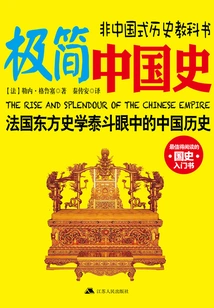
Minimalist Chinese History
History极简中国史
I
This book takes the historical development time of Chinese civilization as a clue and uses vivid and objective language as a carrier. It collects the major historical events and deeds of outstanding figures in the past dynasties starting from the Three Sovereigns and Five Emperors. It comprehensively introduces the major events, important figures, and outstanding achievements of science and technology and culture in the past dynasties. The content covers various fields such as politics, economy, military, culture, diplomacy, science and technology. With easy-to-understand words, this book allows readers to have a real and intuitive feeling about the development of the Chinese nation. It is very suitable for young people to read and study. In addition, this book strictly respects historical facts, fairly comments on historical figures and events, pays attention to the literary nature and interest of the story, and makes the historical figures come to life. When reading historical events, readers feel as if they were personally present and empathized with them. They can not only learn historical knowledge and education from it, but also be edified by literature.
This book takes the historical development time of Chinese civilization as a clue and uses vivid and objective language as a carrier. It collects the major historical events and deeds of outstanding figures in the past dynasties starting from the Three Sovereigns and Five Emperors. It comprehensively introduces the major events, important figures, and outstanding achievements of science and technology and culture in the past dynasties. The content covers various fields such as politics, economy, military, culture, diplomacy, science and technology. With easy-to-understand words, this book allows readers to have a real and intuitive feeling about the development of the Chinese nation. It is very suitable for young people to read and study. In addition, this book strictly respects historical facts, fairly comments on historical figures and events, pays attention to the literary nature and interest of the story, and makes the historical figures come to life. When reading historical events, readers feel as if they were personally present and empathized with them. They can not only learn historical knowledge and education from it, but also be edified by literature.
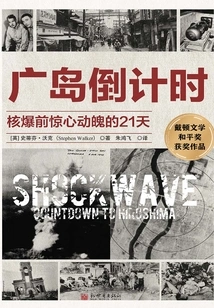
广岛倒计时:核爆前惊心动魄的21天
V
At 8:15 am on August 6, 1945 (Japan time), a bomb named "Little Boy" exploded over Hiroshima and was written into history. The first atomic bomb used in actual combat immediately killed 70,000 people, and cancer and other complications induced by nuclear radiation would claim more than 200,000 lives. Much has been written about the circumstances surrounding the explosion and its subsequent effects. In this unique book "Countdown to Hiroshima", author Stephen Walker uses calm and restrained writing to describe the thrilling 21 days before the explosion of the atomic bomb in Hiroshima and everything in the 18 hours after the explosion: from the U. S. Atomic bomb test at Los Alamos to the diplomatic game between the "Big Three"; from the scientists who proposed the concept of the atomic bomb opposed the use of this "Frankenstein's Monster" From the hardliners' insistence on dropping bombs without warning; from the bomber crew's "endurance and humiliation" to practice difficult flying maneuvers to a wild pilot who dropped a bomb on the Japanese Imperial Palace; from the wonderful night a pair of Hiroshima lovers spent before the explosion to the "glimpse of hell" described by witnesses after the explosion... Every time you turn a page, you can feel the time ticking away and a disaster getting closer and closer. In the end, together with the characters in the book, you will experience the long 30 minutes, 3 minutes, and 45 seconds before the nuclear explosion, and witness with the survivors the tragic scenes after the explosion: those corpses that were charred to the point of being inhuman form, the fire storm that swept everything, the "walking dead" whose bodies were so scorched that they could no longer tell whether they were male or female... The information in this book is extremely rich and detailed. The author's interviews with more than 40 bomber crew members who were still alive when the book was written, scientists involved in the development of the atomic bomb, and survivors of the Hiroshima nuclear bombing; memoirs and letters from the parties and their relatives; declassified documents from authoritative organizations such as the U. S. National Archives; academic writings by historians in related fields; and photos provided by many people who experienced it. In this book, Stephen Walker never exaggerates hatred, but calmly describes this event of far-reaching historical significance from multiple angles, showing the horror of war, especially nuclear weapons. Perhaps it is for this reason that this masterpiece won the prestigious Dayton Literary Peace Prize in 2006.
At 8:15 am on August 6, 1945 (Japan time), a bomb named "Little Boy" exploded over Hiroshima and was written into history. The first atomic bomb used in actual combat immediately killed 70,000 people, and cancer and other complications induced by nuclear radiation would claim more than 200,000 lives. Much has been written about the circumstances surrounding the explosion and its subsequent effects. In this unique book "Countdown to Hiroshima", author Stephen Walker uses calm and restrained writing to describe the thrilling 21 days before the explosion of the atomic bomb in Hiroshima and everything in the 18 hours after the explosion: from the U. S. Atomic bomb test at Los Alamos to the diplomatic game between the "Big Three"; from the scientists who proposed the concept of the atomic bomb opposed the use of this "Frankenstein's Monster" From the hardliners' insistence on dropping bombs without warning; from the bomber crew's "endurance and humiliation" to practice difficult flying maneuvers to a wild pilot who dropped a bomb on the Japanese Imperial Palace; from the wonderful night a pair of Hiroshima lovers spent before the explosion to the "glimpse of hell" described by witnesses after the explosion... Every time you turn a page, you can feel the time ticking away and a disaster getting closer and closer. In the end, together with the characters in the book, you will experience the long 30 minutes, 3 minutes, and 45 seconds before the nuclear explosion, and witness with the survivors the tragic scenes after the explosion: those corpses that were charred to the point of being inhuman form, the fire storm that swept everything, the "walking dead" whose bodies were so scorched that they could no longer tell whether they were male or female... The information in this book is extremely rich and detailed. The author's interviews with more than 40 bomber crew members who were still alive when the book was written, scientists involved in the development of the atomic bomb, and survivors of the Hiroshima nuclear bombing; memoirs and letters from the parties and their relatives; declassified documents from authoritative organizations such as the U. S. National Archives; academic writings by historians in related fields; and photos provided by many people who experienced it. In this book, Stephen Walker never exaggerates hatred, but calmly describes this event of far-reaching historical significance from multiple angles, showing the horror of war, especially nuclear weapons. Perhaps it is for this reason that this masterpiece won the prestigious Dayton Literary Peace Prize in 2006.
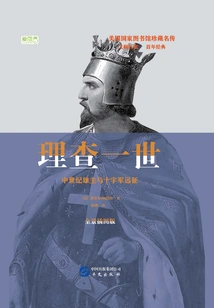
Richard I
History理查一世
H
This book tells the story of the magnificent fighting life of King Richard I of England. After becoming king, he spent almost all of his time fighting in the north and south. He participated in many wars, including the Crusades. In all the wars, he showed extraordinary commanding skills and established great military exploits. Finally, he died while attacking France. Fight for life and die well.
This book tells the story of the magnificent fighting life of King Richard I of England. After becoming king, he spent almost all of his time fighting in the north and south. He participated in many wars, including the Crusades. In all the wars, he showed extraordinary commanding skills and established great military exploits. Finally, he died while attacking France. Fight for life and die well.
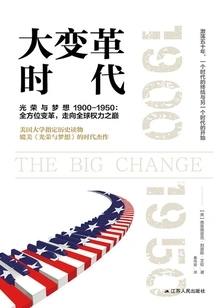
Era of Great Change
History大变革时代
N
"The Era of Great Change" is divided into three main parts. The first part depicts the intervention of the rich in national politics under the "old order". The federal government was largely subordinated to business interests, and the gap between the rich and the poor increased accordingly; the second part, "The Dynamics of Change", describes the various forces that have gradually changed the country's traditions since the 20th century: mass production, the Great Depression and the big government model, World War II and the rise of the United States as a world power. Against this background, the author shows how economic institutions can be reformed without being destroyed; in the conclusion, "The New America" is a promising assessment of postwar American culture, and Allen analyzes many common and critical issues.
"The Era of Great Change" is divided into three main parts. The first part depicts the intervention of the rich in national politics under the "old order". The federal government was largely subordinated to business interests, and the gap between the rich and the poor increased accordingly; the second part, "The Dynamics of Change", describes the various forces that have gradually changed the country's traditions since the 20th century: mass production, the Great Depression and the big government model, World War II and the rise of the United States as a world power. Against this background, the author shows how economic institutions can be reformed without being destroyed; in the conclusion, "The New America" is a promising assessment of postwar American culture, and Allen analyzes many common and critical issues.
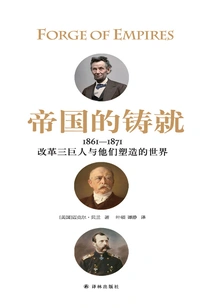
M
Historym
N
The reforms carried out by Lincoln, Bismarck and Alexander II in their respective countries from 1861 to 1871 constitute one of the most remarkable chapters in the annals of human freedom and witnessed the emergence of a new philosophy of terror and power. Michael Belland astutely extracts this important slice of time from history. He used his solid historical knowledge to understand the internal connections between the three reforms, and used his skillful writing style to show the arduous reform process of the three leaders despite internal and external troubles. The revolutions in the United States, Germany, and Russia were all carried out in the name of freedom, but in completely different ways: Lincoln wanted to give the United States a "new life of freedom," Bismarck promoted power with "iron and blood," and Alexander II implemented changes "from top to bottom."
The reforms carried out by Lincoln, Bismarck and Alexander II in their respective countries from 1861 to 1871 constitute one of the most remarkable chapters in the annals of human freedom and witnessed the emergence of a new philosophy of terror and power. Michael Belland astutely extracts this important slice of time from history. He used his solid historical knowledge to understand the internal connections between the three reforms, and used his skillful writing style to show the arduous reform process of the three leaders despite internal and external troubles. The revolutions in the United States, Germany, and Russia were all carried out in the name of freedom, but in completely different ways: Lincoln wanted to give the United States a "new life of freedom," Bismarck promoted power with "iron and blood," and Alexander II implemented changes "from top to bottom."
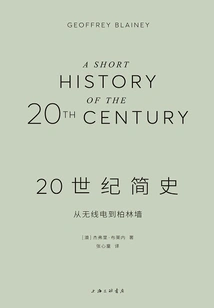
20世纪简史:从无线电到柏林墙
N
"Everyone's Little Book" by an Australian national treasure historian is a century-old journey around the world that is both familiar and unfamiliar. A major theme running through this book is war and peace: two large-scale wars and a fragile peace. But beyond the war, this book traces extraordinary discoveries in medicine, the impact of cars, airplanes, and radio, the advancement of women, the Green Movement, the emancipation of Third World countries, the craze for sports, the changing future of Christendom and Islam, and little-noticed vignettes, vivid scenes of everyday life. The world in the 20th century has become smaller and smaller. In addition to world wars, economic crises, and ideological confrontations, changes in human lifestyles have constituted a colorful historical picture.
"Everyone's Little Book" by an Australian national treasure historian is a century-old journey around the world that is both familiar and unfamiliar. A major theme running through this book is war and peace: two large-scale wars and a fragile peace. But beyond the war, this book traces extraordinary discoveries in medicine, the impact of cars, airplanes, and radio, the advancement of women, the Green Movement, the emancipation of Third World countries, the craze for sports, the changing future of Christendom and Islam, and little-noticed vignettes, vivid scenes of everyday life. The world in the 20th century has become smaller and smaller. In addition to world wars, economic crises, and ideological confrontations, changes in human lifestyles have constituted a colorful historical picture.
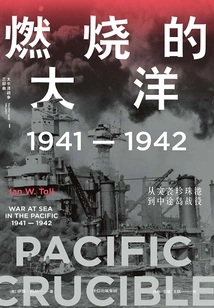
燃烧的大洋:1941—1942,从突袭珍珠港到中途岛战役
I
In the early morning of December 7, 1941, Honolulu residents who were accustomed to military exercises woke up to the noisy sound of artillery fire as usual. They did not realize that a magnificent symphony that staked the fate of the country had already been played... The arrogant Japan declared an undeclared war on the United States. The two giant ships of Pearl Harbor soared into flames, and the unsinkable legend disappeared into the towering black smoke. The Japanese army then became overwhelming. The overwhelming sun flag became the messenger of death on the vast ocean, and the Japanese soldiers were regarded as monsters by their opponents, leaving behind the myth of invincibility. However, the Japanese army's "Victory Disease" gave the US military an opportunity. The Japanese fleet tried to lure the main force of the U. S. Military into a trap and annihilate it in one fell swoop, completely unaware that the movement had been grasped by the U. S. Military. In the end, all the participating aircraft carriers were buried at the bottom of the sea at Midway Island, and the strategic initiative was handed over to others. From Pearl Harbor to Midway, unprecedented fierce naval battles shook the foundations of the participating nations. The battle situation in these six months not only determined the direction of the Pacific War, but also affected the entire situation of World War II. If the balance of history moves even a little bit, the world we know will be completely different. "The Burning Ocean" writes about the gripping initial stage of the Pacific War. From it, we can not only appreciate the strategizing behind Roosevelt and Churchill's chatting and laughing, Yamamoto Isoroku's arrogant gamble, but also the despair of the pilots who narrowly escaped death when faced with the relics of their fallen comrades, and the despair of the fleet commander when he received unfavorable information just after issuing an order. When we rise and fall with the characters in the book, history is no longer out of reach.
In the early morning of December 7, 1941, Honolulu residents who were accustomed to military exercises woke up to the noisy sound of artillery fire as usual. They did not realize that a magnificent symphony that staked the fate of the country had already been played... The arrogant Japan declared an undeclared war on the United States. The two giant ships of Pearl Harbor soared into flames, and the unsinkable legend disappeared into the towering black smoke. The Japanese army then became overwhelming. The overwhelming sun flag became the messenger of death on the vast ocean, and the Japanese soldiers were regarded as monsters by their opponents, leaving behind the myth of invincibility. However, the Japanese army's "Victory Disease" gave the US military an opportunity. The Japanese fleet tried to lure the main force of the U. S. Military into a trap and annihilate it in one fell swoop, completely unaware that the movement had been grasped by the U. S. Military. In the end, all the participating aircraft carriers were buried at the bottom of the sea at Midway Island, and the strategic initiative was handed over to others. From Pearl Harbor to Midway, unprecedented fierce naval battles shook the foundations of the participating nations. The battle situation in these six months not only determined the direction of the Pacific War, but also affected the entire situation of World War II. If the balance of history moves even a little bit, the world we know will be completely different. "The Burning Ocean" writes about the gripping initial stage of the Pacific War. From it, we can not only appreciate the strategizing behind Roosevelt and Churchill's chatting and laughing, Yamamoto Isoroku's arrogant gamble, but also the despair of the pilots who narrowly escaped death when faced with the relics of their fallen comrades, and the despair of the fleet commander when he received unfavorable information just after issuing an order. When we rise and fall with the characters in the book, history is no longer out of reach.
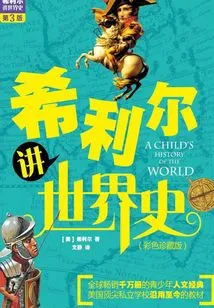
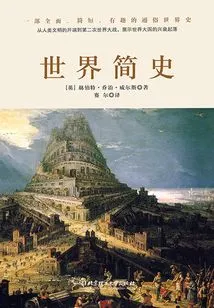
希利尔讲世界史(彩色珍藏版)
I
This book is a reprint of "Hillier's History of the World (Revised Edition)". This book is a children's book. Mr. Hillier, the famous American education expert, has devoted his life to explaining the wonderful and colorful world history to young readers in simple and easy-to-understand terms, using children's easy-to-understand writing style, humorous expressions, and accurate and reliable facts.
This book is a reprint of "Hillier's History of the World (Revised Edition)". This book is a children's book. Mr. Hillier, the famous American education expert, has devoted his life to explaining the wonderful and colorful world history to young readers in simple and easy-to-understand terms, using children's easy-to-understand writing style, humorous expressions, and accurate and reliable facts.
U
Historyu
I
A Brief History of the World is a classic work by Herbert George Wells. The book includes a total of 67 chapters, using a brisk and concise style to present the historical knowledge of living things since the origin of life and the current stage of human beings to readers in an orderly manner. From the beginning of human civilization, the origin of life, the evolution of species, to the end of World War I and the reconstruction of world politics and economy. It includes the history of the rise and fall of great powers in the entire process of human civilization, including representative ones such as ancient Egypt, ancient Greece, the Renaissance, the Reformation, the British Industrial Revolution, the American War of Independence, and the French Revolution, as well as a unique exposition of Eastern culture. After reading the whole book, readers will have a general understanding of the overall picture of world history, which will help them gain an in-depth understanding and research of the entire world history or the history of a specific period or country. This book tells historical knowledge in the form of popular science to avoid being boring. It is easy to become interested and understand the content for any reader who likes history and wants to understand it.
A Brief History of the World is a classic work by Herbert George Wells. The book includes a total of 67 chapters, using a brisk and concise style to present the historical knowledge of living things since the origin of life and the current stage of human beings to readers in an orderly manner. From the beginning of human civilization, the origin of life, the evolution of species, to the end of World War I and the reconstruction of world politics and economy. It includes the history of the rise and fall of great powers in the entire process of human civilization, including representative ones such as ancient Egypt, ancient Greece, the Renaissance, the Reformation, the British Industrial Revolution, the American War of Independence, and the French Revolution, as well as a unique exposition of Eastern culture. After reading the whole book, readers will have a general understanding of the overall picture of world history, which will help them gain an in-depth understanding and research of the entire world history or the history of a specific period or country. This book tells historical knowledge in the form of popular science to avoid being boring. It is easy to become interested and understand the content for any reader who likes history and wants to understand it.
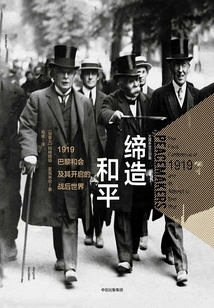
缔造和平:1919巴黎和会及其开启的战后世界
W
"Making Peace: The 1919 Paris Peace Conference and the Post-War World It Opened (Great Power Diplomacy Trilogy)" returns to the diplomatic scene of the 20th century and witnesses the struggle of great powers that gave birth to a new order in the century of war. Oxford University professor and Johnson Prize winner vividly relives the Paris Peace Conference and looks at the sketches of today's world drawn by heads of state a century ago. An earth-shaking war, an unprecedented peace effort, a war that ended war, a peace that ended peace. International relations historian Margaret Macmillan uses a novelistic style and relies on massive documents to present the true history of the Paris Peace Conference. Macmillan uses rich details and poignant writing to show us a group portrait of the peacemakers, vividly expressing their personalities, ideals and prejudices, and is not merciless to her great-grandfather Lloyd George. She told us that the Paris Peace Conference was not only the Treaty of Versailles and the League of Nations that were criticized by the world, but the outbreak of World War II in 1939 should not be attributed to them either. However, the participants are not exempt from the blame for their poor decision-making. They originally wanted to create peace, but instead planted the seeds for larger-scale wars and more conflicts.
"Making Peace: The 1919 Paris Peace Conference and the Post-War World It Opened (Great Power Diplomacy Trilogy)" returns to the diplomatic scene of the 20th century and witnesses the struggle of great powers that gave birth to a new order in the century of war. Oxford University professor and Johnson Prize winner vividly relives the Paris Peace Conference and looks at the sketches of today's world drawn by heads of state a century ago. An earth-shaking war, an unprecedented peace effort, a war that ended war, a peace that ended peace. International relations historian Margaret Macmillan uses a novelistic style and relies on massive documents to present the true history of the Paris Peace Conference. Macmillan uses rich details and poignant writing to show us a group portrait of the peacemakers, vividly expressing their personalities, ideals and prejudices, and is not merciless to her great-grandfather Lloyd George. She told us that the Paris Peace Conference was not only the Treaty of Versailles and the League of Nations that were criticized by the world, but the outbreak of World War II in 1939 should not be attributed to them either. However, the participants are not exempt from the blame for their poor decision-making. They originally wanted to create peace, but instead planted the seeds for larger-scale wars and more conflicts.
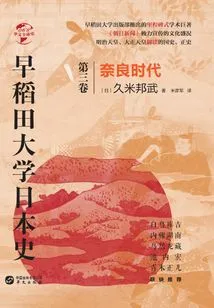
早稻田大学日本史(卷三):奈良时代
X
"History of Japan at Waseda University (Volume 3): The Nara Period" is based on the first-hand materials collected by Shosoin, Chinese historical books and the latest research results of the Meiji period, etc., Starting from the aristocratic monks before Nara moved the capital, the economic situation of the court nobles, the construction of Hei Castle, the beginning of the Nara period The history of the Nara period (710 AD to 794 AD) is narrated from the perspective of the politics of Nara, the prosperous age of Nara, the relocation of the capital and the founding of Kokubunji Temple, the casting of the Great Buddha of Todaiji Temple, Emperor Shomu becoming a monk, Emi Otsuki's power and execution, Dao Jing's power, Emperor Konin's rectification of government, etc.
"History of Japan at Waseda University (Volume 3): The Nara Period" is based on the first-hand materials collected by Shosoin, Chinese historical books and the latest research results of the Meiji period, etc., Starting from the aristocratic monks before Nara moved the capital, the economic situation of the court nobles, the construction of Hei Castle, the beginning of the Nara period The history of the Nara period (710 AD to 794 AD) is narrated from the perspective of the politics of Nara, the prosperous age of Nara, the relocation of the capital and the founding of Kokubunji Temple, the casting of the Great Buddha of Todaiji Temple, Emperor Shomu becoming a monk, Emi Otsuki's power and execution, Dao Jing's power, Emperor Konin's rectification of government, etc.
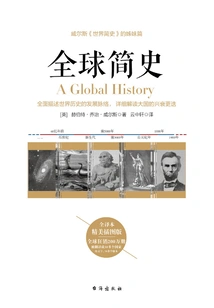
A Brief History of the World
History全球简史
H
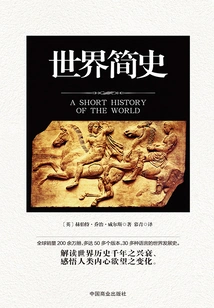
Wells' "A Brief History of the World" (also translated as "Outline of World History") has eight parts and thirty-eight chapters, starting from the earth in the universe and ending with the First World War, recreating the rise and fall of ancient Egypt, ancient Greece, ancient Rome, the United Kingdom, the United States, France and other superpowers. The author peels off the long and complicated historical materials and presents them one by one, in a simple and easy-to-understand narrative manner, making it a hearty read. It can be called a world history like "Historical Records". Once this book was published in 1920, it immediately caused a sensation and was reprinted many times.
Wells' "A Brief History of the World" (also translated as "Outline of World History") has eight parts and thirty-eight chapters, starting from the earth in the universe and ending with the First World War, recreating the rise and fall of ancient Egypt, ancient Greece, ancient Rome, the United Kingdom, the United States, France and other superpowers. The author peels off the long and complicated historical materials and presents them one by one, in a simple and easy-to-understand narrative manner, making it a hearty read. It can be called a world history like "Historical Records". Once this book was published in 1920, it immediately caused a sensation and was reprinted many times.
U
Historyu
I
The time node of "A Brief History of the World" is from the earth in the universe to the "Versailles Peace Treaty" after the First World War. It is a unique world history. From the origin of human civilization to the end of the First World War, it re-presents the various tastes of human civilization in front of people. In this book, the author gives unique descriptions of ancient Egypt, ancient Greece and Rome, the European Renaissance, the Reformation, the American War of Independence, etc., And also touches on Eastern cultures such as Confucianism and Taoism. The author does not use boring piles of literary historical materials to make statements, but uses a stripped-down method to simplify the complicated literary historical materials and present this period of history clearly in front of people. It can be called a representative work of world history.
The time node of "A Brief History of the World" is from the earth in the universe to the "Versailles Peace Treaty" after the First World War. It is a unique world history. From the origin of human civilization to the end of the First World War, it re-presents the various tastes of human civilization in front of people. In this book, the author gives unique descriptions of ancient Egypt, ancient Greece and Rome, the European Renaissance, the Reformation, the American War of Independence, etc., And also touches on Eastern cultures such as Confucianism and Taoism. The author does not use boring piles of literary historical materials to make statements, but uses a stripped-down method to simplify the complicated literary historical materials and present this period of history clearly in front of people. It can be called a representative work of world history.
财富之城:威尼斯海洋霸权
K
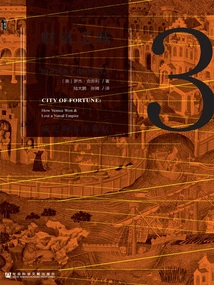
For hundreds of years, Venice created a maritime commercial empire in the eastern Mediterranean, while the Turks gradually encroached on the territory of this maritime giant through their powerful land and sea power. "City of Fortune" presents a brief history of the Republic of Venice, focusing on its diplomacy and wars in the Mediterranean world. Especially its unique role in the "Fourth Crusade" and as a shield of Christendom against the Ottoman Empire. Drawing on first-hand accounts of crusaders, captains and merchants, as well as extensive national archives, this work is a saga of commerce and empire, navigation and piracy.
For hundreds of years, Venice created a maritime commercial empire in the eastern Mediterranean, while the Turks gradually encroached on the territory of this maritime giant through their powerful land and sea power. "City of Fortune" presents a brief history of the Republic of Venice, focusing on its diplomacy and wars in the Mediterranean world. Especially its unique role in the "Fourth Crusade" and as a shield of Christendom against the Ottoman Empire. Drawing on first-hand accounts of crusaders, captains and merchants, as well as extensive national archives, this work is a saga of commerce and empire, navigation and piracy.
凡尔登战役:荣耀的代价,1916
U
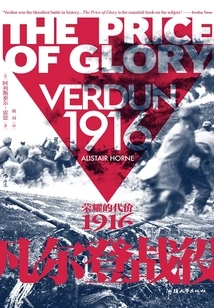
On February 21, 1916, gunfire sounded on the right bank of the Meuse River, and the Battle of Verdun, known as the "meat grinder" in World War I, began. The battle lasted for October and resulted in the highest number of casualties per square foot of the war at over 700,000. The soldiers once thought that the battle would never end until the last German and the last French killed each other. This book gives a panoramic description of this terrible battle, covering all aspects of the situation before and after the war, strategy and tactics, transportation, air and land battles, suffering and glory, generals and soldiers, etc. In the author's writing, De Leon fought to death in the forest, Kunze's legendary break-in to Fort Douaumont, Joubert watched fighter planes fly in the hell of Mount Muerte, and Renard released the last heroic carrier pigeon in Warburg... These legendary scenes appear on the page one by one, and the vivid characters shake people's hearts with their fate and character. The book also criticizes the arrogance and folly of both warring parties, and provides a profound reflection on the tragic war and the fate of mankind. The Battle of Verdun is the key to understanding the Great War, a concentrated release of all its violent energy. It broke the backbone of a generation of French people and became the origin of the German Blitzkrieg in World War II. Its influence has not completely dissipated to this day.
On February 21, 1916, gunfire sounded on the right bank of the Meuse River, and the Battle of Verdun, known as the "meat grinder" in World War I, began. The battle lasted for October and resulted in the highest number of casualties per square foot of the war at over 700,000. The soldiers once thought that the battle would never end until the last German and the last French killed each other. This book gives a panoramic description of this terrible battle, covering all aspects of the situation before and after the war, strategy and tactics, transportation, air and land battles, suffering and glory, generals and soldiers, etc. In the author's writing, De Leon fought to death in the forest, Kunze's legendary break-in to Fort Douaumont, Joubert watched fighter planes fly in the hell of Mount Muerte, and Renard released the last heroic carrier pigeon in Warburg... These legendary scenes appear on the page one by one, and the vivid characters shake people's hearts with their fate and character. The book also criticizes the arrogance and folly of both warring parties, and provides a profound reflection on the tragic war and the fate of mankind. The Battle of Verdun is the key to understanding the Great War, a concentrated release of all its violent energy. It broke the backbone of a generation of French people and became the origin of the German Blitzkrieg in World War II. Its influence has not completely dissipated to this day.
Q
Historyq
I
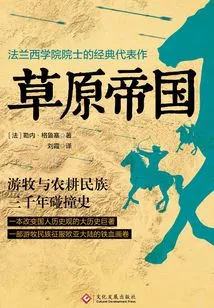
"Steppe Empire" is a classic work written by Rene Grusset. It is a typical general history of Central Asia. This book is widely recognized by the world's historical circles for its detailed and systematic description of the three thousand years of history of the nomadic peoples of Eurasia. The publication of Rene Grusset's "Steppe Empire" marks the formal acceptance of the history of Eurasia by the outside world. Its greatest feature is that it examines the history of the Mongol Empire from a new perspective. "Grassland Empire" covers a long time, starting from the Huns in the barbaric period and ending in the early Qing Dynasty. Rene Grusset carefully compiled a clear line of thought from the development routes of various ethnic groups active on the Eurasian steppes, which once covered Eastern Europe, West Asia, Central Asia, North Asia, Russian steppes and other plateaus and mountains, allowing readers to fully understand the essence of steppe regimes.
"Steppe Empire" is a classic work written by Rene Grusset. It is a typical general history of Central Asia. This book is widely recognized by the world's historical circles for its detailed and systematic description of the three thousand years of history of the nomadic peoples of Eurasia. The publication of Rene Grusset's "Steppe Empire" marks the formal acceptance of the history of Eurasia by the outside world. Its greatest feature is that it examines the history of the Mongol Empire from a new perspective. "Grassland Empire" covers a long time, starting from the Huns in the barbaric period and ending in the early Qing Dynasty. Rene Grusset carefully compiled a clear line of thought from the development routes of various ethnic groups active on the Eurasian steppes, which once covered Eastern Europe, West Asia, Central Asia, North Asia, Russian steppes and other plateaus and mountains, allowing readers to fully understand the essence of steppe regimes.
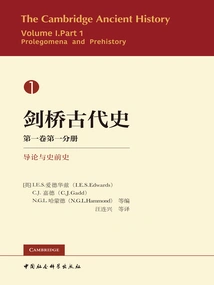
剑桥古代史(第一卷·第一分册):导论与史前史
R
"Cambridge Ancient History" was first published in the early 20th century. Since the 1970s, well-known scholars and experts from the English-speaking world, France, Germany and other countries have been rewriting it for 30 years, expanding from the original 12 volumes to 14 volumes and 19 volumes. The new edition of "Cambridge Ancient History" pushes the lower limit of ancient history from the 3rd century AD in the first edition to around the 7th century AD, and adds a lot of content about ancient Egypt, West Asian civilization, and early Greek history, as well as social and economic history, and cultural history. It has made major breakthroughs in a series of fundamental issues such as the origin of ancient civilization, the general characteristics of ancient economy, the relationship between classical civilization and Eastern civilization, and the transformation of the ancient world. This book is the first part of the first volume, including an introduction and prehistory. This book starts from the formation of the earth, and describes the origin of life, the emergence and evolution of human beings, and the development of humans in the Paleolithic Age, the Neolithic Age, and the Chalcolithic Age. The authors are experts and scholars in geology, anthropology, archaeology, linguistics, history, chronology and other disciplines. They vividly introduce the history of early human development from multiple perspectives. This volume of "Introduction and Prehistory" is one of the components of the complete "Cambridge Ancient History", so the content arrangement can only follow the pattern of the whole book, which is limited to the Mediterranean and surrounding areas, and does not involve East Asia, South Asia, sub-Saharan Africa, and South and North America. This may be a shortcoming for readers who want to understand the prehistory of the entire world.
"Cambridge Ancient History" was first published in the early 20th century. Since the 1970s, well-known scholars and experts from the English-speaking world, France, Germany and other countries have been rewriting it for 30 years, expanding from the original 12 volumes to 14 volumes and 19 volumes. The new edition of "Cambridge Ancient History" pushes the lower limit of ancient history from the 3rd century AD in the first edition to around the 7th century AD, and adds a lot of content about ancient Egypt, West Asian civilization, and early Greek history, as well as social and economic history, and cultural history. It has made major breakthroughs in a series of fundamental issues such as the origin of ancient civilization, the general characteristics of ancient economy, the relationship between classical civilization and Eastern civilization, and the transformation of the ancient world. This book is the first part of the first volume, including an introduction and prehistory. This book starts from the formation of the earth, and describes the origin of life, the emergence and evolution of human beings, and the development of humans in the Paleolithic Age, the Neolithic Age, and the Chalcolithic Age. The authors are experts and scholars in geology, anthropology, archaeology, linguistics, history, chronology and other disciplines. They vividly introduce the history of early human development from multiple perspectives. This volume of "Introduction and Prehistory" is one of the components of the complete "Cambridge Ancient History", so the content arrangement can only follow the pattern of the whole book, which is limited to the Mediterranean and surrounding areas, and does not involve East Asia, South Asia, sub-Saharan Africa, and South and North America. This may be a shortcoming for readers who want to understand the prehistory of the entire world.
英语民族史·不列颠的诞生
J
The British Empire reigned supreme in the 19th century, with its territories and colonies spread all over the world. It was known as the Empire on which the sun never sets. The newly born United States dominated the 20th century, and its politics, economy, culture, and military influenced the historical process of the 20th century in all aspects. Since the Industrial Revolution, the two English-speaking countries have dominated the world for more than 200 years. This is by no means an accident. Winston Churchill revealed the secrets to us profoundly and vividly with his broad strokes. This is his historical masterpiece "History of the English People", coupled with his monumental memoirs "Memoirs of the First World War" and "Memoirs of the Second World War", which almost completely describe the historical trajectory of the English-speaking people from the wilderness to the world's super power. A great empire composed of English-speaking people on the earth - including Western powers such as Britain, the United States, Canada and Australia - gradually formed after a long and tortuous process; their existence has profoundly changed the world's civilized landscape and powerfully influenced the world's civilization. The destiny of mankind and the direction of history... In this great work that took 30 years to create, Churchill, the winner of the Nobel Prize for Literature and a famous figure in British history, paints a panoramic "picture of empire" for readers with profound insights and epic strokes.
The British Empire reigned supreme in the 19th century, with its territories and colonies spread all over the world. It was known as the Empire on which the sun never sets. The newly born United States dominated the 20th century, and its politics, economy, culture, and military influenced the historical process of the 20th century in all aspects. Since the Industrial Revolution, the two English-speaking countries have dominated the world for more than 200 years. This is by no means an accident. Winston Churchill revealed the secrets to us profoundly and vividly with his broad strokes. This is his historical masterpiece "History of the English People", coupled with his monumental memoirs "Memoirs of the First World War" and "Memoirs of the Second World War", which almost completely describe the historical trajectory of the English-speaking people from the wilderness to the world's super power. A great empire composed of English-speaking people on the earth - including Western powers such as Britain, the United States, Canada and Australia - gradually formed after a long and tortuous process; their existence has profoundly changed the world's civilized landscape and powerfully influenced the world's civilization. The destiny of mankind and the direction of history... In this great work that took 30 years to create, Churchill, the winner of the Nobel Prize for Literature and a famous figure in British history, paints a panoramic "picture of empire" for readers with profound insights and epic strokes.
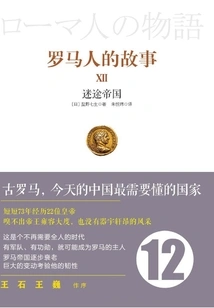
罗马人的故事12:迷途帝国
H
It is a must-read for business elites and politicians in Japan and South Korea, and a must-read for education! Wang Shi and Wang Wei wrote the preface, and Wu Xiaobo, Qin Shuo, and Wu Bofan jointly recommended it. This volume introduces the Roman emperors of the third century: there is no sense of grace or magnanimity, nor is there any majestic elegance. The Germanic people were powerful and no longer the barbarians who occasionally went south to plunder. Mesopotamia and Persia in the east were even more eyeing, constantly spying on and probing, and even openly challenging. The emperors of the third century could not miss the comfortable and prosperous Roman palace. Their responsibilities lay at the borders, in front of distant foreign nations. They were exhausted in solving domestic social problems and foreign invasions abroad. Facing the aging Roman Empire, can Christianity be a shot in the arm? Or hasten the collapse of Rome? Huge changes test Roma's resilience.
It is a must-read for business elites and politicians in Japan and South Korea, and a must-read for education! Wang Shi and Wang Wei wrote the preface, and Wu Xiaobo, Qin Shuo, and Wu Bofan jointly recommended it. This volume introduces the Roman emperors of the third century: there is no sense of grace or magnanimity, nor is there any majestic elegance. The Germanic people were powerful and no longer the barbarians who occasionally went south to plunder. Mesopotamia and Persia in the east were even more eyeing, constantly spying on and probing, and even openly challenging. The emperors of the third century could not miss the comfortable and prosperous Roman palace. Their responsibilities lay at the borders, in front of distant foreign nations. They were exhausted in solving domestic social problems and foreign invasions abroad. Facing the aging Roman Empire, can Christianity be a shot in the arm? Or hasten the collapse of Rome? Huge changes test Roma's resilience.
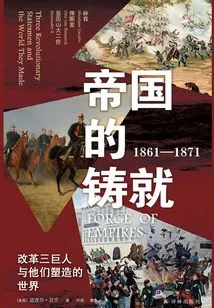
U
Historyu
V
During the critical decade of reforms by Lincoln, Bismarck, and Alexander II, the United States, Germany, and Russia established the world power structure. 1861-1871, Particularly dazzling in the historical galaxy. Lincoln, Bismarck, and Alexander II promoted reforms in their respective countries, forging free nations and witnessing the rise of a new philosophy of power. The revolutions in the United States, Germany and Russia were all carried out in the name of freedom, but in very different ways: Lincoln wanted to give the United States a "new life of freedom", abolished the black slave system, and opened the way for the United States to become the world's leading power; Bismarck used "iron blood" to promote power and unify the German states, clearing obstacles for the rise of a unified Germany; Alexander II's "top-down" reforms broke the shackles of serfdom and put Russia on the road to a modern power. The reform masters shaped the United States, Germany, and Russia in their own styles, leading the three countries to embark on three different paths of freedom, autocracy, and revolution, and established the pattern of today's world. Beland clarifies the internal logic of complex historical events, organically connects the American Civil War, the abolition of slavery in Russia, and the establishment of the German Empire according to time slices, revealing the inevitable reasons why Lincoln, Bismarck, and Alexander II were selected by history to become reform giants, as well as the occurrence patterns of major events.
During the critical decade of reforms by Lincoln, Bismarck, and Alexander II, the United States, Germany, and Russia established the world power structure. 1861-1871, Particularly dazzling in the historical galaxy. Lincoln, Bismarck, and Alexander II promoted reforms in their respective countries, forging free nations and witnessing the rise of a new philosophy of power. The revolutions in the United States, Germany and Russia were all carried out in the name of freedom, but in very different ways: Lincoln wanted to give the United States a "new life of freedom", abolished the black slave system, and opened the way for the United States to become the world's leading power; Bismarck used "iron blood" to promote power and unify the German states, clearing obstacles for the rise of a unified Germany; Alexander II's "top-down" reforms broke the shackles of serfdom and put Russia on the road to a modern power. The reform masters shaped the United States, Germany, and Russia in their own styles, leading the three countries to embark on three different paths of freedom, autocracy, and revolution, and established the pattern of today's world. Beland clarifies the internal logic of complex historical events, organically connects the American Civil War, the abolition of slavery in Russia, and the establishment of the German Empire according to time slices, revealing the inevitable reasons why Lincoln, Bismarck, and Alexander II were selected by history to become reform giants, as well as the occurrence patterns of major events.
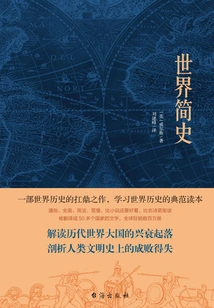
N
Historyn
J
"A Brief History of the World" (also known as "Wells' Brief History of the World") is a unique world history written by the famous British writer H. G. Wells. The content traces back to the beginning of human civilization and down to the Second World War. There are unique narratives on ancient Egypt, ancient Greece and Rome, the European Renaissance, the Reformation, the British Industrial Revolution, the American War of Independence, the French Revolution, etc. Eastern culture, including Confucianism and Taoism, are all involved.
"A Brief History of the World" (also known as "Wells' Brief History of the World") is a unique world history written by the famous British writer H. G. Wells. The content traces back to the beginning of human civilization and down to the Second World War. There are unique narratives on ancient Egypt, ancient Greece and Rome, the European Renaissance, the Reformation, the British Industrial Revolution, the American War of Independence, the French Revolution, etc. Eastern culture, including Confucianism and Taoism, are all involved.
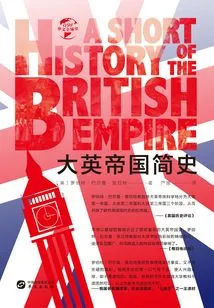
大英帝国简史(华文全球史)
J
"A Brief History of the British Empire" vividly and rigorously tells the history of the establishment, development, strength, and decline of the British Empire from the reign of Elizabeth I to the end of the Ottawa Conference in 1932. This book is divided into three parts, corresponding to the three stages of the British Empire - the British Empire, the Second British Empire and the Third British Empire. The first part mainly tells the history of the British Empire's colonization of the Americas. The second part tells the history of the Second British Empire's colonization of Australia, New Zealand, Canada, South Africa and India. The third part tells the history of the Third British Empire's heavy losses in World War I and the rebirth of the colonies and autonomous dominions after the war.
"A Brief History of the British Empire" vividly and rigorously tells the history of the establishment, development, strength, and decline of the British Empire from the reign of Elizabeth I to the end of the Ottawa Conference in 1932. This book is divided into three parts, corresponding to the three stages of the British Empire - the British Empire, the Second British Empire and the Third British Empire. The first part mainly tells the history of the British Empire's colonization of the Americas. The second part tells the history of the Second British Empire's colonization of Australia, New Zealand, Canada, South Africa and India. The third part tells the history of the Third British Empire's heavy losses in World War I and the rebirth of the colonies and autonomous dominions after the war.
应仁之乱:日本战国时代的开端
I
At the end of the Muromachi shogunate in Japan, the daimyo mobilized hundreds of thousands of troops and used Kyoto as the battlefield. The Eastern Army and the Western Army fought against each other for eleven years, which was known in history as the "Onin Rebellion." After the war, the power of the nobility and temples declined, the Muromachi shogunate declined, social order almost collapsed, the trend of "lower control of superiors" became increasingly popular, local forces rose, and Japan entered the Warring States Period. As a turning point of the times, the Onin Rebellion was evaluated as "the biggest event in Japanese history" by the famous historian Naito Konan. Based on the diaries of two eminent monks of Kofukuji Temple, and combining a variety of historical materials with the latest academic research results, the emerging historian Yuichi Goza analyzed the issue in detail, starting from the issue of shogun succession, the internal strife of the house leader Hatakeyama clan, and the political struggle between Hosokawa Katsumoto and the Yamana clan. The Cause of the Jin Rebellion uses popular language to vividly and detailedly restore the course of the war and the connections between the participants. It summarizes the consequences of the war and its impact on society and culture, which helps readers fully understand the great chaos that gave birth to the Warring States Period in Japan.
At the end of the Muromachi shogunate in Japan, the daimyo mobilized hundreds of thousands of troops and used Kyoto as the battlefield. The Eastern Army and the Western Army fought against each other for eleven years, which was known in history as the "Onin Rebellion." After the war, the power of the nobility and temples declined, the Muromachi shogunate declined, social order almost collapsed, the trend of "lower control of superiors" became increasingly popular, local forces rose, and Japan entered the Warring States Period. As a turning point of the times, the Onin Rebellion was evaluated as "the biggest event in Japanese history" by the famous historian Naito Konan. Based on the diaries of two eminent monks of Kofukuji Temple, and combining a variety of historical materials with the latest academic research results, the emerging historian Yuichi Goza analyzed the issue in detail, starting from the issue of shogun succession, the internal strife of the house leader Hatakeyama clan, and the political struggle between Hosokawa Katsumoto and the Yamana clan. The Cause of the Jin Rebellion uses popular language to vividly and detailedly restore the course of the war and the connections between the participants. It summarizes the consequences of the war and its impact on society and culture, which helps readers fully understand the great chaos that gave birth to the Warring States Period in Japan.
三十年战争史:欧洲的悲剧
N
The Thirty Years' War (1618-1648) was one of the most destructive wars in European history, ravaging all of Central Europe, killing millions, razing towns and villages to the ground, and causing great trauma. In proportion, the human losses caused by the Thirty Years' War even exceeded those of the subsequent World War II. At the same time, the Thirty Years' War had a profound impact on subsequent German history. Peter Wilson's book provides a comprehensive introduction to the war, covering not only the military and political aspects, but also the cultural and social aspects. Wilson analyzed the structure of the Holy Roman Empire at that time, made a detailed analysis of the causes and consequences of the war, described the process of the war in detail, and also analyzed the huge impact of the war on later generations.
The Thirty Years' War (1618-1648) was one of the most destructive wars in European history, ravaging all of Central Europe, killing millions, razing towns and villages to the ground, and causing great trauma. In proportion, the human losses caused by the Thirty Years' War even exceeded those of the subsequent World War II. At the same time, the Thirty Years' War had a profound impact on subsequent German history. Peter Wilson's book provides a comprehensive introduction to the war, covering not only the military and political aspects, but also the cultural and social aspects. Wilson analyzed the structure of the Holy Roman Empire at that time, made a detailed analysis of the causes and consequences of the war, described the process of the war in detail, and also analyzed the huge impact of the war on later generations.
A Brief History of Germany
History德国简史
I
This book is written by American historian Mary Pratt Parmelee. The book is divided into 20 chapters, from the migration of Indo-European languages to the establishment of the German Empire. The author uses historical events to connect German history together. The content is extensive, interesting and easy to understand.
This book is written by American historian Mary Pratt Parmelee. The book is divided into 20 chapters, from the migration of Indo-European languages to the establishment of the German Empire. The author uses historical events to connect German history together. The content is extensive, interesting and easy to understand.
阴谋论中的希特勒:第三帝国与偏执想象
G
Were the infamous Protocols of the Elders of Zion an authorization for Nazi genocide? Was the German army defeated in World War I because they were "stabbed in the back"? Were the Nazis behind the 1933 Reichstag fire? Did Nazi Deputy Head of State Rudolf Hess fly to Scotland in 1941 to make a "peace proposal" to Britain on behalf of Hitler? Did Hitler die in Berlin in 1945, or did he escape from the bunker and go into exile in South America? In "Hitler in Conspiracy Theories," renowned Third Reich scholar Richard J. Evans explores the above five conspiracy theories involving Hitler and the Nazi Party, dissecting the paranoid imagination associated with the Third Reich. This is a book about imagination, fiction, lies and fallacies. It is also a historical work about "post-truth" and "selective facts".
Were the infamous Protocols of the Elders of Zion an authorization for Nazi genocide? Was the German army defeated in World War I because they were "stabbed in the back"? Were the Nazis behind the 1933 Reichstag fire? Did Nazi Deputy Head of State Rudolf Hess fly to Scotland in 1941 to make a "peace proposal" to Britain on behalf of Hitler? Did Hitler die in Berlin in 1945, or did he escape from the bunker and go into exile in South America? In "Hitler in Conspiracy Theories," renowned Third Reich scholar Richard J. Evans explores the above five conspiracy theories involving Hitler and the Nazi Party, dissecting the paranoid imagination associated with the Third Reich. This is a book about imagination, fiction, lies and fallacies. It is also a historical work about "post-truth" and "selective facts".
索姆河战役:第一次世界大战的幽灵
P
"The Battle of the Somme" details the beginning and end of the important battle of World War I - the Battle of the Somme - from multiple perspectives such as battlefield terrain, troop strength of both sides, generals, armaments, formations, marches, and engagements. The author strives to use as detailed historical materials as possible to completely describe the extremely tragic Battle of the Somme that resulted in millions of casualties. Compared with ordinary obscure military documents, this book has a stronger literary flavor. In the author's writing, the soldiers who rushed out of the trenches were no longer cold killing machines. During the battle, their psychological processes and thinking conditions were restored, thus reflecting on the war from the side and enriching the ideological connotation of the book.
"The Battle of the Somme" details the beginning and end of the important battle of World War I - the Battle of the Somme - from multiple perspectives such as battlefield terrain, troop strength of both sides, generals, armaments, formations, marches, and engagements. The author strives to use as detailed historical materials as possible to completely describe the extremely tragic Battle of the Somme that resulted in millions of casualties. Compared with ordinary obscure military documents, this book has a stronger literary flavor. In the author's writing, the soldiers who rushed out of the trenches were no longer cold killing machines. During the battle, their psychological processes and thinking conditions were restored, thus reflecting on the war from the side and enriching the ideological connotation of the book.
中华帝国史:从上古部落到大清王朝
H
Do we understand Chinese history? From ancient tribes to the Qing Dynasty, is China really a celestial kingdom? What position did China occupy in world history? Without understanding China in world history, it is impossible to truly reflect on the present, understand the rise and fall of the past, and have a profound understanding of the significance of today's rejuvenation and rise. Grusset's "History of the Chinese Empire" takes the historical development time of Chinese civilization as a clue and uses vivid and objective language as a carrier. It collects the major historical events and deeds of outstanding figures in the past dynasties since the Three Sovereigns and Five Emperors. The text is easy to understand, the content respects historical facts, and impartially comments on the characters, allowing readers to be inspired by both history and literature.
Do we understand Chinese history? From ancient tribes to the Qing Dynasty, is China really a celestial kingdom? What position did China occupy in world history? Without understanding China in world history, it is impossible to truly reflect on the present, understand the rise and fall of the past, and have a profound understanding of the significance of today's rejuvenation and rise. Grusset's "History of the Chinese Empire" takes the historical development time of Chinese civilization as a clue and uses vivid and objective language as a carrier. It collects the major historical events and deeds of outstanding figures in the past dynasties since the Three Sovereigns and Five Emperors. The text is easy to understand, the content respects historical facts, and impartially comments on the characters, allowing readers to be inspired by both history and literature.
N