Library
Browse and search books
13,360 novels found
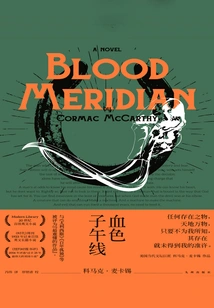
Bloody Meridian
General Fiction血色子午线
I
The whole book is about the experience of the protagonist "Youngster". As a teenager, he joined the U. S. Military and went to Mexico. Soon he was fatally attacked by the Indians. Later, he accidentally joined a team of bounty hunters composed of criminals, veterans and Indians. The nominal leader of this team was Granton, a veteran of the American-Mexican War. In fact, it was Judge Holden who directed life and death. This team of hunters hunted Indians everywhere in Mexico, regardless of age or sex. Naked violence raged across the wilderness. Twenty-eight years later, all team members died one after another. This is a book composed of books. Elements of literature, philosophy, theology, science, and mythology can be seen everywhere. The superposition and integration of multiple dimensions create a huge text capacity and endless interpretation possibilities for the book.
The whole book is about the experience of the protagonist "Youngster". As a teenager, he joined the U. S. Military and went to Mexico. Soon he was fatally attacked by the Indians. Later, he accidentally joined a team of bounty hunters composed of criminals, veterans and Indians. The nominal leader of this team was Granton, a veteran of the American-Mexican War. In fact, it was Judge Holden who directed life and death. This team of hunters hunted Indians everywhere in Mexico, regardless of age or sex. Naked violence raged across the wilderness. Twenty-eight years later, all team members died one after another. This is a book composed of books. Elements of literature, philosophy, theology, science, and mythology can be seen everywhere. The superposition and integration of multiple dimensions create a huge text capacity and endless interpretation possibilities for the book.
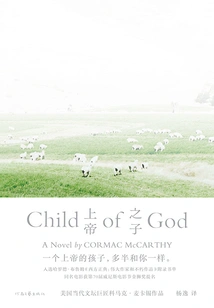
Son of God
General Fiction上帝之子
H
"Son of God" is Cormac McCarthy's third novel. It writes about murders and mysterious nature in a calm and everyday style, with concise and rough short sentences interlaced with long and weird sentences. It has a strong "Southern Gothic" atmosphere and dark romanticism. Under McCarthy's God-like indifferent yet compassionate gaze, the lonely life of young Ballard is like a cruel and moving wilderness epic, which the exiles sing silently over and over again. In 2013, the film of the same name adapted and directed by James Franco was released in Italy and was nominated for the Golden Lion Award at the 70th Venice Film Festival.
"Son of God" is Cormac McCarthy's third novel. It writes about murders and mysterious nature in a calm and everyday style, with concise and rough short sentences interlaced with long and weird sentences. It has a strong "Southern Gothic" atmosphere and dark romanticism. Under McCarthy's God-like indifferent yet compassionate gaze, the lonely life of young Ballard is like a cruel and moving wilderness epic, which the exiles sing silently over and over again. In 2013, the film of the same name adapted and directed by James Franco was released in Italy and was nominated for the Golden Lion Award at the 70th Venice Film Festival.

Jerusalem
General Fiction耶稣撒冷
J
"Jesus Jerusalem" is the masterpiece of Mozambican writer Mia Cotto's novel. After the civil war in Mozambique, Sylvestre's wife died unexpectedly. In extreme grief, he moved his family to a remote place where wild beasts lived, named it "Jesus Salem", and waited there for God's apology. With him are the younger son Mwanito, the eldest son Ndonzi, the war-scarred veteran Zakaria, the connection with the outside world Aprosimado, and Sylvestre's sexual partner - a female mule named Zesbela. In order to completely erase the pain of losing his wife, Sylvesterer created another hell. Jerusalem is a place without past and future, a place that denies time and denies memory. People here learn to stop crying and praying, stay away from the river of time, and regard women and outsiders as enemies of the family. His brother Ndonji wanted to escape from his father's prison all his life. He secretly taught Mwanito how to regain his memory through literacy and writing. It wasn't until Martha, a white woman, broke into Jerusalem and revealed the true cause of her mother's death that Jerusalem finally began to fall apart. As Mia Kotto's most important work after "Sleepland", "Jesus Jerusalem" deeply depicts the intergenerational grief left by the war. The protagonist Mwanito finally reconstructs the family memory that his father refused to talk about through "writing" and makes a real voice of independence within the African continent. The publication of "Jesus Salem" fills a major gap in the translation of African Portuguese literature in China and gives readers an excellent opportunity to understand Africa and the diversity of Portuguese literature.
"Jesus Jerusalem" is the masterpiece of Mozambican writer Mia Cotto's novel. After the civil war in Mozambique, Sylvestre's wife died unexpectedly. In extreme grief, he moved his family to a remote place where wild beasts lived, named it "Jesus Salem", and waited there for God's apology. With him are the younger son Mwanito, the eldest son Ndonzi, the war-scarred veteran Zakaria, the connection with the outside world Aprosimado, and Sylvestre's sexual partner - a female mule named Zesbela. In order to completely erase the pain of losing his wife, Sylvesterer created another hell. Jerusalem is a place without past and future, a place that denies time and denies memory. People here learn to stop crying and praying, stay away from the river of time, and regard women and outsiders as enemies of the family. His brother Ndonji wanted to escape from his father's prison all his life. He secretly taught Mwanito how to regain his memory through literacy and writing. It wasn't until Martha, a white woman, broke into Jerusalem and revealed the true cause of her mother's death that Jerusalem finally began to fall apart. As Mia Kotto's most important work after "Sleepland", "Jesus Jerusalem" deeply depicts the intergenerational grief left by the war. The protagonist Mwanito finally reconstructs the family memory that his father refused to talk about through "writing" and makes a real voice of independence within the African continent. The publication of "Jesus Salem" fills a major gap in the translation of African Portuguese literature in China and gives readers an excellent opportunity to understand Africa and the diversity of Portuguese literature.
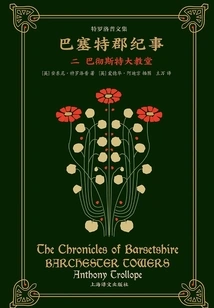
Chronicles of Barsetshire (part 2): Barchester Cathedral (collected Works of Trollope)
General Fiction巴塞特郡纪事(二):巴彻斯特大教堂(特罗洛普文集)
J
Trollope, the most prolific and greatest novelist in the history of British literature, has the most read works in the UK. He is a writer as famous as Shakespeare and Dickens. He is the first person in literature in the Victorian era and the representative work of the outstanding British novelist Trollope. Based on the authoritative original version verified by Page and Sadlier, the original grid version of famous names has not been seen in the market for 35 years. It shows a panoramic view of the satirical ridicule of the British Parliament and Church, the Jupiter Newspaper and the Pre-Raphaelites in the Victorian era. Two years after the publication of "Barchester Nursing Home", its sequel "Barchester Cathedral" came out. In the last chapter of "The Nursing Home", the author tells us that the old bishop has reached the age of eighty and "probably will pass away slowly and peacefully like a spark extinguishing." In the first chapter of "The Cathedral," the bishop is bedridden and about to die. Everyone thought that his son, Dr. Glenleigh, the church official, had all the necessary qualifications and would probably succeed his father as bishop. But the bishops were appointed by Downing Street politicians at a time when the government was crumbling. If the old bishop dies before the government changes, then Dr. Glenray will obtain the position of bishop; if the old bishop dies for a long time and the government falls, then the opportunity of the chancellor to succeed the bishop is lost. The president loved his father very much, but he was also a power-hungry, arrogant man who wanted to be a bishop. At this time, he stayed by his father's bedside, hoping in his heart that his father would die soon. Then, he came to his senses and quickly knelt down and begged God to forgive him...
Trollope, the most prolific and greatest novelist in the history of British literature, has the most read works in the UK. He is a writer as famous as Shakespeare and Dickens. He is the first person in literature in the Victorian era and the representative work of the outstanding British novelist Trollope. Based on the authoritative original version verified by Page and Sadlier, the original grid version of famous names has not been seen in the market for 35 years. It shows a panoramic view of the satirical ridicule of the British Parliament and Church, the Jupiter Newspaper and the Pre-Raphaelites in the Victorian era. Two years after the publication of "Barchester Nursing Home", its sequel "Barchester Cathedral" came out. In the last chapter of "The Nursing Home", the author tells us that the old bishop has reached the age of eighty and "probably will pass away slowly and peacefully like a spark extinguishing." In the first chapter of "The Cathedral," the bishop is bedridden and about to die. Everyone thought that his son, Dr. Glenleigh, the church official, had all the necessary qualifications and would probably succeed his father as bishop. But the bishops were appointed by Downing Street politicians at a time when the government was crumbling. If the old bishop dies before the government changes, then Dr. Glenray will obtain the position of bishop; if the old bishop dies for a long time and the government falls, then the opportunity of the chancellor to succeed the bishop is lost. The president loved his father very much, but he was also a power-hungry, arrogant man who wanted to be a bishop. At this time, he stayed by his father's bedside, hoping in his heart that his father would die soon. Then, he came to his senses and quickly knelt down and begged God to forgive him...
Z
General Fictionz
H
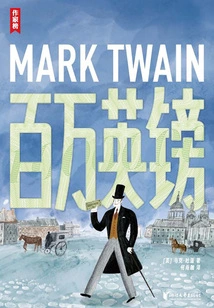
This book selects 21 representative short stories and short stories by Mark Twain, including "One Million Pounds", "The Cannibalism on the Train", "A Dog's Story", "The Famous Jumping Frog of Calaveras County" and other classic humor novels. Open this book and let you see the essence of human nature clearly while laughing!
This book selects 21 representative short stories and short stories by Mark Twain, including "One Million Pounds", "The Cannibalism on the Train", "A Dog's Story", "The Famous Jumping Frog of Calaveras County" and other classic humor novels. Open this book and let you see the essence of human nature clearly while laughing!

远山淡影(双语版石黑一雄作品)
H
"Shadows on Distant Mountains" is Kazuo Ishiguro's debut novel, a masterpiece that is still being reprinted more than 30 years after its publication. The fusion and balance of "sentimentality and irony" are still memorable. The novel tells a memory full of mist, both real and illusory. After the war, a suffering mother and daughter in Nagasaki yearned for stability and rebirth, but they could never escape the shadows and inner demons brought about by the war. In the end, the mother and daughter successfully immigrated, and the daughter committed suicide as a tragic ending. At the end of the play, the remembrancer peels off his disguise, and the story is full of tragedy. The bilingual version of "Shadows of Distant Mountains" comes with the original text of the work, allowing readers to appreciate Ishiguro's exquisite and beautiful original English text at the same time, and enjoy double beauty.
"Shadows on Distant Mountains" is Kazuo Ishiguro's debut novel, a masterpiece that is still being reprinted more than 30 years after its publication. The fusion and balance of "sentimentality and irony" are still memorable. The novel tells a memory full of mist, both real and illusory. After the war, a suffering mother and daughter in Nagasaki yearned for stability and rebirth, but they could never escape the shadows and inner demons brought about by the war. In the end, the mother and daughter successfully immigrated, and the daughter committed suicide as a tragic ending. At the end of the play, the remembrancer peels off his disguise, and the story is full of tragedy. The bilingual version of "Shadows of Distant Mountains" comes with the original text of the work, allowing readers to appreciate Ishiguro's exquisite and beautiful original English text at the same time, and enjoy double beauty.

Z
General Fictionz
H
"The Rachel Papers" is Amis's famous work. After the novel was published, it won the Maugham Literary Award in one fell swoop, making the novelist who was only 24 years old a blockbuster. In this novel, the protagonist Charles Heway, like young Amis, is a smart and sensitive literary youth. He is full of great literary ambitions and tries to record the "bad" years that have just passed away - his seduction of the girl Rachel - through memories and imagination. This literary youth image is not only the predecessor of many "bad boy" images in Amis's works, but also a seminal figure in the history of British literature. "The Rachel Files" is a youthful rhapsody full of humor and banter, and it is also a gloomy and surly youth "sacrifice song". Once published, it caused great concern and sensation.
"The Rachel Papers" is Amis's famous work. After the novel was published, it won the Maugham Literary Award in one fell swoop, making the novelist who was only 24 years old a blockbuster. In this novel, the protagonist Charles Heway, like young Amis, is a smart and sensitive literary youth. He is full of great literary ambitions and tries to record the "bad" years that have just passed away - his seduction of the girl Rachel - through memories and imagination. This literary youth image is not only the predecessor of many "bad boy" images in Amis's works, but also a seminal figure in the history of British literature. "The Rachel Files" is a youthful rhapsody full of humor and banter, and it is also a gloomy and surly youth "sacrifice song". Once published, it caused great concern and sensation.

How is Steel Made?
General Fiction钢铁是怎样炼成的
J
This book truly and profoundly depicts the vast social life in Ukraine before and after the October Revolution, and creates a glorious image of a generation of heroes represented by Paul Korchagin.
This book truly and profoundly depicts the vast social life in Ukraine before and after the October Revolution, and creates a glorious image of a generation of heroes represented by Paul Korchagin.

Saturday
General Fiction星期六
H
The story of "Saturday" takes place on Saturday, February 15, 2003. The protagonist of the story, Henri Perroin, is a successful man - a famous neurosurgeon, happily married to a newspaper lawyer, and has a harmonious relationship with his grown-up children. However, the situation in the world he lives in makes him worried - the war in Iraq is approaching, and the general gloom and pessimism are spreading from New York and Washington... On Saturday morning, Perroian passed through the thousands of anti-war demonstrations that filled the streets of London and rushed to play squash with the anesthesiologist. In a minor incident, he had a minor run-in with a thug named Baxter. Perroian relied on his professional sensitivity to see that this guy had a brain malfunction - he had encountered a mental patient. He wanted to get rid of Baxter as soon as possible, but he didn't know that Saturday's troubles would start from here and get out of control...
The story of "Saturday" takes place on Saturday, February 15, 2003. The protagonist of the story, Henri Perroin, is a successful man - a famous neurosurgeon, happily married to a newspaper lawyer, and has a harmonious relationship with his grown-up children. However, the situation in the world he lives in makes him worried - the war in Iraq is approaching, and the general gloom and pessimism are spreading from New York and Washington... On Saturday morning, Perroian passed through the thousands of anti-war demonstrations that filled the streets of London and rushed to play squash with the anesthesiologist. In a minor incident, he had a minor run-in with a thug named Baxter. Perroian relied on his professional sensitivity to see that this guy had a brain malfunction - he had encountered a mental patient. He wanted to get rid of Baxter as soon as possible, but he didn't know that Saturday's troubles would start from here and get out of control...

I'm Afraid of Pain, so I Just Maxed Out My Defense 1
General Fiction怕痛的我,把防御力点满就对了1
I
Maple, who is new to the game, allocates all attribute points to "defense power" at the beginning. But after going online, her movements were slow and she couldn't use magic. Even the little white rabbit could make her spin around. Where is the sassy shield girl we promised? The strange thing is that she didn't feel any pain at all when faced with the attack! "Mobile Bunker", "Absolute Defense"... Why are there more and more strange titles and skills? Just like that, without realizing how abnormal she was, Maple struck out in a flash!
Maple, who is new to the game, allocates all attribute points to "defense power" at the beginning. But after going online, her movements were slow and she couldn't use magic. Even the little white rabbit could make her spin around. Where is the sassy shield girl we promised? The strange thing is that she didn't feel any pain at all when faced with the attack! "Mobile Bunker", "Absolute Defense"... Why are there more and more strange titles and skills? Just like that, without realizing how abnormal she was, Maple struck out in a flash!

All the Worries Dissipate
General Fiction一切愁云消散
K
An elderly woman who has lived a life of elegance, gentleness, obedience and obedience. After her husband died, her children arranged her widowed life without authorization. However, she resolutely cut off contact with her children and rented a house in a remote place to live by herself. She recalled the ideals of her youth and enjoyed her own complete freedom.
An elderly woman who has lived a life of elegance, gentleness, obedience and obedience. After her husband died, her children arranged her widowed life without authorization. However, she resolutely cut off contact with her children and rented a house in a remote place to live by herself. She recalled the ideals of her youth and enjoyed her own complete freedom.
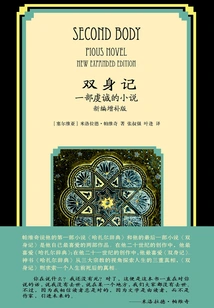
双身记: 一部虔诚的小说(新编增补版)
H
How many bodies does a person have? Perhaps we have all heard, and many people believe, that people have more than one body. People can be separated, resurrected, and reincarnated. In addition to the flesh and blood body, humans also have a spiritual body, which is called a "spiritual body" in the Bible. Pavich tells us at the beginning of the novel that he has passed away. After his death, he (his second body) told us a story of a double body.
How many bodies does a person have? Perhaps we have all heard, and many people believe, that people have more than one body. People can be separated, resurrected, and reincarnated. In addition to the flesh and blood body, humans also have a spiritual body, which is called a "spiritual body" in the Bible. Pavich tells us at the beginning of the novel that he has passed away. After his death, he (his second body) told us a story of a double body.

Everything That Rises Must Converge=everything That Rises Must Converge (english Version)
General FictionEverything That Rises Must Converge=上升的一切必将汇合(英文版)
H
"Everything That Rises Must Converge" is a representative collection of short stories by the famous American female writer Flannery O'Connor. In the last ten years of O'Connor's life, she used her pen as a torch to write this short story collection "All Things Rise Must Converge", illuminating those weird but real corners of the American South. O'Connor used her unique black humor and strong satire to create eccentric, paranoid, selfish or hypocritical characters on the stage of the American South, a land full of contradictions, and directed scenes of absurd and bizarre dramas. In the end, all the stories came to an abrupt end in a strong emotional impact.
"Everything That Rises Must Converge" is a representative collection of short stories by the famous American female writer Flannery O'Connor. In the last ten years of O'Connor's life, she used her pen as a torch to write this short story collection "All Things Rise Must Converge", illuminating those weird but real corners of the American South. O'Connor used her unique black humor and strong satire to create eccentric, paranoid, selfish or hypocritical characters on the stage of the American South, a land full of contradictions, and directed scenes of absurd and bizarre dramas. In the end, all the stories came to an abrupt end in a strong emotional impact.

A Tree Grows in Brooklyn (english Version)
General FictionA Tree Grows in Brooklyn 布鲁克林有棵树(英文版)
H
"A Tree Grows in Brooklyn" tells the story of Francie, a slum girl who, amidst poverty and suffering, uses her vitality as tough as a tree, draws strength from books and family ties, and grows towards the sun.
"A Tree Grows in Brooklyn" tells the story of Francie, a slum girl who, amidst poverty and suffering, uses her vitality as tough as a tree, draws strength from books and family ties, and grows towards the sun.

世界经典名著:罪与罚+地下室手记+穷人+双重人格+赌徒+白痴等(英文版·套装共19册)
H
This set of books is a collection of representative works created by the Russian writer Dostoevsky. It's in English, so English lovers shouldn't miss it. Take "Crime and Punishment" as an example. The novel describes Raskolnikov, a poor college student, who is poisoned by anarchist ideas and believes that he can do whatever he wants. Forced to make a living, he killed the old loan shark Alyona and her innocent sister Lizaveta, creating a murder that shocked the whole of Russia. After experiencing a painful confession, he finally surrendered under the persuasion of Sonia and was sentenced to exile in Siberia. The work focuses on depicting the protagonist's psychological changes after committing a crime and reveals the miserable life of the Russian lower class people. Lu Xun once commented: "If you compare the current Chinese things with foreign things, like Dostoyevsky's "Crime and Punishment", it is really beyond comparison.
This set of books is a collection of representative works created by the Russian writer Dostoevsky. It's in English, so English lovers shouldn't miss it. Take "Crime and Punishment" as an example. The novel describes Raskolnikov, a poor college student, who is poisoned by anarchist ideas and believes that he can do whatever he wants. Forced to make a living, he killed the old loan shark Alyona and her innocent sister Lizaveta, creating a murder that shocked the whole of Russia. After experiencing a painful confession, he finally surrendered under the persuasion of Sonia and was sentenced to exile in Siberia. The work focuses on depicting the protagonist's psychological changes after committing a crime and reveals the miserable life of the Russian lower class people. Lu Xun once commented: "If you compare the current Chinese things with foreign things, like Dostoyevsky's "Crime and Punishment", it is really beyond comparison.

Oscar and Grandma Rose (full Color Illustration)
General Fiction奥斯卡与玫瑰奶奶(全彩插画本)
I
Oscar is a 10-year-old boy. He was originally smart, lively, and mischievous, but after a failed operation, he became depressed. Until one day, the eccentric Grandma Rose came to the little boy and told him the legend of the "Magical 12 Days" - spending each day as if it were ten years, and encouraged him to write letters to God and receive spiritual visits. From then on, Oscar began to observe every day carefully and experienced a complete "time-lapse" life. In a short 12 days, Oscar reexperienced the meaning of life.
Oscar is a 10-year-old boy. He was originally smart, lively, and mischievous, but after a failed operation, he became depressed. Until one day, the eccentric Grandma Rose came to the little boy and told him the legend of the "Magical 12 Days" - spending each day as if it were ten years, and encouraged him to write letters to God and receive spiritual visits. From then on, Oscar began to observe every day carefully and experienced a complete "time-lapse" life. In a short 12 days, Oscar reexperienced the meaning of life.

Half Yellow Sun
General Fiction半轮黄日
H
"Half of a Yellow Sun" is a lament written by the Nigerian female writer Adichie about the Nigerian Civil War in the 1960s (1967-1970). With an epic structure, the novel uses the changes experienced by several pairs of ordinary men and women in the Nigerian Civil War to interrogate how solid concepts such as identity, national boundaries, love, and friendship survived in the face of the absurd and brutal war... 13-Year-old Ugu comes from a poor family and works as a valet in the house of Odenigbo, a professor at the University of Nsukka. The learning opportunities given to him by his master gradually help him get rid of ignorance and superstition; Olanna, the daughter of the Igbo chieftain She is the girlfriend of Odenigbo. Her family had great reputation and wealth before the civil war. Olanna, who advocates freedom, has always kept a distance from her snobbish and opportunistic family. Olanna's twin sister Kenene has been taking care of the family business. She fell in love with Richard, a British journalist living in Nigeria. Richard, who hates the hypocrisy of post-colonialism, has always tried to record everything that this country has experienced fairly and objectively. When that extremely brutal war broke out, and when northern and southern Nigeria were driven by the curse of post-colonialism and headed towards the end of cannibalism, the fate of these protagonists suddenly changed, and their loyalty to self, friendship and love also faced severe tests...
"Half of a Yellow Sun" is a lament written by the Nigerian female writer Adichie about the Nigerian Civil War in the 1960s (1967-1970). With an epic structure, the novel uses the changes experienced by several pairs of ordinary men and women in the Nigerian Civil War to interrogate how solid concepts such as identity, national boundaries, love, and friendship survived in the face of the absurd and brutal war... 13-Year-old Ugu comes from a poor family and works as a valet in the house of Odenigbo, a professor at the University of Nsukka. The learning opportunities given to him by his master gradually help him get rid of ignorance and superstition; Olanna, the daughter of the Igbo chieftain She is the girlfriend of Odenigbo. Her family had great reputation and wealth before the civil war. Olanna, who advocates freedom, has always kept a distance from her snobbish and opportunistic family. Olanna's twin sister Kenene has been taking care of the family business. She fell in love with Richard, a British journalist living in Nigeria. Richard, who hates the hypocrisy of post-colonialism, has always tried to record everything that this country has experienced fairly and objectively. When that extremely brutal war broke out, and when northern and southern Nigeria were driven by the curse of post-colonialism and headed towards the end of cannibalism, the fate of these protagonists suddenly changed, and their loyalty to self, friendship and love also faced severe tests...

Purely Private Matter
General Fiction纯属私事
H
What this book records is not the big events, but the small things I experienced during the fifteen months after the war began. Up to now, the European powers have been locked in this terrifying battle for more than two years. Many small countries were invaded; France was conquered. These major events have been reported in newspapers and will also be recorded in history. Life goes on. People still eat three meals a day, still fall in love, get married, and die of old age. Yet it seems to me that this natural disaster affected everyone in a thousand subtle ways, at least in Europe. These little things were insignificant to the tide of upheaval, but they were not unimportant to the people affected by them, and no one I know of thought them worthy of attention. So I thought it might be interesting if I could record those trivial things that seemed to have changed the course of my entire life before I forgot them. What this book describes is purely personal and private, and would be meaningless otherwise. But I still want to ask readers to believe that at this moment when the future of the entire world hangs on a thread, no one knows better than me how insignificant I am personally. --Maugham
What this book records is not the big events, but the small things I experienced during the fifteen months after the war began. Up to now, the European powers have been locked in this terrifying battle for more than two years. Many small countries were invaded; France was conquered. These major events have been reported in newspapers and will also be recorded in history. Life goes on. People still eat three meals a day, still fall in love, get married, and die of old age. Yet it seems to me that this natural disaster affected everyone in a thousand subtle ways, at least in Europe. These little things were insignificant to the tide of upheaval, but they were not unimportant to the people affected by them, and no one I know of thought them worthy of attention. So I thought it might be interesting if I could record those trivial things that seemed to have changed the course of my entire life before I forgot them. What this book describes is purely personal and private, and would be meaningless otherwise. But I still want to ask readers to believe that at this moment when the future of the entire world hangs on a thread, no one knows better than me how insignificant I am personally. --Maugham

Z
General Fictionz
H
Theo met Noah in South America and returned to Israel with her, settling in the desert town of Telkoda. As a town planner, Theo participated in the planning of the small town, which was very desolate because the nearby oil wells were not very productive. Theo and Noah, a couple with a fifteen-year age difference, are also increasingly estranged. Noah's student suffered a drug addiction and fell off a cliff to his death. The boy's father wanted to build a rehabilitation center in the desert town in memory of his son. Noah was obliged to participate in the preparation plan, but she did not expect how big the resistance would be. Can the two finally understand each other? Can the remaining tenderness in my heart withstand the harsh reality?
Theo met Noah in South America and returned to Israel with her, settling in the desert town of Telkoda. As a town planner, Theo participated in the planning of the small town, which was very desolate because the nearby oil wells were not very productive. Theo and Noah, a couple with a fifteen-year age difference, are also increasingly estranged. Noah's student suffered a drug addiction and fell off a cliff to his death. The boy's father wanted to build a rehabilitation center in the desert town in memory of his son. Noah was obliged to participate in the preparation plan, but she did not expect how big the resistance would be. Can the two finally understand each other? Can the remaining tenderness in my heart withstand the harsh reality?
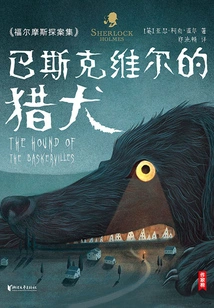
The Hound of the Baskervilles (sherlock Holmes)
General Fiction巴斯克维尔的猎犬(福尔摩斯探案集)
H
The great detective Sherlock Holmes encountered an unprecedented problem - a hundred years ago, the Baskerville family had a vicious ancestor. His sins brought about a curse, and the ghost hound from hell ended his life. Since then, the shadow of misfortune has enveloped the entire family, and many descendants have not had a happy ending. Now, the mysterious ghost hound is wandering the wasteland again. Sir Charles Baskerville died mysteriously in the night, and his heir Sir Henry is about to come to the wasteland and inherit the cursed manor. This time, will Holmes face an opponent from hell?
The great detective Sherlock Holmes encountered an unprecedented problem - a hundred years ago, the Baskerville family had a vicious ancestor. His sins brought about a curse, and the ghost hound from hell ended his life. Since then, the shadow of misfortune has enveloped the entire family, and many descendants have not had a happy ending. Now, the mysterious ghost hound is wandering the wasteland again. Sir Charles Baskerville died mysteriously in the night, and his heir Sir Henry is about to come to the wasteland and inherit the cursed manor. This time, will Holmes face an opponent from hell?
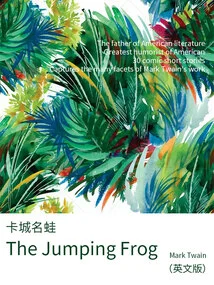
马克·吐温经典作品:卡城名蛙(英文版)
H
This book is Mark Twain's famous work. When it was published in the "Saturday News" on November 18, 1865, it made "all New York laugh." This book is in English and is suitable for English lovers to read. The basic subject matter of the novel comes from the western frontier of the United States. Originally, these gambler anecdotes were only circulated in the frontier. However, after being processed and transformed by Mark Twain, the "Leap Frog" story quickly spread throughout the United States and became a well-known classic joke. Although the work is not long, it has important significance in the history of literature and is one of the representative works of American frontier literature. The novel first writes about Leap Frog's conceit, and then its stupidity, and the cynicism becomes completely interesting. Through the images of fighting dogs and leaping frogs, Mark Twain made fun of the conceit and stupidity of the upper class rulers, which was humorous and vivid yet profound.
This book is Mark Twain's famous work. When it was published in the "Saturday News" on November 18, 1865, it made "all New York laugh." This book is in English and is suitable for English lovers to read. The basic subject matter of the novel comes from the western frontier of the United States. Originally, these gambler anecdotes were only circulated in the frontier. However, after being processed and transformed by Mark Twain, the "Leap Frog" story quickly spread throughout the United States and became a well-known classic joke. Although the work is not long, it has important significance in the history of literature and is one of the representative works of American frontier literature. The novel first writes about Leap Frog's conceit, and then its stupidity, and the cynicism becomes completely interesting. Through the images of fighting dogs and leaping frogs, Mark Twain made fun of the conceit and stupidity of the upper class rulers, which was humorous and vivid yet profound.

Eugenie Grandet (fu Lei Complete Works)
General Fiction欧也妮·葛朗台(傅雷全集)
H
"Eugénie Grandet" tells a story about money destroying humanity and causing family tragedy. Centering around the central event of Eugenie's love tragedy, the novel is connected by three intertwined plot threads: the waves caused by the autocracy within the Grandet family, the open and secret fights between the bankers and notaries outside the family, and Eugenie's love for Charles Grandet, and the painful human experience of Charles' betrayal.
"Eugénie Grandet" tells a story about money destroying humanity and causing family tragedy. Centering around the central event of Eugenie's love tragedy, the novel is connected by three intertwined plot threads: the waves caused by the autocracy within the Grandet family, the open and secret fights between the bankers and notaries outside the family, and Eugenie's love for Charles Grandet, and the painful human experience of Charles' betrayal.

N
General Fictionn
I
When Gregor woke up in the morning, he found that he had turned into a beetle and could not move in bed. Why did I choose such a tiring career, traveling day after day! If it weren't for my parents, I would have quit my job a long time ago. I would also go to my boss and express my inner feelings. What if I call in sick now? But I have never been sick in the past five years of work. Don't stay in bed like a useless person, it's already seven o'clock! Just when he was racking his brains on how to keep his job, he heard the director coming home and knocking on his door... This book selects three representative short stories by Kafka, "The Metamorphosis", "The Judgment" and "The Hunger Artist". Each of them reveals the real situation in which we are squeezed and deformed by life and work. When we begin to see ourselves in Kafka's works, it is our chance to break through this realistic dilemma!
When Gregor woke up in the morning, he found that he had turned into a beetle and could not move in bed. Why did I choose such a tiring career, traveling day after day! If it weren't for my parents, I would have quit my job a long time ago. I would also go to my boss and express my inner feelings. What if I call in sick now? But I have never been sick in the past five years of work. Don't stay in bed like a useless person, it's already seven o'clock! Just when he was racking his brains on how to keep his job, he heard the director coming home and knocking on his door... This book selects three representative short stories by Kafka, "The Metamorphosis", "The Judgment" and "The Hunger Artist". Each of them reveals the real situation in which we are squeezed and deformed by life and work. When we begin to see ourselves in Kafka's works, it is our chance to break through this realistic dilemma!
N
General Fictionn
H
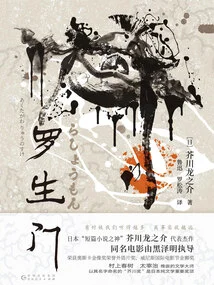
This book is a representative masterpiece of Akutagawa Ryunosuke, a giant of Japanese short stories in the Taisho era. It contains nineteen representative short stories such as "Rashomon", "In the Bamboo Forest", "Hell Transformation", "The Nose", "Kappa" and "The Life of a Certain Idiot". The author examines evil with a cold eye, reveals the truth with sharp writing, and launches a series of human dialogues between good and evil, fiction and reality. Although each story is short in length, it is well-conceived and the plot is bizarre yet profound. The film "Rashomon" adapted from the two novels "Rashomon" and "In the Bamboo Grove" by Japanese film master Akira Kurosawa won the Golden Lion Award at the 16th Venice International Film Festival and the Best Foreign Language Film Award at the 24th Academy Awards.
This book is a representative masterpiece of Akutagawa Ryunosuke, a giant of Japanese short stories in the Taisho era. It contains nineteen representative short stories such as "Rashomon", "In the Bamboo Forest", "Hell Transformation", "The Nose", "Kappa" and "The Life of a Certain Idiot". The author examines evil with a cold eye, reveals the truth with sharp writing, and launches a series of human dialogues between good and evil, fiction and reality. Although each story is short in length, it is well-conceived and the plot is bizarre yet profound. The film "Rashomon" adapted from the two novels "Rashomon" and "In the Bamboo Grove" by Japanese film master Akira Kurosawa won the Golden Lion Award at the 16th Venice International Film Festival and the Best Foreign Language Film Award at the 24th Academy Awards.

Y

Glitzy Family
General Fiction浮华世家
K
A companion piece to "The White Tower"! No. 1 In Japanese online bookstore literature category! The genuine Chinese electronic version is on sale for the first time! Adapted from the Japanese drama "The Gorgeous Family" starring Kimura Takuya, Douban scored 8.8! Uncover the shady secrets of Japan's banking industry! Wives and concubines having sex, cannibalism, collusion between officials and businessmen, naked human desires are everywhere! In the face of huge commercial interests, family, friendship, love, everything has become a transaction. Open this book and see through the naked human desires! In the face of huge commercial interests, family, friendship, love, everything has become a transaction. Hanshin Bank General Manager Manta Daisuke appears to be a successful and respectable banker, but secretly he keeps a mistress and leads a dissolute life of wives and concubines. By manipulating his daughter into marrying high-ranking officials, he attempted to annex other banks. Daisuke's eldest son, Wan Tieping, is young and promising, but because he looks exactly like his grandfather, he is suspected of being the result of incest between his mother and grandfather, and is hated by Daisuke... Fratricide, shady government and business affairs, and human conflicts. Under the wealthy life of a flashy family, naked human desires are hidden.
A companion piece to "The White Tower"! No. 1 In Japanese online bookstore literature category! The genuine Chinese electronic version is on sale for the first time! Adapted from the Japanese drama "The Gorgeous Family" starring Kimura Takuya, Douban scored 8.8! Uncover the shady secrets of Japan's banking industry! Wives and concubines having sex, cannibalism, collusion between officials and businessmen, naked human desires are everywhere! In the face of huge commercial interests, family, friendship, love, everything has become a transaction. Open this book and see through the naked human desires! In the face of huge commercial interests, family, friendship, love, everything has become a transaction. Hanshin Bank General Manager Manta Daisuke appears to be a successful and respectable banker, but secretly he keeps a mistress and leads a dissolute life of wives and concubines. By manipulating his daughter into marrying high-ranking officials, he attempted to annex other banks. Daisuke's eldest son, Wan Tieping, is young and promising, but because he looks exactly like his grandfather, he is suspected of being the result of incest between his mother and grandfather, and is hated by Daisuke... Fratricide, shady government and business affairs, and human conflicts. Under the wealthy life of a flashy family, naked human desires are hidden.

J
General Fictionj
H
This is a book about "strength", telling how "reading" makes life come alive, how "knowledge" changes people's destiny, and how "the power of family" supports children to realize their dreams. France likes reading, and she goes to the library every Saturday to borrow two books to take home and read; she also likes to observe the lives of her neighbors, watching their every move is like watching a play on the stage; she also likes to listen to the adults around her narrate their own lives: life is rich and colorful Aunt Sissy, who was married three times and gave birth to ten children but all died in infancy, and each of her lovers was called John; Grandma Mary, although illiterate, remembered more than a thousand stories and legends; Uncle Freetman's only topic at home was his horse Drummer. How to tease him... Although France has a lively heart, life in Brooklyn is difficult after all: her mother is beautiful, petite and has an iron will, but she prefers her younger brother; her father is warm and charming, but has no fixed job and is addicted to alcohol; the child earns money by picking up rags. With a few meager pennies, she could only spend half herself and take the other half home to her parents who could barely afford the rent and could only afford expired bread... Frances' mother hoped to help her children escape the bottom through education. However, the drastic changes and hardships in life made everything out of reach. Facing the ups and downs of life, France is as tough as the tree of heaven in the yard, always maintaining dignity and faith, dreaming of a future that is different from the past and present. Finally, another door of life opened for her...
This is a book about "strength", telling how "reading" makes life come alive, how "knowledge" changes people's destiny, and how "the power of family" supports children to realize their dreams. France likes reading, and she goes to the library every Saturday to borrow two books to take home and read; she also likes to observe the lives of her neighbors, watching their every move is like watching a play on the stage; she also likes to listen to the adults around her narrate their own lives: life is rich and colorful Aunt Sissy, who was married three times and gave birth to ten children but all died in infancy, and each of her lovers was called John; Grandma Mary, although illiterate, remembered more than a thousand stories and legends; Uncle Freetman's only topic at home was his horse Drummer. How to tease him... Although France has a lively heart, life in Brooklyn is difficult after all: her mother is beautiful, petite and has an iron will, but she prefers her younger brother; her father is warm and charming, but has no fixed job and is addicted to alcohol; the child earns money by picking up rags. With a few meager pennies, she could only spend half herself and take the other half home to her parents who could barely afford the rent and could only afford expired bread... Frances' mother hoped to help her children escape the bottom through education. However, the drastic changes and hardships in life made everything out of reach. Facing the ups and downs of life, France is as tough as the tree of heaven in the yard, always maintaining dignity and faith, dreaming of a future that is different from the past and present. Finally, another door of life opened for her...

The Bell Jar=the Bell Jar (english Version)
General FictionThe Bell Jar=钟形罩(英文版)
H
"The Bell Jar" is the representative work of the famous American female writer Sylvia Plath. The novel chronicles the breakdown of Esther Greenwood: brilliant, beautiful, endowed, and successful, but slowly heading towards collapse-perhaps her final collapse. Sylvia Plath deftly draws the reader into Esther's breakdown, making Esther's insanity completely real, even plausible, and as easy to stomach as watching a movie. To reveal the dark corners of the psyche so deeply is a remarkable achievement, and one that has made the novel a classic of American literature.
"The Bell Jar" is the representative work of the famous American female writer Sylvia Plath. The novel chronicles the breakdown of Esther Greenwood: brilliant, beautiful, endowed, and successful, but slowly heading towards collapse-perhaps her final collapse. Sylvia Plath deftly draws the reader into Esther's breakdown, making Esther's insanity completely real, even plausible, and as easy to stomach as watching a movie. To reveal the dark corners of the psyche so deeply is a remarkable achievement, and one that has made the novel a classic of American literature.

Black Spring (henry Miller Trilogy)
General Fiction黑色的春天(亨利·米勒三部曲)
I
"Black Spring" was created during the same period as "Tropic of Cancer" and "Tropic of Cancer". The book traces Miller's teenage years in Brooklyn and his time living in Paris. Through constant replays from New York to Paris, as well as surreal dreams and symbolic techniques, Miller outlines people and the cities they live in in a subversive and self-revelatory way, and on a deeper level, he is seeking the spiritual home of the soul.
"Black Spring" was created during the same period as "Tropic of Cancer" and "Tropic of Cancer". The book traces Miller's teenage years in Brooklyn and his time living in Paris. Through constant replays from New York to Paris, as well as surreal dreams and symbolic techniques, Miller outlines people and the cities they live in in a subversive and self-revelatory way, and on a deeper level, he is seeking the spiritual home of the soul.

Parallel World: the Neanderthal Trilogy
General Fiction平行的世界: 尼安德特三部曲
G
Parallel Worlds: The Neanderthal Trilogy. Primitive people (translated by Niu Zhenyu), humans (translated by Xia Xing), and hybrids (translated by Dai Yuan). In another parallel world, Neanderthals lived. Neanderthals reached a level comparable to ours in culture and science, but their development history, social customs and philosophy of life were completely different from ours. Ponte Budit, a Neanderthal physicist, accidentally crossed the passage between two worlds and came to a completely unfamiliar world. After he was identified as a Neanderthal, he was isolated and studied, feeling very lonely and helpless. But here, he still found friends who shared weal and woe, and developed a special relationship with Mary Vaughn, a Canadian female geneticist.
Parallel Worlds: The Neanderthal Trilogy. Primitive people (translated by Niu Zhenyu), humans (translated by Xia Xing), and hybrids (translated by Dai Yuan). In another parallel world, Neanderthals lived. Neanderthals reached a level comparable to ours in culture and science, but their development history, social customs and philosophy of life were completely different from ours. Ponte Budit, a Neanderthal physicist, accidentally crossed the passage between two worlds and came to a completely unfamiliar world. After he was identified as a Neanderthal, he was isolated and studied, feeling very lonely and helpless. But here, he still found friends who shared weal and woe, and developed a special relationship with Mary Vaughn, a Canadian female geneticist.
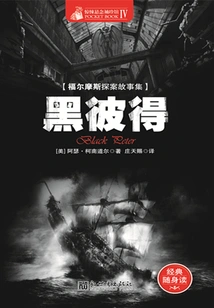
Black Peter
General Fiction黑彼得
I
Selected from the collection of Sherlock Holmes detective stories, including "Black Peter", "Three College Students", "The Case of the Copper Beech" and many other popular short stories. The novel has a rigorous structure and a bizarre and fascinating plot. The literary image created by the author has a distinctive personality, and he integrates pathology, psychology, etc. Into the detective art in his writing, forming a unique style of detective novels.
Selected from the collection of Sherlock Holmes detective stories, including "Black Peter", "Three College Students", "The Case of the Copper Beech" and many other popular short stories. The novel has a rigorous structure and a bizarre and fascinating plot. The literary image created by the author has a distinctive personality, and he integrates pathology, psychology, etc. Into the detective art in his writing, forming a unique style of detective novels.

Dark Tower Series Iii: Wasteland
General Fiction黑暗塔系列Ⅲ:荒原
H
Eddie and Susanna, who fell in love, followed Roland on the road to the Dark Tower. Roland is determined to quickly train them into real gunslingers, but at the same time, he himself is troubled by double memories because he saved Jack behind the third door and changed history, and is about to collapse. And Jack also almost went crazy because he had an extra set of memories of his death and running to a different world. The hope of uniting everything that was divided into one rests on the mysterious fate between Eddie and Jack. Finally, after experiencing the breathless mysterious ritual, Jack re-entered the middle world and reunited with Roland and his party...
Eddie and Susanna, who fell in love, followed Roland on the road to the Dark Tower. Roland is determined to quickly train them into real gunslingers, but at the same time, he himself is troubled by double memories because he saved Jack behind the third door and changed history, and is about to collapse. And Jack also almost went crazy because he had an extra set of memories of his death and running to a different world. The hope of uniting everything that was divided into one rests on the mysterious fate between Eddie and Jack. Finally, after experiencing the breathless mysterious ritual, Jack re-entered the middle world and reunited with Roland and his party...

Hello Shimokitazawa
General Fiction你好下北泽
U
A gift from Banana's world, a story of love that is everywhere but exclusive to one person and one city. Shimokitazawa's warmth embraces the unburied sense of loss and loneliness. I had been living with my father, but my family life suddenly changed. His father died in love with a strange woman. I was left alone in this world to reshuffle my life and start my life from scratch. I rented a house in Shimokitazawa and started working at a small bar nearby. However, just when I finally returned to normal life, my mother suddenly moved into my house and started a wonderful life together with me. Shimokitazawa warmly and gently embraces the mother and daughter who cannot bury the sense of loss and loneliness... This is a story of love that is ubiquitous but exclusive to a person and a city. Banana Yoshimoto is another warm and healing story.
A gift from Banana's world, a story of love that is everywhere but exclusive to one person and one city. Shimokitazawa's warmth embraces the unburied sense of loss and loneliness. I had been living with my father, but my family life suddenly changed. His father died in love with a strange woman. I was left alone in this world to reshuffle my life and start my life from scratch. I rented a house in Shimokitazawa and started working at a small bar nearby. However, just when I finally returned to normal life, my mother suddenly moved into my house and started a wonderful life together with me. Shimokitazawa warmly and gently embraces the mother and daughter who cannot bury the sense of loss and loneliness... This is a story of love that is ubiquitous but exclusive to a person and a city. Banana Yoshimoto is another warm and healing story.

Y
General Fictiony
H
The novel begins with the protagonist "Yuan" suddenly encountering his younger brother who has not heard from him for four years. The younger brother moved into the house rented by his older sister and started keeping a "sister's observation diary" every day. After reading it, my sister realized how boring her daily life was, purely "copying and pasting". So she decided to try to change the situation, fell in love with a friend of her younger brother, accepted an invitation from her colleagues to attend the New Year's Eve party, and slowly got out of the trouble of social phobia. Unfortunately, her boyfriend suddenly terminated their relationship at this time, which made her once again face the choice of whether to open her heart.
The novel begins with the protagonist "Yuan" suddenly encountering his younger brother who has not heard from him for four years. The younger brother moved into the house rented by his older sister and started keeping a "sister's observation diary" every day. After reading it, my sister realized how boring her daily life was, purely "copying and pasting". So she decided to try to change the situation, fell in love with a friend of her younger brother, accepted an invitation from her colleagues to attend the New Year's Eve party, and slowly got out of the trouble of social phobia. Unfortunately, her boyfriend suddenly terminated their relationship at this time, which made her once again face the choice of whether to open her heart.

Two Visions Worth Remembering (the Complete Works of Borges)
General Fiction两个值得回忆的幻象(博尔赫斯全集)
I
A collection of fantasy novels by Latin American literary master Jorge Luis Borges, which are unexpected and whimsical works that break the rules. The Chinese version is launched for the first time in China. The translation is faithful and smooth, capturing the essence of the original text. This book is a fantasy novel co-written by Argentinian writers Jorge Luis Borges and Adolfo Bioy Casares under the pseudonym Honorio Bustos Domec. "Two Memorable Visions" contains two stories: "Witness" and "Omen", which respectively tell the story of the strange sight a girl saw in the basement and the beautiful imagination of a "foodie" who saw the sky full of delicious food before he died. These two stories break through the boundaries of reality and enter the realm of imagination, making people feel like they have entered a fantasy world like "Alice in Wonderland".
A collection of fantasy novels by Latin American literary master Jorge Luis Borges, which are unexpected and whimsical works that break the rules. The Chinese version is launched for the first time in China. The translation is faithful and smooth, capturing the essence of the original text. This book is a fantasy novel co-written by Argentinian writers Jorge Luis Borges and Adolfo Bioy Casares under the pseudonym Honorio Bustos Domec. "Two Memorable Visions" contains two stories: "Witness" and "Omen", which respectively tell the story of the strange sight a girl saw in the basement and the beautiful imagination of a "foodie" who saw the sky full of delicious food before he died. These two stories break through the boundaries of reality and enter the realm of imagination, making people feel like they have entered a fantasy world like "Alice in Wonderland".
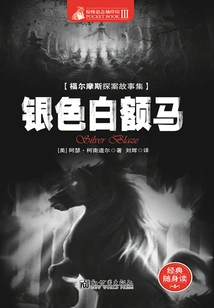
Silver White-fronted Horse
General Fiction银色白额马
I
Selected from the collection of Sherlock Holmes detective stories, including "The Silver White-breasted Horse", "The Man with the Yellow Face", "The Hospitalized Patient" and many other popular short stories. The novel has a rigorous structure and a bizarre and fascinating plot. The literary image created by the author has a distinctive personality, and he integrates pathology, psychology, etc. Into the detective art in his writing, forming a unique style of detective novels.
Selected from the collection of Sherlock Holmes detective stories, including "The Silver White-breasted Horse", "The Man with the Yellow Face", "The Hospitalized Patient" and many other popular short stories. The novel has a rigorous structure and a bizarre and fascinating plot. The literary image created by the author has a distinctive personality, and he integrates pathology, psychology, etc. Into the detective art in his writing, forming a unique style of detective novels.

The Era of Great Change (2 Volumes in Total)
General Fiction巨变时代(全2册)
H
Ken Follett, author of "Fall of Giants" and master of all-night novels, has a new work! At the end of the 18th century, the British Industrial Revolution was quietly rewriting the world structure. Machines replaced manual work, factories swallowed up villages, and war spread across Europe. Technology is running wild, beliefs are being torn apart, old systems are collapsing, and a new era has yet to come. In such great changes of the times, a tenacious female textile worker, a small workshop owner who sympathizes with the workers, and a cloth merchant who survives in the cracks - they come from the bottom of society, but they struggle, fight, fall in love, and betray each other, looking for value and dignity under the rolling wheel of history. They failed to change history, but with the power of fighting against fate, they jointly wrote an epic that belongs to mortals. Ken Follett, with his usual profound writing power, outlines the pain and hope of social transformation, and tells how ordinary people struggling in the center of the storm become the masters of their destiny.
Ken Follett, author of "Fall of Giants" and master of all-night novels, has a new work! At the end of the 18th century, the British Industrial Revolution was quietly rewriting the world structure. Machines replaced manual work, factories swallowed up villages, and war spread across Europe. Technology is running wild, beliefs are being torn apart, old systems are collapsing, and a new era has yet to come. In such great changes of the times, a tenacious female textile worker, a small workshop owner who sympathizes with the workers, and a cloth merchant who survives in the cracks - they come from the bottom of society, but they struggle, fight, fall in love, and betray each other, looking for value and dignity under the rolling wheel of history. They failed to change history, but with the power of fighting against fate, they jointly wrote an epic that belongs to mortals. Ken Follett, with his usual profound writing power, outlines the pain and hope of social transformation, and tells how ordinary people struggling in the center of the storm become the masters of their destiny.

Anne in Bloom
General Fiction花季的安妮
S
Anne arrived at Green Gables Farmhouse by accident, where she celebrated her sixteenth year. She is still so passionate, reckless and quirky. No matter what new problems life throws at her - her world always seems to have a lovely sheen to it.
Anne arrived at Green Gables Farmhouse by accident, where she celebrated her sixteenth year. She is still so passionate, reckless and quirky. No matter what new problems life throws at her - her world always seems to have a lovely sheen to it.

Reborn in One Day
General Fiction一日重生
H
A tear-jerking work comparable to "Coco", it is written for all of you and me who were once children, to understand the life that our mother has never told; the famous writer Bi Shumin wrote a loving preface, and was recommended by the queen of talk show Oprah in her special episode. "Almost everyone, no matter how happy they may appear on the outside, has a small place deep inside them where they hold a loved one who has passed away and longs to be reunited one day." - Mitch Albom. Let a long-dead relative spend another day with you. Only one day. If you can do it, do you need such an opportunity? The opportunity, at an awkward moment, fell to Charles Bennett. The retired baseball player could no longer find any reason to live amidst the frustration and alcohol consumption - his career was on the wall, his marriage was broken, he was addicted to alcohol, and his family was betrayed and separated. Even his daughter's wedding was unwilling to let him show up... Charles had the idea of suicide. He thought that as long as a high-speed car and a selfless run, he could wave goodbye without taking away a single cloud. However, in the flash of lightning, his physical body wandered between this place and the other side; when he suddenly woke up, he actually saw his mother who died unexpectedly many years ago. Mitch Albom's perception of life is like an ever-growing seed. It sprouted in "Tuesday", drew a long arc in "Five People You Meet in Heaven", and firmly took root in "Reborn in a Day". The soil is the state of the world and the human heart, and the root is love.
A tear-jerking work comparable to "Coco", it is written for all of you and me who were once children, to understand the life that our mother has never told; the famous writer Bi Shumin wrote a loving preface, and was recommended by the queen of talk show Oprah in her special episode. "Almost everyone, no matter how happy they may appear on the outside, has a small place deep inside them where they hold a loved one who has passed away and longs to be reunited one day." - Mitch Albom. Let a long-dead relative spend another day with you. Only one day. If you can do it, do you need such an opportunity? The opportunity, at an awkward moment, fell to Charles Bennett. The retired baseball player could no longer find any reason to live amidst the frustration and alcohol consumption - his career was on the wall, his marriage was broken, he was addicted to alcohol, and his family was betrayed and separated. Even his daughter's wedding was unwilling to let him show up... Charles had the idea of suicide. He thought that as long as a high-speed car and a selfless run, he could wave goodbye without taking away a single cloud. However, in the flash of lightning, his physical body wandered between this place and the other side; when he suddenly woke up, he actually saw his mother who died unexpectedly many years ago. Mitch Albom's perception of life is like an ever-growing seed. It sprouted in "Tuesday", drew a long arc in "Five People You Meet in Heaven", and firmly took root in "Reborn in a Day". The soil is the state of the world and the human heart, and the root is love.

Tree People
General Fiction树民
G
"Tree People" is a novel published by Anne Prue, winner of the National Book Award and Pulitzer Prize for Literature, ten years after she broke into the literary world. The story begins in the seventeenth century. Two uneducated young men, Serge and Decay, left France during the era of great changes and came to the primeval forests of Canada, hoping to change their destiny and open up a future. They migrated, they fled, they conquered the ancient forest that blocked the sky and the sun, and they were conquered by the forest. In the following three hundred years of history, Serge, Decay and their descendants experienced joys and sorrows on this continent, and composed a legendary song of fighting against fate.
"Tree People" is a novel published by Anne Prue, winner of the National Book Award and Pulitzer Prize for Literature, ten years after she broke into the literary world. The story begins in the seventeenth century. Two uneducated young men, Serge and Decay, left France during the era of great changes and came to the primeval forests of Canada, hoping to change their destiny and open up a future. They migrated, they fled, they conquered the ancient forest that blocked the sky and the sun, and they were conquered by the forest. In the following three hundred years of history, Serge, Decay and their descendants experienced joys and sorrows on this continent, and composed a legendary song of fighting against fate.

圣诞颂歌(中英双语插图本)
H
From 1843 to 1848, Dickens published a holiday-related novella almost every Christmas. Among them, "A Christmas Carol" has a very special status: the plot and characters in the book are well-known in the West, and the "popularity" accumulated over more than 100 years has made it the most deeply rooted among Dickens's novels. Literary critics believe that the publication of "A Christmas Carol" was a major turning point in Dickens's creative career; while sociologists believe that this work profoundly changed the status and value of modern Christmas in the Western world, and Dickens himself is called the person who "invented Christmas."
From 1843 to 1848, Dickens published a holiday-related novella almost every Christmas. Among them, "A Christmas Carol" has a very special status: the plot and characters in the book are well-known in the West, and the "popularity" accumulated over more than 100 years has made it the most deeply rooted among Dickens's novels. Literary critics believe that the publication of "A Christmas Carol" was a major turning point in Dickens's creative career; while sociologists believe that this work profoundly changed the status and value of modern Christmas in the Western world, and Dickens himself is called the person who "invented Christmas."

Aa
General Fictionaa
G
One of Hesse's most cherished books, youth mentor and Nobel laureate, is based on his own experience. Hesse: "I have a special fondness for this book. It is more precious than all the other works combined." Narcissus and Goldmund. One rational and one emotional, they are like the sun and the moon, like the land and the sea. Once they meet, they are destined to attract each other, promote each other or destroy each other. But Narcissus told Goldmund that their mission was not to come together, but to get to know each other and learn to respect each other's nature. Because the nature that is different from others is what he cherishes, and a person can only do the noble and meaningful things he can do only by striving to realize himself to the best of his talents. Hesse is able to focus on the proposition of human beings' reasonable way of existence in a more detached manner than in "Steppenwolf". He is trying to find a more perfect way out for human nature. --Wu Xiaodong (Professor of Chinese Department of Peking University)
One of Hesse's most cherished books, youth mentor and Nobel laureate, is based on his own experience. Hesse: "I have a special fondness for this book. It is more precious than all the other works combined." Narcissus and Goldmund. One rational and one emotional, they are like the sun and the moon, like the land and the sea. Once they meet, they are destined to attract each other, promote each other or destroy each other. But Narcissus told Goldmund that their mission was not to come together, but to get to know each other and learn to respect each other's nature. Because the nature that is different from others is what he cherishes, and a person can only do the noble and meaningful things he can do only by striving to realize himself to the best of his talents. Hesse is able to focus on the proposition of human beings' reasonable way of existence in a more detached manner than in "Steppenwolf". He is trying to find a more perfect way out for human nature. --Wu Xiaodong (Professor of Chinese Department of Peking University)

北欧小说之王巴克曼的人生之书(共7册)
H
The set includes: "A Girl's Fear", "Before I Leave", "Beartown", "Beartown 2", "A Man Called Ove", "A Man Called Ove Decided to Die" and "The Long Way Home".
The set includes: "A Girl's Fear", "Before I Leave", "Beartown", "Beartown 2", "A Man Called Ove", "A Man Called Ove Decided to Die" and "The Long Way Home".

W
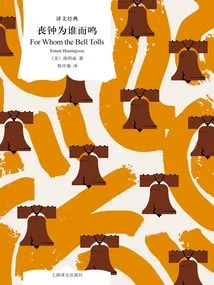
For Whom the Bell Tolls
General Fiction丧钟为谁而鸣
H
The death of any one leaves me somewhat deficient, for I am inseparable from mankind; so never ask for whom the bell tolls; for you the bell tolls. --John Donne (British poet) "For Whom the Bell Tolls" is one of Hemingway's major works. Robert Jordan, an American young man, volunteered to join the Spanish government army and engage in blasting activities behind enemy lines. In order to cooperate with the counterattack, he was ordered to contact local guerrillas to complete the task of blowing up the bridge. In the midst of the raging war, he fell in love with Maria, a little girl who had been raped by the enemy, thereby smoothing out the trauma in Maria's soul. In three days, Robert experienced the conflict between love and duty and the test of life and death, and his humanity continued to sublimate. On the way to retreat after the bridge was blown up, he gave up his hope of survival to others, but his thigh was broken by a cannonball. He stayed alone to stop the enemy, and finally gave his young life for the Spanish people.
The death of any one leaves me somewhat deficient, for I am inseparable from mankind; so never ask for whom the bell tolls; for you the bell tolls. --John Donne (British poet) "For Whom the Bell Tolls" is one of Hemingway's major works. Robert Jordan, an American young man, volunteered to join the Spanish government army and engage in blasting activities behind enemy lines. In order to cooperate with the counterattack, he was ordered to contact local guerrillas to complete the task of blowing up the bridge. In the midst of the raging war, he fell in love with Maria, a little girl who had been raped by the enemy, thereby smoothing out the trauma in Maria's soul. In three days, Robert experienced the conflict between love and duty and the test of life and death, and his humanity continued to sublimate. On the way to retreat after the bridge was blown up, he gave up his hope of survival to others, but his thigh was broken by a cannonball. He stayed alone to stop the enemy, and finally gave his young life for the Spanish people.
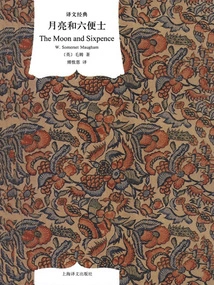
The Moon and Sixpence (translation Classic)
General Fiction月亮和六便士(译文经典)
H
A masterpiece by "Master of Storytelling" Somerset Maugham, a classic translation by famous translator Fu Weici, and highly recommended as "a good book". The British painter in the novel is based on the French post-Impressionist master Paul Gauguin. The protagonist was originally a successful securities broker, but became obsessed with painting after reaching middle age. He suddenly abandoned his home and went to Paris to pursue the ideal of painting. He finally chose to abandon the civilized world and fled to the isolated island of Tahiti in the South Pacific. There he finally found the tranquility of his soul and the atmosphere suitable for his artistic temperament, and created one artistic masterpiece after another that shocked later generations. Through the life experiences of such a geek who devoted himself to the pursuit of art and was ignorant of the world, Maugham deeply explored the origin and essence of art, the relationship between personality and genius, as well as the contradictions and interactions between artists and society, art and life, and other thought-provoking issues.
A masterpiece by "Master of Storytelling" Somerset Maugham, a classic translation by famous translator Fu Weici, and highly recommended as "a good book". The British painter in the novel is based on the French post-Impressionist master Paul Gauguin. The protagonist was originally a successful securities broker, but became obsessed with painting after reaching middle age. He suddenly abandoned his home and went to Paris to pursue the ideal of painting. He finally chose to abandon the civilized world and fled to the isolated island of Tahiti in the South Pacific. There he finally found the tranquility of his soul and the atmosphere suitable for his artistic temperament, and created one artistic masterpiece after another that shocked later generations. Through the life experiences of such a geek who devoted himself to the pursuit of art and was ignorant of the world, Maugham deeply explored the origin and essence of art, the relationship between personality and genius, as well as the contradictions and interactions between artists and society, art and life, and other thought-provoking issues.

The Plague (english Version)
General FictionThe Plague 鼠疫(英文版)
H
"The Plague" is based on the outbreak of plague in the Algerian city of Oran, and uses the fight against the epidemic by doctor Rieux and other citizens to explore the perseverance, absurdity and meaning of existence of human nature under disaster.
"The Plague" is based on the outbreak of plague in the Algerian city of Oran, and uses the fight against the epidemic by doctor Rieux and other citizens to explore the perseverance, absurdity and meaning of existence of human nature under disaster.

The Hobbit=the Hobbit (english Version)
General FictionThe Hobbit=霍比特人(英文版)
H
"The Hobbit" is a prequel to "The Lord of the Rings". It tells the story of a kind of hobbit who lived in a hole in the ground. Hobbits are people smaller than dwarves, kind, shrewd and law-abiding. Baggins is one of them. That day he was smoking at the entrance of the cave. The famous warlock Gandalf arrived and brought a group of strange guests to Baggins...
"The Hobbit" is a prequel to "The Lord of the Rings". It tells the story of a kind of hobbit who lived in a hole in the ground. Hobbits are people smaller than dwarves, kind, shrewd and law-abiding. Baggins is one of them. That day he was smoking at the entrance of the cave. The famous warlock Gandalf arrived and brought a group of strange guests to Baggins...

Literary Conference
General Fiction文学会议
I
"Literary Conference" is a novella by Argentinian writer Cesar Ella. It is also the work with the tightest story rhythm and the best reading experience in the "Cesar Ella Series". The style of "Literary Conference" is varied. It starts with an adventure and treasure hunt novel, then transitions into a science fiction novel. After transforming into a romantic literary and artistic work mixed with a thrilling and bizarre "drama within a drama", it finally reaches its climax in the form of a horror movie. Behind the seemingly bizarre story lies the author's thinking about life. He felt frustrated by the declining publishing industry and was full of ridicule for the arty "cultural people". The subtle and extremely poignant metaphors are hidden in the fantasy story, and there is a sense of appropriateness.
"Literary Conference" is a novella by Argentinian writer Cesar Ella. It is also the work with the tightest story rhythm and the best reading experience in the "Cesar Ella Series". The style of "Literary Conference" is varied. It starts with an adventure and treasure hunt novel, then transitions into a science fiction novel. After transforming into a romantic literary and artistic work mixed with a thrilling and bizarre "drama within a drama", it finally reaches its climax in the form of a horror movie. Behind the seemingly bizarre story lies the author's thinking about life. He felt frustrated by the declining publishing industry and was full of ridicule for the arty "cultural people". The subtle and extremely poignant metaphors are hidden in the fantasy story, and there is a sense of appropriateness.