Library
Browse and search books
13,360 novels found
T
General FictionT
G
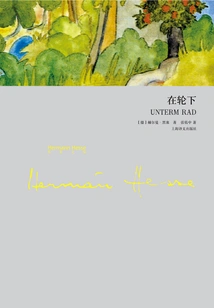
The protagonist Hans has been extremely intelligent, diligent and studious since he was a child, and is regarded as a child prodigy by everyone. He was sent to a seminary to study. Influenced by his extended family and society, he was eager for fame and studied hard in an isolated school without any free time. His physical and mental health was damaged. His classmate Herman is stubborn by nature, despises fame and is not tolerated by the school; but Hans feels that only Herman is his confidant. Hans worked too hard, became physically weak, and his grades dropped; the school blamed Hermann for this. Hermann was expelled from school, and Hans felt even more lonely. He was scolded by teachers and ridiculed by classmates from time to time. Later, he suffered from neurasthenia, which made him unable to continue his studies and had to return to his hometown to work as a fitter to make a living. Social discrimination and frustration in life made him feel as if he had fallen under a ruthless and huge wheel. This is a novel that indicts the old education system in Germany and is considered to be highly autobiographical.
The protagonist Hans has been extremely intelligent, diligent and studious since he was a child, and is regarded as a child prodigy by everyone. He was sent to a seminary to study. Influenced by his extended family and society, he was eager for fame and studied hard in an isolated school without any free time. His physical and mental health was damaged. His classmate Herman is stubborn by nature, despises fame and is not tolerated by the school; but Hans feels that only Herman is his confidant. Hans worked too hard, became physically weak, and his grades dropped; the school blamed Hermann for this. Hermann was expelled from school, and Hans felt even more lonely. He was scolded by teachers and ridiculed by classmates from time to time. Later, he suffered from neurasthenia, which made him unable to continue his studies and had to return to his hometown to work as a fitter to make a living. Social discrimination and frustration in life made him feel as if he had fallen under a ruthless and huge wheel. This is a novel that indicts the old education system in Germany and is considered to be highly autobiographical.

Under the Wheel (hesse Collection)
General Fiction在轮下(黑塞精选集)
G
"Hesse Selections" includes five masterpieces from different periods by Hermann Hesse, winner of the 1946 Nobel Prize for Literature: "Under the Wheel", "Demian: The Wandering Boyhood", "Siddhartha", "Steppenwolf" and "Narcissus and Goldmund". The young Hans Gibbenrath in "Under the Wheel" is talented, diligent and studious. He lives up to the high expectations of his father and teachers and is admitted to the seminary with excellent results. However, in the new environment, the young man carries too many expectations. Under the heavy pressure, he loses his way in growing up. He is abandoned by the rigid school and falls into loneliness. When the halo recedes and despair looms, the young life falls like falling under the roaring wheels.
"Hesse Selections" includes five masterpieces from different periods by Hermann Hesse, winner of the 1946 Nobel Prize for Literature: "Under the Wheel", "Demian: The Wandering Boyhood", "Siddhartha", "Steppenwolf" and "Narcissus and Goldmund". The young Hans Gibbenrath in "Under the Wheel" is talented, diligent and studious. He lives up to the high expectations of his father and teachers and is admitted to the seminary with excellent results. However, in the new environment, the young man carries too many expectations. Under the heavy pressure, he loses his way in growing up. He is abandoned by the rigid school and falls into loneliness. When the halo recedes and despair looms, the young life falls like falling under the roaring wheels.
Y
LiteratureY
G
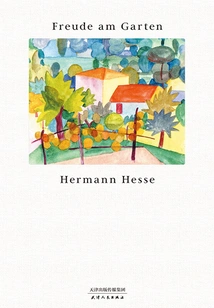
"Joy of the Garden" is a collection of essays by Hermann Hesse, the 1946 Nobel Prize winner for literature, including 61 articles and poems. In addition to being widely known as a writer, Hesse was also a living artist, painter and gardener. The text in this book mainly records Hesse's conversations and games with nature at different periods in his life.
"Joy of the Garden" is a collection of essays by Hermann Hesse, the 1946 Nobel Prize winner for literature, including 61 articles and poems. In addition to being widely known as a writer, Hesse was also a living artist, painter and gardener. The text in this book mainly records Hesse's conversations and games with nature at different periods in his life.

U
General Fictionu
G
Hesse's journey of self-healing and the inner monologue of "social fear". Harry is a "social phobia". He keeps to himself and does not like to socialize. He often feels that there is a "Steppenwolf" in his heart. This wolf makes him live in isolation, and he is torn between reason and desire every day. After meeting Hermina, his world was opened up, and he began to explore the possibilities of life, learned to return to the crowd, learned to live, and learned to laugh. This book is the masterpiece of Nobel Prize winner Hermann Hesse. It was written during the period when the author was mentally traumatized. Therefore, "Steppenwolf" can also be seen as his journey of self-healing.
Hesse's journey of self-healing and the inner monologue of "social fear". Harry is a "social phobia". He keeps to himself and does not like to socialize. He often feels that there is a "Steppenwolf" in his heart. This wolf makes him live in isolation, and he is torn between reason and desire every day. After meeting Hermina, his world was opened up, and he began to explore the possibilities of life, learned to return to the crowd, learned to live, and learned to laugh. This book is the masterpiece of Nobel Prize winner Hermann Hesse. It was written during the period when the author was mentally traumatized. Therefore, "Steppenwolf" can also be seen as his journey of self-healing.
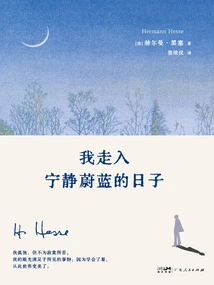
I Walk into the Quiet Blue Days
Literature我走入宁静蔚蓝的日子
G
This book is a collection of 38 essays and poems written by Hermann Hesse, the winner of the Nobel Prize for Literature, after he left Germany and lived in seclusion in a beautiful mountain village in Ticino, Switzerland, in order to treat his depression. He observed and experienced nature. It also includes a selection of many illustrations he created at the same time. Hesse took contemplation of the beauty of nature as a practice of self-healing in Ticino, which became a model for young people around the world to practice, and this work also became a guiding text for self-healing.
This book is a collection of 38 essays and poems written by Hermann Hesse, the winner of the Nobel Prize for Literature, after he left Germany and lived in seclusion in a beautiful mountain village in Ticino, Switzerland, in order to treat his depression. He observed and experienced nature. It also includes a selection of many illustrations he created at the same time. Hesse took contemplation of the beauty of nature as a practice of self-healing in Ticino, which became a model for young people around the world to practice, and this work also became a guiding text for self-healing.

阅读是安静的自我觉醒(果麦经典)
G
This book is a collection of reading essays by German writer Hesse. Hesse wrote and loved books, and he knew the charm of books best. He wrote more than 3,000 book reviews in his life, thinking about the purpose and process of reading, the relationship between people and reading, and also shared his favorite readings. He believes that reading must take the path of love, not the path of obligation. The purpose of reading should not be to forget ourselves and our daily lives, but to regain a more confident and mature grasp of our own lives. Hesse emphasized the inner unity of the book and the self. His literary criticism was not an objective analysis, but a "random impression" extracted from the literature after internalization. In this book, he talks about "reading" not from the perspective of a scholar but from the perspective of a reader. Here we can see through how Hesse transformed the world of books into his own world, thereby establishing a bibliography that suits his own temperament.
This book is a collection of reading essays by German writer Hesse. Hesse wrote and loved books, and he knew the charm of books best. He wrote more than 3,000 book reviews in his life, thinking about the purpose and process of reading, the relationship between people and reading, and also shared his favorite readings. He believes that reading must take the path of love, not the path of obligation. The purpose of reading should not be to forget ourselves and our daily lives, but to regain a more confident and mature grasp of our own lives. Hesse emphasized the inner unity of the book and the self. His literary criticism was not an objective analysis, but a "random impression" extracted from the literature after internalization. In this book, he talks about "reading" not from the perspective of a scholar but from the perspective of a reader. Here we can see through how Hesse transformed the world of books into his own world, thereby establishing a bibliography that suits his own temperament.

Siddhartha (2022 Version)
General Fiction悉达多(2022版)
G
The young Siddhartha discovered that life would always involve experiencing all kinds of pain. In order to seek relief, he began to wander alone. On the way, he listened to the teachings of the elders, explored the mysteries of lust, and owned a lot of wealth... After almost exhausting the experience of both spirit and body, Siddhartha was still in deep pain and could not be relieved. In despair, he came to the river and planned to end his life, but at this moment he saw the wonderful harmony of the world... Throughout his long creative career, Hesse has always firmly grasped the symptoms of the disease of the times. He is good at exploring the contradictions and pain in the process of personal growth, and strives to show and analyze personal spiritual crises in his works, and use literature to heal himself and readers. "Siddhartha" epitomizes this point. In "Siddhartha", Siddhartha, who was born into a noble family, felt that life was very painful. He wandered around and finally achieved enlightenment by the river and gained spiritual liberation. It is precisely because Hesse's novels have a clear literary therapeutic significance for readers and himself that he is regarded as a life mentor by countless young people.
The young Siddhartha discovered that life would always involve experiencing all kinds of pain. In order to seek relief, he began to wander alone. On the way, he listened to the teachings of the elders, explored the mysteries of lust, and owned a lot of wealth... After almost exhausting the experience of both spirit and body, Siddhartha was still in deep pain and could not be relieved. In despair, he came to the river and planned to end his life, but at this moment he saw the wonderful harmony of the world... Throughout his long creative career, Hesse has always firmly grasped the symptoms of the disease of the times. He is good at exploring the contradictions and pain in the process of personal growth, and strives to show and analyze personal spiritual crises in his works, and use literature to heal himself and readers. "Siddhartha" epitomizes this point. In "Siddhartha", Siddhartha, who was born into a noble family, felt that life was very painful. He wandered around and finally achieved enlightenment by the river and gained spiritual liberation. It is precisely because Hesse's novels have a clear literary therapeutic significance for readers and himself that he is regarded as a life mentor by countless young people.

F
General FictionF
G
"Demian: The Wandering Boyhood" is one of Hesse's masterpieces. It tells the story of the arduous journey of the young Xinkelai to find his own way. This book was first published in 1919 and was signed by Emile Sinclair. Once the work came out, it caused a huge response. Its popularity can only be compared with "The Sorrows of Young Werther" in the last century.
"Demian: The Wandering Boyhood" is one of Hesse's masterpieces. It tells the story of the arduous journey of the young Xinkelai to find his own way. This book was first published in 1919 and was signed by Emile Sinclair. Once the work came out, it caused a huge response. Its popularity can only be compared with "The Sorrows of Young Werther" in the last century.
Y
LiteratureY
G
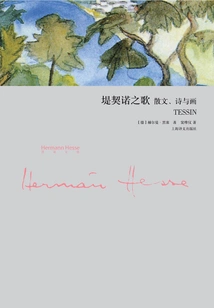
This book "Song of Ticino" can be said to be the essence of Hesse's works. It is a collection of prose and poetry, and it is also the author's induction, summary and interpretation of the artistic concepts, creative methods and philosophical thoughts of all his previous works. It is regarded by many experts and scholars as a key to the door of Hesse's thought.
This book "Song of Ticino" can be said to be the essence of Hesse's works. It is a collection of prose and poetry, and it is also the author's induction, summary and interpretation of the artistic concepts, creative methods and philosophical thoughts of all his previous works. It is regarded by many experts and scholars as a key to the door of Hesse's thought.
V
General Fictionv
G
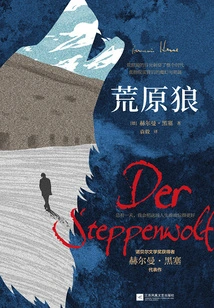
This book is an autobiographical novel by Hermann Hesse, a classic work of self-healing and growth for "social fears". The protagonist Harry had lofty personal ideals when he was young, but was rejected by the society at that time. Once, he read a booklet called "Steppenwolf" and awakened the "wolf nature" hidden under his "human nature". In order to get rid of the pain of loneliness, he went to a pub to get drunk and have fun, but he only gained short-term relief. Later, he entered a magic theater and saw various scattered personalities, so he pieced them together into a complete self. Finally, he got rid of despair and returned to real life. This book uses Harry's situation to express Hesse's own physical and mental healing process, while also revealing the symptoms of the decline of European culture at that time.
This book is an autobiographical novel by Hermann Hesse, a classic work of self-healing and growth for "social fears". The protagonist Harry had lofty personal ideals when he was young, but was rejected by the society at that time. Once, he read a booklet called "Steppenwolf" and awakened the "wolf nature" hidden under his "human nature". In order to get rid of the pain of loneliness, he went to a pub to get drunk and have fun, but he only gained short-term relief. Later, he entered a magic theater and saw various scattered personalities, so he pieced them together into a complete self. Finally, he got rid of despair and returned to real life. This book uses Harry's situation to express Hesse's own physical and mental healing process, while also revealing the symptoms of the decline of European culture at that time.
V
General Fictionv
G
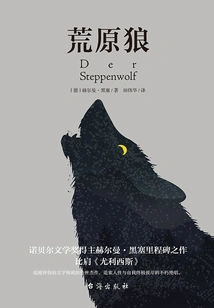
Harrell is an upright writer who despises the lifestyle of modern society. He often stays at home and is extremely lonely. He falls into a schizophrenic situation. One day, he accidentally read a short book "Review of Steppenwolf". He woke up from a dream and thought that he was a Steppenwolf with both "human nature" and "wolf nature". Later, he was invited to a party and found that the attendees all had narrow nationalist views, and his anti-war remarks were reprimanded, which made him feel very lonely. Later, he met the bar girl Hermina and gained sensual pleasure. Jinghe introduced him to the musician Pablo and the girl Maria. He forgot all his troubles and worries in music and sensory enjoyment. But when he saw Hermina getting close to Pablo, he became "wolfish" and killed Hermina out of jealousy. The novel is rich in fantasy color and profound symbolic meaning, and is considered to have a "surrealist" style. Thomas Mann called it "the German Ulysses".
Harrell is an upright writer who despises the lifestyle of modern society. He often stays at home and is extremely lonely. He falls into a schizophrenic situation. One day, he accidentally read a short book "Review of Steppenwolf". He woke up from a dream and thought that he was a Steppenwolf with both "human nature" and "wolf nature". Later, he was invited to a party and found that the attendees all had narrow nationalist views, and his anti-war remarks were reprimanded, which made him feel very lonely. Later, he met the bar girl Hermina and gained sensual pleasure. Jinghe introduced him to the musician Pablo and the girl Maria. He forgot all his troubles and worries in music and sensory enjoyment. But when he saw Hermina getting close to Pablo, he became "wolfish" and killed Hermina out of jealousy. The novel is rich in fantasy color and profound symbolic meaning, and is considered to have a "surrealist" style. Thomas Mann called it "the German Ulysses".

F
General FictionF
G
Emile Sinclair consciously lived in a warm and beautiful bright world, but it turned out to be just a lie. He longed for relief, but could not speak to anyone. The appearance of Demian helped him face these difficulties in life. Loneliness, timidity, hesitation, and rebellion came one after another every day, but he already had the courage to face it all...
Emile Sinclair consciously lived in a warm and beautiful bright world, but it turned out to be just a lie. He longed for relief, but could not speak to anyone. The appearance of Demian helped him face these difficulties in life. Loneliness, timidity, hesitation, and rebellion came one after another every day, but he already had the courage to face it all...

R
LiteratureR
G
"The last knight of German Romanticism" and winner of the Nobel Prize for Literature, Hesse's new 10-volume anthology, translated by famous writers, includes novels, short and medium-length works, poetry, prose, fairy tales and paintings, comprehensively displaying Hesse's creative career. Hesse's literary career began and ended with poetry creation; his first collection of poems, "Romantic Songs," collected his poetry creation since the age of 15, and his last poem, "The Rattling of Broken Branches," was completed the day before his death. During the nearly 70 years of Hesse's poetry career, he composed about 1,400 poems, of which more than 800 were edited by him into 15 poetry anthologies. Hesse's poems are deeply loved by the German people. His poems are pure and touching, and each chapter expresses his true feelings. Not only is his language delicate and euphemistic, concise and simple, but his style is also particularly fresh, natural and smooth. "Poetry Talks about Life - Selected Poems of Hesse" selects 275 excellent poems from 15 collections of Hesse's poems and publishes them in five parts: "Youth", "Youth", "Middle-aged", "Old Age" and "Old Age". It fully presents the essence of Hesse's poetry creation.
"The last knight of German Romanticism" and winner of the Nobel Prize for Literature, Hesse's new 10-volume anthology, translated by famous writers, includes novels, short and medium-length works, poetry, prose, fairy tales and paintings, comprehensively displaying Hesse's creative career. Hesse's literary career began and ended with poetry creation; his first collection of poems, "Romantic Songs," collected his poetry creation since the age of 15, and his last poem, "The Rattling of Broken Branches," was completed the day before his death. During the nearly 70 years of Hesse's poetry career, he composed about 1,400 poems, of which more than 800 were edited by him into 15 poetry anthologies. Hesse's poems are deeply loved by the German people. His poems are pure and touching, and each chapter expresses his true feelings. Not only is his language delicate and euphemistic, concise and simple, but his style is also particularly fresh, natural and smooth. "Poetry Talks about Life - Selected Poems of Hesse" selects 275 excellent poems from 15 collections of Hesse's poems and publishes them in five parts: "Youth", "Youth", "Middle-aged", "Old Age" and "Old Age". It fully presents the essence of Hesse's poetry creation.
X
General FictionX
G
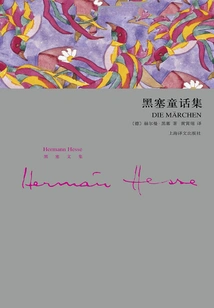
This book collects Hesse's twenty fairy tales, covering his entire creative career and witnessing his life trajectory. Hesse's fairy tales are not fairy tales in the traditional sense, but they are deeply influenced by Eastern and Western fairy tale traditions. From "Two Brothers", which he created when he was ten years old, to his last piece, "Birds" written in 1933, they bear witness to Hesse's attempts to use this genre to record his inner world as an artist. Like many European writers of his generation, Hesse paid close attention to everything happening around him: the rapid development of science and technology, the rise of materialism, the outbreak of world wars, economic boom and recession... All these, as well as the traumas, questions and dreams he personally experienced, are perfectly reflected in the world of artistic fairy tales.
This book collects Hesse's twenty fairy tales, covering his entire creative career and witnessing his life trajectory. Hesse's fairy tales are not fairy tales in the traditional sense, but they are deeply influenced by Eastern and Western fairy tale traditions. From "Two Brothers", which he created when he was ten years old, to his last piece, "Birds" written in 1933, they bear witness to Hesse's attempts to use this genre to record his inner world as an artist. Like many European writers of his generation, Hesse paid close attention to everything happening around him: the rapid development of science and technology, the rise of materialism, the outbreak of world wars, economic boom and recession... All these, as well as the traumas, questions and dreams he personally experienced, are perfectly reflected in the world of artistic fairy tales.

T
General Fictiont
G
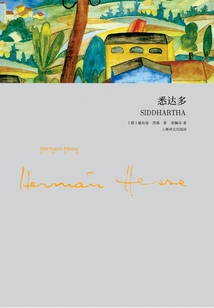
"Siddhartha" is a classic work that explores the soul and the meaning of life written by Nobel Prize winner Hermann Hesse. Siddhartha, the young son of a Brahmin, had a privileged family background, but he resolutely gave up worldly comfort and embarked on a long journey to find the meaning of life. He sharpened his will in asceticism, experienced desires in the world, and constantly tortured his soul in confusion and struggle. Along the way, he experienced countless unknowns and challenges, and gained profound life wisdom. If you feel confused in life, you might as well open "Siddhartha" and embark on this soul-touching journey with him to find your own true meaning of life.
"Siddhartha" is a classic work that explores the soul and the meaning of life written by Nobel Prize winner Hermann Hesse. Siddhartha, the young son of a Brahmin, had a privileged family background, but he resolutely gave up worldly comfort and embarked on a long journey to find the meaning of life. He sharpened his will in asceticism, experienced desires in the world, and constantly tortured his soul in confusion and struggle. Along the way, he experienced countless unknowns and challenges, and gained profound life wisdom. If you feel confused in life, you might as well open "Siddhartha" and embark on this soul-touching journey with him to find your own true meaning of life.
Y
General FictionY
G
This book contains three of Hesse's famous novellas, namely "Siddhartha", "Gertrude" and "Knolp". "Gertrude" tells the story of a love triangle between two extremely talented musicians and a beautiful young woman, hinting at the theme of the novel: the male protagonist is frustrated in love, but it promotes his artistic creation. "Knulp" was called "my favorite novel" by Hesse. It shows the customs of a small town in Germany in the last century. S. Stephen Zweig praised this sentimental work and said: "There is a German country in the book, which has never been seen before." Some people realize that, even we are no exception. "The main chapter "Siddhartha" describes the life of a young Brahmin aristocrat who seeks the true meaning of life. He went from being rich and luxurious to traveling as a monk, and then from being extravagant and extravagant to ferrying people to work, and finally became enlightened and became a Buddha. The novel is hailed as the essence of Hesse's thought and literary works, and is a successful work with worldwide influence.
This book contains three of Hesse's famous novellas, namely "Siddhartha", "Gertrude" and "Knolp". "Gertrude" tells the story of a love triangle between two extremely talented musicians and a beautiful young woman, hinting at the theme of the novel: the male protagonist is frustrated in love, but it promotes his artistic creation. "Knulp" was called "my favorite novel" by Hesse. It shows the customs of a small town in Germany in the last century. S. Stephen Zweig praised this sentimental work and said: "There is a German country in the book, which has never been seen before." Some people realize that, even we are no exception. "The main chapter "Siddhartha" describes the life of a young Brahmin aristocrat who seeks the true meaning of life. He went from being rich and luxurious to traveling as a monk, and then from being extravagant and extravagant to ferrying people to work, and finally became enlightened and became a Buddha. The novel is hailed as the essence of Hesse's thought and literary works, and is a successful work with worldwide influence.
Y
General Fictiony
G
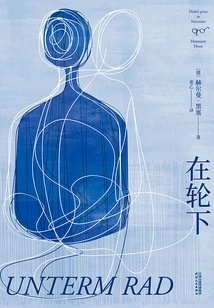
"Under the Wheel" is a semi-autobiographical novel written early in Hesse's creative career. It tells the story of the genius boy Hans Gibbenrath who gradually became tragic under the harsh educational system and social pressure. Hans was born in a small town in Germany and was extremely talented. He studied hard under the expectations of his family and teachers, and passed the state examination to enter the famous Maulbronn Academy. He sacrificed all the entertainment of his childhood just to meet the expectations of his father and teachers and become a "model student." Hans met the rebellious Hermann Heilner, who advocated freedom and despised the rigid education system. Heilner was expelled for defying school rules, while Hans gradually became physically and mentally exhausted due to mental depression and academic pressure, and his grades declined. Hans was forced to drop out of school due to neurasthenia. After returning to his hometown, he became a factory apprentice. He was ignored by society and eventually led to tragedy.
"Under the Wheel" is a semi-autobiographical novel written early in Hesse's creative career. It tells the story of the genius boy Hans Gibbenrath who gradually became tragic under the harsh educational system and social pressure. Hans was born in a small town in Germany and was extremely talented. He studied hard under the expectations of his family and teachers, and passed the state examination to enter the famous Maulbronn Academy. He sacrificed all the entertainment of his childhood just to meet the expectations of his father and teachers and become a "model student." Hans met the rebellious Hermann Heilner, who advocated freedom and despised the rigid education system. Heilner was expelled for defying school rules, while Hans gradually became physically and mentally exhausted due to mental depression and academic pressure, and his grades declined. Hans was forced to drop out of school due to neurasthenia. After returning to his hometown, he became a factory apprentice. He was ignored by society and eventually led to tragedy.
Demian
General Fiction德米安
G
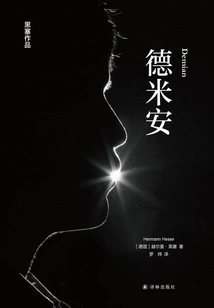
"Demian" is one of the masterpieces of the German literary master Hesse. It is a coming-of-age novel that tells the story of young Sinclair's arduous journey of finding himself. Sinclair, who was born and grew up in a wealthy family, fell into endless entanglement because of a lie he told. Later, a young man named Demian appeared and brought him light. From then on, he began to embark on the path of loneliness and self-discovery. Later, Demian appeared in different identities and appearances, pointing out the way forward for Sinclair every time he hesitated...
"Demian" is one of the masterpieces of the German literary master Hesse. It is a coming-of-age novel that tells the story of young Sinclair's arduous journey of finding himself. Sinclair, who was born and grew up in a wealthy family, fell into endless entanglement because of a lie he told. Later, a young man named Demian appeared and brought him light. From then on, he began to embark on the path of loneliness and self-discovery. Later, Demian appeared in different identities and appearances, pointing out the way forward for Sinclair every time he hesitated...

Y
General Fictiony
G
"The Last Summer of Klingsor" is a novella written by Hermann Hesse in 1919. At the end of his life, the painter Klingsor roamed, tasted wine, and talked about life with his friends in the beloved places he often visited in his early years. He used paintings to fight and scream for the continuation of life, declaring war on the evil death. The unmixed paint on the palette in his hand carried his protest against death and his ridicule of decline. He painted new life and all declines. Finally, after a warm but short summer, Klingsor exhausted all his energy and completed the work he will leave forever in the world - a self-portrait...
"The Last Summer of Klingsor" is a novella written by Hermann Hesse in 1919. At the end of his life, the painter Klingsor roamed, tasted wine, and talked about life with his friends in the beloved places he often visited in his early years. He used paintings to fight and scream for the continuation of life, declaring war on the evil death. The unmixed paint on the palette in his hand carried his protest against death and his ridicule of decline. He painted new life and all declines. Finally, after a warm but short summer, Klingsor exhausted all his energy and completed the work he will leave forever in the world - a self-portrait...

克林格梭尔的最后夏天(黑塞文集)
G
"The last knight of German Romanticism" and winner of the Nobel Prize for Literature, Hesse's new 10-volume anthology, translated by famous writers, includes novels, short and medium-length works, poetry, prose, fairy tales and paintings, comprehensively displaying Hesse's creative career. "The Last Summer of Klingelsauer" contains a total of 11 short and medium-length works by Hesse: "The Mind of a Child", "Klein and Wagner", "Inside and Outside", "The Last Summer of Klingelsauer", "A Foreign City in the South", "Coyote", "Souvenir", "Meeting the Poet", "Revelation on Housewarming", "My Biography" and "Interrupted Classes". "The Last Summer of Klingershal" is a novella written by Hesse in 1919. At that time, the First World War had just ended, and the world had not yet recovered from the chaos. Tens of millions of soldiers, prisoners of war, and people returned to the freedom that they both yearned for and feared from years of rigid and unified obedience. Some young people were dragged away by the war in their childhood and now "return", but must face a completely unfamiliar reality. For "old people" like Hesse, those worldviews that were once highly recognized have become ridiculous and ridiculous things of the past. Everything becomes suspicious and disturbing. In such a summer, a farewell summer, a day full of power and light, temptation and charm, filled with southern sunshine and the aroma of wine, the painter Klingsor transformed into Li Taibai, roamed, drank and debated with his friends Du Fu, Louis and the Armenian astrologer. Finally, at the end of summer, I used up all the fuel in my life to complete the final painting.
"The last knight of German Romanticism" and winner of the Nobel Prize for Literature, Hesse's new 10-volume anthology, translated by famous writers, includes novels, short and medium-length works, poetry, prose, fairy tales and paintings, comprehensively displaying Hesse's creative career. "The Last Summer of Klingelsauer" contains a total of 11 short and medium-length works by Hesse: "The Mind of a Child", "Klein and Wagner", "Inside and Outside", "The Last Summer of Klingelsauer", "A Foreign City in the South", "Coyote", "Souvenir", "Meeting the Poet", "Revelation on Housewarming", "My Biography" and "Interrupted Classes". "The Last Summer of Klingershal" is a novella written by Hesse in 1919. At that time, the First World War had just ended, and the world had not yet recovered from the chaos. Tens of millions of soldiers, prisoners of war, and people returned to the freedom that they both yearned for and feared from years of rigid and unified obedience. Some young people were dragged away by the war in their childhood and now "return", but must face a completely unfamiliar reality. For "old people" like Hesse, those worldviews that were once highly recognized have become ridiculous and ridiculous things of the past. Everything becomes suspicious and disturbing. In such a summer, a farewell summer, a day full of power and light, temptation and charm, filled with southern sunshine and the aroma of wine, the painter Klingsor transformed into Li Taibai, roamed, drank and debated with his friends Du Fu, Louis and the Armenian astrologer. Finally, at the end of summer, I used up all the fuel in my life to complete the final painting.
W
General Fictionw
G
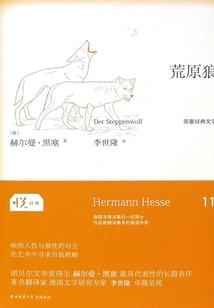
This book is a representative novel by Nobel Prize winner Hermann Hesse. Domestic translations are mixed, and there are only two that have good reputation: Li Shilong's translation and Zhao Dengrong's translation. Unfortunately, Li Shilong's translation has disappeared from the market since 1997. Many readers had to search far and wide. The "Yue Classics" series is included in this book, which fills the gap in the market and is good news for the majority of Hesse fans.
This book is a representative novel by Nobel Prize winner Hermann Hesse. Domestic translations are mixed, and there are only two that have good reputation: Li Shilong's translation and Zhao Dengrong's translation. Unfortunately, Li Shilong's translation has disappeared from the market since 1997. Many readers had to search far and wide. The "Yue Classics" series is included in this book, which fills the gap in the market and is good news for the majority of Hesse fans.
W
General Fictionw
G
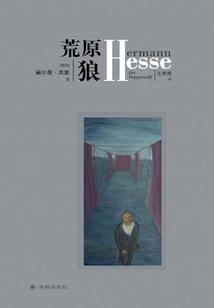
"Steppenwolf" is the masterpiece of German writer Hermann Hesse, who won the Nobel Prize for Literature in 1946. Harry Harrell, who has never returned home and is always on the road, pursuing the "fun" of wandering, is incompatible with modern society and the world around him. He always nervously pursues classics and the ultimate truth. In extreme fatigue, he breaks down schizophrenia and becomes a community of wolf and human. He wants to commit suicide many times. On the night when Harrell finally made up his mind to commit suicide, he met the beautiful Hermina, and a strange turn of fate occurred. In the interactions with several important figures such as the dancer Hermina, the ballroom musician Pablo, the prostitute Maria, etc., He gradually understood the true meaning of life and art, and eliminated the mental tension and despair; in the end, he was able to make an incredible connection between the ordinary and even vulgar life and the lofty thoughts of "immortals" such as Goethe and Mozart, and understood the true meaning of life and art in the magic theater.
"Steppenwolf" is the masterpiece of German writer Hermann Hesse, who won the Nobel Prize for Literature in 1946. Harry Harrell, who has never returned home and is always on the road, pursuing the "fun" of wandering, is incompatible with modern society and the world around him. He always nervously pursues classics and the ultimate truth. In extreme fatigue, he breaks down schizophrenia and becomes a community of wolf and human. He wants to commit suicide many times. On the night when Harrell finally made up his mind to commit suicide, he met the beautiful Hermina, and a strange turn of fate occurred. In the interactions with several important figures such as the dancer Hermina, the ballroom musician Pablo, the prostitute Maria, etc., He gradually understood the true meaning of life and art, and eliminated the mental tension and despair; in the end, he was able to make an incredible connection between the ordinary and even vulgar life and the lofty thoughts of "immortals" such as Goethe and Mozart, and understood the true meaning of life and art in the magic theater.

The Melody of Mitarai Yui
General Fiction御手洗结的旋律
H
The four short stories with different styles in the Mitarashi Kyou series written by Shoji Shimada not only challenge the readers' brains, but also reveal the unknown mental journey of the most idiosyncratic detective in history. Why do urinals in restaurant restrooms disappear over and over again? Why was the company's nameplate hit by twelve bullets, and why was there a ghost painting in the building opposite? What are some memorable moments from Mitarai and Ishioka's Christmas? Among Mitarai's memories of Japan, who is the deepest emotion in his heart?
The four short stories with different styles in the Mitarashi Kyou series written by Shoji Shimada not only challenge the readers' brains, but also reveal the unknown mental journey of the most idiosyncratic detective in history. Why do urinals in restaurant restrooms disappear over and over again? Why was the company's nameplate hit by twelve bullets, and why was there a ghost painting in the building opposite? What are some memorable moments from Mitarai and Ishioka's Christmas? Among Mitarai's memories of Japan, who is the deepest emotion in his heart?

A Handsome Face
General Fiction一张俊美的脸
I
Mystery novels by Josephine Tey, a famous British mystery writer and one of the heroines of the Golden Age. Blessings lie where misfortunes lie, and misfortunes lie where blessings rely. Everyone dreams of having a flawless face. But, do you think that if your face becomes beautiful, your life will be perfect? Excessive beauty is always a dangerous thing. The appearance of that face broke the peace of the town. That face is truly unforgettable. That face made people talk a lot. Some people are envious, and some are jealous; some like it, and some are disgusted... Until one day, that beautiful face suddenly disappeared...
Mystery novels by Josephine Tey, a famous British mystery writer and one of the heroines of the Golden Age. Blessings lie where misfortunes lie, and misfortunes lie where blessings rely. Everyone dreams of having a flawless face. But, do you think that if your face becomes beautiful, your life will be perfect? Excessive beauty is always a dangerous thing. The appearance of that face broke the peace of the town. That face is truly unforgettable. That face made people talk a lot. Some people are envious, and some are jealous; some like it, and some are disgusted... Until one day, that beautiful face suddenly disappeared...

Explorer Vos
General Fiction探险家沃斯
J
Voss the Explorer is an epic masterpiece created by Patrick White based on the experiences of the legendary explorer Ludwig Reichhardt. The protagonist Voss, who is based on Leichhardt, is stubborn, gloomy and unkempt. His plan to explore the Australian outback is funded by the wealthy businessman Mr. Bonnner. While visiting Mr. Bonnner, Voss meets Miss Laura. Laura's parents died when she was young, and she was adopted by her aunt, Mrs. Bonner. She is a unique woman, rational and withdrawn. She and Voss were attracted to each other and exchanged letters with Voss after the expedition set off. But soon, as the expedition went deep into the interior, the two lost contact and could only talk to each other in each other's dreams and fantasies. For Voss, this is not only an adventure to find the secrets and wealth of the outback, but also a pilgrimage that goes deep into human nature and soul. In the magnificent and severe nature, the expedition team went through hardships and challenges, and gradually collapsed. Only the phantom Laura supported Voss towards the end of his life.
Voss the Explorer is an epic masterpiece created by Patrick White based on the experiences of the legendary explorer Ludwig Reichhardt. The protagonist Voss, who is based on Leichhardt, is stubborn, gloomy and unkempt. His plan to explore the Australian outback is funded by the wealthy businessman Mr. Bonnner. While visiting Mr. Bonnner, Voss meets Miss Laura. Laura's parents died when she was young, and she was adopted by her aunt, Mrs. Bonner. She is a unique woman, rational and withdrawn. She and Voss were attracted to each other and exchanged letters with Voss after the expedition set off. But soon, as the expedition went deep into the interior, the two lost contact and could only talk to each other in each other's dreams and fantasies. For Voss, this is not only an adventure to find the secrets and wealth of the outback, but also a pilgrimage that goes deep into human nature and soul. In the magnificent and severe nature, the expedition team went through hardships and challenges, and gradually collapsed. Only the phantom Laura supported Voss towards the end of his life.

N
General Fictionn
H
"Water Margin" is one of China's four famous novels. It is a novel describing an ancient peasant uprising. The novel originated from the story of the peasant uprising of 36 people including Song Jiang in the late Northern Song Dynasty. It gradually developed and matured through storytelling, opera and other performance forms in the Jin and Yuan Dynasties; and through the artistic processing of these artists, it was compiled into scripts and dramas and was widely sung among the people. At the end of the Yuan Dynasty and the beginning of the Ming Dynasty, Shi Naian and his student Luo Guanzhong carried out artistic re-creation on the basis of folk tales, scripts and operas, and thus wrote the first Chinese vernacular article novel "Water Margin". The book depicts a number of well-known heroes represented by Song Jiang, Wu Yong, Lu Zhishen, Lin Chong, Wu Song, Li Kui, Sun Erniang, etc. The 108 Liangshan heroes have different origins, experiences and encounters, representing people from different levels of society. They also highlight the general theme of the chaotic government forcing the people to rebel, and reflect the citizens' pursuit of life to resist tyranny and yearn for freedom.
"Water Margin" is one of China's four famous novels. It is a novel describing an ancient peasant uprising. The novel originated from the story of the peasant uprising of 36 people including Song Jiang in the late Northern Song Dynasty. It gradually developed and matured through storytelling, opera and other performance forms in the Jin and Yuan Dynasties; and through the artistic processing of these artists, it was compiled into scripts and dramas and was widely sung among the people. At the end of the Yuan Dynasty and the beginning of the Ming Dynasty, Shi Naian and his student Luo Guanzhong carried out artistic re-creation on the basis of folk tales, scripts and operas, and thus wrote the first Chinese vernacular article novel "Water Margin". The book depicts a number of well-known heroes represented by Song Jiang, Wu Yong, Lu Zhishen, Lin Chong, Wu Song, Li Kui, Sun Erniang, etc. The 108 Liangshan heroes have different origins, experiences and encounters, representing people from different levels of society. They also highlight the general theme of the chaotic government forcing the people to rebel, and reflect the citizens' pursuit of life to resist tyranny and yearn for freedom.
Romance of the Three Kingdoms (complete Works)
General Fiction三国演义(全集)
K
"The Romance of the Three Kingdoms" is China's first full-length retrospective historical romance novel. It mainly describes wars and reflects the political and military struggles between the three political groups of Shu, Wei and Wu. It can be roughly divided into five parts: the Yellow Turban Rebellion, Dong Zhuo's Rebellion, the Competition of Heroes, the Three Kingdoms, and the Return of the Three Kingdoms to Shanxi. Against a broad background, various turbulent and majestic war scenes were staged, and nearly 500 characters were successfully portrayed. Among them, Cao Cao, Liu Bei, Sun Quan, Zhuge Liang, Zhou Yu, Guan Yu, Zhang Fei and other characters are very popular.
"The Romance of the Three Kingdoms" is China's first full-length retrospective historical romance novel. It mainly describes wars and reflects the political and military struggles between the three political groups of Shu, Wei and Wu. It can be roughly divided into five parts: the Yellow Turban Rebellion, Dong Zhuo's Rebellion, the Competition of Heroes, the Three Kingdoms, and the Return of the Three Kingdoms to Shanxi. Against a broad background, various turbulent and majestic war scenes were staged, and nearly 500 characters were successfully portrayed. Among them, Cao Cao, Liu Bei, Sun Quan, Zhuge Liang, Zhou Yu, Guan Yu, Zhang Fei and other characters are very popular.

Hi Fu Gantang
Ancient Romance蔽芾甘棠
Garrison
Needless to say, the girl in Pingcheng's dream must be King Chen Wenqi of Ningyang. He is a talented, clean and self-sufficient prince. He has a good appearance, but he is not lovable. However, some ministers in the court said that King Ningyang was a Rakshasa-like person who was extremely vicious. Tao Gantang originally thought that he was a cold and noble young master, but unexpectedly he was a young prince who was full of love words and waiting to be coaxed. Chen Wenqi has always felt that people are like fish and meat. But when Tao Gantang spoke in his ear again and again, he suddenly understood what the word "heard" meant. Even if it was for the fish and meat on the sword, for Tao Gantang, he would still fight to win peace for her life.
Needless to say, the girl in Pingcheng's dream must be King Chen Wenqi of Ningyang. He is a talented, clean and self-sufficient prince. He has a good appearance, but he is not lovable. However, some ministers in the court said that King Ningyang was a Rakshasa-like person who was extremely vicious. Tao Gantang originally thought that he was a cold and noble young master, but unexpectedly he was a young prince who was full of love words and waiting to be coaxed. Chen Wenqi has always felt that people are like fish and meat. But when Tao Gantang spoke in his ear again and again, he suddenly understood what the word "heard" meant. Even if it was for the fish and meat on the sword, for Tao Gantang, he would still fight to win peace for her life.

武夫专制梦:中国军阀势力的形成及其作用
H
The first question encountered when studying warlords is: What are warlords? If interpreted literally, the word "valve" in warlord is a bit similar to the word "hegemon" we use in daily life, because no matter what role a person is, as long as they are suffixed with this obscure word "valve", they will become domineering. Warlords can be understood as lawless people who rely on force. If we still want to delve deeper into the political connotation of the word "warlord", then without much effort we will find two elements recognized by many pseudo-definitions of warlords. One is to rely exclusively on force, and the other is to segregate local areas. The English word "warlord" perfectly displays these two elements. (WAR refers to military and war, and LORD means land). Whether it is the definition of Western scholars as "anyone who dominates an area based on military strength" (Sheridan), or the authoritative domestic summary of "a military group that relies on self-respect, separatist forces, and forms its own faction" (Cihai), there is no exception.
The first question encountered when studying warlords is: What are warlords? If interpreted literally, the word "valve" in warlord is a bit similar to the word "hegemon" we use in daily life, because no matter what role a person is, as long as they are suffixed with this obscure word "valve", they will become domineering. Warlords can be understood as lawless people who rely on force. If we still want to delve deeper into the political connotation of the word "warlord", then without much effort we will find two elements recognized by many pseudo-definitions of warlords. One is to rely exclusively on force, and the other is to segregate local areas. The English word "warlord" perfectly displays these two elements. (WAR refers to military and war, and LORD means land). Whether it is the definition of Western scholars as "anyone who dominates an area based on military strength" (Sheridan), or the authoritative domestic summary of "a military group that relies on self-respect, separatist forces, and forms its own faction" (Cihai), there is no exception.

Green Train
Literature绿皮火车
J
This book is a collection of folk poet Zhou Yunpeng's travel notes from 2011 to the beginning of 2020. Whether it is his songs or words, they will give people a feeling of "lightness, elimination of anger, and endless aftertaste". If you like folk songs, you should listen to Zhou Yunpeng. If you like both folk songs and travelogues, you should read "Green Train". He wrote down his experiences of "traveling and singing, getting to know people, and encountering troubles". He cares about many things and many people. The vast inner world of this blind singer will make "normal people" feel ashamed.
This book is a collection of folk poet Zhou Yunpeng's travel notes from 2011 to the beginning of 2020. Whether it is his songs or words, they will give people a feeling of "lightness, elimination of anger, and endless aftertaste". If you like folk songs, you should listen to Zhou Yunpeng. If you like both folk songs and travelogues, you should read "Green Train". He wrote down his experiences of "traveling and singing, getting to know people, and encountering troubles". He cares about many things and many people. The vast inner world of this blind singer will make "normal people" feel ashamed.

Marriage Cannot Be Done by Oneself 2
Youth Fiction婚不由己2
L
Shen Man married Gu Minjie and transformed from an ordinary driver's daughter and a recent college graduate into Mrs. Gu. She learned the norms of a lady for him, put on eight-centimeter stilettos for him, learned makeup skills for him, and transformed him into a noble woman. However, nothing could save him from ignoring her. Marriage seems to have become a frog boiled in warm water, polishing off all her passion. One day, she discovered that she never owned him, this man whom she had not known each other even though they had been married for three years. So that day, she finally made up her mind and sent him a divorce agreement. When his well-behaved and sensible little wife handed over the divorce agreement, he began to realize that she was no longer the little girl who obeyed his arrangements. She had grown up and wanted to leave her, but he hadn't had time to understand her yet!
Shen Man married Gu Minjie and transformed from an ordinary driver's daughter and a recent college graduate into Mrs. Gu. She learned the norms of a lady for him, put on eight-centimeter stilettos for him, learned makeup skills for him, and transformed him into a noble woman. However, nothing could save him from ignoring her. Marriage seems to have become a frog boiled in warm water, polishing off all her passion. One day, she discovered that she never owned him, this man whom she had not known each other even though they had been married for three years. So that day, she finally made up her mind and sent him a divorce agreement. When his well-behaved and sensible little wife handed over the divorce agreement, he began to realize that she was no longer the little girl who obeyed his arrangements. She had grown up and wanted to leave her, but he hadn't had time to understand her yet!

People Who Often Watch Movies
General Fiction常看电影的人们
M
Welcome to Paradim Cinema! It was once the largest theater on the south bank of the Thames, attracting celebrities from London's West End to stop and watch. Now, there are only popcorn, depressed cinema managers and a group of moviegoers with different personalities in the dilapidated hall. They touch each other and shape each other's destiny. Among them are Mark, a cynical intellectual young man who pursues sensuality and spirituality; Mark's girlfriend Claire, a former novice nun who has lost her faith but found passion; Father Kipling, who regards the cinema as a "place of greed"; and Harry, a boy who vents his malice in unknown corners... In his first novel, David Lodge uses keen observation to describe the lives of 17 people of different ages and social backgrounds. Their hopes, confusions, frustrations, dreams, joys and sorrows are staged at the Paradim Cinema along with the dream world on the big screen.
Welcome to Paradim Cinema! It was once the largest theater on the south bank of the Thames, attracting celebrities from London's West End to stop and watch. Now, there are only popcorn, depressed cinema managers and a group of moviegoers with different personalities in the dilapidated hall. They touch each other and shape each other's destiny. Among them are Mark, a cynical intellectual young man who pursues sensuality and spirituality; Mark's girlfriend Claire, a former novice nun who has lost her faith but found passion; Father Kipling, who regards the cinema as a "place of greed"; and Harry, a boy who vents his malice in unknown corners... In his first novel, David Lodge uses keen observation to describe the lives of 17 people of different ages and social backgrounds. Their hopes, confusions, frustrations, dreams, joys and sorrows are staged at the Paradim Cinema along with the dream world on the big screen.

Color
General Fiction色彩
K
As soon as Brown Leather Shoes left Yongdingmen Railway Station, he bumped into Bigfoot Cuigu, which he never expected. "Young Master!" La La shouted, and Cui Gu reached out to grab the luggage. He didn't see her at first. People are like swarms of bees at dusk, coming and going in groups, noisy and crowded. The rain had just stopped, and the puddles on the muddy ground shone brightly like mirrors. He avoided the puddles and walked, stepping and jumping carefully, trying his best to keep his leather shoes from being stained with mud. He wiped these shoes several times on the train. When driving through Changzhou, he bought a glutinous rice dumpling and used the stickiness of the rice dumpling leaves to smooth out the thin skin on the upper part of his right foot. As he jumped into the last puddle, he was slapped on the ass by a carrying wicker basket.
As soon as Brown Leather Shoes left Yongdingmen Railway Station, he bumped into Bigfoot Cuigu, which he never expected. "Young Master!" La La shouted, and Cui Gu reached out to grab the luggage. He didn't see her at first. People are like swarms of bees at dusk, coming and going in groups, noisy and crowded. The rain had just stopped, and the puddles on the muddy ground shone brightly like mirrors. He avoided the puddles and walked, stepping and jumping carefully, trying his best to keep his leather shoes from being stained with mud. He wiped these shoes several times on the train. When driving through Changzhou, he bought a glutinous rice dumpling and used the stickiness of the rice dumpling leaves to smooth out the thin skin on the upper part of his right foot. As he jumped into the last puddle, he was slapped on the ass by a carrying wicker basket.
King Gesar (revised Version)
General Fiction格萨尔王(修订本)
I
This book is a novel written by the famous writer Alai for the "Retelling of Myths" series. By telling the story of King Gesar in Tibetan mythology, from his birth as the son of the god, to his subjugation of demons, stabilization of the three realms, and finally his return to the heaven, it shows the history of the Tibetan nation from a primitive tribal alliance to the emergence of a nation, and displays the unique cultural essence of the Tibetan nation. This book was previously published by our company in 2009, and this is the revised version. King Gesar is a heroic figure in Tibetan legends. According to legend, he is the incarnation of the Son of God, Tribagawa. Out of sympathy for the suffering of demons in the world, he specially descended to the world to conquer demons and eliminate them, creating a better life for the world. King Gesar's life was full of turbulent battles with evil forces and drove away the invaders who robbed the people.
This book is a novel written by the famous writer Alai for the "Retelling of Myths" series. By telling the story of King Gesar in Tibetan mythology, from his birth as the son of the god, to his subjugation of demons, stabilization of the three realms, and finally his return to the heaven, it shows the history of the Tibetan nation from a primitive tribal alliance to the emergence of a nation, and displays the unique cultural essence of the Tibetan nation. This book was previously published by our company in 2009, and this is the revised version. King Gesar is a heroic figure in Tibetan legends. According to legend, he is the incarnation of the Son of God, Tribagawa. Out of sympathy for the suffering of demons in the world, he specially descended to the world to conquer demons and eliminate them, creating a better life for the world. King Gesar's life was full of turbulent battles with evil forces and drove away the invaders who robbed the people.

It (full Collection)
General Fiction它(全集)
H
One rainy day, William made a paper boat for his brother George. The younger brother happily went out to release the boat on the street, but died tragically at the sewer entrance not long after. Subsequently, children continued to disappear or die in the town, but the police's search yielded no results. William's parents were immersed in the grief of losing their son and ignored William. During the summer vacation, the sad and lonely William formed the "Wimp Club" with six children who were not popular in school. The friends discovered that almost all of them had seen a strange guy - "it". "It" changes in many ways, sometimes it is a clown holding a balloon, sometimes it is a giant bird, sometimes it is a whisper in the drainage pipe and gurgling blood... The most constant is that every time "it" appears in Delhi, it takes the lives of dozens of children.
One rainy day, William made a paper boat for his brother George. The younger brother happily went out to release the boat on the street, but died tragically at the sewer entrance not long after. Subsequently, children continued to disappear or die in the town, but the police's search yielded no results. William's parents were immersed in the grief of losing their son and ignored William. During the summer vacation, the sad and lonely William formed the "Wimp Club" with six children who were not popular in school. The friends discovered that almost all of them had seen a strange guy - "it". "It" changes in many ways, sometimes it is a clown holding a balloon, sometimes it is a giant bird, sometimes it is a whisper in the drainage pipe and gurgling blood... The most constant is that every time "it" appears in Delhi, it takes the lives of dozens of children.

End of the Queue Ii: No More Queues
General Fiction队列之末II:再无队列
I
"No Longer Queue" Christopher is an aristocratic gentleman who believes in the traditional morals of the age of chivalry. He is upright, tolerant, and clean. Sylvia is a typical social butterfly. She has many lovers and lives a life of dissipation and indulgence all day long. However, an unexpected pregnancy forces her to marry the conservative Christopher in order to save her reputation. The boring life after marriage and her husband's indifference drove Sylvia crazy, and she began to use all means to stimulate Christopher. Sylvia's elopement with her old lover became the beginning of their conflict, but neither of them had religious beliefs that allowed them to divorce. In this way, this barely maintained marriage plunged the two people into endless torture. By chance, Christopher met Valentin, a modern woman with radical ideas and profound knowledge. Further contact made these two people from seemingly different worlds fall in love, but the fetters of the world hindered the further development of their relationship. At the same time, Sylvia also realized the crisis of her marriage, began to curb her life, worked hard to save the marriage, and showed her kindness to her husband. The advent of World War I and Christopher's joining the army brought this love triangle to tests and choices.
"No Longer Queue" Christopher is an aristocratic gentleman who believes in the traditional morals of the age of chivalry. He is upright, tolerant, and clean. Sylvia is a typical social butterfly. She has many lovers and lives a life of dissipation and indulgence all day long. However, an unexpected pregnancy forces her to marry the conservative Christopher in order to save her reputation. The boring life after marriage and her husband's indifference drove Sylvia crazy, and she began to use all means to stimulate Christopher. Sylvia's elopement with her old lover became the beginning of their conflict, but neither of them had religious beliefs that allowed them to divorce. In this way, this barely maintained marriage plunged the two people into endless torture. By chance, Christopher met Valentin, a modern woman with radical ideas and profound knowledge. Further contact made these two people from seemingly different worlds fall in love, but the fetters of the world hindered the further development of their relationship. At the same time, Sylvia also realized the crisis of her marriage, began to curb her life, worked hard to save the marriage, and showed her kindness to her husband. The advent of World War I and Christopher's joining the army brought this love triangle to tests and choices.
巴塞特郡纪事(一):巴彻斯特养老院(特罗洛普文集)
J
Trollope, the most prolific and greatest novelist in the history of British literature, has the most read works in the UK. He is a writer as famous as Shakespeare and Dickens. He is the first person in literature in the Victorian era and the representative work of the outstanding British novelist Trollope. Based on the authoritative original version verified by Page and Sadlier, the original grid version of famous names has not been seen in the market for 35 years. It shows a panoramic view of the satirical ridicule of the British Parliament and Church, the Jupiter Newspaper and the Pre-Raphaelites in the Victorian era. The Reverend Harding was the cantor of the cathedral choir, and his eldest son-in-law was the dean of Barchester - a high-status ecclesiastical position, just below that of the bishop. His duties are to supervise the patriarchs of all parties, inspect church buildings in the diocese, be responsible for the repair of church properties, and assist the bishop in handling church affairs. A few months after the marriage of Reverend Harding's eldest daughter to Dr. Glenleigh, the cantor of the church, she became cantor of the cathedral choir. In 1434, Mr. Hiram, a wealthy wool merchant, donated his Hiram Glade and Hiram Fields to the church in his will to support twelve aging wool carders living in Barchester, and to build a nursing home for them to live in, with a suitable apartment attached for a dean, who would draw money from the income from the above land every year. Because this gentleman was very fond of sacred music, he wrote in his will that the cantor of the cathedral choir could concurrently serve as the director of the nursing home, and he only needed to obtain the approval of the bishop. What's wrong...
Trollope, the most prolific and greatest novelist in the history of British literature, has the most read works in the UK. He is a writer as famous as Shakespeare and Dickens. He is the first person in literature in the Victorian era and the representative work of the outstanding British novelist Trollope. Based on the authoritative original version verified by Page and Sadlier, the original grid version of famous names has not been seen in the market for 35 years. It shows a panoramic view of the satirical ridicule of the British Parliament and Church, the Jupiter Newspaper and the Pre-Raphaelites in the Victorian era. The Reverend Harding was the cantor of the cathedral choir, and his eldest son-in-law was the dean of Barchester - a high-status ecclesiastical position, just below that of the bishop. His duties are to supervise the patriarchs of all parties, inspect church buildings in the diocese, be responsible for the repair of church properties, and assist the bishop in handling church affairs. A few months after the marriage of Reverend Harding's eldest daughter to Dr. Glenleigh, the cantor of the church, she became cantor of the cathedral choir. In 1434, Mr. Hiram, a wealthy wool merchant, donated his Hiram Glade and Hiram Fields to the church in his will to support twelve aging wool carders living in Barchester, and to build a nursing home for them to live in, with a suitable apartment attached for a dean, who would draw money from the income from the above land every year. Because this gentleman was very fond of sacred music, he wrote in his will that the cantor of the cathedral choir could concurrently serve as the director of the nursing home, and he only needed to obtain the approval of the bishop. What's wrong...
Y

Learn to Speak
General Fiction学说话
I
"Learning to Speak" is a collection of short stories full of autobiography by British Booker Prize writer Hilary Mantel. The book contains six short stories: "King Billy Was a Good Gentleman," "The disinfecting," "Beautiful Curves," "Learning to Speak," "Four Floors Up" and "The Clean Slate," as well as exciting excerpts from Hilary Mantel's autobiography "The End of the Breath." "Learning to Speak" has a strong autobiographical flavor by Hilary Mantel herself, describing multiple stories related to childhood: "King Billy Was a Good Gentleman" has a child who must overcome the pain of losing his father and the confusion of the disappearing Irish cultural heritage; "Beautiful Curve" is about A tale of friendship, faith and a near-disaster in a scrapyard; the narrator in "Learning to Speak" corrects her northern accent with the help of a has-been actress... With a disorienting lightness, Mantel uncovers a haunting period of childhood transformation.
"Learning to Speak" is a collection of short stories full of autobiography by British Booker Prize writer Hilary Mantel. The book contains six short stories: "King Billy Was a Good Gentleman," "The disinfecting," "Beautiful Curves," "Learning to Speak," "Four Floors Up" and "The Clean Slate," as well as exciting excerpts from Hilary Mantel's autobiography "The End of the Breath." "Learning to Speak" has a strong autobiographical flavor by Hilary Mantel herself, describing multiple stories related to childhood: "King Billy Was a Good Gentleman" has a child who must overcome the pain of losing his father and the confusion of the disappearing Irish cultural heritage; "Beautiful Curve" is about A tale of friendship, faith and a near-disaster in a scrapyard; the narrator in "Learning to Speak" corrects her northern accent with the help of a has-been actress... With a disorienting lightness, Mantel uncovers a haunting period of childhood transformation.

Poor
General Fiction穷人
G
"The Poor Man" was published in 1846. It was Dostoevsky's debut novel and his famous work. It shows the writer's basic creative tendency and creative characteristics. It reflects Russia under the tsarist rule in the 19th century, involving political corruption, sharp social contradictions, economic distress and mental pain of small people, and created the two classic artistic images of Devshkin and Varenka. The epistolary description in the work cleverly takes into account the description of psychology and social environment, and at the same time enriches the expressive power and ideological depth of the article through the use of dual perspectives. "The Poor Man" was highly praised not only by Russian critics, but also by Chinese writers such as Lu Xun.
"The Poor Man" was published in 1846. It was Dostoevsky's debut novel and his famous work. It shows the writer's basic creative tendency and creative characteristics. It reflects Russia under the tsarist rule in the 19th century, involving political corruption, sharp social contradictions, economic distress and mental pain of small people, and created the two classic artistic images of Devshkin and Varenka. The epistolary description in the work cleverly takes into account the description of psychology and social environment, and at the same time enriches the expressive power and ideological depth of the article through the use of dual perspectives. "The Poor Man" was highly praised not only by Russian critics, but also by Chinese writers such as Lu Xun.

W

Marigold's Magic
General Fiction玛丽戈尔德的魔术
I
The story revolves around the life of a little girl named Marigold. She lost her father before she was born. She has been living in the "Acupuncture House" under the supervision of her great-grandmother and grandmother. The two elderly people are both serious people with noble blood. Her mother has always lived a very depressed life because her family background is not as good as her husband's. However, Marigold was a happy child. She had the unique joy of children, and she also worried about many small things. She brought countless joy and happiness to the whole family.
The story revolves around the life of a little girl named Marigold. She lost her father before she was born. She has been living in the "Acupuncture House" under the supervision of her great-grandmother and grandmother. The two elderly people are both serious people with noble blood. Her mother has always lived a very depressed life because her family background is not as good as her husband's. However, Marigold was a happy child. She had the unique joy of children, and she also worried about many small things. She brought countless joy and happiness to the whole family.
The Catcher in the Rye (salinger)
General Fiction麦田里的守望者(塞林格作品)
H
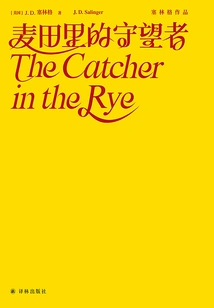
--Do you know where those wild ducks went after the lake froze? The novel tells the story of the big boy Holden's "rebellious" adventure that lasted three days. Holden is unwilling to participate in competitions and does not care about test scores. He hates secular trends and adult hypocrisy. He was more concerned about how the ducks would spend the winter after the park lake froze. He felt out of place and wanted to escape the city and watch the innocent children playing in the wheat fields to prevent them from falling off the cliff. Holden's words and deeds reflect the lonely figure of young people struggling in confusion and stubbornly pursuing the meaning of life. Haruki Murakami: "'The Catcher in the Rye' seriously explores how a person can 'place himself' in this world."
--Do you know where those wild ducks went after the lake froze? The novel tells the story of the big boy Holden's "rebellious" adventure that lasted three days. Holden is unwilling to participate in competitions and does not care about test scores. He hates secular trends and adult hypocrisy. He was more concerned about how the ducks would spend the winter after the park lake froze. He felt out of place and wanted to escape the city and watch the innocent children playing in the wheat fields to prevent them from falling off the cliff. Holden's words and deeds reflect the lonely figure of young people struggling in confusion and stubbornly pursuing the meaning of life. Haruki Murakami: "'The Catcher in the Rye' seriously explores how a person can 'place himself' in this world."
The Collected Works of Salinger (four Volume Set)
General Fiction塞林格作品集(四册套装)
H
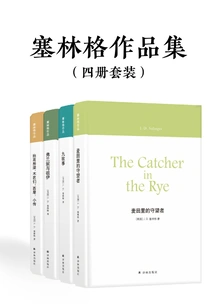
This set is the "Catcher in the Rye" Salinger Collection, covering all works licensed by the Salinger Foundation. "The Catcher in the Rye" If youth needs a Bible, then it can only be a painstaking translation, revision and reprint of "The Catcher in the Rye" by the famous translator Sun Zhongxu. "Nine Stories" Before reading these nine stories, you dare not say you know what a short story is. "In this world, there are still some people who love desperately." "Franny and Zooey": Salinger's reconciliation work. If you are the enemy of the world, it is better to live a good life with the wisdom of God. "Raise the Beams, Carpenters; Seymour: A Biography": Salinger's last watch, I am waiting for the suspension at the end of my life, half awake, half persistent.
This set is the "Catcher in the Rye" Salinger Collection, covering all works licensed by the Salinger Foundation. "The Catcher in the Rye" If youth needs a Bible, then it can only be a painstaking translation, revision and reprint of "The Catcher in the Rye" by the famous translator Sun Zhongxu. "Nine Stories" Before reading these nine stories, you dare not say you know what a short story is. "In this world, there are still some people who love desperately." "Franny and Zooey": Salinger's reconciliation work. If you are the enemy of the world, it is better to live a good life with the wisdom of God. "Raise the Beams, Carpenters; Seymour: A Biography": Salinger's last watch, I am waiting for the suspension at the end of my life, half awake, half persistent.

Nine Stories (works by Salinger)
General Fiction九故事(塞林格作品)
G
"I thought, 'What is hell?' I thought hell was the torture of losing the ability to love." Even though the battlefield is far away, sensitive people can always smell the smoke. Salinger uses concise words rich in metaphors to depict the "wounded" souls who are trapped between ideals and reality and unable to escape, and sheds light on the invisible plight of contemporary people. In the calm narrative, there are always some sentences that pierce the page like bullets and hit the soul directly.
"I thought, 'What is hell?' I thought hell was the torture of losing the ability to love." Even though the battlefield is far away, sensitive people can always smell the smoke. Salinger uses concise words rich in metaphors to depict the "wounded" souls who are trapped between ideals and reality and unable to escape, and sheds light on the invisible plight of contemporary people. In the calm narrative, there are always some sentences that pierce the page like bullets and hit the soul directly.
L
General Fictionl
M
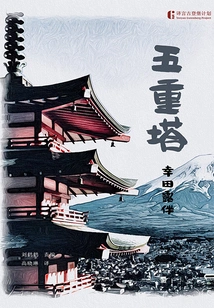
"The Five-Story Pagoda" is one of Koda Rohan's masterpieces, depicting an inhumane carpenter. Such an unpleasant little man overcame many difficulties and used his own craftsmanship to independently build a five-story pagoda and create a miracle. The storm scene described in the book is considered a masterpiece of Meiji literature. The protagonist of "To the Skull" encounters a beautiful woman who does not belong to this world in an isolated house in the mountains, and unfolds an incredible story. It is known as the leader of modern Japanese fantasy literature.
"The Five-Story Pagoda" is one of Koda Rohan's masterpieces, depicting an inhumane carpenter. Such an unpleasant little man overcame many difficulties and used his own craftsmanship to independently build a five-story pagoda and create a miracle. The storm scene described in the book is considered a masterpiece of Meiji literature. The protagonist of "To the Skull" encounters a beautiful woman who does not belong to this world in an isolated house in the mountains, and unfolds an incredible story. It is known as the leader of modern Japanese fantasy literature.

被掩埋的巨人(双语版石黑一雄作品)
I
In England in the sixth century AD, the war between the native Britons and the Saxon invaders seemed to have come to an end - peace had come to this land, and the two groups lived side by side and lived together peacefully for decades. But at the same time, a strange "fog of forgetfulness" fills the valleys of England, swallowing up the memories of the villagers and making their lives seem like a meaningless daydream. An elderly British couple wanted to find their son who was still vaguely in their minds before their memory was completely lost, so they hurriedly embarked on an arduous journey. They are eager to let the fog dissipate, eager to regain the loving memories of their lifelong companionship - but this quiet fog conceals a dark and bloody past, that is, a giant who was buried decades ago by King Arthur of the British people in a way that goes against ideals. A mysterious Saxon warrior came to this seemingly peaceful valley with a mission. What secret motives are hidden behind his humble appearance? Will his mission bring to this country an olive branch of forgiveness or a sword and fire of revenge? Gawain, King Arthur's last knight, is determined to protect the king's legacy with his life, because protecting it means protecting the final peace. Memory and forgiveness, revenge and peace, the fate of the four people are inevitably intertwined, and there is only one ending.
In England in the sixth century AD, the war between the native Britons and the Saxon invaders seemed to have come to an end - peace had come to this land, and the two groups lived side by side and lived together peacefully for decades. But at the same time, a strange "fog of forgetfulness" fills the valleys of England, swallowing up the memories of the villagers and making their lives seem like a meaningless daydream. An elderly British couple wanted to find their son who was still vaguely in their minds before their memory was completely lost, so they hurriedly embarked on an arduous journey. They are eager to let the fog dissipate, eager to regain the loving memories of their lifelong companionship - but this quiet fog conceals a dark and bloody past, that is, a giant who was buried decades ago by King Arthur of the British people in a way that goes against ideals. A mysterious Saxon warrior came to this seemingly peaceful valley with a mission. What secret motives are hidden behind his humble appearance? Will his mission bring to this country an olive branch of forgiveness or a sword and fire of revenge? Gawain, King Arthur's last knight, is determined to protect the king's legacy with his life, because protecting it means protecting the final peace. Memory and forgiveness, revenge and peace, the fate of the four people are inevitably intertwined, and there is only one ending.

Pretty Friend (part 1)
General Fiction漂亮朋友(上)
G
Duroy, who was born as a peasant, was bold, cold and cruel. He broke into Paris alone with his good looks, mixed in the circle of Parisian noble ladies, and acted like a fish in water, performing scenes of debauched farces. However, those cuckold husbands rushed to recommend and promote him, so that he quickly entered the upper class and became a political upstart. The novel reveals the emptiness, debauchery, and depravity of the upper class society, shows the shamelessness of bourgeois politicians, exposes the dark inside story of the political world and the press, and strongly criticizes the dark social reality. This novel has a very profound and broad influence in the world and has strong practical significance.
Duroy, who was born as a peasant, was bold, cold and cruel. He broke into Paris alone with his good looks, mixed in the circle of Parisian noble ladies, and acted like a fish in water, performing scenes of debauched farces. However, those cuckold husbands rushed to recommend and promote him, so that he quickly entered the upper class and became a political upstart. The novel reveals the emptiness, debauchery, and depravity of the upper class society, shows the shamelessness of bourgeois politicians, exposes the dark inside story of the political world and the press, and strongly criticizes the dark social reality. This novel has a very profound and broad influence in the world and has strong practical significance.

Raising the Beams, the Carpenters; Seymour: a Biography
General Fiction抬高房梁,木匠们;西摩:小传
G
In "The Best Day to Catch Banana Fish", the opening chapter of Salinger's classic collection of short stories "Nine Stories", Seymour shoots himself, leaving readers with endless suspense: Why did Seymour commit suicide? "Raising the Roof Beams, The Carpenters; Seymour: A Biography" was originally published in "The New Yorker" magazine and was published in a collection in 1963. It includes two novellas, "Raising the Roof Beams, The Carpenters" and "Seymour: A Biography", with Seymour's second brother Barty as the narrator, telling anecdotes about the "Glass family" and reviewing various past events during Seymour's lifetime.
In "The Best Day to Catch Banana Fish", the opening chapter of Salinger's classic collection of short stories "Nine Stories", Seymour shoots himself, leaving readers with endless suspense: Why did Seymour commit suicide? "Raising the Roof Beams, The Carpenters; Seymour: A Biography" was originally published in "The New Yorker" magazine and was published in a collection in 1963. It includes two novellas, "Raising the Roof Beams, The Carpenters" and "Seymour: A Biography", with Seymour's second brother Barty as the narrator, telling anecdotes about the "Glass family" and reviewing various past events during Seymour's lifetime.