Library
Browse and search books
78 novels found
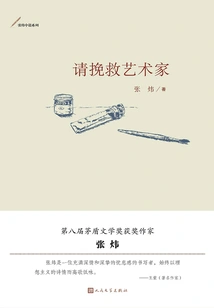
Please Save the Artist
General Fiction请挽救艺术家
Zhang Wei
There are eight types of "Zhang Wei's novella series", including "Please Save the Artist", "Vineyard", "Thoughts of Autumn", "Seven Kinds of Mushrooms", "Night of Protecting Autumn", "Yellow Sand", "Yingzhou Thoughts" and "Hello!" "Comrade Ben Lin" are Zhang Wei's most representative novellas. This series of novels describes the author's attachment to nature, his pursuit of people's spiritual direction in this era, and his torture of social life. The story is wonderful and beautiful, the writing is full of charm, and the thoughts are thought-provoking.
There are eight types of "Zhang Wei's novella series", including "Please Save the Artist", "Vineyard", "Thoughts of Autumn", "Seven Kinds of Mushrooms", "Night of Protecting Autumn", "Yellow Sand", "Yingzhou Thoughts" and "Hello!" "Comrade Ben Lin" are Zhang Wei's most representative novellas. This series of novels describes the author's attachment to nature, his pursuit of people's spiritual direction in this era, and his torture of social life. The story is wonderful and beautiful, the writing is full of charm, and the thoughts are thought-provoking.
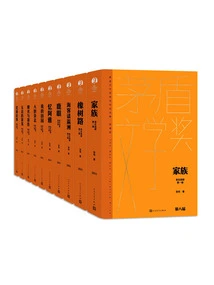
You Are on the Plateau (10 Volumes in Total)
General Fiction你在高原(全10册)
Zhang Wei
"You are on the Plateau" is a ten-volume novel masterpiece by the famous contemporary writer Zhang Wei, which won the 8th Mao Dun Literary Award. The protagonist of the novel, Ning Jia, accidentally obtained a secret book that made him obsessed with studying and exploring the history and evolution of his distant ancestor clan (Lai Yi people). The person who especially shared this joy with him was his confidante Chunyu Lili. Like a family inheritance, although he has reached middle age, he has always harbored dreams, was dissatisfied with reality, and longed to escape the noisy and impetuous city. For this reason, he left his wife and children, returned to his hometown to establish a vineyard and winery, and took over a magazine that was facing closure in the city. He invited winemakers, cultural scholars and other friends to gather in remote villages to run his own spiritual home... In this vigorous era of awakening, on the road of breathless pursuit, he stopped to listen to the writer's memories of love and childhood, misfortune and eternal life.
"You are on the Plateau" is a ten-volume novel masterpiece by the famous contemporary writer Zhang Wei, which won the 8th Mao Dun Literary Award. The protagonist of the novel, Ning Jia, accidentally obtained a secret book that made him obsessed with studying and exploring the history and evolution of his distant ancestor clan (Lai Yi people). The person who especially shared this joy with him was his confidante Chunyu Lili. Like a family inheritance, although he has reached middle age, he has always harbored dreams, was dissatisfied with reality, and longed to escape the noisy and impetuous city. For this reason, he left his wife and children, returned to his hometown to establish a vineyard and winery, and took over a magazine that was facing closure in the city. He invited winemakers, cultural scholars and other friends to gather in remote villages to run his own spiritual home... In this vigorous era of awakening, on the road of breathless pursuit, he stopped to listen to the writer's memories of love and childhood, misfortune and eternal life.
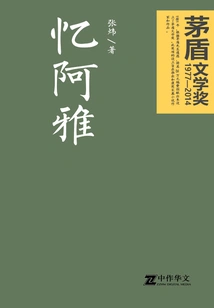
Remembering Aya
General Fiction忆阿雅
Zhang Wei
"Remembering Aya" written by Zhang Wei tells the story that the woods in his childhood were colorful. Amidst the compelling green and dazzling red, Aya ran toward him: it was beautiful, smart, smart and cheerful, and it was enchanting. But one day, this happy creature was brutally captured, and what happened next makes people cry just thinking about it. During the years when his father suffered misfortune and his family was wronged, he experienced poverty, loneliness, and discrimination, and witnessed the bloodshed suffered by Aya. The unfortunate but tenacious life mark of his father and Ayana is like an invisible net, covering his life and causing pain in his heart from time to time... "Remembering Aya" adopts a multi-perspective scattered perspective method, using animals as potential protagonists, and carries out anthropomorphic narratives and descriptions, which are closely linked with the real story, making reading full of trembling and adventure-like enjoyment.
"Remembering Aya" written by Zhang Wei tells the story that the woods in his childhood were colorful. Amidst the compelling green and dazzling red, Aya ran toward him: it was beautiful, smart, smart and cheerful, and it was enchanting. But one day, this happy creature was brutally captured, and what happened next makes people cry just thinking about it. During the years when his father suffered misfortune and his family was wronged, he experienced poverty, loneliness, and discrimination, and witnessed the bloodshed suffered by Aya. The unfortunate but tenacious life mark of his father and Ayana is like an invisible net, covering his life and causing pain in his heart from time to time... "Remembering Aya" adopts a multi-perspective scattered perspective method, using animals as potential protagonists, and carries out anthropomorphic narratives and descriptions, which are closely linked with the real story, making reading full of trembling and adventure-like enjoyment.
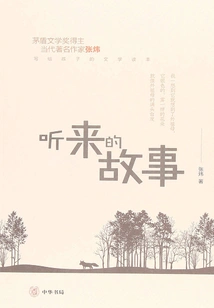
听来的故事(张炜写给孩子的文学读本)
Zhang Wei
This is a legend spread in the countryside and wilderness. Their fantasy and mystery show the antiquity and depth of this land. Wild animals with special abilities, mysterious black pools, and cries in the bushes on the beach. This is legend and life. What readers feel is love, beauty, sympathy, and compassion.
This is a legend spread in the countryside and wilderness. Their fantasy and mystery show the antiquity and depth of this land. Wild animals with special abilities, mysterious black pools, and cries in the bushes on the beach. This is legend and life. What readers feel is love, beauty, sympathy, and compassion.
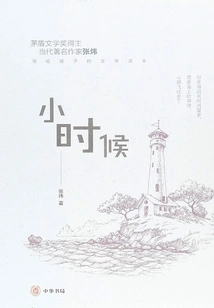
小时候(张炜写给孩子的文学读本)
Zhang Wei
This is the writer's childhood memory and a look back at the innocent and ignorant years. Catch fish, trace flowers, fight beehives, and talk to the stars. The innocence and simplicity of childhood, the love of imagination and dreaming, are hidden in everyone's heart.
This is the writer's childhood memory and a look back at the innocent and ignorant years. Catch fish, trace flowers, fight beehives, and talk to the stars. The innocence and simplicity of childhood, the love of imagination and dreaming, are hidden in everyone's heart.

Live a Passionate Life
Literature这辈子活得热气腾腾
Zhang Wei
These were originally words written to no one, but words of love and cruelty written by one person to the world. This book, written over ten years, completely presents the world experienced by a person who does not give up on life. The confusion and helplessness of being deceived after receiving the first script, the grievance and fear of being forced to get married at the age of 28... The author writes about the helplessness and dilemma of people in various situations. In those tears, those warmth, those self-deprecations and self-esteem, we see: When life is difficult, when you are indecisive, when fear is going to crush you before life, taking the wrong path is not the worst thing, fear of taking the wrong path is; the hardest thing after being injured is not to stop pain, but to still have the courage to love like you have never been injured. Perhaps a person will never be able to live a life without regrets at the age of 80, but he can maintain the courage to start over at the age of 80. This is what we strive for, what makes life steamy.
These were originally words written to no one, but words of love and cruelty written by one person to the world. This book, written over ten years, completely presents the world experienced by a person who does not give up on life. The confusion and helplessness of being deceived after receiving the first script, the grievance and fear of being forced to get married at the age of 28... The author writes about the helplessness and dilemma of people in various situations. In those tears, those warmth, those self-deprecations and self-esteem, we see: When life is difficult, when you are indecisive, when fear is going to crush you before life, taking the wrong path is not the worst thing, fear of taking the wrong path is; the hardest thing after being injured is not to stop pain, but to still have the courage to love like you have never been injured. Perhaps a person will never be able to live a life without regrets at the age of 80, but he can maintain the courage to start over at the age of 80. This is what we strive for, what makes life steamy.
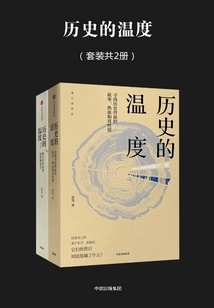
历史的温度(套装共2册)
Zhang Wei
"The Temperature of History (set of 2 volumes in total)" includes "The Temperature of History: Looking for the stories, passion and true temperament behind history" and "The Temperature of History: Stories, hesitation and faith in the details." 2Two works. A passage, a name, or even a picture in a history book, under Zhang Wei's pen, present unexpected faces. History is no longer just cold years and numbers, but stories with warmth and real people of flesh and blood.
"The Temperature of History (set of 2 volumes in total)" includes "The Temperature of History: Looking for the stories, passion and true temperament behind history" and "The Temperature of History: Stories, hesitation and faith in the details." 2Two works. A passage, a name, or even a picture in a history book, under Zhang Wei's pen, present unexpected faces. History is no longer just cold years and numbers, but stories with warmth and real people of flesh and blood.
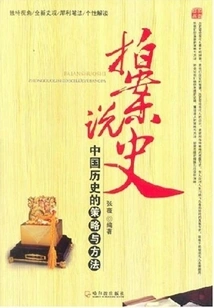
拍案说史:中国历史的策略与方法
Zhang Wei
What is history? History is like a multi-act interrelated drama that unfolds over thousands of years. Everyone can use historical materials and reprocess them. If historical events are considered in a specific time and space context, history will show various patterns like a kaleidoscope. The reason why history has become a sample for later generations to study is because it has left us many clues of wisdom. These clues are strategies and methods in history; these classic strategies and methods are still the source of wisdom for modern people. Strategy is the course of action, and method is the execution plan. They are all responses generated under specific thinking. In the same situation, different people often choose different coping methods precisely because they have different thinking. The ancients used their experiences to continuously verify these principles, and also used their strategies and methods to leave success or failure cases one after another.
What is history? History is like a multi-act interrelated drama that unfolds over thousands of years. Everyone can use historical materials and reprocess them. If historical events are considered in a specific time and space context, history will show various patterns like a kaleidoscope. The reason why history has become a sample for later generations to study is because it has left us many clues of wisdom. These clues are strategies and methods in history; these classic strategies and methods are still the source of wisdom for modern people. Strategy is the course of action, and method is the execution plan. They are all responses generated under specific thinking. In the same situation, different people often choose different coping methods precisely because they have different thinking. The ancients used their experiences to continuously verify these principles, and also used their strategies and methods to leave success or failure cases one after another.
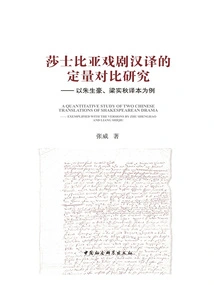
莎士比亚戏剧汉译的定量对比研究:以朱生豪、梁实秋译本为例
Zhang Wei
Based on comparative linguistics, corpus translation studies and translator style research theories, this book uses empirical methods to conduct a quantitative description and qualitative comparative study of the linguistic features of the Chinese translations of Liang Shiqiu and Zhu Shenghao of four Shakespeare plays (Hamlet, King Lear, Othello and Romeo and Juliet). The research perspective includes lexical features such as vocabulary density, sentence length, characteristic words, and high-frequency words, as well as sentence patterns such as "bei" sentences, "is..." Structures, and cultural images. The research enriches the corpus-based text characteristics and translator style description paradigm, proves the existing style conclusions of the two translators, and deepens, refines and improves their translator style system. The corpus comparative research method involved in the book is also helpful for research on language contact and influence patterns.
Based on comparative linguistics, corpus translation studies and translator style research theories, this book uses empirical methods to conduct a quantitative description and qualitative comparative study of the linguistic features of the Chinese translations of Liang Shiqiu and Zhu Shenghao of four Shakespeare plays (Hamlet, King Lear, Othello and Romeo and Juliet). The research perspective includes lexical features such as vocabulary density, sentence length, characteristic words, and high-frequency words, as well as sentence patterns such as "bei" sentences, "is..." Structures, and cultural images. The research enriches the corpus-based text characteristics and translator style description paradigm, proves the existing style conclusions of the two translators, and deepens, refines and improves their translator style system. The corpus comparative research method involved in the book is also helpful for research on language contact and influence patterns.
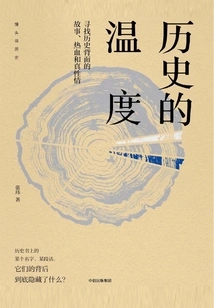
The Temperature of History: Looking for the Stories, Passion and True Temperament Behind History
History历史的温度:寻找历史背面的故事、热血和真性情
Zhang Wei
History is a kaleidoscope. Everyone sees it differently and sees it differently from every angle. Some people see cruelty, and some people see tenderness. Some people see killing, some people see redemption. Some people see others, and some people see themselves. Some people pretend to be true, and some people pretend to be true. A passage and a name in history books present unexpected faces in Zhang Wei's writing.
History is a kaleidoscope. Everyone sees it differently and sees it differently from every angle. Some people see cruelty, and some people see tenderness. Some people see killing, some people see redemption. Some people see others, and some people see themselves. Some people pretend to be true, and some people pretend to be true. A passage and a name in history books present unexpected faces in Zhang Wei's writing.
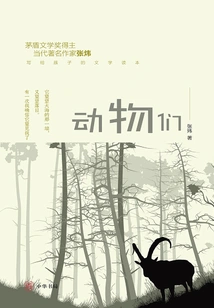
动物们(张炜写给孩子的文学读本)
Zhang Wei
This is a legend spread in the countryside and wilderness. Their fantasy and mystery show the antiquity and depth of this land. Wild animals with special abilities, mysterious black pools, and cries in the bushes on the beach. This is legend and life. What readers feel is love, beauty, sympathy, and compassion.
This is a legend spread in the countryside and wilderness. Their fantasy and mystery show the antiquity and depth of this land. Wild animals with special abilities, mysterious black pools, and cries in the bushes on the beach. This is legend and life. What readers feel is love, beauty, sympathy, and compassion.
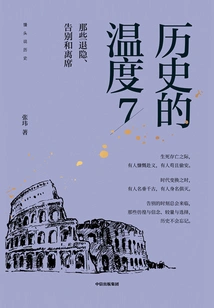
历史的温度7:那些退隐、告别和离席
Zhang Wei
Why was the last empress dowager of the Qing Dynasty said to be the "female queen of Yao and Shun" after her death? Why did Huang Huangrong, the earliest famous among the "Big Three" in Shanghai, leave in such a hurry? Did the story of "Slam Dunk", which was popular all over the country, really stop at the "national competition"? Why did Microsoft MSN, the standard equipment of the workplace elite back then, fail to withstand this era of change? ... Time never stops, the feast must end, best friends will eventually say goodbye, the curtain is destined to fall, and times will always change. Faced with the unavoidable retreat, farewell and departure, should we stagger away or say farewell gracefully? When the tide of time rises and falls, too many details disappear, which arouses imagination and makes people sigh. Zhang Wei salvaged these stories and characters from history, using the calm tone and delicate writing of the past to make the dried history come alive, to make the unfamiliar names full again, and to leave color and warmth in every farewell.
Why was the last empress dowager of the Qing Dynasty said to be the "female queen of Yao and Shun" after her death? Why did Huang Huangrong, the earliest famous among the "Big Three" in Shanghai, leave in such a hurry? Did the story of "Slam Dunk", which was popular all over the country, really stop at the "national competition"? Why did Microsoft MSN, the standard equipment of the workplace elite back then, fail to withstand this era of change? ... Time never stops, the feast must end, best friends will eventually say goodbye, the curtain is destined to fall, and times will always change. Faced with the unavoidable retreat, farewell and departure, should we stagger away or say farewell gracefully? When the tide of time rises and falls, too many details disappear, which arouses imagination and makes people sigh. Zhang Wei salvaged these stories and characters from history, using the calm tone and delicate writing of the past to make the dried history come alive, to make the unfamiliar names full again, and to leave color and warmth in every farewell.
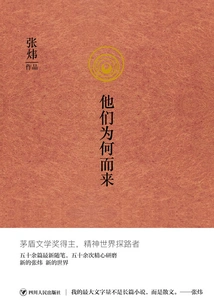
Why Did They Come
Literature他们为何而来
Zhang Wei
"Why They Came (Jing)" is a collection of essays written by Zhang Wei, a famous writer and winner of the Mao Dun Literature Prize. It is composed of four volumes: Essays on Living in Songpu, Notes on a Peninsula Fishing Village, Why They Came, and Nature, Self and Creation. Includes articles written by the author from 2016 to 2017, a large part of which have not been published. It reflects the writer's thoughts and emotions in the writing process in the past two years, and has a better enlightening effect on our understanding of the writer's creation. This collection of essays inherits Zhang Wei's consistent style and continues to influence readers with the power of a thinker and speak of the times. Like his previous works, it has left a deep imprint on contemporary Chinese literature. It can be said to be the best text to interpret Zhang Wei's spiritual world.
"Why They Came (Jing)" is a collection of essays written by Zhang Wei, a famous writer and winner of the Mao Dun Literature Prize. It is composed of four volumes: Essays on Living in Songpu, Notes on a Peninsula Fishing Village, Why They Came, and Nature, Self and Creation. Includes articles written by the author from 2016 to 2017, a large part of which have not been published. It reflects the writer's thoughts and emotions in the writing process in the past two years, and has a better enlightening effect on our understanding of the writer's creation. This collection of essays inherits Zhang Wei's consistent style and continues to influence readers with the power of a thinker and speak of the times. Like his previous works, it has left a deep imprint on contemporary Chinese literature. It can be said to be the best text to interpret Zhang Wei's spiritual world.
Ocean Changes in 5000 Years
History海洋变局5000年
Zhang Wei
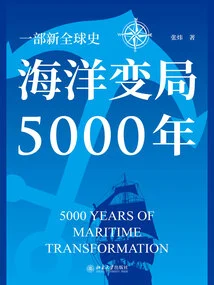
70% of the earth is covered by the ocean. The history of human conquest of the ocean can be traced back to at least 5,000 years. The ocean is not only a channel for trade and exchanges between different nations and civilizations, but also a battlefield for violence and killing. Many countries have prospered and declined because of the ocean. In modern times, the process of world history has been accompanied by the ups and downs of one by one ocean power. So, what forces are controlling the changes in the ocean? Regarding the answer to this question, this book shows two clues: one is the development of science and technology - from wooden oars and sails to steam ships, from large ships and cannons to submarines and aircraft carriers, and from conventional power to nuclear power; the other is the development of sea power - from ancient sea power, modern sea power to modern sea power, which is reflected in the historical process of the rise and fall of great powers and the changes in the ocean. By showing the cross-influence of two clues, this book attempts to reveal how sea power shapes the course of world history, influences the destiny of countries, and affects the global political, economic and military patterns after the emergence of a country, especially after the modern geographical discovery. It is a popular world history book with rich content and a broad perspective.
70% of the earth is covered by the ocean. The history of human conquest of the ocean can be traced back to at least 5,000 years. The ocean is not only a channel for trade and exchanges between different nations and civilizations, but also a battlefield for violence and killing. Many countries have prospered and declined because of the ocean. In modern times, the process of world history has been accompanied by the ups and downs of one by one ocean power. So, what forces are controlling the changes in the ocean? Regarding the answer to this question, this book shows two clues: one is the development of science and technology - from wooden oars and sails to steam ships, from large ships and cannons to submarines and aircraft carriers, and from conventional power to nuclear power; the other is the development of sea power - from ancient sea power, modern sea power to modern sea power, which is reflected in the historical process of the rise and fall of great powers and the changes in the ocean. By showing the cross-influence of two clues, this book attempts to reveal how sea power shapes the course of world history, influences the destiny of countries, and affects the global political, economic and military patterns after the emergence of a country, especially after the modern geographical discovery. It is a popular world history book with rich content and a broad perspective.
My Countryside
General Fiction我的田园
Zhang Wei
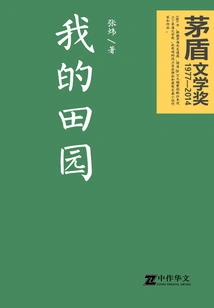
That small hut once lived in a family that was driven out of the city. The protagonist's mother and grandmother suffered a lot for his father's unjust case, and his father even narrowly escaped death. There was almost no peace for the rest of his life. The ups and downs of his father's fate constitute a tragic legend. In order to find yesterday and explore the truth, he traveled over mountains and ridges to relive those years that could never be erased. Step by step he moves towards the edge of the secret and will work his way into its core. Perhaps the truth has been annihilated deep in this mountain and cannot be salvaged? But he would not retreat or give up easily. Finally, he saw...
That small hut once lived in a family that was driven out of the city. The protagonist's mother and grandmother suffered a lot for his father's unjust case, and his father even narrowly escaped death. There was almost no peace for the rest of his life. The ups and downs of his father's fate constitute a tragic legend. In order to find yesterday and explore the truth, he traveled over mountains and ridges to relive those years that could never be erased. Step by step he moves towards the edge of the secret and will work his way into its core. Perhaps the truth has been annihilated deep in this mountain and cannot be salvaged? But he would not retreat or give up easily. Finally, he saw...
历史的温度5:那些博弈、较量与人性
Zhang Wei
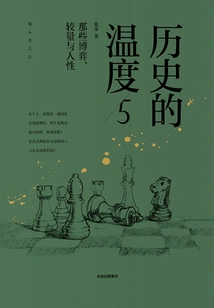
The Cairo Conference, the Tehran Conference, the U. S.-Mexico War, the Oil War... Whether they are meetings in the history of World War II where all parties seemed to be united, or they were disputes on the surface, are there stories behind them that we don't know about? Deng Jiaxian, Tan Kah Kee, Oppenheimer... Those people who have never succumbed to the times and environment, do they also have their own uniqueness in this magnificent era? Looking through the long scroll of history and looking back at this individual and one incident, you will find that game and struggle can be regarded as an eternal theme, whether it is a game of interests or a struggle of human nature. On the negotiating table, it's a battle of chips; outside the negotiating table, it's likely to be the roar of artillery fire. There are competitions between countries, as well as games between people and between groups. Even if it comes down to a specific person, including you, me, and him, there is still a "war between heaven and man": with one's own selfish desires, one's own beliefs, and one's own ideals. In 2020, we once again clearly realized that on this planet, the so-called "competition" and "game" are not only between humans. And the more we are at this moment, I think the more we need to read some history.
The Cairo Conference, the Tehran Conference, the U. S.-Mexico War, the Oil War... Whether they are meetings in the history of World War II where all parties seemed to be united, or they were disputes on the surface, are there stories behind them that we don't know about? Deng Jiaxian, Tan Kah Kee, Oppenheimer... Those people who have never succumbed to the times and environment, do they also have their own uniqueness in this magnificent era? Looking through the long scroll of history and looking back at this individual and one incident, you will find that game and struggle can be regarded as an eternal theme, whether it is a game of interests or a struggle of human nature. On the negotiating table, it's a battle of chips; outside the negotiating table, it's likely to be the roar of artillery fire. There are competitions between countries, as well as games between people and between groups. Even if it comes down to a specific person, including you, me, and him, there is still a "war between heaven and man": with one's own selfish desires, one's own beliefs, and one's own ideals. In 2020, we once again clearly realized that on this planet, the so-called "competition" and "game" are not only between humans. And the more we are at this moment, I think the more we need to read some history.
历史的温度2:细节里的故事、彷徨和信念
Zhang Wei
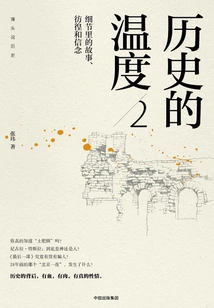
Liushen Leilei, Luo Zhenyu, Ma Yong, Xu Danei, Yan Feng, Zhang Wei and others are highly recommended. A passage, a name or even a picture in a history book, what is hidden behind them? Do you really know Tufeiyuan? Is Nikola Tesla a god or a man? During the Anti-Japanese War, there were only two bombers left in the entire country. Why did they still bomb Japan? Is "The Last Lesson" a lie? What does real lurking look like? ... A passage, a name, or even a picture in a history book, under Zhang Wei's pen, present unexpected faces. History is no longer just cold years and numbers, but stories with warmth and real people of flesh and blood. As a human being, we have pros and cons, pros and cons. Zhang Wei tried his best to use a dialectical perspective, combined with the objective environment at the time, to put himself in the shoes of those historical events and historical figures, instead of prejudging his position or judging an event or a person from his perspective. The seemingly boring history is actually full of life, full of stories, flesh and blood, hesitation, and faith. History has real temperature.
Liushen Leilei, Luo Zhenyu, Ma Yong, Xu Danei, Yan Feng, Zhang Wei and others are highly recommended. A passage, a name or even a picture in a history book, what is hidden behind them? Do you really know Tufeiyuan? Is Nikola Tesla a god or a man? During the Anti-Japanese War, there were only two bombers left in the entire country. Why did they still bomb Japan? Is "The Last Lesson" a lie? What does real lurking look like? ... A passage, a name, or even a picture in a history book, under Zhang Wei's pen, present unexpected faces. History is no longer just cold years and numbers, but stories with warmth and real people of flesh and blood. As a human being, we have pros and cons, pros and cons. Zhang Wei tried his best to use a dialectical perspective, combined with the objective environment at the time, to put himself in the shoes of those historical events and historical figures, instead of prejudging his position or judging an event or a person from his perspective. The seemingly boring history is actually full of life, full of stories, flesh and blood, hesitation, and faith. History has real temperature.
Dawn and Twilight
General Fiction曙光与暮色
Zhang Wei
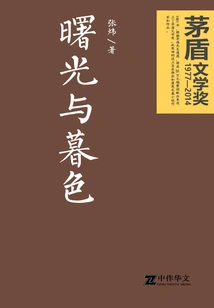
From the protagonist's "polishing" personal memoirs for the president of the Nutrition Society, three clues are drawn that are uneven in scale: Ning Jia's adventure, Zhuang Zhou's escape, and Qu Huan's ordeal. These three stories are spliced together in different ways, and at the same time they are unified in the western suburbs mountains where the stories mainly take place. In the vast expanse of the western suburbs, tribal migrations, geological surveys, labor records, Robinson-style escapes, gold rushes, etc. That happened to the same family in different eras are all presented to you one by one.
From the protagonist's "polishing" personal memoirs for the president of the Nutrition Society, three clues are drawn that are uneven in scale: Ning Jia's adventure, Zhuang Zhou's escape, and Qu Huan's ordeal. These three stories are spliced together in different ways, and at the same time they are unified in the western suburbs mountains where the stories mainly take place. In the vast expanse of the western suburbs, tribal migrations, geological surveys, labor records, Robinson-style escapes, gold rushes, etc. That happened to the same family in different eras are all presented to you one by one.
People Magazine
General Fiction人的杂志
Zhang Wei
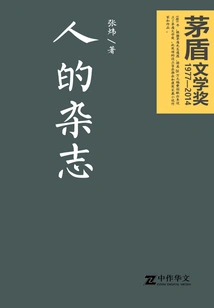
The protagonist Ning Jia accidentally obtained a secret book, which made him obsessed with studying and exploring the history and evolution of his distant ancestor clan (Lai Yi people). The person who can best share this joy with him is his confidante Chunyu Lili. As if inherited from his family, although he has reached middle age, he has always harbored dreams, was dissatisfied with reality, and longed to escape from the noisy, impetuous and corrupt city. To this end, he left his wife Meizi and his school-going son, returned to his hometown to start a vineyard and winery, and took over a magazine in the city that was facing closure. He invited winemakers, cultural scholars and other like-minded friends to run his own spiritual home in a remote village. But in the end, the winery and publications were sealed. In the cruel reality, Ninga and his friends were all hit...
The protagonist Ning Jia accidentally obtained a secret book, which made him obsessed with studying and exploring the history and evolution of his distant ancestor clan (Lai Yi people). The person who can best share this joy with him is his confidante Chunyu Lili. As if inherited from his family, although he has reached middle age, he has always harbored dreams, was dissatisfied with reality, and longed to escape from the noisy, impetuous and corrupt city. To this end, he left his wife Meizi and his school-going son, returned to his hometown to start a vineyard and winery, and took over a magazine in the city that was facing closure. He invited winemakers, cultural scholars and other like-minded friends to run his own spiritual home in a remote village. But in the end, the winery and publications were sealed. In the cruel reality, Ninga and his friends were all hit...
历史的温度1-5(套装共5册)
Zhang Wei
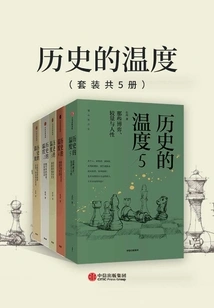
Xu Xiake, Magellan, Rong Hong, Zhang Boling, Liu Changchun, Mara, Chen Gongbo, Ito Hirobumi... Whether they are these people who have left their names in history books, or ordinary people who have not left their names, they all have their own beliefs and dreams. However, if you stretch the timeline long enough, most people's beliefs and dreams will be annihilated over time. Some of those who remain in the history books have endured hardships and persisted in their beliefs that eventually came true, while some people's so-called "faith" itself is a delusion. In the end, they will not only hit the wall, but will even be nailed to the pillar of shame of history. Looking through the long scrolls of history, looking back at each story, as well as the people and things in the story, you will find that the turning point in life is sometimes just a thought, no matter whether these "thoughts" are beliefs or delusions, literary thoughts or feelings. Behind every historical figure or event, there is a story that is not known to everyone. The purpose of this set of books is to tell you these stories. In Zhang Wei's razor-sharp description, history is reduced to flesh-and-blood people. Among them, there is blood, cruelty, truth, and of course, warmth. As spectators, we will find that history may never be far away.
Xu Xiake, Magellan, Rong Hong, Zhang Boling, Liu Changchun, Mara, Chen Gongbo, Ito Hirobumi... Whether they are these people who have left their names in history books, or ordinary people who have not left their names, they all have their own beliefs and dreams. However, if you stretch the timeline long enough, most people's beliefs and dreams will be annihilated over time. Some of those who remain in the history books have endured hardships and persisted in their beliefs that eventually came true, while some people's so-called "faith" itself is a delusion. In the end, they will not only hit the wall, but will even be nailed to the pillar of shame of history. Looking through the long scrolls of history, looking back at each story, as well as the people and things in the story, you will find that the turning point in life is sometimes just a thought, no matter whether these "thoughts" are beliefs or delusions, literary thoughts or feelings. Behind every historical figure or event, there is a story that is not known to everyone. The purpose of this set of books is to tell you these stories. In Zhang Wei's razor-sharp description, history is reduced to flesh-and-blood people. Among them, there is blood, cruelty, truth, and of course, warmth. As spectators, we will find that history may never be far away.
历史的温度3:时代扑面而来,转瞬即成历史
Zhang Wei
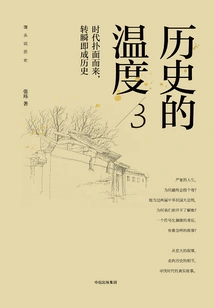
Why did Ye Mingchen, who insisted on his integrity and called himself "Su Wu of the Sea", end up with "eternal infamy"? Why did Yan Fu's life finally take a turn? Did Leonardo da Vinci really travel back in time from modern times? Churchill, who won the Nobel Prize for Literature, what kind of other side did he have? Ye Mingchen, Ding Ruchang, Shen Xin, Zhang Zuolin, Li Yuanhong, Yan Fu, Rabe, Churchill, Leonardo da Vinci, Guevara... What kind of life is behind these names that may be familiar or unfamiliar? What kind of era do their stories reflect? In Zhang Wei's abstract description, every name and event in the history books can present a vivid and vivid picture, changing history in its own way, or being changed by history. History is no longer just cold years and numbers, but stories with warmth and real people of flesh and blood. The author uses a dialectical vision as much as possible to restore those historical events and historical figures, so that the seemingly boring history can show its true warmth with its flesh and blood, its hesitation, its flash, and its belief.
Why did Ye Mingchen, who insisted on his integrity and called himself "Su Wu of the Sea", end up with "eternal infamy"? Why did Yan Fu's life finally take a turn? Did Leonardo da Vinci really travel back in time from modern times? Churchill, who won the Nobel Prize for Literature, what kind of other side did he have? Ye Mingchen, Ding Ruchang, Shen Xin, Zhang Zuolin, Li Yuanhong, Yan Fu, Rabe, Churchill, Leonardo da Vinci, Guevara... What kind of life is behind these names that may be familiar or unfamiliar? What kind of era do their stories reflect? In Zhang Wei's abstract description, every name and event in the history books can present a vivid and vivid picture, changing history in its own way, or being changed by history. History is no longer just cold years and numbers, but stories with warmth and real people of flesh and blood. The author uses a dialectical vision as much as possible to restore those historical events and historical figures, so that the seemingly boring history can show its true warmth with its flesh and blood, its hesitation, its flash, and its belief.
历史的温度(全四册-独家定制版)
Zhang Wei
[Reading on WeChat, exclusive to the entire network! ]Why did Ye Mingchen, who insisted on integrity and called himself "Suwu on the Sea", end up with "eternal infamy"? Why did Yan Fu's life finally take a turn? Did Leonardo da Vinci really travel back in time from modern times? Churchill, who won the Nobel Prize for Literature, what kind of other side did he have? Ye Mingchen, Ding Ruchang, Shen Xin, Zhang Zuolin, Li Yuanhong, Yan Fu, Rabe, Churchill, Leonardo da Vinci, Guevara... What kind of life is behind these names that may be familiar or unfamiliar? What kind of era do their stories reflect? In Zhang Wei's abstract description, every name and event in the history books can present a vivid and vivid picture, changing history in its own way, or being changed by history. History is no longer just cold years and numbers, but stories with warmth and real people of flesh and blood. The author uses a dialectical vision as much as possible to restore those historical events and historical figures, so that the seemingly boring history can show its true warmth with its flesh and blood, its hesitation, its flash, and its belief.
[Reading on WeChat, exclusive to the entire network! ]Why did Ye Mingchen, who insisted on integrity and called himself "Suwu on the Sea", end up with "eternal infamy"? Why did Yan Fu's life finally take a turn? Did Leonardo da Vinci really travel back in time from modern times? Churchill, who won the Nobel Prize for Literature, what kind of other side did he have? Ye Mingchen, Ding Ruchang, Shen Xin, Zhang Zuolin, Li Yuanhong, Yan Fu, Rabe, Churchill, Leonardo da Vinci, Guevara... What kind of life is behind these names that may be familiar or unfamiliar? What kind of era do their stories reflect? In Zhang Wei's abstract description, every name and event in the history books can present a vivid and vivid picture, changing history in its own way, or being changed by history. History is no longer just cold years and numbers, but stories with warmth and real people of flesh and blood. The author uses a dialectical vision as much as possible to restore those historical events and historical figures, so that the seemingly boring history can show its true warmth with its flesh and blood, its hesitation, its flash, and its belief.
历史的温度4:那些执念和信念、理想与梦想(独家定制版)
Zhang Wei
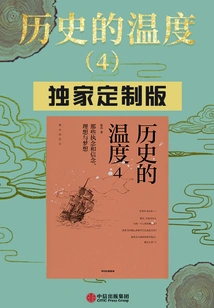
This book is the fourth in the "Temperature of History" series. History is a kaleidoscope. Everyone sees it differently and sees it differently from every angle. Some people see cruelty, and some people see tenderness. Some people see killing, some people see redemption. Some people see others, and some people see themselves. Some people pretend to be true, and some people pretend to be true. The cold history is actually full of warmth. Those people who are either famous in history or unknown, all appear in Mantou Master's articles. You will see their shining side, and then you will be inspired or motivated. The history told by the Mantou Master is both good and evil. It means that the overall feeling is positive. No matter what the historical evaluation of the characters and events is, you can always read the positive energy. And evil is interesting. The interesting words make history, which may originally be boring, become interesting and lively. Some historical stories that are cold and should not be approached by strangers are like being turned in a microwave oven, bringing warmth and warmth, and I want to share them together.
This book is the fourth in the "Temperature of History" series. History is a kaleidoscope. Everyone sees it differently and sees it differently from every angle. Some people see cruelty, and some people see tenderness. Some people see killing, some people see redemption. Some people see others, and some people see themselves. Some people pretend to be true, and some people pretend to be true. The cold history is actually full of warmth. Those people who are either famous in history or unknown, all appear in Mantou Master's articles. You will see their shining side, and then you will be inspired or motivated. The history told by the Mantou Master is both good and evil. It means that the overall feeling is positive. No matter what the historical evaluation of the characters and events is, you can always read the positive energy. And evil is interesting. The interesting words make history, which may originally be boring, become interesting and lively. Some historical stories that are cold and should not be approached by strangers are like being turned in a microwave oven, bringing warmth and warmth, and I want to share them together.
历史的温度6:站在十字路口
Zhang Wei
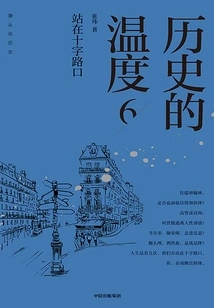
What is happening now will soon be history. What has become history will often appear in the future. Cai Yuanpei, on the stage of China's modern turmoil, why can he always achieve the unity of words and deeds? What kind of struggles and contradictions did Gu Hongming, a generation of "crazy Confucian", have? ... There are always times when we stand at a crossroads or face unprecedented changes. Should we go left or right, forward or backward? This is a choice that was once faced by Gu Hongming, Cai Yuanpei and others, and it is also a choice that we often face now. Facing the real world, how do you choose what you can believe? Are there hidden facts beneath the surface that have not yet been revealed? If you get to the core through some appearances, you will find that the reason why many incredible things happen is still related to personal choices and human nature: greed, fear, loneliness, vanity, selfishness, confusion... Character determines fate, and human nature determines choice. There are no ifs or assumptions in history. When they stand at the crossroads and make a choice, it may affect their entire lives and even history. When future generations read history, they should feel its contradictions and entanglements, interpret it, and learn from it. Zhang Wei tried his best to restore the historical events at that time in a third-party, non-emotional tone. In his writing, history is no longer cold and inaccessible to strangers. The protagonists behind seemingly historical events composed of time, place and a series of numbers are living people with flesh and blood, humanity, stories and true temperaments. He made the originally boring history come alive before his eyes.
What is happening now will soon be history. What has become history will often appear in the future. Cai Yuanpei, on the stage of China's modern turmoil, why can he always achieve the unity of words and deeds? What kind of struggles and contradictions did Gu Hongming, a generation of "crazy Confucian", have? ... There are always times when we stand at a crossroads or face unprecedented changes. Should we go left or right, forward or backward? This is a choice that was once faced by Gu Hongming, Cai Yuanpei and others, and it is also a choice that we often face now. Facing the real world, how do you choose what you can believe? Are there hidden facts beneath the surface that have not yet been revealed? If you get to the core through some appearances, you will find that the reason why many incredible things happen is still related to personal choices and human nature: greed, fear, loneliness, vanity, selfishness, confusion... Character determines fate, and human nature determines choice. There are no ifs or assumptions in history. When they stand at the crossroads and make a choice, it may affect their entire lives and even history. When future generations read history, they should feel its contradictions and entanglements, interpret it, and learn from it. Zhang Wei tried his best to restore the historical events at that time in a third-party, non-emotional tone. In his writing, history is no longer cold and inaccessible to strangers. The protagonists behind seemingly historical events composed of time, place and a series of numbers are living people with flesh and blood, humanity, stories and true temperaments. He made the originally boring history come alive before his eyes.
历史的温度(全7册)
Zhang Wei
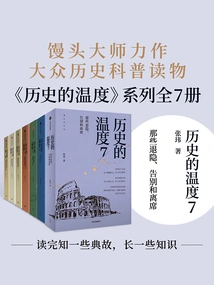
What is hidden behind a certain name or a certain passage in a history book? The "Temperature of History" series (volumes 1-7), a popular history book that has sold millions and is often read, uses easy-to-read stories to retrieve the rich details behind boring history, making unfamiliar names fuller, more interesting and more interesting. It is full of rich historical knowledge and tells about people and events we don't know outside of textbooks. After reading it, you can learn some allusions, gain some knowledge, and become an interesting and knowledgeable person. It is suitable for children of all ages to read.
What is hidden behind a certain name or a certain passage in a history book? The "Temperature of History" series (volumes 1-7), a popular history book that has sold millions and is often read, uses easy-to-read stories to retrieve the rich details behind boring history, making unfamiliar names fuller, more interesting and more interesting. It is full of rich historical knowledge and tells about people and events we don't know outside of textbooks. After reading it, you can learn some allusions, gain some knowledge, and become an interesting and knowledgeable person. It is suitable for children of all ages to read.
中华五千年历史之谜
Zhang Wei
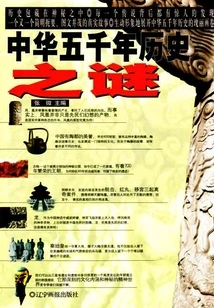
"Those who make history leave their footprints on the sands of time." From the ancient times when wood was drilled to make fire and knotted ropes were used to record events, to today's spacecraft visiting the moon, from Copernicus's theory of the motion of celestial bodies to Newton's proposal of universal gravitation... It can be said that the history of human development is a history of exploration and struggle. With the continuous advancement of science and technology, human beings' analysis and observation of their own development history have become more subtle and expanded, allowing people to dig and discover more and more mysterious mysteries and questions in history...
"Those who make history leave their footprints on the sands of time." From the ancient times when wood was drilled to make fire and knotted ropes were used to record events, to today's spacecraft visiting the moon, from Copernicus's theory of the motion of celestial bodies to Newton's proposal of universal gravitation... It can be said that the history of human development is a history of exploration and struggle. With the continuous advancement of science and technology, human beings' analysis and observation of their own development history have become more subtle and expanded, allowing people to dig and discover more and more mysterious mysteries and questions in history...
历史的温度(4本套装)
Zhang Wei
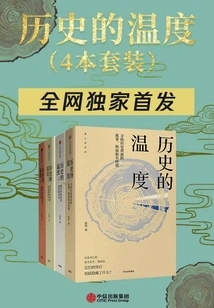
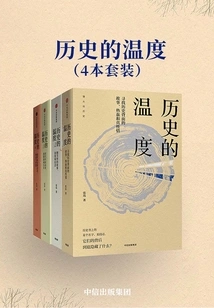
"The Temperature of History: Looking for the Stories, Passion and True Temperament Behind History" Introduction: History is a kaleidoscope. Everyone sees it differently, and each angle sees it differently. Some people see cruelty, and some people see tenderness. Some people see killing, some people see redemption. Some people see others, and some people see themselves. Some people pretend to be true, and some people pretend to be true. A passage and a name in history books present unexpected faces in Zhang Wei's writing. The history written by Zhang Wei is both upright and warm. Exactly, it's because, in each historical story of "Steamed Bun Theory", Zhang Wei tried his best to use a third-party, non-emotional tone to restore the historical events at that time. Many historical events and characters have two sides. We cannot jump out of the historical environment at that time. It is unfair to the people at that time to use "God's perspective" to evaluate people and events at that time. And warmth is interesting and warm. History is no longer cold and should be kept away from strangers. It seems to be a historical event composed of time, place and a series of data. The protagonists behind it are living people, with flesh and blood, human nature, stories and true temperaments. The interesting words make the originally boring history come alive. "The Temperature of History: Stories, hesitations and beliefs in the details." 2Introduction: Do you really know Tufeiyuan? Is Nikola Tesla a god or a man? During the Anti-Japanese War, there were only two bombers left in the entire country. Why did they still bomb Japan? Is "The Last Lesson" a lie? What does real lurking look like? ... A passage, a name, or even a picture in a history book, under Zhang Wei's pen, present unexpected faces. History is no longer just cold years and numbers, but stories with warmth and real people of flesh and blood. As a human being, we have pros and cons, pros and cons. Zhang Wei tried his best to use a dialectical perspective, combined with the objective environment at the time, to put himself in the shoes of those historical events and historical figures, instead of prejudging his position or judging an event or a person from his perspective. The seemingly boring history is actually full of life, full of stories, flesh and blood, hesitation, and faith. History has real temperature. "The Temperature of History. 3, Times are coming, and history is made in a blink of an eye" Content summary: Why did Ye Mingchen, who insisted on his integrity and called himself "Suwu on the Sea", end up with "eternal infamy"? Why did Yan Fu's life finally take a turn? Did Leonardo da Vinci really travel back in time from modern times? Churchill, who won the Nobel Prize for Literature, what kind of other side did he have? Ye Mingchen, Ding Ruchang, Shen Xin, Zhang Zuolin, Li Yuanhong, Yan Fu, Rabe, Churchill, Leonardo da Vinci, Guevara... What kind of life is behind these names that may be familiar or unfamiliar? What kind of era do their stories reflect? In Zhang Wei's abstract description, every name and event in the history books can present a vivid and vivid picture, changing history in its own way, or being changed by history. History is no longer just cold years and numbers, but stories with warmth and real people of flesh and blood. The author uses a dialectical vision as much as possible to restore those historical events and historical figures, so that the seemingly boring history can show its true warmth with its flesh and blood, its hesitation, its flash, and its belief. "The Temperature of History 4: Those Obsession and Beliefs, Ideals and Dreams" Introduction: This book is the fourth book in the "The Temperature of History" series. History is a kaleidoscope. Everyone sees it differently and sees it differently from every angle. Some people see cruelty, and some people see tenderness. Some people see killing, some people see redemption. Some people see others, and some people see themselves. Some people pretend to be true, and some people pretend to be true. The cold history is actually full of warmth. Those people who are either famous in history or unknown, all appear in Mantou Master's articles. You will see their shining side, and then you will be inspired or motivated. The history told by the Mantou Master is both good and evil. It means that the overall feeling is positive. No matter what the historical evaluation of the characters and events is, you can always read the positive energy. And evil is interesting. The interesting words make history, which may originally be boring, become interesting and lively. Some historical stories that are cold and should not be approached by strangers are like being turned in a microwave oven, bringing warmth and warmth, and I want to share them together.
"The Temperature of History: Looking for the Stories, Passion and True Temperament Behind History" Introduction: History is a kaleidoscope. Everyone sees it differently, and each angle sees it differently. Some people see cruelty, and some people see tenderness. Some people see killing, some people see redemption. Some people see others, and some people see themselves. Some people pretend to be true, and some people pretend to be true. A passage and a name in history books present unexpected faces in Zhang Wei's writing. The history written by Zhang Wei is both upright and warm. Exactly, it's because, in each historical story of "Steamed Bun Theory", Zhang Wei tried his best to use a third-party, non-emotional tone to restore the historical events at that time. Many historical events and characters have two sides. We cannot jump out of the historical environment at that time. It is unfair to the people at that time to use "God's perspective" to evaluate people and events at that time. And warmth is interesting and warm. History is no longer cold and should be kept away from strangers. It seems to be a historical event composed of time, place and a series of data. The protagonists behind it are living people, with flesh and blood, human nature, stories and true temperaments. The interesting words make the originally boring history come alive. "The Temperature of History: Stories, hesitations and beliefs in the details." 2Introduction: Do you really know Tufeiyuan? Is Nikola Tesla a god or a man? During the Anti-Japanese War, there were only two bombers left in the entire country. Why did they still bomb Japan? Is "The Last Lesson" a lie? What does real lurking look like? ... A passage, a name, or even a picture in a history book, under Zhang Wei's pen, present unexpected faces. History is no longer just cold years and numbers, but stories with warmth and real people of flesh and blood. As a human being, we have pros and cons, pros and cons. Zhang Wei tried his best to use a dialectical perspective, combined with the objective environment at the time, to put himself in the shoes of those historical events and historical figures, instead of prejudging his position or judging an event or a person from his perspective. The seemingly boring history is actually full of life, full of stories, flesh and blood, hesitation, and faith. History has real temperature. "The Temperature of History. 3, Times are coming, and history is made in a blink of an eye" Content summary: Why did Ye Mingchen, who insisted on his integrity and called himself "Suwu on the Sea", end up with "eternal infamy"? Why did Yan Fu's life finally take a turn? Did Leonardo da Vinci really travel back in time from modern times? Churchill, who won the Nobel Prize for Literature, what kind of other side did he have? Ye Mingchen, Ding Ruchang, Shen Xin, Zhang Zuolin, Li Yuanhong, Yan Fu, Rabe, Churchill, Leonardo da Vinci, Guevara... What kind of life is behind these names that may be familiar or unfamiliar? What kind of era do their stories reflect? In Zhang Wei's abstract description, every name and event in the history books can present a vivid and vivid picture, changing history in its own way, or being changed by history. History is no longer just cold years and numbers, but stories with warmth and real people of flesh and blood. The author uses a dialectical vision as much as possible to restore those historical events and historical figures, so that the seemingly boring history can show its true warmth with its flesh and blood, its hesitation, its flash, and its belief. "The Temperature of History 4: Those Obsession and Beliefs, Ideals and Dreams" Introduction: This book is the fourth book in the "The Temperature of History" series. History is a kaleidoscope. Everyone sees it differently and sees it differently from every angle. Some people see cruelty, and some people see tenderness. Some people see killing, some people see redemption. Some people see others, and some people see themselves. Some people pretend to be true, and some people pretend to be true. The cold history is actually full of warmth. Those people who are either famous in history or unknown, all appear in Mantou Master's articles. You will see their shining side, and then you will be inspired or motivated. The history told by the Mantou Master is both good and evil. It means that the overall feeling is positive. No matter what the historical evaluation of the characters and events is, you can always read the positive energy. And evil is interesting. The interesting words make history, which may originally be boring, become interesting and lively. Some historical stories that are cold and should not be approached by strangers are like being turned in a microwave oven, bringing warmth and warmth, and I want to share them together.
历史的温度4:那些执念和信念、理想与梦想
Zhang Wei
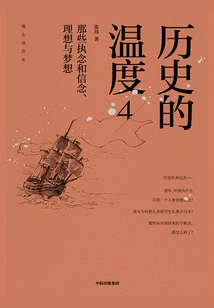
This book is the fourth in the series "The Temperature of History". History is a kaleidoscope. Everyone sees it differently and sees it differently from every angle. Some people see cruelty, and some people see tenderness. Some people see killing, some people see redemption. Some people see others, and some people see themselves. Some people pretend to be true, and some people pretend to be true. The cold history is actually full of warmth. Those people who are either famous in history or unknown, all appear in Mantou Master's articles. You will see their shining side, and then you will be inspired or motivated. The history told by the Mantou Master is both good and evil. It means that the overall feeling is positive. No matter what the historical evaluation of the characters and events is, you can always read the positive energy. And evil is interesting. The interesting words make history, which may originally be boring, become interesting and lively. Some historical stories that are cold and should not be approached by strangers are like being turned in a microwave oven, bringing warmth and warmth, and I want to share them together.
This book is the fourth in the series "The Temperature of History". History is a kaleidoscope. Everyone sees it differently and sees it differently from every angle. Some people see cruelty, and some people see tenderness. Some people see killing, some people see redemption. Some people see others, and some people see themselves. Some people pretend to be true, and some people pretend to be true. The cold history is actually full of warmth. Those people who are either famous in history or unknown, all appear in Mantou Master's articles. You will see their shining side, and then you will be inspired or motivated. The history told by the Mantou Master is both good and evil. It means that the overall feeling is positive. No matter what the historical evaluation of the characters and events is, you can always read the positive energy. And evil is interesting. The interesting words make history, which may originally be boring, become interesting and lively. Some historical stories that are cold and should not be approached by strangers are like being turned in a microwave oven, bringing warmth and warmth, and I want to share them together.
历史的温度(套装共6册)
Zhang Wei
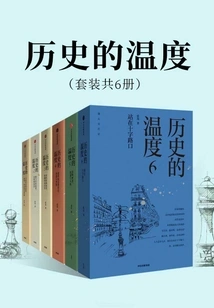
What is happening now will soon be history. What has become history will often appear in the future. Cai Yuanpei, on the stage of China's modern turmoil, why can he always achieve the unity of words and deeds? What kind of struggles and contradictions did Gu Hongming, a generation of "crazy Confucian", have? ... There are always times when we stand at a crossroads or face unprecedented changes. Should we go left or right, forward or backward? This is a choice that was once faced by Gu Hongming, Cai Yuanpei and others, and it is also a choice that we often face now. Facing the real world, how do you choose what you can believe? Are there hidden facts beneath the surface that have not yet been revealed? If you get to the core through some appearances, you will find that the reason why many incredible things happen is still related to personal choices and human nature: greed, fear, loneliness, vanity, selfishness, confusion... Character determines fate, and human nature determines choice. There are no ifs or assumptions in history. When they stand at the crossroads and make a choice, it may affect their entire lives and even history. When future generations read history, they should feel its contradictions and entanglements, interpret it, and learn from it. Zhang Wei tried his best to restore the historical events at that time in a third-party, non-emotional tone. In his writing, history is no longer cold and inaccessible to strangers. The protagonists behind seemingly historical events composed of time, place and a series of numbers are living people with flesh and blood, humanity, stories and true temperaments. He made the originally boring history come alive before his eyes.
What is happening now will soon be history. What has become history will often appear in the future. Cai Yuanpei, on the stage of China's modern turmoil, why can he always achieve the unity of words and deeds? What kind of struggles and contradictions did Gu Hongming, a generation of "crazy Confucian", have? ... There are always times when we stand at a crossroads or face unprecedented changes. Should we go left or right, forward or backward? This is a choice that was once faced by Gu Hongming, Cai Yuanpei and others, and it is also a choice that we often face now. Facing the real world, how do you choose what you can believe? Are there hidden facts beneath the surface that have not yet been revealed? If you get to the core through some appearances, you will find that the reason why many incredible things happen is still related to personal choices and human nature: greed, fear, loneliness, vanity, selfishness, confusion... Character determines fate, and human nature determines choice. There are no ifs or assumptions in history. When they stand at the crossroads and make a choice, it may affect their entire lives and even history. When future generations read history, they should feel its contradictions and entanglements, interpret it, and learn from it. Zhang Wei tried his best to restore the historical events at that time in a third-party, non-emotional tone. In his writing, history is no longer cold and inaccessible to strangers. The protagonists behind seemingly historical events composed of time, place and a series of numbers are living people with flesh and blood, humanity, stories and true temperaments. He made the originally boring history come alive before his eyes.