Library
Browse and search books
358 novels found
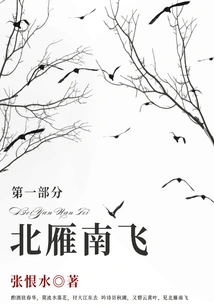
北雁南飞·第一部分(张恨水经典小说)
Zhang Henshui
"Northern Wild Geese Flying to the South" is a chapter novel by Zhang Henshui. It is based on the author's study experience in a private school in Sanhu Town, Jiangxi Province when he was a boy. It describes the love tragedy of the girl Yao Chunhua and the boy Li Xiaoqiu. With sincere feelings and delicate writing style, it makes people sigh. The plot, as well as the vivid outline of the folk customs, sentiments and customs of Sanhu Town, provide us with the social scene and school life records of Xiaoqing Jiangnan Town. From these descriptions, it is not difficult to find the footprints of the writer Zhang Henshui, which is a relatively typical old-style novel of talents and beauties. Zhang Henshui (May 18, 1895 - February 21, 1967), whose original name was Xinyuan, Henshui was his pseudonym, which was taken from the poem "Meeting Happily" written by Li Yu in the Southern Tang Dynasty, which means "I will grow up in life and hate the water in the east". Zhang Henshui is a famous chapter novelist and a representative writer of the Mandarin Duck and Butterfly School. He is honored as the first "master of chapter novels" and "master of popular literature" in the history of modern literature. The plot of the work is tortuous and complex, and the structure is rigorous and complete. It integrates traditional Chinese chapter novels with new techniques in Western novels. He is also famous for his prolific output. In his fifty-year writing career, he created more than 100 popular novels, most of which are medium and long chapter novels with a total of 30 million words, which can be regarded as a book in his lifetime.
"Northern Wild Geese Flying to the South" is a chapter novel by Zhang Henshui. It is based on the author's study experience in a private school in Sanhu Town, Jiangxi Province when he was a boy. It describes the love tragedy of the girl Yao Chunhua and the boy Li Xiaoqiu. With sincere feelings and delicate writing style, it makes people sigh. The plot, as well as the vivid outline of the folk customs, sentiments and customs of Sanhu Town, provide us with the social scene and school life records of Xiaoqing Jiangnan Town. From these descriptions, it is not difficult to find the footprints of the writer Zhang Henshui, which is a relatively typical old-style novel of talents and beauties. Zhang Henshui (May 18, 1895 - February 21, 1967), whose original name was Xinyuan, Henshui was his pseudonym, which was taken from the poem "Meeting Happily" written by Li Yu in the Southern Tang Dynasty, which means "I will grow up in life and hate the water in the east". Zhang Henshui is a famous chapter novelist and a representative writer of the Mandarin Duck and Butterfly School. He is honored as the first "master of chapter novels" and "master of popular literature" in the history of modern literature. The plot of the work is tortuous and complex, and the structure is rigorous and complete. It integrates traditional Chinese chapter novels with new techniques in Western novels. He is also famous for his prolific output. In his fifty-year writing career, he created more than 100 popular novels, most of which are medium and long chapter novels with a total of 30 million words, which can be regarded as a book in his lifetime.
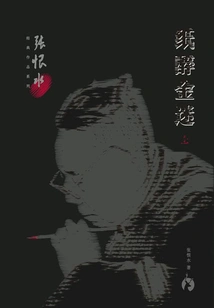
Indulge in Wealth (part 1)
General Fiction纸醉金迷(上)
Zhang Henshui
This book is Zhang Henshui's most influential masterpiece in his later period. The novel uses the clues of Wei Duanben, a young civil servant, and Tian Peizhi, the anti-war wife, who broke up after living together, and uses the opportunity of many characters to rush to buy gold savings certificates to make the country's hard-earned wealth, and unfold a complicated story. When the Anti-Japanese War was won, everything for the speculators was in vain. The work directs criticism towards the ugly, humble world in the Kuomintang-controlled areas on the eve of the victory of the Anti-Japanese War. It reveals the loss and struggle in the face of human nature and money in a special era.
This book is Zhang Henshui's most influential masterpiece in his later period. The novel uses the clues of Wei Duanben, a young civil servant, and Tian Peizhi, the anti-war wife, who broke up after living together, and uses the opportunity of many characters to rush to buy gold savings certificates to make the country's hard-earned wealth, and unfold a complicated story. When the Anti-Japanese War was won, everything for the speculators was in vain. The work directs criticism towards the ugly, humble world in the Kuomintang-controlled areas on the eve of the victory of the Anti-Japanese War. It reveals the loss and struggle in the face of human nature and money in a special era.
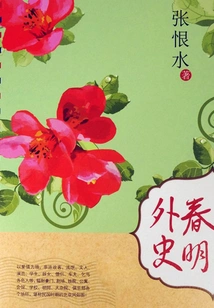
Foreign History of Chunming
General Fiction春明外史
Zhang Henshui
The male protagonist Yang Xingyuan lives in Peiping and makes a living by selling articles and editing newspapers. He falls in love with Liyun, a young brothel prostitute, at first sight. Unfortunately, Liyun died of illness. Later, Yang Xingyuan met Li Dongqing, a down-and-out talented girl, and they exchanged poems and poems, and their relationship became deeper and deeper. However, Li Dongqing finally left Peiping sadly because of a hidden illness that prevented her from getting married. Yang Xingyuan also died due to depression.
The male protagonist Yang Xingyuan lives in Peiping and makes a living by selling articles and editing newspapers. He falls in love with Liyun, a young brothel prostitute, at first sight. Unfortunately, Liyun died of illness. Later, Yang Xingyuan met Li Dongqing, a down-and-out talented girl, and they exchanged poems and poems, and their relationship became deeper and deeper. However, Li Dongqing finally left Peiping sadly because of a hidden illness that prevented her from getting married. Yang Xingyuan also died due to depression.
The Golden Fen Family (part 2) (collection of Popular Novels of the Republic of China·zhang Henshui Volume)
General Fiction金粉世家(第二部)(民国通俗小说典藏文库·张恨水卷)
Zhang Henshui
The novel is based on the feudal family of Beiyang warlord Jin Quan, Prime Minister, and takes the marriage between Jin Quan's son Jin Yanxi and the commoner woman Leng Qingqiu from love, marriage to estrangement and divorce as the main line. It reveals the empty, degenerate spiritual world and declining and decadent life of the feudal bureaucrats and their wives and children, and describes a living history of the rise and fall of the wealthy aristocrats. The novel has 112 chapters, interspersed with the life stories of more than 20 characters in the Jin family, with magnificent colors, scattered but not chaotic. The story of the novel is lively and lively, the mood is sad, and the meaning of leisure is strong. It combines readability and literary quality.
The novel is based on the feudal family of Beiyang warlord Jin Quan, Prime Minister, and takes the marriage between Jin Quan's son Jin Yanxi and the commoner woman Leng Qingqiu from love, marriage to estrangement and divorce as the main line. It reveals the empty, degenerate spiritual world and declining and decadent life of the feudal bureaucrats and their wives and children, and describes a living history of the rise and fall of the wealthy aristocrats. The novel has 112 chapters, interspersed with the life stories of more than 20 characters in the Jin family, with magnificent colors, scattered but not chaotic. The story of the novel is lively and lively, the mood is sad, and the meaning of leisure is strong. It combines readability and literary quality.
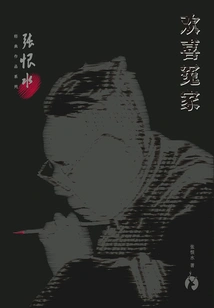
Zhang Henshui's Classic Work Series: Happy Enemies
General Fiction张恨水经典作品系列:欢喜冤家
Zhang Henshui
"Happy Enemies" is a famous work by Zhang Henshui during his creative peak. It shows the sad fate of a popular actress who pursues true love but cannot escape. She dares to hate and love, and is virtuous and hard-working; he is diligent and humble, generous and tolerant, and loves you and me. However, both families have conflicts and cannot find accommodation. A family ethics drama of joys and sorrows is unfolding...
"Happy Enemies" is a famous work by Zhang Henshui during his creative peak. It shows the sad fate of a popular actress who pursues true love but cannot escape. She dares to hate and love, and is virtuous and hard-working; he is diligent and humble, generous and tolerant, and loves you and me. However, both families have conflicts and cannot find accommodation. A family ethics drama of joys and sorrows is unfolding...
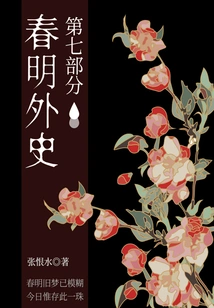
春明外史·第七部分(张恨水经典爱情故事)
Zhang Henshui
"Chunming Foreign History" takes the love story of newspaper reporter Yang Xingyuan, prostitute Liyun, and poetess Li Dongqing as the running thread. The background is grand and the narrative is calm, including wealthy families, brothels, theaters, apartments, guild halls, schools, high-end hotels, clubs, temples, scenic spots, three religions and nine streams, including the president, prime minister, prostitutes, actors, and all kinds of famous people. "Chunming Foreign History" is a picture of Beijing customs in the 1920s. It can be called a classic and still has immortal artistic charm when read today. Zhang Henshui (May 18, 1895 - February 15, 1967), whose original name was Xinyuan, Henshui was his pen name, which was taken from the poem "Meeting Happily" written by Li Yu in the Southern Tang Dynasty, which means "I will grow up in life and hate the water in the east". Zhang Henshui is a famous chapter novelist and a representative writer of the Mandarin Duck and Butterfly School. He is honored as the first "master of chapter novels" and "master of popular literature" in the history of modern literature. The plot of the work is tortuous and complex, and the structure is rigorous and complete. It integrates traditional Chinese chapter novels with new techniques in Western novels. He is also famous for his prolific output. In his fifty-year writing career, he created more than 100 popular novels, most of which are medium and long chapter novels with a total of 30 million words, which can be regarded as a book in his lifetime.
"Chunming Foreign History" takes the love story of newspaper reporter Yang Xingyuan, prostitute Liyun, and poetess Li Dongqing as the running thread. The background is grand and the narrative is calm, including wealthy families, brothels, theaters, apartments, guild halls, schools, high-end hotels, clubs, temples, scenic spots, three religions and nine streams, including the president, prime minister, prostitutes, actors, and all kinds of famous people. "Chunming Foreign History" is a picture of Beijing customs in the 1920s. It can be called a classic and still has immortal artistic charm when read today. Zhang Henshui (May 18, 1895 - February 15, 1967), whose original name was Xinyuan, Henshui was his pen name, which was taken from the poem "Meeting Happily" written by Li Yu in the Southern Tang Dynasty, which means "I will grow up in life and hate the water in the east". Zhang Henshui is a famous chapter novelist and a representative writer of the Mandarin Duck and Butterfly School. He is honored as the first "master of chapter novels" and "master of popular literature" in the history of modern literature. The plot of the work is tortuous and complex, and the structure is rigorous and complete. It integrates traditional Chinese chapter novels with new techniques in Western novels. He is also famous for his prolific output. In his fifty-year writing career, he created more than 100 popular novels, most of which are medium and long chapter novels with a total of 30 million words, which can be regarded as a book in his lifetime.
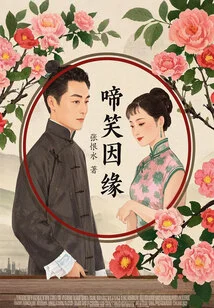
Cause of Laughter
Literature啼笑因缘
Zhang Henshui
"Cause of Crying and Laughing" is a chapter-length novel written by Zhang Henshui. It is set in Peiping during the reign of Beiyang warlords. Through the emotional entanglements between Hangzhou young Fan Jiashu and drum calligraphy artist Shen Fengxi, chivalrous girl Guan Xiugu, and wealthy daughter He Lina, it shows the world and human emotions under social turmoil. The novel combines elements of romance, martial arts and social criticism, and breaks through the limitations of the traditional chapter style with delicate psychological descriptions. It has become a classic of popular literature in the Republic of China. It has been adapted for the screen six times and adapted into TV series seven times.
"Cause of Crying and Laughing" is a chapter-length novel written by Zhang Henshui. It is set in Peiping during the reign of Beiyang warlords. Through the emotional entanglements between Hangzhou young Fan Jiashu and drum calligraphy artist Shen Fengxi, chivalrous girl Guan Xiugu, and wealthy daughter He Lina, it shows the world and human emotions under social turmoil. The novel combines elements of romance, martial arts and social criticism, and breaks through the limitations of the traditional chapter style with delicate psychological descriptions. It has become a classic of popular literature in the Republic of China. It has been adapted for the screen six times and adapted into TV series seven times.
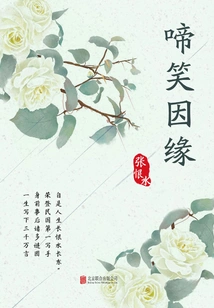
Youjian Library: the Cause of Crying and Laughing
General Fiction有间文库:啼笑因缘
Zhang Henshui
"The Cause of Laughter" is one of Zhang Henshui's masterpieces and one of his most influential works, integrating romance, martial arts, and society. Fan Jiashu, a common young man from Hangzhou who lives in Beijing, falls in love with Shen Fengxi, a girl who sings drums in Tianqiao, and helps her to study. The modern girl He Lina and the Jianghu heroine Guan Xiugu fall in love with Fan Jiashu one after another. While Fan Jiashu was visiting relatives in his hometown, Shen Fengxi married the warlord General Liu because of his greed for luxurious life. He was later tortured and driven mad by General Liu. Fan Jiashu wanders between three women with very different personalities, and is in a dilemma. The novel adopts the love model of one man and three women as the core structure of the story. Through ingenious conception and ups and downs, and exciting plot, it reflects the dark and turbulent social side during the rule of the Beiyang warlords, and puts forward the theme of the conflict between China's modern urban life and traditional moral psychology in Zhang Henshui's novel. This work's common people's concepts and social critical stance, characterization of characters, and repeated psychological narratives have exceeded the capacity of the old Zhanghui novels, surpassing the previous popular novels in which the interest overcame the ideological nature, thus becoming a representative work of modern popular novels in the Republic of China.
"The Cause of Laughter" is one of Zhang Henshui's masterpieces and one of his most influential works, integrating romance, martial arts, and society. Fan Jiashu, a common young man from Hangzhou who lives in Beijing, falls in love with Shen Fengxi, a girl who sings drums in Tianqiao, and helps her to study. The modern girl He Lina and the Jianghu heroine Guan Xiugu fall in love with Fan Jiashu one after another. While Fan Jiashu was visiting relatives in his hometown, Shen Fengxi married the warlord General Liu because of his greed for luxurious life. He was later tortured and driven mad by General Liu. Fan Jiashu wanders between three women with very different personalities, and is in a dilemma. The novel adopts the love model of one man and three women as the core structure of the story. Through ingenious conception and ups and downs, and exciting plot, it reflects the dark and turbulent social side during the rule of the Beiyang warlords, and puts forward the theme of the conflict between China's modern urban life and traditional moral psychology in Zhang Henshui's novel. This work's common people's concepts and social critical stance, characterization of characters, and repeated psychological narratives have exceeded the capacity of the old Zhanghui novels, surpassing the previous popular novels in which the interest overcame the ideological nature, thus becoming a representative work of modern popular novels in the Republic of China.
Azolla
General Fiction满江红
Zhang Henshui
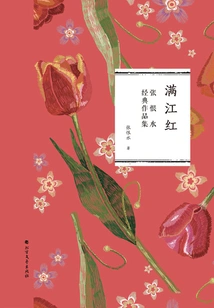
A painter who is indifferent to fame and fortune moves to Nanjing from Shui Village and accidentally meets the singer Taozhi. The two fall passionately in love, but later break up due to misunderstanding. Taozhi angrily agreed to a certain boss's proposal. At their wedding banquet, the boss's wife made a big fuss, and Mizumura stepped forward to resolve the situation. Unable to forget his feelings, Taozhi followed the seriously ill Shuicun to the boat. Just as the ferry caught fire, Taozhi exchanged clothes with Shuicun, causing Shuicun to be taken away by the boat that rescued the women and children, but he was burned to death. Mizumura was immersed in pain and couldn't extricate himself. He happened to see a play "Man Jiang Hong", which was about a woman and her lover who disguised themselves to save people, but eventually died of excessive pain and depression.
A painter who is indifferent to fame and fortune moves to Nanjing from Shui Village and accidentally meets the singer Taozhi. The two fall passionately in love, but later break up due to misunderstanding. Taozhi angrily agreed to a certain boss's proposal. At their wedding banquet, the boss's wife made a big fuss, and Mizumura stepped forward to resolve the situation. Unable to forget his feelings, Taozhi followed the seriously ill Shuicun to the boat. Just as the ferry caught fire, Taozhi exchanged clothes with Shuicun, causing Shuicun to be taken away by the boat that rescued the women and children, but he was burned to death. Mizumura was immersed in pain and couldn't extricate himself. He happened to see a play "Man Jiang Hong", which was about a woman and her lover who disguised themselves to save people, but eventually died of excessive pain and depression.
Liang Shanbo and Zhu Yingtai
Literature梁山伯与祝英台
Zhang Henshui
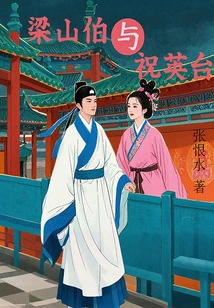
Zhang Henshui's "Liang Shanbo and Zhu Yingtai" is set in the Eastern Jin Dynasty and is adapted from one of the four major folk love stories in ancient China. The novel tells the story of Zhu Yingtai, a beautiful and intelligent woman who disguised herself as a man to study. On the way, she met scholar Liang Shanbo. The two were classmates for three years and developed a deep friendship. Before Yingtai returned home, she hinted at her daughter's identity, but Shanbo failed to detect it in time. After his proposal was rejected, he became depressed and fell ill, and unfortunately passed away. When Yingtai was forced to get married, she passed by Shanbo's tomb and was distraught. The tomb opened and she jumped into it, and then the two of them turned into butterflies and danced. The work depicts the psychology of the characters with delicate brushstrokes, retaining the poignant core of the traditional story while giving it modern thinking, becoming an eternal ode to love and freedom.
Zhang Henshui's "Liang Shanbo and Zhu Yingtai" is set in the Eastern Jin Dynasty and is adapted from one of the four major folk love stories in ancient China. The novel tells the story of Zhu Yingtai, a beautiful and intelligent woman who disguised herself as a man to study. On the way, she met scholar Liang Shanbo. The two were classmates for three years and developed a deep friendship. Before Yingtai returned home, she hinted at her daughter's identity, but Shanbo failed to detect it in time. After his proposal was rejected, he became depressed and fell ill, and unfortunately passed away. When Yingtai was forced to get married, she passed by Shanbo's tomb and was distraught. The tomb opened and she jumped into it, and then the two of them turned into butterflies and danced. The work depicts the psychology of the characters with delicate brushstrokes, retaining the poignant core of the traditional story while giving it modern thinking, becoming an eternal ode to love and freedom.
The Solitary Duck in the Falling Clouds (collection of Popular Novels of the Republic of China·zhang Henshui Volume)
General Fiction落霞孤鹜(民国通俗小说典藏文库·张恨水卷)
Zhang Henshui
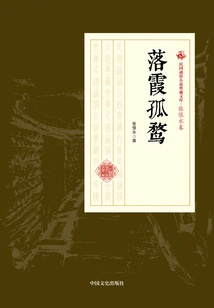
In the early years of the Republic of China, Jiang Qiuyu, a revolutionary, accidentally helped Luoxia, a maid abused by her master, to rescue her, leaving a deep impression on her. Luoxia was sent to a nursing home for women, and she fell in love with her roommate Feng Yuru and became sisters. After many twists and turns, Qiu Zhuang found Yu Ru and made a lifelong commitment. Yuru finally discovered that he was the other because of the handwriting on the photo. Friendship made her feel conflicted, but love made her choose to hide it. Unexpectedly, things were unpredictable. Yuru married Wang Fucai to repay her kindness, and designed them to become Luoxia and Qiuwu. After Yuru got married, she reunited with Jiang on the pretext of visiting her sisters, and she had private meetings with him from time to time. After Luoxia became seriously ill, she finally discovered the entanglement between the two and firmly opposed it. Lu Boqing designed to kidnap Yuru. Yuru suffered physical and mental injuries and lived in a nursing home. Qiuyu took Luoxia to the countryside to teach and stayed in a nursing home overnight, but the next morning he received Yuru's final letter. In memory of Yuru, Qiuwu was renamed Guwu.
In the early years of the Republic of China, Jiang Qiuyu, a revolutionary, accidentally helped Luoxia, a maid abused by her master, to rescue her, leaving a deep impression on her. Luoxia was sent to a nursing home for women, and she fell in love with her roommate Feng Yuru and became sisters. After many twists and turns, Qiu Zhuang found Yu Ru and made a lifelong commitment. Yuru finally discovered that he was the other because of the handwriting on the photo. Friendship made her feel conflicted, but love made her choose to hide it. Unexpectedly, things were unpredictable. Yuru married Wang Fucai to repay her kindness, and designed them to become Luoxia and Qiuwu. After Yuru got married, she reunited with Jiang on the pretext of visiting her sisters, and she had private meetings with him from time to time. After Luoxia became seriously ill, she finally discovered the entanglement between the two and firmly opposed it. Lu Boqing designed to kidnap Yuru. Yuru suffered physical and mental injuries and lived in a nursing home. Qiuyu took Luoxia to the countryside to teach and stayed in a nursing home overnight, but the next morning he received Yuru's final letter. In memory of Yuru, Qiuwu was renamed Guwu.
Youjian Library: Liang Shanbo and Zhu Yingtai
General Fiction有间文库:梁山伯与祝英台
Zhang Henshui
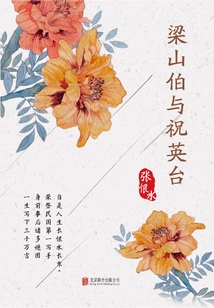
"Liang Shanbo and Zhu Yingtai" was written in August 1953 and serialized in Hong Kong's "Ta Kung Pao" on January 1, 1954. Beautiful girl Zhu Yingtai pretends to be a man. Arrive at Hanshan Temple. I met Liang Shanbo, whom I had been my classmate for three years, and had a deep relationship with him. Because her father is ill, Zhu Yingtai wants to go home. Liang Shanbo saw each other off at eighteen miles. Liang Shanbo was surprised when Yingtai revealed her daughter's body and expressed their love for each other. Yingtai was married to Ma Wencai, but Yingtai refused, and had a secret meeting with Liang Shanbo, where they confided their true feelings. When the Ma family welcomes the bride. Yingtai came to Liang Shanbo's grave, grief-stricken, and unexpected things happened...
"Liang Shanbo and Zhu Yingtai" was written in August 1953 and serialized in Hong Kong's "Ta Kung Pao" on January 1, 1954. Beautiful girl Zhu Yingtai pretends to be a man. Arrive at Hanshan Temple. I met Liang Shanbo, whom I had been my classmate for three years, and had a deep relationship with him. Because her father is ill, Zhu Yingtai wants to go home. Liang Shanbo saw each other off at eighteen miles. Liang Shanbo was surprised when Yingtai revealed her daughter's body and expressed their love for each other. Yingtai was married to Ma Wencai, but Yingtai refused, and had a secret meeting with Liang Shanbo, where they confided their true feelings. When the Ma family welcomes the bride. Yingtai came to Liang Shanbo's grave, grief-stricken, and unexpected things happened...
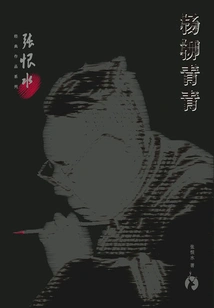
Zhang Henshui's Classic Works Series: Yang Liu Qingqing
General Fiction张恨水经典作品系列:杨柳青青
Zhang Henshui
"Yangliuqingqing" depicts a tragedy and comedy based on the love entanglement between Yang Guizhi, a girl from Haidian, Beijing, Zhao Ziqiang, a young officer, and Gan Jizhi, a son of an official. It praised the loyalty and patriotism of lower-level officers and ordinary people, and criticized the selfishness and hypocrisy of some middle- and upper-level officers and scholar-bureaucrats, who misled the country and bullied the people.
"Yangliuqingqing" depicts a tragedy and comedy based on the love entanglement between Yang Guizhi, a girl from Haidian, Beijing, Zhao Ziqiang, a young officer, and Gan Jizhi, a son of an official. It praised the loyalty and patriotism of lower-level officers and ordinary people, and criticized the selfishness and hypocrisy of some middle- and upper-level officers and scholar-bureaucrats, who misled the country and bullied the people.
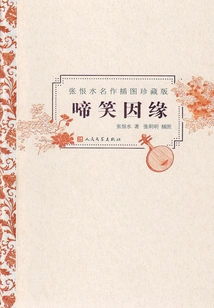
Cause of Laughter
General Fiction啼笑因缘
Zhang Henshui
This book is a classic of modern Chinese novels and one of Mr. Zhang Henshui's masterpieces. The novel mainly describes the love tragedy between Fan Jiashu, a college student from Jiangnan who lives in Peiping, and Shen Fengxi, a girl who sings drums in Tianqiao. It also intersperses the story of the noble lady He Lina's unremitting pursuit of Fan Jiashu, the warlord Liu Dezhu's dominance of civilian girls, and the heroic and righteous Guan family's father and daughter hoeing the strong and supporting the weak. The book has a twists and turns, distinctive characters, and a strong flavor of Beijing. After its publication, the book became very expensive in Luoyang.
This book is a classic of modern Chinese novels and one of Mr. Zhang Henshui's masterpieces. The novel mainly describes the love tragedy between Fan Jiashu, a college student from Jiangnan who lives in Peiping, and Shen Fengxi, a girl who sings drums in Tianqiao. It also intersperses the story of the noble lady He Lina's unremitting pursuit of Fan Jiashu, the warlord Liu Dezhu's dominance of civilian girls, and the heroic and righteous Guan family's father and daughter hoeing the strong and supporting the weak. The book has a twists and turns, distinctive characters, and a strong flavor of Beijing. After its publication, the book became very expensive in Luoyang.
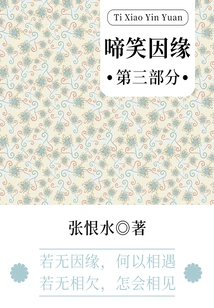
啼笑因缘·第三部分(张恨水经典言情)
Zhang Henshui
"The Cause of Laughter" mainly describes the love tragedy between Fan Jiashu, a Jiangnan college student living in Peiping, and Shen Fengxi, a girl who sings drums in Tianqiao. It also intersperses the story of the noble lady He Lina's unremitting pursuit of Fan Jiashu, the secret love of Guan Shoufeng's daughter Xiugu who makes a living for Fan Jiashu, the warlord Liu Dezhu's dominance of civilian girls, and the heroic and righteous Guan father and daughter hoeing the strong and supporting the weak. It reflects the dark and turbulent social aspect of the Beiyang warlord period. It not only caused a strong response among old readers of the old school chapter novels; it also surprised the new literary and art circles at that time, and even discussed why "The Cause of Laughter" has such great charm and how widespread it is. Zhang Henshui (May 18, 1895 - February 16, 1967), whose original name is Xinyuan, and Henshui is his pen, takes the meaning of the poem "Meeting Happily" by Li Yu of the Southern Tang Dynasty, "Since life grows, I hate water and grow eastward". Zhang Henshui is a famous chapter novelist and a representative writer of the Mandarin Duck and Butterfly School. He is honored as the first "master of chapter novels" and "master of popular literature" in the history of modern literature. The plot of the work is tortuous and complex, and the structure is rigorous and complete. It integrates traditional Chinese chapter novels with new techniques in Western novels. He is also famous for his prolific output. In his fifty-year writing career, he created more than 100 popular novels, most of which are medium and long chapter novels with a total of 30 million words, which can be regarded as a book in his lifetime.
"The Cause of Laughter" mainly describes the love tragedy between Fan Jiashu, a Jiangnan college student living in Peiping, and Shen Fengxi, a girl who sings drums in Tianqiao. It also intersperses the story of the noble lady He Lina's unremitting pursuit of Fan Jiashu, the secret love of Guan Shoufeng's daughter Xiugu who makes a living for Fan Jiashu, the warlord Liu Dezhu's dominance of civilian girls, and the heroic and righteous Guan father and daughter hoeing the strong and supporting the weak. It reflects the dark and turbulent social aspect of the Beiyang warlord period. It not only caused a strong response among old readers of the old school chapter novels; it also surprised the new literary and art circles at that time, and even discussed why "The Cause of Laughter" has such great charm and how widespread it is. Zhang Henshui (May 18, 1895 - February 16, 1967), whose original name is Xinyuan, and Henshui is his pen, takes the meaning of the poem "Meeting Happily" by Li Yu of the Southern Tang Dynasty, "Since life grows, I hate water and grow eastward". Zhang Henshui is a famous chapter novelist and a representative writer of the Mandarin Duck and Butterfly School. He is honored as the first "master of chapter novels" and "master of popular literature" in the history of modern literature. The plot of the work is tortuous and complex, and the structure is rigorous and complete. It integrates traditional Chinese chapter novels with new techniques in Western novels. He is also famous for his prolific output. In his fifty-year writing career, he created more than 100 popular novels, most of which are medium and long chapter novels with a total of 30 million words, which can be regarded as a book in his lifetime.
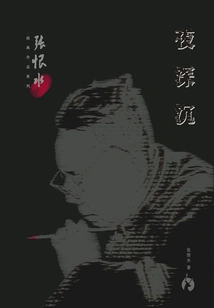
Deep Night
General Fiction夜深沉
Zhang Henshui
This book describes the emotional entanglement between the coachman Ding Erhe and the singing queen Yuerong. The plot is twists and turns and exciting. It explores human nature deeply and thoroughly. The psychological portrayal of the hero and heroine is particularly delicate. It should be particularly pointed out that "Deep Night" was originally the title of a piece of "Yu Ji Dance" in the opera "Farewell My Concubine". Zhang Henshui ingeniously integrated this erhu music throughout the novel, becoming a link between the joys and sorrows of the hero and heroine and a clue to the development of the plot. Not only do most of the scenes in the novel take place in the deep night, but the tone of the novel is dark, cold and desolate. The "deep night" symbolizes the tragic fate of Ding Erhe and Wang Yuerong, revealing the cold darkness of society. In terms of the novel's ingenious conception, complete structure and rich characterization, this book is superior to "The Cause of Laughter".
This book describes the emotional entanglement between the coachman Ding Erhe and the singing queen Yuerong. The plot is twists and turns and exciting. It explores human nature deeply and thoroughly. The psychological portrayal of the hero and heroine is particularly delicate. It should be particularly pointed out that "Deep Night" was originally the title of a piece of "Yu Ji Dance" in the opera "Farewell My Concubine". Zhang Henshui ingeniously integrated this erhu music throughout the novel, becoming a link between the joys and sorrows of the hero and heroine and a clue to the development of the plot. Not only do most of the scenes in the novel take place in the deep night, but the tone of the novel is dark, cold and desolate. The "deep night" symbolizes the tragic fate of Ding Erhe and Wang Yuerong, revealing the cold darkness of society. In terms of the novel's ingenious conception, complete structure and rich characterization, this book is superior to "The Cause of Laughter".
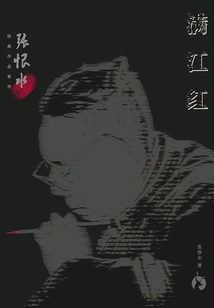
Zhang Henshui's Classic Work Series: Manjianghong
General Fiction张恨水经典作品系列:满江红
Zhang Henshui
Yushui Village, a painter who was indifferent to fame and fortune, moved to Nanjing and lived a life devoted to landscapes. By chance, he met the singer Taozhi, and the two fell in love, but later broke up due to misunderstanding. Taozhi angrily agreed to a certain boss's proposal and married him. At their wedding banquet, the boss's wife made a big fuss, but thanks to Mizumura's confession, the situation was resolved. Unable to forget his feelings, Taozhi followed the seriously ill Shuicun to the boat. Just as the ferry caught fire, Taozhi exchanged clothes with Shuicun, causing Shuicun to be taken away by the boat that rescued the women and children, but he was burned to death in the fire. After being rescued, Shuicun was immersed in pain and couldn't extricate himself. He happened to see a play "Man Jiang Hong", which told the story of a woman and her lover who disguised themselves to save people. Finally, due to excessive pain, he died in depression.
Yushui Village, a painter who was indifferent to fame and fortune, moved to Nanjing and lived a life devoted to landscapes. By chance, he met the singer Taozhi, and the two fell in love, but later broke up due to misunderstanding. Taozhi angrily agreed to a certain boss's proposal and married him. At their wedding banquet, the boss's wife made a big fuss, but thanks to Mizumura's confession, the situation was resolved. Unable to forget his feelings, Taozhi followed the seriously ill Shuicun to the boat. Just as the ferry caught fire, Taozhi exchanged clothes with Shuicun, causing Shuicun to be taken away by the boat that rescued the women and children, but he was burned to death in the fire. After being rescued, Shuicun was immersed in pain and couldn't extricate himself. He happened to see a play "Man Jiang Hong", which told the story of a woman and her lover who disguised themselves to save people. Finally, due to excessive pain, he died in depression.
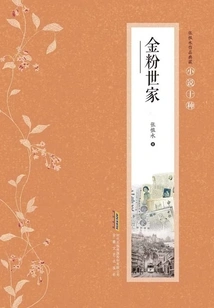
Collection of Zhang Henshui's Works·ten Types of Novels: the Golden Fen Family (part 1 and 2)
General Fiction张恨水作品典藏·小说十种:金粉世家(上下)
Zhang Henshui
"The Golden Fen Family" is a novel written by the modern novelist Zhang Henshui. The novel is based on the feudal family of Beiyang warlord Jin Quan, Prime Minister, and takes the marriage between Jin Quan's son Jin Yanxi and the commoner woman Leng Qingqiu from love, marriage to estrangement and divorce as the main line. It reveals the empty, degenerate spiritual world and declining and decadent life of the feudal bureaucrats and their wives and children, and describes a living history of the rise and fall of the wealthy aristocrats. The novel has 112 chapters, interspersed with the life stories of more than 20 characters in the Jin family, with magnificent colors, scattered but not chaotic. The story of the novel is lively and lively, the mood is sad, and it has a strong sense of leisure. After being published, it was deeply loved by citizen readers.
"The Golden Fen Family" is a novel written by the modern novelist Zhang Henshui. The novel is based on the feudal family of Beiyang warlord Jin Quan, Prime Minister, and takes the marriage between Jin Quan's son Jin Yanxi and the commoner woman Leng Qingqiu from love, marriage to estrangement and divorce as the main line. It reveals the empty, degenerate spiritual world and declining and decadent life of the feudal bureaucrats and their wives and children, and describes a living history of the rise and fall of the wealthy aristocrats. The novel has 112 chapters, interspersed with the life stories of more than 20 characters in the Jin family, with magnificent colors, scattered but not chaotic. The story of the novel is lively and lively, the mood is sad, and it has a strong sense of leisure. After being published, it was deeply loved by citizen readers.
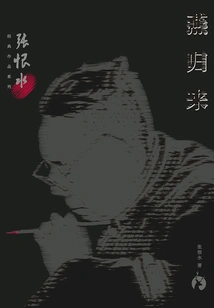
Zhang Henshui's Classic Works Series: the Return of Yan
General Fiction张恨水经典作品系列:燕归来
Zhang Henshui
"The Return of the Swallows" mainly tells the story of a talented man and a beautiful woman who go to the West together with three men chasing one woman. The heroine Yang Yanqiu has experienced the transformation from a refugee to a maid and then to a rich lady. From having nothing to eat to being well-dressed and well-fed, she can play chess, calligraphy and painting. The death of her adoptive father forced her to face the world again and struggle on her own. With the desire to find her relatives and the grand ambition to develop the west, she embarked on the journey to the west without hesitation.
"The Return of the Swallows" mainly tells the story of a talented man and a beautiful woman who go to the West together with three men chasing one woman. The heroine Yang Yanqiu has experienced the transformation from a refugee to a maid and then to a rich lady. From having nothing to eat to being well-dressed and well-fed, she can play chess, calligraphy and painting. The death of her adoptive father forced her to face the world again and struggle on her own. With the desire to find her relatives and the grand ambition to develop the west, she embarked on the journey to the west without hesitation.
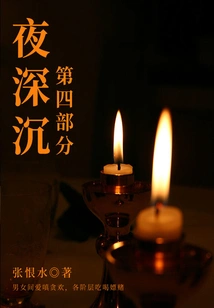
Deep Night·part 4 (zhang Henshui's Classic Novel)
General Fiction夜深沉·第四部分(张恨水经典长篇)
Zhang Henshui
"Deep Night" is one of Zhang Henshui's best novels. It was Zhang Henshui's work at the peak of his creative period. By describing the emotional entanglement between the coachman Dingjihe and the singing queen Yuerong, the plot is twists and turns and exciting; it explores human nature deeply and thoroughly; the psychological portrayal of the hero and heroine is particularly delicate. "Deep Night" was originally the title of a piece of "Yu Ji Dances with the Sword" in the opera "Farewell My Concubine". Zhang Henshui ingeniously integrated this erhu music throughout the novel, becoming a link between the joys and sorrows of the male and female protagonists and a clue to the development of the plot. Not only do most of the scenes in the novel take place in the deep night, but the tone of the novel is dark, cold and desolate. "Dark Night" symbolizes the tragic fate of Ding Erhe and Wang Yuerong, reveals the cold darkness of society, and tries its best to expose the evils of prostitution, gambling, eating, drinking and entertainment at all levels of society. The erotic stories about love, anger, greed, and pleasure between men and women are particularly delicate in their writing. The writing and emotion complement each other, the plot is extremely intense and lively, and the characters are all colorful. Zhang Henshui (May 18, 1895 - February 15, 1967), whose original name was Xinyuan, Henshui was his pen name, which was taken from the poem "Meeting Happily" written by Li Yu in the Southern Tang Dynasty, which means "I will grow up in life and hate the water in the east". Zhang Henshui is a famous chapter novelist and a representative writer of the Mandarin Duck and Butterfly School. He is respected as the master of chapter novels and the first master of popular literature in the history of modern literature. The plot of the work is tortuous and complex, and the structure is rigorous and complete. It integrates traditional Chinese chapter novels with new techniques in Western novels. He is also famous for his prolific output. In his fifty-year writing career, he created more than 100 popular novels, most of which are medium and long chapter novels with a total of 30 million words, which can be regarded as a book in his lifetime.
"Deep Night" is one of Zhang Henshui's best novels. It was Zhang Henshui's work at the peak of his creative period. By describing the emotional entanglement between the coachman Dingjihe and the singing queen Yuerong, the plot is twists and turns and exciting; it explores human nature deeply and thoroughly; the psychological portrayal of the hero and heroine is particularly delicate. "Deep Night" was originally the title of a piece of "Yu Ji Dances with the Sword" in the opera "Farewell My Concubine". Zhang Henshui ingeniously integrated this erhu music throughout the novel, becoming a link between the joys and sorrows of the male and female protagonists and a clue to the development of the plot. Not only do most of the scenes in the novel take place in the deep night, but the tone of the novel is dark, cold and desolate. "Dark Night" symbolizes the tragic fate of Ding Erhe and Wang Yuerong, reveals the cold darkness of society, and tries its best to expose the evils of prostitution, gambling, eating, drinking and entertainment at all levels of society. The erotic stories about love, anger, greed, and pleasure between men and women are particularly delicate in their writing. The writing and emotion complement each other, the plot is extremely intense and lively, and the characters are all colorful. Zhang Henshui (May 18, 1895 - February 15, 1967), whose original name was Xinyuan, Henshui was his pen name, which was taken from the poem "Meeting Happily" written by Li Yu in the Southern Tang Dynasty, which means "I will grow up in life and hate the water in the east". Zhang Henshui is a famous chapter novelist and a representative writer of the Mandarin Duck and Butterfly School. He is respected as the master of chapter novels and the first master of popular literature in the history of modern literature. The plot of the work is tortuous and complex, and the structure is rigorous and complete. It integrates traditional Chinese chapter novels with new techniques in Western novels. He is also famous for his prolific output. In his fifty-year writing career, he created more than 100 popular novels, most of which are medium and long chapter novels with a total of 30 million words, which can be regarded as a book in his lifetime.
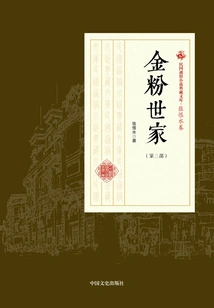
The Golden Fen Family (part 3) (collection of Popular Novels of the Republic of China·zhang Henshui Volume)
General Fiction金粉世家(第三部)(民国通俗小说典藏文库·张恨水卷)
Zhang Henshui
The novel is based on the feudal family of Beiyang warlord Jin Quan, Prime Minister, and takes the marriage between Jin Quan's son Jin Yanxi and the commoner woman Leng Qingqiu from love, marriage to estrangement and divorce as the main line. It reveals the empty, degenerate spiritual world and declining and decadent life of the feudal bureaucrats and their wives and children, and describes a living history of the rise and fall of the wealthy aristocrats. The novel has 112 chapters, interspersed with the life stories of more than 20 characters in the Jin family, with magnificent colors, scattered but not chaotic. The story of the novel is lively and lively, the mood is sad, and the meaning of leisure is strong. It combines readability and literary quality.
The novel is based on the feudal family of Beiyang warlord Jin Quan, Prime Minister, and takes the marriage between Jin Quan's son Jin Yanxi and the commoner woman Leng Qingqiu from love, marriage to estrangement and divorce as the main line. It reveals the empty, degenerate spiritual world and declining and decadent life of the feudal bureaucrats and their wives and children, and describes a living history of the rise and fall of the wealthy aristocrats. The novel has 112 chapters, interspersed with the life stories of more than 20 characters in the Jin family, with magnificent colors, scattered but not chaotic. The story of the novel is lively and lively, the mood is sad, and the meaning of leisure is strong. It combines readability and literary quality.
春明外史·第二部分(张恨水经典爱情故事)
Zhang Henshui
"Chunming Foreign History" takes the love story of newspaper reporter Yang Xingyuan, prostitute Liyun, and poetess Li Dongqing as the running thread. The background is grand and the narrative is calm, including wealthy families, brothels, theaters, apartments, guild halls, schools, high-end hotels, clubs, temples, scenic spots, three religions and nine streams, including the president, prime minister, prostitutes, actors, and all kinds of famous people. "Chunming Foreign History" is a picture of Beijing customs in the 1920s. It can be called a classic and still has immortal artistic charm when read today. Zhang Henshui (May 18, 1895 - February 15, 1967), whose original name was Xinyuan, Henshui was his pen name, which was taken from the poem "Meeting Happily" written by Li Yu in the Southern Tang Dynasty, which means "I will grow up in life and hate the water in the east". Zhang Henshui is a famous chapter novelist and a representative writer of the Mandarin Duck and Butterfly School. He is honored as the first "master of chapter novels" and "master of popular literature" in the history of modern literature. The plot of the work is tortuous and complex, and the structure is rigorous and complete. It integrates traditional Chinese chapter novels with new techniques in Western novels. He is also famous for his prolific output. In his fifty-year writing career, he created more than 100 popular novels, most of which are medium and long chapter novels with a total of 30 million words, which can be regarded as a book in his lifetime.
"Chunming Foreign History" takes the love story of newspaper reporter Yang Xingyuan, prostitute Liyun, and poetess Li Dongqing as the running thread. The background is grand and the narrative is calm, including wealthy families, brothels, theaters, apartments, guild halls, schools, high-end hotels, clubs, temples, scenic spots, three religions and nine streams, including the president, prime minister, prostitutes, actors, and all kinds of famous people. "Chunming Foreign History" is a picture of Beijing customs in the 1920s. It can be called a classic and still has immortal artistic charm when read today. Zhang Henshui (May 18, 1895 - February 15, 1967), whose original name was Xinyuan, Henshui was his pen name, which was taken from the poem "Meeting Happily" written by Li Yu in the Southern Tang Dynasty, which means "I will grow up in life and hate the water in the east". Zhang Henshui is a famous chapter novelist and a representative writer of the Mandarin Duck and Butterfly School. He is honored as the first "master of chapter novels" and "master of popular literature" in the history of modern literature. The plot of the work is tortuous and complex, and the structure is rigorous and complete. It integrates traditional Chinese chapter novels with new techniques in Western novels. He is also famous for his prolific output. In his fifty-year writing career, he created more than 100 popular novels, most of which are medium and long chapter novels with a total of 30 million words, which can be regarded as a book in his lifetime.
Deep Night·part 3 (zhang Henshui's Classic Novel)
General Fiction夜深沉·第三部分(张恨水经典长篇)
Zhang Henshui
"Deep Night" is one of Zhang Henshui's best novels. It was Zhang Henshui's work at the peak of his creative period. By describing the emotional entanglement between the coachman Dingjihe and the singing queen Yuerong, the plot is twists and turns and exciting; it explores human nature deeply and thoroughly; the psychological portrayal of the hero and heroine is particularly delicate. "Deep Night" was originally the title of a piece of "Yu Ji Dances with the Sword" in the opera "Farewell My Concubine". Zhang Henshui ingeniously integrated this erhu music throughout the novel, becoming a link between the joys and sorrows of the male and female protagonists and a clue to the development of the plot. Not only do most of the scenes in the novel take place in the deep night, but the tone of the novel is dark, cold and desolate. "Dark Night" symbolizes the tragic fate of Ding Erhe and Wang Yuerong, reveals the cold darkness of society, and tries its best to expose the evils of prostitution, gambling, eating, drinking and entertainment at all levels of society. The erotic stories about love, anger, greed, and pleasure between men and women are particularly delicate in their writing. The writing and emotion complement each other, the plot is extremely intense and lively, and the characters are all colorful. Zhang Henshui (May 18, 1895 - February 15, 1967), whose original name was Xinyuan, Henshui was his pen name, which was taken from the poem "Meeting Happily" written by Li Yu in the Southern Tang Dynasty, which means "I will grow up in life and hate the water in the east". Zhang Henshui is a famous chapter novelist and a representative writer of the Mandarin Duck and Butterfly School. He is respected as the master of chapter novels and the first master of popular literature in the history of modern literature. The plot of the work is tortuous and complex, and the structure is rigorous and complete. It integrates traditional Chinese chapter novels with new techniques in Western novels. He is also famous for his prolific output. In his fifty-year writing career, he created more than 100 popular novels, most of which are medium and long chapter novels with a total of 30 million words, which can be regarded as a book in his lifetime.
"Deep Night" is one of Zhang Henshui's best novels. It was Zhang Henshui's work at the peak of his creative period. By describing the emotional entanglement between the coachman Dingjihe and the singing queen Yuerong, the plot is twists and turns and exciting; it explores human nature deeply and thoroughly; the psychological portrayal of the hero and heroine is particularly delicate. "Deep Night" was originally the title of a piece of "Yu Ji Dances with the Sword" in the opera "Farewell My Concubine". Zhang Henshui ingeniously integrated this erhu music throughout the novel, becoming a link between the joys and sorrows of the male and female protagonists and a clue to the development of the plot. Not only do most of the scenes in the novel take place in the deep night, but the tone of the novel is dark, cold and desolate. "Dark Night" symbolizes the tragic fate of Ding Erhe and Wang Yuerong, reveals the cold darkness of society, and tries its best to expose the evils of prostitution, gambling, eating, drinking and entertainment at all levels of society. The erotic stories about love, anger, greed, and pleasure between men and women are particularly delicate in their writing. The writing and emotion complement each other, the plot is extremely intense and lively, and the characters are all colorful. Zhang Henshui (May 18, 1895 - February 15, 1967), whose original name was Xinyuan, Henshui was his pen name, which was taken from the poem "Meeting Happily" written by Li Yu in the Southern Tang Dynasty, which means "I will grow up in life and hate the water in the east". Zhang Henshui is a famous chapter novelist and a representative writer of the Mandarin Duck and Butterfly School. He is respected as the master of chapter novels and the first master of popular literature in the history of modern literature. The plot of the work is tortuous and complex, and the structure is rigorous and complete. It integrates traditional Chinese chapter novels with new techniques in Western novels. He is also famous for his prolific output. In his fifty-year writing career, he created more than 100 popular novels, most of which are medium and long chapter novels with a total of 30 million words, which can be regarded as a book in his lifetime.
春明外史·第九部分(张恨水经典爱情故事)
Zhang Henshui
"Chunming Foreign History" takes the love story of newspaper reporter Yang Xingyuan, prostitute Liyun, and poetess Li Dongqing as the running thread. The background is grand and the narrative is calm, including wealthy families, brothels, theaters, apartments, guild halls, schools, high-end hotels, clubs, temples, scenic spots, three religions and nine streams, including the president, prime minister, prostitutes, actors, and all kinds of famous people. "Chunming Foreign History" is a picture of Beijing customs in the 1920s. It can be called a classic and still has immortal artistic charm when read today. Zhang Henshui (May 18, 1895 - February 15, 1967), whose original name was Xinyuan, Henshui was his pen name, which was taken from the poem "Meeting Happily" written by Li Yu in the Southern Tang Dynasty, which means "I will grow up in life and hate the water in the east". Zhang Henshui is a famous chapter novelist and a representative writer of the Mandarin Duck and Butterfly School. He is honored as the first "master of chapter novels" and "master of popular literature" in the history of modern literature. The plot of the work is tortuous and complex, and the structure is rigorous and complete. It integrates traditional Chinese chapter novels with new techniques in Western novels. He is also famous for his prolific output. In his fifty-year writing career, he created more than 100 popular novels, most of which are medium and long chapter novels with a total of 30 million words, which can be regarded as a book in his lifetime.
"Chunming Foreign History" takes the love story of newspaper reporter Yang Xingyuan, prostitute Liyun, and poetess Li Dongqing as the running thread. The background is grand and the narrative is calm, including wealthy families, brothels, theaters, apartments, guild halls, schools, high-end hotels, clubs, temples, scenic spots, three religions and nine streams, including the president, prime minister, prostitutes, actors, and all kinds of famous people. "Chunming Foreign History" is a picture of Beijing customs in the 1920s. It can be called a classic and still has immortal artistic charm when read today. Zhang Henshui (May 18, 1895 - February 15, 1967), whose original name was Xinyuan, Henshui was his pen name, which was taken from the poem "Meeting Happily" written by Li Yu in the Southern Tang Dynasty, which means "I will grow up in life and hate the water in the east". Zhang Henshui is a famous chapter novelist and a representative writer of the Mandarin Duck and Butterfly School. He is honored as the first "master of chapter novels" and "master of popular literature" in the history of modern literature. The plot of the work is tortuous and complex, and the structure is rigorous and complete. It integrates traditional Chinese chapter novels with new techniques in Western novels. He is also famous for his prolific output. In his fifty-year writing career, he created more than 100 popular novels, most of which are medium and long chapter novels with a total of 30 million words, which can be regarded as a book in his lifetime.
The Golden Fen Family (complete Collection)
General Fiction金粉世家(全集)
Zhang Henshui
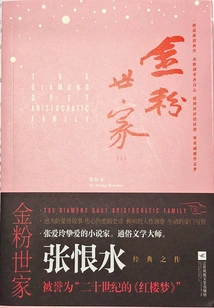
This is a touching love story. This is a sad and tragic epic. The story is written by Mr. Zhang Henshui, the "master of popular literature" - the whole book is based on the tragic story of Jin Yanxi, the youngest son of the Prime Minister, and Qingqiu, a commoner woman, from free love, marriage to separation. It depicts the rise and fall of a wealthy family and the human condition of the world. It can be called a classic, and it still has immortal artistic charm when I read it today. This book is known as the "Dream of Red Mansions" in the 20th century. This love epic that touched countless people comprehensively presents the Chinese society intertwined with family status, power and money in the first half of the 20th century. The work takes the love and marriage tragedy of Jin Yanxi, the son of the Prime Minister of Beiyang, and Xiaojiabiyu Leng Qingqiu as the main line. It describes the feudal family's wives and concubines, and the decadent and declining life of their children's debauchery. It reveals the darkness and transformation of human nature in a complex environment, just like a history of the rise and fall of wealthy nobles in the turbulent years.
This is a touching love story. This is a sad and tragic epic. The story is written by Mr. Zhang Henshui, the "master of popular literature" - the whole book is based on the tragic story of Jin Yanxi, the youngest son of the Prime Minister, and Qingqiu, a commoner woman, from free love, marriage to separation. It depicts the rise and fall of a wealthy family and the human condition of the world. It can be called a classic, and it still has immortal artistic charm when I read it today. This book is known as the "Dream of Red Mansions" in the 20th century. This love epic that touched countless people comprehensively presents the Chinese society intertwined with family status, power and money in the first half of the 20th century. The work takes the love and marriage tragedy of Jin Yanxi, the son of the Prime Minister of Beiyang, and Xiaojiabiyu Leng Qingqiu as the main line. It describes the feudal family's wives and concubines, and the decadent and declining life of their children's debauchery. It reveals the darkness and transformation of human nature in a complex environment, just like a history of the rise and fall of wealthy nobles in the turbulent years.
张恨水经典作品系列:北雁南飞
Zhang Henshui
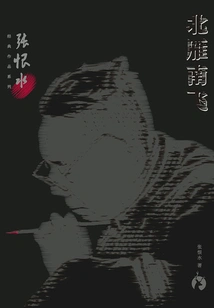
From the late Qing Dynasty to the early years of the Republic of China, Yao Chunhua, the daughter of Yao Tingdong, a master of the Jingguan School in Sanhu Town, Xingan County, and Li Xiaoqiu, the son of Li Qiupu, a Lika master in Sanhu Town, went from "encountering each other by chance at the Ganjiang River Ferry" to "looking for each other on the Lantern Festival Street." The two later studied together in the Jingguan School and became "classmates of inkstone paper", and then developed into a pair of lovers who knew each other and loved each other. But just because Yao Chunhua already had a family (her parents forcibly betrothed her to a poor man from Guanjiazhuang in Linjiang Prefecture) and was bound by the old ethics of the three obediences and four virtues in feudal society, the lovers never got married.
From the late Qing Dynasty to the early years of the Republic of China, Yao Chunhua, the daughter of Yao Tingdong, a master of the Jingguan School in Sanhu Town, Xingan County, and Li Xiaoqiu, the son of Li Qiupu, a Lika master in Sanhu Town, went from "encountering each other by chance at the Ganjiang River Ferry" to "looking for each other on the Lantern Festival Street." The two later studied together in the Jingguan School and became "classmates of inkstone paper", and then developed into a pair of lovers who knew each other and loved each other. But just because Yao Chunhua already had a family (her parents forcibly betrothed her to a poor man from Guanjiazhuang in Linjiang Prefecture) and was bound by the old ethics of the three obediences and four virtues in feudal society, the lovers never got married.
Cause of Laughter
General Fiction啼笑因缘
Zhang Henshui
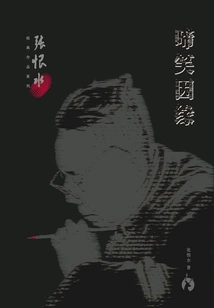
This book is one of Zhang Henshui's masterpieces. It mainly describes the love tragedy between Fan Jiashu, a Jiangnan college student who lives in Peiping, and Shen Fengxi, a girl who sings drums in Tianqiao. It also intersperses the story of the noble lady He Lina's unremitting pursuit of Fan Jiashu, the secret love of Guan Shoufeng's daughter Xiugu who makes a living for Fan Jiashu, the warlord Liu Dezhu's dominance of civilian girls, and the heroic and righteous Guan father and daughter hoeing the strong and supporting the weak. The book has a twists and turns, distinctive characters, and a strong flavor of Beijing. After its publication, the book became very expensive in Luoyang.
This book is one of Zhang Henshui's masterpieces. It mainly describes the love tragedy between Fan Jiashu, a Jiangnan college student who lives in Peiping, and Shen Fengxi, a girl who sings drums in Tianqiao. It also intersperses the story of the noble lady He Lina's unremitting pursuit of Fan Jiashu, the secret love of Guan Shoufeng's daughter Xiugu who makes a living for Fan Jiashu, the warlord Liu Dezhu's dominance of civilian girls, and the heroic and righteous Guan father and daughter hoeing the strong and supporting the weak. The book has a twists and turns, distinctive characters, and a strong flavor of Beijing. After its publication, the book became very expensive in Luoyang.
Jinfen Family (part 2)
General Fiction金粉世家(下)
Zhang Henshui
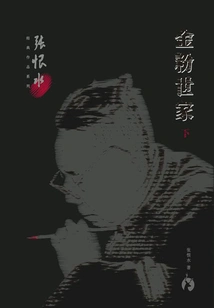
This book is one of Zhang Henshui's masterpieces and was serialized in "World Journal" in 1932. The novel is based on the feudal family of Beiyang warlord Jin Quan, Prime Minister, and takes the marriage between Jin Quan's son Jin Yanxi and the commoner woman Leng Qingqiu from love, marriage to estrangement and divorce as the main line. It reveals the empty, degenerate spiritual world and declining and decadent life of the feudal bureaucrats and their wives and children, and describes a living history of the rise and fall of the wealthy aristocrats.
This book is one of Zhang Henshui's masterpieces and was serialized in "World Journal" in 1932. The novel is based on the feudal family of Beiyang warlord Jin Quan, Prime Minister, and takes the marriage between Jin Quan's son Jin Yanxi and the commoner woman Leng Qingqiu from love, marriage to estrangement and divorce as the main line. It reveals the empty, degenerate spiritual world and declining and decadent life of the feudal bureaucrats and their wives and children, and describes a living history of the rise and fall of the wealthy aristocrats.
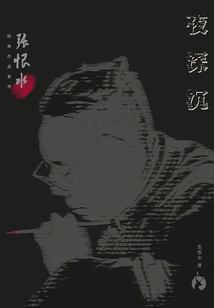
Zhang Henshui's Classic Works Series: Deep in the Night
General Fiction张恨水经典作品系列:夜深沉
Zhang Henshui
"Deep Night" is a touching history of female emotions. A beautiful street singer with great artistic talents lost her emotions after being promoted as a famous actor in Peking Opera. She could not resist the temptation of a playboy, fell into a pit of fire, was tortured by warlords and wealthy businessmen, and could not escape... A persistent admirer has been in love for a long time. The night is deep and the love is deep.
"Deep Night" is a touching history of female emotions. A beautiful street singer with great artistic talents lost her emotions after being promoted as a famous actor in Peking Opera. She could not resist the temptation of a playboy, fell into a pit of fire, was tortured by warlords and wealthy businessmen, and could not escape... A persistent admirer has been in love for a long time. The night is deep and the love is deep.
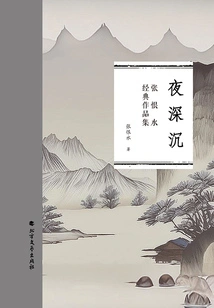
夜深沉(张恨水经典作品集)
Zhang Henshui
"Dark Night" describes the emotional entanglement between the coachman Ding Erhe and the singing queen Yuerong. The plot is twists and turns and exciting. It explores human nature deeply and thoroughly. The psychological portrayal of the hero and heroine is particularly delicate. It should be particularly pointed out that "Deep Night" was originally the title of a piece of "Yu Ji Dance" in the opera "Farewell My Concubine". Zhang Henshui ingeniously integrated this erhu music throughout the novel, becoming a link between the joys and sorrows of the hero and heroine and a clue to the development of the plot. Not only do most of the scenes in the novel take place in the deep night, but the tone of the novel is dark, cold and desolate. The "deep night" symbolizes the tragic fate of Ding Erhe and Wang Yuerong, revealing the cold darkness of society.
"Dark Night" describes the emotional entanglement between the coachman Ding Erhe and the singing queen Yuerong. The plot is twists and turns and exciting. It explores human nature deeply and thoroughly. The psychological portrayal of the hero and heroine is particularly delicate. It should be particularly pointed out that "Deep Night" was originally the title of a piece of "Yu Ji Dance" in the opera "Farewell My Concubine". Zhang Henshui ingeniously integrated this erhu music throughout the novel, becoming a link between the joys and sorrows of the hero and heroine and a clue to the development of the plot. Not only do most of the scenes in the novel take place in the deep night, but the tone of the novel is dark, cold and desolate. The "deep night" symbolizes the tragic fate of Ding Erhe and Wang Yuerong, revealing the cold darkness of society.
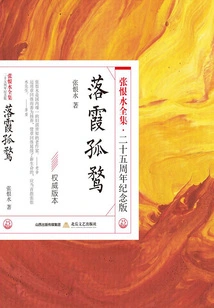
The Solitary Bird in the Falling Clouds (the Complete Works of Zhang Henshui·25th Anniversary Edition)
General Fiction落霞孤鹜(张恨水全集·25周年纪念版)
Zhang Henshui
This book describes the lingering fate and love entanglement between a man and two women. In the early years of the Republic of China, Jiang Qiuyu, a revolutionary, accidentally helped Luoxia, a maid abused by her master, to rescue her, leaving a deep impression on her. Later, Luoxia was sent to a nursing home for women, where she fell in love with Feng Yuru, her roommate, and became sisters. A fire breaks out in the nursing home, and Luoxia fights to save her. Yuru marries Wang Fucai to repay her kindness, and arranges for Quan Luoxia to marry her sweetheart Qiuyu.
This book describes the lingering fate and love entanglement between a man and two women. In the early years of the Republic of China, Jiang Qiuyu, a revolutionary, accidentally helped Luoxia, a maid abused by her master, to rescue her, leaving a deep impression on her. Later, Luoxia was sent to a nursing home for women, where she fell in love with Feng Yuru, her roommate, and became sisters. A fire breaks out in the nursing home, and Luoxia fights to save her. Yuru marries Wang Fucai to repay her kindness, and arranges for Quan Luoxia to marry her sweetheart Qiuyu.
啼笑因缘·第一部分(张恨水经典言情)
Zhang Henshui
"The Cause of Laughter" mainly describes the love tragedy between Fan Jiashu, a Jiangnan college student living in Peiping, and Shen Fengxi, a girl who sings drums in Tianqiao. It also intersperses the story of the noble lady He Lina's unremitting pursuit of Fan Jiashu, the secret love of Guan Shoufeng's daughter Xiugu who makes a living for Fan Jiashu, the warlord Liu Dezhu's dominance of civilian girls, and the heroic and righteous Guan father and daughter hoeing the strong and supporting the weak. It reflects the dark and turbulent social aspect of the Beiyang warlord period. It not only caused a strong response among old readers of the old school chapter novels; it also surprised the new literary and art circles at that time, and even discussed why "The Cause of Laughter" has such great charm and how widespread it is. Zhang Henshui (May 18, 1895 - February 18, 1967), whose original name is Xinyuan, and Henshui is his pen, takes the meaning of the poem "Meeting Happily" by Li Yu of the Southern Tang Dynasty, "Since life grows, I hate water and grow eastward". Zhang Henshui is a famous chapter novelist and a representative writer of the Mandarin Duck and Butterfly School. He is honored as the first "master of chapter novels" and "master of popular literature" in the history of modern literature. The plot of the work is tortuous and complex, and the structure is rigorous and complete. It integrates traditional Chinese chapter novels with new techniques in Western novels. He is also famous for his prolific output. In his fifty-year writing career, he created more than 100 popular novels, most of which are medium and long chapter novels with a total of 30 million words, which can be regarded as a book in his lifetime.
"The Cause of Laughter" mainly describes the love tragedy between Fan Jiashu, a Jiangnan college student living in Peiping, and Shen Fengxi, a girl who sings drums in Tianqiao. It also intersperses the story of the noble lady He Lina's unremitting pursuit of Fan Jiashu, the secret love of Guan Shoufeng's daughter Xiugu who makes a living for Fan Jiashu, the warlord Liu Dezhu's dominance of civilian girls, and the heroic and righteous Guan father and daughter hoeing the strong and supporting the weak. It reflects the dark and turbulent social aspect of the Beiyang warlord period. It not only caused a strong response among old readers of the old school chapter novels; it also surprised the new literary and art circles at that time, and even discussed why "The Cause of Laughter" has such great charm and how widespread it is. Zhang Henshui (May 18, 1895 - February 18, 1967), whose original name is Xinyuan, and Henshui is his pen, takes the meaning of the poem "Meeting Happily" by Li Yu of the Southern Tang Dynasty, "Since life grows, I hate water and grow eastward". Zhang Henshui is a famous chapter novelist and a representative writer of the Mandarin Duck and Butterfly School. He is honored as the first "master of chapter novels" and "master of popular literature" in the history of modern literature. The plot of the work is tortuous and complex, and the structure is rigorous and complete. It integrates traditional Chinese chapter novels with new techniques in Western novels. He is also famous for his prolific output. In his fifty-year writing career, he created more than 100 popular novels, most of which are medium and long chapter novels with a total of 30 million words, which can be regarded as a book in his lifetime.
春明外史·第八部分(张恨水经典爱情故事)
Zhang Henshui
"Chunming Foreign History" takes the love story of newspaper reporter Yang Xingyuan, prostitute Liyun, and poetess Li Dongqing as the running thread. The background is grand and the narrative is calm, including wealthy families, brothels, theaters, apartments, guild halls, schools, high-end hotels, clubs, temples, scenic spots, three religions and nine streams, including the president, prime minister, prostitutes, actors, and all kinds of famous people. "Chunming Foreign History" is a picture of Beijing customs in the 1920s. It can be called a classic and still has immortal artistic charm when read today. Zhang Henshui (May 18, 1895 - February 15, 1967), whose original name was Xinyuan, Henshui was his pen name, which was taken from the poem "Meeting Happily" written by Li Yu in the Southern Tang Dynasty, which means "I will grow up in life and hate the water in the east". Zhang Henshui is a famous chapter novelist and a representative writer of the Mandarin Duck and Butterfly School. He is honored as the first "master of chapter novels" and "master of popular literature" in the history of modern literature. The plot of the work is tortuous and complex, and the structure is rigorous and complete. It integrates traditional Chinese chapter novels with new techniques in Western novels. He is also famous for his prolific output. In his fifty-year writing career, he created more than 100 popular novels, most of which are medium and long chapter novels with a total of 30 million words, which can be regarded as a book in his lifetime.
"Chunming Foreign History" takes the love story of newspaper reporter Yang Xingyuan, prostitute Liyun, and poetess Li Dongqing as the running thread. The background is grand and the narrative is calm, including wealthy families, brothels, theaters, apartments, guild halls, schools, high-end hotels, clubs, temples, scenic spots, three religions and nine streams, including the president, prime minister, prostitutes, actors, and all kinds of famous people. "Chunming Foreign History" is a picture of Beijing customs in the 1920s. It can be called a classic and still has immortal artistic charm when read today. Zhang Henshui (May 18, 1895 - February 15, 1967), whose original name was Xinyuan, Henshui was his pen name, which was taken from the poem "Meeting Happily" written by Li Yu in the Southern Tang Dynasty, which means "I will grow up in life and hate the water in the east". Zhang Henshui is a famous chapter novelist and a representative writer of the Mandarin Duck and Butterfly School. He is honored as the first "master of chapter novels" and "master of popular literature" in the history of modern literature. The plot of the work is tortuous and complex, and the structure is rigorous and complete. It integrates traditional Chinese chapter novels with new techniques in Western novels. He is also famous for his prolific output. In his fifty-year writing career, he created more than 100 popular novels, most of which are medium and long chapter novels with a total of 30 million words, which can be regarded as a book in his lifetime.
Solitary Duck in the Sunset
General Fiction落霞孤鹜
Zhang Henshui
In the early years of the Republic of China, Luoxia and Yuru were two miserable women who met in a nursing home. They were separated from their parents when they were young, and were sold by traffickers to work as servants in officials' families. They could not bear all kinds of abuse from wealthy families and wanted to die. They fell in love at first sight and became sisters of the opposite sex; but a trick of fate made them fall in love with the same outstanding man Jiang Qiuyu. It is this simple and unpretentious writing style that reached the realm of "natural and real". Therefore, after the novel was published, it was immediately adapted and made into a movie, starring the famous movie queen Hu Die.
In the early years of the Republic of China, Luoxia and Yuru were two miserable women who met in a nursing home. They were separated from their parents when they were young, and were sold by traffickers to work as servants in officials' families. They could not bear all kinds of abuse from wealthy families and wanted to die. They fell in love at first sight and became sisters of the opposite sex; but a trick of fate made them fall in love with the same outstanding man Jiang Qiuyu. It is this simple and unpretentious writing style that reached the realm of "natural and real". Therefore, after the novel was published, it was immediately adapted and made into a movie, starring the famous movie queen Hu Die.
The Golden Fen Family (complete Collection)
General Fiction金粉世家(全集)
Zhang Henshui
This book is a classic of modern Chinese novels and one of Mr. Zhang Henshui's masterpieces. It is known as the modern "Dream of Red Mansions". It is an eruption of life materials accumulated by Zhang Henshui in his early journalism career. It describes the tragic process of a commoner woman, Leng Qingqiu, and Jin Yanxi, the son of Jin Rong, the prime minister during the Beiyang warlord period, from falling in love, getting married, to getting married, and running away. Based on the fate of an abandoned wife of a wealthy family, the story depicts the decline of a wealthy noble family, which in turn brings about the ups and downs of the entire society.
This book is a classic of modern Chinese novels and one of Mr. Zhang Henshui's masterpieces. It is known as the modern "Dream of Red Mansions". It is an eruption of life materials accumulated by Zhang Henshui in his early journalism career. It describes the tragic process of a commoner woman, Leng Qingqiu, and Jin Yanxi, the son of Jin Rong, the prime minister during the Beiyang warlord period, from falling in love, getting married, to getting married, and running away. Based on the fate of an abandoned wife of a wealthy family, the story depicts the decline of a wealthy noble family, which in turn brings about the ups and downs of the entire society.
Pink Family
General Fiction红粉世家
Zhang Henshui
During the Republic of China, a painter who was indifferent to fame and fortune moved to Yushui Village near Nanjing and lived a life devoted to landscapes. By chance, he met the singer Taozhi, and the two fell in love, but later broke up due to misunderstanding. Taozhi Caiqi agreed to a certain boss's proposal and married him. At their wedding banquet, the boss's wife made a big fuss. Thanks to Mizumura's confession, the situation was resolved...
During the Republic of China, a painter who was indifferent to fame and fortune moved to Yushui Village near Nanjing and lived a life devoted to landscapes. By chance, he met the singer Taozhi, and the two fell in love, but later broke up due to misunderstanding. Taozhi Caiqi agreed to a certain boss's proposal and married him. At their wedding banquet, the boss's wife made a big fuss. Thanks to Mizumura's confession, the situation was resolved...
春明外史·第十二部分(张恨水经典爱情故事)
Zhang Henshui
"Chunming Foreign History" takes the love story of newspaper reporter Yang Xingyuan, prostitute Liyun, and poetess Li Dongqing as the running thread. The background is grand and the narrative is calm, including wealthy families, brothels, theaters, apartments, guild halls, schools, high-end hotels, clubs, temples, scenic spots, three religions and nine streams, including the president, prime minister, prostitutes, actors, and all kinds of famous people. "Chunming Foreign History" is a picture of Beijing customs in the 1920s. It can be called a classic and still has immortal artistic charm when read today. Zhang Henshui (May 18, 1895 - February 15, 1967), whose original name was Xinyuan, Henshui was his pen name, which was taken from the poem "Meeting Happily" written by Li Yu in the Southern Tang Dynasty, which means "I will grow up in life and hate the water in the east". Zhang Henshui is a famous chapter novelist and a representative writer of the Mandarin Duck and Butterfly School. He is honored as the first "master of chapter novels" and "master of popular literature" in the history of modern literature. The plot of the work is tortuous and complex, and the structure is rigorous and complete. It integrates traditional Chinese chapter novels with new techniques in Western novels. He is also famous for his prolific output. In his fifty-year writing career, he created more than 100 popular novels, most of which are medium and long chapter novels with a total of 30 million words, which can be regarded as a book in his lifetime.
"Chunming Foreign History" takes the love story of newspaper reporter Yang Xingyuan, prostitute Liyun, and poetess Li Dongqing as the running thread. The background is grand and the narrative is calm, including wealthy families, brothels, theaters, apartments, guild halls, schools, high-end hotels, clubs, temples, scenic spots, three religions and nine streams, including the president, prime minister, prostitutes, actors, and all kinds of famous people. "Chunming Foreign History" is a picture of Beijing customs in the 1920s. It can be called a classic and still has immortal artistic charm when read today. Zhang Henshui (May 18, 1895 - February 15, 1967), whose original name was Xinyuan, Henshui was his pen name, which was taken from the poem "Meeting Happily" written by Li Yu in the Southern Tang Dynasty, which means "I will grow up in life and hate the water in the east". Zhang Henshui is a famous chapter novelist and a representative writer of the Mandarin Duck and Butterfly School. He is honored as the first "master of chapter novels" and "master of popular literature" in the history of modern literature. The plot of the work is tortuous and complex, and the structure is rigorous and complete. It integrates traditional Chinese chapter novels with new techniques in Western novels. He is also famous for his prolific output. In his fifty-year writing career, he created more than 100 popular novels, most of which are medium and long chapter novels with a total of 30 million words, which can be regarded as a book in his lifetime.
Deep Night·part 6 (zhang Henshui's Classic Novel)
General Fiction夜深沉·第六部分(张恨水经典长篇)
Zhang Henshui
"Deep Night" is one of Zhang Henshui's best novels. It was Zhang Henshui's work at the peak of his creative period. By describing the emotional entanglement between the coachman Dingjihe and the singing queen Yuerong, the plot is twists and turns and exciting; it explores human nature deeply and thoroughly; the psychological portrayal of the hero and heroine is particularly delicate. "Deep Night" was originally the title of a piece of "Yu Ji Dances with the Sword" in the opera "Farewell My Concubine". Zhang Henshui ingeniously integrated this erhu music throughout the novel, becoming a link between the joys and sorrows of the male and female protagonists and a clue to the development of the plot. Not only do most of the scenes in the novel take place in the deep night, but the tone of the novel is dark, cold and desolate. "Dark Night" symbolizes the tragic fate of Ding Erhe and Wang Yuerong, reveals the cold darkness of society, and tries its best to expose the evils of prostitution, gambling, eating, drinking and entertainment at all levels of society. The erotic stories about love, anger, greed, and pleasure between men and women are particularly delicate in their writing. The writing and emotion complement each other, the plot is extremely intense and lively, and the characters are all colorful. Zhang Henshui (May 18, 1895 - February 15, 1967), whose original name was Xinyuan, and Henshui was his pen name, was taken from the poem "Meeting Happily" written by Li Yu in the Southern Tang Dynasty, which means "hate the water and grow eastward" in life. Zhang Henshui is a famous chapter novelist and a representative writer of the Mandarin Duck and Butterfly School. He is respected as the master of chapter novels and the first master of popular literature in the history of modern literature. The plot of the work is tortuous and complex, and the structure is rigorous and complete. It integrates traditional Chinese chapter novels with new techniques in Western novels. He is also famous for his prolific output. In his fifty-year writing career, he created more than 100 popular novels, most of which are medium and long chapter novels with a total of 30 million words, which can be regarded as a book in his lifetime.
"Deep Night" is one of Zhang Henshui's best novels. It was Zhang Henshui's work at the peak of his creative period. By describing the emotional entanglement between the coachman Dingjihe and the singing queen Yuerong, the plot is twists and turns and exciting; it explores human nature deeply and thoroughly; the psychological portrayal of the hero and heroine is particularly delicate. "Deep Night" was originally the title of a piece of "Yu Ji Dances with the Sword" in the opera "Farewell My Concubine". Zhang Henshui ingeniously integrated this erhu music throughout the novel, becoming a link between the joys and sorrows of the male and female protagonists and a clue to the development of the plot. Not only do most of the scenes in the novel take place in the deep night, but the tone of the novel is dark, cold and desolate. "Dark Night" symbolizes the tragic fate of Ding Erhe and Wang Yuerong, reveals the cold darkness of society, and tries its best to expose the evils of prostitution, gambling, eating, drinking and entertainment at all levels of society. The erotic stories about love, anger, greed, and pleasure between men and women are particularly delicate in their writing. The writing and emotion complement each other, the plot is extremely intense and lively, and the characters are all colorful. Zhang Henshui (May 18, 1895 - February 15, 1967), whose original name was Xinyuan, and Henshui was his pen name, was taken from the poem "Meeting Happily" written by Li Yu in the Southern Tang Dynasty, which means "hate the water and grow eastward" in life. Zhang Henshui is a famous chapter novelist and a representative writer of the Mandarin Duck and Butterfly School. He is respected as the master of chapter novels and the first master of popular literature in the history of modern literature. The plot of the work is tortuous and complex, and the structure is rigorous and complete. It integrates traditional Chinese chapter novels with new techniques in Western novels. He is also famous for his prolific output. In his fifty-year writing career, he created more than 100 popular novels, most of which are medium and long chapter novels with a total of 30 million words, which can be regarded as a book in his lifetime.
Deep Night·part 5 (zhang Henshui's Classic Novel)
General Fiction夜深沉·第五部分(张恨水经典长篇)
Zhang Henshui
"Deep Night" is one of Zhang Henshui's best novels. It was Zhang Henshui's work at the peak of his creative period. By describing the emotional entanglement between the coachman Dingjihe and the singing queen Yuerong, the plot is twists and turns and exciting; it explores human nature deeply and thoroughly; and the psychological portrayal of the hero and heroine is particularly delicate. "Deep Night" was originally the title of a piece of "Yu Ji Dances with the Sword" in the opera "Farewell My Concubine". Zhang Henshui ingeniously integrated this erhu music throughout the novel, becoming a link between the joys and sorrows of the male and female protagonists and a clue to the development of the plot. Not only do most of the scenes in the novel take place in the deep night, but the tone of the novel is dark, cold and desolate. "Dark Night" symbolizes the tragic fate of Ding Erhe and Wang Yuerong, reveals the cold darkness of society, and tries its best to expose the evils of prostitution, gambling, eating, drinking and entertainment at all levels of society. The erotic stories about love, anger, greed, and pleasure between men and women are particularly delicate in their writing. The writing and emotion complement each other, the plot is extremely intense and lively, and the characters are all colorful. Zhang Henshui (May 18, 1895 - February 15, 1967), whose original name was Xinyuan, Henshui was his pen name, which was taken from the poem "Meeting Happily" written by Li Yu in the Southern Tang Dynasty, which means "I will grow up in life and hate the water in the east". Zhang Henshui is a famous chapter novelist and a representative writer of the Mandarin Duck and Butterfly School. He is honored as the first "master of chapter novels" and "master of popular literature" in the history of modern literature. The plot of the work is tortuous and complex, and the structure is rigorous and complete. It integrates traditional Chinese chapter novels with new techniques in Western novels. He is also famous for his prolific output. In his fifty-year writing career, he created more than 100 popular novels, most of which are medium and long chapter novels with a total of 30 million words, which can be regarded as a book in his lifetime.
"Deep Night" is one of Zhang Henshui's best novels. It was Zhang Henshui's work at the peak of his creative period. By describing the emotional entanglement between the coachman Dingjihe and the singing queen Yuerong, the plot is twists and turns and exciting; it explores human nature deeply and thoroughly; and the psychological portrayal of the hero and heroine is particularly delicate. "Deep Night" was originally the title of a piece of "Yu Ji Dances with the Sword" in the opera "Farewell My Concubine". Zhang Henshui ingeniously integrated this erhu music throughout the novel, becoming a link between the joys and sorrows of the male and female protagonists and a clue to the development of the plot. Not only do most of the scenes in the novel take place in the deep night, but the tone of the novel is dark, cold and desolate. "Dark Night" symbolizes the tragic fate of Ding Erhe and Wang Yuerong, reveals the cold darkness of society, and tries its best to expose the evils of prostitution, gambling, eating, drinking and entertainment at all levels of society. The erotic stories about love, anger, greed, and pleasure between men and women are particularly delicate in their writing. The writing and emotion complement each other, the plot is extremely intense and lively, and the characters are all colorful. Zhang Henshui (May 18, 1895 - February 15, 1967), whose original name was Xinyuan, Henshui was his pen name, which was taken from the poem "Meeting Happily" written by Li Yu in the Southern Tang Dynasty, which means "I will grow up in life and hate the water in the east". Zhang Henshui is a famous chapter novelist and a representative writer of the Mandarin Duck and Butterfly School. He is honored as the first "master of chapter novels" and "master of popular literature" in the history of modern literature. The plot of the work is tortuous and complex, and the structure is rigorous and complete. It integrates traditional Chinese chapter novels with new techniques in Western novels. He is also famous for his prolific output. In his fifty-year writing career, he created more than 100 popular novels, most of which are medium and long chapter novels with a total of 30 million words, which can be regarded as a book in his lifetime.
张恨水经典作品系列:啼笑因缘(续)
Zhang Henshui
This book is the sequel to "The Destiny of Crying and Laughing" and explains the fate of the main characters in "The Destiny of Crying and Laughing".
This book is the sequel to "The Destiny of Crying and Laughing" and explains the fate of the main characters in "The Destiny of Crying and Laughing".
Foreign History of Chunming (part 2)
General Fiction春明外史(中)
Zhang Henshui
This book has been published in single volumes many times by Peking's "World Daily" and Shanghai World Book Company. The novel also earned Zhang Henshui the title of "novelist" and established his status in the Chinese literary world. The book takes love as the main line, and also extensively describes the life dynamics of the party, government, military, police, academia, and business classes. The plot is vivid, vivid, and fascinating. The male protagonist Yang Xingguo lives in Peiping and makes a living by selling articles and editing newspapers. He got acquainted with Liyun, a young prostitute in a brothel, and the two fell in love with each other and they were unforgettable. Unfortunately, Liyun died of illness. The talented girl Li Dongqing also had a deep relationship with Yang Xingyuan. After a complicated emotional entanglement, Li Dongqing finally had a hidden illness and her marriage was difficult to come by, so she sadly went south to serve her mother. Yang Xingyuan, on the other hand, was seriously ill and died of vomiting blood.
This book has been published in single volumes many times by Peking's "World Daily" and Shanghai World Book Company. The novel also earned Zhang Henshui the title of "novelist" and established his status in the Chinese literary world. The book takes love as the main line, and also extensively describes the life dynamics of the party, government, military, police, academia, and business classes. The plot is vivid, vivid, and fascinating. The male protagonist Yang Xingguo lives in Peiping and makes a living by selling articles and editing newspapers. He got acquainted with Liyun, a young prostitute in a brothel, and the two fell in love with each other and they were unforgettable. Unfortunately, Liyun died of illness. The talented girl Li Dongqing also had a deep relationship with Yang Xingyuan. After a complicated emotional entanglement, Li Dongqing finally had a hidden illness and her marriage was difficult to come by, so she sadly went south to serve her mother. Yang Xingyuan, on the other hand, was seriously ill and died of vomiting blood.
春明外史·第三部分(张恨水经典爱情故事)
Zhang Henshui
"Chunming Foreign History" takes the love story of newspaper reporter Yang Xingyuan, prostitute Liyun, and poetess Li Dongqing as the running thread. The background is grand and the narrative is calm, including wealthy families, brothels, theaters, apartments, guild halls, schools, high-end hotels, clubs, temples, scenic spots, three religions and nine streams, including the president, prime minister, prostitutes, actors, and all kinds of famous people. "Chunming Foreign History" is a picture of Beijing customs in the 1920s. It can be called a classic and still has immortal artistic charm when read today. Zhang Henshui (May 18, 1895 - February 15, 1967), whose original name was Xinyuan, Henshui was his pen name, which was taken from the poem "Meeting Happily" written by Li Yu in the Southern Tang Dynasty, which means "I will grow up in life and hate the water in the east". Zhang Henshui is a famous chapter novelist and a representative writer of the Mandarin Duck and Butterfly School. He is honored as the first "master of chapter novels" and "master of popular literature" in the history of modern literature. The plot of the work is tortuous and complex, and the structure is rigorous and complete. It integrates traditional Chinese chapter novels with new techniques in Western novels. He is also famous for his prolific output. In his fifty-year writing career, he created more than 100 popular novels, most of which are medium and long chapter novels with a total of 30 million words, which can be regarded as a book in his lifetime.
"Chunming Foreign History" takes the love story of newspaper reporter Yang Xingyuan, prostitute Liyun, and poetess Li Dongqing as the running thread. The background is grand and the narrative is calm, including wealthy families, brothels, theaters, apartments, guild halls, schools, high-end hotels, clubs, temples, scenic spots, three religions and nine streams, including the president, prime minister, prostitutes, actors, and all kinds of famous people. "Chunming Foreign History" is a picture of Beijing customs in the 1920s. It can be called a classic and still has immortal artistic charm when read today. Zhang Henshui (May 18, 1895 - February 15, 1967), whose original name was Xinyuan, Henshui was his pen name, which was taken from the poem "Meeting Happily" written by Li Yu in the Southern Tang Dynasty, which means "I will grow up in life and hate the water in the east". Zhang Henshui is a famous chapter novelist and a representative writer of the Mandarin Duck and Butterfly School. He is honored as the first "master of chapter novels" and "master of popular literature" in the history of modern literature. The plot of the work is tortuous and complex, and the structure is rigorous and complete. It integrates traditional Chinese chapter novels with new techniques in Western novels. He is also famous for his prolific output. In his fifty-year writing career, he created more than 100 popular novels, most of which are medium and long chapter novels with a total of 30 million words, which can be regarded as a book in his lifetime.
Zhang Henshui's Classic Works Series: the Cause of Laughter
General Fiction张恨水经典作品系列:啼笑因缘
Zhang Henshui
This book uses the love model of one man and three women as the core structure of the story. Through the love tragedy of Fan Jiashu, a young man from Hangzhou living in Beijing, and Shen Fengxi, a Tianqiao singing girl, it reflects a dark and turbulent social aspect during the reign of the Beiyang warlords. It not only caused a strong response among old readers of the old school chapter novels; it also surprised the new literary and art circles at that time, and even discussed why "The Cause of Laughter" has such great charm and how widespread it is.
This book uses the love model of one man and three women as the core structure of the story. Through the love tragedy of Fan Jiashu, a young man from Hangzhou living in Beijing, and Shen Fengxi, a Tianqiao singing girl, it reflects a dark and turbulent social aspect during the reign of the Beiyang warlords. It not only caused a strong response among old readers of the old school chapter novels; it also surprised the new literary and art circles at that time, and even discussed why "The Cause of Laughter" has such great charm and how widespread it is.
Jinfen Family (part 1)
General Fiction金粉世家(上)
Zhang Henshui
This book is one of Zhang Henshui's masterpieces and was serialized in "World Journal" in 1932. The novel is based on the feudal family of Beiyang warlord Jin Quan, Prime Minister, and takes the marriage between Jin Quan's son Jin Yanxi and the commoner woman Leng Qingqiu from love, marriage to estrangement and divorce as the main line. It reveals the empty, degenerate spiritual world and declining and decadent life of the feudal bureaucrats and their wives and children, and describes a living history of the rise and fall of the wealthy aristocrats.
This book is one of Zhang Henshui's masterpieces and was serialized in "World Journal" in 1932. The novel is based on the feudal family of Beiyang warlord Jin Quan, Prime Minister, and takes the marriage between Jin Quan's son Jin Yanxi and the commoner woman Leng Qingqiu from love, marriage to estrangement and divorce as the main line. It reveals the empty, degenerate spiritual world and declining and decadent life of the feudal bureaucrats and their wives and children, and describes a living history of the rise and fall of the wealthy aristocrats.
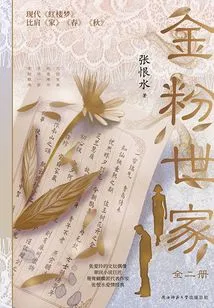
The Golden Fen Family (complete Collection)
General Fiction金粉世家(全集)
Zhang Henshui
"The Golden Family" takes the love tragedy of Jin Yanxi, the son of the Prime Minister of Beijing, and Leng Qingqiu, a woman from a poor family, from falling in love, getting married, falling out, and running away as the main line. It depicts the rise and fall of a wealthy family in the turbulent years. It is also a comprehensive history of Chinese society that shows the intertwining of family status, power and money in the turbulent years. It not only contains romantic and poignant love, family intrigues, the coldness and warmth of human nature, but also the political strife at that time, the decadent and declining life of the wealthy and aristocratic families, and also explores the understanding of society and life. The novel is full of a moral ideal, as well as the helplessness and emotion after this ideal is shattered by reality. The book "Jin Fen Family" has 112 chapters, interspersed with the life stories of more than 20 characters of the Jin family, with magnificent colors, scattered but not chaotic. The storyline is lively and lively, the mood is sad, and it has a strong sense of leisure. It combines readability and literature.
"The Golden Family" takes the love tragedy of Jin Yanxi, the son of the Prime Minister of Beijing, and Leng Qingqiu, a woman from a poor family, from falling in love, getting married, falling out, and running away as the main line. It depicts the rise and fall of a wealthy family in the turbulent years. It is also a comprehensive history of Chinese society that shows the intertwining of family status, power and money in the turbulent years. It not only contains romantic and poignant love, family intrigues, the coldness and warmth of human nature, but also the political strife at that time, the decadent and declining life of the wealthy and aristocratic families, and also explores the understanding of society and life. The novel is full of a moral ideal, as well as the helplessness and emotion after this ideal is shattered by reality. The book "Jin Fen Family" has 112 chapters, interspersed with the life stories of more than 20 characters of the Jin family, with magnificent colors, scattered but not chaotic. The storyline is lively and lively, the mood is sad, and it has a strong sense of leisure. It combines readability and literature.
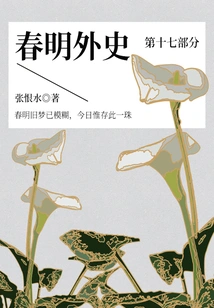
春明外史·第十七部分(张恨水经典爱情故事)
Zhang Henshui
"Chunming Foreign History" takes the love story of newspaper reporter Yang Xingyuan, prostitute Liyun, and poetess Li Dongqing as the running thread. The background is grand and the narrative is calm, including wealthy families, brothels, theaters, apartments, guild halls, schools, high-end hotels, clubs, temples, scenic spots, three religions and nine streams, including the president, prime minister, prostitutes, actors, and all kinds of famous people. "Chunming Foreign History" is a picture of Beijing customs in the 1920s. It can be called a classic and still has immortal artistic charm when read today. Zhang Henshui (May 18, 1895 - February 15, 1967), whose original name was Xinyuan, Henshui was his pen name, which was taken from the poem "Meeting Happily" written by Li Yu in the Southern Tang Dynasty, which means "I will grow up in life and hate the water in the east". Zhang Henshui is a famous chapter novelist and a representative writer of the Mandarin Duck and Butterfly School. He is honored as the first "master of chapter novels" and "master of popular literature" in the history of modern literature. The plot of the work is tortuous and complex, and the structure is rigorous and complete. It integrates traditional Chinese chapter novels with new techniques in Western novels. He is also famous for his prolific output. In his fifty-year writing career, he created more than 100 popular novels, most of which are medium and long chapter novels with a total of 30 million words, which can be regarded as a book in his lifetime.
"Chunming Foreign History" takes the love story of newspaper reporter Yang Xingyuan, prostitute Liyun, and poetess Li Dongqing as the running thread. The background is grand and the narrative is calm, including wealthy families, brothels, theaters, apartments, guild halls, schools, high-end hotels, clubs, temples, scenic spots, three religions and nine streams, including the president, prime minister, prostitutes, actors, and all kinds of famous people. "Chunming Foreign History" is a picture of Beijing customs in the 1920s. It can be called a classic and still has immortal artistic charm when read today. Zhang Henshui (May 18, 1895 - February 15, 1967), whose original name was Xinyuan, Henshui was his pen name, which was taken from the poem "Meeting Happily" written by Li Yu in the Southern Tang Dynasty, which means "I will grow up in life and hate the water in the east". Zhang Henshui is a famous chapter novelist and a representative writer of the Mandarin Duck and Butterfly School. He is honored as the first "master of chapter novels" and "master of popular literature" in the history of modern literature. The plot of the work is tortuous and complex, and the structure is rigorous and complete. It integrates traditional Chinese chapter novels with new techniques in Western novels. He is also famous for his prolific output. In his fifty-year writing career, he created more than 100 popular novels, most of which are medium and long chapter novels with a total of 30 million words, which can be regarded as a book in his lifetime.
民国最“贵”作家书藏:傲霜花
Zhang Henshui
"Proud Frost Flower" is set in Chongqing during the Anti-Japanese War and describes the hardships of the education sector during the Anti-Japanese War. It tells the story of the professors in the cultural village who have different choices and fates in the midst of hardships. Tang Zian continued to live a poor life as a teacher, Tan Boping passed away quietly amidst the struggle of illness and loneliness, Su Ban and Yun Qingyun became officials, Professor Liang and Hong Andong gave up their writing and went into business, and Hua Aoshuang married entrepreneur Xia Shanqing after a pursuit of love.
"Proud Frost Flower" is set in Chongqing during the Anti-Japanese War and describes the hardships of the education sector during the Anti-Japanese War. It tells the story of the professors in the cultural village who have different choices and fates in the midst of hardships. Tang Zian continued to live a poor life as a teacher, Tan Boping passed away quietly amidst the struggle of illness and loneliness, Su Ban and Yun Qingyun became officials, Professor Liang and Hong Andong gave up their writing and went into business, and Hua Aoshuang married entrepreneur Xia Shanqing after a pursuit of love.
Don't Be Sentimental in This World
Literature别有情调在人间
Zhang Henshui
One of the 60 literary writers of the century, Zhang Ailing's favorite author, Lao She calls him a real literati, Zhang Henshui's selected collection of essays on life aesthetics, life still needs a bit of sentiment, writers of life like Wang Zengqi, Cai Lan, Feng Zikai, Liang Shiqiu, and Zhou Zuoren. Wang Zengqi said, life is very interesting; Cai Lam said, I decided to live interestingly; Zhou Guoping said, even if life is a dream, we must live this dream meaningfully and not lose the emotion and fun of the dream; and Zhang Henshui, in his life, only loves the word "emotion". He has lived in Beijing, Nanjing, and Chongqing for many years, and has detailed observations and feelings about the urban customs, market style, and human flavor of these places. Look at the willows, enjoy the ice and snow, eat barbecue, raise chrysanthemums, offer wintersweet, live in the valley, listen to the chirping of insects... The beauty of life is all there. Life still needs a bit of sentiment. I hope you can feel the beauty of life in Zhang Henshui's words and live a life that is flavorful, sentimental, interesting and affectionate.
One of the 60 literary writers of the century, Zhang Ailing's favorite author, Lao She calls him a real literati, Zhang Henshui's selected collection of essays on life aesthetics, life still needs a bit of sentiment, writers of life like Wang Zengqi, Cai Lan, Feng Zikai, Liang Shiqiu, and Zhou Zuoren. Wang Zengqi said, life is very interesting; Cai Lam said, I decided to live interestingly; Zhou Guoping said, even if life is a dream, we must live this dream meaningfully and not lose the emotion and fun of the dream; and Zhang Henshui, in his life, only loves the word "emotion". He has lived in Beijing, Nanjing, and Chongqing for many years, and has detailed observations and feelings about the urban customs, market style, and human flavor of these places. Look at the willows, enjoy the ice and snow, eat barbecue, raise chrysanthemums, offer wintersweet, live in the valley, listen to the chirping of insects... The beauty of life is all there. Life still needs a bit of sentiment. I hope you can feel the beauty of life in Zhang Henshui's words and live a life that is flavorful, sentimental, interesting and affectionate.
Mountain Window Sketch
Literature山窗小品
Zhang Henshui
This book is a collection of essays written by Zhang Henshui, containing forty-three essays, with an appendix of thirteen essays in classical Chinese, for a total of fifty-six essays.
This book is a collection of essays written by Zhang Henshui, containing forty-three essays, with an appendix of thirteen essays in classical Chinese, for a total of fifty-six essays.