Library
Browse and search books
358 novels found
Danfeng Street
General Fiction丹凤街
Zhang Henshui
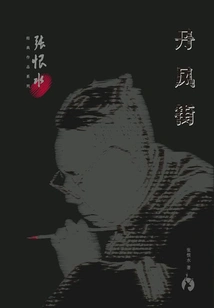
This book tells the story of a group of self-reliant vegetable vendors and bartenders on Danfeng Street headed by Tong Laowu. They were not afraid of power, endured pain and hunger, and even went bankrupt, running around just to save the poor girl Chen Xiu who was sold by her uncle to Deputy Chief Zhao as his concubine. Underneath the poor and rough appearance of the protagonists, they all contain the spirit of a chivalrous man who is magnanimous, sincere, and committed to his work. These people live an ordinary life and live a vigorous life. From the title of the book to the content of the story and the dialect spoken in the book, it is full of pure Nanjing flavor.
This book tells the story of a group of self-reliant vegetable vendors and bartenders on Danfeng Street headed by Tong Laowu. They were not afraid of power, endured pain and hunger, and even went bankrupt, running around just to save the poor girl Chen Xiu who was sold by her uncle to Deputy Chief Zhao as his concubine. Underneath the poor and rough appearance of the protagonists, they all contain the spirit of a chivalrous man who is magnanimous, sincere, and committed to his work. These people live an ordinary life and live a vigorous life. From the title of the book to the content of the story and the dialect spoken in the book, it is full of pure Nanjing flavor.
Youjian Library: Zhang Henshui's Novels
General Fiction有间文库:张恨水小说集
Zhang Henshui
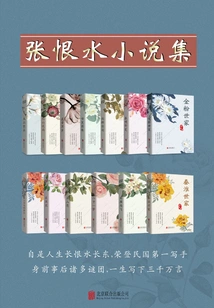
"Zhang Henshui's Novels Collection" includes 13 novels: The Cause of Laughter, The Golden Family, The History of the Spring Ming Dynasty, The Great River Goes East, Long Live the Tiger, The Qinhuai Family, The Night Rain on Bashan, The Eighty-One Dreams, The Wild Geese Flying South, The Beauty's Favor, Deep Night, and Liang Shanbo and Zhu Yingtai.
"Zhang Henshui's Novels Collection" includes 13 novels: The Cause of Laughter, The Golden Family, The History of the Spring Ming Dynasty, The Great River Goes East, Long Live the Tiger, The Qinhuai Family, The Night Rain on Bashan, The Eighty-One Dreams, The Wild Geese Flying South, The Beauty's Favor, Deep Night, and Liang Shanbo and Zhu Yingtai.
Bashan Night Rain (6)
General Fiction巴山夜雨(6)
Zhang Henshui
"Bashan Night Rain" was written in 1946 after the victory of the Anti-Japanese War and began to be serialized in 1946. It took more than three years to complete at the end of 1948. It is Zhang Henshui's "painful lesson" work. With a cold and rational writing style, the author takes the lead in exploring the national psychology while accusing the war atrocities of the Japanese invaders. The novel takes the protagonist Li Nanquan as the axis and shows readers a picture of all living beings in the mountain village of eastern Shu. The characters are lifelike, the language is humorous and sharp, and the novel's descriptive skills have reached a level of proficiency.
"Bashan Night Rain" was written in 1946 after the victory of the Anti-Japanese War and began to be serialized in 1946. It took more than three years to complete at the end of 1948. It is Zhang Henshui's "painful lesson" work. With a cold and rational writing style, the author takes the lead in exploring the national psychology while accusing the war atrocities of the Japanese invaders. The novel takes the protagonist Li Nanquan as the axis and shows readers a picture of all living beings in the mountain village of eastern Shu. The characters are lifelike, the language is humorous and sharp, and the novel's descriptive skills have reached a level of proficiency.
Bashan Night Rain (4)
General Fiction巴山夜雨(4)
Zhang Henshui
"Bashan Night Rain" was written in 1946 after the victory of the Anti-Japanese War and began to be serialized in 1946. It took more than three years to complete at the end of 1948. It is Zhang Henshui's "painful lesson" work. With a cold and rational writing style, the author takes the lead in exploring the national psychology while accusing the war atrocities of the Japanese invaders. The novel takes the protagonist Li Nanquan as the axis and shows readers a picture of all living beings in the mountain village of eastern Shu. The characters are lifelike, the language is humorous and sharp, and the novel's descriptive skills have reached a level of proficiency.
"Bashan Night Rain" was written in 1946 after the victory of the Anti-Japanese War and began to be serialized in 1946. It took more than three years to complete at the end of 1948. It is Zhang Henshui's "painful lesson" work. With a cold and rational writing style, the author takes the lead in exploring the national psychology while accusing the war atrocities of the Japanese invaders. The novel takes the protagonist Li Nanquan as the axis and shows readers a picture of all living beings in the mountain village of eastern Shu. The characters are lifelike, the language is humorous and sharp, and the novel's descriptive skills have reached a level of proficiency.
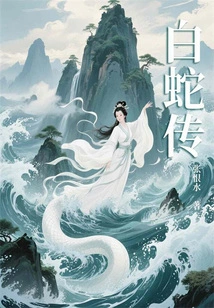
白蛇传(张恨水经典改编)
Zhang Henshui
"The Legend of White Snake" is a classic novel carefully adapted by Zhang Henshui based on folklore. In this version, Bai Suzhen no longer bears the shackles of repaying kindness in her previous life, but is moved purely by Xu Xian's ordinaryness and sincerity. The two met at the West Lake, pledged their love under an umbrella, and quickly got married. After her marriage, Bai Suzhen helped Xu Xian open a medicine shop in Suzhou, hanging pots to help the world, showing her "benevolent" heart. An accident occurred during the Dragon Boat Festival, Xu Xian was frightened to death, and Bai Suzhen took the risk to go to Kunlun Mountain to steal the fairy grass. Fahai forcibly separated the two and imprisoned Xu Xian in Jinshan Temple. Bai Suzhen flooded the Jinshan Mountain, but because her magic power was weakened after giving birth, she was suppressed by Fahai under the Leifeng Pagoda. Xu Xian is not the traditional weak and wavering image. He refuted Fa Hai many times and firmly defended his wife. Finally, Xiaoqing returned from practice, knocked down the Leifeng Pagoda and rescued Bai Suzhen, but at this time Xu Xian and Xu Shilin were no longer alive.
"The Legend of White Snake" is a classic novel carefully adapted by Zhang Henshui based on folklore. In this version, Bai Suzhen no longer bears the shackles of repaying kindness in her previous life, but is moved purely by Xu Xian's ordinaryness and sincerity. The two met at the West Lake, pledged their love under an umbrella, and quickly got married. After her marriage, Bai Suzhen helped Xu Xian open a medicine shop in Suzhou, hanging pots to help the world, showing her "benevolent" heart. An accident occurred during the Dragon Boat Festival, Xu Xian was frightened to death, and Bai Suzhen took the risk to go to Kunlun Mountain to steal the fairy grass. Fahai forcibly separated the two and imprisoned Xu Xian in Jinshan Temple. Bai Suzhen flooded the Jinshan Mountain, but because her magic power was weakened after giving birth, she was suppressed by Fahai under the Leifeng Pagoda. Xu Xian is not the traditional weak and wavering image. He refuted Fa Hai many times and firmly defended his wife. Finally, Xiaoqing returned from practice, knocked down the Leifeng Pagoda and rescued Bai Suzhen, but at this time Xu Xian and Xu Shilin were no longer alive.
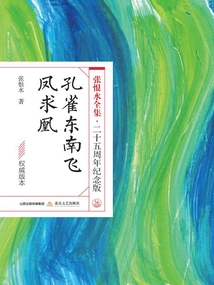
孔雀东南飞·凤求凰(张恨水全集·25周年纪念版)
Zhang Henshui
"Peacock Flying Southeast" is adapted from the long narrative poem "Peacock Flying Southeast" of the same name, based on a marriage tragedy that occurred in Lujiang County (now Huaining and Qianshan, Anhui) during the reign of Emperor Xian of the Eastern Han Dynasty. It mainly tells the story of Jiao Zhongqing and Liu Lanzhi who were forced to separate and commit suicide. It accuses the cruelty and ruthlessness of feudal ethics and praises the sincere feelings and resistance spirit of Jiao and Liu. "Phoenix Seeking Phoenix" tells the story of Sima Xiangru's visit to Zhuo's family. He played and sang "Phoenix Seeking Phoenix" in the lobby of Zhuo's family, which made Zhuo Wenjun, who was listening behind the curtain, excited. After meeting Sima Xiangru, they fell in love at first sight and they both agreed to elope. After Zhuo Wenjun and Sima Xiangru returned to Chengdu, facing the situation where their family was living in poverty, they generously returned to their hometown in Linqiong to open a wine shop and sold wine as a bartender, which finally made their father, who wanted to save face, admit their love.
"Peacock Flying Southeast" is adapted from the long narrative poem "Peacock Flying Southeast" of the same name, based on a marriage tragedy that occurred in Lujiang County (now Huaining and Qianshan, Anhui) during the reign of Emperor Xian of the Eastern Han Dynasty. It mainly tells the story of Jiao Zhongqing and Liu Lanzhi who were forced to separate and commit suicide. It accuses the cruelty and ruthlessness of feudal ethics and praises the sincere feelings and resistance spirit of Jiao and Liu. "Phoenix Seeking Phoenix" tells the story of Sima Xiangru's visit to Zhuo's family. He played and sang "Phoenix Seeking Phoenix" in the lobby of Zhuo's family, which made Zhuo Wenjun, who was listening behind the curtain, excited. After meeting Sima Xiangru, they fell in love at first sight and they both agreed to elope. After Zhuo Wenjun and Sima Xiangru returned to Chengdu, facing the situation where their family was living in poverty, they generously returned to their hometown in Linqiong to open a wine shop and sold wine as a bartender, which finally made their father, who wanted to save face, admit their love.
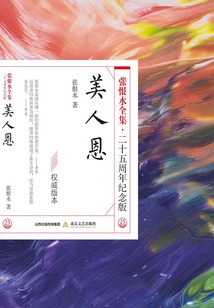
美人恩(张恨水全集·25周年纪念版)
Zhang Henshui
The story of "Beauty's Grace" takes place in Beijing in the 1920s. The heroine Chang Xiaonan was born in a poor family at the bottom of the class and made a living by collecting coal cores. Once, he met the unemployed and down-and-out Hong Shiyi. He deeply sympathized with her fate and used his meager income from working as a substitute at a charity to support the Chang family. The two began to fall in love. The beautiful Chang Xiaonan was later spotted by the foreman of the Yangliu Song and Dance Ensemble. From then on, she changed her mind in love. She successively dumped Hong Shiyi and musician Wang Sun, and finally fell into the hands of the playboy Chen Siye, causing the Chang family to be ruined.
The story of "Beauty's Grace" takes place in Beijing in the 1920s. The heroine Chang Xiaonan was born in a poor family at the bottom of the class and made a living by collecting coal cores. Once, he met the unemployed and down-and-out Hong Shiyi. He deeply sympathized with her fate and used his meager income from working as a substitute at a charity to support the Chang family. The two began to fall in love. The beautiful Chang Xiaonan was later spotted by the foreman of the Yangliu Song and Dance Ensemble. From then on, she changed her mind in love. She successively dumped Hong Shiyi and musician Wang Sun, and finally fell into the hands of the playboy Chen Siye, causing the Chang family to be ruined.
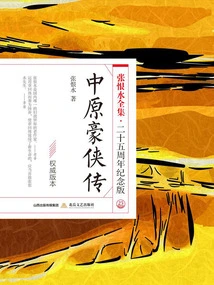
The Heroes of the Central Plains (the Complete Works of Zhang Henshui·25th Anniversary Edition)
Literature中原豪侠传(张恨水全集·25周年纪念版)
Zhang Henshui
"The Heroes of the Central Plains" is a martial arts novel written by Zhang Henshui. This book has a total of twenty-four chapters. The novel uses the story of Wang Tianzong, a righteous man from Henan, who resolutely participated in the Revolution of 1911 with the encouragement of his wife who understood righteousness. It depicts a group of "righteous men" who love the country and the people. It strongly embodies national patriotism and elevates the vendetta and killing in martial arts novels to the theme of patriotic revolution.
"The Heroes of the Central Plains" is a martial arts novel written by Zhang Henshui. This book has a total of twenty-four chapters. The novel uses the story of Wang Tianzong, a righteous man from Henan, who resolutely participated in the Revolution of 1911 with the encouragement of his wife who understood righteousness. It depicts a group of "righteous men" who love the country and the people. It strongly embodies national patriotism and elevates the vendetta and killing in martial arts novels to the theme of patriotic revolution.
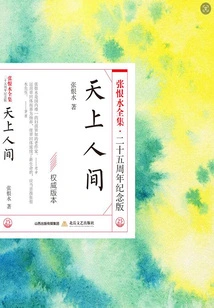
天上人间(张恨水全集·25周年纪念版)
Zhang Henshui
University teacher Zhou Xiufeng lives alone in a boarding dormitory. He is very anxious because all his friends are in couples. On this spring day, he met Miss Huang Lihua through a friend's introduction. Huang Lihua's beauty impressed Zhou Xiufeng, but at the same time, he felt that her wealthy behavior was unacceptable to him. At the same time, his long-loved neighbor, Yuzi, a poor girl, also expressed her affection for him. He has been hesitating between the two women, but Huang Lihua's superior conditions have been occupying his heart bit by bit...
University teacher Zhou Xiufeng lives alone in a boarding dormitory. He is very anxious because all his friends are in couples. On this spring day, he met Miss Huang Lihua through a friend's introduction. Huang Lihua's beauty impressed Zhou Xiufeng, but at the same time, he felt that her wealthy behavior was unacceptable to him. At the same time, his long-loved neighbor, Yuzi, a poor girl, also expressed her affection for him. He has been hesitating between the two women, but Huang Lihua's superior conditions have been occupying his heart bit by bit...
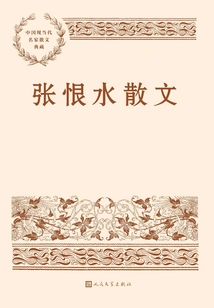
Zhang Henshui's Prose
Literature张恨水散文
Zhang Henshui
This book is a collection of Zhang Henshui's essays, divided into five series: "Growing Up Memories", "Reminiscing about the Past in Lakes and Mountains", "Reminiscing about the Past", "Reminiscing about Two Capitals" and "Mountain Window Essays". Zhang Henshui is honored as the first "master of chapter novels" and "master of popular literature" in the history of modern literature. The proportion of prose sketches in Zhang's writings cannot be ignored. The characters are smart and graceful, the taste is lively and jumping, the writing style is fresh and humorous, the brushwork is delicate and graceful, and the taste is rich and mellow. Compared with novels, art The achievement is also very high. This book selects many of Zhang Henshui's essays, taking you into the literary and inner world of Zhang Henshui, known as the "Chinese Alexandre Dumas", and feeling his deep feelings about the vicissitudes of his family and country in the ordinary alleys of the old city.
This book is a collection of Zhang Henshui's essays, divided into five series: "Growing Up Memories", "Reminiscing about the Past in Lakes and Mountains", "Reminiscing about the Past", "Reminiscing about Two Capitals" and "Mountain Window Essays". Zhang Henshui is honored as the first "master of chapter novels" and "master of popular literature" in the history of modern literature. The proportion of prose sketches in Zhang's writings cannot be ignored. The characters are smart and graceful, the taste is lively and jumping, the writing style is fresh and humorous, the brushwork is delicate and graceful, and the taste is rich and mellow. Compared with novels, art The achievement is also very high. This book selects many of Zhang Henshui's essays, taking you into the literary and inner world of Zhang Henshui, known as the "Chinese Alexandre Dumas", and feeling his deep feelings about the vicissitudes of his family and country in the ordinary alleys of the old city.
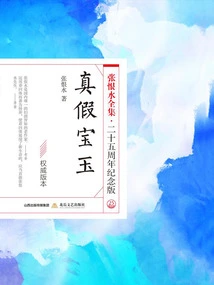
真假宝玉(张恨水全集·25周年纪念版)
Zhang Henshui
Zhang Henshui has been very fond of literature since he was a child. When he was 17 years old, he wrote under the pen name "Henshui". "True and False Baoyu" was his first short story, which started his career as a writer during the Republic of China.
Zhang Henshui has been very fond of literature since he was a child. When he was 17 years old, he wrote under the pen name "Henshui". "True and False Baoyu" was his first short story, which started his career as a writer during the Republic of China.
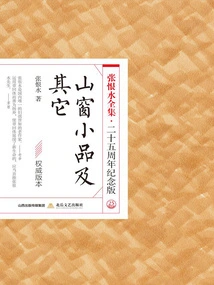
Mountain Window Sketch and Others (the Complete Works of Zhang Henshui·25th Anniversary Edition)
Literature山窗小品及其它(张恨水全集·25周年纪念版)
Zhang Henshui
"Mountain Window Essays and Others" is a collection of essays written by Zhang Henshui in modern times. It contains 43 essays and has an appendix of 13 essays in classical Chinese, for a total of 56 essays.
"Mountain Window Essays and Others" is a collection of essays written by Zhang Henshui in modern times. It contains 43 essays and has an appendix of 13 essays in classical Chinese, for a total of 56 essays.
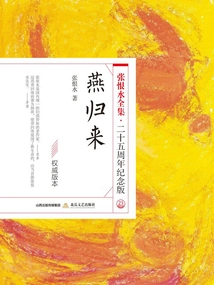
燕归来(张恨水全集·25周年纪念版)
Zhang Henshui
This book describes the story of four male students who accompanied a female student, Yang Yanqiu, back to the northwest to find relatives. It records the customs, customs and emotional entanglements between the characters during the journey. The portrayal of the character's psychology is excellent. Female college student Yang Yanqiu was originally a refugee from Gansu, but she was adopted after her family moved to Nanjing when she was a child, and she became a young lady from a wealthy family. But the good times did not last long. After her adoptive parents passed away, she could not tolerate her brothers and sister-in-law and decided to return to her hometown to find relatives and make some contributions to the northwest. However, due to the circumstances at the time, she could only invite four male classmates to escort her back all the way. In the eyes of these four male classmates, this also became a test of love, and they didn't know who would make it to the end. The work uses this clue to actually introduce the scenery and backward conditions along the northwest, and to show the suffering and tenacity of the people in the northwest.
This book describes the story of four male students who accompanied a female student, Yang Yanqiu, back to the northwest to find relatives. It records the customs, customs and emotional entanglements between the characters during the journey. The portrayal of the character's psychology is excellent. Female college student Yang Yanqiu was originally a refugee from Gansu, but she was adopted after her family moved to Nanjing when she was a child, and she became a young lady from a wealthy family. But the good times did not last long. After her adoptive parents passed away, she could not tolerate her brothers and sister-in-law and decided to return to her hometown to find relatives and make some contributions to the northwest. However, due to the circumstances at the time, she could only invite four male classmates to escort her back all the way. In the eyes of these four male classmates, this also became a test of love, and they didn't know who would make it to the end. The work uses this clue to actually introduce the scenery and backward conditions along the northwest, and to show the suffering and tenacity of the people in the northwest.
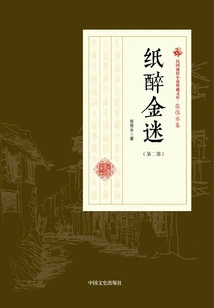
Drunk and Rich (part 2) (collection of Popular Novels of the Republic of China·zhang Henshui Volume)
General Fiction纸醉金迷(第二部)(民国通俗小说典藏文库·张恨水卷)
Zhang Henshui
One of Zhang Henshui's representative works. The story takes place in Chongqing, the capital of the Nationalist Government in 1946. Here gathered a group of people who were feasting, feasting, and living in intoxication. Everything revolves around money. Corruption of officials, speculation by businessmen and bankers, and women being swindlers have become a common trend. The novel uses the clues of Wei Duanben, a young civil servant, and his beautiful but vain wife Tian Peizhi as they live together and break up. It takes the opportunity of many characters to rush to buy gold savings certificates to make the country's hard-earned wealth, and unfolds a complicated story. When the Anti-Japanese War was won, everything for the speculators was in vain. The work directs criticism towards the ugly, humble world in the Kuomintang-controlled areas on the eve of the victory of the Anti-Japanese War. It reveals the loss and struggle in the face of human nature and money in a special era.
One of Zhang Henshui's representative works. The story takes place in Chongqing, the capital of the Nationalist Government in 1946. Here gathered a group of people who were feasting, feasting, and living in intoxication. Everything revolves around money. Corruption of officials, speculation by businessmen and bankers, and women being swindlers have become a common trend. The novel uses the clues of Wei Duanben, a young civil servant, and his beautiful but vain wife Tian Peizhi as they live together and break up. It takes the opportunity of many characters to rush to buy gold savings certificates to make the country's hard-earned wealth, and unfolds a complicated story. When the Anti-Japanese War was won, everything for the speculators was in vain. The work directs criticism towards the ugly, humble world in the Kuomintang-controlled areas on the eve of the victory of the Anti-Japanese War. It reveals the loss and struggle in the face of human nature and money in a special era.
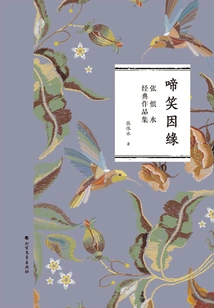
Cause of Laughter
General Fiction啼笑因缘
Zhang Henshui
Jiashu went to the Tianqiao to have fun and met Guan Shoufeng, who made a living as an entertainer. Shoufeng's female Xiugu even had a crush on Jiashu. However, Jia Shu and Feng Xi, a drummer, fell in love with each other, and Shu helped happy get rid of his singing career. Although the family tree is favored by the wealthy daughter Helena, she is still dedicated and loyal. Later, Feng Xi's third uncle, greedy for wealth, made happy get close to Marshal Liu, and Liu forced Xi to become his concubine. Marshal Liu threatened Feng Xi to become his concubine by killing the family tree, and happy agreed with tears in his eyes. Later, Shu and happy reunited, and their relationship was still unresolved. A private meeting was discovered by the commander, and happy was tortured into madness. Shoufeng and Xiugu took risks to help Shu rescue the dying Xi, and even killed the commander. Unfortunately, Shoufeng was also shot and died. Before his death, Xiugu was entrusted to Jiashu to take care of him.
Jiashu went to the Tianqiao to have fun and met Guan Shoufeng, who made a living as an entertainer. Shoufeng's female Xiugu even had a crush on Jiashu. However, Jia Shu and Feng Xi, a drummer, fell in love with each other, and Shu helped happy get rid of his singing career. Although the family tree is favored by the wealthy daughter Helena, she is still dedicated and loyal. Later, Feng Xi's third uncle, greedy for wealth, made happy get close to Marshal Liu, and Liu forced Xi to become his concubine. Marshal Liu threatened Feng Xi to become his concubine by killing the family tree, and happy agreed with tears in his eyes. Later, Shu and happy reunited, and their relationship was still unresolved. A private meeting was discovered by the commander, and happy was tortured into madness. Shoufeng and Xiugu took risks to help Shu rescue the dying Xi, and even killed the commander. Unfortunately, Shoufeng was also shot and died. Before his death, Xiugu was entrusted to Jiashu to take care of him.
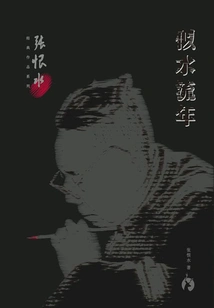
Time Flies
General Fiction似水流年
Zhang Henshui
This book describes Huang Xishi, a young student from Anhui Province who went to Peking to attend university. He met Bai Xingsu, a young woman, on the train and fell in love at first sight. After arriving in Peiping, Huang met socialite Mi Jinhua. Huang actually abandoned his girlfriend and lived with Mi, squandering half of his father's life savings... Huang's father went to Peking to demand money, but Huang did not recognize his father in front of Mi. Later, Mi found out and left Huang. Huang lived on the streets, suffered from poverty and illness, and felt ashamed and resentful, so he decided to become a hiker.
This book describes Huang Xishi, a young student from Anhui Province who went to Peking to attend university. He met Bai Xingsu, a young woman, on the train and fell in love at first sight. After arriving in Peiping, Huang met socialite Mi Jinhua. Huang actually abandoned his girlfriend and lived with Mi, squandering half of his father's life savings... Huang's father went to Peking to demand money, but Huang did not recognize his father in front of Mi. Later, Mi found out and left Huang. Huang lived on the streets, suffered from poverty and illness, and felt ashamed and resentful, so he decided to become a hiker.
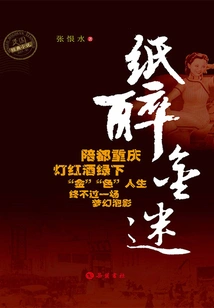
Lively and Luxurious
General Fiction纸醉金迷
Zhang Henshui
The story takes place in Chongqing, the capital of the Nationalist Government in 1945. Here are a group of dead people who were drunk and dreaming in the feasting and feasting. Everything revolves around money. Corruption of officials, speculation by businessmen and bankers, and women cheating with their lustful appearance are all the rage. The novel uses the clues of Wei Duanben, a young civil servant, and Tian Peizhi, a woman in trouble, who broke up after living together, and uses the opportunity of many characters to rush to buy gold savings certificates to make money from the national crisis, and unfolds a complicated story.
The story takes place in Chongqing, the capital of the Nationalist Government in 1945. Here are a group of dead people who were drunk and dreaming in the feasting and feasting. Everything revolves around money. Corruption of officials, speculation by businessmen and bankers, and women cheating with their lustful appearance are all the rage. The novel uses the clues of Wei Duanben, a young civil servant, and Tian Peizhi, a woman in trouble, who broke up after living together, and uses the opportunity of many characters to rush to buy gold savings certificates to make money from the national crisis, and unfolds a complicated story.
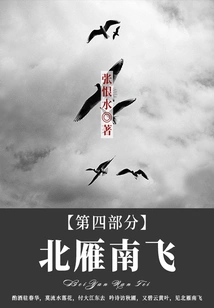
北雁南飞·第四部分(张恨水经典小说)
Zhang Henshui
"Northern Wild Geese Flying to the South" is a chapter novel by Zhang Henshui. It is based on the author's study experience in a private school in Sanhu Town, Jiangxi Province when he was a boy. It describes the love tragedy of the girl Yao Chunhua and the boy Li Xiaoqiu. With sincere feelings and delicate writing style, it makes people sigh. The plot, as well as the vivid outline of the folk customs, sentiments and customs of Sanhu Town, provide us with the social scene and school life records of Xiaoqing Jiangnan Town. From these descriptions, it is not difficult to find the footprints of the writer Zhang Henshui, which is a relatively typical old-style novel of talents and beauties. Zhang Henshui (May 18, 1895 - February 19, 1967), whose original name was Xinyuan, Henshui was his pseudonym, which was taken from the poem "Meeting Happily" written by Li Yu in the Southern Tang Dynasty, which means "I will grow up in life and hate the water in the east". Zhang Henshui is a famous chapter novelist and a representative writer of the Mandarin Duck and Butterfly School. He is honored as the first "master of chapter novels" and "master of popular literature" in the history of modern literature. The plot of the work is tortuous and complex, and the structure is rigorous and complete. It integrates traditional Chinese chapter novels with new techniques in Western novels. He is also famous for his prolific output. In his fifty-year writing career, he created more than 100 popular novels, most of which are medium and long chapter novels with a total of 30 million words, which can be regarded as a book in his lifetime.
"Northern Wild Geese Flying to the South" is a chapter novel by Zhang Henshui. It is based on the author's study experience in a private school in Sanhu Town, Jiangxi Province when he was a boy. It describes the love tragedy of the girl Yao Chunhua and the boy Li Xiaoqiu. With sincere feelings and delicate writing style, it makes people sigh. The plot, as well as the vivid outline of the folk customs, sentiments and customs of Sanhu Town, provide us with the social scene and school life records of Xiaoqing Jiangnan Town. From these descriptions, it is not difficult to find the footprints of the writer Zhang Henshui, which is a relatively typical old-style novel of talents and beauties. Zhang Henshui (May 18, 1895 - February 19, 1967), whose original name was Xinyuan, Henshui was his pseudonym, which was taken from the poem "Meeting Happily" written by Li Yu in the Southern Tang Dynasty, which means "I will grow up in life and hate the water in the east". Zhang Henshui is a famous chapter novelist and a representative writer of the Mandarin Duck and Butterfly School. He is honored as the first "master of chapter novels" and "master of popular literature" in the history of modern literature. The plot of the work is tortuous and complex, and the structure is rigorous and complete. It integrates traditional Chinese chapter novels with new techniques in Western novels. He is also famous for his prolific output. In his fifty-year writing career, he created more than 100 popular novels, most of which are medium and long chapter novels with a total of 30 million words, which can be regarded as a book in his lifetime.
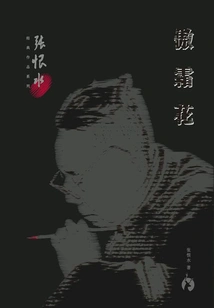
Aoshuanghua
General Fiction傲霜花
Zhang Henshui
This book is set in Chongqing during the Anti-Japanese War and describes the difficult life in the education sector during the Anti-Japanese War. The professors in the cultural village had different choices and fates in the midst of hardships: Tang Zian continued to live a poor life as a teacher, Tan Boping passed away quietly amidst the struggle of illness and loneliness, Su Banyun Qingyun became an official, Professor Liang and Hong Andong gave up their writing and went into business, and Hua Aoshuang married entrepreneur Xia Shanqing after a pursuit of love.
This book is set in Chongqing during the Anti-Japanese War and describes the difficult life in the education sector during the Anti-Japanese War. The professors in the cultural village had different choices and fates in the midst of hardships: Tang Zian continued to live a poor life as a teacher, Tan Boping passed away quietly amidst the struggle of illness and loneliness, Su Banyun Qingyun became an official, Professor Liang and Hong Andong gave up their writing and went into business, and Hua Aoshuang married entrepreneur Xia Shanqing after a pursuit of love.
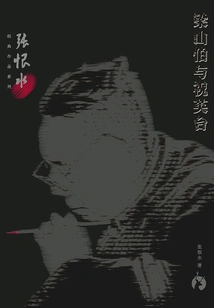
张恨水经典作品系列:梁山伯与祝英台
Zhang Henshui
Beautiful girl Zhu Yingtai pretends to be a man. Arrive at Hanshan Temple. I met Liang Shanbo, whom I had been my classmate for three years, and had a deep relationship with him. Because her father is ill, Zhu Yingtai wants to go home. Liang Shanbo saw each other off at eighteen miles. Liang Shanbo was surprised when Yingtai revealed her daughter's body and expressed their love for each other. Yingtai was married to Ma Wencai, but Yingtai refused, and had a secret meeting with Liang Shanbo, where they confided their true feelings. When the Ma family welcomes the bride. Yingtai came to Liang Shanbo's grave, grief-stricken, and unexpected things happened...
Beautiful girl Zhu Yingtai pretends to be a man. Arrive at Hanshan Temple. I met Liang Shanbo, whom I had been my classmate for three years, and had a deep relationship with him. Because her father is ill, Zhu Yingtai wants to go home. Liang Shanbo saw each other off at eighteen miles. Liang Shanbo was surprised when Yingtai revealed her daughter's body and expressed their love for each other. Yingtai was married to Ma Wencai, but Yingtai refused, and had a secret meeting with Liang Shanbo, where they confided their true feelings. When the Ma family welcomes the bride. Yingtai came to Liang Shanbo's grave, grief-stricken, and unexpected things happened...
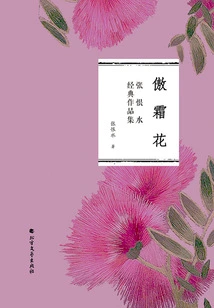
Aoshuanghua (collection of Zhang Henshui's Classic Works)
General Fiction傲霜花(张恨水经典作品集)
Zhang Henshui
"Aoshuanghua" written by Zhang Henshui is set in Chongqing during the Anti-Japanese War and describes the difficult life in the education sector during the Anti-Japanese War. The professors in the cultural village had different choices and fates in the midst of hardships: Tang Zian continued to live a poor life as a teacher, Tan Boping passed away quietly amidst the struggle of illness and loneliness, Su Banyun Qingyun became an official, Professor Liang and Hong Andong gave up their writing and went into business, and Hua Aoshuang married entrepreneur Xia Shanqing after a pursuit of love.
"Aoshuanghua" written by Zhang Henshui is set in Chongqing during the Anti-Japanese War and describes the difficult life in the education sector during the Anti-Japanese War. The professors in the cultural village had different choices and fates in the midst of hardships: Tang Zian continued to live a poor life as a teacher, Tan Boping passed away quietly amidst the struggle of illness and loneliness, Su Banyun Qingyun became an official, Professor Liang and Hong Andong gave up their writing and went into business, and Hua Aoshuang married entrepreneur Xia Shanqing after a pursuit of love.
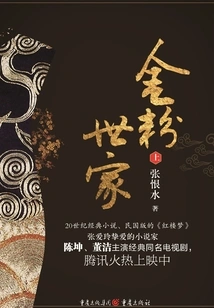
Jinfenshijia
General Fiction金粉世家
Zhang Henshui
This book is based on the feudal family of the Beiyang warlord cabinet prime minister. It takes the marriage of Jin Yanxi, the son of a wealthy family, and Leng Qingqiu, the daughter of a commoner, from love, marriage to antagonism and divorce as the main line. It reveals the empty and degenerate spiritual world of feudal bureaucrats and their wives, concubines, and children, as well as the extravagant, decadent, decadent life of the feudal bureaucrats, and narrates a living history of the rise and fall of the wealthy aristocrats.
This book is based on the feudal family of the Beiyang warlord cabinet prime minister. It takes the marriage of Jin Yanxi, the son of a wealthy family, and Leng Qingqiu, the daughter of a commoner, from love, marriage to antagonism and divorce as the main line. It reveals the empty and degenerate spiritual world of feudal bureaucrats and their wives, concubines, and children, as well as the extravagant, decadent, decadent life of the feudal bureaucrats, and narrates a living history of the rise and fall of the wealthy aristocrats.
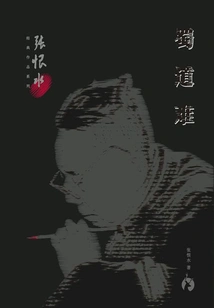
The Road to Shu is Difficult
General Fiction蜀道难
Zhang Henshui
This book tells the story of how people from Jiangdong fled to Shu for refuge during the Anti-Japanese War. On the way, young employee Feng Zian met Miss Bai Yuzhen. Feng Diabai fell in love at first sight and was attentive in every possible way. The ship arrived in Chongqing, and when Feng Zian was preparing to marry Miss Bai, Bai Yuzhen had already "lost her tail"... A dream of love finally came to nothing.
This book tells the story of how people from Jiangdong fled to Shu for refuge during the Anti-Japanese War. On the way, young employee Feng Zian met Miss Bai Yuzhen. Feng Diabai fell in love at first sight and was attentive in every possible way. The ship arrived in Chongqing, and when Feng Zian was preparing to marry Miss Bai, Bai Yuzhen had already "lost her tail"... A dream of love finally came to nothing.
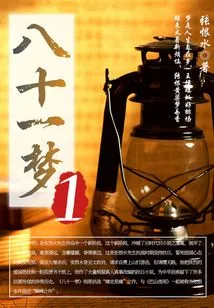
Eighty-one Dreams (1)
General Fiction八十一梦(1)
Zhang Henshui
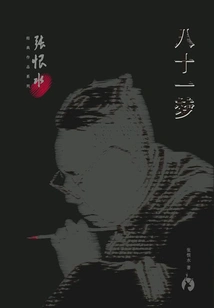
"Eighty-One Dream" is a new stage in Mr. Zhang Henshui's works. This new stage breaks through the barriers of old novels from the old era and opens up a new situation. The meaning is far-reaching, implicit and heroic. This is a true portrayal of Mr. Zhang Henshui's mentality of persisting in resisting Japan and serving the country to the death during the Anti-Japanese War. After the Nanjing Massacre, Zhang Henshui submitted a petition to the government, requesting to go to the mountains to fight guerrillas at his own expense, but there was no way out. He put his strong patriotic enthusiasm and loneliness on paper, and created a large number of anti-Japanese novels based on real people and true stories, leaving many precious histories of the Chinese nation's resistance to foreign invaders. "Eighty-One Dream" is a work that reflects the "painful lessons" of the Anti-Japanese War. Together with "Bashan Night Rain", it is called the "pinnacle work" of Zhang Henshui's works.
"Eighty-One Dream" is a new stage in Mr. Zhang Henshui's works. This new stage breaks through the barriers of old novels from the old era and opens up a new situation. The meaning is far-reaching, implicit and heroic. This is a true portrayal of Mr. Zhang Henshui's mentality of persisting in resisting Japan and serving the country to the death during the Anti-Japanese War. After the Nanjing Massacre, Zhang Henshui submitted a petition to the government, requesting to go to the mountains to fight guerrillas at his own expense, but there was no way out. He put his strong patriotic enthusiasm and loneliness on paper, and created a large number of anti-Japanese novels based on real people and true stories, leaving many precious histories of the Chinese nation's resistance to foreign invaders. "Eighty-One Dream" is a work that reflects the "painful lessons" of the Anti-Japanese War. Together with "Bashan Night Rain", it is called the "pinnacle work" of Zhang Henshui's works.
Eighty-one Dreams
General Fiction八十一梦
Zhang Henshui
This book was Mr. Zhang Henshui's most influential and popular novel during the Anti-Japanese War, and was also the best-selling novel in the rear area. The literary world praised the book as a "wonderful book"! The author uses the technique of "nineteen fables based on dreams", and the writing is smooth and free. The whole book is full of strange and mysterious suspense, covering the ancient and modern times, vertically and horizontally, and illuminates those issues that are indirectly helpful to the victory of the Anti-Japanese War and those that are directly harmful to the Anti-Japanese War. After the Nanjing Massacre, Zhang Henshui submitted a request to the government to fight guerrillas in the mountains. After getting no results, he put his strong patriotic fervor and loneliness on paper and created a large number of realistic and spiritual works.
This book was Mr. Zhang Henshui's most influential and popular novel during the Anti-Japanese War, and was also the best-selling novel in the rear area. The literary world praised the book as a "wonderful book"! The author uses the technique of "nineteen fables based on dreams", and the writing is smooth and free. The whole book is full of strange and mysterious suspense, covering the ancient and modern times, vertically and horizontally, and illuminates those issues that are indirectly helpful to the victory of the Anti-Japanese War and those that are directly harmful to the Anti-Japanese War. After the Nanjing Massacre, Zhang Henshui submitted a request to the government to fight guerrillas in the mountains. After getting no results, he put his strong patriotic fervor and loneliness on paper and created a large number of realistic and spiritual works.
The Most Expensive Writers of the Republic of China: Zhong (book Collection of the Most Expensive Writers in the Republic of China)
General Fiction纸醉金迷:中(民国最“贵”作家书藏)
Zhang Henshui
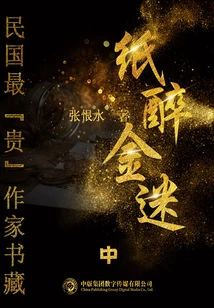
"Intoxication" is Zhang Henshui's most influential masterpiece in his later period. The story takes place in Chongqing, the capital of the Nationalist Government in 1945. Here gathered a group of people who were feasting, feasting, and living in intoxication. Everything revolves around money. Corruption of officials, speculation by businessmen and bankers, and women being swindlers have become a common trend. The novel uses the clues of Wei Duanben, a young civil servant, and his beautiful but vain wife Tian Peizhi as they live together and break up. It takes the opportunity of many characters to rush to buy gold savings certificates to make the country's hard-earned wealth, and unfolds a complicated story. When the Anti-Japanese War was won, everything for the speculators was in vain. There are three volumes in total of "Intoxication", and this is the second volume.
"Intoxication" is Zhang Henshui's most influential masterpiece in his later period. The story takes place in Chongqing, the capital of the Nationalist Government in 1945. Here gathered a group of people who were feasting, feasting, and living in intoxication. Everything revolves around money. Corruption of officials, speculation by businessmen and bankers, and women being swindlers have become a common trend. The novel uses the clues of Wei Duanben, a young civil servant, and his beautiful but vain wife Tian Peizhi as they live together and break up. It takes the opportunity of many characters to rush to buy gold savings certificates to make the country's hard-earned wealth, and unfolds a complicated story. When the Anti-Japanese War was won, everything for the speculators was in vain. There are three volumes in total of "Intoxication", and this is the second volume.
Azolla
General Fiction满江红
Zhang Henshui
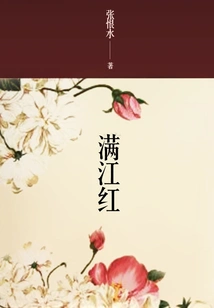
Yushui Village, a painter who was indifferent to fame and fortune, moved to Nanjing and lived a life devoted to landscapes. By chance, he met the singer Taozhi, and the two fell in love, but later broke up due to misunderstanding. Taozhi angrily agreed to a certain boss's proposal and married him. At their wedding banquet, the boss's wife made a big fuss, but thanks to Mizumura's confession, the situation was resolved. Unable to forget his feelings, Taozhi followed the seriously ill Shuicun to the boat. Just as the ferry caught fire, Taozhi exchanged clothes with Shuicun, causing Shuicun to be taken away by the boat that rescued the women and children, but he was burned to death in the fire. After being rescued, Shuicun was immersed in pain and couldn't extricate himself. He happened to see a play "Man Jiang Hong", which told the story of a woman and her lover who disguised themselves to save people. Finally, due to excessive pain, he died in depression.
Yushui Village, a painter who was indifferent to fame and fortune, moved to Nanjing and lived a life devoted to landscapes. By chance, he met the singer Taozhi, and the two fell in love, but later broke up due to misunderstanding. Taozhi angrily agreed to a certain boss's proposal and married him. At their wedding banquet, the boss's wife made a big fuss, but thanks to Mizumura's confession, the situation was resolved. Unable to forget his feelings, Taozhi followed the seriously ill Shuicun to the boat. Just as the ferry caught fire, Taozhi exchanged clothes with Shuicun, causing Shuicun to be taken away by the boat that rescued the women and children, but he was burned to death in the fire. After being rescued, Shuicun was immersed in pain and couldn't extricate himself. He happened to see a play "Man Jiang Hong", which told the story of a woman and her lover who disguised themselves to save people. Finally, due to excessive pain, he died in depression.
啼笑因缘·第二部分(张恨水经典言情)
Zhang Henshui
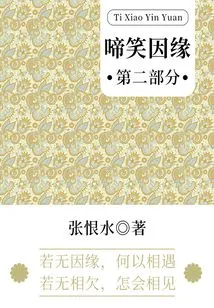
"The Cause of Laughter" mainly describes the love tragedy between Fan Jiashu, a Jiangnan college student living in Peiping, and Shen Fengxi, a girl who sings drums in Tianqiao. It also intersperses the story of the noble lady He Lina's unremitting pursuit of Fan Jiashu, the secret love of Guan Shoufeng's daughter Xiugu who makes a living for Fan Jiashu, the warlord Liu Dezhu's dominance of civilian girls, and the heroic and righteous Guan father and daughter hoeing the strong and supporting the weak. It reflects the dark and turbulent social aspect of the Beiyang warlord period. It not only caused a strong response among old readers of the old school chapter novels; it also surprised the new literary and art circles at that time, and even discussed why "The Cause of Laughter" has such great charm and how widespread it is. Zhang Henshui (May 18, 1895 - February 15, 1967), whose original name was Xinyuan, Henshui was his pen name, which was taken from the poem "Meeting Happily" written by Li Yu in the Southern Tang Dynasty, which means "I will grow up in life and hate the water in the east". Zhang Henshui is a famous chapter novelist and a representative writer of the Mandarin Duck and Butterfly School. He is honored as the first "master of chapter novels" and "master of popular literature" in the history of modern literature. The plot of the work is tortuous and complex, and the structure is rigorous and complete. It integrates traditional Chinese chapter novels with new techniques in Western novels. He is also famous for his prolific output. In his fifty-year writing career, he created more than 100 popular novels, most of which are medium and long chapter novels with a total of 30 million words, which can be regarded as a book in his lifetime.
"The Cause of Laughter" mainly describes the love tragedy between Fan Jiashu, a Jiangnan college student living in Peiping, and Shen Fengxi, a girl who sings drums in Tianqiao. It also intersperses the story of the noble lady He Lina's unremitting pursuit of Fan Jiashu, the secret love of Guan Shoufeng's daughter Xiugu who makes a living for Fan Jiashu, the warlord Liu Dezhu's dominance of civilian girls, and the heroic and righteous Guan father and daughter hoeing the strong and supporting the weak. It reflects the dark and turbulent social aspect of the Beiyang warlord period. It not only caused a strong response among old readers of the old school chapter novels; it also surprised the new literary and art circles at that time, and even discussed why "The Cause of Laughter" has such great charm and how widespread it is. Zhang Henshui (May 18, 1895 - February 15, 1967), whose original name was Xinyuan, Henshui was his pen name, which was taken from the poem "Meeting Happily" written by Li Yu in the Southern Tang Dynasty, which means "I will grow up in life and hate the water in the east". Zhang Henshui is a famous chapter novelist and a representative writer of the Mandarin Duck and Butterfly School. He is honored as the first "master of chapter novels" and "master of popular literature" in the history of modern literature. The plot of the work is tortuous and complex, and the structure is rigorous and complete. It integrates traditional Chinese chapter novels with new techniques in Western novels. He is also famous for his prolific output. In his fifty-year writing career, he created more than 100 popular novels, most of which are medium and long chapter novels with a total of 30 million words, which can be regarded as a book in his lifetime.
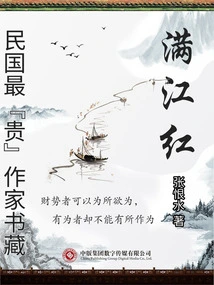
民国最“贵”作家书藏:满江红
Zhang Henshui
"Man Jiang Hong" is a modern novel. The story takes place during the Republic of China (1912--1949). Yu Shuicun is a young and promising painter who lives a life devoted to landscapes. By chance, he met the singer Taozhi, and the two fell in love, but later broke up due to misunderstanding. Taozhi angrily agreed to a certain boss's proposal and married him. At their wedding banquet, the boss's wife made a big fuss, but thanks to Mizumura's confession, the situation was resolved. Unable to forget his feelings, Taozhi followed the seriously ill Shuicun to the boat. Just as the ferry caught fire, Taozhi exchanged clothes with Shuicun, causing Shuicun to be taken away by the boat that rescued the women and children, but he was burned to death in the fire. After being rescued, Shuicun was immersed in pain and couldn't extricate himself. I accidentally saw a play called "The River is Red", which told the story of a woman and her lover who cross-dressed to save others. I couldn't help myself, so I watched it night after night, remembering my relationship with Taozhi, and finally died of depression due to excessive pain.
"Man Jiang Hong" is a modern novel. The story takes place during the Republic of China (1912--1949). Yu Shuicun is a young and promising painter who lives a life devoted to landscapes. By chance, he met the singer Taozhi, and the two fell in love, but later broke up due to misunderstanding. Taozhi angrily agreed to a certain boss's proposal and married him. At their wedding banquet, the boss's wife made a big fuss, but thanks to Mizumura's confession, the situation was resolved. Unable to forget his feelings, Taozhi followed the seriously ill Shuicun to the boat. Just as the ferry caught fire, Taozhi exchanged clothes with Shuicun, causing Shuicun to be taken away by the boat that rescued the women and children, but he was burned to death in the fire. After being rescued, Shuicun was immersed in pain and couldn't extricate himself. I accidentally saw a play called "The River is Red", which told the story of a woman and her lover who cross-dressed to save others. I couldn't help myself, so I watched it night after night, remembering my relationship with Taozhi, and finally died of depression due to excessive pain.
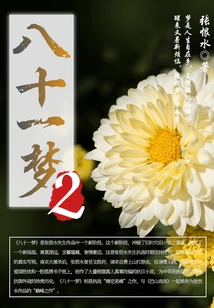
Eighty-one Dreams (2)
General Fiction八十一梦(2)
Zhang Henshui
"Eighty-One Dream" is a new stage in Mr. Zhang Henshui's works. This new stage breaks through the barriers of old novels from the old era and opens up a new situation. The meaning is far-reaching, implicit and heroic. This is a true portrayal of Mr. Zhang Henshui's mentality of persisting in resisting Japan and serving the country to the death during the Anti-Japanese War. After the Nanjing Massacre, Zhang Henshui submitted a petition to the government, requesting to go to the mountains to fight guerrillas at his own expense, but there was no way out. He put his strong patriotic enthusiasm and loneliness on paper, and created a large number of anti-Japanese novels based on real people and true stories, leaving many precious histories of the Chinese nation's resistance to foreign invaders. "Eighty-One Dream" is a work that reflects the "painful lessons" of the Anti-Japanese War. Together with "Bashan Night Rain", it is called the "pinnacle work" of Zhang Henshui's works.
"Eighty-One Dream" is a new stage in Mr. Zhang Henshui's works. This new stage breaks through the barriers of old novels from the old era and opens up a new situation. The meaning is far-reaching, implicit and heroic. This is a true portrayal of Mr. Zhang Henshui's mentality of persisting in resisting Japan and serving the country to the death during the Anti-Japanese War. After the Nanjing Massacre, Zhang Henshui submitted a petition to the government, requesting to go to the mountains to fight guerrillas at his own expense, but there was no way out. He put his strong patriotic enthusiasm and loneliness on paper, and created a large number of anti-Japanese novels based on real people and true stories, leaving many precious histories of the Chinese nation's resistance to foreign invaders. "Eighty-One Dream" is a work that reflects the "painful lessons" of the Anti-Japanese War. Together with "Bashan Night Rain", it is called the "pinnacle work" of Zhang Henshui's works.
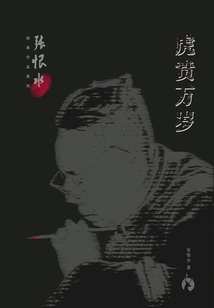
Long Live Huben
General Fiction虎贲万岁
Zhang Henshui
This book was written in 1945 and is China's first modern war history novel. The book directly describes the battle conditions of the famous battle - the Battle of Changde. The 57th Division of the 74th Army, code-named "Hu Ben", fought hard for more than ten days and fought bloody battles with the Japanese invaders for more than ten days while being surrounded by more than 60,000 Japanese troops. Only 83 of the division's 8,000 men survived in the end. The tone of the book is tragic, generous and majestic.
This book was written in 1945 and is China's first modern war history novel. The book directly describes the battle conditions of the famous battle - the Battle of Changde. The 57th Division of the 74th Army, code-named "Hu Ben", fought hard for more than ten days and fought bloody battles with the Japanese invaders for more than ten days while being surrounded by more than 60,000 Japanese troops. Only 83 of the division's 8,000 men survived in the end. The tone of the book is tragic, generous and majestic.
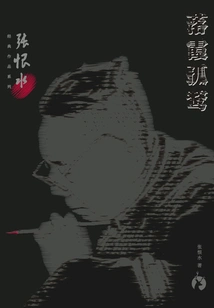
张恨水经典作品系列:落霞孤鹜
Zhang Henshui
This book describes the love between a man and two women, as well as the lingering fate and love entanglements between men and women. Luoxia, who was born far away on the border of Yunnan, was abducted by bandits when she was a child and brought to Peiping to work as a maid in Mr. Zhao's house. A chance encounter narrowly rescued Jiang Qiuyu, a revolutionary party member who was arrested by the government. Jiang sent many letters to donate money to help Luoxia jump out of the fire pit. Unfortunately, Luoxia couldn't bear the insult from the young master of the Zhao family, so she was sent to a women's residential home by the Zhao family. Luoxia met the young and beautiful girl Yuru in the courtyard. The two had a deep love and became sworn sisters. Feng Yuru and Jiang Qiuyu had already fallen in love with each other. After several twists and turns, Jiang Qiuyu finally found Feng Yuru and made a lifelong commitment. However, although Feng Yuru was Jiang Qiuyu's fiancée, Jiang Qiuyu eventually married Luoxia, but Feng Yuru became a victim of evil forces.
This book describes the love between a man and two women, as well as the lingering fate and love entanglements between men and women. Luoxia, who was born far away on the border of Yunnan, was abducted by bandits when she was a child and brought to Peiping to work as a maid in Mr. Zhao's house. A chance encounter narrowly rescued Jiang Qiuyu, a revolutionary party member who was arrested by the government. Jiang sent many letters to donate money to help Luoxia jump out of the fire pit. Unfortunately, Luoxia couldn't bear the insult from the young master of the Zhao family, so she was sent to a women's residential home by the Zhao family. Luoxia met the young and beautiful girl Yuru in the courtyard. The two had a deep love and became sworn sisters. Feng Yuru and Jiang Qiuyu had already fallen in love with each other. After several twists and turns, Jiang Qiuyu finally found Feng Yuru and made a lifelong commitment. However, although Feng Yuru was Jiang Qiuyu's fiancée, Jiang Qiuyu eventually married Luoxia, but Feng Yuru became a victim of evil forces.
Foreign History of Chunming (part 1)
General Fiction春明外史(上)
Zhang Henshui
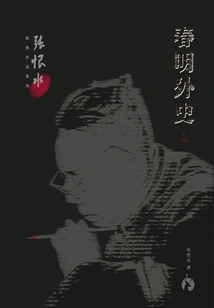
This book has been published in single volumes many times by Peking's "World Daily" and Shanghai World Book Company. The novel also earned Zhang Henshui the title of "novelist" and established his status in the Chinese literary world. The book takes love as the main line, and also extensively describes the life dynamics of the party, government, military, police, academia, and business classes. The plot is vivid, vivid, and fascinating. The male protagonist Yang Xingguo lives in Peiping and makes a living by selling articles and editing newspapers. He got acquainted with Liyun, a young prostitute in a brothel, and the two fell in love with each other and they were unforgettable. Unfortunately, Liyun died of illness. The talented girl Li Dongqing also had a deep relationship with Yang Xingyuan. After a complicated emotional entanglement, Li Dongqing finally had a hidden illness and her marriage was difficult to come by, so she sadly went south to serve her mother. Yang Xingyuan, on the other hand, was seriously ill and died of vomiting blood.
This book has been published in single volumes many times by Peking's "World Daily" and Shanghai World Book Company. The novel also earned Zhang Henshui the title of "novelist" and established his status in the Chinese literary world. The book takes love as the main line, and also extensively describes the life dynamics of the party, government, military, police, academia, and business classes. The plot is vivid, vivid, and fascinating. The male protagonist Yang Xingguo lives in Peiping and makes a living by selling articles and editing newspapers. He got acquainted with Liyun, a young prostitute in a brothel, and the two fell in love with each other and they were unforgettable. Unfortunately, Liyun died of illness. The talented girl Li Dongqing also had a deep relationship with Yang Xingyuan. After a complicated emotional entanglement, Li Dongqing finally had a hidden illness and her marriage was difficult to come by, so she sadly went south to serve her mother. Yang Xingyuan, on the other hand, was seriously ill and died of vomiting blood.
春明外史·第六部分(张恨水经典爱情故事)
Zhang Henshui
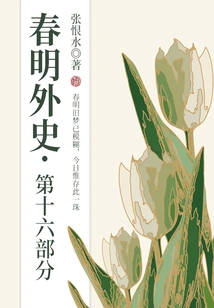
"Chunming Foreign History" takes the love story of newspaper reporter Yang Xingyuan, prostitute Liyun, and poetess Li Dongqing as the running thread. The background is grand and the narrative is calm, including wealthy families, brothels, theaters, apartments, guild halls, schools, high-end hotels, clubs, temples, scenic spots, three religions and nine streams, including the president, prime minister, prostitutes, actors, and all kinds of famous people. "Chunming Foreign History" is a picture of Beijing customs in the 1920s. It can be called a classic and still has immortal artistic charm when read today. Zhang Henshui (May 18, 1895 - February 15, 1967), whose original name was Xinyuan, Henshui was his pen name, which was taken from the poem "Meeting Happily" written by Li Yu in the Southern Tang Dynasty, which means "I will grow up in life and hate the water in the east". Zhang Henshui is a famous chapter novelist and a representative writer of the Mandarin Duck and Butterfly School. He is honored as the first "master of chapter novels" and "master of popular literature" in the history of modern literature. The plot of the work is tortuous and complex, and the structure is rigorous and complete. It integrates traditional Chinese chapter novels with new techniques in Western novels. He is also famous for his prolific output. In his fifty-year writing career, he created more than 100 popular novels, most of which are medium and long chapter novels with a total of 30 million words, which can be regarded as a book in his lifetime.
"Chunming Foreign History" takes the love story of newspaper reporter Yang Xingyuan, prostitute Liyun, and poetess Li Dongqing as the running thread. The background is grand and the narrative is calm, including wealthy families, brothels, theaters, apartments, guild halls, schools, high-end hotels, clubs, temples, scenic spots, three religions and nine streams, including the president, prime minister, prostitutes, actors, and all kinds of famous people. "Chunming Foreign History" is a picture of Beijing customs in the 1920s. It can be called a classic and still has immortal artistic charm when read today. Zhang Henshui (May 18, 1895 - February 15, 1967), whose original name was Xinyuan, Henshui was his pen name, which was taken from the poem "Meeting Happily" written by Li Yu in the Southern Tang Dynasty, which means "I will grow up in life and hate the water in the east". Zhang Henshui is a famous chapter novelist and a representative writer of the Mandarin Duck and Butterfly School. He is honored as the first "master of chapter novels" and "master of popular literature" in the history of modern literature. The plot of the work is tortuous and complex, and the structure is rigorous and complete. It integrates traditional Chinese chapter novels with new techniques in Western novels. He is also famous for his prolific output. In his fifty-year writing career, he created more than 100 popular novels, most of which are medium and long chapter novels with a total of 30 million words, which can be regarded as a book in his lifetime.
Lively and Luxurious
General Fiction纸醉金迷
Zhang Henshui
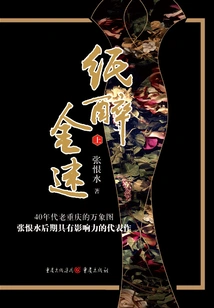
"Intoxication" is one of Zhang Henshui's most influential masterpieces in his later period. The story takes place in Chongqing in 1945. Tian Peizhi, the wife of the beautiful young civil servant Wei Duanben, was confused by vanity and money. She indulged in gambling and gold trading day and night. She not only lost her family and love, but also her own conscience and dignity. When the Anti-Japanese War was won, everything for the speculators was in vain. This book is Zhang Henshui's work that satirizes and exposes reality. The work reveals the loss and struggle of human nature in the face of money in a special era.
"Intoxication" is one of Zhang Henshui's most influential masterpieces in his later period. The story takes place in Chongqing in 1945. Tian Peizhi, the wife of the beautiful young civil servant Wei Duanben, was confused by vanity and money. She indulged in gambling and gold trading day and night. She not only lost her family and love, but also her own conscience and dignity. When the Anti-Japanese War was won, everything for the speculators was in vain. This book is Zhang Henshui's work that satirizes and exposes reality. The work reveals the loss and struggle of human nature in the face of money in a special era.
The Cause of Crying and Laughing (a Collection of Books by the Most "expensive" Writers of the Republic of China)
General Fiction啼笑因缘(民国最“贵”作家书藏)
Zhang Henshui
"The Cause of Laughter" is one of Zhang Henshui's masterpieces. The novel uses the love model of one man and three women as the core structure of the story. It tells the story of Fan Jiashu, a common young man from Hangzhou living in Beijing, who falls in love with Shen Fengxi, a girl who sings drums on Tianqiao, and sponsors her to study. The modern girl He Lina and the Jianghu heroine Guan Xiugu fall in love with Fan Jiashu one after another. While Fan Jiashu was visiting relatives in his hometown, Shen Fengxi married the warlord General Liu because of his greed for luxurious life. He was later tortured and driven mad by General Liu. Fan Jiashu wanders between three women with very different personalities, and is in a dilemma.
"The Cause of Laughter" is one of Zhang Henshui's masterpieces. The novel uses the love model of one man and three women as the core structure of the story. It tells the story of Fan Jiashu, a common young man from Hangzhou living in Beijing, who falls in love with Shen Fengxi, a girl who sings drums on Tianqiao, and sponsors her to study. The modern girl He Lina and the Jianghu heroine Guan Xiugu fall in love with Fan Jiashu one after another. While Fan Jiashu was visiting relatives in his hometown, Shen Fengxi married the warlord General Liu because of his greed for luxurious life. He was later tortured and driven mad by General Liu. Fan Jiashu wanders between three women with very different personalities, and is in a dilemma.
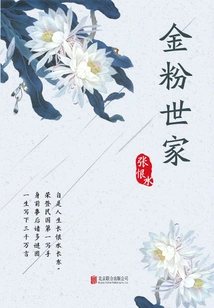
Youjian Library: Jinfenshijia
General Fiction有间文库:金粉世家
Zhang Henshui
"The Golden Fen Family" is Zhang Henshui's first chapter novel out of the Mandarin Duck and Butterfly School, and it is also his first popular masterpiece with modern significance. The novel takes as the main line the tragedy of marriage between Jin Yanxi, the seventh young master of the Jin family, the Prime Minister of Beijing, and Leng Qingqiu, a woman from a poor family. It focuses on the depiction of the decay of the wealthy and powerful family. It is neither a mere exposure nor an indulging in the rendering of a gorgeous life. Different from other popular works, the story tries its best to explore the understanding of society and life. It is full of a moral ideal and the sadness caused by the ruthless destruction of this moral ideal by reality. The detailed description of the characters in the book, the beginning of the flashback, and the semi-open ending of the million-word novel all go beyond the structure of ordinary chapter novels and are connected with new literary works. As a novel about a large family, "The Golden Family" is often compared not only with "A Dream of Red Mansions" but also with Ba Jin's "Family".
"The Golden Fen Family" is Zhang Henshui's first chapter novel out of the Mandarin Duck and Butterfly School, and it is also his first popular masterpiece with modern significance. The novel takes as the main line the tragedy of marriage between Jin Yanxi, the seventh young master of the Jin family, the Prime Minister of Beijing, and Leng Qingqiu, a woman from a poor family. It focuses on the depiction of the decay of the wealthy and powerful family. It is neither a mere exposure nor an indulging in the rendering of a gorgeous life. Different from other popular works, the story tries its best to explore the understanding of society and life. It is full of a moral ideal and the sadness caused by the ruthless destruction of this moral ideal by reality. The detailed description of the characters in the book, the beginning of the flashback, and the semi-open ending of the million-word novel all go beyond the structure of ordinary chapter novels and are connected with new literary works. As a novel about a large family, "The Golden Family" is often compared not only with "A Dream of Red Mansions" but also with Ba Jin's "Family".
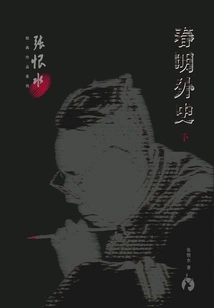
Foreign History of Chunming (part 2)
General Fiction春明外史(下)
Zhang Henshui
This book has been published in single volumes many times by Peking's "World Daily" and Shanghai World Book Company. The novel also earned Zhang Henshui the title of "novelist" and established his status in the Chinese literary world. The book takes love as the main line, and also extensively describes the life dynamics of the party, government, military, police, academia, and business classes. The plot is vivid, vivid, and fascinating. The male protagonist Yang Xingguo lives in Peiping and makes a living by selling articles and editing newspapers. He got acquainted with Liyun, a young prostitute in a brothel, and the two fell in love with each other and they were unforgettable. Unfortunately, Liyun died of illness. The talented girl Li Dongqing also had a deep relationship with Yang Xingyuan. After a complicated emotional entanglement, Li Dongqing finally had a hidden illness and her marriage was difficult to come by, so she sadly went south to serve her mother. Yang Xingyuan, on the other hand, was seriously ill and died of vomiting blood.
This book has been published in single volumes many times by Peking's "World Daily" and Shanghai World Book Company. The novel also earned Zhang Henshui the title of "novelist" and established his status in the Chinese literary world. The book takes love as the main line, and also extensively describes the life dynamics of the party, government, military, police, academia, and business classes. The plot is vivid, vivid, and fascinating. The male protagonist Yang Xingguo lives in Peiping and makes a living by selling articles and editing newspapers. He got acquainted with Liyun, a young prostitute in a brothel, and the two fell in love with each other and they were unforgettable. Unfortunately, Liyun died of illness. The talented girl Li Dongqing also had a deep relationship with Yang Xingyuan. After a complicated emotional entanglement, Li Dongqing finally had a hidden illness and her marriage was difficult to come by, so she sadly went south to serve her mother. Yang Xingyuan, on the other hand, was seriously ill and died of vomiting blood.
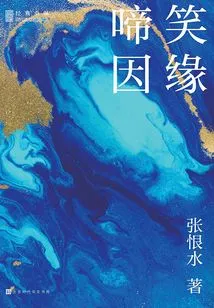
Cause of Laughter
General Fiction啼笑因缘
Zhang Henshui
The book tells the love story between a man and three women. Shen Fengxi, who sang drums in Tianqiao, He Lina, a lady of the family, and Guan Xiugu, the daughter of Guan Shoufeng who made a living as an entertainer, all fell in love with Fan Jiashu, a young student from Hangzhou living in Peiping. However, Fan Jiashu fell in love with the poor Shen Fengxi. The book takes the love tragedy of Fan Jiashu and Shen Fengxi as the main line, and also intersperses He Lina's unremitting pursuit of Fan Jiashu and Xiugu's secret love for Fan Jiashu, reflecting a dark and turbulent social aspect during the reign of the Beiyang warlords.
The book tells the love story between a man and three women. Shen Fengxi, who sang drums in Tianqiao, He Lina, a lady of the family, and Guan Xiugu, the daughter of Guan Shoufeng who made a living as an entertainer, all fell in love with Fan Jiashu, a young student from Hangzhou living in Peiping. However, Fan Jiashu fell in love with the poor Shen Fengxi. The book takes the love tragedy of Fan Jiashu and Shen Fengxi as the main line, and also intersperses He Lina's unremitting pursuit of Fan Jiashu and Xiugu's secret love for Fan Jiashu, reflecting a dark and turbulent social aspect during the reign of the Beiyang warlords.
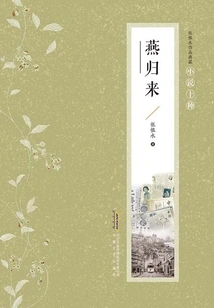
张恨水作品典藏·小说十种:燕归来
Zhang Henshui
This book is one of the collections of Zhang Henshui's works. This book is one of the collections of Zhang Henshui's works. This book describes the author's tragic situation during the great famine in Shaanxi and Gansu provinces in the 18th year of the Republic of China. It depicts how the security corps and the army preyed on the people. It angrily accuses the corruption of society, reflects the suffering of the people's livelihood, and expresses his deep sympathy for the working people.
This book is one of the collections of Zhang Henshui's works. This book is one of the collections of Zhang Henshui's works. This book describes the author's tragic situation during the great famine in Shaanxi and Gansu provinces in the 18th year of the Republic of China. It depicts how the security corps and the army preyed on the people. It angrily accuses the corruption of society, reflects the suffering of the people's livelihood, and expresses his deep sympathy for the working people.
Zhang Henshui's Classic Works Series: Time Flies
General Fiction张恨水经典作品系列:似水流年
Zhang Henshui
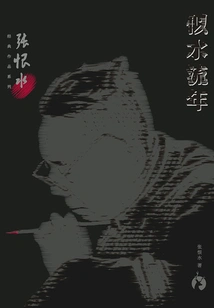
Huang Xishi, a young student from Anhui, saw the beauty of Bai Xingsu by a river and fell in love with her. He met Bai Xingsu by chance on the train to go to university in Peking and had a very happy conversation. After arriving in Beijing, he continued to pursue Bai Xingsu and went to the same school. Ling Xishi, a friend in Peking, quickly realized the power of money. Out of vanity, he pretended to be a young man and spent extravagantly on the beautiful socialite Mi Jinhua. He ignored his father's hard work and kept asking for money. When Huang's father came to visit Peking, he thought he was old-fashioned and pretended not to know his father in front of Mi Jinhua. Later, Mi Jinhua found out and broke up angrily, and father and son also severed their relationship. Xishi was depressed and went out to have fun, but he contracted syphilis. He spent all his savings and became poor and sick, and ended up living on the streets. Feeling deeply regretful, he became a hiker angrily.
Huang Xishi, a young student from Anhui, saw the beauty of Bai Xingsu by a river and fell in love with her. He met Bai Xingsu by chance on the train to go to university in Peking and had a very happy conversation. After arriving in Beijing, he continued to pursue Bai Xingsu and went to the same school. Ling Xishi, a friend in Peking, quickly realized the power of money. Out of vanity, he pretended to be a young man and spent extravagantly on the beautiful socialite Mi Jinhua. He ignored his father's hard work and kept asking for money. When Huang's father came to visit Peking, he thought he was old-fashioned and pretended not to know his father in front of Mi Jinhua. Later, Mi Jinhua found out and broke up angrily, and father and son also severed their relationship. Xishi was depressed and went out to have fun, but he contracted syphilis. He spent all his savings and became poor and sick, and ended up living on the streets. Feeling deeply regretful, he became a hiker angrily.
张恨水爱情小说:梁山伯与祝英台(2)
Zhang Henshui
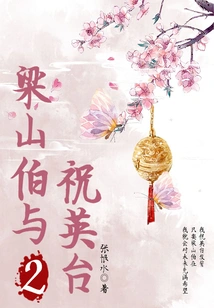
"Liang Shanbo and Zhu Yingtai" is China's most charming oral heritage art and national intangible cultural heritage. It is also the only Chinese folklore that has had a wide impact in the world. This book was written by Zhang Henshui in August 1953 and serialized in Hong Kong's "Ta Kung Pao" on January 1, 1954. Beautiful girl Zhu Yingtai pretends to be a man. Arrive at Hanshan Temple. I met Liang Shanbo, whom I had been my classmate for three years, and had a deep relationship with him. Because her father is ill, Zhu Yingtai wants to go home. Liang Shanbo saw each other off at eighteen miles. Liang Shanbo was surprised when Yingtai revealed her daughter's body and expressed their love for each other. Yingtai was married to Ma Wencai, but Yingtai refused, and had a secret meeting with Liang Shanbo, where they confided their true feelings. When the Ma family welcomes the bride. Yingtai came to Liang Shanbo's grave, grief-stricken, and unexpected things happened...
"Liang Shanbo and Zhu Yingtai" is China's most charming oral heritage art and national intangible cultural heritage. It is also the only Chinese folklore that has had a wide impact in the world. This book was written by Zhang Henshui in August 1953 and serialized in Hong Kong's "Ta Kung Pao" on January 1, 1954. Beautiful girl Zhu Yingtai pretends to be a man. Arrive at Hanshan Temple. I met Liang Shanbo, whom I had been my classmate for three years, and had a deep relationship with him. Because her father is ill, Zhu Yingtai wants to go home. Liang Shanbo saw each other off at eighteen miles. Liang Shanbo was surprised when Yingtai revealed her daughter's body and expressed their love for each other. Yingtai was married to Ma Wencai, but Yingtai refused, and had a secret meeting with Liang Shanbo, where they confided their true feelings. When the Ma family welcomes the bride. Yingtai came to Liang Shanbo's grave, grief-stricken, and unexpected things happened...
Youjian Library: Deep in the Night
General Fiction有间文库:夜深沉
Zhang Henshui
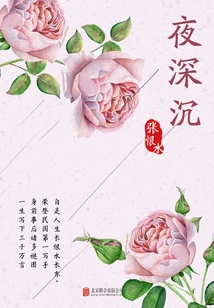
Yuerong, a beautiful and artistically talented street singer queen, lost her emotions after being promoted to a famous Peking Opera star. In the end, due to her young age and lack of knowledge, she could not resist the temptation of dandies. She fell into a trap and was tortured by warlords and wealthy businessmen. She tried to escape. Can't... A persistent admirer, Ding Erhe, although he is a carriage driver, has been in love with Yuerong for a long time. However, due to the gap between rich and poor, a combination of circumstances, he has been wandering in pain, and finally has no choice but to marry the boss's concubine. "Deep Night" symbolizes the tragic ending of the fate of Ding Erhe and Wang Yuerong...
Yuerong, a beautiful and artistically talented street singer queen, lost her emotions after being promoted to a famous Peking Opera star. In the end, due to her young age and lack of knowledge, she could not resist the temptation of dandies. She fell into a trap and was tortured by warlords and wealthy businessmen. She tried to escape. Can't... A persistent admirer, Ding Erhe, although he is a carriage driver, has been in love with Yuerong for a long time. However, due to the gap between rich and poor, a combination of circumstances, he has been wandering in pain, and finally has no choice but to marry the boss's concubine. "Deep Night" symbolizes the tragic ending of the fate of Ding Erhe and Wang Yuerong...
啼笑因缘·续集(张恨水经典言情)
Zhang Henshui
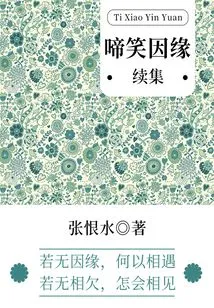
"The Cause of Laughter" mainly describes the love tragedy between Fan Jiashu, a Jiangnan college student living in Peiping, and Shen Fengxi, a girl who sings drums in Tianqiao. It also intersperses the story of the noble lady He Lina's unremitting pursuit of Fan Jiashu, the secret love of Guan Shoufeng's daughter Xiugu who makes a living for Fan Jiashu, the warlord Liu Dezhu's dominance of civilian girls, and the heroic and righteous Guan father and daughter hoeing the strong and supporting the weak. It reflects the dark and turbulent social aspect of the Beiyang warlord period. It not only caused a strong response among old readers of the old school chapter novels; it also surprised the new literary and art circles at that time, and even discussed why "The Cause of Laughter" has such great charm and how widespread it is. Zhang Henshui (May 18, 1895 - February 19, 1967), whose original name is Xinyuan, and Henshui is his pen, takes the meaning of the poem "Meeting Happily" by Li Yu of the Southern Tang Dynasty, "Since life grows, I hate water and grow eastward". Zhang Henshui is a famous chapter novelist and a representative writer of the Mandarin Duck and Butterfly School. He is honored as the first "master of chapter novels" and "master of popular literature" in the history of modern literature. The plot of the work is tortuous and complex, and the structure is rigorous and complete. It integrates traditional Chinese chapter novels with new techniques in Western novels. He is also famous for his prolific output. In his fifty-year writing career, he created more than 100 popular novels, most of which are medium and long chapter novels with a total of 30 million words, which can be regarded as a book in his lifetime.
"The Cause of Laughter" mainly describes the love tragedy between Fan Jiashu, a Jiangnan college student living in Peiping, and Shen Fengxi, a girl who sings drums in Tianqiao. It also intersperses the story of the noble lady He Lina's unremitting pursuit of Fan Jiashu, the secret love of Guan Shoufeng's daughter Xiugu who makes a living for Fan Jiashu, the warlord Liu Dezhu's dominance of civilian girls, and the heroic and righteous Guan father and daughter hoeing the strong and supporting the weak. It reflects the dark and turbulent social aspect of the Beiyang warlord period. It not only caused a strong response among old readers of the old school chapter novels; it also surprised the new literary and art circles at that time, and even discussed why "The Cause of Laughter" has such great charm and how widespread it is. Zhang Henshui (May 18, 1895 - February 19, 1967), whose original name is Xinyuan, and Henshui is his pen, takes the meaning of the poem "Meeting Happily" by Li Yu of the Southern Tang Dynasty, "Since life grows, I hate water and grow eastward". Zhang Henshui is a famous chapter novelist and a representative writer of the Mandarin Duck and Butterfly School. He is honored as the first "master of chapter novels" and "master of popular literature" in the history of modern literature. The plot of the work is tortuous and complex, and the structure is rigorous and complete. It integrates traditional Chinese chapter novels with new techniques in Western novels. He is also famous for his prolific output. In his fifty-year writing career, he created more than 100 popular novels, most of which are medium and long chapter novels with a total of 30 million words, which can be regarded as a book in his lifetime.
春明外史·第十六部分(张恨水经典爱情故事)
Zhang Henshui
"Chunming Foreign History" takes the love story of newspaper reporter Yang Xingyuan, prostitute Liyun, and poetess Li Dongqing as the running thread. The background is grand and the narrative is calm, including wealthy families, brothels, theaters, apartments, guild halls, schools, high-end hotels, clubs, temples, scenic spots, three religions and nine streams, including the president, prime minister, prostitutes, actors, and all kinds of famous people. "Chunming Foreign History" is a picture of Beijing customs in the 1920s. It can be called a classic and still has immortal artistic charm when read today. Zhang Henshui (May 18, 1895 - February 15, 1967), whose original name was Xinyuan, Henshui was his pen name, which was taken from the poem "Meeting Happily" written by Li Yu in the Southern Tang Dynasty, which means "I will grow up in life and hate the water in the east". Zhang Henshui is a famous chapter novelist and a representative writer of the Mandarin Duck and Butterfly School. He is honored as the first "master of chapter novels" and "master of popular literature" in the history of modern literature. The plot of the work is tortuous and complex, and the structure is rigorous and complete. It integrates traditional Chinese chapter novels with new techniques in Western novels. He is also famous for his prolific output. In his fifty-year writing career, he created more than 100 popular novels, most of which are medium and long chapter novels with a total of 30 million words, which can be regarded as a book in his lifetime.
"Chunming Foreign History" takes the love story of newspaper reporter Yang Xingyuan, prostitute Liyun, and poetess Li Dongqing as the running thread. The background is grand and the narrative is calm, including wealthy families, brothels, theaters, apartments, guild halls, schools, high-end hotels, clubs, temples, scenic spots, three religions and nine streams, including the president, prime minister, prostitutes, actors, and all kinds of famous people. "Chunming Foreign History" is a picture of Beijing customs in the 1920s. It can be called a classic and still has immortal artistic charm when read today. Zhang Henshui (May 18, 1895 - February 15, 1967), whose original name was Xinyuan, Henshui was his pen name, which was taken from the poem "Meeting Happily" written by Li Yu in the Southern Tang Dynasty, which means "I will grow up in life and hate the water in the east". Zhang Henshui is a famous chapter novelist and a representative writer of the Mandarin Duck and Butterfly School. He is honored as the first "master of chapter novels" and "master of popular literature" in the history of modern literature. The plot of the work is tortuous and complex, and the structure is rigorous and complete. It integrates traditional Chinese chapter novels with new techniques in Western novels. He is also famous for his prolific output. In his fifty-year writing career, he created more than 100 popular novels, most of which are medium and long chapter novels with a total of 30 million words, which can be regarded as a book in his lifetime.
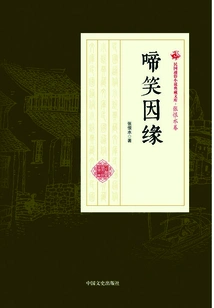
The Cause of Crying and Laughing (collection of Popular Novels of the Republic of China·zhang Henshui Volume)
General Fiction啼笑因缘(民国通俗小说典藏文库·张恨水卷)
Zhang Henshui
This book uses the love model of one man and three women as the core structure of the story. Through the love tragedy of Fan Jiashu, a young man from Hangzhou living in Beijing, and Shen Fengxi, a Tianqiao singing girl, it reflects a dark and turbulent social aspect during the reign of the Beiyang warlords. It not only caused a strong response among old readers of the old school chapter novels; it also surprised the new literary and art circles at that time, and even discussed why "The Cause of Laughter" has such great charm and how widespread it is.
This book uses the love model of one man and three women as the core structure of the story. Through the love tragedy of Fan Jiashu, a young man from Hangzhou living in Beijing, and Shen Fengxi, a Tianqiao singing girl, it reflects a dark and turbulent social aspect during the reign of the Beiyang warlords. It not only caused a strong response among old readers of the old school chapter novels; it also surprised the new literary and art circles at that time, and even discussed why "The Cause of Laughter" has such great charm and how widespread it is.
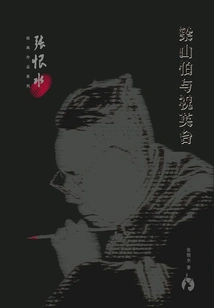
Liang Shanbo and Zhu Yingtai
General Fiction梁山伯与祝英台
Zhang Henshui
This book is adapted from one of the four great love stories among ancient Chinese folk: Liang Shanbo and Zhu Yingtai. It was created by Mr. Zhang Henshui after the founding of the People's Republic of China.
This book is adapted from one of the four great love stories among ancient Chinese folk: Liang Shanbo and Zhu Yingtai. It was created by Mr. Zhang Henshui after the founding of the People's Republic of China.
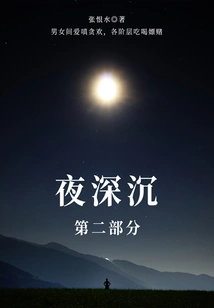
Deep Night·part 2 (zhang Henshui's Classic Novel)
General Fiction夜深沉·第二部分(张恨水经典长篇)
Zhang Henshui
"Deep Night" is one of Zhang Henshui's best novels. It was Zhang Henshui's work at the peak of his creative period. By describing the emotional entanglement between the coachman Dingjihe and the singing queen Yuerong, the plot is twists and turns and exciting; it explores human nature deeply and thoroughly; the psychological portrayal of the hero and heroine is particularly delicate. "Deep Night" was originally the title of a piece of "Yu Ji Dances with the Sword" in the opera "Farewell My Concubine". Zhang Henshui ingeniously integrated this erhu music throughout the novel, becoming a link between the joys and sorrows of the male and female protagonists and a clue to the development of the plot. Not only do most of the scenes in the novel take place in the deep night, but the tone of the novel is dark, cold and desolate. "Dark Night" symbolizes the tragic fate of Ding Erhe and Wang Yuerong, reveals the cold darkness of society, and tries its best to expose the evils of prostitution, gambling, eating, drinking and entertainment at all levels of society. The erotic stories about love, anger, greed, and pleasure between men and women are particularly delicate in their writing. The writing and emotion complement each other, the plot is extremely intense and lively, and the characters are all colorful. Zhang Henshui (May 18, 1895 - February 15, 1967), whose original name was Xinyuan, Henshui was his pen name, which was taken from the poem "Meeting Happily" written by Li Yu in the Southern Tang Dynasty, which means "I will grow up in life and hate the water in the east". Zhang Henshui is a famous chapter novelist and a representative writer of the Mandarin Duck and Butterfly School. He is honored as the first "master of chapter novels" and "master of popular literature" in the history of modern literature. The plot of the work is tortuous and complex, and the structure is rigorous and complete. It integrates traditional Chinese chapter novels with new techniques in Western novels. He is also famous for his prolific output. In his fifty-year writing career, he created more than 100 popular novels, most of which are medium and long chapter novels with a total of 30 million words, which can be regarded as a book in his lifetime.
"Deep Night" is one of Zhang Henshui's best novels. It was Zhang Henshui's work at the peak of his creative period. By describing the emotional entanglement between the coachman Dingjihe and the singing queen Yuerong, the plot is twists and turns and exciting; it explores human nature deeply and thoroughly; the psychological portrayal of the hero and heroine is particularly delicate. "Deep Night" was originally the title of a piece of "Yu Ji Dances with the Sword" in the opera "Farewell My Concubine". Zhang Henshui ingeniously integrated this erhu music throughout the novel, becoming a link between the joys and sorrows of the male and female protagonists and a clue to the development of the plot. Not only do most of the scenes in the novel take place in the deep night, but the tone of the novel is dark, cold and desolate. "Dark Night" symbolizes the tragic fate of Ding Erhe and Wang Yuerong, reveals the cold darkness of society, and tries its best to expose the evils of prostitution, gambling, eating, drinking and entertainment at all levels of society. The erotic stories about love, anger, greed, and pleasure between men and women are particularly delicate in their writing. The writing and emotion complement each other, the plot is extremely intense and lively, and the characters are all colorful. Zhang Henshui (May 18, 1895 - February 15, 1967), whose original name was Xinyuan, Henshui was his pen name, which was taken from the poem "Meeting Happily" written by Li Yu in the Southern Tang Dynasty, which means "I will grow up in life and hate the water in the east". Zhang Henshui is a famous chapter novelist and a representative writer of the Mandarin Duck and Butterfly School. He is honored as the first "master of chapter novels" and "master of popular literature" in the history of modern literature. The plot of the work is tortuous and complex, and the structure is rigorous and complete. It integrates traditional Chinese chapter novels with new techniques in Western novels. He is also famous for his prolific output. In his fifty-year writing career, he created more than 100 popular novels, most of which are medium and long chapter novels with a total of 30 million words, which can be regarded as a book in his lifetime.
张恨水经典抗战小说系列:热血之花
Zhang Henshui
This book contains two novels: "Flowers of Passion" and "Eighty-One Dreams". "Flower of Blood" was written in Peiping after the "January 28th Incident" in 1932, pioneering the patriotic spy war theme. "Flowers of Blood" describes a touching story of two young men and women who sacrificed their love and even their lives to resist Japan and save the country. "Eighty-One Dreams" was Mr. Zhang Henshui's most influential and popular novel during the Anti-Japanese War, and was also the best-selling novel in the rear area. The literary world praised the book as a "wonderful book"! The author uses the technique of "Nineteen fables are entrusted to dreams", and the writing is smooth and free. The whole book is full of strange and mysterious suspense, covering the ancient and modern times, vertically and horizontally, and illuminates those issues that indirectly contribute to the victory of the Anti-Japanese War and those that are directly harmful to the Anti-Japanese War. It has high literary value.
This book contains two novels: "Flowers of Passion" and "Eighty-One Dreams". "Flower of Blood" was written in Peiping after the "January 28th Incident" in 1932, pioneering the patriotic spy war theme. "Flowers of Blood" describes a touching story of two young men and women who sacrificed their love and even their lives to resist Japan and save the country. "Eighty-One Dreams" was Mr. Zhang Henshui's most influential and popular novel during the Anti-Japanese War, and was also the best-selling novel in the rear area. The literary world praised the book as a "wonderful book"! The author uses the technique of "Nineteen fables are entrusted to dreams", and the writing is smooth and free. The whole book is full of strange and mysterious suspense, covering the ancient and modern times, vertically and horizontally, and illuminates those issues that indirectly contribute to the victory of the Anti-Japanese War and those that are directly harmful to the Anti-Japanese War. It has high literary value.