Library
Browse and search books
4 novels found
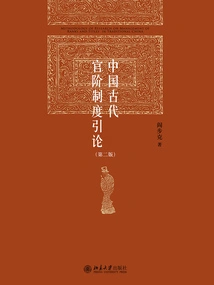
中国古代官阶制度引论(第二版)
Yan Buke
"Introduction to the Official Rank System in Ancient China (Second Edition)" focuses on theoretical and methodological issues in the study of the bureaucratic hierarchy in ancient China. The author refers to relevant theories in social sciences, systematically constructs the research model of ancient official ranks, and proposes a series of questions, clues, and corresponding research methods and concepts. Starting from the "taste-position" framework, the research object of official rank is defined as "grading and classification of official positions" and "grading and classification of officials", respectively discussing the constituent elements of rank, rights and responsibilities, qualifications, salaries, privileges, courtesy, the style and interval of the grade structure, grade official titles and the rules for using ranks, etc. Then from the technical level to the political level, starting from the duality of functional organization and identity organization, it provides a more comprehensive explanation of the characteristics of the ancient Chinese official hierarchy and the major clues and various aspects of the changes in the taste structure. "Introduction to the Official Rank System in Ancient China (Second Edition)" has unique reference value for studying the bureaucratic hierarchy in ancient China and understanding the centralized bureaucratic politics of ancient China.
"Introduction to the Official Rank System in Ancient China (Second Edition)" focuses on theoretical and methodological issues in the study of the bureaucratic hierarchy in ancient China. The author refers to relevant theories in social sciences, systematically constructs the research model of ancient official ranks, and proposes a series of questions, clues, and corresponding research methods and concepts. Starting from the "taste-position" framework, the research object of official rank is defined as "grading and classification of official positions" and "grading and classification of officials", respectively discussing the constituent elements of rank, rights and responsibilities, qualifications, salaries, privileges, courtesy, the style and interval of the grade structure, grade official titles and the rules for using ranks, etc. Then from the technical level to the political level, starting from the duality of functional organization and identity organization, it provides a more comprehensive explanation of the characteristics of the ancient Chinese official hierarchy and the major clues and various aspects of the changes in the taste structure. "Introduction to the Official Rank System in Ancient China (Second Edition)" has unique reference value for studying the bureaucratic hierarchy in ancient China and understanding the centralized bureaucratic politics of ancient China.
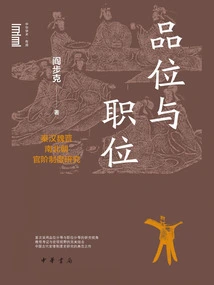
品位与职位:秦汉魏晋南北朝官阶制度研究
Yan Buke
The official system is a key that opens the door to historical research. The author takes the official rank system of the Qin, Han, Wei, Jin, Southern and Northern Dynasties as the research object, and for the first time adopts the concepts of "grade classification" and "position classification" to construct a new analytical framework; and from this new perspective, he combs and examines the titles of the Zhou Dynasty, the twenty-first military honors and ranks of the Qin and Han Dynasties, the Wei and Jin Dynasties The official titles, official titles, honorary titles, general titles, and casual officers in the Southern and Northern Dynasties, up to the civil and military ranks of the Tang Dynasty, are outlined as a clue of evolution and change, and provide a series of unique explanations for their nature and significance, and then divide the development of the traditional bureaucratic hierarchy into five stages. This book has made profound advancements in terms of historical views, research perspectives and methods, and specific examinations.
The official system is a key that opens the door to historical research. The author takes the official rank system of the Qin, Han, Wei, Jin, Southern and Northern Dynasties as the research object, and for the first time adopts the concepts of "grade classification" and "position classification" to construct a new analytical framework; and from this new perspective, he combs and examines the titles of the Zhou Dynasty, the twenty-first military honors and ranks of the Qin and Han Dynasties, the Wei and Jin Dynasties The official titles, official titles, honorary titles, general titles, and casual officers in the Southern and Northern Dynasties, up to the civil and military ranks of the Tang Dynasty, are outlined as a clue of evolution and change, and provide a series of unique explanations for their nature and significance, and then divide the development of the traditional bureaucratic hierarchy into five stages. This book has made profound advancements in terms of historical views, research perspectives and methods, and specific examinations.
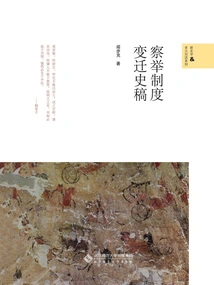
察举制度变迁史稿
Yan Buke
A masterpiece by Yan Buke, professor of ancient Chinese history at Peking University! This book takes the seven to eight hundred years of changes in the imperial examination system as the research object, and provides a unique explanation of the emergence, development and evolution of this system into the imperial examination system!
A masterpiece by Yan Buke, professor of ancient Chinese history at Peking University! This book takes the seven to eight hundred years of changes in the imperial examination system as the research object, and provides a unique explanation of the emergence, development and evolution of this system into the imperial examination system!
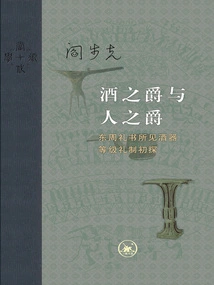
酒之爵与人之爵:东周礼书所见酒器等级礼制初探
Yan Buke
This collection of essays contains 8 articles by the author, with a very concentrated theme, all of which revolve around the hierarchy of wine vessels in the pre-Qin ritual books. The topic of "Wine Vessel Hierarchy and Etiquette" has been almost ignored before. The author discovered a rich mine here. After careful examination, he clarified some old doubts and unearthed some previously unknown historical facts. For example, it sorted out the changes in the concept of "jue", revealed that "Five Jue" was a set of "capacity device names", and made the hierarchical structure of the ceremonial jue known to the public. In addition to providing new knowledge of literature and history through specific research, this study also has theoretical significance. In the traditional era, "Jue" is the oldest and most continuous taste, which is used to confer and maintain dignity. At the same time, "Jue" is also the name of a drinking vessel. "Zun" is the most important status word in ancient times, and "Zun" is also the name of a drinking vessel. The words "Jue" and "Zun" already exist in the oracle bone inscriptions of the Yin Shang Dynasty. At the same time, among the bronze ritual vessels of the Yin Shang Dynasty, wine vessels actually accounted for 70%-80%. Although the proportion of food vessels in Zhou Dynasty bronzes has greatly increased, the offering and drinking of wine still constitute the core etiquette in major ceremonies such as sacrifices, banquets, and shooting marquises. This situation was recorded in the Rites of the Eastern Zhou Dynasty. It is not difficult to deduce that wine vessels must have occupied a special position in the pre-Qin hierarchical etiquette system, which actually made the names of wine vessels such as jue and zun become terms for people's hierarchical status. In the books of rites, which embody the essence of pre-Qin rites and music and serve as cultural classics of all dynasties, we can see that people of all colors and ranks use wine vessels with different names in different aspects of different ceremonies, and this is the research object of this book. The rank of wine nobility (and wine nobility) is used to maintain the dignity of people, so this collection of essays is titled "The Nobility of Wine and the Nobility of People".
This collection of essays contains 8 articles by the author, with a very concentrated theme, all of which revolve around the hierarchy of wine vessels in the pre-Qin ritual books. The topic of "Wine Vessel Hierarchy and Etiquette" has been almost ignored before. The author discovered a rich mine here. After careful examination, he clarified some old doubts and unearthed some previously unknown historical facts. For example, it sorted out the changes in the concept of "jue", revealed that "Five Jue" was a set of "capacity device names", and made the hierarchical structure of the ceremonial jue known to the public. In addition to providing new knowledge of literature and history through specific research, this study also has theoretical significance. In the traditional era, "Jue" is the oldest and most continuous taste, which is used to confer and maintain dignity. At the same time, "Jue" is also the name of a drinking vessel. "Zun" is the most important status word in ancient times, and "Zun" is also the name of a drinking vessel. The words "Jue" and "Zun" already exist in the oracle bone inscriptions of the Yin Shang Dynasty. At the same time, among the bronze ritual vessels of the Yin Shang Dynasty, wine vessels actually accounted for 70%-80%. Although the proportion of food vessels in Zhou Dynasty bronzes has greatly increased, the offering and drinking of wine still constitute the core etiquette in major ceremonies such as sacrifices, banquets, and shooting marquises. This situation was recorded in the Rites of the Eastern Zhou Dynasty. It is not difficult to deduce that wine vessels must have occupied a special position in the pre-Qin hierarchical etiquette system, which actually made the names of wine vessels such as jue and zun become terms for people's hierarchical status. In the books of rites, which embody the essence of pre-Qin rites and music and serve as cultural classics of all dynasties, we can see that people of all colors and ranks use wine vessels with different names in different aspects of different ceremonies, and this is the research object of this book. The rank of wine nobility (and wine nobility) is used to maintain the dignity of people, so this collection of essays is titled "The Nobility of Wine and the Nobility of People".