Library
Browse and search books
46 novels found
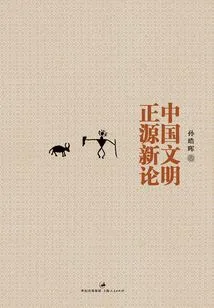
中国文明正源新论
Sun Haohui
"New Essays on the Authentic Origin of Chinese Civilization" is a collection of the author's essays, including a small number of interviews and speeches. At a historical turning point when our nation is facing a new civilization leap, it has become very important and urgent to re-read the history of our civilization, identify the true source of our civilization, and seek historical experience and lessons for the development of Chinese civilization with new values and concepts. Where is the direction of Chinese civilization's forward development? From the top leaders of the country to every citizen, everyone is facing the severe question of who I am and where I want to go. The whole book elaborates on our awareness of the history of civilization, the true source of China's unified civilization, reflections on the rise and fall of the Warring States Period, the theory of characters in the Warring States Period, and essays on civilization.
"New Essays on the Authentic Origin of Chinese Civilization" is a collection of the author's essays, including a small number of interviews and speeches. At a historical turning point when our nation is facing a new civilization leap, it has become very important and urgent to re-read the history of our civilization, identify the true source of our civilization, and seek historical experience and lessons for the development of Chinese civilization with new values and concepts. Where is the direction of Chinese civilization's forward development? From the top leaders of the country to every citizen, everyone is facing the severe question of who I am and where I want to go. The whole book elaborates on our awareness of the history of civilization, the true source of China's unified civilization, reflections on the rise and fall of the Warring States Period, the theory of characters in the Warring States Period, and essays on civilization.
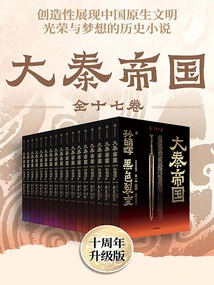
大秦帝国全十七卷(十周年升级版)
Sun Haohui
The panoramic view shows the grand process of Qin's transformation from weak to strong and the unification of six countries. The book is divided into six parts and seventeen volumes, recording the centuries-old changes of the seven monarchs from Qin Xiaogong to Qin Shihuang who worked hard to rule, conquered the Liuhe and unified the world, established a powerful empire, but died in the second generation. The work profoundly depicts major historical events such as Shang Yang's Reform, Hezonglianheng, and the decisive battle of Changping. It reproduces the majestic competition and integration of civilizations during the Warring States Period, and demonstrates the wisdom of doing things, governance strategies, and the enterprising spirit of China's native civilization for strong survival.
The panoramic view shows the grand process of Qin's transformation from weak to strong and the unification of six countries. The book is divided into six parts and seventeen volumes, recording the centuries-old changes of the seven monarchs from Qin Xiaogong to Qin Shihuang who worked hard to rule, conquered the Liuhe and unified the world, established a powerful empire, but died in the second generation. The work profoundly depicts major historical events such as Shang Yang's Reform, Hezonglianheng, and the decisive battle of Changping. It reproduces the majestic competition and integration of civilizations during the Warring States Period, and demonstrates the wisdom of doing things, governance strategies, and the enterprising spirit of China's native civilization for strong survival.
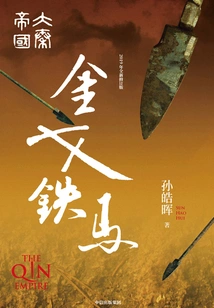
大秦帝国第三部:金戈铁马(全3册)
Sun Haohui
Qin used Fan Ju as its prime minister and implemented a strategy of distant diplomacy and close attack; with Bai Qi as its general, it achieved a major victory in the Battle of Changping. The Six Kingdoms began to decline, and Qin established its dominance. The Qin army marched eastward, and the king and ministers of the Emperor Zhou of Luoyang greeted him in panic. In the battle of Yiyang, Qian Fu Chang Bai Qi emerged. King Wu of Qin marched into Luoyang and died violently while holding a tripod. Bai Qi led a lone brigade to venture into Yan to welcome back the hostage prince Ying Ji, and allied with Gan Mao, Wei Zhen and other generals to jointly defeat the coup of Prince Ying Li to seize the throne and support Ying Ji to succeed him, known as King Zhao of Qin in history. Ying Ji's biological mother, the Queen Mother Xuan, brought order to the Qing Dynasty and appointed her younger brother Wei Zhen as prime minister to personally regent and stabilize the Qin state. King Min of Qi wanted to dominate the world and encouraged the six kingdoms of Shandong to destroy Qin. At the critical moment, Empress Dowager Xuan appointed Bai Qi as general to attack the Central Plains and defeat the six-nation coalition. He also fought against Wei and Han, and made a surprise attack on Chu. Qin became the super power in the Warring States Period. At this time, the State of Yan secretly united the five-nation coalition forces to attack Qi. During Tian Dan Jimo's six years of resistance against Yan, the Fire Bull Formation defeated the Yan army. Qi Yan declined together. During this period, King Wuling of Zhao rode in Hufu and shot, which greatly increased the national power. Qin and Zhao began a long-term strength confrontation. Fan Ju, a famous scholar who had been framed by traitors, entered the Qin Dynasty to assist King Zhao of Qin in taking charge of the government. He proposed the grand strategy of "diplomacy far away and attack near the land", and the Qin State formed a new joint force. The State of Zhao conspired with Han and Wei to suppress Qin from a high position. The Changping War, which lasted for three years, unfolded step by step, and more than 500,000 of Zhao's elite troops were wiped out in one battle. After the war, King Zhao of Qin entered his old age, and Bai Qi was forced to commit suicide, leaving Fan Ju worried. The greater crisis is that the prince is weak and sick and has no legitimate son. All the princes are mediocre and incompetent. There is little hope of selecting a legitimate son. For the first time, the Qin royal family is in a crisis state with no successor.
Qin used Fan Ju as its prime minister and implemented a strategy of distant diplomacy and close attack; with Bai Qi as its general, it achieved a major victory in the Battle of Changping. The Six Kingdoms began to decline, and Qin established its dominance. The Qin army marched eastward, and the king and ministers of the Emperor Zhou of Luoyang greeted him in panic. In the battle of Yiyang, Qian Fu Chang Bai Qi emerged. King Wu of Qin marched into Luoyang and died violently while holding a tripod. Bai Qi led a lone brigade to venture into Yan to welcome back the hostage prince Ying Ji, and allied with Gan Mao, Wei Zhen and other generals to jointly defeat the coup of Prince Ying Li to seize the throne and support Ying Ji to succeed him, known as King Zhao of Qin in history. Ying Ji's biological mother, the Queen Mother Xuan, brought order to the Qing Dynasty and appointed her younger brother Wei Zhen as prime minister to personally regent and stabilize the Qin state. King Min of Qi wanted to dominate the world and encouraged the six kingdoms of Shandong to destroy Qin. At the critical moment, Empress Dowager Xuan appointed Bai Qi as general to attack the Central Plains and defeat the six-nation coalition. He also fought against Wei and Han, and made a surprise attack on Chu. Qin became the super power in the Warring States Period. At this time, the State of Yan secretly united the five-nation coalition forces to attack Qi. During Tian Dan Jimo's six years of resistance against Yan, the Fire Bull Formation defeated the Yan army. Qi Yan declined together. During this period, King Wuling of Zhao rode in Hufu and shot, which greatly increased the national power. Qin and Zhao began a long-term strength confrontation. Fan Ju, a famous scholar who had been framed by traitors, entered the Qin Dynasty to assist King Zhao of Qin in taking charge of the government. He proposed the grand strategy of "diplomacy far away and attack near the land", and the Qin State formed a new joint force. The State of Zhao conspired with Han and Wei to suppress Qin from a high position. The Changping War, which lasted for three years, unfolded step by step, and more than 500,000 of Zhao's elite troops were wiped out in one battle. After the war, King Zhao of Qin entered his old age, and Bai Qi was forced to commit suicide, leaving Fan Ju worried. The greater crisis is that the prince is weak and sick and has no legitimate son. All the princes are mediocre and incompetent. There is little hope of selecting a legitimate son. For the first time, the Qin royal family is in a crisis state with no successor.
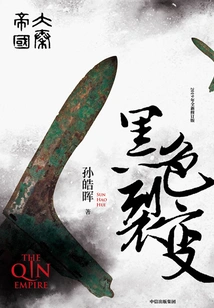
大秦帝国第一部:黑色裂变(全3册)
Sun Haohui
Qin Xiaogong and Shang Yang implemented reforms to become stronger. The Qin State turned from weak to strong, regained its lost territory, and began to rise. In the "era of great contention" where heroes compete for power and mountains and rivers change day by day, in the Warring States period when heroes emerge in large numbers and hundreds of schools of thought contend, the western frontier of China is experiencing an unprecedented "black fission." In 362 BC, Duke Xiang of Qin was poisoned by an arrow and died in a battle. His legitimate son Yingqu ascended the throne in front of Liang Lingqian, and was known as Duke Xiao of Qin in history. The Qin State was despised by the foreign powers and its national power was weak. The six kingdoms of Shandong also formed an alliance and plotted to divide Qin. The 22-year-old young monarch Qin Xiaogong wrote a blood letter on the monument of national humiliation, and issued a request for talents to the world, vowing to strengthen the country through reforms. In repeated discussions with the scholars of the Qin Dynasty, Shang Yang stood out. On the bow of the Weishui River, Shang Yang showed his political opinions and impressed Duke Xiao of Qin with his Legalist thoughts. Qin Xiaogong worshiped Shang Yang as his prime minister and began a twenty-year reform of the monarchy and ministers. Shang Yang, the master of Legalism, presided over the comprehensive reform and led the Qin State to create a wartime legal civilization step by step. The new army of the State of Qin was trained, the country was rich and the people were strong, the people were brave enough to fight in public, and the common people strived for military merit. Although they were less than fifty years old, Qin Xiaogong and Shang Yang were both physically and mentally exhausted after working hard on state affairs all year round. Duke Xiao of Qin recalled the prince Ying Si who had been in exile for twenty years, and then died. Ying Si ascended the throne and was known as King Hui of Qin in history. The six countries took the opportunity to put pressure on Qin and asked Qin to kill Shang Yang to thank the world. In order to prevent Qin from falling into civil strife, Shang Yang surrendered his political power and military power. He was imprisoned and was killed by an old man's car. Ying Si took advantage of the opportunity to clear out all the old nobles who opposed the reform, established Shang Yang's law as the law of the world, and focused on planning how to make the already powerful Qin break through the six kingdoms and realize the rise of a powerful country.
Qin Xiaogong and Shang Yang implemented reforms to become stronger. The Qin State turned from weak to strong, regained its lost territory, and began to rise. In the "era of great contention" where heroes compete for power and mountains and rivers change day by day, in the Warring States period when heroes emerge in large numbers and hundreds of schools of thought contend, the western frontier of China is experiencing an unprecedented "black fission." In 362 BC, Duke Xiang of Qin was poisoned by an arrow and died in a battle. His legitimate son Yingqu ascended the throne in front of Liang Lingqian, and was known as Duke Xiao of Qin in history. The Qin State was despised by the foreign powers and its national power was weak. The six kingdoms of Shandong also formed an alliance and plotted to divide Qin. The 22-year-old young monarch Qin Xiaogong wrote a blood letter on the monument of national humiliation, and issued a request for talents to the world, vowing to strengthen the country through reforms. In repeated discussions with the scholars of the Qin Dynasty, Shang Yang stood out. On the bow of the Weishui River, Shang Yang showed his political opinions and impressed Duke Xiao of Qin with his Legalist thoughts. Qin Xiaogong worshiped Shang Yang as his prime minister and began a twenty-year reform of the monarchy and ministers. Shang Yang, the master of Legalism, presided over the comprehensive reform and led the Qin State to create a wartime legal civilization step by step. The new army of the State of Qin was trained, the country was rich and the people were strong, the people were brave enough to fight in public, and the common people strived for military merit. Although they were less than fifty years old, Qin Xiaogong and Shang Yang were both physically and mentally exhausted after working hard on state affairs all year round. Duke Xiao of Qin recalled the prince Ying Si who had been in exile for twenty years, and then died. Ying Si ascended the throne and was known as King Hui of Qin in history. The six countries took the opportunity to put pressure on Qin and asked Qin to kill Shang Yang to thank the world. In order to prevent Qin from falling into civil strife, Shang Yang surrendered his political power and military power. He was imprisoned and was killed by an old man's car. Ying Si took advantage of the opportunity to clear out all the old nobles who opposed the reform, established Shang Yang's law as the law of the world, and focused on planning how to make the already powerful Qin break through the six kingdoms and realize the rise of a powerful country.
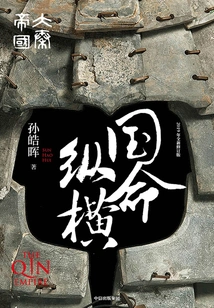
大秦帝国第二部:国命纵横(全3册)
Sun Haohui
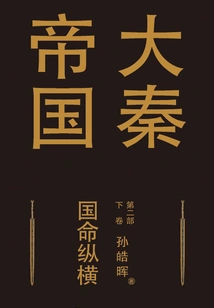
The six countries united to fight against Qin. Qin took Zhang Yi as its prime minister, connected horizontally and vertically, and sought greater development in the rise of a powerful country. King Qin Hui formed an alliance with the reform forces, suppressed the rebellion of the old nobles with an iron fist, and purged the government. He appointed young pillars who were loyal to the new law, forming a vibrant new generation of power backbone, and fully prepared to go eastward to the Central Plains. At that time, the six kingdoms of Shandong were in chaos. The new army of Qin took the opportunity to go eastward and won consecutive victories, posing a strong threat to the six kingdoms of Shandong. Two famous men from Guiguzi's sect came out of the mountain. Brothers Su Qin and Zhang Yi commented on the world and agreed to seek great power. However, they both suffered major setbacks and were temporarily defeated. Su Qin endured humiliation and practiced hard for three years, gained insight into the general trend of the world, and re-entered the WTO and proposed the grand strategy of joining forces to resist Qin. He broke through from the Yan State and successfully lobbied for an alliance among the six countries. As the prime minister of the six countries, he joined forces with the four princes of the Warring States Period to form the Six-Nation Alliance, which exerted strong pressure on Qin. The State of Qin was determined to fight against the Six Kingdoms, and sought and appointed Zhang Yi, who had already mastered the idea of breaking up the alliance, to become the prime minister of Qin. Zhang Yi proposed the grand strategy of Lianheng and presided over the Qin State and the Six Kingdoms of Shandong to launch vertical and horizontal wars and comprehensive strength confrontations. The six-nation coalition attacked Qin, but ultimately failed due to unstable foundations and frequent internal strife, and the alliance failed. Su Qin was killed by the old nobles. At this time, the internal affairs of Qin changed. King Hui of Qin suffered from an unexplained strange disease. The furious prince and the chief minister Ganmao conspired to exclude dissidents. General Sima Cuo was forced to resign and retire. Zhang Yi left Qin and retired to his countryside to avoid being deposed. The martial and belligerent King Wu of Qin led his army eastward to Luoyang, pushing Qin into a dangerous situation again.
The six countries united to fight against Qin. Qin took Zhang Yi as its prime minister, connected horizontally and vertically, and sought greater development in the rise of a powerful country. King Qin Hui formed an alliance with the reform forces, suppressed the rebellion of the old nobles with an iron fist, and purged the government. He appointed young pillars who were loyal to the new law, forming a vibrant new generation of power backbone, and fully prepared to go eastward to the Central Plains. At that time, the six kingdoms of Shandong were in chaos. The new army of Qin took the opportunity to go eastward and won consecutive victories, posing a strong threat to the six kingdoms of Shandong. Two famous men from Guiguzi's sect came out of the mountain. Brothers Su Qin and Zhang Yi commented on the world and agreed to seek great power. However, they both suffered major setbacks and were temporarily defeated. Su Qin endured humiliation and practiced hard for three years, gained insight into the general trend of the world, and re-entered the WTO and proposed the grand strategy of joining forces to resist Qin. He broke through from the Yan State and successfully lobbied for an alliance among the six countries. As the prime minister of the six countries, he joined forces with the four princes of the Warring States Period to form the Six-Nation Alliance, which exerted strong pressure on Qin. The State of Qin was determined to fight against the Six Kingdoms, and sought and appointed Zhang Yi, who had already mastered the idea of breaking up the alliance, to become the prime minister of Qin. Zhang Yi proposed the grand strategy of Lianheng and presided over the Qin State and the Six Kingdoms of Shandong to launch vertical and horizontal wars and comprehensive strength confrontations. The six-nation coalition attacked Qin, but ultimately failed due to unstable foundations and frequent internal strife, and the alliance failed. Su Qin was killed by the old nobles. At this time, the internal affairs of Qin changed. King Hui of Qin suffered from an unexplained strange disease. The furious prince and the chief minister Ganmao conspired to exclude dissidents. General Sima Cuo was forced to resign and retire. Zhang Yi left Qin and retired to his countryside to avoid being deposed. The martial and belligerent King Wu of Qin led his army eastward to Luoyang, pushing Qin into a dangerous situation again.
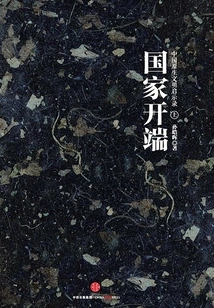
中国原生文明启示录(上):国家开端
Sun Haohui
"Apocalypse of China's Native Civilization" is the latest historical work by Sun Haohui, author of the epic masterpiece "The Qin Empire". This is a book that attempts to clarify the history of Chinese civilization in the first 3,000 years. The author started from the awareness of the problem of why China has a pale civilization consciousness and why it does not have its own right to speak about civilization. After more than ten years of research and thinking, while creating "The Qin Empire", he formed his own theoretical system and compiled it into the three-volume "Revelation of China's Native Civilization (all 3 volumes)". "Apocalypse of Chinese Native Civilization (3 volumes)" proposes the concept of Chinese native civilization for the first time, rewrites the history of China's first 3,000 civilizations, carefully sorts out the seven major historical leaps in Chinese history before the Qin Empire, and summarizes the five major survival experiences of the Chinese nation.
"Apocalypse of China's Native Civilization" is the latest historical work by Sun Haohui, author of the epic masterpiece "The Qin Empire". This is a book that attempts to clarify the history of Chinese civilization in the first 3,000 years. The author started from the awareness of the problem of why China has a pale civilization consciousness and why it does not have its own right to speak about civilization. After more than ten years of research and thinking, while creating "The Qin Empire", he formed his own theoretical system and compiled it into the three-volume "Revelation of China's Native Civilization (all 3 volumes)". "Apocalypse of Chinese Native Civilization (3 volumes)" proposes the concept of Chinese native civilization for the first time, rewrites the history of China's first 3,000 civilizations, carefully sorts out the seven major historical leaps in Chinese history before the Qin Empire, and summarizes the five major survival experiences of the Chinese nation.
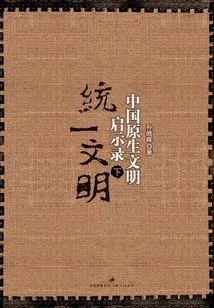
中国原生文明启示录(第三部)
Sun Haohui
This is a book that attempts to clarify the history of Chinese civilization in the first 3,000 years. During these 3,000 years, the Chinese ethnic group has experienced seven major eras - the Age of Five Emperors, Xia, Shang, Zhou, Spring and Autumn Period, Warring States, and Qin Empire. In each of these eras, our nation has achieved a huge leap in civilization. After seven major historical leaps, our nation has finally reached the highest peak of the plateau of Chinese classical civilization - the Qin Empire. We have successfully achieved the unification of China's territory, successfully created the unification of Chinese civilization, and established an eternal and immortal historical survival paradigm for our country and nation.
This is a book that attempts to clarify the history of Chinese civilization in the first 3,000 years. During these 3,000 years, the Chinese ethnic group has experienced seven major eras - the Age of Five Emperors, Xia, Shang, Zhou, Spring and Autumn Period, Warring States, and Qin Empire. In each of these eras, our nation has achieved a huge leap in civilization. After seven major historical leaps, our nation has finally reached the highest peak of the plateau of Chinese classical civilization - the Qin Empire. We have successfully achieved the unification of China's territory, successfully created the unification of Chinese civilization, and established an eternal and immortal historical survival paradigm for our country and nation.
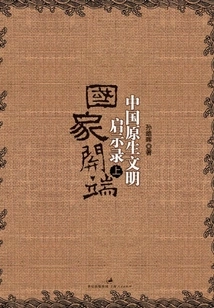
中国原生文明启示录(第一部)
Sun Haohui
This is a book that attempts to clarify the history of Chinese civilization in the first 3,000 years. During these 3,000 years, the Chinese ethnic group has experienced seven major eras - the Age of Five Emperors, Xia, Shang, Zhou, Spring and Autumn Period, Warring States, and Qin Empire. In each of these eras, our nation has achieved a huge leap in civilization. After seven major historical leaps, our nation has finally reached the highest peak of the plateau of Chinese classical civilization - the Qin Empire. We have successfully achieved the unification of China's territory, successfully created the unification of Chinese civilization, and established an eternal and immortal historical survival paradigm for our country and nation.
This is a book that attempts to clarify the history of Chinese civilization in the first 3,000 years. During these 3,000 years, the Chinese ethnic group has experienced seven major eras - the Age of Five Emperors, Xia, Shang, Zhou, Spring and Autumn Period, Warring States, and Qin Empire. In each of these eras, our nation has achieved a huge leap in civilization. After seven major historical leaps, our nation has finally reached the highest peak of the plateau of Chinese classical civilization - the Qin Empire. We have successfully achieved the unification of China's territory, successfully created the unification of Chinese civilization, and established an eternal and immortal historical survival paradigm for our country and nation.
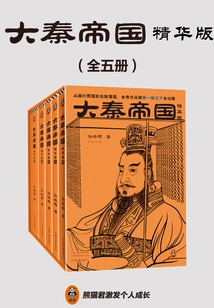
Great Qin Empire·essential Edition (five Volumes in Total)
General Fiction大秦帝国·精华版(全五册)
Sun Haohui
During the Warring States Period, when various countries were in conflict, Qin was a weak country on the northwest border. It was hampered by nobles internally and powerful enemies were watching from outside. It was on the verge of subjugation. At this time of crisis, Qin's wise kings and wise ministers emerged one after another. In more than a hundred years, it transformed from a weak country that was beaten to an invincible power sweeping the world. After Qin Xiaogong came to the throne, he recruited talents and appointed Shang Yang's reforms, and the Qin State rose rapidly; during the period of King Qin Huiwen, Zhang Yi was used as the prime minister to unite the six kingdoms, and Sima Cuo was used as the general, and Bashu was taken as the granary; during the period of King Qin Zhaoxiang, Fan Ju used the strategy of distant friendship and close attack, and used military force Bai Qi attacked Chu and defeated Zhao, and the six kingdoms surrendered; finally, the remnants of Ying Zheng Fen VI, with the assistance of Li Si, Meng Tian, etc., Destroyed Han, Zhao, Wei, Chu, Yan, and Qi in just a few years, and established the first unified centralized state in Chinese history. Open this book and see how Qin fought against the heroes and unified the six kingdoms!
During the Warring States Period, when various countries were in conflict, Qin was a weak country on the northwest border. It was hampered by nobles internally and powerful enemies were watching from outside. It was on the verge of subjugation. At this time of crisis, Qin's wise kings and wise ministers emerged one after another. In more than a hundred years, it transformed from a weak country that was beaten to an invincible power sweeping the world. After Qin Xiaogong came to the throne, he recruited talents and appointed Shang Yang's reforms, and the Qin State rose rapidly; during the period of King Qin Huiwen, Zhang Yi was used as the prime minister to unite the six kingdoms, and Sima Cuo was used as the general, and Bashu was taken as the granary; during the period of King Qin Zhaoxiang, Fan Ju used the strategy of distant friendship and close attack, and used military force Bai Qi attacked Chu and defeated Zhao, and the six kingdoms surrendered; finally, the remnants of Ying Zheng Fen VI, with the assistance of Li Si, Meng Tian, etc., Destroyed Han, Zhao, Wei, Chu, Yan, and Qi in just a few years, and established the first unified centralized state in Chinese history. Open this book and see how Qin fought against the heroes and unified the six kingdoms!
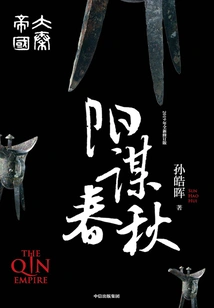
The Fourth Part of the Qin Empire: Yangmou Spring and Autumn Period (3 Volumes in Total)
General Fiction大秦帝国第四部:阳谋春秋(全3册)
Sun Haohui
Lu Buwei entered the Qin Dynasty and used his extraordinary political ability to resolve the crisis of power transfer in the Qin royal family several times, implemented the Lu family's New Deal, and later led the country as regent as Marquis Wenxin, helping the young Yingzheng succeed to the throne to establish a solid foundation. Qin's national power was unprecedentedly powerful. Fan Ju recommended Cai Ze as prime minister, resigned and retired, and got to know Lu Buwei along the way south. Lu Buwei went north to Handan, and happened to meet the Qin prince Ying Yiren who was serving as a hostage. He was born with political ambitions, and finally decided to abandon business and join Qin. The legend of the Lu family began. Lu Buwei used his abundant resources to go to Xianyang to make a deal, and made the young master Yiren the legitimate son of the prince. Pingyuan Jun of Zhao State led his army to pursue him, but Lu Buwei was protected by a bloody battle with hundreds of loyalists, and escaped with Ying Yiren and returned to Qin. King Zhao of Qin died of illness, and the old prince Ying Zhu (King Xiaowen) succeeded to the throne and died of illness a year later. A stranger succeeded to the throne (King Zhuangxiang of Qin) and appointed Lu Buwei as prime minister to implement the New Deal. King Zhuang Xiang died of illness three years after his reign, and his 13-year-old son Ying Zheng succeeded him. Lu Buwei co-regents with the Queen Mother as "Second Father". During this period, Lu Buwei twice presided over the handover of the overall situation, stabilized the government and the opposition, and expanded the territory, and his reputation greatly increased. However, his ambiguous entanglement with the Queen Mother Zhao Ji attracted criticism from the royal family elders. Lu Buwei used extraordinary means to free himself, causing Lao Ai, a barbarian, to have an affair with Zhao Ji. Zhao Ji used the power of the regent mother to designate Lao Ai as a Marquis of Changxin, monopolized the power of the palace, and plotted a coup to seize the throne, causing the biggest scandal in the history of Qin. The young Ying Zheng teamed up with Lu Buwei to eradicate the Lao Ai rebellion in one fell swoop, deposing the Queen Mother and placing her under house arrest. Ying Zheng came into power at the age of twenty-one, and Lu Buwei summoned his disciples to write "Lu's Spring and Autumn Annals" to establish the royal strategy for governing the country. Ying Zheng insisted on Shang Yang's legal system and was seriously opposed to Lu Buwei's political views. Lu Buwei decided to publish the "Lu Spring and Autumn Annals", hoping to decide the strategy of governing the country through public discussion between the government and the public. King Qin Yingzheng was under tremendous pressure, and the State of Qin was once again facing a turning crisis.
Lu Buwei entered the Qin Dynasty and used his extraordinary political ability to resolve the crisis of power transfer in the Qin royal family several times, implemented the Lu family's New Deal, and later led the country as regent as Marquis Wenxin, helping the young Yingzheng succeed to the throne to establish a solid foundation. Qin's national power was unprecedentedly powerful. Fan Ju recommended Cai Ze as prime minister, resigned and retired, and got to know Lu Buwei along the way south. Lu Buwei went north to Handan, and happened to meet the Qin prince Ying Yiren who was serving as a hostage. He was born with political ambitions, and finally decided to abandon business and join Qin. The legend of the Lu family began. Lu Buwei used his abundant resources to go to Xianyang to make a deal, and made the young master Yiren the legitimate son of the prince. Pingyuan Jun of Zhao State led his army to pursue him, but Lu Buwei was protected by a bloody battle with hundreds of loyalists, and escaped with Ying Yiren and returned to Qin. King Zhao of Qin died of illness, and the old prince Ying Zhu (King Xiaowen) succeeded to the throne and died of illness a year later. A stranger succeeded to the throne (King Zhuangxiang of Qin) and appointed Lu Buwei as prime minister to implement the New Deal. King Zhuang Xiang died of illness three years after his reign, and his 13-year-old son Ying Zheng succeeded him. Lu Buwei co-regents with the Queen Mother as "Second Father". During this period, Lu Buwei twice presided over the handover of the overall situation, stabilized the government and the opposition, and expanded the territory, and his reputation greatly increased. However, his ambiguous entanglement with the Queen Mother Zhao Ji attracted criticism from the royal family elders. Lu Buwei used extraordinary means to free himself, causing Lao Ai, a barbarian, to have an affair with Zhao Ji. Zhao Ji used the power of the regent mother to designate Lao Ai as a Marquis of Changxin, monopolized the power of the palace, and plotted a coup to seize the throne, causing the biggest scandal in the history of Qin. The young Ying Zheng teamed up with Lu Buwei to eradicate the Lao Ai rebellion in one fell swoop, deposing the Queen Mother and placing her under house arrest. Ying Zheng came into power at the age of twenty-one, and Lu Buwei summoned his disciples to write "Lu's Spring and Autumn Annals" to establish the royal strategy for governing the country. Ying Zheng insisted on Shang Yang's legal system and was seriously opposed to Lu Buwei's political views. Lu Buwei decided to publish the "Lu Spring and Autumn Annals", hoping to decide the strategy of governing the country through public discussion between the government and the public. King Qin Yingzheng was under tremendous pressure, and the State of Qin was once again facing a turning crisis.
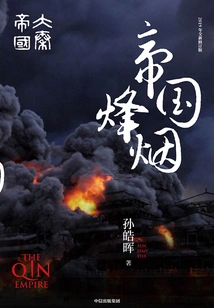
大秦帝国第六部:帝国烽烟(全2册)
Sun Haohui
An imperial swan song. After the death of the First Emperor, the power of the empire was divided. Chen Sheng and Wu Guang revolted. Liu Bang and Xiang Yu invaded Xianyang, and the empire was suddenly destroyed. The First Emperor of Qin suddenly died in the sand dunes. Zhao Gao and Hu Hai plotted a coup. Li Si, the meritorious prime minister who was in charge of national affairs, was lured and kidnapped to join the conspiracy. This finally caused a huge black hole mutation in the top power level of the Qin Empire, which was full of talented people and had been tempered for a long time: the eldest son Fusu committed suicide, the Meng brothers who held military power were killed, Hu Hai proclaimed himself emperor, and Zhao Gao took charge. The power of the Qin Empire underwent a drastic qualitative change: the Second Group massacred the imperial heroes, eradicated dissident forces in the royal family, and implemented a series of tyrannical and misguided policies, which greatly intensified various social conflicts hidden during the Qin Shi Huang period. Chen Sheng and Wu Guangda uprising broke out, and the old nobles of the six countries took advantage of the situation and rose up, forming a prairie fire of rebellion against Qin in the world. The empire won the battle against the peasant army, but failed in its counterattack against the anti-Qin forces based on the old aristocrats of the Six Kingdoms. Liu Bang and Xiang Yu entered Xianyang, and the precarious imperial court had another coup, and the Hu Hai and Zhao Gao groups were destroyed. Ziying, who was restored to the title of King of Qin, surrendered, ending Ling's regime. Xiang Yu's army plundered all the empire's wealth, and then burned the Xianyang Palace. The fire lasted for three months. The entire Guanzhong was reduced to eight hundred miles of ruins. The Qin Empire was suddenly wiped out!
An imperial swan song. After the death of the First Emperor, the power of the empire was divided. Chen Sheng and Wu Guang revolted. Liu Bang and Xiang Yu invaded Xianyang, and the empire was suddenly destroyed. The First Emperor of Qin suddenly died in the sand dunes. Zhao Gao and Hu Hai plotted a coup. Li Si, the meritorious prime minister who was in charge of national affairs, was lured and kidnapped to join the conspiracy. This finally caused a huge black hole mutation in the top power level of the Qin Empire, which was full of talented people and had been tempered for a long time: the eldest son Fusu committed suicide, the Meng brothers who held military power were killed, Hu Hai proclaimed himself emperor, and Zhao Gao took charge. The power of the Qin Empire underwent a drastic qualitative change: the Second Group massacred the imperial heroes, eradicated dissident forces in the royal family, and implemented a series of tyrannical and misguided policies, which greatly intensified various social conflicts hidden during the Qin Shi Huang period. Chen Sheng and Wu Guangda uprising broke out, and the old nobles of the six countries took advantage of the situation and rose up, forming a prairie fire of rebellion against Qin in the world. The empire won the battle against the peasant army, but failed in its counterattack against the anti-Qin forces based on the old aristocrats of the Six Kingdoms. Liu Bang and Xiang Yu entered Xianyang, and the precarious imperial court had another coup, and the Hu Hai and Zhao Gao groups were destroyed. Ziying, who was restored to the title of King of Qin, surrendered, ending Ling's regime. Xiang Yu's army plundered all the empire's wealth, and then burned the Xianyang Palace. The fire lasted for three months. The entire Guanzhong was reduced to eight hundred miles of ruins. The Qin Empire was suddenly wiped out!
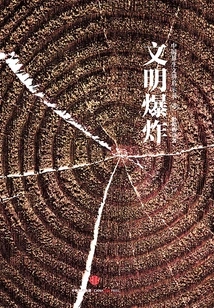
中国原生文明启示录(中):文明爆炸
Sun Haohui
"Apocalypse of China's Native Civilization" is the latest historical work by Sun Haohui, author of the epic masterpiece "The Qin Empire". For the first time, the concept of Chinese native civilization was proposed, the history of the first 3,000 Chinese civilizations was rewritten, the seven major historical leaps in Chinese history before the Qin Empire were carefully sorted out, and the five major survival experiences of the Chinese nation were summarized.
"Apocalypse of China's Native Civilization" is the latest historical work by Sun Haohui, author of the epic masterpiece "The Qin Empire". For the first time, the concept of Chinese native civilization was proposed, the history of the first 3,000 Chinese civilizations was rewritten, the seven major historical leaps in Chinese history before the Qin Empire were carefully sorted out, and the five major survival experiences of the Chinese nation were summarized.
中国原生文明启示录(下):统一文明
Sun Haohui
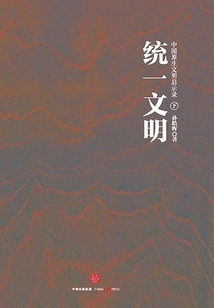
"Apocalypse of China's Native Civilization (3 volumes in total)" is the latest historical work by Sun Haohui, author of the epic masterpiece "The Qin Empire". This is a book that attempts to clarify the history of Chinese civilization in the first 3,000 years. The author started from the awareness of the problem of why China has a pale civilization consciousness and why it does not have its own right to speak about civilization. After more than ten years of research and thinking, while creating "The Qin Empire", he formed his own theoretical system and compiled it into the three-volume "Revelation of China's Native Civilization (all 3 volumes)". "Apocalypse of Chinese Native Civilization (3 volumes)" proposes the concept of Chinese native civilization for the first time, rewrites the history of China's first 3,000 civilizations, carefully sorts out the seven major historical leaps in Chinese history before the Qin Empire, and summarizes the five major survival experiences of the Chinese nation. During these 3,000 years, the Chinese ethnic group has experienced seven major eras - the Age of Five Emperors, Xia, Shang, Zhou, Spring and Autumn Period, Warring States, and Qin Empire. In each of these eras, our nation has achieved a huge leap in civilization. After seven major historical leaps, our nation has finally reached the pinnacle of the plateau of Chinese classical civilization - the Qin Empire, successfully achieved the unification of China's territory, successfully created the unification of Chinese civilization, and established an eternal and immortal historical survival paradigm for our country and nation. Presenting history on the one hand, and analyzing history on the other, are the basic features of this book. The author faces the controversy head-on, praises Legalism, criticizes the cultural hegemony of Confucianism, and believes that Chinese civilization after Confucian dominance has lost its previous creativity. He clearly points out that the strength and immortality of Chinese civilization are not at the end of its transformation, but in its strong original era.
"Apocalypse of China's Native Civilization (3 volumes in total)" is the latest historical work by Sun Haohui, author of the epic masterpiece "The Qin Empire". This is a book that attempts to clarify the history of Chinese civilization in the first 3,000 years. The author started from the awareness of the problem of why China has a pale civilization consciousness and why it does not have its own right to speak about civilization. After more than ten years of research and thinking, while creating "The Qin Empire", he formed his own theoretical system and compiled it into the three-volume "Revelation of China's Native Civilization (all 3 volumes)". "Apocalypse of Chinese Native Civilization (3 volumes)" proposes the concept of Chinese native civilization for the first time, rewrites the history of China's first 3,000 civilizations, carefully sorts out the seven major historical leaps in Chinese history before the Qin Empire, and summarizes the five major survival experiences of the Chinese nation. During these 3,000 years, the Chinese ethnic group has experienced seven major eras - the Age of Five Emperors, Xia, Shang, Zhou, Spring and Autumn Period, Warring States, and Qin Empire. In each of these eras, our nation has achieved a huge leap in civilization. After seven major historical leaps, our nation has finally reached the pinnacle of the plateau of Chinese classical civilization - the Qin Empire, successfully achieved the unification of China's territory, successfully created the unification of Chinese civilization, and established an eternal and immortal historical survival paradigm for our country and nation. Presenting history on the one hand, and analyzing history on the other, are the basic features of this book. The author faces the controversy head-on, praises Legalism, criticizes the cultural hegemony of Confucianism, and believes that Chinese civilization after Confucian dominance has lost its previous creativity. He clearly points out that the strength and immortality of Chinese civilization are not at the end of its transformation, but in its strong original era.
中国原生文明启示录(全三册)(2020全新修订版)
Sun Haohui
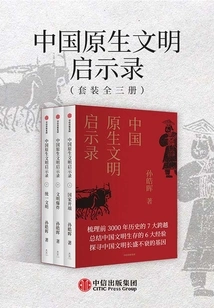
"Apocalypse of China's Native Civilization" is a historical work written by Sun Haohui, the author of the long epic "The Qin Empire", which attempts to clarify the history of Chinese civilization in the first 3,000 years. The author started from the awareness of the problem of why China has a pale consciousness of civilization and why it does not have its own right to speak about civilization. After more than ten years of research and thinking, while writing "The Qin Empire", he formed his own theoretical system and compiled it into the three-volume "Revelation of China's Native Civilization". "Revelation of China's Native Civilization" creatively puts forward the concept of China's native civilization, carefully sorts out the seven major historical leaps in Chinese history before the Qin Empire, and summarizes the six major survival experiences of the Chinese nation.
"Apocalypse of China's Native Civilization" is a historical work written by Sun Haohui, the author of the long epic "The Qin Empire", which attempts to clarify the history of Chinese civilization in the first 3,000 years. The author started from the awareness of the problem of why China has a pale consciousness of civilization and why it does not have its own right to speak about civilization. After more than ten years of research and thinking, while writing "The Qin Empire", he formed his own theoretical system and compiled it into the three-volume "Revelation of China's Native Civilization". "Revelation of China's Native Civilization" creatively puts forward the concept of China's native civilization, carefully sorts out the seven major historical leaps in Chinese history before the Qin Empire, and summarizes the six major survival experiences of the Chinese nation.
The Qin Empire (11 Volumes in Total)
General Fiction大秦帝国(共11册)
Sun Haohui
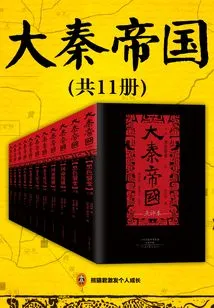
Only by reading the review version can you truly understand "The Qin Empire"! The original work of the popular CCTV drama "The Qin Empire", recommended by Nan Huaijin and Er Yuehe. Comments by famous critics will explain the meaning and mystery of "The Qin Empire" from multiple angles. The Warring States version of "The Rise of the Great Powers" has benefited contemporary Chinese people a lot, clarifying the basic aspects of national civilization, demonstrating the inherent wisdom in dealing with people, and promoting a broad-minded and unrestrained attitude towards life. "The Empire of Qin" is a multi-volume long historical novel, with six volumes and eleven volumes. The writer Sun Haohui completed the work in sixteen years and created five million words. This work is very different in artistic quality from popular historical novels. With the artistic courage and historical vision to be the first in the world, the author clearly declares his view of the history of the Qin Dynasty: "The Qin Empire is the true source of Chinese civilization" and "I have a sacred worship of the Qin Empire."
Only by reading the review version can you truly understand "The Qin Empire"! The original work of the popular CCTV drama "The Qin Empire", recommended by Nan Huaijin and Er Yuehe. Comments by famous critics will explain the meaning and mystery of "The Qin Empire" from multiple angles. The Warring States version of "The Rise of the Great Powers" has benefited contemporary Chinese people a lot, clarifying the basic aspects of national civilization, demonstrating the inherent wisdom in dealing with people, and promoting a broad-minded and unrestrained attitude towards life. "The Empire of Qin" is a multi-volume long historical novel, with six volumes and eleven volumes. The writer Sun Haohui completed the work in sixteen years and created five million words. This work is very different in artistic quality from popular historical novels. With the artistic courage and historical vision to be the first in the world, the author clearly declares his view of the history of the Qin Dynasty: "The Qin Empire is the true source of Chinese civilization" and "I have a sacred worship of the Qin Empire."
Qin Empire: Black Fission
General Fiction大秦帝国:黑色裂变
Sun Haohui
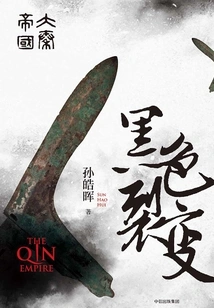
In 362 BC, after the Battle of Shaoliang, Duke Xian of Qin was killed by a poisoned arrow. The 21-year-old Qin Xiaogong Ying Quliang was ordered to succeed the king when he was in danger. At that time, the six countries despised Qin and tried to divide it. Qin Xiaogong wrote in blood that the country was humiliated and asked for virtuous people from all countries. The young scholar Wei Yang entered Qin and convinced Qin Xiaogong with the Legalist theory of strengthening the country. When he moved to Lixin, Xingji and his official office, Qin's reform shocked the world. The political hero and Mohist family wanted to kill the tyrant and the powerful ministers, so Duke Xiao of Qin came to Shennong Mountain to debate the state affairs. There was a melee among the countries, and the powerful neighbor Wei suddenly weakened, and Qin took advantage of the situation to regain Hexi. Wei Yang was granted the title of Shangjun. Qin Xiaogong died of illness due to overwork, and the old family took the opportunity to fight back. Shang Yang chose to protect the law with all his heart...
In 362 BC, after the Battle of Shaoliang, Duke Xian of Qin was killed by a poisoned arrow. The 21-year-old Qin Xiaogong Ying Quliang was ordered to succeed the king when he was in danger. At that time, the six countries despised Qin and tried to divide it. Qin Xiaogong wrote in blood that the country was humiliated and asked for virtuous people from all countries. The young scholar Wei Yang entered Qin and convinced Qin Xiaogong with the Legalist theory of strengthening the country. When he moved to Lixin, Xingji and his official office, Qin's reform shocked the world. The political hero and Mohist family wanted to kill the tyrant and the powerful ministers, so Duke Xiao of Qin came to Shennong Mountain to debate the state affairs. There was a melee among the countries, and the powerful neighbor Wei suddenly weakened, and Qin took advantage of the situation to regain Hexi. Wei Yang was granted the title of Shangjun. Qin Xiaogong died of illness due to overwork, and the old family took the opportunity to fight back. Shang Yang chose to protect the law with all his heart...
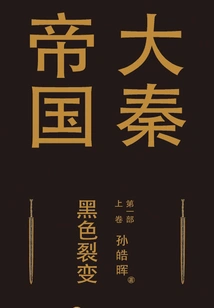
The Great Qin Empire Part 1: Black Fission (volume 1)
General Fiction大秦帝国第一部:黑色裂变(上卷)
Sun Haohui
Qin Xiaogong and Shang Yang implemented reforms to become stronger. The Qin State turned from weak to strong, regained its lost territory, and began to rise. In the "era of great contention" where heroes compete for power and mountains and rivers change day by day, in the Warring States period when heroes emerge in large numbers and hundreds of schools of thought contend, the western frontier of China is experiencing an unprecedented "black fission." In 362 BC, Duke Xiang of Qin was poisoned by an arrow and died in a battle. His legitimate son Yingqu ascended the throne in front of Liang Lingqian, and was known as Duke Xiao of Qin in history. The Qin State was despised by the foreign powers and its national power was weak. The six kingdoms of Shandong also formed an alliance and plotted to divide Qin. The 22-year-old young monarch Qin Xiaogong wrote a blood letter on the monument of national humiliation, and issued a request for talents to the world, vowing to strengthen the country through reforms. In repeated discussions with the scholars of the Qin Dynasty, Shang Yang stood out. On the bow of the Weishui River, Shang Yang showed his political opinions and impressed Duke Xiao of Qin with his Legalist thoughts. Qin Xiaogong worshiped Shang Yang as his prime minister and began a twenty-year reform of the monarchy and ministers. Legalist master Shang Yang comprehensively presided over the reform and led the Qin State to create a wartime legal civilization step by step... The first part of "The Great Qin Empire" has been adapted into the TV series "The Fission of the Great Qin Empire", starring Hou Yong, Wang Zhifei, Lu Yong, Lu Zhong, and Gao Yuanyuan. It was praised by netizens as a domestic drama, with a Douban score of 9.1! The second part was adapted into "The Great Qin Empire", starring Ning Jing, Fu Dalong, Fu Miao, and Yu Entai, and also has a high reputation. The third part was adapted as "The Rise of the Qin Empire", starring Ning Jing, Zhang Bo and Li Liqun.
Qin Xiaogong and Shang Yang implemented reforms to become stronger. The Qin State turned from weak to strong, regained its lost territory, and began to rise. In the "era of great contention" where heroes compete for power and mountains and rivers change day by day, in the Warring States period when heroes emerge in large numbers and hundreds of schools of thought contend, the western frontier of China is experiencing an unprecedented "black fission." In 362 BC, Duke Xiang of Qin was poisoned by an arrow and died in a battle. His legitimate son Yingqu ascended the throne in front of Liang Lingqian, and was known as Duke Xiao of Qin in history. The Qin State was despised by the foreign powers and its national power was weak. The six kingdoms of Shandong also formed an alliance and plotted to divide Qin. The 22-year-old young monarch Qin Xiaogong wrote a blood letter on the monument of national humiliation, and issued a request for talents to the world, vowing to strengthen the country through reforms. In repeated discussions with the scholars of the Qin Dynasty, Shang Yang stood out. On the bow of the Weishui River, Shang Yang showed his political opinions and impressed Duke Xiao of Qin with his Legalist thoughts. Qin Xiaogong worshiped Shang Yang as his prime minister and began a twenty-year reform of the monarchy and ministers. Legalist master Shang Yang comprehensively presided over the reform and led the Qin State to create a wartime legal civilization step by step... The first part of "The Great Qin Empire" has been adapted into the TV series "The Fission of the Great Qin Empire", starring Hou Yong, Wang Zhifei, Lu Yong, Lu Zhong, and Gao Yuanyuan. It was praised by netizens as a domestic drama, with a Douban score of 9.1! The second part was adapted into "The Great Qin Empire", starring Ning Jing, Fu Dalong, Fu Miao, and Yu Entai, and also has a high reputation. The third part was adapted as "The Rise of the Qin Empire", starring Ning Jing, Zhang Bo and Li Liqun.
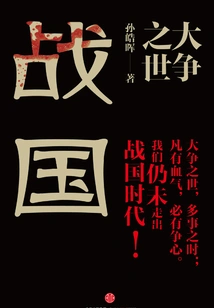
大争之世:战国
Sun Haohui
"The Age of Great Controversy: Warring States" presents a Warring States era full of ups and downs and the spirit of conquest. It was the spirit of great struggle in the Warring States era that gave birth to numerous original canons, created giants who rival each other one after another, and gave birth to profound and magnificent waves of reforms... All of this merged into a mighty historical tide, which directly promoted the Qin Empire to achieve the historical leap of unifying Chinese civilization. It is a time of great strife and troublesome times; all flesh and blood must be competitive. Judging from the past and the present, we are still not out of the Warring States Period!
"The Age of Great Controversy: Warring States" presents a Warring States era full of ups and downs and the spirit of conquest. It was the spirit of great struggle in the Warring States era that gave birth to numerous original canons, created giants who rival each other one after another, and gave birth to profound and magnificent waves of reforms... All of this merged into a mighty historical tide, which directly promoted the Qin Empire to achieve the historical leap of unifying Chinese civilization. It is a time of great strife and troublesome times; all flesh and blood must be competitive. Judging from the past and the present, we are still not out of the Warring States Period!
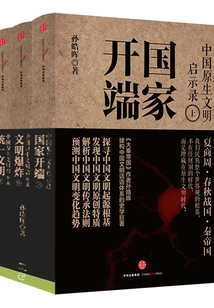
中国原生文明启示录(全三册)
Sun Haohui
The latest historical work by Sun Haohui, the author of the epic masterpiece "The Qin Empire". This is a book that attempts to clarify the history of Chinese civilization in the first 3,000 years. The author started from the awareness of the problem of why China has a pale consciousness of civilization and why it does not have its own right to speak about civilization. After more than ten years of research and thinking, while writing "The Qin Empire", he formed his own theoretical system and compiled it into the three-volume "Revelation of China's Native Civilization". This book proposes the concept of native Chinese civilization for the first time, rewrites the history of China's first 3,000 civilizations, carefully sorts out the seven major historical leaps in Chinese history before the Qin Empire, and summarizes the five major survival experiences of the Chinese nation.
The latest historical work by Sun Haohui, the author of the epic masterpiece "The Qin Empire". This is a book that attempts to clarify the history of Chinese civilization in the first 3,000 years. The author started from the awareness of the problem of why China has a pale consciousness of civilization and why it does not have its own right to speak about civilization. After more than ten years of research and thinking, while writing "The Qin Empire", he formed his own theoretical system and compiled it into the three-volume "Revelation of China's Native Civilization". This book proposes the concept of native Chinese civilization for the first time, rewrites the history of China's first 3,000 civilizations, carefully sorts out the seven major historical leaps in Chinese history before the Qin Empire, and summarizes the five major survival experiences of the Chinese nation.
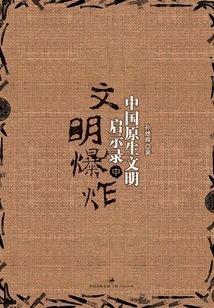
中国原生文明启示录(第二部)
Sun Haohui
This is a book that attempts to clarify the history of Chinese civilization in the first 3,000 years. During these 3,000 years, the Chinese ethnic group has experienced seven major eras - the Age of Five Emperors, Xia, Shang, Zhou, Spring and Autumn Period, Warring States, and Qin Empire. In each of these eras, our nation has achieved a huge leap in civilization. After seven major historical leaps, our nation has finally reached the highest peak of the plateau of Chinese classical civilization - the Qin Empire. We have successfully achieved the unification of China's territory, successfully created the unification of Chinese civilization, and established an eternal and immortal historical survival paradigm for our country and nation.
This is a book that attempts to clarify the history of Chinese civilization in the first 3,000 years. During these 3,000 years, the Chinese ethnic group has experienced seven major eras - the Age of Five Emperors, Xia, Shang, Zhou, Spring and Autumn Period, Warring States, and Qin Empire. In each of these eras, our nation has achieved a huge leap in civilization. After seven major historical leaps, our nation has finally reached the highest peak of the plateau of Chinese classical civilization - the Qin Empire. We have successfully achieved the unification of China's territory, successfully created the unification of Chinese civilization, and established an eternal and immortal historical survival paradigm for our country and nation.
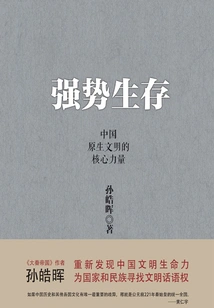
强势生存:中国原生文明的核心力量
Sun Haohui
"Strong Survival" strives to rediscover the vitality of Chinese civilization and find a civilized voice for the country and nation. The author Sun Haohui starts from reflecting on world civilization and points out the many difficulties faced by Chinese civilization in the modern era. By proposing the historical view of Chinese native civilization, he further re-establishes the research method of Chinese native civilization. In the sense of the history of civilization, he compares ancient Chinese native civilization with ancient Greek and Roman civilizations, breaks through the barriers of the traditional Confucian view of history, clearly points out the life style of Chinese native civilization, and emphasizes that "strong survival" is the core strength of Chinese native civilization. The book has 180,000 words, with a clear structure and clear logic. The chapters and sentences reflect the author's profound insights into China's native civilization.
"Strong Survival" strives to rediscover the vitality of Chinese civilization and find a civilized voice for the country and nation. The author Sun Haohui starts from reflecting on world civilization and points out the many difficulties faced by Chinese civilization in the modern era. By proposing the historical view of Chinese native civilization, he further re-establishes the research method of Chinese native civilization. In the sense of the history of civilization, he compares ancient Chinese native civilization with ancient Greek and Roman civilizations, breaks through the barriers of the traditional Confucian view of history, clearly points out the life style of Chinese native civilization, and emphasizes that "strong survival" is the core strength of Chinese native civilization. The book has 180,000 words, with a clear structure and clear logic. The chapters and sentences reflect the author's profound insights into China's native civilization.
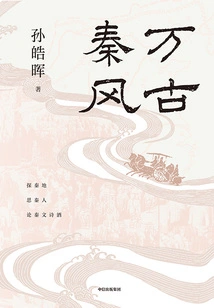
Eternal Qin Feng
History万古秦风
Sun Haohui
This book is a new collection of historical essays focusing on Qin culture after Sun Haohui's novel "The Qin Empire". It is divided into three major themes: historical relics, ancient and modern figures, and culture and art, and deeply explores the core spirit of Qin civilization. The book contains admiration for historical landmarks such as Chang'an, Qinling, and Xianyang, as well as affectionate remembrances of historical figures such as Li Jing and Yang Xiu, as well as the heroic and poetic flavor of Qin Feng and Qin Opera displayed through poetry and wine culture. The whole book integrates history, culture, literary insights and personal walking experience, showing the author's deep thinking on Qin culture for decades, and praising the simplicity and majesty of Qin civilization. As the author of the best-selling historical novel "The Great Qin Empire", Sun Haohui has been paying close attention to Qin culture for a long time. For fans of "The Great Qin Empire", this book is another book for them to get closer to the Qin culture.
This book is a new collection of historical essays focusing on Qin culture after Sun Haohui's novel "The Qin Empire". It is divided into three major themes: historical relics, ancient and modern figures, and culture and art, and deeply explores the core spirit of Qin civilization. The book contains admiration for historical landmarks such as Chang'an, Qinling, and Xianyang, as well as affectionate remembrances of historical figures such as Li Jing and Yang Xiu, as well as the heroic and poetic flavor of Qin Feng and Qin Opera displayed through poetry and wine culture. The whole book integrates history, culture, literary insights and personal walking experience, showing the author's deep thinking on Qin culture for decades, and praising the simplicity and majesty of Qin civilization. As the author of the best-selling historical novel "The Great Qin Empire", Sun Haohui has been paying close attention to Qin culture for a long time. For fans of "The Great Qin Empire", this book is another book for them to get closer to the Qin culture.
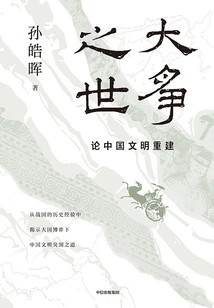
大争之世:论中国文明重建
Sun Haohui
This book is a new collection of historical essays after Sun Haohui's novel "The Qin Empire". The book provides an in-depth analysis of Qin's strategic logic and institutional innovation in destroying six kingdoms, reorganizing Lingnan, and unifying the world. It explores the resilience of Chinese civilization that has endured thousands of years of impact, and reveals how Chinese civilization can break through the current international changes from the dimensions of diplomacy, rule of law, and national integration.
This book is a new collection of historical essays after Sun Haohui's novel "The Qin Empire". The book provides an in-depth analysis of Qin's strategic logic and institutional innovation in destroying six kingdoms, reorganizing Lingnan, and unifying the world. It explores the resilience of Chinese civilization that has endured thousands of years of impact, and reveals how Chinese civilization can break through the current international changes from the dimensions of diplomacy, rule of law, and national integration.
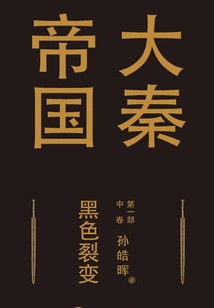
The Great Qin Empire Part 1: Black Fission (volume 2)
General Fiction大秦帝国第一部:黑色裂变(中卷)
Sun Haohui
Qin Xiaogong and Shang Yang implemented reforms to become stronger. The Qin State turned from weak to strong, regained its lost territory, and began to rise. In the "era of great contention" where heroes compete for power and mountains and rivers change day by day, in the Warring States period when heroes emerge in large numbers and hundreds of schools of thought contend, the western frontier of China is experiencing an unprecedented "black fission." In 362 BC, Duke Xiang of Qin was poisoned by an arrow and died in a battle. His legitimate son Yingqu ascended the throne in front of Liang Lingqian, and was known as Duke Xiao of Qin in history. The Qin State was despised by the foreign powers and its national power was weak. The six kingdoms of Shandong also formed an alliance and plotted to divide Qin. The 22-year-old young monarch Qin Xiaogong wrote a blood letter on the monument of national humiliation, and issued a request for talents to the world, vowing to strengthen the country through reforms. In repeated discussions with the scholars of the Qin Dynasty, Shang Yang stood out. On the bow of the Weishui River, Shang Yang showed his political opinions and impressed Duke Xiao of Qin with his Legalist thoughts. Qin Xiaogong worshiped Shang Yang as his prime minister and began a twenty-year reform of the monarchy and ministers. Legalist master Shang Yang presided over the comprehensive reform and led Qin step by step to create a wartime legal civilization...
Qin Xiaogong and Shang Yang implemented reforms to become stronger. The Qin State turned from weak to strong, regained its lost territory, and began to rise. In the "era of great contention" where heroes compete for power and mountains and rivers change day by day, in the Warring States period when heroes emerge in large numbers and hundreds of schools of thought contend, the western frontier of China is experiencing an unprecedented "black fission." In 362 BC, Duke Xiang of Qin was poisoned by an arrow and died in a battle. His legitimate son Yingqu ascended the throne in front of Liang Lingqian, and was known as Duke Xiao of Qin in history. The Qin State was despised by the foreign powers and its national power was weak. The six kingdoms of Shandong also formed an alliance and plotted to divide Qin. The 22-year-old young monarch Qin Xiaogong wrote a blood letter on the monument of national humiliation, and issued a request for talents to the world, vowing to strengthen the country through reforms. In repeated discussions with the scholars of the Qin Dynasty, Shang Yang stood out. On the bow of the Weishui River, Shang Yang showed his political opinions and impressed Duke Xiao of Qin with his Legalist thoughts. Qin Xiaogong worshiped Shang Yang as his prime minister and began a twenty-year reform of the monarchy and ministers. Legalist master Shang Yang presided over the comprehensive reform and led Qin step by step to create a wartime legal civilization...
The Great Qin Empire Part 2: National Destiny (volume 1)
General Fiction大秦帝国第二部:国命纵横(上卷)
Sun Haohui
The six countries united to fight against Qin. Qin took Zhang Yi as its prime minister, connected horizontally and vertically, and sought greater development in the rise of a powerful country. King Qin Hui formed an alliance with the reform forces, suppressed the rebellion of the old nobles with an iron fist, and purged the government. He appointed young pillars who were loyal to the new law, forming a vibrant new generation of power backbone, and fully prepared to go eastward to the Central Plains. At that time, the six kingdoms of Shandong were in chaos. The new army of Qin took the opportunity to go eastward and won consecutive victories, posing a strong threat to the six kingdoms of Shandong. Two famous men from Guiguzi's sect came out of the mountain. Brothers Su Qin and Zhang Yi commented on the world and agreed to seek great power. However, they both suffered major setbacks and were temporarily defeated. Su Qin endured humiliation and practiced hard for three years, gained insight into the general trend of the world, and re-entered the WTO and proposed the grand strategy of joining forces to resist Qin. He broke through from the Yan State and successfully lobbied for an alliance among the six countries. As the prime minister of the six countries, he joined forces with the four princes of the Warring States Period to form the Six-Nation Alliance, which exerted strong pressure on Qin. Qin is determined to fight against the six countries...
The six countries united to fight against Qin. Qin took Zhang Yi as its prime minister, connected horizontally and vertically, and sought greater development in the rise of a powerful country. King Qin Hui formed an alliance with the reform forces, suppressed the rebellion of the old nobles with an iron fist, and purged the government. He appointed young pillars who were loyal to the new law, forming a vibrant new generation of power backbone, and fully prepared to go eastward to the Central Plains. At that time, the six kingdoms of Shandong were in chaos. The new army of Qin took the opportunity to go eastward and won consecutive victories, posing a strong threat to the six kingdoms of Shandong. Two famous men from Guiguzi's sect came out of the mountain. Brothers Su Qin and Zhang Yi commented on the world and agreed to seek great power. However, they both suffered major setbacks and were temporarily defeated. Su Qin endured humiliation and practiced hard for three years, gained insight into the general trend of the world, and re-entered the WTO and proposed the grand strategy of joining forces to resist Qin. He broke through from the Yan State and successfully lobbied for an alliance among the six countries. As the prime minister of the six countries, he joined forces with the four princes of the Warring States Period to form the Six-Nation Alliance, which exerted strong pressure on Qin. Qin is determined to fight against the six countries...
大秦帝国第五部:铁血文明(全3册)
Sun Haohui
King Qin Yingzheng relied on the rule of law and civilization as his backing, and used various wars as the main form. He went through turbulent times and annexed the six countries, completed the great cause of unification, and created a unified civilization. The first unified empire in Chinese history came into being. Lu Buwei hung up "Lü's Spring and Autumn Annals" in four gates of Xianyang and publicly offered a reward of a thousand gold coins for changing one word. Wang Jian, Li Simengtian and the King of Qin formed an alliance to form a new political axis. Lü Buwei's guests held a debate outside the city, and the Chinese people publicly refuted "Lü's Spring and Autumn Annals", triggering a major debate between the government and the public about the way to govern the country. King Yingzheng of Qin deposed Lu Buwei for the crime of "breaking laws and disrupting government and confusing the people of the country", and Lu Buwei was forced to commit suicide in Luoyang. After that, King Yingzheng of Qin officially kicked off the creation of the empire: in the first stage, the military and political affairs were purged, and new talents were promoted. A large number of young generals and ministers in charge formed a new generation of forces. At the same time, they vigorously built the Zhengguo Canal, a water conservancy project in the hinterland of Qin, making Qinchuan a kingdom of abundance; in the second stage, the continuous war to unify China began. The story of the demise of the six kingdoms one by one; in the third stage, King Qin ascended the throne and became emperor, known as the First Emperor, established a complete Chinese civilization system, launched the Yinshan War to completely drive out the Xiongnu, and built the Great Wall and other large-scale projects; in the fourth stage, the First Emperor diligently visited the world, became ill due to overwork, and relied on the magic skills of alchemists for treatment. During the sixth patrol, he suddenly became seriously ill and died during the hunting tour (Sand Dunes). There was a huge power vacuum in the Qin State, and ambitions and conspiracies were ready to arise.
King Qin Yingzheng relied on the rule of law and civilization as his backing, and used various wars as the main form. He went through turbulent times and annexed the six countries, completed the great cause of unification, and created a unified civilization. The first unified empire in Chinese history came into being. Lu Buwei hung up "Lü's Spring and Autumn Annals" in four gates of Xianyang and publicly offered a reward of a thousand gold coins for changing one word. Wang Jian, Li Simengtian and the King of Qin formed an alliance to form a new political axis. Lü Buwei's guests held a debate outside the city, and the Chinese people publicly refuted "Lü's Spring and Autumn Annals", triggering a major debate between the government and the public about the way to govern the country. King Yingzheng of Qin deposed Lu Buwei for the crime of "breaking laws and disrupting government and confusing the people of the country", and Lu Buwei was forced to commit suicide in Luoyang. After that, King Yingzheng of Qin officially kicked off the creation of the empire: in the first stage, the military and political affairs were purged, and new talents were promoted. A large number of young generals and ministers in charge formed a new generation of forces. At the same time, they vigorously built the Zhengguo Canal, a water conservancy project in the hinterland of Qin, making Qinchuan a kingdom of abundance; in the second stage, the continuous war to unify China began. The story of the demise of the six kingdoms one by one; in the third stage, King Qin ascended the throne and became emperor, known as the First Emperor, established a complete Chinese civilization system, launched the Yinshan War to completely drive out the Xiongnu, and built the Great Wall and other large-scale projects; in the fourth stage, the First Emperor diligently visited the world, became ill due to overwork, and relied on the magic skills of alchemists for treatment. During the sixth patrol, he suddenly became seriously ill and died during the hunting tour (Sand Dunes). There was a huge power vacuum in the Qin State, and ambitions and conspiracies were ready to arise.
大秦帝国第四部:阳谋春秋(上卷)
Sun Haohui
Lu Buwei entered the Qin Dynasty and used his extraordinary political ability to resolve the crisis of power transfer in the Qin royal family several times, implemented the Lu family's New Deal, and later led the country as regent as Marquis Wenxin, helping the young Yingzheng succeed to the throne to establish a solid foundation. Qin's national power was unprecedentedly powerful. Fan Ju recommended Cai Ze as prime minister, resigned and retired, and got to know Lu Buwei along the way south. Lu Buwei went north to Handan, and happened to meet the Qin prince Ying Yiren who was serving as a hostage. He was born with political ambitions, and finally decided to abandon business and join Qin. The legend of the Lu family began. Lu Buwei used his abundant resources to go to Xianyang to make a deal, and made the young master Yiren the legitimate son of the prince. Pingyuan Jun of Zhao State led his army to pursue him, but Lu Buwei was protected by a bloody battle with hundreds of loyalists, and escaped with Ying Yiren and returned to Qin. King Zhao of Qin died of illness, and the old prince Ying Zhu (King Xiaowen) succeeded to the throne and died of illness a year later. A stranger succeeded to the throne (King Zhuangxiang of Qin) and appointed Lu Buwei as prime minister to implement the New Deal. King Zhuang Xiang died of illness three years after his reign, and his 13-year-old son Ying Zheng succeeded him. Lu Buwei co-regents with the Queen Mother as "Second Father"...
Lu Buwei entered the Qin Dynasty and used his extraordinary political ability to resolve the crisis of power transfer in the Qin royal family several times, implemented the Lu family's New Deal, and later led the country as regent as Marquis Wenxin, helping the young Yingzheng succeed to the throne to establish a solid foundation. Qin's national power was unprecedentedly powerful. Fan Ju recommended Cai Ze as prime minister, resigned and retired, and got to know Lu Buwei along the way south. Lu Buwei went north to Handan, and happened to meet the Qin prince Ying Yiren who was serving as a hostage. He was born with political ambitions, and finally decided to abandon business and join Qin. The legend of the Lu family began. Lu Buwei used his abundant resources to go to Xianyang to make a deal, and made the young master Yiren the legitimate son of the prince. Pingyuan Jun of Zhao State led his army to pursue him, but Lu Buwei was protected by a bloody battle with hundreds of loyalists, and escaped with Ying Yiren and returned to Qin. King Zhao of Qin died of illness, and the old prince Ying Zhu (King Xiaowen) succeeded to the throne and died of illness a year later. A stranger succeeded to the throne (King Zhuangxiang of Qin) and appointed Lu Buwei as prime minister to implement the New Deal. King Zhuang Xiang died of illness three years after his reign, and his 13-year-old son Ying Zheng succeeded him. Lu Buwei co-regents with the Queen Mother as "Second Father"...
The Great Qin Empire Part 2: National Destiny (part 2)
General Fiction大秦帝国第二部:国命纵横(中卷)
Sun Haohui
The six countries united to fight against Qin. Qin took Zhang Yi as its prime minister, connected horizontally and vertically, and sought greater development in the rise of a powerful country. King Qin Hui formed an alliance with the reform forces, suppressed the rebellion of the old nobles with an iron fist, and purged the government. He appointed young pillars who were loyal to the new law, forming a vibrant new generation of power backbone, and fully prepared to go eastward to the Central Plains. At that time, the six kingdoms of Shandong were in chaos. The new army of Qin took the opportunity to go eastward and won consecutive victories, posing a strong threat to the six kingdoms of Shandong. Two famous men from Guiguzi's sect came out of the mountain. Brothers Su Qin and Zhang Yi commented on the world and agreed to seek great power. However, they both suffered major setbacks and were temporarily defeated. Su Qin endured humiliation and practiced hard for three years, gained insight into the general trend of the world, and re-entered the WTO and proposed the grand strategy of joining forces to resist Qin. He broke through from the Yan State and successfully lobbied for an alliance among the six countries. As the prime minister of the six countries, he joined forces with the four princes of the Warring States Period to form the Six-Nation Alliance, which exerted strong pressure on Qin. Qin is determined to fight against the six countries...
The six countries united to fight against Qin. Qin took Zhang Yi as its prime minister, connected horizontally and vertically, and sought greater development in the rise of a powerful country. King Qin Hui formed an alliance with the reform forces, suppressed the rebellion of the old nobles with an iron fist, and purged the government. He appointed young pillars who were loyal to the new law, forming a vibrant new generation of power backbone, and fully prepared to go eastward to the Central Plains. At that time, the six kingdoms of Shandong were in chaos. The new army of Qin took the opportunity to go eastward and won consecutive victories, posing a strong threat to the six kingdoms of Shandong. Two famous men from Guiguzi's sect came out of the mountain. Brothers Su Qin and Zhang Yi commented on the world and agreed to seek great power. However, they both suffered major setbacks and were temporarily defeated. Su Qin endured humiliation and practiced hard for three years, gained insight into the general trend of the world, and re-entered the WTO and proposed the grand strategy of joining forces to resist Qin. He broke through from the Yan State and successfully lobbied for an alliance among the six countries. As the prime minister of the six countries, he joined forces with the four princes of the Warring States Period to form the Six-Nation Alliance, which exerted strong pressure on Qin. Qin is determined to fight against the six countries...
The Great Qin Empire Part 2: National Destiny (volume 2)
General Fiction大秦帝国第二部:国命纵横(下卷)
Sun Haohui
The six countries united to fight against Qin. Qin took Zhang Yi as its prime minister, connected horizontally and vertically, and sought greater development in the rise of a powerful country. King Qin Hui formed an alliance with the reform forces, suppressed the rebellion of the old nobles with an iron fist, and purged the government. He appointed young pillars who were loyal to the new law, forming a vibrant new generation of power backbone, and fully prepared to go eastward to the Central Plains. At that time, the six kingdoms of Shandong were in chaos. The new army of Qin took the opportunity to go eastward and won consecutive victories, posing a strong threat to the six kingdoms of Shandong. Two famous men from Guiguzi's sect came out of the mountain. Brothers Su Qin and Zhang Yi commented on the world and agreed to seek great power. However, they both suffered major setbacks and were temporarily defeated. Su Qin endured humiliation and practiced hard for three years, gained insight into the general trend of the world, and re-entered the WTO and proposed the grand strategy of joining forces to resist Qin. He broke through from the Yan State and successfully lobbied for an alliance among the six countries. As the prime minister of the six countries, he joined forces with the four princes of the Warring States Period to form the Six-Nation Alliance, which exerted strong pressure on Qin. Qin is determined to fight against the six countries...
The six countries united to fight against Qin. Qin took Zhang Yi as its prime minister, connected horizontally and vertically, and sought greater development in the rise of a powerful country. King Qin Hui formed an alliance with the reform forces, suppressed the rebellion of the old nobles with an iron fist, and purged the government. He appointed young pillars who were loyal to the new law, forming a vibrant new generation of power backbone, and fully prepared to go eastward to the Central Plains. At that time, the six kingdoms of Shandong were in chaos. The new army of Qin took the opportunity to go eastward and won consecutive victories, posing a strong threat to the six kingdoms of Shandong. Two famous men from Guiguzi's sect came out of the mountain. Brothers Su Qin and Zhang Yi commented on the world and agreed to seek great power. However, they both suffered major setbacks and were temporarily defeated. Su Qin endured humiliation and practiced hard for three years, gained insight into the general trend of the world, and re-entered the WTO and proposed the grand strategy of joining forces to resist Qin. He broke through from the Yan State and successfully lobbied for an alliance among the six countries. As the prime minister of the six countries, he joined forces with the four princes of the Warring States Period to form the Six-Nation Alliance, which exerted strong pressure on Qin. Qin is determined to fight against the six countries...
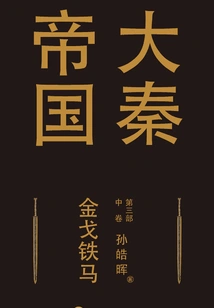
大秦帝国第三部:金戈铁马(中卷)
Sun Haohui
Qin used Fan Ju as its prime minister and implemented a strategy of distant diplomacy and close attack; with Bai Qi as its general, it achieved a major victory in the Battle of Changping. The Six Kingdoms began to decline, and Qin established its dominance. The Qin army marched eastward, and the king and ministers of the Emperor Zhou of Luoyang greeted him in panic. In the battle of Yiyang, Qian Fu Chang Bai Qi emerged. King Wu of Qin marched into Luoyang and died violently while holding a tripod. Bai Qi led a lone brigade to venture into Yan to welcome back the hostage prince Ying Ji, and allied with Gan Mao, Wei Zhen and other generals to jointly defeat the coup of Prince Ying Li to seize the throne and support Ying Ji to succeed him, known as King Zhao of Qin in history. Ying Ji's biological mother, the Queen Mother Xuan, brought order to the Qing Dynasty and appointed her younger brother Wei Zhen as prime minister to personally regent and stabilize the Qin state. King Min of Qi wanted to dominate the world and encouraged the six kingdoms of Shandong to destroy Qin. At the critical moment, Empress Dowager Xuan appointed Bai Qi as general to attack the Central Plains and defeat the six-nation coalition. He also fought against Wei and Han, and made a surprise attack on Chu. Qin became the super power in the Warring States Period. At this time, the State of Yan secretly united the five-nation coalition forces to attack Qi. During Tian Dan and Jimo's six years of resistance against Yan, the Fire Bull Formation defeated the Yan army...
Qin used Fan Ju as its prime minister and implemented a strategy of distant diplomacy and close attack; with Bai Qi as its general, it achieved a major victory in the Battle of Changping. The Six Kingdoms began to decline, and Qin established its dominance. The Qin army marched eastward, and the king and ministers of the Emperor Zhou of Luoyang greeted him in panic. In the battle of Yiyang, Qian Fu Chang Bai Qi emerged. King Wu of Qin marched into Luoyang and died violently while holding a tripod. Bai Qi led a lone brigade to venture into Yan to welcome back the hostage prince Ying Ji, and allied with Gan Mao, Wei Zhen and other generals to jointly defeat the coup of Prince Ying Li to seize the throne and support Ying Ji to succeed him, known as King Zhao of Qin in history. Ying Ji's biological mother, the Queen Mother Xuan, brought order to the Qing Dynasty and appointed her younger brother Wei Zhen as prime minister to personally regent and stabilize the Qin state. King Min of Qi wanted to dominate the world and encouraged the six kingdoms of Shandong to destroy Qin. At the critical moment, Empress Dowager Xuan appointed Bai Qi as general to attack the Central Plains and defeat the six-nation coalition. He also fought against Wei and Han, and made a surprise attack on Chu. Qin became the super power in the Warring States Period. At this time, the State of Yan secretly united the five-nation coalition forces to attack Qi. During Tian Dan and Jimo's six years of resistance against Yan, the Fire Bull Formation defeated the Yan army...
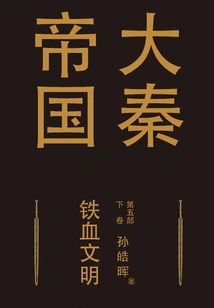
大秦帝国第五部:铁血文明(下卷)
Sun Haohui
King Qin Yingzheng relied on the rule of law and civilization as his backing, and used various wars as the main form. He went through turbulent times and annexed the six countries, completed the great cause of unification, and created a unified civilization. The first unified empire in Chinese history came into being. Lu Buwei hung up "Lü's Spring and Autumn Annals" in four gates of Xianyang and publicly offered a reward of a thousand gold coins for changing one word. Wang Jian, Li Simengtian and the King of Qin allied with each other to form a new political axis. Lü Buwei's guests held a debate outside the city, and the Chinese people publicly refuted "Lü's Spring and Autumn Annals", triggering a major debate between the government and the public about the way to govern the country. King Yingzheng of Qin deposed Lu Buwei for the crime of "breaking laws and disrupting government and confusing the people of the country", and Lu Buwei was forced to commit suicide in Luoyang. After that, King Yingzheng of Qin officially kicked off the creation of the empire: in the first stage, he purified the military and political affairs and promoted new talents. A large number of young generals and ministers formed a new generation of forces. At the same time, he vigorously built the Zhengguo Canal, a water conservancy project in the hinterland of Qin, making Qinchuan a kingdom of abundance; in the second stage, he launched a continuous war to unify China...
King Qin Yingzheng relied on the rule of law and civilization as his backing, and used various wars as the main form. He went through turbulent times and annexed the six countries, completed the great cause of unification, and created a unified civilization. The first unified empire in Chinese history came into being. Lu Buwei hung up "Lü's Spring and Autumn Annals" in four gates of Xianyang and publicly offered a reward of a thousand gold coins for changing one word. Wang Jian, Li Simengtian and the King of Qin allied with each other to form a new political axis. Lü Buwei's guests held a debate outside the city, and the Chinese people publicly refuted "Lü's Spring and Autumn Annals", triggering a major debate between the government and the public about the way to govern the country. King Yingzheng of Qin deposed Lu Buwei for the crime of "breaking laws and disrupting government and confusing the people of the country", and Lu Buwei was forced to commit suicide in Luoyang. After that, King Yingzheng of Qin officially kicked off the creation of the empire: in the first stage, he purified the military and political affairs and promoted new talents. A large number of young generals and ministers formed a new generation of forces. At the same time, he vigorously built the Zhengguo Canal, a water conservancy project in the hinterland of Qin, making Qinchuan a kingdom of abundance; in the second stage, he launched a continuous war to unify China...
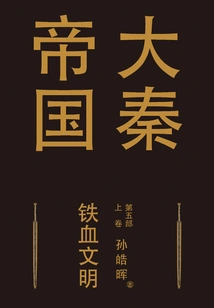
大秦帝国第五部:铁血文明(上卷)
Sun Haohui
King Qin Yingzheng relied on the rule of law and civilization as his backing, and used various wars as the main form. He went through turbulent times and annexed the six countries, completed the great cause of unification, and created a unified civilization. The first unified empire in Chinese history came into being. Lu Buwei hung up "Lü's Spring and Autumn Annals" in four gates of Xianyang and publicly offered a reward of a thousand gold coins for changing one word. Wang Jian, Li Simengtian and the King of Qin allied with each other to form a new political axis. Lü Buwei's guests held a debate outside the city, and the Chinese people publicly refuted "Lü's Spring and Autumn Annals", triggering a major debate between the government and the public about the way to govern the country. King Yingzheng of Qin deposed Lu Buwei for the crime of "breaking laws and disrupting government and confusing the people of the country", and Lu Buwei was forced to commit suicide in Luoyang. After that, King Yingzheng of Qin officially kicked off the creation of the empire: in the first stage, he purified the military and political affairs and promoted new talents. A large number of young generals and ministers formed a new generation of forces. At the same time, he vigorously built the Zhengguo Canal, a water conservancy project in the hinterland of Qin, making Qinchuan a kingdom of abundance; in the second stage, he launched a continuous war to unify China...
King Qin Yingzheng relied on the rule of law and civilization as his backing, and used various wars as the main form. He went through turbulent times and annexed the six countries, completed the great cause of unification, and created a unified civilization. The first unified empire in Chinese history came into being. Lu Buwei hung up "Lü's Spring and Autumn Annals" in four gates of Xianyang and publicly offered a reward of a thousand gold coins for changing one word. Wang Jian, Li Simengtian and the King of Qin allied with each other to form a new political axis. Lü Buwei's guests held a debate outside the city, and the Chinese people publicly refuted "Lü's Spring and Autumn Annals", triggering a major debate between the government and the public about the way to govern the country. King Yingzheng of Qin deposed Lu Buwei for the crime of "breaking laws and disrupting government and confusing the people of the country", and Lu Buwei was forced to commit suicide in Luoyang. After that, King Yingzheng of Qin officially kicked off the creation of the empire: in the first stage, he purified the military and political affairs and promoted new talents. A large number of young generals and ministers formed a new generation of forces. At the same time, he vigorously built the Zhengguo Canal, a water conservancy project in the hinterland of Qin, making Qinchuan a kingdom of abundance; in the second stage, he launched a continuous war to unify China...
大秦帝国第四部:阳谋春秋(中卷)
Sun Haohui
Lu Buwei entered the Qin Dynasty and used his extraordinary political ability to resolve the crisis of power transfer in the Qin royal family several times, implemented the Lu family's New Deal, and later led the country as regent as Marquis Wenxin, helping the young Yingzheng succeed to the throne to establish a solid foundation. Qin's national power was unprecedentedly powerful. Fan Ju recommended Cai Ze as prime minister, resigned and retired, and got to know Lu Buwei along the way south. Lu Buwei went north to Handan, and happened to meet the Qin prince Ying Yiren who was serving as a hostage. He was born with political ambitions, and finally decided to abandon business and join Qin. The legend of the Lu family began. Lu Buwei used his abundant resources to go to Xianyang to make a deal, and made the young master Yiren the legitimate son of the prince. Pingyuan Jun of Zhao State led his army to pursue him, but Lu Buwei was protected by a bloody battle with hundreds of loyalists, and escaped with Ying Yiren and returned to Qin. King Zhao of Qin died of illness, and the old prince Ying Zhu (King Xiaowen) succeeded to the throne and died of illness a year later. A stranger succeeded to the throne (King Zhuangxiang of Qin) and appointed Lu Buwei as prime minister to implement the New Deal. King Zhuang Xiang died of illness three years after his reign, and his 13-year-old son Ying Zheng succeeded him. Lu Buwei co-regents with the Queen Mother as "Second Father"...
Lu Buwei entered the Qin Dynasty and used his extraordinary political ability to resolve the crisis of power transfer in the Qin royal family several times, implemented the Lu family's New Deal, and later led the country as regent as Marquis Wenxin, helping the young Yingzheng succeed to the throne to establish a solid foundation. Qin's national power was unprecedentedly powerful. Fan Ju recommended Cai Ze as prime minister, resigned and retired, and got to know Lu Buwei along the way south. Lu Buwei went north to Handan, and happened to meet the Qin prince Ying Yiren who was serving as a hostage. He was born with political ambitions, and finally decided to abandon business and join Qin. The legend of the Lu family began. Lu Buwei used his abundant resources to go to Xianyang to make a deal, and made the young master Yiren the legitimate son of the prince. Pingyuan Jun of Zhao State led his army to pursue him, but Lu Buwei was protected by a bloody battle with hundreds of loyalists, and escaped with Ying Yiren and returned to Qin. King Zhao of Qin died of illness, and the old prince Ying Zhu (King Xiaowen) succeeded to the throne and died of illness a year later. A stranger succeeded to the throne (King Zhuangxiang of Qin) and appointed Lu Buwei as prime minister to implement the New Deal. King Zhuang Xiang died of illness three years after his reign, and his 13-year-old son Ying Zheng succeeded him. Lu Buwei co-regents with the Queen Mother as "Second Father"...
The Great Qin Empire Part 6: Imperial Beacon (volume 2)
General Fiction大秦帝国第六部:帝国烽烟(下卷)
Sun Haohui
An imperial swan song. After the death of the First Emperor, the power of the empire was divided. Chen Sheng and Wu Guang revolted. Liu Bang and Xiang Yu invaded Xianyang, and the empire was suddenly destroyed. The First Emperor of Qin suddenly died in the sand dunes. Zhao Gao and Hu Hai plotted a coup. Li Si, the meritorious prime minister who was in charge of national affairs, was lured and kidnapped to join the conspiracy. This finally caused a huge black hole mutation in the top power level of the Qin Empire, which was full of talented people and had been tempered for a long time: the eldest son Fusu committed suicide, the Meng brothers who held military power were killed, Hu Hai proclaimed himself emperor, and Zhao Gao took charge. The power of the Qin Empire underwent a drastic qualitative change: the Second Group massacred the imperial heroes, eradicated dissident forces in the royal family, and implemented a series of tyrannical and misguided policies, which greatly intensified various social conflicts hidden during the Qin Shi Huang period. Chen Sheng and Wu Guangda uprising broke out, and the old nobles of the six countries took advantage of the situation and rose up, forming a prairie fire of rebellion against Qin in the world. The empire won the battle against the peasant army, but its counterattack against the anti-Qin forces based on the old aristocrats of the Six Kingdoms failed...
An imperial swan song. After the death of the First Emperor, the power of the empire was divided. Chen Sheng and Wu Guang revolted. Liu Bang and Xiang Yu invaded Xianyang, and the empire was suddenly destroyed. The First Emperor of Qin suddenly died in the sand dunes. Zhao Gao and Hu Hai plotted a coup. Li Si, the meritorious prime minister who was in charge of national affairs, was lured and kidnapped to join the conspiracy. This finally caused a huge black hole mutation in the top power level of the Qin Empire, which was full of talented people and had been tempered for a long time: the eldest son Fusu committed suicide, the Meng brothers who held military power were killed, Hu Hai proclaimed himself emperor, and Zhao Gao took charge. The power of the Qin Empire underwent a drastic qualitative change: the Second Group massacred the imperial heroes, eradicated dissident forces in the royal family, and implemented a series of tyrannical and misguided policies, which greatly intensified various social conflicts hidden during the Qin Shi Huang period. Chen Sheng and Wu Guangda uprising broke out, and the old nobles of the six countries took advantage of the situation and rose up, forming a prairie fire of rebellion against Qin in the world. The empire won the battle against the peasant army, but its counterattack against the anti-Qin forces based on the old aristocrats of the Six Kingdoms failed...
大秦帝国第三部:金戈铁马(下卷)
Sun Haohui
Qin used Fan Ju as its prime minister and implemented a strategy of distant diplomacy and close attack; with Bai Qi as its general, it achieved a major victory in the Battle of Changping. The Six Kingdoms began to decline, and Qin established its dominance. The Qin army marched eastward, and the king and ministers of the Emperor Zhou of Luoyang greeted him in panic. In the battle of Yiyang, Qian Fu Chang Bai Qi emerged. King Wu of Qin marched into Luoyang and died violently while holding a tripod. Bai Qi led a lone brigade to venture into Yan to welcome back the hostage prince Ying Ji, and allied with Gan Mao, Wei Zhen and other generals to jointly defeat the coup of Prince Ying Li to seize the throne and support Ying Ji to succeed him, known as King Zhao of Qin in history. Ying Ji's biological mother, the Queen Mother Xuan, brought order to the Qing Dynasty and appointed her younger brother Wei Zhen as prime minister to personally regent and stabilize the Qin state. King Min of Qi wanted to dominate the world and encouraged the six kingdoms of Shandong to destroy Qin. At the critical moment, Empress Dowager Xuan appointed Bai Qi as general to attack the Central Plains and defeat the six-nation coalition. He also fought against Wei and Han, and made a surprise attack on Chu. Qin became the super power in the Warring States Period. At this time, the State of Yan secretly united the five-nation coalition forces to attack Qi. During Tian Dan and Jimo's six years of resistance against Yan, the Fire Bull Formation defeated the Yan army...
Qin used Fan Ju as its prime minister and implemented a strategy of distant diplomacy and close attack; with Bai Qi as its general, it achieved a major victory in the Battle of Changping. The Six Kingdoms began to decline, and Qin established its dominance. The Qin army marched eastward, and the king and ministers of the Emperor Zhou of Luoyang greeted him in panic. In the battle of Yiyang, Qian Fu Chang Bai Qi emerged. King Wu of Qin marched into Luoyang and died violently while holding a tripod. Bai Qi led a lone brigade to venture into Yan to welcome back the hostage prince Ying Ji, and allied with Gan Mao, Wei Zhen and other generals to jointly defeat the coup of Prince Ying Li to seize the throne and support Ying Ji to succeed him, known as King Zhao of Qin in history. Ying Ji's biological mother, the Queen Mother Xuan, brought order to the Qing Dynasty and appointed her younger brother Wei Zhen as prime minister to personally regent and stabilize the Qin state. King Min of Qi wanted to dominate the world and encouraged the six kingdoms of Shandong to destroy Qin. At the critical moment, Empress Dowager Xuan appointed Bai Qi as general to attack the Central Plains and defeat the six-nation coalition. He also fought against Wei and Han, and made a surprise attack on Chu. Qin became the super power in the Warring States Period. At this time, the State of Yan secretly united the five-nation coalition forces to attack Qi. During Tian Dan and Jimo's six years of resistance against Yan, the Fire Bull Formation defeated the Yan army...
The Great Qin Empire Part 6: Imperial Beacons (volume 1)
General Fiction大秦帝国第六部:帝国烽烟(上卷)
Sun Haohui
An imperial swan song. After the death of the First Emperor, the power of the empire was divided. Chen Sheng and Wu Guang revolted. Liu Bang and Xiang Yu invaded Xianyang, and the empire was suddenly destroyed. The First Emperor of Qin suddenly died in the sand dunes. Zhao Gao and Hu Hai plotted a coup. Li Si, the meritorious prime minister who was in charge of national affairs, was lured and kidnapped to join the conspiracy. This finally caused a huge black hole mutation in the top power level of the Qin Empire, which was full of talented people and had been tempered for a long time: the eldest son Fusu committed suicide, the Meng brothers who held military power were killed, Hu Hai proclaimed himself emperor, and Zhao Gao took charge. The power of the Qin Empire underwent a drastic qualitative change: the Second Group massacred the imperial heroes, eradicated dissident forces in the royal family, and implemented a series of tyrannical and misguided policies, which greatly intensified various social conflicts hidden during the Qin Shi Huang period. Chen Sheng and Wu Guangda uprising broke out, and the old nobles of the six countries took advantage of the situation and rose up, forming a prairie fire of rebellion against Qin in the world. The empire won the battle against the peasant army, but its counterattack against the anti-Qin forces based on the old aristocrats of the Six Kingdoms failed...
An imperial swan song. After the death of the First Emperor, the power of the empire was divided. Chen Sheng and Wu Guang revolted. Liu Bang and Xiang Yu invaded Xianyang, and the empire was suddenly destroyed. The First Emperor of Qin suddenly died in the sand dunes. Zhao Gao and Hu Hai plotted a coup. Li Si, the meritorious prime minister who was in charge of national affairs, was lured and kidnapped to join the conspiracy. This finally caused a huge black hole mutation in the top power level of the Qin Empire, which was full of talented people and had been tempered for a long time: the eldest son Fusu committed suicide, the Meng brothers who held military power were killed, Hu Hai proclaimed himself emperor, and Zhao Gao took charge. The power of the Qin Empire underwent a drastic qualitative change: the Second Group massacred the imperial heroes, eradicated dissident forces in the royal family, and implemented a series of tyrannical and misguided policies, which greatly intensified various social conflicts hidden during the Qin Shi Huang period. Chen Sheng and Wu Guangda uprising broke out, and the old nobles of the six countries took advantage of the situation and rose up, forming a prairie fire of rebellion against Qin in the world. The empire won the battle against the peasant army, but its counterattack against the anti-Qin forces based on the old aristocrats of the Six Kingdoms failed...
大秦帝国第三部:金戈铁马(上卷)
Sun Haohui
Qin used Fan Ju as its prime minister and implemented a strategy of distant diplomacy and close attack; with Bai Qi as its general, it achieved a major victory in the Battle of Changping. The Six Kingdoms began to decline, and Qin established its dominance. The Qin army marched eastward, and the king and ministers of the Emperor Zhou of Luoyang greeted him in panic. In the battle of Yiyang, Qian Fu Chang Bai Qi emerged. King Wu of Qin marched into Luoyang and died violently while holding a tripod. Bai Qi led a lone brigade to venture into Yan to welcome back the hostage prince Ying Ji, and allied with Gan Mao, Wei Zhen and other generals to jointly defeat the coup of Prince Ying Li to seize the throne and support Ying Ji to succeed him, known as King Zhao of Qin in history. Ying Ji's biological mother, the Queen Mother Xuan, brought order to the Qing Dynasty and appointed her younger brother Wei Zhen as prime minister to personally regent and stabilize the Qin state. King Min of Qi wanted to dominate the world and encouraged the six kingdoms of Shandong to destroy Qin. At the critical moment, Empress Dowager Xuan appointed Bai Qi as general to attack the Central Plains and defeat the six-nation coalition. He also fought against Wei and Han, and made a surprise attack on Chu. Qin became the super power in the Warring States Period. At this time, the State of Yan secretly united the five-nation coalition forces to attack Qi. During Tian Dan and Jimo's six years of resistance against Yan, the Fire Bull Formation defeated the Yan army...
Qin used Fan Ju as its prime minister and implemented a strategy of distant diplomacy and close attack; with Bai Qi as its general, it achieved a major victory in the Battle of Changping. The Six Kingdoms began to decline, and Qin established its dominance. The Qin army marched eastward, and the king and ministers of the Emperor Zhou of Luoyang greeted him in panic. In the battle of Yiyang, Qian Fu Chang Bai Qi emerged. King Wu of Qin marched into Luoyang and died violently while holding a tripod. Bai Qi led a lone brigade to venture into Yan to welcome back the hostage prince Ying Ji, and allied with Gan Mao, Wei Zhen and other generals to jointly defeat the coup of Prince Ying Li to seize the throne and support Ying Ji to succeed him, known as King Zhao of Qin in history. Ying Ji's biological mother, the Queen Mother Xuan, brought order to the Qing Dynasty and appointed her younger brother Wei Zhen as prime minister to personally regent and stabilize the Qin state. King Min of Qi wanted to dominate the world and encouraged the six kingdoms of Shandong to destroy Qin. At the critical moment, Empress Dowager Xuan appointed Bai Qi as general to attack the Central Plains and defeat the six-nation coalition. He also fought against Wei and Han, and made a surprise attack on Chu. Qin became the super power in the Warring States Period. At this time, the State of Yan secretly united the five-nation coalition forces to attack Qi. During Tian Dan and Jimo's six years of resistance against Yan, the Fire Bull Formation defeated the Yan army...
大秦帝国第五部:铁血文明(中卷)
Sun Haohui
King Qin Yingzheng relied on the rule of law and civilization as his backing, and used various wars as the main form. He went through turbulent times and annexed the six countries, completed the great cause of unification, and created a unified civilization. The first unified empire in Chinese history came into being. Lu Buwei hung up "Lü's Spring and Autumn Annals" in four gates of Xianyang and publicly offered a reward of a thousand gold coins for changing one word. Wang Jian, Li Simengtian and the King of Qin allied with each other to form a new political axis. Lü Buwei's guests held a debate outside the city, and the Chinese people publicly refuted "Lü's Spring and Autumn Annals", triggering a major debate between the government and the public about the way to govern the country. King Yingzheng of Qin deposed Lu Buwei for the crime of "breaking laws and disrupting government and confusing the people of the country", and Lu Buwei was forced to commit suicide in Luoyang. After that, King Yingzheng of Qin officially kicked off the creation of the empire: in the first stage, he purified the military and political affairs and promoted new talents. A large number of young generals and ministers formed a new generation of forces. At the same time, he vigorously built the Zhengguo Canal, a water conservancy project in the hinterland of Qin, making Qinchuan a kingdom of abundance; in the second stage, he launched a continuous war to unify China...
King Qin Yingzheng relied on the rule of law and civilization as his backing, and used various wars as the main form. He went through turbulent times and annexed the six countries, completed the great cause of unification, and created a unified civilization. The first unified empire in Chinese history came into being. Lu Buwei hung up "Lü's Spring and Autumn Annals" in four gates of Xianyang and publicly offered a reward of a thousand gold coins for changing one word. Wang Jian, Li Simengtian and the King of Qin allied with each other to form a new political axis. Lü Buwei's guests held a debate outside the city, and the Chinese people publicly refuted "Lü's Spring and Autumn Annals", triggering a major debate between the government and the public about the way to govern the country. King Yingzheng of Qin deposed Lu Buwei for the crime of "breaking laws and disrupting government and confusing the people of the country", and Lu Buwei was forced to commit suicide in Luoyang. After that, King Yingzheng of Qin officially kicked off the creation of the empire: in the first stage, he purified the military and political affairs and promoted new talents. A large number of young generals and ministers formed a new generation of forces. At the same time, he vigorously built the Zhengguo Canal, a water conservancy project in the hinterland of Qin, making Qinchuan a kingdom of abundance; in the second stage, he launched a continuous war to unify China...
大秦帝国第四部:阳谋春秋(下卷)
Sun Haohui
Lu Buwei entered the Qin Dynasty and used his extraordinary political ability to resolve the crisis of power transfer in the Qin royal family several times, implemented the Lu family's New Deal, and later led the country as regent as Marquis Wenxin, helping the young Yingzheng succeed to the throne to establish a solid foundation. Qin's national power was unprecedentedly powerful. Fan Ju recommended Cai Ze as prime minister, resigned and retired, and got to know Lu Buwei along the way south. Lu Buwei went north to Handan, and happened to meet the Qin prince Ying Yiren who was serving as a hostage. He was born with political ambitions, and finally decided to abandon business and join Qin. The legend of the Lu family began. Lu Buwei used his abundant resources to go to Xianyang to make a deal, and made the young master Yiren the legitimate son of the prince. Pingyuan Jun of Zhao State led his army to pursue him, but Lu Buwei was protected by a bloody battle with hundreds of loyalists, and escaped with Ying Yiren and returned to Qin. King Zhao of Qin died of illness, and the old prince Ying Zhu (King Xiaowen) succeeded to the throne and died of illness a year later. A stranger succeeded to the throne (King Zhuangxiang of Qin) and appointed Lu Buwei as prime minister to implement the New Deal. King Zhuang Xiang died of illness three years after his reign, and his 13-year-old son Ying Zheng succeeded him...
Lu Buwei entered the Qin Dynasty and used his extraordinary political ability to resolve the crisis of power transfer in the Qin royal family several times, implemented the Lu family's New Deal, and later led the country as regent as Marquis Wenxin, helping the young Yingzheng succeed to the throne to establish a solid foundation. Qin's national power was unprecedentedly powerful. Fan Ju recommended Cai Ze as prime minister, resigned and retired, and got to know Lu Buwei along the way south. Lu Buwei went north to Handan, and happened to meet the Qin prince Ying Yiren who was serving as a hostage. He was born with political ambitions, and finally decided to abandon business and join Qin. The legend of the Lu family began. Lu Buwei used his abundant resources to go to Xianyang to make a deal, and made the young master Yiren the legitimate son of the prince. Pingyuan Jun of Zhao State led his army to pursue him, but Lu Buwei was protected by a bloody battle with hundreds of loyalists, and escaped with Ying Yiren and returned to Qin. King Zhao of Qin died of illness, and the old prince Ying Zhu (King Xiaowen) succeeded to the throne and died of illness a year later. A stranger succeeded to the throne (King Zhuangxiang of Qin) and appointed Lu Buwei as prime minister to implement the New Deal. King Zhuang Xiang died of illness three years after his reign, and his 13-year-old son Ying Zheng succeeded him...
The Qin Empire Part 1: Black Fission (volume 2)
General Fiction大秦帝国第一部:黑色裂变(下卷)
Sun Haohui
Qin Xiaogong and Shang Yang implemented reforms to become stronger. The Qin State turned from weak to strong, regained its lost territory, and began to rise. In the "era of great contention" where heroes compete for power and mountains and rivers change day by day, in the Warring States period when heroes emerge in large numbers and hundreds of schools of thought contend, the western frontier of China is experiencing an unprecedented "black fission." In 362 BC, Duke Xiang of Qin was poisoned by an arrow and died in a battle. His legitimate son Yingqu ascended the throne in front of Liang Lingqian, and was known as Duke Xiao of Qin in history. The Qin State was despised by the foreign powers and its national power was weak. The six kingdoms of Shandong also formed an alliance and plotted to divide Qin. The 22-year-old young monarch Qin Xiaogong wrote a blood letter on the monument of national humiliation, and issued a request for talents to the world, vowing to strengthen the country through reforms. In repeated discussions with the scholars of the Qin Dynasty, Shang Yang stood out. On the bow of the Weishui River, Shang Yang showed his political opinions and impressed Duke Xiao of Qin with his Legalist thoughts. Qin Xiaogong worshiped Shang Yang as his prime minister and began a twenty-year reform of the monarchy and ministers. Legalist master Shang Yang presided over the comprehensive reform and led Qin step by step to create a wartime legal civilization...
Qin Xiaogong and Shang Yang implemented reforms to become stronger. The Qin State turned from weak to strong, regained its lost territory, and began to rise. In the "era of great contention" where heroes compete for power and mountains and rivers change day by day, in the Warring States period when heroes emerge in large numbers and hundreds of schools of thought contend, the western frontier of China is experiencing an unprecedented "black fission." In 362 BC, Duke Xiang of Qin was poisoned by an arrow and died in a battle. His legitimate son Yingqu ascended the throne in front of Liang Lingqian, and was known as Duke Xiao of Qin in history. The Qin State was despised by the foreign powers and its national power was weak. The six kingdoms of Shandong also formed an alliance and plotted to divide Qin. The 22-year-old young monarch Qin Xiaogong wrote a blood letter on the monument of national humiliation, and issued a request for talents to the world, vowing to strengthen the country through reforms. In repeated discussions with the scholars of the Qin Dynasty, Shang Yang stood out. On the bow of the Weishui River, Shang Yang showed his political opinions and impressed Duke Xiao of Qin with his Legalist thoughts. Qin Xiaogong worshiped Shang Yang as his prime minister and began a twenty-year reform of the monarchy and ministers. Legalist master Shang Yang presided over the comprehensive reform and led Qin step by step to create a wartime legal civilization...
Daqin Empire Advanced Manual
General Fiction大秦帝国进阶手册
Sun Haohui
The Advancement Manual of the Great Qin Empire, at the end of the Warring States period when rituals and music were broken and heroes were vying for the throne, the Qin State, which was facing the disaster of national subjugation, was surrounded by great powers and emerged in the forest of iron-blooded competition among great powers. Beginning with Qin Xiaogong, he had to work hard, make thorough changes, uphold the rule of law, and unify political orders. After more than 160 years and six generations of leaders' unswerving pursuit, they completed a great imperial revolution, wiped out the Liuhe and unified the world, and established a strong and unified empire.
The Advancement Manual of the Great Qin Empire, at the end of the Warring States period when rituals and music were broken and heroes were vying for the throne, the Qin State, which was facing the disaster of national subjugation, was surrounded by great powers and emerged in the forest of iron-blooded competition among great powers. Beginning with Qin Xiaogong, he had to work hard, make thorough changes, uphold the rule of law, and unify political orders. After more than 160 years and six generations of leaders' unswerving pursuit, they completed a great imperial revolution, wiped out the Liuhe and unified the world, and established a strong and unified empire.
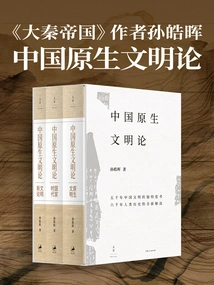
Theory of China's Native Civilization: New Theory of Native Civilization·national Era·civilization
History中国原生文明论:原生文明·国家时代·文明新论
Sun Haohui
For the first time, Sun Haohui, the author of "The Great Qin Empire", has compiled decades of masterpieces on the history of civilization, presenting the core of civilization that truly embodies the national spirit. Elucidate the foundation of civilization that is consistent with China's national historical behavior: the symbiosis of Confucianism and Legalism; reveal the core spirit of the existence and development of the Chinese nation: strong survival; a new long sequence, analyzing the unique value system of Chinese civilization that is different from other civilizations. Analyze the outstanding characteristics of Chinese civilization in the evolution of global civilization and explore the core password of China as the only surviving civilization in the world. An overview of the seven major leaps from the era of the Five Emperors to the Qin Empire, and a summary of the five major experiences in the development of civilization in the first three thousand years. From the perspective of world civilization, we clarify the three major characteristics of the vitality of Chinese civilization: focus on hard work, rational competition, and coexistence of diversity; reinterpret the Qin civilization through reflection on the rise and fall of the Warring States Period, and restore the four core aspects of the history of Chinese civilization: the spirit of struggle, the pursuit of change, the open mind, and the spirit of construction.
For the first time, Sun Haohui, the author of "The Great Qin Empire", has compiled decades of masterpieces on the history of civilization, presenting the core of civilization that truly embodies the national spirit. Elucidate the foundation of civilization that is consistent with China's national historical behavior: the symbiosis of Confucianism and Legalism; reveal the core spirit of the existence and development of the Chinese nation: strong survival; a new long sequence, analyzing the unique value system of Chinese civilization that is different from other civilizations. Analyze the outstanding characteristics of Chinese civilization in the evolution of global civilization and explore the core password of China as the only surviving civilization in the world. An overview of the seven major leaps from the era of the Five Emperors to the Qin Empire, and a summary of the five major experiences in the development of civilization in the first three thousand years. From the perspective of world civilization, we clarify the three major characteristics of the vitality of Chinese civilization: focus on hard work, rational competition, and coexistence of diversity; reinterpret the Qin civilization through reflection on the rise and fall of the Warring States Period, and restore the four core aspects of the history of Chinese civilization: the spirit of struggle, the pursuit of change, the open mind, and the spirit of construction.
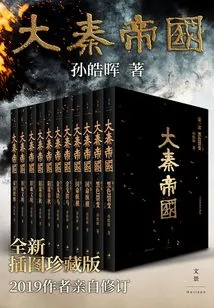
大秦帝国(全新插图珍藏版)
Sun Haohui
The brand-new illustrated collector's edition of "The Qin Empire" is a large-scale comprehensive revision by the author based on the 2012 Shanghai People's Publishing House edition. It refers to new archaeological and historical research results in the past ten years, brings together various theories, and repeatedly deliberates on various aspects such as national and family concepts, political and judicial systems, cultural life, and fashion of the times at that time. Finally, more than a hundred revisions were confirmed in order to more accurately reproduce the social style from the Warring States Period to the Qin Dynasty. At the same time, this book invited the famous Chinese painter Mr. Dai Hongqian to draw more than 30 exquisite illustrations of the classic scenes in the book, and the book was inscribed by the master of traditional Chinese painting Mr. Dai Dunbang. Dai and his son jointly drew illustrations for many classic literary masterpieces such as "Water Margin", "A Dream of Red Mansions", "The Peony Pavilion" and "The Romance of the Gods". Their painting style is grand, vigorous and full of ancient meaning. In order to better fit the style and temperament of "The Qin Empire", Mr. Dai conducted a detailed study of the novels and finally selected four to six scenes in each part, which may be the climax and key turning points of the novel, or classic historical scenes that are familiar to the public. The characters and stories are integrated into the scenes, which is highly expressive.
The brand-new illustrated collector's edition of "The Qin Empire" is a large-scale comprehensive revision by the author based on the 2012 Shanghai People's Publishing House edition. It refers to new archaeological and historical research results in the past ten years, brings together various theories, and repeatedly deliberates on various aspects such as national and family concepts, political and judicial systems, cultural life, and fashion of the times at that time. Finally, more than a hundred revisions were confirmed in order to more accurately reproduce the social style from the Warring States Period to the Qin Dynasty. At the same time, this book invited the famous Chinese painter Mr. Dai Hongqian to draw more than 30 exquisite illustrations of the classic scenes in the book, and the book was inscribed by the master of traditional Chinese painting Mr. Dai Dunbang. Dai and his son jointly drew illustrations for many classic literary masterpieces such as "Water Margin", "A Dream of Red Mansions", "The Peony Pavilion" and "The Romance of the Gods". Their painting style is grand, vigorous and full of ancient meaning. In order to better fit the style and temperament of "The Qin Empire", Mr. Dai conducted a detailed study of the novels and finally selected four to six scenes in each part, which may be the climax and key turning points of the novel, or classic historical scenes that are familiar to the public. The characters and stories are integrated into the scenes, which is highly expressive.
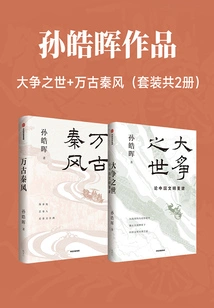
Works by Sun Haohui: the Age of Great Controversy + Eternal Qin Feng (set of 2 Volumes in Total)
History孙皓晖作品:大争之世+万古秦风(套装共2册)
Sun Haohui
"Eternal Qin Feng": a new collection of cultural essays by Sun Haohui, a historian and Chinese native civilization theorist. The book is divided into three parts. The first part is "Nostalgic", which is about the monuments of Qin culture; the second part is "Sir people", which is about ancient and modern figures; the third part is "Years", which is about Qin culture, especially poetry, wine, etc. Since ancient times, the wine style has never been as strong as the wine style of the Warring States Period, nor as bold as the people of Qin. Legacy is the gene of our life and the foundation of our soul. What is Qin Feng? The tenacious spirit that never sinks. "The Age of Great Controversy: On the Reconstruction of Chinese Civilization": This book is Sun Haohui's new collection of historical essays after "The Great Qin Empire". The book provides an in-depth analysis of Qin's strategic logic and institutional innovation in destroying six kingdoms, reorganizing Lingnan, and unifying the world. It explores the resilience of Chinese civilization that has endured thousands of years of impact, and reveals how Chinese civilization can break through the current international changes from the dimensions of diplomacy, rule of law, and national integration.
"Eternal Qin Feng": a new collection of cultural essays by Sun Haohui, a historian and Chinese native civilization theorist. The book is divided into three parts. The first part is "Nostalgic", which is about the monuments of Qin culture; the second part is "Sir people", which is about ancient and modern figures; the third part is "Years", which is about Qin culture, especially poetry, wine, etc. Since ancient times, the wine style has never been as strong as the wine style of the Warring States Period, nor as bold as the people of Qin. Legacy is the gene of our life and the foundation of our soul. What is Qin Feng? The tenacious spirit that never sinks. "The Age of Great Controversy: On the Reconstruction of Chinese Civilization": This book is Sun Haohui's new collection of historical essays after "The Great Qin Empire". The book provides an in-depth analysis of Qin's strategic logic and institutional innovation in destroying six kingdoms, reorganizing Lingnan, and unifying the world. It explores the resilience of Chinese civilization that has endured thousands of years of impact, and reveals how Chinese civilization can break through the current international changes from the dimensions of diplomacy, rule of law, and national integration.
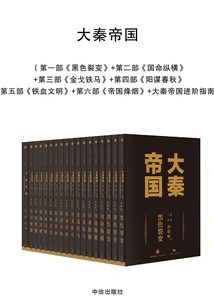
Great Qin Empire (set Version)
General Fiction大秦帝国(套装版)
Sun Haohui
The original work of the popular CCTV drama "The Qin Empire" is the most influential historical novel in more than ten years, and it is the Warring States version of "The Rise of the Great Powers" that inspires and benefits contemporary Chinese people. The book is divided into six parts and seventeen volumes, including "Black Fission", "National Destiny", "Golden Arms", "Spring and Autumn", "Iron-Blooded Civilization" and "Empire's Beacon", plus one volume "Advanced Guide to the Great Qin Empire". At the end of the Warring States period when rituals and music were broken and heroes were vying for the throne, the Qin State, which was facing the disaster of national subjugation, was surrounded by great powers and emerged in the forest of iron-blooded competition among great powers. Beginning with Qin Xiaogong, he had to work hard, make thorough changes, uphold the rule of law, and unify political orders. After more than 160 years and six generations of leaders' unswerving pursuit, they completed a great imperial revolution, wiped out the Liuhe and unified the world, and established a strong and unified empire. This masterpiece restores the huge historical gap and the dramatic fate of the empire, and reproduces the tragic process of a country realizing its dream step by step. Every line and page of the book is full of wisdom, strategy, and political character, and the spirit of hard work and strong survival. It is full of heroic spirit and true soul from the era of China's original civilization. The first three films have been adapted into TV series. The first film, "The Fission of the Great Qin Empire," stars Hou Yong, Wang Zhifei, Lu Yong, Lu Zhong, and Gao Yuanyuan, and is known as a domestic drama. The second film, "The Fission of the Great Qin Empire," stars Ning Jing, Fu Dalong, Fu Miao, and Yu Entai. The third film, "The Rise of the Great Qin Empire," stars Ning Jing, Zhang Bo, and Li Liqun, and also has a high reputation.
The original work of the popular CCTV drama "The Qin Empire" is the most influential historical novel in more than ten years, and it is the Warring States version of "The Rise of the Great Powers" that inspires and benefits contemporary Chinese people. The book is divided into six parts and seventeen volumes, including "Black Fission", "National Destiny", "Golden Arms", "Spring and Autumn", "Iron-Blooded Civilization" and "Empire's Beacon", plus one volume "Advanced Guide to the Great Qin Empire". At the end of the Warring States period when rituals and music were broken and heroes were vying for the throne, the Qin State, which was facing the disaster of national subjugation, was surrounded by great powers and emerged in the forest of iron-blooded competition among great powers. Beginning with Qin Xiaogong, he had to work hard, make thorough changes, uphold the rule of law, and unify political orders. After more than 160 years and six generations of leaders' unswerving pursuit, they completed a great imperial revolution, wiped out the Liuhe and unified the world, and established a strong and unified empire. This masterpiece restores the huge historical gap and the dramatic fate of the empire, and reproduces the tragic process of a country realizing its dream step by step. Every line and page of the book is full of wisdom, strategy, and political character, and the spirit of hard work and strong survival. It is full of heroic spirit and true soul from the era of China's original civilization. The first three films have been adapted into TV series. The first film, "The Fission of the Great Qin Empire," stars Hou Yong, Wang Zhifei, Lu Yong, Lu Zhong, and Gao Yuanyuan, and is known as a domestic drama. The second film, "The Fission of the Great Qin Empire," stars Ning Jing, Fu Dalong, Fu Miao, and Yu Entai. The third film, "The Rise of the Great Qin Empire," stars Ning Jing, Zhang Bo, and Li Liqun, and also has a high reputation.
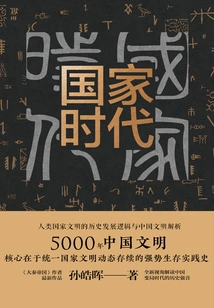
National Era
History国家时代
Sun Haohui
Analyze world civilization with the language genealogy of the Chinese people and see the historical development logic of human national civilization; present Chinese civilization from the perspective of world civilization, and discover China's long-lasting historical genes in comparison. "The Age of Nations" starts from the crisis anxiety about the moral foundation and value system of contemporary Chinese society, proposes to re-examine the entire human social civilization from the standpoint of historical practice, discovers the laws of the rise and fall of national civilizations around the world in historical practice, and reveals the historical experience and profound lessons of the rise and fall of great country civilizations. In the comparison of world civilization and Chinese civilization, we should break the thinking stereotypes brought to us by the Western civilization view, explore the true foundation for China's standing in the 6,000-year historical practice of human civilization, and discover those core values that are enough to constitute the spiritual life of our nation. From the perspective of historical practice and more than 6,000 years of historical practice, the country, as an "artificial platform" for social development, is the most important historical condition for the qualitative change, improvement and rapid development of human civilization. Therefore, taking the rise and fall of "nations" as the axis, "The Age of Nations" proposes five historical stages of the age of nations, covering the creation myth to contemporary society. While detailing the historical process of the rise and fall of the five historical periods, it attempts to answer the question of why the Chinese ethnic group has become the ethnic group with the most tenacious national civilization vitality in 6,000 years through the in-depth comparison of history and the horizontal comparison of different civilizations. What is the essence of political thought in Chinese civilization that must be fully understood by contemporary people and can provide reference for the world.
Analyze world civilization with the language genealogy of the Chinese people and see the historical development logic of human national civilization; present Chinese civilization from the perspective of world civilization, and discover China's long-lasting historical genes in comparison. "The Age of Nations" starts from the crisis anxiety about the moral foundation and value system of contemporary Chinese society, proposes to re-examine the entire human social civilization from the standpoint of historical practice, discovers the laws of the rise and fall of national civilizations around the world in historical practice, and reveals the historical experience and profound lessons of the rise and fall of great country civilizations. In the comparison of world civilization and Chinese civilization, we should break the thinking stereotypes brought to us by the Western civilization view, explore the true foundation for China's standing in the 6,000-year historical practice of human civilization, and discover those core values that are enough to constitute the spiritual life of our nation. From the perspective of historical practice and more than 6,000 years of historical practice, the country, as an "artificial platform" for social development, is the most important historical condition for the qualitative change, improvement and rapid development of human civilization. Therefore, taking the rise and fall of "nations" as the axis, "The Age of Nations" proposes five historical stages of the age of nations, covering the creation myth to contemporary society. While detailing the historical process of the rise and fall of the five historical periods, it attempts to answer the question of why the Chinese ethnic group has become the ethnic group with the most tenacious national civilization vitality in 6,000 years through the in-depth comparison of history and the horizontal comparison of different civilizations. What is the essence of political thought in Chinese civilization that must be fully understood by contemporary people and can provide reference for the world.