Library
Browse and search books
20 novels found
Liberate Nanchang
Literature解放南昌
Record Work
The 4th Corps of the Second Field Army is responsible for crossing the Jiangxi section of the Anhui-Jiangxi border. On April 21, commander and political commissar Chen Geng led the 4th Corps to forcefully cross the Yangtze River from Bajiao Prefecture, Pengze County, breaking through the enemy's defense line from Jiujiang to Anqing. At 17:00 on the 22nd, they occupied the Madang Fortress in Pengze County, Jiangxi Province. Liu Bocheng and Deng Xiaoping, based on the chaotic trend of the Kuomintang army after the breakthrough of Jiang defense, decided to cancel the 4th Corps' mission to take over Nanjing and instead advance along the right side of the 5th Corps to the east and west areas of Shangrao to annihilate the enemies on the Zhejiang-Jiangxi line, cut off the connection between Jiangxi and Guangxi, and attack Nanchang.
The 4th Corps of the Second Field Army is responsible for crossing the Jiangxi section of the Anhui-Jiangxi border. On April 21, commander and political commissar Chen Geng led the 4th Corps to forcefully cross the Yangtze River from Bajiao Prefecture, Pengze County, breaking through the enemy's defense line from Jiujiang to Anqing. At 17:00 on the 22nd, they occupied the Madang Fortress in Pengze County, Jiangxi Province. Liu Bocheng and Deng Xiaoping, based on the chaotic trend of the Kuomintang army after the breakthrough of Jiang defense, decided to cancel the 4th Corps' mission to take over Nanjing and instead advance along the right side of the 5th Corps to the east and west areas of Shangrao to annihilate the enemies on the Zhejiang-Jiangxi line, cut off the connection between Jiangxi and Guangxi, and attack Nanchang.
Liberate Xiangyang
Literature解放襄阳
Record Work
In July 1948, a regiment of the People's Liberation Army that was responsible for siege operations concentrated its forces based on the terrain characteristics of Xiangyang. It first split the Pipa Mountain, captured the Zhenwu Mountain closest to the city, opened the corridors and arteries, and advanced directly to the city, making all the enemies on the surrounding hills lose their defensive capabilities. It only took eight days to break through the city, capture Kangze alive, liberate Xiangyang, and defeat the "impregnable" Kuomintang army's Hanshui defense line.
In July 1948, a regiment of the People's Liberation Army that was responsible for siege operations concentrated its forces based on the terrain characteristics of Xiangyang. It first split the Pipa Mountain, captured the Zhenwu Mountain closest to the city, opened the corridors and arteries, and advanced directly to the city, making all the enemies on the surrounding hills lose their defensive capabilities. It only took eight days to break through the city, capture Kangze alive, liberate Xiangyang, and defeat the "impregnable" Kuomintang army's Hanshui defense line.
Liberation of Nanjing (liberation War Series of One Hundred Cities and One Hundred Battles)
Literature解放南京(百城百战解放战争系列)
Record Work
This book uses documentary techniques to record the glorious deeds of the Chinese People's Liberation Army in the bloody battle to liberate Nanjing, praises their fearless spirit, and reproduces the tragic scenes of the liberation war...
This book uses documentary techniques to record the glorious deeds of the Chinese People's Liberation Army in the bloody battle to liberate Nanjing, praises their fearless spirit, and reproduces the tragic scenes of the liberation war...
Liberate Changsha
Literature解放长沙
Record Work
This book uses documentary techniques to record the glorious deeds of the Chinese People's Liberation Army in the bloody battle to liberate Changsha, praises their fearless spirit, and reproduces the tragic scenes of the liberation war... Changsha was still one of the revolutionary centers of Chinese politics during the Republic of China. On October 22, 1911, the new uprising army led by Jiao Dafeng and Chen Zuoxin regained Changsha. In 1915, Cai E, who was studying at the School of Current Affairs, launched the National Defense Movement. In 1919, Changsha sent a large number of May Fourth youths to France for work-study studies. Changsha was also one of the places where the Communist Group was established. A number of early leaders of the Communist Party of China, including Mao Zedong, He Shuheng, Ren Bishi, Cai Hesen, and Xiang Jingyu, all studied or engaged in political activities in Changsha. In 1927, Mao Zedong launched the Autumn Harvest Uprising and tried to attack Changsha; after the failure, he turned to the realistic policy of "surrounding the cities from the countryside." On August 5, 1949, the Communist regime was officially established in Changsha. After the founding of the People's Republic of China, Changsha began to rebuild and develop.
This book uses documentary techniques to record the glorious deeds of the Chinese People's Liberation Army in the bloody battle to liberate Changsha, praises their fearless spirit, and reproduces the tragic scenes of the liberation war... Changsha was still one of the revolutionary centers of Chinese politics during the Republic of China. On October 22, 1911, the new uprising army led by Jiao Dafeng and Chen Zuoxin regained Changsha. In 1915, Cai E, who was studying at the School of Current Affairs, launched the National Defense Movement. In 1919, Changsha sent a large number of May Fourth youths to France for work-study studies. Changsha was also one of the places where the Communist Group was established. A number of early leaders of the Communist Party of China, including Mao Zedong, He Shuheng, Ren Bishi, Cai Hesen, and Xiang Jingyu, all studied or engaged in political activities in Changsha. In 1927, Mao Zedong launched the Autumn Harvest Uprising and tried to attack Changsha; after the failure, he turned to the realistic policy of "surrounding the cities from the countryside." On August 5, 1949, the Communist regime was officially established in Changsha. After the founding of the People's Republic of China, Changsha began to rebuild and develop.
Liberate a Country
Military解放一江山
Record Work
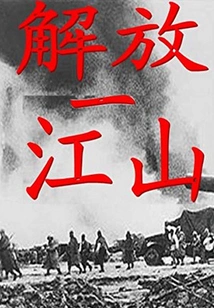
After the liberation of the mainland, the remaining troops of the national army retreated to some islands along the southeast coast. They attempted to use these islands as forward bases to defend Taiwan and launch counterattacks on the mainland. The People's Liberation Army's East China Military Region troops launched an attack on the island. This was the first time the People's Liberation Army's army, navy and air force coordinated the operation. The battle lasted for two days. By 2:00 on January 19, the People's Liberation Army occupied the island, and Wang Shengming, the commander of the National Army Yijiangshan Island, was killed in action.
After the liberation of the mainland, the remaining troops of the national army retreated to some islands along the southeast coast. They attempted to use these islands as forward bases to defend Taiwan and launch counterattacks on the mainland. The People's Liberation Army's East China Military Region troops launched an attack on the island. This was the first time the People's Liberation Army's army, navy and air force coordinated the operation. The battle lasted for two days. By 2:00 on January 19, the People's Liberation Army occupied the island, and Wang Shengming, the commander of the National Army Yijiangshan Island, was killed in action.
Liberate Shaoguan
Military解放韶关
Record Work
This book uses documentary techniques to record the glorious deeds of the Chinese People's Liberation Army in the bloody battle in the War to Liberate Shaoguan, praises their fearless spirit, and reproduces the tragic scenes of the War of Liberation...
This book uses documentary techniques to record the glorious deeds of the Chinese People's Liberation Army in the bloody battle in the War to Liberate Shaoguan, praises their fearless spirit, and reproduces the tragic scenes of the War of Liberation...
Liberate Linyi
Military解放临沂
Record Work
The pace of history never stops, and so many stories are like meteors passing by, sealed in memory. Some stories have passed away, some stories often ring in our ears because of their extraordinary significance, and some stories need to be dusted off, re-examined, and the significance of their existence from a new perspective. The Battle of Linyi between the Kuomintang troops and the Japanese invaders that took place 67 years ago is such a story.
The pace of history never stops, and so many stories are like meteors passing by, sealed in memory. Some stories have passed away, some stories often ring in our ears because of their extraordinary significance, and some stories need to be dusted off, re-examined, and the significance of their existence from a new perspective. The Battle of Linyi between the Kuomintang troops and the Japanese invaders that took place 67 years ago is such a story.
Liberate Xishuangbanna
Military解放西双版纳
Record Work
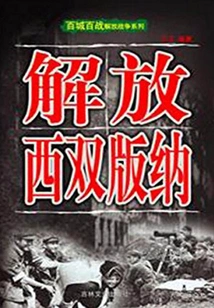
In the spring of 1950, Jiang Hong, an instructor of a certain unit of the People's Liberation Army, was ordered to lead a working group to carry out work in Menglongsha, a Dai area in Yunnan. The local leader Bu Kang was instigated by the lurking female agent Dao Ailing and prohibited the Dai fellow villagers from approaching the working group, making it difficult for the working group to carry out its work. Jiang Hong asked the soldiers to overcome their fear of difficulties, go deep into the masses, and do good things for the masses in order to gain their trust. In late January 1950, the Southern Yunnan Campaign came to an end. Tang Yao, the deputy commander-in-chief of the Kuomintang Army and commander of the Eighth Corps who was fleeing in southern Yunnan, was captured by the Chinese People's Liberation Army in the Yuanjiang Battle. His main force was wiped out. Thousands of remaining troops fled toward southwest Yunnan in an attempt to escape to the Che, Fohai and Nanqiao areas on the China-Myanmar border (today's Xishuangbanna Dai Autonomous Prefecture) to establish a guerrilla base and continue to deal with our army.
In the spring of 1950, Jiang Hong, an instructor of a certain unit of the People's Liberation Army, was ordered to lead a working group to carry out work in Menglongsha, a Dai area in Yunnan. The local leader Bu Kang was instigated by the lurking female agent Dao Ailing and prohibited the Dai fellow villagers from approaching the working group, making it difficult for the working group to carry out its work. Jiang Hong asked the soldiers to overcome their fear of difficulties, go deep into the masses, and do good things for the masses in order to gain their trust. In late January 1950, the Southern Yunnan Campaign came to an end. Tang Yao, the deputy commander-in-chief of the Kuomintang Army and commander of the Eighth Corps who was fleeing in southern Yunnan, was captured by the Chinese People's Liberation Army in the Yuanjiang Battle. His main force was wiped out. Thousands of remaining troops fled toward southwest Yunnan in an attempt to escape to the Che, Fohai and Nanqiao areas on the China-Myanmar border (today's Xishuangbanna Dai Autonomous Prefecture) to establish a guerrilla base and continue to deal with our army.
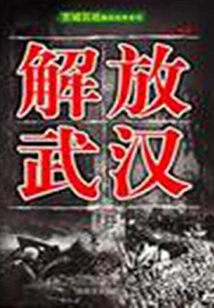
Liberate Wuhan
Military解放武汉
Record Work
This book uses documentary techniques to record the glorious deeds of the Chinese People's Liberation Army in the bloody battle in the War to Liberate Wuhan, praises their fearless spirit, and reproduces the tragic scenes of the Liberation War...
This book uses documentary techniques to record the glorious deeds of the Chinese People's Liberation Army in the bloody battle in the War to Liberate Wuhan, praises their fearless spirit, and reproduces the tragic scenes of the Liberation War...
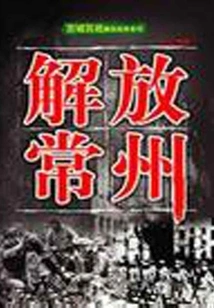
Liberate Changzhou
Military解放常州
Record Work
This book uses documentary techniques to record the glorious deeds of the Chinese People's Liberation Army in the bloody battle in the War to Liberate Changzhou, praises their fearless spirit, and reproduces the tragic scenes of the Liberation War...
This book uses documentary techniques to record the glorious deeds of the Chinese People's Liberation Army in the bloody battle in the War to Liberate Changzhou, praises their fearless spirit, and reproduces the tragic scenes of the Liberation War...
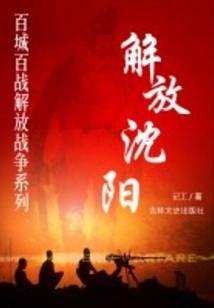
Liberation of Shenyang (liberation War Series of One Hundred Cities and One Hundred Battles)
Literature解放沈阳(百城百战解放战争系列)
Record Work
This book uses documentary techniques to record that during the battle to liberate Shenyang, the former Soviet Red Army not only handed over Northeast China to the Kuomintang army, but also issued an ultimatum to the CCP. To seize the territory, Chiang Kai-shek parachuted hundreds of thousands of troops to get rid of the adversity and Mao Zedong turned to attack small and medium-sized cities in the Northeast. After three years of hard work, the People's Liberation Army finally became strong, and Lin Biao finally defeated Du Yuming...
This book uses documentary techniques to record that during the battle to liberate Shenyang, the former Soviet Red Army not only handed over Northeast China to the Kuomintang army, but also issued an ultimatum to the CCP. To seize the territory, Chiang Kai-shek parachuted hundreds of thousands of troops to get rid of the adversity and Mao Zedong turned to attack small and medium-sized cities in the Northeast. After three years of hard work, the People's Liberation Army finally became strong, and Lin Biao finally defeated Du Yuming...
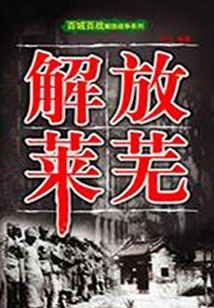
Liberate Laiwu
Literature解放莱芜
Record Work
After the Lunan Campaign ended in mid-January 1947, the entire Jiangsu and Anhui areas south of Longhai Road transitioned into a guerrilla warfare environment behind enemy lines. The main force of the Central China Field Army moved northward to Shandong. In the Third Civil Revolutionary War, the East China Field Army of the People's Liberation Army conducted a mobile warfare campaign against the Kuomintang Army from the south of Linyi to Laiwu in Shandong Province. This battle was called the Laiwu Campaign. Content introduction: The main force of the East China Field Army gathered in Linyi area to rest and standby. Facing the attack of the Kuomintang army, the field army commander and political commissar Chen Yi, deputy commander Su Yu, and deputy political commissar Tan Zhenlin tried to use the means of defeating and annihilating the enemy one by one. They first lured the three-line Kuomintang army attacking on the southern front to stand out one way, cut it off and annihilate the rest. This battle shattered the Kuomintang army's plan to attack from the north and south and forced the East China Field Army to fight decisively with it under unfavorable conditions. The large number of captured enemies and the speed of annihilation in this battle set a record since the beginning of the Liberation War.
After the Lunan Campaign ended in mid-January 1947, the entire Jiangsu and Anhui areas south of Longhai Road transitioned into a guerrilla warfare environment behind enemy lines. The main force of the Central China Field Army moved northward to Shandong. In the Third Civil Revolutionary War, the East China Field Army of the People's Liberation Army conducted a mobile warfare campaign against the Kuomintang Army from the south of Linyi to Laiwu in Shandong Province. This battle was called the Laiwu Campaign. Content introduction: The main force of the East China Field Army gathered in Linyi area to rest and standby. Facing the attack of the Kuomintang army, the field army commander and political commissar Chen Yi, deputy commander Su Yu, and deputy political commissar Tan Zhenlin tried to use the means of defeating and annihilating the enemy one by one. They first lured the three-line Kuomintang army attacking on the southern front to stand out one way, cut it off and annihilate the rest. This battle shattered the Kuomintang army's plan to attack from the north and south and forced the East China Field Army to fight decisively with it under unfavorable conditions. The large number of captured enemies and the speed of annihilation in this battle set a record since the beginning of the Liberation War.
解放昌都(百城百战解放战争系列)
Record Work
Losing Tibet and the hinterland of China's Sichuan will undoubtedly be exposed. If it were not blocked by the Qinghai-Tibet Plateau, China's most fertile areas such as the Yangtze River Delta would not be a desert...
Losing Tibet and the hinterland of China's Sichuan will undoubtedly be exposed. If it were not blocked by the Qinghai-Tibet Plateau, China's most fertile areas such as the Yangtze River Delta would not be a desert...
Liberation of Jinzhou (liberation War Series of One Hundred Cities and One Hundred Battles)
Literature解放锦州(百城百战解放战争系列)
Record Work
This book uses realistic methods to record Lin Biao's command of digging a large traffic trench during the Jinzhou offensive: the Kuomintang's open fortresses and hidden fortresses showed off their power. Chiang Kai-shek personally visited Huludao to supervise the battle and was confident of taking Tashan. During the battle in the old city, the People's Liberation Army wiped out 100,000 enemies in 31 hours, captured Fan Hanjie alive, and Jinzhou was liberated...
This book uses realistic methods to record Lin Biao's command of digging a large traffic trench during the Jinzhou offensive: the Kuomintang's open fortresses and hidden fortresses showed off their power. Chiang Kai-shek personally visited Huludao to supervise the battle and was confident of taking Tashan. During the battle in the old city, the People's Liberation Army wiped out 100,000 enemies in 31 hours, captured Fan Hanjie alive, and Jinzhou was liberated...
Liberation of Haikou (liberation War Series of One Hundred Cities and One Hundred Battles)
Literature解放海口(百城百战解放战争系列)
Record Work
This book uses documentary techniques to describe the bloody battle of the Chinese People's Liberation Army to liberate Hainan during the Liberation War, records their heroic deeds that are both heroic and heroic, and reproduces the tragic scenes of the Liberation War...
This book uses documentary techniques to describe the bloody battle of the Chinese People's Liberation Army to liberate Hainan during the Liberation War, records their heroic deeds that are both heroic and heroic, and reproduces the tragic scenes of the Liberation War...
Liberate Luoyang
Literature解放洛阳
Record Work
The Battle of Luoyang was jointly initiated by the Chen Shiju and Tang Liang Corps of the East China Field Army and the Chen Geng Corps that crossed the Yellow River from western Henan. The third column of the Chen and Tang regiments, the 1st Battalion of the 23rd Regiment of the 8th Division, was responsible for breaking through the east gate of Luoyang; the four columns of the Chen Geng Corps were responsible for breaking through the west gate. Luoyang is an important town in the Central Plains and an important strategic point on the Longhai Road. Although the garrison force is not large, the fortifications are strong, the city walls are high and thick, and there are many fortresses, making it easy to defend but difficult to attack.
The Battle of Luoyang was jointly initiated by the Chen Shiju and Tang Liang Corps of the East China Field Army and the Chen Geng Corps that crossed the Yellow River from western Henan. The third column of the Chen and Tang regiments, the 1st Battalion of the 23rd Regiment of the 8th Division, was responsible for breaking through the east gate of Luoyang; the four columns of the Chen Geng Corps were responsible for breaking through the west gate. Luoyang is an important town in the Central Plains and an important strategic point on the Longhai Road. Although the garrison force is not large, the fortifications are strong, the city walls are high and thick, and there are many fortresses, making it easy to defend but difficult to attack.
Liberation of Qingdao (liberation War Series of One Hundred Cities and One Hundred Battles)
Literature解放青岛(百城百战解放战争系列)
Record Work
This book uses documentary techniques to record the glorious deeds of the Chinese People's Liberation Army in the bloody battle to liberate Qingdao, praises their fearless spirit, and reproduces the tragic scenes of the liberation war...
This book uses documentary techniques to record the glorious deeds of the Chinese People's Liberation Army in the bloody battle to liberate Qingdao, praises their fearless spirit, and reproduces the tragic scenes of the liberation war...
解放济南(百城百战解放战争系列)
Record Work
This book uses documentary techniques to describe the heroic deeds of the Chinese People's Liberation Army under the leadership of Xu Shiyou, Nie Fengzhi and other generals in order to liberate Jinan during the Liberation War, and reproduces the tragic scenes of the Liberation War...
This book uses documentary techniques to describe the heroic deeds of the Chinese People's Liberation Army under the leadership of Xu Shiyou, Nie Fengzhi and other generals in order to liberate Jinan during the Liberation War, and reproduces the tragic scenes of the Liberation War...
Liberation of Peiping (liberation War Series of One Hundred Cities and One Hundred Battles)
Literature解放北平(百城百战解放战争系列)
Record Work
This book uses documentary techniques to record that in order to achieve the goal of peacefully liberating Peiping, the Central Committee of the Communist Party of China intensified its political struggle for Fu Zuoyi. General Fu Zuoyi finally followed the trend of history and carried out the action of peacefully liberating Peiping...
This book uses documentary techniques to record that in order to achieve the goal of peacefully liberating Peiping, the Central Committee of the Communist Party of China intensified its political struggle for Fu Zuoyi. General Fu Zuoyi finally followed the trend of history and carried out the action of peacefully liberating Peiping...
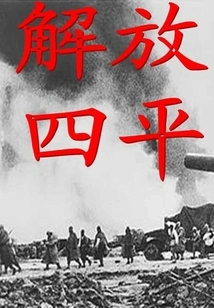
Liberate Siping
Military解放四平
Record Work
In the summer of 1947, the Northeastern Democratic Alliance Army commanded by Lin Biao launched a powerful summer offensive against the Kuomintang army. After two stages of fierce attacks, dozens of cities were conquered and nearly 4 divisions of the Kuomintang army were wiped out with more than 60,000 people. It can be said that they are invincible. In the last battle before ending the offensive, Lin Biao targeted Siping City. In order to conquer Siping, Lin Biao gathered the entire 1st Column of the Democratic Alliance Army, the entire Liaoji Column (7th Column), the 17th Division of the 6th Column and 5 battalions of the Artillery Directly under the Eastern General Artillery, a total of 7 divisions with more than 70,000 troops to form a siege group, under the unified command of the 1st Column Commander Li Tianyou. Lin Biao personally commanded 6 columns and 7 independent divisions, a total of 17 divisions, to carry out blocking and reinforcement operations.
In the summer of 1947, the Northeastern Democratic Alliance Army commanded by Lin Biao launched a powerful summer offensive against the Kuomintang army. After two stages of fierce attacks, dozens of cities were conquered and nearly 4 divisions of the Kuomintang army were wiped out with more than 60,000 people. It can be said that they are invincible. In the last battle before ending the offensive, Lin Biao targeted Siping City. In order to conquer Siping, Lin Biao gathered the entire 1st Column of the Democratic Alliance Army, the entire Liaoji Column (7th Column), the 17th Division of the 6th Column and 5 battalions of the Artillery Directly under the Eastern General Artillery, a total of 7 divisions with more than 70,000 troops to form a siege group, under the unified command of the 1st Column Commander Li Tianyou. Lin Biao personally commanded 6 columns and 7 independent divisions, a total of 17 divisions, to carry out blocking and reinforcement operations.