Library
Browse and search books
24 novels found
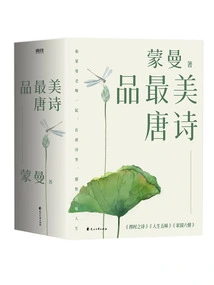
蒙曼品最美唐诗:(全三册·2023版)
Monman
"Poems of the Four Seasons: Meng Manpin's Most Beautiful Tang Poems", "Five Flavors of Life: Meng Manpin's Most Beautiful Tang Poems" and "Six Feelings of Family and Country: Meng Manpin's Most Beautiful Tang Poems", these three books are the classic masterpieces of the "Chinese Poetry Conference" guest reviewer teacher Meng Man - Meng Manpin's Most Beautiful Tang Poems. In addition to explaining each Tang poem in detail, Teacher Mengman also explains in depth the historical stories and allusions related to the poem, allowing us to have a deeper understanding of the subtleties and interests of traditional Chinese culture. This is a set of classic Tang poetry readers worth giving to friends or collecting for yourself.
"Poems of the Four Seasons: Meng Manpin's Most Beautiful Tang Poems", "Five Flavors of Life: Meng Manpin's Most Beautiful Tang Poems" and "Six Feelings of Family and Country: Meng Manpin's Most Beautiful Tang Poems", these three books are the classic masterpieces of the "Chinese Poetry Conference" guest reviewer teacher Meng Man - Meng Manpin's Most Beautiful Tang Poems. In addition to explaining each Tang poem in detail, Teacher Mengman also explains in depth the historical stories and allusions related to the poem, allowing us to have a deeper understanding of the subtleties and interests of traditional Chinese culture. This is a set of classic Tang poetry readers worth giving to friends or collecting for yourself.
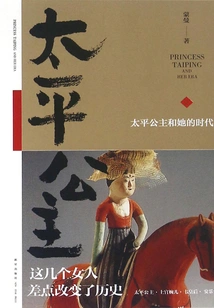
Princess Taiping and Her Era
History太平公主和她的时代
Monman
These women almost changed history. This is an era that has never been seen before or since. Princess Taiping, Wu Zetian's daughter, has power over the government; Shangguan Wan'er, Wu Zetian's internal prime minister, criticizes the world's talents; Queen Wei, Wu Zetian's daughter-in-law, aspires to become the second Wu Zetian; Princess Anle, determined to be the "Crown Princess". Either then or now. There is no step too early and no step too late. In the long history of ancient China, only in the Tang Dynasty and after Wu Zetian did such vibrant political women appear. This is a sad era of red makeup. The famous scholar Meng Man tells the interesting history and reveals the little-known eve of the Tang Dynasty.
These women almost changed history. This is an era that has never been seen before or since. Princess Taiping, Wu Zetian's daughter, has power over the government; Shangguan Wan'er, Wu Zetian's internal prime minister, criticizes the world's talents; Queen Wei, Wu Zetian's daughter-in-law, aspires to become the second Wu Zetian; Princess Anle, determined to be the "Crown Princess". Either then or now. There is no step too early and no step too late. In the long history of ancient China, only in the Tang Dynasty and after Wu Zetian did such vibrant political women appear. This is a sad era of red makeup. The famous scholar Meng Man tells the interesting history and reveals the little-known eve of the Tang Dynasty.
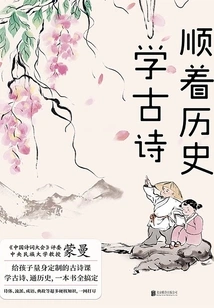
顺着历史学古诗
Monman
This book is based on Teacher Mengman's comprehensive understanding of Chinese history and poetry schools, and carefully designed 6 sites according to the development sequence of Chinese history - Spring and Autumn and Warring States, Qin and Han Dynasties, Three Kingdoms and Two Jins, Southern and Northern Dynasties, Sui and Tang Dynasties, Song Dynasty, Yuan, Ming and Qing Dynasties, and selected 30 must-memorize ancient poems, related to 10 0+ classic poems, follow Teacher Mengman, return to the historical scene, understand the background of poetry, get to know the poet, grasp the essence of ancient poetry, grasp the imagery, emotion, writing techniques, break down various knowledge points, poetry style, genre, idioms, allusions and other hard-core knowledge, all in one place. Every part is carefully dissected and analyzed in depth, so that children can truly understand each poem and quickly become poetry masters.
This book is based on Teacher Mengman's comprehensive understanding of Chinese history and poetry schools, and carefully designed 6 sites according to the development sequence of Chinese history - Spring and Autumn and Warring States, Qin and Han Dynasties, Three Kingdoms and Two Jins, Southern and Northern Dynasties, Sui and Tang Dynasties, Song Dynasty, Yuan, Ming and Qing Dynasties, and selected 30 must-memorize ancient poems, related to 10 0+ classic poems, follow Teacher Mengman, return to the historical scene, understand the background of poetry, get to know the poet, grasp the essence of ancient poetry, grasp the imagery, emotion, writing techniques, break down various knowledge points, poetry style, genre, idioms, allusions and other hard-core knowledge, all in one place. Every part is carefully dissected and analyzed in depth, so that children can truly understand each poem and quickly become poetry masters.
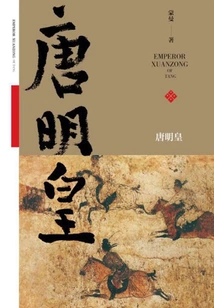
Tang Minghuang
History唐明皇
Monman
If you only read one history, you should read the History of the Tang Dynasty; if you only understand one emperor, you should understand Emperor Ming of the Tang Dynasty. He is truly an emperor with great vitality! In his early years, he was high-spirited and accomplished achievements, creating the pinnacle of ancient Chinese history - the prosperous Kaiyuan era; in his middle age, he became famous, met his soulmate, and created a love legend of "this hatred lasts forever"; in his later years, during the Anshi Rebellion, Ma Wei cried blood, but he died in the Tai Chi Palace. I have experienced the splendid sky and the earth, the splendid romance; I have also faced the broken mountains and rivers, and the lonely and lonely palace. He gained everything and lost everything. Such a life is more beautiful than legend. The famous scholar Meng Man's eloquent narration vividly restores the ups and downs of the country's fortunes and the ups and downs of life!
If you only read one history, you should read the History of the Tang Dynasty; if you only understand one emperor, you should understand Emperor Ming of the Tang Dynasty. He is truly an emperor with great vitality! In his early years, he was high-spirited and accomplished achievements, creating the pinnacle of ancient Chinese history - the prosperous Kaiyuan era; in his middle age, he became famous, met his soulmate, and created a love legend of "this hatred lasts forever"; in his later years, during the Anshi Rebellion, Ma Wei cried blood, but he died in the Tai Chi Palace. I have experienced the splendid sky and the earth, the splendid romance; I have also faced the broken mountains and rivers, and the lonely and lonely palace. He gained everything and lost everything. Such a life is more beautiful than legend. The famous scholar Meng Man's eloquent narration vividly restores the ups and downs of the country's fortunes and the ups and downs of life!
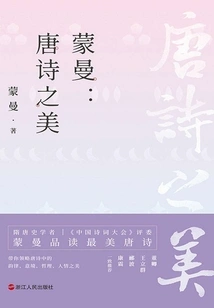
Mengman: the Beauty of Tang Poetry
Literature蒙曼:唐诗之美
Monman
"Meng Man: The Beauty of Tang Poetry" is the third work about Tang poetry by Mr. Meng Man, a famous scholar of Sui and Tang history and a judge of the "Chinese Poetry Conference". Teacher Mengman selected the essence of more than 50,000 Tang poems, focusing on the five human emotions of love, friendship, nostalgia, official love, and country love. He carefully compiled and revised 33 poems and essays to lead readers to appreciate the beauty of rhythm, artistic conception, philosophy, and human feelings in Tang poetry, and review the life aesthetics of the Tang Dynasty people. The writing style is as lively and interesting as ever, and the content is as rich in knowledge as ever, making people unable to put it down! Lin Dihuan, a painter of 24 solar terms and a stage ink painter of the "Chinese Poetry Conference", lovingly illustrates this. With its beautiful color pages and exquisite layout details, the book provides readers with a visual experience of the beauty of Tang poetry, which makes people "bewitched by the beauty"!
"Meng Man: The Beauty of Tang Poetry" is the third work about Tang poetry by Mr. Meng Man, a famous scholar of Sui and Tang history and a judge of the "Chinese Poetry Conference". Teacher Mengman selected the essence of more than 50,000 Tang poems, focusing on the five human emotions of love, friendship, nostalgia, official love, and country love. He carefully compiled and revised 33 poems and essays to lead readers to appreciate the beauty of rhythm, artistic conception, philosophy, and human feelings in Tang poetry, and review the life aesthetics of the Tang Dynasty people. The writing style is as lively and interesting as ever, and the content is as rich in knowledge as ever, making people unable to put it down! Lin Dihuan, a painter of 24 solar terms and a stage ink painter of the "Chinese Poetry Conference", lovingly illustrates this. With its beautiful color pages and exquisite layout details, the book provides readers with a visual experience of the beauty of Tang poetry, which makes people "bewitched by the beauty"!
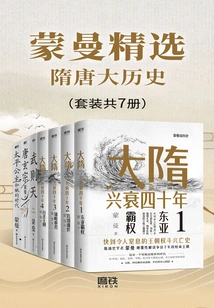
蒙曼精选隋唐大历史(套装共7册)
Monman
This book consists of "Wu Zetian", "The Rise and Fall of the Sui Dynasty for Forty Years", "Xuanzong of the Tang Dynasty", and "Princess Taiping and Her Era". "Wu Zetian": Douban score 8.2! The masterpiece of Meng Man, a scholar of Sui and Tang history! Peel away the cocoons, quote classics, and restore the generation of Empress Wu Zetian! "The Rise and Fall of the Sui Dynasty in Forty Years": a famous work by Meng Man, a scholar of Sui and Tang history. Write down the suffocating 38-year history of the rise and fall of power in the Sui Dynasty. Subversive interpretation of Emperor Wen and Emperor Yang of Sui Dynasty! A popular classic that cannot be ignored when talking about the history of the Sui Dynasty. If you want to understand the history of the Sui and Tang Dynasties, this set of books is a must-read! "Xuanzong of the Tang Dynasty": If you only read one history, you should read the History of the Tang Dynasty. If you can only read about one emperor, you should read Emperor Ming of the Tang Dynasty. He reigned for 44 years. He was high-spirited in his youth, complacent in his middle age, and indulged in absurdity in his old age. His life was mixed with reputation and reputation, but it ended sadly. "Princess Taiping and Her Era": There has never been a period when so many women were involved in fierce and complex political competitions at the same time! Princess Taiping, Shangguan Wan'er, Queen Wei, and Princess Anle, these four women almost rewrote history.
This book consists of "Wu Zetian", "The Rise and Fall of the Sui Dynasty for Forty Years", "Xuanzong of the Tang Dynasty", and "Princess Taiping and Her Era". "Wu Zetian": Douban score 8.2! The masterpiece of Meng Man, a scholar of Sui and Tang history! Peel away the cocoons, quote classics, and restore the generation of Empress Wu Zetian! "The Rise and Fall of the Sui Dynasty in Forty Years": a famous work by Meng Man, a scholar of Sui and Tang history. Write down the suffocating 38-year history of the rise and fall of power in the Sui Dynasty. Subversive interpretation of Emperor Wen and Emperor Yang of Sui Dynasty! A popular classic that cannot be ignored when talking about the history of the Sui Dynasty. If you want to understand the history of the Sui and Tang Dynasties, this set of books is a must-read! "Xuanzong of the Tang Dynasty": If you only read one history, you should read the History of the Tang Dynasty. If you can only read about one emperor, you should read Emperor Ming of the Tang Dynasty. He reigned for 44 years. He was high-spirited in his youth, complacent in his middle age, and indulged in absurdity in his old age. His life was mixed with reputation and reputation, but it ended sadly. "Princess Taiping and Her Era": There has never been a period when so many women were involved in fierce and complex political competitions at the same time! Princess Taiping, Shangguan Wan'er, Queen Wei, and Princess Anle, these four women almost rewrote history.
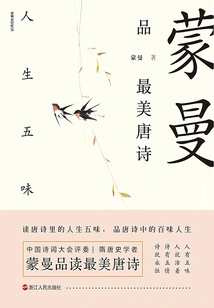
蒙曼品最美唐诗:人生五味
Monman
Poems are written by people, and they are also written for people. A person's life, viewed vertically, is the four seasons, and viewed horizontally, it is the five emotions. What are the four seasons? Spring, summer, autumn and winter. Corresponding to life, it is boyhood, youth, middle age and old age. What are the five emotions? Joy, anger, sorrow and resentment. Corresponding to the human heart, it is those moods that go back and forth, ups and downs. This book takes the five life emotions of joy, anger, sadness, joy, and resentment as the entry point, leading readers to experience the five emotions and flavors in Tang poetry from a unique perspective of the five flavors of life. Through the interpretation of more than 30 Tang poems carefully collected, it connects the spiritual emotions of Tang poems with modern people, and shows readers the enduring charm of Tang poems that will never go out of style despite being thousands of years old. If a person has five emotions, he will live. Poetry has five emotions, and poetry is eternal.
Poems are written by people, and they are also written for people. A person's life, viewed vertically, is the four seasons, and viewed horizontally, it is the five emotions. What are the four seasons? Spring, summer, autumn and winter. Corresponding to life, it is boyhood, youth, middle age and old age. What are the five emotions? Joy, anger, sorrow and resentment. Corresponding to the human heart, it is those moods that go back and forth, ups and downs. This book takes the five life emotions of joy, anger, sadness, joy, and resentment as the entry point, leading readers to experience the five emotions and flavors in Tang poetry from a unique perspective of the five flavors of life. Through the interpretation of more than 30 Tang poems carefully collected, it connects the spiritual emotions of Tang poems with modern people, and shows readers the enduring charm of Tang poems that will never go out of style despite being thousands of years old. If a person has five emotions, he will live. Poetry has five emotions, and poetry is eternal.
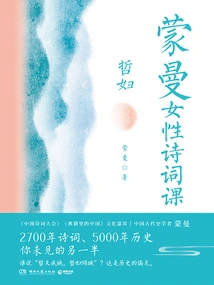
蒙曼女性诗词课:哲妇
Monman
This book is Meng Man's new work after "Meng Man's Most Beautiful Tang Poems". She is best known as a speaker of poetry, but her major and research focus is history, especially women's history. In this book, she combines poetry with women's history, uses the poetry as a guide, and follows the sequence of historical dynasties to tell the wonderful lives of the 28 women behind the poetry, as well as the Chinese history behind them. There is not only the spirit of "smiling gracefully, beautiful eyes looking forward to you", but also the demeanor of "stepping lightly on the waves, wearing stockings that are dusty", but also the vision of "a man with a long bow and a unique talk, a beauty with giant eyes knowing the end of the road", and the pride of "self-cut Sichuan brocade robes, peach blossoms are about to grow tassels". These women are gentle but have traces of iron grip, and they can stir up the historical storms. Their thoughts and thoughts are in the poems, and their life stories are also in the poems. This is 2,700 years of poetry, 5,000 years of history, the other half unknown to you and me.
This book is Meng Man's new work after "Meng Man's Most Beautiful Tang Poems". She is best known as a speaker of poetry, but her major and research focus is history, especially women's history. In this book, she combines poetry with women's history, uses the poetry as a guide, and follows the sequence of historical dynasties to tell the wonderful lives of the 28 women behind the poetry, as well as the Chinese history behind them. There is not only the spirit of "smiling gracefully, beautiful eyes looking forward to you", but also the demeanor of "stepping lightly on the waves, wearing stockings that are dusty", but also the vision of "a man with a long bow and a unique talk, a beauty with giant eyes knowing the end of the road", and the pride of "self-cut Sichuan brocade robes, peach blossoms are about to grow tassels". These women are gentle but have traces of iron grip, and they can stir up the historical storms. Their thoughts and thoughts are in the poems, and their life stories are also in the poems. This is 2,700 years of poetry, 5,000 years of history, the other half unknown to you and me.
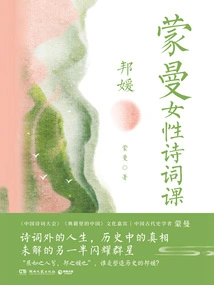
Mengman Women's Poetry Class: Bang Yuan
Literature蒙曼女性诗词课:邦媛
Monman
Teacher Mengman came into the public eye because of her poetry lectures, but in fact, as a university professor, her research direction is ancient history, especially the history of ancient women. In "Mengman Women's Poetry Class", teacher Mengman combines poetry with women, uses poetry as a guide, and follows the order of historical dynasties to tell the wonderful lives of the 52 women behind the poetry, as well as the Chinese history behind them. The first volume "Philosophical Women" mainly talks about 28 political women who changed history, while the second volume "Bang Yuan" mainly talks about 24 cultural women who wrote history. There is not only the deep affection of "I wish to have the same person, and we will never be apart until we grow old together", but also the helplessness of "the highest to the sun and the moon, the closest relatives to the distant couple", the free and easy feeling of "I see how charming the green mountains are, I expected the green mountains to see me like this", and the pride of "no need for light blue and deep red, I am the best among flowers". These women are gentle, but they have scratches. History has shaped them, and they also write history. Their thoughts are in the poems, and their life stories are also in the poems. This is life beyond poetry, the truth in history, the other half of the shining stars besides Qin Shihuang, Tang Xuanzong, Li Bai, Du Fu... That we ignore and cannot understand.
Teacher Mengman came into the public eye because of her poetry lectures, but in fact, as a university professor, her research direction is ancient history, especially the history of ancient women. In "Mengman Women's Poetry Class", teacher Mengman combines poetry with women, uses poetry as a guide, and follows the order of historical dynasties to tell the wonderful lives of the 52 women behind the poetry, as well as the Chinese history behind them. The first volume "Philosophical Women" mainly talks about 28 political women who changed history, while the second volume "Bang Yuan" mainly talks about 24 cultural women who wrote history. There is not only the deep affection of "I wish to have the same person, and we will never be apart until we grow old together", but also the helplessness of "the highest to the sun and the moon, the closest relatives to the distant couple", the free and easy feeling of "I see how charming the green mountains are, I expected the green mountains to see me like this", and the pride of "no need for light blue and deep red, I am the best among flowers". These women are gentle, but they have scratches. History has shaped them, and they also write history. Their thoughts are in the poems, and their life stories are also in the poems. This is life beyond poetry, the truth in history, the other half of the shining stars besides Qin Shihuang, Tang Xuanzong, Li Bai, Du Fu... That we ignore and cannot understand.
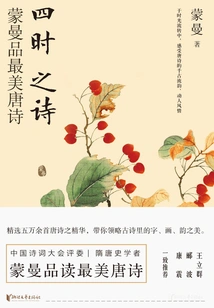
四时之诗:蒙曼品最美唐诗
Monman
This book is the first work explaining Tang poetry by Mr. Meng Man, a famous scholar of Sui and Tang history and a judge of the Chinese Poetry Conference. Teacher Mengman takes you back to the Tang Dynasty to read the most beautiful Tang poetry. This book takes the classical 24 solar terms and modern festivals as the starting point, leading readers to read selected Tang poetry works in the four seasons, appreciate the linguistic and literary beauty of Tang poetry, tell cultural allusions, and enter the poet's state of mind. Based on this theme, 32 poems and essays were carefully compiled and revised. These poems revolve around the four seasons and festivals. In fact, they revolve around the cycle of time in the Tang Dynasty and the cycle of life of the Tang people. I hope to see them in this reincarnation - Li Bai, Du Fu, Wang Wei, and even more hope to see us - you, me and him (her) in this reincarnation. We and them, ancient times and today, tradition and future, meet in this wonderful poem of the four seasons. Let us, together with Teacher Mengman, appreciate in detail the wind, flowers, snow and moon that have traveled through thousands of years, and the immortal embroidered brocade heart that has lasted for thousands of years.
This book is the first work explaining Tang poetry by Mr. Meng Man, a famous scholar of Sui and Tang history and a judge of the Chinese Poetry Conference. Teacher Mengman takes you back to the Tang Dynasty to read the most beautiful Tang poetry. This book takes the classical 24 solar terms and modern festivals as the starting point, leading readers to read selected Tang poetry works in the four seasons, appreciate the linguistic and literary beauty of Tang poetry, tell cultural allusions, and enter the poet's state of mind. Based on this theme, 32 poems and essays were carefully compiled and revised. These poems revolve around the four seasons and festivals. In fact, they revolve around the cycle of time in the Tang Dynasty and the cycle of life of the Tang people. I hope to see them in this reincarnation - Li Bai, Du Fu, Wang Wei, and even more hope to see us - you, me and him (her) in this reincarnation. We and them, ancient times and today, tradition and future, meet in this wonderful poem of the four seasons. Let us, together with Teacher Mengman, appreciate in detail the wind, flowers, snow and moon that have traveled through thousands of years, and the immortal embroidered brocade heart that has lasted for thousands of years.
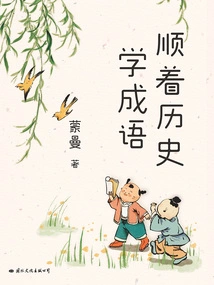
Learn Idioms Along the Lines of History
Literature顺着历史学成语
Monman
Are addition, subtraction, multiplication and division idioms? Is "cat and dog" an idiom? Is it an idiom to put oneself to death and live another life? Is it an idiom that a wise man will always make a mistake if he worries a lot; a fool will gain something if he worries a lot? Yes, these are all idioms. Idioms are fixed expressions that are established by convention. Idioms are produced in history, and idioms from different eras reflect the historical features of different eras. "Learning Idioms Following History" is an idiom course specially designed by Teacher Mengman for primary and middle school students. According to the historical development sequence from the pre-Qin Dynasty to the Yuan, Ming and Qing Dynasties, and closely following the textbook, 100+ key idioms are taught in series. Explore the origin of idioms, explain the allusions behind idioms, and clarify the meaning and usage of idioms. Let children learn to draw inferences from one example, learn history vividly, and use idioms flexibly.
Are addition, subtraction, multiplication and division idioms? Is "cat and dog" an idiom? Is it an idiom to put oneself to death and live another life? Is it an idiom that a wise man will always make a mistake if he worries a lot; a fool will gain something if he worries a lot? Yes, these are all idioms. Idioms are fixed expressions that are established by convention. Idioms are produced in history, and idioms from different eras reflect the historical features of different eras. "Learning Idioms Following History" is an idiom course specially designed by Teacher Mengman for primary and middle school students. According to the historical development sequence from the pre-Qin Dynasty to the Yuan, Ming and Qing Dynasties, and closely following the textbook, 100+ key idioms are taught in series. Explore the origin of idioms, explain the allusions behind idioms, and clarify the meaning and usage of idioms. Let children learn to draw inferences from one example, learn history vividly, and use idioms flexibly.
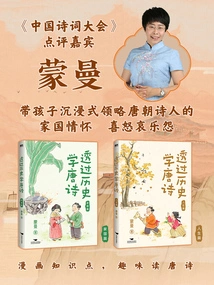
透过历史学唐诗(共2册)
Monman
The beauty of Tang poetry lies in its sentimentality. This book follows the order of friendship, nostalgia, official love, country love, ancient and modern love, from six aspects: "Who am I?", "Annotations", "Translation", "What's so good about this poem?", "Classroom Easter Eggs" and "You can also know more". Each Tang poem is interpreted in detail, and presented vividly and interestingly in the form of appreciation pictures and cartoons, allowing children to appreciate the beauty of Tang poetry and appreciate the feelings of the Tang Dynasty poets about their family and country in an entertaining and educational atmosphere.
The beauty of Tang poetry lies in its sentimentality. This book follows the order of friendship, nostalgia, official love, country love, ancient and modern love, from six aspects: "Who am I?", "Annotations", "Translation", "What's so good about this poem?", "Classroom Easter Eggs" and "You can also know more". Each Tang poem is interpreted in detail, and presented vividly and interestingly in the form of appreciation pictures and cartoons, allowing children to appreciate the beauty of Tang poetry and appreciate the feelings of the Tang Dynasty poets about their family and country in an entertaining and educational atmosphere.
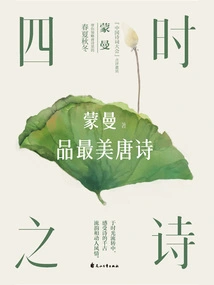
四时之诗:蒙曼品最美唐诗(2023版)
Monman
"Poems of the Four Seasons: Meng Man's Appreciation of the Most Beautiful Tang Poems" is a work by Mr. Meng Man, a famous scholar of Sui and Tang history and a judge of the Chinese Poetry Conference, explaining Tang poetry. Mr. Meng Man will take you back to the Tang Dynasty to read the most beautiful Tang poetry. This book takes the classical 24 solar terms and modern festivals as the starting point, leading readers to read selected Tang poetry works in the four seasons, appreciate the linguistic and literary beauty of Tang poetry, tell cultural allusions, and enter the poet's state of mind. Based on this theme, 32 poems and essays were carefully compiled and revised. These poems revolve around the four seasons and festivals. In fact, they revolve around the cycle of time in the Tang Dynasty and the cycle of life of the Tang people. I hope to see them in this reincarnation - Li Bai, Du Fu, Wang Wei, and even more hope to see us - you, me and him (her) in this reincarnation. We and them, ancient times and today, tradition and future, meet in this wonderful poem of the four seasons. Let us, together with Teacher Mengman, appreciate in detail the wind, flowers, snow and moon that have traveled through thousands of years, and the immortal embroidered brocade heart that has lasted for thousands of years.
"Poems of the Four Seasons: Meng Man's Appreciation of the Most Beautiful Tang Poems" is a work by Mr. Meng Man, a famous scholar of Sui and Tang history and a judge of the Chinese Poetry Conference, explaining Tang poetry. Mr. Meng Man will take you back to the Tang Dynasty to read the most beautiful Tang poetry. This book takes the classical 24 solar terms and modern festivals as the starting point, leading readers to read selected Tang poetry works in the four seasons, appreciate the linguistic and literary beauty of Tang poetry, tell cultural allusions, and enter the poet's state of mind. Based on this theme, 32 poems and essays were carefully compiled and revised. These poems revolve around the four seasons and festivals. In fact, they revolve around the cycle of time in the Tang Dynasty and the cycle of life of the Tang people. I hope to see them in this reincarnation - Li Bai, Du Fu, Wang Wei, and even more hope to see us - you, me and him (her) in this reincarnation. We and them, ancient times and today, tradition and future, meet in this wonderful poem of the four seasons. Let us, together with Teacher Mengman, appreciate in detail the wind, flowers, snow and moon that have traveled through thousands of years, and the immortal embroidered brocade heart that has lasted for thousands of years.
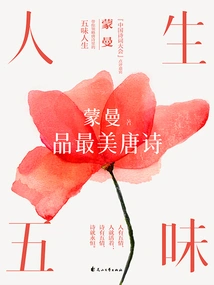
人生五味:蒙曼品最美唐诗(2023版)
Monman
"Five Flavors of Life: Meng Manpin's Most Beautiful Tang Poems" is a work by Teacher Meng Man, a professor at Minzu University of China and a guest commentator at the "Chinese Poetry Conference", explaining Tang poetry. This book takes the five life emotions of joy, anger, sadness, joy, and resentment as the starting point, and leads us to experience the five emotions and flavors in Tang poetry from the perspective of the five flavors of life. Poems are written by people, and they are also written for people. A person's life, viewed vertically, is the four seasons, and viewed horizontally, it is the five emotions. The four seasons are spring, summer, autumn and winter, which correspond to life, which are teenagers, youth, middle age and old age; the five emotions are joy, anger, sorrow and resentment, which correspond to the human heart, which are the ups and downs of moods that cycle back and forth. Teacher Mengman connected the spiritual emotions of Tang poetry with modern people, showing us the enduring charm of Tang poetry that will never go out of style despite being thousands of years old.
"Five Flavors of Life: Meng Manpin's Most Beautiful Tang Poems" is a work by Teacher Meng Man, a professor at Minzu University of China and a guest commentator at the "Chinese Poetry Conference", explaining Tang poetry. This book takes the five life emotions of joy, anger, sadness, joy, and resentment as the starting point, and leads us to experience the five emotions and flavors in Tang poetry from the perspective of the five flavors of life. Poems are written by people, and they are also written for people. A person's life, viewed vertically, is the four seasons, and viewed horizontally, it is the five emotions. The four seasons are spring, summer, autumn and winter, which correspond to life, which are teenagers, youth, middle age and old age; the five emotions are joy, anger, sorrow and resentment, which correspond to the human heart, which are the ups and downs of moods that cycle back and forth. Teacher Mengman connected the spiritual emotions of Tang poetry with modern people, showing us the enduring charm of Tang poetry that will never go out of style despite being thousands of years old.
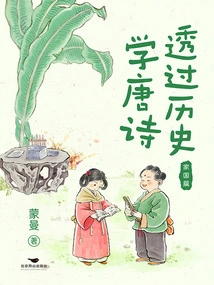
透过历史学唐诗:家国篇
Monman
The beauty of Tang poetry lies in its sentimentality. This book follows the order of friendship, nostalgia, official love, country love, ancient and modern love, from six aspects: "Who am I?", "Annotations", "Translation", "What's so good about this poem?", "Classroom Easter Eggs" and "You can also know more". Each Tang poem is interpreted in detail, and presented vividly and interestingly in the form of appreciation pictures and cartoons, allowing children to appreciate the beauty of Tang poetry and appreciate the feelings of the Tang Dynasty poets about their family and country in an entertaining and educational atmosphere.
The beauty of Tang poetry lies in its sentimentality. This book follows the order of friendship, nostalgia, official love, country love, ancient and modern love, from six aspects: "Who am I?", "Annotations", "Translation", "What's so good about this poem?", "Classroom Easter Eggs" and "You can also know more". Each Tang poem is interpreted in detail, and presented vividly and interestingly in the form of appreciation pictures and cartoons, allowing children to appreciate the beauty of Tang poetry and appreciate the feelings of the Tang Dynasty poets about their family and country in an entertaining and educational atmosphere.
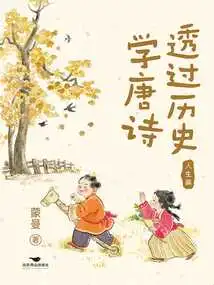
透过历史学唐诗:人生篇
Monman
Appreciating Tang poetry is a happy thing. In the order of happiness, anger, sorrow, joy and resentment, this book provides a detailed interpretation of each Tang poem from six aspects: "Who am I?", "Annotations", "Translation", "What's so good about this poem?", "Classroom Easter Eggs" and "You can know more". It is vividly and interestingly presented in the form of appreciation pictures and cartoons, allowing children to experience the rich life of the Tang Dynasty poets in an entertaining and educational atmosphere.
Appreciating Tang poetry is a happy thing. In the order of happiness, anger, sorrow, joy and resentment, this book provides a detailed interpretation of each Tang poem from six aspects: "Who am I?", "Annotations", "Translation", "What's so good about this poem?", "Classroom Easter Eggs" and "You can know more". It is vividly and interestingly presented in the form of appreciation pictures and cartoons, allowing children to experience the rich life of the Tang Dynasty poets in an entertaining and educational atmosphere.
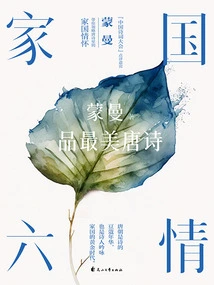
家国六情:蒙曼品最美唐诗(2023版)
Monman
"Six Emotions of Home and Country: Meng Manpin's Most Beautiful Tang Poetry" is a work of Tang poetry explained by Meng Man, a professor at Minzu University of China and a guest commentator at the "Chinese Poetry Conference". The Tang Dynasty was the golden age of poetry and a golden age for poets to sing about their home and country. This book focuses on six human emotions: love, friendship, nostalgia, official love, country love, and ancient and modern love, leading us to appreciate the profound and broad feelings of family and country written by the poets of the Tang Dynasty.
"Six Emotions of Home and Country: Meng Manpin's Most Beautiful Tang Poetry" is a work of Tang poetry explained by Meng Man, a professor at Minzu University of China and a guest commentator at the "Chinese Poetry Conference". The Tang Dynasty was the golden age of poetry and a golden age for poets to sing about their home and country. This book focuses on six human emotions: love, friendship, nostalgia, official love, country love, and ancient and modern love, leading us to appreciate the profound and broad feelings of family and country written by the poets of the Tang Dynasty.
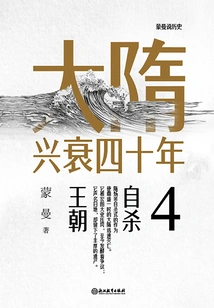
大隋兴衰四十年4:自杀王朝
Monman
Emperor Sui Yang's domineering and radical actions turned his great talent and strategy into cruelty and cruelty, and his great achievements turned into a nightmare on earth. The Sui Dynasty, which was at its peak and glorious, quickly turned around and fell into the abyss of history that would never be restored. The feat of personally conquering Goguryeo was only attempted once by those as powerful as Emperor Taizong of the Tang Dynasty, but Emperor Yang of the Sui Dynasty did it three times: the first attack on Goguryeo resulted in the loss of soldiers and generals, and public resentment boiled over; the second attack on Goguryeo, a fire broke out in the backyard, and the success failed; the third attack on Goguryeo was troubled internally and externally, and was surrounded by crises. Emperor Yang of the Sui Dynasty, who loved to travel around the world, also went to Jiangdu three times: the first two times were glorious, he earned enough face and put on a show. But when he went to Jiangdu three times, he was in a disgraceful state and was in a miserable state. Emperor Sui Yang, who was related to the "Three", was ultimately destroyed at the hands of three people named Li: Li Mi, a wanted criminal who once hid in Tibet, became the leader of the peasant uprising in the late Sui Dynasty; Li Yuan and Li Shimin, father and son, were close relatives of Emperor Sui Yang, but they were also the real end of the Sui Dynasty.
Emperor Sui Yang's domineering and radical actions turned his great talent and strategy into cruelty and cruelty, and his great achievements turned into a nightmare on earth. The Sui Dynasty, which was at its peak and glorious, quickly turned around and fell into the abyss of history that would never be restored. The feat of personally conquering Goguryeo was only attempted once by those as powerful as Emperor Taizong of the Tang Dynasty, but Emperor Yang of the Sui Dynasty did it three times: the first attack on Goguryeo resulted in the loss of soldiers and generals, and public resentment boiled over; the second attack on Goguryeo, a fire broke out in the backyard, and the success failed; the third attack on Goguryeo was troubled internally and externally, and was surrounded by crises. Emperor Yang of the Sui Dynasty, who loved to travel around the world, also went to Jiangdu three times: the first two times were glorious, he earned enough face and put on a show. But when he went to Jiangdu three times, he was in a disgraceful state and was in a miserable state. Emperor Sui Yang, who was related to the "Three", was ultimately destroyed at the hands of three people named Li: Li Mi, a wanted criminal who once hid in Tibet, became the leader of the peasant uprising in the late Sui Dynasty; Li Yuan and Li Shimin, father and son, were close relatives of Emperor Sui Yang, but they were also the real end of the Sui Dynasty.
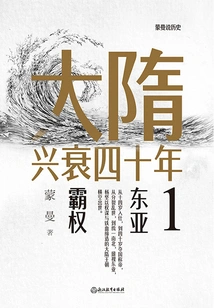
大隋兴衰四十年1:东亚霸权
Monman
The Sui Dynasty was like a meteor, shining brightly and destroying in an instant in Chinese history. Despite this, it has extraordinary and legendary historical characteristics: unity, prosperity, civilization and short-lived, tyrannical and rebellious coexistence. Yang Jian, the founder of the Sui Dynasty, was born in a monastery and raised by nuns. He entered the official career at the age of only fourteen and quickly climbed to the core of power with special means. When he was less than forty years old, he once again used special means to seize the imperial power from the orphans and widows after the death of the emperor's son-in-law. Changing dynasties has long been commonplace in the Northern and Southern Dynasties. During the two hundred years, many emperors and generals hoped to end the troubled times, but they all failed. However, Yang Jian succeeded. In history, Emperor Wen of the Sui Dynasty was still a new emperor at the time, but he used force and strategy to split the Turkic Empire and replace it as the hegemon in East Asia. Later, the world once again saw his power as a hegemon, and the Sui Dynasty wiped out Nanchen and unified the world in just two months. In terms of hegemony, he deserves the title of "Eternal Emperor"!
The Sui Dynasty was like a meteor, shining brightly and destroying in an instant in Chinese history. Despite this, it has extraordinary and legendary historical characteristics: unity, prosperity, civilization and short-lived, tyrannical and rebellious coexistence. Yang Jian, the founder of the Sui Dynasty, was born in a monastery and raised by nuns. He entered the official career at the age of only fourteen and quickly climbed to the core of power with special means. When he was less than forty years old, he once again used special means to seize the imperial power from the orphans and widows after the death of the emperor's son-in-law. Changing dynasties has long been commonplace in the Northern and Southern Dynasties. During the two hundred years, many emperors and generals hoped to end the troubled times, but they all failed. However, Yang Jian succeeded. In history, Emperor Wen of the Sui Dynasty was still a new emperor at the time, but he used force and strategy to split the Turkic Empire and replace it as the hegemon in East Asia. Later, the world once again saw his power as a hegemon, and the Sui Dynasty wiped out Nanchen and unified the world in just two months. In terms of hegemony, he deserves the title of "Eternal Emperor"!
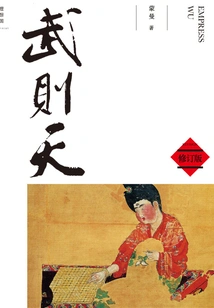
武则天(百家讲坛主讲人蒙曼经典之作)
Monman
"Wu Zetian" narrated by Meng Man in the forum of hundreds of schools of thought is still a classic work of telling history in the forum of hundreds of schools of thought. This is a majestic dynasty, an unprecedented generation of queens in Chinese history. Her wisdom and strategy make men in the patriarchal society bow to their knees. How did she change from a talented person of Emperor Taizong of the Tang Dynasty to the queen of Emperor Gaozong of the Tang Dynasty? Why would she break the bottom line of human ethics and kill her own children? How could she become a queen in a world ruled by men for thousands of years? Her Great Zhou Dynasty was at its peak, so why did it stop before her and could not be passed down to future generations? She overthrew the Li Tang Dynasty and established the Wu Zhou Dynasty. Why did Li Tang's descendants always respect her and regard her as their emperor? For thirteen hundred years, she has been both history and legend. Her historical merits and demerits, like the "wordless monument", are left to be commented upon by future generations. Mengman is an associate professor in the History Department of Minzu University of China. The main research fields of the PhD from Peking University are the history of the Sui and Tang Dynasties and the history of ancient Chinese women. In 2007, he appeared on the CCTV 100 Forum and successively talked about "Wu Zetian", "Princess Taiping", "Song of Everlasting Sorrow", "The Storm of the Sui Dynasty", etc.
"Wu Zetian" narrated by Meng Man in the forum of hundreds of schools of thought is still a classic work of telling history in the forum of hundreds of schools of thought. This is a majestic dynasty, an unprecedented generation of queens in Chinese history. Her wisdom and strategy make men in the patriarchal society bow to their knees. How did she change from a talented person of Emperor Taizong of the Tang Dynasty to the queen of Emperor Gaozong of the Tang Dynasty? Why would she break the bottom line of human ethics and kill her own children? How could she become a queen in a world ruled by men for thousands of years? Her Great Zhou Dynasty was at its peak, so why did it stop before her and could not be passed down to future generations? She overthrew the Li Tang Dynasty and established the Wu Zhou Dynasty. Why did Li Tang's descendants always respect her and regard her as their emperor? For thirteen hundred years, she has been both history and legend. Her historical merits and demerits, like the "wordless monument", are left to be commented upon by future generations. Mengman is an associate professor in the History Department of Minzu University of China. The main research fields of the PhD from Peking University are the history of the Sui and Tang Dynasties and the history of ancient Chinese women. In 2007, he appeared on the CCTV 100 Forum and successively talked about "Wu Zetian", "Princess Taiping", "Song of Everlasting Sorrow", "The Storm of the Sui Dynasty", etc.
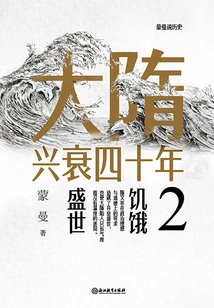
大隋兴衰四十年2:饥饿盛世
Monman
The person who was called the "Sage Khan" was not Emperor Taizong of the Tang Dynasty, but Emperor Wen of the Sui Dynasty. This alone is enough to give a glimpse of the prosperity of the Sui Dynasty during the founding years of the Sui Dynasty that was comparable to that of the Tang Dynasty. Emperor Wen of the Sui Dynasty wanted to establish an ideal government and become a wise king and saint who would shine through the ages, so he restrained himself, restored etiquette, and worked hard to govern, which created a bright side of him and the Sui Dynasty: stunning martial arts, radiant regulations, and Qian Yun's heroic spirit... But his demanding ideals and morals also laid a deep crisis for the prosperous age of the Sui Dynasty. : In order to ensure food reserves, he would rather flee famine with the people than open a warehouse for relief; he built the magnificent Daxing City, but the inner square was as strict as a chessboard; he criticized his son harshly, which ultimately led to a tragic tragedy for the family and even the country... His value orientation destined him to be unable to be a moral monarch, let alone a sentimental monarch. His way of ruling also plunged the entire Sui Dynasty into a puzzle of only magnanimity but no warmth.
The person who was called the "Sage Khan" was not Emperor Taizong of the Tang Dynasty, but Emperor Wen of the Sui Dynasty. This alone is enough to give a glimpse of the prosperity of the Sui Dynasty during the founding years of the Sui Dynasty that was comparable to that of the Tang Dynasty. Emperor Wen of the Sui Dynasty wanted to establish an ideal government and become a wise king and saint who would shine through the ages, so he restrained himself, restored etiquette, and worked hard to govern, which created a bright side of him and the Sui Dynasty: stunning martial arts, radiant regulations, and Qian Yun's heroic spirit... But his demanding ideals and morals also laid a deep crisis for the prosperous age of the Sui Dynasty. : In order to ensure food reserves, he would rather flee famine with the people than open a warehouse for relief; he built the magnificent Daxing City, but the inner square was as strict as a chessboard; he criticized his son harshly, which ultimately led to a tragic tragedy for the family and even the country... His value orientation destined him to be unable to be a moral monarch, let alone a sentimental monarch. His way of ruling also plunged the entire Sui Dynasty into a puzzle of only magnanimity but no warmth.
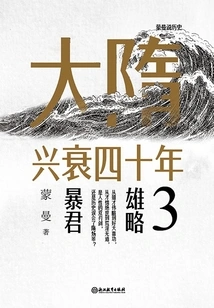
大隋兴衰四十年3:雄略暴君
Monman
Emperor Yang of Sui Dynasty, the "great tyrant" in the eyes of the world. However, who can deny his legend! The heroic spirit, the long-term achievements, coupled with a tragic ending, a less solemn posthumous title, such a huge tension, really makes everyone hate and fascinate. According to market legend, he killed his father and brother, was debauched, cruel and cruel. According to official historical records, he carried out large-scale construction projects and launched military campaigns, so he was very happy with his achievements. A posthumous title of "Yang" will forever nail him to the pillar of shame in history. However, you may not have seen it, but he has made great achievements: the Grand Canal connects the north and the south, benefiting generations; the city of Luoyang is powerful in the east, and its name has been passed down through the ages. You may not see it, but he is extremely talented: he has washed away the decadent poetic style since the Southern Dynasties and caught up with the majestic style of the Han and Wei dynasties. Although one good deed cannot cover up a hundred evils, one sin cannot negate a hundred merits. Was Emperor Sui Yang really worthless in history? How much of a devil and how much of a hero is he?
Emperor Yang of Sui Dynasty, the "great tyrant" in the eyes of the world. However, who can deny his legend! The heroic spirit, the long-term achievements, coupled with a tragic ending, a less solemn posthumous title, such a huge tension, really makes everyone hate and fascinate. According to market legend, he killed his father and brother, was debauched, cruel and cruel. According to official historical records, he carried out large-scale construction projects and launched military campaigns, so he was very happy with his achievements. A posthumous title of "Yang" will forever nail him to the pillar of shame in history. However, you may not have seen it, but he has made great achievements: the Grand Canal connects the north and the south, benefiting generations; the city of Luoyang is powerful in the east, and its name has been passed down through the ages. You may not see it, but he is extremely talented: he has washed away the decadent poetic style since the Southern Dynasties and caught up with the majestic style of the Han and Wei dynasties. Although one good deed cannot cover up a hundred evils, one sin cannot negate a hundred merits. Was Emperor Sui Yang really worthless in history? How much of a devil and how much of a hero is he?
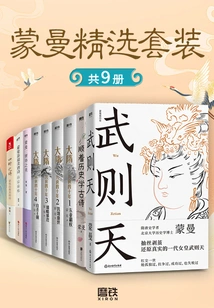
蒙曼精选套装(共9册)
Monman
This book includes Meng Man's "Wu Zetian", "Learning Ancient Poetry Along the History", "The Beauty of Meng Man's Tang Poems", "Meng Man's Most Beautiful Tang Poets Born of the Five Flavors", "Poems of the Four Seasons", and "The Rise and Fall of the Sui Dynasty in the Forty Years" (volumes 1-4).
This book includes Meng Man's "Wu Zetian", "Learning Ancient Poetry Along the History", "The Beauty of Meng Man's Tang Poems", "Meng Man's Most Beautiful Tang Poets Born of the Five Flavors", "Poems of the Four Seasons", and "The Rise and Fall of the Sui Dynasty in the Forty Years" (volumes 1-4).
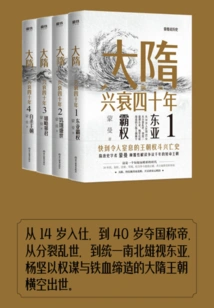
大隋兴衰四十年(全集)
Monman
In ancient Chinese history, there was a unified dynasty that was as short-lived as the Qin Dynasty - the Sui Dynasty, which died in less than forty years. Although short-lived, the Sui Dynasty also had the same extraordinary and legendary historical characteristics as the Qin Dynasty: unity, prosperity, civilization, and short-lived, tyrannical, and rebellion coexisted. This was a prosperous and civilized dynasty. Its warehouses were filled with food that could not be eaten for fifty or sixty years. Its emperor was hailed as the "Saint Khan" by the Turks. This was also a short-lived and violent dynasty. Its emperor built the Great Wall, built the Eastern Capital, opened canals, and traveled south of the Yangtze River. The country and the people had no peace. The name "Sui" is like a meteor, shining brightly and destroying instantly in Chinese history. What exactly did the two generations of father and son in the Sui Dynasty do? What was the reason for the rapid rise and fall of the Sui Dynasty?
In ancient Chinese history, there was a unified dynasty that was as short-lived as the Qin Dynasty - the Sui Dynasty, which died in less than forty years. Although short-lived, the Sui Dynasty also had the same extraordinary and legendary historical characteristics as the Qin Dynasty: unity, prosperity, civilization, and short-lived, tyrannical, and rebellion coexisted. This was a prosperous and civilized dynasty. Its warehouses were filled with food that could not be eaten for fifty or sixty years. Its emperor was hailed as the "Saint Khan" by the Turks. This was also a short-lived and violent dynasty. Its emperor built the Great Wall, built the Eastern Capital, opened canals, and traveled south of the Yangtze River. The country and the people had no peace. The name "Sui" is like a meteor, shining brightly and destroying instantly in Chinese history. What exactly did the two generations of father and son in the Sui Dynasty do? What was the reason for the rapid rise and fall of the Sui Dynasty?