Library
Browse and search books
330 novels found
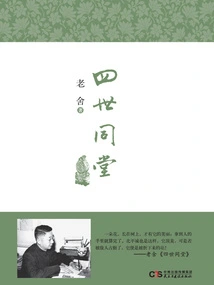
Four Generations under One Roof (volume 1 and 2)
General Fiction四世同堂(上下册)
Lao She
This is a novel that reflects the lives of ordinary people in the occupied areas of Peiping and the war of resistance against Japan. The book is set in the Xiaoyangquan Hutong in Peking. Through complex conflicts and entanglements, the Qi family in the Hutong is the main one, supplemented by the Qian family, the Guan family and other residents. It depicts the images of many ordinary people from all walks of life at that time; the choices of resistance and obedience, the choice of the country and the individual, and various difficult choices are intertwined, profoundly showing the difficult and tortuous path that ordinary people have traveled in the historical process of the great era.
This is a novel that reflects the lives of ordinary people in the occupied areas of Peiping and the war of resistance against Japan. The book is set in the Xiaoyangquan Hutong in Peking. Through complex conflicts and entanglements, the Qi family in the Hutong is the main one, supplemented by the Qian family, the Guan family and other residents. It depicts the images of many ordinary people from all walks of life at that time; the choices of resistance and obedience, the choice of the country and the individual, and various difficult choices are intertwined, profoundly showing the difficult and tortuous path that ordinary people have traveled in the historical process of the great era.
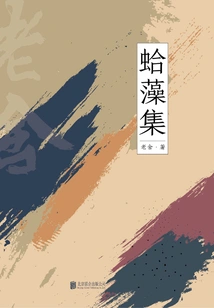
Youjian Library: Clam Algae Collection
General Fiction有间文库:蛤藻集
Lao She
Included in this collection are six short stories and one medium, namely "Time-honored Brand", "Soul-Breaking Gun", "Stories Heard", "Old Tragedies in the New Era", "Let's Talk About the House", "New Han Muled" and "Ai Qi". These stories were all written in Qingdao. It was named Clam Algae because Lao She fell in love with it after seeing it at the seaside. In "The Collection of Clam Algae", Lao She uses a tortuous and painful story to tell the pain that only belongs to the old-school Chinese.
Included in this collection are six short stories and one medium, namely "Time-honored Brand", "Soul-Breaking Gun", "Stories Heard", "Old Tragedies in the New Era", "Let's Talk About the House", "New Han Muled" and "Ai Qi". These stories were all written in Qingdao. It was named Clam Algae because Lao She fell in love with it after seeing it at the seaside. In "The Collection of Clam Algae", Lao She uses a tortuous and painful story to tell the pain that only belongs to the old-school Chinese.
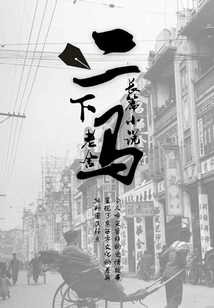
Novel: Two Horses (part 2)
General Fiction长篇小说:二马(下)
Lao She
This book is a novel written by Mr. Lao She. It is an earlier work in which Lao She focuses on Eastern and Western cultures. In "Two Horses", through such a ridiculous love story, Lao She laughed and cursed, not only strongly criticized his own nation's sluggishness, laziness, lack of progress, and going along with others, but also condemned the national and cultural prejudices in British society, expressing young Lao She's simple and strong patriotism and patriotic ideas. This book presents the differences between Eastern and Western cultures through the experiences of Chinese businessman Lao Ma and his son Xiao Ma in the UK, and satirizes and criticizes the weaknesses of Chinese national character.
This book is a novel written by Mr. Lao She. It is an earlier work in which Lao She focuses on Eastern and Western cultures. In "Two Horses", through such a ridiculous love story, Lao She laughed and cursed, not only strongly criticized his own nation's sluggishness, laziness, lack of progress, and going along with others, but also condemned the national and cultural prejudices in British society, expressing young Lao She's simple and strong patriotism and patriotic ideas. This book presents the differences between Eastern and Western cultures through the experiences of Chinese businessman Lao Ma and his son Xiao Ma in the UK, and satirizes and criticizes the weaknesses of Chinese national character.
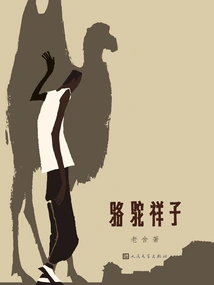
Camel Xiangzi
General Fiction骆驼祥子
Lao She
"Camel Xiangzi" is Lao She's masterpiece and an outstanding classic novel in the history of Chinese literature in the 20th century. The work is set in Peiping under the rule of warlords, and truly depicts the tragic fate of a rickshaw puller. The work is rich in meaning and superb in technique. It not only has the connotation of social criticism, but is also an important part of the general theme of Lao She's novel "criticizing the weakness of national character". Since the book came out, it has been widely welcomed, has been reprinted several times, and has been adapted into movies, plays, etc. In 1981, our company published a new edition of "Camel Xiangzi" with a cover design by the famous printmaker Mr. Gao Rongsheng, which also included 5 woodcut illustrations by Mr. Gao. Mr. Gao's illustration technique is exquisite, with obvious contrast and rich meaning, which is rare. It can be said to be an example of the perfect combination of famous works and paintings. This version of the book has also been included in the second volume of Chinese textbooks for seventh grade compiled by the Ministry of Education. In this reprint, the text is based on the well-edited "The Complete Works of Lao She", and the cover and illustrations remain unchanged. We hope to provide teachers, students, and parents with a variety of choices when choosing books.
"Camel Xiangzi" is Lao She's masterpiece and an outstanding classic novel in the history of Chinese literature in the 20th century. The work is set in Peiping under the rule of warlords, and truly depicts the tragic fate of a rickshaw puller. The work is rich in meaning and superb in technique. It not only has the connotation of social criticism, but is also an important part of the general theme of Lao She's novel "criticizing the weakness of national character". Since the book came out, it has been widely welcomed, has been reprinted several times, and has been adapted into movies, plays, etc. In 1981, our company published a new edition of "Camel Xiangzi" with a cover design by the famous printmaker Mr. Gao Rongsheng, which also included 5 woodcut illustrations by Mr. Gao. Mr. Gao's illustration technique is exquisite, with obvious contrast and rich meaning, which is rare. It can be said to be an example of the perfect combination of famous works and paintings. This version of the book has also been included in the second volume of Chinese textbooks for seventh grade compiled by the Ministry of Education. In this reprint, the text is based on the well-edited "The Complete Works of Lao She", and the cover and illustrations remain unchanged. We hope to provide teachers, students, and parents with a variety of choices when choosing books.
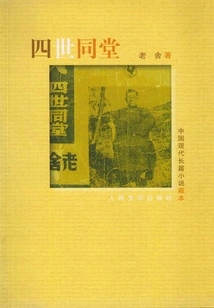
Four Generations Living under One Roof
General Fiction四世同堂
Lao She
This book is a classic of modern Chinese novels and one of Mr. Lao She's masterpieces. Against the background of the outbreak of the Marco Polo Bridge Incident and the fall of Peking, the novel takes the life of four generations of the Qi family as the main line. It vividly and truly depicts the ups and downs, life and death of all classes and people of all colors represented by the residents of Xiaoyangquan Hutong, and is full of epic style. Lao She said that this novel is the longest and probably the best book he has written since he started writing. It was selected as one of the "Top 100 Chinese Novels of the 20th Century" by Asia Weekly.
This book is a classic of modern Chinese novels and one of Mr. Lao She's masterpieces. Against the background of the outbreak of the Marco Polo Bridge Incident and the fall of Peking, the novel takes the life of four generations of the Qi family as the main line. It vividly and truly depicts the ups and downs, life and death of all classes and people of all colors represented by the residents of Xiaoyangquan Hutong, and is full of epic style. Lao She said that this novel is the longest and probably the best book he has written since he started writing. It was selected as one of the "Top 100 Chinese Novels of the 20th Century" by Asia Weekly.
Arikan Bunko: Sakurakai Collection
General Fiction有间文库:樱海集
Lao She
"The Collection of Yinghai" (1935, Renjian Bookstore) This book is a collection of short stories by Lao She, including "Taking Office", "Sacrifice", "Liutun's", "The Last Dollar", "Romance of Old Age", "Caterpillar" ", "Good People", "Neighbors", "Crescent Moon", and "Sunshine" are 10 works that are must-sips for Lao She lovers. Most of the works in them can be regarded as the highest examples of "character sketches".
"The Collection of Yinghai" (1935, Renjian Bookstore) This book is a collection of short stories by Lao She, including "Taking Office", "Sacrifice", "Liutun's", "The Last Dollar", "Romance of Old Age", "Caterpillar" ", "Good People", "Neighbors", "Crescent Moon", and "Sunshine" are 10 works that are must-sips for Lao She lovers. Most of the works in them can be regarded as the highest examples of "character sketches".
Lao She's Prose
Literature老舍散文
Lao She
This book selects Lao She's prose works and is an adapted version of our publisher's original "Chinese Prose Illustrated Collection". Lao She's prose works and his novel creations also have a strong Beijing flavor and humor. The works collected in the book may describe urban customs, record interactions with friends, or express natural scenery. The writing style is fresh, natural and full of fun.
This book selects Lao She's prose works and is an adapted version of our publisher's original "Chinese Prose Illustrated Collection". Lao She's prose works and his novel creations also have a strong Beijing flavor and humor. The works collected in the book may describe urban customs, record interactions with friends, or express natural scenery. The writing style is fresh, natural and full of fun.
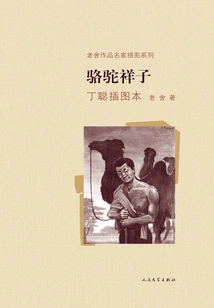
骆驼祥子丁聪插图本
Lao She
"Camel Xiangzi" is one of Lao She's masterpieces. Through the rickshaw driver Xiangzi, he writes a picture of the poor citizens at the bottom of Beijing living in the abyss of pain in the late 1920s. This book is illustrated by Ding Cong. Ding Cong's illustrations enjoy a high reputation for their summary of images, concise lines and rich charm.
"Camel Xiangzi" is one of Lao She's masterpieces. Through the rickshaw driver Xiangzi, he writes a picture of the poor citizens at the bottom of Beijing living in the abyss of pain in the late 1920s. This book is illustrated by Ding Cong. Ding Cong's illustrations enjoy a high reputation for their summary of images, concise lines and rich charm.
小时候真傻,居然盼着长大
Lao She
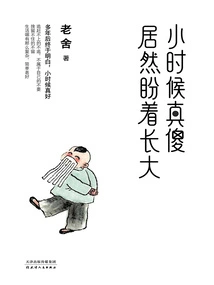
When I was a child, the watch painted on my hand did not move, but it took away our best time. Only when I grow up do I realize that the world of adults is never simple. But life is made up of all kinds of trivial things, which together make up our colorful life. Don't chase what you can't catch up with, don't let go of what doesn't belong to you, don't keep what you can't keep, life can't be so complicated, simplicity is better. This book is divided into 5 chapters, which respectively select Mr. Lao She's happy scenes from his childhood and dreams, his lament about the difficulty of adult life, his nostalgia for the lost time and people, his travel notes, and the warmth and happiness in life. The whole book reflects Mr. Lao She's love for life after all the hardships in life, and guides readers to discover the innocence and beauty lost in life, and not to be defeated by the trivialities and difficulties in front of them.
When I was a child, the watch painted on my hand did not move, but it took away our best time. Only when I grow up do I realize that the world of adults is never simple. But life is made up of all kinds of trivial things, which together make up our colorful life. Don't chase what you can't catch up with, don't let go of what doesn't belong to you, don't keep what you can't keep, life can't be so complicated, simplicity is better. This book is divided into 5 chapters, which respectively select Mr. Lao She's happy scenes from his childhood and dreams, his lament about the difficulty of adult life, his nostalgia for the lost time and people, his travel notes, and the warmth and happiness in life. The whole book reflects Mr. Lao She's love for life after all the hardships in life, and guides readers to discover the innocence and beauty lost in life, and not to be defeated by the trivialities and difficulties in front of them.
Another Year of Green Grass: Lao She
Literature又是一年芳草绿:老舍
Lao She
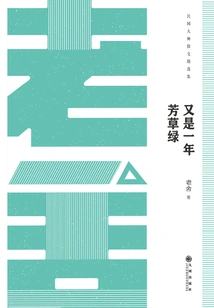
Lao She is known for his leisurely prose that is lively, beautiful, elegant and vulgar, but there are also thought-provoking satires in his prose. This collection is based on the "Complete Works of Lao She" compiled by Lao She's daughter Shu Ji, and consults other authoritative collections of Lao She's works to select 64 representative prose works of the author in various periods. There are not only humorous and leisurely works such as "Some Impressions", "Appreciation of Baotu Spring", "Spring at Daming Lake", "My Ideal Family" and "Growing Flowers", but also spicy and satirical sketches such as "Diao Jinan", "New Year's Drunk Talk", "Withdrawing Money", "Not Failing in the Examination is a God". By reading this book, you can fully understand Lao She's prose style, life thoughts, and even the style of the times.
Lao She is known for his leisurely prose that is lively, beautiful, elegant and vulgar, but there are also thought-provoking satires in his prose. This collection is based on the "Complete Works of Lao She" compiled by Lao She's daughter Shu Ji, and consults other authoritative collections of Lao She's works to select 64 representative prose works of the author in various periods. There are not only humorous and leisurely works such as "Some Impressions", "Appreciation of Baotu Spring", "Spring at Daming Lake", "My Ideal Family" and "Growing Flowers", but also spicy and satirical sketches such as "Diao Jinan", "New Year's Drunk Talk", "Withdrawing Money", "Not Failing in the Examination is a God". By reading this book, you can fully understand Lao She's prose style, life thoughts, and even the style of the times.
万物静观皆自得
Lao She
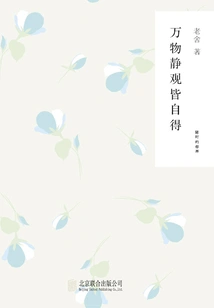
This book contains a total of 36 essays and prose by Lao She. Lao She's language is humorous and down-to-earth, and he uses authentic Beijing dialect to write about his busy day when he was writing a manuscript to make a cat and write letters to his second sister. Of course, his activities are not limited to this. He occasionally and Relatives watch audio movies, have the opportunity to visit Jinan's medicine store, see Jinan's Baotu Spring, go to escape the heat in the summer, and see who is eating lotus flowers to treat burns... The most ordinary daily life is the most vibrant and interesting.
This book contains a total of 36 essays and prose by Lao She. Lao She's language is humorous and down-to-earth, and he uses authentic Beijing dialect to write about his busy day when he was writing a manuscript to make a cat and write letters to his second sister. Of course, his activities are not limited to this. He occasionally and Relatives watch audio movies, have the opportunity to visit Jinan's medicine store, see Jinan's Baotu Spring, go to escape the heat in the summer, and see who is eating lotus flowers to treat burns... The most ordinary daily life is the most vibrant and interesting.
老舍作品集·散文卷
Lao She
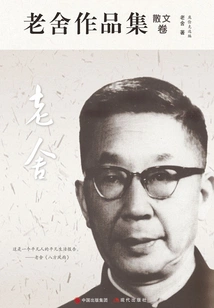
This book contains nearly a hundred of Lao She's essays, divided into three volumes: folk customs, life figures, and art talks. Mr. Lao She's prose has a wide range of themes and rich content, including his life experiences and mental journey. The one with the deepest affection is Beijing. He wrote about the education given to him by his amiable and respectable mother, the charity of Master Zongyue who sponsored his education, he wrote about his quitting bad habits such as smoking, drinking, and playing cards, he wrote about his fruitless first love, he wrote about his joy after returning to New Beijing, and so on. Lao She's prose has distinctive characteristics. All the writings are real people and true feelings, and the words are natural and unpretentious. In particular, they record the people and events that affected Lao She in his childhood and adolescence in Peking. They reproduce the development of Lao She's character, which is like a brand imprinted on Lao She, influencing him to do good deeds throughout his life.
This book contains nearly a hundred of Lao She's essays, divided into three volumes: folk customs, life figures, and art talks. Mr. Lao She's prose has a wide range of themes and rich content, including his life experiences and mental journey. The one with the deepest affection is Beijing. He wrote about the education given to him by his amiable and respectable mother, the charity of Master Zongyue who sponsored his education, he wrote about his quitting bad habits such as smoking, drinking, and playing cards, he wrote about his fruitless first love, he wrote about his joy after returning to New Beijing, and so on. Lao She's prose has distinctive characteristics. All the writings are real people and true feelings, and the words are natural and unpretentious. In particular, they record the people and events that affected Lao She in his childhood and adolescence in Peking. They reproduce the development of Lao She's character, which is like a brand imprinted on Lao She, influencing him to do good deeds throughout his life.
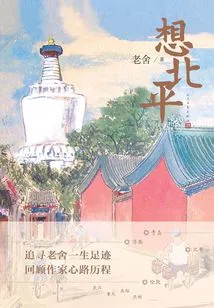
Thinking About Peiping
Literature想北平
Lao She
This book uses the places Lao She visited throughout his life as clues to collect his essays from various issues and places. Such as Beijing where he was born, London where he studied, Jinan Qingdao where he taught, Wuhan, Chengdu, Chongqing during the Anti-Japanese War, etc. Due to the characteristics of the author's personal style, these essays are not simply lyrical travel notes, but a collection of overall perceptions of the times, people, events and things he experienced. They are humorous and affectionate in Beijing style. It can be used as Lao She's autobiographical experience, tying together the main life processes of most of his life, and at the same time artistically reproducing the changes of the times.
This book uses the places Lao She visited throughout his life as clues to collect his essays from various issues and places. Such as Beijing where he was born, London where he studied, Jinan Qingdao where he taught, Wuhan, Chengdu, Chongqing during the Anti-Japanese War, etc. Due to the characteristics of the author's personal style, these essays are not simply lyrical travel notes, but a collection of overall perceptions of the times, people, events and things he experienced. They are humorous and affectionate in Beijing style. It can be used as Lao She's autobiographical experience, tying together the main life processes of most of his life, and at the same time artistically reproducing the changes of the times.
See Yourself, See the Heaven and Earth, See All Living Beings: Selected Prose Collection of Lao She
Literature见自己,见天地,见众生:老舍散文精选集
Lao She
This book contains more than 100 classic prose works by Lao She, including travel notes, essays, diary letters, describing scenery, writing about objects, talking about people or discussing things, all of which are affectionate and interesting. His writing is true and pure, and his language is plain and vivid. The simple innocence and worldly wisdom are revealed between the lines, as well as the poignant irony. It is full of thoughts about life. It is heart-warming and healing to read, and you can't bear to put it down.
This book contains more than 100 classic prose works by Lao She, including travel notes, essays, diary letters, describing scenery, writing about objects, talking about people or discussing things, all of which are affectionate and interesting. His writing is true and pure, and his language is plain and vivid. The simple innocence and worldly wisdom are revealed between the lines, as well as the poignant irony. It is full of thoughts about life. It is heart-warming and healing to read, and you can't bear to put it down.
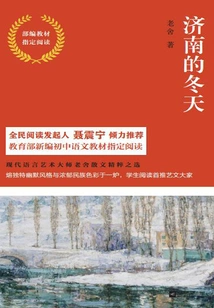
Jinan's Winter
Literature济南的冬天
Lao She
This book is a collection of essays by the famous writer Lao She. It includes Mr. Lao She's classic prose works "Winter in Jinan", "Mr. Moruo I Know", "Short Notes of a Trip to Yunnan", "Poet", "Mourning to Mr. Xu Dishan", etc. Lao She's prose is as elegant as it is vulgar. He is proficient in the art of writing, and he does not just use the rhetoric of "true feelings" and "the body is separated but the spirit is not separated" as footnotes. He knows how to magically integrate his academic talents into his writing, allowing the aura of his personality to permeate every word.
This book is a collection of essays by the famous writer Lao She. It includes Mr. Lao She's classic prose works "Winter in Jinan", "Mr. Moruo I Know", "Short Notes of a Trip to Yunnan", "Poet", "Mourning to Mr. Xu Dishan", etc. Lao She's prose is as elegant as it is vulgar. He is proficient in the art of writing, and he does not just use the rhetoric of "true feelings" and "the body is separated but the spirit is not separated" as footnotes. He knows how to magically integrate his academic talents into his writing, allowing the aura of his personality to permeate every word.
Lao She's Prose
Literature老舍散文
Lao She
This book collects many of Lao She's essays and selects the author's works: Some Impressions (1, 2, 3), Some Impressions (4, 5, 6, 7), Informal Park, Appreciation of Baotu Spring, Looking Up for Joy, Discussing, God's Games, Habits, Another Year of Green Grass, Spring Breeze, Little Animals, Little Animals (Pigeons) Continued, Thinking of Peiping, Mr. Dai Yutang's Outline for Going to the United States, Talking about Humor, British People, Use of Facts, My Ideal Family, etc.
This book collects many of Lao She's essays and selects the author's works: Some Impressions (1, 2, 3), Some Impressions (4, 5, 6, 7), Informal Park, Appreciation of Baotu Spring, Looking Up for Joy, Discussing, God's Games, Habits, Another Year of Green Grass, Spring Breeze, Little Animals, Little Animals (Pigeons) Continued, Thinking of Peiping, Mr. Dai Yutang's Outline for Going to the United States, Talking about Humor, British People, Use of Facts, My Ideal Family, etc.
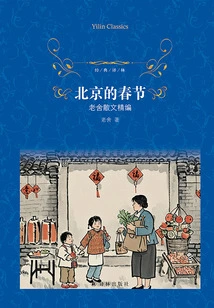
北京的春节:老舍散文精编(经典译林)
Lao She
Lao She's prose is the antidote to anxious times. He allows us to taste life in detail and get the true flavor from it. There are no grand slogans here, just hot dumplings and the fragrance of flowers in the small courtyard. He writes about sacrifices to the stove in the twelfth lunar month, editors urging manuscripts, cats on tiled roofs, and children playing. Reading his prose is like simmering orange tea by the fire and listening to neighbors chatting about home affairs. "In troubled times, even chickens will die." He also talked about the ups and downs of people in the great era, but he always focused on ordinary daily life, precisely because it contains human dignity that is indispensable in any era.
Lao She's prose is the antidote to anxious times. He allows us to taste life in detail and get the true flavor from it. There are no grand slogans here, just hot dumplings and the fragrance of flowers in the small courtyard. He writes about sacrifices to the stove in the twelfth lunar month, editors urging manuscripts, cats on tiled roofs, and children playing. Reading his prose is like simmering orange tea by the fire and listening to neighbors chatting about home affairs. "In troubled times, even chickens will die." He also talked about the ups and downs of people in the great era, but he always focused on ordinary daily life, precisely because it contains human dignity that is indispensable in any era.
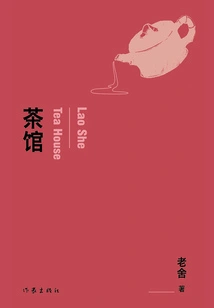
Teahouse
Literature茶馆
Lao She
This book is one of the representative works of Mr. Lao She, the "People's Artist", and a classic in the history of Chinese drama. The story in the play all takes place in a teahouse. People come and go in the teahouse, and people of all colors and religions gather together. A big teahouse is like a small society. Mr. Lao She captured the characteristics of this scene and highly condensed sixty or seventy main and secondary characters in a half-century time span into the teahouse, showing life scenes in three eras after the failure of the 1898 Coup in the late Qing Dynasty, the period of the Beiyang warlord separatism in the early years of the Republic of China, and the eve of the fall of the Kuomintang regime. It summarized the sharp opposition and conflicts between various classes and forces in Chinese society, and revealed the historical destiny of semi-feudal and semi-colonial China. This book also includes Lao She's classic masterpieces "Longxugou" and "My Life".
This book is one of the representative works of Mr. Lao She, the "People's Artist", and a classic in the history of Chinese drama. The story in the play all takes place in a teahouse. People come and go in the teahouse, and people of all colors and religions gather together. A big teahouse is like a small society. Mr. Lao She captured the characteristics of this scene and highly condensed sixty or seventy main and secondary characters in a half-century time span into the teahouse, showing life scenes in three eras after the failure of the 1898 Coup in the late Qing Dynasty, the period of the Beiyang warlord separatism in the early years of the Republic of China, and the eve of the fall of the Kuomintang regime. It summarized the sharp opposition and conflicts between various classes and forces in Chinese society, and revealed the historical destiny of semi-feudal and semi-colonial China. This book also includes Lao She's classic masterpieces "Longxugou" and "My Life".
Zhao Zi Said
Literature赵子曰
Lao She
"Zhao Ziyue" depicts the chaotic, despicable and vulgar life of a group of college students in the rooftop apartment of Drum Tower in Beijing in the 1920s. The protagonist Zhao Zi said that he did not study hard and made trouble everywhere, so he was expelled from the university. He played mahjong all night long and spent all day at the banquet, drunk and dreaming. At the critical moment of life and death, thanks to the persuasion of his best friend Li Jingchun, he finally woke up, changed his ways, and started a new life.
"Zhao Ziyue" depicts the chaotic, despicable and vulgar life of a group of college students in the rooftop apartment of Drum Tower in Beijing in the 1920s. The protagonist Zhao Zi said that he did not study hard and made trouble everywhere, so he was expelled from the university. He played mahjong all night long and spent all day at the banquet, drunk and dreaming. At the critical moment of life and death, thanks to the persuasion of his best friend Li Jingchun, he finally woke up, changed his ways, and started a new life.
Dr. Wen
Literature文博士
Lao She
"Dr. Wen" tells the story of Dr. Wen, a doctor studying in the United States. He is a literary and ruffian politician who has no knowledge but is good at power. He uses the foreign brand of a doctor studying in the United States to cheat, curry favor with the powerful, and find a job as a "commissioner" with both fame and fortune. Although he also loves money, he knows that in order to make money, he must become an official. Therefore, the philosophy of life he believes in is the two-in-one of "money standard plus official standard". Lao She used a sharp pen of ridicule and ridicule to lash out at the ugly people among the "Confucian scholars" in old China.
"Dr. Wen" tells the story of Dr. Wen, a doctor studying in the United States. He is a literary and ruffian politician who has no knowledge but is good at power. He uses the foreign brand of a doctor studying in the United States to cheat, curry favor with the powerful, and find a job as a "commissioner" with both fame and fortune. Although he also loves money, he knows that in order to make money, he must become an official. Therefore, the philosophy of life he believes in is the two-in-one of "money standard plus official standard". Lao She used a sharp pen of ridicule and ridicule to lash out at the ugly people among the "Confucian scholars" in old China.
Two Horses
Literature二马
Lao She
"Two Horses" presents the differences between Eastern and Western cultures through the experiences of Chinese businessman Lao Ma and his son Xiao Ma in the UK, and satirizes and criticizes the weaknesses of Chinese national character. This is one of Lao She's earlier works that focuses on Eastern and Western cultures.
"Two Horses" presents the differences between Eastern and Western cultures through the experiences of Chinese businessman Lao Ma and his son Xiao Ma in the UK, and satirizes and criticizes the weaknesses of Chinese national character. This is one of Lao She's earlier works that focuses on Eastern and Western cultures.
Under the Banner of Zhenghong
Literature正红旗下
Lao She
"Under the Red Flag" is Lao She's autobiographical novel. At the end of the Qing Dynasty, social unrest and folk customs were corrupted, and the lives of the banner people became increasingly difficult. During the Gengzi period, with the arrival of the Boxer Rebellion, the seemingly peaceful lives of the obedient people in old Beijing suddenly went into trouble. Faced with the broken rivers and mountains and remaining homes, the old Beijingers who had endured the plunder could only remember this period of history in their hearts forever.
"Under the Red Flag" is Lao She's autobiographical novel. At the end of the Qing Dynasty, social unrest and folk customs were corrupted, and the lives of the banner people became increasingly difficult. During the Gengzi period, with the arrival of the Boxer Rebellion, the seemingly peaceful lives of the obedient people in old Beijing suddenly went into trouble. Faced with the broken rivers and mountains and remaining homes, the old Beijingers who had endured the plunder could only remember this period of history in their hearts forever.
Cat City
Literature猫城记
Lao She
In 1932, Mr. Lao She completed a work called "Cat City" which was considered an outlier at the time. In a sense, "Cat City" can be regarded as a work that transcended its times at the time. When this work was translated and introduced to the West, its subject matter and style were deeply loved by Western readers.
In 1932, Mr. Lao She completed a work called "Cat City" which was considered an outlier at the time. In a sense, "Cat City" can be regarded as a work that transcended its times at the time. When this work was translated and introduced to the West, its subject matter and style were deeply loved by Western readers.
Teahouse
Literature茶馆
Lao She
The three-act drama "Tea House" is a classic in the history of Chinese drama. Each character's lines are designed to be very vivid, expressive, full of personality, concise and concise, and have profound meaning. It is still a standing repertoire of modern theaters. Mr. Lao She's short stories are wise and concise, and his prose is simple and humorous.
The three-act drama "Tea House" is a classic in the history of Chinese drama. Each character's lines are designed to be very vivid, expressive, full of personality, concise and concise, and have profound meaning. It is still a standing repertoire of modern theaters. Mr. Lao She's short stories are wise and concise, and his prose is simple and humorous.
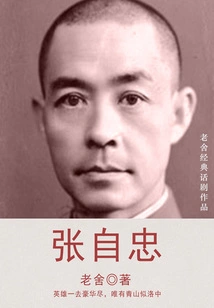
Zhang Zizhong (lao She's Classic Play)
Literature张自忠(老舍经典话剧)
Lao She
The play "Zhang Zizhong" was created during the anti-Japanese war in 1940. After the anti-Japanese general Zhang Zizhong (1891-1940) died for his country, Lao She was inspired by his heroic deeds. He spent three months and revised five drafts to create the four-act drama "Zhang Zizhong", creating a vivid image of the anti-Japanese general. The script describes Zhang Zizhong's persistence in the war of resistance. During the Battle of Linyi, he led his troops to defend the west bank of the Yi River. He fought bloody battles on Chaye Mountain for 7 days and 7 nights. He took the lead, used offense as defense, and pushed back the Japanese Itagaki Division 80 miles. The work focuses on the anti-Japanese war general Zhang Zizhong's example of leading the army, strict military discipline, understanding of the situation, and winning the hearts of the people. It particularly highlights his bravery and fearlessness, fighting the invaders to the end and dying on the battlefield, in order to inspire the people in the anti-war.
The play "Zhang Zizhong" was created during the anti-Japanese war in 1940. After the anti-Japanese general Zhang Zizhong (1891-1940) died for his country, Lao She was inspired by his heroic deeds. He spent three months and revised five drafts to create the four-act drama "Zhang Zizhong", creating a vivid image of the anti-Japanese general. The script describes Zhang Zizhong's persistence in the war of resistance. During the Battle of Linyi, he led his troops to defend the west bank of the Yi River. He fought bloody battles on Chaye Mountain for 7 days and 7 nights. He took the lead, used offense as defense, and pushed back the Japanese Itagaki Division 80 miles. The work focuses on the anti-Japanese war general Zhang Zizhong's example of leading the army, strict military discipline, understanding of the situation, and winning the hearts of the people. It particularly highlights his bravery and fearlessness, fighting the invaders to the end and dying on the battlefield, in order to inspire the people in the anti-war.
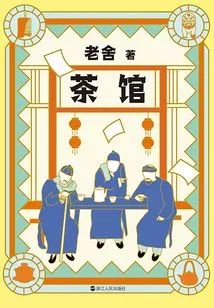
老舍典藏文集:茶馆(新版)
Lao She
Life is like a play sometimes, with moments of joy and moments of earth-shaking, if you work hard, you won't be kicked out. Accidents sometimes strike suddenly. We cannot choose our fate, but we can choose how to face problems. A small teahouse is a big society. Here, what you taste is not tea, but life.
Life is like a play sometimes, with moments of joy and moments of earth-shaking, if you work hard, you won't be kicked out. Accidents sometimes strike suddenly. We cannot choose our fate, but we can choose how to face problems. A small teahouse is a big society. Here, what you taste is not tea, but life.
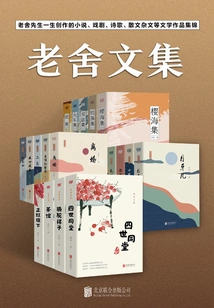
有间文库:老舍文集(套装19册)
Lao She
Including: Luotuo Xiangzi, Four Generations Under One House, Cat City Story, Under the Zhenghong Banner, Teahouse, Market, Yinghai Collection, Hazao Collection, Train Collection, Anemia Collection, Longxugou, Yue Yaer, Lao Zhang's Philosophy, Zhao Ziri, Divorce, Xiaopo's Birthday, Face Problem, Erma, Exporting Chapters, a total of 19 books.
Including: Luotuo Xiangzi, Four Generations Under One House, Cat City Story, Under the Zhenghong Banner, Teahouse, Market, Yinghai Collection, Hazao Collection, Train Collection, Anemia Collection, Longxugou, Yue Yaer, Lao Zhang's Philosophy, Zhao Ziri, Divorce, Xiaopo's Birthday, Face Problem, Erma, Exporting Chapters, a total of 19 books.
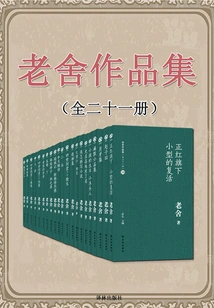
老舍作品集(全二十一册)
Lao She
This collection includes: "Four Generations Under One Roof", "The Soul-Breaking Gun Collection", "Two Horses", "Drum Calligraphy Artist", "Cremation", "Lao Zhang's Philosophy", "Divorce Ding", "Camel Xiangzi Dog Morning", "Cat City", "New Han Muled", "Cat City", "Xinhan Muled", "The Biography of Niu Tianci", "Weishen Collection", "Dr. Wen" "Sunshine", "How I Write a Novel", "The Nameless Highland Has a Name", "Xiaopo's Birthday Little Wooden Man", "Collection of Humorous Sketch", "Crescent Moon Collection", "Zhao Zi said", "Small Resurrection under the Red Flag".
This collection includes: "Four Generations Under One Roof", "The Soul-Breaking Gun Collection", "Two Horses", "Drum Calligraphy Artist", "Cremation", "Lao Zhang's Philosophy", "Divorce Ding", "Camel Xiangzi Dog Morning", "Cat City", "New Han Muled", "Cat City", "Xinhan Muled", "The Biography of Niu Tianci", "Weishen Collection", "Dr. Wen" "Sunshine", "How I Write a Novel", "The Nameless Highland Has a Name", "Xiaopo's Birthday Little Wooden Man", "Collection of Humorous Sketch", "Crescent Moon Collection", "Zhao Zi said", "Small Resurrection under the Red Flag".
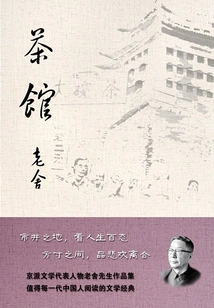
Teahouse
Literature茶馆
Lao She
This book is one of the representative works of "People's Artist" Lao She and a classic in the history of Chinese drama. The story in the play all takes place in a teahouse. Mr. Lao She captured the characteristics of this scene and highly condensed sixty or seventy main and secondary characters spanning half a century into the teahouse, showing the life scenes and the fate of people in three eras after the failure of the 1898 Coup in the late Qing Dynasty, the period of the Beiyang warlord separatism in the early years of the Republic of China, and the eve of the fall of the Kuomintang regime.
This book is one of the representative works of "People's Artist" Lao She and a classic in the history of Chinese drama. The story in the play all takes place in a teahouse. Mr. Lao She captured the characteristics of this scene and highly condensed sixty or seventy main and secondary characters spanning half a century into the teahouse, showing the life scenes and the fate of people in three eras after the failure of the 1898 Coup in the late Qing Dynasty, the period of the Beiyang warlord separatism in the early years of the Republic of China, and the eve of the fall of the Kuomintang regime.
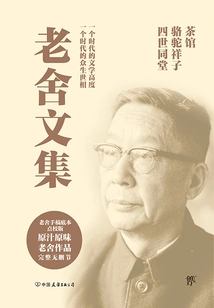
老舍文集:茶馆+骆驼祥子+四世同堂(套装共3册)
Lao She
"Collected Works of Lao She" includes Lao She's representative works such as "Tea House", "Camel Xiangzi" and "Four Generations Under One Roof". Among them, "Teahouse" is divided into three acts, with the rise and fall of Yutai Teahouse in old Beijing as the background, showing Beijing's social scene and the life changes of different people from all walks of life in the nearly 50 years from the late Qing Dynasty to the Beiyang Warlord period and then to the victory of the Anti-Japanese War. Each scene describes an era. People from all walks of life in Beijing come in and out of this big teahouse. What the whole play shows is a magnificent historical picture.
"Collected Works of Lao She" includes Lao She's representative works such as "Tea House", "Camel Xiangzi" and "Four Generations Under One Roof". Among them, "Teahouse" is divided into three acts, with the rise and fall of Yutai Teahouse in old Beijing as the background, showing Beijing's social scene and the life changes of different people from all walks of life in the nearly 50 years from the late Qing Dynasty to the Beiyang Warlord period and then to the victory of the Anti-Japanese War. Each scene describes an era. People from all walks of life in Beijing come in and out of this big teahouse. What the whole play shows is a magnificent historical picture.
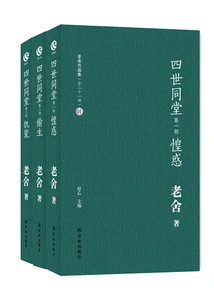
四世同堂(套装共3册)
Lao She
"Four Generations Under One Roof" (set of 3 volumes) is a literary classic worth reading by every generation of Chinese and a national memory worth cherishing by every Chinese. Selected into "Top 100 Chinese Novels of the 20th Century" by Asia Weekly. This set of books consists of the first part of Four Generations Under One House, Confusion, the second part of Four Generations Under One House, Ignorance, and the third part of Four Generations Under One House, part famine.
"Four Generations Under One Roof" (set of 3 volumes) is a literary classic worth reading by every generation of Chinese and a national memory worth cherishing by every Chinese. Selected into "Top 100 Chinese Novels of the 20th Century" by Asia Weekly. This set of books consists of the first part of Four Generations Under One House, Confusion, the second part of Four Generations Under One House, Ignorance, and the third part of Four Generations Under One House, part famine.
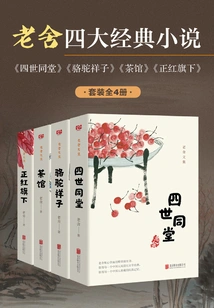
有间文库:老舍四大经典小说
Lao She
Including: four generations living under one roof, Luotuo Xiangzi, Zhenghong Banner, and teahouse. "Four Generations Under One Roof" is divided into three parts: "Confusion", "Stealing Life" and "Famine", with nearly one million words. It is the longest work among Lao She's works. It is also the work that took the longest time to write, took the most energy and the most difficult completion process. The work is set in the occupied area of Peiping during the Anti-Japanese War, with the life of the four generations of the Qi family living under one roof as the main line. It vividly and vividly depicts the humiliating torture and suffering of people from all walks of life, represented by the residents of Xiaoyangquan Hutong, and the process of their gradual awakening and struggle to resist. It praises their valuable national integrity as well as the Chinese nation's unyielding will to fight and determination to resist the war. "Camel Xiangzi" tells the tragic story of Xiangzi, a rickshaw driver in the old city of Beiping, China. The profound realism of this novel lies in the fact that it not only describes the material deprivation of Xiangzi caused by the harsh living environment, but also depicts Xiangzi's spiritual degradation after his life ideals were destroyed...
Including: four generations living under one roof, Luotuo Xiangzi, Zhenghong Banner, and teahouse. "Four Generations Under One Roof" is divided into three parts: "Confusion", "Stealing Life" and "Famine", with nearly one million words. It is the longest work among Lao She's works. It is also the work that took the longest time to write, took the most energy and the most difficult completion process. The work is set in the occupied area of Peiping during the Anti-Japanese War, with the life of the four generations of the Qi family living under one roof as the main line. It vividly and vividly depicts the humiliating torture and suffering of people from all walks of life, represented by the residents of Xiaoyangquan Hutong, and the process of their gradual awakening and struggle to resist. It praises their valuable national integrity as well as the Chinese nation's unyielding will to fight and determination to resist the war. "Camel Xiangzi" tells the tragic story of Xiangzi, a rickshaw driver in the old city of Beiping, China. The profound realism of this novel lies in the fact that it not only describes the material deprivation of Xiangzi caused by the harsh living environment, but also depicts Xiangzi's spiritual degradation after his life ideals were destroyed...
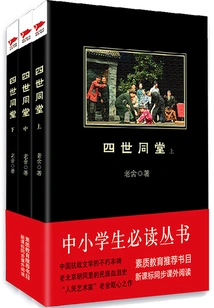
四世同堂(全集)
Lao She
This book is a novel written by the Chinese writer Lao She. The novel shows the life of ordinary people in the occupied areas of Peiping during the Anti-Japanese War. The book is set in Xiaoyangquan Hutong in Peking. Through complex conflicts and entanglements, the book mainly focuses on the Qi family in the Hutong, supplemented by the Qian family, Guan family and other residents, and depicts the images of many ordinary people from all walks of life at that time. The choice of resistance and obedience, the choice of the country and the individual, and various difficult choices are intertwined, profoundly showing the difficult and tortuous path that ordinary people have traveled in the historical process of the great era.
This book is a novel written by the Chinese writer Lao She. The novel shows the life of ordinary people in the occupied areas of Peiping during the Anti-Japanese War. The book is set in Xiaoyangquan Hutong in Peking. Through complex conflicts and entanglements, the book mainly focuses on the Qi family in the Hutong, supplemented by the Qian family, Guan family and other residents, and depicts the images of many ordinary people from all walks of life at that time. The choice of resistance and obedience, the choice of the country and the individual, and various difficult choices are intertwined, profoundly showing the difficult and tortuous path that ordinary people have traveled in the historical process of the great era.
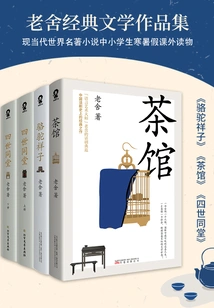
老舍经典文学作品集(《骆驼祥子》《茶馆》《四世同堂》)
Lao She
"Camel Xiangzi" tells the story of Xiangzi, an uneducated, young and powerful rickshaw driver from the countryside of Peking, who experienced ups and downs in his life. "Teahouse" is Lao She's representative drama collection, which includes his famous dramas "Teahouse" and "Longxugou", as well as many classic short stories by Mr. Lao She. "Four Generations Under One Roof" is Mr. Lao She's immortal work that positively describes the Anti-Japanese War, exposes and accuses the brutal crimes of Japanese militarism, and praises and promotes the great patriotic spirit of the Chinese people.
"Camel Xiangzi" tells the story of Xiangzi, an uneducated, young and powerful rickshaw driver from the countryside of Peking, who experienced ups and downs in his life. "Teahouse" is Lao She's representative drama collection, which includes his famous dramas "Teahouse" and "Longxugou", as well as many classic short stories by Mr. Lao She. "Four Generations Under One Roof" is Mr. Lao She's immortal work that positively describes the Anti-Japanese War, exposes and accuses the brutal crimes of Japanese militarism, and praises and promotes the great patriotic spirit of the Chinese people.
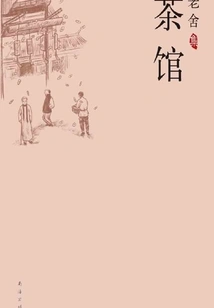
Teahouse
Literature茶馆
Lao She
The three-act drama "Tea House" is a classic in the history of Chinese drama. Each character's lines are designed to be very vivid, expressive, full of personality, concise and concise, and have profound meaning. It is still a standing repertoire of modern theaters. Mr. Lao She's short stories are wise and concise, and his prose is simple and humorous. The selected chapters in this book are all representative works praised by experts and readers, allowing readers to appreciate the writer's unique literary characteristics.
The three-act drama "Tea House" is a classic in the history of Chinese drama. Each character's lines are designed to be very vivid, expressive, full of personality, concise and concise, and have profound meaning. It is still a standing repertoire of modern theaters. Mr. Lao She's short stories are wise and concise, and his prose is simple and humorous. The selected chapters in this book are all representative works praised by experts and readers, allowing readers to appreciate the writer's unique literary characteristics.
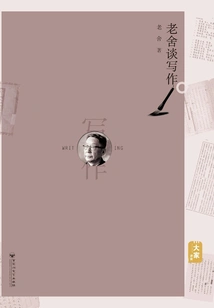
Lao She Talks About Writing
Literature老舍谈写作
Lao She
Lao She is a famous modern Chinese writer and language master. He is the author of "Camel Xiangzi", "Four Generations Under One Roof", "Tea House" and other important classic works that are suitable for both refined and popular tastes. He also left a wealth of popular reading materials on literary theory, such as "Talking about Writing with Comrade Workers", "Lao Niu Breaks the Car", "Writing and Reading", etc. "Lao She Talks about Writing" selects Lao She's discussion on writing, and explains the theme of "how to write" in simple terms from the basic principles of writing, the relationship between writing and reading, the use of language, description techniques, structural methods, etc. It is very instructive and operable for readers who are just learning to write or want to make progress in writing.
Lao She is a famous modern Chinese writer and language master. He is the author of "Camel Xiangzi", "Four Generations Under One Roof", "Tea House" and other important classic works that are suitable for both refined and popular tastes. He also left a wealth of popular reading materials on literary theory, such as "Talking about Writing with Comrade Workers", "Lao Niu Breaks the Car", "Writing and Reading", etc. "Lao She Talks about Writing" selects Lao She's discussion on writing, and explains the theme of "how to write" in simple terms from the basic principles of writing, the relationship between writing and reading, the use of language, description techniques, structural methods, etc. It is very instructive and operable for readers who are just learning to write or want to make progress in writing.
老舍文学十五讲(下)
Lao She
"Lao She's Fifteen Lectures on Literature" is compiled based on Mr. Lao She's university lectures. Mr. Lao She synthesized ancient and modern times, conducted a comprehensive and unique thinking on literature from a writer's perspective, turned rigid theories into wisdom-filled thinking, talked about the characteristics of literature, the creation of literature, the origin of literature, the style of literature, divided the genres into literary forms, and talked about the ethos and tendencies of literature. This book is not only an important material for studying Lao She's literary views, but also a rare introductory book on literary theory. This book is the second volume.
"Lao She's Fifteen Lectures on Literature" is compiled based on Mr. Lao She's university lectures. Mr. Lao She synthesized ancient and modern times, conducted a comprehensive and unique thinking on literature from a writer's perspective, turned rigid theories into wisdom-filled thinking, talked about the characteristics of literature, the creation of literature, the origin of literature, the style of literature, divided the genres into literary forms, and talked about the ethos and tendencies of literature. This book is not only an important material for studying Lao She's literary views, but also a rare introductory book on literary theory. This book is the second volume.
How Do I Write a Novel
Literature我怎样写小说
Lao She
Lao She, the author of "How I Write a Novel", is a prolific writer who wrote more than a thousand works in his life, occupying a unique position in the history of modern Chinese literature. Lao She's works are especially famous for his novels, and his representative works include "Camel Xiangzi", "Four Generations Under One Roof", etc. When he started writing, there were few new literature writers writing long novels. He was one of the earliest authors of modern Chinese novels and contributed to the development of this genre. And his short and medium-sized novels are also excellent works that are colorful and meaningful, such as "The Soul-Breaking Gun", "Taking Office", "Liu Family Courtyard", "Mr. Breeches", etc. Some of them are deep and heavy, humorous or witty, and they are all written with their own characteristics. The exquisiteness of their artistic conception and the breadth of their themes are even better than their full-length works. In addition, Lao She also left many classics in dramas. "Teahouse" and "Longxugou" are all masterpieces of Chinese drama.
Lao She, the author of "How I Write a Novel", is a prolific writer who wrote more than a thousand works in his life, occupying a unique position in the history of modern Chinese literature. Lao She's works are especially famous for his novels, and his representative works include "Camel Xiangzi", "Four Generations Under One Roof", etc. When he started writing, there were few new literature writers writing long novels. He was one of the earliest authors of modern Chinese novels and contributed to the development of this genre. And his short and medium-sized novels are also excellent works that are colorful and meaningful, such as "The Soul-Breaking Gun", "Taking Office", "Liu Family Courtyard", "Mr. Breeches", etc. Some of them are deep and heavy, humorous or witty, and they are all written with their own characteristics. The exquisiteness of their artistic conception and the breadth of their themes are even better than their full-length works. In addition, Lao She also left many classics in dramas. "Teahouse" and "Longxugou" are all masterpieces of Chinese drama.
老舍文学十五讲(上)
Lao She
"Lao She's Fifteen Lectures on Literature" is compiled based on Mr. Lao She's university lectures. Mr. Lao She synthesized ancient and modern times, conducted a comprehensive and unique thinking on literature from a writer's perspective, turned rigid theories into wisdom-filled thinking, talked about the characteristics of literature, the creation of literature, the origin of literature, the style of literature, divided the genres into literary forms, and talked about the ethos and tendencies of literature. This book is not only an important material for studying Lao She's literary views, but also a rare introductory book on literary theory. This book is the first volume.
"Lao She's Fifteen Lectures on Literature" is compiled based on Mr. Lao She's university lectures. Mr. Lao She synthesized ancient and modern times, conducted a comprehensive and unique thinking on literature from a writer's perspective, turned rigid theories into wisdom-filled thinking, talked about the characteristics of literature, the creation of literature, the origin of literature, the style of literature, divided the genres into literary forms, and talked about the ethos and tendencies of literature. This book is not only an important material for studying Lao She's literary views, but also a rare introductory book on literary theory. This book is the first volume.
Dr. Wen
General Fiction文博士
Lao She
This is a classic work by Mr. Lao She. It tells the story of a doctorate who studied in the United States. He is a literary politician who has no knowledge but is good at power. He uses the foreign name of a doctor studying in the United States to cheat, ingratiate himself with the powerful, and get a job as a "commissioner" with both fame and fortune. Although he also loves money, he knows that in order to make money, he must become an official. Therefore, the philosophy of life he believes in is the two-in-one of "money standard plus official standard". Lao She used a sharp pen of ridicule and ridicule to lash out at the ugly people among the "Confucian scholars" in old China.
This is a classic work by Mr. Lao She. It tells the story of a doctorate who studied in the United States. He is a literary politician who has no knowledge but is good at power. He uses the foreign name of a doctor studying in the United States to cheat, ingratiate himself with the powerful, and get a job as a "commissioner" with both fame and fortune. Although he also loves money, he knows that in order to make money, he must become an official. Therefore, the philosophy of life he believes in is the two-in-one of "money standard plus official standard". Lao She used a sharp pen of ridicule and ridicule to lash out at the ugly people among the "Confucian scholars" in old China.
Luotuo Xiangzi (classic Translation)
General Fiction骆驼祥子(经典译林)
Lao She
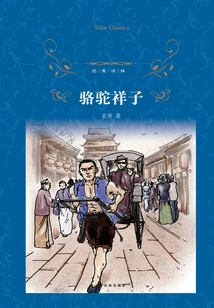
Xiangzi comes from the countryside, is kind, diligent, and perseverant. He goes to Peking to pull a cart to make a living. His biggest dream is to pull his own cart one day. However, his hopes were repeatedly shattered due to various reasons. After three ups and downs, Xiangzi gradually lost confidence in life, and finally became a self-defeating and jobless vagrant.
Xiangzi comes from the countryside, is kind, diligent, and perseverant. He goes to Peking to pull a cart to make a living. His biggest dream is to pull his own cart one day. However, his hopes were repeatedly shattered due to various reasons. After three ups and downs, Xiangzi gradually lost confidence in life, and finally became a self-defeating and jobless vagrant.
Camel Xiangzi
General Fiction骆驼祥子
Lao She
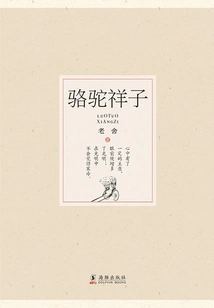
"Camel Xiangzi" is one of the masterpieces of the literary master Lao She. It tells the tragic story of Xiangzi, a rickshaw driver in the old city of Beiping, China in the 1920s and 1930s. The work uses realistic brushwork and compassionate feelings to create a series of unforgettable artistic images such as Xiangzi and Huniu. Through the protagonist's experience, it reveals the exploitation and oppression of the people by the dark old society and expresses deep sympathy for the working people. "Camel Xiangzi" plays an important role in the history of modern Chinese literature.
"Camel Xiangzi" is one of the masterpieces of the literary master Lao She. It tells the tragic story of Xiangzi, a rickshaw driver in the old city of Beiping, China in the 1920s and 1930s. The work uses realistic brushwork and compassionate feelings to create a series of unforgettable artistic images such as Xiangzi and Huniu. Through the protagonist's experience, it reveals the exploitation and oppression of the people by the dark old society and expresses deep sympathy for the working people. "Camel Xiangzi" plays an important role in the history of modern Chinese literature.
Youjian Library: Longxugou
General Fiction有间文库:龙须沟
Lao She
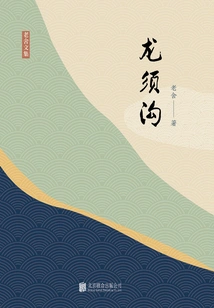
"Longxugou" mainly tells the story of Cheng Baotai, an upright old artist who used to make a living as a performer. After being severely beaten by the bully Black Whirlwind, he fled to live in Longxugou and relied on Mrs. Cheng to sell cigarettes at a stall.
"Longxugou" mainly tells the story of Cheng Baotai, an upright old artist who used to make a living as a performer. After being severely beaten by the bully Black Whirlwind, he fled to live in Longxugou and relied on Mrs. Cheng to sell cigarettes at a stall.
Youjian Bunko: Anemia Collection
General Fiction有间文库:贫血集
Lao She
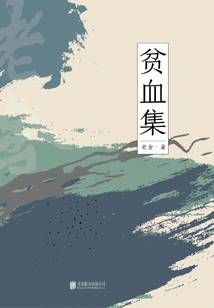
The two works "Train Collection" and "Anemia Collection" are both based on the background of the Anti-Japanese War. The writing style is cordial and emotional. They not only describe the people at the bottom, but also criticize the bureaucratic class. It also has strong practical significance at the moment and resonates with readers. In 1938, Lao She was elected as the executive director and director of the general affairs department of the All-China Literary and Art Circles Anti-Enemy Association. He presided over daily meetings internally, represented the "Arts Association" externally, and was fully responsible for the leadership of the association. In July of the same year, he moved west to Chongqing with the Literary and Art Association until the Anti-Japanese War achieved complete victory. Lao She worked with enthusiasm, patience and meticulousness, uniting writers and artists from all walks of life and working together to promote the literary and artistic activities of the Anti-Japanese War. He used the pen as a weapon to create various literary and artistic forms. The works of this period are included in these two collections of short stories.
The two works "Train Collection" and "Anemia Collection" are both based on the background of the Anti-Japanese War. The writing style is cordial and emotional. They not only describe the people at the bottom, but also criticize the bureaucratic class. It also has strong practical significance at the moment and resonates with readers. In 1938, Lao She was elected as the executive director and director of the general affairs department of the All-China Literary and Art Circles Anti-Enemy Association. He presided over daily meetings internally, represented the "Arts Association" externally, and was fully responsible for the leadership of the association. In July of the same year, he moved west to Chongqing with the Literary and Art Association until the Anti-Japanese War achieved complete victory. Lao She worked with enthusiasm, patience and meticulousness, uniting writers and artists from all walks of life and working together to promote the literary and artistic activities of the Anti-Japanese War. He used the pen as a weapon to create various literary and artistic forms. The works of this period are included in these two collections of short stories.
Outside the Jiexi
General Fiction集外
Lao She
Lao She is a well-known modern writer in my country and a representative figure of Beijing School literature. He is famous for his novels, plays and essays. His works have a unique humorous style and rich flavor of life, and are deeply loved by readers. Lao She represents the literary height of an era and is known as the "people's artist".
Lao She is a well-known modern writer in my country and a representative figure of Beijing School literature. He is famous for his novels, plays and essays. His works have a unique humorous style and rich flavor of life, and are deeply loved by readers. Lao She represents the literary height of an era and is known as the "people's artist".
Cat City
General Fiction猫城记
Lao She
This book contains two novels by Mr. Lao She, namely "Cat City" and "Xiaopo's Birthday". In 1932, Mr. Lao She completed a work called "Cat City" which was considered an outlier at the time. In a sense, "Cat City" can be regarded as a work that transcended its times at the time. When this work was translated and introduced to the West, its subject matter and style were deeply loved by Western readers. "Xiaopo's Birthday" takes Xiaopo, a boy living in Nanyang (that is, Singapore), and his sister Xianpo as the protagonists, and tells all kinds of interesting things in Xiaopo's life. Lao She borrowed a child's tone and eyes to "make a small satire on things in Nanyang", implying a "so-called thought that does not belong to the world of children", which is to "unite the weak and small nations of the world to work together."
This book contains two novels by Mr. Lao She, namely "Cat City" and "Xiaopo's Birthday". In 1932, Mr. Lao She completed a work called "Cat City" which was considered an outlier at the time. In a sense, "Cat City" can be regarded as a work that transcended its times at the time. When this work was translated and introduced to the West, its subject matter and style were deeply loved by Western readers. "Xiaopo's Birthday" takes Xiaopo, a boy living in Nanyang (that is, Singapore), and his sister Xianpo as the protagonists, and tells all kinds of interesting things in Xiaopo's life. Lao She borrowed a child's tone and eyes to "make a small satire on things in Nanyang", implying a "so-called thought that does not belong to the world of children", which is to "unite the weak and small nations of the world to work together."
Train Set
General Fiction火车集
Lao She
"Train Collection" is a collection of Lao She's short stories, including the following works: "Fire Train", "East and West", "People Are of the Same Mind", "Killing Dogs", "My Life", "A Letter from Home", "A Piece of Pork Liver", "Bath Slave", and "Rabbit".
"Train Collection" is a collection of Lao She's short stories, including the following works: "Fire Train", "East and West", "People Are of the Same Mind", "Killing Dogs", "My Life", "A Letter from Home", "A Piece of Pork Liver", "Bath Slave", and "Rabbit".
Under the Banner of Zhenghong
General Fiction正红旗下
Lao She
"Under the Red Flag" is Lao She's masterpiece and a truly great contemporary literary masterpiece. Lao She is a banner man and belongs to the "Eight Banners of Manchuria"
"Under the Red Flag" is Lao She's masterpiece and a truly great contemporary literary masterpiece. Lao She is a banner man and belongs to the "Eight Banners of Manchuria"
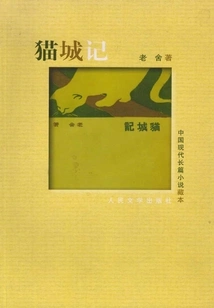
Cat City
General Fiction猫城记
Lao She
The well-known work of Lao She, the famous modern novelist in China, tells the story of a plane bound for Mars that crashed and killed everyone at the moment it collided with Mars. Only "I" survived, but was taken to their cat city by a group of cat-faced aliens and began a difficult alien life.
The well-known work of Lao She, the famous modern novelist in China, tells the story of a plane bound for Mars that crashed and killed everyone at the moment it collided with Mars. Only "I" survived, but was taken to their cat city by a group of cat-faced aliens and began a difficult alien life.