Library
Browse and search books
31 novels found
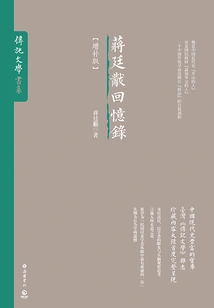
蒋廷黻回忆录·增补版
Jiang Tingfu
As an "important figure" with special experience and identity, Jiang Tingfu's memoirs have important historical reference value. This book is a Chinese translation of the autobiography that the author dictated at Columbia University after his retirement. It was published by Taiwan Biographical Literature Publishing House in 1979 and has attracted widespread attention from academic circles at home and abroad. Jiang Tingfu had a complicated life and experienced the vicissitudes of the times. He observes and thinks with a scholar's vision and mind, and there are things that others don't know. In addition, he has been in a high position for a long time, and the large number of little-known historical events disclosed in his memoirs are precious materials for studying modern history. This is the main value of the book and our focus in publishing it.
As an "important figure" with special experience and identity, Jiang Tingfu's memoirs have important historical reference value. This book is a Chinese translation of the autobiography that the author dictated at Columbia University after his retirement. It was published by Taiwan Biographical Literature Publishing House in 1979 and has attracted widespread attention from academic circles at home and abroad. Jiang Tingfu had a complicated life and experienced the vicissitudes of the times. He observes and thinks with a scholar's vision and mind, and there are things that others don't know. In addition, he has been in a high position for a long time, and the large number of little-known historical events disclosed in his memoirs are precious materials for studying modern history. This is the main value of the book and our focus in publishing it.
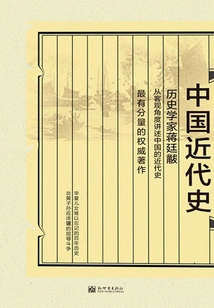
中国近代史(插图珍藏本)
Jiang Tingfu
The Chinese nation entered a special period in the 19th century. Before that, although the Chinese had long-standing relations with foreigners, those foreigners were all ethnic groups with lower cultures. Even if they took control of the Central Plains, they would only take advantage of the temporary civil strife among the Chinese to temporarily seize power. By the 19th century, the situation was completely different, because the British, American, and French countries that came to East Asia at this time were by no means comparable to the Huns, Xianbei, Mongols, Japanese pirates, and Qing people. It turns out that human development can be divided into two worlds, one is Asia in the East, and the other is Europe and America in the West. Although the two worlds had a relationship before the nineteenth century, that relationship was intermittent and dispensable. In the Eastern world, China is the leader and the big brother. We regard ourselves as the big brother, and other countries, including Japan, also recognize our superior status. By the 19th century, it was not our little brothers in the Eastern world who came to cause trouble for us, but the Western world that we had never met and whose cultures were fundamentally different.
The Chinese nation entered a special period in the 19th century. Before that, although the Chinese had long-standing relations with foreigners, those foreigners were all ethnic groups with lower cultures. Even if they took control of the Central Plains, they would only take advantage of the temporary civil strife among the Chinese to temporarily seize power. By the 19th century, the situation was completely different, because the British, American, and French countries that came to East Asia at this time were by no means comparable to the Huns, Xianbei, Mongols, Japanese pirates, and Qing people. It turns out that human development can be divided into two worlds, one is Asia in the East, and the other is Europe and America in the West. Although the two worlds had a relationship before the nineteenth century, that relationship was intermittent and dispensable. In the Eastern world, China is the leader and the big brother. We regard ourselves as the big brother, and other countries, including Japan, also recognize our superior status. By the 19th century, it was not our little brothers in the Eastern world who came to cause trouble for us, but the Western world that we had never met and whose cultures were fundamentally different.
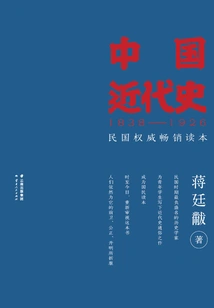
中国近代史(民国权威畅销读本)
Jiang Tingfu
An undisputed authoritative work, Chiang Kai-shek appreciated the historian's rational telling of modern Chinese history. This book uses clear and smooth words to describe the evolution over the past century, describing the political confrontation, the collision of civilizations, as well as the rules of society and the inertia of the nation. In just 60,000 words, it tells a thorough story of the major events and important figures in modern China over the past century. It is precisely because we have grasped the essence that we can achieve "minimalist" and "extremely complete" at the same time. This book provides a completely different perspective from textbooks in an easy-to-read manner, and provides a full-angle analysis of events and characters. In the West, the Arabs in the Middle Ages used force to promote Islam and promoted their religious imperialism. At the end of the 18th century, French revolutionaries used force to force foreign countries to accept their freedom and equality, and promoted their revolutionary imperialism. In history, various political systems, whether monarchy or democracy, various social and economic systems, whether capitalism or feudalism, all have the possibility of imperialism. Mr. Jiang's book is indeed a modern history that everyone can read and everyone should read.
An undisputed authoritative work, Chiang Kai-shek appreciated the historian's rational telling of modern Chinese history. This book uses clear and smooth words to describe the evolution over the past century, describing the political confrontation, the collision of civilizations, as well as the rules of society and the inertia of the nation. In just 60,000 words, it tells a thorough story of the major events and important figures in modern China over the past century. It is precisely because we have grasped the essence that we can achieve "minimalist" and "extremely complete" at the same time. This book provides a completely different perspective from textbooks in an easy-to-read manner, and provides a full-angle analysis of events and characters. In the West, the Arabs in the Middle Ages used force to promote Islam and promoted their religious imperialism. At the end of the 18th century, French revolutionaries used force to force foreign countries to accept their freedom and equality, and promoted their revolutionary imperialism. In history, various political systems, whether monarchy or democracy, various social and economic systems, whether capitalism or feudalism, all have the possibility of imperialism. Mr. Jiang's book is indeed a modern history that everyone can read and everyone should read.
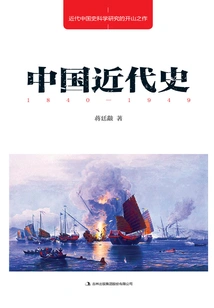
Modern History of China
History中国近代史
Jiang Tingfu
"Modern History of China" was written in 1938. It is an outline work and the representative work of Mr. Jiang Tingfu, a historian and diplomat of the Republic of China who is known as "the talent of Tai Shigong and the ambition of Zhang Qian". This history book records the evolution and characters of nearly a hundred years from the Opium War to the Revolution of 1911. There is no boring textual research or accumulation of historical materials, but it fully shows the fate of the family and the country and the trend of social development. To sum up, Chiang's history book is an outline in nature, taking China's modernization as its context, and puts forward the view that whether the Chinese can modernize will affect the rise or fall of the country. The historiographic framework and chronological history system constructed by "Modern History of China" once led the trend of modern history research and were highly praised by later researchers. It is called the pioneering work of modern Chinese history research. This book has a special chapter in the appendix, which is helpful for understanding Chiang's profound thoughts on modern history.
"Modern History of China" was written in 1938. It is an outline work and the representative work of Mr. Jiang Tingfu, a historian and diplomat of the Republic of China who is known as "the talent of Tai Shigong and the ambition of Zhang Qian". This history book records the evolution and characters of nearly a hundred years from the Opium War to the Revolution of 1911. There is no boring textual research or accumulation of historical materials, but it fully shows the fate of the family and the country and the trend of social development. To sum up, Chiang's history book is an outline in nature, taking China's modernization as its context, and puts forward the view that whether the Chinese can modernize will affect the rise or fall of the country. The historiographic framework and chronological history system constructed by "Modern History of China" once led the trend of modern history research and were highly praised by later researchers. It is called the pioneering work of modern Chinese history research. This book has a special chapter in the appendix, which is helpful for understanding Chiang's profound thoughts on modern history.
中国近代史(中国大历史)
Jiang Tingfu
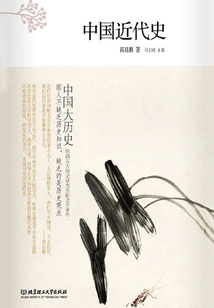
"Modern History of China" written by Jiang Tingfu takes China's modernization as a clue and believes that "whether the Chinese can modernize will determine the rise or fall of the country." It mainly elaborates on the self-improvement efforts of modern people and the reasons for their failure in the face of "big changes unseen in thousands of years." It then proposes that "modern national defense not only requires modern transportation, education, and economy, but also modern politics and citizens. Half-new and half-old are useless."
"Modern History of China" written by Jiang Tingfu takes China's modernization as a clue and believes that "whether the Chinese can modernize will determine the rise or fall of the country." It mainly elaborates on the self-improvement efforts of modern people and the reasons for their failure in the face of "big changes unseen in thousands of years." It then proposes that "modern national defense not only requires modern transportation, education, and economy, but also modern politics and citizens. Half-new and half-old are useless."
Modern History of China
History中国近代史
Jiang Tingfu
This book is Jiang Tingfu's classic work on the study of modern Chinese history and has had a wide range of influences. With a calm and objective attitude, Jiang Tingfu narrated the history of China from the Opium War to the Revolution of 1911. He expressed concerns about the future of China and the fate of the nation in an academic way, and put forward many insights. Fairbank, a famous American sinologist, called Jiang Tingfu "the leader in the study of modern Chinese history." The historiographic framework and chronological history system constructed by "Modern History of China" once led the trend of modern history research and were praised by subsequent researchers. It is called the pioneering work in the study of modern Chinese history. There is no boring textual research, no accumulation of historical materials, or even many descriptions of specific historical events in the book. It is his thorough analysis of modern history with his unique insights. This book runs through nearly a hundred years of China's history from the Opium War in the 1840s to the Anti-Japanese War in the 20th century. It is a must-read for understanding China's modern history.
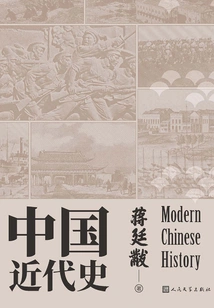
This book is Jiang Tingfu's classic work on the study of modern Chinese history and has had a wide range of influences. With a calm and objective attitude, Jiang Tingfu narrated the history of China from the Opium War to the Revolution of 1911. He expressed concerns about the future of China and the fate of the nation in an academic way, and put forward many insights. Fairbank, a famous American sinologist, called Jiang Tingfu "the leader in the study of modern Chinese history." The historiographic framework and chronological history system constructed by "Modern History of China" once led the trend of modern history research and were praised by subsequent researchers. It is called the pioneering work in the study of modern Chinese history. There is no boring textual research, no accumulation of historical materials, or even many descriptions of specific historical events in the book. It is his thorough analysis of modern history with his unique insights. This book runs through nearly a hundred years of China's history from the Opium War in the 1840s to the Anti-Japanese War in the 20th century. It is a must-read for understanding China's modern history.
Modern History of China
History中国近代史
Jiang Tingfu
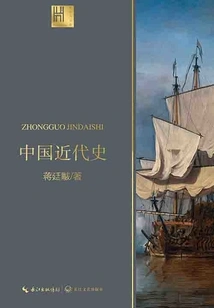
This book is a classic in modern Chinese history. It narrates the historical events of nearly a hundred years in modern China from the Opium War to the Anti-Japanese War with a comprehensive analysis and holistic approach to history, and deeply interprets the process of national and social transformation since the late Qing Dynasty and the Republic of China. The author's deep thoughts and concerns about the future of the nation are revealed between the lines. The historical framework and chronological history system it established have led the trend of modern historical research and are known as "the pioneering work of modern Chinese history."
This book is a classic in modern Chinese history. It narrates the historical events of nearly a hundred years in modern China from the Opium War to the Anti-Japanese War with a comprehensive analysis and holistic approach to history, and deeply interprets the process of national and social transformation since the late Qing Dynasty and the Republic of China. The author's deep thoughts and concerns about the future of the nation are revealed between the lines. The historical framework and chronological history system it established have led the trend of modern historical research and are known as "the pioneering work of modern Chinese history."
Modern History of China
History中国近代史
Jiang Tingfu
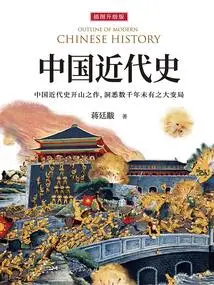
There is only one question for the Chinese nation in modern times, and that is: Can the Chinese people modernize? Can you catch up with the Westerners? Can science and machinery be used? Can we abolish our concepts of family and hometown and organize a modern nation-state? If we can, our nation will have a bright future; if we cannot, our nation will have no future. Because in all countries in the world, those who can accept modern culture will become rich and powerful, and those who cannot, without exception, will suffer miserably. From the Opium War to the Anti-Japanese War, Jiang Tingfu condensed the changes in China's modern history into one main line and four major themes with his unique perspective of equal emphasis on domestic affairs and diplomacy, providing readers with a comprehensive perspective on China's modern history.
There is only one question for the Chinese nation in modern times, and that is: Can the Chinese people modernize? Can you catch up with the Westerners? Can science and machinery be used? Can we abolish our concepts of family and hometown and organize a modern nation-state? If we can, our nation will have a bright future; if we cannot, our nation will have no future. Because in all countries in the world, those who can accept modern culture will become rich and powerful, and those who cannot, without exception, will suffer miserably. From the Opium War to the Anti-Japanese War, Jiang Tingfu condensed the changes in China's modern history into one main line and four major themes with his unique perspective of equal emphasis on domestic affairs and diplomacy, providing readers with a comprehensive perspective on China's modern history.
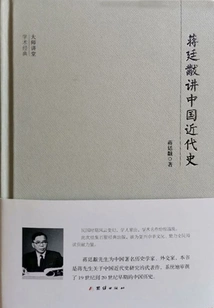
大师讲堂:蒋廷黻讲中国近代史
Jiang Tingfu
The beginning of modern China was the Opium War in 1840. This war used force to open China's closed door and forced China to face the outside world. After that, people began to explore step by step, from the Westernization Movement led by Yi, Li Hongzhang, and Zeng Guofan, to the Hundred Days Reform proposed by Kang Youwei and others, and finally the Revolution of 1911 led by Sun Yat-sen. This book narrates nearly a century of historical events and important figures.
The beginning of modern China was the Opium War in 1840. This war used force to open China's closed door and forced China to face the outside world. After that, people began to explore step by step, from the Westernization Movement led by Yi, Li Hongzhang, and Zeng Guofan, to the Hundred Days Reform proposed by Kang Youwei and others, and finally the Revolution of 1911 led by Sun Yat-sen. This book narrates nearly a century of historical events and important figures.
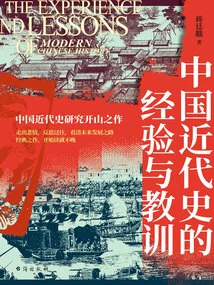
中国近代史的经验与教训
Jiang Tingfu
This book is considered to be the pioneering work in the study of modern Chinese history. The author starts from the basic situation of Sino-foreign relations in the late Qing Dynasty, tells the ins and outs of important historical events in the following nearly a hundred years, and introduces important historical figures at that time. With a rigorous academic attitude and unique research perspective, the author conducts an in-depth analysis of historical materials. Using the latest theories of historical research at that time and an international perspective, the author conducts detailed narration and rigorous analysis of important events and main figures in China's modern history, as well as issues in military, diplomatic and other fields. It allows readers to understand the development context of modern Chinese history and at the same time understand the origin and inner logic of historical events. In this book, the author describes in detail the successes and failures in the development of China's modern history, as well as the gains and losses in the decision-making process. As the book unfolds, the magnificent history reappears in front of readers, inspiring readers to think, allowing readers to lament the lessons of history, and at the same time see our path more clearly, giving us more confidence in the future.
This book is considered to be the pioneering work in the study of modern Chinese history. The author starts from the basic situation of Sino-foreign relations in the late Qing Dynasty, tells the ins and outs of important historical events in the following nearly a hundred years, and introduces important historical figures at that time. With a rigorous academic attitude and unique research perspective, the author conducts an in-depth analysis of historical materials. Using the latest theories of historical research at that time and an international perspective, the author conducts detailed narration and rigorous analysis of important events and main figures in China's modern history, as well as issues in military, diplomatic and other fields. It allows readers to understand the development context of modern Chinese history and at the same time understand the origin and inner logic of historical events. In this book, the author describes in detail the successes and failures in the development of China's modern history, as well as the gains and losses in the decision-making process. As the book unfolds, the magnificent history reappears in front of readers, inspiring readers to think, allowing readers to lament the lessons of history, and at the same time see our path more clearly, giving us more confidence in the future.
Modern History of China
History中国近代史
Jiang Tingfu
From the Opium War to the Revolution of 1911, from the Westernization Movement to the Hundred Days Reform, from Zeng Guofan to Kang Youwei, and from Li Hongzhang to Sun Yat-sen, this book narrates the evolution and characters of nearly a century. There is no boring textual research and no accumulation of historical materials, but it fully shows the future of the country, the destiny of the nation and the development trend of society. This book takes China's modernization as a clue and believes that "whether the Chinese can modernize will determine the rise or fall of the country." It mainly elaborates on the efforts of modern people to strengthen themselves in the face of "great changes unseen in thousands of years" and the reasons for their failure, and then proposes that "modern national defense requires not only modern Transportation, education, economy, and modernized politics and people, half-new and half-old are useless." The historical framework and chronological history system constructed in this book once led the trend of modern history research and were praised by later researchers. It is called the pioneering work of modern Chinese history research.
From the Opium War to the Revolution of 1911, from the Westernization Movement to the Hundred Days Reform, from Zeng Guofan to Kang Youwei, and from Li Hongzhang to Sun Yat-sen, this book narrates the evolution and characters of nearly a century. There is no boring textual research and no accumulation of historical materials, but it fully shows the future of the country, the destiny of the nation and the development trend of society. This book takes China's modernization as a clue and believes that "whether the Chinese can modernize will determine the rise or fall of the country." It mainly elaborates on the efforts of modern people to strengthen themselves in the face of "great changes unseen in thousands of years" and the reasons for their failure, and then proposes that "modern national defense requires not only modern Transportation, education, economy, and modernized politics and people, half-new and half-old are useless." The historical framework and chronological history system constructed in this book once led the trend of modern history research and were praised by later researchers. It is called the pioneering work of modern Chinese history research.
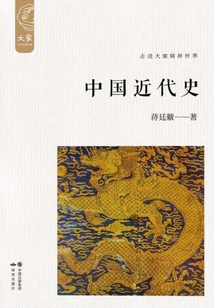
Modern History of China
History中国近代史
Jiang Tingfu
This book defines "Chinese modern history" as "the history of China's modernization" and takes as the main line of discussion whether and how China can modernize. The academic tradition created by this book was once the mainstream framework for research on modern Chinese history. In the field of Chinese history before 1949, almost half of the writings on the history of modern China and modern China's foreign relations were "inherited" from Chiang Tingfu's historical views. This book not only established Chiang's academic status in the field of modern history research, but also reflected his unique understanding of Chinese culture and China's future and destiny as a scholar who was impacted by Western culture.
This book defines "Chinese modern history" as "the history of China's modernization" and takes as the main line of discussion whether and how China can modernize. The academic tradition created by this book was once the mainstream framework for research on modern Chinese history. In the field of Chinese history before 1949, almost half of the writings on the history of modern China and modern China's foreign relations were "inherited" from Chiang Tingfu's historical views. This book not only established Chiang's academic status in the field of modern history research, but also reflected his unique understanding of Chinese culture and China's future and destiny as a scholar who was impacted by Western culture.
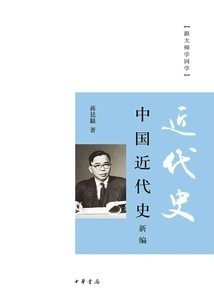
中国近代史新编(跟大师学国学)
Jiang Tingfu
Jiang Tingfu's "Modern History of China" was written in 1938 at the critical juncture of the Anti-Japanese War. It was written for the people and young people who were concerned about the future of the country. Starting from taking history as a mirror and starting from the relationship between diplomacy and domestic affairs, the author focuses on China's various plans to reform its internal affairs since the Opium War in order to resist the invasion of foreign enemies, expressing its sense of mission to seek a way to save the nation. The whole book has a clear narrative line with no branches and ramifications. The writing is touching and easy to read. It is fascinating and makes people want to put it down. This compilation and publication also includes four articles including "China and the Great Changes in the Modern World" and "The History of Foreign Aggression in Northeast China in the Last Three Hundred Years", which will help readers gain a deeper understanding of China's modern history. Therefore, the title of the book was changed to "New Collection of Modern Chinese History".
Jiang Tingfu's "Modern History of China" was written in 1938 at the critical juncture of the Anti-Japanese War. It was written for the people and young people who were concerned about the future of the country. Starting from taking history as a mirror and starting from the relationship between diplomacy and domestic affairs, the author focuses on China's various plans to reform its internal affairs since the Opium War in order to resist the invasion of foreign enemies, expressing its sense of mission to seek a way to save the nation. The whole book has a clear narrative line with no branches and ramifications. The writing is touching and easy to read. It is fascinating and makes people want to put it down. This compilation and publication also includes four articles including "China and the Great Changes in the Modern World" and "The History of Foreign Aggression in Northeast China in the Last Three Hundred Years", which will help readers gain a deeper understanding of China's modern history. Therefore, the title of the book was changed to "New Collection of Modern Chinese History".
中国近代史(国民阅读经典)
Jiang Tingfu
This book takes China's modernization as a clue and believes that "whether the Chinese can modernize will determine the rise or fall of the country." It discusses Chinese history from the Opium War to the eve of the Anti-Japanese War. It mainly elaborates on the efforts of modern people to strengthen themselves in the face of major changes unseen in thousands of years and the reasons for their failure, and then proposes that "modern national defense not only requires modern transportation, education, and economy, but also modern politics and citizens." The appendix is an important article by Jiang Tingfu related to modern history research, which reflects his thinking path on China's modernization issues and his personal opinions on the later war of resistance, which is helpful for understanding his "Modern History of China."
This book takes China's modernization as a clue and believes that "whether the Chinese can modernize will determine the rise or fall of the country." It discusses Chinese history from the Opium War to the eve of the Anti-Japanese War. It mainly elaborates on the efforts of modern people to strengthen themselves in the face of major changes unseen in thousands of years and the reasons for their failure, and then proposes that "modern national defense not only requires modern transportation, education, and economy, but also modern politics and citizens." The appendix is an important article by Jiang Tingfu related to modern history research, which reflects his thinking path on China's modernization issues and his personal opinions on the later war of resistance, which is helpful for understanding his "Modern History of China."
Modern History of China
History中国近代史
Jiang Tingfu
The book covers the past century from the Opium War to the eve of the Anti-Japanese War in an in-depth and simple way. It mainly explains the modern Chinese people's efforts to strengthen themselves in the face of "great changes not seen in thousands of years" and the reasons for their failure. From the Opium War to the Revolution of 1911, from the Westernization Movement to the Hundred Days Reform, from Zeng Guofan to Kang Youwei, from Li Hongzhang to Sun Yat-sen, nearly a century of historical evolution and the lives of characters are narrated. There is no boring textual research and no accumulation of historical materials, but it fully demonstrates the future of the country, the destiny of the nation and the trend of social development. The historical framework and chronological history system constructed in this book have led the trend of modern history research and are called the pioneering work of modern Chinese history research.
The book covers the past century from the Opium War to the eve of the Anti-Japanese War in an in-depth and simple way. It mainly explains the modern Chinese people's efforts to strengthen themselves in the face of "great changes not seen in thousands of years" and the reasons for their failure. From the Opium War to the Revolution of 1911, from the Westernization Movement to the Hundred Days Reform, from Zeng Guofan to Kang Youwei, from Li Hongzhang to Sun Yat-sen, nearly a century of historical evolution and the lives of characters are narrated. There is no boring textual research and no accumulation of historical materials, but it fully demonstrates the future of the country, the destiny of the nation and the trend of social development. The historical framework and chronological history system constructed in this book have led the trend of modern history research and are called the pioneering work of modern Chinese history research.
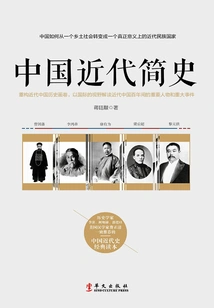
中国近代简史
Jiang Tingfu
This book, originally titled "Modern History of China", is Jiang Tingfu's classic work on the study of modern Chinese history. It was also a textbook for university history departments and has a wide influence. With a calm and objective attitude, Jiang Tingfu narrated the history of China from the Opium War to the Revolution of 1911. He expressed concerns about the future of China and the fate of the nation in an academic way, and put forward many insights. American sinologist John Fairbank called Jiang Tingfu "the leader in the study of modern Chinese history." This book is a tripartite stand with Guo Tingyi's "Outline of Modern Chinese History" and Xu Zhongyue's "Modern Chinese History".
This book, originally titled "Modern History of China", is Jiang Tingfu's classic work on the study of modern Chinese history. It was also a textbook for university history departments and has a wide influence. With a calm and objective attitude, Jiang Tingfu narrated the history of China from the Opium War to the Revolution of 1911. He expressed concerns about the future of China and the fate of the nation in an academic way, and put forward many insights. American sinologist John Fairbank called Jiang Tingfu "the leader in the study of modern Chinese history." This book is a tripartite stand with Guo Tingyi's "Outline of Modern Chinese History" and Xu Zhongyue's "Modern Chinese History".
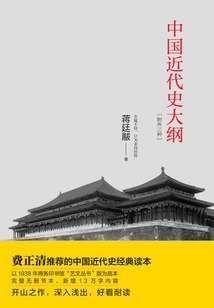
中国近代史大纲(附外三种)
Jiang Tingfu
The authoritative version of the Republic of China, with additional rare overseas pictures, recommended by the famous sinologist Fairbank Fairbank. A pioneering work, beautiful and long-lasting to read! This book defines "Chinese modern history" as "the history of China's modernization" and takes as the main line of discussion whether and how China can modernize. The academic tradition created by this book was once the mainstream framework for research on modern Chinese history. In the field of Chinese history before 1949, almost half of the writings on the history of modern China and modern China's foreign relations were "inherited" from Chiang Tingfu's historical views. This book not only established Chiang's academic status in the field of modern history research, but also reflected his unique understanding of Chinese culture and China's future and destiny as a scholar who was impacted by Western culture. Together with Guo Ting's "Outline of Modern Chinese History" and Xu Zhongyue's "Modern Chinese History", it has become a must-have book for studying modern Chinese history.
The authoritative version of the Republic of China, with additional rare overseas pictures, recommended by the famous sinologist Fairbank Fairbank. A pioneering work, beautiful and long-lasting to read! This book defines "Chinese modern history" as "the history of China's modernization" and takes as the main line of discussion whether and how China can modernize. The academic tradition created by this book was once the mainstream framework for research on modern Chinese history. In the field of Chinese history before 1949, almost half of the writings on the history of modern China and modern China's foreign relations were "inherited" from Chiang Tingfu's historical views. This book not only established Chiang's academic status in the field of modern history research, but also reflected his unique understanding of Chinese culture and China's future and destiny as a scholar who was impacted by Western culture. Together with Guo Ting's "Outline of Modern Chinese History" and Xu Zhongyue's "Modern Chinese History", it has become a must-have book for studying modern Chinese history.
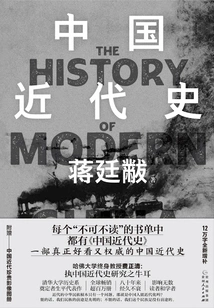
Modern History of China
History中国近代史
Jiang Tingfu
This book is the modern history of China written by the famous historian Jiang Tingfu for ordinary readers. It explains in very simple words the evolution of China's history, the collision of civilizations, major historical events and key figures in the past hundred years after the Opium War. It is magnificent, transparent and comprehensive, yet concise, smooth and impartial, and has extremely high academic value. From the Opium War to the Revolution of 1911, from the Westernization Movement to the Hundred Days Reform, from Lin Zexu to Li Hongzhang, from Hong Xiuquan to Sun Yat-sen, this book narrates the historical evolution and character stories in the past hundred years after the Opium War. The historical framework and chronological history system constructed in the book once led the trend of modern history research and were highly praised by later researchers. It is called the pioneering work of modern Chinese history research.
This book is the modern history of China written by the famous historian Jiang Tingfu for ordinary readers. It explains in very simple words the evolution of China's history, the collision of civilizations, major historical events and key figures in the past hundred years after the Opium War. It is magnificent, transparent and comprehensive, yet concise, smooth and impartial, and has extremely high academic value. From the Opium War to the Revolution of 1911, from the Westernization Movement to the Hundred Days Reform, from Lin Zexu to Li Hongzhang, from Hong Xiuquan to Sun Yat-sen, this book narrates the historical evolution and character stories in the past hundred years after the Opium War. The historical framework and chronological history system constructed in the book once led the trend of modern history research and were highly praised by later researchers. It is called the pioneering work of modern Chinese history research.
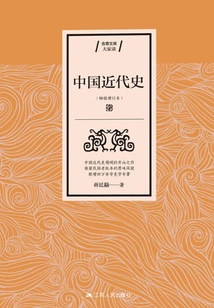
Modern History of China
History中国近代史
Jiang Tingfu
From the Opium War to the Revolution of 1911, from the Westernization Movement to the Hundred Days Reform, from Zeng Guofan to Kang Youwei, and from Li Hongzhang to Sun Yat-sen, this book narrates the evolution and characters of nearly a century. There is no boring textual research and no accumulation of historical materials, but it fully shows the future of the country, the destiny of the nation and the development trend of society. This book takes China's modernization as a clue and believes that "whether the Chinese can modernize will determine the rise or fall of the country." It mainly elaborates on the efforts of modern people to strengthen themselves in the face of "great changes unseen in thousands of years" and the reasons for their failure. It then proposes that "modern national defense requires not only modern communication. Communication, education, economy, and modernized politics and people, half-new and half-old are useless." The historical framework and chronological history system constructed in this book once led the trend of modern history research and were praised by later researchers. It is called the pioneering work of modern Chinese history research.
From the Opium War to the Revolution of 1911, from the Westernization Movement to the Hundred Days Reform, from Zeng Guofan to Kang Youwei, and from Li Hongzhang to Sun Yat-sen, this book narrates the evolution and characters of nearly a century. There is no boring textual research and no accumulation of historical materials, but it fully shows the future of the country, the destiny of the nation and the development trend of society. This book takes China's modernization as a clue and believes that "whether the Chinese can modernize will determine the rise or fall of the country." It mainly elaborates on the efforts of modern people to strengthen themselves in the face of "great changes unseen in thousands of years" and the reasons for their failure. It then proposes that "modern national defense requires not only modern communication. Communication, education, economy, and modernized politics and people, half-new and half-old are useless." The historical framework and chronological history system constructed in this book once led the trend of modern history research and were praised by later researchers. It is called the pioneering work of modern Chinese history research.
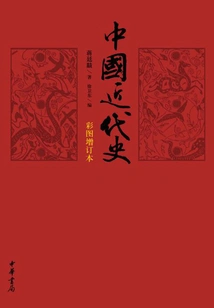
中国近代史(彩图增订本)
Jiang Tingfu
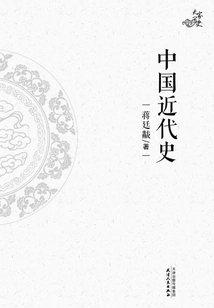
"Modern History of China" is known as the pioneering work in the study of modern Chinese history. The book starts from the Opium War and continues to the ongoing Anti-Japanese War. Nearly a century of historical events are condensed into just over 50,000 words. It has a clear theme and historical theory. It reflects Mr. Jiang Tingfu's overall thinking on modern Chinese history for more than ten years and is also inspiring to today's readers. For more than seventy years, this book has been popular on both sides of the Taiwan Strait and is worthy of being a classic of an era. Mr. Shen Weibin said: "This book, which he calls a 'preliminary report', is small in length, but has high academic content... The historical events of the past century are written in a simple and easy-to-understand manner, making it easy to read and read." In this reprint, the text has been fully revised, and nine relevant texts by the author have been collected and supplemented. The content is greatly enriched and improved; at the same time, 16 color historical pictures are included to help readers understand the historical situation.
"Modern History of China" is known as the pioneering work in the study of modern Chinese history. The book starts from the Opium War and continues to the ongoing Anti-Japanese War. Nearly a century of historical events are condensed into just over 50,000 words. It has a clear theme and historical theory. It reflects Mr. Jiang Tingfu's overall thinking on modern Chinese history for more than ten years and is also inspiring to today's readers. For more than seventy years, this book has been popular on both sides of the Taiwan Strait and is worthy of being a classic of an era. Mr. Shen Weibin said: "This book, which he calls a 'preliminary report', is small in length, but has high academic content... The historical events of the past century are written in a simple and easy-to-understand manner, making it easy to read and read." In this reprint, the text has been fully revised, and nine relevant texts by the author have been collected and supplemented. The content is greatly enriched and improved; at the same time, 16 color historical pictures are included to help readers understand the historical situation.
Modern History of China
History中国近代史
Jiang Tingfu
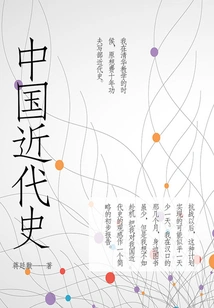
Does Lin Zexu, who destroyed opium in Humen, really advocate reform? The Opium War was such a disastrous defeat, why didn't the Chinese immediately reform like the Japanese? How biased is our understanding of Li Hongzhang, who signed various treaties that undermined his power and humiliated his country? Why is the Sino-Japanese War of 1894-1894 a war that should have been avoided? This book will give you the answers one by one. The historical framework and chronological history system constructed by this book once led the trend of modern history research and were praised by later researchers. It is called the pioneering work of modern Chinese history research. Jiang Tingfu believed that the military defeat in the Opium War was not the fatal injury to the nation. It was the failure to understand the reason for the defeat after the defeat that was the fatal injury to the nation. As every Chinese, we should understand this true original history, the truth about the Taiping Heavenly Kingdom, why the treaty ports were opened, the failure of the Beiyang Navy, etc. How did these humiliations arise in the process of modernization? In fact, many of the pain may have been brought by us Chinese ourselves.
Does Lin Zexu, who destroyed opium in Humen, really advocate reform? The Opium War was such a disastrous defeat, why didn't the Chinese immediately reform like the Japanese? How biased is our understanding of Li Hongzhang, who signed various treaties that undermined his power and humiliated his country? Why is the Sino-Japanese War of 1894-1894 a war that should have been avoided? This book will give you the answers one by one. The historical framework and chronological history system constructed by this book once led the trend of modern history research and were praised by later researchers. It is called the pioneering work of modern Chinese history research. Jiang Tingfu believed that the military defeat in the Opium War was not the fatal injury to the nation. It was the failure to understand the reason for the defeat after the defeat that was the fatal injury to the nation. As every Chinese, we should understand this true original history, the truth about the Taiping Heavenly Kingdom, why the treaty ports were opened, the failure of the Beiyang Navy, etc. How did these humiliations arise in the process of modernization? In fact, many of the pain may have been brought by us Chinese ourselves.
Modern History of China
History中国近代史
Jiang Tingfu
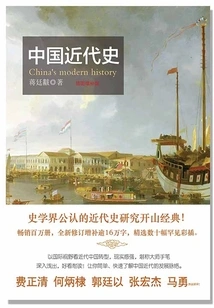
This "Modern History of China" was drafted in May and June of the 27th year of the Republic of China. At that time, the author had resigned from his post as ambassador to the Soviet Union and had not yet resumed his duties in the Government Affairs Office of the Executive Yuan. He had a few months of comfort in Hankou, so he took the opportunity to write this small book, which is also a brief preliminary report of the author's perceptions of my country's modern history. The author's purpose in writing this book is that if he can find out the lessons of our country's modern history, it will make a greater contribution to the Anti-Japanese War and the founding of the country. It mainly includes four chapters: "Suppressing and Fuping the Barbarians", "Hong Xiuquan and Zeng Guofan", "Self-Strengthening and Its Failure", and "Partition and the Rejuvenation of the Nation". Starting from the British attempt to open diplomatic relations with China, it records the modern history of that era, which is very meaningful for studying that era now.
This "Modern History of China" was drafted in May and June of the 27th year of the Republic of China. At that time, the author had resigned from his post as ambassador to the Soviet Union and had not yet resumed his duties in the Government Affairs Office of the Executive Yuan. He had a few months of comfort in Hankou, so he took the opportunity to write this small book, which is also a brief preliminary report of the author's perceptions of my country's modern history. The author's purpose in writing this book is that if he can find out the lessons of our country's modern history, it will make a greater contribution to the Anti-Japanese War and the founding of the country. It mainly includes four chapters: "Suppressing and Fuping the Barbarians", "Hong Xiuquan and Zeng Guofan", "Self-Strengthening and Its Failure", and "Partition and the Rejuvenation of the Nation". Starting from the British attempt to open diplomatic relations with China, it records the modern history of that era, which is very meaningful for studying that era now.
Modern History of China
History中国近代史
Jiang Tingfu
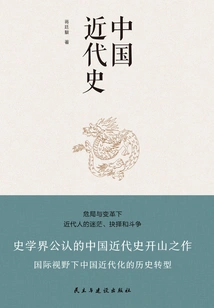
This book is a popular work on modern history written by the famous historian Jiang Tingfu for ordinary readers. This book thoroughly explains the evolution of China's history, the collision of civilizations, major events and important figures in the past century in simple words. It is transparent, comprehensive, impartial, and has extremely high academic content. The historical framework and chronological history system constructed in this book once led the trend of modern history research and were highly praised by later researchers. It is called the pioneering work of modern Chinese history research. From the Opium War to the Revolution of 1911, from the Westernization Movement to the Hundred Days Reform, from Zeng Guofan to Kang Youwei, and from Li Hongzhang to Sun Yat-sen, this book narrates the evolution and characters of nearly a century. There is no boring textual research and no accumulation of historical materials, but it fully shows the future of the country, the destiny of the nation and the development trend of society.
This book is a popular work on modern history written by the famous historian Jiang Tingfu for ordinary readers. This book thoroughly explains the evolution of China's history, the collision of civilizations, major events and important figures in the past century in simple words. It is transparent, comprehensive, impartial, and has extremely high academic content. The historical framework and chronological history system constructed in this book once led the trend of modern history research and were highly praised by later researchers. It is called the pioneering work of modern Chinese history research. From the Opium War to the Revolution of 1911, from the Westernization Movement to the Hundred Days Reform, from Zeng Guofan to Kang Youwei, and from Li Hongzhang to Sun Yat-sen, this book narrates the evolution and characters of nearly a century. There is no boring textual research and no accumulation of historical materials, but it fully shows the future of the country, the destiny of the nation and the development trend of society.
Modern History of China
History中国近代史
Jiang Tingfu
This book takes China's modernization as a clue and mainly explains the modern Chinese people's efforts to strengthen themselves and the reasons for their failure in the face of "great changes unseen in thousands of years." From the Opium War to the Revolution of 1911, from the Westernization Movement to the Hundred Days Reform, from Zeng Guofan to Kang Youwei, from Li Hongzhang to Sun Yat-sen, nearly a century of historical evolution and the lives of characters are narrated. There is no boring textual research and no accumulation of historical materials, but it fully demonstrates the future of the country, the destiny of the nation and the trend of social development. The historical framework and chronological history system constructed in this book have led the trend of modern history research and are called the pioneering work of modern Chinese history research.
This book takes China's modernization as a clue and mainly explains the modern Chinese people's efforts to strengthen themselves and the reasons for their failure in the face of "great changes unseen in thousands of years." From the Opium War to the Revolution of 1911, from the Westernization Movement to the Hundred Days Reform, from Zeng Guofan to Kang Youwei, from Li Hongzhang to Sun Yat-sen, nearly a century of historical evolution and the lives of characters are narrated. There is no boring textual research and no accumulation of historical materials, but it fully demonstrates the future of the country, the destiny of the nation and the trend of social development. The historical framework and chronological history system constructed in this book have led the trend of modern history research and are called the pioneering work of modern Chinese history research.
Modern History of China
History中国近代史
Jiang Tingfu
An undisputed authoritative work, Chiang Kai-shek appreciated the historian's rational telling of modern Chinese history. This book takes China's modernization as a clue and believes that "whether the Chinese can modernize will determine the rise or fall of the country." It mainly elaborates on the efforts of modern people to strengthen themselves in the face of "great changes unseen in thousands of years" and the reasons for their failure. It then proposes that "modern national defense requires not only modern communication. Communication, education, economy, and modernized politics and people, half-new and half-old are useless." The historical framework and chronological history system constructed in this book once led the trend of modern history research and were praised by later researchers. It is called the pioneering work of modern Chinese history research.
An undisputed authoritative work, Chiang Kai-shek appreciated the historian's rational telling of modern Chinese history. This book takes China's modernization as a clue and believes that "whether the Chinese can modernize will determine the rise or fall of the country." It mainly elaborates on the efforts of modern people to strengthen themselves in the face of "great changes unseen in thousands of years" and the reasons for their failure. It then proposes that "modern national defense requires not only modern communication. Communication, education, economy, and modernized politics and people, half-new and half-old are useless." The historical framework and chronological history system constructed in this book once led the trend of modern history research and were praised by later researchers. It is called the pioneering work of modern Chinese history research.
你一定爱读的中国近代史
Jiang Tingfu
A uniquely influential modern history classic in the 20th century, it was published 80 years ago and has been best-selling for 80 years. This is a classic that allows you to quickly understand the modern history of China. Jiang Tingfu, a model for political scholars in the Republic of China and a leading historian, tells the story of the century-old turbulence from the late Qing Dynasty to the Republic of China from the unique perspective of modernization. The magnificent and major historical changes, the true faces of outstanding figures, the power struggles and diplomatic games in the great changes are clearly visible like the changing winds and clouds. I can read it in one breath and will never forget it. The whole book is grand, profound, objective and fascinating. This is the only Chinese scholar who has lived for hundreds of years and established himself as a "giant in history" with just one biography and one book.
A uniquely influential modern history classic in the 20th century, it was published 80 years ago and has been best-selling for 80 years. This is a classic that allows you to quickly understand the modern history of China. Jiang Tingfu, a model for political scholars in the Republic of China and a leading historian, tells the story of the century-old turbulence from the late Qing Dynasty to the Republic of China from the unique perspective of modernization. The magnificent and major historical changes, the true faces of outstanding figures, the power struggles and diplomatic games in the great changes are clearly visible like the changing winds and clouds. I can read it in one breath and will never forget it. The whole book is grand, profound, objective and fascinating. This is the only Chinese scholar who has lived for hundreds of years and established himself as a "giant in history" with just one biography and one book.
中国近代史常识
Jiang Tingfu
"Common Sense of Modern Chinese History" takes China's modernization as a clue and tells the story of China's nearly one hundred years of modern history from the beginning of the Opium War to the Anti-Japanese War. When describing China's modern history, the author concluded that "whether the Chinese can modernize will determine the rise or fall of the country." Describe the changes that the Chinese people have made to strive for self-improvement in the face of major changes in the world, and analyze the reasons for the failure of these changes. This book leads the trend of modern history research and is recognized by historians as the pioneering work in the study of modern Chinese history.
"Common Sense of Modern Chinese History" takes China's modernization as a clue and tells the story of China's nearly one hundred years of modern history from the beginning of the Opium War to the Anti-Japanese War. When describing China's modern history, the author concluded that "whether the Chinese can modernize will determine the rise or fall of the country." Describe the changes that the Chinese people have made to strive for self-improvement in the face of major changes in the world, and analyze the reasons for the failure of these changes. This book leads the trend of modern history research and is recognized by historians as the pioneering work in the study of modern Chinese history.
蒋廷黻中国近代史
Jiang Tingfu
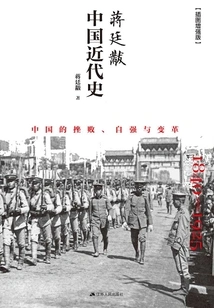
From the Opium War to the Revolution of 1911, from the Westernization Movement to the Hundred Days Reform, from Zeng Guofan to Kang Youwei, and from Li Hongzhang to Sun Yat-sen, this book narrates the evolution and characters of nearly a century. There is no boring textual research and no accumulation of historical materials, but it fully shows the future of the country, the destiny of the nation and the development trend of society.
From the Opium War to the Revolution of 1911, from the Westernization Movement to the Hundred Days Reform, from Zeng Guofan to Kang Youwei, and from Li Hongzhang to Sun Yat-sen, this book narrates the evolution and characters of nearly a century. There is no boring textual research and no accumulation of historical materials, but it fully shows the future of the country, the destiny of the nation and the development trend of society.
Modern History of China
History中国近代史
Jiang Tingfu
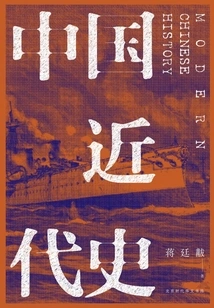
This book is hailed as the pioneering work in the study of modern Chinese history and a classic of an era. The book starts from the Opium War and continues to the ongoing Anti-Japanese War. It uses clear and smooth words to condense nearly a century of historical events into just over 50,000 words. It has a clear theme and historical theory. It is a modern history that everyone can read and everyone should read.
This book is hailed as the pioneering work in the study of modern Chinese history and a classic of an era. The book starts from the Opium War and continues to the ongoing Anti-Japanese War. It uses clear and smooth words to condense nearly a century of historical events into just over 50,000 words. It has a clear theme and historical theory. It is a modern history that everyone can read and everyone should read.
Modern History of China
History中国近代史
Jiang Tingfu
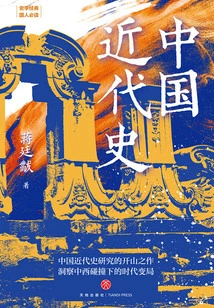
[Works by Jiang Tingfu, a great Chinese historian] A general reading of modern Chinese history. The book takes China's modernization as a clue, starting from the Opium War, the Westernization Movement, the Hundred Days Reform, the Revolution of 1911, and ending on the eve of the Anti-Japanese War. The historical events of the past century are truly, accurately and objectively presented to readers. Zeng Guofan, Hong Xiuquan, Li Hongzhang, Kang Youwei, and Sun Yat-sen. The works also provide in-depth descriptions of the fate, cognition, and choices of these influential figures in modern history, and are full of wisdom and insight. This book led the trend of modern history research and was highly praised by later researchers. It is called the pioneering work of modern Chinese history research.
[Works by Jiang Tingfu, a great Chinese historian] A general reading of modern Chinese history. The book takes China's modernization as a clue, starting from the Opium War, the Westernization Movement, the Hundred Days Reform, the Revolution of 1911, and ending on the eve of the Anti-Japanese War. The historical events of the past century are truly, accurately and objectively presented to readers. Zeng Guofan, Hong Xiuquan, Li Hongzhang, Kang Youwei, and Sun Yat-sen. The works also provide in-depth descriptions of the fate, cognition, and choices of these influential figures in modern history, and are full of wisdom and insight. This book led the trend of modern history research and was highly praised by later researchers. It is called the pioneering work of modern Chinese history research.
Modern History of China
History中国近代史
Jiang Tingfu
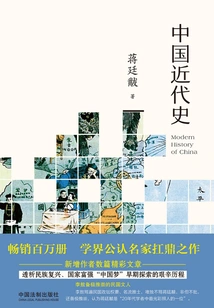
This is an extremely classic book on modern Chinese history, known as "the pioneering work of modern Chinese history". The language is fluent and suitable for everyone to read. The whole book is divided into two parts. The first volume of "Modern History of China" revolves around the main line of whether and how the Chinese nation can modernize. After the Opium War opened the door to China's isolation, from Yi to the Westernization Movement of Zeng Guofan, Li Hongzhang and others, from Kang Youwei's "Hundred Days Reform" to Sun Yat-sen's Revolution of 1911, the Chinese nation continued to make attempts at modernization and rejuvenation. The second volume of "Modern China and the World" is divided into two parts. It newly includes relevant and exciting articles by Jiang Tingfu on China's modernization and national rejuvenation. By reading this book, readers can gain an in-depth understanding of the "big changes" China's modern society has encountered, and better understand the origins of the "Chinese Dream" of national rejuvenation and national prosperity as well as the hardships of early exploration. It can be said that this book is a must-read for modern Chinese history.
This is an extremely classic book on modern Chinese history, known as "the pioneering work of modern Chinese history". The language is fluent and suitable for everyone to read. The whole book is divided into two parts. The first volume of "Modern History of China" revolves around the main line of whether and how the Chinese nation can modernize. After the Opium War opened the door to China's isolation, from Yi to the Westernization Movement of Zeng Guofan, Li Hongzhang and others, from Kang Youwei's "Hundred Days Reform" to Sun Yat-sen's Revolution of 1911, the Chinese nation continued to make attempts at modernization and rejuvenation. The second volume of "Modern China and the World" is divided into two parts. It newly includes relevant and exciting articles by Jiang Tingfu on China's modernization and national rejuvenation. By reading this book, readers can gain an in-depth understanding of the "big changes" China's modern society has encountered, and better understand the origins of the "Chinese Dream" of national rejuvenation and national prosperity as well as the hardships of early exploration. It can be said that this book is a must-read for modern Chinese history.