Library
Browse and search books
3,533 novels found
文化伟人代表作图释书系:沙乡年鉴
H
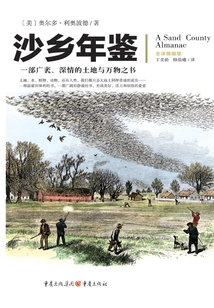
Aldo Leopold (1887-1948) was a famous ecologist and environmentalist, known as "the pioneer of new environmental theory in the United States" and "the father of land ethics". In 1935, he purchased an abandoned farm on the banks of the Wisconsin River and moved his family into the farm, using it as a laboratory and observation station to conduct extremely delicate and complex ecological conservation work. "Sand Country Almanack" is the records and essays he wrote while working and living on the farm, as well as some of the papers published in newspapers and periodicals. This manuscript is divided into three parts. In the first part, the author describes the wild landscape of Wisconsin with affectionate brushstrokes, revealing a world that is both natural and well-regulated. The second part contains some interesting and thought-provoking nature stories. The third part is the author's prophetic views on environmental conservation. This book adds some new illustrations and explanations to the original hand-drawn illustrations, and includes the author's diary and notes.
Aldo Leopold (1887-1948) was a famous ecologist and environmentalist, known as "the pioneer of new environmental theory in the United States" and "the father of land ethics". In 1935, he purchased an abandoned farm on the banks of the Wisconsin River and moved his family into the farm, using it as a laboratory and observation station to conduct extremely delicate and complex ecological conservation work. "Sand Country Almanack" is the records and essays he wrote while working and living on the farm, as well as some of the papers published in newspapers and periodicals. This manuscript is divided into three parts. In the first part, the author describes the wild landscape of Wisconsin with affectionate brushstrokes, revealing a world that is both natural and well-regulated. The second part contains some interesting and thought-provoking nature stories. The third part is the author's prophetic views on environmental conservation. This book adds some new illustrations and explanations to the original hand-drawn illustrations, and includes the author's diary and notes.
李尔王(中英双语珍藏版)
H
"King Lear" is a play written by Shakespeare and is one of his four major tragedies. The story comes from an ancient British legend. It tells the story of the elderly King Lear who abdicated and was driven into the wilderness by his eldest and second daughters. The third daughter, who became the Queen of France, led an army to save her father, but was killed. King Lear died sadly beside her.
"King Lear" is a play written by Shakespeare and is one of his four major tragedies. The story comes from an ancient British legend. It tells the story of the elderly King Lear who abdicated and was driven into the wilderness by his eldest and second daughters. The third daughter, who became the Queen of France, led an army to save her father, but was killed. King Lear died sadly beside her.
Passionate and Ruthless
Literature有情无情
H
"Love Without Mercy" (also translated as "Love in vain") is one of the "Complete Chinese Translation Classics of Xu Yuanchong" and one of Shakespeare's masterpieces. The plot tells the story of the four kings and ministers of the Nava Kingdom who vowed to be pure in desire, reject all material enjoyment, stay away from women, and concentrate on studying for three years. But when the beautiful French princess and her maids came to the court, they forgot all about their vows and rushed to woo them. But because they lacked real feelings, the French princess scolded them and left them. In this play, Shakespeare satirizes the court aristocrats' views on love and rhetoric.
"Love Without Mercy" (also translated as "Love in vain") is one of the "Complete Chinese Translation Classics of Xu Yuanchong" and one of Shakespeare's masterpieces. The plot tells the story of the four kings and ministers of the Nava Kingdom who vowed to be pure in desire, reject all material enjoyment, stay away from women, and concentrate on studying for three years. But when the beautiful French princess and her maids came to the court, they forgot all about their vows and rushed to woo them. But because they lacked real feelings, the French princess scolded them and left them. In this play, Shakespeare satirizes the court aristocrats' views on love and rhetoric.
Shakespeare's Five Tragedies
Literature莎士比亚悲剧五种
H
William Shakespeare (1564-1616) was the most important writer, outstanding dramatist and poet during the European Renaissance. He occupies a special position in the history of European literature and is known as the "Olympics of human literature". This book selects five of Shakespeare's most representative and popular tragedies: "Romeo and Juliet", "Hamlet", "Othello", "King Lear" and "Macbeth", condensing the essence of his life wisdom and art.
William Shakespeare (1564-1616) was the most important writer, outstanding dramatist and poet during the European Renaissance. He occupies a special position in the history of European literature and is known as the "Olympics of human literature". This book selects five of Shakespeare's most representative and popular tragedies: "Romeo and Juliet", "Hamlet", "Othello", "King Lear" and "Macbeth", condensing the essence of his life wisdom and art.
Shakespeare's Tragedies
Literature莎士比亚悲剧集
H
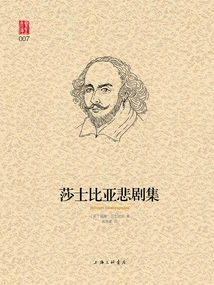
"Shakespeare's Tragedies" collects Shakespeare's five representative tragedies, including "Romeo and Juliet", "Hamlet", "Othello", "King Lear" and "Macbeth", covering all aspects of social life: there are tragedies with love as the theme, tragedies with revenge as the clue, and tragedies that directly expose evil. These tragic works represent Shakespeare's outstanding achievements, profoundly depict the tragedy of human nature and the destiny of mankind, and are great works in world literature. In "Romeo and Juliet", a series of accidental plots create a conflict between family feud and true love, and continue to intensify the conflict, making it impossible to resolve the conflict in a satisfactory way, and the only choice is final destruction. "Hamlet" uses the history of Denmark in the 8th century to reflect the social reality of England in the late 16th and early 17th centuries. "Othello" describes the strange love story between a Venetian noblewoman who has no experience in the world and the son of an African Moorish tribe leader. The story of "King Lear" comes from ancient British legends. There are many poems and proses on this theme. Shakespeare added original content such as the tragic ending and King Lear's madness based on the story blueprint. "Macbeth" has the dual aesthetic qualities of tragedy of fate and tragedy of character, which is consistent with the spirit of the times at that time.
"Shakespeare's Tragedies" collects Shakespeare's five representative tragedies, including "Romeo and Juliet", "Hamlet", "Othello", "King Lear" and "Macbeth", covering all aspects of social life: there are tragedies with love as the theme, tragedies with revenge as the clue, and tragedies that directly expose evil. These tragic works represent Shakespeare's outstanding achievements, profoundly depict the tragedy of human nature and the destiny of mankind, and are great works in world literature. In "Romeo and Juliet", a series of accidental plots create a conflict between family feud and true love, and continue to intensify the conflict, making it impossible to resolve the conflict in a satisfactory way, and the only choice is final destruction. "Hamlet" uses the history of Denmark in the 8th century to reflect the social reality of England in the late 16th and early 17th centuries. "Othello" describes the strange love story between a Venetian noblewoman who has no experience in the world and the son of an African Moorish tribe leader. The story of "King Lear" comes from ancient British legends. There are many poems and proses on this theme. Shakespeare added original content such as the tragic ending and King Lear's madness based on the story blueprint. "Macbeth" has the dual aesthetic qualities of tragedy of fate and tragedy of character, which is consistent with the spirit of the times at that time.
\
Southern Song
Literature南歌
H
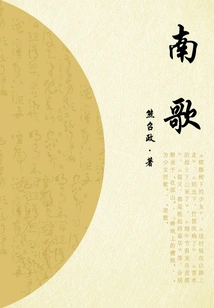
"Selected Poems of Xiong Zhaozheng: Southern Songs" is an anthology of poems by contemporary Chinese poet Xiong Zhaozheng. It contains 160 poems, including "The Girl Under the Betel Nut Tree", "Walking on the Mountain Road at This Time", and "Under the Sun, the Bamboo Flute is Blowing" , "The Warrior Carrying the Water Comes Down the Mountain", "Watching the Dragon Boat Race on the Dragon Boat Festival", "Everyday, He Gets Up Early", etc., Were collected in "In the Deep Mountains", "Cherrys on the Barren Land", "Songs for Girls", and "Southern Songs".
"Selected Poems of Xiong Zhaozheng: Southern Songs" is an anthology of poems by contemporary Chinese poet Xiong Zhaozheng. It contains 160 poems, including "The Girl Under the Betel Nut Tree", "Walking on the Mountain Road at This Time", and "Under the Sun, the Bamboo Flute is Blowing" , "The Warrior Carrying the Water Comes Down the Mountain", "Watching the Dragon Boat Race on the Dragon Boat Festival", "Everyday, He Gets Up Early", etc., Were collected in "In the Deep Mountains", "Cherrys on the Barren Land", "Songs for Girls", and "Southern Songs".
G
LiteratureG
H
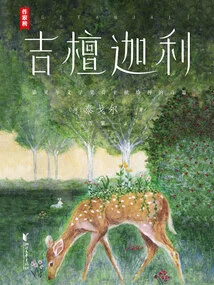
Tagore wrote poetry all his life. At the age of 51, he selected 103 poems and compiled them into a "Psalms dedicated to God", which is "Gitanjali". From daily life to the splendor of the universe, everything is poetically presented in the book. Each poem is a combination of beauty and truth. At the age of 52, Tagore became Asia's first Nobel Prize winner with this book. "Gitanjali" brings unprecedented peace of mind to readers, and it still touches everyone who reads it.
Tagore wrote poetry all his life. At the age of 51, he selected 103 poems and compiled them into a "Psalms dedicated to God", which is "Gitanjali". From daily life to the splendor of the universe, everything is poetically presented in the book. Each poem is a combination of beauty and truth. At the age of 52, Tagore became Asia's first Nobel Prize winner with this book. "Gitanjali" brings unprecedented peace of mind to readers, and it still touches everyone who reads it.
Q
LiteratureQ
H
"Birds and Crescent Moon" is a collection of Rabindranath Tagore's famous poems. "Birds" is one of Rabindranath Tagore's outstanding poetry collections. The short, concise, clear and meaningful poems contain profound wisdom and nourish the hearts of hundreds of millions of readers. "New Moon Collection" is also a masterpiece by Rabindranath Tagore. It vividly describes the lively mind and brilliant imagination of children. It uses special and timeless artistic charm to create a pure and beautiful children's world, allowing the pure childlike innocence to illuminate the direction of life.
"Birds and Crescent Moon" is a collection of Rabindranath Tagore's famous poems. "Birds" is one of Rabindranath Tagore's outstanding poetry collections. The short, concise, clear and meaningful poems contain profound wisdom and nourish the hearts of hundreds of millions of readers. "New Moon Collection" is also a masterpiece by Rabindranath Tagore. It vividly describes the lively mind and brilliant imagination of children. It uses special and timeless artistic charm to create a pure and beautiful children's world, allowing the pure childlike innocence to illuminate the direction of life.
纪伯伦经典诗文鉴赏:爱,不占有也不被占有
H
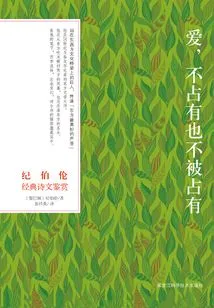
Gibran was a master of Eastern literature in the 20th century who rivaled Rabindranath Tagore. He was a storm blowing from the East and sweeping across the West, and he was also the holy water that washed the East. It has influenced readers for 2 centuries, and its works have been translated into more than 50 languages. The giant standing on the cultural bridge between the East and the West conveys "the beautiful voice of the East." In his writing, the four seasons pass, the clouds change, and the answers are hidden in them. "Love Does Not Possess nor Be Possessed (Appreciation of Kahlil Gibran's Classic Poems)" is equipped with exquisite color illustrations to make the book more vivid. The text is made of high-quality, environmentally friendly paper and printed in high definition, bringing you the best reading enjoyment. It is a very valuable edition.
Gibran was a master of Eastern literature in the 20th century who rivaled Rabindranath Tagore. He was a storm blowing from the East and sweeping across the West, and he was also the holy water that washed the East. It has influenced readers for 2 centuries, and its works have been translated into more than 50 languages. The giant standing on the cultural bridge between the East and the West conveys "the beautiful voice of the East." In his writing, the four seasons pass, the clouds change, and the answers are hidden in them. "Love Does Not Possess nor Be Possessed (Appreciation of Kahlil Gibran's Classic Poems)" is equipped with exquisite color illustrations to make the book more vivid. The text is made of high-quality, environmentally friendly paper and printed in high definition, bringing you the best reading enjoyment. It is a very valuable edition.
Sand and Foam (English Version)
Literature沙与沫(英文版)
H
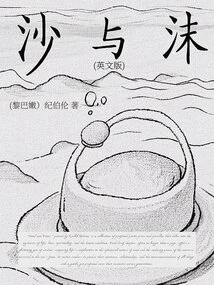
"Sand and Foam" by Kahlil Gibran is a collection of profound prose poems and fables that explore the mysteries of life, love, spirituality and the human condition. Each chapter in the book is short and concise, but every word is precise. It compares the complexity of life to the fleeting changes of sand, and at the same time compares the eternal power of the universe to the foam of ocean waves. With a gentle and profound writing style, it invites readers to think deeply about their own existence, interpersonal relationships and the inner connection between all things. Its influence spans generations and resonates with people.
"Sand and Foam" by Kahlil Gibran is a collection of profound prose poems and fables that explore the mysteries of life, love, spirituality and the human condition. Each chapter in the book is short and concise, but every word is precise. It compares the complexity of life to the fleeting changes of sand, and at the same time compares the eternal power of the universe to the foam of ocean waves. With a gentle and profound writing style, it invites readers to think deeply about their own existence, interpersonal relationships and the inner connection between all things. Its influence spans generations and resonates with people.
Prophet: I Am in the Heart of God
Literature先知:我在上帝的心中
H
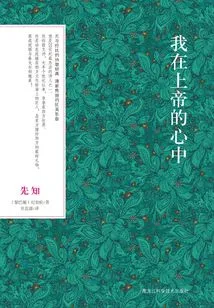
An unparalleled poetry classic, a fresh and beautiful movement, a classic recited in the West, and the pride of Eastern literature. Without Gibran's prose, how pale would the history of world literature be? He is one of the most outstanding poets of the 20th century. He is a giant standing on the bridge connecting Eastern and Western cultures. He is the best gift from the East to the West. His achievements are comparable to Tagore! There is a great soul in this world that is open to all rivers. Every word he said is worth carefully understanding. When life is difficult and low, it is especially suitable to read Kahlil Gibran. The sentences he wrote are like the sound of nature! The whole book is equipped with exquisite color illustrations to make the book more vivid. The text is made of high-end, environmentally friendly paper and printed in high definition, bringing you the best reading enjoyment and the most treasured version.
An unparalleled poetry classic, a fresh and beautiful movement, a classic recited in the West, and the pride of Eastern literature. Without Gibran's prose, how pale would the history of world literature be? He is one of the most outstanding poets of the 20th century. He is a giant standing on the bridge connecting Eastern and Western cultures. He is the best gift from the East to the West. His achievements are comparable to Tagore! There is a great soul in this world that is open to all rivers. Every word he said is worth carefully understanding. When life is difficult and low, it is especially suitable to read Kahlil Gibran. The sentences he wrote are like the sound of nature! The whole book is equipped with exquisite color illustrations to make the book more vivid. The text is made of high-end, environmentally friendly paper and printed in high definition, bringing you the best reading enjoyment and the most treasured version.
奥登诗选:1927-1947(奥登文集)
H
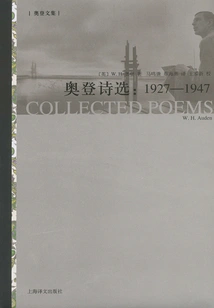
From the beginning of his career in 1927 to the return of his soul to the country of poetry in 1973, Auden continued to inject new atmosphere into English poetry for nearly half a century. His works range from politics to religion, from cities to the countryside, and are full of beautiful words. Street conversations can also be incorporated into poetry. This book is the first volume of the complete collection of poems that Auden voluntarily retained, and the text was approved by him. This book, together with the unpublished second volume of selected poems, includes all the contents of previous editions of Auden's poetry collections, and covers all the poet's later collections of short poems. It can be said that the essence of Auden's poetry has been collected here. Looking through the entire book, one can't help but admire the exquisiteness of Auden's poetic skills and the breadth of his feelings, and the ancient Western literary tradition has reappeared in its past glory again and again in his writings.
From the beginning of his career in 1927 to the return of his soul to the country of poetry in 1973, Auden continued to inject new atmosphere into English poetry for nearly half a century. His works range from politics to religion, from cities to the countryside, and are full of beautiful words. Street conversations can also be incorporated into poetry. This book is the first volume of the complete collection of poems that Auden voluntarily retained, and the text was approved by him. This book, together with the unpublished second volume of selected poems, includes all the contents of previous editions of Auden's poetry collections, and covers all the poet's later collections of short poems. It can be said that the essence of Auden's poetry has been collected here. Looking through the entire book, one can't help but admire the exquisiteness of Auden's poetic skills and the breadth of his feelings, and the ancient Western literary tradition has reappeared in its past glory again and again in his writings.
泰戈尔诗集:新月集·飞鸟集
H
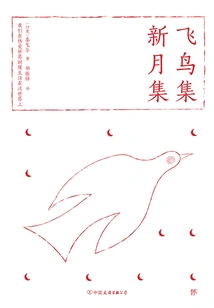
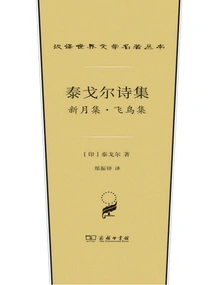
This book contains "Crescent Moon Collection" and "Bird Collection" by Indian poet Rabindranath Tagore. In "New Moon Collection", Tagore sings about love in the world from a child's perspective. In "Birds", Tagore praises the various charms of life in nature. These poems that praise love and life are timeless and beautiful. They are also recommended reading materials for middle school Chinese textbooks.
This book contains "Crescent Moon Collection" and "Bird Collection" by Indian poet Rabindranath Tagore. In "New Moon Collection", Tagore sings about love in the world from a child's perspective. In "Birds", Tagore praises the various charms of life in nature. These poems that praise love and life are timeless and beautiful. They are also recommended reading materials for middle school Chinese textbooks.
H
LiteratureH
H
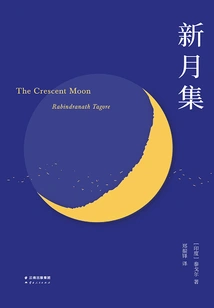
"New Moon Collection" is a collection of children's poems by Rabindranath Tagore, translated by the translator Mr. Zheng Zhenduo. The works involve themes such as nature, life, and love. The words are ethereal and beautiful, and the forms are scattered and the spirit is concentrated. Reading them gives people a sense of beauty and romance. Tagore is known as the "Children's Poet" for "New Moon Collection".
"New Moon Collection" is a collection of children's poems by Rabindranath Tagore, translated by the translator Mr. Zheng Zhenduo. The works involve themes such as nature, life, and love. The words are ethereal and beautiful, and the forms are scattered and the spirit is concentrated. Reading them gives people a sense of beauty and romance. Tagore is known as the "Children's Poet" for "New Moon Collection".

W
LiteratureW
H
"Romeo and Juliet" is one of Shakespeare's early tragedies. It tells the story of two young men and women with a feud, Romeo and Juliet, who met, got to know each other, and fell in love at a ball, but ended up committing suicide because of their family. The period from 1590 to 1613 was the golden age of Shakespeare's creation. His early plays, mainly comedies and historical dramas, reached their peak of depth and artistry in the late 16th century. By 1608, he was mainly writing tragedies. Shakespeare advocated noble sentiments, and his tragedies often described sacrifice and revenge, including "Othello", "Hamlet", "King Lear" and "Macbeth", which are considered among the best examples in the English language. Towards the end of his life, he began to write tragicomedies, also known as romance plays.
"Romeo and Juliet" is one of Shakespeare's early tragedies. It tells the story of two young men and women with a feud, Romeo and Juliet, who met, got to know each other, and fell in love at a ball, but ended up committing suicide because of their family. The period from 1590 to 1613 was the golden age of Shakespeare's creation. His early plays, mainly comedies and historical dramas, reached their peak of depth and artistry in the late 16th century. By 1608, he was mainly writing tragedies. Shakespeare advocated noble sentiments, and his tragedies often described sacrifice and revenge, including "Othello", "Hamlet", "King Lear" and "Macbeth", which are considered among the best examples in the English language. Towards the end of his life, he began to write tragicomedies, also known as romance plays.
D
General FictionD
H
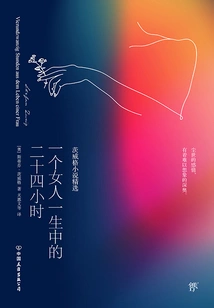
This book is a collection of short stories and short stories by the famous Austrian writer Zweig, including such masterpieces as "Letter from a Strange Woman" and "The Burning Secret". Zweig's novels have meticulous psychological descriptions, dramatic structures, and concise and beautiful language. The story tells the story of a lady from a distinguished family who had an unexplained adventure when she was forty-two years old. She was magically obsessed with the hand of a gambler in a casino and spent the night with him. This twenty-four-hour experience has been haunting her like a nightmare ever since, tormenting her until her later years.
This book is a collection of short stories and short stories by the famous Austrian writer Zweig, including such masterpieces as "Letter from a Strange Woman" and "The Burning Secret". Zweig's novels have meticulous psychological descriptions, dramatic structures, and concise and beautiful language. The story tells the story of a lady from a distinguished family who had an unexplained adventure when she was forty-two years old. She was magically obsessed with the hand of a gambler in a casino and spent the night with him. This twenty-four-hour experience has been haunting her like a nightmare ever since, tormenting her until her later years.
Selected Novels and Novels by Mark Twain (English-chinese)
General Fiction马克·吐温中短篇小说选(英汉对照)
H
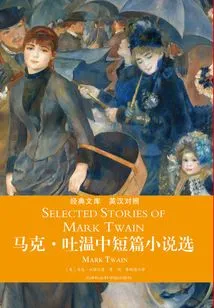
This book contains 26 short stories and short stories by the famous American writer Mark Twain, including "One Million Pounds", "The Famous Jumping Frog of Calaveras County", "How I Recently Resigned" and "The Story of a Good Boy". Each novel revolves around a specific plot, and uses the best of exaggeration with free and easy writing, so that readers gradually get better and believe it is true even though they know it is impossible; when they close the book and think deeply, they finally realize that this impossibility has great authenticity. The people and things written by the writer may exist around you, or even in your body...
This book contains 26 short stories and short stories by the famous American writer Mark Twain, including "One Million Pounds", "The Famous Jumping Frog of Calaveras County", "How I Recently Resigned" and "The Story of a Good Boy". Each novel revolves around a specific plot, and uses the best of exaggeration with free and easy writing, so that readers gradually get better and believe it is true even though they know it is impossible; when they close the book and think deeply, they finally realize that this impossibility has great authenticity. The people and things written by the writer may exist around you, or even in your body...
T
General Fictiont
H
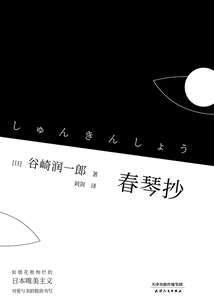
This book is the most famous novella by Japanese aesthetic master Junichiro Tanizaki. Chunqin, the daughter of an Osaka medicine merchant, was blind since she was a child. She is beautiful, intelligent, and extremely talented, and she shows amazing talent in music. Sasuke, a young man who came to her house as an apprentice, admired her. While serving her wholeheartedly, he also secretly learned shamisen, and the two became half master-servant, half master-student relationship. After establishing his own business, Chunqin was disfigured due to the jealousy of others, and Sasuke stabbed himself in the eyes. The two of them went deep into the unknown world of the two. "Yoshino Kudzu" is a novella based on the local historical legend of Yoshino. It is both fictional and factual, and is very interesting. "I" was preparing to write a historical novel set in Yoshino, and came to Yoshino to collect information, but it led to "my" friend Tsumura's longing for the past of his mother who died young, and a beautiful marriage was formed.
This book is the most famous novella by Japanese aesthetic master Junichiro Tanizaki. Chunqin, the daughter of an Osaka medicine merchant, was blind since she was a child. She is beautiful, intelligent, and extremely talented, and she shows amazing talent in music. Sasuke, a young man who came to her house as an apprentice, admired her. While serving her wholeheartedly, he also secretly learned shamisen, and the two became half master-servant, half master-student relationship. After establishing his own business, Chunqin was disfigured due to the jealousy of others, and Sasuke stabbed himself in the eyes. The two of them went deep into the unknown world of the two. "Yoshino Kudzu" is a novella based on the local historical legend of Yoshino. It is both fictional and factual, and is very interesting. "I" was preparing to write a historical novel set in Yoshino, and came to Yoshino to collect information, but it led to "my" friend Tsumura's longing for the past of his mother who died young, and a beautiful marriage was formed.
重生:桑塔格日记(2018年版)
H
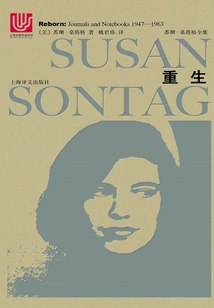
This book is a kind of "The Complete Works of Susan Sontag", the first volume of Sontag's diary, which spans from 1947 to 1963. These 16 years are the process of Sontag's growth from a young girl to a young writer and a single mother. The central content of her life is to experience it at all costs: to read eagerly and to "understand" with all her strength. Life and writing are inseparable, thus partially answering the question "Why Sontag is Sontag?"
This book is a kind of "The Complete Works of Susan Sontag", the first volume of Sontag's diary, which spans from 1947 to 1963. These 16 years are the process of Sontag's growth from a young girl to a young writer and a single mother. The central content of her life is to experience it at all costs: to read eagerly and to "understand" with all her strength. Life and writing are inseparable, thus partially answering the question "Why Sontag is Sontag?"
Benefactor (2018 Version)
General Fiction恩主(2018年版)
H
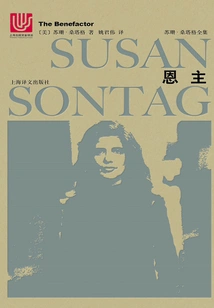
"The Benefactor" is Susan Sontag's debut novel, her first novel. Sontag's pioneering work has profound writing, absurd plot, and a mixture of fantasy and reality. This is not a novel in the conventional sense. Sontag borrowed the form of a memoir to complete a biography of a person's life that is a mixture of reality and dreams. It is cleverly conceived, filled with fiction and reality, and is completely natural. It also plants various deep philosophies and thoughts in the smooth writing.
"The Benefactor" is Susan Sontag's debut novel, her first novel. Sontag's pioneering work has profound writing, absurd plot, and a mixture of fantasy and reality. This is not a novel in the conventional sense. Sontag borrowed the form of a memoir to complete a biography of a person's life that is a mixture of reality and dreams. It is cleverly conceived, filled with fiction and reality, and is completely natural. It also plants various deep philosophies and thoughts in the smooth writing.
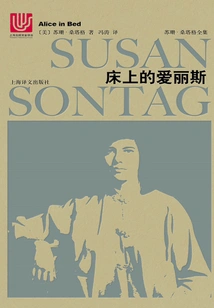
"Alice in Bed" is\
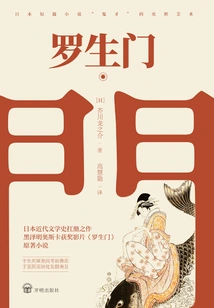
O
General Fictiono
H
The masterpiece of Japanese short story "genius" Ryunosuke Akutagawa, and the original novel of Akira Kurosawa's Oscar-winning film "Rashomon". Akutagawa literature research expert and translator Gao Hui diligently translated and proofread the book, making it readable and durable. Lu Xun, Osamu Dazai, Haruki Murakami and many other famous figures unanimously praised it.
The masterpiece of Japanese short story "genius" Ryunosuke Akutagawa, and the original novel of Akira Kurosawa's Oscar-winning film "Rashomon". Akutagawa literature research expert and translator Gao Hui diligently translated and proofread the book, making it readable and durable. Lu Xun, Osamu Dazai, Haruki Murakami and many other famous figures unanimously praised it.
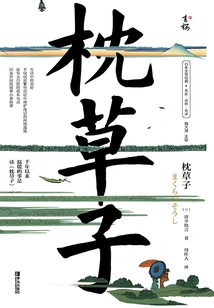
M
Literaturem
H
This book narrates what the author Seishonagon saw and heard in the palace. It is full of the subtle beauty of the changing seasons that the author personally feels, as well as the mottled customs and world of the Heian period, the complex world of human relationships and the momentary beauty of the trivial things in daily life. This book has a total of 305 paragraphs, divided into three major contents: clustering, diary, and random thoughts. Clustering is a list of things of different natures and categories in life, involving geographical features, vegetation, flowers and birds, inner emotions, life interests, etc., Which very richly reflects the author's delicate observation and aesthetic taste; the diary records the author's life in the palace, and there are reflections in it. Her experience of a deep relationship with Empress Fujiwara Tadako and the fragments of her life in the palace, from which we can understand the living conditions and tastes of the royal family and nobles in Japan's Heian period. Random thoughts are random reflections on nature and life, which show the author's bright and free attitude towards life. The author was born in a middle-class aristocracy. Although this work reflects the inequality between social classes and worries about the times, it focuses on praising the queen's stature and affirming Japan's aristocratic society. Before "Pillow", monogatari literature and diary literature had appeared in Japan. "Pillow" opened up a new field and laid the foundation for Japanese prose.
This book narrates what the author Seishonagon saw and heard in the palace. It is full of the subtle beauty of the changing seasons that the author personally feels, as well as the mottled customs and world of the Heian period, the complex world of human relationships and the momentary beauty of the trivial things in daily life. This book has a total of 305 paragraphs, divided into three major contents: clustering, diary, and random thoughts. Clustering is a list of things of different natures and categories in life, involving geographical features, vegetation, flowers and birds, inner emotions, life interests, etc., Which very richly reflects the author's delicate observation and aesthetic taste; the diary records the author's life in the palace, and there are reflections in it. Her experience of a deep relationship with Empress Fujiwara Tadako and the fragments of her life in the palace, from which we can understand the living conditions and tastes of the royal family and nobles in Japan's Heian period. Random thoughts are random reflections on nature and life, which show the author's bright and free attitude towards life. The author was born in a middle-class aristocracy. Although this work reflects the inequality between social classes and worries about the times, it focuses on praising the queen's stature and affirming Japan's aristocratic society. Before "Pillow", monogatari literature and diary literature had appeared in Japan. "Pillow" opened up a new field and laid the foundation for Japanese prose.
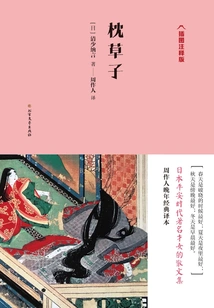
Z
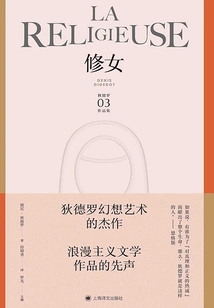
The Nun (collected Works of Diderot)
General Fiction修女(狄德罗文集)
H
One of the greatest and most controversial works of Diderot, the founder of contemporary European novels, is a masterpiece of Diderot's fantasy art and the forerunner of romantic literary works. "The Nun" is the third volume of "The Collection of Diderot's Works". In the form of an epistolary novel, it tells the story of a girl Susan who was forced to become a nun due to family prejudice and lived in several monasteries. It shows the unfair situation she suffered. This is not a simple anti-church and anti-clerical novel. It opposes It is moral prejudice, inhumanity, and the outdated and solidified social order... The multi-layered connotations make this novel a complex and readable work. It is written in a touching tone and is known as "the most intense and courageous book". It is also a representative work in Diderot's creative career.
One of the greatest and most controversial works of Diderot, the founder of contemporary European novels, is a masterpiece of Diderot's fantasy art and the forerunner of romantic literary works. "The Nun" is the third volume of "The Collection of Diderot's Works". In the form of an epistolary novel, it tells the story of a girl Susan who was forced to become a nun due to family prejudice and lived in several monasteries. It shows the unfair situation she suffered. This is not a simple anti-church and anti-clerical novel. It opposes It is moral prejudice, inhumanity, and the outdated and solidified social order... The multi-layered connotations make this novel a complex and readable work. It is written in a touching tone and is known as "the most intense and courageous book". It is also a representative work in Diderot's creative career.
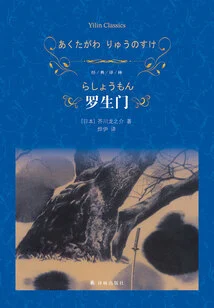
Rashomon (classic Translation)
General Fiction罗生门(经典译林)
H
A hundred people have a hundred different opinions about the same thing. Who should you believe? People are naturally self-interested and are used to saying things that are beneficial to themselves, which makes the truth often confusing and difficult to recognize. "Rashomon" contains nineteen stories by the "genius" novelist Ryunosuke Akutagawa. Each story is an ultimate description of a kind of human nature. Times are changing and people's hearts are unpredictable, but human nature remains unchanged. Understanding human nature is the only way to understand the world. Natsume Soseki commented on Akutagawa's works: "The brushwork is solemn, without gimmicks, simple and natural, humorous, and elegant. Moreover, the subject matter is novel, the concept is insightful, the structure is rigorous, and the writing is very essential, which is admirable."
A hundred people have a hundred different opinions about the same thing. Who should you believe? People are naturally self-interested and are used to saying things that are beneficial to themselves, which makes the truth often confusing and difficult to recognize. "Rashomon" contains nineteen stories by the "genius" novelist Ryunosuke Akutagawa. Each story is an ultimate description of a kind of human nature. Times are changing and people's hearts are unpredictable, but human nature remains unchanged. Understanding human nature is the only way to understand the world. Natsume Soseki commented on Akutagawa's works: "The brushwork is solemn, without gimmicks, simple and natural, humorous, and elegant. Moreover, the subject matter is novel, the concept is insightful, the structure is rigorous, and the writing is very essential, which is admirable."
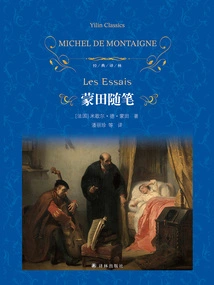
Montaigne's Essays (classic Translation)
Literature蒙田随笔(经典译林)
H
The chapters in "Montaigne's Essays" vary in length and have a clear and natural structure. With his special keen perception, Montaigne recorded his intellectual and spiritual development, leaving extremely precious spiritual wealth for future generations. For more than four hundred years, history has proven that Montaigne is an immortal figure like Bacon, Shakespeare and other great writers. His works are an analysis of various ideological trends and knowledge in the sixteenth century. They are known as the "philosophy of life". They occupy an important position in the history of French prose and are the first of essay-type works.
The chapters in "Montaigne's Essays" vary in length and have a clear and natural structure. With his special keen perception, Montaigne recorded his intellectual and spiritual development, leaving extremely precious spiritual wealth for future generations. For more than four hundred years, history has proven that Montaigne is an immortal figure like Bacon, Shakespeare and other great writers. His works are an analysis of various ideological trends and knowledge in the sixteenth century. They are known as the "philosophy of life". They occupy an important position in the history of French prose and are the first of essay-type works.
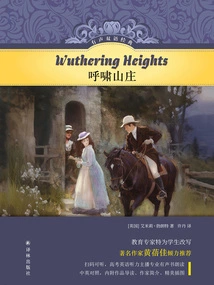
Wuthering Heights (audio Bilingual Classic)
General Fiction呼啸山庄(有声双语经典)
H
Heathcliff is an orphan adopted by his adoptive parents. He falls in love with his adoptive father's biological daughter Catherine. Due to the gap in class and wealth, Catherine eventually marries the wealthy Linton. Heathcliff was deeply affected and began a journey of revenge, trying to destroy the happiness of Catherine and her family. By telling the grudges of two generations, the novel reveals the cost of Heathcliff's revenge and the complexity of human nature, and explores the themes of love, hatred, loneliness and destiny. "Wuthering Heights" is not only a tragedy of love and revenge, but also a profound reflection on social class, morality and human weakness.
Heathcliff is an orphan adopted by his adoptive parents. He falls in love with his adoptive father's biological daughter Catherine. Due to the gap in class and wealth, Catherine eventually marries the wealthy Linton. Heathcliff was deeply affected and began a journey of revenge, trying to destroy the happiness of Catherine and her family. By telling the grudges of two generations, the novel reveals the cost of Heathcliff's revenge and the complexity of human nature, and explores the themes of love, hatred, loneliness and destiny. "Wuthering Heights" is not only a tragedy of love and revenge, but also a profound reflection on social class, morality and human weakness.

Farewell, Weapons
General Fiction永别了,武器
H
This book tells the story of Frederick Henry, an American young man who volunteered for the Red Cross to drive an ambulance and rescue the wounded on the northern Italian front in the late World War I. During a mission, Henry was hit by a cannonball and injured. While recovering from his injuries in a Milan hospital, he was cared for by British nurse Catherine, and the two fell in love. After recovering from his injuries, Henry returned to the front line. When he retreated with the Italian troops, he witnessed the cruel scenes of the war. He resolutely left the army, joined Catherine and fled to Switzerland. As a result, Catherine died in childbirth. By describing the love between the two, this book reveals the absurd and cruel nature of war, reflecting the mutual killing between people in war and the destruction of human spirit and emotions by war.
This book tells the story of Frederick Henry, an American young man who volunteered for the Red Cross to drive an ambulance and rescue the wounded on the northern Italian front in the late World War I. During a mission, Henry was hit by a cannonball and injured. While recovering from his injuries in a Milan hospital, he was cared for by British nurse Catherine, and the two fell in love. After recovering from his injuries, Henry returned to the front line. When he retreated with the Italian troops, he witnessed the cruel scenes of the war. He resolutely left the army, joined Catherine and fled to Switzerland. As a result, Catherine died in childbirth. By describing the love between the two, this book reveals the absurd and cruel nature of war, reflecting the mutual killing between people in war and the destruction of human spirit and emotions by war.

P
Literaturep
H
"Walden" is a collection of essays written by the American writer Henry David Thoreau. It records the author's strange journey of living in seclusion on the shores of Walden Pond, blending in with nature, perceiving nature and reinventing himself in pastoral life.
"Walden" is a collection of essays written by the American writer Henry David Thoreau. It records the author's strange journey of living in seclusion on the shores of Walden Pond, blending in with nature, perceiving nature and reinventing himself in pastoral life.
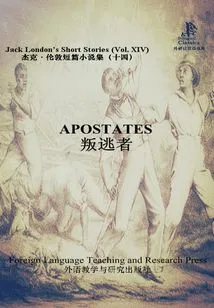
The Defector (jack London Short Stories 14)
General Fiction叛逃者(杰克·伦敦短篇小说集14)
H
"Moki" describes the bizarre experience of the leader's son Moki after he was stolen by jungle dwellers. First a slave, and then a laborer, Moki tried to escape several times, but was captured all the time. The plot of the whole novel has ups and downs, and the characters are described in detail. In "Beauty Li Wan", Li Wan wants to get rid of her husband's control and find happiness, but her plan is blocked again and again; when she seeks help from the outside world, she is met with cold treatment by the world; in "Rebel", Johnny, a child laborer, has been working in various factories since he was seven years old. After more than ten years, Johnny was finally unwilling to work like a machine anymore and decided to escape from the factory and find a new life. This novel records the tragic life of workers in the context of the American machine industry at the beginning of the twentieth century, criticizes the cruel reality, and expresses expectations for the future through Johnny's awakening and defection. ... All of this is performed in a poignant and vivid way under the pen of Jack London.
"Moki" describes the bizarre experience of the leader's son Moki after he was stolen by jungle dwellers. First a slave, and then a laborer, Moki tried to escape several times, but was captured all the time. The plot of the whole novel has ups and downs, and the characters are described in detail. In "Beauty Li Wan", Li Wan wants to get rid of her husband's control and find happiness, but her plan is blocked again and again; when she seeks help from the outside world, she is met with cold treatment by the world; in "Rebel", Johnny, a child laborer, has been working in various factories since he was seven years old. After more than ten years, Johnny was finally unwilling to work like a machine anymore and decided to escape from the factory and find a new life. This novel records the tragic life of workers in the context of the American machine industry at the beginning of the twentieth century, criticizes the cruel reality, and expresses expectations for the future through Johnny's awakening and defection. ... All of this is performed in a poignant and vivid way under the pen of Jack London.
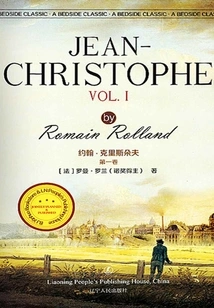
John-christopher (volume 1)
General Fiction约翰-克里斯朵夫(第一卷)
H
The novel describes the ups and downs but constant struggle of a talented musician of German descent, John Christoph. Creates a character full of unyielding spirit. This is a hero who belongs to the world, not a certain nation - Christophe constantly resists the decadent art and the vulgar social environment. After hitting the wall, he becomes more and more courageous, and constantly surpasses himself and pursues a higher spiritual realm. This is Beethoven's spirit and Roland's own spirit.
The novel describes the ups and downs but constant struggle of a talented musician of German descent, John Christoph. Creates a character full of unyielding spirit. This is a hero who belongs to the world, not a certain nation - Christophe constantly resists the decadent art and the vulgar social environment. After hitting the wall, he becomes more and more courageous, and constantly surpasses himself and pursues a higher spiritual realm. This is Beethoven's spirit and Roland's own spirit.
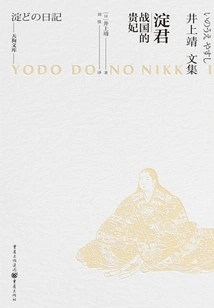
Yodo-kun: the Noble Concubine of the Warring States Period
General Fiction淀君:战国的贵妃
H
This book tells the story of the life of Toyotomi Hideyoshi's wife Chacha (Yodo-kun). The protagonist of this book, Chacha, is the daughter of Oda Nobunaga's sister, Mrs. Aichi. When she was young, she experienced tragic events where the city was captured and her family was destroyed several times. When Xiaogucheng fell, his mother, Ashi, took Chacha and her two younger sisters, Achu and Xiaodu, to escape from the city. Soon after, her mother Aichi remarried, but she and her stepfather died at the hands of Toyotomi Hideyoshi. Later, she was favored by Toyotomi Hideyoshi and became the concubine of the enemy who killed her mother. She became the concubine of Toyotomi Hideyoshi, the most powerful man in Japan, and gave birth to his heir Hideyori. However, Hideyoshi died of illness soon after, and the Toyotomi family lost the battle with the Tokugawa family for the world. Finally, Chacha and Hideyori committed suicide on the day of the fall of Osaka Castle.
This book tells the story of the life of Toyotomi Hideyoshi's wife Chacha (Yodo-kun). The protagonist of this book, Chacha, is the daughter of Oda Nobunaga's sister, Mrs. Aichi. When she was young, she experienced tragic events where the city was captured and her family was destroyed several times. When Xiaogucheng fell, his mother, Ashi, took Chacha and her two younger sisters, Achu and Xiaodu, to escape from the city. Soon after, her mother Aichi remarried, but she and her stepfather died at the hands of Toyotomi Hideyoshi. Later, she was favored by Toyotomi Hideyoshi and became the concubine of the enemy who killed her mother. She became the concubine of Toyotomi Hideyoshi, the most powerful man in Japan, and gave birth to his heir Hideyori. However, Hideyoshi died of illness soon after, and the Toyotomi family lost the battle with the Tokugawa family for the world. Finally, Chacha and Hideyori committed suicide on the day of the fall of Osaka Castle.
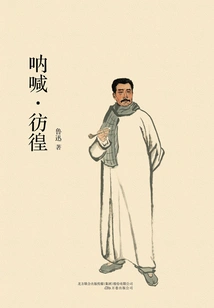
Shout·wandering
Literature呐喊·彷徨
H
"The Scream" is a collection of short stories written by Lu Xun from 1918 to 1922, including "Diary of a Madman", "Medicine", "Tomorrow", and "The True Story of Ah Q". It has received great response after its publication. In the preface to "The Scream", Lu Xun talked about the process and purpose of his abandoning medicine to pursue literature, and recalled: "Once, I suddenly saw many Chinese people I had not seen for a long time in a picture. One was tied in the middle, and many stood on the left and right. They had the same strong physique, but showed numb expressions." "Wandering" is a collection of short stories by Mr. Lu Xun, written during the period when the New Culture camp was divided after the "May 4th Movement". It turns out that among those who participated in the New Culture Movement, "some retired, some were promoted, and some advanced." Lu Xun was as "lonely" and "wandering" as a wandering warrior unable to form a formation. On the title page of "Wandering", he quoted a poem from "Li Sao": "The road is long and long, and I will search up and down."
"The Scream" is a collection of short stories written by Lu Xun from 1918 to 1922, including "Diary of a Madman", "Medicine", "Tomorrow", and "The True Story of Ah Q". It has received great response after its publication. In the preface to "The Scream", Lu Xun talked about the process and purpose of his abandoning medicine to pursue literature, and recalled: "Once, I suddenly saw many Chinese people I had not seen for a long time in a picture. One was tied in the middle, and many stood on the left and right. They had the same strong physique, but showed numb expressions." "Wandering" is a collection of short stories by Mr. Lu Xun, written during the period when the New Culture camp was divided after the "May 4th Movement". It turns out that among those who participated in the New Culture Movement, "some retired, some were promoted, and some advanced." Lu Xun was as "lonely" and "wandering" as a wandering warrior unable to form a formation. On the title page of "Wandering", he quoted a poem from "Li Sao": "The road is long and long, and I will search up and down."
X
Literaturex
H
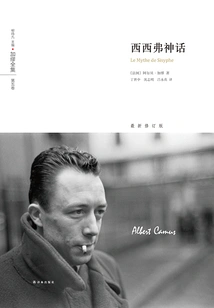
"The Myth of Sisyphus" is a collection of essays by Camus, including "The Right and the Wrong", "The Wedding Collection", "The Myth of Sisyphus", and "The Rebel". "The Myth of Sisyphus" is one of Camus's masterpieces. The article collects Camus's most in-depth and thorough investigation and analysis of the philosophy of absurdity. "The Anti and the Right" consists of five essays, which record Camus' keen observations, personal feelings and philosophical thinking about daily life. The content is mostly based on the author's own life and family. "Wedding Collection" consists of four articles, recording the author's enjoyment of life in Algeria's natural scenery and cultural landscape. "The Rebel" is a theoretical masterpiece that comprehensively explains Camus's thoughts on resistance. In the book, Camus puts forward the assertion "I resist, therefore I am." The spirit and courage it embodies are enough to echo "The Myth of Sisyphus" and to draw a perfect end to Camus's life of "rising up against the absurd".
"The Myth of Sisyphus" is a collection of essays by Camus, including "The Right and the Wrong", "The Wedding Collection", "The Myth of Sisyphus", and "The Rebel". "The Myth of Sisyphus" is one of Camus's masterpieces. The article collects Camus's most in-depth and thorough investigation and analysis of the philosophy of absurdity. "The Anti and the Right" consists of five essays, which record Camus' keen observations, personal feelings and philosophical thinking about daily life. The content is mostly based on the author's own life and family. "Wedding Collection" consists of four articles, recording the author's enjoyment of life in Algeria's natural scenery and cultural landscape. "The Rebel" is a theoretical masterpiece that comprehensively explains Camus's thoughts on resistance. In the book, Camus puts forward the assertion "I resist, therefore I am." The spirit and courage it embodies are enough to echo "The Myth of Sisyphus" and to draw a perfect end to Camus's life of "rising up against the absurd".
D
LiteratureD
H
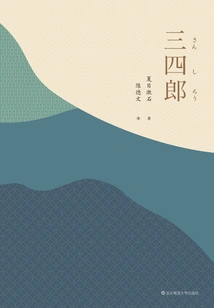
The overture to Natsume Soseki's "Love Trilogy" depicts the confusion and melancholy of young people on their path of growth in a sparse and indifferent way. The novel describes what the protagonist Sanshirō sees, hears and feels as he grows from a high school student graduating from a rural area to a university student in Tokyo, as well as his mental journey growing up in the city. It reveals the social reality and explores the true meaning of life from a deep level. Sanshirō's experience of moving from his hometown to the city is nothing less than a microcosm of the spiritual wandering of contemporary people. Everyone is a lost lamb exiled by the times, looking for a place to live.
The overture to Natsume Soseki's "Love Trilogy" depicts the confusion and melancholy of young people on their path of growth in a sparse and indifferent way. The novel describes what the protagonist Sanshirō sees, hears and feels as he grows from a high school student graduating from a rural area to a university student in Tokyo, as well as his mental journey growing up in the city. It reveals the social reality and explores the true meaning of life from a deep level. Sanshirō's experience of moving from his hometown to the city is nothing less than a microcosm of the spiritual wandering of contemporary people. Everyone is a lost lamb exiled by the times, looking for a place to live.
Patterns of Radical Will (2018 Edition)
Literature激进意志的样式(2018年版)
H
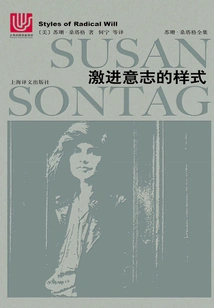
"Styles of Radical Will" is the second important collection of essays in Susan Sontag's life. It is an extension of the theme studied in "Against Interpretation". The content covers various fields such as film, literature, politics, etc. What is quite eye-catching is her analysis of pornographic literary works. This book adheres to Sontag's consistent style, with sharp perspectives and unique insights.
"Styles of Radical Will" is the second important collection of essays in Susan Sontag's life. It is an extension of the theme studied in "Against Interpretation". The content covers various fields such as film, literature, politics, etc. What is quite eye-catching is her analysis of pornographic literary works. This book adheres to Sontag's consistent style, with sharp perspectives and unique insights.

第五人格之香雾弥漫
H
When she lit the incense, she knew that she could not go back, and then she fell into panic. Only when she made the incense of forgetfulness could she have a moment of peace, until the arrival of a letter broke the balance of her life...
When she lit the incense, she knew that she could not go back, and then she fell into panic. Only when she made the incense of forgetfulness could she have a moment of peace, until the arrival of a letter broke the balance of her life...
Of Mice and Men Pearl (classic Translation)
General Fiction人鼠之间 珍珠(经典译林)
H
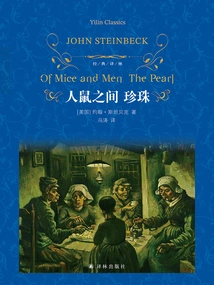
This book contains two representative novellas, "Of Mice and Men" and "The Pearl" by Nobel Prize winner John Steinbeck. Although George and Lennie in "Of Mice and Men" make a living by doing odd jobs on the farm, they dream of one day owning a small piece of land of their own and no longer living on the road. This dream is as wonderful as heaven to them, and as far away as heaven. It's a pity that the light of fate failed to shine into the cruel reality at the bottom. "Pearl" is like a fable, exuding a sharp edge that penetrates reality. When the pearl diver Jino picked up the pearl that symbolized luck from the bottom of the sea, he also opened a dark door full of human greed and evil; the stars pointing to dreams eventually became the boulder that crushed fate.
This book contains two representative novellas, "Of Mice and Men" and "The Pearl" by Nobel Prize winner John Steinbeck. Although George and Lennie in "Of Mice and Men" make a living by doing odd jobs on the farm, they dream of one day owning a small piece of land of their own and no longer living on the road. This dream is as wonderful as heaven to them, and as far away as heaven. It's a pity that the light of fate failed to shine into the cruel reality at the bottom. "Pearl" is like a fable, exuding a sharp edge that penetrates reality. When the pearl diver Jino picked up the pearl that symbolized luck from the bottom of the sea, he also opened a dark door full of human greed and evil; the stars pointing to dreams eventually became the boulder that crushed fate.
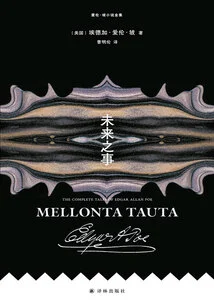
Things to Come (the Complete Novels of Edgar Allan Poe)
General Fiction未来之事(爱伦·坡小说全集)
H
The future is not all as far away as science fiction. Every second is a part of the future and the starting point of the distant future. The choices we make at the moment determine what the future will look like. Edgar Allan Poe wrote many works that were defined as "science fiction" by later generations, but perhaps in this genius's mind, those wild futures were just small echoes of the choices made by mankind at this moment.
The future is not all as far away as science fiction. Every second is a part of the future and the starting point of the distant future. The choices we make at the moment determine what the future will look like. Edgar Allan Poe wrote many works that were defined as "science fiction" by later generations, but perhaps in this genius's mind, those wild futures were just small echoes of the choices made by mankind at this moment.
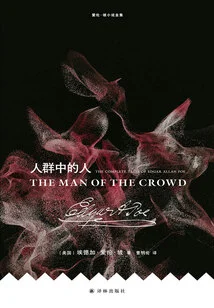
人群中的人(爱伦·坡小说全集)
H
Love not only brings happiness, but also often pain. Especially love that is too persistent can turn into madness. Edgar Allan Poe loved to write stories about the death of loved ones, perhaps because his loved ones kept leaving throughout his life, and loneliness always accompanied him.
Love not only brings happiness, but also often pain. Especially love that is too persistent can turn into madness. Edgar Allan Poe loved to write stories about the death of loved ones, perhaps because his loved ones kept leaving throughout his life, and loneliness always accompanied him.
Star Road Bright Moon
Fantasy Romance星途皓月
H
There will always be opportunities, just wait and it will be your turn. "I'm not afraid whether he still remembers me, I'm just afraid... We forgot about each other, and after that, I couldn't feel his breath anymore. " "Looking at her silently, hiding the feelings in my heart but unable to express them." Walking alone in an alley without you, A huge crowd, nowhere to look I know that flowers bloom and fade because of fate; I know that getting together and getting apart is essential. When you see her running towards you, You will eventually understand what is worth paying for...
There will always be opportunities, just wait and it will be your turn. "I'm not afraid whether he still remembers me, I'm just afraid... We forgot about each other, and after that, I couldn't feel his breath anymore. " "Looking at her silently, hiding the feelings in my heart but unable to express them." Walking alone in an alley without you, A huge crowd, nowhere to look I know that flowers bloom and fade because of fate; I know that getting together and getting apart is essential. When you see her running towards you, You will eventually understand what is worth paying for...
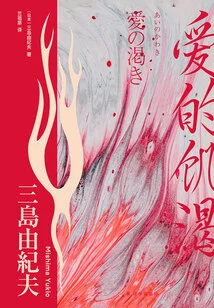
Hunger of Love (selected Collection of Yukio Mishima)
General Fiction爱的饥渴(三岛由纪夫精选集)
H
Etsuko was tortured by her husband's incestuous relationship. After her husband died, she moved into her father-in-law Miyoshi's country villa. She was attracted by the young gardener Saburo, and gradually fell into the quagmire of love and jealousy.
Etsuko was tortured by her husband's incestuous relationship. After her husband died, she moved into her father-in-law Miyoshi's country villa. She was attracted by the young gardener Saburo, and gradually fell into the quagmire of love and jealousy.
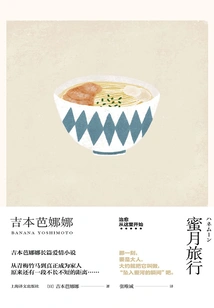
Honeymoon Trip
General Fiction蜜月旅行
H
Maka and Yushi were childhood sweethearts and got married right after graduating from high school. After the death of his grandfather, who was dependent on each other for life, Yuzhi, who was already depressed, became even more lifeless. In order to help him rediscover the meaning of life, they walked out into the outside world embracing the loneliness that only each other could comfort. In front of the magnificent nature, the invisible thin wall between the two gradually disappeared. Finally, they sang songs hand in hand and embarked on their way home.
Maka and Yushi were childhood sweethearts and got married right after graduating from high school. After the death of his grandfather, who was dependent on each other for life, Yuzhi, who was already depressed, became even more lifeless. In order to help him rediscover the meaning of life, they walked out into the outside world embracing the loneliness that only each other could comfort. In front of the magnificent nature, the invisible thin wall between the two gradually disappeared. Finally, they sang songs hand in hand and embarked on their way home.
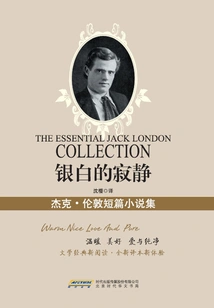
Silver Silence: Selected Novels by Jack London
General Fiction银白的寂静:杰克·伦敦小说精选集
H
Through these works, Jack London shows us a strange and extremely vast world, describing the harsh struggle between man and nature, as well as the intricate social relationships between people. About the author Jack London (1876-1916) is a famous realist writer in the United States. Following Mark Twain and Hemingway later, he created a new era of American short stories and enjoys a high status in modern American literature and world literature. His creations are characterized by vigorous writing and simple language. He is good at using the actions of characters to express themes and ideas. The characters have distinctive personalities, the plots are compact, and the writing is concise and vivid, with considerable appeal. He loved struggle and adventure throughout his life and wrote more than 50 short stories and novels, many of which can be called classics of short stories, providing vivid material for people to understand Americans and their characters. Translator: Shen Ying, female, magazine columnist and researcher of classical literature. She has studied in many countries and is particularly fond of foreign literature. She has translated many short stories with delicate style and unique insights. Her translated works are very popular among young people today. Introduction: This book selects the classic works of Jack London, the most outstanding short story writer in the United States, such as "Silver Silence", "Love of Life", "Northern Odyssey", "Indian Woman", etc. Each story has its own obvious characteristics, rich in content, colorful, dangerous and fascinating, but also based on science. Through these works, Jack London shows us a strange and extremely vast world, describing the harsh struggle between man and nature, as well as the intricate social relationships between people. For more than a hundred years, his works have been loved by readers and are filled with an unprecedented freshness in American short stories.
Through these works, Jack London shows us a strange and extremely vast world, describing the harsh struggle between man and nature, as well as the intricate social relationships between people. About the author Jack London (1876-1916) is a famous realist writer in the United States. Following Mark Twain and Hemingway later, he created a new era of American short stories and enjoys a high status in modern American literature and world literature. His creations are characterized by vigorous writing and simple language. He is good at using the actions of characters to express themes and ideas. The characters have distinctive personalities, the plots are compact, and the writing is concise and vivid, with considerable appeal. He loved struggle and adventure throughout his life and wrote more than 50 short stories and novels, many of which can be called classics of short stories, providing vivid material for people to understand Americans and their characters. Translator: Shen Ying, female, magazine columnist and researcher of classical literature. She has studied in many countries and is particularly fond of foreign literature. She has translated many short stories with delicate style and unique insights. Her translated works are very popular among young people today. Introduction: This book selects the classic works of Jack London, the most outstanding short story writer in the United States, such as "Silver Silence", "Love of Life", "Northern Odyssey", "Indian Woman", etc. Each story has its own obvious characteristics, rich in content, colorful, dangerous and fascinating, but also based on science. Through these works, Jack London shows us a strange and extremely vast world, describing the harsh struggle between man and nature, as well as the intricate social relationships between people. For more than a hundred years, his works have been loved by readers and are filled with an unprecedented freshness in American short stories.
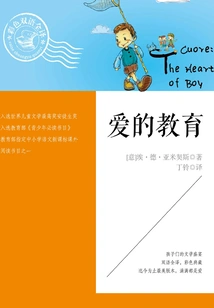
J
General Fictionj
H
The protagonist of "The Education of Love (full color bilingual translation)" is a diary novel written by the famous Italian writer Miachis. He wrote down the diary in the voice of an Italian primary school student. The protagonists in each diary are ordinary people, such as the charcoal seller, the blacksmith's son, the young drummer... The ordinary things of these ordinary people are filled with love and warmth in the author's writing. The book contains a total of one hundred articles, mainly composed of three parts: a ten-month diary of a primary school student, admonishing and inspiring articles written by his parents in his diary, and ten short stories read by teachers in class.
The protagonist of "The Education of Love (full color bilingual translation)" is a diary novel written by the famous Italian writer Miachis. He wrote down the diary in the voice of an Italian primary school student. The protagonists in each diary are ordinary people, such as the charcoal seller, the blacksmith's son, the young drummer... The ordinary things of these ordinary people are filled with love and warmth in the author's writing. The book contains a total of one hundred articles, mainly composed of three parts: a ten-month diary of a primary school student, admonishing and inspiring articles written by his parents in his diary, and ten short stories read by teachers in class.
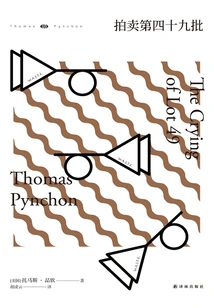
Auction Lot 49
Literature拍卖第四十九批
H
The heroine Oedipa is a typical American housewife in the 20th century. After returning home from a dinner party, she discovers that she has been nominated as the executor of her will by her late lover, California real estate magnate Pierce. So Oedipa left Los Angeles and went to Pierce's "home base" - San Narciso to conduct estate investigations. Many discoveries made during the investigation, without exception, point to an ancient and mysterious underground postal system - Tristero. In a series of investigations into this organization, she seems to be getting closer to the truth, but the answers are specious. The confusing clues make Oedipa confused. She is unable to determine whether "Tristero" really exists. Perhaps she is just the victim of a scam set by Pierce, or perhaps everything is her own crazy hallucination. A set of stamps auctioned as "Lot 49" seems to be the key to solving the mystery of Tristero. Through a labyrinthine narrative and the borrowing of the theory of entropy increase and the principle of uncertainty, the novel depicts the bizarre social panorama of the United States, reveals the embarrassing situation of human beings in a disorderly, empty, and uncertain modern society, and demonstrates the weird perspective of the genius Pynchon and his skillful use of artistic techniques such as hybridity and parody.
The heroine Oedipa is a typical American housewife in the 20th century. After returning home from a dinner party, she discovers that she has been nominated as the executor of her will by her late lover, California real estate magnate Pierce. So Oedipa left Los Angeles and went to Pierce's "home base" - San Narciso to conduct estate investigations. Many discoveries made during the investigation, without exception, point to an ancient and mysterious underground postal system - Tristero. In a series of investigations into this organization, she seems to be getting closer to the truth, but the answers are specious. The confusing clues make Oedipa confused. She is unable to determine whether "Tristero" really exists. Perhaps she is just the victim of a scam set by Pierce, or perhaps everything is her own crazy hallucination. A set of stamps auctioned as "Lot 49" seems to be the key to solving the mystery of Tristero. Through a labyrinthine narrative and the borrowing of the theory of entropy increase and the principle of uncertainty, the novel depicts the bizarre social panorama of the United States, reveals the embarrassing situation of human beings in a disorderly, empty, and uncertain modern society, and demonstrates the weird perspective of the genius Pynchon and his skillful use of artistic techniques such as hybridity and parody.
N
Literaturen
H
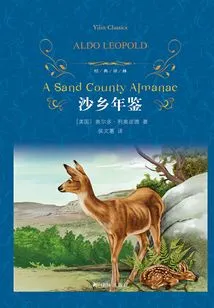
"Sand Country Almanack" is the representative work of Aldo Leopold, the father of ecological ethics. Among them, "The Return of the Wild Geese" and "Think Like a Mountain" were selected into middle school Chinese textbooks. The classic translation version of "Sand Country Almanac" is based on the first edition of Oxford University Press in 1949. It was carefully translated by the famous environmental historian Professor Hou Wenhui. Susan Fried, chairman of the Leopold Foundation in the United States, wrote a preface and recommended it. It also includes a comparison of the Chinese, English and Latin scientific names of the animals and plants in the book. The book contains Leopold's unpublished preface in 1947, accompanied by 33 original English illustrations, vividly presenting the natural feelings of a naturalist. "Sand Country Almanac" is the crystallization of Aldo Leopold's lifelong observations, experiences, and thoughts. In this book, the author not only expresses his recollection of the harmonious life on the Wisconsin Sand Country Farm, but also records the lessons and pain he experienced in pursuing a scientific ecological view. He also discusses the relationship between man and nature, man and land, trying to reawaken people's love and respect for nature. The whole book contains his views on land health and land ethics. The language is fresh and beautiful, and the content is serious and profound. The author's meticulous observations are reflected between the lines, and he is permeated with his sincere love for birds, beasts, and exotic flowers and plants.
"Sand Country Almanack" is the representative work of Aldo Leopold, the father of ecological ethics. Among them, "The Return of the Wild Geese" and "Think Like a Mountain" were selected into middle school Chinese textbooks. The classic translation version of "Sand Country Almanac" is based on the first edition of Oxford University Press in 1949. It was carefully translated by the famous environmental historian Professor Hou Wenhui. Susan Fried, chairman of the Leopold Foundation in the United States, wrote a preface and recommended it. It also includes a comparison of the Chinese, English and Latin scientific names of the animals and plants in the book. The book contains Leopold's unpublished preface in 1947, accompanied by 33 original English illustrations, vividly presenting the natural feelings of a naturalist. "Sand Country Almanac" is the crystallization of Aldo Leopold's lifelong observations, experiences, and thoughts. In this book, the author not only expresses his recollection of the harmonious life on the Wisconsin Sand Country Farm, but also records the lessons and pain he experienced in pursuing a scientific ecological view. He also discusses the relationship between man and nature, man and land, trying to reawaken people's love and respect for nature. The whole book contains his views on land health and land ethics. The language is fresh and beautiful, and the content is serious and profound. The author's meticulous observations are reflected between the lines, and he is permeated with his sincere love for birds, beasts, and exotic flowers and plants.