Library
Browse and search books
1,449 novels found

K
General FictionK
G
This book is the novel in which Dazai Osamu spent a long time collecting materials, considering the structure, and studied the most based on Lu Xun when he was a student at Sendai Medical College. It had a subtle influence on "Disqualification in the World". Osamu Dazai got rid of the decadence in the early stage of creation and created a transparent and warm world with tranquility and sincerity. However, as this effort was unfortunately shattered, it finally inevitably led to panic and despair, which eventually evolved into the tragic ending of "Aye" in "The Human Disqualification". The book does not pursue a detailed account of Lu Xun's experience studying in Japan. It focuses on showing a young man's journey through loneliness and confusion in pursuit of his ideals and finding the correct value and direction of life. It entrusts Dazai Osamu's expectations for freedom and happiness, and encourages young people to bid farewell to the gloomy life of the past and meet the beauty of the future through their own efforts.
This book is the novel in which Dazai Osamu spent a long time collecting materials, considering the structure, and studied the most based on Lu Xun when he was a student at Sendai Medical College. It had a subtle influence on "Disqualification in the World". Osamu Dazai got rid of the decadence in the early stage of creation and created a transparent and warm world with tranquility and sincerity. However, as this effort was unfortunately shattered, it finally inevitably led to panic and despair, which eventually evolved into the tragic ending of "Aye" in "The Human Disqualification". The book does not pursue a detailed account of Lu Xun's experience studying in Japan. It focuses on showing a young man's journey through loneliness and confusion in pursuit of his ideals and finding the correct value and direction of life. It entrusts Dazai Osamu's expectations for freedom and happiness, and encourages young people to bid farewell to the gloomy life of the past and meet the beauty of the future through their own efforts.
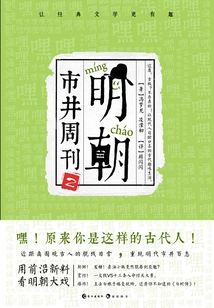
Ming Dynasty Market Weekly 2
History明朝市井周刊2
G
This book is the second in the series of "Ming Dynasty Market Weekly". It excerpts some classic passages from the Chinese classic "Three Words and Two Patterns", re-translates and edits them, uses modern language to interpret classic literature, reproduces the style of the Ming Dynasty market at that time, and shows the various life styles of people from all walks of life at that time. "Three Words and Two Patterns" is the pinnacle of Chinese classical short stories in vernacular. It tells a secular story at a time and is called the ancestor of modern lace magazines. This time I re-edited the excerpts and found the author to rewrite it into a more modern language, but at the same time retained the classical charm of the original work. It is also to promote the classics of Chinese studies and let more people appreciate the charm of Chinese culture.
This book is the second in the series of "Ming Dynasty Market Weekly". It excerpts some classic passages from the Chinese classic "Three Words and Two Patterns", re-translates and edits them, uses modern language to interpret classic literature, reproduces the style of the Ming Dynasty market at that time, and shows the various life styles of people from all walks of life at that time. "Three Words and Two Patterns" is the pinnacle of Chinese classical short stories in vernacular. It tells a secular story at a time and is called the ancestor of modern lace magazines. This time I re-edited the excerpts and found the author to rewrite it into a more modern language, but at the same time retained the classical charm of the original work. It is also to promote the classics of Chinese studies and let more people appreciate the charm of Chinese culture.
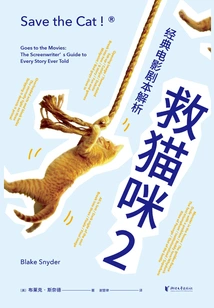
救猫咪2:经典电影剧本解析
G
"Save the Cat 2: Analysis of Classic Movie Scripts" is the second volume in script mentor Blake Snyder's "Save the Cat" series. This book continues the efficient, practical, and humorous writing style of the first volume. By reviewing various classic films in film history, it thoroughly and meticulously introduces the types and structural elements necessary for successful films. The book divides mainstream commercial films into 10 types, and lists 50 representative films, including masterpieces such as "Saving Private Ryan" and "Alien", as well as film history gems such as "Little League" and "The Dark Knight." The author skillfully analyzes the structure and story rhythm of these films, clarifying their commonalities and originality, helping screenwriters find genre boundaries for their own stories, and make breakthroughs and innovations. For novice screenwriters, this is a special training course to quickly learn from previous experience; and for movie fans, this is a rich and interesting movie list to add color to your movie journey.
"Save the Cat 2: Analysis of Classic Movie Scripts" is the second volume in script mentor Blake Snyder's "Save the Cat" series. This book continues the efficient, practical, and humorous writing style of the first volume. By reviewing various classic films in film history, it thoroughly and meticulously introduces the types and structural elements necessary for successful films. The book divides mainstream commercial films into 10 types, and lists 50 representative films, including masterpieces such as "Saving Private Ryan" and "Alien", as well as film history gems such as "Little League" and "The Dark Knight." The author skillfully analyzes the structure and story rhythm of these films, clarifying their commonalities and originality, helping screenwriters find genre boundaries for their own stories, and make breakthroughs and innovations. For novice screenwriters, this is a special training course to quickly learn from previous experience; and for movie fans, this is a rich and interesting movie list to add color to your movie journey.

第三帝国三部曲(理想国译丛 038-040)
G
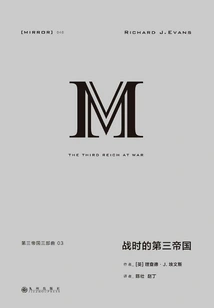
The Third Reich Trilogy (Utopia Translation Series 038-040) includes the prequel to Nazi Germany in "Utopia Translation Series 038 The Arrival of the Third Reich" and the history of the collapse of the Weimar Republic. Completely analyze the reasons for the rise of the Nazis and vividly restore the process of Hitler's seizure of power. "Utopia Translation Series 039 The Third Reich in Power" reproduces how the Nazi Party in peacetime used brutal and bloody dictatorial methods to cleanse, mobilize, and arm the German nation step by step, transforming Germany into a war machine with full sprint. "Utopia Translation Series 040 The Third Reich in Wartime" details the Nazis' military conquests and extreme genocide through a macroscopic description of the war and ordinary people's wartime experiences. Reproduce how Germany ignited the flames of war and completely changed the world situation and historical development in the 20th century.
The Third Reich Trilogy (Utopia Translation Series 038-040) includes the prequel to Nazi Germany in "Utopia Translation Series 038 The Arrival of the Third Reich" and the history of the collapse of the Weimar Republic. Completely analyze the reasons for the rise of the Nazis and vividly restore the process of Hitler's seizure of power. "Utopia Translation Series 039 The Third Reich in Power" reproduces how the Nazi Party in peacetime used brutal and bloody dictatorial methods to cleanse, mobilize, and arm the German nation step by step, transforming Germany into a war machine with full sprint. "Utopia Translation Series 040 The Third Reich in Wartime" details the Nazis' military conquests and extreme genocide through a macroscopic description of the war and ordinary people's wartime experiences. Reproduce how Germany ignited the flames of war and completely changed the world situation and historical development in the 20th century.

文明的故事(1-5卷)
G
This is a fluent and beautiful collection of "stories" with vivid narration and is very popular around the world. This set contains volumes 1-5, including "Heritage of the East", "Greek Life", "Caesar and Christ", "The Age of Faith (Volume 1 and 2)" and "Renaissance".
This is a fluent and beautiful collection of "stories" with vivid narration and is very popular around the world. This set contains volumes 1-5, including "Heritage of the East", "Greek Life", "Caesar and Christ", "The Age of Faith (Volume 1 and 2)" and "Renaissance".
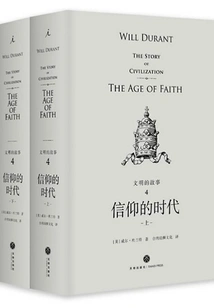
文明的故事4:信仰的时代
G
"The Age of Faith" is the fourth volume of the "The Story of Civilization" series of "Utopia Classics Hall". The medieval era from AD 325 to 1300 saw the convergence and excitement of four different cultures: Byzantium, Islam, Judaism and Western Europe. Vast areas of the world continued to live under the banner and rule of faith, while Western Europe sailed into a remote sea of reason. People in the Middle Ages were first victims of barbarism, then became barbaric conquerors, and then became the creators of new civilizations. The end of the completely rich phase of its civilization in the Middle Ages was the basis of the Renaissance and the Reformation. The medieval legacy contains both good and evil. We have not recovered from the Dark Ages. In this sense, modernization is a coat worn on medievalism.
"The Age of Faith" is the fourth volume of the "The Story of Civilization" series of "Utopia Classics Hall". The medieval era from AD 325 to 1300 saw the convergence and excitement of four different cultures: Byzantium, Islam, Judaism and Western Europe. Vast areas of the world continued to live under the banner and rule of faith, while Western Europe sailed into a remote sea of reason. People in the Middle Ages were first victims of barbarism, then became barbaric conquerors, and then became the creators of new civilizations. The end of the completely rich phase of its civilization in the Middle Ages was the basis of the Renaissance and the Reformation. The medieval legacy contains both good and evil. We have not recovered from the Dark Ages. In this sense, modernization is a coat worn on medievalism.
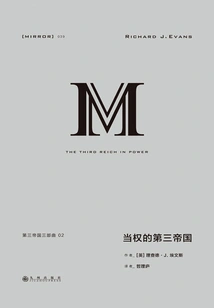
第三帝国三部曲:当权的第三帝国(全集)
G
W
W
Y
文明的故事1:东方的遗产
G
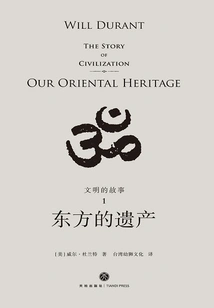
"Heritage of the East" is the first volume of the "Story of Civilization" series of "Utopia Classics Hall". Durant outlines the original appearance of human civilization from the eight major elements of civilization - labor (farming, industry, transportation and trade), government, morality (customs and etiquette, conscience and conduct), religion, science, philosophy, writing, and art, combining Sumer, Egypt, and Babylon , Assyria, Judaea, Persia, India, China, Japan and other regions or nations, showing the splendid cultural pictures of Egypt and Eastern Asia one by one, explaining why ancient Eastern civilization is the background and cornerstone of Greek and Roman culture, and why it is the source of modern human civilization.
"Heritage of the East" is the first volume of the "Story of Civilization" series of "Utopia Classics Hall". Durant outlines the original appearance of human civilization from the eight major elements of civilization - labor (farming, industry, transportation and trade), government, morality (customs and etiquette, conscience and conduct), religion, science, philosophy, writing, and art, combining Sumer, Egypt, and Babylon , Assyria, Judaea, Persia, India, China, Japan and other regions or nations, showing the splendid cultural pictures of Egypt and Eastern Asia one by one, explaining why ancient Eastern civilization is the background and cornerstone of Greek and Roman culture, and why it is the source of modern human civilization.
Minimalist Human History
History极简人类史
G
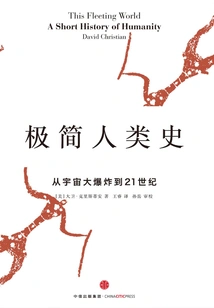
"This Fleeting World: AShort History of Humanity: From the Big Bang to the 21st Century" is a brief history of mankind with a grand vision and clear context. It tells the development trajectory of modern Homo sapiens in the past 100,000 years. Starting from the Big Bang, against the magnificent background of 13.8 Billion years of cosmic evolution, it overlooks the entire process of human history from scratch, and constructs a big picture of human history.
"This Fleeting World: AShort History of Humanity: From the Big Bang to the 21st Century" is a brief history of mankind with a grand vision and clear context. It tells the development trajectory of modern Homo sapiens in the past 100,000 years. Starting from the Big Bang, against the magnificent background of 13.8 Billion years of cosmic evolution, it overlooks the entire process of human history from scratch, and constructs a big picture of human history.
X
General Fictionx
G
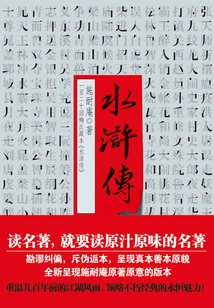
In the popular version of "Water Margin", the heroes of Liangshan did justice for heaven, but in the end they were recruited. Most of them were killed in the battle against Fang La, and the surviving heroes rarely died well. Such an ending made many readers who loved "Water Margin" feel dissatisfied and confused. That's why the young novice Huailin said that Song Jiang was a "real robber with fake Taoism", while Jin Shengtan called it "a dog's tail that continues the mink" and simply cut him in half. In fact, in the real ancient version of "Water Margin", the heroes of Liangshan carried out the uprising to the end. However, after hundreds of years of changes, it is difficult for people to have the opportunity to see this version again. In this sense, Mei's collection of "Water Margin" is a "Water Margin" that deserves more attention and more anticipation.
In the popular version of "Water Margin", the heroes of Liangshan did justice for heaven, but in the end they were recruited. Most of them were killed in the battle against Fang La, and the surviving heroes rarely died well. Such an ending made many readers who loved "Water Margin" feel dissatisfied and confused. That's why the young novice Huailin said that Song Jiang was a "real robber with fake Taoism", while Jin Shengtan called it "a dog's tail that continues the mink" and simply cut him in half. In fact, in the real ancient version of "Water Margin", the heroes of Liangshan carried out the uprising to the end. However, after hundreds of years of changes, it is difficult for people to have the opportunity to see this version again. In this sense, Mei's collection of "Water Margin" is a "Water Margin" that deserves more attention and more anticipation.
O
General Fictiono
G
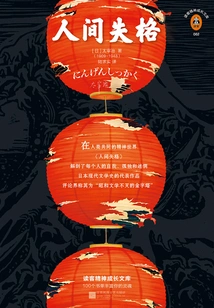
"Unworthy of the World" is a comprehensive interpretation of the famous line of the Japanese writer Osamu Dazai - "I am sorry for being born as a human being". It is also Dazai Osamu's final work. One of the top three best-selling literary miracles in Japanese history. Osamu Dazai - hailed as a national-level writer by Haruki Murakami, Shunji Iwai once made a movie to pay tribute to him. In the common spiritual world of mankind, "Disqualification" dissects everyone's self, loneliness and confusion. It is a representative work in the history of modern Japanese literature. Critics call it "the immortal pyramid of Showa literature". The book contains four important works of Osamu Dazai in his later period of creation, which can be called the masterpiece of Osamu Dazai's later aesthetics. "Disqualification in the World" comprehensively interprets Osamu Dazai's famous line "I'm sorry to be born as a human being" - the protagonist Oba Yozo, as a "marginal person" who can't figure out the rules of human beings, continues to self-exile and gradually "loses the qualifications to be a human being".
"Unworthy of the World" is a comprehensive interpretation of the famous line of the Japanese writer Osamu Dazai - "I am sorry for being born as a human being". It is also Dazai Osamu's final work. One of the top three best-selling literary miracles in Japanese history. Osamu Dazai - hailed as a national-level writer by Haruki Murakami, Shunji Iwai once made a movie to pay tribute to him. In the common spiritual world of mankind, "Disqualification" dissects everyone's self, loneliness and confusion. It is a representative work in the history of modern Japanese literature. Critics call it "the immortal pyramid of Showa literature". The book contains four important works of Osamu Dazai in his later period of creation, which can be called the masterpiece of Osamu Dazai's later aesthetics. "Disqualification in the World" comprehensively interprets Osamu Dazai's famous line "I'm sorry to be born as a human being" - the protagonist Oba Yozo, as a "marginal person" who can't figure out the rules of human beings, continues to self-exile and gradually "loses the qualifications to be a human being".

川端康成名作名译系列:阵雨中的车站
G
On a rainy evening, women hold umbrellas and wait at the station for their husbands to return home. The loyal wife waited painfully twice. The first time she handed the umbrella to her rival's husband, and the second time she handed the umbrella to her former lover. "This has become a market for women to wait for their respective men, a marriage market where makeup and romance have been removed."
On a rainy evening, women hold umbrellas and wait at the station for their husbands to return home. The loyal wife waited painfully twice. The first time she handed the umbrella to her rival's husband, and the second time she handed the umbrella to her former lover. "This has become a market for women to wait for their respective men, a marriage market where makeup and romance have been removed."

P
General FictionP
G
"Waltz of Flowers" is a collection of Kawabata Yasunari's classic short stories. Together with "The Dancing Girl of Izu", it is known as "the most beautiful first love in the world". Its name comes from the group dance of the Candy Fairy and other fairies in Tchaikovsky's ballet "The Nutcracker". Xingzhi and the orphan Suzuko developed a close attachment because of ballet. The beautiful youth of the girls is like twin flowers, vying for beauty in the spinning and jumping dance steps. At this time, Nanjo, whom Suzuko had been waiting for, returned home miserably, and regained life because of Hoshizhi's dance. All the seemingly absent love is entangled in a waltz...
"Waltz of Flowers" is a collection of Kawabata Yasunari's classic short stories. Together with "The Dancing Girl of Izu", it is known as "the most beautiful first love in the world". Its name comes from the group dance of the Candy Fairy and other fairies in Tchaikovsky's ballet "The Nutcracker". Xingzhi and the orphan Suzuko developed a close attachment because of ballet. The beautiful youth of the girls is like twin flowers, vying for beauty in the spinning and jumping dance steps. At this time, Nanjo, whom Suzuko had been waiting for, returned home miserably, and regained life because of Hoshizhi's dance. All the seemingly absent love is entangled in a waltz...
A
General FictionA
G
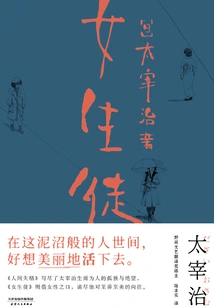
This book selects 10 works from Osamu Dazai's works that are narrated from a female first-person perspective, and takes the famous one "Girl Disciple" as the title. It also sorts out the order of each article by comparing the life trajectories of women in each story - boyhood, youth, adulthood, and old age, recalling their youthful days.
This book selects 10 works from Osamu Dazai's works that are narrated from a female first-person perspective, and takes the famous one "Girl Disciple" as the title. It also sorts out the order of each article by comparing the life trajectories of women in each story - boyhood, youth, adulthood, and old age, recalling their youthful days.
理智与情感:黄昱宁导读版(SHE经典)
G
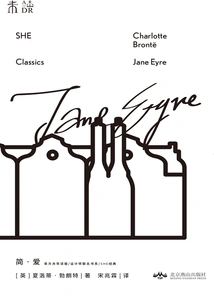
"Sense and Sensibility" is Jane Austen's first officially published work, and its light is often overshadowed by "Pride and Prejudice". In fact, the good things about "Sense and Sensibility" take longer to savor. The novel takes the twists and turns of the marriage turmoil of sister Elinor and sister Marianne as the main line. Through the humorous comparison of "reason and emotion", it raises issues of moral and behavioral norms. Although the two sisters have very different personalities, neither of them is willing to give in easily under the pressure of survival, and neither wants marriage to become just a "financial management product" in a certain sense. In Austen's view, only through this means of continuous self-improvement can women in a disadvantaged position achieve complete happiness.
"Sense and Sensibility" is Jane Austen's first officially published work, and its light is often overshadowed by "Pride and Prejudice". In fact, the good things about "Sense and Sensibility" take longer to savor. The novel takes the twists and turns of the marriage turmoil of sister Elinor and sister Marianne as the main line. Through the humorous comparison of "reason and emotion", it raises issues of moral and behavioral norms. Although the two sisters have very different personalities, neither of them is willing to give in easily under the pressure of survival, and neither wants marriage to become just a "financial management product" in a certain sense. In Austen's view, only through this means of continuous self-improvement can women in a disadvantaged position achieve complete happiness.

Tess of the D'urbervilles
General Fiction德伯维尔家的苔丝
G
This tragic work is the representative work of the British novelist Hardy. It tells the story of Tess, a poor and beautiful peasant girl who goes to work in the landlord's manor house. She loses her virginity to Alec, a bad boy from a rich family because of her youth and ignorance, and returns to her hometown pregnant. After her child died, she fell in love with Angel Clare, the son of a pastor. However, on their wedding night, she confessed the truth about losing her virginity and was not tolerated by her husband, who fled to Brazil. After Tess was abandoned, she went to work in a dairy factory. Alec, a young landowner, pesters Tess again and again. When her father died, her mother fell ill, her siblings were out of school, the family lived on the streets, and there was no news from Claire, Tess had no choice but to sacrifice her life to save her family and agreed to live with Alec. Unexpectedly, Claire changes her mind and comes back from Brazil to look for Tess. Tess was filled with regret and stabbed Alec to death. During the escape, Tess and her husband spent a few days living happily, and were finally caught and sentenced to hanging. As one of Hardy's "Wessex Series", this book is the most typical of his "character and environment novels". Its remarkable artistic feature is that the environment and the protagonist respond, set off and are closely connected with each other - the character's joy, anger, sorrow and the changes in the mood and color of the environment form an inseparable whole, and the environment predicts the character's fate and emotions.
This tragic work is the representative work of the British novelist Hardy. It tells the story of Tess, a poor and beautiful peasant girl who goes to work in the landlord's manor house. She loses her virginity to Alec, a bad boy from a rich family because of her youth and ignorance, and returns to her hometown pregnant. After her child died, she fell in love with Angel Clare, the son of a pastor. However, on their wedding night, she confessed the truth about losing her virginity and was not tolerated by her husband, who fled to Brazil. After Tess was abandoned, she went to work in a dairy factory. Alec, a young landowner, pesters Tess again and again. When her father died, her mother fell ill, her siblings were out of school, the family lived on the streets, and there was no news from Claire, Tess had no choice but to sacrifice her life to save her family and agreed to live with Alec. Unexpectedly, Claire changes her mind and comes back from Brazil to look for Tess. Tess was filled with regret and stabbed Alec to death. During the escape, Tess and her husband spent a few days living happily, and were finally caught and sentenced to hanging. As one of Hardy's "Wessex Series", this book is the most typical of his "character and environment novels". Its remarkable artistic feature is that the environment and the protagonist respond, set off and are closely connected with each other - the character's joy, anger, sorrow and the changes in the mood and color of the environment form an inseparable whole, and the environment predicts the character's fate and emotions.

Y
General Fictiony
G
This book is a collection of short stories and short stories by Kawabata Yasunari. It especially includes the famous "Dancing Girl of Izu" and 18 exquisite short stories such as "Bonfire", "Hot Spring Hotel" and "Diary of Sixteen Years Old". On the sunny and rainy Izu Mountain Road, a boy from Tokyo encounters a group of traveling entertainers and is attracted by the innocent, honest and beautiful little dancer Kaoruko. Kaoruko gradually becomes attached to the boy. The two of them never said a word of love to each other from beginning to end, and their feelings for each other were somewhere between being aware of and not aware of each other, and all their words and deeds were very indifferent and reserved. The time of departure is approaching, but I have left behind a song of the most beautiful first love in the world.
This book is a collection of short stories and short stories by Kawabata Yasunari. It especially includes the famous "Dancing Girl of Izu" and 18 exquisite short stories such as "Bonfire", "Hot Spring Hotel" and "Diary of Sixteen Years Old". On the sunny and rainy Izu Mountain Road, a boy from Tokyo encounters a group of traveling entertainers and is attracted by the innocent, honest and beautiful little dancer Kaoruko. Kaoruko gradually becomes attached to the boy. The two of them never said a word of love to each other from beginning to end, and their feelings for each other were somewhere between being aware of and not aware of each other, and all their words and deeds were very indifferent and reserved. The time of departure is approaching, but I have left behind a song of the most beautiful first love in the world.

How Many Degrees of Rainbow
General Fiction彩虹几度
G
A novella written by Kawabata Yasunari in 1956. At the beginning of the novel, the fleeting image of a rainbow is outlined with clear brushstrokes. The beauty and rootlessness of the rainbow is a symbol of the fate of the heroines in the book. The work uses the quaint customs and charm of Kyoto and surrounding areas as the background to depict the love and joys and sorrows of the three sisters' love and life.
A novella written by Kawabata Yasunari in 1956. At the beginning of the novel, the fleeting image of a rainbow is outlined with clear brushstrokes. The beauty and rootlessness of the rainbow is a symbol of the fate of the heroines in the book. The work uses the quaint customs and charm of Kyoto and surrounding areas as the background to depict the love and joys and sorrows of the three sisters' love and life.
The Wind Rises (treasure Painted Edition)
General Fiction起风了(珍品彩绘版)
G
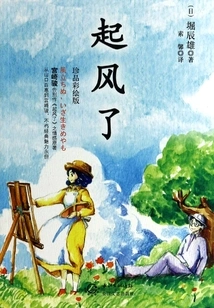
The original novel of Hayao Miyazaki's final work "The Wind Rises". The representative work of Tatsuo Hori, the only disciple of Ryunosuke Akutagawa and the master of neopsychology. Hayao Miyazaki said: "This story is dedicated to modern people who are uneasy about the future." The male protagonist accompanies his fiancée Setsuko who is seriously ill, and goes to the mountains to recuperate, and spend the last period of Setsuko's life together. In the isolated Yatsugatake foothills, abandoning the hustle and bustle of the world, only each other remained in their lives. Love becomes more profound in this beautiful scene. Together they appreciate the happiness of life, and are sad that this happiness is tainted with the shadow of death...
The original novel of Hayao Miyazaki's final work "The Wind Rises". The representative work of Tatsuo Hori, the only disciple of Ryunosuke Akutagawa and the master of neopsychology. Hayao Miyazaki said: "This story is dedicated to modern people who are uneasy about the future." The male protagonist accompanies his fiancée Setsuko who is seriously ill, and goes to the mountains to recuperate, and spend the last period of Setsuko's life together. In the isolated Yatsugatake foothills, abandoning the hustle and bustle of the world, only each other remained in their lives. Love becomes more profound in this beautiful scene. Together they appreciate the happiness of life, and are sad that this happiness is tainted with the shadow of death...
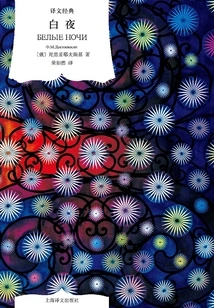
White Night (translation Classic)
General Fiction白夜(译文经典)
G
"White Night" is one of the representative works of the writer's literary creation in the 1940s. It is a novella with a strong lyrical flavor. The novel describes the innocent girl Nastenka falling in love with a young tenant. The two agreed to meet on a bridge in Petersburg a year later, but the tenant did not show up. Although the girl was a little disappointed, her confidence remained. The protagonist "Dreamer", a poor intellectual from Petersburg, was deeply moved by the girl's affection, so he comforted her and waited with her by the river for four consecutive nights. At last the tenants appeared, and the "Dreamer" suppressed his newly rising love for Nasthenka and blessed them.
"White Night" is one of the representative works of the writer's literary creation in the 1940s. It is a novella with a strong lyrical flavor. The novel describes the innocent girl Nastenka falling in love with a young tenant. The two agreed to meet on a bridge in Petersburg a year later, but the tenant did not show up. Although the girl was a little disappointed, her confidence remained. The protagonist "Dreamer", a poor intellectual from Petersburg, was deeply moved by the girl's affection, so he comforted her and waited with her by the river for four consecutive nights. At last the tenants appeared, and the "Dreamer" suppressed his newly rising love for Nasthenka and blessed them.
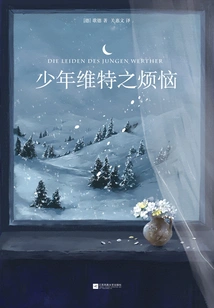
T
General Fictiont
G
The young protagonist Werther comes to a small town, where the natural scenery, simple folk customs, and innocent and happy children all give him great happiness. At a dance, he met a girl named Lotte. Her every smile and every move attracted him. Lotte also liked him, but could not reciprocate her love because she was engaged to Werther's friend. Werther fell into embarrassment and pain. He resolutely left here, trying to get relief from his career and achieve something. However, the despicable environment, dirty interpersonal relationships, and the existing order that suppressed individuality and stifled freedom made him intolerable. When he returned to Lotte with no talent, he found that Lotte was married, and he decided to die for love...
The young protagonist Werther comes to a small town, where the natural scenery, simple folk customs, and innocent and happy children all give him great happiness. At a dance, he met a girl named Lotte. Her every smile and every move attracted him. Lotte also liked him, but could not reciprocate her love because she was engaged to Werther's friend. Werther fell into embarrassment and pain. He resolutely left here, trying to get relief from his career and achieve something. However, the despicable environment, dirty interpersonal relationships, and the existing order that suppressed individuality and stifled freedom made him intolerable. When he returned to Lotte with no talent, he found that Lotte was married, and he decided to die for love...
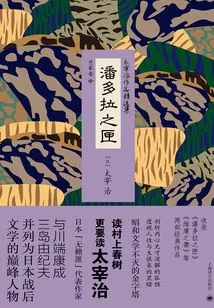
Pandora's Box (selected Works of Osamu Dazai)
General Fiction潘多拉之匣(太宰治作品精选集)
G
"Pandora's Box" written by Osamu Dazai includes two works: "Pandora's Box" and "Villon's Wife". "Pandora's Box" reveals the deep-seated depression of the author Osamu Dazai, his consistent confusion about the future, and his thoughts about life and death. However, unlike the coldness of "Disqualification in the World", the tone of "Pandora's Box" is warm, playful and bright, with an obvious translucent brilliance, and is filled with longing for the future. "Wei Yong's Wife" is a collection of short stories by the author. The title of the book is Dazai's famous story. "Wei Yong's Wife" is a metaphor for "the wife of a wanton man". A woman kept the family together and worked as a maid to pay off her husband's debts when her husband became an alcoholic, owed money, eloped with a woman, and finally committed suicide by diving into the water. In 2009, at the 33rd World Film Festival held in Montreal, Canada, the film "Villon's Wife" directed by Negishi Yoshitaro and starring Matsu Takako and Asano Tadanobu won the Best Director Award.
"Pandora's Box" written by Osamu Dazai includes two works: "Pandora's Box" and "Villon's Wife". "Pandora's Box" reveals the deep-seated depression of the author Osamu Dazai, his consistent confusion about the future, and his thoughts about life and death. However, unlike the coldness of "Disqualification in the World", the tone of "Pandora's Box" is warm, playful and bright, with an obvious translucent brilliance, and is filled with longing for the future. "Wei Yong's Wife" is a collection of short stories by the author. The title of the book is Dazai's famous story. "Wei Yong's Wife" is a metaphor for "the wife of a wanton man". A woman kept the family together and worked as a maid to pay off her husband's debts when her husband became an alcoholic, owed money, eloped with a woman, and finally committed suicide by diving into the water. In 2009, at the 33rd World Film Festival held in Montreal, Canada, the film "Villon's Wife" directed by Negishi Yoshitaro and starring Matsu Takako and Asano Tadanobu won the Best Director Award.

G
General FictionG
G
Emile Sinclair has lived in a warm and beautiful world of light since he was a child, but a lie plunged him into a world of darkness. Sinclair, feeling desperate and helpless, longed for relief, but could not speak to anyone. Demian's appearance helped him overcome his inner fear. Afterwards, whenever Sinclair felt uneasy or confused, Demian would always appear in time to help him out of trouble. Demian is not only Sinclair's friend, but also his guide, leading him to overcome his fears and find his true self. From then on, Sinclair no longer hesitated, and moved more and more firmly towards his heart...
Emile Sinclair has lived in a warm and beautiful world of light since he was a child, but a lie plunged him into a world of darkness. Sinclair, feeling desperate and helpless, longed for relief, but could not speak to anyone. Demian's appearance helped him overcome his inner fear. Afterwards, whenever Sinclair felt uneasy or confused, Demian would always appear in time to help him out of trouble. Demian is not only Sinclair's friend, but also his guide, leading him to overcome his fears and find his true self. From then on, Sinclair no longer hesitated, and moved more and more firmly towards his heart...

Single 2: Pierrelande
General Fiction独身者2:比哀兰德
G
The main facts of "Bielande" are simple, but the intertwined factors are bizarre; because a person's external appearance may be simple, his actions may be boring, and not worth talking about, and his mental and emotional fluctuations are always complicated. In the case of Pierrelande, the large and small accidents around her caused her tragedy from beginning to end. In the play, her misfortune seems to be incomprehensible; for other characters, all developments are in line with the logic of struggle. Not only are they expected, but the motivations and goals are very clear. After careful planning and deliberate promotion: Pierrelande is just an ant they stepped on on the ladder to climb up.
The main facts of "Bielande" are simple, but the intertwined factors are bizarre; because a person's external appearance may be simple, his actions may be boring, and not worth talking about, and his mental and emotional fluctuations are always complicated. In the case of Pierrelande, the large and small accidents around her caused her tragedy from beginning to end. In the play, her misfortune seems to be incomprehensible; for other characters, all developments are in line with the logic of struggle. Not only are they expected, but the motivations and goals are very clear. After careful planning and deliberate promotion: Pierrelande is just an ant they stepped on on the ladder to climb up.
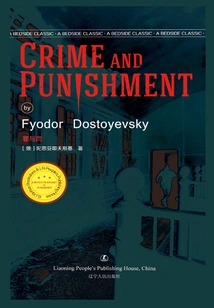
P
General Fictionp
G
This book describes Raskolnikov, a poor college student who was poisoned by anarchist ideas and believed that he was a superman and could do whatever he wanted. Forced to make a living, he killed the old loan shark Alyona and her innocent sister Lizaveta, creating a murder that shocked the whole of Russia. After experiencing a painful confession, he finally surrendered under the persuasion of the Christian girl Sonia and was sentenced to exile in Siberia. The work focuses on depicting the protagonist's psychological changes after committing a crime and reveals the miserable life of the Russian lower class people.
This book describes Raskolnikov, a poor college student who was poisoned by anarchist ideas and believed that he was a superman and could do whatever he wanted. Forced to make a living, he killed the old loan shark Alyona and her innocent sister Lizaveta, creating a murder that shocked the whole of Russia. After experiencing a painful confession, he finally surrendered under the persuasion of the Christian girl Sonia and was sentenced to exile in Siberia. The work focuses on depicting the protagonist's psychological changes after committing a crime and reveals the miserable life of the Russian lower class people.
D
General FictionD
G
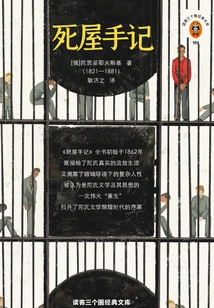
This is the "Dead House", where the cold winter has no end in sight. Unpalatable food, blatant theft, endless abuse, never-ending fights... Jealousy, resentment, anger, humiliation, pain, despicability, selfishness, loneliness... Tens of thousands of dramas were staged in turn, and human nature was repeatedly interrogated. Open "Notes from the House of the Dead" and Dostoevsky will help you see all the possibilities of human nature!
This is the "Dead House", where the cold winter has no end in sight. Unpalatable food, blatant theft, endless abuse, never-ending fights... Jealousy, resentment, anger, humiliation, pain, despicability, selfishness, loneliness... Tens of thousands of dramas were staged in turn, and human nature was repeatedly interrogated. Open "Notes from the House of the Dead" and Dostoevsky will help you see all the possibilities of human nature!
I
史记精选(插图版)
G
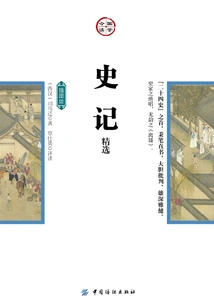
"Historical Records", formerly known as "Tai Shi Gong Shu", is the first general history of our country. There are more than 500,000 words in total, recording about three thousand years of history from the Yellow Emperor to the second year of Yuanshou (122 BC) of Emperor Wu of the Han Dynasty. Liu Zhiji, a historian of the Tang Dynasty, divided historical works into two categories: "chronological style" and "biographical style" in his book "Shi Tong". "Historical Records" was the founder of the chronicle style. Since then, official histories of all dynasties have followed this system of "records" and "biography". According to Sima Qian's preface, the book has a total of 130 chapters, including 12 chronicles, 10 tables, 8 books, 30 family members, and 70 biographies (including "Taishigong's Preface").
"Historical Records", formerly known as "Tai Shi Gong Shu", is the first general history of our country. There are more than 500,000 words in total, recording about three thousand years of history from the Yellow Emperor to the second year of Yuanshou (122 BC) of Emperor Wu of the Han Dynasty. Liu Zhiji, a historian of the Tang Dynasty, divided historical works into two categories: "chronological style" and "biographical style" in his book "Shi Tong". "Historical Records" was the founder of the chronicle style. Since then, official histories of all dynasties have followed this system of "records" and "biography". According to Sima Qian's preface, the book has a total of 130 chapters, including 12 chronicles, 10 tables, 8 books, 30 family members, and 70 biographies (including "Taishigong's Preface").
吕氏春秋通诠(全集)
G
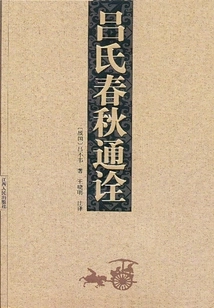
"Lü's Spring and Autumn Annals (Complete Works)" is based on the original part of "Lü's Spring and Autumn Annals" written by Mr. Chen Qiyou, and also refers to the translation parts of "Lü's Spring and Autumn Annals" and "Quli·Liyun" published by Guangzhou Publishing House in 2004. The author has re-examined and annotated the parts that he considered to be incomplete or inappropriate, trying to be as close to the original work as possible; at the same time, he also referred to Bi Yuan's "Lu's Spring and Autumn Annals" and Xu Wei's "Lu's Spring and Autumn Collection". The two editions of "Lü's Spring and Autumn Annals" have been valued and referred to by other annotators. Especially the Xu edition, which has collected multiple annotations of "Lü's Spring and Autumn Annals". It is also a great benefit to be able to correct the errors in the original text by comparing the strengths of the various annotations. Therefore, when quoting this text, try to retain the author's original intention, and omit the complex and simplify it.
"Lü's Spring and Autumn Annals (Complete Works)" is based on the original part of "Lü's Spring and Autumn Annals" written by Mr. Chen Qiyou, and also refers to the translation parts of "Lü's Spring and Autumn Annals" and "Quli·Liyun" published by Guangzhou Publishing House in 2004. The author has re-examined and annotated the parts that he considered to be incomplete or inappropriate, trying to be as close to the original work as possible; at the same time, he also referred to Bi Yuan's "Lu's Spring and Autumn Annals" and Xu Wei's "Lu's Spring and Autumn Collection". The two editions of "Lü's Spring and Autumn Annals" have been valued and referred to by other annotators. Especially the Xu edition, which has collected multiple annotations of "Lü's Spring and Autumn Annals". It is also a great benefit to be able to correct the errors in the original text by comparing the strengths of the various annotations. Therefore, when quoting this text, try to retain the author's original intention, and omit the complex and simplify it.
史记(第五辑)
G
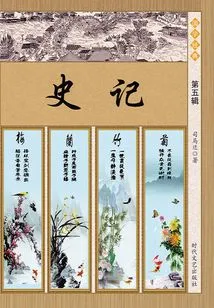
Zhang Yi is from Wei. For the first time, he and Su Qin worked together with Mr. Guigu, and Su Qin thought he was not as good as Zhang Yi in academics.
Zhang Yi is from Wei. For the first time, he and Su Qin worked together with Mr. Guigu, and Su Qin thought he was not as good as Zhang Yi in academics.
史记(第四辑)
G
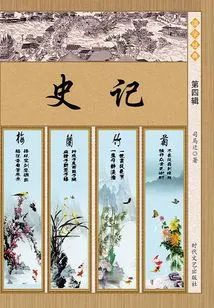
Liu Jiao, King of Chu Yuan Dynasty, was the younger half-brother of the great ancestor, also named You.
Liu Jiao, King of Chu Yuan Dynasty, was the younger half-brother of the great ancestor, also named You.

Literary Machine
Literature文学机器
G
Calvino's literary creation is a complex literary machine. His life's work is to put the parts of science, philosophy, and politics that are closely related to the times into this literary machine, constantly running in and debugging. "The Literary Machine" is Calvino's experience in literary creation and experimentation throughout his life. In this collection, Calvino switches back and forth between the identities of reader, author, and critic, not only exploring new possibilities for literature of this era, but also adding new content to our bookshelves.
Calvino's literary creation is a complex literary machine. His life's work is to put the parts of science, philosophy, and politics that are closely related to the times into this literary machine, constantly running in and debugging. "The Literary Machine" is Calvino's experience in literary creation and experimentation throughout his life. In this collection, Calvino switches back and forth between the identities of reader, author, and critic, not only exploring new possibilities for literature of this era, but also adding new content to our bookshelves.
American Lecture Notes
Literature美国讲稿
G
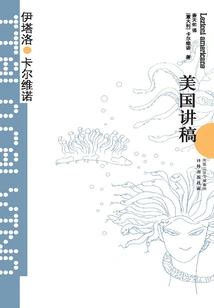
Calvino unfortunately died of a cerebral hemorrhage on the eve of his departure to Harvard University to deliver the "Norton Lecture". Therefore, this book is regarded as the legacy given to the world by the master of novels. The literary values he carefully outlines in the book can serve as a yardstick for evaluating general works and a guide for understanding Calvino. Calvino has accessed ancient and modern classics and quoted extensively. His reading taste and intellectual insights are amazing. This memorandum is specially written for experts and readers who are familiar with and love the art of novels. It is known as the most eloquent defense of literature in the twentieth century and the best gift left to readers of this century.
Calvino unfortunately died of a cerebral hemorrhage on the eve of his departure to Harvard University to deliver the "Norton Lecture". Therefore, this book is regarded as the legacy given to the world by the master of novels. The literary values he carefully outlines in the book can serve as a yardstick for evaluating general works and a guide for understanding Calvino. Calvino has accessed ancient and modern classics and quoted extensively. His reading taste and intellectual insights are amazing. This memorandum is specially written for experts and readers who are familiar with and love the art of novels. It is known as the most eloquent defense of literature in the twentieth century and the best gift left to readers of this century.

Sword Art Online 15
Youth Fiction刀剑神域15
G
"Kirito, tell me... What should I... Do?" In the last battle, Kirito went through all kinds of hardships to defeat the high priest Adominis Doret, but the price he paid was Eugeo's sacrifice and his own spiritual loss. Half a year after that war - Alice Alice entrusted the mission of the integrity knights, that is, the task of "protecting the human world" to Bercouli, and she took Kirito, who had lost all his will and could only sit in a wheelchair, living an ordinary life in "Rulid Village". But at the same time, the "final stress test" predicted by the sage Cardinal is also approaching the "Underworld" step by step... The evil breath blowing from the "Dark Empire" has begun to invade the "Human World". And the terrifying dark army finally began to take action!
"Kirito, tell me... What should I... Do?" In the last battle, Kirito went through all kinds of hardships to defeat the high priest Adominis Doret, but the price he paid was Eugeo's sacrifice and his own spiritual loss. Half a year after that war - Alice Alice entrusted the mission of the integrity knights, that is, the task of "protecting the human world" to Bercouli, and she took Kirito, who had lost all his will and could only sit in a wheelchair, living an ordinary life in "Rulid Village". But at the same time, the "final stress test" predicted by the sage Cardinal is also approaching the "Underworld" step by step... The evil breath blowing from the "Dark Empire" has begun to invade the "Human World". And the terrifying dark army finally began to take action!
Sword Art Online 17
Youth Fiction刀剑神域17
G
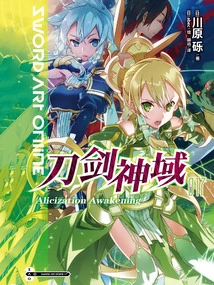
"Miko of Light" Alice, even if I sacrifice all the Dark Legion, I will get you. Day two of the "final stress test". The Dark Empire army, which was at a disadvantage due to the integrity knights' sacrifice of their lives, began to resist with despicable means. The US military mercenary Crete, who was observing the Underworld from the outside, began to throw people from the real world into the final battle. The number of these "hardcore virtual reality online game testers" exceeds 50,000. The Dark Army received reinforcements, but the Human Empire Army was in dire straits. Asuna alone cannot fight against so many people. At this moment, the legendary creation gods of the Underworld arrived - the shining white light Sun God Sorus, and the loving and warm Earth Mother Goddess Tiralia. And they were transformed by Shino and Suguha...
"Miko of Light" Alice, even if I sacrifice all the Dark Legion, I will get you. Day two of the "final stress test". The Dark Empire army, which was at a disadvantage due to the integrity knights' sacrifice of their lives, began to resist with despicable means. The US military mercenary Crete, who was observing the Underworld from the outside, began to throw people from the real world into the final battle. The number of these "hardcore virtual reality online game testers" exceeds 50,000. The Dark Army received reinforcements, but the Human Empire Army was in dire straits. Asuna alone cannot fight against so many people. At this moment, the legendary creation gods of the Underworld arrived - the shining white light Sun God Sorus, and the loving and warm Earth Mother Goddess Tiralia. And they were transformed by Shino and Suguha...
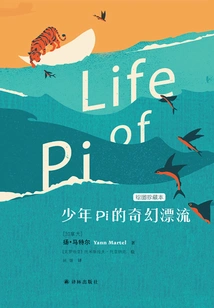
The Life of Pi (drawing Collection)
General Fiction少年Pi的奇幻漂流(绘图珍藏本)
G
"Life of Pi" is a masterpiece by the famous writer Jan Martel. It describes the magical story of an Indian boy and a Bengal tiger named Richard Parker who were reborn after drifting in the Pacific for 227 days. The novel is about adventure, hope, miracle, survival and confidence. It is a story that can make people believe, and at the same time, it also allows readers to re-understand literature and believe in the power of literature. The book's realistic and imaginary maritime adventures and the contradictions of human nature that coexist with innocence and cruelty are ingeniously combined, creating a constant climax of reading surprises.
"Life of Pi" is a masterpiece by the famous writer Jan Martel. It describes the magical story of an Indian boy and a Bengal tiger named Richard Parker who were reborn after drifting in the Pacific for 227 days. The novel is about adventure, hope, miracle, survival and confidence. It is a story that can make people believe, and at the same time, it also allows readers to re-understand literature and believe in the power of literature. The book's realistic and imaginary maritime adventures and the contradictions of human nature that coexist with innocence and cruelty are ingeniously combined, creating a constant climax of reading surprises.
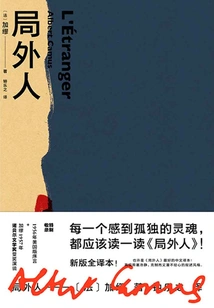
Q
General Fictionq
G
The masterpiece of Camus, winner of the Nobel Prize for Literature in 1957, is an immortal masterpiece in the history of literature. An ordinary young employee lived in aimless inertia all day long. One day he was accused by the court of murder, but was eventually sentenced to death for "not crying at his mother's funeral." This book is based on a literal translation of the French text and contains it in its entirety without abridgement. It also corrects dozens of translation flaws and logical errors in other versions. It reproduces the calm, restrained and careless narrative style of the original work.
The masterpiece of Camus, winner of the Nobel Prize for Literature in 1957, is an immortal masterpiece in the history of literature. An ordinary young employee lived in aimless inertia all day long. One day he was accused by the court of murder, but was eventually sentenced to death for "not crying at his mother's funeral." This book is based on a literal translation of the French text and contains it in its entirety without abridgement. It also corrects dozens of translation flaws and logical errors in other versions. It reproduces the calm, restrained and careless narrative style of the original work.
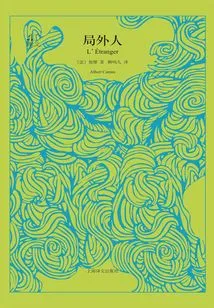
Outsider (translation 40)
General Fiction局外人(译文40)
G
Camus is a well-known French novelist, essayist and playwright, and a literary master of the philosophy of absurd existence. In 1957, he won the Nobel Prize for Literature for his "enthusiastic and calm elucidation of contemporary issues raised to human conscience." He was one of the youngest Nobel Prize-winning writers in history. In his novels, plays, essays and treatises, Camus profoundly revealed the loneliness of man in an alien world, the increasing alienation of individuals from themselves, and the inevitability of sin and death. However, while he revealed the absurdity of the world, he was not desperate and decadent. He advocated rising up in absurdity and adhering to truth and justice in despair. He pointed out to the world a path of liberal humanitarianism other than Christianity and Marxism. His courage to face the bleak life and his fearless spirit of "knowing that it was impossible but doing it" made him the spokesperson of his generation and the spiritual mentor of the next generation not only in France, but also in Europe and eventually the world after the Second World War. "The Stranger" is one of Camus' famous and representative novels. It can be called one of the most famous novels with epoch-making significance in the entire Western literary world in the 20th century. "The Stranger" has thus become one of the most classic characters and one of the most important keywords in Western literature and philosophy.
Camus is a well-known French novelist, essayist and playwright, and a literary master of the philosophy of absurd existence. In 1957, he won the Nobel Prize for Literature for his "enthusiastic and calm elucidation of contemporary issues raised to human conscience." He was one of the youngest Nobel Prize-winning writers in history. In his novels, plays, essays and treatises, Camus profoundly revealed the loneliness of man in an alien world, the increasing alienation of individuals from themselves, and the inevitability of sin and death. However, while he revealed the absurdity of the world, he was not desperate and decadent. He advocated rising up in absurdity and adhering to truth and justice in despair. He pointed out to the world a path of liberal humanitarianism other than Christianity and Marxism. His courage to face the bleak life and his fearless spirit of "knowing that it was impossible but doing it" made him the spokesperson of his generation and the spiritual mentor of the next generation not only in France, but also in Europe and eventually the world after the Second World War. "The Stranger" is one of Camus' famous and representative novels. It can be called one of the most famous novels with epoch-making significance in the entire Western literary world in the 20th century. "The Stranger" has thus become one of the most classic characters and one of the most important keywords in Western literature and philosophy.
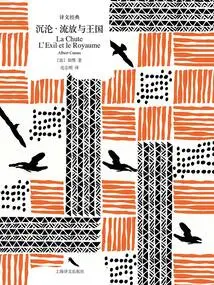
Sinking, Exile and Kingdom (translation Classic)
General Fiction沉沦·流放与王国(译文经典)
G
This book contains the works of Camus, the winner of the Nobel Prize for Literature. This book includes the novel "The Sinking" and the short story collection "Exile and the Kingdom". The translator Shen Zhiming has made a long introduction based on the literature to help readers understand Camus's works. "The Sinking" was originally planned as a chapter in "Exile and the Kingdom", but due to its length, it was published separately. Therefore, the Chinese version will be published in two volumes. "The Sinking" is a painful monologue by the protagonist Jean-Baptiste Clamans that directly touches human nature. In a Mexico City bar in Amsterdam, Klamance, who calls himself the "Judge-Confessor," looked back on the past years. He was once a practicing lawyer and lived a prosperous life, with fame and money. But one night when he was crossing the bridge, a woman jumped into the river behind him and committed suicide. He fell into self-blame for not saving her life, and thus began the road to sinking... He realized that his past was all false, and realized that human nature is irredeemable. "Exile and Kingdom" consists of six short stories. Although the content of each article is different, the protagonists all feel frustrated in their daily lives and struggle to find the "kingdom", that is, the meaning and happiness of life. Therefore, they feel lonely, like "exile".
This book contains the works of Camus, the winner of the Nobel Prize for Literature. This book includes the novel "The Sinking" and the short story collection "Exile and the Kingdom". The translator Shen Zhiming has made a long introduction based on the literature to help readers understand Camus's works. "The Sinking" was originally planned as a chapter in "Exile and the Kingdom", but due to its length, it was published separately. Therefore, the Chinese version will be published in two volumes. "The Sinking" is a painful monologue by the protagonist Jean-Baptiste Clamans that directly touches human nature. In a Mexico City bar in Amsterdam, Klamance, who calls himself the "Judge-Confessor," looked back on the past years. He was once a practicing lawyer and lived a prosperous life, with fame and money. But one night when he was crossing the bridge, a woman jumped into the river behind him and committed suicide. He fell into self-blame for not saving her life, and thus began the road to sinking... He realized that his past was all false, and realized that human nature is irredeemable. "Exile and Kingdom" consists of six short stories. Although the content of each article is different, the protagonists all feel frustrated in their daily lives and struggle to find the "kingdom", that is, the meaning and happiness of life. Therefore, they feel lonely, like "exile".

Amazon Castaway
General Fiction亚马逊漂流记
G
This book is one of Jules Verne's most popular works, and was once translated into Chinese as "The Big Raft". Compared with several of Verne's more famous novels such as "Captain Grant's Children" and "The Mysterious Island", this work is somewhat different in terms of plot and character description. In this work, a heinous villain-Torres-is introduced at the beginning. It is precisely because of this man's machinations and despicable behavior that the protagonist of the story has experienced all kinds of hardships. Torres can be said to be a very bad villain. As a relatively main character, this is not common in Verne's works. There is also a very important clue in this work that runs through the entire text, that is, a cryptographic document. Cipher files appear in several of Verne's works, of course with different functions. The content of the password file in this work is also very strange. As for the meaning of the content of the document, it is for readers to discover by themselves.
This book is one of Jules Verne's most popular works, and was once translated into Chinese as "The Big Raft". Compared with several of Verne's more famous novels such as "Captain Grant's Children" and "The Mysterious Island", this work is somewhat different in terms of plot and character description. In this work, a heinous villain-Torres-is introduced at the beginning. It is precisely because of this man's machinations and despicable behavior that the protagonist of the story has experienced all kinds of hardships. Torres can be said to be a very bad villain. As a relatively main character, this is not common in Verne's works. There is also a very important clue in this work that runs through the entire text, that is, a cryptographic document. Cipher files appear in several of Verne's works, of course with different functions. The content of the password file in this work is also very strange. As for the meaning of the content of the document, it is for readers to discover by themselves.
The Picture of Dorian Gray (wilde Collection)
General Fiction道连·格雷的画像(王尔德精选集)
G
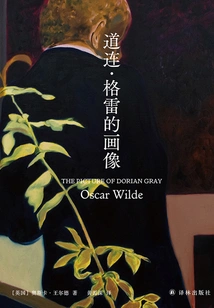
"The Picture of Dorian Gray" is Oscar Wilde's masterpiece and his only novel. Dorian Gray is an aristocratic boy with a simple character who gradually becomes corrupted under the guidance of his friend Lord Henry. The painter Hallward created a portrait of him, and Dorian made a wish that he would always remain as beautiful as the painting, even at the cost of his soul. His wish came true, and the tragedy began.
"The Picture of Dorian Gray" is Oscar Wilde's masterpiece and his only novel. Dorian Gray is an aristocratic boy with a simple character who gradually becomes corrupted under the guidance of his friend Lord Henry. The painter Hallward created a portrait of him, and Dorian made a wish that he would always remain as beautiful as the painting, even at the cost of his soul. His wish came true, and the tragedy began.

W
General Fictionw
G
This novel has four chapters in total. The first section describes the protagonist's acquaintance with the male protagonist. The second section describes the male protagonist's acquaintance with the heroine. The third section is the male protagonist's narration of the bizarre and tragic story between him and Carmen. The fourth section is a paper on ethnology.
This novel has four chapters in total. The first section describes the protagonist's acquaintance with the male protagonist. The second section describes the male protagonist's acquaintance with the heroine. The third section is the male protagonist's narration of the bizarre and tragic story between him and Carmen. The fourth section is a paper on ethnology.

Q
General Fictionq
G
"The Story of Hulan River" is Xiao Hong's most important masterpiece. Because of "The Field of Life and Death", people know Xiao Hong; because of "The Story of Hulan River", people remember Xiao Hong, and they also remember that remote but touching town in the northeastern border. "The Story of Hulan River" describes the customs and customs of Hulan City, a small northeastern town in the 1930s and 1940s, and truly and vividly reproduces the lives of local people. The people there are kind but also ignorant, and hateful but also innocent; that land is filled with ignorance and ignorance, and is also full of suffering and sorrow. Although Hulan River is not a quiet pastoral that echoes melodious pastoral songs, the wisps of smoke there are the only warmth and belonging in the heart of a lonely woman.
"The Story of Hulan River" is Xiao Hong's most important masterpiece. Because of "The Field of Life and Death", people know Xiao Hong; because of "The Story of Hulan River", people remember Xiao Hong, and they also remember that remote but touching town in the northeastern border. "The Story of Hulan River" describes the customs and customs of Hulan City, a small northeastern town in the 1930s and 1940s, and truly and vividly reproduces the lives of local people. The people there are kind but also ignorant, and hateful but also innocent; that land is filled with ignorance and ignorance, and is also full of suffering and sorrow. Although Hulan River is not a quiet pastoral that echoes melodious pastoral songs, the wisps of smoke there are the only warmth and belonging in the heart of a lonely woman.
Demons (selected Collections of Dostoevsky)
General Fiction群魔(陀思妥耶夫斯基精选集)
G
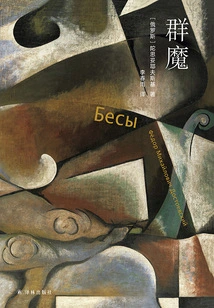
In 1869, Nechayev, a college student who believed in anarchism, conspired to establish the "People's Punishment Society" in Moscow. On the pretext that former member Ivanov might inform the authorities, he instigated his associates to assassinate him, and Nechayev himself fled abroad. Inspired by this horrific case, Dostoevsky spent two years writing the novel "The Demons." The novel creates a group of characters with complex personalities: Stavrogin, a transhumanist who denies everything, Kirillov, a madman who attempts to commit suicide and become a god, Peter, a conspirator who uses revolution as a means to satisfy his selfish desires, and those bewitched, devout and fanatical idealists. Behind their ridiculous or heinous behavior, there is a deep tragedy hidden. The nihilism caused by extreme rationality and individualism is a by-product of modern industrial civilization. When people break away from the land and people, abandon all morals and traditions, have no faith, no love, no fear, and no refuge, while winning freedom, they also suffer hellish pain. "Demons" is not only a portrayal of the social reality of Russia in the mid-to-late 19th century, but also a prediction of the spiritual dilemma that contemporary people still cannot escape.
In 1869, Nechayev, a college student who believed in anarchism, conspired to establish the "People's Punishment Society" in Moscow. On the pretext that former member Ivanov might inform the authorities, he instigated his associates to assassinate him, and Nechayev himself fled abroad. Inspired by this horrific case, Dostoevsky spent two years writing the novel "The Demons." The novel creates a group of characters with complex personalities: Stavrogin, a transhumanist who denies everything, Kirillov, a madman who attempts to commit suicide and become a god, Peter, a conspirator who uses revolution as a means to satisfy his selfish desires, and those bewitched, devout and fanatical idealists. Behind their ridiculous or heinous behavior, there is a deep tragedy hidden. The nihilism caused by extreme rationality and individualism is a by-product of modern industrial civilization. When people break away from the land and people, abandon all morals and traditions, have no faith, no love, no fear, and no refuge, while winning freedom, they also suffer hellish pain. "Demons" is not only a portrayal of the social reality of Russia in the mid-to-late 19th century, but also a prediction of the spiritual dilemma that contemporary people still cannot escape.
X
General Fictionx
G
As one of Balzac's best works, "Petro Goriot" is representative in showing the breadth and depth of social life. The novel is set in Paris in the early 19th century and describes two parallel and intersecting stories: Goriot, a retired noodle seller, was neglected by his two daughters and tragically died in the attic of the "House of Vaguer"; young Rastignac embarked on a path of depravity under the corruption of Parisian society. Through the two constantly alternating stages of a shabby apartment and a luxurious aristocratic salon, the writer paints pictures of the materialistic society in Paris, exposing the moral decay and callousness of people under the control of money, and revealing the end of the aristocracy during the restoration of the Bourbon dynasty.
As one of Balzac's best works, "Petro Goriot" is representative in showing the breadth and depth of social life. The novel is set in Paris in the early 19th century and describes two parallel and intersecting stories: Goriot, a retired noodle seller, was neglected by his two daughters and tragically died in the attic of the "House of Vaguer"; young Rastignac embarked on a path of depravity under the corruption of Parisian society. Through the two constantly alternating stages of a shabby apartment and a luxurious aristocratic salon, the writer paints pictures of the materialistic society in Paris, exposing the moral decay and callousness of people under the control of money, and revealing the end of the aristocracy during the restoration of the Bourbon dynasty.

L
General FictionL
G
"Notes from the Underground" is a novel written by the Russian writer Fyodor Dostoevsky. The book is narrated in the first person by the protagonist, the Basement Man, who is a retired civil servant in his forties. His heart is full of pathological inferiority, but he often analyzes himself. The book mainly consists of two parts: The first part is a long monologue by the man in the basement, which discusses philosophical issues such as free will, human irrationality, and historical irrationality. The second part is about the basement man tracing his past and how he met Lisa, a prostitute. "Notes from the Underground" is not only Dostoevsky's masterpiece, but also previews his five subsequent important novels: "Crime and Punishment", "The Idiot", "The Demons", "The Boy", and "The Brothers Karamazov". The book is also considered a turning point in Dostoevsky's creative process. Nobel Prize winner Gide believed: "This novel is the pinnacle of his writing career, his masterpiece, or, if you like, it can be said to be the key to his thoughts."
"Notes from the Underground" is a novel written by the Russian writer Fyodor Dostoevsky. The book is narrated in the first person by the protagonist, the Basement Man, who is a retired civil servant in his forties. His heart is full of pathological inferiority, but he often analyzes himself. The book mainly consists of two parts: The first part is a long monologue by the man in the basement, which discusses philosophical issues such as free will, human irrationality, and historical irrationality. The second part is about the basement man tracing his past and how he met Lisa, a prostitute. "Notes from the Underground" is not only Dostoevsky's masterpiece, but also previews his five subsequent important novels: "Crime and Punishment", "The Idiot", "The Demons", "The Boy", and "The Brothers Karamazov". The book is also considered a turning point in Dostoevsky's creative process. Nobel Prize winner Gide believed: "This novel is the pinnacle of his writing career, his masterpiece, or, if you like, it can be said to be the key to his thoughts."
The Compassion of War
History战争的悲悯
G
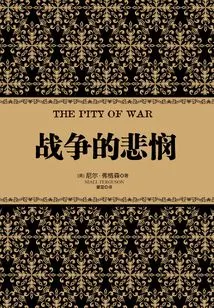
"The Tragedy of War" raises a series of thought-provoking questions about the reasons for the outbreak of World War I: Could the war have been avoided? Did Britain's entry into the war play a decisive role? Would the outcome have changed if Britain had delayed entry into the war? Did Germany really go to war because of its overwhelming military superiority, as most people believe, or was it just fear that led to the attacks? As for the war itself, should Britain and Germany bear the same historical responsibility? Niall Ferguson analyzes the disaster that the war brought to Europe from a macro perspective. Through the study of a large number of historical materials and the memoirs of the parties involved, as well as the analysis of pre-war international relations, finance, economics, politics, and media propaganda, he guides readers to re-examine the war and unearth the profound roots of the concept of war.
"The Tragedy of War" raises a series of thought-provoking questions about the reasons for the outbreak of World War I: Could the war have been avoided? Did Britain's entry into the war play a decisive role? Would the outcome have changed if Britain had delayed entry into the war? Did Germany really go to war because of its overwhelming military superiority, as most people believe, or was it just fear that led to the attacks? As for the war itself, should Britain and Germany bear the same historical responsibility? Niall Ferguson analyzes the disaster that the war brought to Europe from a macro perspective. Through the study of a large number of historical materials and the memoirs of the parties involved, as well as the analysis of pre-war international relations, finance, economics, politics, and media propaganda, he guides readers to re-examine the war and unearth the profound roots of the concept of war.
My Vampire is Not Vicious at All
Fantasy Romance我家吸血鬼一点都不凶
G
[1vs1, Shuang Jie loves each other] A big wolf dog in front of a human and a small milk dog in the back, His Highness the Vampire, vs. A human girl who is quiet on the outside and tough on the inside. Lin Mu is an ordinary female high school student in a small town middle school (well, apart from being in good shape, top-notch in studies, and good-looking, she is indeed ordinary). After being kidnapped by a vampire on the way to school, her life has changed since then - she is stared at in class, stared at after class, and even when she sleeps??? Other vampires: Does His Highness have two faces? Mu Luo: If I treat my wife the same as I treat you, then why do I still need a daughter-in-law? Lin Mu: Who will take away this clingy ghosto\u003E_\u003Co
[1vs1, Shuang Jie loves each other] A big wolf dog in front of a human and a small milk dog in the back, His Highness the Vampire, vs. A human girl who is quiet on the outside and tough on the inside. Lin Mu is an ordinary female high school student in a small town middle school (well, apart from being in good shape, top-notch in studies, and good-looking, she is indeed ordinary). After being kidnapped by a vampire on the way to school, her life has changed since then - she is stared at in class, stared at after class, and even when she sleeps??? Other vampires: Does His Highness have two faces? Mu Luo: If I treat my wife the same as I treat you, then why do I still need a daughter-in-law? Lin Mu: Who will take away this clingy ghosto\u003E_\u003Co