Library
Browse and search books
1,449 novels found
Othello King Lear
General Fiction奥赛罗·李尔王
G
Othello is a brave general in the Principality of Venice. He fell in love with Desdemona, the senator's daughter. But because he was black, the marriage was not allowed. The two had to get married privately. Othello has a sinister flag officer, Iago, who wants to get rid of Othello. He first informed the senator, but unexpectedly led to their marriage. He also provoked the relationship between Othello and Desdemona, saying that the relationship between Cassio and Desdemona was unusual, and he forged so-called tokens of love. Othello believed it and strangled his wife to death in anger. When he learned the truth, he drew his sword and killed himself in regret, and fell beside Desdemona. Othello is brave and good at fighting, but he is simple-minded, but he is narrow-minded, gullible and too jealous, so he is fooled by villains and makes a big mistake that he cannot regret.
Othello is a brave general in the Principality of Venice. He fell in love with Desdemona, the senator's daughter. But because he was black, the marriage was not allowed. The two had to get married privately. Othello has a sinister flag officer, Iago, who wants to get rid of Othello. He first informed the senator, but unexpectedly led to their marriage. He also provoked the relationship between Othello and Desdemona, saying that the relationship between Cassio and Desdemona was unusual, and he forged so-called tokens of love. Othello believed it and strangled his wife to death in anger. When he learned the truth, he drew his sword and killed himself in regret, and fell beside Desdemona. Othello is brave and good at fighting, but he is simple-minded, but he is narrow-minded, gullible and too jealous, so he is fooled by villains and makes a big mistake that he cannot regret.
明代处世奇书·智囊全集3
G
This book is a history of the creation and practice of the wisdom of the Chinese people. It was first compiled in the sixth year of Tianqi in the Ming Dynasty (1626). The book collects more than a thousand wisdom stories from the pre-Qin Dynasty to the Ming Dynasty, and is divided into ten parts and twenty-eight volumes according to the content. Most of the stories in the book are true and vivid, ranging from politicians' foresight and foresight to govern the country and the world, to military strategists strategizing and defeating the enemy, to civilians running their homes and solving problems, and women and children's wisdom being all-encompassing. They are the crystallization of the wisdom of the Chinese nation.
This book is a history of the creation and practice of the wisdom of the Chinese people. It was first compiled in the sixth year of Tianqi in the Ming Dynasty (1626). The book collects more than a thousand wisdom stories from the pre-Qin Dynasty to the Ming Dynasty, and is divided into ten parts and twenty-eight volumes according to the content. Most of the stories in the book are true and vivid, ranging from politicians' foresight and foresight to govern the country and the world, to military strategists strategizing and defeating the enemy, to civilians running their homes and solving problems, and women and children's wisdom being all-encompassing. They are the crystallization of the wisdom of the Chinese nation.
P
General Fictionp
G
There had been a coffeehouse in this town, and the old boarded-up house was unlike any other for many miles, with tables covered with cloths and paper napkins, colorful streamers blowing from electric fans, and great Saturday night parties. The cafe has been closed for a long time, but everyone still remembers the stories that happened in the cafe... McCullers, a representative writer of American southern literature who is comparable to Faulkner, is a classic that speaks directly to people's hearts and condenses all the inspiration, talent and unique thoughts of her short life. Translator Chen Dongbiao gave a new interpretation and replayed the sad and sad song of love. Includes McCullers' first published story "The Prodigy" when he was 19 years old. The film of the same name was nominated for the Golden Bear Award.
There had been a coffeehouse in this town, and the old boarded-up house was unlike any other for many miles, with tables covered with cloths and paper napkins, colorful streamers blowing from electric fans, and great Saturday night parties. The cafe has been closed for a long time, but everyone still remembers the stories that happened in the cafe... McCullers, a representative writer of American southern literature who is comparable to Faulkner, is a classic that speaks directly to people's hearts and condenses all the inspiration, talent and unique thoughts of her short life. Translator Chen Dongbiao gave a new interpretation and replayed the sad and sad song of love. Includes McCullers' first published story "The Prodigy" when he was 19 years old. The film of the same name was nominated for the Golden Bear Award.
Long Way Home
General Fiction长长的回家路
G
Swedish novel king Frederic Backman's private novels with excellent reputation have sold 13 million copies worldwide. Those who live in a hurry will miss a lot of things. Thank you for gifting this story to yourself. --The slow farewell and endless love between Buckman boy and grandfather, father and son, the book of life that Cha Eun-woo read three times in one go. 2016\U002F2017 Swedish Writer of the Year, No. 1 In the Amazon Writers Ranking in the United States. The king of super-popular novels highly recommended by Lin Yanjun, Ma Sichun, Zhang Haochen, Ji Changxu, Cha Eunwoo, The Seven Golden Years, Huo Siyan, Oprah, Tom Hanks, etc. Presented in Chinese and English, each sentence is so beautiful that you can read it aloud. The popular American illustrator Ella laytham has drawn 26 poetic illustrations. "A Man's Pilgrimage", "Bear Town", "A Man Called Ove Decides to Die", "Pumping Heart" and "Wearing Gloves to Wipe Tears" are produced and published by Big Fish Readings, with quality assurance. This wonderful and tender story will remind you of the good times spent with your family.
Swedish novel king Frederic Backman's private novels with excellent reputation have sold 13 million copies worldwide. Those who live in a hurry will miss a lot of things. Thank you for gifting this story to yourself. --The slow farewell and endless love between Buckman boy and grandfather, father and son, the book of life that Cha Eun-woo read three times in one go. 2016\U002F2017 Swedish Writer of the Year, No. 1 In the Amazon Writers Ranking in the United States. The king of super-popular novels highly recommended by Lin Yanjun, Ma Sichun, Zhang Haochen, Ji Changxu, Cha Eunwoo, The Seven Golden Years, Huo Siyan, Oprah, Tom Hanks, etc. Presented in Chinese and English, each sentence is so beautiful that you can read it aloud. The popular American illustrator Ella laytham has drawn 26 poetic illustrations. "A Man's Pilgrimage", "Bear Town", "A Man Called Ove Decides to Die", "Pumping Heart" and "Wearing Gloves to Wipe Tears" are produced and published by Big Fish Readings, with quality assurance. This wonderful and tender story will remind you of the good times spent with your family.
H
General FictionH
G
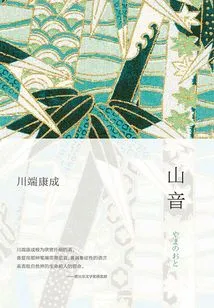
Kawabata Yasunari's classic work, Yu Hua highly recommends it! "Sound of the Mountain" mainly tells the story of Shingo's family, his son's affair, his daughter's marriage failure, the sorrow of old age, and Shingo's subtle attachment to his beautiful daughter-in-law Kikuko... Kawabata Yasunari uses his usual aesthetic style to delicately and calmly condense the post-war world, style and reality into the sorrow and melancholy of Japan since ancient times, demonstrating the skill of overlapping images of poetry and drama. This book and "A Thousand Cranes" are recognized as the pinnacle of Japanese literature.
Kawabata Yasunari's classic work, Yu Hua highly recommends it! "Sound of the Mountain" mainly tells the story of Shingo's family, his son's affair, his daughter's marriage failure, the sorrow of old age, and Shingo's subtle attachment to his beautiful daughter-in-law Kikuko... Kawabata Yasunari uses his usual aesthetic style to delicately and calmly condense the post-war world, style and reality into the sorrow and melancholy of Japan since ancient times, demonstrating the skill of overlapping images of poetry and drama. This book and "A Thousand Cranes" are recognized as the pinnacle of Japanese literature.
明代处世奇书·智囊全集2
G
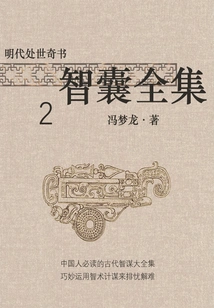
This book is a history of the creation and practice of the wisdom of the Chinese people. It was first compiled in the sixth year of Tianqi in the Ming Dynasty (1626). The book contains more than 1,200 stories of think tanks from the pre-Qin Dynasty to the Ming Dynasty. The characters shown in the book are all using wisdom and strategy to create history. It collects more than a thousand wisdom stories from the pre-Qin Dynasty to the Ming Dynasty, divided into ten parts and twenty-eight volumes according to the content. Most of the stories in the book are true and vivid, ranging from politicians' foresight and foresight to govern the country and the world, to military strategists strategizing and defeating the enemy, to civilians running their homes and solving problems, and women and children's wisdom being all-encompassing. They are the crystallization of the wisdom of the Chinese nation.
This book is a history of the creation and practice of the wisdom of the Chinese people. It was first compiled in the sixth year of Tianqi in the Ming Dynasty (1626). The book contains more than 1,200 stories of think tanks from the pre-Qin Dynasty to the Ming Dynasty. The characters shown in the book are all using wisdom and strategy to create history. It collects more than a thousand wisdom stories from the pre-Qin Dynasty to the Ming Dynasty, divided into ten parts and twenty-eight volumes according to the content. Most of the stories in the book are true and vivid, ranging from politicians' foresight and foresight to govern the country and the world, to military strategists strategizing and defeating the enemy, to civilians running their homes and solving problems, and women and children's wisdom being all-encompassing. They are the crystallization of the wisdom of the Chinese nation.
X
General FictionX
G
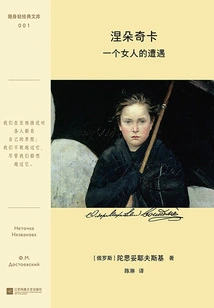
"Niedochka: A Woman's Experience" is a classic literary work that profoundly analyzes human nature and growth. The novel tells the story of the growth of an orphan girl, Niedochka, who grew up in a family lacking love. Her childhood misfortune created her hysterical character and made her unable to distinguish between reality and fantasy. Through three different life experiences, Niedochka got rid of abnormal love and sadomasochism, realized self-awakening, and gradually became a person with profound thinking and independent personality. Although the novel was interrupted by Toshi's exile, the process of human exploration and spiritual redemption contained in it is complete. With his unique literary creation, Dosage shows us a female image trapped in the shackles of family and society, and also reveals how a soul seeks self-salvation in suffering. This work not only presents the complexity of human nature to readers, but also allows us to witness a woman's courageous journey of pursuing wholeness in the midst of fragmentation.
"Niedochka: A Woman's Experience" is a classic literary work that profoundly analyzes human nature and growth. The novel tells the story of the growth of an orphan girl, Niedochka, who grew up in a family lacking love. Her childhood misfortune created her hysterical character and made her unable to distinguish between reality and fantasy. Through three different life experiences, Niedochka got rid of abnormal love and sadomasochism, realized self-awakening, and gradually became a person with profound thinking and independent personality. Although the novel was interrupted by Toshi's exile, the process of human exploration and spiritual redemption contained in it is complete. With his unique literary creation, Dosage shows us a female image trapped in the shackles of family and society, and also reveals how a soul seeks self-salvation in suffering. This work not only presents the complexity of human nature to readers, but also allows us to witness a woman's courageous journey of pursuing wholeness in the midst of fragmentation.
W
General Fictionw
G
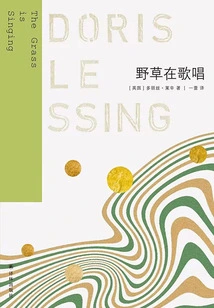
"That's what marriage is like. The reason why her friends want to get married is to have a family, and no one tells them what to do. She vaguely feels that getting married is right and everyone should get married. Everyone she knows secretly and ruthlessly advises her to get married. She is about to live a happy life, but she has no idea what kind of life she is going to live..." Mary, a naive older white-collar worker, fantasizes that love can help her regain her confidence. Dick, a small farmer whose career is not going well, hopes that marriage can help him reverse his predicament. Two completely opposite people came together because of a beautiful misunderstanding. However, the reality after marriage is far from the vision-the countryside is barren and isolated, and the local ethnic conflicts are full of conflicts. Two people who are not good at managing relationships are heading towards a tragedy ignorantly...
"That's what marriage is like. The reason why her friends want to get married is to have a family, and no one tells them what to do. She vaguely feels that getting married is right and everyone should get married. Everyone she knows secretly and ruthlessly advises her to get married. She is about to live a happy life, but she has no idea what kind of life she is going to live..." Mary, a naive older white-collar worker, fantasizes that love can help her regain her confidence. Dick, a small farmer whose career is not going well, hopes that marriage can help him reverse his predicament. Two completely opposite people came together because of a beautiful misunderstanding. However, the reality after marriage is far from the vision-the countryside is barren and isolated, and the local ethnic conflicts are full of conflicts. Two people who are not good at managing relationships are heading towards a tragedy ignorantly...
N
General Fictionn
G
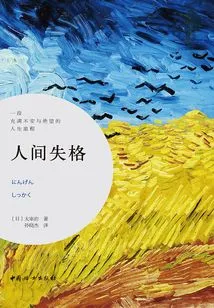
To be disqualified in the human world is to lose the qualifications to be a human being. It consists of 5 parts: preface, first note, second note, third note, and afterword. Among them, the preface and postscript are narrated from the author's perspective, and the three notes are narrated from the perspective of the protagonist Ye Zang. The protagonist Ye Zang is timid and cowardly, afraid of the emotions between people. He can only use comedy to please and cater to others, hiding his true self. After leaving his hometown and coming to Tokyo, he found that drinking and having fun seemed to allow him to escape the world and temporarily forget the pain in life, so he used alcohol, drugs, and women to numb himself all day long, and eventually fell into depravity.
To be disqualified in the human world is to lose the qualifications to be a human being. It consists of 5 parts: preface, first note, second note, third note, and afterword. Among them, the preface and postscript are narrated from the author's perspective, and the three notes are narrated from the perspective of the protagonist Ye Zang. The protagonist Ye Zang is timid and cowardly, afraid of the emotions between people. He can only use comedy to please and cater to others, hiding his true self. After leaving his hometown and coming to Tokyo, he found that drinking and having fun seemed to allow him to escape the world and temporarily forget the pain in life, so he used alcohol, drugs, and women to numb himself all day long, and eventually fell into depravity.
C
General FictionC
G
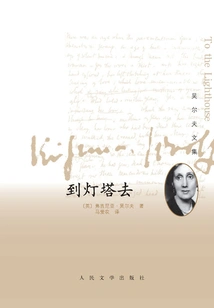
Near the end of the first part of the novel, Mrs. Ramsay's inner monologue about her death in the second part may be even more important... Bur Blackstone said in "Virginia Woolf: A Review": "Reading any ordinary novel after reading "The Lighthouse" will make you feel that you have left the light of day and plunged into a world made of puppets and cardboard." This represents one view on "To the Lighthouse"; readers who have read this book may have other or even completely opposite views...
Near the end of the first part of the novel, Mrs. Ramsay's inner monologue about her death in the second part may be even more important... Bur Blackstone said in "Virginia Woolf: A Review": "Reading any ordinary novel after reading "The Lighthouse" will make you feel that you have left the light of day and plunged into a world made of puppets and cardboard." This represents one view on "To the Lighthouse"; readers who have read this book may have other or even completely opposite views...
Goodbye, Blackbird
General Fiction再见,黑鸟
G
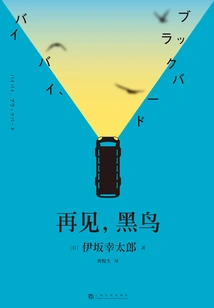
Hoshino Kazuhiko, a young man from the fraternity department, got involved in a dispute for some reason. He was caught by the violent monster Yumei sent by the evil organization and asked him to board a bus bound for "Hell". Hoshino refused to obey and begged Yumei to give him a chance to say goodbye to important people. After Yumei asked, she found out that this guy was actually dating five women at the same time! "If they don't say goodbye properly, they won't be able to take the next step in their lives." She told Hoshino's sincere confession to her superiors, but unexpectedly received the reply "This is quite interesting." Yumei wanted to complete the task as soon as possible, while Hoshino wanted to give up on his girlfriends completely. The two had no choice but to create the most unconvincing breakup declaration in the world: "Because I, Hoshino Kazuhiko, will marry Yumei...", An unscrupulous girl who bets her whole life on Big Mac Ramen, a single mother who raised her son alone, and went astray. A rope fanatic who became a thief, a radio woman who uses numbers to predict bad luck, and a powerful actress who vows never to break up - five incomparable strange women, five gorgeous breakups that emphasize efficiency, and a young man who can even stutter when lying. Can he really complete a life-risking breakup tour with the violent Yumei?
Hoshino Kazuhiko, a young man from the fraternity department, got involved in a dispute for some reason. He was caught by the violent monster Yumei sent by the evil organization and asked him to board a bus bound for "Hell". Hoshino refused to obey and begged Yumei to give him a chance to say goodbye to important people. After Yumei asked, she found out that this guy was actually dating five women at the same time! "If they don't say goodbye properly, they won't be able to take the next step in their lives." She told Hoshino's sincere confession to her superiors, but unexpectedly received the reply "This is quite interesting." Yumei wanted to complete the task as soon as possible, while Hoshino wanted to give up on his girlfriends completely. The two had no choice but to create the most unconvincing breakup declaration in the world: "Because I, Hoshino Kazuhiko, will marry Yumei...", An unscrupulous girl who bets her whole life on Big Mac Ramen, a single mother who raised her son alone, and went astray. A rope fanatic who became a thief, a radio woman who uses numbers to predict bad luck, and a powerful actress who vows never to break up - five incomparable strange women, five gorgeous breakups that emphasize efficiency, and a young man who can even stutter when lying. Can he really complete a life-risking breakup tour with the violent Yumei?
陶庵梦忆 西湖梦寻
G
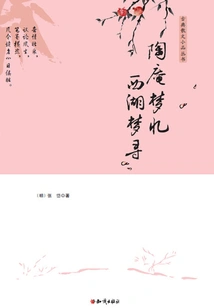
"Tao'an Dream Memories" contains many trivial things, covering various aspects of city scenery, beautiful mountains and rivers, folk customs, and the art of life. The lines in the book are permeated with a fresh breath of life, bearing the imprint of rich emerging citizen culture, and also embodying the author's thoughts on water shield perch. "Dream Seeking the West Lake" has a total of five volumes and more than 80 articles, most of which are short stories. They are written in the spatial order of general record, north road, west road, middle road, south road, and exterior scenes, showing the past and present of Hangzhou in front of readers. Each scene begins with a small preface, and selected ancient and modern poems about the West Lake are listed below.
"Tao'an Dream Memories" contains many trivial things, covering various aspects of city scenery, beautiful mountains and rivers, folk customs, and the art of life. The lines in the book are permeated with a fresh breath of life, bearing the imprint of rich emerging citizen culture, and also embodying the author's thoughts on water shield perch. "Dream Seeking the West Lake" has a total of five volumes and more than 80 articles, most of which are short stories. They are written in the spatial order of general record, north road, west road, middle road, south road, and exterior scenes, showing the past and present of Hangzhou in front of readers. Each scene begins with a small preface, and selected ancient and modern poems about the West Lake are listed below.
D
Nalan Ci (hardcover)
Literature纳兰词(精装)
G
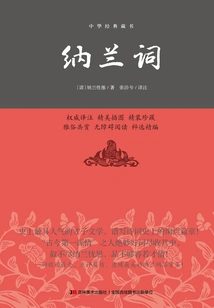
"Nalan Ci" is a collection of Nalan Xingde's poems. The themes involve love, family affection, friendship, miscellaneous feelings, etc., And the scenery of Jiangnan beyond the Great Wall, ancient and modern times, are all included. The style of his poems is elegant, graceful, graceful and charming, which is quite reminiscent of the late masters of the Southern Tang Dynasty. It has a very special status and influence in the history of Chinese literature. This book carefully collects the ancient manuscripts of Nalan Xingde's "Nalan Ci", combines the original text, word translation, comments and appreciation, annotations and doubts, supplemented by sincere original paintings, and uses pictures to explain the text. It is beautiful and true, and offers readers the beauty and charm of Chinese classical poetry written by a talented man of the previous generation.
"Nalan Ci" is a collection of Nalan Xingde's poems. The themes involve love, family affection, friendship, miscellaneous feelings, etc., And the scenery of Jiangnan beyond the Great Wall, ancient and modern times, are all included. The style of his poems is elegant, graceful, graceful and charming, which is quite reminiscent of the late masters of the Southern Tang Dynasty. It has a very special status and influence in the history of Chinese literature. This book carefully collects the ancient manuscripts of Nalan Xingde's "Nalan Ci", combines the original text, word translation, comments and appreciation, annotations and doubts, supplemented by sincere original paintings, and uses pictures to explain the text. It is beautiful and true, and offers readers the beauty and charm of Chinese classical poetry written by a talented man of the previous generation.
纳兰词:一尺华丽,三寸忧伤
G
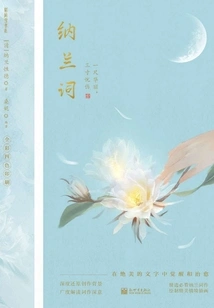
Extreme wisdom will be hurt, and a word of truth cannot satisfy Nalan's thoughts; deep love will not last long, and a lifetime of character will be incomplete, just like talent. "If life were just like the first time we met, why would the autumn wind be so sad as to draw a fan?" - Nalan Xingde's words are clear, graceful and unique. The handed down "Nalan Ci" enjoyed a high reputation in society at that time and was highly praised by literati. People at the time said, "Every family is competing to sing "Drinking Water Ci". How many people know about Nalan's thoughts?" This shows the great influence of his Ci. Wang Guowei commented on him in "Human Words": "He sees things with natural eyes and expresses emotions with natural tongue, so he can really do this. Since the Northern Song Dynasty, there is only one person."
Extreme wisdom will be hurt, and a word of truth cannot satisfy Nalan's thoughts; deep love will not last long, and a lifetime of character will be incomplete, just like talent. "If life were just like the first time we met, why would the autumn wind be so sad as to draw a fan?" - Nalan Xingde's words are clear, graceful and unique. The handed down "Nalan Ci" enjoyed a high reputation in society at that time and was highly praised by literati. People at the time said, "Every family is competing to sing "Drinking Water Ci". How many people know about Nalan's thoughts?" This shows the great influence of his Ci. Wang Guowei commented on him in "Human Words": "He sees things with natural eyes and expresses emotions with natural tongue, so he can really do this. Since the Northern Song Dynasty, there is only one person."
C
General FictionC
G
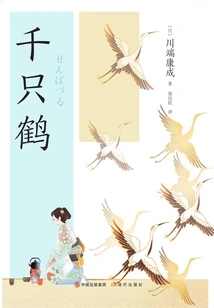
Includes "A Thousand Cranes" and its sequel "A Thousand Birds". In "Thousand Cranes", Mitani Kikuharu's father had a very complicated emotional entanglement with Chikako Kurimoto and Mrs. Ota during his lifetime. After Mr. Mitani passed away, Mrs. Ota and Kikuji met by chance at a tea party and actually fell in love with him. After the two fell in love, Mrs. Ota committed suicide due to deep inner condemnation. Mrs. Ota's daughter Fumiko's contact with Kikuji has always been in the shadow of her mother, accompanying Kikuji as her mother's substitute. The projection of fate overlapped on the living and the dead, and the peaceful life was completely derailed and headed in an unknown direction... "Hachidori" describes how Yukiko, who briefly appeared in the first chapter, became Kikuji's bride, and then made a decision to eliminate the sadness and loss caused by Mrs. Ota's disappearance. All kinds of efforts finally made Kikuji full of tenderness for him... "A Thousand Cranes" is one of the three works by Kawabata Yasunari that won the Nobel Prize for Literature in 1968. It has the most beautiful characteristics of Japanese works: amazing simplicity, delicate emotions, and a painter-like sensitivity to the tangible world. It depicts the conflict between love and morality, and depicts Japanese scenery and psychology in a delicate and timeless way. It seems as if there are thousands of white cranes flying in the sunset between the lines.
Includes "A Thousand Cranes" and its sequel "A Thousand Birds". In "Thousand Cranes", Mitani Kikuharu's father had a very complicated emotional entanglement with Chikako Kurimoto and Mrs. Ota during his lifetime. After Mr. Mitani passed away, Mrs. Ota and Kikuji met by chance at a tea party and actually fell in love with him. After the two fell in love, Mrs. Ota committed suicide due to deep inner condemnation. Mrs. Ota's daughter Fumiko's contact with Kikuji has always been in the shadow of her mother, accompanying Kikuji as her mother's substitute. The projection of fate overlapped on the living and the dead, and the peaceful life was completely derailed and headed in an unknown direction... "Hachidori" describes how Yukiko, who briefly appeared in the first chapter, became Kikuji's bride, and then made a decision to eliminate the sadness and loss caused by Mrs. Ota's disappearance. All kinds of efforts finally made Kikuji full of tenderness for him... "A Thousand Cranes" is one of the three works by Kawabata Yasunari that won the Nobel Prize for Literature in 1968. It has the most beautiful characteristics of Japanese works: amazing simplicity, delicate emotions, and a painter-like sensitivity to the tangible world. It depicts the conflict between love and morality, and depicts Japanese scenery and psychology in a delicate and timeless way. It seems as if there are thousands of white cranes flying in the sunset between the lines.
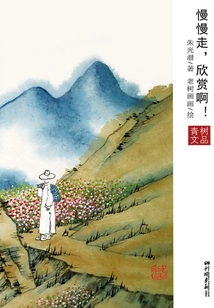
Walk Slowly and Enjoy!
Literature慢慢走,欣赏啊!
G
Life is inherently a broader art, and each person's life history is his own work. The "artistic life" advocated by Mr. Zhu Guangqian is actually the most necessary life attitude in modern busy life. "If you ask me, why do people live in this ever-changing world? I say, life is for life, and there is no other purpose; if you complain to God, how miserable life is! I say, people are not born in this world to enjoy happiness, so it is not strange." There are many realms of life. If you can achieve the artistic life advocated by Mr. Zhu, you can say that "this life is worthy of guilt." "Walk slowly and enjoy!" Extracts and compiles Mr. Zhu Guangqian's most life-rich classic articles, with the theme of life pursuit and realm. The content includes aspects such as beauty, philosophy of life, and cultivation of life. It is Mr. Zhu Guangqian's real care and teaching, enlightenment and encouragement to young people.
Life is inherently a broader art, and each person's life history is his own work. The "artistic life" advocated by Mr. Zhu Guangqian is actually the most necessary life attitude in modern busy life. "If you ask me, why do people live in this ever-changing world? I say, life is for life, and there is no other purpose; if you complain to God, how miserable life is! I say, people are not born in this world to enjoy happiness, so it is not strange." There are many realms of life. If you can achieve the artistic life advocated by Mr. Zhu, you can say that "this life is worthy of guilt." "Walk slowly and enjoy!" Extracts and compiles Mr. Zhu Guangqian's most life-rich classic articles, with the theme of life pursuit and realm. The content includes aspects such as beauty, philosophy of life, and cultivation of life. It is Mr. Zhu Guangqian's real care and teaching, enlightenment and encouragement to young people.
Y
Literaturey
G
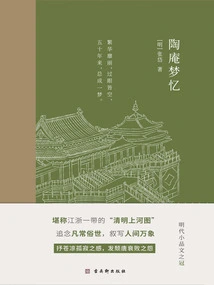
"Tao'an Dream Memories" consists of eight volumes with one hundred and twenty-three chapters. It expresses the author's deep attachment to his lost homeland and the passing years. The prose combines the strengths of both the Gong'an and Jingling schools. It expresses the true nature and has been widely circulated. It has had a positive influence on modern prose. The book also records some information on citizens' lives and folk arts.
"Tao'an Dream Memories" consists of eight volumes with one hundred and twenty-three chapters. It expresses the author's deep attachment to his lost homeland and the passing years. The prose combines the strengths of both the Gong'an and Jingling schools. It expresses the true nature and has been widely circulated. It has had a positive influence on modern prose. The book also records some information on citizens' lives and folk arts.
F
General FictionF
G
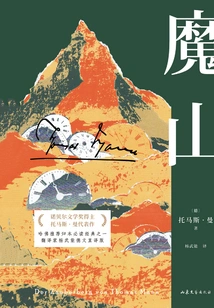
Hans Castorp was originally a young man with a bright future. Unfortunately, he was infected with tuberculosis during the treatment of anemia in a mountain sanatorium and was forced to stay in the sanatorium for a long time. During this period, he met all kinds of strange people, including secretive Freemasons, fanatical Jesuit priests, colonial farmers, etc. Various ideological trends collided and confronted here. As a result, the protagonist not only began to have confused thoughts, but also became increasingly depressed, and became obsessed with a married woman. The villa became a "magic mountain", where he forgot time, the responsibilities and mission of life. Seven years later, the world war broke out, and the artillery fire of the war finally woke him up. Inspired by the so-called "patriotism", he rushed to the battlefield. The author attempts to fully highlight the spiritual chaos and decadence of the Western world through dialogue, symbols, dreams, debates, monologues and other modern expression methods.
Hans Castorp was originally a young man with a bright future. Unfortunately, he was infected with tuberculosis during the treatment of anemia in a mountain sanatorium and was forced to stay in the sanatorium for a long time. During this period, he met all kinds of strange people, including secretive Freemasons, fanatical Jesuit priests, colonial farmers, etc. Various ideological trends collided and confronted here. As a result, the protagonist not only began to have confused thoughts, but also became increasingly depressed, and became obsessed with a married woman. The villa became a "magic mountain", where he forgot time, the responsibilities and mission of life. Seven years later, the world war broke out, and the artillery fire of the war finally woke him up. Inspired by the so-called "patriotism", he rushed to the battlefield. The author attempts to fully highlight the spiritual chaos and decadence of the Western world through dialogue, symbols, dreams, debates, monologues and other modern expression methods.
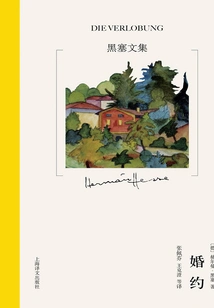
Engagement (collected Works of Hesse)
Literature婚约(黑塞文集)
G
"The last knight of German Romanticism" and winner of the Nobel Prize for Literature, Hesse's new 10-volume anthology, translated by famous writers, includes novels, short and medium-length works, poetry, prose, fairy tales and paintings, comprehensively displaying Hesse's creative career. Hesse's creative career lasted for 70 years, and his works cover a wide range. In addition to novels such as "Under the Wheel", "Steppenwolf", "Narziss and Goldmund", and "The Glass Bead Game", Hesse has never stopped writing short and medium stories. Hesse is good at using symbolic artistic techniques to reflect the deep sting caused by the outside world to the human soul from the spiritual and psychological aspects, so that the inner meaning of the work can be condensed and sublimated. The 26 short stories and short stories collected in the book "The Engagement" are all the best of Hesse's works. They reflect the author's characteristics and styles in different creative periods in the early, middle and late periods. They are of great help and inspiration to us to fully understand Hesse and his creative thoughts and art.
"The last knight of German Romanticism" and winner of the Nobel Prize for Literature, Hesse's new 10-volume anthology, translated by famous writers, includes novels, short and medium-length works, poetry, prose, fairy tales and paintings, comprehensively displaying Hesse's creative career. Hesse's creative career lasted for 70 years, and his works cover a wide range. In addition to novels such as "Under the Wheel", "Steppenwolf", "Narziss and Goldmund", and "The Glass Bead Game", Hesse has never stopped writing short and medium stories. Hesse is good at using symbolic artistic techniques to reflect the deep sting caused by the outside world to the human soul from the spiritual and psychological aspects, so that the inner meaning of the work can be condensed and sublimated. The 26 short stories and short stories collected in the book "The Engagement" are all the best of Hesse's works. They reflect the author's characteristics and styles in different creative periods in the early, middle and late periods. They are of great help and inspiration to us to fully understand Hesse and his creative thoughts and art.
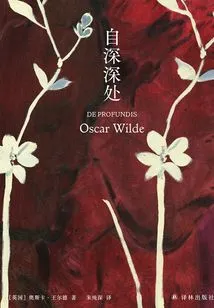
From the Deep (wilde Collection)
Literature自深深处(王尔德精选集)
G
In 1895, Wilde went to court with the Marquess of Queensberry, the father of his former lover Percy, and was sentenced to prison and ruined. While in prison, Wilde wrote this famous long letter in literary history to Percy, "From the Depths," in which he recounted the pain Percy had caused him, discussed Jesus, love, and literature, and seemed to have expectations for the future of the two of them.
In 1895, Wilde went to court with the Marquess of Queensberry, the father of his former lover Percy, and was sentenced to prison and ruined. While in prison, Wilde wrote this famous long letter in literary history to Percy, "From the Depths," in which he recounted the pain Percy had caused him, discussed Jesus, love, and literature, and seemed to have expectations for the future of the two of them.
萧红作品1(中国现代文学经典文库)
G
Xiao Hong (1911-1942), a native of Heilongjiang. Her original name is Zhang Naiying, and her pen name is Xiao Hong. In 1930, he met Xiao Jun, the two fell in love, and together they completed the collection of essays "Shangshi Street". In 1933, he and Xiao Jun self-published a collection of works "Trek". He went to Shanghai in 1934 and completed the novel "The Field of Life and Death" in the same year. It was published as one of the "Slave Series" with the help of Lu Xun the following year. Xiao Hong thus achieved a status in the history of modern literature. In 1936, in order to get rid of his mental distress, he traveled east to Japan and wrote the prose "Lonely Life" and the long poem "Grains of Sand" in Tokyo. After the outbreak of the Anti-Japanese War. Join the anti-Japanese and national salvation movement. Later he taught at the National Revolutionary University. Went to Hong Kong in 1940. Xiao Hong's major works include the novel "Mabele", the retrospective novel "The Story of Hulan River", and a series of short and medium-length stories recalling his hometown, such as "Ox Cart" and "March in a Small Town".
Xiao Hong (1911-1942), a native of Heilongjiang. Her original name is Zhang Naiying, and her pen name is Xiao Hong. In 1930, he met Xiao Jun, the two fell in love, and together they completed the collection of essays "Shangshi Street". In 1933, he and Xiao Jun self-published a collection of works "Trek". He went to Shanghai in 1934 and completed the novel "The Field of Life and Death" in the same year. It was published as one of the "Slave Series" with the help of Lu Xun the following year. Xiao Hong thus achieved a status in the history of modern literature. In 1936, in order to get rid of his mental distress, he traveled east to Japan and wrote the prose "Lonely Life" and the long poem "Grains of Sand" in Tokyo. After the outbreak of the Anti-Japanese War. Join the anti-Japanese and national salvation movement. Later he taught at the National Revolutionary University. Went to Hong Kong in 1940. Xiao Hong's major works include the novel "Mabele", the retrospective novel "The Story of Hulan River", and a series of short and medium-length stories recalling his hometown, such as "Ox Cart" and "March in a Small Town".
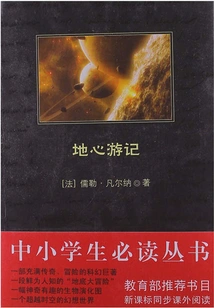
Journey to the Center of the Earth (a Must-read Series for Primary and Secondary School Students)
Literature地心游记(中小学生必读丛书)
G
This book is an adventure book written by the French writer Jules Verne, the "father of science fiction". The description is very wonderful. The whole book tells the story of Professor Lidenbrock who accidentally got a piece of parchment in an ancient book and discovered that his predecessors had traveled to the center of the earth. Professor Lidenbrock was determined to make the same trip. He and his nephew set out from Hamburg and hired a guide in Iceland. Following the guidance of their predecessors, they descended from a volcanic crater in Iceland. After three months of travel, experiencing hardships and various wonders, they finally returned to the ground. In the book, Hans, Axel, and Professor Lidenbrock traveled around the center of the earth for a week and almost lost their precious lives several times.
This book is an adventure book written by the French writer Jules Verne, the "father of science fiction". The description is very wonderful. The whole book tells the story of Professor Lidenbrock who accidentally got a piece of parchment in an ancient book and discovered that his predecessors had traveled to the center of the earth. Professor Lidenbrock was determined to make the same trip. He and his nephew set out from Hamburg and hired a guide in Iceland. Following the guidance of their predecessors, they descended from a volcanic crater in Iceland. After three months of travel, experiencing hardships and various wonders, they finally returned to the ground. In the book, Hans, Axel, and Professor Lidenbrock traveled around the center of the earth for a week and almost lost their precious lives several times.
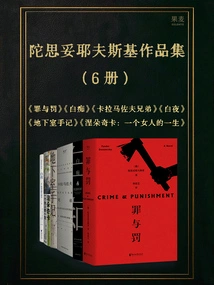
陀思妥耶夫斯基作品集(6册)
G
Six of Tuo's classics provide a must-read path for a deep understanding of Tuo's work. From "Notes from the Underground" to "The Brothers Karamazov", from early poetic fragments to late works, each one is a prophecy of the spiritual dilemma of modern people: identity anxiety, collapse of faith, and the battle between reason and madness. We can find the resonance of pain and the possibility of redemption in Dossetts's text.
Six of Tuo's classics provide a must-read path for a deep understanding of Tuo's work. From "Notes from the Underground" to "The Brothers Karamazov", from early poetic fragments to late works, each one is a prophecy of the spiritual dilemma of modern people: identity anxiety, collapse of faith, and the battle between reason and madness. We can find the resonance of pain and the possibility of redemption in Dossetts's text.
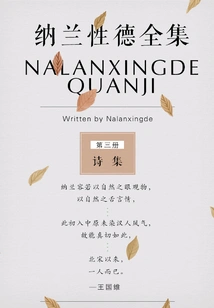
纳兰性德全集第三册:诗集
G
Nalan Xingde, a famous poet in the early Qing Dynasty, is known as one of the "three great poets of Qing Dynasty" together with Zhu Yizun and Chen Weisong. The complete collection is divided into four volumes, and the third volume contains poems: in addition to the 354 poems in "Tongzhitang Collection", eight more poems are added.
Nalan Xingde, a famous poet in the early Qing Dynasty, is known as one of the "three great poets of Qing Dynasty" together with Zhu Yizun and Chen Weisong. The complete collection is divided into four volumes, and the third volume contains poems: in addition to the 354 poems in "Tongzhitang Collection", eight more poems are added.
R
LiteratureR
G
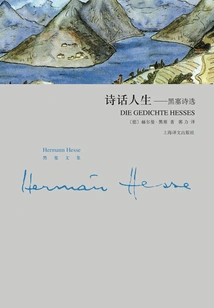
"Poetry Talks about Life - Selected Poems of Hesse" selects 275 excellent poems from the author's 15 collections of poems, and publishes them in one volume in five parts: "Youth", "Youth", "Middle-aged", "Old Age" and "Old Age". Hesse's literary career began and ended with poetry creation; his first collection of poems, "Romantic Songs," collected his poetry creation since the age of 15, and his last poem, "The Rattling of Broken Branches," was completed the day before his death. During the nearly 70 years of Hesse's poetry career, he composed about 1,400 poems, of which more than 800 were edited by him into 15 poetry anthologies. Hesse's poems are deeply loved by the German people. His poems are pure and touching, and each chapter expresses his true feelings. Not only is his language delicate and euphemistic, concise and simple, but his style is also particularly fresh, natural and smooth.
"Poetry Talks about Life - Selected Poems of Hesse" selects 275 excellent poems from the author's 15 collections of poems, and publishes them in one volume in five parts: "Youth", "Youth", "Middle-aged", "Old Age" and "Old Age". Hesse's literary career began and ended with poetry creation; his first collection of poems, "Romantic Songs," collected his poetry creation since the age of 15, and his last poem, "The Rattling of Broken Branches," was completed the day before his death. During the nearly 70 years of Hesse's poetry career, he composed about 1,400 poems, of which more than 800 were edited by him into 15 poetry anthologies. Hesse's poems are deeply loved by the German people. His poems are pure and touching, and each chapter expresses his true feelings. Not only is his language delicate and euphemistic, concise and simple, but his style is also particularly fresh, natural and smooth.
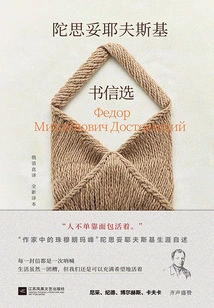
Selected Letters of Dostoevsky
Literature陀思妥耶夫斯基书信选
G
"Selected Letters of Dostoevsky" is a collection of Russian writer Dostoevsky's letters to his family, friends, relatives and others. These letters provide valuable information about the writer Dostoevsky's creations, thoughts, social activities, and even the writer's personality in various periods. They are undoubtedly an important part of his literary legacy. They have left a rich mine for us descendants, allowing us to better interpret his novels, intervene in his era, and understand his thoughts. This book has selected and translated more than 200 of his letters. The content mainly involves the writer's creation, literary and artistic views, political thoughts and major events in his personal experience. It plays an important role in comprehensively and deeply understanding the writer's creation. This time, a new translation jointly translated by Wang Luyao and Han Yuqi is used to create a literary classic that is more suitable for current people's reading.
"Selected Letters of Dostoevsky" is a collection of Russian writer Dostoevsky's letters to his family, friends, relatives and others. These letters provide valuable information about the writer Dostoevsky's creations, thoughts, social activities, and even the writer's personality in various periods. They are undoubtedly an important part of his literary legacy. They have left a rich mine for us descendants, allowing us to better interpret his novels, intervene in his era, and understand his thoughts. This book has selected and translated more than 200 of his letters. The content mainly involves the writer's creation, literary and artistic views, political thoughts and major events in his personal experience. It plays an important role in comprehensively and deeply understanding the writer's creation. This time, a new translation jointly translated by Wang Luyao and Han Yuqi is used to create a literary classic that is more suitable for current people's reading.
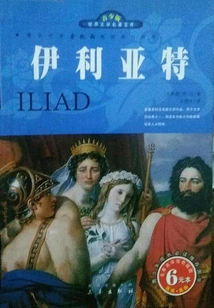
T
Literaturet
G
"The Iliad" is a long narrative poem compiled by the blind ancient Greek poet Homer based on oral epics and short songs. It is an important ancient Greek literary work and one of the classics of Western literature. It is called "Homer's epic" together with another work of Homer, "The Odyssey". "The Iliad" is a masterpiece describing ancient wars. It narrates a 10-year war between the ancient Greeks and the Trojans; it praises the strength, might, wit and bravery of the ancient heroes; it eulogizes their great achievements and the spirit of heroism and collectivism in fighting against alien races.
"The Iliad" is a long narrative poem compiled by the blind ancient Greek poet Homer based on oral epics and short songs. It is an important ancient Greek literary work and one of the classics of Western literature. It is called "Homer's epic" together with another work of Homer, "The Odyssey". "The Iliad" is a masterpiece describing ancient wars. It narrates a 10-year war between the ancient Greeks and the Trojans; it praises the strength, might, wit and bravery of the ancient heroes; it eulogizes their great achievements and the spirit of heroism and collectivism in fighting against alien races.
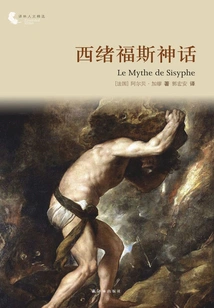
西绪福斯神话(译林人文精选)
G
"The Myth of Sisyphus (Translated by Lin Humanities Selection)" is a concise reading expounding Camus's philosophical concepts and literary thoughts. It expresses the author's contempt and resistance to the eternal suffering fate of mankind. Sisyphus is an absurd hero. He devoted his whole body and soul to a fruitless cause, and this was the price that had to be paid for his infinite love for the earth. When Camus looked at this ancient mythological character in this way, the philosophical eye of existentialism entered the ancient mythology.
"The Myth of Sisyphus (Translated by Lin Humanities Selection)" is a concise reading expounding Camus's philosophical concepts and literary thoughts. It expresses the author's contempt and resistance to the eternal suffering fate of mankind. Sisyphus is an absurd hero. He devoted his whole body and soul to a fruitless cause, and this was the price that had to be paid for his infinite love for the earth. When Camus looked at this ancient mythological character in this way, the philosophical eye of existentialism entered the ancient mythology.
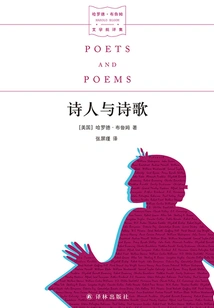
诗人与诗歌(哈罗德·布鲁姆文学批评集)
G
This book contains Bloom's incisive reviews of fifty-six influential poets in literary history. From Petrarch in the 14th century to British and American poets such as Anne Carson in the late 20th century, to Pushkin, Baudelaire, Rimbaud, Neruda and other poets in other languages, Bloom has carefully sorted out the Western poetic tradition and demonstrated the dialogue between poets and the world. Bloom incorporates Freudian and Gnostic ideas into his multi-angle analysis and introduction, always running through the concept of "anxiety of influence", emphasizing the competitive relationship between later poets and pioneers, making it an excellent guide for poetry appreciation. Introduction to the series: Since 1984, the outstanding contemporary literary critic Harold Bloom has cooperated with Chelsea Publishing House to launch an unprecedented venture: carefully selecting inspiring critical masterpieces around the works of popular Western writers, and editing and publishing thousands of critical collections of famous writers to help readers enhance their literary appreciation. Bloom admitted that in this grand undertaking of striving for comprehensiveness, he also learned a lot and learned how to write for the public; literary criticism is not only an individual's insight, but also a public undertaking. Twenty years later, he divided the introductions he wrote for these critical essays into six volumes to commemorate this quixotic adventure. These short and concise articles presented in six volumes can be regarded as the dazzling sparks of the collision between a rare genius and countless great minds in the history of literature.
This book contains Bloom's incisive reviews of fifty-six influential poets in literary history. From Petrarch in the 14th century to British and American poets such as Anne Carson in the late 20th century, to Pushkin, Baudelaire, Rimbaud, Neruda and other poets in other languages, Bloom has carefully sorted out the Western poetic tradition and demonstrated the dialogue between poets and the world. Bloom incorporates Freudian and Gnostic ideas into his multi-angle analysis and introduction, always running through the concept of "anxiety of influence", emphasizing the competitive relationship between later poets and pioneers, making it an excellent guide for poetry appreciation. Introduction to the series: Since 1984, the outstanding contemporary literary critic Harold Bloom has cooperated with Chelsea Publishing House to launch an unprecedented venture: carefully selecting inspiring critical masterpieces around the works of popular Western writers, and editing and publishing thousands of critical collections of famous writers to help readers enhance their literary appreciation. Bloom admitted that in this grand undertaking of striving for comprehensiveness, he also learned a lot and learned how to write for the public; literary criticism is not only an individual's insight, but also a public undertaking. Twenty years later, he divided the introductions he wrote for these critical essays into six volumes to commemorate this quixotic adventure. These short and concise articles presented in six volumes can be regarded as the dazzling sparks of the collision between a rare genius and countless great minds in the history of literature.
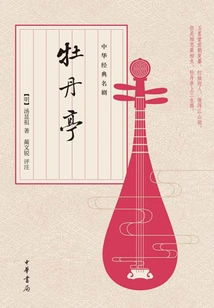
牡丹亭(中华经典名剧)
G
"The Peony Pavilion" is one of the masterpieces of the Ming Dynasty playwright Tang Xianzu. There are 55 episodes in total. It describes the life and death love story of Du Liniang and Liu Mengmei. It is filled with romantic ideals of pursuing personal happiness, calling for individual liberation, and opposing the feudal system. It is deeply touching. It is a masterpiece of romanticism in the history of Chinese opera. Du Liniang is one of the most touching images of women in Chinese classical literature after Cui Yingying. Her life and death for love calls for the liberation of personality, freedom of love, and independence in marriage, and exposes the destruction of people's happy lives and beautiful ideals by feudal ethics. "The Peony Pavilion" is famous for its beautiful diction, its lyrics are organic and interesting, and its music and lyrics take advantage of both the vigorous and turbulent Northern music and the subtle and elegant Southern poetry. Ming Lu Tiancheng called it "thrilling, ingenious and endlessly innovative, truly worthy of the ages!"
"The Peony Pavilion" is one of the masterpieces of the Ming Dynasty playwright Tang Xianzu. There are 55 episodes in total. It describes the life and death love story of Du Liniang and Liu Mengmei. It is filled with romantic ideals of pursuing personal happiness, calling for individual liberation, and opposing the feudal system. It is deeply touching. It is a masterpiece of romanticism in the history of Chinese opera. Du Liniang is one of the most touching images of women in Chinese classical literature after Cui Yingying. Her life and death for love calls for the liberation of personality, freedom of love, and independence in marriage, and exposes the destruction of people's happy lives and beautiful ideals by feudal ethics. "The Peony Pavilion" is famous for its beautiful diction, its lyrics are organic and interesting, and its music and lyrics take advantage of both the vigorous and turbulent Northern music and the subtle and elegant Southern poetry. Ming Lu Tiancheng called it "thrilling, ingenious and endlessly innovative, truly worthy of the ages!"
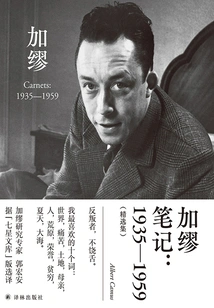
加缪笔记:1935—1959(精选集)
G
From his early entry into the literary world in 1935 to his sudden death in 1960, Camus recorded his thoughts on creation and life in the form of notebooks for about twenty-five years. He wrote a total of nine exercise books for students, including literature, philosophy, politics, views on human destiny, as well as writing plans, reading notes, scenery, travel notes, contacts, etc., Presenting to readers what Camus saw, heard, thought, and did as an artist, writer, and philosopher through concise and clear words.
From his early entry into the literary world in 1935 to his sudden death in 1960, Camus recorded his thoughts on creation and life in the form of notebooks for about twenty-five years. He wrote a total of nine exercise books for students, including literature, philosophy, politics, views on human destiny, as well as writing plans, reading notes, scenery, travel notes, contacts, etc., Presenting to readers what Camus saw, heard, thought, and did as an artist, writer, and philosopher through concise and clear words.
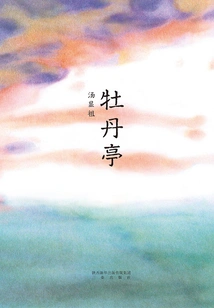
D
LiteratureD
G
The story takes place in the Southern Song Dynasty. Du Bao, the governor of Nan'an, had a daughter, Du Liniang. One spring day when she was 16 years old, Du Liniang visited the garden for the first time. When she was sleepy, she dreamed of a scholar who broke willow trees. When I woke up from a spring dream, the scholar was gone. Du Liniang never became ill. Before she died, she asked her family to hide her self-portrait under the Taihu stone in the Peony Pavilion. At this time, the Jin soldiers named Li Quan King of Liujin and attacked the Huaiyang area. Du Bao buried Du Liniang in Meihua Temple, and was quickly transferred to Huaiyang to guard it. The scholar in the dream is Liu Mengmei from Lingnan. His family was in decline and he decided to leave his hometown and go north to seek fame. When passing by Nan'an, I picked up Du Liniang's self-portrait by chance. At night, he saw the woman in the painting - it turned out that Du Liniang, with the permission of the King of Hell, left the city of Fusi. Her soul came to Plum Blossom Temple and had a tryst with Liu Mengmei at night. Liu Mengmei was not afraid after learning that Du Liniang was a ghost. He managed to obtain the elixir, dug up the grave, and brought Liniang back to life. However, the play in ancient times did not end until the first prize was won. Liu Mengmei and Du Liniang went to Lin'an to take the exam together. When the list was unveiled, Li Quan's rebellion happened again, and Du Bao was besieged. In troubled times, can Du Liniang, who has broken through the two realms of yin and yang, be reunited with her parents and finally get married to Liu Mengmei... There is a bold emotion in Du Liniang. In Liu Mengmei, there are intellectual ideals and grievances. Tang Xianzu, who left officialdom at the age of 49, wrote about his understanding of life in "The Peony Pavilion".
The story takes place in the Southern Song Dynasty. Du Bao, the governor of Nan'an, had a daughter, Du Liniang. One spring day when she was 16 years old, Du Liniang visited the garden for the first time. When she was sleepy, she dreamed of a scholar who broke willow trees. When I woke up from a spring dream, the scholar was gone. Du Liniang never became ill. Before she died, she asked her family to hide her self-portrait under the Taihu stone in the Peony Pavilion. At this time, the Jin soldiers named Li Quan King of Liujin and attacked the Huaiyang area. Du Bao buried Du Liniang in Meihua Temple, and was quickly transferred to Huaiyang to guard it. The scholar in the dream is Liu Mengmei from Lingnan. His family was in decline and he decided to leave his hometown and go north to seek fame. When passing by Nan'an, I picked up Du Liniang's self-portrait by chance. At night, he saw the woman in the painting - it turned out that Du Liniang, with the permission of the King of Hell, left the city of Fusi. Her soul came to Plum Blossom Temple and had a tryst with Liu Mengmei at night. Liu Mengmei was not afraid after learning that Du Liniang was a ghost. He managed to obtain the elixir, dug up the grave, and brought Liniang back to life. However, the play in ancient times did not end until the first prize was won. Liu Mengmei and Du Liniang went to Lin'an to take the exam together. When the list was unveiled, Li Quan's rebellion happened again, and Du Bao was besieged. In troubled times, can Du Liniang, who has broken through the two realms of yin and yang, be reunited with her parents and finally get married to Liu Mengmei... There is a bold emotion in Du Liniang. In Liu Mengmei, there are intellectual ideals and grievances. Tang Xianzu, who left officialdom at the age of 49, wrote about his understanding of life in "The Peony Pavilion".
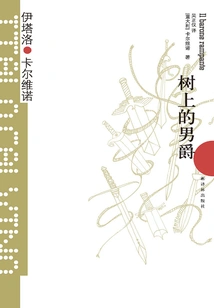
Baron in the Tree
Literature树上的男爵
G
"The Baron in the Trees" is one of Calvino's "Our Ancestors" trilogy. The "Our Ancestors" trilogy includes: "The Non-Existent Knight", "The Viscount Split in Two" and "The Baron in the Trees". These three stories represent the three stages leading to freedom, and are about the experience of how people realize themselves: strive for in "The Non-Existent Knight" Survival, the pursuit of a complete life that is not ravaged by society in "The Viscount in Two", and a path to wholeness in "The Baron in the Trees" - a non-individualistic wholeness achieved through unswerving efforts towards personal self-determination. A stubborn resistance made Cosimo decide never to leave a tree since he was twelve years old. From then on, he lived in trees all his life, but connected his life more closely with the earth. Is it true that you have to distance yourself from others before you can finally be with them?
"The Baron in the Trees" is one of Calvino's "Our Ancestors" trilogy. The "Our Ancestors" trilogy includes: "The Non-Existent Knight", "The Viscount Split in Two" and "The Baron in the Trees". These three stories represent the three stages leading to freedom, and are about the experience of how people realize themselves: strive for in "The Non-Existent Knight" Survival, the pursuit of a complete life that is not ravaged by society in "The Viscount in Two", and a path to wholeness in "The Baron in the Trees" - a non-individualistic wholeness achieved through unswerving efforts towards personal self-determination. A stubborn resistance made Cosimo decide never to leave a tree since he was twelve years old. From then on, he lived in trees all his life, but connected his life more closely with the earth. Is it true that you have to distance yourself from others before you can finally be with them?
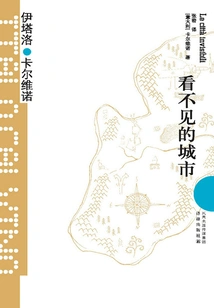
Invisible City
Literature看不见的城市
G
The first edition of "Invisible Cities" was published in November 1972 by Einaudi Verlag in Turin. At the time of the book's publication, from late 1972 to early 1973, Calvino had spoken about it in several newspaper articles and interviews. The following is an introduction to this new edition of the "Oscar" series using the words of Calvino's lecture at the Master of Writing Class at Columbia University in New York on March 29, 1983. The lecture was originally in English, but the Italian text is used here. It is based on two interviews conducted in 1972 and 1973 and has mostly not been published in Italy. There is no recognizable city in "Invisible Cities". All the cities are fictitious; I gave each of them a woman's name. The book is organized into short chapters, each of which should provide an opportunity to reflect on a particular city, or cities in general.
The first edition of "Invisible Cities" was published in November 1972 by Einaudi Verlag in Turin. At the time of the book's publication, from late 1972 to early 1973, Calvino had spoken about it in several newspaper articles and interviews. The following is an introduction to this new edition of the "Oscar" series using the words of Calvino's lecture at the Master of Writing Class at Columbia University in New York on March 29, 1983. The lecture was originally in English, but the Italian text is used here. It is based on two interviews conducted in 1972 and 1973 and has mostly not been published in Italy. There is no recognizable city in "Invisible Cities". All the cities are fictitious; I gave each of them a woman's name. The book is organized into short chapters, each of which should provide an opportunity to reflect on a particular city, or cities in general.
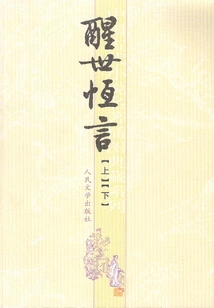
P
LiteratureP
G
"Awakening the World" is a collection of vernacular short stories compiled by Feng Menglong in the late Ming Dynasty. This book collects 40 stories in different styles since the Song and Yuan Dynasties. Some of these stories come from historical biographies, some come from notes and novels of past dynasties, and the most fundamental sources are directly from folklore stories and from the actual life of society. Through these storylines and characters, the social life and people's wishes at that time are reflected from different angles and to varying degrees. It is rich in content, some reflecting love and marriage; some praising feudal officials and exposing the darkness of officialdom; some praising chivalry and denouncing ingratitude. The plot of the story is bizarre and twists, the characters have distinctive personalities and are full of interest.
"Awakening the World" is a collection of vernacular short stories compiled by Feng Menglong in the late Ming Dynasty. This book collects 40 stories in different styles since the Song and Yuan Dynasties. Some of these stories come from historical biographies, some come from notes and novels of past dynasties, and the most fundamental sources are directly from folklore stories and from the actual life of society. Through these storylines and characters, the social life and people's wishes at that time are reflected from different angles and to varying degrees. It is rich in content, some reflecting love and marriage; some praising feudal officials and exposing the darkness of officialdom; some praising chivalry and denouncing ingratitude. The plot of the story is bizarre and twists, the characters have distinctive personalities and are full of interest.
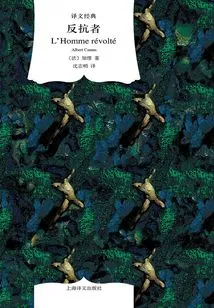
Rebel
Literature反抗者
G
"The Rebel" is one of the masterpieces of Camus, the French literary master of absurd existential philosophy. In this well-referenced essay, Camus adopts a frank and honest attitude and re-examines the spirit of resistance that has emerged in the long history of mankind: the French Revolution and the Russian Revolution at the historical level; the thinkers include the Marquis de Sade, Saint-Just, Nietzsche, and Marx; and the ideological trends from nihilism to surrealism, from anarchism to liberalism. Camus' critical spirit revealed in "The Resistance" ultimately established the book's classic status.
"The Rebel" is one of the masterpieces of Camus, the French literary master of absurd existential philosophy. In this well-referenced essay, Camus adopts a frank and honest attitude and re-examines the spirit of resistance that has emerged in the long history of mankind: the French Revolution and the Russian Revolution at the historical level; the thinkers include the Marquis de Sade, Saint-Just, Nietzsche, and Marx; and the ideological trends from nihilism to surrealism, from anarchism to liberalism. Camus' critical spirit revealed in "The Resistance" ultimately established the book's classic status.
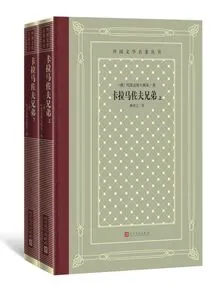
The Brothers Karamazov (part 1 and 2)
Literature卡拉马佐夫兄弟(上下)
G
The book is adapted from a real patricide case, describing the sharp conflict between the old Karamazov and his three sons, as well as the court trial of the patricide case. The whole novel has two levels: on the surface, it is a case of patricide, and the victim's sons are suspected of conspiracy to some extent; but on a deeper level, it is a drama about the human spirit, telling a moral battle between lust, faith, reason and free will. The work shows an intricate tragic theme of society, family, morality and human nature.
The book is adapted from a real patricide case, describing the sharp conflict between the old Karamazov and his three sons, as well as the court trial of the patricide case. The whole novel has two levels: on the surface, it is a case of patricide, and the victim's sons are suspected of conspiracy to some extent; but on a deeper level, it is a drama about the human spirit, telling a moral battle between lust, faith, reason and free will. The work shows an intricate tragic theme of society, family, morality and human nature.
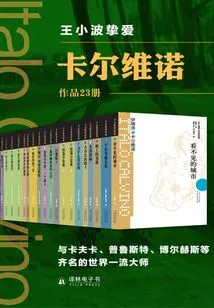
卡尔维诺精选作品集(套装23册)
G
"Selected Works of Calvino" includes the following 23 works: "The Baron in the Trees", "The Viscount in Two", "The Non-Existent Knight", "The Invisible City", "Why Read Classics", "If on a Winter Night, a Traveler", "American Lectures", "The Complete Collection of Cosmic Curiosities", "Italian Fairy Tales (Set of 3 Volumes)", "The Hermits in Paris", "Short Stories", "Crazy Orlando", "The Castle of Crossed Destinies", "Palomar", "The Path to the Spider's Nest", "Smoke and Cloud" "Argentine Ants", "Before You Say Hello", "Under the Jaguar Sun", "The Way of Saint John", "The Traveler Who Collected Sand", "Literal and Non-literal Worlds", "The Literary Machine" and "On Fairy Tales".
"Selected Works of Calvino" includes the following 23 works: "The Baron in the Trees", "The Viscount in Two", "The Non-Existent Knight", "The Invisible City", "Why Read Classics", "If on a Winter Night, a Traveler", "American Lectures", "The Complete Collection of Cosmic Curiosities", "Italian Fairy Tales (Set of 3 Volumes)", "The Hermits in Paris", "Short Stories", "Crazy Orlando", "The Castle of Crossed Destinies", "Palomar", "The Path to the Spider's Nest", "Smoke and Cloud" "Argentine Ants", "Before You Say Hello", "Under the Jaguar Sun", "The Way of Saint John", "The Traveler Who Collected Sand", "Literal and Non-literal Worlds", "The Literary Machine" and "On Fairy Tales".
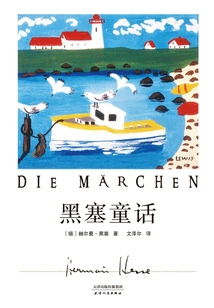
Hesse's Fairy Tales
Literature黑塞童话
G
Do you remember the first time you heard a fairy tale? Is it "Once Upon a Time" written by your grandparents on an autumn afternoon, or is it the story your parents read to you before going to bed? Only when I grew up did I realize that the way I dealt with life contained the shadow of these fairy tales: bravery, tenacity, kindness, honesty... Hesse's fairy tales also have these qualities, but at the same time, they are many different. Hesse, the winner of the Nobel Prize for Literature, uses poetic language to deconstruct fairy tales, just like a movie script, showing the other side of fairy tales around the world and the details that we have ignored. While constructing fairy tales, it also presents the truth of life. Brave adults, please open this "Hesse's Fairy Tales".
Do you remember the first time you heard a fairy tale? Is it "Once Upon a Time" written by your grandparents on an autumn afternoon, or is it the story your parents read to you before going to bed? Only when I grew up did I realize that the way I dealt with life contained the shadow of these fairy tales: bravery, tenacity, kindness, honesty... Hesse's fairy tales also have these qualities, but at the same time, they are many different. Hesse, the winner of the Nobel Prize for Literature, uses poetic language to deconstruct fairy tales, just like a movie script, showing the other side of fairy tales around the world and the details that we have ignored. While constructing fairy tales, it also presents the truth of life. Brave adults, please open this "Hesse's Fairy Tales".
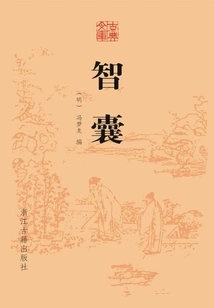
Think Tank (classical Library)
Literature智囊(古典文库)
G
This book contains a total of more than 1,200 wisdom stories from the pre-Qin Dynasty to the Ming Dynasty. The book contains not only grand strategies in politics, military affairs, and diplomacy, but also miraculous wisdom in the daily lives of soldiers, drifters, servants, monks, farmers, painters and other small figures. The classics involved in the book cover almost all official history before the Ming Dynasty and a large number of notes and unofficial histories. Therefore, this book about wisdom and strategy has important data and collation value. In addition, the general narration and sub-narration before each section in the book, the comments after each chapter, and the comments in the text are all written by Feng Menglong. They express Feng Menglong's political attitude, life values, love and hate in the most direct and concentrated manner, and are first-hand materials for studying Feng Menglong's thoughts.
This book contains a total of more than 1,200 wisdom stories from the pre-Qin Dynasty to the Ming Dynasty. The book contains not only grand strategies in politics, military affairs, and diplomacy, but also miraculous wisdom in the daily lives of soldiers, drifters, servants, monks, farmers, painters and other small figures. The classics involved in the book cover almost all official history before the Ming Dynasty and a large number of notes and unofficial histories. Therefore, this book about wisdom and strategy has important data and collation value. In addition, the general narration and sub-narration before each section in the book, the comments after each chapter, and the comments in the text are all written by Feng Menglong. They express Feng Menglong's political attitude, life values, love and hate in the most direct and concentrated manner, and are first-hand materials for studying Feng Menglong's thoughts.
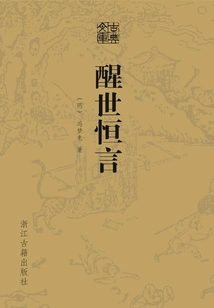
醒世恒言(古典文库)
G
This book is the latest and largest of the "Three Words" compiled by Feng Menglong. The whole book consists of forty volumes and contains forty novels. Judging from the dynasties in which the story takes place, there are "Han Affairs II, Sui and Tang Affairs Eleven", "Song Affairs Eleven" and "Ming Affairs Fifteen" (Lu Xun's "A Brief History of Chinese Novels"). Judging from the subject matter, it involves family, marriage, love, officialdom, business, public cases, chivalry, gods and monsters, anecdotes, etc. It is difficult to determine the specific authors of these works, but judging from the general harmony and unity of the style and style of the whole book, most of these works have been polished and processed by the editor Feng Menglong. Some deleted redundant words, modified the text, and changed the title based on the old version of the Song and Yuan Dynasties; some only retained the outline of the story in the old version, rewritten it, and laid it out into chapters; some works that reflect the life of the Ming Dynasty may be the creations of Feng Menglong.
This book is the latest and largest of the "Three Words" compiled by Feng Menglong. The whole book consists of forty volumes and contains forty novels. Judging from the dynasties in which the story takes place, there are "Han Affairs II, Sui and Tang Affairs Eleven", "Song Affairs Eleven" and "Ming Affairs Fifteen" (Lu Xun's "A Brief History of Chinese Novels"). Judging from the subject matter, it involves family, marriage, love, officialdom, business, public cases, chivalry, gods and monsters, anecdotes, etc. It is difficult to determine the specific authors of these works, but judging from the general harmony and unity of the style and style of the whole book, most of these works have been polished and processed by the editor Feng Menglong. Some deleted redundant words, modified the text, and changed the title based on the old version of the Song and Yuan Dynasties; some only retained the outline of the story in the old version, rewritten it, and laid it out into chapters; some works that reflect the life of the Ming Dynasty may be the creations of Feng Menglong.
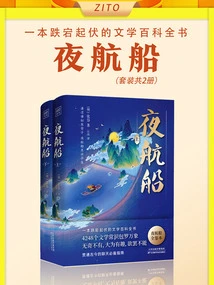
Night Sailing (set of 2 Volumes)
Literature夜航船(套装共2册)
G
What is a night boat? Astronomy and geography, antiques and strange utensils, rare birds and animals, flowers, birds, fish and insects, various schools of thought, gods and ghosts, rituals, music and laws, this is a night voyage. The book has a total of twenty volumes, divided into 20 major categories and 125 sub-categories, and contains more than 4,000 items. It tells all-inclusive knowledge about Chinese culture. An ups and downs literary encyclopedia, a cultural encyclopedia that perfectly combines fun, knowledge and storytelling, and is a must-have guide for chatting through ancient and modern times. Only those who know how to play can live with great interest. Reading it does not mean that you are full of knowledge, but just to become interesting.
What is a night boat? Astronomy and geography, antiques and strange utensils, rare birds and animals, flowers, birds, fish and insects, various schools of thought, gods and ghosts, rituals, music and laws, this is a night voyage. The book has a total of twenty volumes, divided into 20 major categories and 125 sub-categories, and contains more than 4,000 items. It tells all-inclusive knowledge about Chinese culture. An ups and downs literary encyclopedia, a cultural encyclopedia that perfectly combines fun, knowledge and storytelling, and is a must-have guide for chatting through ancient and modern times. Only those who know how to play can live with great interest. Reading it does not mean that you are full of knowledge, but just to become interesting.
终极一班:愿你百年安生不离笑
G
The new article "Guide to the Star Husband" is being serialized ~ "Ultimate Class One" fanfic. PS: Two million completed fairy tales "On the Counterattack of the Second Generation of Immortals" have been completed. There are no continuous update records, so you can rest assured that you will be disappointed~
The new article "Guide to the Star Husband" is being serialized ~ "Ultimate Class One" fanfic. PS: Two million completed fairy tales "On the Counterattack of the Second Generation of Immortals" have been completed. There are no continuous update records, so you can rest assured that you will be disappointed~

I Like Him Like That
Short Fiction我就喜欢他那样的
G
[Sister-brother love x sweet article] Baishan has liked the junior boy next door for a long time. Even the passers-by could see the clues, but the junior boy remained indifferent. However, Baishan, who has always had a strong third sense, felt that the junior boy was always flirting with her intentionally or unintentionally... (Fast-paced, super sweet, the female protagonist is one year older than the male protagonist, the whole story is 1v1, no nonsense, no misunderstanding.)
[Sister-brother love x sweet article] Baishan has liked the junior boy next door for a long time. Even the passers-by could see the clues, but the junior boy remained indifferent. However, Baishan, who has always had a strong third sense, felt that the junior boy was always flirting with her intentionally or unintentionally... (Fast-paced, super sweet, the female protagonist is one year older than the male protagonist, the whole story is 1v1, no nonsense, no misunderstanding.)
文明的故事3:恺撒与基督
G
"Caesar and Christ" is the third volume of the "The Story of Civilization" series of "Utopia Classics Hall". The fall of the Roman Empire was neither due to the invasion of barbarians nor the rise of Christianity. In fact, when the barbarians invaded and Christianity flourished, only an empty shell remained of the Roman Empire. The basic reasons for the decline of the Roman Empire lay in its people, its moral ethos, class struggles, the decline of commerce, bureaucratic despotism, heavy taxation, and costly wars. By taking a panoramic view of the intricate activities, we can compare each stage or aspect of each situation with our own cultural trajectory in terms of time and causes, and learn from each other. This "Caesar and Christ" can also be said to be about our own history.
"Caesar and Christ" is the third volume of the "The Story of Civilization" series of "Utopia Classics Hall". The fall of the Roman Empire was neither due to the invasion of barbarians nor the rise of Christianity. In fact, when the barbarians invaded and Christianity flourished, only an empty shell remained of the Roman Empire. The basic reasons for the decline of the Roman Empire lay in its people, its moral ethos, class struggles, the decline of commerce, bureaucratic despotism, heavy taxation, and costly wars. By taking a panoramic view of the intricate activities, we can compare each stage or aspect of each situation with our own cultural trajectory in terms of time and causes, and learn from each other. This "Caesar and Christ" can also be said to be about our own history.
优雅的冷酷:切萨雷·波吉亚的一生
G
"Elegant Coolness" is a work about Cesare Borgia, the brother of Lucrezia Borgia, a character who appears in "Renaissance Women". Cesare and Lucrezia were both illegitimate sons of the Pope, but he cleverly used this relationship to ambitiously become the overlord of Italy. The work presents the sensuality and cruelty of Cesare, a young man. Although it is a very early work, it is very much Shiono's style.
"Elegant Coolness" is a work about Cesare Borgia, the brother of Lucrezia Borgia, a character who appears in "Renaissance Women". Cesare and Lucrezia were both illegitimate sons of the Pope, but he cleverly used this relationship to ambitiously become the overlord of Italy. The work presents the sensuality and cruelty of Cesare, a young man. Although it is a very early work, it is very much Shiono's style.
第三帝国三部曲:第三帝国的到来(全集)
G
W
W
阴谋论中的希特勒:第三帝国与偏执想象
G
Were the infamous Protocols of the Elders of Zion an authorization for Nazi genocide? Was the German army defeated in World War I because they were "stabbed in the back"? Were the Nazis behind the 1933 Reichstag fire? Did Nazi Deputy Head of State Rudolf Hess fly to Scotland in 1941 to make a "peace proposal" to Britain on behalf of Hitler? Did Hitler die in Berlin in 1945, or did he escape from the bunker and go into exile in South America? In "Hitler in Conspiracy Theories," renowned Third Reich scholar Richard J. Evans explores the above five conspiracy theories involving Hitler and the Nazi Party, dissecting the paranoid imagination associated with the Third Reich. This is a book about imagination, fiction, lies and fallacies. It is also a historical work about "post-truth" and "selective facts".
Were the infamous Protocols of the Elders of Zion an authorization for Nazi genocide? Was the German army defeated in World War I because they were "stabbed in the back"? Were the Nazis behind the 1933 Reichstag fire? Did Nazi Deputy Head of State Rudolf Hess fly to Scotland in 1941 to make a "peace proposal" to Britain on behalf of Hitler? Did Hitler die in Berlin in 1945, or did he escape from the bunker and go into exile in South America? In "Hitler in Conspiracy Theories," renowned Third Reich scholar Richard J. Evans explores the above five conspiracy theories involving Hitler and the Nazi Party, dissecting the paranoid imagination associated with the Third Reich. This is a book about imagination, fiction, lies and fallacies. It is also a historical work about "post-truth" and "selective facts".