Library
Browse and search books
69 novels found
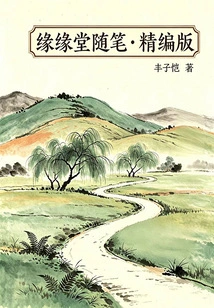
缘缘堂随笔·精编版(有质量文库)
Feng Zikai
Feng Zikai may be the most understanding of life among Chinese literati. He wrote about eating melon seeds, and he was able to write about the Chinese people's "doctorate" skills; he wrote about the white goose, saying that it is full of arrogance, needs to be served when eating, and is more vicious than a dog; about children, they use stools as trains and banana fans as bicycles, and they play more seriously than adults. He hides in Yuanyuan Hall to see the world, and uses the simplest words to describe the most profound human world. You think he is talking about romance and family affairs, but in fact, he is talking about life in every sentence. But it was these trivial matters that he wrote into short chapters that have been handed down from generation to generation. It's no wonder that Zhu Ziqing, Ba Jin, and Junichiro Tanizaki couldn't help but praise a few words. Opening this book, you will find that there are so many poems and philosophies hidden in life that have been deliberately ignored.
Feng Zikai may be the most understanding of life among Chinese literati. He wrote about eating melon seeds, and he was able to write about the Chinese people's "doctorate" skills; he wrote about the white goose, saying that it is full of arrogance, needs to be served when eating, and is more vicious than a dog; about children, they use stools as trains and banana fans as bicycles, and they play more seriously than adults. He hides in Yuanyuan Hall to see the world, and uses the simplest words to describe the most profound human world. You think he is talking about romance and family affairs, but in fact, he is talking about life in every sentence. But it was these trivial matters that he wrote into short chapters that have been handed down from generation to generation. It's no wonder that Zhu Ziqing, Ba Jin, and Junichiro Tanizaki couldn't help but praise a few words. Opening this book, you will find that there are so many poems and philosophies hidden in life that have been deliberately ignored.
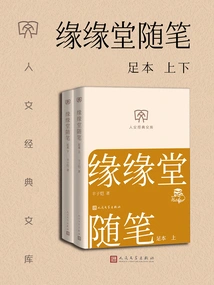
缘缘堂随笔:足本(上下)
Feng Zikai
Yuanyuan Hall is the name specially chosen by Master Hongyi for Feng Zikai's new house. Feng Zikai calls Yuanyuan Hall "the existence of spirit", and the essays named "Yuanyuan Hall" are full of wisdom and aura. In 1931, Feng Zikai's first collection of essays, "Yuan Yuantang Essays", was published in Kaiming Bookstore and was deeply loved by readers. In the following years, the "Yuan Yuantang" series of works were published one after another. During the publishing process, they were split and combined many times to form various versions of the collection. This library version of "Yuanyuantang Essays (Full Edition)" includes "Yuanyuantang Essays", "Yuanyuantang Re-writing", "Yuanyuantang New Writings" and "Yuanyuantang Continuing Writings". They are all the essays in Feng Zikai's Yuanyuantang series, and they all use the chapters of the first edition. , The content may describe childhood memories, family life, interactions between teachers and friends; or express artistic insights, life philosophy or even social observations, all with the timeless and tranquil Feng Zikai style, giving readers an authentic "Yuanyuantang".
Yuanyuan Hall is the name specially chosen by Master Hongyi for Feng Zikai's new house. Feng Zikai calls Yuanyuan Hall "the existence of spirit", and the essays named "Yuanyuan Hall" are full of wisdom and aura. In 1931, Feng Zikai's first collection of essays, "Yuan Yuantang Essays", was published in Kaiming Bookstore and was deeply loved by readers. In the following years, the "Yuan Yuantang" series of works were published one after another. During the publishing process, they were split and combined many times to form various versions of the collection. This library version of "Yuanyuantang Essays (Full Edition)" includes "Yuanyuantang Essays", "Yuanyuantang Re-writing", "Yuanyuantang New Writings" and "Yuanyuantang Continuing Writings". They are all the essays in Feng Zikai's Yuanyuantang series, and they all use the chapters of the first edition. , The content may describe childhood memories, family life, interactions between teachers and friends; or express artistic insights, life philosophy or even social observations, all with the timeless and tranquil Feng Zikai style, giving readers an authentic "Yuanyuantang".
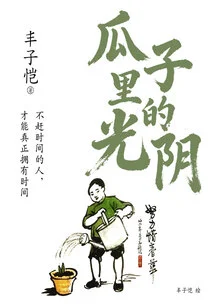
Time in Melon Seeds
Literature瓜子里的光阴
Feng Zikai
Eating melon seeds and traveling, these small things that were ignored in the fast-paced era, regained warmth and weight in Feng Zikai's writings. He is not eager to reason, nor does he deliberately express his feelings about life. Instead, he writes about the flow of time, the tranquility of people's hearts, and his sympathy and tolerance for worldly affairs in the fragments of life. Time is not a rushing torrent, but the slow taste hidden in a melon seed, a leisurely meal, and a period of silence. When the world urges you to move forward, Feng Zikai reminds you gently: life does not have to be too fast.
Eating melon seeds and traveling, these small things that were ignored in the fast-paced era, regained warmth and weight in Feng Zikai's writings. He is not eager to reason, nor does he deliberately express his feelings about life. Instead, he writes about the flow of time, the tranquility of people's hearts, and his sympathy and tolerance for worldly affairs in the fragments of life. Time is not a rushing torrent, but the slow taste hidden in a melon seed, a leisurely meal, and a period of silence. When the world urges you to move forward, Feng Zikai reminds you gently: life does not have to be too fast.
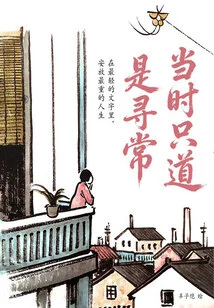
At That Time, it Was Just Commonplace
Literature当时只道是寻常
Feng Zikai
There are no grand issues, and there are few intense emotions, but more of a gaze on daily life: the warmth of family affection, the brightness of childlike innocence, the propriety of human relationships, and the compassion and love that quietly appear in the passage of time. Feng Zikai writes about ordinary people and things in extremely plain language - a meal, a farewell, and a look back at childhood. However, he tells the truth of life quietly: many things worth cherishing often only understand their weight after they are lost. Because of this, his writing does not teach people, but it comforts people; it is not ostentatious, but it lasts forever.
There are no grand issues, and there are few intense emotions, but more of a gaze on daily life: the warmth of family affection, the brightness of childlike innocence, the propriety of human relationships, and the compassion and love that quietly appear in the passage of time. Feng Zikai writes about ordinary people and things in extremely plain language - a meal, a farewell, and a look back at childhood. However, he tells the truth of life quietly: many things worth cherishing often only understand their weight after they are lost. Because of this, his writing does not teach people, but it comforts people; it is not ostentatious, but it lasts forever.
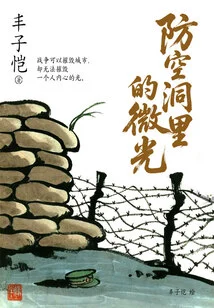
Glimmer in the Air Raid Shelter
Literature防空洞里的微光
Feng Zikai
In an era of frequent wars, falling cities, and round-the-clock warnings, Feng Zikai was forced to move around, hiding in air-raid shelters, villages, and temporary shelters. The outside world is filled with artillery fire, escape and broken lives, but his words always retain an almost stubborn tenderness. In these chapters, the air-raid shelter is not only a space to avoid bombing, but also a place to observe human nature and rest the soul. Children's eyes, ordinary people's daily lives, trivial kindnesses, and fleeting quiet moments were all recorded by him one by one. Feng Zikai uses extremely light brushstrokes to write about extremely heavy realities: the cruelty of war, the fragility of life, and the kindness and dignity that people still maintain in desperate situations.
In an era of frequent wars, falling cities, and round-the-clock warnings, Feng Zikai was forced to move around, hiding in air-raid shelters, villages, and temporary shelters. The outside world is filled with artillery fire, escape and broken lives, but his words always retain an almost stubborn tenderness. In these chapters, the air-raid shelter is not only a space to avoid bombing, but also a place to observe human nature and rest the soul. Children's eyes, ordinary people's daily lives, trivial kindnesses, and fleeting quiet moments were all recorded by him one by one. Feng Zikai uses extremely light brushstrokes to write about extremely heavy realities: the cruelty of war, the fragility of life, and the kindness and dignity that people still maintain in desperate situations.
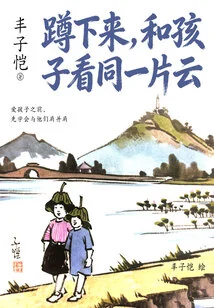
蹲下来,和孩子看同一片云
Feng Zikai
The innocence of children, the gentleness of daily life, and the insight into world affairs and people's hearts combine to create the unique "joy of the world" in his writings. From family affection and friendship to the relationship between teachers and students, from the scenery of the journey to the compassion of the world, Feng Zikai recorded the past scenery with soft words, and also guarded the goodness and beauty of human nature with his affectionate eyes. These proses are like a breeze blowing on the face, with both poetic clarity and the fireworks of life, allowing readers to rediscover their patience and gentleness towards the world in the complex reality. Reading this book is like sitting across from someone who understands life and compassion, and learns to still retain innocence in this world.
The innocence of children, the gentleness of daily life, and the insight into world affairs and people's hearts combine to create the unique "joy of the world" in his writings. From family affection and friendship to the relationship between teachers and students, from the scenery of the journey to the compassion of the world, Feng Zikai recorded the past scenery with soft words, and also guarded the goodness and beauty of human nature with his affectionate eyes. These proses are like a breeze blowing on the face, with both poetic clarity and the fireworks of life, allowing readers to rediscover their patience and gentleness towards the world in the complex reality. Reading this book is like sitting across from someone who understands life and compassion, and learns to still retain innocence in this world.
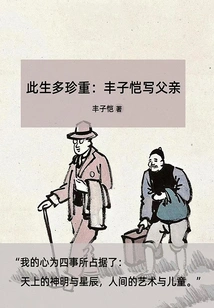
此生多珍重:丰子恺写父亲
Feng Zikai
Feng Zikai wrote about his father with warmth and transparency rare in the history of literature. The father in his novel, the last civil servant in the Qing Dynasty, clung to the dignity and loneliness of a scholar despite the drastic changes of the times; and as a father, he regarded the innocence of his children as precious as gods and stars. These six articles include the family memories of the end of the imperial examination in "The Successful Person" and the sincere praise of childlike innocence in "Children" and "To My Children". Feng Zikai used his unique simplicity and humor to write about the two sides of a father: one is the ups and downs in the torrent of history, and the other is the deep affection in daily fireworks.
Feng Zikai wrote about his father with warmth and transparency rare in the history of literature. The father in his novel, the last civil servant in the Qing Dynasty, clung to the dignity and loneliness of a scholar despite the drastic changes of the times; and as a father, he regarded the innocence of his children as precious as gods and stars. These six articles include the family memories of the end of the imperial examination in "The Successful Person" and the sincere praise of childlike innocence in "Children" and "To My Children". Feng Zikai used his unique simplicity and humor to write about the two sides of a father: one is the ups and downs in the torrent of history, and the other is the deep affection in daily fireworks.
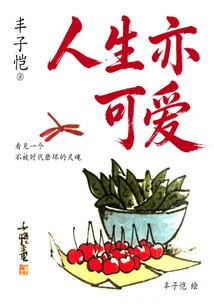
Life is Also Lovely
Literature人生亦可爱
Feng Zikai
Feng Zikai used letters as a boat, carrying tenderness, respect and quiet affection, sailing towards his teachers, close friends and relatives. In the letters written to teachers, there is humility and gratitude, and every word is the foundation of life; in the letters written to friends, there are clear conversations and understanding, and the storms of life are turned into a cup of light tea; in the letters written to relatives, there is no great talk, only daily fireworks, but the most sincere. In the years of war, wandering, and poverty, Feng Zikai still believed: The world may be difficult, but people's hearts can be gentle; even if life has its shortcomings, it is still lovely. These letters do not seek to be thrilling, but only teach people how to live gently and how to keep an undistorted heart in the chaos.
Feng Zikai used letters as a boat, carrying tenderness, respect and quiet affection, sailing towards his teachers, close friends and relatives. In the letters written to teachers, there is humility and gratitude, and every word is the foundation of life; in the letters written to friends, there are clear conversations and understanding, and the storms of life are turned into a cup of light tea; in the letters written to relatives, there is no great talk, only daily fireworks, but the most sincere. In the years of war, wandering, and poverty, Feng Zikai still believed: The world may be difficult, but people's hearts can be gentle; even if life has its shortcomings, it is still lovely. These letters do not seek to be thrilling, but only teach people how to live gently and how to keep an undistorted heart in the chaos.
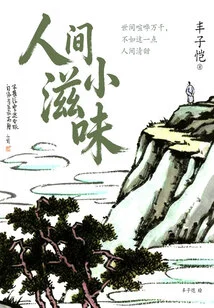
A Little Taste of the World
Literature人间小滋味
Feng Zikai
The heat of a bowl of pearl rice, a family sitting leisurely, a slow walk, and a period of silence that needs no words. There are so many things in the world, but he chooses the lightest, smallest and most inconspicuous moments to polish the roughness of life into soft light. In his writing, the taste is not a feast, but ordinary; happiness does not need to be grand, but only quiet. The innocence of children, the warmth of family, the passage of time, and the consideration of life are all written in a light and interesting way, with depth hidden in silence. This is a book that teaches people to slow down and reminds us that the real sweetness of life is often hidden in the days that are ignored.
The heat of a bowl of pearl rice, a family sitting leisurely, a slow walk, and a period of silence that needs no words. There are so many things in the world, but he chooses the lightest, smallest and most inconspicuous moments to polish the roughness of life into soft light. In his writing, the taste is not a feast, but ordinary; happiness does not need to be grand, but only quiet. The innocence of children, the warmth of family, the passage of time, and the consideration of life are all written in a light and interesting way, with depth hidden in silence. This is a book that teaches people to slow down and reminds us that the real sweetness of life is often hidden in the days that are ignored.
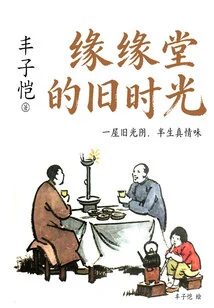
The Old Days of Yuanyuantang
Literature缘缘堂的旧时光
Feng Zikai
"The Old Times of Yuanyuantang" is a volume of prose written for the years. Feng Zikai was in the Yuan Yuan Hall, looking down at the world and listening to the time with a high heart. He slowly wrote the daily daily necessities, innocent laughter, the figures of relatives and friends, and the passing of the four seasons into the text. There is no noisy history here, only a quiet life; there are no grand propositions, only the deep affection in every meal and every vegetable. The old times do not appear stale in his writing, but are as gentle as before, like a lamp, illuminating the softest corners of people's hearts. Reading this book is like pushing the door open at dusk, sitting across from the past, and listening to the whispers of life.
"The Old Times of Yuanyuantang" is a volume of prose written for the years. Feng Zikai was in the Yuan Yuan Hall, looking down at the world and listening to the time with a high heart. He slowly wrote the daily daily necessities, innocent laughter, the figures of relatives and friends, and the passing of the four seasons into the text. There is no noisy history here, only a quiet life; there are no grand propositions, only the deep affection in every meal and every vegetable. The old times do not appear stale in his writing, but are as gentle as before, like a lamp, illuminating the softest corners of people's hearts. Reading this book is like pushing the door open at dusk, sitting across from the past, and listening to the whispers of life.
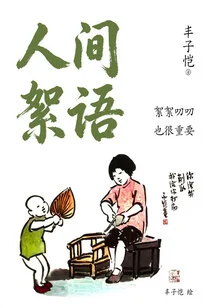
Human Whispers
Literature人间絮语
Feng Zikai
Feng Zikai used a very light pen to write about a very heavy life: the joy and sorrow in the four seasons, the tears and joy of relatives and friends. In the trivial human sounds, he slowly expressed his consideration for life and compassion for the world. These words are like whispering in the ears, talking about the world where childlike innocence is still intact, and the reason why one is still willing to believe in tenderness in the chaotic reality. Whether it is looking back at family affection, pity for all living beings, or contemplating the ups and downs of the times, Feng Zikai always protects the most authentic corner of life for readers with a quiet heart. Reading "Whispers of the World", it is like hearing again the sounds that the world should have outside the hustle and bustle: not grand, but long-lasting; not sharp, but moving.
Feng Zikai used a very light pen to write about a very heavy life: the joy and sorrow in the four seasons, the tears and joy of relatives and friends. In the trivial human sounds, he slowly expressed his consideration for life and compassion for the world. These words are like whispering in the ears, talking about the world where childlike innocence is still intact, and the reason why one is still willing to believe in tenderness in the chaotic reality. Whether it is looking back at family affection, pity for all living beings, or contemplating the ups and downs of the times, Feng Zikai always protects the most authentic corner of life for readers with a quiet heart. Reading "Whispers of the World", it is like hearing again the sounds that the world should have outside the hustle and bustle: not grand, but long-lasting; not sharp, but moving.
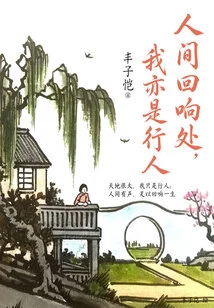
人间回响处,我亦是行人
Feng Zikai
Use your steps to measure the world, and use compassion to place yourself at ease. Travel is not about reaching a distant place, but slowly getting closer to the heart. Wherever your steps go, there are silhouettes of life: the noise and silence of the world, the passage and pause of time, all echo gently inadvertently. As a result, mountains and rivers are no longer just mountains and rivers, walking has become a kind of spiritual practice. Feng Zikai walked the world with a childish heart and recorded the world with a warm pen. He does not judge the world, but only watches quietly; he does not occupy the scenery, but only places the moment into eternity. Reading these words is like walking side by side with a humble pedestrian. In the passing time, learn to slow down and be gentle.
Use your steps to measure the world, and use compassion to place yourself at ease. Travel is not about reaching a distant place, but slowly getting closer to the heart. Wherever your steps go, there are silhouettes of life: the noise and silence of the world, the passage and pause of time, all echo gently inadvertently. As a result, mountains and rivers are no longer just mountains and rivers, walking has become a kind of spiritual practice. Feng Zikai walked the world with a childish heart and recorded the world with a warm pen. He does not judge the world, but only watches quietly; he does not occupy the scenery, but only places the moment into eternity. Reading these words is like walking side by side with a humble pedestrian. In the passing time, learn to slow down and be gentle.
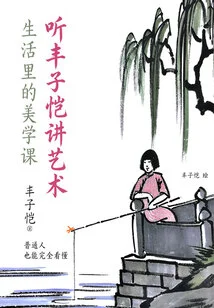
听丰子恺讲艺术:生活里的美学课
Feng Zikai
Feng Zikai uses popular language to talk about art issues such as painting, music, literature, and aesthetic education, and turns difficult art theories into what he sees and feels in daily life. In his writings, art is not a knowledge hanging in a palace, but a way of cultivation that is closely related to life; it is not a pile of techniques, but the settlement of the soul. Feng Zikai starts from the eyes of children, the lives of ordinary people, and the aesthetics of the East, and talks about the nature of art, how "beauty" nourishes people's hearts, and how art can keep people awake and compassionate in the turbulent reality.
Feng Zikai uses popular language to talk about art issues such as painting, music, literature, and aesthetic education, and turns difficult art theories into what he sees and feels in daily life. In his writings, art is not a knowledge hanging in a palace, but a way of cultivation that is closely related to life; it is not a pile of techniques, but the settlement of the soul. Feng Zikai starts from the eyes of children, the lives of ordinary people, and the aesthetics of the East, and talks about the nature of art, how "beauty" nourishes people's hearts, and how art can keep people awake and compassionate in the turbulent reality.
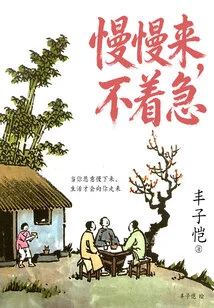
Take Your Time, Don't Rush
Literature慢慢来,不着急
Feng Zikai
There are no grand issues, and there is no rush to reason. Instead, we slowly expand our understanding of life from daily trivial matters, family warmth, childlike world, and the ups and downs of life. The really important things in life are often hidden in the details that we ignore: a meal, a painting, a chat, a state of mind that is neither fighting nor grabbing. In the complicated and fast reality, only by slowing down can you see; by not being in a hurry, you will not easily go astray. Let the days pass by inch by inch and your heart calm down minute by minute.
There are no grand issues, and there is no rush to reason. Instead, we slowly expand our understanding of life from daily trivial matters, family warmth, childlike world, and the ups and downs of life. The really important things in life are often hidden in the details that we ignore: a meal, a painting, a chat, a state of mind that is neither fighting nor grabbing. In the complicated and fast reality, only by slowing down can you see; by not being in a hurry, you will not easily go astray. Let the days pass by inch by inch and your heart calm down minute by minute.
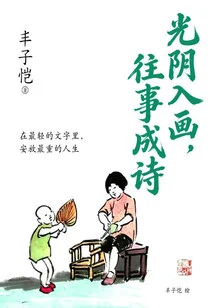
光阴入画,往事成诗
Feng Zikai
Time is not an abstract passage, but a stroke on a piece of paper; the past is not a heavy memory, but a fragment of life gently held up by poetry. Feng Zikai integrated poetry, painting and life into one, giving ordinary life a gentle luster, and allowing suffering and turmoil to be placed in poetry. This book is not only a collection of poems, but also a spiritual essay. It is also an attitude towards life that maintains goodwill and childlike innocence towards the world. When you open it, you feel as if you are hearing a kind-hearted elder whispering in a turbulent era: how to live calmly, compassionately and clearly in a limited time.
Time is not an abstract passage, but a stroke on a piece of paper; the past is not a heavy memory, but a fragment of life gently held up by poetry. Feng Zikai integrated poetry, painting and life into one, giving ordinary life a gentle luster, and allowing suffering and turmoil to be placed in poetry. This book is not only a collection of poems, but also a spiritual essay. It is also an attitude towards life that maintains goodwill and childlike innocence towards the world. When you open it, you feel as if you are hearing a kind-hearted elder whispering in a turbulent era: how to live calmly, compassionately and clearly in a limited time.
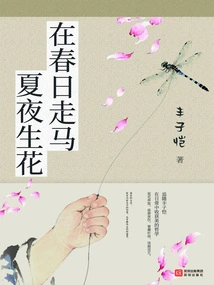
在春日走马,夏夜生花
Feng Zikai
Feng Zikai's prose is a model of Chinese life aesthetics. This book contains complete collections of famous works such as "Drinking at the Lakeside", "The Sentient World" and "Sweet Aftertaste". It is divided into four chapters to present Feng Zikai's thoughts and perceptions on daily life, society and culture. From the daily observations of "dogs, horses, flowers and grass" to the travel notes of "The Troubled World"; from the youthful memories of "Trouble in the World" to the perseverance of art in "hard times" - each article is his most sincere confession of life. "When you cry, cry with all your strength, and when you laugh, laugh with all your strength." I hope everyone who lives seriously can find the moment of knowing smile in Feng Zikai's writings.
Feng Zikai's prose is a model of Chinese life aesthetics. This book contains complete collections of famous works such as "Drinking at the Lakeside", "The Sentient World" and "Sweet Aftertaste". It is divided into four chapters to present Feng Zikai's thoughts and perceptions on daily life, society and culture. From the daily observations of "dogs, horses, flowers and grass" to the travel notes of "The Troubled World"; from the youthful memories of "Trouble in the World" to the perseverance of art in "hard times" - each article is his most sincere confession of life. "When you cry, cry with all your strength, and when you laugh, laugh with all your strength." I hope everyone who lives seriously can find the moment of knowing smile in Feng Zikai's writings.
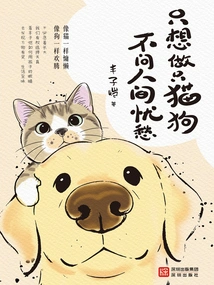
只想做只猫狗,不问人间忧愁
Feng Zikai
Feng Zikai's prose is the poetry of childlike innocence and the painting of life. A cat, a flower, a dream... In Feng Zikai's writings, everything can be written down, and everything can be seen in the heart. This book collects his most representative prose works, including "To My Children", "Children", "White Elephant" and other famous articles. It not only contains tender records of the growth of children, but also has detailed observations of all things in nature, as well as a profound understanding of the philosophy of life. Feng Zikai used his words to build a spiritual "Yuanyuan Hall" for us, where worries can be temporarily put aside and innocence can last forever.
Feng Zikai's prose is the poetry of childlike innocence and the painting of life. A cat, a flower, a dream... In Feng Zikai's writings, everything can be written down, and everything can be seen in the heart. This book collects his most representative prose works, including "To My Children", "Children", "White Elephant" and other famous articles. It not only contains tender records of the growth of children, but also has detailed observations of all things in nature, as well as a profound understanding of the philosophy of life. Feng Zikai used his words to build a spiritual "Yuanyuan Hall" for us, where worries can be temporarily put aside and innocence can last forever.
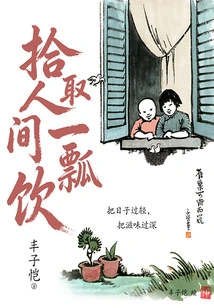
拾取人间一瓢饮
Feng Zikai
In Feng Zikai's writings, eating is not just about satisfying one's hunger, but also about facing time and meeting the world. A bowl of noodles, a pot of wine, a melon seed, and a pot of light tea are all written by him with warmth, the sound of wind, and the sweetness of time. The food is not luxurious, but the words are gentle; the taste is not strong, but the emotions are long-lasting. He wrote about life from the dining table, and saw the ups and downs of human relationships and the ups and downs of the world from between the chopsticks. Amidst the turmoil and rush, Feng Zikai always believed that if he could have a quiet meal, life had not failed him. What this ladle contains is not delicacies from mountains and seas, but the cherishment of life and consideration for the world.
In Feng Zikai's writings, eating is not just about satisfying one's hunger, but also about facing time and meeting the world. A bowl of noodles, a pot of wine, a melon seed, and a pot of light tea are all written by him with warmth, the sound of wind, and the sweetness of time. The food is not luxurious, but the words are gentle; the taste is not strong, but the emotions are long-lasting. He wrote about life from the dining table, and saw the ups and downs of human relationships and the ups and downs of the world from between the chopsticks. Amidst the turmoil and rush, Feng Zikai always believed that if he could have a quiet meal, life had not failed him. What this ladle contains is not delicacies from mountains and seas, but the cherishment of life and consideration for the world.
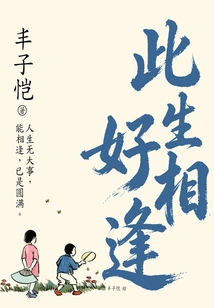
Good to Meet in This Life
Literature此生好相逢
Feng Zikai
"A Good Meeting in This Life" selects the most warm prose and poetic words from Feng Zikai's life, and uses his unique "human plain language" to write about the love between his children, the worldly scenery, daily joy and the taste of life. In turbulent times, he always looked at the world with compassion, wrote ordinary days into the warmest poems, and painted trivial lives into the softest paintings. What is truly worth cherishing is never the earth-shattering moments, but the casual tenderness and brightness in everyday life. Reading this book is a dialogue with Feng Zikai, and a reunion with my own heart - it turns out that the deepest emotions in life are often hidden in ordinary places.
"A Good Meeting in This Life" selects the most warm prose and poetic words from Feng Zikai's life, and uses his unique "human plain language" to write about the love between his children, the worldly scenery, daily joy and the taste of life. In turbulent times, he always looked at the world with compassion, wrote ordinary days into the warmest poems, and painted trivial lives into the softest paintings. What is truly worth cherishing is never the earth-shattering moments, but the casual tenderness and brightness in everyday life. Reading this book is a dialogue with Feng Zikai, and a reunion with my own heart - it turns out that the deepest emotions in life are often hidden in ordinary places.
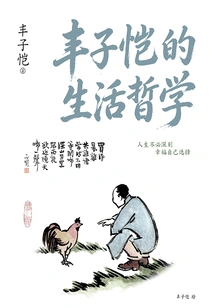
Feng Zikai's Philosophy of Life
Literature丰子恺的生活哲学
Feng Zikai
"Feng Zikai's Philosophy of Life" is a collection of essays that extract wisdom from daily life. Feng Zikai observes family, children, friends, art, time and life with a gentle and sober gaze, and outlines a way to settle his inner life between daily necessities and changes in world affairs. In his writing, philosophy is not an abstract concept, but how to deal with a child's cry, how to retain innocence in troubled times, and how to maintain compassion and humor in a troubled world. Whether he is talking about the joys and sorrows of life or artistic cultivation, Feng Zikai always insists on "putting people's hearts first" and uses the simplest language to express his deepest understanding.
"Feng Zikai's Philosophy of Life" is a collection of essays that extract wisdom from daily life. Feng Zikai observes family, children, friends, art, time and life with a gentle and sober gaze, and outlines a way to settle his inner life between daily necessities and changes in world affairs. In his writing, philosophy is not an abstract concept, but how to deal with a child's cry, how to retain innocence in troubled times, and how to maintain compassion and humor in a troubled world. Whether he is talking about the joys and sorrows of life or artistic cultivation, Feng Zikai always insists on "putting people's hearts first" and uses the simplest language to express his deepest understanding.
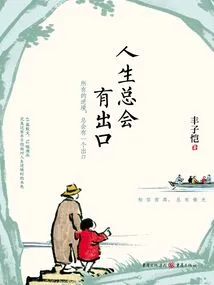
There is Always an Exit in Life
Literature人生总会有出口
Feng Zikai
When we are exposed in this fickle world, we don't know which one of the accident or tomorrow will come first, when will the epidemic end, and when will the cloudy day turn sunny? We often encounter innocent misunderstandings and misunderstandings, and often have to face the cold eyes and prejudices of others. We will be frustrated, lost, sinking, and at a loss... Life is like this, he always forces you, staggering to get hurt, stumbling to be strong. But don't give up. Feng Zikai's experience tells you that there will always be an exit for all adversities in life. Descendants of the Feng family personally selected 45 Feng Zikai's classic essays and 52 full-color, true-color comics to perfectly restore Feng Zikai's true colors when facing adversity in life. Believe that there is always a glimmer of light on the road ahead. Feng Zikai's prose style is calm and straightforward, meaningful, humorous, quiet and elegant. It gives people true strength in the face of adversity in life and is deeply loved by people.
When we are exposed in this fickle world, we don't know which one of the accident or tomorrow will come first, when will the epidemic end, and when will the cloudy day turn sunny? We often encounter innocent misunderstandings and misunderstandings, and often have to face the cold eyes and prejudices of others. We will be frustrated, lost, sinking, and at a loss... Life is like this, he always forces you, staggering to get hurt, stumbling to be strong. But don't give up. Feng Zikai's experience tells you that there will always be an exit for all adversities in life. Descendants of the Feng family personally selected 45 Feng Zikai's classic essays and 52 full-color, true-color comics to perfectly restore Feng Zikai's true colors when facing adversity in life. Believe that there is always a glimmer of light on the road ahead. Feng Zikai's prose style is calm and straightforward, meaningful, humorous, quiet and elegant. It gives people true strength in the face of adversity in life and is deeply loved by people.
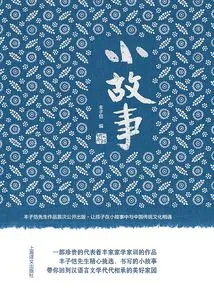
Short Story
Literature小故事
Feng Zikai
Everyone knows Mr. Feng Zikai's love for his children. Mr. Feng has many children in his family: his own children A Bao, Zhan Zhan, Ruan Ruan, Xin Mei, Yi Yin, etc., And his grandchildren Xue Jun, Zi Yun, Chao Ying, etc. Reading to them and playing games with them is a great joy for Mr. Feng. At that time, Mr. Feng selected some short stories suitable for children to read from ancient Chinese classics such as "Historical Records", "Hanshu", "New Chronicles of Yuchu", "Continued Records of Yuchu", "Shuoyuan", etc., And retell them in vernacular according to his own understanding. Then, he used a pen to write word by word He wrote it sentence by sentence on the Yuanyuantang letterhead he usually used, and simply bound it into a volume, called "Little Story", and either let the older children read it by themselves, or he read it to the younger children. Under his loving education, the children of the Feng family grew up happily and achieved high achievements in all walks of life. Mr. Feng Zikai selected some chapters about learning attitude, life, and principles of governing a country and bringing peace to the world. They are easy to understand but have profound meanings, such as "Gong Ming Xuan Studying", "Three Principles of Integrity", "Yan Zi Envoy Jing", "Mr. Lu Qiu Does Not Worship" and more than 50 chapters. Mr. Feng's pen calligraphy is also warm and moist, with a unique flavor, making this work both educational and appreciative. This book is based on Mr. Feng Zikai's handwritten stories that have never been published before. After selecting, sorting and editing them, together with short comics with ancient text sources and corresponding artistic conceptions, this book is packaged and published in a novel form. Due to the age, the text is often different from modern times. During the editing process, typos were corrected, the fonts were marked in blue, and missing text was filled in square brackets.
Everyone knows Mr. Feng Zikai's love for his children. Mr. Feng has many children in his family: his own children A Bao, Zhan Zhan, Ruan Ruan, Xin Mei, Yi Yin, etc., And his grandchildren Xue Jun, Zi Yun, Chao Ying, etc. Reading to them and playing games with them is a great joy for Mr. Feng. At that time, Mr. Feng selected some short stories suitable for children to read from ancient Chinese classics such as "Historical Records", "Hanshu", "New Chronicles of Yuchu", "Continued Records of Yuchu", "Shuoyuan", etc., And retell them in vernacular according to his own understanding. Then, he used a pen to write word by word He wrote it sentence by sentence on the Yuanyuantang letterhead he usually used, and simply bound it into a volume, called "Little Story", and either let the older children read it by themselves, or he read it to the younger children. Under his loving education, the children of the Feng family grew up happily and achieved high achievements in all walks of life. Mr. Feng Zikai selected some chapters about learning attitude, life, and principles of governing a country and bringing peace to the world. They are easy to understand but have profound meanings, such as "Gong Ming Xuan Studying", "Three Principles of Integrity", "Yan Zi Envoy Jing", "Mr. Lu Qiu Does Not Worship" and more than 50 chapters. Mr. Feng's pen calligraphy is also warm and moist, with a unique flavor, making this work both educational and appreciative. This book is based on Mr. Feng Zikai's handwritten stories that have never been published before. After selecting, sorting and editing them, together with short comics with ancient text sources and corresponding artistic conceptions, this book is packaged and published in a novel form. Due to the age, the text is often different from modern times. During the editing process, typos were corrected, the fonts were marked in blue, and missing text was filled in square brackets.
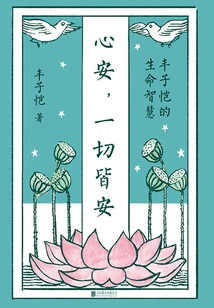
心安,一切皆安:丰子恺的生命智慧
Feng Zikai
Feng Zikai's new collection of essays with the theme of "peace of mind" selects 45 excellent essays that are full of life wisdom and life experience. The whole book is based on the four major themes of childlike innocence, joyful heart, open-minded heart, and pure joyful heart. Every chapter is full of Zen and every sentence is full of philosophical thoughts. His prose works have been featured in CCTV's "Reading" and "The Reader" columns for many times, helping thousands of readers get rid of their spiritual anxiety. Don't regret the past, don't worry about the future. Life is in the present, and everything is at peace. Junichiro Tanizaki: If you want to find figures like Tao Yuanming and Wang Wei in modern times, then it would be him. Life is a journey of joy and sorrow. I hope you can find joy in loneliness, seek peace of mind in the hustle and bustle, and live a good life without being favoured! Everything begins in the heart and ends in the heart! The heart of a Zen practitioner should always be the original intention.
Feng Zikai's new collection of essays with the theme of "peace of mind" selects 45 excellent essays that are full of life wisdom and life experience. The whole book is based on the four major themes of childlike innocence, joyful heart, open-minded heart, and pure joyful heart. Every chapter is full of Zen and every sentence is full of philosophical thoughts. His prose works have been featured in CCTV's "Reading" and "The Reader" columns for many times, helping thousands of readers get rid of their spiritual anxiety. Don't regret the past, don't worry about the future. Life is in the present, and everything is at peace. Junichiro Tanizaki: If you want to find figures like Tao Yuanming and Wang Wei in modern times, then it would be him. Life is a journey of joy and sorrow. I hope you can find joy in loneliness, seek peace of mind in the hustle and bustle, and live a good life without being favoured! Everything begins in the heart and ends in the heart! The heart of a Zen practitioner should always be the original intention.
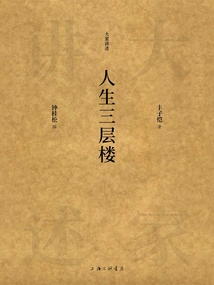
人生三层楼(大家讲述)
Feng Zikai
"The Three Floors of Life" is divided into two parts. The first part of the three-story life, that is, Feng Zikai believed that life consists of three stages: material life, spiritual life and soul life. How he broke through the shackles of material life, entered the realm of spiritual life, and further pursued the soul life. From this, we can understand Mr. Feng Zikai's personal character and noble sentiments in addition to his literary and artistic achievements. The second part talks about world famous people and famous music, that is, Feng Zikai's introduction to the life experiences of world famous people and his understanding of world famous music, as well as the exploration of their creative intentions and methods.
"The Three Floors of Life" is divided into two parts. The first part of the three-story life, that is, Feng Zikai believed that life consists of three stages: material life, spiritual life and soul life. How he broke through the shackles of material life, entered the realm of spiritual life, and further pursued the soul life. From this, we can understand Mr. Feng Zikai's personal character and noble sentiments in addition to his literary and artistic achievements. The second part talks about world famous people and famous music, that is, Feng Zikai's introduction to the life experiences of world famous people and his understanding of world famous music, as well as the exploration of their creative intentions and methods.
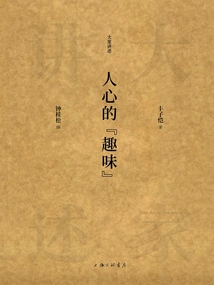
人心的“趣味”(大家讲述)
Feng Zikai
"The "Interest" of the Human Heart" is divided into two parts, with the theme that life is full of emotions, dreams, and art. The first part talks about how painting looks at the world with a smile, that is, the impact that Feng Zikai devoted himself to painting on his life. Even after experiencing war, persecution, serious diseases and other unpredictable variables, he still remained calm and contented. The second part tells about the past and present of Western painting, that is, Feng Zikai's views, tastes and research on Western art, as well as his views on the differences between Western painting and Chinese painting. Whether Chinese or Western, it is a portrayal of life.
"The "Interest" of the Human Heart" is divided into two parts, with the theme that life is full of emotions, dreams, and art. The first part talks about how painting looks at the world with a smile, that is, the impact that Feng Zikai devoted himself to painting on his life. Even after experiencing war, persecution, serious diseases and other unpredictable variables, he still remained calm and contented. The second part tells about the past and present of Western painting, that is, Feng Zikai's views, tastes and research on Western art, as well as his views on the differences between Western painting and Chinese painting. Whether Chinese or Western, it is a portrayal of life.
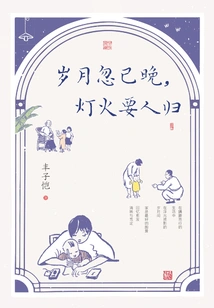
岁月忽已晚,灯火要人归
Feng Zikai
This book selects 40 essays by Feng Zikai related to family, children, growth, and aesthetic education, divided into five chapters: "Being a Father," "Innocent World," "Family Harmony," "Understanding the World," and "Beauty and Sympathy."
This book selects 40 essays by Feng Zikai related to family, children, growth, and aesthetic education, divided into five chapters: "Being a Father," "Innocent World," "Family Harmony," "Understanding the World," and "Beauty and Sympathy."
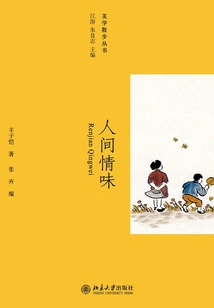
Human Touch
Literature人间情味
Feng Zikai
Brief introduction to "Human Love": Walking is a free and unrestrained action. Its weakness is that it has no plan or system. People who value the unity of logic will despise it and hate it, but the school of Aristotle, the master of logic in the West, is called the "School of Promenade", which shows that promenade and logic are not absolutely incompatible. Zhuangzi, an influential philosopher in ancient China, seemed to be walking in the mountains all day long, watching birds, insects, butterflies, swimming fish, and staring at some strange people in the human world: hunchbacks, lameness, missing limbs, and people with abnormal minds. It is very similar to some of the "dramas" sketched by Leonardo da Vinci, the genius of the Italian Renaissance, while walking on the streets of Milan, and now they have become "the wonders of the art academy." Those strange characters written in Zhuangzi's article were probably the models that later Tang and Song painters had in mind when they painted Arhats.
Brief introduction to "Human Love": Walking is a free and unrestrained action. Its weakness is that it has no plan or system. People who value the unity of logic will despise it and hate it, but the school of Aristotle, the master of logic in the West, is called the "School of Promenade", which shows that promenade and logic are not absolutely incompatible. Zhuangzi, an influential philosopher in ancient China, seemed to be walking in the mountains all day long, watching birds, insects, butterflies, swimming fish, and staring at some strange people in the human world: hunchbacks, lameness, missing limbs, and people with abnormal minds. It is very similar to some of the "dramas" sketched by Leonardo da Vinci, the genius of the Italian Renaissance, while walking on the streets of Milan, and now they have become "the wonders of the art academy." Those strange characters written in Zhuangzi's article were probably the models that later Tang and Song painters had in mind when they painted Arhats.
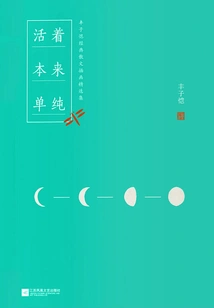
Life is Simple
Literature活着本来单纯
Feng Zikai
Don't betray your simplicity because the world is too complicated. Life is so simple. The so-called simplicity is not childish innocence, but a kind of transcendence of worldly sophistication and understanding of all kinds of contradictions, problems, and subtle psychological calculations in the world. But beyond this level, there is a kind of level-headedness that transcends it, looking at the world optimistically, and then playing with it. This is a very open-minded mind, a transcendent attitude and wisdom.
Don't betray your simplicity because the world is too complicated. Life is so simple. The so-called simplicity is not childish innocence, but a kind of transcendence of worldly sophistication and understanding of all kinds of contradictions, problems, and subtle psychological calculations in the world. But beyond this level, there is a kind of level-headedness that transcends it, looking at the world optimistically, and then playing with it. This is a very open-minded mind, a transcendent attitude and wisdom.
柳燕、白鹅与山樱
Feng Zikai
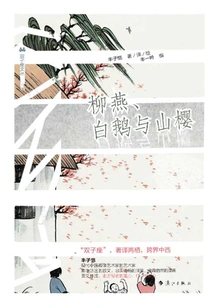
Mr. Feng Zikai is good at painting willows and spring swallows, and is nicknamed "Feng Liuyan". His comic works blend Chinese and Western elements, full of interest, and became the beginning of modern Chinese comics. His prose is pure and elegant, with far-reaching artistic conception. His famous works such as "White Goose" and "Eating Melon Seeds" occupy an important position in the history of modern prose. His translations are faithful and smooth, and he has translated works by Turgenev, Murasaki Shikibu, Natsume Soseki, Tokutomi Asuka, Ishikawa Takuboku and other famous works. At the same time, Mr. Feng also devoted his life to the exploration of the spiritual world, pursuing the expression of the pure beauty that transcends all utilitarian aspects of life, and focusing on integrating the compassionate spirit and lofty realm of Buddhism. His moral character is widely respected by future generations, and his talents, emotions and conduct are models for literati. This book combines some of his cartoons, essays and translations into one book, titled "Willow Swallows, White Geese and Mountain Cherry Blossoms", to take you to explore the life realm of a generation of masters.
Mr. Feng Zikai is good at painting willows and spring swallows, and is nicknamed "Feng Liuyan". His comic works blend Chinese and Western elements, full of interest, and became the beginning of modern Chinese comics. His prose is pure and elegant, with far-reaching artistic conception. His famous works such as "White Goose" and "Eating Melon Seeds" occupy an important position in the history of modern prose. His translations are faithful and smooth, and he has translated works by Turgenev, Murasaki Shikibu, Natsume Soseki, Tokutomi Asuka, Ishikawa Takuboku and other famous works. At the same time, Mr. Feng also devoted his life to the exploration of the spiritual world, pursuing the expression of the pure beauty that transcends all utilitarian aspects of life, and focusing on integrating the compassionate spirit and lofty realm of Buddhism. His moral character is widely respected by future generations, and his talents, emotions and conduct are models for literati. This book combines some of his cartoons, essays and translations into one book, titled "Willow Swallows, White Geese and Mountain Cherry Blossoms", to take you to explore the life realm of a generation of masters.
坐等花开
Feng Zikai
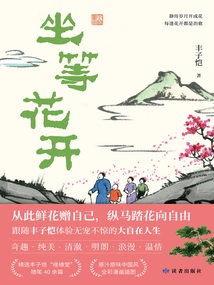
Capture the small beauties of life with a childlike innocence, and experience the great freedom of life with a Zen mind. As the originator and essayist of modern Chinese comics, Feng Zikai was a master of both painting and writing. In addition, he studied under Master Hongyi Li Shutong, so his life was artistic, poetic, and free. This book takes flowers as its theme, from "Don't be idle when the flowers are good" to "There is great beauty in the world", then to "Sentient world, innocent life", "Waiting for time to bloom into flowers", and finally to "This life is close to the peach blossom garden", laying out Feng Zikai's "flowers". The life of "Blooming into a scene, falling into a poem" also reflects the lifestyle that contemporary people yearn for - from now on giving flowers to themselves, riding horses to freedom, and conveying ambitions with a Zen heart - those who have a beautiful heart will surely bear flowers along the way. There are three thousand things in this world, and you should be like Feng Zikai, happy and enjoying your life freely.
Capture the small beauties of life with a childlike innocence, and experience the great freedom of life with a Zen mind. As the originator and essayist of modern Chinese comics, Feng Zikai was a master of both painting and writing. In addition, he studied under Master Hongyi Li Shutong, so his life was artistic, poetic, and free. This book takes flowers as its theme, from "Don't be idle when the flowers are good" to "There is great beauty in the world", then to "Sentient world, innocent life", "Waiting for time to bloom into flowers", and finally to "This life is close to the peach blossom garden", laying out Feng Zikai's "flowers". The life of "Blooming into a scene, falling into a poem" also reflects the lifestyle that contemporary people yearn for - from now on giving flowers to themselves, riding horses to freedom, and conveying ambitions with a Zen heart - those who have a beautiful heart will surely bear flowers along the way. There are three thousand things in this world, and you should be like Feng Zikai, happy and enjoying your life freely.
此生多欢慰(2021新版)
Feng Zikai
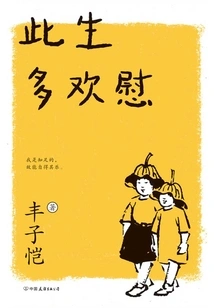
Feng Zikai's prose and comic collection, new commemorative edition. It contains 31 excellent works of quiet and gentle prose and 56 full-color hand-drawn cartoons, covering all creative periods of Feng Zikai. It is divided into three major chapters: "Contemplating Life", "Settling the Soul" and "Happiness in the World". Feng Zikai's writing style is humorous and witty, showing the broad-mindedness and generosity of a generation of masters in troubled times, and conveying a calm and open-minded attitude towards life: Don't be afraid of the future, the future will always come, don't dwell on the past, life will be full of joy. All the troubles in the world arise from craving, but if the mind is free, fear will disappear. For things now, you can just let your mind go as it comes; for things in the future, you have a mind for the future, so there is no need to worry about it. Don't be afraid of the future. The future will always come. Don't dwell on the past. In this way, your life will be more joyful. The real beauty of life lies in: you have a clear heart. Only by keeping your heart full can you calmly resist all the uneasiness and noise in the world and achieve a beautiful life.
Feng Zikai's prose and comic collection, new commemorative edition. It contains 31 excellent works of quiet and gentle prose and 56 full-color hand-drawn cartoons, covering all creative periods of Feng Zikai. It is divided into three major chapters: "Contemplating Life", "Settling the Soul" and "Happiness in the World". Feng Zikai's writing style is humorous and witty, showing the broad-mindedness and generosity of a generation of masters in troubled times, and conveying a calm and open-minded attitude towards life: Don't be afraid of the future, the future will always come, don't dwell on the past, life will be full of joy. All the troubles in the world arise from craving, but if the mind is free, fear will disappear. For things now, you can just let your mind go as it comes; for things in the future, you have a mind for the future, so there is no need to worry about it. Don't be afraid of the future. The future will always come. Don't dwell on the past. In this way, your life will be more joyful. The real beauty of life lies in: you have a clear heart. Only by keeping your heart full can you calmly resist all the uneasiness and noise in the world and achieve a beautiful life.
Yuanyuantang Essays
Literature缘缘堂随笔
Feng Zikai
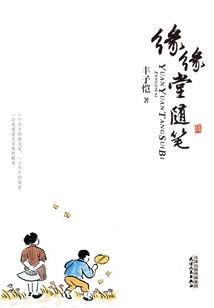
"Yuanyuantang Essays" is Mr. Feng Zikai's main prose selection. Feng Zikai is a famous local cartoonist and essayist in the history of modern Chinese painting and literature. He was born in Shimen Bay, Tongxiang County, Zhejiang Province in 1898, and lived there for seventeen spring and autumn years. The customs and customs of his hometown left an indelible impression on him. The book is full of cartoons with rich local customs, meaningful prose with clear language and profound meaning, and supplemented by the unique natural features of Jiangnan water towns, it will make friends who love water town literature feel heartstrings and feel warm after reading it.
"Yuanyuantang Essays" is Mr. Feng Zikai's main prose selection. Feng Zikai is a famous local cartoonist and essayist in the history of modern Chinese painting and literature. He was born in Shimen Bay, Tongxiang County, Zhejiang Province in 1898, and lived there for seventeen spring and autumn years. The customs and customs of his hometown left an indelible impression on him. The book is full of cartoons with rich local customs, meaningful prose with clear language and profound meaning, and supplemented by the unique natural features of Jiangnan water towns, it will make friends who love water town literature feel heartstrings and feel warm after reading it.
不宠无惊过一生
Feng Zikai
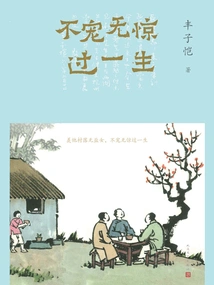
This book is a by-product of editing "The Collection of Feng Zikai". It selects Feng Zikai's essays, cartoons, etc., And tells various philosophies of life from many perspectives such as talking about society, painting, reading, and nature. This book is also one of the series of Chinese famous writers talking about life. It overcomes the traditional thinking of previous writers' prose collections, and the text and pictures are more in line with the current life conditions of people, giving new vitality to classic masterpieces. This book is divided into three parts: love between children, society in carriages, and caring for students and hearts. Through Feng Zikai's comics and words, readers can appreciate the beauty of life, experience a calm and leisurely attitude towards life, live a life without being flattered, and realize the value of life through self-struggle.
This book is a by-product of editing "The Collection of Feng Zikai". It selects Feng Zikai's essays, cartoons, etc., And tells various philosophies of life from many perspectives such as talking about society, painting, reading, and nature. This book is also one of the series of Chinese famous writers talking about life. It overcomes the traditional thinking of previous writers' prose collections, and the text and pictures are more in line with the current life conditions of people, giving new vitality to classic masterpieces. This book is divided into three parts: love between children, society in carriages, and caring for students and hearts. Through Feng Zikai's comics and words, readers can appreciate the beauty of life, experience a calm and leisurely attitude towards life, live a life without being flattered, and realize the value of life through self-struggle.
Happy Grocery Store
Literature人间快乐杂货铺
Feng Zikai
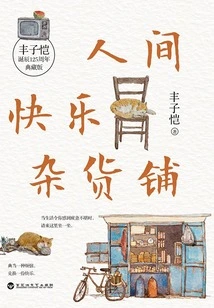
Come take a nap and add some sugar to your life. He is a child in the dark age, and he is also an adult with a childish heart, exposing everything in the bustling world step by step. In Feng Zikai's life, he experienced many ups and downs, including the loss of his father in childhood, war in middle age, and turmoil in his later years. But his heart is always warm, soft, sincere and interesting, and his writings and paintings are like the person he is, naturally showing love and compassion. He uses a child-like clear perspective to talk about the joys of life and warm people's hearts. This book contains 51 classic essays of Feng Zikai's life, divided into 6 chapters to brilliantly show the details of Feng Zikai's happy life and philosophy of life. Life is like a gift, why worry about it? After all, the most important thing in life is to be happy. "When you cry, cry with all your strength. When you laugh, laugh with all your strength. Do all the games with all your strength!"
Come take a nap and add some sugar to your life. He is a child in the dark age, and he is also an adult with a childish heart, exposing everything in the bustling world step by step. In Feng Zikai's life, he experienced many ups and downs, including the loss of his father in childhood, war in middle age, and turmoil in his later years. But his heart is always warm, soft, sincere and interesting, and his writings and paintings are like the person he is, naturally showing love and compassion. He uses a child-like clear perspective to talk about the joys of life and warm people's hearts. This book contains 51 classic essays of Feng Zikai's life, divided into 6 chapters to brilliantly show the details of Feng Zikai's happy life and philosophy of life. Life is like a gift, why worry about it? After all, the most important thing in life is to be happy. "When you cry, cry with all your strength. When you laugh, laugh with all your strength. Do all the games with all your strength!"
Feng Zikai's Prose
Literature丰子恺散文
Feng Zikai
Mr. Feng Zikai is a famous modern writer, cartoonist, translator and art educator. His prose, whether written in the early 20th century or written in the 1920s, 1930s and later years, is all about "the big in the small, and the lingering sound beyond the strings". Feng Zikai's prose subjects are very broad. Some express his thoughts on life from ordinary trivial matters and write insights rich in the philosophy of life, such as "Jianwang" and "Gradual"; some reflect the truth, goodness and beauty of the world, such as "The Big Account Book" and "Ananda"; some describe the innocent and childlike life of children, such as "Children", "Inspiration from Children" and "Hua Zhan's Diary". Feng Zikai is a rich mine in modern literature. As time goes by, the artistic value of his works has become more and more evident.
Mr. Feng Zikai is a famous modern writer, cartoonist, translator and art educator. His prose, whether written in the early 20th century or written in the 1920s, 1930s and later years, is all about "the big in the small, and the lingering sound beyond the strings". Feng Zikai's prose subjects are very broad. Some express his thoughts on life from ordinary trivial matters and write insights rich in the philosophy of life, such as "Jianwang" and "Gradual"; some reflect the truth, goodness and beauty of the world, such as "The Big Account Book" and "Ananda"; some describe the innocent and childlike life of children, such as "Children", "Inspiration from Children" and "Hua Zhan's Diary". Feng Zikai is a rich mine in modern literature. As time goes by, the artistic value of his works has become more and more evident.
兵气销为日月光:丰子恺战时日记
Feng Zikai
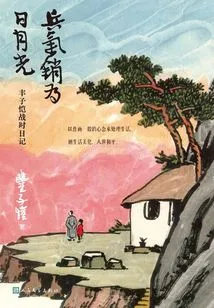
After the outbreak of the Anti-Japanese War, Feng Zikai left his spiritual habitat "Yuanyuan Hall" and began to escape from the war. He wandered successively in Hunan, Sichuan, Guangxi and other places, which he called "artistic escape". This book collects Feng Zikai's diaries from 1938 to 1939 during the Anti-Japanese War. From each diary, readers can reconstruct how Feng Zikai persisted in saving the country through art in exile during the Anti-Japanese War, adhered to a true, good and beautiful attitude towards life, and insisted on using cartoons to depict national disaster and national humiliation in the form of comics under difficult conditions, inspiring the people to resist the war. The accompanying book contains dozens of cartoons created by Feng Zikai, which comprehensively presents to us the life and spirit of the Chinese people during the war.
After the outbreak of the Anti-Japanese War, Feng Zikai left his spiritual habitat "Yuanyuan Hall" and began to escape from the war. He wandered successively in Hunan, Sichuan, Guangxi and other places, which he called "artistic escape". This book collects Feng Zikai's diaries from 1938 to 1939 during the Anti-Japanese War. From each diary, readers can reconstruct how Feng Zikai persisted in saving the country through art in exile during the Anti-Japanese War, adhered to a true, good and beautiful attitude towards life, and insisted on using cartoons to depict national disaster and national humiliation in the form of comics under difficult conditions, inspiring the people to resist the war. The accompanying book contains dozens of cartoons created by Feng Zikai, which comprehensively presents to us the life and spirit of the Chinese people during the war.
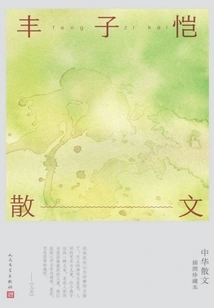
Feng Zikai's Prose
Literature丰子恺散文
Feng Zikai
This book is selected from "Cut the Net", "Gradual", "Art Samadhi", "Life in Landscapes", "Nature", "Children", "Idle Residence", "Inspiration from Children", "Recalling Childhood", "White Elephant", "Buddha Has No Spirit", "Return to My Yuanyuan Hall", "Tell Me of Yuanyuan Hall's Spirit in Heaven", Articles such as "China is Like a Big Tree" show Feng Zikai's thoughts on literature, art, philosophy, life, war, life, etc. The book is equipped with many photos and cartoons of Feng Zikai from various periods as illustrations to enhance readers' reading pleasure. This book combines natural and unpretentious words with humorous pictures to show Feng Zikai's leisurely and calm attitude about life.
This book is selected from "Cut the Net", "Gradual", "Art Samadhi", "Life in Landscapes", "Nature", "Children", "Idle Residence", "Inspiration from Children", "Recalling Childhood", "White Elephant", "Buddha Has No Spirit", "Return to My Yuanyuan Hall", "Tell Me of Yuanyuan Hall's Spirit in Heaven", Articles such as "China is Like a Big Tree" show Feng Zikai's thoughts on literature, art, philosophy, life, war, life, etc. The book is equipped with many photos and cartoons of Feng Zikai from various periods as illustrations to enhance readers' reading pleasure. This book combines natural and unpretentious words with humorous pictures to show Feng Zikai's leisurely and calm attitude about life.
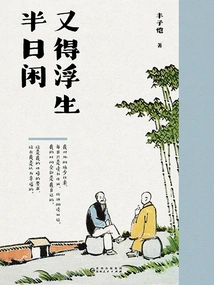
又得浮生半日闲
Feng Zikai
This book selects 64 classic essays by Mr. Feng Zikai and compiles them into a "bedside book" to show the life interests of Feng Zikai, a generation of life master. Mr. Feng's prose is full of human touch. He has his own unique aesthetic thoughts and unique insights into literature and art. At the same time, he integrated his own aesthetic thoughts into his prose creation, making his prose works have both substantial theoretical basis and profound social connotation. In the process of experiencing life, Mr. Feng discovered the beauty of life and realized the beauty of life. He paid attention to the truth, goodness and beauty in the world with his broad love, which contained strong humanistic feelings. Through ordinary and trivial things, he wrote a profound philosophy of life. Life is full of seas and hustle and bustle in the world. I just wish I could have a half-day of leisure and live a life without being pampered or frightened.
This book selects 64 classic essays by Mr. Feng Zikai and compiles them into a "bedside book" to show the life interests of Feng Zikai, a generation of life master. Mr. Feng's prose is full of human touch. He has his own unique aesthetic thoughts and unique insights into literature and art. At the same time, he integrated his own aesthetic thoughts into his prose creation, making his prose works have both substantial theoretical basis and profound social connotation. In the process of experiencing life, Mr. Feng discovered the beauty of life and realized the beauty of life. He paid attention to the truth, goodness and beauty in the world with his broad love, which contained strong humanistic feelings. Through ordinary and trivial things, he wrote a profound philosophy of life. Life is full of seas and hustle and bustle in the world. I just wish I could have a half-day of leisure and live a life without being pampered or frightened.
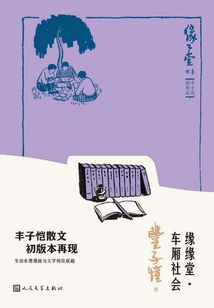
Yuanyuantang · Carriage Society
Literature缘缘堂·车厢社会
Feng Zikai
In 1931, Mr. Feng Zikai's first collection of essays, "Yuanyuantang Essays", was published in Kaiming Bookstore. Since then, the "Yuan Yuantang" series of works have become cultural symbols representing his profound prose accomplishments. "Yuan Yuantang Essays", "Yuan Yuantang Re-writing", "Yuan Yuantang Continuation" and "Yuan Yuantang New Writings" have also become important prose collections in Feng Zikai's life. This set of "Yuanyuantang Book Series" is based on Feng Zikai's early published works, and adds Feng Zikai's comic works to give readers an original, lively and interesting "Yuanyuantang". "Train Car Society" was also one of the single-book collections at that time. About 80,000 words. Feng Zikai said: "A carriage is a society, and a carriage also witnesses the greed and selfishness of people." The themes are all based on what Feng Zikai saw and thought during his journey or in life, including his longing for his hometown, his depiction of the city scene, his cherishment of life, and his admiration and expectation for his children.
In 1931, Mr. Feng Zikai's first collection of essays, "Yuanyuantang Essays", was published in Kaiming Bookstore. Since then, the "Yuan Yuantang" series of works have become cultural symbols representing his profound prose accomplishments. "Yuan Yuantang Essays", "Yuan Yuantang Re-writing", "Yuan Yuantang Continuation" and "Yuan Yuantang New Writings" have also become important prose collections in Feng Zikai's life. This set of "Yuanyuantang Book Series" is based on Feng Zikai's early published works, and adds Feng Zikai's comic works to give readers an original, lively and interesting "Yuanyuantang". "Train Car Society" was also one of the single-book collections at that time. About 80,000 words. Feng Zikai said: "A carriage is a society, and a carriage also witnesses the greed and selfishness of people." The themes are all based on what Feng Zikai saw and thought during his journey or in life, including his longing for his hometown, his depiction of the city scene, his cherishment of life, and his admiration and expectation for his children.
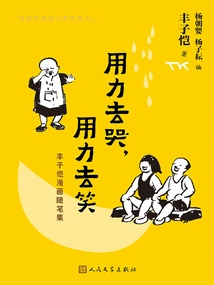
用力去哭,用力去笑:丰子恺漫画随笔集
Feng Zikai
Mr. Feng Zikai has made great achievements in literature and artistic creation, especially his paintings, which contain rich meanings and are also thought-provoking. This book is different from the pure picture display of his paintings. While appreciating Feng Zikai's paintings, readers can see Feng Zikai's literary or artistic interpretation of them and use Feng Zikai's words to explain his own works. According to Feng Zikai's picture classification method, this book is divided into six phases, that is, six parts: ancient poetry, children, students, folk, city, and wartime. While appreciating the paintings, readers can see the author's mental process during creation and feel the author's unique interest in life and art.
Mr. Feng Zikai has made great achievements in literature and artistic creation, especially his paintings, which contain rich meanings and are also thought-provoking. This book is different from the pure picture display of his paintings. While appreciating Feng Zikai's paintings, readers can see Feng Zikai's literary or artistic interpretation of them and use Feng Zikai's words to explain his own works. According to Feng Zikai's picture classification method, this book is divided into six phases, that is, six parts: ancient poetry, children, students, folk, city, and wartime. While appreciating the paintings, readers can see the author's mental process during creation and feel the author's unique interest in life and art.
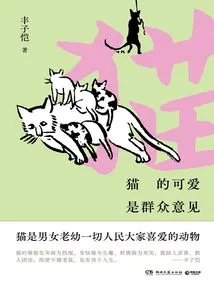
猫的可爱是群众意见
Feng Zikai
Mr. Feng Zikai enjoys drawing cats and writing articles about cats. The cats in his works accompany their owners to read newspapers, drink and write poems, play with their children, and even help their owners entertain guests. Although they occasionally steal food and make people angry, the cute and playful cats always stay with people and spend their happy years together. This book selects several cat-themed essays by Mr. Feng and his daughter, together with more than a hundred cartoons featuring cat elements, from which we can see Mr. Feng's love for cats, his love for life and his pursuit of art.
Mr. Feng Zikai enjoys drawing cats and writing articles about cats. The cats in his works accompany their owners to read newspapers, drink and write poems, play with their children, and even help their owners entertain guests. Although they occasionally steal food and make people angry, the cute and playful cats always stay with people and spend their happy years together. This book selects several cat-themed essays by Mr. Feng and his daughter, together with more than a hundred cartoons featuring cat elements, from which we can see Mr. Feng's love for cats, his love for life and his pursuit of art.
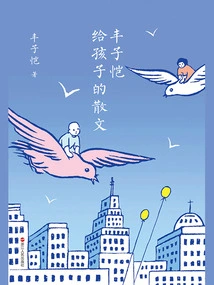
Feng Zikai's Prose for Children
Literature丰子恺给孩子的散文
Feng Zikai
"Feng Zikai's Prose for Children" selects 46 articles by Feng Zikai, a master of Chinese literature. The book is divided into 4 volumes and divided into four chapters with the themes of narrative, writing about people, writing about things, and lyricism to comprehensively improve children's ability to write and observe life. Among them, 7 were selected into the "Chinese" textbook, 13 were selected into the middle school and high school examination questions, and 8 illustrations were personally selected by Mr. Feng Zikai's descendants for children to add interest to reading. Feng Zikai considerately observes daily life from a child's perspective, records every detail of life with delicate brushwork, and conveys frank emotions to children with an innocent heart, returning to the world of children and finding his original self.
"Feng Zikai's Prose for Children" selects 46 articles by Feng Zikai, a master of Chinese literature. The book is divided into 4 volumes and divided into four chapters with the themes of narrative, writing about people, writing about things, and lyricism to comprehensively improve children's ability to write and observe life. Among them, 7 were selected into the "Chinese" textbook, 13 were selected into the middle school and high school examination questions, and 8 illustrations were personally selected by Mr. Feng Zikai's descendants for children to add interest to reading. Feng Zikai considerately observes daily life from a child's perspective, records every detail of life with delicate brushwork, and conveys frank emotions to children with an innocent heart, returning to the world of children and finding his original self.
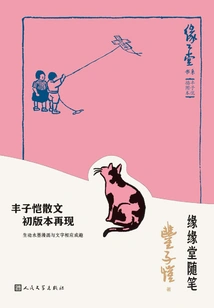
Yuanyuantang Essays
Literature缘缘堂随笔
Feng Zikai
In 1931, Mr. Feng Zikai's first collection of essays, "Yuanyuantang Essays", was published in Kaiming Bookstore. Since then, the "Yuan Yuantang" series of works have become cultural symbols representing his profound prose accomplishments. "Yuan Yuantang Essays", "Yuan Yuantang Re-writing", "Yuan Yuantang Continuation" and "Yuan Yuantang New Writings" have also become important prose collections in Feng Zikai's life. This set of "Yuanyuantang Book Series" is based on Feng Zikai's early published works, and adds Feng Zikai's comic works to give readers an original, lively and interesting "Yuanyuantang". This volume has selected articles such as "Cut the Net", "Gradual", "Reflections on Rieter's Fifth Anniversary", "Nature", "Face", "Children", "Idle Life", "Inspiration from Children", etc., Reflecting Feng Zikai's insights at different times. They are profound, meaningful and long-lasting.
In 1931, Mr. Feng Zikai's first collection of essays, "Yuanyuantang Essays", was published in Kaiming Bookstore. Since then, the "Yuan Yuantang" series of works have become cultural symbols representing his profound prose accomplishments. "Yuan Yuantang Essays", "Yuan Yuantang Re-writing", "Yuan Yuantang Continuation" and "Yuan Yuantang New Writings" have also become important prose collections in Feng Zikai's life. This set of "Yuanyuantang Book Series" is based on Feng Zikai's early published works, and adds Feng Zikai's comic works to give readers an original, lively and interesting "Yuanyuantang". This volume has selected articles such as "Cut the Net", "Gradual", "Reflections on Rieter's Fifth Anniversary", "Nature", "Face", "Children", "Idle Life", "Inspiration from Children", etc., Reflecting Feng Zikai's insights at different times. They are profound, meaningful and long-lasting.
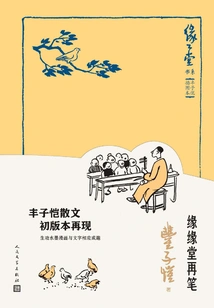
Yuanyuantang Writes Again
Literature缘缘堂再笔
Feng Zikai
In 1931, Mr. Feng Zikai's first collection of essays, "Yuanyuantang Essays", was published in Kaiming Bookstore. Since then, the "Yuan Yuantang" series of works have become cultural symbols representing his profound prose accomplishments. "Yuan Yuantang Essays", "Yuan Yuantang Re-writing", "Yuan Yuantang Continuation" and "Yuan Yuantang New Writings" have also become important prose collections in Feng Zikai's life. This set of "Yuanyuantang Book Series" is based on Feng Zikai's early published works, and adds Feng Zikai's comic works to give readers an original, lively and interesting "Yuanyuantang". This volume includes articles such as "Story", "Midnight Tower", "Vitality", "Sorrow of Practice", "Putong Tree", "Shelter from the Rain in the Mountains", "Gossips about Enjoying Coolness", etc. The contents are not practical or profound, but are mostly descriptions of trivial things and Feng Zikai's thoughts, which reflect the essence of his prose.
In 1931, Mr. Feng Zikai's first collection of essays, "Yuanyuantang Essays", was published in Kaiming Bookstore. Since then, the "Yuan Yuantang" series of works have become cultural symbols representing his profound prose accomplishments. "Yuan Yuantang Essays", "Yuan Yuantang Re-writing", "Yuan Yuantang Continuation" and "Yuan Yuantang New Writings" have also become important prose collections in Feng Zikai's life. This set of "Yuanyuantang Book Series" is based on Feng Zikai's early published works, and adds Feng Zikai's comic works to give readers an original, lively and interesting "Yuanyuantang". This volume includes articles such as "Story", "Midnight Tower", "Vitality", "Sorrow of Practice", "Putong Tree", "Shelter from the Rain in the Mountains", "Gossips about Enjoying Coolness", etc. The contents are not practical or profound, but are mostly descriptions of trivial things and Feng Zikai's thoughts, which reflect the essence of his prose.
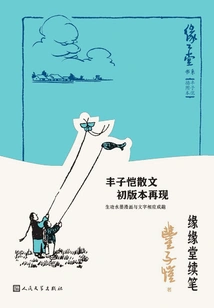
Continuation of Yuanyuantang
Literature缘缘堂续笔
Feng Zikai
In 1931, Mr. Feng Zikai's first collection of essays, "Yuanyuantang Essays", was published in Kaiming Bookstore. Since then, the "Yuan Yuantang" series of works have become cultural symbols representing his profound prose accomplishments. "Yuan Yuantang Essays", "Yuan Yuantang Re-writing", "Yuan Yuantang Continuation" and "Yuan Yuantang New Writings" have also become important prose collections in Feng Zikai's life. This set of "Yuanyuantang Book Series" is based on Feng Zikai's early published works, and adds Feng Zikai's comic works to give readers an original, lively and interesting "Yuanyuantang". This book selects articles such as "Brows", "Man", "Cow Girl", "Temporarily Escape from the World", "Eating Meat", "Fengdu", "Lei Liubo", "Tangqi", "Zhongjuren", etc. To describe the people and things in memory, which is full of fun, but also contains irony and sympathy.
In 1931, Mr. Feng Zikai's first collection of essays, "Yuanyuantang Essays", was published in Kaiming Bookstore. Since then, the "Yuan Yuantang" series of works have become cultural symbols representing his profound prose accomplishments. "Yuan Yuantang Essays", "Yuan Yuantang Re-writing", "Yuan Yuantang Continuation" and "Yuan Yuantang New Writings" have also become important prose collections in Feng Zikai's life. This set of "Yuanyuantang Book Series" is based on Feng Zikai's early published works, and adds Feng Zikai's comic works to give readers an original, lively and interesting "Yuanyuantang". This book selects articles such as "Brows", "Man", "Cow Girl", "Temporarily Escape from the World", "Eating Meat", "Fengdu", "Lei Liubo", "Tangqi", "Zhongjuren", etc. To describe the people and things in memory, which is full of fun, but also contains irony and sympathy.
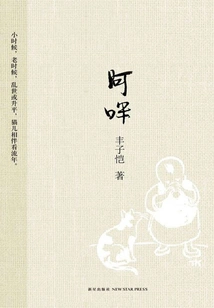
Ami
Literature阿咪
Feng Zikai
"Ami" is Feng Zikai's first picture and text collection of writing and drawing cats. It is divided into two parts: "Writing Cats" and "Drawing Cats". The former part includes three essays he wrote about his own cats, and the latter part selects more than a hundred black-and-white, full-color pictures related to cats created by Feng Zikai. Feng Zikai has a special affection for cats, and he portrays all the cute and annoying aspects of cats. Cats accompany people to watch the passing of the four seasons, watch flowers blossom and fall, and spend time together in troubled times and peace. The intimate interaction between cats and people constitutes a loving world.
"Ami" is Feng Zikai's first picture and text collection of writing and drawing cats. It is divided into two parts: "Writing Cats" and "Drawing Cats". The former part includes three essays he wrote about his own cats, and the latter part selects more than a hundred black-and-white, full-color pictures related to cats created by Feng Zikai. Feng Zikai has a special affection for cats, and he portrays all the cute and annoying aspects of cats. Cats accompany people to watch the passing of the four seasons, watch flowers blossom and fall, and spend time together in troubled times and peace. The intimate interaction between cats and people constitutes a loving world.
Feng Zikai's Prose
Literature丰子恺散文
Feng Zikai
This book includes more than 80 famous prose works by Feng Zikai, such as "Cut the Net", "Gradual", "Art Samadhi", "Reflections on the Fifth Anniversary of Lida", "Nature", "Face", "Children", "Idle Home", "Inspiration from Children", etc. It is an upgraded version of "Feng Zikai Prose Illustrated Collection Edition" in the "Chinese Prose Illustrated Collection Edition" series. Readers can get a glimpse of the style and essence of Feng Zikai's prose creation.
This book includes more than 80 famous prose works by Feng Zikai, such as "Cut the Net", "Gradual", "Art Samadhi", "Reflections on the Fifth Anniversary of Lida", "Nature", "Face", "Children", "Idle Home", "Inspiration from Children", etc. It is an upgraded version of "Feng Zikai Prose Illustrated Collection Edition" in the "Chinese Prose Illustrated Collection Edition" series. Readers can get a glimpse of the style and essence of Feng Zikai's prose creation.
Selected Prose by Feng Zikai
Literature丰子恺散文精选
Feng Zikai
"Selected Prose by Feng Zikai" is a collection of Feng Zikai's beautiful essays, divided into three series. The first volume, "Remembering Childhood," includes articles about the author's memories of childhood, parents, relatives, and friends; the second volume, "White Goose," includes articles about the author's descriptions of scenery, objects, and miscellaneous feelings about life; and the third volume, "Art and Life," mainly includes articles about the author's discussion of art and aesthetic education. Feng Zikai himself loves children and childhood, and many of his prose are full of childlike innocence. The works included in this collection are either recording events or remembering people, chanting about objects or describing scenes. They are cordial, frank, humorous and childlike, making them friendly and comfortable to read. They can not only inspire the spirituality of young people, but also provide writing models for students.
"Selected Prose by Feng Zikai" is a collection of Feng Zikai's beautiful essays, divided into three series. The first volume, "Remembering Childhood," includes articles about the author's memories of childhood, parents, relatives, and friends; the second volume, "White Goose," includes articles about the author's descriptions of scenery, objects, and miscellaneous feelings about life; and the third volume, "Art and Life," mainly includes articles about the author's discussion of art and aesthetic education. Feng Zikai himself loves children and childhood, and many of his prose are full of childlike innocence. The works included in this collection are either recording events or remembering people, chanting about objects or describing scenes. They are cordial, frank, humorous and childlike, making them friendly and comfortable to read. They can not only inspire the spirituality of young people, but also provide writing models for students.
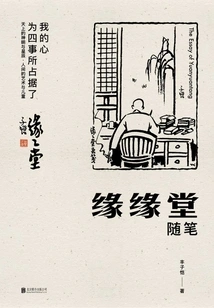
Feng Zikai: Essays on Yuanyuantang
Literature丰子恺:缘缘堂随笔
Feng Zikai
"Yuanyuantang Essays" is Mr. Feng Zikai's classic collection of essays. This book is based on the first edition of Shanghai Kaiming Bookstore in 1931. It also includes representative works from "Yuanyuantang's Re-Brush", "Yuanyuantang's New Brush" and "Yuanyuantang's Continuation". The original version reproduces the comic works in "Nursing Student Painting Collection", so you can read the essence of Feng Zikai's prose and comics in one book. Mr. Feng Zikai is good at drawing materials from trivial things and conveying candid emotions in simple language. He explores the true meaning of the universe and life with a pure and innocent heart, with no worries or anger, no sophistication or reserve.
"Yuanyuantang Essays" is Mr. Feng Zikai's classic collection of essays. This book is based on the first edition of Shanghai Kaiming Bookstore in 1931. It also includes representative works from "Yuanyuantang's Re-Brush", "Yuanyuantang's New Brush" and "Yuanyuantang's Continuation". The original version reproduces the comic works in "Nursing Student Painting Collection", so you can read the essence of Feng Zikai's prose and comics in one book. Mr. Feng Zikai is good at drawing materials from trivial things and conveying candid emotions in simple language. He explores the true meaning of the universe and life with a pure and innocent heart, with no worries or anger, no sophistication or reserve.