Library
Browse and search books
32 novels found
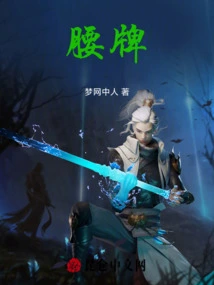
Waist Card
Martial Arts腰牌
Dream Network Man
In the 14th year of Orthodoxy, on the eve of the "Tumubao Incident". Seventeen members of Lu Zheng's family, a member of the Jinyiwei family, were killed overnight. He was spared because he was out on business. The murderer was inside Jinyiwei, but he didn't know who it was. He only knew that the murderer thought he was dead too. He must return to the group of colleagues who killed his whole family, perform his grief under the watch of the murderer, and at the same time secretly pursue the truth. But he faces a fatal dilemma - he is a person who survives by observing, but now he must survive by performing. Every glance, every distraction, and the timing of every tear falling must be calculated. Once it is discovered that it does not resemble grief, it will be exposed; once it is discovered that it is too much like grief, it will also be exposed. The investigation began with an inconspicuous grain and grass allocation order, and involved border army smuggling, intelligence trading, and a secret monitoring system called "Xiu Yi" within Jinyiwei. Every time he gets closer to the truth, a trustworthy person is stripped away - colleagues, bosses, and close friends of ten years, no one is spared. When he finally pieced together the full story of the murder case, he discovered that there was a "chess player" behind the murderer, who was much closer than anyone imagined. And the last letter left by his father will push him to the ultimate choice - revenge in the way of Jin Yiwei, or find another way?
In the 14th year of Orthodoxy, on the eve of the "Tumubao Incident". Seventeen members of Lu Zheng's family, a member of the Jinyiwei family, were killed overnight. He was spared because he was out on business. The murderer was inside Jinyiwei, but he didn't know who it was. He only knew that the murderer thought he was dead too. He must return to the group of colleagues who killed his whole family, perform his grief under the watch of the murderer, and at the same time secretly pursue the truth. But he faces a fatal dilemma - he is a person who survives by observing, but now he must survive by performing. Every glance, every distraction, and the timing of every tear falling must be calculated. Once it is discovered that it does not resemble grief, it will be exposed; once it is discovered that it is too much like grief, it will also be exposed. The investigation began with an inconspicuous grain and grass allocation order, and involved border army smuggling, intelligence trading, and a secret monitoring system called "Xiu Yi" within Jinyiwei. Every time he gets closer to the truth, a trustworthy person is stripped away - colleagues, bosses, and close friends of ten years, no one is spared. When he finally pieced together the full story of the murder case, he discovered that there was a "chess player" behind the murderer, who was much closer than anyone imagined. And the last letter left by his father will push him to the ultimate choice - revenge in the way of Jin Yiwei, or find another way?
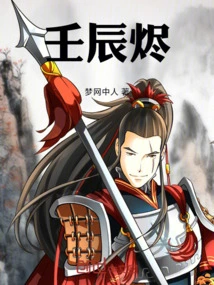
Ren Chenjin
History壬辰烬
Dream Network Man
In 1592, Japan's Sekiba Toyotomi Hideyoshi sent 140,000 troops across the sea to invade Korea. In the Korean court, the factions fought endlessly, and the armaments were weakened. King Seoul fell in the tenth day. From Busan to Yiju, thousands of miles of mountains and rivers turned into scorched earth. Jiang Xian, a member of the declining class, picked up half a burnt volume of the "New Book of Jixiao" among the ruins. The rural scholar who started talking about military affairs on paper was forced to embark on the road of exile and resistance. In the Ming Dynasty, Ji Zhen general Lu Shen followed Li Rusong across the Yalu River. Qi Jiguang's old troops faced not only ferocious enemies on foreign battlefields, but also opposition from their colleagues in the Northern Army and soul torture of "why they were fighting." Yukiko, a fisherman's daughter from Tsushima Island, disguised herself and sneaked into the Japanese army camp. Her father and brother died in the war, but the tip of her knife pointed to a bigger scam. From the bloody battle in Pyongyang to the desperate situation of Byokjeokwan, from the absurd peace to the siege of the isolated city, the fate of the three people was intertwined in the flames of war. And when the fire in the Luliang Strait lit up the night sky red, they finally understood: the war will eventually end, but the embers of memory will last for thousands of years.
In 1592, Japan's Sekiba Toyotomi Hideyoshi sent 140,000 troops across the sea to invade Korea. In the Korean court, the factions fought endlessly, and the armaments were weakened. King Seoul fell in the tenth day. From Busan to Yiju, thousands of miles of mountains and rivers turned into scorched earth. Jiang Xian, a member of the declining class, picked up half a burnt volume of the "New Book of Jixiao" among the ruins. The rural scholar who started talking about military affairs on paper was forced to embark on the road of exile and resistance. In the Ming Dynasty, Ji Zhen general Lu Shen followed Li Rusong across the Yalu River. Qi Jiguang's old troops faced not only ferocious enemies on foreign battlefields, but also opposition from their colleagues in the Northern Army and soul torture of "why they were fighting." Yukiko, a fisherman's daughter from Tsushima Island, disguised herself and sneaked into the Japanese army camp. Her father and brother died in the war, but the tip of her knife pointed to a bigger scam. From the bloody battle in Pyongyang to the desperate situation of Byokjeokwan, from the absurd peace to the siege of the isolated city, the fate of the three people was intertwined in the flames of war. And when the fire in the Luliang Strait lit up the night sky red, they finally understood: the war will eventually end, but the embers of memory will last for thousands of years.
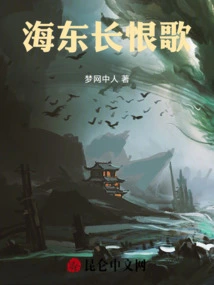
海东长恨歌
Dream Network Man
At the end of the 13th century, Kublai Khan's Mongol fleet made two expeditions to Japan, but both were destroyed by hurricanes. The novel uses this event to rewrite the history of East Asia\
At the end of the 13th century, Kublai Khan's Mongol fleet made two expeditions to Japan, but both were destroyed by hurricanes. The novel uses this event to rewrite the history of East Asia\
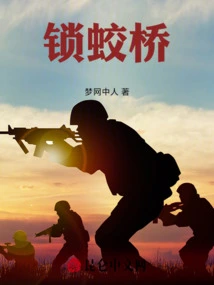
Suojiao Bridge
Military锁蛟桥
Dream Network Man
The novel uses an ancient bridge from the Ming Dynasty as the time and space coordinates to show the unyielding resistance of the Chinese military and civilians during the Anti-Japanese War. The story begins with the Northeastern Army Du Yunshan evacuating by carving words on the bridge. Blacksmith Meng Guanglu died fighting the enemy with iron caltrops, his wife Zhao Shuilian developed an underground intelligence line, and his son Meng Tiezhu awakened in the flames of war. When the all-out war of resistance broke out, the national army company commander Zhou Shaowu and Meng Tiezhu's guerrillas formed a north-south response on the bridge. Cultural teacher He Shusheng began to
The novel uses an ancient bridge from the Ming Dynasty as the time and space coordinates to show the unyielding resistance of the Chinese military and civilians during the Anti-Japanese War. The story begins with the Northeastern Army Du Yunshan evacuating by carving words on the bridge. Blacksmith Meng Guanglu died fighting the enemy with iron caltrops, his wife Zhao Shuilian developed an underground intelligence line, and his son Meng Tiezhu awakened in the flames of war. When the all-out war of resistance broke out, the national army company commander Zhou Shaowu and Meng Tiezhu's guerrillas formed a north-south response on the bridge. Cultural teacher He Shusheng began to
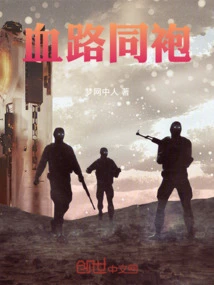
Bloody Comrades
Military血路同袍
Dream Network Man
In the flames of the Anti-Japanese War, the fate of three brothers with different surnames was wrapped up in the torrent of history. Zhao Chengwu is a former member of the Northeast Army, bearing the shame of not resisting during the September 18th Incident, and only believes in guns and orders; Lu Zhixing is an exiled student, with the ideal of conquering the world for the working people; Sun Tiezhu is a bandit who was forced to go to Liangshan, and only believes that "whoever fights the Japanese will follow." During the defeat of Songhu, the three reunited and formed an "independent detachment" to fight the enemy side by side, but were forced to part ways under the shadow of the Wannan Incident. In the following years, Zhao Chengwu witnessed corruption on the frontal battlefield, Lu Zhixing tempered and grew up in the base area behind enemy lines, and Sun Tiezhu searched for the answer "after the war" in the flames of war and blood. On the eve of the victory of the Anti-Japanese War, the three men faced off across the formation. In the end, Blood Oath and Shanhe gave the answer together.
In the flames of the Anti-Japanese War, the fate of three brothers with different surnames was wrapped up in the torrent of history. Zhao Chengwu is a former member of the Northeast Army, bearing the shame of not resisting during the September 18th Incident, and only believes in guns and orders; Lu Zhixing is an exiled student, with the ideal of conquering the world for the working people; Sun Tiezhu is a bandit who was forced to go to Liangshan, and only believes that "whoever fights the Japanese will follow." During the defeat of Songhu, the three reunited and formed an "independent detachment" to fight the enemy side by side, but were forced to part ways under the shadow of the Wannan Incident. In the following years, Zhao Chengwu witnessed corruption on the frontal battlefield, Lu Zhixing tempered and grew up in the base area behind enemy lines, and Sun Tiezhu searched for the answer "after the war" in the flames of war and blood. On the eve of the victory of the Anti-Japanese War, the three men faced off across the formation. In the end, Blood Oath and Shanhe gave the answer together.
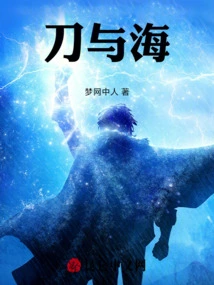
Sword and Sea
Martial Arts刀与海
Dream Network Man
Railway access, post office access, and the business of the escort bureau were cut off. Shen Qiushan, the last head of the Dingyuan Escort Bureau, was intercepted and killed by a foreign musketeer team while escorting the last escort. Junior brother Zhao Tieshan died tragically, and the escort flag fell down. In order to find a way out, he went to Nanyang with a broken sword and went to his senior brother Chen Guanhai. However, Fuxing Company is no ordinary business firm. What Shen Qiushan stepped into was a secret war vortex between the Chinese gangs, the colonial government and the Japanese ronin. The secrets hidden by his senior brother Chen Guanhai, the persistent blueprint for the restoration of the country by the military counselor Lin Qingyin, and the sympathy between the enemy and friend of the swordsman Kenichi Miura gradually involved him step by step in the "return" plan - a dream of restoration forged with blood and ideals. The gunshot of 1911 was fired, the Qing Dynasty collapsed, and the goal that we had worked for for half a life lost its direction overnight. The colonists' gunboats blocked the port, and the traitors' betrayal caused brothers to fall one after another. On the pier, Shen Qiushan and the last dozen or so people stood in front of the guns. Behind him was a fleet full of women, children and the fire of civilization. He clutched the knife that was broken and reconnected. If the dart is there, the person will be there, but if the dart is lost, the person will die. This time, the escort is about hundreds of lives and the dignity that refuses to bow in troubled times. Even if you can't keep it, you have to keep it. A tragic knight's song, played in the scorching sun and sea breeze of Nanyang.
Railway access, post office access, and the business of the escort bureau were cut off. Shen Qiushan, the last head of the Dingyuan Escort Bureau, was intercepted and killed by a foreign musketeer team while escorting the last escort. Junior brother Zhao Tieshan died tragically, and the escort flag fell down. In order to find a way out, he went to Nanyang with a broken sword and went to his senior brother Chen Guanhai. However, Fuxing Company is no ordinary business firm. What Shen Qiushan stepped into was a secret war vortex between the Chinese gangs, the colonial government and the Japanese ronin. The secrets hidden by his senior brother Chen Guanhai, the persistent blueprint for the restoration of the country by the military counselor Lin Qingyin, and the sympathy between the enemy and friend of the swordsman Kenichi Miura gradually involved him step by step in the "return" plan - a dream of restoration forged with blood and ideals. The gunshot of 1911 was fired, the Qing Dynasty collapsed, and the goal that we had worked for for half a life lost its direction overnight. The colonists' gunboats blocked the port, and the traitors' betrayal caused brothers to fall one after another. On the pier, Shen Qiushan and the last dozen or so people stood in front of the guns. Behind him was a fleet full of women, children and the fire of civilization. He clutched the knife that was broken and reconnected. If the dart is there, the person will be there, but if the dart is lost, the person will die. This time, the escort is about hundreds of lives and the dignity that refuses to bow in troubled times. Even if you can't keep it, you have to keep it. A tragic knight's song, played in the scorching sun and sea breeze of Nanyang.
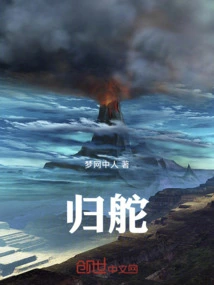
Return to the Rudder
Martial Arts归舵
Dream Network Man
During the Jiajing period of the Ming Dynasty, Japanese pirates ravaged the southeastern seaboard. In Luoke Bay, Taizhou Prefecture, Chen Yuanji, a retired helmsman who was lame, lived in seclusion on the beach and made a living by mending nets and teaching tides. Five years ago, when Japanese pirates massacred his village, his whole family was buried in a sea of fire, and his left leg was crippled by a broken mast. He never went to sea again. A wooden box drifting from the sea broke the calm - a Japanese sword and a sea map in the box revealed the secrets that his brother Chen Yuanheng had buried for twenty years. Chen Yuanheng divided the family biography "Duhai Zhenjing" into two parts in Shuangyu Port. The outer chapter "Duhai Pian" was left to his younger brother, and the inner chapter "Fubo Pian" was lost at sea. Today, the Japanese pirate leader Shimazu Jubei is traveling across the East China Sea with half of the Fubo Chapter, and the female leader of the Dan family, Zheng Sanniang, comes to collect debts with the other half. In order to protect the last fishing ground, Chen Yuanji was forced to regain control of the rudder. Using fishing nets as an array and tides as soldiers, he joined forces with Zheng Sanniang to resist the Japanese pirates. Young Li Asui became a disciple and learned to recognize water colors and tides. He took over the crack compass passed down by the Chen family and grew into a new generation of helmsman amid gunfire and reefs. This book uses the rudder as a tool and the sea as a field. It tells the story of a group of fishermen abandoned by the times, who use the navigation experience passed down from their ancestors to guard a coast.
During the Jiajing period of the Ming Dynasty, Japanese pirates ravaged the southeastern seaboard. In Luoke Bay, Taizhou Prefecture, Chen Yuanji, a retired helmsman who was lame, lived in seclusion on the beach and made a living by mending nets and teaching tides. Five years ago, when Japanese pirates massacred his village, his whole family was buried in a sea of fire, and his left leg was crippled by a broken mast. He never went to sea again. A wooden box drifting from the sea broke the calm - a Japanese sword and a sea map in the box revealed the secrets that his brother Chen Yuanheng had buried for twenty years. Chen Yuanheng divided the family biography "Duhai Zhenjing" into two parts in Shuangyu Port. The outer chapter "Duhai Pian" was left to his younger brother, and the inner chapter "Fubo Pian" was lost at sea. Today, the Japanese pirate leader Shimazu Jubei is traveling across the East China Sea with half of the Fubo Chapter, and the female leader of the Dan family, Zheng Sanniang, comes to collect debts with the other half. In order to protect the last fishing ground, Chen Yuanji was forced to regain control of the rudder. Using fishing nets as an array and tides as soldiers, he joined forces with Zheng Sanniang to resist the Japanese pirates. Young Li Asui became a disciple and learned to recognize water colors and tides. He took over the crack compass passed down by the Chen family and grew into a new generation of helmsman amid gunfire and reefs. This book uses the rudder as a tool and the sea as a field. It tells the story of a group of fishermen abandoned by the times, who use the navigation experience passed down from their ancestors to guard a coast.
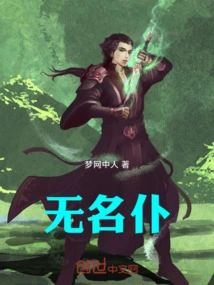
Unknown Servant
Martial Arts无名仆
Dream Network Man
Meng Ping doesn't know martial arts. He is the personal servant of the last leader of the Yin Yuan Hui. In the past seven years, he has only done three things - serving tea, grinding ink, and burning secret letters. After the collapse of the Yin Yuan Society, he became anonymous and worked as a bookkeeper in a border town. But a sudden rumor involved him in a manhunt in the world - everyone believed that he was the last descendant of the Yin Yuan Hui, possessing peerless martial arts skills that he kept hidden. He couldn't clear up this rumor. Proving that you don't know martial arts is like seeking death in the world of martial arts. In order to survive, he could only make mistakes and use the countless secrets of the Yin Yuan Society in his memory to get between the forces of all parties. A female swordsman who wanted to kill him but had to protect him first, a Shaolin abandoned disciple who owed him a life, a Yaolu girl who was investigating the cause of her mother's death - these people with their own thoughts were gathered around him one after another. And the police chief Shen Sui who was chasing him turned out to be another man who didn't know martial arts but wanted to survive in the world of masters. Two people of the same species, a cat-and-mouse game. As the truth behind the pursuit was revealed layer by layer, Meng Ping found that he was getting closer and closer to the mastermind of the internal strife. But time is not on his side - the chronic cold poison that has accumulated in his body for many years is spreading at a faster pace. He must make the truth known to the public in a way that no one expected before he collapses completely. He doesn't know martial arts, but he can win.
Meng Ping doesn't know martial arts. He is the personal servant of the last leader of the Yin Yuan Hui. In the past seven years, he has only done three things - serving tea, grinding ink, and burning secret letters. After the collapse of the Yin Yuan Society, he became anonymous and worked as a bookkeeper in a border town. But a sudden rumor involved him in a manhunt in the world - everyone believed that he was the last descendant of the Yin Yuan Hui, possessing peerless martial arts skills that he kept hidden. He couldn't clear up this rumor. Proving that you don't know martial arts is like seeking death in the world of martial arts. In order to survive, he could only make mistakes and use the countless secrets of the Yin Yuan Society in his memory to get between the forces of all parties. A female swordsman who wanted to kill him but had to protect him first, a Shaolin abandoned disciple who owed him a life, a Yaolu girl who was investigating the cause of her mother's death - these people with their own thoughts were gathered around him one after another. And the police chief Shen Sui who was chasing him turned out to be another man who didn't know martial arts but wanted to survive in the world of masters. Two people of the same species, a cat-and-mouse game. As the truth behind the pursuit was revealed layer by layer, Meng Ping found that he was getting closer and closer to the mastermind of the internal strife. But time is not on his side - the chronic cold poison that has accumulated in his body for many years is spreading at a faster pace. He must make the truth known to the public in a way that no one expected before he collapses completely. He doesn't know martial arts, but he can win.
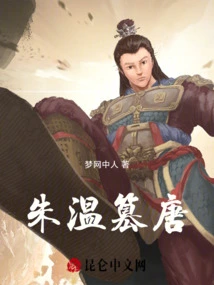
朱温篡唐
Dream Network Man
At the end of the Tang Dynasty, Huang Chao captured Chang'an. A low-level bandit named Zhu Wen stood in the fire that burned the city and witnessed the collapse of the old world. In order to survive, he betrayed Huang Chao and surrendered to the army. He was named "Zhu Quanzhong" by Emperor Xizong of Tang Dynasty. In the next thirty years, he fought bloody battles in the Central Plains and started a duel with his old enemy Li Keyong; he welcomed the emperor, moved the capital to Luoyang, and held the last promising monarch of the Tang Dynasty in his hands; he slaughtered all the courtiers of the Qing Dynasty in Baimayi, and personally wiped out the last integrity of an era. In 907 AD, he put on the crown and ended the Tang Empire that had lasted for nearly three hundred years. However, what awaits him is not the supreme glory of imperial power, but the abyss of complete collapse of human nature and the fatal blow from his own son.
At the end of the Tang Dynasty, Huang Chao captured Chang'an. A low-level bandit named Zhu Wen stood in the fire that burned the city and witnessed the collapse of the old world. In order to survive, he betrayed Huang Chao and surrendered to the army. He was named "Zhu Quanzhong" by Emperor Xizong of Tang Dynasty. In the next thirty years, he fought bloody battles in the Central Plains and started a duel with his old enemy Li Keyong; he welcomed the emperor, moved the capital to Luoyang, and held the last promising monarch of the Tang Dynasty in his hands; he slaughtered all the courtiers of the Qing Dynasty in Baimayi, and personally wiped out the last integrity of an era. In 907 AD, he put on the crown and ended the Tang Empire that had lasted for nearly three hundred years. However, what awaits him is not the supreme glory of imperial power, but the abyss of complete collapse of human nature and the fatal blow from his own son.
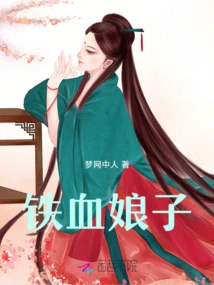
Iron Lady
Ancient Romance铁血娘子
Dream Network Man
She was Li Yuan's third daughter, and her full name was not left in the history books. At the end of the Sui Dynasty, the war started, and the third wife of Pingyang Houfu in Chang'an City was originally an inconspicuous idle piece on the chessboard. When her father raised a rebel flag in Jinyang, she did not run away - instead she spent her family wealth and raised a "women's army" of tens of thousands of people in Guanzhong. From the establishment of the flag in Hu County to the beginning of the bloody battle, from the capture of Chang'an to the guarding of Weize Pass, she laid down half of Guanzhong and laid the foundation for the Li and Tang dynasties. However, when peace came, this sharpest knife was sheathed by the empire and exiled to the border wind and snow. In the end, the history books left her with only one line: "The achievements before and after are too numerous to be recorded." This is the story of a woman who forges a sword, tempers the blade, and finally hides the edge in troubled times. She won every war, but lost to an invisible enemy-the writing of history itself. Thousands of years later, Niangziguan is still there, and the war song still exists, but her real name is hidden in the pages of a book that was burned by the historian.
She was Li Yuan's third daughter, and her full name was not left in the history books. At the end of the Sui Dynasty, the war started, and the third wife of Pingyang Houfu in Chang'an City was originally an inconspicuous idle piece on the chessboard. When her father raised a rebel flag in Jinyang, she did not run away - instead she spent her family wealth and raised a "women's army" of tens of thousands of people in Guanzhong. From the establishment of the flag in Hu County to the beginning of the bloody battle, from the capture of Chang'an to the guarding of Weize Pass, she laid down half of Guanzhong and laid the foundation for the Li and Tang dynasties. However, when peace came, this sharpest knife was sheathed by the empire and exiled to the border wind and snow. In the end, the history books left her with only one line: "The achievements before and after are too numerous to be recorded." This is the story of a woman who forges a sword, tempers the blade, and finally hides the edge in troubled times. She won every war, but lost to an invisible enemy-the writing of history itself. Thousands of years later, Niangziguan is still there, and the war song still exists, but her real name is hidden in the pages of a book that was burned by the historian.
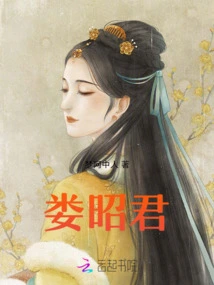
Lou Zhaojun
Ancient Romance娄昭君
Dream Network Man
Lou Zhaojun, as a noble girl, caught sight of Gao Huan, a soldier from Zhongbian Town, at the top of Huaishuo Town. She spent all her dowry and family resources to help him become a hero in troubled times; she also took the initiative to give up her position as the main wife when she married Rouran, and laid the foundation of the Northern Qi Dynasty with her political foresight. However, after Gao Huan died of illness, the power building she had created with her own hands began to reveal its cruelest side to her. Of her six sons, four ascended to the throne. The eldest son, Gao Cheng, was stabbed to death by a diner before he was about to undergo Zen; the second son, Gao Yang, became insane after establishing the Northern Qi Dynasty, became alcoholic and violent, and even killed his relatives and put his mother under house arrest; the third son, Gao Yan, seized the throne through a coup with her support, but broke his oath not to harm his nephew, and eventually fell into hysteria due to guilt and died from a horse; the youngest son, Gao Zhan, forced the emperor's sister-in-law to rape and tortured her nephew. She was honored as the Empress Dowager three times, and each time she was given the title, it was accompanied by a fratricidal coup. She used her top political wisdom to create an empire, but with her irrevocable maternal love, she raised a group of "monsters" who dragged the empire into the abyss of madness. In the end, the "Mother of Nine Dragons" lay in an empty palace in Yecheng, with the wind and snow howling outside the window, and no one came. She had bet on power all her life, and what power gave her in return was ashes.
Lou Zhaojun, as a noble girl, caught sight of Gao Huan, a soldier from Zhongbian Town, at the top of Huaishuo Town. She spent all her dowry and family resources to help him become a hero in troubled times; she also took the initiative to give up her position as the main wife when she married Rouran, and laid the foundation of the Northern Qi Dynasty with her political foresight. However, after Gao Huan died of illness, the power building she had created with her own hands began to reveal its cruelest side to her. Of her six sons, four ascended to the throne. The eldest son, Gao Cheng, was stabbed to death by a diner before he was about to undergo Zen; the second son, Gao Yang, became insane after establishing the Northern Qi Dynasty, became alcoholic and violent, and even killed his relatives and put his mother under house arrest; the third son, Gao Yan, seized the throne through a coup with her support, but broke his oath not to harm his nephew, and eventually fell into hysteria due to guilt and died from a horse; the youngest son, Gao Zhan, forced the emperor's sister-in-law to rape and tortured her nephew. She was honored as the Empress Dowager three times, and each time she was given the title, it was accompanied by a fratricidal coup. She used her top political wisdom to create an empire, but with her irrevocable maternal love, she raised a group of "monsters" who dragged the empire into the abyss of madness. In the end, the "Mother of Nine Dragons" lay in an empty palace in Yecheng, with the wind and snow howling outside the window, and no one came. She had bet on power all her life, and what power gave her in return was ashes.
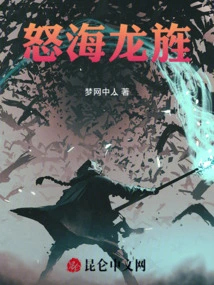
Angry Sea Dragon Banner
Martial Arts怒海龙旌
Dream Network Man
At the end of Ming Dynasty, during the Tianqi period. The Yuegang Lin family was brutally exterminated for possessing the sea map of the ancient martial arts "Xuanwu Zhenjie". The youngest son Lin Hao lived in the South Seas, growing up among sharks and knife points. Sixteen years later, Lin Hao returned under the pseudonym "Lin Xiao". He possesses the Tide Technique passed down from his family, and possesses the strange sword technique that combines the Japanese swordsmanship with the Western swift sword. He is surrounded by the firearms genius Shen Lingshu, the rebellious Portuguese swordswoman Isabella, Dayak princess Ayman and other life and death friends. From the power struggle in Yuegang to the treasure hunt in Southeast Asia, from the bloody battle in Taiwan to the thunder in the capital, he uncovered the truth step by step: the culprit of the family's destruction was actually Zhao Chongwen, the minister of the Ministry of War, and the real man behind the scenes was Carlos, the Western swordsman who pursued immortality. Firearms and internal strength, East and West, rivers and lakes and temples - Lin Hao emerged as a maritime leader in the center of the storm. He will carve the last legend of the old era with the Canglan Sword in his hand and the morality in his heart. The flag points to the sky above the sea. The dragon's roar never ceases, and the rivers and lakes never grow old.
At the end of Ming Dynasty, during the Tianqi period. The Yuegang Lin family was brutally exterminated for possessing the sea map of the ancient martial arts "Xuanwu Zhenjie". The youngest son Lin Hao lived in the South Seas, growing up among sharks and knife points. Sixteen years later, Lin Hao returned under the pseudonym "Lin Xiao". He possesses the Tide Technique passed down from his family, and possesses the strange sword technique that combines the Japanese swordsmanship with the Western swift sword. He is surrounded by the firearms genius Shen Lingshu, the rebellious Portuguese swordswoman Isabella, Dayak princess Ayman and other life and death friends. From the power struggle in Yuegang to the treasure hunt in Southeast Asia, from the bloody battle in Taiwan to the thunder in the capital, he uncovered the truth step by step: the culprit of the family's destruction was actually Zhao Chongwen, the minister of the Ministry of War, and the real man behind the scenes was Carlos, the Western swordsman who pursued immortality. Firearms and internal strength, East and West, rivers and lakes and temples - Lin Hao emerged as a maritime leader in the center of the storm. He will carve the last legend of the old era with the Canglan Sword in his hand and the morality in his heart. The flag points to the sky above the sea. The dragon's roar never ceases, and the rivers and lakes never grow old.
Yashan: the Last Moment
History崖山:最后一刻
Dream Network Man
On the sixth day of February in the second year of Xiangxing, Yashan. In the last battle of the Southern Song Dynasty, one hundred thousand soldiers and civilians sank into the sea. The novel ends here, but it starts from the end. The book has one hundred and eight chapters, divided into four parts: Market Records, Traveling to the Court, Military Records, and Survivors at Sea - looking back at life from the perspective of nearly a hundred people at the last moment before crossing the sea. Blacksmith, singer, palace maid, forbidden soldier, luthier, veteran, messenger, unknown person... Every name is a tombstone, and a complete life is engraved on each tombstone. The novel uses a flashback structure, looking back at the fireworks in Lin'an from the cliff mountain, tracing the three thousand miles of exile from the fireworks in Lin'an, and finally ending up in the same sea. The ending starts from the sea and spans hundreds of years: the survivors spend the rest of their lives in silence with their memories, the exiled survivors in Nanyang bring the reign name of the Song Dynasty to foreign lands, the surviving literati use poems to mourn the dynasty, and later generations of reminiscers turn Yashan into an eternal cultural memory. A knife engraved with "Resume the Song Dynasty", a well whose name was written 355 years ago, a ship that will never be finished, a flag that no one recognizes - the people and things that sank to the bottom of the sea have repeatedly floated up and down in the memory and forgetfulness of later generations. This is not a history of national subjugation. This is an epic about "how memories are preserved".
On the sixth day of February in the second year of Xiangxing, Yashan. In the last battle of the Southern Song Dynasty, one hundred thousand soldiers and civilians sank into the sea. The novel ends here, but it starts from the end. The book has one hundred and eight chapters, divided into four parts: Market Records, Traveling to the Court, Military Records, and Survivors at Sea - looking back at life from the perspective of nearly a hundred people at the last moment before crossing the sea. Blacksmith, singer, palace maid, forbidden soldier, luthier, veteran, messenger, unknown person... Every name is a tombstone, and a complete life is engraved on each tombstone. The novel uses a flashback structure, looking back at the fireworks in Lin'an from the cliff mountain, tracing the three thousand miles of exile from the fireworks in Lin'an, and finally ending up in the same sea. The ending starts from the sea and spans hundreds of years: the survivors spend the rest of their lives in silence with their memories, the exiled survivors in Nanyang bring the reign name of the Song Dynasty to foreign lands, the surviving literati use poems to mourn the dynasty, and later generations of reminiscers turn Yashan into an eternal cultural memory. A knife engraved with "Resume the Song Dynasty", a well whose name was written 355 years ago, a ship that will never be finished, a flag that no one recognizes - the people and things that sank to the bottom of the sea have repeatedly floated up and down in the memory and forgetfulness of later generations. This is not a history of national subjugation. This is an epic about "how memories are preserved".
Smoke and Dust in Six Towns
History六镇烟尘
Dream Network Man
In the fourth year of Zhengguang reign of the Northern Wei Dynasty, the granary in Huaihuang Town was smashed open by hungry townspeople. This commotion soon spread into a major uprising in six towns - Woye, Huaishuo, Wuchuan... The military towns at the foot of Yinshan Mountain were lit up with beacon fires one after another. The "heart of the country" who once guarded the empire became a forgotten "untouchable in the north" after Emperor Xiaowen moved south to Luoyang. Now, they are riding on skinny horses and holding rusty knives, fighting back from the new wind. Gao Huan, a descendant of Han exiles who worked on the city walls of Huaishuo, Yu Wentai, a Hun boy who just picked up a sword in Wuchuan Town, and a young Chilean youth from Woye Town who was coerced into an uprising - three young people with different origins were involved in the same storm. In the next twelve years, they will witness the banner of the "True King" that defeated Liu Han's mausoleum shattered under the Rouran cavalry, witness Er Zhurong's seven thousand Qihu cavalry crush Ge Rong's million troops into powder, experience the Heyin Incident when two thousand courtiers were sunk into the eternal night of the Yellow River, and finally tear the Northern Wei Empire in half on the ruins of Luoyang. The old era has turned into smoke and dust, and the new era has not yet taken shape. Gao Huan and Yu Wentai emerged from this smoke and dust. One became the founder of the Eastern Wei Dynasty, and the other created the military system of Guanlong Prefecture; and their colleague Hou Jing would cross the Yangtze River southward thirteen years later and ignite another fire that destroyed Nanliang.
In the fourth year of Zhengguang reign of the Northern Wei Dynasty, the granary in Huaihuang Town was smashed open by hungry townspeople. This commotion soon spread into a major uprising in six towns - Woye, Huaishuo, Wuchuan... The military towns at the foot of Yinshan Mountain were lit up with beacon fires one after another. The "heart of the country" who once guarded the empire became a forgotten "untouchable in the north" after Emperor Xiaowen moved south to Luoyang. Now, they are riding on skinny horses and holding rusty knives, fighting back from the new wind. Gao Huan, a descendant of Han exiles who worked on the city walls of Huaishuo, Yu Wentai, a Hun boy who just picked up a sword in Wuchuan Town, and a young Chilean youth from Woye Town who was coerced into an uprising - three young people with different origins were involved in the same storm. In the next twelve years, they will witness the banner of the "True King" that defeated Liu Han's mausoleum shattered under the Rouran cavalry, witness Er Zhurong's seven thousand Qihu cavalry crush Ge Rong's million troops into powder, experience the Heyin Incident when two thousand courtiers were sunk into the eternal night of the Yellow River, and finally tear the Northern Wei Empire in half on the ruins of Luoyang. The old era has turned into smoke and dust, and the new era has not yet taken shape. Gao Huan and Yu Wentai emerged from this smoke and dust. One became the founder of the Eastern Wei Dynasty, and the other created the military system of Guanlong Prefecture; and their colleague Hou Jing would cross the Yangtze River southward thirteen years later and ignite another fire that destroyed Nanliang.
Jiankang Tribulation
Ancient Romance建康劫
Dream Network Man
Come to China Literature's website to read more of my works!
Come to China Literature's website to read more of my works!
Qianlong Liuxiu
History潜龙刘秀
Dream Network Man
At the end of Wang Mang's new dynasty, the world was in chaos. Nanyang Liu Xiu was involved in the battlefield of the world by the torrent of the times. In the battle of Kunyang, he defeated a million soldiers with three thousand death squads and became famous in one battle. When his brother was killed, he endured his grief and endured to protect himself, and found a glimmer of hope in the murderous reform court. When he left Hebei, he collected the bronze horse, married the Guo family, and transformed from a chess piece under someone else's fence to a chess player. At the age of thirty-one, Qianqiuting proclaimed himself emperor, and the country's name was still Han. In twelve years, he defeated Chimei, leveled Guandong, settled Longxi, and destroyed Bashu. He controlled the world with judo and settled the world with forbearance. Yuntai Twenty-Eight will follow them, and the love between Yin Lihua and Guo Shengtong will last throughout. From the youthful spirit of "being an official to the king" to the imperial ambition of "taking control of Long and returning to Shu", this is an epic story of a commoner rising to the top step by step in troubled times. It is also a legend of a hidden man who overcomes strength with softness and finally achieves the great cause of Guangwu Zhongxing.
At the end of Wang Mang's new dynasty, the world was in chaos. Nanyang Liu Xiu was involved in the battlefield of the world by the torrent of the times. In the battle of Kunyang, he defeated a million soldiers with three thousand death squads and became famous in one battle. When his brother was killed, he endured his grief and endured to protect himself, and found a glimmer of hope in the murderous reform court. When he left Hebei, he collected the bronze horse, married the Guo family, and transformed from a chess piece under someone else's fence to a chess player. At the age of thirty-one, Qianqiuting proclaimed himself emperor, and the country's name was still Han. In twelve years, he defeated Chimei, leveled Guandong, settled Longxi, and destroyed Bashu. He controlled the world with judo and settled the world with forbearance. Yuntai Twenty-Eight will follow them, and the love between Yin Lihua and Guo Shengtong will last throughout. From the youthful spirit of "being an official to the king" to the imperial ambition of "taking control of Long and returning to Shu", this is an epic story of a commoner rising to the top step by step in troubled times. It is also a legend of a hidden man who overcomes strength with softness and finally achieves the great cause of Guangwu Zhongxing.
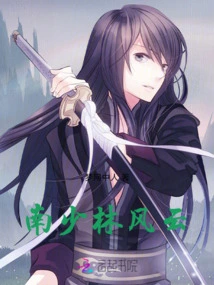
Southern Shaolin Storm
Xianxia Fantasy南少林风云
Dream Network Man
The novel takes the national crisis during the Guangxu period of the Qing Dynasty as the background and tells the legendary journey of Chen Heming, the founder of Wuzu Quan. After the defeat of the Sino-Japanese War, Chen Heming, who had been traveling for ten years, returned to Quanzhou and met Hongmen patriot Fang Shijie, Wing Chun heroine Lin Qiaoer and Southern Shaolin monk Tie Luohan. The four of them formed an alliance because of their martial arts aspirations and were involved in the anti-Qing revolution. They led Nalan Yuanshu at the first defeat of the Qing Dynasty at Qingyuan Mountain, participated in a secret meeting of the Revolutionary Party at Xichan Temple in Fuzhou, and even formed an alliance in the Nanyang Chuanquan Zhigongtang, where they melted the essence of Nanquan into the Five Ancestor Quan. From the Taiwan Anti-Japanese War to the Huanghuagang Uprising, Chen Heming witnessed the sacrifices of his comrades, and gradually grew from a martial arts seeker to a master of martial arts. In the end, he returned to Quanzhou after the Wuchang Uprising and protected the integrity of the nation with the inheritance of Five Ancestor Fist, explaining the true meaning of "Fighting is not about strength but integrity, and people are not about reputation." The novel combines real history and martial arts imagination, depicts the choices made by warriors in troubled times amid hatred between their country and their family, and demonstrates the symbiosis of Southern Shaolin martial arts and revolutionary spirit.
The novel takes the national crisis during the Guangxu period of the Qing Dynasty as the background and tells the legendary journey of Chen Heming, the founder of Wuzu Quan. After the defeat of the Sino-Japanese War, Chen Heming, who had been traveling for ten years, returned to Quanzhou and met Hongmen patriot Fang Shijie, Wing Chun heroine Lin Qiaoer and Southern Shaolin monk Tie Luohan. The four of them formed an alliance because of their martial arts aspirations and were involved in the anti-Qing revolution. They led Nalan Yuanshu at the first defeat of the Qing Dynasty at Qingyuan Mountain, participated in a secret meeting of the Revolutionary Party at Xichan Temple in Fuzhou, and even formed an alliance in the Nanyang Chuanquan Zhigongtang, where they melted the essence of Nanquan into the Five Ancestor Quan. From the Taiwan Anti-Japanese War to the Huanghuagang Uprising, Chen Heming witnessed the sacrifices of his comrades, and gradually grew from a martial arts seeker to a master of martial arts. In the end, he returned to Quanzhou after the Wuchang Uprising and protected the integrity of the nation with the inheritance of Five Ancestor Fist, explaining the true meaning of "Fighting is not about strength but integrity, and people are not about reputation." The novel combines real history and martial arts imagination, depicts the choices made by warriors in troubled times amid hatred between their country and their family, and demonstrates the symbiosis of Southern Shaolin martial arts and revolutionary spirit.
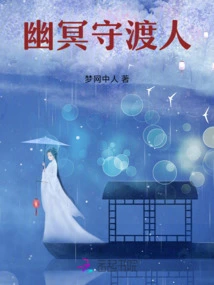
Guardian of the Underworld
Fantasy Romance幽冥守渡人
Dream Network Man
At the Nether Ferry where yin and yang meet, Lin Du, the new Nether Envoy, a young man with half-human, half-ghost blood and a "Netherworld Eye", has taken over the important task of maintaining order in the two realms. He carries his long-cherished wish to find his missing parents, but he doesn't know that he is already a person in the game. As the dead souls were ferried again and again, the strange "underworld money" transactions and bizarre sacrifice events gradually revealed the bloody secret that the ferry management had maintained for hundreds of years-the use of human sacrifice to strengthen the seal. The true identity of Lin Du's mentor, Grandma, is actually closely related to the seal of the ancient evil god Zhu Jiuyin. And the obsession of a female ghost in red who died tragically at the ferry a hundred years ago is the key to unlocking all mysteries. When the Jiuyuan seal loosened again, Zhu Jiuyin's power began to corrode Lin Du's body, and he had to make a choice between complete depravity and self-sealing. In the end, Lin Du saw through his grandmother's conspiracy, faced the tragic past of the female ghost in red, and sealed Zhu Jiuyin with great difficulty through sacrifice and redemption. However, this victory came at a heavy price. Lin Du's soul was damaged, the female ghost in red was reincarnated, and the larger conspiracy behind the crossing had just begun to reveal the tip of the iceberg.
At the Nether Ferry where yin and yang meet, Lin Du, the new Nether Envoy, a young man with half-human, half-ghost blood and a "Netherworld Eye", has taken over the important task of maintaining order in the two realms. He carries his long-cherished wish to find his missing parents, but he doesn't know that he is already a person in the game. As the dead souls were ferried again and again, the strange "underworld money" transactions and bizarre sacrifice events gradually revealed the bloody secret that the ferry management had maintained for hundreds of years-the use of human sacrifice to strengthen the seal. The true identity of Lin Du's mentor, Grandma, is actually closely related to the seal of the ancient evil god Zhu Jiuyin. And the obsession of a female ghost in red who died tragically at the ferry a hundred years ago is the key to unlocking all mysteries. When the Jiuyuan seal loosened again, Zhu Jiuyin's power began to corrode Lin Du's body, and he had to make a choice between complete depravity and self-sealing. In the end, Lin Du saw through his grandmother's conspiracy, faced the tragic past of the female ghost in red, and sealed Zhu Jiuyin with great difficulty through sacrifice and redemption. However, this victory came at a heavy price. Lin Du's soul was damaged, the female ghost in red was reincarnated, and the larger conspiracy behind the crossing had just begun to reveal the tip of the iceberg.
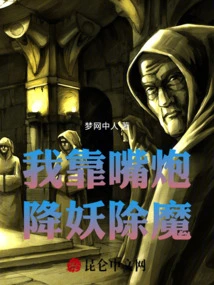
I Use My Words to Slay Demons
Xuanhuan我靠嘴炮降妖除魔
Dream Network Man
There is a failed antique shop in Nanyang City. The shopkeeper Song Mo claims to be a descendant of Song Dingbo, but in fact he is a liar who only knows how to talk. One night, a ghost bride from a deserted village forced him to get married. He managed to escape by relying on a trick passed down from his ancestors, but he accidentally got involved in a millennium conspiracy concerning the life and death of the three realms. The king of zombies and his generals are about to wake up, and the seven magical artifacts left by the ancestors of the Song family are scattered in the world. Song Mo was forced to embark on the road to find the weapon, deceiving ghosts, people, and heaven along the way, but gradually discovered that his biggest enemy was not monsters, but the obsession and greed in people's hearts. From the ghost bride in the deserted village to the corpse village in western Hunan, from the ancient brothel tomb to the top of Kunlun, Song Mo gathered the descendants of the four tribes of Long, Lin, Turtle and Huang, wandering between lies and truth, and weaving a shocking situation with deception. When the general finally opened his eyes, and when the military's guns were aimed at Pangu Stone, Song Mo realized that the highest level of ancestral deception was not to deceive the world, but to deceive oneself and believe that the world was worth saving.
There is a failed antique shop in Nanyang City. The shopkeeper Song Mo claims to be a descendant of Song Dingbo, but in fact he is a liar who only knows how to talk. One night, a ghost bride from a deserted village forced him to get married. He managed to escape by relying on a trick passed down from his ancestors, but he accidentally got involved in a millennium conspiracy concerning the life and death of the three realms. The king of zombies and his generals are about to wake up, and the seven magical artifacts left by the ancestors of the Song family are scattered in the world. Song Mo was forced to embark on the road to find the weapon, deceiving ghosts, people, and heaven along the way, but gradually discovered that his biggest enemy was not monsters, but the obsession and greed in people's hearts. From the ghost bride in the deserted village to the corpse village in western Hunan, from the ancient brothel tomb to the top of Kunlun, Song Mo gathered the descendants of the four tribes of Long, Lin, Turtle and Huang, wandering between lies and truth, and weaving a shocking situation with deception. When the general finally opened his eyes, and when the military's guns were aimed at Pangu Stone, Song Mo realized that the highest level of ancestral deception was not to deceive the world, but to deceive oneself and believe that the world was worth saving.

Silicon Etching
Science Fiction硅蚀
Dream Network Man
In 2081, the "Neural Network Project" was enforced globally - all citizens must be implanted with carbon-silicon fusion chips when they are 18 years old. On the surface, it is a medical advancement to eliminate neurological diseases, but in fact it is to cope with the upcoming "entropic silence crisis" of the universe. Quantum physicist Lin Yuanzhou discovered an abnormality during his sister's fusion ceremony: her pupils turned golden, and her consciousness split into two selves, carbon-based and silicon-based. As the investigation deepens, he reveals the shocking truth - fusion technology is a legacy left by the "Eclipse Tribe", a silicon-based civilization that became extinct 500 million years ago. Human beings are being transformed into antennas. When enough consciousnesses are connected, the Eclipse tribe will be resurrected in the human network, covering all human minds. Lin Yuanzhou's carbon-based prosthesis implanted due to brain injury in his childhood made him the only "double-conscious person" who can resist the Eclipse Network. He leads the resistance force "Carbon-Based Fire" in a desperate confrontation with the "Eclipse Heritage Council" that controls global power. Deep within the quantum core of the Eclipse Network, he discovered the "Carbon-Based Seed" - a program that could release emotional overload and disintegrate the Eclipse Network. In the end, Lin Yuanzhou chose to permanently trap his consciousness in the network and activate the seeds. Billions of people around the world experienced their happiest memories at the same moment, and the Eclipse network collapsed due to emotional overload. Humanity has escaped the fate of being covered, but at the cost of losing a hero - his consciousness has become a "beacon of memory" floating deep in the network, guarding mankind's collective memory.
In 2081, the "Neural Network Project" was enforced globally - all citizens must be implanted with carbon-silicon fusion chips when they are 18 years old. On the surface, it is a medical advancement to eliminate neurological diseases, but in fact it is to cope with the upcoming "entropic silence crisis" of the universe. Quantum physicist Lin Yuanzhou discovered an abnormality during his sister's fusion ceremony: her pupils turned golden, and her consciousness split into two selves, carbon-based and silicon-based. As the investigation deepens, he reveals the shocking truth - fusion technology is a legacy left by the "Eclipse Tribe", a silicon-based civilization that became extinct 500 million years ago. Human beings are being transformed into antennas. When enough consciousnesses are connected, the Eclipse tribe will be resurrected in the human network, covering all human minds. Lin Yuanzhou's carbon-based prosthesis implanted due to brain injury in his childhood made him the only "double-conscious person" who can resist the Eclipse Network. He leads the resistance force "Carbon-Based Fire" in a desperate confrontation with the "Eclipse Heritage Council" that controls global power. Deep within the quantum core of the Eclipse Network, he discovered the "Carbon-Based Seed" - a program that could release emotional overload and disintegrate the Eclipse Network. In the end, Lin Yuanzhou chose to permanently trap his consciousness in the network and activate the seeds. Billions of people around the world experienced their happiest memories at the same moment, and the Eclipse network collapsed due to emotional overload. Humanity has escaped the fate of being covered, but at the cost of losing a hero - his consciousness has become a "beacon of memory" floating deep in the network, guarding mankind's collective memory.
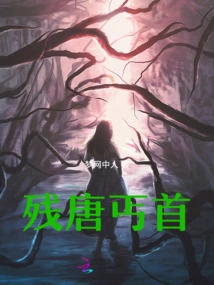
Beggar's Head of the Tang Dynasty
Ancient Romance残唐丐首
Dream Network Man
In the troubled times of the late Tang Dynasty, Zhuang Yifang, a disciple of the general, avenged his master and defected to the Huangchao uprising army, where he met Sun Zhitong. Because Sun Zhitong was misunderstood by the beggar gang for murder, Zhuang Yifang broke into the Beizong village alone and captured the real murderer in three days, which won the appreciation of the Beizong elder Hua Lao. In the fourth year of Qianfu's reign, four sects of beggar gangs gathered in Junshan, Dongting. Zhuang Yifang defeated the others with his own "Dragon Subduing Palm" technique, integrated the four sects, became the first leader of the Beggar Clan, established ten gang rules, and created the "Dog Beating Stick Technique". After that, he went north to Kongtong and formed the "Qi Zheng Alliance" with the Taoist master Wu Qun, learned the iron chopsticks and Bagua formations, and integrated Kongtong martial arts into the Beggar Clan. During the Zhonghe period, Huang Chao was trapped in Chenzhou, and Zhuang Yifang led the elite beggar gang to rescue him. However, Zhu Wen rebelled and Li Ke used the Shatuo cavalry to go south, leading to repeated bloody battles. Sun Zhitong died in the battle at Yingshui, Hua Lao died in Liangtianbei, and the Beggar Clan and Kongtong Sect suffered heavy casualties. Zhuang Yifang led the remnants of his troops back south, lying on the firewood and tasting their courage, determined to take revenge. After Zhu Wen usurped the Tang Dynasty, Zhuang Yifang sneaked into Bianliang to assassinate him but failed, and watched Zhu Wen and Li Keyong fight with cold eyes. Until Zhu Wen was killed by his own son, Li Keyong died of illness, and the Later Tang Dynasty destroyed Liang Dynasty, the great revenge was finally avenged. In his later years, Zhuang Yi Fang Chuan lived in Chen Shuangcheng and offered iron chopsticks to the Juyi Hall, telling his descendants: The root of the Beggar Gang is to protect beggars in the world and not to get involved in temple disputes. The novel starts from the general Luocao to the founding of the Beggar Gang, from the rise of strange soldiers to the bloody battle in Chenzhou, from the tragedy in Liangtianpi to the quarrel between rivers, lakes and temples, showing the chivalrous life of a generation of Beggar Gang leaders in the troubled times of the late Tang Dynasty.
In the troubled times of the late Tang Dynasty, Zhuang Yifang, a disciple of the general, avenged his master and defected to the Huangchao uprising army, where he met Sun Zhitong. Because Sun Zhitong was misunderstood by the beggar gang for murder, Zhuang Yifang broke into the Beizong village alone and captured the real murderer in three days, which won the appreciation of the Beizong elder Hua Lao. In the fourth year of Qianfu's reign, four sects of beggar gangs gathered in Junshan, Dongting. Zhuang Yifang defeated the others with his own "Dragon Subduing Palm" technique, integrated the four sects, became the first leader of the Beggar Clan, established ten gang rules, and created the "Dog Beating Stick Technique". After that, he went north to Kongtong and formed the "Qi Zheng Alliance" with the Taoist master Wu Qun, learned the iron chopsticks and Bagua formations, and integrated Kongtong martial arts into the Beggar Clan. During the Zhonghe period, Huang Chao was trapped in Chenzhou, and Zhuang Yifang led the elite beggar gang to rescue him. However, Zhu Wen rebelled and Li Ke used the Shatuo cavalry to go south, leading to repeated bloody battles. Sun Zhitong died in the battle at Yingshui, Hua Lao died in Liangtianbei, and the Beggar Clan and Kongtong Sect suffered heavy casualties. Zhuang Yifang led the remnants of his troops back south, lying on the firewood and tasting their courage, determined to take revenge. After Zhu Wen usurped the Tang Dynasty, Zhuang Yifang sneaked into Bianliang to assassinate him but failed, and watched Zhu Wen and Li Keyong fight with cold eyes. Until Zhu Wen was killed by his own son, Li Keyong died of illness, and the Later Tang Dynasty destroyed Liang Dynasty, the great revenge was finally avenged. In his later years, Zhuang Yi Fang Chuan lived in Chen Shuangcheng and offered iron chopsticks to the Juyi Hall, telling his descendants: The root of the Beggar Gang is to protect beggars in the world and not to get involved in temple disputes. The novel starts from the general Luocao to the founding of the Beggar Gang, from the rise of strange soldiers to the bloody battle in Chenzhou, from the tragedy in Liangtianpi to the quarrel between rivers, lakes and temples, showing the chivalrous life of a generation of Beggar Gang leaders in the troubled times of the late Tang Dynasty.
Heavenly Map of Enlightenment
Xianxia Fantasy证道天图
Dream Network Man
Yun Ji, a young Taoist priest from Qingcheng Mountain, has mediocre qualifications but loves to read Taoism. While sorting through ancient books, he discovered the notes left by Yuanzhi, the Taoist king of the Tang Dynasty, which recorded a shocking secret - the four highest levels of the thirty-six days of the holy realm, which have not received a response for a thousand years. In order to find out the truth, Yunji embarked on a journey of seeking the truth. He obtained the relics of Hu Gong and entered the heaven and earth in the pot; he met Zhang Tianshi in Longhu Mountain and received three tokens; he passed through the stone wall of Damian Mountain and entered the disordered three realms. In the world of desire, he met Wang Yuanzhi, who had been trapped for seven hundred years; in the world of color, he received the guidance of eight thousand-year-old Peng Zu; in the world of colorless, he learned the truth about the disappearance of Sanqing from the mouth of the immortal Huan Kai. Finally, he entered the Four Brahma Heavens and met with the ancient immortal Guangchengzi. Only then did he realize that the root cause of all disasters lay in the thoughts, prayers, and expressions of the mortal ascetics - those thoughts with greed, anger, ignorance, pride, and doubt, accumulated over time, forming a cloud of karmic black energy in the sky. The black energy swallowed up the Four Brahma Heavenly Immortals and trapped the Three Pure Ones. Yunji protected himself with "emptiness" and purified with "wish", finally resolving karma and awakening the three pure states. But he did not stay in heaven. Instead, he returned to the human world and settled in a cottage in Qingcheng Mountain. He created the "Wish Power Furnace" method and preached the principle of "the Tao is in the human world". He established three new rules, created a new style of morality, and eventually became the "mister in the middle" who protects the world among immortals. The book is based on Eastern Taoist mythology and explores the profound themes of "karma and aspiration", "heaven and earth", "seeking outwards and looking inwards", and tells a story about faith, inheritance and return in the East.
Yun Ji, a young Taoist priest from Qingcheng Mountain, has mediocre qualifications but loves to read Taoism. While sorting through ancient books, he discovered the notes left by Yuanzhi, the Taoist king of the Tang Dynasty, which recorded a shocking secret - the four highest levels of the thirty-six days of the holy realm, which have not received a response for a thousand years. In order to find out the truth, Yunji embarked on a journey of seeking the truth. He obtained the relics of Hu Gong and entered the heaven and earth in the pot; he met Zhang Tianshi in Longhu Mountain and received three tokens; he passed through the stone wall of Damian Mountain and entered the disordered three realms. In the world of desire, he met Wang Yuanzhi, who had been trapped for seven hundred years; in the world of color, he received the guidance of eight thousand-year-old Peng Zu; in the world of colorless, he learned the truth about the disappearance of Sanqing from the mouth of the immortal Huan Kai. Finally, he entered the Four Brahma Heavens and met with the ancient immortal Guangchengzi. Only then did he realize that the root cause of all disasters lay in the thoughts, prayers, and expressions of the mortal ascetics - those thoughts with greed, anger, ignorance, pride, and doubt, accumulated over time, forming a cloud of karmic black energy in the sky. The black energy swallowed up the Four Brahma Heavenly Immortals and trapped the Three Pure Ones. Yunji protected himself with "emptiness" and purified with "wish", finally resolving karma and awakening the three pure states. But he did not stay in heaven. Instead, he returned to the human world and settled in a cottage in Qingcheng Mountain. He created the "Wish Power Furnace" method and preached the principle of "the Tao is in the human world". He established three new rules, created a new style of morality, and eventually became the "mister in the middle" who protects the world among immortals. The book is based on Eastern Taoist mythology and explores the profound themes of "karma and aspiration", "heaven and earth", "seeking outwards and looking inwards", and tells a story about faith, inheritance and return in the East.
Fox Face Lord
Xianxia Fantasy狐面爵
Dream Network Man
During the Shang and Zhou dynasties, a nine-tailed fox concubine was ordered by Nuwa to deceive King Zhou. After the deed was accomplished, she was silenced by the heavenly court at the Conferring God Platform. She swore before her death that "the fox clan will never obey the imperial edict again." Her soul was scattered, and a trace of her soul was reincarnated as Su Huan, the weaver girl in Suzhou during the Wanli period of the Ming Dynasty. Su Huan got a bronze knight. After his fingertips touched the fox eyes on the knight, he could recognize the objects and memories. He also met Gu Sheng, a descendant of Yang Jian. He was ordered to go down to earth to kill the reincarnation of the fox demon, who was the one looking up at the deer steps three thousand years ago. Following Gu Sheng into Songshan, Su Huan met Su Mo, the black fox ancestor who had guarded the monument for three thousand years, and learned that he had guarded Daji's broken hairpin. He also summoned the three fox tribes including Tushan Yingning, Xuanyuan Fen Crow Tou, and Qingqiu Xin Shiniang. However, something unexpected happened, Xiaolu and Ji'antang were burned down, and the ancestor passed away. Su Huan gathered Daji's seven souls and brought Qingqiu Ling to visit the Emperor Wa Temple. Nuwa reveals that the list of gods is actually a purgatory of karma, and Daji has been burned for three thousand years. In the end, Nuwa entered the fire and broke the list, and Daji was able to escape. In the 21st year of Wanli, Daji returned to Qingqiu, and the Fox clan knelt down to welcome her. Ten years later, in Liuxia, Suzhou, Gu Sheng, who had been waiting for three years, welcomed Su Huan, and the debt of three thousand years was over. From then on, the Fox clan did not obey his edicts and only welcomed old friends to return.
During the Shang and Zhou dynasties, a nine-tailed fox concubine was ordered by Nuwa to deceive King Zhou. After the deed was accomplished, she was silenced by the heavenly court at the Conferring God Platform. She swore before her death that "the fox clan will never obey the imperial edict again." Her soul was scattered, and a trace of her soul was reincarnated as Su Huan, the weaver girl in Suzhou during the Wanli period of the Ming Dynasty. Su Huan got a bronze knight. After his fingertips touched the fox eyes on the knight, he could recognize the objects and memories. He also met Gu Sheng, a descendant of Yang Jian. He was ordered to go down to earth to kill the reincarnation of the fox demon, who was the one looking up at the deer steps three thousand years ago. Following Gu Sheng into Songshan, Su Huan met Su Mo, the black fox ancestor who had guarded the monument for three thousand years, and learned that he had guarded Daji's broken hairpin. He also summoned the three fox tribes including Tushan Yingning, Xuanyuan Fen Crow Tou, and Qingqiu Xin Shiniang. However, something unexpected happened, Xiaolu and Ji'antang were burned down, and the ancestor passed away. Su Huan gathered Daji's seven souls and brought Qingqiu Ling to visit the Emperor Wa Temple. Nuwa reveals that the list of gods is actually a purgatory of karma, and Daji has been burned for three thousand years. In the end, Nuwa entered the fire and broke the list, and Daji was able to escape. In the 21st year of Wanli, Daji returned to Qingqiu, and the Fox clan knelt down to welcome her. Ten years later, in Liuxia, Suzhou, Gu Sheng, who had been waiting for three years, welcomed Su Huan, and the debt of three thousand years was over. From then on, the Fox clan did not obey his edicts and only welcomed old friends to return.
A Lamp for a Thousand Years
Xianxia Fantasy千年一灯
Dream Network Man
The novel takes the nine-tailed fox Lisu's thousand-year practice as the main line, running through the Tang, Song, Ming, and Qing dynasties, and finally extends to modern times. In the Tang Dynasty, she experienced a love crisis for the first time, and fell in love with the scholar Zheng Liu, but the love broke up due to "different paths between humans and monsters"; in the Song Dynasty, she wanted to use Taoism to control her love, and got involved in an entanglement with Zhou Xin's descendants, and was forced to stay in the mountain for a hundred years; in the Ming Dynasty, she tried to combine the seven emotions and six desires to refine the Hunyuan Pearl, but almost fell into the devil's way, and was sentenced to ten reincarnations; after awakening in the Qing Dynasty, she renewed the "Qingqiu Spiritual Contract", opened up three paths for the Fox clan to be a human, an immortal, and a demon, and transformed herself into a jade statue of Mount Tai. The story finally shows how his spirit diffused into later generations like a light, silently promoting good thoughts in various eras such as war, academia, and technology, and finally clarified that the true transcendence is not to become an immortal, but to transform oneself into thousands of possibilities and integrate into the glimmer of kindness in all living beings.
The novel takes the nine-tailed fox Lisu's thousand-year practice as the main line, running through the Tang, Song, Ming, and Qing dynasties, and finally extends to modern times. In the Tang Dynasty, she experienced a love crisis for the first time, and fell in love with the scholar Zheng Liu, but the love broke up due to "different paths between humans and monsters"; in the Song Dynasty, she wanted to use Taoism to control her love, and got involved in an entanglement with Zhou Xin's descendants, and was forced to stay in the mountain for a hundred years; in the Ming Dynasty, she tried to combine the seven emotions and six desires to refine the Hunyuan Pearl, but almost fell into the devil's way, and was sentenced to ten reincarnations; after awakening in the Qing Dynasty, she renewed the "Qingqiu Spiritual Contract", opened up three paths for the Fox clan to be a human, an immortal, and a demon, and transformed herself into a jade statue of Mount Tai. The story finally shows how his spirit diffused into later generations like a light, silently promoting good thoughts in various eras such as war, academia, and technology, and finally clarified that the true transcendence is not to become an immortal, but to transform oneself into thousands of possibilities and integrate into the glimmer of kindness in all living beings.
Emei Martial Arts
Martial Arts峨眉武侠
Dream Network Man
The novel uses the "White Ape's Clothes and Crown" as a token to connect the five historical periods from the Spring and Autumn Period and the Warring States Period to the late Ming and early Qing Dynasties and the development of Emei sect's martial arts. In the Warring States Period, after the defeat of Situ Xuankong, the general of Shu, he observed the ape and realized Taoism, created the "Tong-arm Boxing", split the white clothes as a legacy, and opened the Emei lineage. In the Wei, Jin, and Southern and Northern Dynasties, Master Danran integrated Buddhism, Taoism, and martial arts and hid them in murals, and the Black Clothes Society began to take revenge; in the Southern Song Dynasty, Taoist Baimei wrote classics, and martial arts protected civilization under the iron heel of Mongolia; in the Ming Dynasty, the Eight-leaf Master formed an anti-Japanese formation, and revealed the spirit of "White Ape" as the name shared by three generations of masters and apprentices. In the early Qing Dynasty, Yunshu, a tea-picking girl, realized during the three-party siege: "Clothes and hats are not objects, firewood is in people." Thousands of years of grudges finally disappeared, martial arts dispersed into opera, health care, and disappeared in the market. White clothes, white apes, and clothes are sublimated from physical objects to spiritual symbols, echoing that "the essence of martial arts is not a killing technique, but a cultural bloodline." The modern stage reappears the ancient tricks, and the fire is endless, and the millennium inheritance is reborn in the fission of the times.
The novel uses the "White Ape's Clothes and Crown" as a token to connect the five historical periods from the Spring and Autumn Period and the Warring States Period to the late Ming and early Qing Dynasties and the development of Emei sect's martial arts. In the Warring States Period, after the defeat of Situ Xuankong, the general of Shu, he observed the ape and realized Taoism, created the "Tong-arm Boxing", split the white clothes as a legacy, and opened the Emei lineage. In the Wei, Jin, and Southern and Northern Dynasties, Master Danran integrated Buddhism, Taoism, and martial arts and hid them in murals, and the Black Clothes Society began to take revenge; in the Southern Song Dynasty, Taoist Baimei wrote classics, and martial arts protected civilization under the iron heel of Mongolia; in the Ming Dynasty, the Eight-leaf Master formed an anti-Japanese formation, and revealed the spirit of "White Ape" as the name shared by three generations of masters and apprentices. In the early Qing Dynasty, Yunshu, a tea-picking girl, realized during the three-party siege: "Clothes and hats are not objects, firewood is in people." Thousands of years of grudges finally disappeared, martial arts dispersed into opera, health care, and disappeared in the market. White clothes, white apes, and clothes are sublimated from physical objects to spiritual symbols, echoing that "the essence of martial arts is not a killing technique, but a cultural bloodline." The modern stage reappears the ancient tricks, and the fire is endless, and the millennium inheritance is reborn in the fission of the times.
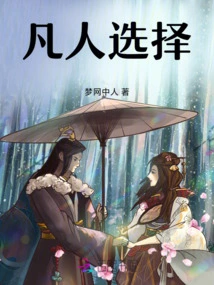
Mortal Choice
Fantasy Romance凡人选择
Dream Network Man
In order to prevent the erosion of their divine personality, the ancient gods sealed themselves and dispersed their power into the human bloodline. Three thousand years later, the Godhead awakened again - Yaotong Yun from Luohe Town inherited the memory of Jun, the Creator God Emperor, while Xiang Yao, his childhood sweetheart, was possessed by the power of the Drought Demon. In order to find a way to control the godhead, the two embarked on the road to escape. They met Shennong, Fuxing Suhe, and the Plum Blossom Demon Slim Waist. They also encountered Suwei who was corroded by the declining god, the ambitious Gou Mang, the emperor who longed to become a god, and the new crisis brought by the new generation of divine awakeners. From returning to the ruins to rest in peace to the awakening of the Son of God, from the fate of brothers to waiting for a thousand years, Yun Qu and others always face the same choice: should they adapt to the godhead and become a new god, or should they stick to their humanity and become mortals? When the Resurrectionists tried to awaken the gods, and when the sons of God were lost in power, they proved with their actions that true strength lies not in possessing divine power, but in having the courage to choose to "be human." Mountains and seas have no boundaries, but human hearts have boundaries. This boundary is love, care and the endless mortal heart.
In order to prevent the erosion of their divine personality, the ancient gods sealed themselves and dispersed their power into the human bloodline. Three thousand years later, the Godhead awakened again - Yaotong Yun from Luohe Town inherited the memory of Jun, the Creator God Emperor, while Xiang Yao, his childhood sweetheart, was possessed by the power of the Drought Demon. In order to find a way to control the godhead, the two embarked on the road to escape. They met Shennong, Fuxing Suhe, and the Plum Blossom Demon Slim Waist. They also encountered Suwei who was corroded by the declining god, the ambitious Gou Mang, the emperor who longed to become a god, and the new crisis brought by the new generation of divine awakeners. From returning to the ruins to rest in peace to the awakening of the Son of God, from the fate of brothers to waiting for a thousand years, Yun Qu and others always face the same choice: should they adapt to the godhead and become a new god, or should they stick to their humanity and become mortals? When the Resurrectionists tried to awaken the gods, and when the sons of God were lost in power, they proved with their actions that true strength lies not in possessing divine power, but in having the courage to choose to "be human." Mountains and seas have no boundaries, but human hearts have boundaries. This boundary is love, care and the endless mortal heart.
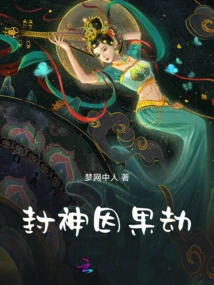
God's Cause and Effect Tribulation
Fantasy Romance封神因果劫
Dream Network Man
Jiang Nian, an outer disciple of Maoshan, was involved in the three thousand years of cause and effect on the God List because he could see the "causal line" on the magic weapon. Entrusted by Wen Zhong, she embarked on a journey to collect thirty-six magic weapons from the Journey to the West in order to rescue the three hundred and sixty-five righteous gods and one hundred and eight vassals who were trapped in the list. On the way, she accompanied Su Daji's remnant soul and passed through Jindou Mountain, Pingding Mountain, Flame Mountain, Emei Mountain, Shitunoling, Netherworld and other places. Every time she received a magic weapon, she awakened a ray of soul of the Jie Jiao disciples and got a glimpse of the truth of the Conferred God War. Zhao Gongming, Empress Sanxiao, Huang Feihu, Holy Mother of the Golden Spirit, and others asked for help in their dreams, while Shen Gongbao set up the "Zhoutian Karma Array" in the East China Sea with the intention of restarting the list of gods and seizing the throne of the Emperor of Heaven. The Three Realms War broke out, and Western religions took advantage of the situation and tried to conquer the gods in heaven and on earth. The leader of Tongtian Cult broke out of the bottle and joined forces with Jiang Nian and others to repel the Western Cult. In the end, Jiang Nian entered the core of the list of gods and enlightened Yuanshi Tianzun, causing him to let go of his fear and the lines of cause and effect were loosened on their own. The list of gods was completely dissipated, and the gods reincarnated into the human world, each finding his own place. Su Daji was distracted and returned to Nuwa Palace and was reincarnated as a human; Shen Gongbao vowed to die to get rid of the poison; Yuanshi Tianzun had an epiphany and was relieved. Jiang Nian returned to the fishing village, fished for a living, and waited for his old friend. Thousands of years later, her story has turned into a deserted small temple, with only an old friend's promise left on a Bodhi leaf. Breaking and then standing up, indicating new life. Three thousand years of cause and effect will eventually lead to fireworks in the world.
Jiang Nian, an outer disciple of Maoshan, was involved in the three thousand years of cause and effect on the God List because he could see the "causal line" on the magic weapon. Entrusted by Wen Zhong, she embarked on a journey to collect thirty-six magic weapons from the Journey to the West in order to rescue the three hundred and sixty-five righteous gods and one hundred and eight vassals who were trapped in the list. On the way, she accompanied Su Daji's remnant soul and passed through Jindou Mountain, Pingding Mountain, Flame Mountain, Emei Mountain, Shitunoling, Netherworld and other places. Every time she received a magic weapon, she awakened a ray of soul of the Jie Jiao disciples and got a glimpse of the truth of the Conferred God War. Zhao Gongming, Empress Sanxiao, Huang Feihu, Holy Mother of the Golden Spirit, and others asked for help in their dreams, while Shen Gongbao set up the "Zhoutian Karma Array" in the East China Sea with the intention of restarting the list of gods and seizing the throne of the Emperor of Heaven. The Three Realms War broke out, and Western religions took advantage of the situation and tried to conquer the gods in heaven and on earth. The leader of Tongtian Cult broke out of the bottle and joined forces with Jiang Nian and others to repel the Western Cult. In the end, Jiang Nian entered the core of the list of gods and enlightened Yuanshi Tianzun, causing him to let go of his fear and the lines of cause and effect were loosened on their own. The list of gods was completely dissipated, and the gods reincarnated into the human world, each finding his own place. Su Daji was distracted and returned to Nuwa Palace and was reincarnated as a human; Shen Gongbao vowed to die to get rid of the poison; Yuanshi Tianzun had an epiphany and was relieved. Jiang Nian returned to the fishing village, fished for a living, and waited for his old friend. Thousands of years later, her story has turned into a deserted small temple, with only an old friend's promise left on a Bodhi leaf. Breaking and then standing up, indicating new life. Three thousand years of cause and effect will eventually lead to fireworks in the world.
Thousands of Hands and One Heart
Ancient Romance千手一心
Dream Network Man
At the end of Ming Dynasty and the beginning of Qing Dynasty, the world was in chaos. A fire broke out in the Sutra Pavilion of Shaolin Temple overnight, and the treasures of the temple disappeared. The thief of the sutras turned out to be the warrior monk Ye Wujiang. Twenty years later, a young man who claimed to be "nameless" entered the temple to seek Dharma. His fists and feet contained many secrets, and his identity became a mystery. He began to practice the most basic "Three Right" boxing techniques of Luohan Hall. He studied under Cheng Guan Shizuo and received enlightenment from Zen Master Liaochen of Mengzang Sutra Pavilion, gradually realizing the principle of "the unity of Zen and martial arts". When his life experience was revealed - he was actually Ye Wujiang's orphan - the obsession for revenge and the compassion of Buddhism fiercely fought in his heart. The forces of the White Lotus Sect, Mantis Sect, and the Qing court took turns to appear, and the 300-year-old foundation of Shaolin Temple was in jeopardy. From Shaolin to Jianghu, from seeking revenge to enlightenment, Jingchen steps closer to the truth in blood and fire: his father is not a traitor, and his enemy is not purely evil. When he finally faced Xu Hongru, the enemy who killed his father, what he picked up with his fingers was not hatred, but letting go. Siping died in battle at Shanmen, he died and sat in the lantern, and Ananda inherited the mantle. Jingchen finally returned to his old residence in Houshan and practiced the most basic Luohan Quan every morning - clasping his hands together, punching from a horse stance, and pushing palms from a lunge. What he practices is not boxing, but his heart. This is a martial arts novel about foundation and realm, obsession and letting go, inheritance and innovation. Behind the brilliance of the seventy-two stunts, it is the simple truth of "the unity of Zen and martial arts".
At the end of Ming Dynasty and the beginning of Qing Dynasty, the world was in chaos. A fire broke out in the Sutra Pavilion of Shaolin Temple overnight, and the treasures of the temple disappeared. The thief of the sutras turned out to be the warrior monk Ye Wujiang. Twenty years later, a young man who claimed to be "nameless" entered the temple to seek Dharma. His fists and feet contained many secrets, and his identity became a mystery. He began to practice the most basic "Three Right" boxing techniques of Luohan Hall. He studied under Cheng Guan Shizuo and received enlightenment from Zen Master Liaochen of Mengzang Sutra Pavilion, gradually realizing the principle of "the unity of Zen and martial arts". When his life experience was revealed - he was actually Ye Wujiang's orphan - the obsession for revenge and the compassion of Buddhism fiercely fought in his heart. The forces of the White Lotus Sect, Mantis Sect, and the Qing court took turns to appear, and the 300-year-old foundation of Shaolin Temple was in jeopardy. From Shaolin to Jianghu, from seeking revenge to enlightenment, Jingchen steps closer to the truth in blood and fire: his father is not a traitor, and his enemy is not purely evil. When he finally faced Xu Hongru, the enemy who killed his father, what he picked up with his fingers was not hatred, but letting go. Siping died in battle at Shanmen, he died and sat in the lantern, and Ananda inherited the mantle. Jingchen finally returned to his old residence in Houshan and practiced the most basic Luohan Quan every morning - clasping his hands together, punching from a horse stance, and pushing palms from a lunge. What he practices is not boxing, but his heart. This is a martial arts novel about foundation and realm, obsession and letting go, inheritance and innovation. Behind the brilliance of the seventy-two stunts, it is the simple truth of "the unity of Zen and martial arts".
Thousands of Years of Martial Arts
Ancient Romance武脉千年
Dream Network Man
During the Jiajing period of the Ming Dynasty, Japanese pirates were rampant and life along the southeast coast was in ruins. Shaolin warrior monk Jue Yuan followed his master to fight against the Japanese, and first realized the principle of "killing evil to protect good" in the bloody battle in Hangzhou; Foshan businesswoman Liang Zhirou became a disciple of Wu Sheng in the theater troupe to protect the trade route, and inherited Wing Chun; Wudang Taoist Yun Hezi went down the mountain under the orders of his master, and traveled south together with Bai Suxin, the Emei heroine who avenged her father. The four met in Foshan, and the martial arts from different schools collided and blended, forming a life-and-death friendship. When the conspiracy between the Japanese pirate leader Yagyu Itto and the imperial traitor came to light, the descendants of the four factions reunited and sneaked into an isolated island in the East China Sea to rescue the imprisoned famous anti-Japanese general Yu Dayou. In a desperate situation, Bai Suxin puts down her hatred, Yagyu realizes the Tao on his deathbed, and the four major schools defeat the enemy with the power of "unity of heart and mind". After the war, Jue Yuan returned to Shaolin and created the "Gui Yi Guan", Zhirou opened a Wing Chun Hall in Foshan, Yun Hezi wrote "The Twelve Links of Xingyi", and was determined to teach Jade Girl's swordsmanship in Hangzhou. Sixty years later, the descendants of the four sects met again, confirming that "the martial arts has a thousand years of history, and the fire is endless" - martial arts is not about killing people, but protecting people; inheritance is more important than martial arts, people's hearts are unified, and martial arts should be unified.
During the Jiajing period of the Ming Dynasty, Japanese pirates were rampant and life along the southeast coast was in ruins. Shaolin warrior monk Jue Yuan followed his master to fight against the Japanese, and first realized the principle of "killing evil to protect good" in the bloody battle in Hangzhou; Foshan businesswoman Liang Zhirou became a disciple of Wu Sheng in the theater troupe to protect the trade route, and inherited Wing Chun; Wudang Taoist Yun Hezi went down the mountain under the orders of his master, and traveled south together with Bai Suxin, the Emei heroine who avenged her father. The four met in Foshan, and the martial arts from different schools collided and blended, forming a life-and-death friendship. When the conspiracy between the Japanese pirate leader Yagyu Itto and the imperial traitor came to light, the descendants of the four factions reunited and sneaked into an isolated island in the East China Sea to rescue the imprisoned famous anti-Japanese general Yu Dayou. In a desperate situation, Bai Suxin puts down her hatred, Yagyu realizes the Tao on his deathbed, and the four major schools defeat the enemy with the power of "unity of heart and mind". After the war, Jue Yuan returned to Shaolin and created the "Gui Yi Guan", Zhirou opened a Wing Chun Hall in Foshan, Yun Hezi wrote "The Twelve Links of Xingyi", and was determined to teach Jade Girl's swordsmanship in Hangzhou. Sixty years later, the descendants of the four sects met again, confirming that "the martial arts has a thousand years of history, and the fire is endless" - martial arts is not about killing people, but protecting people; inheritance is more important than martial arts, people's hearts are unified, and martial arts should be unified.
The Legend of Kongtong Heroes
Ancient Romance崆峒奇侠传
Dream Network Man
The novel is set during the Jiajing period of the Ming Dynasty and tells the story of Yun Yichen, a young disciple of the Kongtong sect. The Kongtong Town sect's treasure "Seven Injury Boxing Sutra" was mysteriously stolen, triggering a multi-party fight among Japanese pirates, imperial spies, and killer organizations. Yun Yichen, armed with a rare army of whiskers, discovers during the investigation that behind the boxing sutra lies the secret of curing the terminal illness of "Five Elements Rebellion", which also involves the hidden illness of Emperor Jiajing, the life and death of Prince Aichong, and other palace secrets. As the investigation deepened, Yun Yichen not only uncovered the mystery of his life experience as an orphan of the eighth generation leader, but also gradually understood the true meaning of Kongtong martial arts in response to the national crisis of the border Tatar invasion: Seven Injury Fist is not for hurting people, but a health-preserving and guiding technique for harmonizing Yin and Yang; Faced with the dispute between the sect's "keeping the Tao" and "using the world", he finally founded the "Kongtong Martial Arts Hall", turning the secret martial arts into medical, agricultural and border defense techniques that openly benefited the world, and truly realized the highest level of martial arts of "defending the Tao with martial arts and maintaining the power of the Western Frontier".
The novel is set during the Jiajing period of the Ming Dynasty and tells the story of Yun Yichen, a young disciple of the Kongtong sect. The Kongtong Town sect's treasure "Seven Injury Boxing Sutra" was mysteriously stolen, triggering a multi-party fight among Japanese pirates, imperial spies, and killer organizations. Yun Yichen, armed with a rare army of whiskers, discovers during the investigation that behind the boxing sutra lies the secret of curing the terminal illness of "Five Elements Rebellion", which also involves the hidden illness of Emperor Jiajing, the life and death of Prince Aichong, and other palace secrets. As the investigation deepened, Yun Yichen not only uncovered the mystery of his life experience as an orphan of the eighth generation leader, but also gradually understood the true meaning of Kongtong martial arts in response to the national crisis of the border Tatar invasion: Seven Injury Fist is not for hurting people, but a health-preserving and guiding technique for harmonizing Yin and Yang; Faced with the dispute between the sect's "keeping the Tao" and "using the world", he finally founded the "Kongtong Martial Arts Hall", turning the secret martial arts into medical, agricultural and border defense techniques that openly benefited the world, and truly realized the highest level of martial arts of "defending the Tao with martial arts and maintaining the power of the Western Frontier".
Clouds Rise from Huashan
Ancient Romance云起华山
Dream Network Man
During the Jiajing period of the Ming Dynasty, the imperial court was in chaos, factory guards were rampant, and Japanese pirates were raging. In order to find the true meaning of "Haoran Zhengqi", Gu Qingxuan, a disciple of Huashan Mountain, was ordered by his master to go down the mountain and was involved in a bloody storm that swept the world. He successively met Jiang Zhilan, the successor of the Jade Girl Sword, and Shen Lian, a member of the Jinyiwei Baihu family. The fate of the three people was intertwined because of a legendary ancient book "Haoran Zhengqi Jue". From the bloody battle against the Japanese in the southeast to the plot to overthrow Yan Song in the capital; from the entanglement between father and daughter, to the tragedy of brothers sacrificing their lives - they tempered themselves between life and death, made choices between good and evil, and gradually realized the truth that "the great righteousness is not between the fists and feet, between heaven and earth, and between the hearts of the people." When the Ming Zun Sect of the Western Regions invaded in large numbers, Shaolin Wudang was robbed one after another. The three finally used the supreme swordsmanship of "three families in one" to launch the ultimate showdown with the powerful enemy. Shen Lian sacrificed his life for righteousness and attained the status of Arhat; Gu Qingxuan and Jiang Zhilan realized that "heaven and man are one" and passed down the righteousness of Haoran from generation to generation. This is a martial arts epic that combines the philosophies of Confucianism, Buddhism and Taoism. It is a magnificent song about growth, friendship and faith. It tells the world: The true awe-inspiring righteousness is not found in martial arts secret books, but in the heart of every upright and kind-hearted person.
During the Jiajing period of the Ming Dynasty, the imperial court was in chaos, factory guards were rampant, and Japanese pirates were raging. In order to find the true meaning of "Haoran Zhengqi", Gu Qingxuan, a disciple of Huashan Mountain, was ordered by his master to go down the mountain and was involved in a bloody storm that swept the world. He successively met Jiang Zhilan, the successor of the Jade Girl Sword, and Shen Lian, a member of the Jinyiwei Baihu family. The fate of the three people was intertwined because of a legendary ancient book "Haoran Zhengqi Jue". From the bloody battle against the Japanese in the southeast to the plot to overthrow Yan Song in the capital; from the entanglement between father and daughter, to the tragedy of brothers sacrificing their lives - they tempered themselves between life and death, made choices between good and evil, and gradually realized the truth that "the great righteousness is not between the fists and feet, between heaven and earth, and between the hearts of the people." When the Ming Zun Sect of the Western Regions invaded in large numbers, Shaolin Wudang was robbed one after another. The three finally used the supreme swordsmanship of "three families in one" to launch the ultimate showdown with the powerful enemy. Shen Lian sacrificed his life for righteousness and attained the status of Arhat; Gu Qingxuan and Jiang Zhilan realized that "heaven and man are one" and passed down the righteousness of Haoran from generation to generation. This is a martial arts epic that combines the philosophies of Confucianism, Buddhism and Taoism. It is a magnificent song about growth, friendship and faith. It tells the world: The true awe-inspiring righteousness is not found in martial arts secret books, but in the heart of every upright and kind-hearted person.

People Who Cross Borders
Science Fiction渡界之人
Dream Network Man
In the near future, technologies such as gene editing and brain-computer interface will reshape life, and mankind will enter the deep waters of technology. In order to save his daughter Ye Zhiwei, who suffers from a rare genetic disease, neurosurgeon Lin Yuan became a deep enhancer, but gradually lost his emotions in the process of efficiency; Ye Zhiwei's innate immortality became the "key to evolution" that all parties competed for. Ethicist Lu Huaisha created the "Original Fire" to set technological ethical boundaries, cyborg cockroach controller Zhou Yan discovered that insect swarms evolved independent intelligence, and ALS scientist Vera uploaded consciousness to the biological brain matrix. The story spans more than twenty years, from the disillusionment of the enhancer "Penglai" utopia, to the splitting of human beings into multiple forms due to technological paths, to the super AI "other shore" initiating a global consciousness fusion crisis. All parties understand through confrontation and dialogue that the future of mankind is a "threshold" where differences, fragility and uncertainty coexist. In the end, the "Threshold Symbiosis Charter" was concluded, recognizing the right of multiple existences, and civilization was reborn as a "bridge" that allowed all roads to coexist after being broken. This is a story about choice and responsibility, revealing that true evolution is protecting each other's freedom to be ourselves.
In the near future, technologies such as gene editing and brain-computer interface will reshape life, and mankind will enter the deep waters of technology. In order to save his daughter Ye Zhiwei, who suffers from a rare genetic disease, neurosurgeon Lin Yuan became a deep enhancer, but gradually lost his emotions in the process of efficiency; Ye Zhiwei's innate immortality became the "key to evolution" that all parties competed for. Ethicist Lu Huaisha created the "Original Fire" to set technological ethical boundaries, cyborg cockroach controller Zhou Yan discovered that insect swarms evolved independent intelligence, and ALS scientist Vera uploaded consciousness to the biological brain matrix. The story spans more than twenty years, from the disillusionment of the enhancer "Penglai" utopia, to the splitting of human beings into multiple forms due to technological paths, to the super AI "other shore" initiating a global consciousness fusion crisis. All parties understand through confrontation and dialogue that the future of mankind is a "threshold" where differences, fragility and uncertainty coexist. In the end, the "Threshold Symbiosis Charter" was concluded, recognizing the right of multiple existences, and civilization was reborn as a "bridge" that allowed all roads to coexist after being broken. This is a story about choice and responsibility, revealing that true evolution is protecting each other's freedom to be ourselves.