Library
Browse and search books
22 novels found
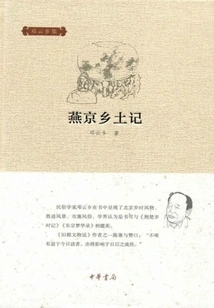
燕京乡土记(邓云乡集)
Deng Yunxiang
As the capital for more than five hundred years, Beijing not only has beautiful mountains and rivers, gardens, palaces, and shops, but also rich products and honest customs. Over the past few hundred years, a unique "Beijing flavor" has been formed, which runs through the entire life of Beijingers. This is the so-called "local style". This book mainly describes the local customs, including food, clothing, housing and transportation, seasonal events, human relationships, and local products. These are all the most minute and trivial things in life, and they are very closely related to life. This book will forever leave an "old Beijing" that cannot be returned, the most vivid old Beijing, in the book.
As the capital for more than five hundred years, Beijing not only has beautiful mountains and rivers, gardens, palaces, and shops, but also rich products and honest customs. Over the past few hundred years, a unique "Beijing flavor" has been formed, which runs through the entire life of Beijingers. This is the so-called "local style". This book mainly describes the local customs, including food, clothing, housing and transportation, seasonal events, human relationships, and local products. These are all the most minute and trivial things in life, and they are very closely related to life. This book will forever leave an "old Beijing" that cannot be returned, the most vivid old Beijing, in the book.
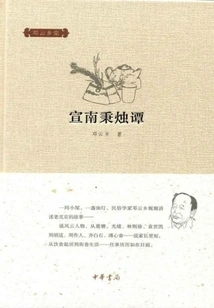
宣南秉烛谭(邓云乡集)
Deng Yunxiang
Mr. Deng Yunxiang, a master of literature and history, held a candlelit night chat with readers, detailing the history and cultural anecdotes of the Xuannan area, from eminent figures such as Cixi, Guangxu, and Yuan Shikai to cultural masters such as Hu Shi, Zhou Zuoren, and Qi Baishi.
Mr. Deng Yunxiang, a master of literature and history, held a candlelit night chat with readers, detailing the history and cultural anecdotes of the Xuannan area, from eminent figures such as Cixi, Guangxu, and Yuan Shikai to cultural masters such as Hu Shi, Zhou Zuoren, and Qi Baishi.
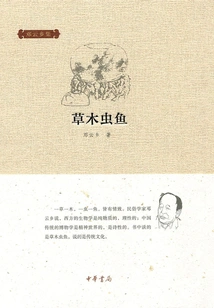
草木虫鱼(邓云乡集)
Deng Yunxiang
Folklorist Mr. Deng Yunxiang wrote about the knowledge about vegetation, insects and fish. It seems to focus on plants, trees, insects and fish, but in fact the focus is not on this, but on telling traditional Chinese culture through plants, trees, insects and fish, which is full of strong Chinese cultural interest.
Folklorist Mr. Deng Yunxiang wrote about the knowledge about vegetation, insects and fish. It seems to focus on plants, trees, insects and fish, but in fact the focus is not on this, but on telling traditional Chinese culture through plants, trees, insects and fish, which is full of strong Chinese cultural interest.
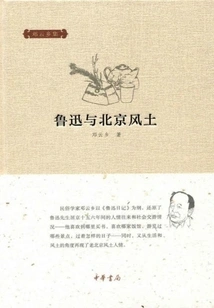
鲁迅与北京风土(邓云乡集)
Deng Yunxiang
Folklorist Mr. Deng Yunxiang used "Lu Xun's Diary" as an outline to record the real situation of Lu Xun's life in Beijing from the perspective of customs and life, such as the appearance and layout of Liulichang, where Lu Xun often visited, the route of Changdian and its time-honored cultural and catering brands, and the places of interest and historic sites where Lu Xun gathered with his friends. It also involved many details of Beijing's customs and social life in the early 20th century, and preserved important information in this regard. It can be said that scenery depends on people, and it can be said that seeing small things makes you see big things. The writing is concise and smooth, with a real sense of history and presence. It is like returning to the streets and alleys of old Beijing, following the footsteps of Mr. Lu Xun, carefully visiting and savoring old Beijing.
Folklorist Mr. Deng Yunxiang used "Lu Xun's Diary" as an outline to record the real situation of Lu Xun's life in Beijing from the perspective of customs and life, such as the appearance and layout of Liulichang, where Lu Xun often visited, the route of Changdian and its time-honored cultural and catering brands, and the places of interest and historic sites where Lu Xun gathered with his friends. It also involved many details of Beijing's customs and social life in the early 20th century, and preserved important information in this regard. It can be said that scenery depends on people, and it can be said that seeing small things makes you see big things. The writing is concise and smooth, with a real sense of history and presence. It is like returning to the streets and alleys of old Beijing, following the footsteps of Mr. Lu Xun, carefully visiting and savoring old Beijing.
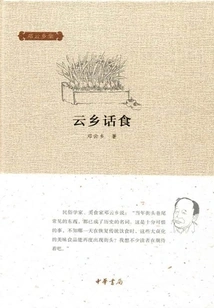
云乡话食(邓云乡集)
Deng Yunxiang
Deng Yunxiang, together with Liang Shiqiu and Tang Lusun, is known as one of the "three major Chinese gourmets". The old man uses his life interest to write about food, from Beijing to Jiangnan, from street noodles to red house eggplant, from Chinese cabbage to anchovies. There are poems, allusions, customs and traditions, anecdotes, and the natural expression of the old man's taste, giving people unlimited space for imagination, as if the senses can also be conveyed. And Mr. Deng Yunxiang is a folklorist, so what he talks about is not just food, but also the accumulation of folk culture, the taste of his hometown that cannot be returned.
Deng Yunxiang, together with Liang Shiqiu and Tang Lusun, is known as one of the "three major Chinese gourmets". The old man uses his life interest to write about food, from Beijing to Jiangnan, from street noodles to red house eggplant, from Chinese cabbage to anchovies. There are poems, allusions, customs and traditions, anecdotes, and the natural expression of the old man's taste, giving people unlimited space for imagination, as if the senses can also be conveyed. And Mr. Deng Yunxiang is a folklorist, so what he talks about is not just food, but also the accumulation of folk culture, the taste of his hometown that cannot be returned.
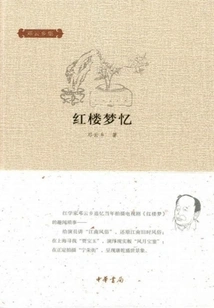
红楼梦忆(邓云乡集)
Deng Yunxiang
"Memories of a Dream of Red Mansions" is a recall article written by the author about his participation in the TV series "A Dream of Red Mansions". The author mainly talks about the hardships and joys of adapting "A Dream of Red Mansions" as a novel into a film and television work. For example, the filming team spent nearly a month on the sentence "There is a ten-mile street outside this Changmen" in the first episode of "A Dream of Red Mansions". , To decorate this small street from two hundred years ago, we tried our best to find sellers of Taowu New Year pictures, Huqiu clay figurines, embroidery sellers, candy porridge sellers, bird sellers, and flower sellers. It was very troublesome, but there was also a lot of joy. For example, when we were looking for "baoyu" in Shanghai, there was a team specifically responsible for finding "baoyu" from south to north, and finally found it in Beijing. In addition to describing the filming process of "Dream of Red Mansions", this book also has two parts. One is the poems written by the author when he was with the filming team, which is compiled into "Yin Cao of Red Mansions", and the other is a short essay about "Red Mansions TV", which is compiled into "Briefs from Red Mansions".
"Memories of a Dream of Red Mansions" is a recall article written by the author about his participation in the TV series "A Dream of Red Mansions". The author mainly talks about the hardships and joys of adapting "A Dream of Red Mansions" as a novel into a film and television work. For example, the filming team spent nearly a month on the sentence "There is a ten-mile street outside this Changmen" in the first episode of "A Dream of Red Mansions". , To decorate this small street from two hundred years ago, we tried our best to find sellers of Taowu New Year pictures, Huqiu clay figurines, embroidery sellers, candy porridge sellers, bird sellers, and flower sellers. It was very troublesome, but there was also a lot of joy. For example, when we were looking for "baoyu" in Shanghai, there was a team specifically responsible for finding "baoyu" from south to north, and finally found it in Beijing. In addition to describing the filming process of "Dream of Red Mansions", this book also has two parts. One is the poems written by the author when he was with the filming team, which is compiled into "Yin Cao of Red Mansions", and the other is a short essay about "Red Mansions TV", which is compiled into "Briefs from Red Mansions".
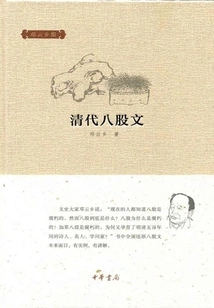
清代八股文(邓云乡集)
Deng Yunxiang
Introducing popular reading materials on eight-part essays in the Qing Dynasty. The book is divided into eighteen topics, comprehensively introducing all aspects of the Eight-legged essay in the Qing Dynasty, such as the evolution and history of the Eight-legged essay, the relationship between the Eight-legged essay and the imperial examination, the characteristics of the Eight-legged essay, famous Eight-legged essays, etc. It aims to give readers a more objective understanding of this. The Eight-legged essay has shortcomings, but it does still have merits in training the rigor and dialectics of Chinese thinking.
Introducing popular reading materials on eight-part essays in the Qing Dynasty. The book is divided into eighteen topics, comprehensively introducing all aspects of the Eight-legged essay in the Qing Dynasty, such as the evolution and history of the Eight-legged essay, the relationship between the Eight-legged essay and the imperial examination, the characteristics of the Eight-legged essay, famous Eight-legged essays, etc. It aims to give readers a more objective understanding of this. The Eight-legged essay has shortcomings, but it does still have merits in training the rigor and dialectics of Chinese thinking.
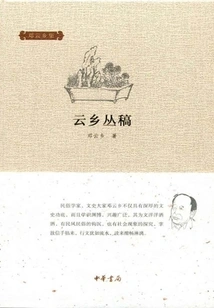
云乡丛稿(邓云乡集)
Deng Yunxiang
Mr. Deng Yunxiang is knowledgeable and has a profound foundation in literature and history. His writings are always insightful. This book either studies folklore and Chinese folk customs at a macro level, examines wine and folk customs, the evolution of Chinese funerals at a micro level, etc., Or explores historical and cultural phenomena that have divergent opinions by focusing on modern literati and cultural affairs, such as "Historical Stories from Peking Jianpu" and "Chen Shizeng's Art".
Mr. Deng Yunxiang is knowledgeable and has a profound foundation in literature and history. His writings are always insightful. This book either studies folklore and Chinese folk customs at a macro level, examines wine and folk customs, the evolution of Chinese funerals at a micro level, etc., Or explores historical and cultural phenomena that have divergent opinions by focusing on modern literati and cultural affairs, such as "Historical Stories from Peking Jianpu" and "Chen Shizeng's Art".
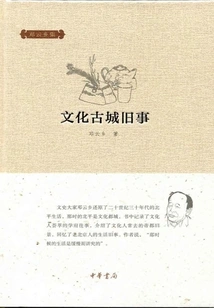
文化古城旧事(邓云乡集)
Deng Yunxiang
Mr. Deng Yunxiang, a master of literature and history, traced the golden age of the ancient cultural city (1928-1937), recalled the past events of the ancient cultural city's schools, environmental atmosphere, anecdotes of scholars, cultural art gardens, etc., From academics that connected the East and the West to leisurely and comfortable daily life, and outlined a three-dimensional history of cultural life in the ancient city.
Mr. Deng Yunxiang, a master of literature and history, traced the golden age of the ancient cultural city (1928-1937), recalled the past events of the ancient cultural city's schools, environmental atmosphere, anecdotes of scholars, cultural art gardens, etc., From academics that connected the East and the West to leisurely and comfortable daily life, and outlined a three-dimensional history of cultural life in the ancient city.
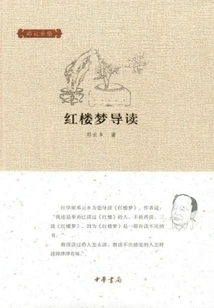
红楼梦导读(邓云乡集)
Deng Yunxiang
This book selects 13 representative chapters in "Dream of Red Mansions", such as Chapters 1, 2, 3, and Chapter 5, which are outlines, and evaluates the status, role, and characteristics of these chapters in the whole book one by one. More importantly, in the introduction, the author answers many aspects related to "Dream of Red Mansions", such as versions, customs, language features, Red Mansions poetry, etc. Generally speaking, the author's introduction to the book "A Dream of Red Mansions" does not have the depth of academic research. The author's intention is to introduce more knowledge about the Red Mansions, hoping that readers can understand this masterpiece with their own understanding by carefully reading the text itself.
This book selects 13 representative chapters in "Dream of Red Mansions", such as Chapters 1, 2, 3, and Chapter 5, which are outlines, and evaluates the status, role, and characteristics of these chapters in the whole book one by one. More importantly, in the introduction, the author answers many aspects related to "Dream of Red Mansions", such as versions, customs, language features, Red Mansions poetry, etc. Generally speaking, the author's introduction to the book "A Dream of Red Mansions" does not have the depth of academic research. The author's intention is to introduce more knowledge about the Red Mansions, hoping that readers can understand this masterpiece with their own understanding by carefully reading the text itself.
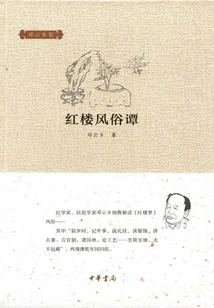
红楼风俗谭(邓云乡集)
Deng Yunxiang
The author Deng Yunxiang was born in old Beijing. Throughout his life, he paid attention to Beijing's stories, customs and old news. He made detailed research and quotations, tracing back to the source. This book examines the customs of the Red Mansion, narrates the years, records events, etiquette, costumes, antiques, officialdom, Taoist gardens, and crafts. It also includes naughty class readings and scholarly sermons. It is packed with details and everything is included. Mr. Yunxiang's words are clear-cut and grand, and he talks so eloquently that you will forget to read them.
The author Deng Yunxiang was born in old Beijing. Throughout his life, he paid attention to Beijing's stories, customs and old news. He made detailed research and quotations, tracing back to the source. This book examines the customs of the Red Mansion, narrates the years, records events, etiquette, costumes, antiques, officialdom, Taoist gardens, and crafts. It also includes naughty class readings and scholarly sermons. It is packed with details and everything is included. Mr. Yunxiang's words are clear-cut and grand, and he talks so eloquently that you will forget to read them.
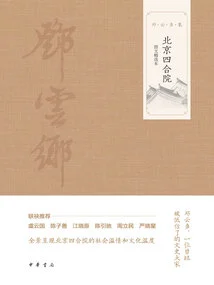
北京四合院(图文精选本)
Deng Yunxiang
Deng Yunxiang said that the courtyard can represent the style of Beijing, "integrating with Beijing and integrating with history. Without it, how can it show the life of Beijing?" Deng Yunxiang uses a deeply nostalgic style to introduce the standards, changes, flowers, trees, layout, etc. Of the courtyard, as well as the personnel and life in the courtyard. Here, courtyard houses have become a unique symbol imbued with the atmosphere of Beijing.
Deng Yunxiang said that the courtyard can represent the style of Beijing, "integrating with Beijing and integrating with history. Without it, how can it show the life of Beijing?" Deng Yunxiang uses a deeply nostalgic style to introduce the standards, changes, flowers, trees, layout, etc. Of the courtyard, as well as the personnel and life in the courtyard. Here, courtyard houses have become a unique symbol imbued with the atmosphere of Beijing.
红楼识小录(图文精选本)
Deng Yunxiang
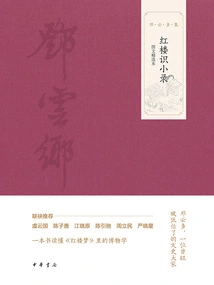
As the saying goes, "Who can interpret the flavor?" Many of the "flavors" in "A Dream of Red Mansions" come from small things. The famous red scholar Deng Yunxiang started from the small things in the book and used small things to understand the big things. He explained the difficult things and inexplicable things, covering various aspects such as economy, transportation, folk customs, products, etc., And built a unique museum to display the material world of "Dream of Red Mansions" in front of us in detail.
As the saying goes, "Who can interpret the flavor?" Many of the "flavors" in "A Dream of Red Mansions" come from small things. The famous red scholar Deng Yunxiang started from the small things in the book and used small things to understand the big things. He explained the difficult things and inexplicable things, covering various aspects such as economy, transportation, folk customs, products, etc., And built a unique museum to display the material world of "Dream of Red Mansions" in front of us in detail.
文化古城旧事(图文精选本)
Deng Yunxiang
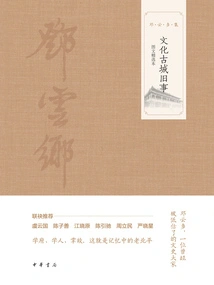
Peiping from 1927 to 1937 was the "golden age" of Beijing in the Republic of China, with a concentration of famous schools and a gathering of literati. As a cultural capital, it was full of charm. Deng Yunxiang grew up and lived in Peiping during this period. He revisited this peaceful and peaceful cultural ancient city in his memories, restoring the cultural atmosphere of the time. Like "Along the River During the Qingming Festival", it outlines the history of cultural life in the ancient city in a three-dimensional way, which makes people think endlessly.
Peiping from 1927 to 1937 was the "golden age" of Beijing in the Republic of China, with a concentration of famous schools and a gathering of literati. As a cultural capital, it was full of charm. Deng Yunxiang grew up and lived in Peiping during this period. He revisited this peaceful and peaceful cultural ancient city in his memories, restoring the cultural atmosphere of the time. Like "Along the River During the Qingming Festival", it outlines the history of cultural life in the ancient city in a three-dimensional way, which makes people think endlessly.
草木虫鱼(图文精选本)
Deng Yunxiang
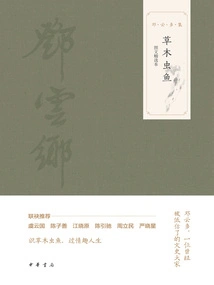
Deng Yunxiang is known as the first person in traditional Chinese natural history after Zhou Zuoren. This book contains more than 40 articles in which he talks about plants, trees, insects and fish. On the one hand, it inherits the tradition of Chinese natural history and establishes biographies of plants, trees, insects and fish. On the other hand, it focuses on revealing the spirit and interest contained in plants, trees, insects and fish. He is particularly good at giving the plants, trees, insects, and fish in his novels a unique life quality from a third-party perspective, leading readers into the world of human nature.
Deng Yunxiang is known as the first person in traditional Chinese natural history after Zhou Zuoren. This book contains more than 40 articles in which he talks about plants, trees, insects and fish. On the one hand, it inherits the tradition of Chinese natural history and establishes biographies of plants, trees, insects and fish. On the other hand, it focuses on revealing the spirit and interest contained in plants, trees, insects and fish. He is particularly good at giving the plants, trees, insects, and fish in his novels a unique life quality from a third-party perspective, leading readers into the world of human nature.
红楼梦忆(图文精选本)
Deng Yunxiang
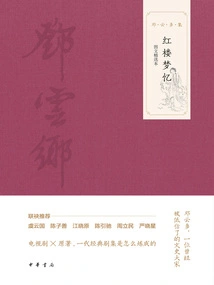
The 1987 version of the TV series "Dream of Red Mansions" is recognized as a classic in the history of drama. As the only folk guide of the show, Deng Yunxiang presented to us all the ups and downs, anecdotes and anecdotes in front of and behind the scenes. The crew of "Red Mansions" put a lot of effort into selecting locations and traveled all over the country. Deng Yunxiang also followed the crew to scout locations. The relevant text not only touches on the people and things in the crew, but also is a wonderful travelogue.
The 1987 version of the TV series "Dream of Red Mansions" is recognized as a classic in the history of drama. As the only folk guide of the show, Deng Yunxiang presented to us all the ups and downs, anecdotes and anecdotes in front of and behind the scenes. The crew of "Red Mansions" put a lot of effort into selecting locations and traveled all over the country. Deng Yunxiang also followed the crew to scout locations. The relevant text not only touches on the people and things in the crew, but also is a wonderful travelogue.
鲁迅与北京风土(图文精选本)
Deng Yunxiang
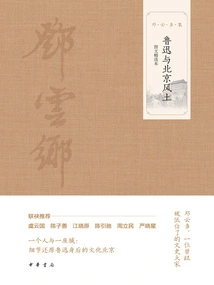
Deng Yunxiang uses "Lu Xun's Diary" as a guide to restore the real situation of Lu Xun's life in Beijing from the perspective of customs and life, such as the time-honored cultural and catering shops, places of interest and historic sites that Lu Xun often visited, and also involves the details of festival customs and social life.
Deng Yunxiang uses "Lu Xun's Diary" as a guide to restore the real situation of Lu Xun's life in Beijing from the perspective of customs and life, such as the time-honored cultural and catering shops, places of interest and historic sites that Lu Xun often visited, and also involves the details of festival customs and social life.
宣南秉烛谭(图文精选本)
Deng Yunxiang
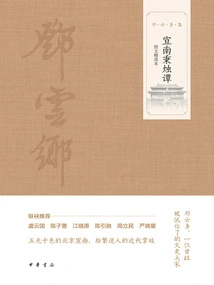
Deng Yunxiang grew up and lived in Beijing when he was a boy. He talked with us by candlelight at night, detailing the history and cultural anecdotes of the Xuannan area of Beijing, from eminent figures such as Cixi, Guangxu, and Yuan Shikai to cultural luminaries such as Gong Zizhen, Zhang Taiyan, and Mei Lanfang.
Deng Yunxiang grew up and lived in Beijing when he was a boy. He talked with us by candlelight at night, detailing the history and cultural anecdotes of the Xuannan area of Beijing, from eminent figures such as Cixi, Guangxu, and Yuan Shikai to cultural luminaries such as Gong Zizhen, Zhang Taiyan, and Mei Lanfang.
云乡话食(图文精选本)
Deng Yunxiang
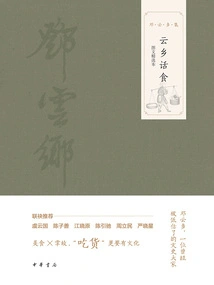
Deng Yunxiang was born in a cultural family and graduated from the Chinese Department of Peking University. He has lived in Beijing and Shanghai for a long time. He carefully observed the folk customs and eating habits of the north and south, and collected historical materials. He told the origin, characteristics, methods and anecdotes behind the food of the north and the south. In particular, he painted the common fruits, vegetables, fish, shrimps and crabs in Yanjing and other traditional foods, using popular delicious memories to express his love for the beautiful tradition.
Deng Yunxiang was born in a cultural family and graduated from the Chinese Department of Peking University. He has lived in Beijing and Shanghai for a long time. He carefully observed the folk customs and eating habits of the north and south, and collected historical materials. He told the origin, characteristics, methods and anecdotes behind the food of the north and the south. In particular, he painted the common fruits, vegetables, fish, shrimps and crabs in Yanjing and other traditional foods, using popular delicious memories to express his love for the beautiful tradition.
燕京乡土记·岁时风物略(图文精选本)
Deng Yunxiang
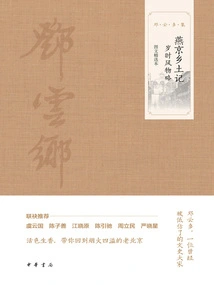
Folklorist Deng Yunxiang used his personal experience combined with rich historical data to vividly outline a picture of the customs and customs of old Beijing from the perspective of the customs of the time. The book is rich in content and affectionate in writing, expressing the deep nostalgia of the older generation of scholars.
Folklorist Deng Yunxiang used his personal experience combined with rich historical data to vividly outline a picture of the customs and customs of old Beijing from the perspective of the customs of the time. The book is rich in content and affectionate in writing, expressing the deep nostalgia of the older generation of scholars.
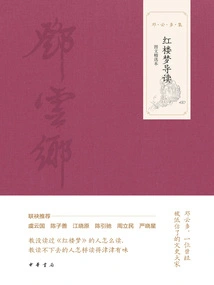
红楼梦导读(图文精选本)
Deng Yunxiang
The famous red scholar Deng Yunxiang, with his profound foundation in red studies, on the one hand introduces the historical evolution, version circulation, literary techniques, poetry and other contents of "A Dream of Red Mansions" from a macro perspective, eliminating the barriers caused by different times and increasing reading interest.
The famous red scholar Deng Yunxiang, with his profound foundation in red studies, on the one hand introduces the historical evolution, version circulation, literary techniques, poetry and other contents of "A Dream of Red Mansions" from a macro perspective, eliminating the barriers caused by different times and increasing reading interest.
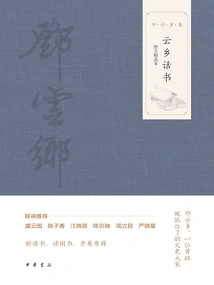
云乡话书(图文精选本)
Deng Yunxiang
Deng Yunxiang Bo Xiao, an ancient and modern scholar, collected miscellaneous knowledge and advocated more "reading" and even more emphasis on "reading leisure books". Nearly 20 articles on his reading experience are selected in the book. They not only talk about official history and imperial examination culture, but also talk freely about Wang Wenshao, Li Ciming, Wang Guowei, Hu Shi, Gu Jiegang, Zhang Boju, Yu Pingbo, Xie Guozhen, Shen Congwen and other officials and gentry scholars.
Deng Yunxiang Bo Xiao, an ancient and modern scholar, collected miscellaneous knowledge and advocated more "reading" and even more emphasis on "reading leisure books". Nearly 20 articles on his reading experience are selected in the book. They not only talk about official history and imperial examination culture, but also talk freely about Wang Wenshao, Li Ciming, Wang Guowei, Hu Shi, Gu Jiegang, Zhang Boju, Yu Pingbo, Xie Guozhen, Shen Congwen and other officials and gentry scholars.