Library
Browse and search books
330 novels found
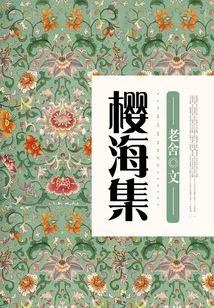
Yinghaiji
General Fiction樱海集
Lao She
"The Collection of Sakura Sea" is Mr. Lao She's second collection of short stories. Most of the works in "Sakukai Collection" can be called "character sketches", and the main purpose of the novel is basically centered on character portrayal.
"The Collection of Sakura Sea" is Mr. Lao She's second collection of short stories. Most of the works in "Sakukai Collection" can be called "character sketches", and the main purpose of the novel is basically centered on character portrayal.
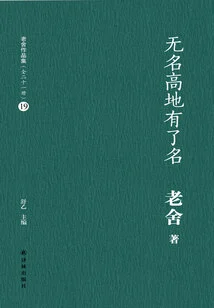
无名高地有了名(老舍作品集19)
Lao She
"The Nameless Highlands Got a Name" tells the story of the battle at Lao Tushan during the War to Resist U. S. Aggression and Aid Korea. Through the description of this battle, it shows the revolutionary spirit of the Chinese People's Volunteers who are not afraid of hardships and courage, as well as the noble custom of loving peace and supporting justice. It also praises the deep feelings between the Volunteers and the Korean people.
"The Nameless Highlands Got a Name" tells the story of the battle at Lao Tushan during the War to Resist U. S. Aggression and Aid Korea. Through the description of this battle, it shows the revolutionary spirit of the Chinese People's Volunteers who are not afraid of hardships and courage, as well as the noble custom of loving peace and supporting justice. It also praises the deep feelings between the Volunteers and the Korean people.
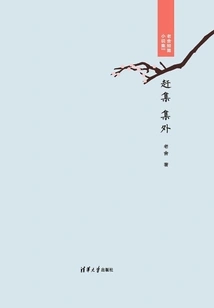
Going to the Market·outside the Market
General Fiction赶集·集外
Lao She
"Going to the market" and "Jiwai" both collect some of Lao She's scattered short works. "Going to the Market" is a collection of the first batch of short stories, and "Outside the Collection" is a later work compiled by Lao She's children. Lao She's language is vulgar and refined, and can be appreciated by both refined and popular people. Most of the works are based on citizen life. He is good at depicting the life and destiny of the urban poor, and is especially good at portraying the conservative and backward middle- and lower-class citizens who are soaked in feudal patriarchal concepts, in the midst of national conflicts and class struggles, and under the impact of new historical trends. The ambivalence of confusion, hesitation, loneliness, and the ridiculous behavior of being in a dilemma and at a loss. He likes to reflect common social conflicts through ordinary scenes, and his brushstrokes often extend to the exploration of the national spirit or the reflection on the destiny of the nation, allowing people to taste the severity and heaviness of life through lightness and humor. The brightly colored rendering of natural scenery and the meticulous description of customs and human feelings add to the life and interest of the work.
"Going to the market" and "Jiwai" both collect some of Lao She's scattered short works. "Going to the Market" is a collection of the first batch of short stories, and "Outside the Collection" is a later work compiled by Lao She's children. Lao She's language is vulgar and refined, and can be appreciated by both refined and popular people. Most of the works are based on citizen life. He is good at depicting the life and destiny of the urban poor, and is especially good at portraying the conservative and backward middle- and lower-class citizens who are soaked in feudal patriarchal concepts, in the midst of national conflicts and class struggles, and under the impact of new historical trends. The ambivalence of confusion, hesitation, loneliness, and the ridiculous behavior of being in a dilemma and at a loss. He likes to reflect common social conflicts through ordinary scenes, and his brushstrokes often extend to the exploration of the national spirit or the reflection on the destiny of the nation, allowing people to taste the severity and heaviness of life through lightness and humor. The brightly colored rendering of natural scenery and the meticulous description of customs and human feelings add to the life and interest of the work.
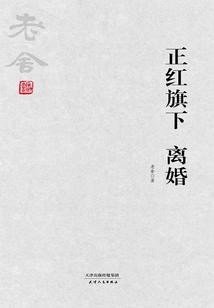
Divorce under Zhenghong
General Fiction正红旗下 离婚
Lao She
The autobiography of "Under the Red Flag" is rich in color and the language is natural and simple, like an old man telling you his childhood. With Mr. Lao She's pen, vivid characters appear on the stage - a gentle and honest father, a thrifty and simple mother, a sharp and arrogant aunt, the eldest brother-in-law who eats, drinks and hass, the eldest sister-in-law who is unreasonable, the eldest sister-in-law who is nothing but a blessing, the smart and capable second brother Fuhai, the cunning and scheming boss, the straightforward duo, the upright and kind shopkeeper Lao Wang, the stubborn Wang Shicheng, Yang The superior Ding Ding, the carefree Bo Shengzhi, the eloquent Suo Laosi, the disabled Zha Erye, the arrogant Pastor Niu... Once the people, they all lived happily and carefree in their own world, but when the Qing Dynasty on which they relied was crumbling, their fate was equally bad... "Divorce" is a great Lao She-style humor. He set his sights on the families of several junior clerks in Peiping: three or four couples of men and women, decent or not so decent, educated or not, all going through divorces like a revolving door. Although it was a bit "tragic" at the beginning, the mediocre philosophies of the citizen class such as caring about face, caring about "conscience", being content with life, and making do with each other hindered their rational choices. As a result, everyone had enough trouble and no one got divorced.
The autobiography of "Under the Red Flag" is rich in color and the language is natural and simple, like an old man telling you his childhood. With Mr. Lao She's pen, vivid characters appear on the stage - a gentle and honest father, a thrifty and simple mother, a sharp and arrogant aunt, the eldest brother-in-law who eats, drinks and hass, the eldest sister-in-law who is unreasonable, the eldest sister-in-law who is nothing but a blessing, the smart and capable second brother Fuhai, the cunning and scheming boss, the straightforward duo, the upright and kind shopkeeper Lao Wang, the stubborn Wang Shicheng, Yang The superior Ding Ding, the carefree Bo Shengzhi, the eloquent Suo Laosi, the disabled Zha Erye, the arrogant Pastor Niu... Once the people, they all lived happily and carefree in their own world, but when the Qing Dynasty on which they relied was crumbling, their fate was equally bad... "Divorce" is a great Lao She-style humor. He set his sights on the families of several junior clerks in Peiping: three or four couples of men and women, decent or not so decent, educated or not, all going through divorces like a revolving door. Although it was a bit "tragic" at the beginning, the mediocre philosophies of the citizen class such as caring about face, caring about "conscience", being content with life, and making do with each other hindered their rational choices. As a result, everyone had enough trouble and no one got divorced.
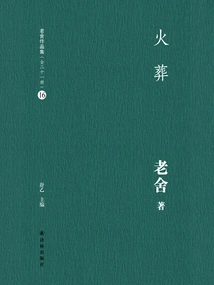
Cremation (lao She's Works Collection 16)
General Fiction火葬(老舍作品集16)
Lao She
"Cremation" is a work with the main theme of the anti-Japanese armed struggle. It describes the heroic behavior of the Chinese army taking advantage of the emptiness of the "Wencheng" occupied by the enemy and sending plainclothes teams to sneak attack on the city, as well as the different faces, mentality and fate of the various people in the city. Tell people that being perfunctory and cowardly in war is self-destruction.
"Cremation" is a work with the main theme of the anti-Japanese armed struggle. It describes the heroic behavior of the Chinese army taking advantage of the emptiness of the "Wencheng" occupied by the enemy and sending plainclothes teams to sneak attack on the city, as well as the different faces, mentality and fate of the various people in the city. Tell people that being perfunctory and cowardly in war is self-destruction.
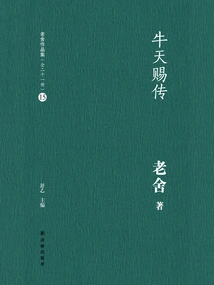
Biography of Niu Tianci (collection of Lao She's Works 15)
General Fiction牛天赐传(老舍作品集15)
Lao She
The merchant Niu and his official wife were old and childless. One day, someone gave them a child. The couple thought that the child was a gift from God and named it Niu Tianci. Tianci has been pampered since he was a child, and coupled with the abnormal upbringing of the Niu couple, he can do nothing except play and write some small articles. His adoptive mother died of illness, his adoptive father's business went bankrupt, and his home was robbed by unknown relatives. Apart from his former servant and friend Lord Hu, he had nothing left by God, and his life faced a huge dilemma. What to do? At this time, the god-sent teacher who had been favored by Old Man Niu suddenly appeared, bringing a glimmer of life to this "child" who was "blessed by the heavenly official"...
The merchant Niu and his official wife were old and childless. One day, someone gave them a child. The couple thought that the child was a gift from God and named it Niu Tianci. Tianci has been pampered since he was a child, and coupled with the abnormal upbringing of the Niu couple, he can do nothing except play and write some small articles. His adoptive mother died of illness, his adoptive father's business went bankrupt, and his home was robbed by unknown relatives. Apart from his former servant and friend Lord Hu, he had nothing left by God, and his life faced a huge dilemma. What to do? At this time, the god-sent teacher who had been favored by Old Man Niu suddenly appeared, bringing a glimmer of life to this "child" who was "blessed by the heavenly official"...
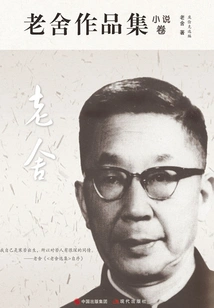
Collection of Lao She's Works·novel Volume
General Fiction老舍作品集·小说卷
Lao She
This book includes 17 novels including Lao She's novel "Camel Xiangzi", novellas "Crescent Moon" and "My Life", short stories "Micro God" and "Soul-Breaking Gun". Most of Lao She's novels are based on the life of the lower class people in the city. They are known for their strong urban flavor and local Beijing color, and have a distinctive style. As he said in "How I Write \u003C Luotuo Xiangzi\u003E", "Everything on the coachman's appearance must have a basis in life and life." The story has been brewing for a long time and the materials have been collected. "No vines or branches"; "If you think for a long time, blood and tears will drip from the tip of the pen"; "The writing should be extremely simple, as clear as a waveless lake", and the local spoken language "adds some kind, fresh, appropriate and lively flavor to the simple words".
This book includes 17 novels including Lao She's novel "Camel Xiangzi", novellas "Crescent Moon" and "My Life", short stories "Micro God" and "Soul-Breaking Gun". Most of Lao She's novels are based on the life of the lower class people in the city. They are known for their strong urban flavor and local Beijing color, and have a distinctive style. As he said in "How I Write \u003C Luotuo Xiangzi\u003E", "Everything on the coachman's appearance must have a basis in life and life." The story has been brewing for a long time and the materials have been collected. "No vines or branches"; "If you think for a long time, blood and tears will drip from the tip of the pen"; "The writing should be extremely simple, as clear as a waveless lake", and the local spoken language "adds some kind, fresh, appropriate and lively flavor to the simple words".
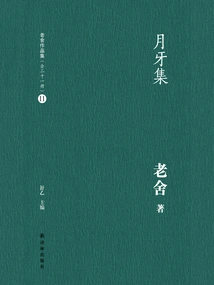
Crescent Moon Collection (lao She's Works Collection 11)
General Fiction月牙集(老舍作品集11)
Lao She
"Crescent Moon Collection" is a collection of novels by Lao She. It includes five novels: "Crescent Moon", "Old Tragedy in the New Era", "My Life", "Let's Talk About the House" and "The Problem That's Not a Problem". The work mainly describes the picture of the poor citizens at the bottom living in the abyss of pain under the warlords' melee and dark rule.
"Crescent Moon Collection" is a collection of novels by Lao She. It includes five novels: "Crescent Moon", "Old Tragedy in the New Era", "My Life", "Let's Talk About the House" and "The Problem That's Not a Problem". The work mainly describes the picture of the poor citizens at the bottom living in the abyss of pain under the warlords' melee and dark rule.
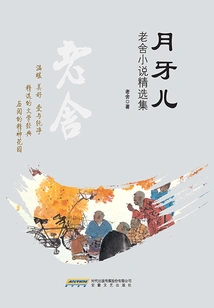
Crescent Moon (selected Collection of Lao She's Novels)
General Fiction月牙儿(老舍小说精选集)
Lao She
This book selects Lao She's most representative short and medium stories, such as "Crescent Moon", "My Life", "The Soul-Breaking Gun", "The Man Who Never Lies", etc. "Crescent Moon" describes the tragic life experiences of two generations of prostitutes, mother and daughter, and deeply reflects the living conditions of China's urban poor in the first half of the 20th century. The tragedy of a small family and a small person reflects the vicissitudes and pathos of a period of history. "My Life" describes the troubled life of an ordinary patrolman in the old days. It is also Lao She's first masterpiece of the golden period of creation, and it has a particularly progressive atmosphere that stands out from the times. "The Soul-Breaking Gun" reflects the helplessness and loneliness of ordinary people in the great historical changes through the frustrated situation of an old escort. The short page is full of desolation and sadness, which makes people have endless aftertaste.
This book selects Lao She's most representative short and medium stories, such as "Crescent Moon", "My Life", "The Soul-Breaking Gun", "The Man Who Never Lies", etc. "Crescent Moon" describes the tragic life experiences of two generations of prostitutes, mother and daughter, and deeply reflects the living conditions of China's urban poor in the first half of the 20th century. The tragedy of a small family and a small person reflects the vicissitudes and pathos of a period of history. "My Life" describes the troubled life of an ordinary patrolman in the old days. It is also Lao She's first masterpiece of the golden period of creation, and it has a particularly progressive atmosphere that stands out from the times. "The Soul-Breaking Gun" reflects the helplessness and loneliness of ordinary people in the great historical changes through the frustrated situation of an old escort. The short page is full of desolation and sadness, which makes people have endless aftertaste.
Dr. Wen Sunshine (lao She's Works Collection 09)
General Fiction文博士 阳光(老舍作品集09)
Lao She
"Dr. Wen Sunshine" contains two works. Dr. Wen created the image of a Chinese-American doctor who studied in the United States. He was a literary ruffian politician with no knowledge but good at power. He used a sharp pen of ridicule and ridicule to criticize the ugly people among the "Confucian scholars" in old China. Sunshine is a story about a girl who was born as a student. The work profoundly reflects the living environment and tragic fate of women in a patriarchal society.
"Dr. Wen Sunshine" contains two works. Dr. Wen created the image of a Chinese-American doctor who studied in the United States. He was a literary ruffian politician with no knowledge but good at power. He used a sharp pen of ridicule and ridicule to criticize the ugly people among the "Confucian scholars" in old China. Sunshine is a story about a girl who was born as a student. The work profoundly reflects the living environment and tragic fate of women in a patriarchal society.
My Whole Life
General Fiction我这一辈子
Lao She
This book selects seventeen short stories by Lao She: the first twelve, such as "Black and White Plum" and "The Soul-Breaking Gun", are selected from the "Selected Short Stories of Lao She" self-selected by Mr. Lao She in 1956; the last five, such as "Outside the Dabei Temple", "Business Day", "In My Life", etc., Are selected from many collections of short stories published by Lao She in his early years. This book has rich selections and comprehensively demonstrates Lao She's artistic achievements in the field of short story creation.
This book selects seventeen short stories by Lao She: the first twelve, such as "Black and White Plum" and "The Soul-Breaking Gun", are selected from the "Selected Short Stories of Lao She" self-selected by Mr. Lao She in 1956; the last five, such as "Outside the Dabei Temple", "Business Day", "In My Life", etc., Are selected from many collections of short stories published by Lao She in his early years. This book has rich selections and comprehensively demonstrates Lao She's artistic achievements in the field of short story creation.
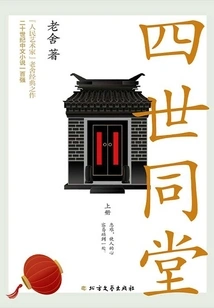
Four Generations Living under One Roof
General Fiction四世同堂
Lao She
"Four Generations Under One Roof" is Mr. Lao She's classic masterpiece. The creation of the work began in 1944 and was completed in 1948, which lasted four years. The book consists of three parts: "Confusion", "Ignorant Life" and "Famine". The work takes the life of four generations of the Qi family as the main line, supplemented by the ups and downs, life and death of various people in Xiaoyangquan Hutong. It truly records the abnormal state of the world after the fall of Peiping, vividly depicts the tragic experience, spiritual shock and resistance struggle of the majority of civilians under the iron heel of the Japanese invaders, depicts a series of vivid artistic images, and epically displays the second world. During the war, the great course and life picture of the Chinese people and the people of the world fighting against fascism is evocative, magnificent and heart-stirring to read. It is a touching realist masterpiece and an immortal work by Mr. Lao She who positively describes the Anti-Japanese War, exposes and accuses the brutal crimes of Japanese militarism, and praises and promotes the great patriotism of the Chinese people.
"Four Generations Under One Roof" is Mr. Lao She's classic masterpiece. The creation of the work began in 1944 and was completed in 1948, which lasted four years. The book consists of three parts: "Confusion", "Ignorant Life" and "Famine". The work takes the life of four generations of the Qi family as the main line, supplemented by the ups and downs, life and death of various people in Xiaoyangquan Hutong. It truly records the abnormal state of the world after the fall of Peiping, vividly depicts the tragic experience, spiritual shock and resistance struggle of the majority of civilians under the iron heel of the Japanese invaders, depicts a series of vivid artistic images, and epically displays the second world. During the war, the great course and life picture of the Chinese people and the people of the world fighting against fascism is evocative, magnificent and heart-stirring to read. It is a touching realist masterpiece and an immortal work by Mr. Lao She who positively describes the Anti-Japanese War, exposes and accuses the brutal crimes of Japanese militarism, and praises and promotes the great patriotism of the Chinese people.
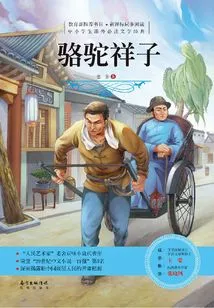
Camel Xiangzi
General Fiction骆驼祥子
Lao She
This book is the representative work of Mr. Lao She, written in Qingdao in 1936. The whole book describes the tragic experiences of Xiangzi who moved from the countryside to the city of Beijing. It tells the story of how Xiangzi, a kind, responsible and righteous rickshaw puller, gradually deteriorated in life and personality under the corrosion of the dark social environment, and finally became confused. Xiangzi's fate is the epitome of the tragic fate of the vast number of urban poor in old China. Xiangzi's tragedy truly reveals the old society's cruel exploitation of the working people. Xiangzi's heartbreaking depravity is a powerful accusation against the decadent old society.
This book is the representative work of Mr. Lao She, written in Qingdao in 1936. The whole book describes the tragic experiences of Xiangzi who moved from the countryside to the city of Beijing. It tells the story of how Xiangzi, a kind, responsible and righteous rickshaw puller, gradually deteriorated in life and personality under the corrosion of the dark social environment, and finally became confused. Xiangzi's fate is the epitome of the tragic fate of the vast number of urban poor in old China. Xiangzi's tragedy truly reveals the old society's cruel exploitation of the working people. Xiangzi's heartbreaking depravity is a powerful accusation against the decadent old society.
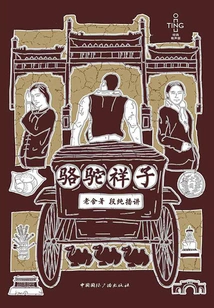
Camel Xiangzi
General Fiction骆驼祥子
Lao She
This book is one of the most representative novels by the famous writer Lao She. It mainly describes the tragic fate of the rickshaw driver Xiangzi in the context of the decline of China's traditional rural economy and the beginning of urbanization. The various social contradictions and troubles that Xiangzi had to face after entering the city still have very important practical significance when read more than half a century later. Folk affairs are full of indulgence, and Lao She's capture of world conditions and human nature is keen and penetrating. This book is narrated by Duan Chunben, a first-level announcer of China Radio International. The old Beijing dialect in the book is very distinctive, and Duan Chun's Beijing-style delivery gives people a deeper and more dimensional feeling and understanding of this novel.
This book is one of the most representative novels by the famous writer Lao She. It mainly describes the tragic fate of the rickshaw driver Xiangzi in the context of the decline of China's traditional rural economy and the beginning of urbanization. The various social contradictions and troubles that Xiangzi had to face after entering the city still have very important practical significance when read more than half a century later. Folk affairs are full of indulgence, and Lao She's capture of world conditions and human nature is keen and penetrating. This book is narrated by Duan Chunben, a first-level announcer of China Radio International. The old Beijing dialect in the book is very distinctive, and Duan Chun's Beijing-style delivery gives people a deeper and more dimensional feeling and understanding of this novel.
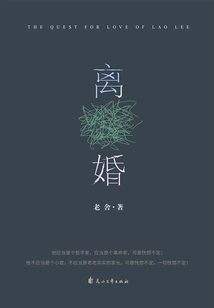
Divorce
General Fiction离婚
Lao She
This book depicts a group portrait. The story uses Lao Li, a clerk at the Peking Finance Office, and others who wanted to divorce as a clue. It criticizes some of the bad qualities of traditional Chinese citizens. It also expresses the young intellectuals' thinking about life and marriage, as well as their pursuit of love and ideals when traditional culture is impacted by new civilization.
This book depicts a group portrait. The story uses Lao Li, a clerk at the Peking Finance Office, and others who wanted to divorce as a clue. It criticizes some of the bad qualities of traditional Chinese citizens. It also expresses the young intellectuals' thinking about life and marriage, as well as their pursuit of love and ideals when traditional culture is impacted by new civilization.
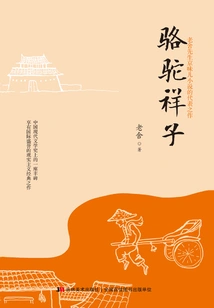
Camel Xiangzi
General Fiction骆驼祥子
Lao She
"Camel Xiangzi" takes the whereabouts of Xiangzi, a rickshaw puller from Peiping (today's Beijing) as a clue, and the life of Beijing citizens in the late 1920s as the background. It describes the ups and downs and tragic experience of Xiangzi's transformation from a man to a "beast", and praises Xiangzi's hard-working, simple, kind and progressive qualities. It profoundly exposes the darkness of old China, accuses the ruling class of the exploitation and oppression of workers, expresses the author's deep concern and sympathy for the suffering fate of the working people struggling at the bottom of society, and shows people the picture of Beijing's poor citizens at the bottom living in an abyss of pain under the warlords' melee and dark rule.
"Camel Xiangzi" takes the whereabouts of Xiangzi, a rickshaw puller from Peiping (today's Beijing) as a clue, and the life of Beijing citizens in the late 1920s as the background. It describes the ups and downs and tragic experience of Xiangzi's transformation from a man to a "beast", and praises Xiangzi's hard-working, simple, kind and progressive qualities. It profoundly exposes the darkness of old China, accuses the ruling class of the exploitation and oppression of workers, expresses the author's deep concern and sympathy for the suffering fate of the working people struggling at the bottom of society, and shows people the picture of Beijing's poor citizens at the bottom living in an abyss of pain under the warlords' melee and dark rule.
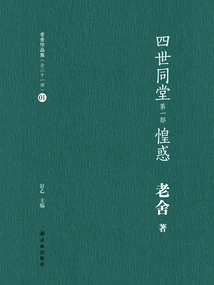
四世同堂(第一部):惶惑(老舍作品集01)
Lao She
This book is Lao She's masterpiece novel. It takes the life of four generations of the Qi family as the main line and vividly and vividly depicts the ups and downs, life and death of people from all walks of life and all kinds of people represented by the residents of Xiaoyangquan Hutong. The work describes the tragic experience of the vast number of civilians under the iron heel of the Japanese invaders in the abnormal world situation after the fall of Peiping.
This book is Lao She's masterpiece novel. It takes the life of four generations of the Qi family as the main line and vividly and vividly depicts the ups and downs, life and death of people from all walks of life and all kinds of people represented by the residents of Xiaoyangquan Hutong. The work describes the tragic experience of the vast number of civilians under the iron heel of the Japanese invaders in the abnormal world situation after the fall of Peiping.
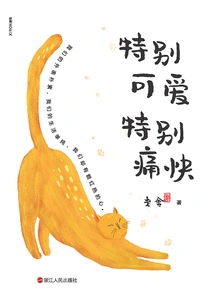
Very Cute and Very Happy
Literature特别可爱 特别痛快
Lao She
"Our appearance is simple, our life is simple, but we have a red-hot heart." "Specially Lovely, Specially Happy" contains more than 70 classic prose works by Lao She in his 40-year creative career. The content covers scenery, people, life of relatives and friends, literary criticism, etc., And comprehensively displays Lao She's creative characteristics as a modern literary master and language master from multiple angles. The writing style is lively and interesting, simple and natural, and has a strong flavor of life, highlighting Lao She's unique creative charm. Life will not be as good as we imagined, nor will it be as bad as we imagined. May we gain the warmth and loveliness from Lao She's words to bear the weight of reality!
"Our appearance is simple, our life is simple, but we have a red-hot heart." "Specially Lovely, Specially Happy" contains more than 70 classic prose works by Lao She in his 40-year creative career. The content covers scenery, people, life of relatives and friends, literary criticism, etc., And comprehensively displays Lao She's creative characteristics as a modern literary master and language master from multiple angles. The writing style is lively and interesting, simple and natural, and has a strong flavor of life, highlighting Lao She's unique creative charm. Life will not be as good as we imagined, nor will it be as bad as we imagined. May we gain the warmth and loveliness from Lao She's words to bear the weight of reality!
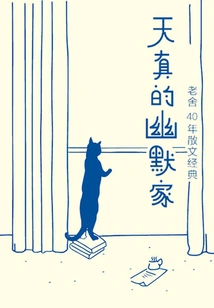
天真的幽默家:老舍40年散文经典
Lao She
This book contains a complete collection of 76 classic prose works by Lao She over the past 40 years, with more than 10 rare articles specially selected. There are travel notes and chats, essays and essays, diary letters, descriptions of scenery, objects, people, and things, all of which are affectionate and interesting. Lao She is recognized as a master of humor and language. His writing is true and pure, and his language is plain and vivid. The simple innocence and worldly wisdom are revealed between the lines, as well as the poignant irony. It is full of thoughts about life. It is heart-warming and healing to read, and you can't bear to put it down.
This book contains a complete collection of 76 classic prose works by Lao She over the past 40 years, with more than 10 rare articles specially selected. There are travel notes and chats, essays and essays, diary letters, descriptions of scenery, objects, people, and things, all of which are affectionate and interesting. Lao She is recognized as a master of humor and language. His writing is true and pure, and his language is plain and vivid. The simple innocence and worldly wisdom are revealed between the lines, as well as the poignant irony. It is full of thoughts about life. It is heart-warming and healing to read, and you can't bear to put it down.
Collection of Lao She's Folk Art
Literature老舍曲艺文集
Lao She
Lao She (1899-1966), whose original name was Shu Qingchun, also had the pen names Jie Qing, Hong Lai, Fei Wo, etc., With the courtesy name She Yu. Chinese modern novelist, famous writer, outstanding language master, people's artist, the first writer in New China to win the title of "people's artist". His representative works include "Camel Xiangzi", "Four Generations Under One Roof" and the play "Teahouse". Lao She always worked selflessly throughout his life. He was a well-deserved "model worker" in the literary and art circles.
Lao She (1899-1966), whose original name was Shu Qingchun, also had the pen names Jie Qing, Hong Lai, Fei Wo, etc., With the courtesy name She Yu. Chinese modern novelist, famous writer, outstanding language master, people's artist, the first writer in New China to win the title of "people's artist". His representative works include "Camel Xiangzi", "Four Generations Under One Roof" and the play "Teahouse". Lao She always worked selflessly throughout his life. He was a well-deserved "model worker" in the literary and art circles.
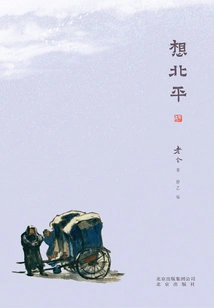
Thinking About Peiping
Literature想北平
Lao She
In this book, Mr. Lao She introduces Beijing's spring breeze, early summer, early autumn, winter, Spring Festival, Dragon Boat Festival, Gaoliang Bridge, Desheng Bridge, Jishuitan, city wall, Xisi Archway, etc., As well as the author's friends, family, mother and author's hobbies. He also describes the customs and folk customs of Beijing. It is an important reading for understanding the history and geography of Beijing.
In this book, Mr. Lao She introduces Beijing's spring breeze, early summer, early autumn, winter, Spring Festival, Dragon Boat Festival, Gaoliang Bridge, Desheng Bridge, Jishuitan, city wall, Xisi Archway, etc., As well as the author's friends, family, mother and author's hobbies. He also describes the customs and folk customs of Beijing. It is an important reading for understanding the history and geography of Beijing.
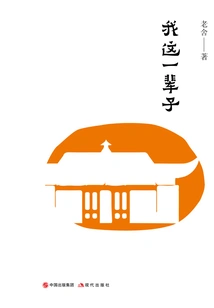
My Whole Life
Literature我这一辈子
Lao She
"My Life" selects Mr. Lao She's classic short stories and short stories, including "This Life", "Crescent Moon", "The Soul-Breaking Gun", "The Problem That Is Not a Problem", etc. Lao She's novels are good at describing the lives of citizens, especially the urban poor, allowing small characters to reflect the big times. Lao She's writing style is humorous and lively, and full of "Beijing flavor". Each vivid story describes the tragedy of the fate of that era, allowing people to see all kinds of world conditions through humor.
"My Life" selects Mr. Lao She's classic short stories and short stories, including "This Life", "Crescent Moon", "The Soul-Breaking Gun", "The Problem That Is Not a Problem", etc. Lao She's novels are good at describing the lives of citizens, especially the urban poor, allowing small characters to reflect the big times. Lao She's writing style is humorous and lively, and full of "Beijing flavor". Each vivid story describes the tragedy of the fate of that era, allowing people to see all kinds of world conditions through humor.
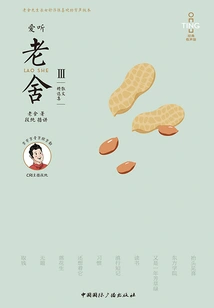
爱听老舍Ⅲ:散文精选集
Lao She
"Listening to Lao She III: Selected Prose Collection" contains 38 beautiful essays written by Lao She in various periods, ranging in length from short to long, including the famous pieces "Looking Up to See Joy", "Winter in Jinan", "Four Gentlemen", etc. The content of this book is full of strong and pure emotions, humorous, witty and thought-provoking. Pick one at random and it will make you laugh out loud. Coupled with Duan Chun's vivid interpretation, the master of language arts and humor Lao She's unique Beijing language and style will surely leave you with a long aftertaste.
"Listening to Lao She III: Selected Prose Collection" contains 38 beautiful essays written by Lao She in various periods, ranging in length from short to long, including the famous pieces "Looking Up to See Joy", "Winter in Jinan", "Four Gentlemen", etc. The content of this book is full of strong and pure emotions, humorous, witty and thought-provoking. Pick one at random and it will make you laugh out loud. Coupled with Duan Chun's vivid interpretation, the master of language arts and humor Lao She's unique Beijing language and style will surely leave you with a long aftertaste.
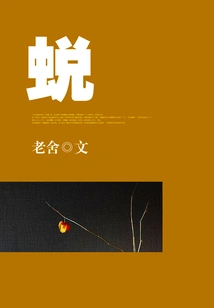
Shed
Literature蜕
Lao She
"Slaughter" was written by Mr. Lao She in Wuhan in 1938 and was not completed. It is Lao She's first Anti-Japanese War novel that describes patriotic students participating in the Anti-Japanese War.
"Slaughter" was written by Mr. Lao She in Wuhan in 1938 and was not completed. It is Lao She's first Anti-Japanese War novel that describes patriotic students participating in the Anti-Japanese War.
I, Lao She
Literature我,老舍
Lao She
This book selects Mr. Lao She's essays and novels, allowing readers to experience the simplicity and humor of Lao She's works. Lao She was the first writer to win the title of "People's Artist" after the founding of New China. He wrote extensively throughout his life, including novels, plays, poems, etc. Lao She's works are full of life and interest, and their greatest features in language are humor, Beijing charm, and appreciation of both refined and popular tastes. At the same time, the full text is based on the original selections from the Republic of China, allowing readers to more intuitively understand the full picture of Lao She, the "great writer" in the early 20th century. This book selects Mr. Lao She's essays and novels, allowing readers to experience the simplicity and humor of Lao She's works. Lao She was the first writer to win the title of "People's Artist" after the founding of New China. He wrote extensively throughout his life, including novels, plays, poems, etc. Lao She's works are full of life and interest, and their greatest features in language are humor, Beijing charm, and appreciation of both refined and popular tastes. At the same time, the full text is based on the original selections from the Republic of China, allowing readers to more intuitively understand the full picture of Lao She, the "great writer" in the early 20th century.
This book selects Mr. Lao She's essays and novels, allowing readers to experience the simplicity and humor of Lao She's works. Lao She was the first writer to win the title of "People's Artist" after the founding of New China. He wrote extensively throughout his life, including novels, plays, poems, etc. Lao She's works are full of life and interest, and their greatest features in language are humor, Beijing charm, and appreciation of both refined and popular tastes. At the same time, the full text is based on the original selections from the Republic of China, allowing readers to more intuitively understand the full picture of Lao She, the "great writer" in the early 20th century. This book selects Mr. Lao She's essays and novels, allowing readers to experience the simplicity and humor of Lao She's works. Lao She was the first writer to win the title of "People's Artist" after the founding of New China. He wrote extensively throughout his life, including novels, plays, poems, etc. Lao She's works are full of life and interest, and their greatest features in language are humor, Beijing charm, and appreciation of both refined and popular tastes. At the same time, the full text is based on the original selections from the Republic of China, allowing readers to more intuitively understand the full picture of Lao She, the "great writer" in the early 20th century.
老舍散文(中华散文插图珍藏本)
Lao She
This book selects 72 pieces of Lao She's prose, covering the author's diverse prose works describing scenery, scenery, characters, and human feelings. His prose may be based on citizens' life, reflect common social conflicts through ordinary scenes, and explore his thoughts on the survival and destiny of the people of old China; or describe the interesting life stories of intellectuals and the interactions of literati; or describe the scenery, customs and customs of various places at home and abroad, with meticulous details and extremely exaggerated strokes. The works are full of the interest of life and run through Lao She's consistent humorous style, allowing people to taste the severity and heaviness of life through lightness and humor. Lao She's creations benefited from the influence of folk literature and art. His prose, from form to content, is both elegant and popular. This makes his works popular, popular, and rich in national color, and is accepted and loved by the general public. Lao She is the originator of contemporary Beijing-style literature. His prose is also full of strong Beijing local color. The language comes from Beijing spoken language, which is catchy and can be recited aloud. From these works, we can see Lao She's mastery of language. Starting from modern spoken language, he evolved modern vernacular that can easily reflect modern life and express modern people's psychological activities. As a generation of language masters, Lao She has made great contributions to the development of modern Chinese vernacular.
This book selects 72 pieces of Lao She's prose, covering the author's diverse prose works describing scenery, scenery, characters, and human feelings. His prose may be based on citizens' life, reflect common social conflicts through ordinary scenes, and explore his thoughts on the survival and destiny of the people of old China; or describe the interesting life stories of intellectuals and the interactions of literati; or describe the scenery, customs and customs of various places at home and abroad, with meticulous details and extremely exaggerated strokes. The works are full of the interest of life and run through Lao She's consistent humorous style, allowing people to taste the severity and heaviness of life through lightness and humor. Lao She's creations benefited from the influence of folk literature and art. His prose, from form to content, is both elegant and popular. This makes his works popular, popular, and rich in national color, and is accepted and loved by the general public. Lao She is the originator of contemporary Beijing-style literature. His prose is also full of strong Beijing local color. The language comes from Beijing spoken language, which is catchy and can be recited aloud. From these works, we can see Lao She's mastery of language. Starting from modern spoken language, he evolved modern vernacular that can easily reflect modern life and express modern people's psychological activities. As a generation of language masters, Lao She has made great contributions to the development of modern Chinese vernacular.
Cat City Story Xiaopo's Birthday
Literature猫城记 小坡的生日
Lao She
"Cat City" is a very unique work both in Lao She's novel creation and in the history of modern Chinese literature. Some people regard "Cat City" as a satirical novel, while others regard it as a science fiction novel. Since the new era, more people have read it as a dystopian novel. Lao She's Cat City imagination has become a classic symbol for reflection on national character in the history of modern literature. "Xiaopo's Birthday" is a long fairy tale specially created for children by People's Artist Lao She. This work is lively and interesting, explains things in simple terms, is humorous and full of childlike innocence. It has the consistent standards of Lao She's literary works and is more suitable for children to read. The full text is concise and lively in style. It uses symbols and metaphors to express its views on many issues and is very imaginative. Reading "Xiaopo's Birthday" will help readers understand a different kind of Lao She besides "Luotuo Xiangzi".
"Cat City" is a very unique work both in Lao She's novel creation and in the history of modern Chinese literature. Some people regard "Cat City" as a satirical novel, while others regard it as a science fiction novel. Since the new era, more people have read it as a dystopian novel. Lao She's Cat City imagination has become a classic symbol for reflection on national character in the history of modern literature. "Xiaopo's Birthday" is a long fairy tale specially created for children by People's Artist Lao She. This work is lively and interesting, explains things in simple terms, is humorous and full of childlike innocence. It has the consistent standards of Lao She's literary works and is more suitable for children to read. The full text is concise and lively in style. It uses symbols and metaphors to express its views on many issues and is very imaginative. Reading "Xiaopo's Birthday" will help readers understand a different kind of Lao She besides "Luotuo Xiangzi".
Lao Niu Breaks the Car
Literature老牛破车
Lao She
"Lao Niu Breaks the Car" is a collection of Lao She's essays, which mainly includes "How I Write Short Stories", "Talk about Humor" and other works, which reproduces the mental journey of a generation of masters.
"Lao Niu Breaks the Car" is a collection of Lao She's essays, which mainly includes "How I Write Short Stories", "Talk about Humor" and other works, which reproduces the mental journey of a generation of masters.
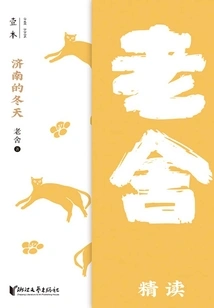
济南的冬天:老舍精读(大家小集)
Lao She
"Winter in Jinan: An Intensive Reading of Lao She" is a representative collection of works by the 20th century Chinese literary master Lao She. Based on the selection principle of "one book is enough to read Lao She", this book is divided into three volumes: "Prose", "Novel" and "Drama", and includes Lao She's representative works in prose, novels and dramas. Lao She's prose is both elegant and popular, clean and lively, simple and refined, humorous and witty, and rich in Beijing's local flavor. This book not only includes "Winter in Jinan", "Appreciation of Baotu Spring", "Growing Flowers", "Grassland", "Spring Festival in Beijing", "Cats" and other famous works that appear in textbooks, but also "Mr. Zongyue", "My Mother", "My Ideal Family" and other prose classics suitable for students to read. The novel includes Lao She's representative short stories "The Soul-Breaking Gun", "Micro God" and "Mr. Breeches". This book also includes Lao She's masterpiece "Teahouse".
"Winter in Jinan: An Intensive Reading of Lao She" is a representative collection of works by the 20th century Chinese literary master Lao She. Based on the selection principle of "one book is enough to read Lao She", this book is divided into three volumes: "Prose", "Novel" and "Drama", and includes Lao She's representative works in prose, novels and dramas. Lao She's prose is both elegant and popular, clean and lively, simple and refined, humorous and witty, and rich in Beijing's local flavor. This book not only includes "Winter in Jinan", "Appreciation of Baotu Spring", "Growing Flowers", "Grassland", "Spring Festival in Beijing", "Cats" and other famous works that appear in textbooks, but also "Mr. Zongyue", "My Mother", "My Ideal Family" and other prose classics suitable for students to read. The novel includes Lao She's representative short stories "The Soul-Breaking Gun", "Micro God" and "Mr. Breeches". This book also includes Lao She's masterpiece "Teahouse".
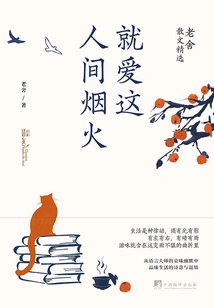
就爱这人间烟火:老舍散文精选
Lao She
Thanks to Lao She in this world, we are able to find a place where our body and mind can settle down. Lao She's writing is warm, humorous, simple, full of Beijing flavor, and has unique language charm. In his writings, planting flowers and raising cats, writing and making friends, everything in ordinary life has its own interest. In his eyes, life is a kind of rhythm, with light and shadow, left and right, sunny and rainy; the taste is contained in these twists and turns that change but are not violent. This book mainly revolves around life and writing, and is divided into six volumes: Volume 1: Traveling to Some Places; Volume 2: Life is a Rhythm; Volume 3: A Born Humorist; Volume 4: Because She Sees Me Like That; Volume 5: Literature and Carpenters; Volume 6: My Ideal Family. This book selects 61 essays, covering almost Lao She's most classic prose works. It is the best book to understand Lao She's life attitude and literary creation philosophy. Re-reading Lao She is not only reading the classics, but also reading ourselves and the era we live in. In the hustle and bustle of today, I hope more people can gain peace of mind and power of life from classics.
Thanks to Lao She in this world, we are able to find a place where our body and mind can settle down. Lao She's writing is warm, humorous, simple, full of Beijing flavor, and has unique language charm. In his writings, planting flowers and raising cats, writing and making friends, everything in ordinary life has its own interest. In his eyes, life is a kind of rhythm, with light and shadow, left and right, sunny and rainy; the taste is contained in these twists and turns that change but are not violent. This book mainly revolves around life and writing, and is divided into six volumes: Volume 1: Traveling to Some Places; Volume 2: Life is a Rhythm; Volume 3: A Born Humorist; Volume 4: Because She Sees Me Like That; Volume 5: Literature and Carpenters; Volume 6: My Ideal Family. This book selects 61 essays, covering almost Lao She's most classic prose works. It is the best book to understand Lao She's life attitude and literary creation philosophy. Re-reading Lao She is not only reading the classics, but also reading ourselves and the era we live in. In the hustle and bustle of today, I hope more people can gain peace of mind and power of life from classics.
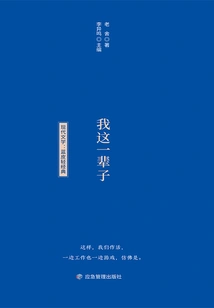
蓝皮轻经典阅读书系:我这一辈子
Lao She
The anthology includes twelve works by Mr. Lao She, including "My Life", "The Man Who Never Lies", "Friends and Enemies", and "The Democratic World". The language and text in the book are light and humorous, easy for readers to understand and yet profound, making people smile and feel sad at the same time. "No humor, no Lao She." This anthology demonstrates Mr. Lao She's care for the people at the bottom of the old era from many aspects, reveals the heaviness and coldness of the social reality at that time, and leads countless readers to think about the fate of the times. "My Life" describes the rough life of an ordinary patrolman in the old era. It reflects the great tragedy of the era with an ordinary little character. The work is vividly written, rich in "Beijing flavor" and reflection on traditional culture. It has a very distinct artistic personality and comprehensively demonstrates Lao She's artistic achievements in the field of novel creation. "My Life" is a famous novella written by Mr. Lao She in 1937 on the eve of the Anti-Japanese War. It is the final work of Lao She's first golden period of creation. It has a progressive atmosphere that stands out from the times.
The anthology includes twelve works by Mr. Lao She, including "My Life", "The Man Who Never Lies", "Friends and Enemies", and "The Democratic World". The language and text in the book are light and humorous, easy for readers to understand and yet profound, making people smile and feel sad at the same time. "No humor, no Lao She." This anthology demonstrates Mr. Lao She's care for the people at the bottom of the old era from many aspects, reveals the heaviness and coldness of the social reality at that time, and leads countless readers to think about the fate of the times. "My Life" describes the rough life of an ordinary patrolman in the old era. It reflects the great tragedy of the era with an ordinary little character. The work is vividly written, rich in "Beijing flavor" and reflection on traditional culture. It has a very distinct artistic personality and comprehensively demonstrates Lao She's artistic achievements in the field of novel creation. "My Life" is a famous novella written by Mr. Lao She in 1937 on the eve of the Anti-Japanese War. It is the final work of Lao She's first golden period of creation. It has a progressive atmosphere that stands out from the times.
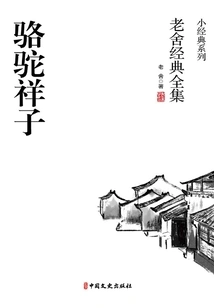
骆驼祥子(老舍经典全集)
Lao She
"Camel Xiangzi" is one of Lao She's masterpieces. The novel describes the tragic story of Xiangzi, a rickshaw puller from the countryside, who experienced three ups and downs in Beiping during the warlord war in the 1920s. After three years of struggle, he finally bought a car of his own, but his good wishes always failed time and time again. In the end, his spiritual world completely collapsed and he became an insensitive walking zombie. It profoundly exposes the darkness of old China, accuses the ruling class of exploitation and oppression of workers, expresses the author's deep sympathy for the working people, and shows people the picture of the poor citizens at the bottom of Beijing living in an abyss of pain under the warlords' melee and dark rule. The work centers on Xiangzi, a rickshaw puller, and is intertwined with the secular customs of Beijing's poor society. The author uses realistic writing techniques and compassionate feelings to create a number of unforgettable artistic images such as Xiangzi and Huniu. This novel has an important position in the history of modern Chinese literature and has a high reputation around the world.
"Camel Xiangzi" is one of Lao She's masterpieces. The novel describes the tragic story of Xiangzi, a rickshaw puller from the countryside, who experienced three ups and downs in Beiping during the warlord war in the 1920s. After three years of struggle, he finally bought a car of his own, but his good wishes always failed time and time again. In the end, his spiritual world completely collapsed and he became an insensitive walking zombie. It profoundly exposes the darkness of old China, accuses the ruling class of exploitation and oppression of workers, expresses the author's deep sympathy for the working people, and shows people the picture of the poor citizens at the bottom of Beijing living in an abyss of pain under the warlords' melee and dark rule. The work centers on Xiangzi, a rickshaw puller, and is intertwined with the secular customs of Beijing's poor society. The author uses realistic writing techniques and compassionate feelings to create a number of unforgettable artistic images such as Xiangzi and Huniu. This novel has an important position in the history of modern Chinese literature and has a high reputation around the world.
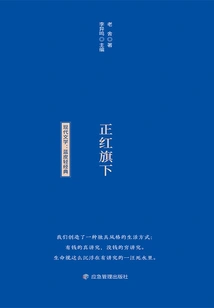
蓝皮轻经典阅读书系:正红旗下
Lao She
"Under the Red Flag" is an autobiographical novel by Lao She, written from 1961 to 1962. For readers who like Lao She's works, this book is a must-read. Unfortunately, due to the Cultural Revolution at that time, this work was forced to stop before it was completed. This book contains the completed parts, totaling eleven chapters. In this work, Lao She used autobiography as a clue and Beijing society in the late Qing Dynasty as the background to express social practice and historical changes. Different from his past writings, in this work he has made an outstanding representation of the history of his nation - the living habits of the bannermen in the late Qing Dynasty. This work also gives this work a more unique vision and a more familiar introspective attitude to examine history and national customs. At the end of the Qing Dynasty, social unrest and folk customs were corrupted, and the lives of the banner people became increasingly difficult. During the Gengzi period, with the arrival of the Boxer Rebellion, the seemingly peaceful lives of the obedient people in old Beijing suddenly went into trouble. A series of events that occurred thereafter left the people puzzled and disgraced. The officers and soldiers and regiment members besieged Dongjiaominxiang. The flag soldiers fulfilled their duties. The old abbot of Baoguo Temple also walked into the raging fire with full of resentment... Facing the broken rivers and mountains and the remaining homes, the old Beijing that had withstood the plunder could only remember this history forever in its heart.
"Under the Red Flag" is an autobiographical novel by Lao She, written from 1961 to 1962. For readers who like Lao She's works, this book is a must-read. Unfortunately, due to the Cultural Revolution at that time, this work was forced to stop before it was completed. This book contains the completed parts, totaling eleven chapters. In this work, Lao She used autobiography as a clue and Beijing society in the late Qing Dynasty as the background to express social practice and historical changes. Different from his past writings, in this work he has made an outstanding representation of the history of his nation - the living habits of the bannermen in the late Qing Dynasty. This work also gives this work a more unique vision and a more familiar introspective attitude to examine history and national customs. At the end of the Qing Dynasty, social unrest and folk customs were corrupted, and the lives of the banner people became increasingly difficult. During the Gengzi period, with the arrival of the Boxer Rebellion, the seemingly peaceful lives of the obedient people in old Beijing suddenly went into trouble. A series of events that occurred thereafter left the people puzzled and disgraced. The officers and soldiers and regiment members besieged Dongjiaominxiang. The flag soldiers fulfilled their duties. The old abbot of Baoguo Temple also walked into the raging fire with full of resentment... Facing the broken rivers and mountains and the remaining homes, the old Beijing that had withstood the plunder could only remember this history forever in its heart.
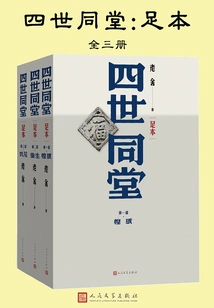
四世同堂:足本(全三册)
Lao She
"Four Generations Under One Roof" is Mr. Lao She's masterpiece. It is divided into three parts: "Confusion", "Stealing Life" and "Famine". It is one of the most representative works in Lao She's creative career. It reflects the lives and struggles of ordinary people in the occupied areas of Peiping during the Anti-Japanese War, and shows the difficult and tortuous path that ordinary people have traveled in the historical process of the great era. This full version was back-translated by translator Bi Bingbin (Dark Horse) based on the English manuscript of "Four Generations Under One Roof" co-translated by Pu Aide and Lao She, and completed the last sixteen sections of the lost third volume "Famine"; in terms of the three standards of honesty and elegance, it has surpassed the already published version.
"Four Generations Under One Roof" is Mr. Lao She's masterpiece. It is divided into three parts: "Confusion", "Stealing Life" and "Famine". It is one of the most representative works in Lao She's creative career. It reflects the lives and struggles of ordinary people in the occupied areas of Peiping during the Anti-Japanese War, and shows the difficult and tortuous path that ordinary people have traveled in the historical process of the great era. This full version was back-translated by translator Bi Bingbin (Dark Horse) based on the English manuscript of "Four Generations Under One Roof" co-translated by Pu Aide and Lao She, and completed the last sixteen sections of the lost third volume "Famine"; in terms of the three standards of honesty and elegance, it has surpassed the already published version.
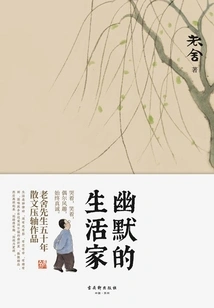
Humorous Lifestyle
Literature幽默的生活家
Lao She
This book selects 57 pieces of Lao She's prose, including travel notes, sketches about life, memories of events, descriptions of scenes and people, and all of them are affectionate and interesting. It comprehensively displays the essence of Lao She's prose creation and restores a humorous, friendly and simple life writer. As the originator of contemporary Beijing-style literature, Lao She's prose writing runs through his consistent humorous style, allowing people to appreciate the heaviness and beauty of life with a knowing smile.
This book selects 57 pieces of Lao She's prose, including travel notes, sketches about life, memories of events, descriptions of scenes and people, and all of them are affectionate and interesting. It comprehensively displays the essence of Lao She's prose creation and restores a humorous, friendly and simple life writer. As the originator of contemporary Beijing-style literature, Lao She's prose writing runs through his consistent humorous style, allowing people to appreciate the heaviness and beauty of life with a knowing smile.
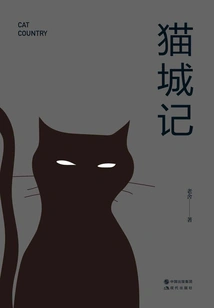
Cat City
Literature猫城记
Lao She
"Cat City" tells the story of a cat city on Mars in the form of science fiction and absurdity. The plane crashed on Mars, and "I" mistakenly entered the oldest country on Mars, "Cat City", and began a difficult alien life. The Cat People have a civilization of more than 20,000 years. In ancient times, they also fought wars with foreign countries and won the battles. However, in the past five hundred years, they have killed each other and completely forgotten the concept of fighting foreigners. They have been united in fighting against each other, which has led to the degradation of civilization. "I" witnessed a war between cat people and dwarf soldiers, which ended with the complete destruction of Cat City, an ancient city of alien civilization with increasingly selfish desires. The prosperity is gone, like a dream without a trace.
"Cat City" tells the story of a cat city on Mars in the form of science fiction and absurdity. The plane crashed on Mars, and "I" mistakenly entered the oldest country on Mars, "Cat City", and began a difficult alien life. The Cat People have a civilization of more than 20,000 years. In ancient times, they also fought wars with foreign countries and won the battles. However, in the past five hundred years, they have killed each other and completely forgotten the concept of fighting foreigners. They have been united in fighting against each other, which has led to the degradation of civilization. "I" witnessed a war between cat people and dwarf soldiers, which ended with the complete destruction of Cat City, an ancient city of alien civilization with increasingly selfish desires. The prosperity is gone, like a dream without a trace.
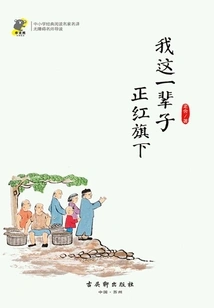
My Whole Life·under the Banner of Zhenghong (classic Reading, Translation by Famous Writers)
Literature我这一辈子·正红旗下(经典阅读,名家名译)
Lao She
1. Recommended books by the Ministry of Education, must-reads in the new Chinese language curriculum standard. 2. Specially invited Beijing special teacher Wang Junming to write the preface for this series of books, and the famous translator Li Yumin to write the foreword. 3. Jointly recommended by many special teachers from famous schools. 4. This series of books selects domestic modern classics, as well as authoritative translations of foreign classics by famous translators such as Song Zhaolin, Li Yumin, Chen Xiaoqing, Gao Gaofu, Luo Xinzhang, Li Huifan, Zhang Er, etc. Interpret the classics in an all-round way and create high-value readings for teenagers with professional quality. 5. Promote intensive reading of classics and guide teenagers to return to the essence of reading. 6. Serious and humorous, humorous and ironic; gentle banter is true, and deep compassion is even more true. In a troubled era, it is a footnote for little people, and the words reflect the vicissitudes of the world.
1. Recommended books by the Ministry of Education, must-reads in the new Chinese language curriculum standard. 2. Specially invited Beijing special teacher Wang Junming to write the preface for this series of books, and the famous translator Li Yumin to write the foreword. 3. Jointly recommended by many special teachers from famous schools. 4. This series of books selects domestic modern classics, as well as authoritative translations of foreign classics by famous translators such as Song Zhaolin, Li Yumin, Chen Xiaoqing, Gao Gaofu, Luo Xinzhang, Li Huifan, Zhang Er, etc. Interpret the classics in an all-round way and create high-value readings for teenagers with professional quality. 5. Promote intensive reading of classics and guide teenagers to return to the essence of reading. 6. Serious and humorous, humorous and ironic; gentle banter is true, and deep compassion is even more true. In a troubled era, it is a footnote for little people, and the words reflect the vicissitudes of the world.
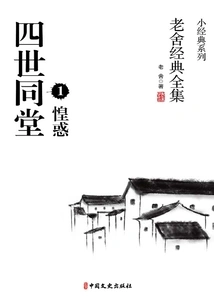
四世同堂1:惶惑(老舍经典全集)
Lao She
This is a classic Chinese modern novel and one of Mr. Lao She's masterpieces. Against the background of the outbreak of the Marco Polo Bridge Incident and the fall of Peking, the novel takes the life of four generations of the Qi family as the main line, and vividly and vividly depicts the ups and downs, life and death of people from all walks of life and all kinds of people represented by the residents of Xiaoyangquan Hutong. The work describes the tragic experience of the vast number of civilians under the iron heel of the Japanese invaders in the abnormal state of the world after the fall of Peiping. The uneasiness, confusion and shock after the ancient and peaceful life was shattered. It lashes out the ugly souls of the perpetrators who attached themselves to the enemy, exposes the brutal crimes of Japanese militarism, and reflects the common people. The heroic and fearless resistance in the face of a powerful enemy eulogized and promoted the great patriotism and steadfast and noble national integrity of the Chinese people. It epically demonstrated the outstanding contributions made by the Chinese people to the world anti-fascist war during the Second World War. It was magnificent and evocative. Mr. Lao She used his profound and exquisite artistic skills and superb novel skills to depict a series of vivid artistic images such as Qi LaoRen, Rui Xuan, Da Chibao, Guan Xiaohe, etc., Showing a rich picture of life in Peiping, which has been widely read to this day and remains fresh for a long time...
This is a classic Chinese modern novel and one of Mr. Lao She's masterpieces. Against the background of the outbreak of the Marco Polo Bridge Incident and the fall of Peking, the novel takes the life of four generations of the Qi family as the main line, and vividly and vividly depicts the ups and downs, life and death of people from all walks of life and all kinds of people represented by the residents of Xiaoyangquan Hutong. The work describes the tragic experience of the vast number of civilians under the iron heel of the Japanese invaders in the abnormal state of the world after the fall of Peiping. The uneasiness, confusion and shock after the ancient and peaceful life was shattered. It lashes out the ugly souls of the perpetrators who attached themselves to the enemy, exposes the brutal crimes of Japanese militarism, and reflects the common people. The heroic and fearless resistance in the face of a powerful enemy eulogized and promoted the great patriotism and steadfast and noble national integrity of the Chinese people. It epically demonstrated the outstanding contributions made by the Chinese people to the world anti-fascist war during the Second World War. It was magnificent and evocative. Mr. Lao She used his profound and exquisite artistic skills and superb novel skills to depict a series of vivid artistic images such as Qi LaoRen, Rui Xuan, Da Chibao, Guan Xiaohe, etc., Showing a rich picture of life in Peiping, which has been widely read to this day and remains fresh for a long time...
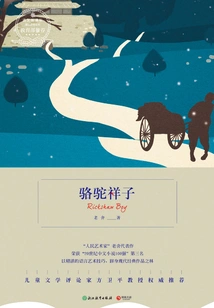
Camel Xiangzi
General Fiction骆驼祥子
Lao She
This book tells the story of a young, strong and energetic rickshaw driver who hopes to change his humble status through personal struggle. The novel prominently expresses the writer's sincere sympathy and profound understanding of the urban poor. It is one of China's outstanding works in the 1930s and one of the outstanding novels in modern China. It has become Lao She's main masterpiece and established Lao She's important position in the history of modern Chinese literature. After "Camel Xiangzi" was translated into English in the 1940s, it also won the favor of foreign readers.
This book tells the story of a young, strong and energetic rickshaw driver who hopes to change his humble status through personal struggle. The novel prominently expresses the writer's sincere sympathy and profound understanding of the urban poor. It is one of China's outstanding works in the 1930s and one of the outstanding novels in modern China. It has become Lao She's main masterpiece and established Lao She's important position in the history of modern Chinese literature. After "Camel Xiangzi" was translated into English in the 1940s, it also won the favor of foreign readers.
蓝皮轻经典阅读书系:贫血集
Lao She
"Anemia Collection" is a collection of short stories by Mr. Lao She. It contains a total of five articles, including "The Problem That Is Not a Problem", "Love", "The Eighth Master", "The Little Wooden Man" and "A Tube of Fortress Smoke". The writing style is friendly, realistic and vivid, and the character stories are exaggerated and funny, interesting and beneficial, and thought-provoking. This anthology was created during the Anti-Japanese War. Mr. Lao She worked personally in the literary and art circles, intending to use his pen as a spear to awaken the sleeping soul of China. The anthology depicts the hard life of the people at the bottom, and also expresses profound satire and criticism of the bureaucratic land gentry who pretend to be asleep. It also has certain practical significance today. It can be said that this work is the watershed in Lao She's transition from Anti-Japanese War novels to later creations. It not only retains the enthusiasm for propaganda in the early days of the Anti-Japanese War, but also has a calm trend of transition to the later period. It has both the charm of "empirical writing" before the Anti-Japanese War and the thinking inertia of "non-empirical writing" after the Anti-Japanese War began. It is worth reading and studying in depth.
"Anemia Collection" is a collection of short stories by Mr. Lao She. It contains a total of five articles, including "The Problem That Is Not a Problem", "Love", "The Eighth Master", "The Little Wooden Man" and "A Tube of Fortress Smoke". The writing style is friendly, realistic and vivid, and the character stories are exaggerated and funny, interesting and beneficial, and thought-provoking. This anthology was created during the Anti-Japanese War. Mr. Lao She worked personally in the literary and art circles, intending to use his pen as a spear to awaken the sleeping soul of China. The anthology depicts the hard life of the people at the bottom, and also expresses profound satire and criticism of the bureaucratic land gentry who pretend to be asleep. It also has certain practical significance today. It can be said that this work is the watershed in Lao She's transition from Anti-Japanese War novels to later creations. It not only retains the enthusiasm for propaganda in the early days of the Anti-Japanese War, but also has a calm trend of transition to the later period. It has both the charm of "empirical writing" before the Anti-Japanese War and the thinking inertia of "non-empirical writing" after the Anti-Japanese War began. It is worth reading and studying in depth.
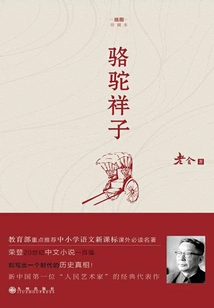
Camel Xiangzi (illustrated Collection)
Literature骆驼祥子(插图珍藏本)
Lao She
"Camel Xiangzi" is not only a landmark work in the history of modern Chinese literature, but also an internationally renowned realist classic. The work tells the story of Xiangzi, a rickshaw puller in the old city of Beiping, China. The book makes extensive use of Beijing colloquialisms and dialects, as well as some descriptions of the customs and customs of old Beijing, making it read in a friendly, natural and catchy way. The novel has also been adapted into operas, plays, movies and TV series, and has been widely welcomed.
"Camel Xiangzi" is not only a landmark work in the history of modern Chinese literature, but also an internationally renowned realist classic. The work tells the story of Xiangzi, a rickshaw puller in the old city of Beiping, China. The book makes extensive use of Beijing colloquialisms and dialects, as well as some descriptions of the customs and customs of old Beijing, making it read in a friendly, natural and catchy way. The novel has also been adapted into operas, plays, movies and TV series, and has been widely welcomed.
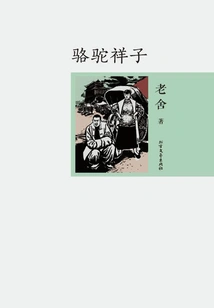
Camel Xiangzi
Literature骆驼祥子
Lao She
Xiangzi came from the countryside and was determined to buy a car of his own. However, the car he bought with three years of hard-earned money was robbed by the warlord's rebels. The second time, before he could save enough money to buy a car, the money was extorted by Detective Sun. Then, Huniu's "love" for him brought hardships to him both physically and mentally. After Huniu died of dystocia, a car bought with Huniu's savings had to be sold to pay for Huniu's funeral. After many setbacks, and with the suicide of Xiaofuzi, the woman Xiangzi loved, the last spark of hope in Xiangzi's heart was finally blown out, and he gradually evolved from an honest rickshaw driver to a pure lumpen proletarian. Through this tragic artistic image, we can have a deeper understanding of the semi-feudal and semi-colonial old China and inspire people to understand the root cause of Xiangzi's tragedy.
Xiangzi came from the countryside and was determined to buy a car of his own. However, the car he bought with three years of hard-earned money was robbed by the warlord's rebels. The second time, before he could save enough money to buy a car, the money was extorted by Detective Sun. Then, Huniu's "love" for him brought hardships to him both physically and mentally. After Huniu died of dystocia, a car bought with Huniu's savings had to be sold to pay for Huniu's funeral. After many setbacks, and with the suicide of Xiaofuzi, the woman Xiangzi loved, the last spark of hope in Xiangzi's heart was finally blown out, and he gradually evolved from an honest rickshaw driver to a pure lumpen proletarian. Through this tragic artistic image, we can have a deeper understanding of the semi-feudal and semi-colonial old China and inspire people to understand the root cause of Xiangzi's tragedy.
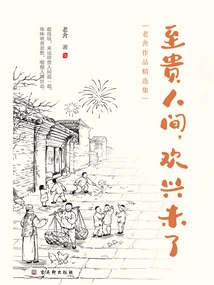
至贵人间,欢兴未了(老舍作品精选集)
Lao She
This book selects some of Lao She's classic short and medium-length works: "The Fire Car", "Crescent Moon", "Micro God", "Liu Family Courtyard", "Good Business Opening", "Let's Talk About the House", "Neighbors", "Time-honored Brand", "In My Life", etc. These novels not only express the love for the little people in the city, but also describe the interesting life stories of the intellectual class. The writing style is meticulous and nuanced, allowing people to appreciate the philosophy of life through lightness and humor. Behind the words, the author deeply thinks about society and the fate of his compatriots. Lao She's novels have an inclusive narrative attitude. He is serious and virtuous, treating the ridiculous as ridiculous and the sad as pathetic. He alternates between solemnity and humor, and a blend of sadness and joy, which makes his novels have unique aesthetic value and are deeply loved by generations of readers.
This book selects some of Lao She's classic short and medium-length works: "The Fire Car", "Crescent Moon", "Micro God", "Liu Family Courtyard", "Good Business Opening", "Let's Talk About the House", "Neighbors", "Time-honored Brand", "In My Life", etc. These novels not only express the love for the little people in the city, but also describe the interesting life stories of the intellectual class. The writing style is meticulous and nuanced, allowing people to appreciate the philosophy of life through lightness and humor. Behind the words, the author deeply thinks about society and the fate of his compatriots. Lao She's novels have an inclusive narrative attitude. He is serious and virtuous, treating the ridiculous as ridiculous and the sad as pathetic. He alternates between solemnity and humor, and a blend of sadness and joy, which makes his novels have unique aesthetic value and are deeply loved by generations of readers.
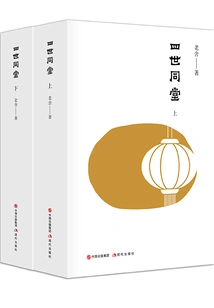
Four Generations under One Roof (two Volumes)
General Fiction四世同堂(全二册)
Lao She
The Marco Polo Bridge Incident broke out and Peiping fell. The liveliness and tranquility of Peiping were broken by the Japanese invasion. The four generations of the Qi family were no longer leisurely and contented. They lived with uneasiness and confusion. All living beings in Xiaoyangquan Hutong were also experiencing the ups and downs of Peiping and the life and death of the country like the four generations of the Qi family. However, when the peace-loving people of Peiping were whipped by the deformed world after the fall of Peiping, they finally chose not to endure the humiliation but to revive their national integrity. They rose up against the iron heel of the Japanese invaders and regained their national soul.
The Marco Polo Bridge Incident broke out and Peiping fell. The liveliness and tranquility of Peiping were broken by the Japanese invasion. The four generations of the Qi family were no longer leisurely and contented. They lived with uneasiness and confusion. All living beings in Xiaoyangquan Hutong were also experiencing the ups and downs of Peiping and the life and death of the country like the four generations of the Qi family. However, when the peace-loving people of Peiping were whipped by the deformed world after the fall of Peiping, they finally chose not to endure the humiliation but to revive their national integrity. They rose up against the iron heel of the Japanese invaders and regained their national soul.
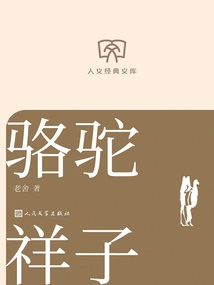
Luotuo Xiangzi (humanities Classic Library)
General Fiction骆驼祥子(人文经典文库)
Lao She
"Camel Xiangzi" is a classic novel by Lao She. It was written in Qingdao in 1936 and first published by Shanghai Renjian Bookstore in 1939. The novel is set in Peiping in the 1920s and 1930s. It tells the story of Xiangzi, a simple and kind-hearted young coachman who was tricked by fate and finally fell into a tragic life. His new car was snatched away by rebels, and the money he had saved so hard was blackmailed by detectives. He had no choice but to marry Huniu, the daughter of Mr. Liu, who died in childbirth. He was forced to sell his car to pay off his debts. A series of blows made Xiangzi's heart collapse, and he finally became a homeless man at the bottom of the city. The novel uses Beijing dialect to create classic characters such as Xiangzi, Huniu, and Liu Siye, and criticizes the cannibalistic society. Since its publication nearly 90 years ago, it has been loved by generations of readers.
"Camel Xiangzi" is a classic novel by Lao She. It was written in Qingdao in 1936 and first published by Shanghai Renjian Bookstore in 1939. The novel is set in Peiping in the 1920s and 1930s. It tells the story of Xiangzi, a simple and kind-hearted young coachman who was tricked by fate and finally fell into a tragic life. His new car was snatched away by rebels, and the money he had saved so hard was blackmailed by detectives. He had no choice but to marry Huniu, the daughter of Mr. Liu, who died in childbirth. He was forced to sell his car to pay off his debts. A series of blows made Xiangzi's heart collapse, and he finally became a homeless man at the bottom of the city. The novel uses Beijing dialect to create classic characters such as Xiangzi, Huniu, and Liu Siye, and criticizes the cannibalistic society. Since its publication nearly 90 years ago, it has been loved by generations of readers.
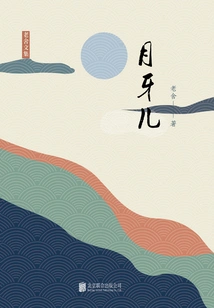
Youjian Library: Crescent Moon
General Fiction有间文库:月牙儿
Lao She
"Crescent Moon" is a novella written by Lao She in 1935 and made into a movie of the same name in 1986. The novel uses Yue Yaer as a clue and reflects the living conditions of China's urban poor in the first half of the 20th century through the experiences of two generations of mother and daughter becoming prostitutes. But Lao She did not want to simply criticize the ugliness of society and human nature at that time, but to show readers the process of how the ugly reality destroyed the innocent heart step by step.
"Crescent Moon" is a novella written by Lao She in 1935 and made into a movie of the same name in 1986. The novel uses Yue Yaer as a clue and reflects the living conditions of China's urban poor in the first half of the 20th century through the experiences of two generations of mother and daughter becoming prostitutes. But Lao She did not want to simply criticize the ugliness of society and human nature at that time, but to show readers the process of how the ugly reality destroyed the innocent heart step by step.
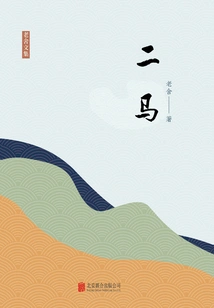
Youjian Library: Erma
General Fiction有间文库:二马
Lao She
"Two Horses" is Lao She's early work, written in England in 1929. The novel creates a superstitious, moderate, sloppy, and lazy slave-like character, Lao Ma. His life creed is to live in peace, which is reminiscent of Lu Xun's Ah Q. The difference is that Ah Q lives in the countryside of old China, while Lao Ma is an overseas Chinese living abroad. Lao She deliberately put Lao Ma in a foreign situation to portray him. Through the life of Ma and his son in London and their interactions with the British, he looked at the differences between Eastern and Western nations, and tried to highlight the absurdity of backward national character in the context of the comparison of Chinese and Western cultures.
"Two Horses" is Lao She's early work, written in England in 1929. The novel creates a superstitious, moderate, sloppy, and lazy slave-like character, Lao Ma. His life creed is to live in peace, which is reminiscent of Lu Xun's Ah Q. The difference is that Ah Q lives in the countryside of old China, while Lao Ma is an overseas Chinese living abroad. Lao She deliberately put Lao Ma in a foreign situation to portray him. Through the life of Ma and his son in London and their interactions with the British, he looked at the differences between Eastern and Western nations, and tried to highlight the absurdity of backward national character in the context of the comparison of Chinese and Western cultures.
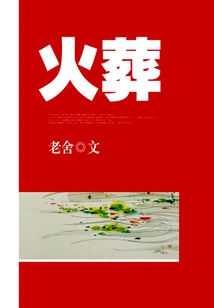
Cremation
General Fiction火葬
Lao She
"Cremation" is a work with the main theme of the anti-Japanese armed struggle. It describes the heroic behavior of the Chinese army taking advantage of the emptiness of the "Wencheng" occupied by the enemy and sending plainclothes teams to sneak attack on the city, as well as the different faces, mentality and fate of the various people in the city.
"Cremation" is a work with the main theme of the anti-Japanese armed struggle. It describes the heroic behavior of the Chinese army taking advantage of the emptiness of the "Wencheng" occupied by the enemy and sending plainclothes teams to sneak attack on the city, as well as the different faces, mentality and fate of the various people in the city.
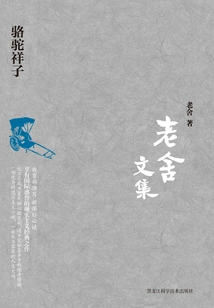
Collected Works of Lao She: Luotuo Xiangzi
General Fiction老舍文集:骆驼祥子
Lao She
"Camel Xiangzi" tells the tragic story of Xiangzi, a rickshaw driver in the old city of Beiping, China. Taking the life of Beijing citizens in the late 1920s as the background and the rough and tragic life experience of the rickshaw driver Xiangzi as the main plot, it profoundly exposes the darkness of old China, accuses the ruling class of exploitation and oppression of workers, and expresses the author's deep sympathy for the working people.
"Camel Xiangzi" tells the tragic story of Xiangzi, a rickshaw driver in the old city of Beiping, China. Taking the life of Beijing citizens in the late 1920s as the background and the rough and tragic life experience of the rickshaw driver Xiangzi as the main plot, it profoundly exposes the darkness of old China, accuses the ruling class of exploitation and oppression of workers, and expresses the author's deep sympathy for the working people.