Library
Browse and search books
330 novels found
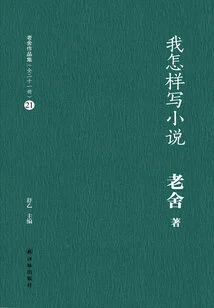
我怎样写小说(老舍作品集21)
Lao She
"How I Write a Novel" is a collection of Lao She's statements about his creative process and creative experience. From how to create "Lao Zhang's Philosophy" and "Zhao Zi Yue" to "Four Generations Under One Roof" and "Teahouse", it also talks about humor, scenery, characters, facts in creation, literary forms, drama, etc. It also touches on various readings. It is rich in content and can be used as a reference for literary creation and research.
"How I Write a Novel" is a collection of Lao She's statements about his creative process and creative experience. From how to create "Lao Zhang's Philosophy" and "Zhao Zi Yue" to "Four Generations Under One Roof" and "Teahouse", it also talks about humor, scenery, characters, facts in creation, literary forms, drama, etc. It also touches on various readings. It is rich in content and can be used as a reference for literary creation and research.
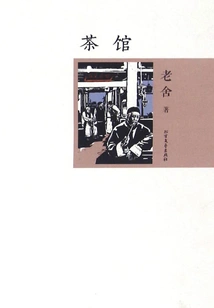
Teahouse
Literature茶馆
Lao She
The teahouse owner Wang Lifa wanted to make his father's teahouse prosperous, so he socialized in all directions, but the harsh reality made him often ridiculed and eventually swallowed up by the ruthless society; Qin Zhongyi, a national capitalist who often frequented teahouses, went from being ambitious to save the country through industry to going bankrupt; the bold Fourth Master Chang, a disciple of the Eight Banners, embarked on the road of self-reliance after the fall of the Qing Dynasty. The story in the play all takes place in a teahouse in Beijing. People come and go in the teahouse, and people of all colors and religions gather together. A big teahouse is like a small society.
The teahouse owner Wang Lifa wanted to make his father's teahouse prosperous, so he socialized in all directions, but the harsh reality made him often ridiculed and eventually swallowed up by the ruthless society; Qin Zhongyi, a national capitalist who often frequented teahouses, went from being ambitious to save the country through industry to going bankrupt; the bold Fourth Master Chang, a disciple of the Eight Banners, embarked on the road of self-reliance after the fall of the Qing Dynasty. The story in the play all takes place in a teahouse in Beijing. People come and go in the teahouse, and people of all colors and religions gather together. A big teahouse is like a small society.
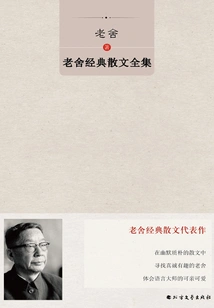
老舍经典散文全集
Lao She
This book collects Lao She's representative prose works from various periods. Lao She's prose has delicate writing techniques, smooth structure, clear organization, rich and colorful content, and smooth and beautiful language. The prose is permeated with the author's rich social life and complex inner world.
This book collects Lao She's representative prose works from various periods. Lao She's prose has delicate writing techniques, smooth structure, clear organization, rich and colorful content, and smooth and beautiful language. The prose is permeated with the author's rich social life and complex inner world.
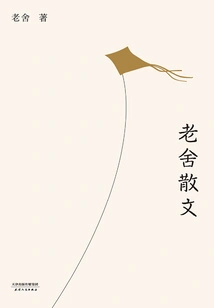
Lao She's Prose
Literature老舍散文
Lao She
As a master of humor and language in the history of modern and contemporary literature, Lao She's prose works naturally have unique language charm. This book collects 64 of Lao She's classic and easy-to-read proses to restore his kind, humorous and simple personality charm; it especially includes the humorous sketch "Not Traveling", which reappears rare long-lost articles.
As a master of humor and language in the history of modern and contemporary literature, Lao She's prose works naturally have unique language charm. This book collects 64 of Lao She's classic and easy-to-read proses to restore his kind, humorous and simple personality charm; it especially includes the humorous sketch "Not Traveling", which reappears rare long-lost articles.
Youjian Library: Exporting into Chapters
Literature有间文库:出口成章
Lao She
"Export into Chapters" is a collection compiled and selected by Mr. Lao She in 1963. Its subtitle is "On Literary Language and Others". The book contains 22 articles he wrote between 1955 and May 1963, including letters and speeches in various forms. This is the only collection labeled as a treatise compiled by Mr. Lao She, which shows that he attaches great importance to this book.
"Export into Chapters" is a collection compiled and selected by Mr. Lao She in 1963. Its subtitle is "On Literary Language and Others". The book contains 22 articles he wrote between 1955 and May 1963, including letters and speeches in various forms. This is the only collection labeled as a treatise compiled by Mr. Lao She, which shows that he attaches great importance to this book.
Under the Banner of Zhenghong
General Fiction正红旗下
Lao She
"Under the Red Flag" is Lao She's autobiographical novel. At the end of the Qing Dynasty, social unrest and folk customs were corrupted, and the lives of the banner people became increasingly difficult. In this historical background, the author uses his own birth and growth as a line to show readers the changes in social customs and history, especially the mental state and living habits of the bannermen in the late Qing Dynasty at that time. Each character comes to life in Lao She's writings: the dutiful but embarrassed father, the kind but conservative shopkeeper Wang, the capable but confused second brother Fuhai, the poor but arrogant aunt, the fastidious but living in a trap of fastidiousness... In the turbulent torrent of history, they have moved towards a fate that seems accidental but is inevitable.
"Under the Red Flag" is Lao She's autobiographical novel. At the end of the Qing Dynasty, social unrest and folk customs were corrupted, and the lives of the banner people became increasingly difficult. In this historical background, the author uses his own birth and growth as a line to show readers the changes in social customs and history, especially the mental state and living habits of the bannermen in the late Qing Dynasty at that time. Each character comes to life in Lao She's writings: the dutiful but embarrassed father, the kind but conservative shopkeeper Wang, the capable but confused second brother Fuhai, the poor but arrogant aunt, the fastidious but living in a trap of fastidiousness... In the turbulent torrent of history, they have moved towards a fate that seems accidental but is inevitable.
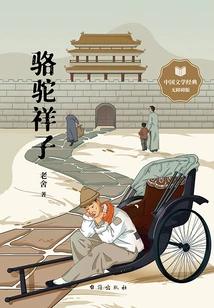
Camel Xiangzi
General Fiction骆驼祥子
Lao She
"Camel Xiangzi" is a work created by Lao She in 1936. The inspiration for the work came from Lao She's friend telling him about the experience of a rickshaw puller he met. This aroused Lao She's interest, so he collected information and observed the lives of Peking workers to create this novel. The novel tells the story of a rickshaw puller named Xiangzi. In order to realize the freedom of pulling a rickshaw, he vowed to buy his own rickshaw. For this purpose, Xiangzi tried his best to save money, but he kept running into obstacles during the process: he finally bought his own car, but encountered a war and his people and the car were robbed and lost; After saving money, he was blackmailed by the military police; in the end, he married Huniu, whom he didn't like, and finally bought a car for the second time. Huniu died again, and he had to sell the car to pay for Huniu's funeral... With such a series of blows, Xiangzi finally gave up his ideals, muddle along, contracted bad habits, and eventually became a useless person. The work adopts the form of seeing the big from the small, using the disillusionment of a small person's ideals to show the dilemma of ordinary workers in the old era who had no way out. It is vivid, touching and thought-provoking.
"Camel Xiangzi" is a work created by Lao She in 1936. The inspiration for the work came from Lao She's friend telling him about the experience of a rickshaw puller he met. This aroused Lao She's interest, so he collected information and observed the lives of Peking workers to create this novel. The novel tells the story of a rickshaw puller named Xiangzi. In order to realize the freedom of pulling a rickshaw, he vowed to buy his own rickshaw. For this purpose, Xiangzi tried his best to save money, but he kept running into obstacles during the process: he finally bought his own car, but encountered a war and his people and the car were robbed and lost; After saving money, he was blackmailed by the military police; in the end, he married Huniu, whom he didn't like, and finally bought a car for the second time. Huniu died again, and he had to sell the car to pay for Huniu's funeral... With such a series of blows, Xiangzi finally gave up his ideals, muddle along, contracted bad habits, and eventually became a useless person. The work adopts the form of seeing the big from the small, using the disillusionment of a small person's ideals to show the dilemma of ordinary workers in the old era who had no way out. It is vivid, touching and thought-provoking.
Youjian Library: Lao Zhang's Philosophy
General Fiction有间文库:老张的哲学
Lao She
"Lao Zhang's Philosophy" is Lao She's early work, first published in "Novel Monthly" in 1926, and first published by the Commercial Press in 1928. It is the starting point for the formation of Lao She's unique artistic personality. The protagonist Lao Zhang is a villain in old Beijing. He holds three professions: "soldier, scholar, and business", and believes in three religions: "Hui, Ye, and Buddhism"; he believes in the "money-based and trinity" philosophy of life. The connotation and essence of the so-called "Lao Zhang's philosophy" is naked philistine philosophy. The novel uses the main plot of Lao Zhang to seize money for himself and resorts to harsh means to break up two pairs of lovers, criticizing this philistine philosophy.
"Lao Zhang's Philosophy" is Lao She's early work, first published in "Novel Monthly" in 1926, and first published by the Commercial Press in 1928. It is the starting point for the formation of Lao She's unique artistic personality. The protagonist Lao Zhang is a villain in old Beijing. He holds three professions: "soldier, scholar, and business", and believes in three religions: "Hui, Ye, and Buddhism"; he believes in the "money-based and trinity" philosophy of life. The connotation and essence of the so-called "Lao Zhang's philosophy" is naked philistine philosophy. The novel uses the main plot of Lao Zhang to seize money for himself and resorts to harsh means to break up two pairs of lovers, criticizing this philistine philosophy.
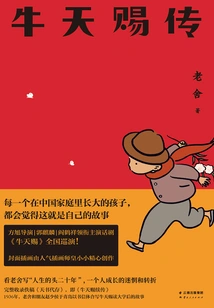
Biography of Niu Tianci
General Fiction牛天赐传
Lao She
"The Biography of Niu Tianci" uses Lao She's unique humorous style to describe the growth process of a child; an abandoned baby was adopted by a wealthy but childless couple named Niu and named Niu Tianci. My father is a businessman with a so-so philosophy; my mother is a shrewd person who manages the family in an official manner and establishes her authority. Tianci grew up in such a family, and had the guidance of teachers and friendships with friends that had a subtle influence on him. What kind of person has he become? Watch Lao She write "The First Twenty Years of Life", the confusion and turning points of a person's growth
"The Biography of Niu Tianci" uses Lao She's unique humorous style to describe the growth process of a child; an abandoned baby was adopted by a wealthy but childless couple named Niu and named Niu Tianci. My father is a businessman with a so-so philosophy; my mother is a shrewd person who manages the family in an official manner and establishes her authority. Tianci grew up in such a family, and had the guidance of teachers and friendships with friends that had a subtle influence on him. What kind of person has he become? Watch Lao She write "The First Twenty Years of Life", the confusion and turning points of a person's growth
Four Generations Living under One Roof (part 1)
General Fiction四世同堂(上)
Lao She
"Four Generations Under One Roof" is a novel written by the Chinese writer Lao She. "Four Generations Under One House" tells the story of the era when the Marco Polo Bridge Incident broke out and Peking fell. It takes the lives of four generations of the Qi family under one roof as the main line. It vividly and vividly depicts the ups and downs, life and death of people from all walks of life and all kinds of people represented by the residents of Xiaoyangquan Hutong. This book narrates the tragic experience of the vast number of civilians under the iron heel of the Japanese invaders in the abnormal world after the fall of Peiping. The uneasiness, panic and shock after the ancient and peaceful life of the school was broken. It lashes out the ugly souls of the perpetrators who are attached to the enemy, exposes the brutal crimes of Japanese militarism, and reflects the common people. The heroic and fearless resistance in the face of a powerful enemy eulogized and promoted the great patriotism and steadfast and noble national integrity of the Chinese people. It epically demonstrated the outstanding contributions made by the Chinese people to the world anti-fascist war during the Second World War. It was magnificent and evocative.
"Four Generations Under One Roof" is a novel written by the Chinese writer Lao She. "Four Generations Under One House" tells the story of the era when the Marco Polo Bridge Incident broke out and Peking fell. It takes the lives of four generations of the Qi family under one roof as the main line. It vividly and vividly depicts the ups and downs, life and death of people from all walks of life and all kinds of people represented by the residents of Xiaoyangquan Hutong. This book narrates the tragic experience of the vast number of civilians under the iron heel of the Japanese invaders in the abnormal world after the fall of Peiping. The uneasiness, panic and shock after the ancient and peaceful life of the school was broken. It lashes out the ugly souls of the perpetrators who are attached to the enemy, exposes the brutal crimes of Japanese militarism, and reflects the common people. The heroic and fearless resistance in the face of a powerful enemy eulogized and promoted the great patriotism and steadfast and noble national integrity of the Chinese people. It epically demonstrated the outstanding contributions made by the Chinese people to the world anti-fascist war during the Second World War. It was magnificent and evocative.
Drum Calligraphy Artist (lao She's Works Collection 18)
General Fiction鼓书艺人(老舍作品集18)
Lao She
"Artist of Drum Calligraphy" is a work written by Lao She in New York, USA between 1948 and 1949. The Chinese original manuscript was lost. This book was re-translated by Ma Xiaomi based on the English translation. "Lao She's Collection 18: Drum Calligraphy Artist" tells the story of the suffering experience of the Drum Calligraphy artist Fang Baoqing's family, tells the story of old-fashioned artists pursuing a new life in the storm of the Anti-Japanese War, and calls for the arrival of New China.
"Artist of Drum Calligraphy" is a work written by Lao She in New York, USA between 1948 and 1949. The Chinese original manuscript was lost. This book was re-translated by Ma Xiaomi based on the English translation. "Lao She's Collection 18: Drum Calligraphy Artist" tells the story of the suffering experience of the Drum Calligraphy artist Fang Baoqing's family, tells the story of old-fashioned artists pursuing a new life in the storm of the Anti-Japanese War, and calls for the arrival of New China.
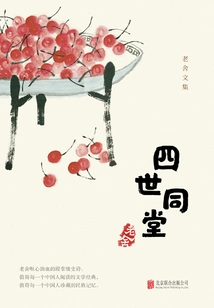
Youjian Library: Four Generations Living under One Roof
General Fiction有间文库:四世同堂
Lao She
"Four Generations Under One Roof" is divided into three parts: "Confusion", "Stealing Life" and "Famine", with nearly one million words. It is the longest work among Lao She's works. It is also the work that took the longest time to write, took the most energy and the most difficult completion process. The work is set in the occupied area of Peiping during the Anti-Japanese War, with the life of the four generations of the Qi family living under one roof as the main line. It vividly and vividly depicts the humiliating torture and suffering of people from all walks of life, represented by the residents of Xiaoyangquan Hutong, and the process of their gradual awakening and struggle to resist. It praises their valuable national integrity as well as the Chinese nation's unyielding will to fight and determination to resist the war.
"Four Generations Under One Roof" is divided into three parts: "Confusion", "Stealing Life" and "Famine", with nearly one million words. It is the longest work among Lao She's works. It is also the work that took the longest time to write, took the most energy and the most difficult completion process. The work is set in the occupied area of Peiping during the Anti-Japanese War, with the life of the four generations of the Qi family living under one roof as the main line. It vividly and vividly depicts the humiliating torture and suffering of people from all walks of life, represented by the residents of Xiaoyangquan Hutong, and the process of their gradual awakening and struggle to resist. It praises their valuable national integrity as well as the Chinese nation's unyielding will to fight and determination to resist the war.
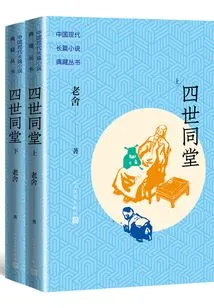
Four Generations under One Roof (2 Volumes in Total)
General Fiction四世同堂(全2册)
Lao She
Lao She was born in Beijing and is a famous modern Chinese novelist and playwright. In 1924, he taught at the Oriental College of the University of London and began to write novels. After returning to China, he taught at Qilu University and Qingdao University. After 1949, he served as vice chairman of the Chinese Writers Association and chairman of the Beijing Federation of Literary and Art Circles. In August 1966, he was persecuted and committed suicide in Taiping Lake, Beijing. He is the author of "Lao Zhang's Philosophy", "Two Horses", "Zhao Ziyue", "Divorce", "Cat City", "Camel Xiangzi", "Four Generations Under One Roof", "Teahouse", "Under the Red Flag", "Crescent Moon", "Drum Calligraphy Artist" and many other works that are deeply loved by readers. "Four Generations Under One Roof" is one of Lao She's masterpieces. Against the background of the outbreak of the Marco Polo Bridge Incident and the fall of Peking, the novel takes the life of four generations of the Qi family as the main line, and vividly and vividly depicts the ups and downs, life and death of people from all walks of life and all kinds of people represented by the residents of Xiaoyangquan Hutong.
Lao She was born in Beijing and is a famous modern Chinese novelist and playwright. In 1924, he taught at the Oriental College of the University of London and began to write novels. After returning to China, he taught at Qilu University and Qingdao University. After 1949, he served as vice chairman of the Chinese Writers Association and chairman of the Beijing Federation of Literary and Art Circles. In August 1966, he was persecuted and committed suicide in Taiping Lake, Beijing. He is the author of "Lao Zhang's Philosophy", "Two Horses", "Zhao Ziyue", "Divorce", "Cat City", "Camel Xiangzi", "Four Generations Under One Roof", "Teahouse", "Under the Red Flag", "Crescent Moon", "Drum Calligraphy Artist" and many other works that are deeply loved by readers. "Four Generations Under One Roof" is one of Lao She's masterpieces. Against the background of the outbreak of the Marco Polo Bridge Incident and the fall of Peking, the novel takes the life of four generations of the Qi family as the main line, and vividly and vividly depicts the ups and downs, life and death of people from all walks of life and all kinds of people represented by the residents of Xiaoyangquan Hutong.
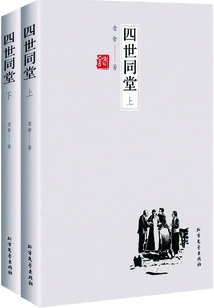
Four Generations Living under One Roof
General Fiction四世同堂
Lao She
This book is divided into two volumes. It is a million-word novel written by the Chinese writer Lao She. The work is set in the occupied area of Peiping during the Anti-Japanese War. It describes the psychology and experiences of more than a dozen families and more than 100 people, centered on the four generations of the Qi family, in the "Little Sheep Circle" alley in Beijing. It reproduces the process of the people of Peiping from being confused and depressed, enduring humiliation and living in humiliation to gradually awakening and resisting under the brutal rule of the Japanese invaders. It praises their valuable national integrity as well as the Chinese nation's unyielding will to fight and determination to resist the war. The novel shows people's resistance and awakening during the Japanese invasion. The plot is described in detail, depicting the determination of the people of Peiping to resist the war under cruel oppression and promoting positive energy.
This book is divided into two volumes. It is a million-word novel written by the Chinese writer Lao She. The work is set in the occupied area of Peiping during the Anti-Japanese War. It describes the psychology and experiences of more than a dozen families and more than 100 people, centered on the four generations of the Qi family, in the "Little Sheep Circle" alley in Beijing. It reproduces the process of the people of Peiping from being confused and depressed, enduring humiliation and living in humiliation to gradually awakening and resisting under the brutal rule of the Japanese invaders. It praises their valuable national integrity as well as the Chinese nation's unyielding will to fight and determination to resist the war. The novel shows people's resistance and awakening during the Japanese invasion. The plot is described in detail, depicting the determination of the people of Peiping to resist the war under cruel oppression and promoting positive energy.
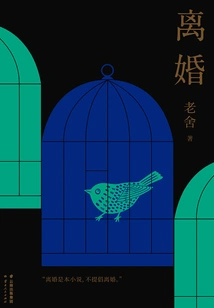
Divorce
General Fiction离婚
Lao She
About the edition: Based on the 1952 Chenguang Publishing Company edition, the punctuation and wording are revised according to the habits of modern readers. While retaining the original meaning, it is as close to the present as possible, eliminating unnecessary sense of time, and presenting the timeless charm of Lao She. Text part: Lao Li, a young intellectual, is dissatisfied with the vulgarity and perfunctoriness of his marriage and workplace. He wants to escape but lacks the courage. He is surrounded by people who are confused and have no dreams: the officious big brother, the young but evil office guy, the henpecked and incompetent director, the domineering wife of the director, the country wives who were infected by the vulgar disease, the ridiculous giant baby "revolutionary"... He struggled in the vulgar environment, sometimes compromising, sometimes struggling. When a friend is in trouble, he sacrifices his status and money to rescue him, and in the process sees through the depravity and hopelessness of those around him. He was moved by the bravery and righteousness of a social worker who was usually looked down upon, and made him make up his mind to leave the seemingly colorful Peiping and the stable iron rice bowl, and return to rural life and a simple family.
About the edition: Based on the 1952 Chenguang Publishing Company edition, the punctuation and wording are revised according to the habits of modern readers. While retaining the original meaning, it is as close to the present as possible, eliminating unnecessary sense of time, and presenting the timeless charm of Lao She. Text part: Lao Li, a young intellectual, is dissatisfied with the vulgarity and perfunctoriness of his marriage and workplace. He wants to escape but lacks the courage. He is surrounded by people who are confused and have no dreams: the officious big brother, the young but evil office guy, the henpecked and incompetent director, the domineering wife of the director, the country wives who were infected by the vulgar disease, the ridiculous giant baby "revolutionary"... He struggled in the vulgar environment, sometimes compromising, sometimes struggling. When a friend is in trouble, he sacrifices his status and money to rescue him, and in the process sees through the depravity and hopelessness of those around him. He was moved by the bravery and righteousness of a social worker who was usually looked down upon, and made him make up his mind to leave the seemingly colorful Peiping and the stable iron rice bowl, and return to rural life and a simple family.
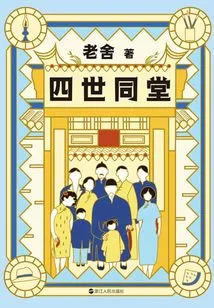
老舍典藏文集:四世同堂(新版)
Lao She
The misery of the fall of home, the sorrow of separated relatives, the perseverance of rebirth from the ashes, the excitement of rebuilding the country... With words full of responsibility and compassion, Lao She condensed the gray memory of the entire Chinese nation into the tragic experiences and humiliation of more than a dozen residents of a small alley. How can a big family with four generations under one roof survive the difficulties in a war-torn era? What will be the fate of each generation? This is Lao She's largest work and the longest writing time. It can be called a monument of modern Chinese literature. It is also the work that Lao She considered to be the best and most satisfactory during his lifetime.
The misery of the fall of home, the sorrow of separated relatives, the perseverance of rebirth from the ashes, the excitement of rebuilding the country... With words full of responsibility and compassion, Lao She condensed the gray memory of the entire Chinese nation into the tragic experiences and humiliation of more than a dozen residents of a small alley. How can a big family with four generations under one roof survive the difficulties in a war-torn era? What will be the fate of each generation? This is Lao She's largest work and the longest writing time. It can be called a monument of modern Chinese literature. It is also the work that Lao She considered to be the best and most satisfactory during his lifetime.
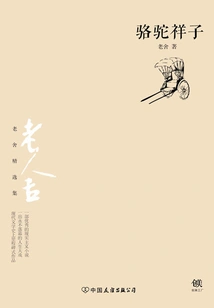
Luotuo Xiangzi (unabridged Classic Full Version)
General Fiction骆驼祥子(无删节经典完整版)
Lao She
"Camel Xiangzi" is Lao She's masterpiece. It uses the whereabouts of Xiangzi, a rickshaw driver in Peiping, as a clue, the life of Beijing citizens in the late 1920s as the background, and the rough and tragic life experience of rickshaw driver Xiangzi as the main plot. It profoundly reveals the oppression of the living conditions of the ordinary people in an era, expresses the author's deep sympathy for the working people, and shows the picture of the poor citizens at the bottom who actively strive to change their destiny, but encounter obstacles everywhere. "Camel Xiangzi" is one of the most outstanding works in China in the 1930s. It established Lao She's important position in the history of modern Chinese literature. "Camel Xiangzi" is his personal and important work in the history of modern Chinese literature.
"Camel Xiangzi" is Lao She's masterpiece. It uses the whereabouts of Xiangzi, a rickshaw driver in Peiping, as a clue, the life of Beijing citizens in the late 1920s as the background, and the rough and tragic life experience of rickshaw driver Xiangzi as the main plot. It profoundly reveals the oppression of the living conditions of the ordinary people in an era, expresses the author's deep sympathy for the working people, and shows the picture of the poor citizens at the bottom who actively strive to change their destiny, but encounter obstacles everywhere. "Camel Xiangzi" is one of the most outstanding works in China in the 1930s. It established Lao She's important position in the history of modern Chinese literature. "Camel Xiangzi" is his personal and important work in the history of modern Chinese literature.
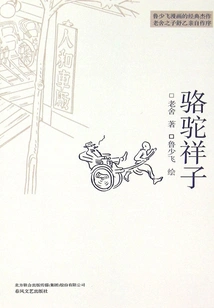
Camel Xiangzi
General Fiction骆驼祥子
Lao She
"Camel Xiangzi" is one of Lao She's masterpieces. With its realistic writing style and compassionate feelings, it has created a number of unforgettable artistic images such as Xiangzi and Huniu. It plays an important role in the history of modern Chinese literature and has a high reputation around the world. At the same time, "Camel Xiangzi" also discovered and included for the first time in China 42 comic illustrations by Lu Shaofei, the originator of modern Chinese comics. It can be said that Lu Shaofei is the oldest and highest-ranking artist among all the artists who illustrated "Camel Xiangzi". Shu Yi, Lao She's son, wrote a long preface for this book. Our company is the only publishing unit on the market that has obtained the authorization of Lu Shaofei's family for the illustrations of Lu Shaofei's "Camel Xiangzi".
"Camel Xiangzi" is one of Lao She's masterpieces. With its realistic writing style and compassionate feelings, it has created a number of unforgettable artistic images such as Xiangzi and Huniu. It plays an important role in the history of modern Chinese literature and has a high reputation around the world. At the same time, "Camel Xiangzi" also discovered and included for the first time in China 42 comic illustrations by Lu Shaofei, the originator of modern Chinese comics. It can be said that Lu Shaofei is the oldest and highest-ranking artist among all the artists who illustrated "Camel Xiangzi". Shu Yi, Lao She's son, wrote a long preface for this book. Our company is the only publishing unit on the market that has obtained the authorization of Lu Shaofei's family for the illustrations of Lu Shaofei's "Camel Xiangzi".
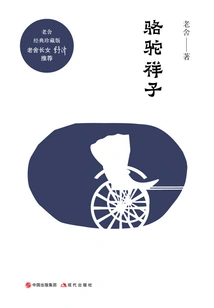
Camel Xiangzi
General Fiction骆驼祥子
Lao She
Xiangzi is a countryman who has nothing but a passion for struggle. He is diligent, kind and has his own dreams. He believes that through his own sweat and his own food, he can live the life he wants. But life brought about ups and downs in his life. Frustration will eventually turn him into a person he disdains... Youth is beautiful, struggle is bitter. In a cruel world, what is the meaning of hard work?
Xiangzi is a countryman who has nothing but a passion for struggle. He is diligent, kind and has his own dreams. He believes that through his own sweat and his own food, he can live the life he wants. But life brought about ups and downs in his life. Frustration will eventually turn him into a person he disdains... Youth is beautiful, struggle is bitter. In a cruel world, what is the meaning of hard work?
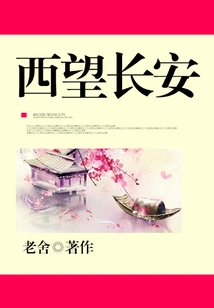
Looking West to Chang'an
General Fiction西望长安
Lao She
"Looking West to Chang'an" is a five-act play written by Lao She in 1956. The play tells the story of a liar named Li Wancheng, who used unsophisticated deception to forge his resume and get an official position; but the cadres around him were paralyzed and gullible, and became a prop for him to gain fame and wealth, and some even helped him marry a wife and start a family. Later, some more vigilant comrades noticed the clues of his deception, and the case was solved by the public security organs. In the play, Lao She's writing style is humorous, and some details have a strong satirical effect.
"Looking West to Chang'an" is a five-act play written by Lao She in 1956. The play tells the story of a liar named Li Wancheng, who used unsophisticated deception to forge his resume and get an official position; but the cadres around him were paralyzed and gullible, and became a prop for him to gain fame and wealth, and some even helped him marry a wife and start a family. Later, some more vigilant comrades noticed the clues of his deception, and the case was solved by the public security organs. In the play, Lao She's writing style is humorous, and some details have a strong satirical effect.
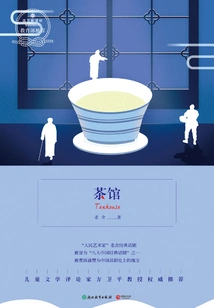
Teahouse
General Fiction茶馆
Lao She
This book includes Mr. Lao She's classic plays "Teahouse" and "Longxugou" as well as many beautiful essays. The three-act drama "Tea House" is a classic in the history of Chinese drama. Each character's lines are designed to be very vivid, expressive, full of personality, concise and concise, and have profound meaning. It is still a standing repertoire of modern theaters. Mr. Lao She's short stories are wise and concise, and his prose is simple and humorous. The selected chapters in this book are all representative works praised by experts and readers, allowing readers to appreciate the writer's unique literary characteristics.
This book includes Mr. Lao She's classic plays "Teahouse" and "Longxugou" as well as many beautiful essays. The three-act drama "Tea House" is a classic in the history of Chinese drama. Each character's lines are designed to be very vivid, expressive, full of personality, concise and concise, and have profound meaning. It is still a standing repertoire of modern theaters. Mr. Lao She's short stories are wise and concise, and his prose is simple and humorous. The selected chapters in this book are all representative works praised by experts and readers, allowing readers to appreciate the writer's unique literary characteristics.
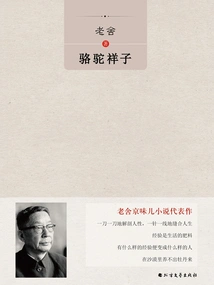
Camel Xiangzi
General Fiction骆驼祥子
Lao She
Xiangzi comes from a rural area and is determined to buy a car of his own and become an independent worker. However, the car he bought with three years of hard-earned money was robbed by the warlord's rebels. After escaping from the warlord, before he could save enough money to buy the car, the money was extorted by Detective Sun. Then, Huniu's "love" for him, the daughter of the owner of the car factory, brought him physical and mental suffering. Xiangzi bought a car with Huniu's savings. After Huniu died of dystocia, he had to sell it to pay for Huniu's funeral. After many setbacks, and as the suicide of Xiangzi's beloved woman, Xiaofuzi, the last spark of hope in Xiangzi's heart was finally blown out. He lost hope in life and completely degenerated. He gradually evolved from an honest rickshaw driver into a pure gangster proletarian. The novel depicts many small characters like Xiangzi. Xiangzi's life reflects the decline of China's bankrupt farmers in the "citizenization" process in the 1920s. Xiangzi's tragedy is not only his personal tragedy, but also contains more profound cultural and era factors.
Xiangzi comes from a rural area and is determined to buy a car of his own and become an independent worker. However, the car he bought with three years of hard-earned money was robbed by the warlord's rebels. After escaping from the warlord, before he could save enough money to buy the car, the money was extorted by Detective Sun. Then, Huniu's "love" for him, the daughter of the owner of the car factory, brought him physical and mental suffering. Xiangzi bought a car with Huniu's savings. After Huniu died of dystocia, he had to sell it to pay for Huniu's funeral. After many setbacks, and as the suicide of Xiangzi's beloved woman, Xiaofuzi, the last spark of hope in Xiangzi's heart was finally blown out. He lost hope in life and completely degenerated. He gradually evolved from an honest rickshaw driver into a pure gangster proletarian. The novel depicts many small characters like Xiangzi. Xiangzi's life reflects the decline of China's bankrupt farmers in the "citizenization" process in the 1920s. Xiangzi's tragedy is not only his personal tragedy, but also contains more profound cultural and era factors.
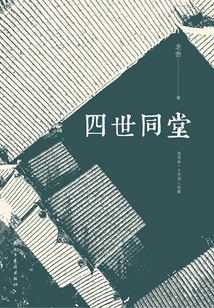
Four Generations Living under One Roof
General Fiction四世同堂
Lao She
"Four Generations Under One Roof" is Lao She's main novel in the 1940s, which reflects the lives and experiences of ordinary people in the occupied areas during the Anti-Japanese War in Peking. The book is set in the Xiaoyangquan Hutong in Peking. Through complex conflicts and entanglements, the Qi family in the Hutong is the main one, supplemented by the Qian family, the Guan family and other residents. It depicts the images of many ordinary people from all walks of life at that time; the choices of resistance and obedience, the choice of the country and the individual, and various difficult choices are intertwined, profoundly showing the difficult and tortuous path that ordinary people have traveled in the historical process of the great era.
"Four Generations Under One Roof" is Lao She's main novel in the 1940s, which reflects the lives and experiences of ordinary people in the occupied areas during the Anti-Japanese War in Peking. The book is set in the Xiaoyangquan Hutong in Peking. Through complex conflicts and entanglements, the Qi family in the Hutong is the main one, supplemented by the Qian family, the Guan family and other residents. It depicts the images of many ordinary people from all walks of life at that time; the choices of resistance and obedience, the choice of the country and the individual, and various difficult choices are intertwined, profoundly showing the difficult and tortuous path that ordinary people have traveled in the historical process of the great era.
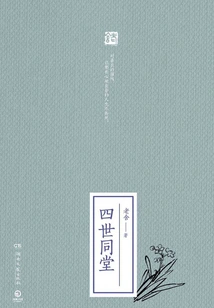
Four Generations under One Roof (two Volumes)
General Fiction四世同堂(全二册)
Lao She
"Four Generations Under One Roof" is a novel that reflects the various life styles of ordinary people in the occupied areas of Peiping during the Anti-Japanese War. The book is set in the Xiaoyangquan Hutong in Peking. Through complex conflicts and entanglements, the Qi family in the Hutong is the main one, supplemented by the Qian family, the Guan family, and other residents. It depicts the images of many ordinary people from all walks of life at that time; the choices of resistance and obedience, the choice of the country and the individual, and other difficult choices are intertwined, profoundly showing the difficult and tortuous path that ordinary people have traveled in the historical process of the great era.
"Four Generations Under One Roof" is a novel that reflects the various life styles of ordinary people in the occupied areas of Peiping during the Anti-Japanese War. The book is set in the Xiaoyangquan Hutong in Peking. Through complex conflicts and entanglements, the Qi family in the Hutong is the main one, supplemented by the Qian family, the Guan family, and other residents. It depicts the images of many ordinary people from all walks of life at that time; the choices of resistance and obedience, the choice of the country and the individual, and other difficult choices are intertwined, profoundly showing the difficult and tortuous path that ordinary people have traveled in the historical process of the great era.
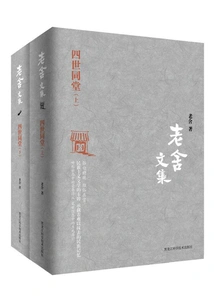
Collected Works of Lao She: Four Generations under One Roof
General Fiction老舍文集:四世同堂
Lao She
"Four Generations Under One Roof" is divided into three parts: "Confusion", "Stealing Life", and "Famine", with nearly one million words. It is the longest work among Lao She's works, and it is also the work that took the longest time to write, took a lot of energy, and was the most difficult to complete. The work is set in the occupied area of Peiping during the Anti-Japanese War, with the life of the four generations of the Qi family living under one roof as the main line. It vividly and vividly depicts the humiliating torture and suffering of people from all walks of life, represented by the residents of Xiaoyangquan Hutong, and the process of their gradual awakening and struggle to resist. It praises their valuable national integrity as well as the Chinese nation's unyielding will to fight and determination to resist the war. "Four Generations Under One Roof" is a "history of pain" and "history of anger" written with the blood of the nation and the writer. It truly shows the disasters suffered by the people of Peking and their precious national integrity under the iron heel of the Japanese invaders.
"Four Generations Under One Roof" is divided into three parts: "Confusion", "Stealing Life", and "Famine", with nearly one million words. It is the longest work among Lao She's works, and it is also the work that took the longest time to write, took a lot of energy, and was the most difficult to complete. The work is set in the occupied area of Peiping during the Anti-Japanese War, with the life of the four generations of the Qi family living under one roof as the main line. It vividly and vividly depicts the humiliating torture and suffering of people from all walks of life, represented by the residents of Xiaoyangquan Hutong, and the process of their gradual awakening and struggle to resist. It praises their valuable national integrity as well as the Chinese nation's unyielding will to fight and determination to resist the war. "Four Generations Under One Roof" is a "history of pain" and "history of anger" written with the blood of the nation and the writer. It truly shows the disasters suffered by the people of Peking and their precious national integrity under the iron heel of the Japanese invaders.
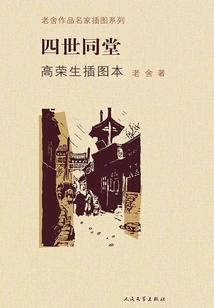
四世同堂高荣生插图本
Lao She
"Four Generations Under One Roof" is one of Lao She's masterpieces. Against the background of the outbreak of the Marco Polo Bridge Incident and the fall of Peking, the novel takes the life of four generations of the Qi family as the main line, and vividly and vividly depicts the ups and downs, life and death of people from all walks of life and all kinds of people represented by the residents of Xiaoyangquan Hutong. This book is illustrated by Gao Rongsheng.
"Four Generations Under One Roof" is one of Lao She's masterpieces. Against the background of the outbreak of the Marco Polo Bridge Incident and the fall of Peking, the novel takes the life of four generations of the Qi family as the main line, and vividly and vividly depicts the ups and downs, life and death of people from all walks of life and all kinds of people represented by the residents of Xiaoyangquan Hutong. This book is illustrated by Gao Rongsheng.
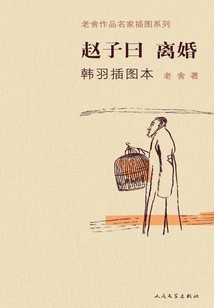
赵子曰·离婚韩羽插图本
Lao She
One of the "Famous Illustrations Series of Lao She's Works", "Zhao Zi Yue" and "Divorce" are both representative works of Lao She's early novels. They are accompanied by several illustrations by the famous painter Han Yu, with both pictures and texts complementing each other.
One of the "Famous Illustrations Series of Lao She's Works", "Zhao Zi Yue" and "Divorce" are both representative works of Lao She's early novels. They are accompanied by several illustrations by the famous painter Han Yu, with both pictures and texts complementing each other.
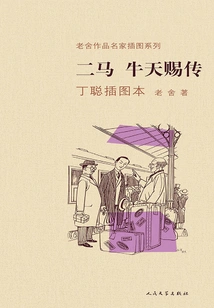
二马·牛天赐传丁聪插图本
Lao She
One of the "Famous Illustrations Series of Lao She's Works", "Two Horses" and "Niu Tianci Biography" are representative works of Lao She's early novels. They are accompanied by several illustrations by the famous painter Ding Cong, with both pictures and texts complementing each other.
One of the "Famous Illustrations Series of Lao She's Works", "Two Horses" and "Niu Tianci Biography" are representative works of Lao She's early novels. They are accompanied by several illustrations by the famous painter Ding Cong, with both pictures and texts complementing each other.
微神集·月牙集袁运生插图本
Lao She
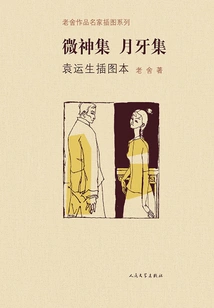
"Weishenji" is a collection of Lao She's short story collection "Weishenji" and novella collection "Crescent Collection". "Weishen Collection" and "Crescent Collection" are both collections selected by Mr. Lao She himself. They were originally published in the 1940s. This book is illustrated by Yuan Yunsheng.
"Weishenji" is a collection of Lao She's short story collection "Weishenji" and novella collection "Crescent Collection". "Weishen Collection" and "Crescent Collection" are both collections selected by Mr. Lao She himself. They were originally published in the 1940s. This book is illustrated by Yuan Yunsheng.
Cat City
General Fiction猫城记
Lao She
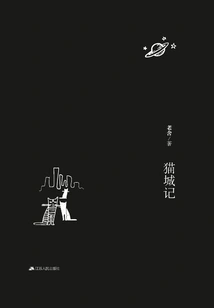
"Cat City" is a novel written by Mr. Lao She in 1932. Different from his previous "Beijing-flavored novels" with humorous language style, "Cat City" tells an allegorical story with a science fiction flavor: "I" crashed in a "cat country" on Mars and was caught by the "cat people" living here. The absurd and extravagant lives of the cat people and the chaotic and ugly social chaos made "I" despair; the various systems of the cat country have fundamentally changed. It is inherently corrupt, and the invasion of foreign troops accelerated the collapse of the cat country. "I" witnessed the cat people's demise and finally returned to the earth... This story uses a black humorous approach to satirize the life of the Republic of China.
"Cat City" is a novel written by Mr. Lao She in 1932. Different from his previous "Beijing-flavored novels" with humorous language style, "Cat City" tells an allegorical story with a science fiction flavor: "I" crashed in a "cat country" on Mars and was caught by the "cat people" living here. The absurd and extravagant lives of the cat people and the chaotic and ugly social chaos made "I" despair; the various systems of the cat country have fundamentally changed. It is inherently corrupt, and the invasion of foreign troops accelerated the collapse of the cat country. "I" witnessed the cat people's demise and finally returned to the earth... This story uses a black humorous approach to satirize the life of the Republic of China.
猫城记·我这一辈子(老舍经典全集)
Lao She
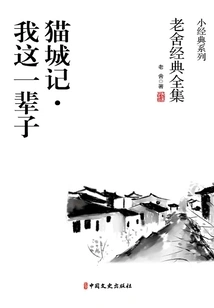
"Cat City" is a novel with allegory and science fiction color written by Lao She. The plane crashed on Mars, and "I" became a drifter on Mars, accidentally entering the cat city and visiting everything. "I" is like a sad reporter, recording all kinds of strange phenomena in Cat City: cat people only eat puzzle leaves, cat soldiers rush to surrender, houses in Cat City have no doors or windows, the laws of Cat Country cannot control foreigners, students in Cat School beat teachers... As Lao She said, "Cat City" is a nightmare. It records some extremely dark pages in the history of a civilization, and also reflects the desolate background of Lao She's thoughts. "My Life" is a famous novella written by Mr. Lao She in 1937 on the eve of the Anti-Japanese War. The novel uses the first-person method to describe the rough life of an ordinary patrolman in the old era. The protagonist of the novel is smart and capable, and knows how to deal with the world, but he is repeatedly hit hard by life: his beloved wife was abducted by his closest friend; he learned the art of paper mounting, but it has no use due to the changes of the times; he became a patrolman out of desperation, but his difficult life continues. It ends like this: "I am still laughing, laughing at the cleverness of my life, laughing at this surprisingly unfair world. I hope that by the time I laugh to the end, the world will be different!" Through the protagonist's experiences and changes in thoughts, "This Life of Mine" shows the sadness of the low-level people who are unable to control their own destiny in an outdated and turbulent social background. An ordinary little person reflects the great tragedy of the era, and at that time "especially had a progressive atmosphere that stood out from the times." After reading the whole novel, you can not only feel the unique Beijing accent and humor in Mr. Lao She's articles, but also taste the heaviness of life from his witty and humorous writing style.
"Cat City" is a novel with allegory and science fiction color written by Lao She. The plane crashed on Mars, and "I" became a drifter on Mars, accidentally entering the cat city and visiting everything. "I" is like a sad reporter, recording all kinds of strange phenomena in Cat City: cat people only eat puzzle leaves, cat soldiers rush to surrender, houses in Cat City have no doors or windows, the laws of Cat Country cannot control foreigners, students in Cat School beat teachers... As Lao She said, "Cat City" is a nightmare. It records some extremely dark pages in the history of a civilization, and also reflects the desolate background of Lao She's thoughts. "My Life" is a famous novella written by Mr. Lao She in 1937 on the eve of the Anti-Japanese War. The novel uses the first-person method to describe the rough life of an ordinary patrolman in the old era. The protagonist of the novel is smart and capable, and knows how to deal with the world, but he is repeatedly hit hard by life: his beloved wife was abducted by his closest friend; he learned the art of paper mounting, but it has no use due to the changes of the times; he became a patrolman out of desperation, but his difficult life continues. It ends like this: "I am still laughing, laughing at the cleverness of my life, laughing at this surprisingly unfair world. I hope that by the time I laugh to the end, the world will be different!" Through the protagonist's experiences and changes in thoughts, "This Life of Mine" shows the sadness of the low-level people who are unable to control their own destiny in an outdated and turbulent social background. An ordinary little person reflects the great tragedy of the era, and at that time "especially had a progressive atmosphere that stood out from the times." After reading the whole novel, you can not only feel the unique Beijing accent and humor in Mr. Lao She's articles, but also taste the heaviness of life from his witty and humorous writing style.
老舍小全集:茶馆(精装)
Lao She
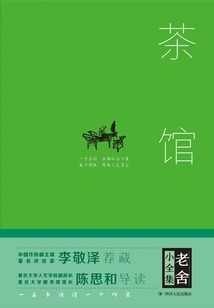
The time span of a century, fifty-seven primary and secondary characters are highly condensed in the teahouse, showing life scenes in three eras after the failure of the Reform Movement of 1898 in the late Qing Dynasty, the period of the Beiyang warlord separatism in the early years of the Republic of China, and the eve of the fall of the Kuomintang regime. It summarizes the sharp opposition and conflicts between various classes and forces in Chinese society, and reveals the historical destiny of semi-feudal and semi-colonial China. "Longxugou" is an important work of Mr. Lao She. It is the second drama script he created after returning to China in the early days of liberation. It is also a rare and handed down work among the early main theme works. This play describes the different experiences of four families living in a small courtyard next to a smelly ditch (Longxugou) near the Beijing Overpass. It creates unique characters such as Madman Cheng, Mrs. Cheng, Sister Ding, Aunt Wang, Erchun, Xiao Niuzi, and Uncle Zhao. Their experiences and mentality show the new atmosphere and changes brought about by the new regime and new system. It can be called a history of blood, tears and transformation of the lower class people.
The time span of a century, fifty-seven primary and secondary characters are highly condensed in the teahouse, showing life scenes in three eras after the failure of the Reform Movement of 1898 in the late Qing Dynasty, the period of the Beiyang warlord separatism in the early years of the Republic of China, and the eve of the fall of the Kuomintang regime. It summarizes the sharp opposition and conflicts between various classes and forces in Chinese society, and reveals the historical destiny of semi-feudal and semi-colonial China. "Longxugou" is an important work of Mr. Lao She. It is the second drama script he created after returning to China in the early days of liberation. It is also a rare and handed down work among the early main theme works. This play describes the different experiences of four families living in a small courtyard next to a smelly ditch (Longxugou) near the Beijing Overpass. It creates unique characters such as Madman Cheng, Mrs. Cheng, Sister Ding, Aunt Wang, Erchun, Xiao Niuzi, and Uncle Zhao. Their experiences and mentality show the new atmosphere and changes brought about by the new regime and new system. It can be called a history of blood, tears and transformation of the lower class people.
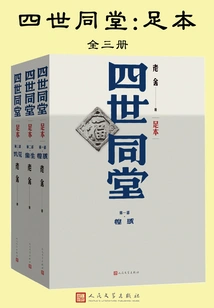
四世同堂套装:足本(全三册)
Lao She
"Four Generations Under One Roof" is Mr. Lao She's masterpiece. It is divided into three parts: "Confusion", "Stealing Life" and "Famine". It is one of the most representative works in Lao She's creative career. It reflects the lives and struggles of ordinary people in the occupied areas of Peiping during the Anti-Japanese War, and shows the difficult and tortuous path that ordinary people have traveled in the historical process of the great era. This full text was back-translated by translator Bi Bingbin (Black Horse) based on the English manuscript of "Four Generations Under One Roof" co-translated by Pu Aide and Lao She. It completes the last sixteen stanzas of the lost third volume of "Famine", authentically presents Lao She's writing style, and surpasses the already published version in terms of the three standards of honesty, elegance and elegance.
"Four Generations Under One Roof" is Mr. Lao She's masterpiece. It is divided into three parts: "Confusion", "Stealing Life" and "Famine". It is one of the most representative works in Lao She's creative career. It reflects the lives and struggles of ordinary people in the occupied areas of Peiping during the Anti-Japanese War, and shows the difficult and tortuous path that ordinary people have traveled in the historical process of the great era. This full text was back-translated by translator Bi Bingbin (Black Horse) based on the English manuscript of "Four Generations Under One Roof" co-translated by Pu Aide and Lao She. It completes the last sixteen stanzas of the lost third volume of "Famine", authentically presents Lao She's writing style, and surpasses the already published version in terms of the three standards of honesty, elegance and elegance.
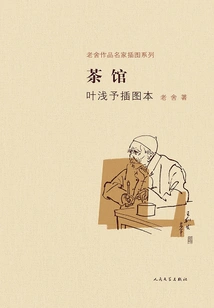
Teahouse (illustrated by Ye Qianyu)
General Fiction茶馆(叶浅予插图本)
Lao She
"Teahouse" is one of the masterpieces of "People's Artist" Mr. Lao She and a classic in the history of Chinese drama. The story in the play all takes place in a teahouse. People come and go in the teahouse, and people of all colors and religions gather together. A big teahouse is like a small society. Mr. Lao She captured the characteristics of this scene and highly condensed sixty or seventy main and secondary characters in a half-century time span into the teahouse, showing life scenes in three eras after the failure of the 1898 Coup in the late Qing Dynasty, the period of the Beiyang warlord separatism in the early years of the Republic of China, and the eve of the fall of the Kuomintang regime. It summarized the sharp opposition and conflicts between various classes and forces in Chinese society, and revealed the historical destiny of semi-feudal and semi-colonial China.
"Teahouse" is one of the masterpieces of "People's Artist" Mr. Lao She and a classic in the history of Chinese drama. The story in the play all takes place in a teahouse. People come and go in the teahouse, and people of all colors and religions gather together. A big teahouse is like a small society. Mr. Lao She captured the characteristics of this scene and highly condensed sixty or seventy main and secondary characters in a half-century time span into the teahouse, showing life scenes in three eras after the failure of the 1898 Coup in the late Qing Dynasty, the period of the Beiyang warlord separatism in the early years of the Republic of China, and the eve of the fall of the Kuomintang regime. It summarized the sharp opposition and conflicts between various classes and forces in Chinese society, and revealed the historical destiny of semi-feudal and semi-colonial China.
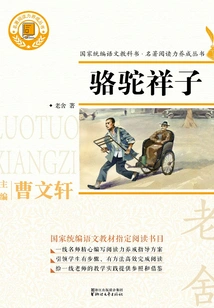
Camel Xiangzi
General Fiction骆驼祥子
Lao She
The peak of Lao She's novels, a masterpiece of the fate of the urban poor, a masterpiece of a language master, a sample of Beijing-style novels, and a custom picture of old Beijing. "Camel Xiangzi" is a peak in all Lao She's creations and a representative work describing the fate of the urban poor. The greatest success of this novel is that it portrays the image of Xiangzi, a typical lower-class citizen in Beijing, which truly reflects the suffering life of the lower-class people in Beijing. Xiangzi is a young, strong, hard-working, lower-class worker in the city. His entire ideal is to buy a rickshaw to pull people and become an "independent" and "free" driver. However, the ups and downs of buying a rickshaw shattered his life ideal and plunged him into despair. Xiangzi became a selfish, rogue, and sickly zombie. The author unfolds the plot through a trilogy of fate of the protagonist Xiangzi: "spirited - unwilling to fail - willing to fall". The entire "Camel Xiangzi" is the tragic history of Xiangzi's transformation from self-improvement to self-reliance and degradation. "Luotuo Xiangzi" is a recommended reading list for the new Chinese language textbook compiled by the Ministry of Education and has broad market influence. This book includes reading guidance programs and beautiful illustrations written by famous teachers in Zhejiang.
The peak of Lao She's novels, a masterpiece of the fate of the urban poor, a masterpiece of a language master, a sample of Beijing-style novels, and a custom picture of old Beijing. "Camel Xiangzi" is a peak in all Lao She's creations and a representative work describing the fate of the urban poor. The greatest success of this novel is that it portrays the image of Xiangzi, a typical lower-class citizen in Beijing, which truly reflects the suffering life of the lower-class people in Beijing. Xiangzi is a young, strong, hard-working, lower-class worker in the city. His entire ideal is to buy a rickshaw to pull people and become an "independent" and "free" driver. However, the ups and downs of buying a rickshaw shattered his life ideal and plunged him into despair. Xiangzi became a selfish, rogue, and sickly zombie. The author unfolds the plot through a trilogy of fate of the protagonist Xiangzi: "spirited - unwilling to fail - willing to fall". The entire "Camel Xiangzi" is the tragic history of Xiangzi's transformation from self-improvement to self-reliance and degradation. "Luotuo Xiangzi" is a recommended reading list for the new Chinese language textbook compiled by the Ministry of Education and has broad market influence. This book includes reading guidance programs and beautiful illustrations written by famous teachers in Zhejiang.
Residual Fog
General Fiction残雾
Lao She
The four-act play "Remnant Mist" was written in 1939 and is based on the social reality of Chongqing. In the play, Director Xi shouted for resistance to the war and was sanctimonious, but he was also greedy for money, lustful and power-seeking. He not only used his power to play with women, but also colluded with traitors to steal intelligence for them. Later, he was defeated and captured, which put him in jail. He had no choice but to confess the traitor, but at this time, this woman with great supernatural powers openly went to a banquet at the home of an important government official.
The four-act play "Remnant Mist" was written in 1939 and is based on the social reality of Chongqing. In the play, Director Xi shouted for resistance to the war and was sanctimonious, but he was also greedy for money, lustful and power-seeking. He not only used his power to play with women, but also colluded with traitors to steal intelligence for them. Later, he was defeated and captured, which put him in jail. He had no choice but to confess the traitor, but at this time, this woman with great supernatural powers openly went to a banquet at the home of an important government official.
Camel Xiangzi
General Fiction骆驼祥子
Lao She
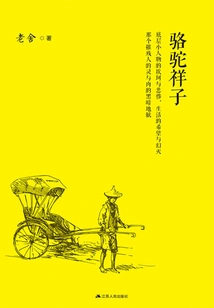
This book is set in Peiping in the 1920s and tells the tragic fate of a foreign rickshaw driver. Xiangzi, who comes from the countryside, is simple and kind-hearted. When facing life, he is as positive and tenacious as a camel. He owned a car of his own, but after three full efforts, they all ended in failure: the first time, the new car he just bought was robbed by rebels; the second time, all his savings were defrauded by the reactionary government detectives; the third time, the car he obtained at the cost of a twisted marriage with Huniu was lost again because of Huniu's death. Finally, the suicide of his beloved girl Xiao Fuzi cooled the last warmth in his heart. From then on, Xiangzi completely degenerated from being aggressive, becoming numb, down-and-out, cunning, self-destructive, like a walking zombie.
This book is set in Peiping in the 1920s and tells the tragic fate of a foreign rickshaw driver. Xiangzi, who comes from the countryside, is simple and kind-hearted. When facing life, he is as positive and tenacious as a camel. He owned a car of his own, but after three full efforts, they all ended in failure: the first time, the new car he just bought was robbed by rebels; the second time, all his savings were defrauded by the reactionary government detectives; the third time, the car he obtained at the cost of a twisted marriage with Huniu was lost again because of Huniu's death. Finally, the suicide of his beloved girl Xiao Fuzi cooled the last warmth in his heart. From then on, Xiangzi completely degenerated from being aggressive, becoming numb, down-and-out, cunning, self-destructive, like a walking zombie.
Cat City
General Fiction猫城记
Lao She
Among Lao She's works, "Cat City" is second only to "Camel Xiangzi" in popularity overseas. It has been translated into Japanese, French, English, German, Russian and Hungarian. While it won Lao She prestige, it also hid hidden dangers: many of the author's experiences in his later years were foreshadowed in the second half of the novel. The year after the September 18th Incident, 33-year-old Lao She published a long satirical novel "Cat City", using an absurd cat city on Mars to tell the truth about China at that time with black humor.
Among Lao She's works, "Cat City" is second only to "Camel Xiangzi" in popularity overseas. It has been translated into Japanese, French, English, German, Russian and Hungarian. While it won Lao She prestige, it also hid hidden dangers: many of the author's experiences in his later years were foreshadowed in the second half of the novel. The year after the September 18th Incident, 33-year-old Lao She published a long satirical novel "Cat City", using an absurd cat city on Mars to tell the truth about China at that time with black humor.
Under the Banner of Zhenghong
General Fiction正红旗下
Lao She
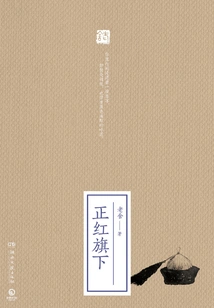
This book contains two novels by Mr. Lao She, namely "Under the Red Flag" (unfinished) and "Divorce". "Under the Red Flag" is Lao She's autobiographical novel. At the end of the Qing Dynasty, social unrest and folk customs were corrupted, and the lives of the banner people became increasingly difficult. During the Gengzi period, with the arrival of the Boxer Rebellion, the seemingly peaceful lives of the obedient people in old Beijing suddenly went into trouble. Faced with the broken rivers and mountains and remaining homes, the old Beijingers who had endured the plunder could only remember this period of history in their hearts forever. "Divorce" reveals the gray lives and humble souls of ordinary people through their comic conflicts on marriage and family issues. The novel shows the uniqueness and profundity of Lao She's realist creation with its specific and vivid portrayal of the ordinary citizens of old Beijing.
This book contains two novels by Mr. Lao She, namely "Under the Red Flag" (unfinished) and "Divorce". "Under the Red Flag" is Lao She's autobiographical novel. At the end of the Qing Dynasty, social unrest and folk customs were corrupted, and the lives of the banner people became increasingly difficult. During the Gengzi period, with the arrival of the Boxer Rebellion, the seemingly peaceful lives of the obedient people in old Beijing suddenly went into trouble. Faced with the broken rivers and mountains and remaining homes, the old Beijingers who had endured the plunder could only remember this period of history in their hearts forever. "Divorce" reveals the gray lives and humble souls of ordinary people through their comic conflicts on marriage and family issues. The novel shows the uniqueness and profundity of Lao She's realist creation with its specific and vivid portrayal of the ordinary citizens of old Beijing.
Clam Collection
General Fiction蛤藻集
Lao She
"The Collection of Clam Algae" is a collection of short stories by Lao She, created in 1936. Included in this collection are six short stories and one novella; all were written in Qingdao. It includes "Time-honored Brands", "Soul-Breaking Gun", "Stories Heard", "Old Tragedies in the New Era", "Let's Talk About the End", "New Korean Muled", "Sorrow", etc.
"The Collection of Clam Algae" is a collection of short stories by Lao She, created in 1936. Included in this collection are six short stories and one novella; all were written in Qingdao. It includes "Time-honored Brands", "Soul-Breaking Gun", "Stories Heard", "Old Tragedies in the New Era", "Let's Talk About the End", "New Korean Muled", "Sorrow", etc.
Youjian Library: under Zhenghong
General Fiction有间文库:正红旗下
Lao She
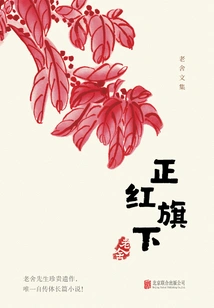
"Under the Red Flag" is the posthumous work of Lao She's unfinished autobiographical novel, with a total of eleven chapters and one hundred and sixty-four pages in manuscript. On August 24, 1966, Lao She drowned himself in Taiping Lake in Beijing. This work and his life came to an abrupt end. Lao She is a bannerman and belongs to the "Zhenghong Banner" of the "Eight Banners of Manchuria", which is also the origin of the title of the book. Lao She started writing from his birth, which was the end of the Qing Dynasty, when society was in turmoil and people's livelihood was in decline. Seeing the decline of the Qing Dynasty, the pampered Eight Banners disciples were also struggling... With the rise of the Boxer Rebellion and the arrival of foreigners, the peaceful life of the Beijing people was broken. Each character came to life in Lao She's writings: the honest father, the kind and upright shopkeeper Wang, the mean aunt, the smart and capable second brother Fuhai, the arrogant Pastor Niu... These people of the Qing Dynasty who were in the turbulent historical torrent all moved towards different fates...
"Under the Red Flag" is the posthumous work of Lao She's unfinished autobiographical novel, with a total of eleven chapters and one hundred and sixty-four pages in manuscript. On August 24, 1966, Lao She drowned himself in Taiping Lake in Beijing. This work and his life came to an abrupt end. Lao She is a bannerman and belongs to the "Zhenghong Banner" of the "Eight Banners of Manchuria", which is also the origin of the title of the book. Lao She started writing from his birth, which was the end of the Qing Dynasty, when society was in turmoil and people's livelihood was in decline. Seeing the decline of the Qing Dynasty, the pampered Eight Banners disciples were also struggling... With the rise of the Boxer Rebellion and the arrival of foreigners, the peaceful life of the Beijing people was broken. Each character came to life in Lao She's writings: the honest father, the kind and upright shopkeeper Wang, the mean aunt, the smart and capable second brother Fuhai, the arrogant Pastor Niu... These people of the Qing Dynasty who were in the turbulent historical torrent all moved towards different fates...
Camel Xiangzi
General Fiction骆驼祥子
Lao She
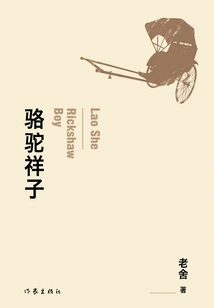
Lao She's masterpiece of novels. The novel is based on the life of Beijing citizens in the late 1920s, with the rough and tragic life experience of rickshaw driver Xiangzi as the main plot. It profoundly exposes the darkness of old China, accuses the ruling class of exploitation and oppression of workers, and expresses the author's deep sympathy for the working people.
Lao She's masterpiece of novels. The novel is based on the life of Beijing citizens in the late 1920s, with the rough and tragic life experience of rickshaw driver Xiangzi as the main plot. It profoundly exposes the darkness of old China, accuses the ruling class of exploitation and oppression of workers, and expresses the author's deep sympathy for the working people.
幽默小品集(老舍作品集20)
Lao She
"Collection of Humorous Sketch" includes Mr. Lao She's poem about offering sacrifices to his mother-in-law on the road, one day, the trend of taking a siesta, when humor turns into grease, the world is peaceful, coming from a thousand miles away, eating lotus flowers, buying lottery tickets, talking movies, scientific life-saving, a special New Year, the dual personality of the New Year, personal plans, remembering lazy people, drunken New Year's talk, looking up to see the good news, writing letters, quitting work, not eating and working, and moving to the embassy area because of being refused More than 800 people published more than 60 humorous novels including long articles on foreign affairs and some impressions.
"Collection of Humorous Sketch" includes Mr. Lao She's poem about offering sacrifices to his mother-in-law on the road, one day, the trend of taking a siesta, when humor turns into grease, the world is peaceful, coming from a thousand miles away, eating lotus flowers, buying lottery tickets, talking movies, scientific life-saving, a special New Year, the dual personality of the New Year, personal plans, remembering lazy people, drunken New Year's talk, looking up to see the good news, writing letters, quitting work, not eating and working, and moving to the embassy area because of being refused More than 800 people published more than 60 humorous novels including long articles on foreign affairs and some impressions.
Teahouse (unabridged Classic Full Version)
General Fiction茶馆(无删节经典完整版)
Lao She
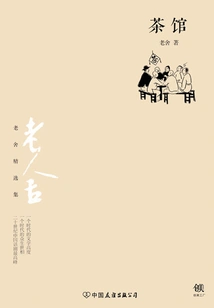
This book includes Lao She's famous plays "Teahouse" and "Longxugou" and more than a dozen classic essays. "Teahouse" is structured into three acts. It takes the rise and fall of a large teahouse called Yutai in old Beijing as the background, and shows the social landscape of Beijing and the life changes of different people from all walks of life in the nearly 50 years from the late Qing Dynasty to the Beiyang Warlord period and then to the victory of the Anti-Japanese War. Each scene depicts an era. People from all walks of life in Beijing, from all walks of life, come in and out of this big teahouse. The whole play shows a series of magnificent historical pictures, which vividly illustrates the inevitable demise of the old China and the inevitability of the birth of the new China.
This book includes Lao She's famous plays "Teahouse" and "Longxugou" and more than a dozen classic essays. "Teahouse" is structured into three acts. It takes the rise and fall of a large teahouse called Yutai in old Beijing as the background, and shows the social landscape of Beijing and the life changes of different people from all walks of life in the nearly 50 years from the late Qing Dynasty to the Beiyang Warlord period and then to the victory of the Anti-Japanese War. Each scene depicts an era. People from all walks of life in Beijing, from all walks of life, come in and out of this big teahouse. The whole play shows a series of magnificent historical pictures, which vividly illustrates the inevitable demise of the old China and the inevitability of the birth of the new China.
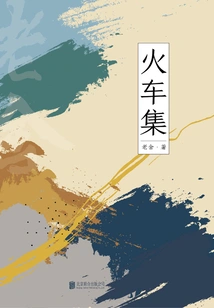
Youjian Bunko: Train Collection
General Fiction有间文库:火车集
Lao She
The two works "Train Collection" and "Anemia Collection" are both based on the background of the Anti-Japanese War. The writing style is cordial and emotional. They not only describe the people at the bottom, but also criticize the bureaucratic class. It also has strong practical significance at the moment and resonates with readers. In 1938, Lao She was elected as the executive director and director of the general affairs department of the All-China Literary and Art Circles Anti-Enemy Association. He presided over daily meetings internally, represented the "Arts Association" externally, and was fully responsible for the leadership of the association. In July of the same year, he moved west to Chongqing with the Literary and Art Association until the Anti-Japanese War achieved complete victory. Lao She worked with enthusiasm, patience and meticulousness, uniting writers and artists from all walks of life and working together to promote the literary and artistic activities of the Anti-Japanese War. He used the pen as a weapon to create various literary and artistic forms. The works of this period are included in these two collections of short stories.
The two works "Train Collection" and "Anemia Collection" are both based on the background of the Anti-Japanese War. The writing style is cordial and emotional. They not only describe the people at the bottom, but also criticize the bureaucratic class. It also has strong practical significance at the moment and resonates with readers. In 1938, Lao She was elected as the executive director and director of the general affairs department of the All-China Literary and Art Circles Anti-Enemy Association. He presided over daily meetings internally, represented the "Arts Association" externally, and was fully responsible for the leadership of the association. In July of the same year, he moved west to Chongqing with the Literary and Art Association until the Anti-Japanese War achieved complete victory. Lao She worked with enthusiasm, patience and meticulousness, uniting writers and artists from all walks of life and working together to promote the literary and artistic activities of the Anti-Japanese War. He used the pen as a weapon to create various literary and artistic forms. The works of this period are included in these two collections of short stories.
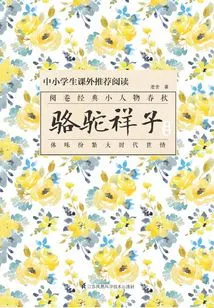
Camel Xiangzi
General Fiction骆驼祥子
Lao She
"Camel Xiangzi" is one of Lao She's masterpieces. With its realistic writing style and compassionate feelings, it has created distinctive artistic images such as Xiangzi and Huniu, which plays an important role in the history of modern Chinese literature. This edition of "Luotuo Xiangzi" contains annotations on some rare words to facilitate readers' better understanding and reading. This edition of "Luotuo Xiangzi" is faithful to the original work and better retains the wording of Lao She's era, which helps readers understand the writing and grammatical habits of that time.
"Camel Xiangzi" is one of Lao She's masterpieces. With its realistic writing style and compassionate feelings, it has created distinctive artistic images such as Xiangzi and Huniu, which plays an important role in the history of modern Chinese literature. This edition of "Luotuo Xiangzi" contains annotations on some rare words to facilitate readers' better understanding and reading. This edition of "Luotuo Xiangzi" is faithful to the original work and better retains the wording of Lao She's era, which helps readers understand the writing and grammatical habits of that time.
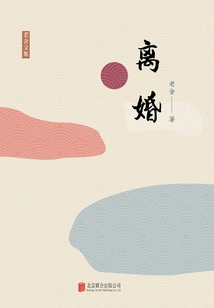
Youjian Bunko: Divorce
General Fiction有间文库:离婚
Lao She
The story is simple and ingenious, and revolves around several staff members of the Beijing Finance Office and their families. It describes the daily life of petty bureaucrats and citizens during the Republic of China, and gently satirizes their perfunctory attitude towards life. The vulgarity of the common people, the stubbornness of traditional concepts, the superficiality of modern youth, and the resistance of noble people to the evil of mediocrity are all vividly depicted by Lao She in a few strokes. But Lao She is not mean. His humor is honest, gentle and calm. He sympathizes and understands everyone. But what is even more rare is that this kind of sympathy and understanding is transparent and clear. It does not confuse good and evil, is not cynical and nihilistic, and does not play with the world. This is the real Chinese literature, the real spiritual aristocracy.
The story is simple and ingenious, and revolves around several staff members of the Beijing Finance Office and their families. It describes the daily life of petty bureaucrats and citizens during the Republic of China, and gently satirizes their perfunctory attitude towards life. The vulgarity of the common people, the stubbornness of traditional concepts, the superficiality of modern youth, and the resistance of noble people to the evil of mediocrity are all vividly depicted by Lao She in a few strokes. But Lao She is not mean. His humor is honest, gentle and calm. He sympathizes and understands everyone. But what is even more rare is that this kind of sympathy and understanding is transparent and clear. It does not confuse good and evil, is not cynical and nihilistic, and does not play with the world. This is the real Chinese literature, the real spiritual aristocracy.
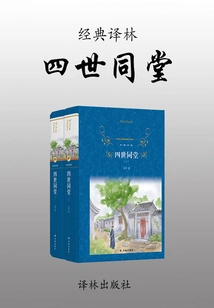
经典译林:四世同堂(全集)
Lao She
The novel takes the life of the four generations of the Qi family living under one roof in Xiaoyangquan Hutong, Peking as the main line, and uses the Marco Polo Bridge Incident and the fall of Peiping as the background. It describes the severe tests and tragic experiences faced by the people of Peiping during the Anti-Japanese War. The work uses vivid language to describe the historical moment when the country was destroyed and the city was destroyed. The various strata of Peiping, represented by the residents of Xiaoyangquan Hutong, went from being confused and uneasy when facing the Japanese invaders, to enduring humiliation and living under the brutal rule of the Japanese army, and finally to the process of awakening and resistance.
The novel takes the life of the four generations of the Qi family living under one roof in Xiaoyangquan Hutong, Peking as the main line, and uses the Marco Polo Bridge Incident and the fall of Peiping as the background. It describes the severe tests and tragic experiences faced by the people of Peiping during the Anti-Japanese War. The work uses vivid language to describe the historical moment when the country was destroyed and the city was destroyed. The various strata of Peiping, represented by the residents of Xiaoyangquan Hutong, went from being confused and uneasy when facing the Japanese invaders, to enduring humiliation and living under the brutal rule of the Japanese army, and finally to the process of awakening and resistance.
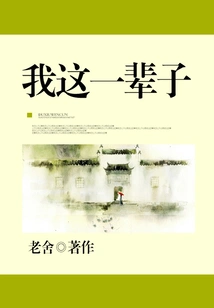
My Whole Life
General Fiction我这一辈子
Lao She
"My Life" is a famous novella written by Mr. Lao She in 1937 on the eve of the Anti-Japanese War. It describes the rough life of an ordinary patrolman in the old days.
"My Life" is a famous novella written by Mr. Lao She in 1937 on the eve of the Anti-Japanese War. It describes the rough life of an ordinary patrolman in the old days.