Library
Browse and search books
18 novels found
Notes from the House of the Dead (With Quality Library)
General Fiction死屋手记(有质量文库)
(russian) Dostoevsky
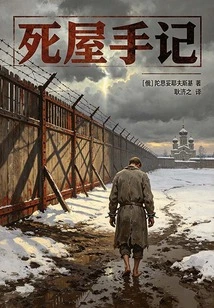
A man who killed his wife was asked after ten years of hard labor: "Do you regret it?" He thought for a while and said: "No regrets." It was not because he was cold-blooded, but because the days in prison were more like a place where a person lives than the life outside. Geng Jizhi's translation "closely adheres to the original text, and his translation style is smooth and beautiful." Together with Ge Baoquan, he is called the double wall that cannot be bypassed in Russian and Soviet literature. His translation is like a gray-white prison cell with peeling walls and dim light, but every brick is solid. This is Dostoevsky's Siberian exile record. He wrote about how jailers invented new punishments, how prisoners gambled and dreamed amidst the sound of shackles, and how a man had not been alone for even a minute in ten years, and even when he peeed, someone was watching him. But the cruelest thing about him is: people can get used to anything. In such an environment, shackles can also express feelings.
A man who killed his wife was asked after ten years of hard labor: "Do you regret it?" He thought for a while and said: "No regrets." It was not because he was cold-blooded, but because the days in prison were more like a place where a person lives than the life outside. Geng Jizhi's translation "closely adheres to the original text, and his translation style is smooth and beautiful." Together with Ge Baoquan, he is called the double wall that cannot be bypassed in Russian and Soviet literature. His translation is like a gray-white prison cell with peeling walls and dim light, but every brick is solid. This is Dostoevsky's Siberian exile record. He wrote about how jailers invented new punishments, how prisoners gambled and dreamed amidst the sound of shackles, and how a man had not been alone for even a minute in ten years, and even when he peeed, someone was watching him. But the cruelest thing about him is: people can get used to anything. In such an environment, shackles can also express feelings.

Fragile Heart
Literature脆弱的心
(russian) Dostoevsky
[Dostoevsky's soul-searching work. Cowards are afraid of happiness because they have a fragile heart. The protagonist of the novel, Vasya, always thinks that he is not worthy of happiness because of his low social status. When the girl he loved agreed to marry him, he couldn't bear the sudden joy, and he felt deeply unworthy of the respect of his boss because he failed to complete the work on time. In the torture of happiness and shame, he finally suffered a mental breakdown. Through the tragedy of Vasya's collapse due to poverty and marital anxiety, the novel reveals the oppression and destruction of the lower-class intellectuals by the tsarist Russian bureaucracy. With his superb psychological description, Dostoevsky delicately displays the protagonist's fragility, anxiety and fear of happiness, arousing strong emotional resonance and reflecting his profound insight into human fragility and moral dilemmas. Vasya's collapse is not only a manifestation of personal psychological imbalance, but also a silent complaint against the social system that distorts human nature. This work shows Dossett's early deep sympathy for the "insulted and harmed", and also laid the foundation for his later psychological masterpieces such as "Crime and Punishment".
[Dostoevsky's soul-searching work. Cowards are afraid of happiness because they have a fragile heart. The protagonist of the novel, Vasya, always thinks that he is not worthy of happiness because of his low social status. When the girl he loved agreed to marry him, he couldn't bear the sudden joy, and he felt deeply unworthy of the respect of his boss because he failed to complete the work on time. In the torture of happiness and shame, he finally suffered a mental breakdown. Through the tragedy of Vasya's collapse due to poverty and marital anxiety, the novel reveals the oppression and destruction of the lower-class intellectuals by the tsarist Russian bureaucracy. With his superb psychological description, Dostoevsky delicately displays the protagonist's fragility, anxiety and fear of happiness, arousing strong emotional resonance and reflecting his profound insight into human fragility and moral dilemmas. Vasya's collapse is not only a manifestation of personal psychological imbalance, but also a silent complaint against the social system that distorts human nature. This work shows Dossett's early deep sympathy for the "insulted and harmed", and also laid the foundation for his later psychological masterpieces such as "Crime and Punishment".

White Nights (a Golden Classic of Russian Literature)
General Fiction白夜(俄罗斯文学金色经典)
(russian) Dostoevsky
It is necessary for us to look at Dostoevsky from another angle. If we read his short stories and short stories carefully, we will find that they have a significant impact on him and the world. The three stories included in this collection are among them classics. "White Nights" (1848) is one of the most important masterpieces of the writer's early period (before his exile). Do these four unforgettable white nights leave an eternal and beautiful feeling in the dreamer's heart? Will he find a way out of the conflict between romantic dreams and harsh reality? --The author leaves this question to the reader. "The Little Hero" (1849) is also a love story that takes place in the summer, where dreams and reality are at war. It is worth noting that this is the only complete work written by Dostoevsky while he was in prison before his exile. Therefore, it has incomparable significance. It makes people curious. What did Dostoevsky, a political prisoner at the time, want to tell readers or himself through this childhood memory? Regarding this question, the author once said: "Read it, do you see resentment and pain in that story? It was me who had a peaceful and beautiful dream." The protagonist "The Ridiculous Man" in "The Dream of a Ridiculous Man" (1877) is also a lonely dreamer. He thinks that he is the only one who knows the truth: it doesn't matter whether the world exists or not, it doesn't matter whether people exist or not, and it doesn't matter whether all the problems in society exist, so the problems will disappear. These three articles and "Notes from the Basement" can be connected into a vertical section, charting the evolution of the typical character "Dreamer" and confirming the mental journey of the protagonist in the writer's novel. Dostoevsky is a master of depicting lonely souls and portraying dreams and illusions. He throws these very modern problems of spiritual emptiness and alienation into every reader who is suffering from "modern diseases".
It is necessary for us to look at Dostoevsky from another angle. If we read his short stories and short stories carefully, we will find that they have a significant impact on him and the world. The three stories included in this collection are among them classics. "White Nights" (1848) is one of the most important masterpieces of the writer's early period (before his exile). Do these four unforgettable white nights leave an eternal and beautiful feeling in the dreamer's heart? Will he find a way out of the conflict between romantic dreams and harsh reality? --The author leaves this question to the reader. "The Little Hero" (1849) is also a love story that takes place in the summer, where dreams and reality are at war. It is worth noting that this is the only complete work written by Dostoevsky while he was in prison before his exile. Therefore, it has incomparable significance. It makes people curious. What did Dostoevsky, a political prisoner at the time, want to tell readers or himself through this childhood memory? Regarding this question, the author once said: "Read it, do you see resentment and pain in that story? It was me who had a peaceful and beautiful dream." The protagonist "The Ridiculous Man" in "The Dream of a Ridiculous Man" (1877) is also a lonely dreamer. He thinks that he is the only one who knows the truth: it doesn't matter whether the world exists or not, it doesn't matter whether people exist or not, and it doesn't matter whether all the problems in society exist, so the problems will disappear. These three articles and "Notes from the Basement" can be connected into a vertical section, charting the evolution of the typical character "Dreamer" and confirming the mental journey of the protagonist in the writer's novel. Dostoevsky is a master of depicting lonely souls and portraying dreams and illusions. He throws these very modern problems of spiritual emptiness and alienation into every reader who is suffering from "modern diseases".
被伤害与侮辱的人们(陀思妥耶夫斯基文集2015)
(russian) Dostoevsky
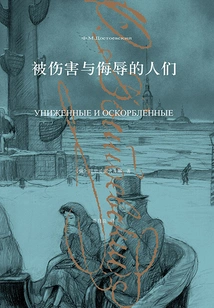
"Injured and Insulted People" is one of his important works. The novel describes the persecution of the "little people" by the bourgeois adventurer Valkovsky, especially the two weak women: the housekeeper's daughter Natasha and his illegitimate daughter Nellie, as well as the tragedies of the two families that he single-handedly caused.
"Injured and Insulted People" is one of his important works. The novel describes the persecution of the "little people" by the bourgeois adventurer Valkovsky, especially the two weak women: the housekeeper's daughter Natasha and his illegitimate daughter Nellie, as well as the tragedies of the two families that he single-handedly caused.

Notes from the Basement
General Fiction地下室手记
(russian) Dostoevsky
Dostoyevsky's "Notes from an Underground" is a classic masterpiece with both profound thought and literary art. It is also the book that opens the door to his literary world. The work revolves around the heart of the "basement man", and the book is divided into two parts: the first part is a long monologue by the basement man, exploring philosophical issues such as free will, human irrationality, and historical irrationality. The second part is the story of the basement man tracing his past. This book can open the door to Dostoevsky's literature and is his literary masterpiece. It is also the beginning of five other novels. It covers all the artistic characteristics of Dostoevsky. Reading this book will help you fully experience the endless charm of literature.
Dostoyevsky's "Notes from an Underground" is a classic masterpiece with both profound thought and literary art. It is also the book that opens the door to his literary world. The work revolves around the heart of the "basement man", and the book is divided into two parts: the first part is a long monologue by the basement man, exploring philosophical issues such as free will, human irrationality, and historical irrationality. The second part is the story of the basement man tracing his past. This book can open the door to Dostoevsky's literature and is his literary masterpiece. It is also the beginning of five other novels. It covers all the artistic characteristics of Dostoevsky. Reading this book will help you fully experience the endless charm of literature.

死屋手记(耿济之经典译本)
(russian) Dostoevsky
"Notes from the House of the Dead" occupies an important position in the history of world literature. It is the most important and influential work published by the great Russian writer Dostoevsky in the 19th century during the Russian serfdom reform period. Known as a strange book that cannot be ignored in the history of world literature, it describes the explosion of extreme human nature in extreme environments. Based on his own personal experience, the author described his experiences during hard labor in a calm and objective style. The whole book is composed of independent chapters such as memories, essays, close-ups, and stories, which vividly displays the terrible situation and mental state of various types of convicts, and outlines the unique personalities of various characters.
"Notes from the House of the Dead" occupies an important position in the history of world literature. It is the most important and influential work published by the great Russian writer Dostoevsky in the 19th century during the Russian serfdom reform period. Known as a strange book that cannot be ignored in the history of world literature, it describes the explosion of extreme human nature in extreme environments. Based on his own personal experience, the author described his experiences during hard labor in a calm and objective style. The whole book is composed of independent chapters such as memories, essays, close-ups, and stories, which vividly displays the terrible situation and mental state of various types of convicts, and outlines the unique personalities of various characters.

Notes from the Basement
General Fiction地下室手记
(russian) Dostoevsky
In "Notes from the Basement", the writer describes a character who he believed was not only possible but also inevitable in the society at that time. The protagonist, the basement man, is narrated in the first person. The basement man is a retired civil servant who is about 40 years old. His heart is full of pathological inferiority, but he often analyzes himself. The book mainly consists of two parts: The first part is a long monologue by the man in the basement, which discusses philosophical issues such as free will, human irrationality, and historical irrationality. The novel confronts Chernyshevsky's novel "What to Do?" With its pessimism. >>'S historical optimism, which believes that thoughts and feelings are often in a state of contradiction.
In "Notes from the Basement", the writer describes a character who he believed was not only possible but also inevitable in the society at that time. The protagonist, the basement man, is narrated in the first person. The basement man is a retired civil servant who is about 40 years old. His heart is full of pathological inferiority, but he often analyzes himself. The book mainly consists of two parts: The first part is a long monologue by the man in the basement, which discusses philosophical issues such as free will, human irrationality, and historical irrationality. The novel confronts Chernyshevsky's novel "What to Do?" With its pessimism. >>'S historical optimism, which believes that thoughts and feelings are often in a state of contradiction.

Juvenile
General Fiction少年
(russian) Dostoevsky
This book is Dostoevsky's masterpiece that integrates social novels, suspense novels, psychological novels and other types of novels with educational novels. In this noisy and impetuous world, the protagonist of this book faces a changing society that lacks faith and ideals. Due to lack of experience, he is extremely confused and hesitant. He has gone through twists and tribulations, encountered many tests and spiritual pain. Fortunately, he has always had a positive and persistent pursuit, and later received many good influences. After experiencing the struggle of exploring "good" and "evil", he finally woke up and completed his spiritual growth.
This book is Dostoevsky's masterpiece that integrates social novels, suspense novels, psychological novels and other types of novels with educational novels. In this noisy and impetuous world, the protagonist of this book faces a changing society that lacks faith and ideals. Due to lack of experience, he is extremely confused and hesitant. He has gone through twists and tribulations, encountered many tests and spiritual pain. Fortunately, he has always had a positive and persistent pursuit, and later received many good influences. After experiencing the struggle of exploring "good" and "evil", he finally woke up and completed his spiritual growth.

Demons (Complete Works)
General Fiction群魔(全集)
(russian) Dostoevsky
"Demons" is the most controversial work of the great Russian writer Dostoevsky. The work created a portrait of the old liberal intellectuals in the 1840s and the radical youth in the early 1970s. Liberal intellectuals represented by Stepan Trofimovich had social conscience and advocated truth, goodness and beauty, but at the same time they were timid and mediocre; social radicals represented by Peter Verkhovinsky opposed the old social order and despised the powerful, but at the same time they were cunning, vicious and shameless. The other protagonist, Stavrogin, is a typical Dostoevsky character. He has a dual personality. On the one hand, he is despicable, dissolute, and an extreme hedonist. His soul and body are far away from Christ, and he lives a devilish life; Stavrogin has a strong sense of guilt, but he is unable to bear his own sins and cannot redeem himself, so he can only eliminate his sins by annihilating his own body-committing suicide. In this world full of evil, there is always some sense of goodness, and a faint light shines brightly or covertly in everyone.
"Demons" is the most controversial work of the great Russian writer Dostoevsky. The work created a portrait of the old liberal intellectuals in the 1840s and the radical youth in the early 1970s. Liberal intellectuals represented by Stepan Trofimovich had social conscience and advocated truth, goodness and beauty, but at the same time they were timid and mediocre; social radicals represented by Peter Verkhovinsky opposed the old social order and despised the powerful, but at the same time they were cunning, vicious and shameless. The other protagonist, Stavrogin, is a typical Dostoevsky character. He has a dual personality. On the one hand, he is despicable, dissolute, and an extreme hedonist. His soul and body are far away from Christ, and he lives a devilish life; Stavrogin has a strong sense of guilt, but he is unable to bear his own sins and cannot redeem himself, so he can only eliminate his sins by annihilating his own body-committing suicide. In this world full of evil, there is always some sense of goodness, and a faint light shines brightly or covertly in everyone.

Crime and Punishment (selected Translations of Famous Works)
General Fiction罪与罚(译文名著精选)
(russian) Dostoevsky
"Crime and Punishment" is one of the masterpieces of Fyodor Dostoyevsky, the great Russian writer of the 19th century. The novel describes Raskolnikov, a poor college student who wanted to become a Napoleonic figure and believed that he was a superman. He was poisoned by anarchist ideas and forced by life. He killed the old landlady who was a loan shark and her innocent sister, and committed a murder that shocked the whole of Russia. After experiencing a painful confession, he finally surrendered under the persuasion of the Christian girl Sonia and was sentenced to exile in Siberia. The work focuses on the protagonist's mental state of being condemned by his conscience and feeling deeply lonely and fearful after committing a crime, and depicts his psychological changes before and after the crime. On the one hand, the novel depicts the miserable life of the lower class people in Russia and exposes the evils of aristocratic society; on the other hand, it also promotes the idea of accepting one's fate and seeking liberation from religion.
"Crime and Punishment" is one of the masterpieces of Fyodor Dostoyevsky, the great Russian writer of the 19th century. The novel describes Raskolnikov, a poor college student who wanted to become a Napoleonic figure and believed that he was a superman. He was poisoned by anarchist ideas and forced by life. He killed the old landlady who was a loan shark and her innocent sister, and committed a murder that shocked the whole of Russia. After experiencing a painful confession, he finally surrendered under the persuasion of the Christian girl Sonia and was sentenced to exile in Siberia. The work focuses on the protagonist's mental state of being condemned by his conscience and feeling deeply lonely and fearful after committing a crime, and depicts his psychological changes before and after the crime. On the one hand, the novel depicts the miserable life of the lower class people in Russia and exposes the evils of aristocratic society; on the other hand, it also promotes the idea of accepting one's fate and seeking liberation from religion.
Crime and Punishment
General Fiction罪与罚
(russian) Dostoevsky
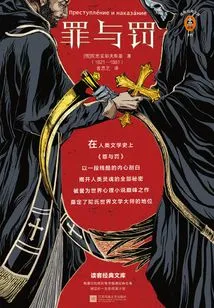
Only "Crime and Punishment" has thoroughly written about the dark side of human nature that everyone knows but dare not talk about! The New York Times named "Crime and Punishment" one of the "Top Ten Literary Classics in the World". The British "Guardian" named "Crime and Punishment" as "The 100 Must-Read Books in Life". The British BBC named "Crime and Punishment" as one of "the 100 greatest novels of all time". Yu Hua: When I was 20 years old, I read Dostoyevsky for the first time. I read "Crime and Punishment" day and night. Dostoyevsky's narrative was like a bomber, dropping a bunch of bombs on my thoughts and emotions, making me dizzy at the age of 20. During that time, when I read the works of other writers, I felt they were bland. I thought, what the hell is this? Why didn't I feel anything? In the history of human literature, "Crime and Punishment" reveals all the secrets of the human soul with a cruel inner confession. It is known as the supreme work of psychological novels in the world and established Dosko's status as a master of world literature. The new hardcover collector's edition of "Crime and Punishment" must-have reasons: 1. Classic translation, lovingly translated by Professor Zeng Siyi, director of the China Foreign Literature Teaching Research Association! 2. 381 Detailed annotations to thoroughly understand "Crime and Punishment" 3. Specially included [Original Writer's Chronology of Major Events] and a special collection of [Writer's Handwritten Manuscripts] to truly restore the author's creative process...
Only "Crime and Punishment" has thoroughly written about the dark side of human nature that everyone knows but dare not talk about! The New York Times named "Crime and Punishment" one of the "Top Ten Literary Classics in the World". The British "Guardian" named "Crime and Punishment" as "The 100 Must-Read Books in Life". The British BBC named "Crime and Punishment" as one of "the 100 greatest novels of all time". Yu Hua: When I was 20 years old, I read Dostoyevsky for the first time. I read "Crime and Punishment" day and night. Dostoyevsky's narrative was like a bomber, dropping a bunch of bombs on my thoughts and emotions, making me dizzy at the age of 20. During that time, when I read the works of other writers, I felt they were bland. I thought, what the hell is this? Why didn't I feel anything? In the history of human literature, "Crime and Punishment" reveals all the secrets of the human soul with a cruel inner confession. It is known as the supreme work of psychological novels in the world and established Dosko's status as a master of world literature. The new hardcover collector's edition of "Crime and Punishment" must-have reasons: 1. Classic translation, lovingly translated by Professor Zeng Siyi, director of the China Foreign Literature Teaching Research Association! 2. 381 Detailed annotations to thoroughly understand "Crime and Punishment" 3. Specially included [Original Writer's Chronology of Major Events] and a special collection of [Writer's Handwritten Manuscripts] to truly restore the author's creative process...

卡拉马佐夫兄弟(下)(译文名著精选)
(russian) Dostoevsky
"The Brothers Karamazov (Part 2)": The old Karamazov is greedy and lustful, monopolizing the inheritance left by his wife to his sons, and he and his eldest son Dmitri are jealous of a romantic woman. One night, Dmitry suspected that his lover was having a tryst with the old man, so he broke into his home and almost beat the old man to death in a rage. After he fled in panic, the old Karamazov's illegitimate son Smerdyakov, who was hiding in secret and pretending to be ill, secretly killed the old man, causing a complicated and confusing murder that shocked the whole of Russia, and triggered a series of thrilling events. The work shows the intricate social and family conflicts and human tragedy, and embodies the highest artistic achievement of the writer's life.
"The Brothers Karamazov (Part 2)": The old Karamazov is greedy and lustful, monopolizing the inheritance left by his wife to his sons, and he and his eldest son Dmitri are jealous of a romantic woman. One night, Dmitry suspected that his lover was having a tryst with the old man, so he broke into his home and almost beat the old man to death in a rage. After he fled in panic, the old Karamazov's illegitimate son Smerdyakov, who was hiding in secret and pretending to be ill, secretly killed the old man, causing a complicated and confusing murder that shocked the whole of Russia, and triggered a series of thrilling events. The work shows the intricate social and family conflicts and human tragedy, and embodies the highest artistic achievement of the writer's life.
Being Bullied and Insulted
General Fiction被欺凌与被侮辱的
(russian) Dostoevsky
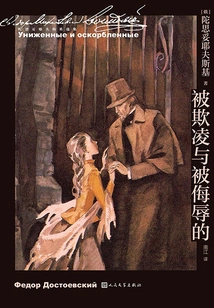
"The Bullied and the Insulted" is the masterpiece of the great Russian writer Dostoevsky. The novel was written in 1861. The whole book consists of four parts and an ending. The story takes place in Petersburg in the late 1950s, during the period of the collapse of serfdom. The main content of the novel is the conflict between the adventurer and liar Valkovsky and the people he insults and harms. With a desolate and tragic tone, the novel unfolds the two main lines of the story, one is the tragic fate of Nellie's family, and the other is the misfortune of Natasha's family. The culprit of the destruction of these two families is Duke Valkovsky. He abducted Nellie's mother, defrauded Nellie's grandfather of all the family property, and finally caused three generations of Nellie's family to die out of hatred. He also falsely accused Natasha's father and bankrupted his family. Natasha was also deceived by the Duke's son. The writer angrily reveals the dark reality of society and expresses deep sympathy for the "insulted and damaged" people at the bottom of society.
"The Bullied and the Insulted" is the masterpiece of the great Russian writer Dostoevsky. The novel was written in 1861. The whole book consists of four parts and an ending. The story takes place in Petersburg in the late 1950s, during the period of the collapse of serfdom. The main content of the novel is the conflict between the adventurer and liar Valkovsky and the people he insults and harms. With a desolate and tragic tone, the novel unfolds the two main lines of the story, one is the tragic fate of Nellie's family, and the other is the misfortune of Natasha's family. The culprit of the destruction of these two families is Duke Valkovsky. He abducted Nellie's mother, defrauded Nellie's grandfather of all the family property, and finally caused three generations of Nellie's family to die out of hatred. He also falsely accused Natasha's father and bankrupted his family. Natasha was also deceived by the Duke's son. The writer angrily reveals the dark reality of society and expresses deep sympathy for the "insulted and damaged" people at the bottom of society.

Dual Personality
General Fiction双重人格
(russian) Dostoevsky
"Double Personality" is one of Dostoevsky's important works. It caused a huge response when it was published. It clearly reflects Dostoevsky's creative characteristics. The exploration of the human heart was advanced at the time and is still of practical significance today.
"Double Personality" is one of Dostoevsky's important works. It caused a huge response when it was published. It clearly reflects Dostoevsky's creative characteristics. The exploration of the human heart was advanced at the time and is still of practical significance today.
Brothers Karamazov
General Fiction卡拉马佐夫兄弟
(russian) Dostoevsky
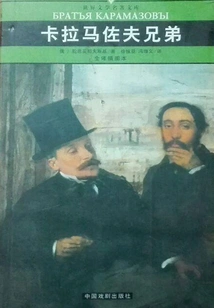
"The Brothers Karamazov" is Dostoevsky's last novel and his pinnacle. The novel was serialized in the "Russian Herald" for two years and was completed in 1880. Dostoevsky himself passed away just four months after writing this masterpiece. The novel uses a real patricide case to describe the sharp conflict between the old Karamazov and his three sons, that is, two generations. The old Karamazov was greedy for money and lustful. He monopolized the inheritance left by his wife to his sons, and was jealous of a romantic woman with his eldest son Dmitri. One night, Dmitri suspected that his lover was having a tryst with the old man, so he broke into his home and almost beat the old man to death in a rage. After Dmitry fled in panic, the old Karamazov's illegitimate son Smerdyakov, who was hiding in secret and pretending to be ill, secretly killed the old man, causing a complicated and confusing murder that shocked the whole of Russia...
"The Brothers Karamazov" is Dostoevsky's last novel and his pinnacle. The novel was serialized in the "Russian Herald" for two years and was completed in 1880. Dostoevsky himself passed away just four months after writing this masterpiece. The novel uses a real patricide case to describe the sharp conflict between the old Karamazov and his three sons, that is, two generations. The old Karamazov was greedy for money and lustful. He monopolized the inheritance left by his wife to his sons, and was jealous of a romantic woman with his eldest son Dmitri. One night, Dmitri suspected that his lover was having a tryst with the old man, so he broke into his home and almost beat the old man to death in a rage. After Dmitry fled in panic, the old Karamazov's illegitimate son Smerdyakov, who was hiding in secret and pretending to be ill, secretly killed the old man, causing a complicated and confusing murder that shocked the whole of Russia...

Crime and Punishment
General Fiction罪与罚
(russian) Dostoevsky
The nineteenth century in which Dostoevsky lived was a declining century. In that irrational era, people doubted all final conclusions, inherent nobility, royal power, and faith. In 1849, Dostoevsky was arrested for participating in a secret rally against the Tsar and angering the authorities. The following year, he was sentenced to exile in Siberia and served four years of hard labor. The painful life spent with criminals gave him a profound observation of the dark side of Russian society, and he also gained new concepts about human life, the good and evil in human nature, and the character of the Russian people. These observations and concepts are presented in "Crime and Punishment". The author himself said that this is "a confession about a criminal."
The nineteenth century in which Dostoevsky lived was a declining century. In that irrational era, people doubted all final conclusions, inherent nobility, royal power, and faith. In 1849, Dostoevsky was arrested for participating in a secret rally against the Tsar and angering the authorities. The following year, he was sentenced to exile in Siberia and served four years of hard labor. The painful life spent with criminals gave him a profound observation of the dark side of Russian society, and he also gained new concepts about human life, the good and evil in human nature, and the character of the Russian people. These observations and concepts are presented in "Crime and Punishment". The author himself said that this is "a confession about a criminal."
Idiot (Full Set)
General Fiction白痴(全集)
(russian) Dostoevsky
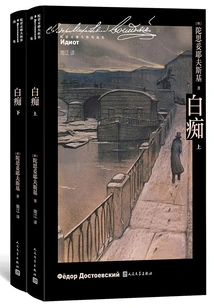
"The Idiot" is a novel written by the Russian writer Dostoevsky in the 19th century. He began writing in the autumn of 1867 and published it in 1868. "The Idiot" provides a broad depiction of the Russian upper class after the serfdom reform, involving complex psychological and moral issues. This novel expresses that the world cannot be quantified rationally, and is even beyond human imagination. What is inexplicable and unachievable by humans does not require thinking, and those who think about it and practice it are "idiots". This should be a perfect irony of the belief advocated by many Enlightenment thinkers that "man's logical calculations must conform to the laws of nature, and human calculations are equal to heaven's calculations." This kind of logic that overly believes that the world can be calculated and excludes all contradictions and willful movements is actually the arrogance of human beings.
"The Idiot" is a novel written by the Russian writer Dostoevsky in the 19th century. He began writing in the autumn of 1867 and published it in 1868. "The Idiot" provides a broad depiction of the Russian upper class after the serfdom reform, involving complex psychological and moral issues. This novel expresses that the world cannot be quantified rationally, and is even beyond human imagination. What is inexplicable and unachievable by humans does not require thinking, and those who think about it and practice it are "idiots". This should be a perfect irony of the belief advocated by many Enlightenment thinkers that "man's logical calculations must conform to the laws of nature, and human calculations are equal to heaven's calculations." This kind of logic that overly believes that the world can be calculated and excludes all contradictions and willful movements is actually the arrogance of human beings.

The Brothers Karamazov (part 1)
General Fiction卡拉马佐夫兄弟(上)
(russian) Dostoevsky
Through a complicated and confusing murder case that shocked the whole of Russia, it describes the sharp conflict between the old Karamazov and his three sons. The novel has a tense and depressing atmosphere, a compact plot, and suspense, which is shocking. It integrates the revelation of social reality, the portrayal of characters, the path of social development, and the thinking of human destiny. The groundbreaking significance of the work and the unmatched achievements of others have been universally recognized, and it has had a profound and huge impact on the development of world literature.
Through a complicated and confusing murder case that shocked the whole of Russia, it describes the sharp conflict between the old Karamazov and his three sons. The novel has a tense and depressing atmosphere, a compact plot, and suspense, which is shocking. It integrates the revelation of social reality, the portrayal of characters, the path of social development, and the thinking of human destiny. The groundbreaking significance of the work and the unmatched achievements of others have been universally recognized, and it has had a profound and huge impact on the development of world literature.