Library
Browse and search books
23 novels found
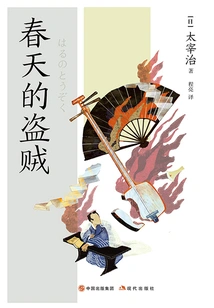
Spring's Thief
General Fiction春天的盗贼
(japan) Osamu Dazai
Spring's Thief is a collection of lesser-known works by Osamu Dazai, including 'Spring's Thief', 'Vulgar Angel', 'New Hamlet', 'Women's Duel', and 'Woman's Lecture'. The stories cover a wide range of topics and employ diverse narrative styles, each showcasing Dazai's keen insight and literary prowess. They also offer a glimpse into Dazai's inner turmoil and his lingering hope for beauty and goodness.
Spring's Thief is a collection of lesser-known works by Osamu Dazai, including 'Spring's Thief', 'Vulgar Angel', 'New Hamlet', 'Women's Duel', and 'Woman's Lecture'. The stories cover a wide range of topics and employ diverse narrative styles, each showcasing Dazai's keen insight and literary prowess. They also offer a glimpse into Dazai's inner turmoil and his lingering hope for beauty and goodness.
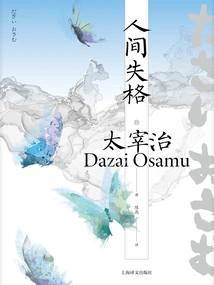
人间失格(太宰治全集)
(japan) Osamu Dazai
Osamu Dazai's entire confession in the last 500 days of his life, including the goodbyes he never finished saying; an analysis of the nihility and despair of the post-war era, facing the abyss of human nature and the desire for survival; a book of the soul about degradation, struggle and redemption, seeing fragility, loneliness and the eternal longing for love and recognition. This book is a collection of works by the Japanese literary giant Dazai Osamu. It contains a total of 18 works. It is the last two years of Osamu Dazai's life that concentrated his brilliance. These include many representative works such as "The Unworthy of the World" and "Setting Sun", as well as the posthumous work "Goodbye". Together, these articles describe the decadent atmosphere of postwar Japanese society and the plight of individual spirits. Osamu Dazai used his trademark self-deprecating and desperate style to create a series of images of "marginal people" who were sunk in alcohol, drugs and emotions. They either struggle to survive in the decline of aristocratic families, or explore the meaning of existence in self-exile, or they wander painfully between family and morality. The lines are full of doubts about traditional morality, confusion about being a human being, and a deep desire for love and understanding. This collection of works is not only the core microcosm of Osamu Dazai's literary world, but also a mirror that reflects the loneliness and emptiness common to mankind. With its ultimate truth and beauty, it faces the complexity and fragility of life.
Osamu Dazai's entire confession in the last 500 days of his life, including the goodbyes he never finished saying; an analysis of the nihility and despair of the post-war era, facing the abyss of human nature and the desire for survival; a book of the soul about degradation, struggle and redemption, seeing fragility, loneliness and the eternal longing for love and recognition. This book is a collection of works by the Japanese literary giant Dazai Osamu. It contains a total of 18 works. It is the last two years of Osamu Dazai's life that concentrated his brilliance. These include many representative works such as "The Unworthy of the World" and "Setting Sun", as well as the posthumous work "Goodbye". Together, these articles describe the decadent atmosphere of postwar Japanese society and the plight of individual spirits. Osamu Dazai used his trademark self-deprecating and desperate style to create a series of images of "marginal people" who were sunk in alcohol, drugs and emotions. They either struggle to survive in the decline of aristocratic families, or explore the meaning of existence in self-exile, or they wander painfully between family and morality. The lines are full of doubts about traditional morality, confusion about being a human being, and a deep desire for love and understanding. This collection of works is not only the core microcosm of Osamu Dazai's literary world, but also a mirror that reflects the loneliness and emptiness common to mankind. With its ultimate truth and beauty, it faces the complexity and fragility of life.
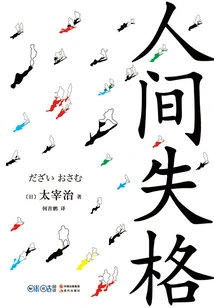
Disqualified in the World (hardcover Collector's Edition)
General Fiction人间失格(精装典藏版)
(japan) Osamu Dazai
This book includes Osamu Dazai's most representative novels "Disqualification in the World" and "Setting Sun" as well as literary essays "This I Hear". "Disqualified in the World" is Osamu Dazai's last completed work, and it is the pyramid of Japanese "private novels". In the form of a confession, it explores the cowardice deep in the heart and explores the qualifications of a human being. It goes straight to the soul and is inescapable. "Setting Sun" writes about the pain and redemption of Japan's declining aristocracy after the war. "Setting Sun Clan" has become synonymous with declining people, and Osamu Dazai's memorial hall was also named "Setting Sun Hall". "This I Hear" is Osamu Dazai's response to the criticism of him by other writers in the literary world. It includes criticism of some "old writers" in the literary world at that time, as well as a defense for himself. It also states his views and attitude towards writing. It can also be regarded as Osamu Dazai's "Declaration of Independence", which shocked the literary world when it was published.
This book includes Osamu Dazai's most representative novels "Disqualification in the World" and "Setting Sun" as well as literary essays "This I Hear". "Disqualified in the World" is Osamu Dazai's last completed work, and it is the pyramid of Japanese "private novels". In the form of a confession, it explores the cowardice deep in the heart and explores the qualifications of a human being. It goes straight to the soul and is inescapable. "Setting Sun" writes about the pain and redemption of Japan's declining aristocracy after the war. "Setting Sun Clan" has become synonymous with declining people, and Osamu Dazai's memorial hall was also named "Setting Sun Hall". "This I Hear" is Osamu Dazai's response to the criticism of him by other writers in the literary world. It includes criticism of some "old writers" in the literary world at that time, as well as a defense for himself. It also states his views and attitude towards writing. It can also be regarded as Osamu Dazai's "Declaration of Independence", which shocked the literary world when it was published.
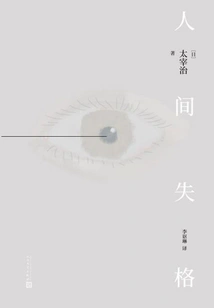
Disqualified from the World
General Fiction人间失格
(japan) Osamu Dazai
"Disqualified" is the most influential novel by the famous Japanese novelist Osamu Dazai. It was published in 1948. It is an autobiographical novel. The delicate autobiography reveals a decadent and destructive final work. Dazai Osamu cleverly hides his life and thoughts in the life experience of the protagonist Ye Zang. Through Ye Zang's monologue, we can get a glimpse into Osamu Dazai's inner world, a "life full of shame." In the same year that this work was published, Osamu Dazai committed suicide.
"Disqualified" is the most influential novel by the famous Japanese novelist Osamu Dazai. It was published in 1948. It is an autobiographical novel. The delicate autobiography reveals a decadent and destructive final work. Dazai Osamu cleverly hides his life and thoughts in the life experience of the protagonist Ye Zang. Through Ye Zang's monologue, we can get a glimpse into Osamu Dazai's inner world, a "life full of shame." In the same year that this work was published, Osamu Dazai committed suicide.
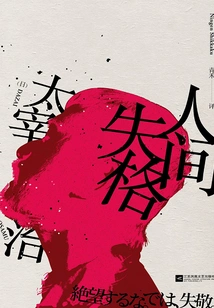
Disqualified from the World
General Fiction人间失格
(japan) Osamu Dazai
To be disqualified in the human world is to lose the qualifications to be a human being. This is the last work of Dazai Osamu's life, and it is also his important work. The book consists of the author's preface, postscript, and three letters written by the protagonist Oba Yezang. The protagonist Ye Zang has been timid and cowardly from adolescence to middle age. He is afraid of worldly emotions and does not understand the complex thoughts of human beings. He then entertains others through comedy and hides his true self. In order to escape reality, he kept sinking, experienced self-exile, alcoholism, suicide, and numbing himself with drugs, and finally walked towards the tragedy of self-destruction step by step. In the process of self-denial, he expressed his inner depression. This book contains famous works such as "The Setting Sun", "Run, Mellors", "Villon's Wife", "The Beautiful Man and the Cigarette", and "Cherry".
To be disqualified in the human world is to lose the qualifications to be a human being. This is the last work of Dazai Osamu's life, and it is also his important work. The book consists of the author's preface, postscript, and three letters written by the protagonist Oba Yezang. The protagonist Ye Zang has been timid and cowardly from adolescence to middle age. He is afraid of worldly emotions and does not understand the complex thoughts of human beings. He then entertains others through comedy and hides his true self. In order to escape reality, he kept sinking, experienced self-exile, alcoholism, suicide, and numbing himself with drugs, and finally walked towards the tragedy of self-destruction step by step. In the process of self-denial, he expressed his inner depression. This book contains famous works such as "The Setting Sun", "Run, Mellors", "Villon's Wife", "The Beautiful Man and the Cigarette", and "Cherry".
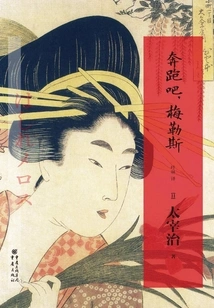
Run, Mellors
General Fiction奔跑吧,梅勒斯
(japan) Osamu Dazai
Trust, trust... I am trusted! The devil's whisper a moment ago was just a dream, it was just a nightmare. Forget it. As long as the body and mind are exhausted, humans will encounter such nightmares. Mellas, you are not shameful. You are a true brave. Didn't you stand up and run again? Fortunately! I can finally die as a righteous person. Ah! Ah! The sun is setting in the west. The sun is setting in the west. Wait, God! I have been an upright man since I fell to the ground, let me always be an upright man! "Run, Melos" is a collection of short stories written by Osamu Dazai, including "Run, Melos!" ""One Hundred Views of Mount Fuji", "Hometown", "Wish Fulfillment" and "Girl's Disciple", among which "Run, Melos", "One Hundred Views of Mount Fuji" and "Girl's Disciple", which were adapted from fairy tales, are all Dazai Osamu's famous works.
Trust, trust... I am trusted! The devil's whisper a moment ago was just a dream, it was just a nightmare. Forget it. As long as the body and mind are exhausted, humans will encounter such nightmares. Mellas, you are not shameful. You are a true brave. Didn't you stand up and run again? Fortunately! I can finally die as a righteous person. Ah! Ah! The sun is setting in the west. The sun is setting in the west. Wait, God! I have been an upright man since I fell to the ground, let me always be an upright man! "Run, Melos" is a collection of short stories written by Osamu Dazai, including "Run, Melos!" ""One Hundred Views of Mount Fuji", "Hometown", "Wish Fulfillment" and "Girl's Disciple", among which "Run, Melos", "One Hundred Views of Mount Fuji" and "Girl's Disciple", which were adapted from fairy tales, are all Dazai Osamu's famous works.
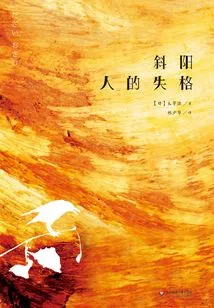
Setting Sun: Human Disqualification
General Fiction斜阳:人的失格
(japan) Osamu Dazai
A classic work that reflects on youth and confusion; a representative work of Japanese post-war rogue literary writer Dazai Osamu; Lin Shaohua's new translation, which uses the Chinese translation of "Human Disqualification" for the first time, the most authoritative translation among 17 versions; includes "Setting Sun" and "Human Disqualification", the top works of Japanese post-war literature; Japanese writer Li Changsheng has included them in the eleven must-read Japanese literature; "Setting Sun" is about the declining aristocracy and life like the sunset. Does the destruction of old morality lead to the emergence of new morality? Kazuko and her mother gave up their home in Nishikata Town, Tokyo, and moved to this slightly Chinese-style villa in Izu in early December of the year Japan surrendered unconditionally. However, life was not quiet, and my mother fell ill. This noble family has begun to decline. "Setting Sun", which is the culmination of Dazai's literature, describes the psychological transition of a member of a declining aristocratic family, interweaves the perspective of hope and disappointment in life, and stirs up a new life of loneliness. It is known as "Japan's Cherry Orchard". It set a best-selling record for post-war literary works, and the term "Setting Sun Clan" became widely known as a synonym for declining aristocrats. "Human Disqualification" describes human disqualification, that is, the loss of human qualifications. It depicts the protagonist Ye Zang from adolescence to middle age, experiencing the harshness of the world, indulging in wine and sex, and finally destroying himself. "The Disqualification of Man" written by Osamu Dazai before his death can be said to be a self-portrait of his entire life. From it, we can see his step-by-step process of losing his qualifications as a human being from a sentimental boy. It is known as the "immortal masterpiece" in the Japanese literary world and the "final settlement" of Dazai's literature.
A classic work that reflects on youth and confusion; a representative work of Japanese post-war rogue literary writer Dazai Osamu; Lin Shaohua's new translation, which uses the Chinese translation of "Human Disqualification" for the first time, the most authoritative translation among 17 versions; includes "Setting Sun" and "Human Disqualification", the top works of Japanese post-war literature; Japanese writer Li Changsheng has included them in the eleven must-read Japanese literature; "Setting Sun" is about the declining aristocracy and life like the sunset. Does the destruction of old morality lead to the emergence of new morality? Kazuko and her mother gave up their home in Nishikata Town, Tokyo, and moved to this slightly Chinese-style villa in Izu in early December of the year Japan surrendered unconditionally. However, life was not quiet, and my mother fell ill. This noble family has begun to decline. "Setting Sun", which is the culmination of Dazai's literature, describes the psychological transition of a member of a declining aristocratic family, interweaves the perspective of hope and disappointment in life, and stirs up a new life of loneliness. It is known as "Japan's Cherry Orchard". It set a best-selling record for post-war literary works, and the term "Setting Sun Clan" became widely known as a synonym for declining aristocrats. "Human Disqualification" describes human disqualification, that is, the loss of human qualifications. It depicts the protagonist Ye Zang from adolescence to middle age, experiencing the harshness of the world, indulging in wine and sex, and finally destroying himself. "The Disqualification of Man" written by Osamu Dazai before his death can be said to be a self-portrait of his entire life. From it, we can see his step-by-step process of losing his qualifications as a human being from a sentimental boy. It is known as the "immortal masterpiece" in the Japanese literary world and the "final settlement" of Dazai's literature.
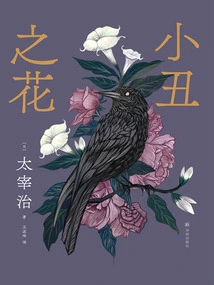
Clown Flower (selected Collection of Osamu Dazai)
General Fiction小丑之花(太宰治精选集)
(japan) Osamu Dazai
Dazai uses his own experience of a suicide attempt on the Kamakura Koshiko Dosaki Coast as the material to reproduce the various world phenomena of the protagonist Oba Haizou among selfish adults after his failure to die for love in multiple dimensions. The writer uses experimental techniques to observe the pettiness and ugliness of human nature, weaving his own extensive sensibility and subjective hesitation and uneasiness. How can we save ourselves on this giant ship of life? Through naked writing, writers provide the possibility of a new life for people who are tired of complex interpersonal relationships.
Dazai uses his own experience of a suicide attempt on the Kamakura Koshiko Dosaki Coast as the material to reproduce the various world phenomena of the protagonist Oba Haizou among selfish adults after his failure to die for love in multiple dimensions. The writer uses experimental techniques to observe the pettiness and ugliness of human nature, weaving his own extensive sensibility and subjective hesitation and uneasiness. How can we save ourselves on this giant ship of life? Through naked writing, writers provide the possibility of a new life for people who are tired of complex interpersonal relationships.

Disqualified from the World
Literature人间失格
(japan) Osamu Dazai
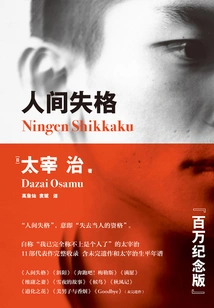
To be disqualified in the human world is to lose the qualifications to be a human being. It consists of five parts: preface, first notebook, second notebook, third notebook, and postscript. The preface and postscript are narrated in the author's tone, and the three notebooks are narrated in the tone of the protagonist Ye Zang. The protagonist Ye Zang is timid and cowardly, afraid of worldly emotions and does not understand the complex thoughts of human beings. He then entertains others through comedy and hides his true self. Later, I discovered that drinking and having fun seemed to be a better way to escape the world, so I lived a wild life all day long, numbing myself through alcohol, drugs, and women, and eventually led to destruction. He was tortured by the most real pain of being a human being. He spent his whole life seeking love and avoiding love under self-weariness, and in the end he could only destroy himself.
To be disqualified in the human world is to lose the qualifications to be a human being. It consists of five parts: preface, first notebook, second notebook, third notebook, and postscript. The preface and postscript are narrated in the author's tone, and the three notebooks are narrated in the tone of the protagonist Ye Zang. The protagonist Ye Zang is timid and cowardly, afraid of worldly emotions and does not understand the complex thoughts of human beings. He then entertains others through comedy and hides his true self. Later, I discovered that drinking and having fun seemed to be a better way to escape the world, so I lived a wild life all day long, numbing myself through alcohol, drugs, and women, and eventually led to destruction. He was tortured by the most real pain of being a human being. He spent his whole life seeking love and avoiding love under self-weariness, and in the end he could only destroy himself.
Disqualified from the World
General Fiction人间失格
(japan) Osamu Dazai
To be disqualified in the human world is to lose the qualifications to be a human being. This is the last work of Dazai Osamu's life, and it is also his important work. The book is composed of the author's preface, postscript, and three letters of the protagonist Oba Yezo. It describes the protagonist's continuous sinking from adolescence to middle age in order to escape reality. He experiences self-exile, alcoholism, suicide, and numbing himself with drugs, and finally moves towards the tragedy of self-destruction step by step. In the process of self-denial, he expresses his inner depression and desire to be loved... Osamu Dazai cleverly depicts his life and thoughts through the life experiences of the protagonist Ye Zang. This novel has always been regarded as his autobiographical work, and it raises the most real painful issues of being a human being. From the stagnant writing, you can understand the deep pain in his heart. After completing this work, Osamu Dazai finally chose to throw himself into the water to draw the final ending for himself.
To be disqualified in the human world is to lose the qualifications to be a human being. This is the last work of Dazai Osamu's life, and it is also his important work. The book is composed of the author's preface, postscript, and three letters of the protagonist Oba Yezo. It describes the protagonist's continuous sinking from adolescence to middle age in order to escape reality. He experiences self-exile, alcoholism, suicide, and numbing himself with drugs, and finally moves towards the tragedy of self-destruction step by step. In the process of self-denial, he expresses his inner depression and desire to be loved... Osamu Dazai cleverly depicts his life and thoughts through the life experiences of the protagonist Ye Zang. This novel has always been regarded as his autobiographical work, and it raises the most real painful issues of being a human being. From the stagnant writing, you can understand the deep pain in his heart. After completing this work, Osamu Dazai finally chose to throw himself into the water to draw the final ending for himself.
Return
General Fiction归去来
(japan) Osamu Dazai
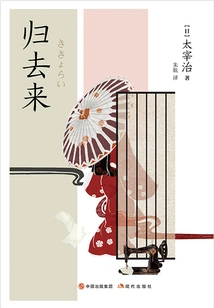
No matter how dark the situation is, there must be eternal hope deep in the heart, and this is the case for Osamu Dazai. Dazai Osamu, who always leaves a decadent and negative impression on others, also has a soft side in his heart. He seeks the meaning of life in the face of adversity, and encourages readers to pursue their dreams bravely, maintain kindness and beautiful humanity, and greet every day with confidence. "Return" contains several of Dazai Osamu's heartfelt works, which are a true portrayal of Dazai Osamu's state of mind at that time and a precious spiritual wealth he left to future generations.
No matter how dark the situation is, there must be eternal hope deep in the heart, and this is the case for Osamu Dazai. Dazai Osamu, who always leaves a decadent and negative impression on others, also has a soft side in his heart. He seeks the meaning of life in the face of adversity, and encourages readers to pursue their dreams bravely, maintain kindness and beautiful humanity, and greet every day with confidence. "Return" contains several of Dazai Osamu's heartfelt works, which are a true portrayal of Dazai Osamu's state of mind at that time and a precious spiritual wealth he left to future generations.
Japanese Style Painting: Girl Apprentice
General Fiction和风绘:女生徒
(japan) Osamu Dazai
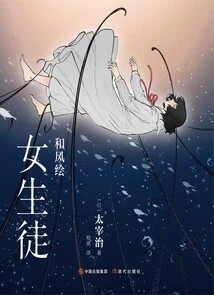
"We vaguely know the best places we should go, the beautiful places we want to go, and the heights we should strive to reach. We all want to live a good life, and that is the right hope and ambition. We long for an unshakable belief that we can rely on. However, if all of these are to be realized in the girl's life, what will happen? What a lot of effort it takes." This book is a hardcover illustrated commemorative edition of the "Japanese Translation Series" series. It is based on Osamu Dazai's representative "Female Monologue" short story "The Girl's Disciple". It uses exquisite and beautiful pictures to carefully outline the yearning and hesitation of a young girl facing the future, which is extremely delicate and vivid. Do you still remember what you looked like when you were 14? If for a moment you feel that you have been numbed and confused by life, please open this book and regain your vitality.
"We vaguely know the best places we should go, the beautiful places we want to go, and the heights we should strive to reach. We all want to live a good life, and that is the right hope and ambition. We long for an unshakable belief that we can rely on. However, if all of these are to be realized in the girl's life, what will happen? What a lot of effort it takes." This book is a hardcover illustrated commemorative edition of the "Japanese Translation Series" series. It is based on Osamu Dazai's representative "Female Monologue" short story "The Girl's Disciple". It uses exquisite and beautiful pictures to carefully outline the yearning and hesitation of a young girl facing the future, which is extremely delicate and vivid. Do you still remember what you looked like when you were 14? If for a moment you feel that you have been numbed and confused by life, please open this book and regain your vitality.
The Setting Sun (selected Works of Osamu Dazai)
General Fiction斜阳(太宰治作品精选集)
(japan) Osamu Dazai
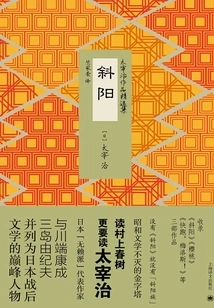
"Setting Sun" (1947) is a very important work in Japan's post-war literary world. It has set a best-selling record for post-war literary works. The term "Setting Sun Clan" is widely known as a pronoun for declining aristocrats. The work shows the declining social status of the descendants of the nobles after the war and the dilemma of losing their glory. It can also be said to be Dazai's elegy to the declining nobles.
"Setting Sun" (1947) is a very important work in Japan's post-war literary world. It has set a best-selling record for post-war literary works. The term "Setting Sun Clan" is widely known as a pronoun for declining aristocrats. The work shows the declining social status of the descendants of the nobles after the war and the dilemma of losing their glory. It can also be said to be Dazai's elegy to the declining nobles.
Disqualified from the World
Literature人间失格
(japan) Osamu Dazai
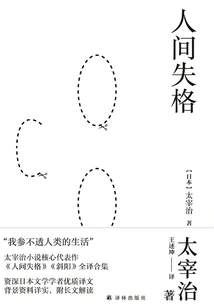
Dazai Osamu's semi-autobiographical novel, a collection of his core masterpieces "Disqualification in the World" and "Setting Sun". An evergreen classic that has spanned more than half a century, its sales are countless, and it has been adapted into films and animations repeatedly. Yukio Mishima, Haruki Murakami, and Wong Kar-Wai are all inseparable from his works, and he is a genius who has profoundly influenced the literary and art world. The high-quality translation is carefully polished by a senior Japanese literature scholar, with detailed annotations and a long explanation. Ten years ago, an anonymous man sent three notebooks to a small bar in Tokyo. In the note, the man revealed the quagmire and karma deep in his heart to readers who may not exist - "I have been said to be a happy person since I was a child, but my mood is like hell..." "I use the straw of comedy to maintain the relationship with human beings. This is a desperate struggle. , Service dripping with cold sweat..." "Although I am kind and humble to everyone, I have no true feelings for friendship... All interactions just make me miserable." It expresses the doubts of a soul hurt by innocence and the sorrow of the world. "Is pure trust a sin?" In the same year that the work was published, Osamu Dazai committed suicide. This book also includes Osamu Dazai's representative "female body" novel "The Setting Sun", which uses his lover Shizuko Ohta as the heroine. It describes the setting sun of a declining aristocratic family and asks where the spiritual "nobles" will go in the end when etiquette and music collapse.
Dazai Osamu's semi-autobiographical novel, a collection of his core masterpieces "Disqualification in the World" and "Setting Sun". An evergreen classic that has spanned more than half a century, its sales are countless, and it has been adapted into films and animations repeatedly. Yukio Mishima, Haruki Murakami, and Wong Kar-Wai are all inseparable from his works, and he is a genius who has profoundly influenced the literary and art world. The high-quality translation is carefully polished by a senior Japanese literature scholar, with detailed annotations and a long explanation. Ten years ago, an anonymous man sent three notebooks to a small bar in Tokyo. In the note, the man revealed the quagmire and karma deep in his heart to readers who may not exist - "I have been said to be a happy person since I was a child, but my mood is like hell..." "I use the straw of comedy to maintain the relationship with human beings. This is a desperate struggle. , Service dripping with cold sweat..." "Although I am kind and humble to everyone, I have no true feelings for friendship... All interactions just make me miserable." It expresses the doubts of a soul hurt by innocence and the sorrow of the world. "Is pure trust a sin?" In the same year that the work was published, Osamu Dazai committed suicide. This book also includes Osamu Dazai's representative "female body" novel "The Setting Sun", which uses his lover Shizuko Ohta as the heroine. It describes the setting sun of a declining aristocratic family and asks where the spiritual "nobles" will go in the end when etiquette and music collapse.
Disqualified from the World
General Fiction人间失格
(japan) Osamu Dazai
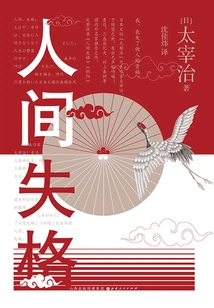
This book contains two important works of Osamu Dazai in his later period of creation - "Disqualification in the World" and "The Setting Sun". In these two works, Osamu Dazai focuses on expressing the love, trust and freedom of the inner world between human beings, and analyzes the true side of people hidden under their morality, which is thought-provoking. "Disqualified" is Osamu Dazai's most outstanding work, and it is also a soul-salvation work that has influenced tens of thousands of young people. In this work, Osamu Dazai describes the life of Oba Yozo, a very tragic "marginal man" in history. From adolescence to middle age, he became increasingly decadent in order to escape from real life, completely isolating himself from the world, and finally embarked on the road of self-destruction. "Setting Sun" uses a female monologue writing technique to tell the story of the protagonist Kazuko's efforts to break down the barriers of identity and finally usher in a new life when the aristocratic class is declining.
This book contains two important works of Osamu Dazai in his later period of creation - "Disqualification in the World" and "The Setting Sun". In these two works, Osamu Dazai focuses on expressing the love, trust and freedom of the inner world between human beings, and analyzes the true side of people hidden under their morality, which is thought-provoking. "Disqualified" is Osamu Dazai's most outstanding work, and it is also a soul-salvation work that has influenced tens of thousands of young people. In this work, Osamu Dazai describes the life of Oba Yozo, a very tragic "marginal man" in history. From adolescence to middle age, he became increasingly decadent in order to escape from real life, completely isolating himself from the world, and finally embarked on the road of self-destruction. "Setting Sun" uses a female monologue writing technique to tell the story of the protagonist Kazuko's efforts to break down the barriers of identity and finally usher in a new life when the aristocratic class is declining.
Female Apprentice
General Fiction女生徒
(japan) Osamu Dazai
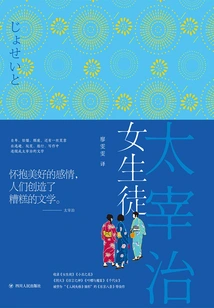
This book is a collection of works by Osamu Dazai, a giant in Japanese literature, and includes famous works such as "The Girl's Disciple", "The Clown Flower", "Yin Fire", "The God of Kyogen", "Yezakura and the Magic Flute", "Chiyome", and "Eight Views of Tokyo". "Girl's Disciple" is Osamu Dazai's masterpiece. It uses monologue-style writing and delicate psychological description to show the changes in a girl's mood from morning to night. "Eight Scenes of Tokyo" is known as "the prototype of "The World's Unfit"". It was created earlier than "The World's Unqualified". From it, we can see the same obscurity and contradictions as "The World's Unqualified". This work should be an important transition between Osamu Dazai and his final creation of "Disqualification in the World". It is a representative work of his self-exploration, "inward viewing" and analysis.
This book is a collection of works by Osamu Dazai, a giant in Japanese literature, and includes famous works such as "The Girl's Disciple", "The Clown Flower", "Yin Fire", "The God of Kyogen", "Yezakura and the Magic Flute", "Chiyome", and "Eight Views of Tokyo". "Girl's Disciple" is Osamu Dazai's masterpiece. It uses monologue-style writing and delicate psychological description to show the changes in a girl's mood from morning to night. "Eight Scenes of Tokyo" is known as "the prototype of "The World's Unfit"". It was created earlier than "The World's Unqualified". From it, we can see the same obscurity and contradictions as "The World's Unqualified". This work should be an important transition between Osamu Dazai and his final creation of "Disqualification in the World". It is a representative work of his self-exploration, "inward viewing" and analysis.
Disqualified from the World
General Fiction人间失格
(japan) Osamu Dazai
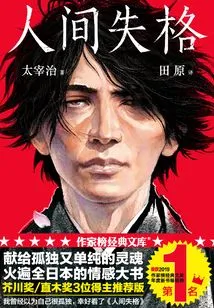
"I'm sorry for being born human." Ever since I was a child, I have never been able to get rid of loneliness and sadness. I have always longed to love and be loved, but it always backfired. The abyss of confusion and despair gradually swallowed me up. I hurt the people I love and love me again and again. I abused myself, abandoned myself, and abused myself until I lost the qualifications to be a human being... I am Ye Zang, and this is my true story. May these painful struggles be your medicine to love everything in this world.
"I'm sorry for being born human." Ever since I was a child, I have never been able to get rid of loneliness and sadness. I have always longed to love and be loved, but it always backfired. The abyss of confusion and despair gradually swallowed me up. I hurt the people I love and love me again and again. I abused myself, abandoned myself, and abused myself until I lost the qualifications to be a human being... I am Ye Zang, and this is my true story. May these painful struggles be your medicine to love everything in this world.
人间失格·斜阳(译文经典)
(japan) Osamu Dazai
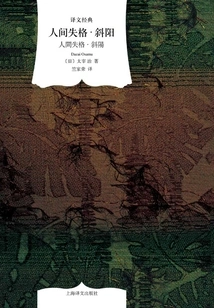
"Setting Sun" (1947) is a very important work in Japan's post-war literary world. It has set a best-selling record for post-war literary works. The term "Setting Sun Clan" is widely known as a pronoun for declining aristocrats. The work shows the declining social status of the descendants of the nobles after the war and the dilemma of losing their glory. It can also be said to be Dazai's elegy to the declining nobles. "Disqualification in the World" (1948) is the most outstanding work in Dazai's literature. It was written before committing suicide and is his final work. It is also the "most profound point of arrival" in Dazai's literature (Okuno Keno). It depicts a young intellectual with an eccentric temperament, who suffered from the harshness of the world, indulged in wine and sex, and finally destroyed himself.
"Setting Sun" (1947) is a very important work in Japan's post-war literary world. It has set a best-selling record for post-war literary works. The term "Setting Sun Clan" is widely known as a pronoun for declining aristocrats. The work shows the declining social status of the descendants of the nobles after the war and the dilemma of losing their glory. It can also be said to be Dazai's elegy to the declining nobles. "Disqualification in the World" (1948) is the most outstanding work in Dazai's literature. It was written before committing suicide and is his final work. It is also the "most profound point of arrival" in Dazai's literature (Okuno Keno). It depicts a young intellectual with an eccentric temperament, who suffered from the harshness of the world, indulged in wine and sex, and finally destroyed himself.

He is Not the Same Person as Before
General Fiction他非昔日他
(japan) Osamu Dazai
This book is based on "The Complete Works of Osamu Dazai" published by Japan's Tsukuma Shobo in 1985. It is mainly selected from the collection of works of Osamu Dazai published during his lifetime, "Later Years", and includes the main works in "Later Years": "Fish Suit", "Train", "Map of the Earth", "Island of the Ape", "The Sparrow Game", "The Crowned Ape Face", "Retrograde", "He is Not the Former Himself", "Legend", "Yin" 11 short stories and short stories including "Fire" and "Blind Paper".
This book is based on "The Complete Works of Osamu Dazai" published by Japan's Tsukuma Shobo in 1985. It is mainly selected from the collection of works of Osamu Dazai published during his lifetime, "Later Years", and includes the main works in "Later Years": "Fish Suit", "Train", "Map of the Earth", "Island of the Ape", "The Sparrow Game", "The Crowned Ape Face", "Retrograde", "He is Not the Former Himself", "Legend", "Yin" 11 short stories and short stories including "Fire" and "Blind Paper".
Disqualified from the World
General Fiction人间失格
(japan) Osamu Dazai
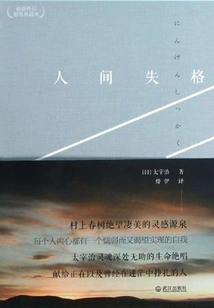
"Disqualification in the World", also known as "Disqualification as a Human Being", was published in 1948. It is an autobiographical novel. The delicate autobiography reveals the ultimate decadence and is a destructive masterpiece. This book contains various experiences in his short life and his inner confusion and struggle. Even though time has changed, the deepest despair still comes from the inner confusion, and this confusion and hesitation almost ran through the youth of Dazai Osamu and each of us. Therefore, this book is a cruel and eternal youth literature. However, after the confused soul was broken, some people chose to continue life in the hustle and bustle, and Osamu Dazai left poetically. From his works, you can understand the hesitation and despair of the past, and see the weak and eager self in our hearts.
"Disqualification in the World", also known as "Disqualification as a Human Being", was published in 1948. It is an autobiographical novel. The delicate autobiography reveals the ultimate decadence and is a destructive masterpiece. This book contains various experiences in his short life and his inner confusion and struggle. Even though time has changed, the deepest despair still comes from the inner confusion, and this confusion and hesitation almost ran through the youth of Dazai Osamu and each of us. Therefore, this book is a cruel and eternal youth literature. However, after the confused soul was broken, some people chose to continue life in the hustle and bustle, and Osamu Dazai left poetically. From his works, you can understand the hesitation and despair of the past, and see the weak and eager self in our hearts.
人间失格·斜阳(译文经典)
(japan) Osamu Dazai
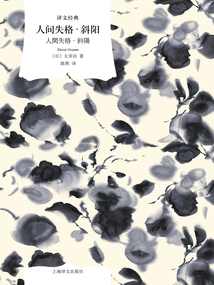
Dazai Osamu's masterpiece. "Disqualification in the World" (1948) is the most outstanding work in Dazai's literature. It was written before committing suicide. It is his last work and is also the "most profound reaching point" of Dazai's literature (Okuno Keno). The work depicts a young intellectual with an eccentric temperament, who suffered from the harshness of the world, indulged in wine and sex, and finally destroyed himself. "The Setting Sun" (1947) is a very important work in Japan's post-war literary world and has set a best-selling record for post-war literary works. The work shows the declining social status of the descendants of the nobles after the war and the dilemma of losing their glory. It can also be said to be Dazai's elegy to the declining nobles. The term "Xiyang Clan" is widely known as a synonym for declining nobles.
Dazai Osamu's masterpiece. "Disqualification in the World" (1948) is the most outstanding work in Dazai's literature. It was written before committing suicide. It is his last work and is also the "most profound reaching point" of Dazai's literature (Okuno Keno). The work depicts a young intellectual with an eccentric temperament, who suffered from the harshness of the world, indulged in wine and sex, and finally destroyed himself. "The Setting Sun" (1947) is a very important work in Japan's post-war literary world and has set a best-selling record for post-war literary works. The work shows the declining social status of the descendants of the nobles after the war and the dilemma of losing their glory. It can also be said to be Dazai's elegy to the declining nobles. The term "Xiyang Clan" is widely known as a synonym for declining nobles.
Weiyong's Wife
General Fiction维庸之妻
(japan) Osamu Dazai
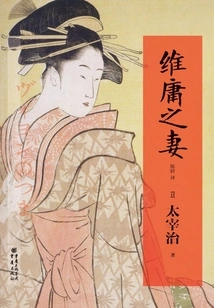
"Weiyong's Wife" is a collection of short stories by Osamu Dazai, and the book of the same name is Dazai's masterpiece. "Wei Yong's Wife" is a metaphor for "the wife of a wanton man". A woman kept the family together and worked as a maid to pay off her husband's debts when her husband became an alcoholic, owed money, eloped with a woman, and finally committed suicide by diving into the water. In 2009, at the 33rd World Film Festival held in Montreal, Canada, the film "Villon's Wife" directed by Negishi Yoshitaro and starring Matsu Takako and Asano Tadanobu won the Best Director Award.
"Weiyong's Wife" is a collection of short stories by Osamu Dazai, and the book of the same name is Dazai's masterpiece. "Wei Yong's Wife" is a metaphor for "the wife of a wanton man". A woman kept the family together and worked as a maid to pay off her husband's debts when her husband became an alcoholic, owed money, eloped with a woman, and finally committed suicide by diving into the water. In 2009, at the 33rd World Film Festival held in Montreal, Canada, the film "Villon's Wife" directed by Negishi Yoshitaro and starring Matsu Takako and Asano Tadanobu won the Best Director Award.
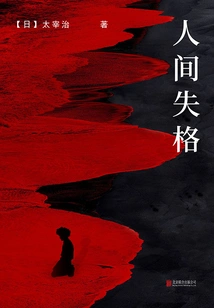
Disqualified from the World
General Fiction人间失格
(japan) Osamu Dazai
"Disqualified" is a cruel and eternal youth literature. He can never get rid of loneliness and sadness, but he always longs to love and be loved, but everything always goes against his wishes. However, after the confused soul was broken, some people chose to continue life in the hustle and bustle, and Osamu Dazai left poetically. From his works, you can understand the hesitation and despair of the past, and see the weak and eager self in our hearts. May these painful struggles be your medicine to love everything in this world.
"Disqualified" is a cruel and eternal youth literature. He can never get rid of loneliness and sadness, but he always longs to love and be loved, but everything always goes against his wishes. However, after the confused soul was broken, some people chose to continue life in the hustle and bustle, and Osamu Dazai left poetically. From his works, you can understand the hesitation and despair of the past, and see the weak and eager self in our hearts. May these painful struggles be your medicine to love everything in this world.