Library
Browse and search books
11 novels found

The Sorrows of Young Werther (Humanities Classics Library)
General Fiction少年维特的烦恼(人文经典文库)
(germany) Goethe
"The Sorrows of Young Werther" is a famous work by the great German writer Goethe and a representative work of German "Sturm und Drang" literature. The book was created from Goethe's personal experience. He described Werther's experiences in love and career with passionate writing, reflecting the depression and confusion of a young man who was new to the world. Since the book came out, it has become popular all over the world and touched countless young readers. The translator Yang Wuneng is an outstanding translator of German literature. "The Sorrows of Young Werther" is an important translation he published in the early days of People's Literature Publishing House. He is particularly grateful for the deep friendship he forged with Lu Yuan and other seniors in the Humanities Society during book editing and publishing. Mr. Yang Wuneng won the "Northern Lights" Outstanding Literary Translation Award in 2025. On the occasion of his award, the reprint of the book is of great commemorative significance.
"The Sorrows of Young Werther" is a famous work by the great German writer Goethe and a representative work of German "Sturm und Drang" literature. The book was created from Goethe's personal experience. He described Werther's experiences in love and career with passionate writing, reflecting the depression and confusion of a young man who was new to the world. Since the book came out, it has become popular all over the world and touched countless young readers. The translator Yang Wuneng is an outstanding translator of German literature. "The Sorrows of Young Werther" is an important translation he published in the early days of People's Literature Publishing House. He is particularly grateful for the deep friendship he forged with Lu Yuan and other seniors in the Humanities Society during book editing and publishing. Mr. Yang Wuneng won the "Northern Lights" Outstanding Literary Translation Award in 2025. On the occasion of his award, the reprint of the book is of great commemorative significance.

Faust
General Fiction浮士德
(germany) Goethe
Faust, who was full of talent and knowledge, was tired of the long study life, felt confused and uneasy about the future, and did not know where to go. In a state of extreme distress, he was involved in a bet between the devil and God. In order to pursue a new life, he signed an agreement with the devil: using his soul as a mortgage, in exchange for the devil meeting all his requirements for earthly life. He has tasted the joy and bitterness of love, made great achievements in governing the country, and built a paradise on earth by exploring nature. He also failed and sank driven by desire... After going through hardships, traveling through ancient and modern times, and walking the path of human exploration, can Faust carve out an ideal life path and obtain the salvation of his soul?
Faust, who was full of talent and knowledge, was tired of the long study life, felt confused and uneasy about the future, and did not know where to go. In a state of extreme distress, he was involved in a bet between the devil and God. In order to pursue a new life, he signed an agreement with the devil: using his soul as a mortgage, in exchange for the devil meeting all his requirements for earthly life. He has tasted the joy and bitterness of love, made great achievements in governing the country, and built a paradise on earth by exploring nature. He also failed and sank driven by desire... After going through hardships, traveling through ancient and modern times, and walking the path of human exploration, can Faust carve out an ideal life path and obtain the salvation of his soul?
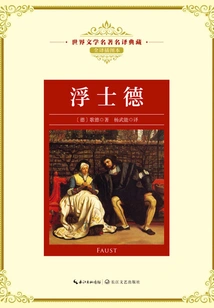
浮士德(世界文学名著名译典藏)
(germany) Goethe
"Faust" is based on the ancient German legend of an alchemist who sold his soul to the devil in exchange for knowledge and youth. In order to seek a new life, Faust signed a contract with the devil Mephistopheles and mortgaged his soul to the devil, and the devil had to fulfill all Faust's demands. If one day Faust thinks he is satisfied, then his soul will belong to the devil. So Mephistopheles used magic to give Faust a strange experience. He tasted the joy and bitterness of love, showed his skills in governing the country, performed extraordinary feats on the battlefield, and wanted to build a paradise on earth on a beach... Just when he was intoxicated with the longing for a better future, he couldn't help but say that he was satisfied. When the devil was about to take away his soul, an angel came and saved Faust's soul. This work demonstrates the broad, profound and noble content of life, and praises the enterprising spirit of human beings' continuous self-improvement.
"Faust" is based on the ancient German legend of an alchemist who sold his soul to the devil in exchange for knowledge and youth. In order to seek a new life, Faust signed a contract with the devil Mephistopheles and mortgaged his soul to the devil, and the devil had to fulfill all Faust's demands. If one day Faust thinks he is satisfied, then his soul will belong to the devil. So Mephistopheles used magic to give Faust a strange experience. He tasted the joy and bitterness of love, showed his skills in governing the country, performed extraordinary feats on the battlefield, and wanted to build a paradise on earth on a beach... Just when he was intoxicated with the longing for a better future, he couldn't help but say that he was satisfied. When the devil was about to take away his soul, an angel came and saved Faust's soul. This work demonstrates the broad, profound and noble content of life, and praises the enterprising spirit of human beings' continuous self-improvement.

The Troubles of Young Werther
General Fiction少年维特的烦恼
(germany) Goethe
Werther is an emotional young man who yearns for a free life. At a dance, he met the judge's daughter Lotte and fell deeply in love with her. But not long after, Lotte's fiancé came back, and Werther also left under the persuasion of his friends and returned to the city to work as a clerk. The conservative and corrupt officialdom, the vulgar citizens, and the arrogant nobles all caused him to constantly conflict with the reality around him. In the end, the disillusioned Werther ended his life with a pistol...
Werther is an emotional young man who yearns for a free life. At a dance, he met the judge's daughter Lotte and fell deeply in love with her. But not long after, Lotte's fiancé came back, and Werther also left under the persuasion of his friends and returned to the city to work as a clerk. The conservative and corrupt officialdom, the vulgar citizens, and the arrogant nobles all caused him to constantly conflict with the reality around him. In the end, the disillusioned Werther ended his life with a pistol...
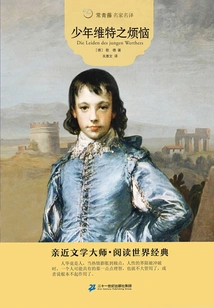
The Sorrows of Young Werther
General Fiction少年维特之烦恼
(germany) Goethe
The Sorrows of Young Werther is Goethe's important early work. The novel describes the experience and feelings of progressive young people towards the despicable German society at that time. It shows the author's reaction to the feudal moral hierarchy and his strong demand for individual liberation: Young Werther fell in love with a girl named Lotte, who was engaged to someone else. The setback in love made Werther devastated. Later, Werther committed suicide because he was incompatible with feudal society and felt that his future was hopeless. This book came out in 1775, and its publication was considered an epoch-making event in the history of German literature; it shocked the hearts of an entire generation of young people in Germany and even Europe.
The Sorrows of Young Werther is Goethe's important early work. The novel describes the experience and feelings of progressive young people towards the despicable German society at that time. It shows the author's reaction to the feudal moral hierarchy and his strong demand for individual liberation: Young Werther fell in love with a girl named Lotte, who was engaged to someone else. The setback in love made Werther devastated. Later, Werther committed suicide because he was incompatible with feudal society and felt that his future was hopeless. This book came out in 1775, and its publication was considered an epoch-making event in the history of German literature; it shocked the hearts of an entire generation of young people in Germany and even Europe.
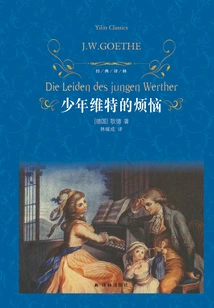
The Sorrows of Young Werther (classic Translation)
General Fiction少年维特的烦恼(经典译林)
(germany) Goethe
"The Sorrows of Young Werther" is Goethe's most important early work. It is an epistolary novel. The author was only twenty-five years old when he wrote it. The novel describes the experiences and feelings of progressive young people about the despicable German society at that time, and expresses the author's resistance to the feudal moral hierarchy and his strong demand for individual liberation: the young Werther fell in love with a girl named Lotte, who was already engaged to someone else. The setback in love made Werther devastated. Later, Werther committed suicide because he was incompatible with feudal society and felt that his future was hopeless. "The Sorrows of Young Werther" came out in 1775. Its publication was considered an epoch-making event in the history of German literature; it shocked the hearts of an entire generation of young people in Germany and even Europe.
"The Sorrows of Young Werther" is Goethe's most important early work. It is an epistolary novel. The author was only twenty-five years old when he wrote it. The novel describes the experiences and feelings of progressive young people about the despicable German society at that time, and expresses the author's resistance to the feudal moral hierarchy and his strong demand for individual liberation: the young Werther fell in love with a girl named Lotte, who was already engaged to someone else. The setback in love made Werther devastated. Later, Werther committed suicide because he was incompatible with feudal society and felt that his future was hopeless. "The Sorrows of Young Werther" came out in 1775. Its publication was considered an epoch-making event in the history of German literature; it shocked the hearts of an entire generation of young people in Germany and even Europe.

The Troubles of Young Werther
General Fiction少年维特的烦恼
(germany) Goethe
"The Sorrows of Young Werther" is an epistolary novel. The author was only twenty-five years old when he wrote it. The novel describes the experiences and feelings of progressive young people about the despicable German society at that time, and expresses the author's reaction to the feudal moral hierarchy and his strong demand for individual liberation: the young Werther fell in love with a girl named Lotte, who was already engaged to someone else. The setback in love made Werther devastated. Later, Werther committed suicide because he was incompatible with feudal society and felt that his future was hopeless. "The Sorrows of Young Werther" came out in 1775. Its publication was considered an epoch-making event in the history of German literature; it shocked the hearts of an entire generation of young people in Germany and even Europe.
"The Sorrows of Young Werther" is an epistolary novel. The author was only twenty-five years old when he wrote it. The novel describes the experiences and feelings of progressive young people about the despicable German society at that time, and expresses the author's reaction to the feudal moral hierarchy and his strong demand for individual liberation: the young Werther fell in love with a girl named Lotte, who was already engaged to someone else. The setback in love made Werther devastated. Later, Werther committed suicide because he was incompatible with feudal society and felt that his future was hopeless. "The Sorrows of Young Werther" came out in 1775. Its publication was considered an epoch-making event in the history of German literature; it shocked the hearts of an entire generation of young people in Germany and even Europe.
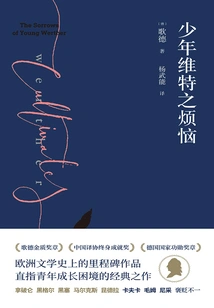
The Sorrows of Young Werther
General Fiction少年维特之烦恼
(germany) Goethe
The young Werther fell in love with a girl named Lotte, who was already engaged to someone else. The setback in love made Werther devastated. Later, Werther committed suicide because he was incompatible with feudal society and felt that his future was hopeless. The novel describes the experience and feelings of progressive young people about the despicable German society at that time, and expresses the author's reaction to the feudal moral hierarchy and his strong demand for individual liberation. Goethe became famous internationally for this book, and its publication was considered an epoch-making event in the history of German literature; it shocked the hearts of an entire generation of young people in Germany and even Europe.
The young Werther fell in love with a girl named Lotte, who was already engaged to someone else. The setback in love made Werther devastated. Later, Werther committed suicide because he was incompatible with feudal society and felt that his future was hopeless. The novel describes the experience and feelings of progressive young people about the despicable German society at that time, and expresses the author's reaction to the feudal moral hierarchy and his strong demand for individual liberation. Goethe became famous internationally for this book, and its publication was considered an epoch-making event in the history of German literature; it shocked the hearts of an entire generation of young people in Germany and even Europe.
The Troubles of Young Werther
General Fiction少年维特的烦恼
(germany) Goethe
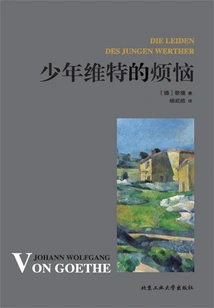
Werther is a young man who yearns for freedom and equal life. He is sentimental, frank and lovely, and has extreme thoughts. He met Lotte at a dance and fell in love with her at first sight. However, Lotte was already engaged and deeply in love with her fiancé Albert. Werther fell in love irresistibly. This love that had no results from the beginning made Werther struggle so hard that he could hardly bear the misery. In the end, Werther committed suicide by drinking a bullet with the belief that "if you cannot live for love, you will die for love."
Werther is a young man who yearns for freedom and equal life. He is sentimental, frank and lovely, and has extreme thoughts. He met Lotte at a dance and fell in love with her at first sight. However, Lotte was already engaged and deeply in love with her fiancé Albert. Werther fell in love irresistibly. This love that had no results from the beginning made Werther struggle so hard that he could hardly bear the misery. In the end, Werther committed suicide by drinking a bullet with the belief that "if you cannot live for love, you will die for love."

The Troubles of Young Werther
General Fiction少年维特的烦恼
(germany) Goethe
This book is an iconic work of the German Sturm und Drang movement. A young man named Werther fell in love with a girl named Lotte, who was already engaged to someone else. The setback in love made Werther heartbroken. Later, he committed suicide because he was out of tune with the feudal society and felt that his future was hopeless. The novel unfolds in the form of letters, recording the completely honest emotional experience of a young soul - the passionate but unattainable love for Lotte, the resistance to the order of reality, and the pain of the unattainable ideal. The gap between reality and ideals eventually pushed him into tragedy. This work shocked the entire European youth - Werther's sensitivity, loneliness and resistance became a symbol of the spirit of the times.
This book is an iconic work of the German Sturm und Drang movement. A young man named Werther fell in love with a girl named Lotte, who was already engaged to someone else. The setback in love made Werther heartbroken. Later, he committed suicide because he was out of tune with the feudal society and felt that his future was hopeless. The novel unfolds in the form of letters, recording the completely honest emotional experience of a young soul - the passionate but unattainable love for Lotte, the resistance to the order of reality, and the pain of the unattainable ideal. The gap between reality and ideals eventually pushed him into tragedy. This work shocked the entire European youth - Werther's sensitivity, loneliness and resistance became a symbol of the spirit of the times.
少年维特的烦恼(译林名著精选)
(germany) Goethe
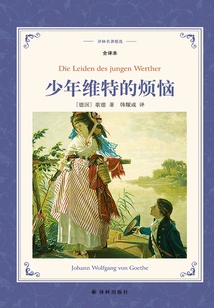
"The Sorrows of Young Werther" is an epistolary novel written in the first person. It not only conveys the transitional period in Europe from the ancient feudal system to the bourgeoisie, but also the strong desire of the young and middle-aged generation to pursue "personality liberation", "emotional freedom", "restoration of the natural social state" and "establishing equal relationships between people". It also clarifies the author's own distinct position. Werther is a young man who yearns for freedom and equal life. He has the sentimentality, frankness and cuteness of young people, and his extreme thoughts. He met Charlotte at a dance and fell in love with her at first sight. However, Charlotte was already engaged and deeply in love with her fiancé Albert. Werther couldn't help but fall deeply in love. This love that had no results from the beginning but always worked hard made Werther struggle. The misery made him almost unable to bear it. In the end, Werther committed suicide by drinking a bullet with the belief that "if you cannot live for love, you will die for love."
"The Sorrows of Young Werther" is an epistolary novel written in the first person. It not only conveys the transitional period in Europe from the ancient feudal system to the bourgeoisie, but also the strong desire of the young and middle-aged generation to pursue "personality liberation", "emotional freedom", "restoration of the natural social state" and "establishing equal relationships between people". It also clarifies the author's own distinct position. Werther is a young man who yearns for freedom and equal life. He has the sentimentality, frankness and cuteness of young people, and his extreme thoughts. He met Charlotte at a dance and fell in love with her at first sight. However, Charlotte was already engaged and deeply in love with her fiancé Albert. Werther couldn't help but fall deeply in love. This love that had no results from the beginning but always worked hard made Werther struggle. The misery made him almost unable to bear it. In the end, Werther committed suicide by drinking a bullet with the belief that "if you cannot live for love, you will die for love."