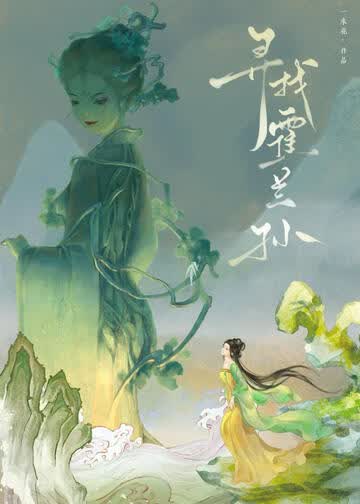
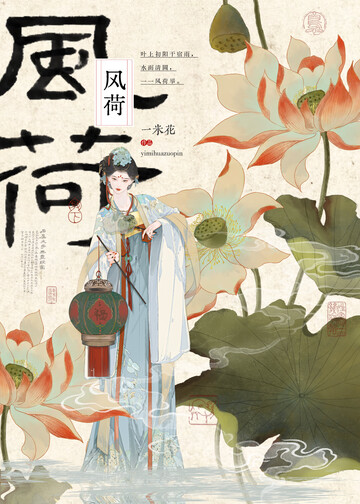
After spending twenty-nine years as a female ghost in the underworld, Huo Lansun still hasn't managed to reincarnate.
According to the rules of the underworld, the gates of the dead open every year during the Ghost Festival. The living make offerings to ancestral tablets, burn incense, and pay their respects, allowing the dead to pass through the gates and return to the mortal world to enjoy the incense offerings.
Only ghosts who have accumulated enough merit and received incense offerings on three Ghost Festivals can reincarnate. If they fail to do so within thirty years, their souls will be scattered, and they will never enter the cycle of rebirth.
It took Huo Lansun a year to earn enough merit. In the remaining twenty-eight years, she hasn't received even a single paper offering.
She's been dead for twenty-nine years. In all that time, no one has remembered her, and no one has cared about her.
With only one year left, the King of Hell suddenly shows some kindness and waves a hand:
"How about this? Today is the third day of the third lunar month. I'll give you four months to return to the mortal world. If, before the third day of the seventh lunar month, you can make at least three people remember you and have them offer you incense during the Ghost Festival, I'll personally choose a good fate for you and send you to be reborn."
Content warnings:
1. The heroine has no physical body for roughly the first twenty chapters, so the story may feel a bit like watching through a camera. But the only main storyline, both past and present, is Huo Lansun's story. Everyone else is a supporting character, including the male lead.
2. The story is divided into two parts. Li Huaixu is the male lead in the first part, which is mainly devoted to pure romance. Two other male characters with romantic storylines will appear in the second part, with more male rivalry, a romantic standoff, and coercive pursuit.
3. The heroine drank the tea of forgetfulness, so she only remembers her name and not her past life.
4. There are many original worldbuilding details.
For righteous ghosts, magical power is tied to merit, and merit is tied to incense offerings and good deeds. Those who did good deeds in life and receive plentiful incense offerings from their relatives after death have greater magical power.
For unrighteous ghosts, magical power is tied to resentment, and resentment is tied to negative emotions like hatred, anger, and bitterness. Those who died horribly, unjustly, or wrongfully often become powerful vengeful ghosts.
The story's guiding principle is "Good fortune comes from virtue, and good deeds are rewarded." It only focuses on the first kind of ghost.
The second kind of ghost will be explored in a later story in the series.
Core message: Good fortune comes from virtue, and good deeds are rewarded