The heroine, Jiang Mei, is a local girl with no past life and no transmigration. She has a heart like uncut jade. When she first enters the Eastern Palace, she is gentle, kind, and reserved. She doesn't expect to be the only woman in her husband's life forever, only hopes to live without regrets and stay true to her heart. Afraid of the Crown Prince, she dares not speak her mind. In truth, she is closed off, insecure, and overly sensitive. Later, moved by the Crown Prince, she finds herself again. Resilient and self-reliant, she learns to enjoy life and dares to express herself and pursue what she wants. She is captivating.
The male lead is the Crown Prince. He is reserved and cool, with the fate of the empire on his mind. He has a principal wife and concubines, and carries himself with authority. Beneath it all, he is gentle, and occasionally rather calculating. Later, Jiang Mei helps him heal, and he gradually faces his true feelings with honesty and sincerity. His affection grows from indulging the heroine as if she were merely a toy, to valuing and protecting her, to realizing what love means, and finally to being capable of loving, protecting, and staying by her side.
Their relationship develops naturally, their souls merging as one. Their early interactions are subtle and tender, full of lingering emotion; later, their love grows intense and passionate. The writing is realistic, delicate, and imbued with elegant classical charm.
(If you enjoy Mingyue's writing style, don't miss her newly launched domestic-intrigue novel, A Noble Family's Jade, and her light historical romance, The Delicate Beauty of Yuling.)
Theme: Love, devotion, healing, and growth


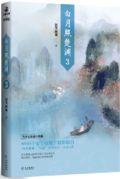


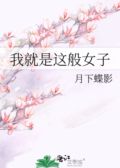


The adoptive mother is scheming, the biological mother is squeezing the little sparrow to death, and what she writes about the landscape is high. In the face of power, these are just clouds, but the author does not want to write about the heroine's son as the emperor. I really like this article, but I don't like that in the end, the heroine has sacrificed everything for the hero, and there is no way to write about the heroine's love for the child. The hero himself is eager for power, so why not give the heroine's son what he thinks is the best right? Why didn't the author transfer what he said about Chu Hao's courage to become emperor to the heroine's son? The heroine did everything for the hero, so she tolerated him and loved him. She was even deaf in one ear, and her biological son didn't become the emperor.
Finished Spreading Flowers. I finally finished watching it after two years.
Damn. There are no scenes where children appear.
Well. I really can't hear it anymore.
Ahhhhhhhhhhhhhhhhhhhhhhhhhhhhhhhhhhhhhhhhhhhhhhhhhhhhhhhhhhhhh!
Big. I started reading this book in October of my first year of high school. I caught up with him in 2018 until I graduated from high school. I'm chasing them all. Never gave up. But. You suddenly stopped. This book is also the first one I read in Jinjiang. This is also the first time I have persisted in reading a book for so long without giving up.
Check in, check in, check in
Check in, check in, check in
Check in, check in, check in
I've been saving for a year and it's not finished yet, alas.