Fanqie library
Browse
- Titles
- 837
Every Fanqie book we index, searchable by title, author or tag.
-
 Soldiers Must Look to the South of the Yangtze River (Free Public Edition Book)
Ancient divination book. Among them are five hundred poems "Wang Jiangnan". It is divided into twenty-six categories such as astrology, dream divination, Liuren divination, and Yanyan divination.
—Reads8.6Score—Shelves
Soldiers Must Look to the South of the Yangtze River (Free Public Edition Book)
Ancient divination book. Among them are five hundred poems "Wang Jiangnan". It is divided into twenty-six categories such as astrology, dream divination, Liuren divination, and Yanyan divination.
—Reads8.6Score—Shelves
-
 Yuewei Cottage Notes (6)
"Yuewei Thatched Cottage Notes" is a classical Chinese short story about strange things written in the form of notes by Ji Yun, who was a scholar in the Hanlin Academy of the Qing Dynasty, between the fifty-fourth year of Qianlong (1789 AD) and the third year of Jiaqing (1798 AD). It mainly collects and compiles various folk tales about foxes, ghosts and gods, karma and retribution, admonishing good and punishing evil, etc. That were circulated around the time, or strange anecdotes heard persona
—Reads8.6Score—Shelves
Yuewei Cottage Notes (6)
"Yuewei Thatched Cottage Notes" is a classical Chinese short story about strange things written in the form of notes by Ji Yun, who was a scholar in the Hanlin Academy of the Qing Dynasty, between the fifty-fourth year of Qianlong (1789 AD) and the third year of Jiaqing (1798 AD). It mainly collects and compiles various folk tales about foxes, ghosts and gods, karma and retribution, admonishing good and punishing evil, etc. That were circulated around the time, or strange anecdotes heard persona
—Reads8.6Score—Shelves
-
 Yuewei Cottage Notes (Collection Reading Edition)
"Yuewei Thatched Cottage Notes" is a short story in Chinese classical Chinese that was written in the form of notes by Ji Yun, a former Shuji scholar in the Hanlin Academy, between the fifty-fourth year of Qianlong (1789) and the third year of Jiaqing (1798) of the Qing Dynasty. In terms of time, it mainly collects and compiles the folk tales of various foxes, ghosts and gods, karma, admonishing good and punishing evil, etc. Before and after that era, or strange anecdotes heard personally; in te
—Reads8.7Score—Shelves
Yuewei Cottage Notes (Collection Reading Edition)
"Yuewei Thatched Cottage Notes" is a short story in Chinese classical Chinese that was written in the form of notes by Ji Yun, a former Shuji scholar in the Hanlin Academy, between the fifty-fourth year of Qianlong (1789) and the third year of Jiaqing (1798) of the Qing Dynasty. In terms of time, it mainly collects and compiles the folk tales of various foxes, ghosts and gods, karma, admonishing good and punishing evil, etc. Before and after that era, or strange anecdotes heard personally; in te
—Reads8.7Score—Shelves
-
 Yuewei Cottage Notes (Hardcover)
"Yuewei Thatched Cottage Notes" is the brainchild of Ji Xiaolan in his later years. Together with "Strange Stories from a Chinese Studio", it is called the "Twin Biscuits" among Qing Dynasty note novels. This work is not only a leader in fantasy novels, but also a vivid historical material for the study of Qing Dynasty society. Lu Xun praised it highly for its "interesting thoughts and witty words, which are timely enough to explain Yi; the occasional examination and analysis are also insightful
—Reads8.6Score—Shelves
Yuewei Cottage Notes (Hardcover)
"Yuewei Thatched Cottage Notes" is the brainchild of Ji Xiaolan in his later years. Together with "Strange Stories from a Chinese Studio", it is called the "Twin Biscuits" among Qing Dynasty note novels. This work is not only a leader in fantasy novels, but also a vivid historical material for the study of Qing Dynasty society. Lu Xun praised it highly for its "interesting thoughts and witty words, which are timely enough to explain Yi; the occasional examination and analysis are also insightful
—Reads8.6Score—Shelves
-
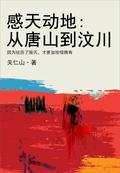 Touching Heaven and Earth: from Tangshan to Wenchuan
This book was written after the Wenchuan Earthquake. As a survivor of the Tangshan Earthquake, Guan Renshan, on the basis of mastering a large amount of information on the Tangshan Earthquake and the Wenchuan Earthquake, used a unique perspective and a comparative approach to interview Tangshan volunteers, reporters who went deep into the disaster area, Tangshan Earthquake orphans, etc., And selected the touching deeds that shined with the brilliance of life in the Tangshan Earthquake and the We
—Reads9.1Score—Shelves
Touching Heaven and Earth: from Tangshan to Wenchuan
This book was written after the Wenchuan Earthquake. As a survivor of the Tangshan Earthquake, Guan Renshan, on the basis of mastering a large amount of information on the Tangshan Earthquake and the Wenchuan Earthquake, used a unique perspective and a comparative approach to interview Tangshan volunteers, reporters who went deep into the disaster area, Tangshan Earthquake orphans, etc., And selected the touching deeds that shined with the brilliance of life in the Tangshan Earthquake and the We
—Reads9.1Score—Shelves
-
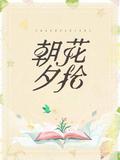 Picking up Flowers in the Morning and Evening
"Morning Blossoms Plucked at Dusk" consists of ten articles except "Xiaoyin" and "Postscript". The order of the works is arranged based on the author's life trajectory from childhood to youth. Chapters 1 to 6: "Dogs, Cats, and Rats", "A Chang and the Book of Mountains and Seas", "Twenty-Four Pictures of Filial Piety", "Five Rampant Meetings", "Impermanence" and "From Baicao Garden to Sanwei Bookstore", mainly describe the author's childhood life and childlike world. The seventh and eighth chapte
—Reads8.3Score—Shelves
Picking up Flowers in the Morning and Evening
"Morning Blossoms Plucked at Dusk" consists of ten articles except "Xiaoyin" and "Postscript". The order of the works is arranged based on the author's life trajectory from childhood to youth. Chapters 1 to 6: "Dogs, Cats, and Rats", "A Chang and the Book of Mountains and Seas", "Twenty-Four Pictures of Filial Piety", "Five Rampant Meetings", "Impermanence" and "From Baicao Garden to Sanwei Bookstore", mainly describe the author's childhood life and childlike world. The seventh and eighth chapte
—Reads8.3Score—Shelves
-
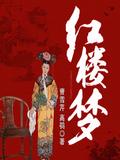 Dream of Red Mansions
A Dream of Red Mansions has fascinated countless people! Classic classics that must be read and tested in primary and secondary schools, a national first-level announcer's panoramic lecture on aesthetics, and an experience listening to the original radio drama in stereo provide you with must-listen, must-test knowledge points and historical conversation topics! For hundreds of years, generation after generation have enjoyed watching, talking about, commenting on, exploring, and continuing Red Bu
—Reads8.0Score—Shelves
Dream of Red Mansions
A Dream of Red Mansions has fascinated countless people! Classic classics that must be read and tested in primary and secondary schools, a national first-level announcer's panoramic lecture on aesthetics, and an experience listening to the original radio drama in stereo provide you with must-listen, must-test knowledge points and historical conversation topics! For hundreds of years, generation after generation have enjoyed watching, talking about, commenting on, exploring, and continuing Red Bu
—Reads8.0Score—Shelves
-
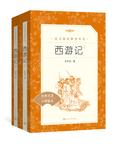 Journey to the West: Two Volumes (Recommended Chinese Reading Series)
The classic novel "Journey to the West" has a total of one hundred chapters. It describes the story of three people, Sun Wukong, Zhu Bajie and Sha Seng's disciples, who protect Monk Tang from going to the west to obtain Buddhist scriptures. After going through ninety-nine and eighty-one difficulties, they finally achieve enlightenment. "Journey to the West" reflects the real social contradictions in a tortuous way through the form of myth, and expresses the people's wishes and requirements to pu
—Reads9.4Score—Shelves
Journey to the West: Two Volumes (Recommended Chinese Reading Series)
The classic novel "Journey to the West" has a total of one hundred chapters. It describes the story of three people, Sun Wukong, Zhu Bajie and Sha Seng's disciples, who protect Monk Tang from going to the west to obtain Buddhist scriptures. After going through ninety-nine and eighty-one difficulties, they finally achieve enlightenment. "Journey to the West" reflects the real social contradictions in a tortuous way through the form of myth, and expresses the people's wishes and requirements to pu
—Reads9.4Score—Shelves
-
 Complete Biography of Jigong
During the Southern Song Dynasty, Li Xiuyuan, the son of Li Maochun, the Jiedu envoy in Beijing, was originally an Arhat descending from the Western Heaven. He became a monk at the age of eighteen and became a monk with the Buddhist name Daoji. Dong Shihong hanged himself in search of his daughter but was rescued by Jigong. He managed to reunite father and daughter and cured the eye disease of Zhao Wenhui and Su Beishan's mother. Guang Liang, the supervisor of the temple, burned the stele tower
—Reads9.5Score—Shelves
Complete Biography of Jigong
During the Southern Song Dynasty, Li Xiuyuan, the son of Li Maochun, the Jiedu envoy in Beijing, was originally an Arhat descending from the Western Heaven. He became a monk at the age of eighteen and became a monk with the Buddhist name Daoji. Dong Shihong hanged himself in search of his daughter but was rescued by Jigong. He managed to reunite father and daughter and cured the eye disease of Zhao Wenhui and Su Beishan's mother. Guang Liang, the supervisor of the temple, burned the stele tower
—Reads9.5Score—Shelves
-
 Journey to the West: Upper and Lower Parts (Masterpiece Curriculum·whole Book Reading Series)
"Journey to the West" is the most famous and most accomplished novel about gods and demons in ancient China. "Journey to the West" published by our company has an excellent original text, rigorous proofreading, and accurate annotations. It is a classic reading carefully crafted by many well-known experts and scholars across the country for more than half a century, and has a good reputation among readers. This reprint is part of the "Classification of Classics and Whole Book Reading Series". Tea
—Reads9.4Score—Shelves
Journey to the West: Upper and Lower Parts (Masterpiece Curriculum·whole Book Reading Series)
"Journey to the West" is the most famous and most accomplished novel about gods and demons in ancient China. "Journey to the West" published by our company has an excellent original text, rigorous proofreading, and accurate annotations. It is a classic reading carefully crafted by many well-known experts and scholars across the country for more than half a century, and has a good reputation among readers. This reprint is part of the "Classification of Classics and Whole Book Reading Series". Tea
—Reads9.4Score—Shelves
-
 Journey to the West (Original Version)
Demonic winds are everywhere, gods and demons are rampant, and the world is in turmoil. A monkey jumped out of the stone, a compassionate monk, the naive Zhu Bajie, the honest and loyal Sha Seng, and the white dragon who transformed into a horse, formed a unique team for collecting scriptures. "Journey to the West" (original version) depicts their arduous journey to the West to obtain Buddhist scriptures - from the unruly chaos in the Heavenly Palace to the nine-nine-nine-eighty-one arduous expe
—Reads9.6Score—Shelves
Journey to the West (Original Version)
Demonic winds are everywhere, gods and demons are rampant, and the world is in turmoil. A monkey jumped out of the stone, a compassionate monk, the naive Zhu Bajie, the honest and loyal Sha Seng, and the white dragon who transformed into a horse, formed a unique team for collecting scriptures. "Journey to the West" (original version) depicts their arduous journey to the West to obtain Buddhist scriptures - from the unruly chaos in the Heavenly Palace to the nine-nine-nine-eighty-one arduous expe
—Reads9.6Score—Shelves
-
 The Analects of Confucius
Confucian classics record the words, deeds, quotations and dialogues of the thinker and educator Confucius and his disciples during the Spring and Autumn Period. The content covers politics, ethics, education, philosophy, life and other aspects, and embodies Confucius' core thoughts, such as "benevolence", "propriety", "doctrine of the mean", "governing with virtue", "education without distinction", etc. The language is concise and concise, the meaning is far-reaching, and it has a huge impact o
—Reads8.5Score—Shelves
The Analects of Confucius
Confucian classics record the words, deeds, quotations and dialogues of the thinker and educator Confucius and his disciples during the Spring and Autumn Period. The content covers politics, ethics, education, philosophy, life and other aspects, and embodies Confucius' core thoughts, such as "benevolence", "propriety", "doctrine of the mean", "governing with virtue", "education without distinction", etc. The language is concise and concise, the meaning is far-reaching, and it has a huge impact o
—Reads8.5Score—Shelves
-
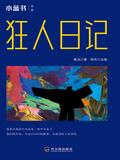 Blue Classics Collection: Diary of a Madman
"Diary of a Madman" contains 12 short stories written by Mr. Lu Xun, which profoundly reflect the current situation of Chinese social life from the end of the 19th century to the 1920s, and describe the rural life and style under the background of the Revolution of 1911, as well as the fate of struggling intellectuals. Among them, "Diary of a Madman" pioneered modern vernacular novels in China, and laid the foundation for modern Chinese novel creation. By shaping the image of the persecuted "mad
—Reads9.2Score—Shelves
Blue Classics Collection: Diary of a Madman
"Diary of a Madman" contains 12 short stories written by Mr. Lu Xun, which profoundly reflect the current situation of Chinese social life from the end of the 19th century to the 1920s, and describe the rural life and style under the background of the Revolution of 1911, as well as the fate of struggling intellectuals. Among them, "Diary of a Madman" pioneered modern vernacular novels in China, and laid the foundation for modern Chinese novel creation. By shaping the image of the persecuted "mad
—Reads9.2Score—Shelves
-
 Imitation Guide Book (Free Public Edition Book)
In the third year of Shunzhi (1646), the Qing army entered Jiangxi and Ji'an fell. Fan Kangsheng followed the governor Wan Yuanji to retreat to Zaokou and entered Ganzhou. Wan Yuanji mobilized Ming troops from all over the city and soldiers and civilians in the city to stand firm and repel the Qing troops. Shaozong was in Fujian and could not send troops to rescue him, so he was only named Zhongyi Mansion. Later, the Qing army broke through the city. Wan Yuanji, Yang Tinglin and others died in t
—Reads—Score—Shelves
Imitation Guide Book (Free Public Edition Book)
In the third year of Shunzhi (1646), the Qing army entered Jiangxi and Ji'an fell. Fan Kangsheng followed the governor Wan Yuanji to retreat to Zaokou and entered Ganzhou. Wan Yuanji mobilized Ming troops from all over the city and soldiers and civilians in the city to stand firm and repel the Qing troops. Shaozong was in Fujian and could not send troops to rescue him, so he was only named Zhongyi Mansion. Later, the Qing army broke through the city. Wan Yuanji, Yang Tinglin and others died in t
—Reads—Score—Shelves
-
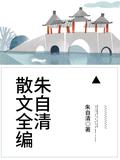 Complete Collection of Zhu Ziqing's Prose
This book collects all the prose written by Zhu Ziqing and is the "Bible" for prose lovers. From beginning to end, you can systematically appreciate the evolution of his prose style from clear and dense to deep and simple, and feel the immortal charm of his words.
—Reads8.6Score—Shelves
Complete Collection of Zhu Ziqing's Prose
This book collects all the prose written by Zhu Ziqing and is the "Bible" for prose lovers. From beginning to end, you can systematically appreciate the evolution of his prose style from clear and dense to deep and simple, and feel the immortal charm of his words.
—Reads8.6Score—Shelves
-
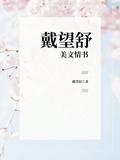 Dai Wangshu's Beautiful Love Letters
This collection of love letters reveals an emotional secret that has lasted for twenty years in the modern poetry world. It contains the correspondence between Dai Wangshu and Shi Jiangnian, Mu Lijuan and many other women, witnessing the poet's entire process from his first love to the breakdown of his marriage. These love letters are not only candid records of private emotions, but also a laboratory for artistic creation: he sent the first draft of "Rain Lane" to his lover for advice, and pract
—Reads—Score—Shelves
Dai Wangshu's Beautiful Love Letters
This collection of love letters reveals an emotional secret that has lasted for twenty years in the modern poetry world. It contains the correspondence between Dai Wangshu and Shi Jiangnian, Mu Lijuan and many other women, witnessing the poet's entire process from his first love to the breakdown of his marriage. These love letters are not only candid records of private emotions, but also a laboratory for artistic creation: he sent the first draft of "Rain Lane" to his lover for advice, and pract
—Reads—Score—Shelves
-
 A Collection of Xu Dishan's Inspirational Prose
This book selects Xu Dishan's representative inspirational works, including lyrical novels, narrative essays and miscellaneous essays. It mainly expresses his understanding of life and his attitude towards life. The language is free and easy, the metaphors are clever, the imagination is rich, the ideas are strange, and the book has a unique flavor when read.
—Reads8.7Score—Shelves
A Collection of Xu Dishan's Inspirational Prose
This book selects Xu Dishan's representative inspirational works, including lyrical novels, narrative essays and miscellaneous essays. It mainly expresses his understanding of life and his attitude towards life. The language is free and easy, the metaphors are clever, the imagination is rich, the ideas are strange, and the book has a unique flavor when read.
—Reads8.7Score—Shelves
-
 Literature and Philosophy
In this book, Hu Shi discusses the relationship between literature and philosophy. He believed that real literature must have a profound ideological (philosophical) foundation. This reflects his higher requirements for literary creation as a thinker, and also reflects his view on literature and art that "literary means conveying the Tao".
—Reads—Score—Shelves
Literature and Philosophy
In this book, Hu Shi discusses the relationship between literature and philosophy. He believed that real literature must have a profound ideological (philosophical) foundation. This reflects his higher requirements for literary creation as a thinker, and also reflects his view on literature and art that "literary means conveying the Tao".
—Reads—Score—Shelves
-
 Water Margin·youth Edition
"Water Margin (Youth Edition)" edited by Shi Naian tells the story: Classics are the essence of human culture and the best of books. The "Selected Chinese Classical Literature Masterpieces" book series (Youth Edition) includes fourteen Chinese classical literary masterpieces including "Journey to the West", "Water Margin", "A Dream of Red Mansions", and "The Romance of the Three Kingdoms".
—Reads9.5Score—Shelves
Water Margin·youth Edition
"Water Margin (Youth Edition)" edited by Shi Naian tells the story: Classics are the essence of human culture and the best of books. The "Selected Chinese Classical Literature Masterpieces" book series (Youth Edition) includes fourteen Chinese classical literary masterpieces including "Journey to the West", "Water Margin", "A Dream of Red Mansions", and "The Romance of the Three Kingdoms".
—Reads9.5Score—Shelves
-
 Chronicles of the Later Zhou Dynasty (Free Public Edition Book)
It mainly records the history of the Later Zhou Dynasty during the Five Dynasties and Ten Kingdoms period, including the reforms and military actions during the establishment of the Later Zhou Dynasty by Guo Wei and the reign of Chai Rong. Chai Rong's reforms played an important role in promoting the economic and military development of the Later Zhou Dynasty. The development of the Later Zhou Dynasty laid the foundation for the unification of the Northern Song Dynasty. This part of the content
—Reads8.7Score—Shelves
Chronicles of the Later Zhou Dynasty (Free Public Edition Book)
It mainly records the history of the Later Zhou Dynasty during the Five Dynasties and Ten Kingdoms period, including the reforms and military actions during the establishment of the Later Zhou Dynasty by Guo Wei and the reign of Chai Rong. Chai Rong's reforms played an important role in promoting the economic and military development of the Later Zhou Dynasty. The development of the Later Zhou Dynasty laid the foundation for the unification of the Northern Song Dynasty. This part of the content
—Reads8.7Score—Shelves
-
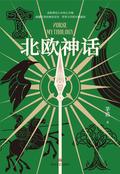 Norse Mythology
The beginning of Norse mythology entering China! More than 90 years ago, the cultural treasure of Nordic mythology was first introduced into China by Mr. Mao Dun, and the towering mountains of world mythology have since taken root. After the baptism of time, it looks like new and has influenced many scholars in later generations. Mr. Mao Dun introduced the personality characteristics and functions of the Nordic gods in a vivid way, and narrated many interesting stories that happened to them. A m
—Reads9.3Score—Shelves
Norse Mythology
The beginning of Norse mythology entering China! More than 90 years ago, the cultural treasure of Nordic mythology was first introduced into China by Mr. Mao Dun, and the towering mountains of world mythology have since taken root. After the baptism of time, it looks like new and has influenced many scholars in later generations. Mr. Mao Dun introduced the personality characteristics and functions of the Nordic gods in a vivid way, and narrated many interesting stories that happened to them. A m
—Reads9.3Score—Shelves
-
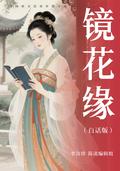 Flowers in the Mirror (Vernacular Version)
"Flowers in the Mirror" (vernacular version), a fantasy novel written by Li Ruzhen, a scholar in the Qing Dynasty, can be called the "Gref's Travels" in the East. Along with the ship, he traveled to dozens of bizarre overseas foreign countries: the "two-faced country" where his clothes were reversed, the "gentleman's country" where he was indisputable, and the "gutless country" where he entered and exited. The most bizarre among them is the daughter country where men's feet are bound. Why did Em
—Reads9.6Score—Shelves
Flowers in the Mirror (Vernacular Version)
"Flowers in the Mirror" (vernacular version), a fantasy novel written by Li Ruzhen, a scholar in the Qing Dynasty, can be called the "Gref's Travels" in the East. Along with the ship, he traveled to dozens of bizarre overseas foreign countries: the "two-faced country" where his clothes were reversed, the "gentleman's country" where he was indisputable, and the "gutless country" where he entered and exited. The most bizarre among them is the daughter country where men's feet are bound. Why did Em
—Reads9.6Score—Shelves
-
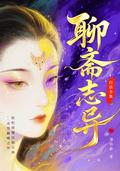 Strange Stories from a Chinese Studio (Complete Works in Vernacular)
"Strange Stories from a Chinese Studio (Complete Collection in Vernacular Chinese)" is adapted from Pu Songling's original work in the Qing Dynasty. It is a complete translation of one of China's most important collections of short stories about strangers into modern popular language. The original work was written during the Kangxi period, with a total of twelve volumes and nearly 500 stories. It uses fantasy images such as fox monsters, ghosts, flower spirits, and mountain spirits as carriers.
—Reads9.5Score—Shelves
Strange Stories from a Chinese Studio (Complete Works in Vernacular)
"Strange Stories from a Chinese Studio (Complete Collection in Vernacular Chinese)" is adapted from Pu Songling's original work in the Qing Dynasty. It is a complete translation of one of China's most important collections of short stories about strangers into modern popular language. The original work was written during the Kangxi period, with a total of twelve volumes and nearly 500 stories. It uses fantasy images such as fox monsters, ghosts, flower spirits, and mountain spirits as carriers.
—Reads9.5Score—Shelves
-
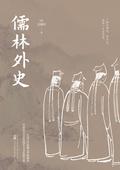 The Scholars
"The Scholars" is a famous classic satirical novel in my country. It mainly describes the spiritual outlook of intellectuals and officials in feudal society. It successfully portrays the portraits of feudal literati who lived in the late feudal society and under the eight-part imperial examination system, such as those who were successful or frustrated in the examination room, the official veterans who were honest or corrupt, and the scholars who cheated on food and drink... It reflects the deca
—Reads9.4Score—Shelves
The Scholars
"The Scholars" is a famous classic satirical novel in my country. It mainly describes the spiritual outlook of intellectuals and officials in feudal society. It successfully portrays the portraits of feudal literati who lived in the late feudal society and under the eight-part imperial examination system, such as those who were successful or frustrated in the examination room, the official veterans who were honest or corrupt, and the scholars who cheated on food and drink... It reflects the deca
—Reads9.4Score—Shelves
-
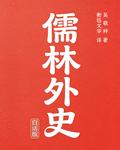 The Scholars (Vernacular Edition)
Today's online articles are all leftovers from the ancients! Of course, this is a bit rebellious. But you have to know that authors who can write group portrait novels well are definitely rare, and as early as the Qing Dynasty, there was already such a master, his name was Wu Jingzi. "The Scholars" is his masterpiece. "The Scholars" is a long satirical novel written by Wu Jingzi that took more than 20 years to create. It takes "fame and wealth" as the main line and depicts the lives of more than
—Reads9.4Score—Shelves
The Scholars (Vernacular Edition)
Today's online articles are all leftovers from the ancients! Of course, this is a bit rebellious. But you have to know that authors who can write group portrait novels well are definitely rare, and as early as the Qing Dynasty, there was already such a master, his name was Wu Jingzi. "The Scholars" is his masterpiece. "The Scholars" is a long satirical novel written by Wu Jingzi that took more than 20 years to create. It takes "fame and wealth" as the main line and depicts the lives of more than
—Reads9.4Score—Shelves
-
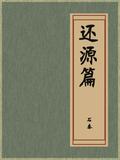 Return to Origin (Free Public Edition Book)
An important classic of the Southern Taoist sect of the Song Dynasty, it explains the basic principles of inner alchemy cultivation and the cultivation method of "double cultivation of life and life".
—Reads8.5Score—Shelves
Return to Origin (Free Public Edition Book)
An important classic of the Southern Taoist sect of the Song Dynasty, it explains the basic principles of inner alchemy cultivation and the cultivation method of "double cultivation of life and life".
—Reads8.5Score—Shelves
-
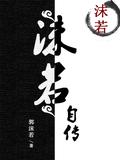 Moruo's Autobiography
In the entire cultural history of China in the 20th century, Guo Moruo has a special status. His historical research, my research on ancient characters, his archaeological research, etc., Have an irreplaceable position in the field of cultural construction and academic construction in China in the 20th century. And his contribution to literature is of even more epoch-making significance. His vernacular poetry, his historical dramas, etc., Have reached an artistic and ideological level that is st
—Reads8.7Score—Shelves
Moruo's Autobiography
In the entire cultural history of China in the 20th century, Guo Moruo has a special status. His historical research, my research on ancient characters, his archaeological research, etc., Have an irreplaceable position in the field of cultural construction and academic construction in China in the 20th century. And his contribution to literature is of even more epoch-making significance. His vernacular poetry, his historical dramas, etc., Have reached an artistic and ideological level that is st
—Reads8.7Score—Shelves
-
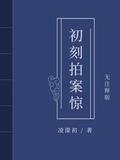 Surprised at the First Moment (Unannotated Version)
"The Surprise at the First Moment" is a collection of Chinese novels written by Ling Shuchu in the late Ming Dynasty. It was officially written in 1627 (the seventh year since tomorrow) and published by Shang Youtang Bookstore in 1628 the following year. "The Surprise at the First Moment" is a collection of novels created to imitate the story-telling novels, and most of its themes are taken from predecessors. The content of the book is relatively complex, with different ideological tendencies. I
—Reads9.4Score—Shelves
Surprised at the First Moment (Unannotated Version)
"The Surprise at the First Moment" is a collection of Chinese novels written by Ling Shuchu in the late Ming Dynasty. It was officially written in 1627 (the seventh year since tomorrow) and published by Shang Youtang Bookstore in 1628 the following year. "The Surprise at the First Moment" is a collection of novels created to imitate the story-telling novels, and most of its themes are taken from predecessors. The content of the book is relatively complex, with different ideological tendencies. I
—Reads9.4Score—Shelves
-
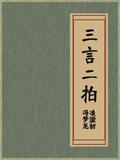 Three Words and Two Shots
"Three Words and Two Patterns" has a total of 200 classic short stories in vernacular, which fully encompasses the essence of short stories in vernacular from the Song, Yuan and Ming dynasties. Each story in the book is independent, exciting and ups and downs, such as the White Snake who forever holds down the Leifeng Pagoda, Du Shiniang who sank his treasure chest in anger, and Yu Boya who dropped his harp to say goodbye. Classic stories that are familiar to Chinese people, such as the bosom fr
—Reads9.5Score—Shelves
Three Words and Two Shots
"Three Words and Two Patterns" has a total of 200 classic short stories in vernacular, which fully encompasses the essence of short stories in vernacular from the Song, Yuan and Ming dynasties. Each story in the book is independent, exciting and ups and downs, such as the White Snake who forever holds down the Leifeng Pagoda, Du Shiniang who sank his treasure chest in anger, and Yu Boya who dropped his harp to say goodbye. Classic stories that are familiar to Chinese people, such as the bosom fr
—Reads9.5Score—Shelves
-
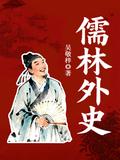 The Scholars (Original Work)
Known as the peak of ancient Chinese satirical literature! The transcendent charm of "The Scholars" lies in the fact that it is not only a satirical novel, but also an "ukiyo-e" that analyzes the game between human nature and the system. His profound understanding of human nature and insight into social rules still resonate widely today.
—Reads9.3Score—Shelves
The Scholars (Original Work)
Known as the peak of ancient Chinese satirical literature! The transcendent charm of "The Scholars" lies in the fact that it is not only a satirical novel, but also an "ukiyo-e" that analyzes the game between human nature and the system. His profound understanding of human nature and insight into social rules still resonate widely today.
—Reads9.3Score—Shelves
-
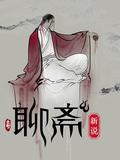 Liaozhaixinshuo
"Liao Zhai" is a collection of short stories in classical Chinese written by Pu Songling, a novelist of the Qing Dynasty in China. The earliest copy has been circulated during the Kangxi period of the Qing Dynasty. They either expose the darkness of feudal rule, criticize the corruption of the imperial examination system, or resist the shackles of feudal ethics. They have rich and profound ideological content. There are the largest number of works describing the theme of love in the whole book,
—Reads—Score—Shelves
Liaozhaixinshuo
"Liao Zhai" is a collection of short stories in classical Chinese written by Pu Songling, a novelist of the Qing Dynasty in China. The earliest copy has been circulated during the Kangxi period of the Qing Dynasty. They either expose the darkness of feudal rule, criticize the corruption of the imperial examination system, or resist the shackles of feudal ethics. They have rich and profound ideological content. There are the largest number of works describing the theme of love in the whole book,
—Reads—Score—Shelves
-
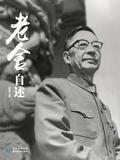 Lao She's Autobiography
"Lao She's Autobiography" is composed of several articles selected from Lao She's complete works. These articles can outline the author's life experience-from birth to death. In order to prepare "Lao She's Autobiography", the editor put great effort into the selection process, striving to select works that could reflect his life.
—Reads9.4Score—Shelves
Lao She's Autobiography
"Lao She's Autobiography" is composed of several articles selected from Lao She's complete works. These articles can outline the author's life experience-from birth to death. In order to prepare "Lao She's Autobiography", the editor put great effort into the selection process, striving to select works that could reflect his life.
—Reads9.4Score—Shelves
-
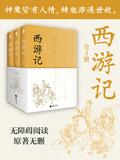 Journey to the West (Three Volumes)
[The four great works of Chinese classical literature, accessible reading without deletion of the original works. "Journey to the West" is the first romantic novel about gods and demons in ancient my country, and it is also the pioneering work of magicism. It tells the story of a stone monkey that was bred from the stone left by Nuwa to mend the sky and absorbed the essence of the sun and the moon. It learned skills from Patriarch Bodhi and was pinned under the Five Elements Mountain by Tathaga
—Reads9.5Score—Shelves
Journey to the West (Three Volumes)
[The four great works of Chinese classical literature, accessible reading without deletion of the original works. "Journey to the West" is the first romantic novel about gods and demons in ancient my country, and it is also the pioneering work of magicism. It tells the story of a stone monkey that was bred from the stone left by Nuwa to mend the sky and absorbed the essence of the sun and the moon. It learned skills from Patriarch Bodhi and was pinned under the Five Elements Mountain by Tathaga
—Reads9.5Score—Shelves
-
 National Chronicle of Japan
"Japanese National Chronicle" is a masterpiece written by Huang Zunxian, a modern Chinese diplomat and poet, who took eight years to write. The book has a total of 40 volumes and more than 500,000 words. It systematically and in-depth studies the history and current situation of Japan, especially the various systems after the Meiji Restoration. With its rich content, unique insights and profound thinking, this book has become an important window for China to understand Japan. It has had a profou
—Reads8.6Score—Shelves
National Chronicle of Japan
"Japanese National Chronicle" is a masterpiece written by Huang Zunxian, a modern Chinese diplomat and poet, who took eight years to write. The book has a total of 40 volumes and more than 500,000 words. It systematically and in-depth studies the history and current situation of Japan, especially the various systems after the Meiji Restoration. With its rich content, unique insights and profound thinking, this book has become an important window for China to understand Japan. It has had a profou
—Reads8.6Score—Shelves
-
 Records of Swords and Swords in Ancient and Modern Times
"Records of Ancient and Modern Swords" is an ancient weapons document written by Tao Hongjing, a famous Taoist priest and scholar in the Liang Dynasty of the Southern Dynasty. It is a one-volume book that systematically records the deeds of swords forged or used by emperors, princes and famous generals from the Xia Dynasty to the Liang Dynasty. The content is divided into parts such as "Emperor's Swords", "Swords of Various Kingdoms", "Wu Jiang's Sword", "Shu's General's Sword" and "Wei's Genera
—Reads8.6Score—Shelves
Records of Swords and Swords in Ancient and Modern Times
"Records of Ancient and Modern Swords" is an ancient weapons document written by Tao Hongjing, a famous Taoist priest and scholar in the Liang Dynasty of the Southern Dynasty. It is a one-volume book that systematically records the deeds of swords forged or used by emperors, princes and famous generals from the Xia Dynasty to the Liang Dynasty. The content is divided into parts such as "Emperor's Swords", "Swords of Various Kingdoms", "Wu Jiang's Sword", "Shu's General's Sword" and "Wei's Genera
—Reads8.6Score—Shelves
-
 Urging Officials (Free Public Edition Book)
The Feng Shui classics of the Song Dynasty use the sand and water of dragon caves to discuss geographical good and bad luck, and focus on the relationship between the location of the Yangzhai and the official fortune.
—Reads8.6Score—Shelves
Urging Officials (Free Public Edition Book)
The Feng Shui classics of the Song Dynasty use the sand and water of dragon caves to discuss geographical good and bad luck, and focus on the relationship between the location of the Yangzhai and the official fortune.
—Reads8.6Score—Shelves
-
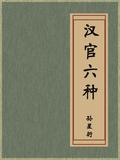 Six Types of Han Officials (Free Public Edition Book)
10 Volumes. Edited and edited by Sun Xingyan, a native of the Qing Dynasty. It includes 1 volume of "Han Guan", written by Wang Long of the Eastern Han Dynasty; 1 volume of "Han Guan Jiexe", annotated by Hu Guang of the Eastern Han Dynasty; 2 volumes of "Han Guan Jiu Yi" (also known as "Han Guan Jiu Yi"), written by Wei Hong of the Eastern Han Dynasty; 2 volumes of "Han Guan Yi", Written by Ying Shao of the Eastern Han Dynasty; "Selection of Ceremonies for the Ceremony of Officials of the Han Dy
—Reads8.6Score—Shelves
Six Types of Han Officials (Free Public Edition Book)
10 Volumes. Edited and edited by Sun Xingyan, a native of the Qing Dynasty. It includes 1 volume of "Han Guan", written by Wang Long of the Eastern Han Dynasty; 1 volume of "Han Guan Jiexe", annotated by Hu Guang of the Eastern Han Dynasty; 2 volumes of "Han Guan Jiu Yi" (also known as "Han Guan Jiu Yi"), written by Wei Hong of the Eastern Han Dynasty; 2 volumes of "Han Guan Yi", Written by Ying Shao of the Eastern Han Dynasty; "Selection of Ceremonies for the Ceremony of Officials of the Han Dy
—Reads8.6Score—Shelves
-
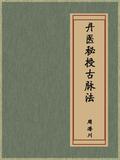 Ancient Pulse Method Secretly Taught by Alchemy Doctors (Free Public Edition Book)
Books on religious philosophy. The Origin of Dividing Meridians and Waiting for Pulses There is a big difference between the ancient method of dividing and waiting for pulses and the current method of using Cunkou to cut pulses alone. Meridian division not only has many advantages, but is also well-founded in the theory of traditional Chinese medicine. Wang Shuhe's "Mai Jing" and Gao Yangsheng's "Mai Jue" are two earlier monographs on pulse science in my country. Prior to this, records about pul
—Reads8.6Score—Shelves
Ancient Pulse Method Secretly Taught by Alchemy Doctors (Free Public Edition Book)
Books on religious philosophy. The Origin of Dividing Meridians and Waiting for Pulses There is a big difference between the ancient method of dividing and waiting for pulses and the current method of using Cunkou to cut pulses alone. Meridian division not only has many advantages, but is also well-founded in the theory of traditional Chinese medicine. Wang Shuhe's "Mai Jing" and Gao Yangsheng's "Mai Jue" are two earlier monographs on pulse science in my country. Prior to this, records about pul
—Reads8.6Score—Shelves
-
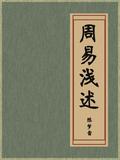 A Brief Introduction to Zhouyi (Free Public Edition Book)
Eight volumes, written by Chen Menglei of the Qing Dynasty. The book was written in the Jiashu Year of Kangxi (1694). Written by Chen Menglei (1650-1741) of the Qing Dynasty. Chen Menglei's courtesy name is Zezhen, and his later nickname is Songhe Laoren. A native of Min County, Fujian Province. Shunzhi Ji Chou became a Jinshi. From official to Hanlin, he edited and edited. In the 21st year of Kangxi's reign (1682), he was banished to Shangyang Fort in Shenyang. More than 18 years later, he was
—Reads8.6Score—Shelves
A Brief Introduction to Zhouyi (Free Public Edition Book)
Eight volumes, written by Chen Menglei of the Qing Dynasty. The book was written in the Jiashu Year of Kangxi (1694). Written by Chen Menglei (1650-1741) of the Qing Dynasty. Chen Menglei's courtesy name is Zezhen, and his later nickname is Songhe Laoren. A native of Min County, Fujian Province. Shunzhi Ji Chou became a Jinshi. From official to Hanlin, he edited and edited. In the 21st year of Kangxi's reign (1682), he was banished to Shangyang Fort in Shenyang. More than 18 years later, he was
—Reads8.6Score—Shelves
-
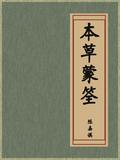 Materia Medica Mengquan (Free Public Edition Book)
An introductory book that introduces the properties, taste, and efficacy of medicines in the form of verses.
—Reads8.7Score—Shelves
Materia Medica Mengquan (Free Public Edition Book)
An introductory book that introduces the properties, taste, and efficacy of medicines in the form of verses.
—Reads8.7Score—Shelves
-
 Journey to the East
Wu Yuantai's "Journey to the East" is undoubtedly the most vivid and lovable among the many mythological classics in ancient China. Tieguai Li's lame skin hides an open-minded Taoist heart, and the gourd gently shakes to contain compassion from all over the world; Lu Dongbin's Pure Yang Sword can kill demons and eliminate demons, but also hides the sincerity that transcends fame and turns to seek Tao; He Xiangu holds a lotus, and her unsullied character reflects her original intention to help th
—Reads8.6Score—Shelves
Journey to the East
Wu Yuantai's "Journey to the East" is undoubtedly the most vivid and lovable among the many mythological classics in ancient China. Tieguai Li's lame skin hides an open-minded Taoist heart, and the gourd gently shakes to contain compassion from all over the world; Lu Dongbin's Pure Yang Sword can kill demons and eliminate demons, but also hides the sincerity that transcends fame and turns to seek Tao; He Xiangu holds a lotus, and her unsullied character reflects her original intention to help th
—Reads8.6Score—Shelves
-
 Si Xuan Fu
The lyrical poems created by Zhang Heng of the Eastern Han Dynasty express his dissatisfaction with real politics and his desire to avoid harm through his imagination of traveling to heaven.
—Reads8.6Score—Shelves
Si Xuan Fu
The lyrical poems created by Zhang Heng of the Eastern Han Dynasty express his dissatisfaction with real politics and his desire to avoid harm through his imagination of traveling to heaven.
—Reads8.6Score—Shelves
-
 The Complete Picture of Good and Evil
"The Complete Story of Good and Evil" is a popular novel created by an unknown author in the Qing Dynasty. It integrates historical legends, religious beliefs, moral education and other elements. It aims to convey the concept of cause and effect that "good will be rewarded with good and evil will be rewarded with evil" through vivid stories. The novel has a twists and turns plot, vivid characters, and easy-to-understand language. It has strong readability and educational significance. As one of
—Reads8.6Score—Shelves
The Complete Picture of Good and Evil
"The Complete Story of Good and Evil" is a popular novel created by an unknown author in the Qing Dynasty. It integrates historical legends, religious beliefs, moral education and other elements. It aims to convey the concept of cause and effect that "good will be rewarded with good and evil will be rewarded with evil" through vivid stories. The novel has a twists and turns plot, vivid characters, and easy-to-understand language. It has strong readability and educational significance. As one of
—Reads8.6Score—Shelves
-
 Essays on Calligraphy (Free Public Edition Book)
The calligraphy notes of Fu Shan, a calligrapher in the late Ming and early Qing dynasties, advocated "it is better to be clumsy than skillful", reflecting his unique aesthetics.
—Reads8.7Score—Shelves
Essays on Calligraphy (Free Public Edition Book)
The calligraphy notes of Fu Shan, a calligrapher in the late Ming and early Qing dynasties, advocated "it is better to be clumsy than skillful", reflecting his unique aesthetics.
—Reads8.7Score—Shelves
-
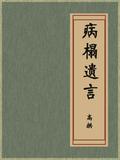 Last Words on the Sickbed (Free Public Edition Book)
This book is divided into three parts, titled "Notes on Fate", "Causes of Contradictions", and "Poisonous Plots". "Gu Ming Ji Shi" records that when Mu Zong was dying, he ordered Gao Gong, Zhang Juzheng, and Feng Baofu to take charge of Biyou. "Cause of Contradiction" records the whole reason why Zhang Juzheng had a grudge against Gao Gong, cultivated private parties, and rejected Gao Gong. "The Poisonous Plot" is written in the first year of Wanli. Zhang Juzheng used the case of the king's mini
—Reads8.5Score—Shelves
Last Words on the Sickbed (Free Public Edition Book)
This book is divided into three parts, titled "Notes on Fate", "Causes of Contradictions", and "Poisonous Plots". "Gu Ming Ji Shi" records that when Mu Zong was dying, he ordered Gao Gong, Zhang Juzheng, and Feng Baofu to take charge of Biyou. "Cause of Contradiction" records the whole reason why Zhang Juzheng had a grudge against Gao Gong, cultivated private parties, and rejected Gao Gong. "The Poisonous Plot" is written in the first year of Wanli. Zhang Juzheng used the case of the king's mini
—Reads8.5Score—Shelves
-
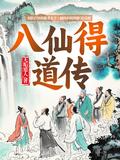 The Legend of the Eight Immortals
The eight gods' path to immortality is more exciting than upgrading and fighting monsters in the modern workplace! The story of counterattack from mortal to immortal will lead you to appreciate the most authentic Chinese immortal system. After reading this, you will want to find a cave to practice~
—Reads8.7Score—Shelves
The Legend of the Eight Immortals
The eight gods' path to immortality is more exciting than upgrading and fighting monsters in the modern workplace! The story of counterattack from mortal to immortal will lead you to appreciate the most authentic Chinese immortal system. After reading this, you will want to find a cave to practice~
—Reads8.7Score—Shelves
-
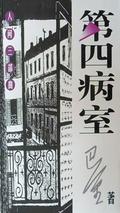 The Fourth Ward
This book is about the nineteenth level of hell. Hospitalized patients have to buy special medicines, tapes, and toilet paper by themselves; many patients cannot afford special medicines and die wailing in bed; some patients cannot pay tips, and workers do not clean the toilets, causing them to scream from the urination... But in In the darkness of suffering, there are flickering lights of warmth and love; Dr. Yang Muhua, with thick hair and big eyes, as tender as the sea, and Lao Xu, the restau
—Reads9.3Score—Shelves
The Fourth Ward
This book is about the nineteenth level of hell. Hospitalized patients have to buy special medicines, tapes, and toilet paper by themselves; many patients cannot afford special medicines and die wailing in bed; some patients cannot pay tips, and workers do not clean the toilets, causing them to scream from the urination... But in In the darkness of suffering, there are flickering lights of warmth and love; Dr. Yang Muhua, with thick hair and big eyes, as tender as the sea, and Lao Xu, the restau
—Reads9.3Score—Shelves
-
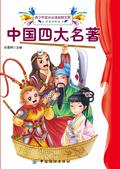 Four Chinese Classics
This book selects classic excerpts from the four great Chinese classics: The Romance of the Three Kingdoms, A Dream of Red Mansions, Water Margin, and Journey to the West. It aims to allow readers to read the four great Chinese classics at once and experience Sun Wukong's bravery and wisdom, Cao Cao's leadership and demeanor, Zhuge Liang's loyalty and scheming, and Baoyu. Daiyu's resistance to feudal ideas, Song Jiang and other heroes' righteousness and pride... These fragments capture the essen
—Reads9.4Score—Shelves
Four Chinese Classics
This book selects classic excerpts from the four great Chinese classics: The Romance of the Three Kingdoms, A Dream of Red Mansions, Water Margin, and Journey to the West. It aims to allow readers to read the four great Chinese classics at once and experience Sun Wukong's bravery and wisdom, Cao Cao's leadership and demeanor, Zhuge Liang's loyalty and scheming, and Baoyu. Daiyu's resistance to feudal ideas, Song Jiang and other heroes' righteousness and pride... These fragments capture the essen
—Reads9.4Score—Shelves
-
 Selected Poems of Li Zhi
Li Zhi (1527-1602), Han nationality, was born in Quanzhou, Fujian. An official, thinker, and writer of the Ming Dynasty, he was a master of the Taizhou School. Li Zhi's first surname was Lin, and his given name was Zaizhi. Later, he changed his surname to Li, his given name was Zhi, his courtesy name was Hongfu, his nickname was Zhuowu, and his nicknames were Wenling Jushi, Baiquan Jushi, etc. During the Li Gongcheng period, he was a doctor of Imperial College, and during Wanli period he was the
—Reads8.5Score—Shelves
Selected Poems of Li Zhi
Li Zhi (1527-1602), Han nationality, was born in Quanzhou, Fujian. An official, thinker, and writer of the Ming Dynasty, he was a master of the Taizhou School. Li Zhi's first surname was Lin, and his given name was Zaizhi. Later, he changed his surname to Li, his given name was Zhi, his courtesy name was Hongfu, his nickname was Zhuowu, and his nicknames were Wenling Jushi, Baiquan Jushi, etc. During the Li Gongcheng period, he was a doctor of Imperial College, and during Wanli period he was the
—Reads8.5Score—Shelves
-
 Compilation of Pulse Meridians (Classic Edition of Ancient Traditional Chinese Medicine Books)
The foundational work of pulse theory in traditional Chinese medicine was compiled by Wang Shuhe. The annotations in this book are rigorous and meticulous, and the theory and clinical experience of pulse theory of the past dynasties are systematically organized. The book records in detail the characteristics, identification methods and clinical significance of 24 types of pulse conditions, constructs a complete system of pulse diagnosis in traditional Chinese medicine, and lays the foundation fo
—Reads8.6Score—Shelves
Compilation of Pulse Meridians (Classic Edition of Ancient Traditional Chinese Medicine Books)
The foundational work of pulse theory in traditional Chinese medicine was compiled by Wang Shuhe. The annotations in this book are rigorous and meticulous, and the theory and clinical experience of pulse theory of the past dynasties are systematically organized. The book records in detail the characteristics, identification methods and clinical significance of 24 types of pulse conditions, constructs a complete system of pulse diagnosis in traditional Chinese medicine, and lays the foundation fo
—Reads8.6Score—Shelves