Fanqie library
Browse
- Titles
- 1.6k
Every Fanqie book we index, searchable by title, author or tag.
-
 A Complete Recipe for Women
This book was written by Chen Ziming of Song Dynasty. There are 24 volumes in total, divided into 8 sections: regulating menstruation, diseases, seeking children, prenatal education, pregnancy, confinement, labor difficulties and postpartum. Each section is divided into several diseases and syndromes. The causes, syndromes, prescriptions and medicines are divided into categories, and some medical records are attached. The book is practical in content and brings together more than 40 relevant med
—Reads8.5Score—Shelves
A Complete Recipe for Women
This book was written by Chen Ziming of Song Dynasty. There are 24 volumes in total, divided into 8 sections: regulating menstruation, diseases, seeking children, prenatal education, pregnancy, confinement, labor difficulties and postpartum. Each section is divided into several diseases and syndromes. The causes, syndromes, prescriptions and medicines are divided into categories, and some medical records are attached. The book is practical in content and brings together more than 40 relevant med
—Reads8.5Score—Shelves
-
 A Wonderful Book on Ophthalmology
A secret book collected by the Li family in Yuzhou during the Qing Dynasty. The author is unknown. The content of "Ophthalmology Strange Book" is, firstly, the discussion of miracles: it is believed that external obstruction is cold and internal obstruction is qi, which is contrary to the conventional theory that if the eyes are not caused by fire, there will be no disease, and that if there are many internal obstructions, the liver and kidneys will be deficient. The second is the prescription:
—Reads9.2Score—Shelves
A Wonderful Book on Ophthalmology
A secret book collected by the Li family in Yuzhou during the Qing Dynasty. The author is unknown. The content of "Ophthalmology Strange Book" is, firstly, the discussion of miracles: it is believed that external obstruction is cold and internal obstruction is qi, which is contrary to the conventional theory that if the eyes are not caused by fire, there will be no disease, and that if there are many internal obstructions, the liver and kidneys will be deficient. The second is the prescription:
—Reads9.2Score—Shelves
-
 Traditional Chinese Medicine Guide: Experienced Prescriptions
[A comprehensive monograph on internal medicine, surgery, gynecology, and pediatrics. [The famous medical masterpiece of Liu Yiming, a famous Taoist alchemist, Yi scholar, medical scientist, calligrapher and painter in the Qing Dynasty. After each disease category, first introduce the main characteristics and etiology and pathogenesis of the disease in the form of an overview, and then discuss the main prescriptions and medicines for treating the disease. This method of discussing diseases and
—Reads9.3Score—Shelves
Traditional Chinese Medicine Guide: Experienced Prescriptions
[A comprehensive monograph on internal medicine, surgery, gynecology, and pediatrics. [The famous medical masterpiece of Liu Yiming, a famous Taoist alchemist, Yi scholar, medical scientist, calligrapher and painter in the Qing Dynasty. After each disease category, first introduce the main characteristics and etiology and pathogenesis of the disease in the form of an overview, and then discuss the main prescriptions and medicines for treating the disease. This method of discussing diseases and
—Reads9.3Score—Shelves
-
 Guiguzi
Is one of Tao Hongjing's works
—Reads7.8Score—Shelves
Guiguzi
Is one of Tao Hongjing's works
—Reads7.8Score—Shelves
-
 New Book
"New Book" is a collection of Jia Yi's political essays. There are fifty-eight chapters in ten volumes. Among them, "Questions about Filial Piety" and "Li Rong Yu Shang" have two chapters but no text, which is actually fifty-six chapters. "New Book" reflects Jia Yi's rich political, economic, educational, and philosophical thoughts, among which political thoughts are the most prominent. Jia Yi's political prose is logically rigorous and full of emotions, representing the highest achievement of p
—Reads8.2Score—Shelves
New Book
"New Book" is a collection of Jia Yi's political essays. There are fifty-eight chapters in ten volumes. Among them, "Questions about Filial Piety" and "Li Rong Yu Shang" have two chapters but no text, which is actually fifty-six chapters. "New Book" reflects Jia Yi's rich political, economic, educational, and philosophical thoughts, among which political thoughts are the most prominent. Jia Yi's political prose is logically rigorous and full of emotions, representing the highest achievement of p
—Reads8.2Score—Shelves
-
 New Books (Free Public Edition Books)
"Xinshu" is a collection of Han Jiayi's essays. In its chapters such as "Zhi Bu De", "Lian Yu" and "Li", there are legends about the Yellow Emperor, Yan Emperor, Zhou and King Wu of Zhou.
—Reads9.4Score—Shelves
New Books (Free Public Edition Books)
"Xinshu" is a collection of Han Jiayi's essays. In its chapters such as "Zhi Bu De", "Lian Yu" and "Li", there are legends about the Yellow Emperor, Yan Emperor, Zhou and King Wu of Zhou.
—Reads9.4Score—Shelves
-
 On the Chinese Nation and Nationalism
All ethnic groups are equal. This is the basic principle of Marxism-Leninism in dealing with ethnic issues. This principle is applicable to dealing with current ethnic issues as well as historical ethnic issues. In the long historical period of class society, the relationship between ethnic groups was unequal. This fact is full of world history and Chinese history. Until now, in the discussion of ethnic history, some people still raise the issue of the nationality of ethnic groups in Chinese his
—Reads8.5Score—Shelves
On the Chinese Nation and Nationalism
All ethnic groups are equal. This is the basic principle of Marxism-Leninism in dealing with ethnic issues. This principle is applicable to dealing with current ethnic issues as well as historical ethnic issues. In the long historical period of class society, the relationship between ethnic groups was unequal. This fact is full of world history and Chinese history. Until now, in the discussion of ethnic history, some people still raise the issue of the nationality of ethnic groups in Chinese his
—Reads8.5Score—Shelves
-
 Xiangyan Breaks Doubts
This work "Xiangyan Desolves Doubts" is written by Liu Yiming.
—Reads8.6Score—Shelves
Xiangyan Breaks Doubts
This work "Xiangyan Desolves Doubts" is written by Liu Yiming.
—Reads8.6Score—Shelves
-
 A Bitter Song
This work "Xia Bitter Song" is written by Liu Yiming
—Reads8.1Score—Shelves
A Bitter Song
This work "Xia Bitter Song" is written by Liu Yiming
—Reads8.1Score—Shelves
-
 Four Holy Hearts
"The Source of the Four Sacred Hearts" is a medical book written by Huang Yuanyu of the Qing Dynasty in 1753. It is also called "The Source of the Sacred Heart of Medicine". The author regards Huangdi, Qibo, Qinyueren, and Zhang Zhongjing as the four sages of medicine. The book provides an in-depth interpretation of the connotations of medical classics such as the "Nei Jing", "Difficult Classics", "Treatise on Febrile Diseases" and "Synopsis of the Golden Chamber", and discusses in detail all as
—Reads9.2Score—Shelves
Four Holy Hearts
"The Source of the Four Sacred Hearts" is a medical book written by Huang Yuanyu of the Qing Dynasty in 1753. It is also called "The Source of the Sacred Heart of Medicine". The author regards Huangdi, Qibo, Qinyueren, and Zhang Zhongjing as the four sages of medicine. The book provides an in-depth interpretation of the connotations of medical classics such as the "Nei Jing", "Difficult Classics", "Treatise on Febrile Diseases" and "Synopsis of the Golden Chamber", and discusses in detail all as
—Reads9.2Score—Shelves
-
 Continuation of the Classics of the Sheng Dynasty
One hundred and twenty volumes. The series compiles manuscripts and essays from interludes of Daoguang, Xianfeng, Tongzhi, and Guangxu. The style is exactly the same as that of "Dynasty Jingshi Wenbian". There is a copy of Sibulou published in the 23rd year of Guangxu's reign. Edited by Sheng Kang of Qing Dynasty and edited by Sheng Xuanhuai. This compilation is one of the main sequels to the "Dynasty Jingshi Wenbian". It follows the "Dynasty Jingshi Wenbian" which specifically collects historic
—Reads8.2Score—Shelves
Continuation of the Classics of the Sheng Dynasty
One hundred and twenty volumes. The series compiles manuscripts and essays from interludes of Daoguang, Xianfeng, Tongzhi, and Guangxu. The style is exactly the same as that of "Dynasty Jingshi Wenbian". There is a copy of Sibulou published in the 23rd year of Guangxu's reign. Edited by Sheng Kang of Qing Dynasty and edited by Sheng Xuanhuai. This compilation is one of the main sequels to the "Dynasty Jingshi Wenbian". It follows the "Dynasty Jingshi Wenbian" which specifically collects historic
—Reads8.2Score—Shelves
-
 Wild Notes
"Wild Notes" is a four-volume book written by Zhu Yunming in the Ming Dynasty. Yunming has "Su Cai Xiaozong", which has been recorded. It is a talk recorded in many committees and alleys. For example, the posthumous edict of Empress Dowager Zhang to restore the Jianwen era title has been identified in Zhang Chaorui's "Zhongjie Ji". As for the compilation of "Yongle Dadian" before it was completed, it is known that his story is untrue. Zhu Mengzhen's "Heshang Chu Tan" is also called "Ziguai" writ
—Reads8.6Score—Shelves
Wild Notes
"Wild Notes" is a four-volume book written by Zhu Yunming in the Ming Dynasty. Yunming has "Su Cai Xiaozong", which has been recorded. It is a talk recorded in many committees and alleys. For example, the posthumous edict of Empress Dowager Zhang to restore the Jianwen era title has been identified in Zhang Chaorui's "Zhongjie Ji". As for the compilation of "Yongle Dadian" before it was completed, it is known that his story is untrue. Zhu Mengzhen's "Heshang Chu Tan" is also called "Ziguai" writ
—Reads8.6Score—Shelves
-
 Strategy Collection Lost
A one-volume collection, also known as "Sima Biao's Strategy", written by Sima Biao of the Western Jin Dynasty. There are no records in historical records, but Pei Song's notes in "Three Kingdoms" and "Taiping Yulan" are cited in many places. Sima Biao's military work "The Book of Sui Jing Ji Zhi" records: "The "Bing Ji" is eight volumes, written by Sima Biao. One volume is twenty volumes." The two "Tang Shu Jing Ji Zhi" are recorded as "twelve volumes". It is generally believed that "Strategy"
—Reads—Score—Shelves
Strategy Collection Lost
A one-volume collection, also known as "Sima Biao's Strategy", written by Sima Biao of the Western Jin Dynasty. There are no records in historical records, but Pei Song's notes in "Three Kingdoms" and "Taiping Yulan" are cited in many places. Sima Biao's military work "The Book of Sui Jing Ji Zhi" records: "The "Bing Ji" is eight volumes, written by Sima Biao. One volume is twenty volumes." The two "Tang Shu Jing Ji Zhi" are recorded as "twelve volumes". It is generally believed that "Strategy"
—Reads—Score—Shelves
-
 Zuigutang Sword Sweeping Scroll
—Reads8.3Score—Shelves
Zuigutang Sword Sweeping Scroll
Zuigutang Sword Sweeping Scroll
—Reads8.3Score—Shelves
-
 The Beginning and End of Peace in Yunnan
"The Beginning and End of the Peace of Yunnan" is a chronicle-type historical work written by an anonymous person in the Qing Dynasty. It is a one-volume book. It mainly describes the historical process of the complex turmoil and conquests in Yunnan (anciently known as "Dian") and surrounding areas in the early Qing Dynasty. It focuses particularly on presenting the Wu Sangui Rebellion and its chain impact with major historical events such as Yunnan and Guangdong and Guangxi. The author claimed
—Reads7.6Score—Shelves
The Beginning and End of Peace in Yunnan
"The Beginning and End of the Peace of Yunnan" is a chronicle-type historical work written by an anonymous person in the Qing Dynasty. It is a one-volume book. It mainly describes the historical process of the complex turmoil and conquests in Yunnan (anciently known as "Dian") and surrounding areas in the early Qing Dynasty. It focuses particularly on presenting the Wu Sangui Rebellion and its chain impact with major historical events such as Yunnan and Guangdong and Guangxi. The author claimed
—Reads7.6Score—Shelves
-
 Dongcha Chronicles
"Dongcha Jilue" is a five-volume notebook written by Yao Ying, a scholar in the Qing Dynasty, when she was serving in Taiwan. Yao Ying, nicknamed Shi Fu and nicknamed Ming Shu, was one of the representatives of the Tongcheng School. She served as Taiwan Coast Guard Commissioner, Kavalan General Magistrate, and Taiwan Affairs Bureau. She had personal experience in Taiwan's government and society. This book is a collection of his experiences and thoughts during his thirteen years in office, coveri
—Reads—Score—Shelves
Dongcha Chronicles
"Dongcha Jilue" is a five-volume notebook written by Yao Ying, a scholar in the Qing Dynasty, when she was serving in Taiwan. Yao Ying, nicknamed Shi Fu and nicknamed Ming Shu, was one of the representatives of the Tongcheng School. She served as Taiwan Coast Guard Commissioner, Kavalan General Magistrate, and Taiwan Affairs Bureau. She had personal experience in Taiwan's government and society. This book is a collection of his experiences and thoughts during his thirteen years in office, coveri
—Reads—Score—Shelves
-
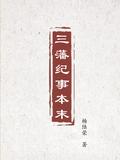 Chronicles of San Francisco
A total of twenty-two articles on the history of the Southern Ming Dynasty. The author Yang Lurong, whose courtesy name was Cainan, was from Qingpu, Jiangsu. He was regarded as Zhengshuo of the Qing Dynasty and said that the Hongguang, Longwu and Yongli regimes of the Southern Ming Dynasty were separate vassals, so they were called San Francisco. The content of his works reflects part of the outline of the history of the Southern Ming Dynasty and has early historical value. However, there are ma
—Reads8.0Score—Shelves
Chronicles of San Francisco
A total of twenty-two articles on the history of the Southern Ming Dynasty. The author Yang Lurong, whose courtesy name was Cainan, was from Qingpu, Jiangsu. He was regarded as Zhengshuo of the Qing Dynasty and said that the Hongguang, Longwu and Yongli regimes of the Southern Ming Dynasty were separate vassals, so they were called San Francisco. The content of his works reflects part of the outline of the history of the Southern Ming Dynasty and has early historical value. However, there are ma
—Reads8.0Score—Shelves
-
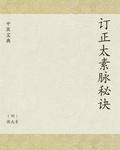 The Secret of Correcting Taisu Pulse
[Historically, the first classic book in China that systematically and comprehensively introduces pulse diagnosis and divination: diagnosing the causes, knowing the consequences, and diagnosing life] A miraculous book that uses the pulse to judge a person's fortune, wealth and longevity. It is also known as "Tai Su Pulse Jue" or "Tai Su Zhang Shen Xian Pulse Jue Xuan Wei Gang Ling Zong Tong". "The Secret of Correcting Taisu Pulse" incorporates the influence of Yin-Yang, Five Elements, Hetu, Luos
—Reads8.6Score—Shelves
The Secret of Correcting Taisu Pulse
[Historically, the first classic book in China that systematically and comprehensively introduces pulse diagnosis and divination: diagnosing the causes, knowing the consequences, and diagnosing life] A miraculous book that uses the pulse to judge a person's fortune, wealth and longevity. It is also known as "Tai Su Pulse Jue" or "Tai Su Zhang Shen Xian Pulse Jue Xuan Wei Gang Ling Zong Tong". "The Secret of Correcting Taisu Pulse" incorporates the influence of Yin-Yang, Five Elements, Hetu, Luos
—Reads8.6Score—Shelves
-
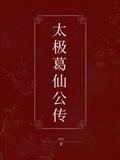 Tai Chi Ge Xian Gong Biography
A combined biography of Tai Chi and Ge Xian. One roll. The book was written in the year of Ding Si. The original title "Qing Yuan Guan Tan Si Xian" was actually adapted by Zhu Chuo based on an old biography. Original source: "Orthodox Taoist Canon" Dongxuan Department of Genealogy Category.
—Reads8.2Score—Shelves
Tai Chi Ge Xian Gong Biography
A combined biography of Tai Chi and Ge Xian. One roll. The book was written in the year of Ding Si. The original title "Qing Yuan Guan Tan Si Xian" was actually adapted by Zhu Chuo based on an old biography. Original source: "Orthodox Taoist Canon" Dongxuan Department of Genealogy Category.
—Reads8.2Score—Shelves
-
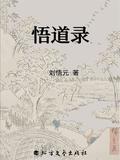 Enlightenment Record
Chinese traditional cultural thoughts have a long history and are highly original, original and literary. The early ideological forms were very distinctive, with extensive and profound contents such as religious theology, Chinese medicine classics, ancient military art, Confucianism, Taoism, Buddhism and hundreds of schools of thought, Feng Shui metaphysics, Twenty-Four Histories, customs and geography, etc. This series of "Original Books on Classic Chinese Studies and Essence Culture" retains t
—Reads9.3Score—Shelves
Enlightenment Record
Chinese traditional cultural thoughts have a long history and are highly original, original and literary. The early ideological forms were very distinctive, with extensive and profound contents such as religious theology, Chinese medicine classics, ancient military art, Confucianism, Taoism, Buddhism and hundreds of schools of thought, Feng Shui metaphysics, Twenty-Four Histories, customs and geography, etc. This series of "Original Books on Classic Chinese Studies and Essence Culture" retains t
—Reads9.3Score—Shelves
-
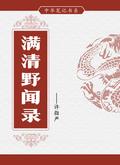 Manchurian Wilderness Records
The original name of this book is "Ten Leaves of Wild Stories", which tells the anecdotes of the Qing Dynasty and has a complex content. The author uses a lot of pen and ink to expose all the shady secrets of the Qing Dynasty's rule. For example, the cynicism about Empress Dowager Cixi's dictatorship and extravagance, the eunuch Li Lianying's arrogance and greed, etc., Are vividly written on the page.
—Reads8.6Score—Shelves
Manchurian Wilderness Records
The original name of this book is "Ten Leaves of Wild Stories", which tells the anecdotes of the Qing Dynasty and has a complex content. The author uses a lot of pen and ink to expose all the shady secrets of the Qing Dynasty's rule. For example, the cynicism about Empress Dowager Cixi's dictatorship and extravagance, the eunuch Li Lianying's arrogance and greed, etc., Are vividly written on the page.
—Reads8.6Score—Shelves
-
 Secret Recipe for Bruises
"Secret Prescriptions for Traumatism" is a traditional Chinese medicine work. It discusses treatment methods, injury methods, medication, key points of each acupoint, tips for examining the severity of injuries, and key points for medication.
—Reads8.5Score—Shelves
Secret Recipe for Bruises
"Secret Prescriptions for Traumatism" is a traditional Chinese medicine work. It discusses treatment methods, injury methods, medication, key points of each acupoint, tips for examining the severity of injuries, and key points for medication.
—Reads8.5Score—Shelves
-
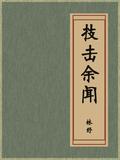 Martial Arts Memories
Mr. Fang Shipei, a native of Chashan, Fuqing, has been practicing boxing for twenty years. His technique is called "Zong He". The luck circulates around the body, and the Qi of the whole body is gathered, and comes out through both fists. When they come out, they make a roar, but for a long time there is no sound at all, but you can smell the breath coming in and out. The hands are divided into metal, wood, fire, water and earth, and when the water comes out, the one in the middle is like an evi
—Reads8.4Score—Shelves
Martial Arts Memories
Mr. Fang Shipei, a native of Chashan, Fuqing, has been practicing boxing for twenty years. His technique is called "Zong He". The luck circulates around the body, and the Qi of the whole body is gathered, and comes out through both fists. When they come out, they make a roar, but for a long time there is no sound at all, but you can smell the breath coming in and out. The hands are divided into metal, wood, fire, water and earth, and when the water comes out, the one in the middle is like an evi
—Reads8.4Score—Shelves
-
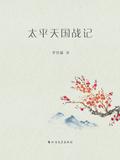 Records of the Taiping Rebellion
Chinese traditional cultural thoughts have a long history and are highly original, original and literary. The early ideological forms were very distinctive, with extensive and profound contents such as religious theology, Chinese medicine classics, ancient military art, Confucianism, Taoism, Buddhism and hundreds of schools of thought, Feng Shui metaphysics, Twenty-Four Histories, customs and geography, etc. This series of "Original Books on Classic Chinese Studies and Essence Culture" retains t
—Reads7.9Score—Shelves
Records of the Taiping Rebellion
Chinese traditional cultural thoughts have a long history and are highly original, original and literary. The early ideological forms were very distinctive, with extensive and profound contents such as religious theology, Chinese medicine classics, ancient military art, Confucianism, Taoism, Buddhism and hundreds of schools of thought, Feng Shui metaphysics, Twenty-Four Histories, customs and geography, etc. This series of "Original Books on Classic Chinese Studies and Essence Culture" retains t
—Reads7.9Score—Shelves
-
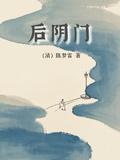 Back Vulva
"Houyinmen" is a book written by Chen Menglei, a scholar in the Qing Dynasty. The content mainly involves the theory of traditional Chinese medicine and the discussion of human physiology and pathology. The book explains in detail the basic theories of traditional Chinese medicine such as the balance of yin and yang and the circulation of qi and blood, and provides an in-depth analysis of the diagnosis and treatment of the anus and related diseases. By quoting classic documents such as "Huangdi
—Reads8.6Score—Shelves
Back Vulva
"Houyinmen" is a book written by Chen Menglei, a scholar in the Qing Dynasty. The content mainly involves the theory of traditional Chinese medicine and the discussion of human physiology and pathology. The book explains in detail the basic theories of traditional Chinese medicine such as the balance of yin and yang and the circulation of qi and blood, and provides an in-depth analysis of the diagnosis and treatment of the anus and related diseases. By quoting classic documents such as "Huangdi
—Reads8.6Score—Shelves
-
 Futeilu
One volume of "Fu Tai Lu" (collected by Fan Maozhu's family in Tianyi Pavilion, Zhejiang), written by Liu Dingzhi of the Ming Dynasty.
—Reads8.0Score—Shelves
Futeilu
One volume of "Fu Tai Lu" (collected by Fan Maozhu's family in Tianyi Pavilion, Zhejiang), written by Liu Dingzhi of the Ming Dynasty.
—Reads8.0Score—Shelves
-
 Jianyan Shizhengji (Free Public Edition Book)
The record begins in May of the first year of Jianyan (1127) and ends in August. In the fifth year of Shaoxing (1135), it advanced in March. It is one of the appendices to the Outline Proposal, and then separated into single lines. There is the original preface of the memorial.
—Reads8.7Score—Shelves
Jianyan Shizhengji (Free Public Edition Book)
The record begins in May of the first year of Jianyan (1127) and ends in August. In the fifth year of Shaoxing (1135), it advanced in March. It is one of the appendices to the Outline Proposal, and then separated into single lines. There is the original preface of the memorial.
—Reads8.7Score—Shelves
-
 Quotes from Liao Dynasty
"Quotations from the Envoy to Liao" is a historical work written by Northern Song Dynasty scholar Chen Xiang (known as Mr. Gu Ling). It records his words, deeds, remarks, diplomatic etiquette, and specific conversations and observations in border exchanges when he was an envoy of the Song Dynasty to the Liao Kingdom. The work was written in the Song Dynasty. Although the content is not long, it is of great value in historiography and diplomatic history. Chen Xiang was an upright man with an anci
—Reads8.3Score—Shelves
Quotes from Liao Dynasty
"Quotations from the Envoy to Liao" is a historical work written by Northern Song Dynasty scholar Chen Xiang (known as Mr. Gu Ling). It records his words, deeds, remarks, diplomatic etiquette, and specific conversations and observations in border exchanges when he was an envoy of the Song Dynasty to the Liao Kingdom. The work was written in the Song Dynasty. Although the content is not long, it is of great value in historiography and diplomatic history. Chen Xiang was an upright man with an anci
—Reads8.3Score—Shelves
-
 Selected Poems of Xiang Zichen
Xiang Ziyi (yīn) (1085-1152), courtesy name Bogong and Xianglin Jushi, was born in Linjiang (now Qingjiang County, Jiangxi Province). In the third year of Zhe Zong's Yuanfu reign (1100), he supplemented his official position with Yin. During the reign of Emperor Huizong's Xuanhe period, he served as deputy transit envoy to the capital and deputy shipping envoy. Gaozong Jianyan was appointed as the shipping envoy to the Jianghuai River. Su and Li Gang were good, Li Gang was dismissed as prime min
—Reads8.5Score—Shelves
Selected Poems of Xiang Zichen
Xiang Ziyi (yīn) (1085-1152), courtesy name Bogong and Xianglin Jushi, was born in Linjiang (now Qingjiang County, Jiangxi Province). In the third year of Zhe Zong's Yuanfu reign (1100), he supplemented his official position with Yin. During the reign of Emperor Huizong's Xuanhe period, he served as deputy transit envoy to the capital and deputy shipping envoy. Gaozong Jianyan was appointed as the shipping envoy to the Jianghuai River. Su and Li Gang were good, Li Gang was dismissed as prime min
—Reads8.5Score—Shelves
-
 Letters from Jingkang
"Jingkang Biography" is a chronicle historical document written by Li Gang, an important official in the late Northern Song Dynasty. It has extremely high historical value, especially the first-hand record of the "Jingkang Incident" (the Jin army invaded the Northern Song Dynasty in 1127, and Huizong and Qinzong were captured). "Jingkang's Letters" records in chronological detail the entire process of the court's response to the invasion of Jin soldiers, internal debates, military strategies and
—Reads8.0Score—Shelves
Letters from Jingkang
"Jingkang Biography" is a chronicle historical document written by Li Gang, an important official in the late Northern Song Dynasty. It has extremely high historical value, especially the first-hand record of the "Jingkang Incident" (the Jin army invaded the Northern Song Dynasty in 1127, and Huizong and Qinzong were captured). "Jingkang's Letters" records in chronological detail the entire process of the court's response to the invasion of Jin soldiers, internal debates, military strategies and
—Reads8.0Score—Shelves
-
 Selected Poems of Li Gang
Li Gang (1083-February 5, 1140), a famous official and national hero who fought against the Jin Dynasty in the late Northern Song Dynasty and early Southern Song Dynasty. His courtesy name is Bo Ji, his name is Liang Xi. His ancestral home is Shaowu, Fujian. His grandfather moved to Wuxi, Jiangsu. Li Gangneng wrote many patriotic chapters in his poems and essays. He is also able to write poems, and his historical works have vivid and vivid images and a vigorous and powerful style. He is the auth
—Reads8.7Score—Shelves
Selected Poems of Li Gang
Li Gang (1083-February 5, 1140), a famous official and national hero who fought against the Jin Dynasty in the late Northern Song Dynasty and early Southern Song Dynasty. His courtesy name is Bo Ji, his name is Liang Xi. His ancestral home is Shaowu, Fujian. His grandfather moved to Wuxi, Jiangsu. Li Gangneng wrote many patriotic chapters in his poems and essays. He is also able to write poems, and his historical works have vivid and vivid images and a vigorous and powerful style. He is the auth
—Reads8.7Score—Shelves
-
 Letters from Jingkang (Free Public Edition)
Written by Li Gang of Song Dynasty. Three volumes. The author believes that the Song Dynasty was repeatedly defeated by the Jin Dynasty because of the lack of military and political improvement and weak diplomacy since Chongning and Daguan. I would like to appeal to the courtiers to work together to protect the clan. Because the collection was approved internally by the emperor and published by the emperor, he was ordered to compile it. From the winter of the seventh year of Xuanhe (1125) to the
—Reads8.6Score—Shelves
Letters from Jingkang (Free Public Edition)
Written by Li Gang of Song Dynasty. Three volumes. The author believes that the Song Dynasty was repeatedly defeated by the Jin Dynasty because of the lack of military and political improvement and weak diplomacy since Chongning and Daguan. I would like to appeal to the courtiers to work together to protect the clan. Because the collection was approved internally by the emperor and published by the emperor, he was ordered to compile it. From the winter of the seventh year of Xuanhe (1125) to the
—Reads8.6Score—Shelves
-
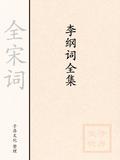 Complete Works of Li Gang's Ci
This collection of poems is part of the "Complete Song Ci". Ci began in Nanliang, formed in the Tang Dynasty, and reached its peak in the Song Dynasty. Tang poetry and Song poetry have always been regarded as two masterpieces, and they are both literary representatives of a major historical stage. According to statistics, there were more than 1,300 lyricists in the Song Dynasty and the Song Dynasty, and the total number of their works was nearly 20,000! From this number, we can imagine the grand
—Reads7.7Score—Shelves
Complete Works of Li Gang's Ci
This collection of poems is part of the "Complete Song Ci". Ci began in Nanliang, formed in the Tang Dynasty, and reached its peak in the Song Dynasty. Tang poetry and Song poetry have always been regarded as two masterpieces, and they are both literary representatives of a major historical stage. According to statistics, there were more than 1,300 lyricists in the Song Dynasty and the Song Dynasty, and the total number of their works was nearly 20,000! From this number, we can imagine the grand
—Reads7.7Score—Shelves
-
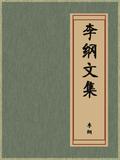 Collected Works of Li Gang
Li Gang (1083-February 5, 1140), a famous official and national hero who fought against the Jin Dynasty in the late Northern Song Dynasty and early Southern Song Dynasty. His courtesy name is Bo Ji, his name is Liang Xi. His ancestral home is Shaowu, Fujian. His grandfather moved to Wuxi, Jiangsu. Li Gangneng wrote many patriotic chapters in his poems and essays. He is also able to write poems, and his historical works have vivid and vivid images and a vigorous and powerful style. He is the auth
—Reads8.5Score—Shelves
Collected Works of Li Gang
Li Gang (1083-February 5, 1140), a famous official and national hero who fought against the Jin Dynasty in the late Northern Song Dynasty and early Southern Song Dynasty. His courtesy name is Bo Ji, his name is Liang Xi. His ancestral home is Shaowu, Fujian. His grandfather moved to Wuxi, Jiangsu. Li Gangneng wrote many patriotic chapters in his poems and essays. He is also able to write poems, and his historical works have vivid and vivid images and a vigorous and powerful style. He is the auth
—Reads8.5Score—Shelves
-
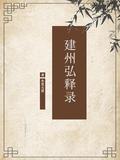 Jianzhou Hongshilu
This work "Jianzhou Hongshilu" was written by Yongjue Yuanxian
—Reads7.6Score—Shelves
Jianzhou Hongshilu
This work "Jianzhou Hongshilu" was written by Yongjue Yuanxian
—Reads7.6Score—Shelves
-
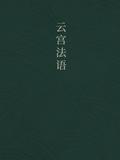 Yun Gong French
. Yuan Wang Ke Sun Mu. Volume Two. Original source: Taixuan Department of "Orthodox Taoist Canon".
—Reads7.6Score—Shelves
Yun Gong French
Yun Gong French. Yuan Wang Ke Sun Mu. Volume Two. Original source: Taixuan Department of "Orthodox Taoist Canon".
—Reads7.6Score—Shelves
-
 The Secret History of the Jiang Family
—Reads7.9Score—Shelves
The Secret History of the Jiang Family
The Secret History of the Jiang Family
—Reads7.9Score—Shelves
-
 Collected Works of Emperor Shun of the Song Dynasty Liu Zhun
This collection is part of the "Writings of the Three Ancient Dynasties, Qin, Han, Three Kingdoms and Six Dynasties", compiled by Qing Dynasty scholar Yan Kejun from various documents, covering epigraphic tablets, miscellaneous notes, books, notes, ancient annotations, classics and even Buddhist and Taoist scriptures, etc. Moreover, each author is accompanied by a biography, and the source of the edited text is also indicated, which is of extremely important academic value. This time, Ziang Cult
—Reads—Score—Shelves
Collected Works of Emperor Shun of the Song Dynasty Liu Zhun
This collection is part of the "Writings of the Three Ancient Dynasties, Qin, Han, Three Kingdoms and Six Dynasties", compiled by Qing Dynasty scholar Yan Kejun from various documents, covering epigraphic tablets, miscellaneous notes, books, notes, ancient annotations, classics and even Buddhist and Taoist scriptures, etc. Moreover, each author is accompanied by a biography, and the source of the edited text is also indicated, which is of extremely important academic value. This time, Ziang Cult
—Reads—Score—Shelves
-
 The Romance of Hong Xiuquan
"The Romance of Hong Xiuquan" is a historical romance novel written by Huang Shizhong, a writer in the late Qing Dynasty. It takes the Taiping Rebellion in the Qing Dynasty as the background and artistically reproduces the heroic deeds and complicated fate of a group of peasant uprising leaders such as Hong Xiuquan, Feng Yunshan, Yang Xiuqing, and Shi Dakai. The novel begins with Hong Xiuquan's early ambitions and ideals, and describes how he met Feng Yunshan, Qian Jiang and others in Huaxian Co
—Reads7.5Score—Shelves
The Romance of Hong Xiuquan
"The Romance of Hong Xiuquan" is a historical romance novel written by Huang Shizhong, a writer in the late Qing Dynasty. It takes the Taiping Rebellion in the Qing Dynasty as the background and artistically reproduces the heroic deeds and complicated fate of a group of peasant uprising leaders such as Hong Xiuquan, Feng Yunshan, Yang Xiuqing, and Shi Dakai. The novel begins with Hong Xiuquan's early ambitions and ideals, and describes how he met Feng Yunshan, Qian Jiang and others in Huaxian Co
—Reads7.5Score—Shelves
-
 Reminiscences of Yingmei Temple
"Yingmei'an Reminiscences" is a collection of memoir essays written by Mao Xiang, a scholar in the late Ming and early Qing dynasties, in memory of his concubine Dong Xiaowan. The book consists of four volumes. It describes Dong Xiaowan's life story, talent and character, as well as the nine-year life of the two with affectionate and delicate writing. Dong Xiaowan's original name was Dong Bai, also known as Xiaowan and Qinglian. He was originally from Qinhuai and later moved to Suzhou. Although
—Reads8.7Score—Shelves
Reminiscences of Yingmei Temple
"Yingmei'an Reminiscences" is a collection of memoir essays written by Mao Xiang, a scholar in the late Ming and early Qing dynasties, in memory of his concubine Dong Xiaowan. The book consists of four volumes. It describes Dong Xiaowan's life story, talent and character, as well as the nine-year life of the two with affectionate and delicate writing. Dong Xiaowan's original name was Dong Bai, also known as Xiaowan and Qinglian. He was originally from Qinhuai and later moved to Suzhou. Although
—Reads8.7Score—Shelves
-
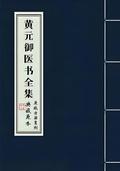 The Complete Collection of Huang Yuan's Medical Books
"The Complete Works of Huang Yuanyu's Medical Books" brings together many of Huang Yuanyu's medical works, comprehensively and systematically presenting the author's medical theories and rich clinical experience. From the innovative construction of basic theories to the precise treatment of diseases in various disciplines, a complete and unique medical system has been formed. It is of immeasurable significance for the inheritance and in-depth study of Huang Yuanyu's medical thoughts, as well as
—Reads9.5Score—Shelves
The Complete Collection of Huang Yuan's Medical Books
"The Complete Works of Huang Yuanyu's Medical Books" brings together many of Huang Yuanyu's medical works, comprehensively and systematically presenting the author's medical theories and rich clinical experience. From the innovative construction of basic theories to the precise treatment of diseases in various disciplines, a complete and unique medical system has been formed. It is of immeasurable significance for the inheritance and in-depth study of Huang Yuanyu's medical thoughts, as well as
—Reads9.5Score—Shelves
-
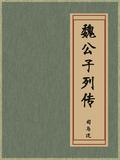 Biography of Mr. Wei
The title of "Historical Records" records the deeds of Wei Wuji, Lord Xinling, one of the four princes of the Warring States Period, who treated the virtuous corporal and stole talismans to save Zhao.
—Reads8.6Score—Shelves
Biography of Mr. Wei
The title of "Historical Records" records the deeds of Wei Wuji, Lord Xinling, one of the four princes of the Warring States Period, who treated the virtuous corporal and stole talismans to save Zhao.
—Reads8.6Score—Shelves
-
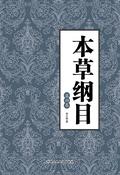 Compendium of Materia Medica (Volume 4)
"Compendium of Materia Medica" was immediately praised and praised by the medical community for its outstanding achievements that carried forward the past and opened up the future. Less than 7 years after the first publication in Jinling, the second edition was published in Jiangxi. The 52 volumes of "Compendium of Materia Medica" contain a total of 1,892 kinds of medicines, 1,109 pictures of medicines, and 11,096 prescriptions. The collected medicines are divided into 16 categories based on the
—Reads8.4Score—Shelves
Compendium of Materia Medica (Volume 4)
"Compendium of Materia Medica" was immediately praised and praised by the medical community for its outstanding achievements that carried forward the past and opened up the future. Less than 7 years after the first publication in Jinling, the second edition was published in Jiangxi. The 52 volumes of "Compendium of Materia Medica" contain a total of 1,892 kinds of medicines, 1,109 pictures of medicines, and 11,096 prescriptions. The collected medicines are divided into 16 categories based on the
—Reads8.4Score—Shelves
-
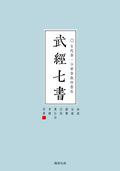 Seven Books of Martial Arts
"Seven Books of Martial Arts" is the first collection of military textbooks in ancient China. It is compiled from seven famous military books: "Sun Tzu's Art of War", "Wu Zi's Art of War", "Six Tao", "Sima's Art of War", "Three Strategies", "Wei Liaozi" and "Li Weigong's Questions". The Seven Books of Martial Arts, which has been a must-read for martial arts since the Song Dynasty, concentrates the essence of ancient Chinese military writings.
—Reads8.6Score—Shelves
Seven Books of Martial Arts
"Seven Books of Martial Arts" is the first collection of military textbooks in ancient China. It is compiled from seven famous military books: "Sun Tzu's Art of War", "Wu Zi's Art of War", "Six Tao", "Sima's Art of War", "Three Strategies", "Wei Liaozi" and "Li Weigong's Questions". The Seven Books of Martial Arts, which has been a must-read for martial arts since the Song Dynasty, concentrates the essence of ancient Chinese military writings.
—Reads8.6Score—Shelves
-
 Sick Words
This work "Words on the Sickbed" is written by Lu Shusheng
—Reads7.7Score—Shelves
Sick Words
This work "Words on the Sickbed" is written by Lu Shusheng
—Reads7.7Score—Shelves
-
 Last Words on the Sickbed
This work "Last Words on the Sickbed" was written by Gao Gong
—Reads8.4Score—Shelves
Last Words on the Sickbed
This work "Last Words on the Sickbed" was written by Gao Gong
—Reads8.4Score—Shelves
-
 Book a Ghost Chapter
"Ding Gui Pian" is a classic Chinese classic book written by Wang Chong.
—Reads8.4Score—Shelves
Book a Ghost Chapter
"Ding Gui Pian" is a classic Chinese classic book written by Wang Chong.
—Reads8.4Score—Shelves
-
 Bamboo Chronology
This work "Bamboo Chronicles" is written by an unknown author
—Reads8.2Score—Shelves
Bamboo Chronology
This work "Bamboo Chronicles" is written by an unknown author
—Reads8.2Score—Shelves
-
 Biography of the Governor of Nanke
"The Biography of the Prefect of Nanke" is a classic legendary work created by the legendary novelist Li Gongzuo of the Tang Dynasty. It was originally published in "Taiping Guangji" compiled by the Song Dynasty. It is one of the famous short stories in ancient Chinese classical Chinese. The work revolves around Chun Yufen, a native of Guangling, who was bold and fond of wine. After being drunk and falling asleep, he fell into a dream under the ancient locust tree at home, and was actually intro
—Reads8.5Score—Shelves
Biography of the Governor of Nanke
"The Biography of the Prefect of Nanke" is a classic legendary work created by the legendary novelist Li Gongzuo of the Tang Dynasty. It was originally published in "Taiping Guangji" compiled by the Song Dynasty. It is one of the famous short stories in ancient Chinese classical Chinese. The work revolves around Chun Yufen, a native of Guangling, who was bold and fond of wine. After being drunk and falling asleep, he fell into a dream under the ancient locust tree at home, and was actually intro
—Reads8.5Score—Shelves
-
 Tianzi
This work "Tian Zi" is written by Tian Pian
—Reads7.8Score—Shelves
Tianzi
This work "Tian Zi" is written by Tian Pian
—Reads7.8Score—Shelves