Fanqie library
Browse
- Titles
- 1.6k
Every Fanqie book we index, searchable by title, author or tag.
-
 Syndrome Analysis
Syndrome Differentiation Record is a comprehensive medical book. Fourteen volumes. (Attached is a volume of "Pulse Jue Explanation"). Narrated by Chen Shiduo of the Qing Dynasty (passed by Qi Bo and Zhang Zhongjing). It was written around 1687. The content includes internal, external, pediatric, gynecological and other diseases and syndromes. It is divided into 126 categories, including typhoid fever, moderate cold, and stroke, and more than 700 syndromes. Each syndrome details the symptoms, cau
—Reads9.4Score—Shelves
Syndrome Analysis
Syndrome Differentiation Record is a comprehensive medical book. Fourteen volumes. (Attached is a volume of "Pulse Jue Explanation"). Narrated by Chen Shiduo of the Qing Dynasty (passed by Qi Bo and Zhang Zhongjing). It was written around 1687. The content includes internal, external, pediatric, gynecological and other diseases and syndromes. It is divided into 126 categories, including typhoid fever, moderate cold, and stroke, and more than 700 syndromes. Each syndrome details the symptoms, cau
—Reads9.4Score—Shelves
-
 Theory of Spleen and Stomach
"Treatise on the Spleen and Stomach" was published around the 13th century and was written by Jin Ligao. The book consists of 3 volumes, including 36 medical treatises and 63 prescription treatises. It focuses on the relationship between spleen and stomach deficiency and other organs and nine orifices, as well as the prescriptions and treatments for spleen damage caused by diet. The prescriptions in the book do have good curative effects on Qi deficiency syndrome and have a profound impact on la
—Reads9.5Score—Shelves
Theory of Spleen and Stomach
"Treatise on the Spleen and Stomach" was published around the 13th century and was written by Jin Ligao. The book consists of 3 volumes, including 36 medical treatises and 63 prescription treatises. It focuses on the relationship between spleen and stomach deficiency and other organs and nine orifices, as well as the prescriptions and treatments for spleen damage caused by diet. The prescriptions in the book do have good curative effects on Qi deficiency syndrome and have a profound impact on la
—Reads9.5Score—Shelves
-
 Compilation of Syndrome Differentiation
Classic works of traditional Chinese medicine are a shining pearl in the motherland's medical treasure house. They have high guiding significance and practical value, and have made significant contributions and far-reaching influences on the development of medicine in later generations.
—Reads9.4Score—Shelves
Compilation of Syndrome Differentiation
Classic works of traditional Chinese medicine are a shining pearl in the motherland's medical treasure house. They have high guiding significance and practical value, and have made significant contributions and far-reaching influences on the development of medicine in later generations.
—Reads9.4Score—Shelves
-
 Nine Articles on Alchemy
This work "Nine Chapters on Alchemy" is written by Wu Shouyang
—Reads9.0Score—Shelves
Nine Articles on Alchemy
This work "Nine Chapters on Alchemy" is written by Wu Shouyang
—Reads9.0Score—Shelves
-
 Coquettish Style
The essence of husband's poetry is the cardinal guide of the ancient sages. Therefore, it can be praised or satirized. When you are near, you serve your father; when you are far away, you serve your king. When we say goodbye to people these days, we are often self-sarcastic and unable to realize it. The poets of the previous generation also slightly exposed the secrets and rarely revealed the main points. Bai Letian said: When a mandarin duck has embroidered a mandarin duck, please pay attention
—Reads8.5Score—Shelves
Coquettish Style
The essence of husband's poetry is the cardinal guide of the ancient sages. Therefore, it can be praised or satirized. When you are near, you serve your father; when you are far away, you serve your king. When we say goodbye to people these days, we are often self-sarcastic and unable to realize it. The poets of the previous generation also slightly exposed the secrets and rarely revealed the main points. Bai Letian said: When a mandarin duck has embroidered a mandarin duck, please pay attention
—Reads8.5Score—Shelves
-
 Prescription Family Secrets
Ancient Chinese medicine books are a shining pearl in the treasure house of Chinese medicine. They have high guiding significance and practical value, and have made significant contributions and far-reaching influences on the development of medicine in later generations.
—Reads9.3Score—Shelves
Prescription Family Secrets
Ancient Chinese medicine books are a shining pearl in the treasure house of Chinese medicine. They have high guiding significance and practical value, and have made significant contributions and far-reaching influences on the development of medicine in later generations.
—Reads9.3Score—Shelves
-
 Introduction to Medicine
Ancient Chinese medicine books are a shining pearl in the treasure house of Chinese medicine. They have high guiding significance and practical value, and have made significant contributions and far-reaching influences on the development of medicine in later generations.
—Reads9.4Score—Shelves
Introduction to Medicine
Ancient Chinese medicine books are a shining pearl in the treasure house of Chinese medicine. They have high guiding significance and practical value, and have made significant contributions and far-reaching influences on the development of medicine in later generations.
—Reads9.4Score—Shelves
-
 Tao Te Ching in Vernacular
Do you feel that an ancient book from more than 2,000 years ago has long been out of touch with today's fast-paced life? "Tao Te Ching in Vernacular" will completely subvert your imagination! This is no longer the out-of-reach "heavenly book" that is out of reach, but a "wise old man" who can enter your daily life. We peel off the obscure classical Chinese and use the most understandable vernacular to get to the essence of Laozi's thoughts for you: Involution anxiety? It teaches you to "do nothi
—Reads8.1Score—Shelves
Tao Te Ching in Vernacular
Do you feel that an ancient book from more than 2,000 years ago has long been out of touch with today's fast-paced life? "Tao Te Ching in Vernacular" will completely subvert your imagination! This is no longer the out-of-reach "heavenly book" that is out of reach, but a "wise old man" who can enter your daily life. We peel off the obscure classical Chinese and use the most understandable vernacular to get to the essence of Laozi's thoughts for you: Involution anxiety? It teaches you to "do nothi
—Reads8.1Score—Shelves
-
 The Complete Biography of Sou Shen Ji
"The Complete Biography of Sou Shen Ji" is a classic collection of ancient Chinese supernatural literature. It systematically includes the three pinnacle works of supernatural notes from the Eastern Jin Dynasty to the Song Dynasty - "Sou Shen Ji" (Eastern Jin Dynasty, Ganbao), "Sou Shen Ji Postscript" (Jin Dynasty, Tao Qian) and "Sou Shen Ji Lan" (Song Dynasty, Zhang Bingwen). The book contains a total of more than 800 stories about gods, ghosts, ghosts, strange things, and anecdotes. It can be
—Reads8.3Score—Shelves
The Complete Biography of Sou Shen Ji
"The Complete Biography of Sou Shen Ji" is a classic collection of ancient Chinese supernatural literature. It systematically includes the three pinnacle works of supernatural notes from the Eastern Jin Dynasty to the Song Dynasty - "Sou Shen Ji" (Eastern Jin Dynasty, Ganbao), "Sou Shen Ji Postscript" (Jin Dynasty, Tao Qian) and "Sou Shen Ji Lan" (Song Dynasty, Zhang Bingwen). The book contains a total of more than 800 stories about gods, ghosts, ghosts, strange things, and anecdotes. It can be
—Reads8.3Score—Shelves
-
 Numerology Exploration
Numerology classics. "Exploring the Origin of Numerology" systematically elaborates on the basic theories of numerology, including knowledge on horoscope fortune telling, Feng Shui, facial physiognomy and other aspects. The author comprehensively interprets the connotation of numerology from multiple perspectives such as historical development, philosophical principles and practical experience, providing readers with a valuable guide to in-depth understanding and learning of numerology. It is re
—Reads9.4Score—Shelves
Numerology Exploration
Numerology classics. "Exploring the Origin of Numerology" systematically elaborates on the basic theories of numerology, including knowledge on horoscope fortune telling, Feng Shui, facial physiognomy and other aspects. The author comprehensively interprets the connotation of numerology from multiple perspectives such as historical development, philosophical principles and practical experience, providing readers with a valuable guide to in-depth understanding and learning of numerology. It is re
—Reads9.4Score—Shelves
-
 Book Collection
"Shuji" is a theoretical work on calligraphy compiled by Lu Shen, a calligrapher of the Ming Dynasty. It was written during the Hongzhi period. The book upholds the calligraphy idea of "telling without writing", and provides a theoretical basis for the development of calligraphy in the Songjiang area in the mid-Ming Dynasty by recording the inheritance and theoretical framework of techniques from past dynasties. It has an important influence on the formation of the Yunjian Calligraphy School l
—Reads7.9Score—Shelves
Book Collection
"Shuji" is a theoretical work on calligraphy compiled by Lu Shen, a calligrapher of the Ming Dynasty. It was written during the Hongzhi period. The book upholds the calligraphy idea of "telling without writing", and provides a theoretical basis for the development of calligraphy in the Songjiang area in the mid-Ming Dynasty by recording the inheritance and theoretical framework of techniques from past dynasties. It has an important influence on the formation of the Yunjian Calligraphy School l
—Reads7.9Score—Shelves
-
 Picture of the Secret Words of the Eight Paths of the Shangqing Dynasty
. The author is unknown, probably from the Northern and Southern Periods. It is adapted from an excerpt of the "Nine True Chinese Sutras". One roll. Original source: "Orthodox Taoist Canon" Dongxuan Department Spiritual Picture Category.
—Reads8.1Score—Shelves
Picture of the Secret Words of the Eight Paths of the Shangqing Dynasty
Picture of the Secret Words of the Eight Paths of the Shangqing Dynasty. The author is unknown, probably from the Northern and Southern Periods. It is adapted from an excerpt of the "Nine True Chinese Sutras". One roll. Original source: "Orthodox Taoist Canon" Dongxuan Department Spiritual Picture Category.
—Reads8.1Score—Shelves
-
 Taishang Taixuan Nuqing's Three-Yuan Commandments to Avert Sins
The author is unknown, but was later compiled by Wang Mingtao, a faithful disciple.
—Reads8.2Score—Shelves
Taishang Taixuan Nuqing's Three-Yuan Commandments to Avert Sins
The author is unknown, but was later compiled by Wang Mingtao, a faithful disciple.
—Reads8.2Score—Shelves
-
 Huang Tingjing
"Huang Ting Jing", also known as "Lao Tzu Huang Ting Jing", is a Taoist treatise on health preservation and immortality cultivation. He believes that every door of life and death in the human body has a god in charge. As long as you think about the gods and return them to your body, you can achieve enlightenment and become an immortal. The author is Laozi, who was founded by Wei Huacun, the Taoist Master of Heaven, and spread throughout the world.
—Reads9.4Score—Shelves
Huang Tingjing
"Huang Ting Jing", also known as "Lao Tzu Huang Ting Jing", is a Taoist treatise on health preservation and immortality cultivation. He believes that every door of life and death in the human body has a god in charge. As long as you think about the gods and return them to your body, you can achieve enlightenment and become an immortal. The author is Laozi, who was founded by Wei Huacun, the Taoist Master of Heaven, and spread throughout the world.
—Reads9.4Score—Shelves
-
 Huang Ming's Ancestral Precepts
"Huang Ming Ancestors" is a Ming Dynasty classic compiled under the leadership of Ming Taizu Zhu Yuanzhang. The content is the instruction given to Zhu Ming's descendants in order to consolidate his imperial power. The original name was "The Records of Ancestors" and it was first compiled in the second year of Hongwu (1369). It was completed in six years and revised in the ninth year. It was renamed in the twenty-eighth year (1395) and renamed "The Records of the Ancestors of the Huangming Dynas
—Reads8.9Score—Shelves
Huang Ming's Ancestral Precepts
"Huang Ming Ancestors" is a Ming Dynasty classic compiled under the leadership of Ming Taizu Zhu Yuanzhang. The content is the instruction given to Zhu Ming's descendants in order to consolidate his imperial power. The original name was "The Records of Ancestors" and it was first compiled in the second year of Hongwu (1369). It was completed in six years and revised in the ninth year. It was renamed in the twenty-eighth year (1395) and renamed "The Records of the Ancestors of the Huangming Dynas
—Reads8.9Score—Shelves
-
 Nine Chapters on Arithmetic: My Country's First Important Mathematical Treatise
My country's first important mathematical monograph. The book is very rich in content and systematically summarizes the mathematical achievements of the Warring States, Qin, and Han periods. At the same time, "Nine Chapters on Arithmetic" also has its own unique achievements in mathematics. It is not only the first to mention the problem of fractions, but also the first to record problems such as surplus and deficiency. The chapter "Equations" also explains negative numbers and their addition an
—Reads8.4Score—Shelves
Nine Chapters on Arithmetic: My Country's First Important Mathematical Treatise
My country's first important mathematical monograph. The book is very rich in content and systematically summarizes the mathematical achievements of the Warring States, Qin, and Han periods. At the same time, "Nine Chapters on Arithmetic" also has its own unique achievements in mathematics. It is not only the first to mention the problem of fractions, but also the first to record problems such as surplus and deficiency. The chapter "Equations" also explains negative numbers and their addition an
—Reads8.4Score—Shelves
-
 Zengguang Xianwen
"Zengguang Xianwen" is an enlightenment book for children in ancient China. Also known as "Xianwen of the Past" and "Xianwen of the Ancient and Modern Times". The title of the book was first seen in the opera "The Peony Pavilion" during the Wanli period of the Ming Dynasty. From this, it can be inferred that the book was written during the Wanli period at the latest. This book collects various Chinese mottos and proverbs from ancient times to the present. Later, after continuous additions by lit
—Reads9.5Score—Shelves
Zengguang Xianwen
"Zengguang Xianwen" is an enlightenment book for children in ancient China. Also known as "Xianwen of the Past" and "Xianwen of the Ancient and Modern Times". The title of the book was first seen in the opera "The Peony Pavilion" during the Wanli period of the Ming Dynasty. From this, it can be inferred that the book was written during the Wanli period at the latest. This book collects various Chinese mottos and proverbs from ancient times to the present. Later, after continuous additions by lit
—Reads9.5Score—Shelves
-
 Medical Zong Jin Jian
Ancient Chinese medicine books are a shining pearl in the treasure house of Chinese medicine. They have high guiding significance and practical value, and have made significant contributions and far-reaching influences on the development of medicine in later generations.
—Reads9.4Score—Shelves
Medical Zong Jin Jian
Ancient Chinese medicine books are a shining pearl in the treasure house of Chinese medicine. They have high guiding significance and practical value, and have made significant contributions and far-reaching influences on the development of medicine in later generations.
—Reads9.4Score—Shelves
-
 Qian Jin Yifang
"Qianjin Yifang" was written by Sun Simiao, a medical scientist in the Tang Dynasty, and was written in the second year of Yongchun (682). The author collected nearly thirty years of experience in his later years to make up for the shortcomings of his earlier masterpiece "Qian Jin Yao Prescription", hence the name Yifang. Sun Simiao believed that life is worth more than a thousand pieces of gold, and a prescription can save people from danger, so it is very appropriate to name this book after a
—Reads9.3Score—Shelves
Qian Jin Yifang
"Qianjin Yifang" was written by Sun Simiao, a medical scientist in the Tang Dynasty, and was written in the second year of Yongchun (682). The author collected nearly thirty years of experience in his later years to make up for the shortcomings of his earlier masterpiece "Qian Jin Yao Prescription", hence the name Yifang. Sun Simiao believed that life is worth more than a thousand pieces of gold, and a prescription can save people from danger, so it is very appropriate to name this book after a
—Reads9.3Score—Shelves
-
 Legend of Immortals
"The Legend of Immortals" is a collection of ancient Chinese supernatural novels written by Ge Hong, a Taoist scholar in the Eastern Jin Dynasty, with a total of ten volumes. The book contains the deeds of 92 immortals in ancient Chinese legends. Most of the story plots are complex, strange and vivid. Many of the characters are not Taoist priests, but they were all "invited" by Ge Hong into the biography. "The Legend of Immortals" is famous for its rich imagination and vivid narrative.
—Reads9.5Score—Shelves
Legend of Immortals
"The Legend of Immortals" is a collection of ancient Chinese supernatural novels written by Ge Hong, a Taoist scholar in the Eastern Jin Dynasty, with a total of ten volumes. The book contains the deeds of 92 immortals in ancient Chinese legends. Most of the story plots are complex, strange and vivid. Many of the characters are not Taoist priests, but they were all "invited" by Ge Hong into the biography. "The Legend of Immortals" is famous for its rich imagination and vivid narrative.
—Reads9.5Score—Shelves
-
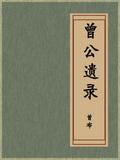 Records of Zeng Gong (Free Public Edition Book)
Minister's Diary. In June of the eighth year of Yuanyou (1093), he served in the Privy Council. He became prime minister in October of the third year of Yuanfu (1100). He resigned from the prime minister in June of the first year of Chongning (1102). He served in the government for 9 years. In the Song Dynasty system, the emperor had a calendar and actual records, and the ministers had diary records to record daily actions and memorials. This compilation was the diary record recorded by Zeng Bu.
—Reads8.6Score—Shelves
Records of Zeng Gong (Free Public Edition Book)
Minister's Diary. In June of the eighth year of Yuanyou (1093), he served in the Privy Council. He became prime minister in October of the third year of Yuanfu (1100). He resigned from the prime minister in June of the first year of Chongning (1102). He served in the government for 9 years. In the Song Dynasty system, the emperor had a calendar and actual records, and the ministers had diary records to record daily actions and memorials. This compilation was the diary record recorded by Zeng Bu.
—Reads8.6Score—Shelves
-
 The Ten Books on Cultivation: the Internal Scene of Huangting's Internal Scenery Scroll
Chinese traditional cultural thoughts have a long history and are highly original, original and literary. The early ideological forms were very distinctive, with extensive and profound contents such as religious theology, Chinese medicine classics, ancient military art, Confucianism, Taoism, Buddhism and hundreds of schools of thought, Feng Shui metaphysics, Twenty-Four Histories, customs and geography, etc. This series of "Original Books on Classic Chinese Studies and Essence Culture" retains t
—Reads9.2Score—Shelves
The Ten Books on Cultivation: the Internal Scene of Huangting's Internal Scenery Scroll
Chinese traditional cultural thoughts have a long history and are highly original, original and literary. The early ideological forms were very distinctive, with extensive and profound contents such as religious theology, Chinese medicine classics, ancient military art, Confucianism, Taoism, Buddhism and hundreds of schools of thought, Feng Shui metaphysics, Twenty-Four Histories, customs and geography, etc. This series of "Original Books on Classic Chinese Studies and Essence Culture" retains t
—Reads9.2Score—Shelves
-
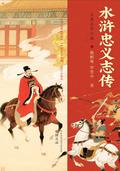 The Story of Loyalty and Righteousness in the Water Margin
"Water Margin Loyalty and Righteousness", written by Shi Naian and edited by Luo Guanzhong, is a long chapter novel describing the peasant uprising. The whole book takes the Liangshanbo Uprising led by Song Jiang in the late Northern Song Dynasty as the main line, showing the legendary experience of the heroes who gathered together under the banner of "loyalty and righteousness", from being forced to go to Liangshan and doing justice for heaven, to recruiting peace and suppressing the rebellion,
—Reads8.6Score—Shelves
The Story of Loyalty and Righteousness in the Water Margin
"Water Margin Loyalty and Righteousness", written by Shi Naian and edited by Luo Guanzhong, is a long chapter novel describing the peasant uprising. The whole book takes the Liangshanbo Uprising led by Song Jiang in the late Northern Song Dynasty as the main line, showing the legendary experience of the heroes who gathered together under the banner of "loyalty and righteousness", from being forced to go to Liangshan and doing justice for heaven, to recruiting peace and suppressing the rebellion,
—Reads8.6Score—Shelves
-
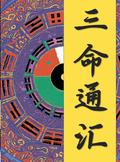 Three Lives Conference
Hardcore information from Wan Minying, a fortune teller from the Ming Dynasty. From the arrangement and combination of birth dates to the mathematical formulas of the five elements, it can be called an ancient numerology big data analysis guide. The 72 volumes of the book cover your past and present KPIs. This Ming Dynasty Algorithm Book will turn you into a semi-immortal in your circle of friends in seconds!
—Reads8.4Score—Shelves
Three Lives Conference
Hardcore information from Wan Minying, a fortune teller from the Ming Dynasty. From the arrangement and combination of birth dates to the mathematical formulas of the five elements, it can be called an ancient numerology big data analysis guide. The 72 volumes of the book cover your past and present KPIs. This Ming Dynasty Algorithm Book will turn you into a semi-immortal in your circle of friends in seconds!
—Reads8.4Score—Shelves
-
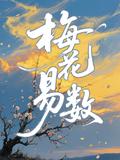 Plum Blossoms Are Easy to Count
Shao Yong, the master of Neo-Confucianism in the Northern Song Dynasty, used his imagination and divination skills! Seeing a crow can predict whether a delivery will be late, and counting flower petals can tell whether your ex will come back. Create an original metaphysical formula of "time + object image", break the phone number into hexagrams, and use WeChat steps to start hexagrams to predict your luck.
—Reads8.6Score—Shelves
Plum Blossoms Are Easy to Count
Shao Yong, the master of Neo-Confucianism in the Northern Song Dynasty, used his imagination and divination skills! Seeing a crow can predict whether a delivery will be late, and counting flower petals can tell whether your ex will come back. Create an original metaphysical formula of "time + object image", break the phone number into hexagrams, and use WeChat steps to start hexagrams to predict your luck.
—Reads8.6Score—Shelves
-
 I Wish You Thirteen Subjects
Zhu You Shi San Ke, also known as Zhu You Ke, is a school of ancient medical skills. That is to say, the cause of the disease is explained, and there is no need to use acupuncture or medicine to treat the disease. Zhu Youke has been included in the thirteenth department of Taiyuan Hospital since the Yuan Dynasty. The word "Zhu You" was first seen in the medical book "Su Wen". It means that people in ancient times did not need injections and medicines to cure diseases. They only needed to change
—Reads9.5Score—Shelves
I Wish You Thirteen Subjects
Zhu You Shi San Ke, also known as Zhu You Ke, is a school of ancient medical skills. That is to say, the cause of the disease is explained, and there is no need to use acupuncture or medicine to treat the disease. Zhu Youke has been included in the thirteenth department of Taiyuan Hospital since the Yuan Dynasty. The word "Zhu You" was first seen in the medical book "Su Wen". It means that people in ancient times did not need injections and medicines to cure diseases. They only needed to change
—Reads9.5Score—Shelves
-
 Commentary on Ziping Zhenquan
"Ziping Zhenquan Commentary" was annotated by Xu Lewu in the Republic of China. The original work was written by Mr. Shen Xiaozhan, a Jinshi during the Qianlong reign of the Qing Dynasty. It is a classic work on traditional Ziping pattern numerology. But it is a pity that Mr. Xu Lewu interpreted "Ziping Zhenquan" based on the theory of "the theory of balance between strength and weakness, prosperity and decline, adjustment of conditions, support and suppression" based on the theory of "Di Tiansu
—Reads9.4Score—Shelves
Commentary on Ziping Zhenquan
"Ziping Zhenquan Commentary" was annotated by Xu Lewu in the Republic of China. The original work was written by Mr. Shen Xiaozhan, a Jinshi during the Qianlong reign of the Qing Dynasty. It is a classic work on traditional Ziping pattern numerology. But it is a pity that Mr. Xu Lewu interpreted "Ziping Zhenquan" based on the theory of "the theory of balance between strength and weakness, prosperity and decline, adjustment of conditions, support and suppression" based on the theory of "Di Tiansu
—Reads9.4Score—Shelves
-
 Hundreds of Surnames
"Hundred Family Surnames" uses a four-character style to arrange the surnames, and the sentences rhyme. Although its content is not literary, it has played a huge role in the inheritance of Chinese surname culture and the understanding of Chinese characters. This is also an important factor that can be passed down for thousands of years.
—Reads9.3Score—Shelves
Hundreds of Surnames
"Hundred Family Surnames" uses a four-character style to arrange the surnames, and the sentences rhyme. Although its content is not literary, it has played a huge role in the inheritance of Chinese surname culture and the understanding of Chinese characters. This is also an important factor that can be passed down for thousands of years.
—Reads9.3Score—Shelves
-
 Math
This book is called "Mathematics" and the author is Jiang Yong. Jiang Yong of the imperial dynasty wrote "Eternal Zhou Rites" and recorded the important points. It was compiled and corrected because of the invention and revision of Mei Wending's Calendar Book.
—Reads8.5Score—Shelves
Math
This book is called "Mathematics" and the author is Jiang Yong. Jiang Yong of the imperial dynasty wrote "Eternal Zhou Rites" and recorded the important points. It was compiled and corrected because of the invention and revision of Mei Wending's Calendar Book.
—Reads8.5Score—Shelves
-
 Diagnosing the Pulse Thirty-Two Times
The Thirty-Two Differentiations of Pulse Diagnosis introduces the method of pulse diagnosis, which uses the six pulses of floating, sinking, slow, counting, slippery, and astringent as the outline, unifies the yin and yang attributes and images of the twenty-nine pulses, analyzes the origin, circulation, and symptoms of the twelve meridians in detail, and also makes a more in-depth discussion on the method of pulse cutting.
—Reads9.4Score—Shelves
Diagnosing the Pulse Thirty-Two Times
The Thirty-Two Differentiations of Pulse Diagnosis introduces the method of pulse diagnosis, which uses the six pulses of floating, sinking, slow, counting, slippery, and astringent as the outline, unifies the yin and yang attributes and images of the twenty-nine pulses, analyzes the origin, circulation, and symptoms of the twelve meridians in detail, and also makes a more in-depth discussion on the method of pulse cutting.
—Reads9.4Score—Shelves
-
 Taishang Three Cave Divine Curse
Incantation is a Taoist alchemy that uses incantations to invoke gods and curse ghosts. It is believed that it can communicate with the Emperor of Heaven, manipulate ghosts and gods, and achieve the purpose of eliminating evil and eliminating disasters and turning misfortune into good luck. In the long process of transmission, Taoism has made great progress in mantras and created a variety of mantras for various occasions. They are scattered in numerous talismans and Taoist books, and there are
—Reads9.2Score—Shelves
Taishang Three Cave Divine Curse
Incantation is a Taoist alchemy that uses incantations to invoke gods and curse ghosts. It is believed that it can communicate with the Emperor of Heaven, manipulate ghosts and gods, and achieve the purpose of eliminating evil and eliminating disasters and turning misfortune into good luck. In the long process of transmission, Taoism has made great progress in mantras and created a variety of mantras for various occasions. They are scattered in numerous talismans and Taoist books, and there are
—Reads9.2Score—Shelves
-
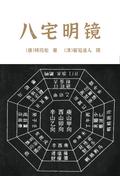 Eight House Mirror
"Bazhai Mirror" is the masterpiece of the Bazhai School. According to legend, it was written by Yang Junsong, a master of Kanyu in the Tang Dynasty, and compiled by Ruo Guan Taoist in the Qing Dynasty. It is the longest-running, most influential, and most read Yangzhai Feng Shui book. This book divides people and houses into eight categories, and then summarizes them into two categories: east and west. It is believed that the four people with the east life are suitable for living in the east fou
—Reads9.4Score—Shelves
Eight House Mirror
"Bazhai Mirror" is the masterpiece of the Bazhai School. According to legend, it was written by Yang Junsong, a master of Kanyu in the Tang Dynasty, and compiled by Ruo Guan Taoist in the Qing Dynasty. It is the longest-running, most influential, and most read Yangzhai Feng Shui book. This book divides people and houses into eight categories, and then summarizes them into two categories: east and west. It is believed that the four people with the east life are suitable for living in the east fou
—Reads9.4Score—Shelves
-
 The Sound and Meaning of Jade Jue of Shangqing Dadong Zhenjing
The sound and meaning of the Jade Jue of the Shangqing Dadong Zhenjing. Written by Chen Jingyuan, a Taoist priest of the Northern Song Dynasty. One roll. Original source: "Legendary Taoist Canon" Dongzhenbu Jade Jue Class.
—Reads8.2Score—Shelves
The Sound and Meaning of Jade Jue of Shangqing Dadong Zhenjing
The sound and meaning of the Jade Jue of the Shangqing Dadong Zhenjing. Written by Chen Jingyuan, a Taoist priest of the Northern Song Dynasty. One roll. Original source: "Legendary Taoist Canon" Dongzhenbu Jade Jue Class.
—Reads8.2Score—Shelves
-
 Dongxuan Lingbao Xuanyi Zhenren Talks About the Sutra of Causes and Conditions of the Wheel of Life and Death
Dongxuan Lingbao Xuanyi Zhenren said the Sutra of Causes and Conditions of the Wheel of Life and Death. The author is unknown, but seems to have come from the Tang Dynasty. One roll. Original source: "Orthodox Taoist Canon" Taiping Department.
—Reads8.1Score—Shelves
Dongxuan Lingbao Xuanyi Zhenren Talks About the Sutra of Causes and Conditions of the Wheel of Life and Death
Dongxuan Lingbao Xuanyi Zhenren said the Sutra of Causes and Conditions of the Wheel of Life and Death. The author is unknown, but seems to have come from the Tang Dynasty. One roll. Original source: "Orthodox Taoist Canon" Taiping Department.
—Reads8.1Score—Shelves
-
 A Complete Collection of Qimen Dunjia Secrets
"The Complete Collection of Secrets of Qimen Dunjia" is published by Hualing Publishing House. "The Complete Collection of Secret Manuals of Qimen Dunjia", also known as "The Complete Collection of Secret Manuals of Qimen Dunjia" and "The Complete Collection of Qimen Dunjia", was written by Zhuge Wuhou of Shu [Han Dynasty] and compiled by Liu Bowen of [Ming Dynasty]. The earliest printed version of this book appeared in the Wanli period of the Ming Dynasty, and it was later reprinted and revised
—Reads9.3Score—Shelves
A Complete Collection of Qimen Dunjia Secrets
"The Complete Collection of Secrets of Qimen Dunjia" is published by Hualing Publishing House. "The Complete Collection of Secret Manuals of Qimen Dunjia", also known as "The Complete Collection of Secret Manuals of Qimen Dunjia" and "The Complete Collection of Qimen Dunjia", was written by Zhuge Wuhou of Shu [Han Dynasty] and compiled by Liu Bowen of [Ming Dynasty]. The earliest printed version of this book appeared in the Wanli period of the Ming Dynasty, and it was later reprinted and revised
—Reads9.3Score—Shelves
-
 Instructions for Taboos in Tianxian Dao
This work "Notes on Precepts and Taboos of Celestial Immortal Way" was written by Min Yi.
—Reads8.3Score—Shelves
Instructions for Taboos in Tianxian Dao
This work "Notes on Precepts and Taboos of Celestial Immortal Way" was written by Min Yi.
—Reads8.3Score—Shelves
-
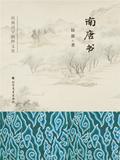 Book of the Southern Tang Dynasty
Chinese traditional cultural thoughts have a long history and are highly original, original and literary. The early ideological forms were very distinctive, with extensive and profound contents such as religious theology, Chinese medicine classics, ancient military art, Confucianism, Taoism, Buddhism and hundreds of schools of thought, Feng Shui metaphysics, Twenty-Four Histories, customs and geography, etc. This series of "Original Books on Classic Chinese Studies and Essence Culture" retains t
—Reads8.1Score—Shelves
Book of the Southern Tang Dynasty
Chinese traditional cultural thoughts have a long history and are highly original, original and literary. The early ideological forms were very distinctive, with extensive and profound contents such as religious theology, Chinese medicine classics, ancient military art, Confucianism, Taoism, Buddhism and hundreds of schools of thought, Feng Shui metaphysics, Twenty-Four Histories, customs and geography, etc. This series of "Original Books on Classic Chinese Studies and Essence Culture" retains t
—Reads8.1Score—Shelves
-
 Chronicle of Datong
"Chronicles of Datong" is a Ming Dynasty notebook-style historical work written by Han Bangqi, a Ming Dynasty scholar. It is a one-volume book. It mainly describes a series of political turmoil and military coups in border towns that occurred in Datong, Shanxi and surrounding areas during the Jiajing Jiashen period (around 1534). It is an important original historical material for studying local political crises, military-civilian conflicts and officialdom governance in the Ming Dynasty. The aut
—Reads8.2Score—Shelves
Chronicle of Datong
"Chronicles of Datong" is a Ming Dynasty notebook-style historical work written by Han Bangqi, a Ming Dynasty scholar. It is a one-volume book. It mainly describes a series of political turmoil and military coups in border towns that occurred in Datong, Shanxi and surrounding areas during the Jiajing Jiashen period (around 1534). It is an important original historical material for studying local political crises, military-civilian conflicts and officialdom governance in the Ming Dynasty. The aut
—Reads8.2Score—Shelves
-
 Huang Ming Ma Zheng Ji
Written by Yang Shiqiao of the Ming Dynasty. Twelve volumes. Shi Qiao's courtesy name was Yiqian, his name was Zhi'an, and he was a native of Shangrao, Jiangxi. Jiajing Jinshi, official to the Ministry of Personnel. The secretary has the Ma Zheng of the Ming Dynasty, from Hongwu to the twenty-third year of Wanli (1595). He counts twelve categories of household horses, stallions, etc., And describes the profits and losses due to leather. The material is rich, the original story is clear, and it i
—Reads8.0Score—Shelves
Huang Ming Ma Zheng Ji
Written by Yang Shiqiao of the Ming Dynasty. Twelve volumes. Shi Qiao's courtesy name was Yiqian, his name was Zhi'an, and he was a native of Shangrao, Jiangxi. Jiajing Jinshi, official to the Ministry of Personnel. The secretary has the Ma Zheng of the Ming Dynasty, from Hongwu to the twenty-third year of Wanli (1595). He counts twelve categories of household horses, stallions, etc., And describes the profits and losses due to leather. The material is rich, the original story is clear, and it i
—Reads8.0Score—Shelves
-
 Miscellaneous Notes on Renxue
This book is a public book and is a work published by writers, artists and other individuals who are not restricted by copyright laws, and is available for readers to read and communicate. Aggregation of licensed electronic rights.
—Reads8.6Score—Shelves
Miscellaneous Notes on Renxue
This book is a public book and is a work published by writers, artists and other individuals who are not restricted by copyright laws, and is available for readers to read and communicate. Aggregation of licensed electronic rights.
—Reads8.6Score—Shelves
-
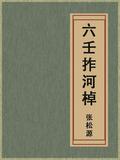 Liu Renmao River
The secret decree of Ren Dun has been passed down from the book of Wuhou for more than two thousand years. Scholars who are good at it have not revealed every secret lightly. However, there are many mistakes in the three styles of Qimen, Liuren and Taiyi, and few true secrets have been taught. Master Yao got this book and hid it in his inner palace. Mr. Sun Nanhua of Rongcheng got it from Tu Zeng's house in Yanying. It has not been passed down by any master.
—Reads8.5Score—Shelves
Liu Renmao River
The secret decree of Ren Dun has been passed down from the book of Wuhou for more than two thousand years. Scholars who are good at it have not revealed every secret lightly. However, there are many mistakes in the three styles of Qimen, Liuren and Taiyi, and few true secrets have been taught. Master Yao got this book and hid it in his inner palace. Mr. Sun Nanhua of Rongcheng got it from Tu Zeng's house in Yanying. It has not been passed down by any master.
—Reads8.5Score—Shelves
-
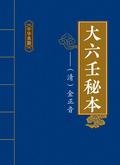 Da Liuren Secret Book
A divination secret book with profound cultural heritage. It not only contains rich knowledge of astronomy and geography, but also integrates philosophical thoughts such as Yin Yang, Five Elements, and the Eight Diagrams of the Book of Changes. "The Secret Book of Da Liuren" is a comprehensive work that integrates divination, prediction, and philosophy. It provides us with a window into ancient culture and thought. We can better understand the wisdom of the ancients and find its practical value
—Reads8.5Score—Shelves
Da Liuren Secret Book
A divination secret book with profound cultural heritage. It not only contains rich knowledge of astronomy and geography, but also integrates philosophical thoughts such as Yin Yang, Five Elements, and the Eight Diagrams of the Book of Changes. "The Secret Book of Da Liuren" is a comprehensive work that integrates divination, prediction, and philosophy. It provides us with a window into ancient culture and thought. We can better understand the wisdom of the ancients and find its practical value
—Reads8.5Score—Shelves
-
 Rengui
This work "Rengui" is written by an unknown author
—Reads9.2Score—Shelves
Rengui
This work "Rengui" is written by an unknown author
—Reads9.2Score—Shelves
-
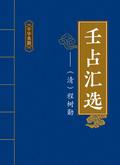 Renzhan Huixuan
"Renzhan Huixuan" was written by Cheng Shuxun, a master of Renxue in the Qing Dynasty. It contains all the classic fortune-telling cases in the famous Liu Ren books of all dynasties in China, and can be regarded as a masterpiece of fortune-telling cases in the ancient and modern Ren books. One book can basically grasp all the main dharma of traditional Chinese Renxue. At the same time, we can also fully learn from this "treasure" the wisdom and techniques of Renzhan, the sages of the past dynast
—Reads8.1Score—Shelves
Renzhan Huixuan
"Renzhan Huixuan" was written by Cheng Shuxun, a master of Renxue in the Qing Dynasty. It contains all the classic fortune-telling cases in the famous Liu Ren books of all dynasties in China, and can be regarded as a masterpiece of fortune-telling cases in the ancient and modern Ren books. One book can basically grasp all the main dharma of traditional Chinese Renxue. At the same time, we can also fully learn from this "treasure" the wisdom and techniques of Renzhan, the sages of the past dynast
—Reads8.1Score—Shelves
-
 Da Liu Ren Guide
"Guide to Da Liu Ren" is a masterpiece of metaphysics that collects the great achievements of Da Liu Ren studies. It was compiled by Chen Gongxian and others in the late Ming and early Qing dynasties. The book has lofty intentions, simple but profound theories, and exquisite lesson examples. It has been regarded as a secret book in the pillow of the Ren family of all generations. The book not only elaborates on the exquisite theory of Liuren Shushu, but also demonstrates its magical effects in p
—Reads9.2Score—Shelves
Da Liu Ren Guide
"Guide to Da Liu Ren" is a masterpiece of metaphysics that collects the great achievements of Da Liu Ren studies. It was compiled by Chen Gongxian and others in the late Ming and early Qing dynasties. The book has lofty intentions, simple but profound theories, and exquisite lesson examples. It has been regarded as a secret book in the pillow of the Ren family of all generations. The book not only elaborates on the exquisite theory of Liuren Shushu, but also demonstrates its magical effects in p
—Reads9.2Score—Shelves
-
 Liuren Jingwei (Free Public Edition Book)
"Liuren Jingwei" is a book on religious philosophy written by Tie Wengzi (Qing Dynasty). Da Liuren's introductory ancient book has a simple and compact structure and is suitable for entry-level research.
—Reads8.8Score—Shelves
Liuren Jingwei (Free Public Edition Book)
"Liuren Jingwei" is a book on religious philosophy written by Tie Wengzi (Qing Dynasty). Da Liuren's introductory ancient book has a simple and compact structure and is suitable for entry-level research.
—Reads8.8Score—Shelves
-
 Geographical Confusion
"Geographical Discrimination" is a Chinese history book written by Ma Taiqing (Qing Dynasty). The art of Kanyu has been researched and speculated on behalf of famous teachers since ancient times. It is both precise and detailed, and can be said to be extremely advanced. However, famous teachers come from this world and are never encountered. They have been taught by mouth and heart, but they have not been widely heard in this world. Those who pretend to rely on famous teachers and falsely claim
—Reads9.2Score—Shelves
Geographical Confusion
"Geographical Discrimination" is a Chinese history book written by Ma Taiqing (Qing Dynasty). The art of Kanyu has been researched and speculated on behalf of famous teachers since ancient times. It is both precise and detailed, and can be said to be extremely advanced. However, famous teachers come from this world and are never encountered. They have been taught by mouth and heart, but they have not been widely heard in this world. Those who pretend to rely on famous teachers and falsely claim
—Reads9.2Score—Shelves
-
 Plum Blossoms Are Easy to Count
It is said that the origin of plum blossom numbering can be traced back to the secret technique passed down by sages such as Taoist Mai and Chen Xiyi. Later, it was mastered by Mr. Shao Kangjie of the Northern Song Dynasty and became his specialty. After Mr. Shao spread this number widely, it not only enhanced the practical value of Yi Xue in the field of divination, but also made this technique famous. Since the Shao Kang Festival, this technique has been renamed Plum Blossom Yishu. This book i
—Reads9.1Score—Shelves
Plum Blossoms Are Easy to Count
It is said that the origin of plum blossom numbering can be traced back to the secret technique passed down by sages such as Taoist Mai and Chen Xiyi. Later, it was mastered by Mr. Shao Kangjie of the Northern Song Dynasty and became his specialty. After Mr. Shao spread this number widely, it not only enhanced the practical value of Yi Xue in the field of divination, but also made this technique famous. Since the Shao Kang Festival, this technique has been renamed Plum Blossom Yishu. This book i
—Reads9.1Score—Shelves
-
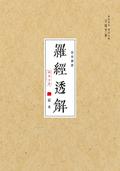 A Thorough Explanation of the Compass
"Compass Insight" is an ancient book that deeply analyzes the mystery of the compass (Compass), written by Wang Daoheng, a famous Feng Shui master in the Qing Dynasty. The book not only elaborates on the structure and use of the compass, but also reveals the profound knowledge behind the compass such as yin and yang, the five elements, astronomy and geography. Through "Compass Interpretation", readers can understand how ancient Feng Shui masters used the mysterious tool of the compass to gain in
—Reads9.4Score—Shelves
A Thorough Explanation of the Compass
"Compass Insight" is an ancient book that deeply analyzes the mystery of the compass (Compass), written by Wang Daoheng, a famous Feng Shui master in the Qing Dynasty. The book not only elaborates on the structure and use of the compass, but also reveals the profound knowledge behind the compass such as yin and yang, the five elements, astronomy and geography. Through "Compass Interpretation", readers can understand how ancient Feng Shui masters used the mysterious tool of the compass to gain in
—Reads9.4Score—Shelves
-
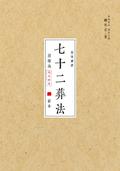 Lai Buyi's Seventy-Two Burial Methods
"Lai Buyi's Seventy-Two Burial Methods" is a classic work in Feng Shui, written by Lai Wenjun (No. Bu Yizi), a famous Feng Shui master in the Song Dynasty. The book elaborates on seventy-two unique burial methods, aiming to allow the deceased to rest in peace and bless future generations through precise site selection and burial methods. These burial methods are flexibly used according to natural conditions such as topography, terrain, size and depth of vitality, including large burial methods,
—Reads9.3Score—Shelves
Lai Buyi's Seventy-Two Burial Methods
"Lai Buyi's Seventy-Two Burial Methods" is a classic work in Feng Shui, written by Lai Wenjun (No. Bu Yizi), a famous Feng Shui master in the Song Dynasty. The book elaborates on seventy-two unique burial methods, aiming to allow the deceased to rest in peace and bless future generations through precise site selection and burial methods. These burial methods are flexibly used according to natural conditions such as topography, terrain, size and depth of vitality, including large burial methods,
—Reads9.3Score—Shelves