Fanqie library
Browse
- Titles
- 497
Every Fanqie book we index, searchable by title, author or tag.
-
 Secrets of the Three Emperors' Internal Culture
The author is ominous. It is adapted from the remaining texts of the "Three Emperors Neiwen", "Huang Shen Yue Zhang", "True Shape Map of the Five Mountains" and other books compiled by Taoist priests in the Tang and Song Dynasties. One roll. The original source comes from the method category of the Dongshen Department of "Orthodox Taoist Canon".
—Reads8.4Score—Shelves
Secrets of the Three Emperors' Internal Culture
The author is ominous. It is adapted from the remaining texts of the "Three Emperors Neiwen", "Huang Shen Yue Zhang", "True Shape Map of the Five Mountains" and other books compiled by Taoist priests in the Tang and Song Dynasties. One roll. The original source comes from the method category of the Dongshen Department of "Orthodox Taoist Canon".
—Reads8.4Score—Shelves
-
 The Supreme Master Said That Nandou Liusi's Wonderful Sutra of Extending Life and Saving People
The Supreme Master said that Nandou Liusi has a wonderful sutra about extending life and saving people. The author is unknown, probably from the early Northern Song Dynasty. On the pretense of entrusting the Supreme Lord to teach the Heavenly Master's Account to the Tomb, he told the emperor to offer sacrifices to the Six Divisions of Nandou to prolong life and eliminate disasters. One roll. Original source: "Orthodox Taoist Canon" Cave God Book.
—Reads8.2Score—Shelves
The Supreme Master Said That Nandou Liusi's Wonderful Sutra of Extending Life and Saving People
The Supreme Master said that Nandou Liusi has a wonderful sutra about extending life and saving people. The author is unknown, probably from the early Northern Song Dynasty. On the pretense of entrusting the Supreme Lord to teach the Heavenly Master's Account to the Tomb, he told the emperor to offer sacrifices to the Six Divisions of Nandou to prolong life and eliminate disasters. One roll. Original source: "Orthodox Taoist Canon" Cave God Book.
—Reads8.2Score—Shelves
-
 Liuren Jingwei - Qing Dynasty - Jingjiang Iron Wengzi
—Reads8.1Score—Shelves
Liuren Jingwei - Qing Dynasty - Jingjiang Iron Wengzi
Liuren Jingwei - Qing Dynasty - Jingjiang Iron Wengzi
—Reads8.1Score—Shelves
-
 Commentary on the Sutra of Chang Qingjing by Taishang Laojun - Li Daochun
—Reads8.5Score—Shelves
Commentary on the Sutra of Chang Qingjing by Taishang Laojun - Li Daochun
Commentary on the Sutra of Chang Qingjing by Taishang Laojun - Li Daochun
—Reads8.5Score—Shelves
-
 It Will Take You Half an Hour to Understand "The Secret of Internal Cultivation"
Are you eager to explore the secrets of inner cultivation of Quanzhen Patriarch Wang Chongyang, but are struggling to understand the ancient books? ... This book will light up your heart. This book selects the teachings passed down by the ancestors and adopts the unique method of "original text, translation, and in-depth interpretation" to systematically explain the "true secrets" such as determination as the foundation, subduing the mental ape, dual cultivation of life and life, inner alchemy,
—Reads9.4Score—Shelves
It Will Take You Half an Hour to Understand "The Secret of Internal Cultivation"
Are you eager to explore the secrets of inner cultivation of Quanzhen Patriarch Wang Chongyang, but are struggling to understand the ancient books? ... This book will light up your heart. This book selects the teachings passed down by the ancestors and adopts the unique method of "original text, translation, and in-depth interpretation" to systematically explain the "true secrets" such as determination as the foundation, subduing the mental ape, dual cultivation of life and life, inner alchemy,
—Reads9.4Score—Shelves
-
 Taishang Datong Sutra Commentary
Original source: "Legendary Taoist Canon" Dongzhenbu Jade Jue Class.
—Reads8.1Score—Shelves
Taishang Datong Sutra Commentary
Original source: "Legendary Taoist Canon" Dongzhenbu Jade Jue Class.
—Reads8.1Score—Shelves
-
 Heavenly God Light Sutra
The Divine Light Sutra. Written by Song Sudeng. One roll. Original source: Method Class of Dongshen Department of "Orthodox Taoist Canon".
—Reads8.3Score—Shelves
Heavenly God Light Sutra
The Divine Light Sutra. Written by Song Sudeng. One roll. Original source: Method Class of Dongshen Department of "Orthodox Taoist Canon".
—Reads8.3Score—Shelves
-
 Taoist Efficacy Notes
The book is based on the Taoist ethical thought of retribution for sins and blessings, and narrates the efficacious and inspiring deeds of history, characters, temples, scriptures, images, and heavenly masters, in order to advise the world to do good and avoid evil. The book preserves a large number of Taoist historical materials from the Han and Wei dynasties to the Sui and Tang Dynasties, and is of reference value for studying Taoist historical events, temples, talismans, and ritual rituals.
—Reads8.1Score—Shelves
Taoist Efficacy Notes
The book is based on the Taoist ethical thought of retribution for sins and blessings, and narrates the efficacious and inspiring deeds of history, characters, temples, scriptures, images, and heavenly masters, in order to advise the world to do good and avoid evil. The book preserves a large number of Taoist historical materials from the Han and Wei dynasties to the Sui and Tang Dynasties, and is of reference value for studying Taoist historical events, temples, talismans, and ritual rituals.
—Reads8.1Score—Shelves
-
 Ten Good Karma Sutras
Buddhist scriptures. It guides people to be good, and the philosophical thoughts contained in it are worthy of people's study and reflection.
—Reads8.6Score—Shelves
Ten Good Karma Sutras
Buddhist scriptures. It guides people to be good, and the philosophical thoughts contained in it are worthy of people's study and reflection.
—Reads8.6Score—Shelves
-
 Materialism and Empirio-Criticism
"Marxist-Leninist Classic Writers Library" selects and collects the important works of Marx, Engels, and Lenin, using the latest revised translations and attaching various necessary reference materials to meet the multi-level needs of readers for study and research. The compilers strive to reflect new standards in the characteristics of the times, academic quality and layout design.
—Reads9.2Score—Shelves
Materialism and Empirio-Criticism
"Marxist-Leninist Classic Writers Library" selects and collects the important works of Marx, Engels, and Lenin, using the latest revised translations and attaching various necessary reference materials to meet the multi-level needs of readers for study and research. The compilers strive to reflect new standards in the characteristics of the times, academic quality and layout design.
—Reads9.2Score—Shelves
-
 Introduction to the Old Testament
"Introduction to the Old Testament" What exactly is the Old Testament? How is it different from the Hebrew Bible? What are the differences between the Catholic, Orthodox, and Protestant Bibles? What implications does the discovery of ancient Near Eastern texts have for the interpretation of the Bible? How does the Old Testament weave history and myth together? How do archaeological finds and other non-biblical evidence help interpret the Old Testament? Renowned Bible scholar Michael Coogan explo
—Reads8.1Score—Shelves
Introduction to the Old Testament
"Introduction to the Old Testament" What exactly is the Old Testament? How is it different from the Hebrew Bible? What are the differences between the Catholic, Orthodox, and Protestant Bibles? What implications does the discovery of ancient Near Eastern texts have for the interpretation of the Bible? How does the Old Testament weave history and myth together? How do archaeological finds and other non-biblical evidence help interpret the Old Testament? Renowned Bible scholar Michael Coogan explo
—Reads8.1Score—Shelves
-
 Overview of the Bible
"Bible Overview" is a record with profound contents and a long history. It has a history of more than 2,000 years, and some of its contents have been translated into more than 2,000 languages. It is the best-selling book in the world. It has influenced the development of all aspects of Western culture and shaped countless people's outlook on life and values. Where does the power of the Bible come from? This book explores this issue from many aspects, including the writing process of the Bible, t
—Reads8.3Score—Shelves
Overview of the Bible
"Bible Overview" is a record with profound contents and a long history. It has a history of more than 2,000 years, and some of its contents have been translated into more than 2,000 languages. It is the best-selling book in the world. It has influenced the development of all aspects of Western culture and shaped countless people's outlook on life and values. Where does the power of the Bible come from? This book explores this issue from many aspects, including the writing process of the Bible, t
—Reads8.3Score—Shelves
-
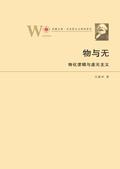 Things and Nothing: Reification Logic and Nihilism
The modern problem of "nihilism" was born in Germany and continues to this day. This book focuses on the relationship between nihilism and historical materialism, and offers its own reflections on the basic issues and main figures of nihilism discourse from Germany, Russia to China. Marx's two reflections on the issue of nothingness (the first time he criticized the "emptiness" of Stirner's "nothing", and the second time he pointed out that capital will inevitably destroy all sublime and sacred
—Reads8.7Score—Shelves
Things and Nothing: Reification Logic and Nihilism
The modern problem of "nihilism" was born in Germany and continues to this day. This book focuses on the relationship between nihilism and historical materialism, and offers its own reflections on the basic issues and main figures of nihilism discourse from Germany, Russia to China. Marx's two reflections on the issue of nothingness (the first time he criticized the "emptiness" of Stirner's "nothing", and the second time he pointed out that capital will inevitably destroy all sublime and sacred
—Reads8.7Score—Shelves
-
 Collection of Encouraging Bodhicitta
An introduction to Mahayana Buddhism. Three volumes. Written by Huinumao (651~714) of Tang Dynasty. He also wrote the Collection of Encouraging Enlightenment to Bodhi. Collected in the forty-fifth volume of "Taisho Zang". The content is collected from the Ten Ground Sutras, the Necklace Sutra, the Upasaka Sutra, the Yuya Sutra, the Yogacara Sutra, the Mahayana Sutra, the Exaltation of the Sacred Teachings, and the Great Wisdom Sutra. An introduction to Mahayana Buddhism. Three volumes. Written b
—Reads8.1Score—Shelves
Collection of Encouraging Bodhicitta
An introduction to Mahayana Buddhism. Three volumes. Written by Huinumao (651~714) of Tang Dynasty. He also wrote the Collection of Encouraging Enlightenment to Bodhi. Collected in the forty-fifth volume of "Taisho Zang". The content is collected from the Ten Ground Sutras, the Necklace Sutra, the Upasaka Sutra, the Yuya Sutra, the Yogacara Sutra, the Mahayana Sutra, the Exaltation of the Sacred Teachings, and the Great Wisdom Sutra. An introduction to Mahayana Buddhism. Three volumes. Written b
—Reads8.1Score—Shelves
-
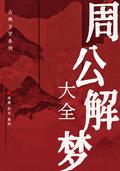 Zhou Gong's Complete Dream Interpretation
"The Encyclopedia of Dream Interpretations by Duke Zhou", which brings together the wisdom of three sages, Shao Yong, Anonymous, and Ge Hong, is by no means a simple book of divination of good and bad luck, but a dream decoding book that goes deep into the psychology of traditional Chinese culture. It combines ancient people's observation, speculation and experience of dreams for thousands of years. It systematically classifies and explains the complicated dreams from all phenomena in the world
—Reads7.8Score—Shelves
Zhou Gong's Complete Dream Interpretation
"The Encyclopedia of Dream Interpretations by Duke Zhou", which brings together the wisdom of three sages, Shao Yong, Anonymous, and Ge Hong, is by no means a simple book of divination of good and bad luck, but a dream decoding book that goes deep into the psychology of traditional Chinese culture. It combines ancient people's observation, speculation and experience of dreams for thousands of years. It systematically classifies and explains the complicated dreams from all phenomena in the world
—Reads7.8Score—Shelves
-
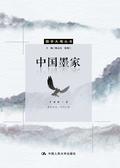 Chinese Mohism
As an academic and political group that is opposed to Confucianism, Mohism competes with the powerful Confucianism on an equal footing, and even comes from behind. Mencius, the "lesser sage", had to exclaim: "The words of Yang Zhu and Mo Zhai fill the world. If the words of the world do not belong to Yang, then they belong to Mohism." The reason why Mohism was able to do so in the early Warring States Period The fundamental reason for its sudden rise in the early period was that it was more adap
—Reads8.5Score—Shelves
Chinese Mohism
As an academic and political group that is opposed to Confucianism, Mohism competes with the powerful Confucianism on an equal footing, and even comes from behind. Mencius, the "lesser sage", had to exclaim: "The words of Yang Zhu and Mo Zhai fill the world. If the words of the world do not belong to Yang, then they belong to Mohism." The reason why Mohism was able to do so in the early Warring States Period The fundamental reason for its sudden rise in the early period was that it was more adap
—Reads8.5Score—Shelves
-
 The Supreme Court of the Shangqing Dynasty Returned to Yuanyin's Taoist Scriptures to Eliminate Crimes
Taishang of the Shangqing Dynasty returned to Yuanyin Dao to eliminate sins. The author is unknown, probably from the Eastern Jin and Southern Dynasties. The scripture is also found in the "Jiuzhenzhongjingjiangshengshendanjue". One roll. Original source: the first part of "Orthodox Taoist Canon".
—Reads8.5Score—Shelves
The Supreme Court of the Shangqing Dynasty Returned to Yuanyin's Taoist Scriptures to Eliminate Crimes
Taishang of the Shangqing Dynasty returned to Yuanyin Dao to eliminate sins. The author is unknown, probably from the Eastern Jin and Southern Dynasties. The scripture is also found in the "Jiuzhenzhongjingjiangshengshendanjue". One roll. Original source: the first part of "Orthodox Taoist Canon".
—Reads8.5Score—Shelves
-
 Notes on Taishang Xuanling Beidou's True Sutra of Prolonging Life and Prolonging Life
"Taishang Xuanling Beidou Benming Yansheng Zhenjing Annotation" is a social science book written by Xu Daoling (Yuan Dynasty). The chapter of the inscription was written by Emperor Zitong. His article describes the wonders and wonders of the Beidou Sutra. All comrades who want to recite the Beidou Sutra must read the inscription first so that they can know the beginning and end of the sutra. This should not be ignored.
—Reads8.3Score—Shelves
Notes on Taishang Xuanling Beidou's True Sutra of Prolonging Life and Prolonging Life
"Taishang Xuanling Beidou Benming Yansheng Zhenjing Annotation" is a social science book written by Xu Daoling (Yuan Dynasty). The chapter of the inscription was written by Emperor Zitong. His article describes the wonders and wonders of the Beidou Sutra. All comrades who want to recite the Beidou Sutra must read the inscription first so that they can know the beginning and end of the sutra. This should not be ignored.
—Reads8.3Score—Shelves
-
 Shangqing Qiong Palace Lingfei Liujia Left and Right Upper Talisman
Qiong Palace Lingfei Liujia of the Shangqing Dynasty placed the talisman on the left and right. Also known as "Shangqing Suzou Danfu Lingfei Liujia". The author is unknown, probably from the Eastern Jin Dynasty. It is an important classic of the early Shangqing sect. One roll. Original source: "Orthodox Taoist Canon" Dong Zhen Department's magical runes.
—Reads8.1Score—Shelves
Shangqing Qiong Palace Lingfei Liujia Left and Right Upper Talisman
Qiong Palace Lingfei Liujia of the Shangqing Dynasty placed the talisman on the left and right. Also known as "Shangqing Suzou Danfu Lingfei Liujia". The author is unknown, probably from the Eastern Jin Dynasty. It is an important classic of the early Shangqing sect. One roll. Original source: "Orthodox Taoist Canon" Dong Zhen Department's magical runes.
—Reads8.1Score—Shelves
-
 Ode to Taishengxuan's Wonderful Sutra for Eliminating Disasters and Protecting Life
At the end of the Northern and Southern Dynasties or during the Sui and Tang Dynasties. One roll. Original source: "Orthodox Taoist Canon" Dongzhenbu text genre.
—Reads8.1Score—Shelves
Ode to Taishengxuan's Wonderful Sutra for Eliminating Disasters and Protecting Life
At the end of the Northern and Southern Dynasties or during the Sui and Tang Dynasties. One roll. Original source: "Orthodox Taoist Canon" Dongzhenbu text genre.
—Reads8.1Score—Shelves
-
 Shangqing Tai Chi Immortal Sutra
. The author is unknown, probably from the Northern and Southern Periods. It is a compilation of the early Shangqing sect's practice scriptures. There are chapters such as "Serving Si Ji Yun Ya Shang Shang", "Qing Ling Zhenren Speaks of the Divine Treasure Sutra", "Tai Shang Ming Tang Xuan Zhen Sutra", "Shang Qing Jin Que Emperor Ling Shu Zi Wen", "San Yuan Zhen Yi Jing Jue", etc. One roll. Original source: the first part of "Orthodox Taoist Canon".
—Reads8.3Score—Shelves
Shangqing Tai Chi Immortal Sutra
Shangqing Tai Chi Immortal Sutra. The author is unknown, probably from the Northern and Southern Periods. It is a compilation of the early Shangqing sect's practice scriptures. There are chapters such as "Serving Si Ji Yun Ya Shang Shang", "Qing Ling Zhenren Speaks of the Divine Treasure Sutra", "Tai Shang Ming Tang Xuan Zhen Sutra", "Shang Qing Jin Que Emperor Ling Shu Zi Wen", "San Yuan Zhen Yi Jing Jue", etc. One roll. Original source: the first part of "Orthodox Taoist Canon".
—Reads8.3Score—Shelves
-
 Yin Zhenjun's Five Phases of Metal and Stone
"Secret Book of Character Testing" is a special book that specifically describes the ancient calligraphy techniques and expounds the techniques of character testing based on ancient theories such as Yin and Yang, Five Elements, Six Gods, and Bagua. It is very representative.
—Reads8.0Score—Shelves
Yin Zhenjun's Five Phases of Metal and Stone
"Secret Book of Character Testing" is a special book that specifically describes the ancient calligraphy techniques and expounds the techniques of character testing based on ancient theories such as Yin and Yang, Five Elements, Six Gods, and Bagua. It is very representative.
—Reads8.0Score—Shelves
-
 Taishang Xuanci Aids in Transformation
Sutra name: Taishang Xuanzongzhuhuazhang. Compiled by Du Guangting, a Taoist priest in the late Tang Dynasty. Five volumes. Original source: "Orthodox Taoist Canon" Dongxuan Department's performance category.
—Reads7.9Score—Shelves
Taishang Xuanci Aids in Transformation
Sutra name: Taishang Xuanzongzhuhuazhang. Compiled by Du Guangting, a Taoist priest in the late Tang Dynasty. Five volumes. Original source: "Orthodox Taoist Canon" Dongxuan Department's performance category.
—Reads7.9Score—Shelves
-
 Taishang Cave Xuan Ling Bao Dharma Candle Sutra
. The author is unknown, but seems to have come from the Sui and Tang Dynasties. The essence of Lingbao Zhai is similar to Lu Xiujing's "Lingbao Zhai's "Ling Bao Zhai". One roll. Original source: "Orthodox Taoist Canon" Dongxuanbu text genre.
—Reads8.0Score—Shelves
Taishang Cave Xuan Ling Bao Dharma Candle Sutra
Taishang Cave Xuan Ling Bao Dharma Candle Sutra. The author is unknown, but seems to have come from the Sui and Tang Dynasties. The essence of Lingbao Zhai is similar to Lu Xiujing's "Lingbao Zhai's "Ling Bao Zhai". One roll. Original source: "Orthodox Taoist Canon" Dongxuanbu text genre.
—Reads8.0Score—Shelves
-
 Taishang Cave Xuanling Treasure Karma Sutra
This sutra is referred to as the Taishang Sutra of Karmic Retributions and Causes and Conditions or the Sutra of Karmic Retributions and Causes and Destinations. Shi Chong mentioned the Taishang Sutra of Karmic Retributions and Causes and Destinations many times in "The Origin of the Sound, Meaning and Wonderful Gate of All Taoist Sutras". This book was published in the Southern Dynasties Taoist scriptures before the Sui and Tang Dynasties. The main purpose of the sutra is to promote karma and r
—Reads8.5Score—Shelves
Taishang Cave Xuanling Treasure Karma Sutra
This sutra is referred to as the Taishang Sutra of Karmic Retributions and Causes and Conditions or the Sutra of Karmic Retributions and Causes and Destinations. Shi Chong mentioned the Taishang Sutra of Karmic Retributions and Causes and Destinations many times in "The Origin of the Sound, Meaning and Wonderful Gate of All Taoist Sutras". This book was published in the Southern Dynasties Taoist scriptures before the Sui and Tang Dynasties. The main purpose of the sutra is to promote karma and r
—Reads8.5Score—Shelves
-
 Taishang Beidou Chapter 28
 Sutra. The author is ominous and dates from the Song Dynasty. He asked the Seven-Yuan Star Lord of the Big Dipper to preach twenty-eight chapters for Emperor Ming of the Han Dynasty at Zhongnan Mountain, and he recited the Seven-Yuan Star Lord in order to save his life and eliminate disasters. One roll. Original source: "Orthodox Taoist Canon" Cave God Book.
—Reads8.1Score—Shelves
Taishang Beidou Chapter 28
Taishang Beidou Chapter 28 Sutra. The author is ominous and dates from the Song Dynasty. He asked the Seven-Yuan Star Lord of the Big Dipper to preach twenty-eight chapters for Emperor Ming of the Han Dynasty at Zhongnan Mountain, and he recited the Seven-Yuan Star Lord in order to save his life and eliminate disasters. One roll. Original source: "Orthodox Taoist Canon" Cave God Book.
—Reads8.1Score—Shelves
-
 Shurangama's Great Righteousness (Revised Version)
Dazhao, a master of Buddhism from the Buddhist College of China, is currently the executive director of the Zhejiang Buddhist Association, a postgraduate tutor at Putuoshan College of the Buddhist College of China, and the abbot of Miaoguo Temple in Wenzhou. This manuscript is based on the Zen, Jing, and Tiantai sects of Chinese Buddhism. It systematically explains the theory and practice of meditation and is in line with Buddhist principles.
—Reads9.5Score—Shelves
Shurangama's Great Righteousness (Revised Version)
Dazhao, a master of Buddhism from the Buddhist College of China, is currently the executive director of the Zhejiang Buddhist Association, a postgraduate tutor at Putuoshan College of the Buddhist College of China, and the abbot of Miaoguo Temple in Wenzhou. This manuscript is based on the Zen, Jing, and Tiantai sects of Chinese Buddhism. It systematically explains the theory and practice of meditation and is in line with Buddhist principles.
—Reads9.5Score—Shelves
-
 Qiu Zuchui Xunwen
This work "Qiu Zuchui Xunwen" is written by Qiu Chuji.
—Reads8.5Score—Shelves
Qiu Zuchui Xunwen
This work "Qiu Zuchui Xunwen" is written by Qiu Chuji.
—Reads8.5Score—Shelves
-
 Taishang Cave God Tiangong Eliminates Demons and Protects the Country.
Taishang Cave God Tiangong eliminates demons and protects the country. The author is unknown, probably dating from the Tang and Song Dynasties. Three volumes. The first volume pretends that Yuanshi Tianzun is preaching to Wuji Zhenren how to eliminate disasters and protect the country. The middle and lower volumes are based on the pretense that Taishang Laojun teaches Taoism to Zhenren Yin Xi through the Lu Zhaike, and encourages people to practice the Tianhe Zhai method to eliminate disasters a
—Reads8.2Score—Shelves
Taishang Cave God Tiangong Eliminates Demons and Protects the Country.
Taishang Cave God Tiangong eliminates demons and protects the country. The author is unknown, probably dating from the Tang and Song Dynasties. Three volumes. The first volume pretends that Yuanshi Tianzun is preaching to Wuji Zhenren how to eliminate disasters and protect the country. The middle and lower volumes are based on the pretense that Taishang Laojun teaches Taoism to Zhenren Yin Xi through the Lu Zhaike, and encourages people to practice the Tianhe Zhai method to eliminate disasters a
—Reads8.2Score—Shelves
-
 Taishang Xuhuang's Divine Mantra for Life-Saving Life
The author is unknown, but seems to have come from the Song and Yuan Dynasties. Recite the incantation of the four sense organs to ask the Supreme Emperor Xu Huang and the gods of the five directions to eliminate disasters and protect your life. One roll. Original source: "Orthodox Taoist Canon" Dongxuanbu text genre
—Reads8.1Score—Shelves
Taishang Xuhuang's Divine Mantra for Life-Saving Life
The author is unknown, but seems to have come from the Song and Yuan Dynasties. Recite the incantation of the four sense organs to ask the Supreme Emperor Xu Huang and the gods of the five directions to eliminate disasters and protect your life. One roll. Original source: "Orthodox Taoist Canon" Dongxuanbu text genre
—Reads8.1Score—Shelves
-
 Master's Merits
Hua Bao. If there is someone again. Sit at the lecture hall. Go to where the Wheel-turning King is sitting. The third point is to sit down. It is also a Chinese newspaper. Ajido. If someone speaks again, others will speak. I believe in being taught and taught. The fourth is to urge people to listen to the scriptures. When this person persuades you. Pleasant and cheerful. Drum lips and tongue to touch this virtue. All roots are sufficient. All are strict and good. Not to mention the following. Th
—Reads8.1Score—Shelves
Master's Merits
Hua Bao. If there is someone again. Sit at the lecture hall. Go to where the Wheel-turning King is sitting. The third point is to sit down. It is also a Chinese newspaper. Ajido. If someone speaks again, others will speak. I believe in being taught and taught. The fourth is to urge people to listen to the scriptures. When this person persuades you. Pleasant and cheerful. Drum lips and tongue to touch this virtue. All roots are sufficient. All are strict and good. Not to mention the following. Th
—Reads8.1Score—Shelves
-
 Taishang Compassion Dojo's Nine Nether Repentances to Eliminate Disasters
Sutra Name: Taishang Compassion Dojo Nine Nether Repentances for Eliminating Disasters. Ten volumes. Original title: Ge Xuanmu Collection of Han Dynasty. Original source: "Orthodox Taoist Canon" Dongxuan Department of Majesty and Ceremony.
—Reads7.9Score—Shelves
Taishang Compassion Dojo's Nine Nether Repentances to Eliminate Disasters
Sutra Name: Taishang Compassion Dojo Nine Nether Repentances for Eliminating Disasters. Ten volumes. Original title: Ge Xuanmu Collection of Han Dynasty. Original source: "Orthodox Taoist Canon" Dongxuan Department of Majesty and Ceremony.
—Reads7.9Score—Shelves
-
 Eleven-Faced Divine Mantra Heart Sutra
Buddhist books. It guides people to be good, and the philosophical thoughts contained in it are worthy of people's study and reflection.
—Reads8.0Score—Shelves
Eleven-Faced Divine Mantra Heart Sutra
Buddhist books. It guides people to be good, and the philosophical thoughts contained in it are worthy of people's study and reflection.
—Reads8.0Score—Shelves
-
 Taishang Cave Xuan Lingbao Zhenyi's Admonition Dharma Lun Miao Sutra
Taishang Cave Xuan Lingbao Zhenyi exhorts the Dharma Wheel. The author is unknown, probably from the Eastern Jin Dynasty. It is one of the ancient "Lingbao Sutra". Originally one volume. The "Orthodox Taoist Canon" is divided into four kinds of sutras, namely "Taishang Dongxuan Lingbao Zhenyi exhorts the Dharma Wheel" (Dongxuan version); "Taishang Xuanyi Zhenren says the Dharma Sutra of persuading sincerity" (Dongxuan version); "Taishang Xuanyi Zhenren talks about the three paths and five suffer
—Reads7.8Score—Shelves
Taishang Cave Xuan Lingbao Zhenyi's Admonition Dharma Lun Miao Sutra
Taishang Cave Xuan Lingbao Zhenyi exhorts the Dharma Wheel. The author is unknown, probably from the Eastern Jin Dynasty. It is one of the ancient "Lingbao Sutra". Originally one volume. The "Orthodox Taoist Canon" is divided into four kinds of sutras, namely "Taishang Dongxuan Lingbao Zhenyi exhorts the Dharma Wheel" (Dongxuan version); "Taishang Xuanyi Zhenren says the Dharma Sutra of persuading sincerity" (Dongxuan version); "Taishang Xuanyi Zhenren talks about the three paths and five suffer
—Reads7.8Score—Shelves
-
 The Secret Mantra Causes Rebirth
"The Secret Mantra Yuan Yin Rebirth Collection" is a widely popular esoteric classic compiled by Xixia monks Zhiguang and Huizhen, translated by Jingangzhuang and brought to Tibet.
—Reads8.0Score—Shelves
The Secret Mantra Causes Rebirth
"The Secret Mantra Yuan Yin Rebirth Collection" is a widely popular esoteric classic compiled by Xixia monks Zhiguang and Huizhen, translated by Jingangzhuang and brought to Tibet.
—Reads8.0Score—Shelves
-
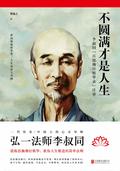 Life Is Not Perfect
"Life Is Not Perfect" is an inspirational life book that distills the essence of vast Buddhist scriptures and teaches you simple rules for improving your life. When people live in the world, they will inevitably be entangled in various desires. When there are desires, there will naturally be troubles. The more desires there are, the more troubles there will be. Master Hongyi Li Shutong, known as "the legend of a generation" and "the spiritual mentor of the Chinese people", was trapped in the tro
—Reads9.4Score—Shelves
Life Is Not Perfect
"Life Is Not Perfect" is an inspirational life book that distills the essence of vast Buddhist scriptures and teaches you simple rules for improving your life. When people live in the world, they will inevitably be entangled in various desires. When there are desires, there will naturally be troubles. The more desires there are, the more troubles there will be. Master Hongyi Li Shutong, known as "the legend of a generation" and "the spiritual mentor of the Chinese people", was trapped in the tro
—Reads9.4Score—Shelves
-
 The Three-Hole Talisman
Chinese classical religious classics are shining classics and outstanding works in the treasure house of Chinese traditional culture. They are expressed in various forms and reflect the glorious picture of Chinese classical literary works.
—Reads8.2Score—Shelves
The Three-Hole Talisman
Chinese classical religious classics are shining classics and outstanding works in the treasure house of Chinese traditional culture. They are expressed in various forms and reflect the glorious picture of Chinese classical literary works.
—Reads8.2Score—Shelves
-
 Health Care Compilation
Health care record. No author. One roll. "Xin Tang Zhi" records "Wang Zhongzhi's "Yu Sheng Mu Lu" volume", which is suspected to be this book. Original source: Derivatives of Dongxuan Department in "Orthodox Taoist Canon".
—Reads8.2Score—Shelves
Health Care Compilation
Health care record. No author. One roll. "Xin Tang Zhi" records "Wang Zhongzhi's "Yu Sheng Mu Lu" volume", which is suspected to be this book. Original source: Derivatives of Dongxuan Department in "Orthodox Taoist Canon".
—Reads8.2Score—Shelves
-
 Shangqingdong Zhentianbao Cave Three Scenery Treasures
Sutra name: Shangqing Cave, Zhentianbao Big Cave, Three Scenery Treasures. The author is unknown, probably from the Northern and Southern Periods or the Sui and Tang Dynasties. It is a compilation of four early Shangqing talismans, including "Tai Shang Golden Tiger Talisman", "Tai Shang Fei Bu Kong Chang Ru", "Tai Shang Two Scenery Three Bend Urn", and "Tai Shang Guishan Xuan Ru". Volume Two. Original source: the first part of "Orthodox Taoist Canon".
—Reads8.1Score—Shelves
Shangqingdong Zhentianbao Cave Three Scenery Treasures
Sutra name: Shangqing Cave, Zhentianbao Big Cave, Three Scenery Treasures. The author is unknown, probably from the Northern and Southern Periods or the Sui and Tang Dynasties. It is a compilation of four early Shangqing talismans, including "Tai Shang Golden Tiger Talisman", "Tai Shang Fei Bu Kong Chang Ru", "Tai Shang Two Scenery Three Bend Urn", and "Tai Shang Guishan Xuan Ru". Volume Two. Original source: the first part of "Orthodox Taoist Canon".
—Reads8.1Score—Shelves
-
 Shangqing Dantian Sanqi Jade Emperor Liuchen Feigang Si Ming Dalu
The author is unknown, probably from the Tang and Song Dynasties. Yan Feibu's six-star spell in the South Dipper is accompanied by talisman diagrams. One roll. Original source: "Orthodox Taoist Canon" Talisman Category of Dongshen Department.
—Reads7.7Score—Shelves
Shangqing Dantian Sanqi Jade Emperor Liuchen Feigang Si Ming Dalu
The author is unknown, probably from the Tang and Song Dynasties. Yan Feibu's six-star spell in the South Dipper is accompanied by talisman diagrams. One roll. Original source: "Orthodox Taoist Canon" Talisman Category of Dongshen Department.
—Reads7.7Score—Shelves
-
 Shangqing Gaoshangguishan Xuanlu
The author is unknown, probably from the Northern and Southern Dynasties. One roll. Original source: the first part of "Zhengtong Tao Zang".
—Reads—Score—Shelves
Shangqing Gaoshangguishan Xuanlu
The author is unknown, probably from the Northern and Southern Dynasties. One roll. Original source: the first part of "Zhengtong Tao Zang".
—Reads—Score—Shelves
-
 The Genealogy of the Three Supreme Beings of the Qing Dynasty
Recorded by three deities of the Shangqing Dynasty. The author is unknown, probably at the end of the Northern and Southern Periods or during the Sui and Tang Dynasties. It contains the life experience and teachings of the gods such as Jin Ming Qizhen and others. One roll. Original source: "Orthodox Taoist Canon" Dong Zhen Bu Pu Lu Category.
—Reads8.1Score—Shelves
The Genealogy of the Three Supreme Beings of the Qing Dynasty
Recorded by three deities of the Shangqing Dynasty. The author is unknown, probably at the end of the Northern and Southern Periods or during the Sui and Tang Dynasties. It contains the life experience and teachings of the gods such as Jin Ming Qizhen and others. One roll. Original source: "Orthodox Taoist Canon" Dong Zhen Bu Pu Lu Category.
—Reads8.1Score—Shelves
-
 Taishang Cave Xuan Ling Bao Su Ling Zhen Talisman
—Reads7.9Score—Shelves
Taishang Cave Xuan Ling Bao Su Ling Zhen Talisman
Taishang Cave Xuan Ling Bao Su Ling Zhen Talisman
—Reads7.9Score—Shelves
-
 Taishang Sanyuan Flying Star Crown Forbidden Gold Book and Jade Urn Picture
Taishang Sanyuan Flying Star Crown Banned Gold Book and Jade Urn Picture. No author. One roll. Original source: "Orthodox Taoist Canon" Dongshen Department Spiritual Picture Category.
—Reads8.1Score—Shelves
Taishang Sanyuan Flying Star Crown Forbidden Gold Book and Jade Urn Picture
Taishang Sanyuan Flying Star Crown Banned Gold Book and Jade Urn Picture. No author. One roll. Original source: "Orthodox Taoist Canon" Dongshen Department Spiritual Picture Category.
—Reads8.1Score—Shelves
-
 Taishang Laojun Hunyuan Three Talismans
Taishang Laojun Hunyuan three-part talisman. Author unknown. Three volumes. Source source: "Orthodox Taoist Canon" Talisman Category of the Dongshen Department.
—Reads8.1Score—Shelves
Taishang Laojun Hunyuan Three Talismans
Taishang Laojun Hunyuan three-part talisman. Author unknown. Three volumes. Source source: "Orthodox Taoist Canon" Talisman Category of the Dongshen Department.
—Reads8.1Score—Shelves
-
 The Three Sacred Vessels of Chiwen Cave in Taishang
Original source: "Orthodox Taoist Canon", Dongxuan Department of Public Techniques.
—Reads8.1Score—Shelves
The Three Sacred Vessels of Chiwen Cave in Taishang
Original source: "Orthodox Taoist Canon", Dongxuan Department of Public Techniques.
—Reads8.1Score—Shelves
-
 The Order of the Five Talismans of Taishang Lingbao
Sutra name: Preface to the Five Symbols of the Mysterious Spiritual Treasure of Taishang Cave. The author is unknown, probably from the Wei and Jin Dynasties. It is one of the ancient "Lingbao Sutra". Ge Hong's "Baopuzi Neipian" has cited this book. Originally one volume, it was later divided into three volumes. Original source: "Orthodox Taoist Canon" Dongxuan Department of Divine Runes
—Reads8.3Score—Shelves
The Order of the Five Talismans of Taishang Lingbao
Sutra name: Preface to the Five Symbols of the Mysterious Spiritual Treasure of Taishang Cave. The author is unknown, probably from the Wei and Jin Dynasties. It is one of the ancient "Lingbao Sutra". Ge Hong's "Baopuzi Neipian" has cited this book. Originally one volume, it was later divided into three volumes. Original source: "Orthodox Taoist Canon" Dongxuan Department of Divine Runes
—Reads8.3Score—Shelves
-
 The Purple Book Lu Biography of Dongzhen Taishang
. The author is unknown, probably from the Northern and Southern Periods. It contains six wonderful secret decrees given by the Heavenly Lord to the Queen Mother. One roll. Original source: the first part of "Orthodox Taoist Canon".
—Reads8.2Score—Shelves
The Purple Book Lu Biography of Dongzhen Taishang
The Purple Book Lu Biography of Dongzhen Taishang. The author is unknown, probably from the Northern and Southern Periods. It contains six wonderful secret decrees given by the Heavenly Lord to the Queen Mother. One roll. Original source: the first part of "Orthodox Taoist Canon".
—Reads8.2Score—Shelves
-
 Taishang Cave Xuanlingbao Five Sacred Talismans
The author is unknown, probably from the Northern and Southern Dynasties. Tang Falin's "Discrimination of Righteousness" has been cited. One roll. Original source: "Orthodox Taoist Canon" Dongxuan Department of Divine Runes.
—Reads7.9Score—Shelves
Taishang Cave Xuanlingbao Five Sacred Talismans
The author is unknown, probably from the Northern and Southern Dynasties. Tang Falin's "Discrimination of Righteousness" has been cited. One roll. Original source: "Orthodox Taoist Canon" Dongxuan Department of Divine Runes.
—Reads7.9Score—Shelves
-
 Five Mantra Sutras
This work "Five Sutras of Mantra" is written by an unknown author
—Reads8.3Score—Shelves
Five Mantra Sutras
This work "Five Sutras of Mantra" is written by an unknown author
—Reads8.3Score—Shelves