Fanqie library
Browse
- Titles
- 14
Every Fanqie book we index, searchable by title, author or tag.
-
 Jin Shengtan Reads and Criticizes Water Margin
Jin Shengtan's reading and criticism of "Water Margin" is one of the most distinctive comments in the history of Chinese literature. It has attracted overwhelming praise and slander. The debate about its merits and demerits is no less than that of Gao E's "Dream of Red Mansions".
1Reads8.0Score—Shelves
Jin Shengtan Reads and Criticizes Water Margin
Jin Shengtan's reading and criticism of "Water Margin" is one of the most distinctive comments in the history of Chinese literature. It has attracted overwhelming praise and slander. The debate about its merits and demerits is no less than that of Gao E's "Dream of Red Mansions".
1Reads8.0Score—Shelves
-
 Jin Shengtan Reads and Criticizes Water Margin
Ancient Chinese literary works have a variety of artistic expression techniques, which are colorful, magnificent and brilliant pictures of Chinese classical literature.
—Reads8.9Score—Shelves
Jin Shengtan Reads and Criticizes Water Margin
Ancient Chinese literary works have a variety of artistic expression techniques, which are colorful, magnificent and brilliant pictures of Chinese classical literature.
—Reads8.9Score—Shelves
-
 Jin Shengtan Selects and Criticizes Tang Poems
The book "Selected and Criticized Tang Poems by Jin Shengtan" selects 300 Tang poetry reviewed by Jin Shengtan, covering many poems by different poets from the early Tang Dynasty to the Five Dynasties. Some of them hit the point, or they use the topic to explore the true feelings that the poets want to express. It is of great reference value for appreciating and studying Tang poetry. We hope that readers can get to know more unknown poets and experience the various flavors of Tang poetry from th
—Reads7.8Score—Shelves
Jin Shengtan Selects and Criticizes Tang Poems
The book "Selected and Criticized Tang Poems by Jin Shengtan" selects 300 Tang poetry reviewed by Jin Shengtan, covering many poems by different poets from the early Tang Dynasty to the Five Dynasties. Some of them hit the point, or they use the topic to explore the true feelings that the poets want to express. It is of great reference value for appreciating and studying Tang poetry. We hope that readers can get to know more unknown poets and experience the various flavors of Tang poetry from th
—Reads7.8Score—Shelves
-
 Water Margin (Jin Shengtan's Commentary)
"Jin Shengtan's Commentary "Water Margin"" is a commentary version of the classical novel created by Shi Naian in the Ming Dynasty and reviewed by Jin Shengtan in the Qing Dynasty. The book is based on "Water Margin" written during the Yuan and Ming dynasties. Jin Shengtan edited it into a 70-chapter version and added comments, making it a widely circulated version since the Qing Dynasty. The book includes "Reading the Calligraphy of the Fifth Talented Man" by Jin Shengtan and each chapter's com
—Reads8.7Score—Shelves
Water Margin (Jin Shengtan's Commentary)
"Jin Shengtan's Commentary "Water Margin"" is a commentary version of the classical novel created by Shi Naian in the Ming Dynasty and reviewed by Jin Shengtan in the Qing Dynasty. The book is based on "Water Margin" written during the Yuan and Ming dynasties. Jin Shengtan edited it into a 70-chapter version and added comments, making it a widely circulated version since the Qing Dynasty. The book includes "Reading the Calligraphy of the Fifth Talented Man" by Jin Shengtan and each chapter's com
—Reads8.7Score—Shelves
-
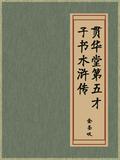 The Fifth Talented Man of Guanhuatang Writes Water Margin (Free Public Edition Book)
Jin Shengtan was well-read and liked to talk about "Yi" and Buddhism. He often used Buddha's words to explain Confucianism and Taoism, and he liked to add Zen principles to his essays. There are many ancient books that comment on them. He called "Zhuangzi", "Li Sao", "Shi Ji", "Du Shi", "Water Margin" and "Xi Xiang" as the "Six Talents Books", and planned to annotate them one by one, but only the latter two were completed. "Du Shi Jie" was not completed and he died. According to the narrative of
—Reads8.5Score—Shelves
The Fifth Talented Man of Guanhuatang Writes Water Margin (Free Public Edition Book)
Jin Shengtan was well-read and liked to talk about "Yi" and Buddhism. He often used Buddha's words to explain Confucianism and Taoism, and he liked to add Zen principles to his essays. There are many ancient books that comment on them. He called "Zhuangzi", "Li Sao", "Shi Ji", "Du Shi", "Water Margin" and "Xi Xiang" as the "Six Talents Books", and planned to annotate them one by one, but only the latter two were completed. "Du Shi Jie" was not completed and he died. According to the narrative of
—Reads8.5Score—Shelves
-
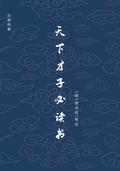 A Must Read for All the Talented People in the World
Open a classical study room where literature and wisdom coexist, and you will encounter "A Must-Read for All Talents in the World". This is a collection of ancient Chinese classics selected and commented by Jin Shengtan, a critic in the late Ming and early Qing dynasties, which has won the inheritance spirit of talented scholars. This anthology spans from the pre-Qin Dynasty to the Song Dynasty, and Jin Shengtan selected famous articles from a vast number of ancient books. This book contains 15
—Reads8.5Score—Shelves
A Must Read for All the Talented People in the World
Open a classical study room where literature and wisdom coexist, and you will encounter "A Must-Read for All Talents in the World". This is a collection of ancient Chinese classics selected and commented by Jin Shengtan, a critic in the late Ming and early Qing dynasties, which has won the inheritance spirit of talented scholars. This anthology spans from the pre-Qin Dynasty to the Song Dynasty, and Jin Shengtan selected famous articles from a vast number of ancient books. This book contains 15
—Reads8.5Score—Shelves
-
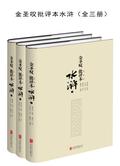 Jin Shengtan's Criticism of Water Margin: All 3 Volumes
"Jin Shengtan's Criticism of the Water Margin" is the revised version reviewed by Jin Shengtan, a literary critic in the late Ming and early Qing dynasties. He transformed "Water Margin" from a literary perspective and made precise comments. Jin Shengtan's comments are a peak in the criticism of Chinese classical novels, creating a model for later commentaries and influencing Mao Zonggang's criticism of "The Romance of the Three Kingdoms", Zhang Zhupo's criticism of "The Plum in the Golden Ping"
—Reads9.3Score—Shelves
Jin Shengtan's Criticism of Water Margin: All 3 Volumes
"Jin Shengtan's Criticism of the Water Margin" is the revised version reviewed by Jin Shengtan, a literary critic in the late Ming and early Qing dynasties. He transformed "Water Margin" from a literary perspective and made precise comments. Jin Shengtan's comments are a peak in the criticism of Chinese classical novels, creating a model for later commentaries and influencing Mao Zonggang's criticism of "The Romance of the Three Kingdoms", Zhang Zhupo's criticism of "The Plum in the Golden Ping"
—Reads9.3Score—Shelves
-
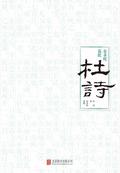 Jin Shengtan Selects and Criticizes Du's Poems
"The characteristic of Jin Shengtan's anthology is not only the selection but also the evaluation, paying more attention to comments and appreciation. Jin Shengtan pioneered the "seven-law decomposition method" of Tang poetry to comment on Tang poetry. He divided Tang poetry into "pre-interpretation" and "post-interpretation", analyzing the ups and downs hidden behind the poems, "which may enable future generations to see not only the words of Tang poetry, but also the poetry of Tang poetry." Am
—Reads9.1Score—Shelves
Jin Shengtan Selects and Criticizes Du's Poems
"The characteristic of Jin Shengtan's anthology is not only the selection but also the evaluation, paying more attention to comments and appreciation. Jin Shengtan pioneered the "seven-law decomposition method" of Tang poetry to comment on Tang poetry. He divided Tang poetry into "pre-interpretation" and "post-interpretation", analyzing the ups and downs hidden behind the poems, "which may enable future generations to see not only the words of Tang poetry, but also the poetry of Tang poetry." Am
—Reads9.1Score—Shelves
-
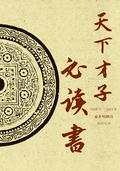 A Must Read for All the Talented People in the World
"A Must-Read for All Talents in the World" is a must-read book that collects the essence of wisdom from all over the world, both at home and abroad. It carefully selects classics in literature, history, philosophy and other fields, aiming to help readers broaden their horizons and improve their literacy. This book is an indispensable mentor for everyone. Open it and start a reading journey that will enlighten your soul and enrich your life, and let the light of wisdom illuminate the road to the
—Reads8.7Score—Shelves
A Must Read for All the Talented People in the World
"A Must-Read for All Talents in the World" is a must-read book that collects the essence of wisdom from all over the world, both at home and abroad. It carefully selects classics in literature, history, philosophy and other fields, aiming to help readers broaden their horizons and improve their literacy. This book is an indispensable mentor for everyone. Open it and start a reading journey that will enlighten your soul and enrich your life, and let the light of wisdom illuminate the road to the
—Reads8.7Score—Shelves
-
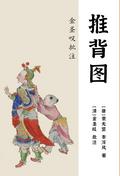 Pushing the Back Picture (Annotated by Jin Shengtan)
"Tuibei Diagram" was created by astronomer Li Chunfeng and fortune teller Yuan Tiangang in the Tang Dynasty to calculate the fortune of the Tang Dynasty. There are sixty phases in total, and each phase has a hexagram, a picture, a prophecy and a "Ode" poem, which predicts the rise and fall of China's history after the Tang Dynasty. There are many versions of "Tui Bei Tu", and they are all different. The most widely circulated version is the version annotated by Jin Shengtan.
—Reads9.4Score—Shelves
Pushing the Back Picture (Annotated by Jin Shengtan)
"Tuibei Diagram" was created by astronomer Li Chunfeng and fortune teller Yuan Tiangang in the Tang Dynasty to calculate the fortune of the Tang Dynasty. There are sixty phases in total, and each phase has a hexagram, a picture, a prophecy and a "Ode" poem, which predicts the rise and fall of China's history after the Tang Dynasty. There are many versions of "Tui Bei Tu", and they are all different. The most widely circulated version is the version annotated by Jin Shengtan.
—Reads9.4Score—Shelves
-
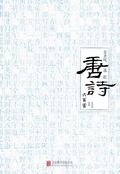 Jin Shengtan Selected and Reviewed 600 Tang Poems
The characteristic of Jin Shengtan's anthology lies not only in the selection, but also in the evaluation, paying more attention to comments and appreciation. Jin Shengtan has selected nearly 600 seven-character verses from the early Tang Dynasty to the Five Dynasties for detailed commentary, focusing on trying to figure out the various layouts and patterns of succession, transition, etc. In the seven-character verses of the Tang Dynasty. He either penetrates the meaning or makes use of the topi
—Reads9.2Score—Shelves
Jin Shengtan Selected and Reviewed 600 Tang Poems
The characteristic of Jin Shengtan's anthology lies not only in the selection, but also in the evaluation, paying more attention to comments and appreciation. Jin Shengtan has selected nearly 600 seven-character verses from the early Tang Dynasty to the Five Dynasties for detailed commentary, focusing on trying to figure out the various layouts and patterns of succession, transition, etc. In the seven-character verses of the Tang Dynasty. He either penetrates the meaning or makes use of the topi
—Reads9.2Score—Shelves
-
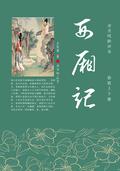 Jin Shengtan Criticizes the West Chamber
"Jin Shengtan's Criticism of the Romance of the West Chamber" is a perfect fusion of classical literature and critical art. Jin Shengtan, with his unique vision and sharp writing style, injected new life into the love classic "The Romance of the West Chamber". His comments are profound and delicate, not only analyzing the character of the characters, but also revealing the social reality behind the works. Reading this book, one can not only appreciate the literary beauty of "The Romance of the W
—Reads8.7Score—Shelves
Jin Shengtan Criticizes the West Chamber
"Jin Shengtan's Criticism of the Romance of the West Chamber" is a perfect fusion of classical literature and critical art. Jin Shengtan, with his unique vision and sharp writing style, injected new life into the love classic "The Romance of the West Chamber". His comments are profound and delicate, not only analyzing the character of the characters, but also revealing the social reality behind the works. Reading this book, one can not only appreciate the literary beauty of "The Romance of the W
—Reads8.7Score—Shelves
-
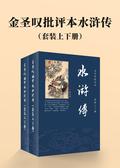 Water Margin (Critical Edition by Jin Shengtan)
The original author of "Jin Shengtan's Criticism of Water Margin" is Shi Naian, and the criticism (commentary) was written by Jin Shengtan. Shi Naian was a litterateur in the late Yuan and early Ming dynasties. He wrote the classic novel "Water Margin" which describes the story of the Songjiang Uprising in the late Northern Song Dynasty. Jin Shengtan was a writer and literary critic in the late Ming Dynasty and early Qing Dynasty. He made in-depth comments on "Water Margin" and formed a unique s
—Reads9.3Score—Shelves
Water Margin (Critical Edition by Jin Shengtan)
The original author of "Jin Shengtan's Criticism of Water Margin" is Shi Naian, and the criticism (commentary) was written by Jin Shengtan. Shi Naian was a litterateur in the late Yuan and early Ming dynasties. He wrote the classic novel "Water Margin" which describes the story of the Songjiang Uprising in the late Northern Song Dynasty. Jin Shengtan was a writer and literary critic in the late Ming Dynasty and early Qing Dynasty. He made in-depth comments on "Water Margin" and formed a unique s
—Reads9.3Score—Shelves
-
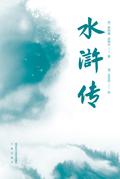 Water Margin (Guomai Classic)
The Songjiang uprising during the Xuanhe period at the end of the Northern Song Dynasty was recorded in history. Relevant records can be seen in various works, such as "Song Jiang Xiao gathered to flee, plagiarizing all the way to Shandong, there were earthquakes in prefectures and counties, and many officials took refuge." From the Southern Song Dynasty to the Ming Dynasty, the legend of Liangshan heroes can be heard in scripts, storytellers, and opera stages. Whether it is the personal legends
—Reads9.5Score—Shelves
Water Margin (Guomai Classic)
The Songjiang uprising during the Xuanhe period at the end of the Northern Song Dynasty was recorded in history. Relevant records can be seen in various works, such as "Song Jiang Xiao gathered to flee, plagiarizing all the way to Shandong, there were earthquakes in prefectures and counties, and many officials took refuge." From the Southern Song Dynasty to the Ming Dynasty, the legend of Liangshan heroes can be heard in scripts, storytellers, and opera stages. Whether it is the personal legends
—Reads9.5Score—Shelves