Fanqie library
Browse
- Titles
- 4
Every Fanqie book we index, searchable by title, author or tag.
-
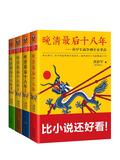 The Last Eighteen Years of the Late Qing Dynasty (4 Volumes in Total)
Reform is a consensus, the biggest benefit cake of the late Qing Dynasty, and it is also a duel ground for factional politics. Whether it is the Empress Dowager Cixi, the royalists, the Manchu dignitaries, or the pro-Western forces and the Boxer Rebellion, everyone is involved in it and takes turns to appear. In the end, the Eight-Power Allied Forces came to Beijing under the guise of protecting the embassy. The turbulent and chaotic situation of the Qing Dynasty was finally reshuffled, with som
1.2kReads9.5Score205Shelves
The Last Eighteen Years of the Late Qing Dynasty (4 Volumes in Total)
Reform is a consensus, the biggest benefit cake of the late Qing Dynasty, and it is also a duel ground for factional politics. Whether it is the Empress Dowager Cixi, the royalists, the Manchu dignitaries, or the pro-Western forces and the Boxer Rebellion, everyone is involved in it and takes turns to appear. In the end, the Eight-Power Allied Forces came to Beijing under the guise of protecting the embassy. The turbulent and chaotic situation of the Qing Dynasty was finally reshuffled, with som
1.2kReads9.5Score205Shelves
-
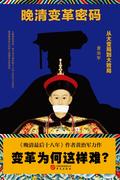 The Code of Change in the Late Qing Dynasty
In the last eighteen years of the late Qing Dynasty from 1894 to 1911, the Qing government carried out unprecedented intensive reforms and tried almost all reform methods that could be carried out at that time. The intensity of the reforms, the unprecedented intensity, the grand scale, and the subversion of policies were unprecedented in China's 2,000-year-old dynasty society. It was originally intended to reverse the rapid decline of the Qing Dynasty's national destiny, but in the end it became
7Reads8.8Score—Shelves
The Code of Change in the Late Qing Dynasty
In the last eighteen years of the late Qing Dynasty from 1894 to 1911, the Qing government carried out unprecedented intensive reforms and tried almost all reform methods that could be carried out at that time. The intensity of the reforms, the unprecedented intensity, the grand scale, and the subversion of policies were unprecedented in China's 2,000-year-old dynasty society. It was originally intended to reverse the rapid decline of the Qing Dynasty's national destiny, but in the end it became
7Reads8.8Score—Shelves
-
 The Last Eighteen Years of the Late Qing Dynasty: from the Sino-Japanese War of 1894 to 1911 Revolution 2
After the disastrous defeat of the Sino-Japanese War, the Westernizationist Li Hongzhang lost power, and the reformist Kang Youwei came to power. However, the reform effort ended in a palace coup, and the original intention of learning from the West unknowingly became a tool for careerists - Reform is a consensus, the biggest benefit cake of the late Qing Dynasty, and a duel ground for factional politics. Whether it is the Empress Dowager Cixi, the royalists, the Manchu dignitaries, or the pro-W
—Reads8.6Score—Shelves
The Last Eighteen Years of the Late Qing Dynasty: from the Sino-Japanese War of 1894 to 1911 Revolution 2
After the disastrous defeat of the Sino-Japanese War, the Westernizationist Li Hongzhang lost power, and the reformist Kang Youwei came to power. However, the reform effort ended in a palace coup, and the original intention of learning from the West unknowingly became a tool for careerists - Reform is a consensus, the biggest benefit cake of the late Qing Dynasty, and a duel ground for factional politics. Whether it is the Empress Dowager Cixi, the royalists, the Manchu dignitaries, or the pro-W
—Reads8.6Score—Shelves
-
 The Last Eighteen Years of the Late Qing Dynasty: from the Sino-Japanese War of 1891 to the Revolution of 1911
After the disastrous defeat of the Sino-Japanese War, the Westernizationist Li Hongzhang lost power, and the reformist Kang Youwei came to power. However, the reform movement ended in a palace coup, and the original intention of learning from the West unknowingly became a tool for careerists—— Reform is a consensus, the biggest benefit cake of the late Qing Dynasty, and it is also a duel ground for factional politics. Whether it is the Empress Dowager Cixi, the royalists, the Manchu dignitaries,
—Reads8.5Score—Shelves
The Last Eighteen Years of the Late Qing Dynasty: from the Sino-Japanese War of 1891 to the Revolution of 1911
After the disastrous defeat of the Sino-Japanese War, the Westernizationist Li Hongzhang lost power, and the reformist Kang Youwei came to power. However, the reform movement ended in a palace coup, and the original intention of learning from the West unknowingly became a tool for careerists—— Reform is a consensus, the biggest benefit cake of the late Qing Dynasty, and it is also a duel ground for factional politics. Whether it is the Empress Dowager Cixi, the royalists, the Manchu dignitaries,
—Reads8.5Score—Shelves