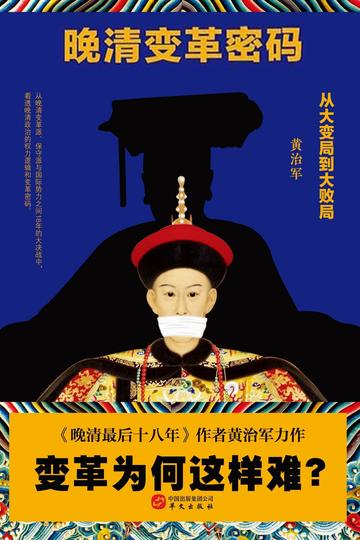
In the last eighteen years of the late Qing Dynasty from 1894 to 1911, the Qing government carried out unprecedented intensive reforms and tried almost all reform methods that could be carried out at that time. The intensity of the reforms, the unprecedented intensity, the grand scale, and the subversion of policies were unprecedented in China's 2,000-year-old dynasty society. It was originally intended to reverse the rapid decline of the Qing Dynasty's national destiny, but in the end it became the light of the end of the world. It can be said that this reform in the late Qing Dynasty still has significance for people to think about today. The Reform Movement of 1898, which was imperative after the defeat of the Sino-Japanese War of 1898, ended with Emperor Guangxu losing to the Empress Dowager Cixi in a power struggle in the palace, and the blood of the six gentlemen spilled at Caishikou. After the Eight-Power Allied Forces captured Beijing and the Russo-Japanese War broke out on the land of the Qing Dynasty, the ruling class had to take the initiative to seek reforms in times of danger. As the New Deal in the late Qing Dynasty advanced step by step, reforms Entered the fast lane: revitalizing commerce, abolishing the imperial examination, establishing Western schools, reforming the official system, amending new laws, and even implementing constitutionalism and forming a cabinet. However, it still could not reverse the sharp decline in the national fortunes of the Qing Dynasty. It still could not prevent the reform from falling into the dilemma of endless calculations of interests and power struggles. It still did not prevent the collapse of the Qing society.
Reader comments
This book gave me a deeper understanding of the history of the late Qing Dynasty. In the book, the author Huang Zhijun describes in detail various changes in the late Qing Dynasty. Although these changes ultimately failed to save the fate of the Qing Dynasty, they still have enlightenment significance for our society today. Just like my uncle, he is constantly trying changes in his business to respond to market changes. The book mentions "the Reform Movement of 1898 that was imperative after the Sino-Japanese War of 1898", which reminded me that we also need the courage and determination to make changes in our lives. History is always similar, and we can learn from past experiences to better face the future.

This book gave me a deeper understanding of the history of the late Qing Dynasty. In the book, the author Huang Zhijun describes in detail various changes in the late Qing Dynasty. Although these changes ultimately failed to save the fate of the Qing Dynasty, they still have enlightenment significance for our society today. Just like my uncle, he is constantly trying changes in his business to respond to market changes. The book mentions "the Reform Movement of 1898 that was imperative after the Sino-Japanese War of 1898", which reminded me that we also need the courage and determination to make changes in our lives. History is always similar, and we can learn from past experiences to better face the future.