I want to read a book similar to "The Spy Code: Lost on an Island". Remember the history, never forget the national humiliation, and let us strive for self-improvement
Why is "No Japanese Allowed" worth watching? ——A heartfelt recommendation from a reader. I rarely recommend novels to people. It's not that I'm afraid of losing face if I make the wrong recommendation, but I feel that reading is too personal—what you like may not be the same as others. But this time is different. This time I want to say: If you like to watch war themes, if you are fed up with those exaggerated anti-Japanese dramas, if you want to see what a real soldier looks like, then the book "No Japs Allowed" is worth your time. Not because it's cool - although it is. Because it reminds me of the stories my grandfather told me when I was a kid. 1. There are real people here, not paper heroes. Let's talk about the three brothers of the Fu family first. The eldest brother Fu Shuiheng, a time traveler, was a doctor in military industry in his previous life. This setting looks like a cheat, but the author didn't let him cheat. He knew the principles of making guns, but he had to lead his brothers through a little trial and error; he knew what would happen in the future, but he couldn't change the life and death in front of him. His greatness lies not in foresight but in being practical - when everyone said "it couldn't be made", he squatted in the repair shop and tried again and again with Lao Zheng. The second brother Fu Yihai is political commissar. This character is my favorite. From the beginning, his attitude towards the Japanese prisoners was the most common attitude of that era: "There is no good thing among the Japanese." But when he saw with his own eyes that Japanese young man wanted to commit seppuku, and heard with his own ears that Xiao Lin said, "My mother taught me that people should have humanity," he fell silent. The long conversation that night turned him from a simple avenger into a true revolutionary. Later, he took the cold training camp to Laojunding, where the temperature was 40 degrees below zero, his toes turned purple from the cold, and several nails fell off, but he gritted his teeth and trained with more than 200 people for three months. He said: "I am the political commissar. If I don't take the lead, who will take the lead?" The third brother Fu Yihui, chief of staff, is the narrator of this book. He was the one watching from the side, but his perspective made everything more real. He looked at the persistence of his eldest brother, the transformation of his second brother, and the sacrifices of the soldiers, and he wrote them all down. Sometimes he says, "I don't know," and sometimes he says, "This is all I can write." It is these "don't know" and "can only" that make the characters stand out - they are not gods, but humans. There are also supporting characters: Zheng, the elder of the armory, who has unique skills in his hands and a steelyard in his heart; Kenichiro Kobayashi of the anti-war alliance, who uses seventeen scars on his body to prove that "not all Japanese want to be beasts"; reconnaissance team leader Shi Potian, who fights without his life, but when he sees the sacrificed soldiers, he will say "I am useless" with red eyes. These people are all flesh and blood. As you read, you will feel like you know them. 2. There is a real war here, not deified or dwarfed. The devils in this book are not the kind of paper tigers that fall down with a single poke. The "Snow Wolf" special team was transferred from the Kwantung Army, wearing white camouflage uniforms and riding skis, haunting the snow like ghosts. In the first battle, we sacrificed twenty-three and killed five. A casualty ratio of one to four. The eldest brother Fu Shuiheng was seriously injured and almost failed to save him. This is real war. It's not about tearing apart Japanese enemies with your hands, or hiding thunder in your crotch. It's a real fight to the death, a real life-for-life. But it is precisely because the Japanese are strong that our victory is valuable. In order to deal with the "Snow Wolf", 263 key members of the entire brigade were taken to Laojunding in northern Shanxi and trained for three months in an environment of minus 40 degrees Celsius. When I learned to ski, my nose and face were swollen from a fall; when I practiced wilderness survival, my eyes turned green from hunger; when I slept in a tent, I huddled together to keep each other warm. Three months later, 251 people came back alive. Political commissar Fu Yihai lost his toenails due to the cold and walked with a limp. But he said: "Nails can still grow after they fall off, but the Japanese can't take away the skills we have learned." In the subsequent battle, 160 "Snow Wolf" people were wiped out. How? It's not about luck, it's about the ability that I earned through those three months of life. This book tells me: Victory does not fall from the sky, but is soaked in blood. 3. There are real thoughts here, no slogans, no labels. What moved me the most was episode 52. Three Japanese soldiers voluntarily surrendered, one of whom was a student of Yamamoto Kazuki. Political Commissar Fu Yihai strongly objected: "Will the Japanese surrender voluntarily? I think they are afraid of the fight and want to find a way to survive!" But of the three Japanese soldiers, one had seventeen scars on his body, left by his refusal to kill Chinese people; one was falsely accused of rape by a superior, and would rather commit seppuku than take the blame; one was a medical student, so as not to kill anyone, he shot himself in the foot. Fu Yihai talked with them all night. After the conversation, he stood in the snow and said: "I always thought that the Japanese were just Japanese invaders, and there was no good one. But today I learned that there are some Japanese who don't want to be Japanese invaders." This is not to whitewash the Japanese invaders. This is to say: war is one thing, human nature is another. Those farmers, workers, and students who were forcibly recruited into the army were also victims of militarism. We kill the Japanese, but we must also learn to distinguish between the Japanese who deserve to be killed and those who can be saved. Later, Xiao Lin and others became fighters of the Anti-War Alliance, learned Chinese, learned to sing "The Internationale", and learned to shout "The Eighth Route Army treats prisoners preferentially." The first Chinese character Ichiro Watanabe learned to write was "". After he finished writing, he raised his head and asked, "Chief Liu, does this word mean 'person'?" Liu Mingyuan nodded. Watanabe looked at the word and smiled: "I can write 'human' now. I am a human being." After reading this, my eyes turned red. 4. There is real growth here, and it does not happen overnight. Everyone in this book is changing. Fu Yihai changed from an avenger who wanted to kill all the Japanese to a promoter of the Anti-War Alliance. His transformation didn't happen overnight, it happened bit by bit. The first time he heard Xiaolin's story, he remained silent; the second time he had a long late-night conversation, he was shaken; the third time he saw the Japanese young man about to commit seppuku, he rushed to stop him. In the end, he became the leader of the cold training camp, leading more than 200 people to train in the ice and snow for three months with a pair of frostbitten feet. Fu Yihui changed from a chief of staff who only knew technology to a commander who could act independently. He wrote down every battle, every soldier who died, and every thing worth remembering. He said: "As long as we remember, someone will remember." Fu Shuiheng went from a time traveler with the knowledge of future generations to a brigade commander who truly integrated into this land. He no longer thinks about those distant things, but only the things in front of him - how to save a few soldiers from dying, how to make the troops stronger, and how to kill every "Snow Wolf". There are also those soldiers: from not knowing how to ski to being able to fly on the snow, from not being able to survive in the wild to being able to catch fish in the glacier, from being jealous when seeing the Japanese to being able to distinguish which Japanese should be killed and which can be saved. They are changing, growing, and reborn. This is why this book is worth reading - because it is about people, not gods; it is about growth, not cheating; it is about truth, not obscenity. 5. Written at the end: My grandfather fought against Japanese soldiers. When I was a child, listening to him talk about those things always felt far away. But while reading this book, I suddenly remembered the stories he told - marching in a snowy night, gnawing tree bark when hungry, rubbing snow on frostbite, squatting in front of the graves of comrades after the battle and smoking without saying a word. That's the real war. That's the real warrior. This book is written about them. If you like to watch war themes, if you want to see real anti-Japanese stories, and if you want to get to know a group of flesh-and-blood people, then "No Japanese Left Behind" is worth your time. Not for the fun - although it's fun enough. It's about remembering. Remember those who struggled to survive in the snow, those who walked with frostbitten feet for three months, and those who laughed after learning to write the word "". Remember them, as Fu Yihui said - "As long as we still remember, someone will remember." That's enough.
This anti-Japanese war themed novel is based on the 1941 Chongqing Eighteenth Stairway Tunnel Massacre. There are no hand-tearing Japanese soldiers or bombs hidden in the crotch. It's beautiful! Anti-war plus spy war!
Decompressing the wonderful article🔥Bright Sword fanfic is a brainless and refreshing book. Two strong partners fight on the battlefield, and they are invincible all the way. ✅In every battle, they will win and never give up. They will turn around in a desperate situation. ✅The siege of the city and the expansion of the territory will increase the territory rapidly, and the soldiers and equipment will increase crazily. ✅It is useless no matter how many Japanese soldiers there are, they will be crushed and destroyed in every round of strong attacks. ✅Surprise attacks and beheadings, artillery fire, and hand-to-hand battles, all kinds of exciting battles are staged in turn. ✅The team has become famous all the way, and shocked the entire Central Plains battlefield. There is no frustration or cruelty, the killing is crisp and clean, and the foreign enemies are swept away with ease. The resistance war is exciting and you can get into the trap quickly!
There is no system, starting from the first issue of Huangpu, killing the Japanese, the plot is good, feel free to read it, it will definitely be a long story
 The Growth Process of a Top Killer
538Reads5.9Score—Shelves
The Growth Process of a Top Killer
538Reads5.9Score—Shelves
 I Accidentally Discovered My Aunt's Secret
22Reads8.9Score—Shelves
I Accidentally Discovered My Aunt's Secret
22Reads8.9Score—Shelves
 "Suspect My Wife Is Unfaithful to Me 3"
65Reads8.9Score—Shelves
"Suspect My Wife Is Unfaithful to Me 3"
65Reads8.9Score—Shelves
 "Suspect My Wife Is Unfaithful to Me 2" Continued 1
33Reads8.5Score—Shelves
"Suspect My Wife Is Unfaithful to Me 2" Continued 1
33Reads8.5Score—Shelves
 "Suspect My Wife Is Unfaithful to Me 2" Continued 2
163Reads9.6Score—Shelves
"Suspect My Wife Is Unfaithful to Me 2" Continued 2
163Reads9.6Score—Shelves
 I Suspect My Wife Is Being Unfaithful to Me 2
16Reads8.4Score—Shelves
I Suspect My Wife Is Being Unfaithful to Me 2
16Reads8.4Score—Shelves
 "Suspect My Wife Is Unfaithful to Me"
15Reads8.6Score—Shelves
"Suspect My Wife Is Unfaithful to Me"
15Reads8.6Score—Shelves
 "Suspect My Wife Is Unfaithful to Me" Episode 4
9Reads8.4Score—Shelves
"Suspect My Wife Is Unfaithful to Me" Episode 4
9Reads8.4Score—Shelves
 Rebirth, Counterattack and Brilliant Life
107Reads—Score—Shelves
Rebirth, Counterattack and Brilliant Life
107Reads—Score—Shelves
 Death Squadron Behind Enemy Lines
409Reads6.2Score100Shelves
Death Squadron Behind Enemy Lines
409Reads6.2Score100Shelves
 The Tiger Roars Through Time and Kills the Japanese
1.3kReads6.5Score—Shelves
The Tiger Roars Through Time and Kills the Japanese
1.3kReads6.5Score—Shelves
 The Superpower Beats up the Devil
297Reads—Score—Shelves
The Superpower Beats up the Devil
297Reads—Score—Shelves
 "Frightening Night in the Abandoned Hospital"
3Reads8.4Score—Shelves
"Frightening Night in the Abandoned Hospital"
3Reads8.4Score—Shelves
 The Rise of the Far East in Sino-Japanese War
9.8kReads7.7Score516Shelves
The Rise of the Far East in Sino-Japanese War
9.8kReads7.7Score516Shelves
 I Asked You to Lurk. How Did You Become the Minister of the East Island Cabinet?
255Reads—Score—Shelves
I Asked You to Lurk. How Did You Become the Minister of the East Island Cabinet?
255Reads—Score—Shelves
 Can Mr. Liu, the First Brother of Fenghua Huangpu, Not Be Crazy About Fighting the War?
246Reads5.8Score—Shelves
Can Mr. Liu, the First Brother of Fenghua Huangpu, Not Be Crazy About Fighting the War?
246Reads5.8Score—Shelves
 Lots of Crafty Soldiers
109Reads—Score124Shelves
Lots of Crafty Soldiers
109Reads—Score124Shelves
 No Japanese Are Allowed to Stay
10Reads5.8Score—Shelves
No Japanese Are Allowed to Stay
10Reads5.8Score—Shelves
 Wushuang: My Career as a Soldier in the Republic of China
48Reads5.8Score—Shelves
Wushuang: My Career as a Soldier in the Republic of China
48Reads5.8Score—Shelves
 The Spy War Legend of a Military Agent
27.7kReads5.8Score2.1kShelves
The Spy War Legend of a Military Agent
27.7kReads5.8Score2.1kShelves
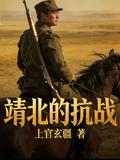 The War of Resistance in Jingbei
16Reads—Score—Shelves
The War of Resistance in Jingbei
16Reads—Score—Shelves
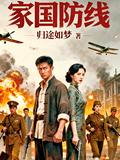 Home Defense Line
5Reads—Score—Shelves
Home Defense Line
5Reads—Score—Shelves
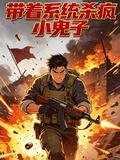 Use the System to Kill the Crazy Little Devil
131Reads—Score—Shelves
Use the System to Kill the Crazy Little Devil
131Reads—Score—Shelves
 Traveling Between Two Worlds: the 1970S
210Reads5.8Score—Shelves
Traveling Between Two Worlds: the 1970S
210Reads5.8Score—Shelves
 The Bloody Battle in Shanghai During the Shuangchuan Republic of China
6.6kReads7.2Score495Shelves
The Bloody Battle in Shanghai During the Shuangchuan Republic of China
6.6kReads7.2Score495Shelves
 Double Wear: Gold Rush in the Republic of China
11.2kReads7.7Score921Shelves
Double Wear: Gold Rush in the Republic of China
11.2kReads7.7Score921Shelves
 The Red Era of Traveling Between Two Worlds
341Reads5.8Score101Shelves
The Red Era of Traveling Between Two Worlds
341Reads5.8Score101Shelves
 In the 1980S, He Disguised Himself as a Wealthy Countryman and Returned to China.
8kReads5.8Score422Shelves
In the 1980S, He Disguised Himself as a Wealthy Countryman and Returned to China.
8kReads5.8Score422Shelves
 Double Wear 1936 I Emptied the Japanese Treasury
244Reads5.8Score—Shelves
Double Wear 1936 I Emptied the Japanese Treasury
244Reads5.8Score—Shelves
 Iron-Blooded Chongzhen: Liaodong Casting Dragon Soul
25Reads5.8Score—Shelves
Iron-Blooded Chongzhen: Liaodong Casting Dragon Soul
25Reads5.8Score—Shelves
 Bright Sword: After Traveling Through Ding Wei, Lao Li's Mentality Exploded
86Reads—Score—Shelves
Bright Sword: After Traveling Through Ding Wei, Lao Li's Mentality Exploded
86Reads—Score—Shelves
 Two Worlds of Trafficking 1983 the Rise of the Giant Crocodile
3Reads5.8Score—Shelves
Two Worlds of Trafficking 1983 the Rise of the Giant Crocodile
3Reads5.8Score—Shelves
 Heroes of Two Realms: the End of the Japanese Pirates
1Reads5.8Score—Shelves
Heroes of Two Realms: the End of the Japanese Pirates
1Reads5.8Score—Shelves
 War of Resistance: Kill Enemies and Become Stronger, Unlimited Explosive Equipment
23.5kReads6.7Score2.1kShelves
War of Resistance: Kill Enemies and Become Stronger, Unlimited Explosive Equipment
23.5kReads6.7Score2.1kShelves
 1937: Crush from Another Plane
217Reads5.8Score—Shelves
1937: Crush from Another Plane
217Reads5.8Score—Shelves
 Global Hegemony: Starting from an Isolated City in the Ming Dynasty
442Reads6.9Score—Shelves
Global Hegemony: Starting from an Isolated City in the Ming Dynasty
442Reads6.9Score—Shelves
 Traveling Through the Republic of China Twice, Sacrificing Blood to Mountains and Rivers
233Reads5.8Score—Shelves
Traveling Through the Republic of China Twice, Sacrificing Blood to Mountains and Rivers
233Reads5.8Score—Shelves
 Double-Crossing the 60S, the Country Is Rich and the People Are Strong
109Reads5.8Score—Shelves
Double-Crossing the 60S, the Country Is Rich and the People Are Strong
109Reads5.8Score—Shelves
 Time Travel 1930: I Work for the Landlord
87Reads—Score—Shelves
Time Travel 1930: I Work for the Landlord
87Reads—Score—Shelves
 1938, I Used the Bangdi as My Blade to Break Through the Siege
122Reads—Score—Shelves
1938, I Used the Bangdi as My Blade to Break Through the Siege
122Reads—Score—Shelves
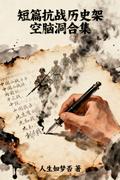 A Collection of Short Stories About the History of the Anti-Japanese War
—Reads—Score—Shelves
A Collection of Short Stories About the History of the Anti-Japanese War
—Reads—Score—Shelves
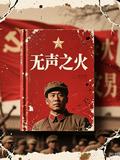 Silent Fire
30Reads—Score—Shelves
Silent Fire
30Reads—Score—Shelves
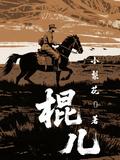 Stick
157Reads—Score—Shelves
Stick
157Reads—Score—Shelves
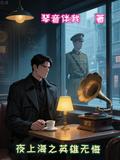 The Hero of Shanghai at Night Has No Regrets
87Reads5.8Score—Shelves
The Hero of Shanghai at Night Has No Regrets
87Reads5.8Score—Shelves
 Anti-Japanese War: Gangsters and Spoilers in the Secret Service World
21.2kReads8.0Score1.9kShelves
Anti-Japanese War: Gangsters and Spoilers in the Secret Service World
21.2kReads8.0Score1.9kShelves
 1937: I Have an Arsenal
22Reads5.8Score—Shelves
1937: I Have an Arsenal
22Reads5.8Score—Shelves
 What Happened to Fenghua Huangpu No. 1 Brother's Anti-War Madness?
92.5kReads5.8Score8.8kShelves
What Happened to Fenghua Huangpu No. 1 Brother's Anti-War Madness?
92.5kReads5.8Score8.8kShelves
 Double-Crossing the Republic of China and Killing Japanese Pirates
497Reads6.7Score—Shelves
Double-Crossing the Republic of China and Killing Japanese Pirates
497Reads6.7Score—Shelves
 Card War
68Reads8.6Score—Shelves
Card War
68Reads8.6Score—Shelves
 Mr. Republic of China
2.6kReads8.6Score127Shelves
Mr. Republic of China
2.6kReads8.6Score127Shelves