Suddenly I found that there are really few articles in Shuhui: It is a very reliable senior. This book seems to be discontinued, but in fact it does not affect reading. As long as you don't read the last chapter, I personally don't like it. After all, the first chapter is full of he, and the rhythm of the front suddenly changes to be, and it is still very reasonable and abrupt. But I personally like he. I like to read only the first one without reading the last one. Now I have started to update it. There are some non-CP Shuhui in the bookshelf ⊙ω⊙
--- **"Cultivation of Immortals: Seeing the Hearts of Mortals in the World of Immortals and Demons"** As a very vital type of Chinese online literature, "Xiu Xiuwen" has continuously broken through the traditional narrative framework in recent years, exploring the deep propositions of human nature, morality and civilization in the interweaving of fantasy and reality. From the foundation of the "mortal flow" in "The Legend of Mortals Cultivation of Immortality", to the metaphysical battle of wits in "Lan Ke Qi Yuan", to the heterogeneous perspective of "New White Snake Asks the Immortal", Cultivation of Immortals has built a fairy tale universe that is both magnificent and full of realistic metaphors with its diverse creative paths. This article will analyze the unique charm and ideological depth of immortality writing from the three dimensions of genre evolution, theme core, and cultural expression. --- ### **1. Genre Innovation: From "Wild Myth" to "Mortal Counterattack"** The early immortal literature was mostly influenced by "The Romance of the Gods" and "The Legend of Shushan Swordsman", and was dominated by the "Wild Style". The protagonist was often the chosen one, shouldering the grand mission of saving the common people. The emergence of "The Story of a Mortal's Cultivation of Immortality" completely overturned this paradigm. The protagonist Han Li has mediocre qualifications and a grassroots background. He relies on his cautious mind and chance calculations to survive in the world of immortality where the jungle is strong and the jungle is strong. This "mortal flow" setting allows readers to shift from hero worship to empathy for the fate of ordinary people, reflecting the anxiety and resilience of individuals in modern society against involution. Since then, the literature on immortality has spawned more branches: for example, the "urban cultivation" of "The Strongest Abandoned Young Master" combines modern technology and metaphysics to show the wonder of the collision of civilizations; "Lanke Chess" uses a chess game as a metaphor for heaven, integrating strategy and causality into the system of immortality, creating a "wisdom fighting flow"; "New White Snake Asks Immortals" deconstructs the traditional ethics of immortality from a heterogeneous perspective (female snakes transform into dragons), and explores the dilemma of survival under the status of "non-human". These innovations freed Xiuxianwen from the routine of single upgrades and monster killing, and became a cultural container carrying multiple narratives. --- ### **2. The core of the theme: cultivating immortals means cultivating the mind** The articles on cultivating immortals seem to depict a fantasy world of flying into the sky and escaping from the earth, but in fact they often imply philosophical speculations about real life. 1. **The survival philosophy of "living towards death"** For example, in "The Story of a Mortal's Cultivation of Immortality", when Han Li faced competition for resources and conflicts among sects, he always regarded "living" as his first priority. This kind of "righteousness" is not cowardice, but a clear understanding of the law of the jungle, which coincides with the existentialism of "confronting the absurd" described by Camus. Another example is "The Immortal in the Broken Temple", in which the protagonist sticks to the Taoist heart in the age of the end of the law and uses a mortal body to fight against the collapse of heaven, echoing modern people's reflections on the lack of faith. 2. **Mirror image of power and desire** The hierarchical system in the world of immortality (qi training, foundation building, Yuanying, etc.) Is essentially a metaphor for the power structure. Lin Wei's ambition to rebuild the Immortal Dynasty in "The Supreme Immortal Dynasty" reveals the cruel truth that "cultivating immortality means cultivating power"; the setting of using martial arts to enter Taoism in "Kou Dao" implies questioning the legality of violence - when power becomes the only law, is morality just a fig leaf for the strong? 3. **The Game between Emotion and Heaven** Traditional fairy tales often take "the end of love and desire" as the premise for ascension, while recent works such as "Xu Xianzhi" and "Tree on the Sendai" boldly reconstruct emotional narratives. The former rewrites the legend of the White Snake into a harem novel, using love and calamity to question the ruthlessness of heaven; the latter explores "whether love can transcend the fate of reincarnation" through the reversal of sadomasochism between master and apprentice. These attempts broke the emotional forbidden zone of Xiu Xianwen and gave it a richer human warmth. --- ### **3. Cultural Expression: Modern Translation of Traditional Elements** Another charm of Xiuxianwen lies in the creative transformation of traditional Chinese culture: 1. **Five Elements and Bagua and Alchemy Medical Skills** "Lanke Chess Yuan" turns the chess game into a tool for deducing the way of heaven. The protagonist Ji Yuan intervenes in the fate of others by "determining cause and effect", which coincides with the change philosophy of "The Book of Changes"; the exquisite details of alchemy and talisman making in "The Story of Mortal Cultivation of Immortals" reproduce the alchemy system in classics such as "Bao Puzi", making the fictional world more realistic. 2. **The juxtaposition of rivers and lakes and temples** For example, "The Order of Heaven's Punishment of Evil" takes police detectives as the main line, introduces the power of immortality into the ancient judicial system, and alludes to the boundary issue between the rule of law and lynching; "Liao Zhai Jian Xian" grafts Strange Stories from the Chinese Studio and palace intrigues, uses demons as a metaphor for official corruption, and completes the contemporary deconstruction of classical texts. 3. **The Absurdity and Enlightenment of "Modernization of Cultivation to Immortality"** "Who Is Not a Practitioner Yet" constructs a modern society where spiritual practice is popularized. Students are required to take the "Spiritual Power College Entrance Examination" and company recruitment requires "above the foundation period." This joking setting not only dispels the mystery of cultivating immortality, but also satirizes the utilitarian alienation of contemporary society. --- ### **4. Controversy and Reflection: The Unfinished Road of Cultivation to Immortality** Although the achievements of Cultivation to Immortality cannot be ignored: - **Routine Dilemma**: Some works are still stuck in the cycle of "killing monsters and upgrading - changing maps - upgrading again", such as "The Strongest Abandoned Young Man" The repetition of the fairyland chapter in the later period weakens the narrative tension; - **Insufficient cultural depth**: The use of Taoist ideas is mostly in terminology
--- **"Cultivation of Immortals: Seeing the Hearts of Mortals in the World of Immortals and Demons"** As a very vital type of Chinese online literature, "Xiu Xiuwen" has continuously broken through the traditional narrative framework in recent years, exploring the deep propositions of human nature, morality and civilization in the interweaving of fantasy and reality. From the foundation of the "mortal flow" in "The Legend of Mortals Cultivation of Immortality", to the metaphysical battle of wits in "Lan Ke Qi Yuan", to the heterogeneous perspective of "New White Snake Asks the Immortal", Cultivation of Immortals has built a fairy tale universe that is both magnificent and full of realistic metaphors with its diverse creative paths. This article will analyze the unique charm and ideological depth of immortality writing from the three dimensions of genre evolution, theme core, and cultural expression. --- ### **1. Genre Innovation: From "Wild Myth" to "Mortal Counterattack"** The early immortal literature was mostly influenced by "The Romance of the Gods" and "The Legend of Shushan Swordsman", and was dominated by the "Wild Style". The protagonist was often the chosen one, shouldering the grand mission of saving the common people. The emergence of "The Story of a Mortal's Cultivation of Immortality" completely overturned this paradigm. The protagonist, Han Li, has mediocre qualifications and a grassroots background. He relies on his cautious mind and chance calculations to survive in the world of immortality where the jungle is strong and the jungle is strong. This "mortal flow" setting allows readers to shift from hero worship to empathy for the fate of ordinary people, reflecting the anxiety and resilience of individuals in modern society against involution. Since then, the literature on immortality has spawned more branches: for example, the "urban cultivation" of "The Strongest Abandoned Young Master" combines modern technology and metaphysics to show the wonder of the collision of civilizations; "Lanke Chess" uses a chess game as a metaphor for heaven, integrating strategy and causality into the system of immortality, creating a "wisdom fighting flow"; "New White Snake Asks Immortals" deconstructs the traditional ethics of immortality from a heterogeneous perspective (female snakes transform into dragons), and explores the dilemma of survival under the status of "non-human". These innovations freed Xiuxianwen from the routine of single upgrades and monster killing, and became a cultural container carrying multiple narratives. --- ### **2. The core of the theme: cultivating immortals means cultivating the mind** The articles on cultivating immortals seem to depict a fantasy world of flying into the sky and escaping from the earth, but in fact they often imply philosophical speculations about real life. 1. **The survival philosophy of "living towards death"** For example, in "The Story of a Mortal's Cultivation of Immortality", when Han Li faced competition for resources and conflicts among sects, he always regarded "living" as his first priority. This kind of "righteousness" is not cowardice, but a clear understanding of the law of the jungle, which coincides with the existentialism of "confronting the absurd" described by Camus. Another example is "The Immortal in the Broken Temple", in which the protagonist sticks to the Taoist heart in the age of the end of the law and uses a mortal body to fight against the collapse of heaven, echoing modern people's reflections on the lack of faith. 2. **Mirror image of power and desire** The hierarchical system of the world of immortality (qi training, foundation building, Yuanying, etc.) Is essentially a metaphor for the power structure. Lin Wei's ambition to rebuild the Immortal Dynasty in "The Supreme Immortal Dynasty" reveals the cruel truth that "cultivating immortality means cultivating power"; the setting of using martial arts to enter Taoism in "Kou Dao" implies questioning the legality of violence - when power becomes the only law, is morality just a fig leaf for the strong? 3. **The Game between Emotion and Heaven** Traditional fairy tales often take "the end of love and desire" as the premise for ascension, while recent works such as "Xu Xianzhi" and "Tree on the Sendai" boldly reconstruct emotional narratives. The former rewrites the legend of the White Snake into a harem novel, using love and calamity to question the ruthlessness of heaven; the latter explores "whether love can transcend the fate of reincarnation" through the reversal of sadomasochism between master and apprentice. These attempts broke the emotional forbidden zone of Xiu Xianwen and gave it a richer human warmth. --- ### **3. Cultural Expression: Modern Translation of Traditional Elements** Another charm of Xiuxianwen lies in the creative transformation of traditional Chinese culture: 1. **Five Elements and Bagua and Alchemy Medical Skills** "Lanke Chess Yuan" turns the chess game into a tool for deducing the way of heaven. The protagonist Ji Yuan intervenes in the fate of others by "determining cause and effect", which coincides with the change philosophy of "The Book of Changes"; the exquisite details of alchemy and talisman making in "The Story of Mortal Cultivation of Immortals" reproduce the alchemy system in classics such as "Bao Puzi", making the fictional world more realistic. 2. **The juxtaposition of rivers and lakes and temples** For example, "The Order of Heaven's Punishment of Evil" takes police detectives as the main line, introduces the power of immortality into the ancient judicial system, and alludes to the boundary issue between the rule of law and lynching; "Liao Zhai Jian Xian" grafts Strange Stories from the Chinese Studio and palace intrigues, uses demons as a metaphor for official corruption, and completes the contemporary deconstruction of classical texts. 3. **The Absurdity and Enlightenment of "Modernization of Cultivation to Immortality"** "Who Is Not a Practitioner Yet" constructs a modern society where spiritual practice is popularized. Students are required to take the "Spiritual Power College Entrance Examination" and company recruitment requires "above the foundation period." This joking setting not only dispels the mystery of cultivating immortality, but also satirizes the utilitarian alienation of contemporary society. --- ### **4. Controversy and Reflection: The Unfinished Road of Cultivation to Immortality** Although the achievements of Cultivation to Immortality cannot be ignored: - **Routine Dilemma**: Some works are still stuck in the cycle of "killing monsters and upgrading - changing maps - upgrading again", such as "The Strongest Abandoned Young Man" The repetition of the fairyland chapter in the later period weakens the narrative tension; - **Insufficient cultural depth**: The use of Taoist ideas is mostly in terminology


 Curse: See Xia
370Reads—Score—Shelves
Curse: See Xia
370Reads—Score—Shelves
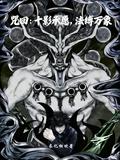 Curse Return: Ten Shadows Fulfill the Wish, and the Law Binds All Things
12.7kReads8.2Score1.7kShelves
Curse Return: Ten Shadows Fulfill the Wish, and the Law Binds All Things
12.7kReads8.2Score1.7kShelves
 Jujutsu Kaisen: I Refuse to Transfer from Regular High School to Jujutsu High!
2.9kReads8.6Score385Shelves
Jujutsu Kaisen: I Refuse to Transfer from Regular High School to Jujutsu High!
2.9kReads8.6Score385Shelves
 When Platycodon Comes to Curse World
64Reads—Score—Shelves
When Platycodon Comes to Curse World
64Reads—Score—Shelves
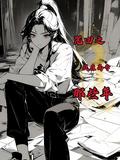 The Curse Returns as You Wish, as I Wish
671Reads8.4Score104Shelves
The Curse Returns as You Wish, as I Wish
671Reads8.4Score104Shelves
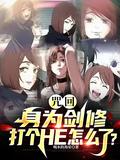 Jujutsu Kaisen: As a Sword Cultivator, What’s Wrong with Getting a Happy Ending?
15.1kReads9.3Score2kShelves
Jujutsu Kaisen: As a Sword Cultivator, What’s Wrong with Getting a Happy Ending?
15.1kReads9.3Score2kShelves
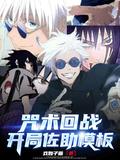 Jujutsu Kaisen: Sasuke Template from the Start
20.4kReads8.9Score1.6kShelves
Jujutsu Kaisen: Sasuke Template from the Start
20.4kReads8.9Score1.6kShelves
 The President's Sister Has Been Plotting Against Me for a Long Time
10.3kReads9.5Score1.8kShelves
The President's Sister Has Been Plotting Against Me for a Long Time
10.3kReads9.5Score1.8kShelves
 Something’s Not Quite Right About the Female Lead
8.3kReads9.4Score883Shelves
Something’s Not Quite Right About the Female Lead
8.3kReads9.4Score883Shelves
 The Spell Returns to Battle,
—Reads5.8Score—Shelves
The Spell Returns to Battle,
—Reads5.8Score—Shelves
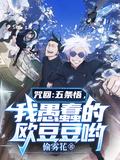 Jujutsu Kaisen: Satoru Gojo, My Foolish Little Brother
32.1kReads9.5Score4.1kShelves
Jujutsu Kaisen: Satoru Gojo, My Foolish Little Brother
32.1kReads9.5Score4.1kShelves
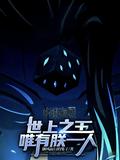 Jujutsu Kaisen: I Alone Am King of the World
13.2kReads9.0Score1kShelves
Jujutsu Kaisen: I Alone Am King of the World
13.2kReads9.0Score1kShelves
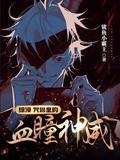 Anime Crossover: Blood-Eyed Kamui in Jujutsu Kaisen
8.6kReads8.7Score526Shelves
Anime Crossover: Blood-Eyed Kamui in Jujutsu Kaisen
8.6kReads8.7Score526Shelves
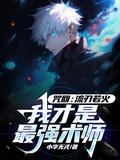 Jujutsu Kaisen: The Gojo Clan’s Swordsmith Refuses to Be Cut Short
1.8kReads7.5Score165Shelves
Jujutsu Kaisen: The Gojo Clan’s Swordsmith Refuses to Be Cut Short
1.8kReads7.5Score165Shelves
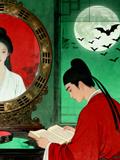 Continuation of Strange Tales from a Chinese Studio
—Reads5.8Score—Shelves
Continuation of Strange Tales from a Chinese Studio
—Reads5.8Score—Shelves