1. Traditional Chinese Classics: Using traditional wisdom to improve cognitive depth 1. "What Does the Tao Te Ching Say" (Improving Cognition: Dialectical Thinking) Analyzes the dialectical logic of "Essence and non-being, misfortunes and blessings depend on each other" in the Tao Te Ching, helping to look at problems from a single perspective and establish an essential understanding of the laws of things. 2. "Fan Deng Talks about the Analects (2 volumes)" (Improving Cognition: Wisdom in Life) dismantles the thoughts of benevolence and propriety in "The Analects", combines Confucian philosophy of life with modern life, and improves the cognitive accuracy of interpersonal relationships and self-positioning. 3. "Liaofan's Four Lessons" (Improving Cognition: Life Awakening) uses the core concepts of "establishing one's destiny and correcting one's mistakes" to guide the re-understanding of the path of self-growth and establish a cognitive framework of "actively shaping life". 2. Thinking methods category: Use practical tools to improve cognitive abilities. "Problem-solving Wisdom: Three Hundred Questions about Life" (Improving Cognition: Problem Solving) focuses on practical confusions in life and the workplace, provides structured thinking tools, helps establish a cognitive closed loop of "analysis-dismantling-solve", and improves problem-handling abilities. 3. General History: Use the knowledge system to improve the breadth of cognition 1. "General Courses of Southwest Associated University (set of seven volumes)" (Improving Cognition: General Vision) covers knowledge in multiple fields such as literature, history, philosophy, etc., Builds an interdisciplinary cognitive system, and understands the underlying logical connections in different fields. 2. "The True Biography of Confucius" (Improving Cognition: Cultural Roots) restores the background of the formation of Confucius' thoughts, understands the origin and influence of Confucian culture from a historical perspective, and deepens the understanding of the roots of traditional culture. 4. Literary Observation Category: Improving Cognitive Dimensions with Human Insights 1. "One Sentence is Worth Ten Thousand Sentences" (Improving Cognition: Human Connection) uses "speaking" as a clue to depict the spiritual loneliness and connection of Chinese people, and enhance the depth of cognition of social relationships and the nature of communication. 2. "I'm a Fortune Teller (Four Volumes)" (Improving Cognition: Social Psychology) Shows popular psychology and social rules from a folk perspective, and supplements the cognitive dimension of the complex aspects of human nature and social and cultural ecology [Grass has been planted] [Bookshelf plus one] [Bookshelf plus one]
1. Traditional Chinese Classics: Using traditional wisdom to improve cognitive depth 1. "What Does the Tao Te Ching Say" (Improving Cognition: Dialectical Thinking) Analyzes the dialectical logic of "Essence and non-being, misfortunes and blessings depend on each other" in the Tao Te Ching, helping to look at problems from a single perspective and establish an essential understanding of the laws of things. 2. "Fan Deng Talks about the Analects (2 volumes)" (Improving Cognition: Wisdom in Life) dismantles the thoughts of benevolence and propriety in "The Analects", combines Confucian philosophy of life with modern life, and improves the cognitive accuracy of interpersonal relationships and self-positioning. 3. "Liaofan's Four Lessons" (Improving Cognition: Life Awakening) uses the core concepts of "establishing one's destiny and correcting one's mistakes" to guide the re-understanding of the path of self-growth and establish a cognitive framework of "actively shaping life". 2. Thinking methods category: Use practical tools to improve cognitive abilities. "Problem-solving Wisdom: Three Hundred Questions about Life" (Improving Cognition: Problem Solving) focuses on practical confusions in life and the workplace, provides structured thinking tools, helps establish a cognitive closed loop of "analysis-dismantling-solve", and improves problem-handling abilities. 3. General History: Use the knowledge system to improve the breadth of cognition 1. "General Courses of Southwest Associated University (set of seven volumes)" (Improving Cognition: General Vision) covers knowledge in multiple fields such as literature, history, philosophy, etc., Builds an interdisciplinary cognitive system, and understands the underlying logical connections in different fields. 2. "The True Biography of Confucius" (Improving Cognition: Cultural Roots) restores the background of the formation of Confucius' thoughts, understands the origin and influence of Confucian culture from a historical perspective, and deepens the understanding of the roots of traditional culture. 4. Literary Observation Category: Improving Cognitive Dimensions with Human Insights 1. "One Sentence is Worth Ten Thousand Sentences" (Improving Cognition: Human Connection) uses "speaking" as a clue to depict the spiritual loneliness and connection of Chinese people, and enhance the depth of cognition of social relationships and the nature of communication. 2. "I'm a Fortune Teller (Four Volumes)" (Improving Cognition: Social Psychology) Shows popular psychology and social rules from a folk perspective, and supplements the cognitive dimension of the complex aspects of human nature and social and cultural ecology [Grass has been planted] [Bookshelf plus one] [Bookshelf plus one]
1. Traditional Chinese Classics: Using traditional wisdom to improve cognitive depth 1. "What Does the Tao Te Ching Say" (Improving Cognition: Dialectical Thinking) Analyzes the dialectical logic of "Essence and non-being, misfortunes and blessings depend on each other" in the Tao Te Ching, helping to look at problems from a single perspective and establish an essential understanding of the laws of things. 2. "Fan Deng Talks about the Analects (2 volumes)" (Improving Cognition: Wisdom in Life) dismantles the thoughts of benevolence and propriety in "The Analects", combines Confucian philosophy of life with modern life, and improves the cognitive accuracy of interpersonal relationships and self-positioning. 3. "Liaofan's Four Lessons" (Improving Cognition: Life Awakening) uses the core concepts of "establishing one's destiny and correcting one's mistakes" to guide the re-understanding of the path of self-growth and establish a cognitive framework of "actively shaping life". 2. Thinking methods category: Use practical tools to improve cognitive abilities. "Problem-solving Wisdom: Three Hundred Questions about Life" (Improving Cognition: Problem Solving) focuses on practical confusions in life and the workplace, provides structured thinking tools, helps establish a cognitive closed loop of "analysis-dismantling-solve", and improves problem-handling abilities. 3. General History: Use the knowledge system to improve the breadth of cognition 1. "General Courses of Southwest Associated University (set of seven volumes)" (Improving Cognition: General Vision) covers knowledge in multiple fields such as literature, history, philosophy, etc., Builds an interdisciplinary cognitive system, and understands the underlying logical connections in different fields. 2. "The True Biography of Confucius" (Improving Cognition: Cultural Roots) restores the background of the formation of Confucius' thoughts, understands the origin and influence of Confucian culture from a historical perspective, and deepens the understanding of the roots of traditional culture. 4. Literary Observation Category: Improving Cognitive Dimensions with Human Insights 1. "One Sentence is Worth Ten Thousand Sentences" (Improving Cognition: Human Connection) uses "speaking" as a clue to depict the spiritual loneliness and connection of Chinese people, and enhance the depth of cognition of social relationships and the nature of communication. 2. "I'm a Fortune Teller (Four Volumes)" (Improving Cognition: Social Psychology) Shows popular psychology and social rules from a folk perspective, and supplements the cognitive dimension of the complex aspects of human nature and social and cultural ecology [Grass has been planted] [Bookshelf plus one] [Bookshelf plus one]
1. Traditional Chinese Classics: Using traditional wisdom to improve cognitive depth 1. "What Does the Tao Te Ching Say" (Improving Cognition: Dialectical Thinking) Analyzes the dialectical logic of "Essence and non-being, misfortunes and blessings depend on each other" in the Tao Te Ching, helping to look at problems from a single perspective and establish an essential understanding of the laws of things. 2. "Fan Deng Talks about the Analects (2 volumes)" (Improving Cognition: Wisdom in Life) dismantles the thoughts of benevolence and propriety in "The Analects", combines Confucian philosophy of life with modern life, and improves the cognitive accuracy of interpersonal relationships and self-positioning. 3. "Liaofan's Four Lessons" (Improving Cognition: Life Awakening) uses the core concepts of "establishing one's destiny and correcting one's mistakes" to guide the re-understanding of the path of self-growth and establish a cognitive framework of "actively shaping life". 2. Thinking methods category: Use practical tools to improve cognitive abilities. "Problem-solving Wisdom: Three Hundred Questions about Life" (Improving Cognition: Problem Solving) focuses on practical confusions in life and the workplace, provides structured thinking tools, helps establish a cognitive closed loop of "analysis-dismantling-solve", and improves problem-handling abilities. 3. General History: Use the knowledge system to improve the breadth of cognition 1. "General Courses of Southwest Associated University (set of seven volumes)" (Improving Cognition: General Vision) covers knowledge in multiple fields such as literature, history, philosophy, etc., Builds an interdisciplinary cognitive system, and understands the underlying logical connections in different fields. 2. "The True Biography of Confucius" (Improving Cognition: Cultural Roots) restores the background of the formation of Confucius' thoughts, understands the origin and influence of Confucian culture from a historical perspective, and deepens the understanding of the roots of traditional culture. 4. Literary Observation Category: Improving Cognitive Dimensions with Human Insights 1. "One Sentence is Worth Ten Thousand Sentences" (Improving Cognition: Human Connection) uses "speaking" as a clue to depict the spiritual loneliness and connection of Chinese people, and enhance the depth of cognition of social relationships and the nature of communication. 2. "I'm a Fortune Teller (Four Volumes)" (Improving Cognition: Social Psychology) Shows popular psychology and social rules from a folk perspective, and supplements the cognitive dimension of the complex aspects of human nature and social and cultural ecology [Grass has been planted] [Bookshelf plus one] [Bookshelf plus one]
1. Traditional Chinese Classics: Using traditional wisdom to improve cognitive depth 1. "What Does the Tao Te Ching Say" (Improving Cognition: Dialectical Thinking) Analyzes the dialectical logic of "Essence and non-being, misfortunes and blessings depend on each other" in the Tao Te Ching, helping to look at problems from a single perspective and establish an essential understanding of the laws of things. 2. "Fan Deng Talks about the Analects (2 volumes)" (Improving Cognition: Wisdom in Life) dismantles the thoughts of benevolence and propriety in "The Analects", combines Confucian philosophy of life with modern life, and improves the cognitive accuracy of interpersonal relationships and self-positioning. 3. "Liaofan's Four Lessons" (Improving Cognition: Life Awakening) uses the core concepts of "establishing one's destiny and correcting one's mistakes" to guide the re-understanding of the path of self-growth and establish a cognitive framework of "actively shaping life". 2. Thinking methods category: Use practical tools to improve cognitive abilities. "Problem-solving Wisdom: Three Hundred Questions about Life" (Improving Cognition: Problem Solving) focuses on practical confusions in life and the workplace, provides structured thinking tools, helps establish a cognitive closed loop of "analysis-dismantling-solve", and improves problem-handling abilities. 3. General History: Use the knowledge system to improve the breadth of cognition 1. "General Courses of Southwest Associated University (set of seven volumes)" (Improving Cognition: General Vision) covers knowledge in multiple fields such as literature, history, philosophy, etc., Builds an interdisciplinary cognitive system, and understands the underlying logical connections in different fields. 2. "The True Biography of Confucius" (Improving Cognition: Cultural Roots) restores the background of the formation of Confucius' thoughts, understands the origin and influence of Confucian culture from a historical perspective, and deepens the understanding of the roots of traditional culture. 4. Literary Observation Category: Improving Cognitive Dimensions with Human Insights 1. "One Sentence is Worth Ten Thousand Sentences" (Improving Cognition: Human Connection) uses "speaking" as a clue to depict the spiritual loneliness and connection of Chinese people, and enhance the depth of cognition of social relationships and the nature of communication. 2. "I'm a Fortune Teller (Four Volumes)" (Improving Cognition: Social Psychology) Shows popular psychology and social rules from a folk perspective, and supplements the cognitive dimension of the complex aspects of human nature and social and cultural ecology [Grass has been planted] [Bookshelf plus one] [Bookshelf plus one]
1. Traditional Chinese Classics: Using traditional wisdom to improve cognitive depth 1. "What Does the Tao Te Ching Say" (Improving Cognition: Dialectical Thinking) Analyzes the dialectical logic of "Essence and non-being, misfortunes and blessings depend on each other" in the Tao Te Ching, helping to look at problems from a single perspective and establish an essential understanding of the laws of things. 2. "Fan Deng Talks about the Analects (2 volumes)" (Improving Cognition: Wisdom in Life) dismantles the thoughts of benevolence and propriety in "The Analects", combines Confucian philosophy of life with modern life, and improves the cognitive accuracy of interpersonal relationships and self-positioning. 3. "Liaofan's Four Lessons" (Improving Cognition: Life Awakening) uses the core concepts of "establishing one's destiny and correcting one's mistakes" to guide the re-understanding of the path of self-growth and establish a cognitive framework of "actively shaping life". 2. Thinking methods category: Use practical tools to improve cognitive abilities. "Problem-solving Wisdom: Three Hundred Questions about Life" (Improving Cognition: Problem Solving) focuses on practical confusions in life and the workplace, provides structured thinking tools, helps establish a cognitive closed loop of "analysis-dismantling-solve", and improves problem-handling abilities. 3. General History: Use the knowledge system to improve the breadth of cognition 1. "General Courses of Southwest Associated University (set of seven volumes)" (Improving Cognition: General Vision) covers knowledge in multiple fields such as literature, history, philosophy, etc., Builds an interdisciplinary cognitive system, and understands the underlying logical connections in different fields. 2. "The True Biography of Confucius" (Improving Cognition: Cultural Roots) restores the background of the formation of Confucius' thoughts, understands the origin and influence of Confucian culture from a historical perspective, and deepens the understanding of the roots of traditional culture. 4. Literary Observation Category: Improving Cognitive Dimensions with Human Insights 1. "One Sentence is Worth Ten Thousand Sentences" (Improving Cognition: Human Connection) uses "speaking" as a clue to depict the spiritual loneliness and connection of Chinese people, and enhance the depth of cognition of social relationships and the nature of communication. 2. "I'm a Fortune Teller (Four Volumes)" (Improving Cognition: Social Psychology) Shows popular psychology and social rules from a folk perspective, and supplements the cognitive dimension of the complex aspects of human nature and social and cultural ecology [Grass has been planted] [Bookshelf plus one] [Bookshelf plus one]
This book chronologically explains the author's real experiences in the more than ten years since he entered society after graduating from college. Through the big and small things that happened to him, it aims to find resonance with readers, hoping that readers can find their own direction in the dilemma of today's society full of confusion and involution!
Thousands of lights, busy traffic, what a beautiful night scene! Those long and dark years in prison finally ushered in the neon light! Lin Qi sighed in his heart! Looking at the charming woman next to him holding his arm, she was silent, but she was telling endless sweetness! So fast, we arrived at the lantern festival in a blink of an eye! Lights are used to create various festive patterns, landmarks, and various symbols of love in the sky! Thank you, master! After Lin Qi thanked him, he held Shangguan Xuemei's hand for the first time and stepped out of the car. Brother Lin, Sister Xuemei, let's go over there and take a look if we can't find each other. This should be our meeting point. Amu, hurry up and take a look over there! Hongyan took Amu's hand and ran towards the crowd regardless of Amu's still confused expression! Didn't you see Aunt Xuemei being held by Brother Lin for the first time? We must learn to give others room for freedom. Do you understand, Amu? Just like in speculation, the wolves have to give the antelope room to play, right? Amu thought and said! Hahaha, yes, yes. Do you think about these things in your head every day? Hongyan mocked Amu!
Thousands of lights, busy traffic, what a beautiful night scene! Those long and dark years in prison finally ushered in the neon light! Lin Qi sighed in his heart! Looking at the charming woman next to him holding his arm, she was silent, but she was telling endless sweetness! So fast, we arrived at the lantern festival in a blink of an eye! Lights are used to create various festive patterns, landmarks, and various symbols of love in the sky! Thank you, master! After Lin Qi thanked him, he held Shangguan Xuemei's hand for the first time and stepped out of the car. Brother Lin, Sister Xuemei, let's go over there and take a look if we can't find each other. This should be our meeting point. Amu, hurry up and take a look over there! Hongyan took Amu's hand and ran towards the crowd regardless of Amu's still confused expression! Didn't you see Aunt Xuemei being held by Brother Lin for the first time? We must learn to give others room for freedom. Do you understand, Amu? Just like in speculation, the wolves have to give the antelope room to play, right? Amu thought and said! Hahaha, yes, yes. Do you think about these things in your head every day? Hongyan mocked Amu!
Thousands of lights, busy traffic, what a beautiful night scene! Those long and dark years in prison finally ushered in the neon light! Lin Qi sighed in his heart! Looking at the charming woman next to him holding his arm, she was silent, but she was telling endless sweetness! So fast, we arrived at the lantern festival in a blink of an eye! Lights are used to create various festive patterns, landmarks, and various symbols of love in the sky! Thank you, master! After Lin Qi thanked him, he held Shangguan Xuemei's hand for the first time and stepped out of the car. Brother Lin, Sister Xuemei, let's go over there and take a look if we can't find each other. This should be our meeting point. Amu, hurry up and take a look over there! Hongyan took Amu's hand and ran towards the crowd regardless of Amu's still confused expression! Didn't you see Aunt Xuemei being held by Brother Lin for the first time? We must learn to give others room for freedom. Do you understand, Amu? Just like in speculation, the wolves have to give the antelope room to play, right? Amu thought and said! Hahaha, yes, yes. Do you think about these things in your head every day? Hongyan mocked Amu!
 The Love, Hatred, Grievances and Grievances Between Two Generations
17Reads5.8Score—Shelves
The Love, Hatred, Grievances and Grievances Between Two Generations
17Reads5.8Score—Shelves
 Agricultural Administration Encyclopedia
—Reads8.0Score—Shelves
Agricultural Administration Encyclopedia
—Reads8.0Score—Shelves
 Women's Experience with Marriage
35Reads5.8Score—Shelves
Women's Experience with Marriage
35Reads5.8Score—Shelves
 Feng's Hearing and Seeing Notes
—Reads7.9Score—Shelves
Feng's Hearing and Seeing Notes
—Reads7.9Score—Shelves
 Collected Works of Su Shi
—Reads9.1Score—Shelves
Collected Works of Su Shi
—Reads9.1Score—Shelves
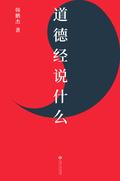 What Does the Tao Te Ching Say?
—Reads9.5Score—Shelves
What Does the Tao Te Ching Say?
—Reads9.5Score—Shelves
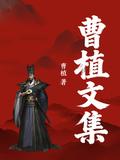 Collected Works of Cao Zhi
—Reads8.5Score—Shelves
Collected Works of Cao Zhi
—Reads8.5Score—Shelves
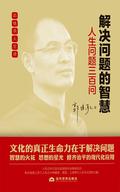 Wisdom in Solving Problems: Three Hundred Questions About Life
231Reads9.4Score110Shelves
Wisdom in Solving Problems: Three Hundred Questions About Life
231Reads9.4Score110Shelves
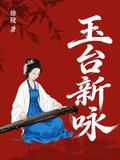 Yutai Xinyong
—Reads8.5Score—Shelves
Yutai Xinyong
—Reads8.5Score—Shelves
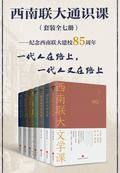 General Courses of Southwest Associated University (Set of Seven Volumes)
—Reads9.3Score—Shelves
General Courses of Southwest Associated University (Set of Seven Volumes)
—Reads9.3Score—Shelves
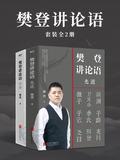 Fan Deng********
—Reads5.8Score—Shelves
Fan Deng********
—Reads5.8Score—Shelves
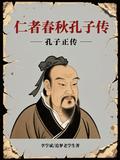 True Story of Confucius
592Reads6.9Score104Shelves
True Story of Confucius
592Reads6.9Score104Shelves
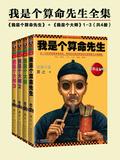 I Am a Fortune Teller (All Four Volumes)
11kReads9.6Score—Shelves
I Am a Fortune Teller (All Four Volumes)
11kReads9.6Score—Shelves
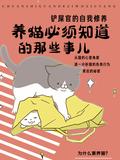 Things You Need to Know About Raising a Cat
—Reads9.1Score—Shelves
Things You Need to Know About Raising a Cat
—Reads9.1Score—Shelves
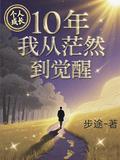 Ten Years********
—Reads5.8Score—Shelves
Ten Years********
—Reads5.8Score—Shelves
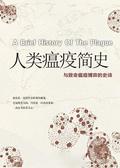 A Brief History of Human Plagues
—Reads9.3Score—Shelves
A Brief History of Human Plagues
—Reads9.3Score—Shelves
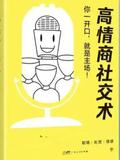 High Emotional Intelligence and Social Skills
—Reads5.8Score—Shelves
High Emotional Intelligence and Social Skills
—Reads5.8Score—Shelves
 A Brief History of Christmas
—Reads9.1Score—Shelves
A Brief History of Christmas
—Reads9.1Score—Shelves
 Gaoqing************
—Reads5.8Score—Shelves
Gaoqing************
—Reads5.8Score—Shelves
 The Top Ten Gang Leaders in the Republic of China
—Reads9.2Score—Shelves
The Top Ten Gang Leaders in the Republic of China
—Reads9.2Score—Shelves
 Common Knowledge of Ancient Chinese Culture
—Reads8.6Score—Shelves
Common Knowledge of Ancient Chinese Culture
—Reads8.6Score—Shelves
 Gaoqing************
—Reads5.8Score—Shelves
Gaoqing************
—Reads5.8Score—Shelves
 Explain Chinese Characters: Rare Words You Don't Know
—Reads8.5Score—Shelves
Explain Chinese Characters: Rare Words You Don't Know
—Reads8.5Score—Shelves
 Practical Guide to College Entrance Examination Essay Writing: Speculative Essay Writing Skills
—Reads8.3Score—Shelves
Practical Guide to College Entrance Examination Essay Writing: Speculative Essay Writing Skills
—Reads8.3Score—Shelves
 Make Money**
—Reads5.8Score—Shelves
Make Money**
—Reads5.8Score—Shelves
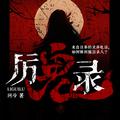 The Record of Fierce Ghosts
—Reads8.4Score—Shelves
The Record of Fierce Ghosts
—Reads8.4Score—Shelves
 Pattern*****
—Reads5.8Score—Shelves
Pattern*****
—Reads5.8Score—Shelves
 To Myself, the World Is Awake
6Reads—Score—Shelves
To Myself, the World Is Awake
6Reads—Score—Shelves
 Wisdom**
—Reads5.8Score—Shelves
Wisdom**
—Reads5.8Score—Shelves
 Temptation of Human Nature
273Reads—Score—Shelves
Temptation of Human Nature
273Reads—Score—Shelves
 Bingdi Lotus Record
—Reads—Score—Shelves
Bingdi Lotus Record
—Reads—Score—Shelves
 Two Souls in One: Magic in the Left Hand and Taoism in the Right Hand
876Reads5.8Score162Shelves
Two Souls in One: Magic in the Left Hand and Taoism in the Right Hand
876Reads5.8Score162Shelves
 Wandering Stock God
—Reads—Score—Shelves
Wandering Stock God
—Reads—Score—Shelves
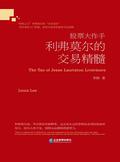 The Trading Essence of Stock Expert Livermore
3.7kReads9.4Score552Shelves
The Trading Essence of Stock Expert Livermore
3.7kReads9.4Score552Shelves
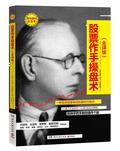 Stock Trading Techniques: Full Translation
—Reads9.5Score—Shelves
Stock Trading Techniques: Full Translation
—Reads9.5Score—Shelves