1: Writing the entrepreneurial line in the form of setting up a stall can also intersperse friendship lines and love lines. This form of expression is very good, and setting up a stall is more down-to-earth and easier to empathize with, which is better than starting a company to dominate the world. 2: Good food article, not aloof, but family-friendly. There are also big night market carts, such as the all-in-one lunch carts, which are available in several styles. Sanbengzi can't carry too many ingredients. Besides, they usually have one cart, one cart for ingredients, and only one cart for those who are chased by the urban management. It's easy to run. 3: Integrate fantasy, suspense and healing elements, with novel themes and ups and downs of plot. There is a story behind every antique, which may warm people's hearts or burn their brains to solve puzzles. There are fantasy adventures to help monsters and fairies, and there are also profound discussions on human nature and emotions. Whether it's traveling through time and space to find regrets or uncovering antiques
The author's description of food is meticulous and meticulous, making you feel as if you are actually there, from the selection of ingredients, the cooking process to the taste experience when tasting. There are not only home-cooked delicacies, but also local specialties and innovative fusion dishes. Each dish is like a carefully crafted work of art. Moreover, the story is interspersed with human fireworks and tender stories. The food not only satisfies the taste buds, but also warms the heart. Whether you are a food lover or a reader looking for comfort in words, this food article is not to be missed. Come and start this wonderful journey on the tip of your tongue and taste the ups and downs of life in words! All have descriptions of delicious food, and all are free of charge.
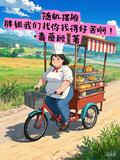
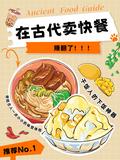
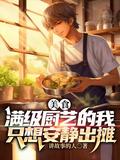
These books are all, no CP, the protagonist focuses on the food career alone! In the first book, the male protagonist is bound to the food system, and the system releases tasks every week, setting up stalls to sell food in random locations, attracting many diners... The second book, the female protagonist is bound to the food system, and opens a gourmet shop in ancient times, and promotes modern food in ancient times... In the third book, the female protagonist randomly sets up stalls across the country, and you will receive generous rewards for completing the tasks...
Reading Ma Boyong's novels is to be able to see the big from the small, to be able to restore the customs and styles of the time from historical scraps, and the writing is sophisticated and concise without being cumbersome. This novel is not just a food article, we can make our mouths water and our appetites whet our appetites from the long descriptions of food; we can also see behind the food the politics of the confrontation between the two countries and the plans between the envoys, and even the complex interests and interpersonal relationships behind it. Food is both delicacy and clue; it is both motivation and cause and effect; it is both culture and metaphor. We can also find the emotional intersection between people, and the characters are not instrumental. Whether it is the loyalty between brothers, the interests between families, or the loyalty to the king, they are all portrayed very delicately by the author. They are not empty historical symbols, but real people who lived in that era. Even in the finale, just because of a wolfberry sauce, this food has opened up the geographical territory of the Han people and paved the way for the pacification of South Vietnam; it is also an emotional bond between families. In the finale, I was given knife after knife, allowing the family to reunite in a way that should be said to be satisfying. "You live at the head of the Yangtze River, and I live at the end of the Yangtze River." This is not a kind of reunion in the river. The whole family is suffering too much. There is also the transformation of the protagonist. From the beginning, he only wanted to follow the trend and live a stable life in the middle way. In the end, he was willing to spend twenty-two years planning for his original obsession, just to open a path and avenge the little girl's family. Tang Meng has no ambitions and is unwilling to make contributions. At the beginning, he only paid for the compassion in his heart instead of the feelings of family and country. In my opinion, it gave this character more human warmth. The narrative from a small person living in a corner to a hero who rewrites history ends perfectly, but in the end his morality will never end. The destruction of a country because of a piece of food is truly a unique event in history. I also want to thank the author for using his exquisite and interesting writing style to extract the cocoons from the historical records of more than a hundred words, and then reasonably expand them, allowing me to once again learn about unknown history, and also learn about a historical figure I was not familiar with. It is easier for me to remember it more deeply than simply reading biographies of historical figures [get it]
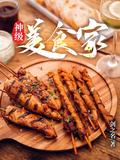
The first one is all about gourmet food, and the chapter names are all dish names. The second one is also about gourmet food without CP, but there is a system where the heroine will get some rewards when she sells the corresponding delicacies. The third one is more niche and is also a food book.
[Food] + [No heroine] + [Daily] + [Funny] + [Healing] + [Food]. Lin Xuan, who didn't want to go to work, was bound to the food system. Random place, random food every week. However, Lin Xuan was dumbfounded when he saw the food task in the first week. What? Selling spicy grilled wings in front of the anorectal hospital? What kind of devilish mission is this? ………… Week 2: The public dating corner sells white meat with garlic paste.
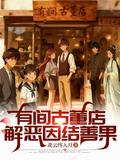 There Is an Antique Shop That Welcomes Fairies in the Middle of the Night!
1.5kReads9.0Score220Shelves
There Is an Antique Shop That Welcomes Fairies in the Middle of the Night!
1.5kReads9.0Score220Shelves
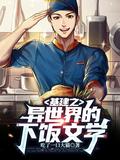 The Literature of Eating in a Different World of Infrastructure
—Reads5.8Score—Shelves
The Literature of Eating in a Different World of Infrastructure
—Reads5.8Score—Shelves
 A Modern Gourmet Restaurant That Would Satisfy Everyone in Ancient Times
346Reads6.1Score—Shelves
A Modern Gourmet Restaurant That Would Satisfy Everyone in Ancient Times
346Reads6.1Score—Shelves
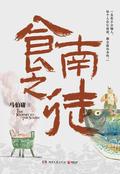 Southern Eaters
5.5kReads9.6Score1.4kShelves
Southern Eaters
5.5kReads9.6Score1.4kShelves
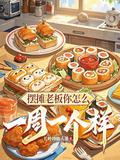 Setting up a Stall, Boss, Why Do You Do the Same Thing Every Week?
3Reads5.8Score—Shelves
Setting up a Stall, Boss, Why Do You Do the Same Thing Every Week?
3Reads5.8Score—Shelves
 Randomly Set up Stalls, Fat Sister, We Had a Hard Time Looking for You.
225Reads8.2Score—Shelves
Randomly Set up Stalls, Fat Sister, We Had a Hard Time Looking for You.
225Reads8.2Score—Shelves
 Selling Fast Food in Ancient Times Made a Lot of Money
556Reads5.8Score—Shelves
Selling Fast Food in Ancient Times Made a Lot of Money
556Reads5.8Score—Shelves
 Food: with My Perfect Cooking Skills, I Just Want to Go Out Quietly
13.1kReads8.7Score960Shelves
Food: with My Perfect Cooking Skills, I Just Want to Go Out Quietly
13.1kReads8.7Score960Shelves
 Urban All-Round Lottery System
2.5kReads6.8Score101Shelves
Urban All-Round Lottery System
2.5kReads6.8Score101Shelves
 Godly Gourmet
4.3kReads8.3Score412Shelves
Godly Gourmet
4.3kReads8.3Score412Shelves
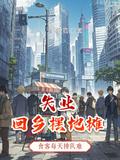 Unemployed and Returning to His Hometown to Set up Street Stalls, Diners Find It Difficult to Line up Every Day
5kReads8.3Score374Shelves
Unemployed and Returning to His Hometown to Set up Street Stalls, Diners Find It Difficult to Line up Every Day
5kReads8.3Score374Shelves
 I Recreated 108 Famous Extinct Dishes of China
1.2kReads8.8Score123Shelves
I Recreated 108 Famous Extinct Dishes of China
1.2kReads8.8Score123Shelves
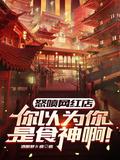 Angry at the Internet Celebrity Shop, You Think You Are the God of Food!
2.2kReads8.7Score147Shelves
Angry at the Internet Celebrity Shop, You Think You Are the God of Food!
2.2kReads8.7Score147Shelves
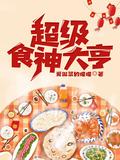 Super Food Tycoon
528Reads7.3Score—Shelves
Super Food Tycoon
528Reads7.3Score—Shelves
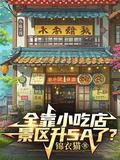 It All Depends on the Snack Bar. Has the Scenic Spot Been Upgraded to 5A?
1kReads8.2Score106Shelves
It All Depends on the Snack Bar. Has the Scenic Spot Been Upgraded to 5A?
1kReads8.2Score106Shelves
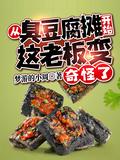 Starting from the Stinky Tofu Stall, the Boss Became Weird
1.1kReads8.9Score111Shelves
Starting from the Stinky Tofu Stall, the Boss Became Weird
1.1kReads8.9Score111Shelves
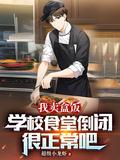 I Sell Lunch Boxes, so It's Normal for the School Cafeteria to Close Down, Right?
2.5kReads8.6Score203Shelves
I Sell Lunch Boxes, so It's Normal for the School Cafeteria to Close Down, Right?
2.5kReads8.6Score203Shelves
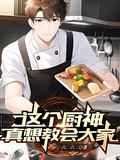 This Chef Really Wants to Teach Everyone
459Reads7.3Score—Shelves
This Chef Really Wants to Teach Everyone
459Reads7.3Score—Shelves
 Random Food Stalls, I Have Diners All over the World
13.3kReads8.1Score1.6kShelves
Random Food Stalls, I Have Diners All over the World
13.3kReads8.1Score1.6kShelves