In the Ming Dynasty, the Yuma Jian was an extremely important and powerful institution among the twenty-four eunuch yamen. At first, it was mainly responsible for matters such as raising horses, but as time went by, its functions gradually expanded to include military, financial and other fields, and to a certain extent, it was able to intervene in government affairs through the emperor. The establishment process of the Yumajian went through the differentiation from the Inner Envoy Prison to the Yumasi, and was finally officially renamed the Yumajian in the 17th year of Hongwu, and was established as an important institution in the central political system in the 28th year of Hongwu. The Royal Horse Supervisor is not only responsible for the management of the royal stable horses, but also commands the imperial army, such as the Four Guards, and is in charge of military talismans and fire cards and other military functions. In addition, the Royal Horse Supervisor is also responsible for supervising the three major battalions of the Beijing Army, including the Beijing Camp, the Sitting Camp and the Gun Camp, which are the main forces of the Beijing Forbidden Army. It is worth noting that the eunuchs of Yumajian also participated in the military operations of the Ming Dynasty, such as accompanying the emperor on expeditions and in charge of military talismans and fire tablets. After the Civil War, the Imperial Guards led by Yuma Jian played an important role in resisting foreign enemies. With the emergence of the emperor's neglect of government in the middle and late Ming Dynasty, the Royal Horse Prison became a tool for the emperor to make money, and brought a large amount of income to the royal family through the management of pastures, pastures, imperial villages and imperial stores. In the Qing Dynasty, the Royal Horse Prison was also established, but in the 18th year of Shunzhi it was renamed Adun Yamen. In the middle and late Ming Dynasty, due to the expansion of its functions, the Yuma Jian became an important yamen with military and financial power in the inner court. Its status was comparable to that of the Si Li Jian, which was an epitome of the development of centralization of authoritarianism in the Ming Dynasty.
In the Ming Dynasty, the Yuma Jian was an extremely important and powerful institution among the twenty-four eunuch yamen. At first, it was mainly responsible for matters such as raising horses, but as time went by, its functions gradually expanded to include military, financial and other fields, and to a certain extent, it was able to intervene in government affairs through the emperor. The establishment process of the Yumajian went through the differentiation from the Inner Envoy Prison to the Yumasi. It was finally officially renamed the Yumajian in the 17th year of Hongwu, and was established as an important institution in the central political system in the 28th year of Hongwu. The Royal Horse Supervisor is not only responsible for the management of the royal stable horses, but also commands the imperial army, such as the Four Guards, and is in charge of military talismans and fire cards and other military functions. In addition, the Royal Horse Supervisor is also responsible for supervising the three major battalions of the Beijing Army, including the Beijing Camp, the Sitting Camp and the Gun Camp, which are the main forces of the Beijing Forbidden Army. It is worth noting that the eunuchs of Yumajian also participated in the military operations of the Ming Dynasty, such as accompanying the emperor on expeditions and in charge of military talismans and fire tablets. After the Civil War, the Imperial Guards led by Yuma Jian played an important role in resisting foreign enemies. With the emergence of the emperor's neglect of government in the middle and late Ming Dynasty, the Royal Horse Prison became a tool for the emperor to make money, and brought a large amount of income to the royal family through the management of pastures, pastures, imperial villages and imperial stores. In the Qing Dynasty, the Royal Horse Prison was also established, but in the 18th year of Shunzhi it was renamed Adun Yamen. In the middle and late Ming Dynasty, due to the expansion of its functions, the Yuma Jian became an important yamen with military and financial power in the inner court. Its status was comparable to that of the Si Li Jian, which was an epitome of the development of centralization of authoritarianism in the Ming Dynasty.
I remember that a rich man once published a book, in which a page stated where the inheritance certificate was hidden. Whoever finds this certificate can inherit his inheritance. This book had been published for many years, but no one had read it carefully until a young man read it and finally inherited the inheritance. You can search for "The Ups and Downs of the Stock Market" and read it carefully, you will be pleasantly surprised. Whoever leaves a message, comments and recommendations, I will send you a red envelope! . ?
Although it is a new book, it is an absolutely hard-core business war and is so professional in law, business and capital operations that it can be used as a textbook (absolutely not kidding)
 Star Dome Railway: Dreaming About the Stars and Rivers
16.9kReads9.6Score1.6kShelves
Star Dome Railway: Dreaming About the Stars and Rivers
16.9kReads9.6Score1.6kShelves
 Become a Girl and Make a Living by Cheating in a Horror World
7.6kReads9.6Score1.1kShelves
Become a Girl and Make a Living by Cheating in a Horror World
7.6kReads9.6Score1.1kShelves
 Secret Order to Confer God
—Reads—Score—Shelves
Secret Order to Confer God
—Reads—Score—Shelves
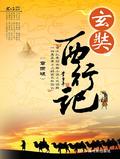 Xuanzang's Journey to the West
156Reads9.5Score—Shelves
Xuanzang's Journey to the West
156Reads9.5Score—Shelves
 Watch of the Monkey King
—Reads5.8Score—Shelves
Watch of the Monkey King
—Reads5.8Score—Shelves
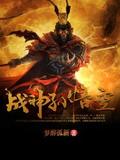 God of War Sun Wukong
4.9kReads9.1Score430Shelves
God of War Sun Wukong
4.9kReads9.1Score430Shelves
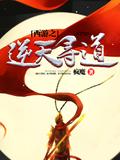 Journey to the West: Searching for the Path Against Heaven
52Reads—Score—Shelves
Journey to the West: Searching for the Path Against Heaven
52Reads—Score—Shelves
 Monkey King: the Rise of Heroes
40Reads—Score—Shelves
Monkey King: the Rise of Heroes
40Reads—Score—Shelves
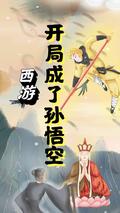 Journey to the West: Becoming Sun Wukong at the Beginning
209Reads5.4Score—Shelves
Journey to the West: Becoming Sun Wukong at the Beginning
209Reads5.4Score—Shelves
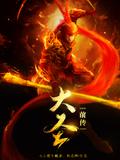 Prequel to the Great Sage
181Reads—Score—Shelves
Prequel to the Great Sage
181Reads—Score—Shelves
 The Return of the Great Sage
163Reads—Score—Shelves
The Return of the Great Sage
163Reads—Score—Shelves
 Great Sage
11Reads8.6Score—Shelves
Great Sage
11Reads8.6Score—Shelves
 Stock Market Struggles
68Reads5.8Score—Shelves
Stock Market Struggles
68Reads5.8Score—Shelves
 Work Hard to Become a Big Boss in the City
33Reads5.8Score—Shelves
Work Hard to Become a Big Boss in the City
33Reads5.8Score—Shelves
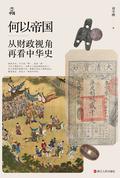 Why the Empire: Looking at the History of China from a Financial Perspective (Why the China Series)
1.7kReads9.3Score585Shelves
Why the Empire: Looking at the History of China from a Financial Perspective (Why the China Series)
1.7kReads9.3Score585Shelves
 I Don't Have Super Powers
29Reads—Score—Shelves
I Don't Have Super Powers
29Reads—Score—Shelves
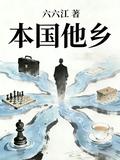 A Foreign Country
66Reads—Score—Shelves
A Foreign Country
66Reads—Score—Shelves
 Useless
17Reads—Score—Shelves
Useless
17Reads—Score—Shelves
 Fight with the Wolf
5Reads8.5Score—Shelves
Fight with the Wolf
5Reads8.5Score—Shelves
 Rebirth of Water and Warm Life
3Reads5.8Score—Shelves
Rebirth of Water and Warm Life
3Reads5.8Score—Shelves
 Past Events of the Spring and Autumn Period Restored to Zunli and Tuba Part 1
3Reads—Score—Shelves
Past Events of the Spring and Autumn Period Restored to Zunli and Tuba Part 1
3Reads—Score—Shelves
 The Spring and Autumn Past Restored Zunli and Tubazhong
—Reads—Score—Shelves
The Spring and Autumn Past Restored Zunli and Tubazhong
—Reads—Score—Shelves
 The Spring and Autumn Past Restores Zunli and Tubaxia
1Reads—Score—Shelves
The Spring and Autumn Past Restores Zunli and Tubaxia
1Reads—Score—Shelves
 The Past Events of the Warring States Period Are Restored, Debates and Competitions Part One
3Reads—Score—Shelves
The Past Events of the Warring States Period Are Restored, Debates and Competitions Part One
3Reads—Score—Shelves
 The Past Events of the Warring States Period Are Restored and Disputes and Competitions Are Underway
—Reads—Score—Shelves
The Past Events of the Warring States Period Are Restored and Disputes and Competitions Are Underway
—Reads—Score—Shelves
 The Past Events of the Warring States Period Are Restored and Debates and Competitions Are Continued
3Reads—Score—Shelves
The Past Events of the Warring States Period Are Restored and Debates and Competitions Are Continued
3Reads—Score—Shelves
 Stock Market Ups and Downs
10Reads5.8Score—Shelves
Stock Market Ups and Downs
10Reads5.8Score—Shelves
 Blooming in the Frozen Place
—Reads5.8Score—Shelves
Blooming in the Frozen Place
—Reads5.8Score—Shelves