On the run from famine, the male protagonist kills Japanese and traitors. The male protagonist kills decisively, neither doting on his sisters nor doting on women. There are women but no female protagonists. When you see a woman, you won't be unable to walk, you won't be smart, you won't be able to touch your nose. It's a breath of fresh air. The male protagonist is ambitious and kills anyone who gets in his way. If his sister becomes an obstacle, there is also a method of killing girls to achieve enlightenment. If you like to escape, you can read a good book in the style of Su who kills girls. I highly recommend it!
"From Ordinary to Legendary": When the soul tempered by the fire of war continues to burn in peacetime. If you have ever wondered how those heroes who have come from the smoke of history can put away their scars and glory in the long peace; if you have ever thought about how a legendary experience that transcends the times will be precipitated into the wisdom of life in the firewood, rice, oil and salt; if you believe that the greatest inheritance is not medals and titles, but the spiritual fire embedded in the blood - then, please open this "From Ordinary to Legendary". This is not an ordinary war memoir, but an epic of life spanning thirty years. The story begins on the battlefield, but does not end on the battlefield. Fu Bikang, the commander of the independent brigade, returned to the peaceful life he desperately guarded with scars all over his body and extraordinary abilities given by a mysterious "system". But the real challenge has just begun: how to coexist with indelible memories? When late-night nightmares are more torturous than real artillery fire, when familiar streets suddenly turn into battlefields of the past, this once-all-powerful commander must learn to relearn the weight of the word "peace" in ordinary life. How to place those lives that have passed away? Behind every yellowed photo is an eternally young face; in every moment of solitude late at night, there will be laughter in my ears that I will never hear again. Fu Bikang's journey is a process of a person's dialogue with the entire era - he carries not only his own memories, but also the shared joys and sorrows of a generation. When the extraordinary becomes the mark of daily life, the "system" that once calculated ballistics and assessed life and death on the battlefield has never disappeared, it just sleeps deep in the blood. Until a moment of emergency treatment on the street, the precision and stability beyond ordinary people awakened again. This is not a myth of superpowers, but an instinct engraved in the bones and blood through extreme experiences - it is telling you: some forgings, once experienced, are eternal. The most touching thing is the silent inheritance. The warmest clue in the book is the silent dialogue between Fu Bikang and his daughter Nian'an: He did not teach her how to hold a gun, but told her the story of "a soldier who wanted to be a teacher" under the stars on a summer night; he did not ask her to inherit anything, but she saw the path of a diplomat from those unnamed heroes; He never said, "You have to protect peace," but she understood that the pen in her hand and the gun her father had once pointed in the same direction - so that future children would not have to experience war again. This is the most profound tacit understanding between two generations: the fathers use their lives to win the right to choose, and the children use their choices to comfort all sacrifices. You will meet a group of "disappearing" people. At the funeral of the old regiment leader Yang Guodong, you will stand side by side with Fu Bikang and see the back of an era: those comrades who were once vigorous and vigorous are now gray-haired and hobbling; those once shocking slogans have turned into suppressed sobs at the funeral. But just when you think this is a sad farewell, you will hear them talking about their descendants - engineers, teachers, diplomats, scientists... It turns out that the end is not the end, but the transformation. Their battlefield shifts from position to home, from charge to defense. With their wrinkles and white hair, they wrote the most silent and solid epic in peaceful times. Why should you read this book now? Because in this age of rapid forgetfulness, we need stories like this to anchor memory—not to remember hatred, but to remember the weight of peace. Because at a time when everyone is chasing the "extraordinary", this book gently reminds us: true legends often begin with learning to be ordinary. The most touching moment of Fu Bikang was not when he commanded thousands of troops, but when he clumsily learned to change a child's diaper; not when he showed his "system" ability, but when he put down a lit cigarette in front of the grave of an old comrade. What's more, this book gives us a precious perspective: history is not a cold knowledge point in a textbook, but the youth of a generation, the pain of a generation, the unfinished dreams of a generation, and the fire that the next generation takes over. Open it and you will experience: · The shock of Chapter 1: See how a legend on the battlefield got lost on the streets of New China · The throbbing of Chapter 286: When the "system" that has been dormant for many years wakes up to save a stranger · The tears of Chapter 287: A group of veterans talked about their descendants at the funeral and said with a smile, "It's time for our era to retreat" · The warmth of Chapter 288: The daughter whispered, "I want to use a diplomat's pen to protect the peace that my father defended with a gun." "From Ordinary to Legend" is not just about Fu Bikang's story. Through one person's eyes, it reflects a country's complete journey from war to construction, from trauma to healing, from sacrifice to inheritance. This is a work that requires you to calm down and read. Its rhythm is like a river in late autumn. It is calm on the surface, but deep down there is a surge of power that has been accumulated for thirty years. Its text is like an old photo, yellowed and blurry at first glance, but upon closer inspection you will find that every detail hides a story. If you are tired of exaggerated legends and long to meet flesh-and-blood heroes; if you want to know how specific individuals carry, remember, and live behind the grand narrative of history; if you believe that the most powerful force is not to destroy something, but to still build gently after experiencing all the destruction--then, please let "From Ordinary to Legend" accompany you for a few quiet nights. You will find that when you close the book, you will look at your parents with more understanding, you will look at the days of peace more cherished, and you will look at your mission more clearly. Because some stories are no longer just stories after reading them. It will become a part of you, just like Fu Bikang's "system". No one notices it when sleeping, but it always gives you a different perspective and strength when needed. The legend is never far away, it just changes its way and continues to grow in the ordinary. --- The four volumes of "From Ordinary to Legend" are now available in their entirety. From the rest of life on the battlefield to life in the city, from inner struggle to intergenerational inheritance, this is the spiritual epic of a generation and a must-read book for everyone living in peaceful times.
"From Ordinary to Legendary": When the soul tempered by the fire of war continues to burn in peacetime. If you have ever wondered how those heroes who have come from the smoke of history can put away their scars and glory in the long peace; if you have ever thought about how a legendary experience that transcends the times will be precipitated into the wisdom of life in the firewood, rice, oil and salt; if you believe that the greatest inheritance is not medals and titles, but the spiritual fire embedded in the blood - then, please open this "From Ordinary to Legendary". This is not an ordinary war memoir, but an epic of life spanning thirty years. The story begins on the battlefield, but does not end on the battlefield. Fu Bikang, the commander of the independent brigade, returned to the peaceful life he desperately guarded with scars all over his body and extraordinary abilities given by a mysterious "system". But the real challenge has just begun: how to coexist with indelible memories? When late-night nightmares are more torturous than real artillery fire, when familiar streets suddenly turn into battlefields of the past, this once-all-powerful commander must learn to relearn the weight of the word "peace" in ordinary life. How to place those lives that have passed away? Behind every yellowed photo is an eternally young face; in every moment of solitude late at night, there will be laughter in my ears that I will never hear again. Fu Bikang's journey is a process of a person's dialogue with the entire era - he carries not only his own memories, but also the shared joys and sorrows of a generation. When the extraordinary becomes the mark of daily life, the "system" that once calculated ballistics and assessed life and death on the battlefield has never disappeared, it just sleeps deep in the blood. Until a moment of emergency treatment on the street, the precision and stability beyond ordinary people awakened again. This is not a myth of superpowers, but an instinct engraved in the bones and blood through extreme experiences - it is telling you: some forgings, once experienced, are eternal. The most touching thing is the silent inheritance. The warmest clue in the book is the silent dialogue between Fu Bikang and his daughter Nian'an: He did not teach her how to hold a gun, but told her the story of "a soldier who wanted to be a teacher" under the stars on a summer night; he did not ask her to inherit anything, but she saw the path of a diplomat from those unnamed heroes; He never said, "You have to protect peace," but she understood that the pen in her hand and the gun her father had once pointed in the same direction - so that future children would not have to experience war again. This is the most profound tacit understanding between two generations: the fathers use their lives to win the right to choose, and the children use their choices to comfort all sacrifices. You will meet a group of "disappearing" people. At the funeral of the old regiment leader Yang Guodong, you will stand side by side with Fu Bikang and see the back of an era: those comrades who were once vigorous and vigorous are now gray-haired and hobbling; those once shocking slogans have turned into suppressed sobs at the funeral. But just when you think this is a sad farewell, you will hear them talking about their descendants - engineers, teachers, diplomats, scientists... It turns out that the end is not the end, but the transformation. Their battlefield shifts from position to home, from charge to defense. With their wrinkles and white hair, they wrote the most silent and solid epic in peaceful times. Why should you read this book now? Because in this age of rapid forgetfulness, we need stories like this to anchor memory—not to remember hatred, but to remember the weight of peace. Because at a time when everyone is chasing the "extraordinary", this book gently reminds us: true legends often begin with learning to be ordinary. The most touching moment of Fu Bikang was not when he commanded thousands of troops, but when he clumsily learned to change a child's diaper; not when he showed his "system" ability, but when he put down a lit cigarette in front of the grave of an old comrade. What's more, this book gives us a precious perspective: history is not a cold knowledge point in a textbook, but the youth of a generation, the pain of a generation, the unfinished dreams of a generation, and the fire that the next generation takes over. Open it and you will experience: · The shock of Chapter 1: See how a legend on the battlefield got lost on the streets of New China · The throbbing of Chapter 286: When the "system" that has been dormant for many years wakes up to save a stranger · The tears of Chapter 287: A group of veterans talked about their descendants at the funeral and said with a smile, "It's time for our era to retreat" · The warmth of Chapter 288: The daughter whispered, "I want to use a diplomat's pen to protect the peace that my father defended with a gun." "From Ordinary to Legend" is not just about Fu Bikang's story. Through one person's eyes, it reflects a country's complete journey from war to construction, from trauma to healing, from sacrifice to inheritance. This is a work that requires you to calm down and read. Its rhythm is like a river in late autumn. It is calm on the surface, but deep down there is a surge of power that has been accumulated for thirty years. Its text is like an old photo, yellowed and blurry at first glance, but upon closer inspection you will find a story hidden in every detail. If you are tired of exaggerated legends and long to meet flesh-and-blood heroes; if you want to know how specific individuals carry, remember, and live behind the grand narrative of history; if you believe that the most powerful force is not to destroy something, but to still build gently after experiencing all the destruction--then, please let "From Ordinary to Legend" accompany you for a few quiet nights. You will find that when you close the book, you will look at your parents with more understanding, you will look at the days of peace more cherished, and you will look at your mission more clearly. Because some stories are no longer just stories after reading them. It will become a part of you, just like Fu Bikang's "system". No one notices it when sleeping, but it always gives you a different perspective and strength when needed. The legend is never far away, it just changes its way and continues to grow in the ordinary. --- The four volumes of "From Ordinary to Legend" are now available in their entirety. From the rest of life on the battlefield to life in the city, from inner struggle to intergenerational inheritance, this is the spiritual epic of a generation and a must-read book for everyone living in peaceful times.
Some updates have been discontinued and cannot be recommended. Why can't a single history be written? Praise and praise eternal immortality all day long. This novel is neither rebellious nor revolutionary. Also control, that also controls.
Fight the war without feeling aggrieved! The male protagonist takes control of the ace German weapons division after time travel. The android commander has full execution ability. He bombards the Japanese heavy artillery positions, controls key strongholds in Fengtian, and beats the Japanese in 1931 with World War II armor. It's so exciting!
Who said you can't write anything else except Liang Jian? Let's take a look and recommend a few books to you. They have nothing to do with Liang Jian and the quality is good [Thinking][Thinking][Thinking]
None of them are swordsmanship. The first one is Heroes plus Hearts of Iron IV, and the second one is Hearts of Iron IV. They are all about frontal battlefields, and there is basically no special operations. Except for the early stage, they are all fought in large groups.
 Anti-Japanese War: Surrender, It's All 59 Outside
148Reads5.8Score—Shelves
Anti-Japanese War: Surrender, It's All 59 Outside
148Reads5.8Score—Shelves
 Rebirth 42 Escape: Others Eat Tree Bark, I Eat Stew
20kReads7.1Score1.1kShelves
Rebirth 42 Escape: Others Eat Tree Bark, I Eat Stew
20kReads7.1Score1.1kShelves
 Warlords: Rise from Small Farmers in the Mountains
72Reads—Score—Shelves
Warlords: Rise from Small Farmers in the Mountains
72Reads—Score—Shelves
 I Traveled to Shanxi to Fight Against Japan
16Reads5.8Score—Shelves
I Traveled to Shanxi to Fight Against Japan
16Reads5.8Score—Shelves
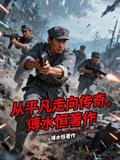 From Ordinary to Legendary
983Reads—Score106Shelves
From Ordinary to Legendary
983Reads—Score106Shelves
 The Anti-Japanese War Begins with the Battle of Songhu
48Reads5.8Score—Shelves
The Anti-Japanese War Begins with the Battle of Songhu
48Reads5.8Score—Shelves
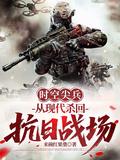 Time and Space Vanguard: Returning to the Anti-Japanese War from Modern Times
15.1kReads8.8Score2.3kShelves
Time and Space Vanguard: Returning to the Anti-Japanese War from Modern Times
15.1kReads8.8Score2.3kShelves
 The War of Resistance Began with the Quartermaster
47Reads6.1Score—Shelves
The War of Resistance Began with the Quartermaster
47Reads6.1Score—Shelves
 Anti-Japanese War: Whampoa Played the Entire Game in the Ninth Period
24Reads5.8Score—Shelves
Anti-Japanese War: Whampoa Played the Entire Game in the Ninth Period
24Reads5.8Score—Shelves
 From the Bloody Battle in Songhu to Conquering the World
298Reads5.8Score—Shelves
From the Bloody Battle in Songhu to Conquering the World
298Reads5.8Score—Shelves
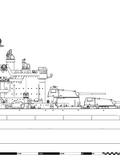 The Last Battlecruiser of the War of Resistance
7.2kReads5.8Score719Shelves
The Last Battlecruiser of the War of Resistance
7.2kReads5.8Score719Shelves
 The Beacon Expedition Through the Republic of China
1.2kReads6.3Score—Shelves
The Beacon Expedition Through the Republic of China
1.2kReads6.3Score—Shelves
 Let You Be a Gangster and You Become a Warlord?
7.7kReads8.0Score396Shelves
Let You Be a Gangster and You Become a Warlord?
7.7kReads8.0Score396Shelves
 Krypton Gold Is Useless? I Risked My Life to Lead Them Through the Long March
206.9kReads9.4Score26.3kShelves
Krypton Gold Is Useless? I Risked My Life to Lead Them Through the Long March
206.9kReads9.4Score26.3kShelves
 Anti-Japanese Alliance Crossing Beacon Fire Support
4.3kReads7.4Score538Shelves
Anti-Japanese Alliance Crossing Beacon Fire Support
4.3kReads7.4Score538Shelves
 One Man's Fight Against the Japanese Begins with Cleaning up the Traitors
159Reads—Score—Shelves
One Man's Fight Against the Japanese Begins with Cleaning up the Traitors
159Reads—Score—Shelves
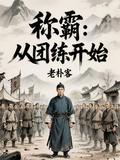 Domination: Start with Team Training
2.8kReads5.8Score—Shelves
Domination: Start with Team Training
2.8kReads5.8Score—Shelves
 Expeditionary Force: Fighting for Thousands of Miles
14Reads5.8Score—Shelves
Expeditionary Force: Fighting for Thousands of Miles
14Reads5.8Score—Shelves
 Anti-Japanese War: Beacon Fire Northeast, Full Number of German Weapon Masters at the Start
58Reads—Score—Shelves
Anti-Japanese War: Beacon Fire Northeast, Full Number of German Weapon Masters at the Start
58Reads—Score—Shelves
 The War of Resistance Against Japan Begins from the Base Area
501Reads5.8Score—Shelves
The War of Resistance Against Japan Begins from the Base Area
501Reads5.8Score—Shelves
 Rebirth of Zhou Weiguo: Blood for Blood
84Reads5.8Score—Shelves
Rebirth of Zhou Weiguo: Blood for Blood
84Reads5.8Score—Shelves
 The Spy Life of a Young Nurse in the Republic of China
4.2kReads8.7Score410Shelves
The Spy Life of a Young Nurse in the Republic of China
4.2kReads8.7Score410Shelves
 The War of Resistance: Begins with the Expeditionary Force
367Reads7.4Score—Shelves
The War of Resistance: Begins with the Expeditionary Force
367Reads7.4Score—Shelves
 You Are a Small Country and You Have Become a Permanent Member of the Security Council.
53.1kReads9.3Score4.3kShelves
You Are a Small Country and You Have Become a Permanent Member of the Security Council.
53.1kReads9.3Score4.3kShelves
 Anti-Japanese War: Build a Heavily Armored Combined Brigade and Fight for the Decisive Battle in Songhu
6.7kReads8.2Score448Shelves
Anti-Japanese War: Build a Heavily Armored Combined Brigade and Fight for the Decisive Battle in Songhu
6.7kReads8.2Score448Shelves
 Crossing the Bright Sword: Ping an County's Counterattack
2kReads8.2Score—Shelves
Crossing the Bright Sword: Ping an County's Counterattack
2kReads8.2Score—Shelves
 Warlord: Backed by a Super Empire
51Reads5.8Score—Shelves
Warlord: Backed by a Super Empire
51Reads5.8Score—Shelves
 Anti-Japanese War: Cutting Off the 800,000-Strong Army
12Reads5.8Score—Shelves
Anti-Japanese War: Cutting Off the 800,000-Strong Army
12Reads5.8Score—Shelves
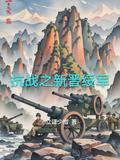 The New Sui Army in the Anti-Japanese War
432Reads7.7Score—Shelves
The New Sui Army in the Anti-Japanese War
432Reads7.7Score—Shelves
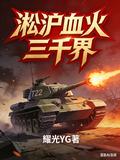 Songhu Three Thousand Realms of Blood and Fire
35Reads—Score—Shelves
Songhu Three Thousand Realms of Blood and Fire
35Reads—Score—Shelves
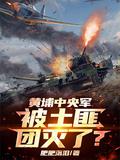 Ride Across the Meadow, Original Stock in Hand!
505Reads6.1Score—Shelves
Ride Across the Meadow, Original Stock in Hand!
505Reads6.1Score—Shelves
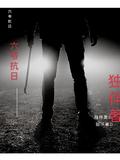 Liuye Resists Japan
47Reads6.9Score—Shelves
Liuye Resists Japan
47Reads6.9Score—Shelves
 The Industrial Power of the War of Resistance
4.1kReads7.6Score187Shelves
The Industrial Power of the War of Resistance
4.1kReads7.6Score187Shelves
 Spy: I Can See Labels on Other People
366Reads7.5Score—Shelves
Spy: I Can See Labels on Other People
366Reads7.5Score—Shelves
 Republic of China: on the Eve of the Anti-Japanese War, I Built a High-Tech Base
36Reads5.8Score—Shelves
Republic of China: on the Eve of the Anti-Japanese War, I Built a High-Tech Base
36Reads5.8Score—Shelves
 Captain Jia, Who Saves the Country Through Curves
986Reads9.3Score—Shelves
Captain Jia, Who Saves the Country Through Curves
986Reads9.3Score—Shelves
 European War: the Mastermind Behind the Move of Europe
975Reads8.6Score—Shelves
European War: the Mastermind Behind the Move of Europe
975Reads8.6Score—Shelves
 Red Alert: from the Anti-Japanese War to the Founding of a Country Overseas and the Becoming an Emperor
17Reads5.8Score—Shelves
Red Alert: from the Anti-Japanese War to the Founding of a Country Overseas and the Becoming an Emperor
17Reads5.8Score—Shelves
 The Bourne Supremacy
9.2kReads8.8Score915Shelves
The Bourne Supremacy
9.2kReads8.8Score915Shelves
 Marshal Daxia: the Rise of the Empire in World War I
667Reads5.8Score—Shelves
Marshal Daxia: the Rise of the Empire in World War I
667Reads5.8Score—Shelves
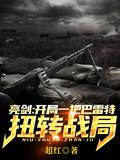 Bright Sword: a Barrett at the Beginning to Turn the Tide of the Battle
33.7kReads9.4Score3.3kShelves
Bright Sword: a Barrett at the Beginning to Turn the Tide of the Battle
33.7kReads9.4Score3.3kShelves
 Germany Is the Master of Europe
61Reads5.8Score—Shelves
Germany Is the Master of Europe
61Reads5.8Score—Shelves
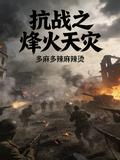 War of Resistance War and Natural Disasters
17.6kReads5.8Score1.5kShelves
War of Resistance War and Natural Disasters
17.6kReads5.8Score1.5kShelves
 Traveling Through the World of Bright Swords but It's Too Early
530Reads5.8Score—Shelves
Traveling Through the World of Bright Swords but It's Too Early
530Reads5.8Score—Shelves
 The Republic of China: Traveling Across the Northwest, Forming a Skeleton Division
6Reads5.8Score—Shelves
The Republic of China: Traveling Across the Northwest, Forming a Skeleton Division
6Reads5.8Score—Shelves
 War of Resistance: I Use God-Level Choices to Create a Million-Strong Army
9.2kReads8.4Score548Shelves
War of Resistance: I Use God-Level Choices to Create a Million-Strong Army
9.2kReads8.4Score548Shelves
 I Broke into Guandong and Became the Boss of the Zhu Family
936Reads5.8Score—Shelves
I Broke into Guandong and Became the Boss of the Zhu Family
936Reads5.8Score—Shelves
 Warlord: My Father, Yan Xishan, Is a Leader in Asia and Europe
18Reads5.8Score—Shelves
Warlord: My Father, Yan Xishan, Is a Leader in Asia and Europe
18Reads5.8Score—Shelves
 Anti-Japanese War: Beginning with the Battle of Jinling
37Reads5.8Score—Shelves
Anti-Japanese War: Beginning with the Battle of Jinling
37Reads5.8Score—Shelves
 Liang Jian: It's Really Not a Warlord, It's Just a County Brigade
807Reads7.1Score—Shelves
Liang Jian: It's Really Not a Warlord, It's Just a County Brigade
807Reads7.1Score—Shelves