Synopsis of the story: "A cultivator in the supernatural world can conquer all realms at the top and command all ghosts at the bottom." "I have a talisman that can control all things. The Taoist spirit comes out and all laws are unified." I am the master of the three realms and become the king. Hell takes away the Book of Death and the Yama Pen, in charge of life and death in the world!
Authentic Taoism, realistic cultivation of immortals, real-life records of immortal cultivation, refining essence into Qi, refining Qi into gods, refining gods into emptiness, and wishing to prove the way to immortality with everyone.
Excerpt from "Entering the Battle": The night pearl in the square suddenly shone brightly, making Zhang Hongde's eyes black and he fainted. Zhang Hongde woke up and found himself lying on the edge of a village, as if he had come to a paradise: surrounded by green mountains, surging green water; willows flying in the wind, crabapples on the roadside welcoming guests with fragrance; layers of wheat waves shining with golden light, round watermelons with thin red flesh; farmers wearing bamboo hats shouting slogans In the busy work of farming, village women in turbans are bustling with smiles carrying food baskets; a drunken old man clings to an old locust tree and boasts about a good harvest; a naughty shepherd boy riding a green bull blows the fragrance of grains, rice and flowers; the houses are like scales, and the roads are like nets; a gust of wind brings inexhaustible fragrance of flowers and fruits, and the endless singing of frogs and warblers!
Wonderful Yin Yang Seal Script! The protagonist acquires the Yin-Yang Principle at the beginning, and various spells are used through the Yin-Yang Talisman! That's it for being handsome!
Confucianism 1. Filial piety: filial piety comes first in all virtues 2. Brotherhood: brotherhood and sisterhood 3. Loyalty: loyalty to the king, patriotism, respect for one's job and one's career 4. Faith: a person cannot stand without faith, and there is no increase or decrease 5. Etiquette: respect for teachers in behavior 6. Righteousness: maintaining justice and chastity 7. Integrity: being spotless and upright 8. Shame: being clear about right and wrong, the bottom line of being a human being. The only thing to start with is yourself Taoism 1. Tao: Follow nature, follow the fundamental laws of the universe, govern by doing nothing, and do not impose interference. 2. Virtue: Uphold a simple and pure nature, have noble moral character, and do not fight for benefits. 3. Purity: The heart is pure and undisturbed by worldly complexities and desires. 4. Quietness: Stay quiet and peaceful, gain insight into all things in tranquility, and cultivate your body and mind. 5. Emptiness: Empty yourself, not be bound by prejudices and inherent ideas, and accept the world with an open and tolerant heart. 6. Wu: Understand the realm of "nothing", let go of the attachment to tangible materials, fame and wealth, and return to the true nature. 7. Soft: Live with a gentle and humble attitude, like water, seemingly weak but containing great power. 8. Harmony: Pursue harmony, live harmoniously with nature and others, and avoid creating conflicts and disputes. Buddhism 1. Compassion: Be compassionate, empathize with the suffering of all living beings, and provide care and help. 2. Compassion: Pity the suffering of all living beings and wish to help them escape from the sea of suffering. 3. Joy: Rejoice in the happiness and happiness of all living beings, without any jealousy or hatred. 4. Equanimity: Give up greed, anger, ignorance, pride and doubt, and let go of the pursuit of worldly desires and obsessions. 5. Precepts: abide by the precepts, regulate your own behavior, and do not do anything that harms sentient beings or violates morality. 6. Concentration: Practice meditation, focus on your heart, and not be disturbed by the outside world, so as to gain wisdom and concentration. 7. Wisdom: Open up wisdom, gain insight into the nature of things, and get rid of troubles and confusion. 8. Emptiness: Understand the true meaning of "emptiness", understand that everything in the world is illusion, and not be attached to appearances. The outside is not attached to form, and the inside is not attached to emptiness. There should be no place to live, but to live in the heart. The past heart cannot be grasped, the present mind cannot be grasped, and the future mind cannot be grasped. Wang Yangming's Mind Theory 1. Heart: The heart is the principle, the heart is the essence of everything in the universe, and all moral norms and truths originate from the heart. 2. Conscience: Innate moral judgment and intuitive ability, the ability to distinguish right from wrong, good and evil, are the fundamental principles of life. 3. To conscience: Through constant self-reflection and practice, remove the shadow of selfish desires and extend inner conscience to all things. 4. Integration of knowledge and action: Knowledge and action are integrated. Once you have correct understanding, you must put it into action, deepen your understanding in action, and avoid empty talk. 5. Sincerity: Make your thoughts sincere, do not deceive yourself, and be pure in your heart. 6. Be close to the people: care for the people, actively participate in society, and benefit the people with practical actions. 7. Observing things: exploring the principles of nature on specific things, and improving oneself through understanding and practice of things. 8. Ambition: Establish lofty ambitions, clarify life goals, and make unremitting efforts to realize your ideals. Zhang Defen's "Meeting the Unknown Self": Quietness: inner tranquility and far-reaching, abandoning impetuousness and turmoil Saving: constant self-reflection, insight into inner thoughts Enlightenment: understanding the true meaning of life, understanding the wisdom of life Sacrifice: letting go of excess burdens, freeing the mind from shackles Love: having compassion and kindness in the heart, warming all things in the world Harmony: harmonizing the body and mind, accepting the complete self Awareness: awakening inner awareness, insight into the truth of life The only way to explore from the heart "Meet Yourself Who Makes All Your Desires Come True": Dream: Have beautiful dreams and illuminate the way forward. Ambition: Set firm aspirations and anchor the goal. Diligence: Work diligently and accumulate capital for success. Creation: Have the courage to innovate and break through the limitations of thinking. Perseverance: Persevere and persevere, not afraid of difficulties and obstacles. Goodness: Good at seizing opportunities and keenly observing opportunities. Combining: Reasonably planning actions and advancing dreams in an orderly manner. The only starting point is the present. "Live a Brand New Self": Courage: Bravely challenge yourself and break through the boundaries of comfort. Change: Actively embrace changes and welcome new possibilities. Learn: Continuously learn and grow, improve your own quality. Determination: Decisively let go of the past and bid farewell to old patterns. Joy: Maintain an optimistic attitude and laugh at the ups and downs of life. Health: Pay attention to physical and mental health and consolidate the foundation of life. Truth: Stick to your true self and show your unique style. The only thing starts with change. "Guide to Enlightenment and Immortality in the World" Pursuing the path to immortality is often closely connected with spiritual purification, moral cultivation, and conformity to nature. From these perspectives, we create the "Guide to Enlightenment and Become an Immortal in the Human World" for you: 1. Quietness: To cultivate oneself in silence, stay away from the hustle and bustle of the world, and clarify the heart. 2. Kindness: Based on good thoughts, with compassion and love in the heart, and widening of good relationships. 3. Enlightenment: Understand the principles of nature, have insight into all phenomena in the world, and understand the mind and nature 4. Modesty: Be humble, neither arrogant nor arrogant, nor discouraged, and be open-minded. 5. Harmony: Live in harmony, be one with all things, and conform to nature. 6. Tolerance: be forbearing and restrained, tolerate things that are difficult to tolerate, and cultivate an open mind. 7. Giving up: be willing to let go, abandon fame and wealth, and get rid of the fetters. 8. Diligence: practice diligently, improve your own skills, and never slack off. 9. The only thing to practice is the present.
Understanding the "Book of Changes" will help you avoid detours in life. In the long history of Chinese culture, the "Book of Changes" is undoubtedly the brightest pearl, known as "the first of the scriptures and the source of the great road." It carries the wisdom of the Chinese nation for thousands of years. After years of baptism, it still exudes charming charm and profoundly affects our way of thinking, philosophy of life and understanding of the world. The "Book of Changes" was originally a book used for divination, helping ancient people predict the future and seek good fortune and avoid misfortune. But with the passage of time, its connotation has been continuously enriched and deepened, and it has gradually transformed from a simple book of divination into a profound philosophical masterpiece. The Book of Changes believes that everything in the universe is composed of the interaction of the two basic forces of yin and yang. The balance and coordination of yin and yang are the basis for the stable development of things. This concept of yin and yang runs throughout the "Book of Changes" and is reflected in the symbol system of the Bagua and the Sixty-Four Hexagrams. The Bagua, namely Qian, Kun, Zhen, Xun, Kan, Li, Gen, and Dui, respectively symbolize the eight natural phenomena of heaven, earth, thunder, wind, water, fire, mountain, and lake. These eight hexagrams are combined with each other to form sixty-four hexagrams. Each hexagram contains six lines. Through different arrangements and combinations, it shows the changes and development laws of all things in the universe. The hexagrams and lines in the "Book of Changes" are explanations and explanations of these hexagrams and lines. They reveal various situations in life and ways to deal with them in concise and profound language, and contain rich philosophy and wisdom of life. The wisdom of the "Book of Changes" is not only at the abstract philosophical level, but also closely related to our daily lives, providing us with valuable life guidance: - Stay humble: Among the sixty-four hexagrams of the "Book of Changes", only the six lines of the "Qian" hexagram are auspicious. "A humble gentleman is humble enough to shepherd himself" reminds us that we must maintain a humble attitude in dealing with others and not be proud or complacent, so that we can continue to make progress and win the respect and support of others. - Adapt to changes: "If you are poor, you will change, if you change, you will be successful, and if you are flexible, you will last." The world is constantly changing. When we encounter difficulties, we should not be stubborn and conservative, but should learn to be flexible and adapt to the development trend of the times, so that we can seize opportunities and achieve breakthroughs in changes. - Be prepared for danger in times of peace: "A gentleman is safe but never forgets danger, survives without forgetting death, and governs without forgetting chaos." It tells us that in a comfortable environment, we must always be vigilant, foresee potential dangers, and prepare in advance so that we can nip them in the bud and avoid disasters. - Constant self-improvement: "Heaven moves vigorously, and a gentleman keeps improving himself." The celestial bodies move vigorously and never stop. Gentlemen should also imitate the way of heaven, work hard, constantly improve themselves, and move forward courageously on the road of life. In modern society, the wisdom of the "Book of Changes" still has strong vitality and guiding significance. Whether it is in terms of personal self-cultivation, career development, business management and decision-making, or in the governance of the country, the harmonious development of society, etc., We can draw rich nutrition and inspiration from the "Book of Changes". "The Book of Changes" is a treasure book containing endless wisdom. It spans time and space, connects ancient and modern times, and reveals to us the mysteries of the universe and the true meaning of life. Let us enter the world of "I Ching", appreciate the light of wisdom in it, and use it to guide our lives to make life smoother and more complete. Wisdom spanning thousands of years: The philosophy of life in "The Analects" In the long history of Chinese civilization, "The Analects" is undoubtedly a classic work with far-reaching influence and shining with the light of wisdom. It was born in the Spring and Autumn Period and the Warring States Period. It was compiled by Confucius's disciples and his re-disciples. It records the words and deeds of Confucius and his disciples. It embodies the political opinions, ethical thoughts, moral concepts and educational principles of the Confucian school, and has a profound impact on later generations. Ren: The Glory of Core Values "Ren" is the core idea of "The Analects" and the core value of Confucianism. "Fan Chi asked Ren. Confucius said: 'Love.'" These two simple words contain endless profound meanings. It advocates that people should be kind, care for others, and respect life. In life, "benevolence" manifests itself in understanding, tolerance and help for others. When we see others in trouble, we can lend a helping hand; when we have differences with others, we can put ourselves in their shoes. This is the embodiment of "benevolence". "Do not do to others what you do not want others to do to you." This familiar saying conveys the idea of "benevolence" in an easy-to-understand way. Don't impose things on others that you don't want to encounter. This is a basic moral principle and the cornerstone of building harmonious interpersonal relationships. Ritual: the cornerstone of social order "Ritual" occupies an important position in "The Analects". It is the norm of social order and the code of people's behavior. "The purpose of etiquette is harmony. The way of the ancient kings is beautiful. Small and large things are useful." The implementation of etiquette aims to pursue social harmony and stability. From a personal level, observing etiquette is a manifestation of self-cultivation. In interpersonal interactions, words and deeds that conform to etiquette standards can show a person's good qualities and family education. For example, polite language when talking to others, appropriate dress when participating in social activities, etc. From a social perspective, etiquette is an important guarantee for maintaining social order. In ancient times, various etiquette systems regulated people's behavior and enabled all classes of society to get along in an orderly manner. In modern society, although the form of etiquette has changed, it is still an important factor in maintaining social harmony, such as observing public order and respecting the privacy of others. Learning: The Ladder of Continuous Progress The discussion of learning in The Analects of Confucius guides us to a path of continuous progress. "Isn't it true to say that you should always practice when you learn?" It emphasizes that learning requires constant review and practice, so as to gain happiness and growth from it. Learning is not only the acquisition of knowledge, but also a process of self-improvement. "Reviewing the past and learning the new can serve as a teacher." It tells us that in the process of reviewing old knowledge, we can have new insights and discoveries, which not only helps consolidate knowledge, but also cultivates our innovative thinking. At the same time, Confucius also advocated the learning attitude of "being sensitive and eager to learn, and not ashamed to ask questions". Regardless of status, as long as we have knowledge and strengths, it is worth learning. This humble and studious spirit is an indispensable quality in our pursuit of knowledge. Self-cultivation: the only way to become a gentleman. Self-cultivation is a very important content in "The Analects". It is the key to a person's growth and development. "I examine myself three times every day: Have I been unfaithful in my plans? Have I not believed in my friends? Have I not been accustomed to teaching?" Through daily self-reflection, we examine our own behavior and attitudes in dealing with others, studying, etc., And discover problems in time and correct them. Only by constantly cultivating one's moral character can one improve one's moral character and self-cultivation and become a true gentleman. "A gentleman is magnanimous and magnanimous, while a villain has long-term worries." A gentleman has a broad heart and is upright, while a villain is often worried and careless. We must follow the example of gentlemen, constantly cultivate our hearts, be open-minded, and not be troubled by trivial matters. In modern society, the wisdom in "The Analects" still has strong vitality and guiding significance. When we encounter problems in interpersonal relationships in life, we might as well think from the perspective of "benevolence" and "propriety", treat others with benevolence, and use etiquette and norms to restrain our behavior. In study and work, we should be guided by the learning attitude and self-cultivation methods advocated in The Analects of Confucius, and constantly improve our abilities and qualities. "The Analects of Confucius" is like a treasure house of wisdom, containing endless treasures waiting for us to explore. Let us open this classic, listen to the teachings of the sages, absorb the power of wisdom, and let the wisdom in "The Analects" shine more brilliantly in our lives. Exploring the "Tao Te Ching": the code to unlock the wisdom of life. Among the vast cultural classics of China, the "Tao Te Ching" is like a dazzling pearl. Although it is only more than 5,000 words, it contains profound and boundless wisdom. It spans more than 2,000 years and still exudes charming charm, profoundly influencing generations of people. The "Tao Te Ching" was written by Laozi, the founder of the Taoist school. It is divided into two parts, the "Tao Jing" and the "De Jing". Its core revolves around "Tao" and "De". "Tao" is the source and essential law of all things in the universe. It is an existence that transcends human cognition and verbal description. "Tao can be Tao, but it is not Tao; it can be named, but it is not named." It is the fundamental law of the operation of the universe, and everything in the world is born from it and develops according to it. "Morality" is the embodiment of "Tao" in human society and specific things. It is the moral character and behavioral norms displayed by people following the principles of "Tao". The wisdom in the Tao Te Ching has profound implications in all aspects of life. In terms of dealing with people, it advocates "the best is like water". Water nourishes all things but does not compete with all things. It is in a low position that no one likes. This kind of character is close to "Tao". We should do the same as human beings, with the qualities of tolerance, humility, and altruism. In life, when you have conflicts with others, if you can be as tolerant as water and not be tit-for-tat, many conflicts can be easily resolved; when helping others, do not expect anything in return and uphold a pure altruistic heart, which can not only bring warmth to others, but also make yourself richer inside. When facing a complicated world, the Tao Te Ching reminds us to "be less selfish and have few desires" and "be content with what we have". In modern society, people are often driven by endless desires and blindly pursue material, fame and fortune, but in the process they lose themselves and fall into anxiety and pain. "There is no greater disaster than dissatisfaction, and no greater fault than desire." Lao Tzu pointed out the harm of desire thousands of years ago. We should learn to restrain our desires and cherish what we have now, so that we can gain true inner peace and satisfaction. When we no longer blindly compare and are no longer burdened by material things, we can discover the simple and pure beauty in life. Its dialectical thinking is even more amazing. "Existence and non-existence arise from each other, difficulty and ease complement each other, long and short complement each other, high and low lean towards each other, sounds harmonize with each other, and front and back follow each other." Everything in the world is interdependent and transforms into each other. There is no absolute good or bad, gain or loss. In the journey of life, we will experience good times and bad times. When we are in good times, we should not be complacent, because there may be crises hidden in the good times; when we encounter adversity, we do not need to be discouraged. Adversity is often the beginning of growth and turning point. Just like a blessing in disguise, only by looking at the ups and downs of life with a peaceful mind can you remain calm in a changing world. The wisdom in the Tao Te Ching also provides the direction for our personal cultivation, emphasizing "reaching the extreme of emptiness and maintaining tranquility." In this noisy and impetuous era, people's hearts are filled with all kinds of information and desires, and it is difficult to remain calm. And Lao Tzu tells us that only by returning to a state of tranquility and abandoning distracting thoughts and impetuosity can we gain insight into the nature of things and gain true wisdom. Through meditation, reading, solitude, etc., We can cultivate our hearts so that we can stay calm and make correct judgments and choices when facing various challenges in life. "The Tao Te Ching" is a treasure book containing endless wisdom. It reveals to us the true meaning of the universe, life, and society in concise and profound language. Whether it is personal cultivation, conduct in life, or when facing confusions and challenges in life, we can draw strength and wisdom from the Tao Te Ching. Let us open this classic and have a dialogue with Lao Tzu that spans time and space. Under the wisdom guidance of the Tao Te Ching, we can start a more intelligent and calm life journey.
Destined soul keeper, exorcising souls and attracting souls, fighting with talismans, everything is available [Sending Hearts][Thoughts][Top Post][Top Post]
"Feng Shui secrets + supernatural things + Hu, yellow, white and willow ash + 749 rounds + Buddhism, Taoism, Confucianism, Mohism and Legalism + Qimen Dunjia + Mohism's mechanism + Lu Ban + mechanism battle + Gu fight + reincarnation of the living Buddha"! Write Feng Shui stories from the perspective of a construction engineer, interpreting the essence of Buddhism, Taoism and Confucianism. . .
He is fond of classics and history and devoted to studying music. [Seeking attention] Good filial piety comes first, starting from "The Classic of Filial Piety", reading the ancient classics one by one, and trying to write new short stories, so as to encourage those who "love the ancients"! Not cool writing, just ancient books.
The heroine of this novel grew up with her uncle from the Quanzhen sect. I have practiced many Quanzhen sect's fundamental inner and outer elixirs. Later, the bond with the eight major sects of Zhengyi and the confrontation with the Yinshan sect are one of the highlights of the novel. The key is that there are many real records of monasticism and spells written in the novel, which is not to be missed. If you want to read a good book about the recovery of spiritual energy in the Dao Fa era, choose Dao Fa Xuan Ling.
I am still learning the eight-character Eight Diagrams Plum Blossom, which governs the five elements, monsters and spirits, spells, runes, formations, incantations, magic weapons, martial arts, swordsmanship, eight trigrams, multi-line and multi-space, practice without cultivation, no CP without romance, the name comes from the eight-character Nayin, aliases of animal and plant names and poems
I recommend this book, but it is not a novel, it should be regarded as the author's autobiography. The author himself is a disciple of Chuma Xian, so what is told in it are some of the author's true stories. If you are interested, you can read it!
I recommend everyone to read this novel. The overall content is relatively close to reality. Although there are only more than a dozen chapters, the plot is compact and not procrastinating. It is not a mindless novel that forces the protagonist to cheat. There are many thought-provoking places in it. The male protagonist is decisive and intelligent in killing.
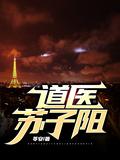 The Taoist Doctor Su Ziyang 道医苏子阳
106.2kReads9.5Score18.3kShelves
The Taoist Doctor Su Ziyang 道医苏子阳
106.2kReads9.5Score18.3kShelves
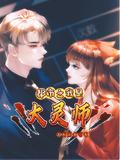 Urban Tales of a Grand Spirit Master 都市之我是大灵师
3Reads—Score—Shelves
Urban Tales of a Grand Spirit Master 都市之我是大灵师
3Reads—Score—Shelves
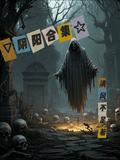 Yin Yang Collection 阴阳合集
17Reads—Score—Shelves
Yin Yang Collection 阴阳合集
17Reads—Score—Shelves
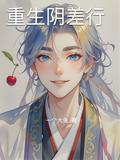 Rebirth 重生阴差行
—Reads—Score—Shelves
Rebirth 重生阴差行
—Reads—Score—Shelves
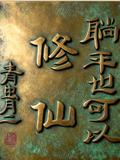 You Can Cultivate Immortality While You Lie Flat 躺平也可以修仙
1.2kReads6.5Score168Shelves
You Can Cultivate Immortality While You Lie Flat 躺平也可以修仙
1.2kReads6.5Score168Shelves
 The Divine Schemes of Guiguzi 鬼谷神谋
661Reads6.6Score117Shelves
The Divine Schemes of Guiguzi 鬼谷神谋
661Reads6.6Score117Shelves
 Notes of a Folk Feng Shui Master 民间风水师笔记
237.9kReads9.1Score33.3kShelves
Notes of a Folk Feng Shui Master 民间风水师笔记
237.9kReads9.1Score33.3kShelves
 Ancestor of Tomb Raiders 盗陵之祖
—Reads—Score—Shelves
Ancestor of Tomb Raiders 盗陵之祖
—Reads—Score—Shelves
 Above Yin and Yang 阴阳之上
4Reads—Score—Shelves
Above Yin and Yang 阴阳之上
4Reads—Score—Shelves
 Qi Cultivation Art 练气决
757Reads5.8Score129Shelves
Qi Cultivation Art 练气决
757Reads5.8Score129Shelves
 The Song of Enlightenment: A Timeless Masterpiece by Master Yongjia 永嘉大师千古神书之证道歌
920Reads6.9Score187Shelves
The Song of Enlightenment: A Timeless Masterpiece by Master Yongjia 永嘉大师千古神书之证道歌
920Reads6.9Score187Shelves
 The True Awakening of the Supreme Old Lord's Daoist Heart 太上老君道心启真
2kReads6.8Score413Shelves
The True Awakening of the Supreme Old Lord's Daoist Heart 太上老君道心启真
2kReads6.8Score413Shelves
 The Book of Enlightenment: A Guide to Beating the Game of Life 开悟神书,人生游戏通关指南
4.4kReads8.7Score752Shelves
The Book of Enlightenment: A Guide to Beating the Game of Life 开悟神书,人生游戏通关指南
4.4kReads8.7Score752Shelves
 The Platform Sutra of the Sixth Patriarch 六祖法宝坛经
455Reads—Score106Shelves
The Platform Sutra of the Sixth Patriarch 六祖法宝坛经
455Reads—Score106Shelves
 I Was Mr. Yin Yang 我当过阴阳先生
1Reads—Score—Shelves
I Was Mr. Yin Yang 我当过阴阳先生
1Reads—Score—Shelves
 The Great Path of Cultivation 修行大道
1.3kReads6.5Score115Shelves
The Great Path of Cultivation 修行大道
1.3kReads6.5Score115Shelves
 I Hunt Down Transmigrators in Ancient China 我在古代抓捕穿越者
1.5kReads5.8Score101Shelves
I Hunt Down Transmigrators in Ancient China 我在古代抓捕穿越者
1.5kReads5.8Score101Shelves
 The Legend of Zhou Yi 周易传奇
9Reads—Score—Shelves
The Legend of Zhou Yi 周易传奇
9Reads—Score—Shelves
 Destiny Has Me Guarding Souls at the Funeral Home 天命,让我在殡仪馆做守魂人
—Reads—Score—Shelves
Destiny Has Me Guarding Souls at the Funeral Home 天命,让我在殡仪馆做守魂人
—Reads—Score—Shelves
 The Best Feng Shui Master on the Construction Site 工地最强建筑风水师
1.2kReads8.3Score200Shelves
The Best Feng Shui Master on the Construction Site 工地最强建筑风水师
1.2kReads8.3Score200Shelves
 Ancient Cultivation Records: The Qi Refining Ways of China's Ancestors 上古修真录:华夏先民的炼气之道
58Reads5.8Score—Shelves
Ancient Cultivation Records: The Qi Refining Ways of China's Ancestors 上古修真录:华夏先民的炼气之道
58Reads5.8Score—Shelves
 The Mysteries of Chess: A Six-Dimensional Guide to Chess Strategy 弈道玄天:象棋心法六维通解
63Reads—Score—Shelves
The Mysteries of Chess: A Six-Dimensional Guide to Chess Strategy 弈道玄天:象棋心法六维通解
63Reads—Score—Shelves
 Chronicle of All Laws Returning to the Void 万法归墟录3
93Reads5.8Score—Shelves
Chronicle of All Laws Returning to the Void 万法归墟录3
93Reads5.8Score—Shelves
 The Secret Teachings of Quanzhen 全真密传
174Reads5.8Score—Shelves
The Secret Teachings of Quanzhen 全真密传
174Reads5.8Score—Shelves
 Moon over the Golden Summit 金顶月
—Reads8.4Score—Shelves
Moon over the Golden Summit 金顶月
—Reads8.4Score—Shelves
 The Mysteries of Earth Veins 地脉奇门
92Reads—Score—Shelves
The Mysteries of Earth Veins 地脉奇门
92Reads—Score—Shelves
 Disciple, You're Invincible Now. Go Down the Mountain and Wreak Havoc with Your Junior Sister 徒儿,你无敌了下山祸害你师妹吧
215Reads5.8Score—Shelves
Disciple, You're Invincible Now. Go Down the Mountain and Wreak Havoc with Your Junior Sister 徒儿,你无敌了下山祸害你师妹吧
215Reads5.8Score—Shelves
 Sister-in-Law, I'm Just a Fool 嫂子,我只是一个傻子
149Reads5.8Score—Shelves
Sister-in-Law, I'm Just a Fool 嫂子,我只是一个傻子
149Reads5.8Score—Shelves
 The Village Miracle Doctor 乡村神医
63.4kReads9.4Score7.5kShelves
The Village Miracle Doctor 乡村神医
63.4kReads9.4Score7.5kShelves
 Invincible, Master, Your Wife Came Uninvited 无敌,师娘,不请自来
1.7kReads7.4Score104Shelves
Invincible, Master, Your Wife Came Uninvited 无敌,师娘,不请自来
1.7kReads7.4Score104Shelves
 King of Myriad Forms 万相之王
3.1kReads5.8Score242Shelves
King of Myriad Forms 万相之王
3.1kReads5.8Score242Shelves
 I Have 90 Trillion Simp Dollars 我有九千万亿舔狗金
96kReads9.0Score9.2kShelves
I Have 90 Trillion Simp Dollars 我有九千万亿舔狗金
96kReads9.0Score9.2kShelves
 The Carefree Way of Medicine 逍遥医道
3.9kReads8.5Score449Shelves
The Carefree Way of Medicine 逍遥医道
3.9kReads8.5Score449Shelves
 Study the Ancient Times 笃学好古
2Reads—Score—Shelves
Study the Ancient Times 笃学好古
2Reads—Score—Shelves
 My Ancestor Is Actually the Heavenly Master Zhong Kui 我的祖上居然是天师钟馗
—Reads5.8Score—Shelves
My Ancestor Is Actually the Heavenly Master Zhong Kui 我的祖上居然是天师钟馗
—Reads5.8Score—Shelves
 The Dream of the Five Elements 五行梦幻记
2Reads5.8Score—Shelves
The Dream of the Five Elements 五行梦幻记
2Reads5.8Score—Shelves
 Folklore Inheritance Record 民俗传承录
—Reads5.8Score—Shelves
Folklore Inheritance Record 民俗传承录
—Reads5.8Score—Shelves
 My Years as a Spirit Medium's Apprentice 我当出马弟子那几年
—Reads5.8Score—Shelves
My Years as a Spirit Medium's Apprentice 我当出马弟子那几年
—Reads5.8Score—Shelves
 Tales of Strange Happenings in Snow City 雪城志异
29Reads5.8Score—Shelves
Tales of Strange Happenings in Snow City 雪城志异
29Reads5.8Score—Shelves
 A Bizarre Tale of Feng Shui! 风水奇谭!
39kReads5.8Score2.7kShelves
A Bizarre Tale of Feng Shui! 风水奇谭!
39kReads5.8Score2.7kShelves
 Yin and Yang Eight Gates 阴阳八门
—Reads5.8Score—Shelves
Yin and Yang Eight Gates 阴阳八门
—Reads5.8Score—Shelves