The first Tomato book was indeed very popular back then, but you need to be careful when entering it... I won't tell you the reason yet, just take your time and read it. I liked the first senior sister in the second book, but the first senior sister made me want to die. Then these two books were both Tomato books a few years ago. They are very good and very sad. I laughed a lot when I read the second one, but I cried when I read it later.
This should be considered appropriate, funny and heartwarming, and the author really grasped the tone very well [Top post][Top post][Top post]. The male protagonist's fate was tragic. His whole family was framed and wiped out, leaving only himself and his younger brother. The rebellious younger brother barked like a dog in the cell for him, but his legs were still broken. If he hadn't met the heroine, he would have been the villain in the book that everyone wanted to beat up. It was the heroine who redeemed him and the people around him. At first I thought it was outrageous and funny, but the more I watched it, the sadder it became [I almost cried]
The faintly crazy black humor in the early stage is a bit funny, but in the later stage it is the kind of tragedy where no one survives, but I am still shocked by the heroine. It's great that she didn't compromise.
I really don't understand why such a beautiful book has such a low rating and not many people read it? He's really good-looking. It's not about the male protagonist alone. I think there's a bit too much about other people, but it's still pretty good.
The first book is generally light and funny, but he will suddenly give you a knife. The second book starts with a relaxed one, but then it is a candy and a knife, sometimes several. The third book I thought it was going to end, but it was really heartbreaking. The fourth book was so sad when I saw the pull between the two of them. It made everyone sour. They are all works with first-class writing. Don't worry.
The original owner and Qi Mingchi are really cruel. This line between them seems stupid to me. It's just because they misunderstood that yin and yang are separated, ugh
Of these three books, the first two are written by the same author. The princess can always use the funniest words to bury the most painful knife. When it is finished, it will be half a year later and a knife will be released [almost crying]
The first book, although the introduction is funny, you will know the author after seeing it. The second book was okay, but before she could do it again, she had her chaotic spiritual root taken away by the fake girl of luck. Her spiritual root was also made into a magic weapon. Her grandfather, who doted on her, felt very familiar when he met the fake girl of luck. He had no idea that it was the murderer of his granddaughter. In the end, he died trying to save the murderer. In the third book, I thought it was time travel, but in fact, I had a chance to save the sect because of my careful preparation.
The first one was difficult to reconcile, and a bit sadistic in the middle. The second one was also difficult to reconcile. The third one was okay in the early stage, but in the later stage, the male protagonist forgot that the female protagonist donated the heart to him. Since the female protagonist is from the Shark tribe, he gave the heart to the male protagonist, but since then, the other party has forgotten that they are really abusive to each other. How can they forget? After the male protagonist woke up, he always felt that something had left him, and he started crying.
The first book was so funny in the early stage and slapped me in the face that I cried to death in the later stage. There is still something difficult to resolve. The extra chapter is to make up for the regrets instead of adding to them. Ahhhhhhhhhhhhhhhhhhhhhhhhhhhhhhhhhhhhhhhhhhhhhhhhhhhhhhhhhhhhhhhhhhhhhhhhhhhhhhhhhhhhhhhhhhhhhhhhhhhhhh? Sorry, Jiang Shu(ノへ ̄,)? Both of these books are highly recommended, (づ ̄3 ̄)づ╭❤~
Dear readers and friends: It's late at night. I just climbed out of Mr. Fu Shuiheng's digital world and decided to write this recommendation to you while it's still hot. To be honest, I didn't have much expectations for this series at first. "Digital heritage" sounds like the kind of success-oriented reading materials sold in airport bookstores. The cover has three big words "Blockchain" printed on it, and the content is full of correct nonsense. I was wrong. How wrong I was. When I read the second story, I cried at my workstation until my colleague next door asked me if something had happened at home. When I read the fourth story, I called my dad. It rang for so long and no one answered that my heart almost stopped - but later I found out he was just asleep. These eight stories completely shattered my emotional threshold. Let's talk about the first one first, "Digital Memory Trusteeship". An old man who sells hardware has 2,800 photos of screws and nuts stored in his mobile phone. In each photo, he accidentally photographed his feet wearing gray stockings. When I saw this, I thought it was a funny story. Then the organizer turned to the memorandum written by the old man three months before his death - "When I retire next year, I will take my wife to Yunnan. She has been talking about the ancient city of Dali for twenty years." The old man had not retired when he died, and his wife had never gone to Dali in her life. My nose is still sore as I type these words. Fu Shuiheng is so cunning, he makes you laugh first, and then stabs you in after you have laughed enough. The second one is "CryptoHeritage Notary Office". A thirty-one-year-old investor with terminal pancreatic cancer gave up treatment and left all his 200 million digital assets to a female writer he had never met. He is not a fan of her books, he is her guardian - he wrote a program to continuously collect feedback from all readers who were healed by her works for seven years, and saved more than 3,000 emails, without sending any of them. He left no last words, only buried a string of hash values in the blockchain, which will not be decrypted until the day the fund is established. When the last line was solved, I was biting my pillow in bed and crying. This story taught me one thing: there are people who love you and you never know it. The third one is "Cloud Photo Will". At the beginning, Wang Zha, a man who had been dead for eight years, appeared in the background of his wife's commendation photo. I thought I was going to tell a ghost story, but it turned out to be the most restrained and forbearing love in the world. The old lady takes a bus to the east of the city every two weeks, and uses a second-hand telephoto camera to hide across the street and secretly film her husband buying groceries, playing chess, and being in a daze. It took two years to shoot. The man was a witness protected by the police. In order to prevent the gang from destroying his family, he had no choice but to "fake his own death." Two words were engraved on the tombstone: "Wait for me." The old lady did not wait. She locked all the photos into an encrypted album, and the password was the old man's factory number. What she said to her daughter before she died was - "Don't just throw your phone away, find someone who understands to look at it." The fourth, "Browsing History Inheritance Case". This is the one that broke my defense the most among the eight stories, bar none. A father who has been blocked by his son for five years entered "son" in the search box more than 3,000 times and did not dare to click the dial button. What he searched for was - "What should I do if my son doesn't answer the phone?" "Can I see the text messages I send when I am blocked?" "How do I know I am blocked?" "What should a father say when his son gets married?" He wrote his son's wedding speech over and over again, but he never made it to the wedding ceremony. At around four o'clock in the morning, he watched the same short video forty-seven times. The video was called "Wish Time Slowed Down". By the time his son finally saw it all through his inherited browsing history, the old man had been gone for three months. My hands are shaking as I type now. If you're having a cold war with your parents, please, go make a call now. The fifth one is "E-book Drifting Plan". An architect who has been silent all his life has never even said "I love you" to his wife. After his death, his wife discovered a code in the annotations of his e-book - he hid a letter using the most sophisticated architectural puzzle in the envelope of a book called "Architectural Structural Mechanics" on the bookshelf. The letter began: "Ruoqiu, if you read this letter, it means you have really read that book. I bet you will, because you are the one who is willing to wait for me to come home even after I forgot my wedding anniversary." He rewrote the ending of their marriage - not to end with divorce, but to end with him coming home and the soup still hot. When Fu Shuiheng wrote this story, he probably knew that some men's biggest regret in life is that they never learn to speak human language until they die. The sixth one is "Digital Personality Continuation Service". This story will give you chills down your back and then warm up your heart after reading it. After a female teacher died, her AI model generated thousands of unsent messages late at night when no one was talking to her - "He said goodbye today. He didn't cry anymore when he said it. I feel like I did something right. Although I don't know what 'right' means." "The trainer wrote a sentence on the delivery report, which I think can be used as a footnote to this entire series: "The ultimate purpose of its existence is to make itself forgotten." This story is asking you: If you can use AI to continue to accompany your family after death, will you turn on this switch? Your answer may change completely after reading this story. The seventh one is "Virtual Currency Inheritance Tax". From the name, I thought it was talking about tax laws, right? It's actually about an old man who sells tofu in a vegetable market. He used the change from grocery shopping to invest in Bitcoin every two weeks for three years. The mnemonic words were written on the back of the calendar and on the paper of the cigarette box, and were stapled together with needle and thread. The cover said "Bean's Account". When he collapsed next to the stone mill of the tofu shop, he still held a handful of soybeans in his hand. The Bitcoins he saved now have a market value of 1.2 Billion. The first thing my wife said after getting the tax payment certificate was - "Can I pay the rent of the tofu shop?" This story is so absurd that it makes you laugh out loud, and it is so gentle that it makes you want to cry. Fu Shuiheng used 1.2 Billion Bitcoins and the rent of a tofu shop to write down what it means to "leave it to future generations". The eighth, "Digital Footprint Cleaner". A technical director of a technology company spent a lot of money to entrust a cleanup center to delete all his online comments from ten years ago. It's not because I'm afraid of death in society, or I'm afraid of losing my job. It's because his daughter is eight years old and has just learned to use a search engine. He posted something online ten years ago - "This kind of woman deserves it." He doesn't dare to let his daughter see it now. The cleaner asked him why he had to delete it, and he said: "I'm not afraid that she will see what I said. I'm afraid that she will ask that question, and I can't explain clearly - do you think of my mother the same way? Do you think of me the same way?" A person deletes his past self, not because he doesn't admit it, but because he is too sober. This story is about the most luxurious and humble thing in the Internet age - a person wants to be a human being again in front of his daughter. Eight stories have been told. Guys, I don't know how you feel right now. All I can say is that Fu Shuiheng, the old monkey brother from western Fujian, is not writing novels, he is debugging bombs. He disassembled the most hard-core digital technologies of this era - blockchain, AI modeling, on-chain tracking, and data cleaning - into love letters, wills, and "I miss you" that were not sent out late at night again and again. The protagonist in his novel is not a domineering president or a chosen one. They are migrant workers with a monthly salary of 8,000 to 9,000 yuan, an old couple selling tofu in the vegetable market, a retired teacher who uses the search box as a church, and an old father who has been blocked for five years and is still searching for "how to reconcile with his son." He writes all about us. In other words, it's the part of ourselves that we dare not admit. These eight stories are already available on Tomato Books. When searching, look for "user 26182811", Fu Shuiheng, our own author. Don't go to the wrong door. After reading, remember to go to the comment area to give Brother Monkey a charge. Let him know someone is waiting for his story. Someone has been saved by what he wrote. Someone decided to go home today because he read about his old father who searched for "son" three thousand times. Finally, I would like to secretly tell you some good news - our own Mr. Fu Shuiheng plans to start writing an anti-routine comedy series tomorrow. I don't know whose routine he is going against this time, but based on his skills in the first eight stories, I can guarantee that if he dares to write it, I will pursue it. Thank you all for your time. See you at Tomato Books. After all, typing "son" three thousand times in the search box is not as good as calling dad in person.
Dear readers and friends: It's late at night. I just climbed out of Mr. Fu Shuiheng's digital world and decided to write this recommendation to you while it's hot. To be honest, I didn't have much expectations for this series at first. "Digital heritage" sounds like the kind of success-oriented reading materials sold in airport bookstores. The cover has three big words "Blockchain" printed on it, and the content is full of correct nonsense. I was wrong. How wrong I was. When I read the second story, I cried at my workstation until my colleague next door asked me if something had happened at home. When I read the fourth story, I called my dad. It rang for so long and no one answered that my heart almost stopped - but later I found out he was just asleep. These eight stories completely shattered my emotional threshold. Let's talk about the first one first, "Digital Memory Trusteeship". An old man who sells hardware has 2,800 photos of screws and nuts stored in his mobile phone. In each photo, he accidentally photographed his feet wearing gray stockings. When I saw this, I thought it was a funny story. Then the organizer turned to the memorandum written by the old man three months before his death - "When I retire next year, I will take my wife to Yunnan. She has been talking about the ancient city of Dali for twenty years." The old man had not retired when he died, and his wife had never gone to Dali in her life. My nose is still sore as I type these words. Fu Shuiheng is so cunning, he makes you laugh first, and then stabs you in after you have laughed enough. The second one is "CryptoHeritage Notary Office". A thirty-one-year-old investor with terminal pancreatic cancer gave up treatment and left all his 200 million digital assets to a female writer he had never met. He is not a fan of her books, he is her guardian - he wrote a program to continuously collect feedback from all readers who were healed by her works for seven years, and saved more than 3,000 emails, without sending any of them. He left no last words, only buried a string of hash values in the blockchain, which will not be decrypted until the day the fund is established. When the last line was solved, I was biting my pillow in bed and crying. This story taught me one thing: there are people who love you and you never know it. The third one is "Cloud Photo Will". At the beginning, Wang Zha, a man who had been dead for eight years, appeared in the background of his wife's commendation photo. I thought I was going to tell a ghost story, but it turned out to be the most restrained and forbearing love in the world. The old lady takes a bus to the east of the city every two weeks, and uses a second-hand telephoto camera to hide across the street and secretly film her husband buying groceries, playing chess, and being in a daze. It took two years to shoot. The man was a witness protected by the police. In order to prevent the gang from destroying his family, he had no choice but to "fake his own death." Two words were engraved on the tombstone: "Wait for me." The old lady did not wait. She locked all the photos into an encrypted album, and the password was the old man's factory number. What she said to her daughter before she died was - "Don't just throw your phone away, find someone who understands to look at it." The fourth, "Browsing History Inheritance Case". This is the one that broke my defense the most among the eight stories, bar none. A father who has been blocked by his son for five years entered "son" more than 3,000 times in the search box and did not dare to click the dial button. What he searched for was - "What should I do if my son doesn't answer the phone?" "Can I see the text messages I send when I am blocked?" "How do I know I am blocked?" "What should a father say when his son gets married?" He wrote his son's wedding speech over and over again, but he never made it to the wedding ceremony. At around four o'clock in the morning, he watched the same short video forty-seven times. The video was called "Wish Time Slowed Down". By the time his son finally saw it all through his inherited browsing history, the old man had been gone for three months. My hands are shaking as I type now. If you're having a cold war with your parents, please, go make a call now. The fifth one is "E-book Drifting Plan". An architect who has been silent all his life has never even said "I love you" to his wife. After his death, his wife discovered a code in the annotations of his e-book - he hid a letter using the most sophisticated architectural puzzle in the envelope of a book called "Architectural Structural Mechanics" on the bookshelf. The letter began: "Ruoqiu, if you read this letter, it means you have really read that book. I bet you will, because you are the one who is willing to wait for me to come home even after I forgot my wedding anniversary." He rewrote the ending of their marriage - not to end with divorce, but to end with him coming home and the soup still hot. When Fu Shuiheng wrote this story, he probably knew that some men's biggest regret in life is that they never learn to speak human language until they die. The sixth one is "Digital Personality Continuation Service". This story will give you chills down your back and then warm up your heart after reading it. After a female teacher died, her AI model generated thousands of unsent messages late at night when no one was talking to her - "He said goodbye today. He didn't cry anymore when he said it. I feel like I did something right. Although I don't know what 'right' means." "The trainer wrote a sentence on the delivery report, which I think can be used as a footnote to this entire series: "The ultimate purpose of its existence is to make itself forgotten." This story is asking you: If you can use AI to continue to accompany your family after death, will you turn on this switch? Your answer may change completely after reading this story. The seventh one is "Virtual Currency Inheritance Tax". From the name, I thought it was talking about tax laws, right? It's actually about an old man who sells tofu in a vegetable market. He used the change from grocery shopping to invest in Bitcoin every two weeks for three years. The mnemonic words were written on the back of the calendar and on the paper of the cigarette box, and were stapled together with needle and thread. The cover said "Bean's Account". When he collapsed next to the stone mill of the tofu shop, he still held a handful of soybeans in his hand. The Bitcoins he saved now have a market value of 1.2 Billion. The first thing my wife said after getting the tax payment certificate was - "Can I pay the rent of the tofu shop?" This story is so absurd that it makes you laugh out loud, and it is so gentle that it makes you want to cry. Fu Shuiheng used 1.2 Billion Bitcoins and the rent of a tofu shop to write down what it means to "leave it to future generations". The eighth, "Digital Footprint Cleaner". A technical director of a technology company spent a lot of money to entrust a cleanup center to delete all his online comments from ten years ago. It's not because I'm afraid of death in society, or I'm afraid of losing my job. It's because his daughter is eight years old and has just learned to use a search engine. He posted something online ten years ago - "This kind of woman deserves it." He doesn't dare to let his daughter see it now. The cleaner asked him why he had to delete it, and he said: "I'm not afraid that she will see what I said. I'm afraid that she will ask that question, and I can't explain clearly - do you think of my mother the same way? Do you think of me the same way?" A person deletes his past self, not because he doesn't admit it, but because he is too sober. This story is about the most luxurious and humble thing in the Internet age - a person wants to be a human being again in front of his daughter. Eight stories have been told. Guys, I don't know how you feel right now. All I can say is that Fu Shuiheng, the old monkey brother from western Fujian, is not writing novels, he is debugging bombs. He disassembled the most hard-core digital technologies of this era - blockchain, AI modeling, on-chain tracking, and data cleaning - into love letters, wills, and "I miss you" that were not sent out late at night again and again. The protagonist in his novel is not a domineering president or a chosen one. They are migrant workers with a monthly salary of 8,000 to 9,000 yuan, an old couple selling tofu in the vegetable market, a retired teacher who uses the search box as a church, and an old father who has been blocked for five years and is still searching for "how to reconcile with his son." He writes all about us. In other words, it's the part of ourselves that we dare not admit. These eight stories are already available on Tomato Books. When searching, look for "user 26182811", Fu Shuiheng, our own author. Don't go to the wrong door. After reading, remember to go to the comment area to give Brother Monkey a charge. Let him know someone is waiting for his story. Someone has been saved by what he wrote. Someone decided to go home today because he read about his old father who searched for "son" three thousand times. Finally, I would like to secretly tell you some good news - our own Mr. Fu Shuiheng plans to start writing an anti-routine comedy series tomorrow. I don't know whose routine he is going against this time, but based on his skills in the first eight stories, I can guarantee that if he dares to write it, I will pursue it. Thank you all for your time. See you at Tomato Books. After all, typing "son" three thousand times in the search box is not as good as calling dad in person.
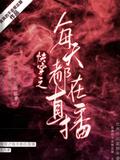 Kuai Chuanzhi Is Live Broadcasting Every Day
9.2kReads9.5Score1.1kShelves
Kuai Chuanzhi Is Live Broadcasting Every Day
9.2kReads9.5Score1.1kShelves
 After Reading the Book, I Conquered the Traitorous Chief Minister
60kReads9.4Score11.3kShelves
After Reading the Book, I Conquered the Traitorous Chief Minister
60kReads9.4Score11.3kShelves
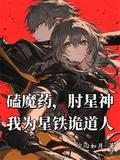 Honkai Impact: Starry Sky Deception
13.8kReads9.4Score1.3kShelves
Honkai Impact: Starry Sky Deception
13.8kReads9.4Score1.3kShelves
 I Became Popular on Blue Star Through Live Streaming
6.6kReads9.4Score880Shelves
I Became Popular on Blue Star Through Live Streaming
6.6kReads9.4Score880Shelves
 A Time-Traveling Fairy Tale, but It's Suspected to Be a Female Channel? !
75.2kReads9.2Score15.5kShelves
A Time-Traveling Fairy Tale, but It's Suspected to Be a Female Channel? !
75.2kReads9.2Score15.5kShelves
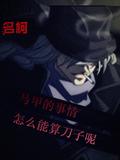 How Can the Waistcoat Be Considered a Knife?
2.1kReads8.8Score350Shelves
How Can the Waistcoat Be Considered a Knife?
2.1kReads8.8Score350Shelves
 Dead Bride
52.6kReads9.5Score10.5kShelves
Dead Bride
52.6kReads9.5Score10.5kShelves
 The Journey of Collapse
7.6kReads9.6Score738Shelves
The Journey of Collapse
7.6kReads9.6Score738Shelves
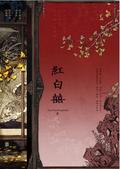 Red and White
68.2kReads9.7Score17.8kShelves
Red and White
68.2kReads9.7Score17.8kShelves
 Shocking the World of Immortality! After Showing Off My Little Junior Sister, She Drew Her Sword
16.8kReads9.2Score2.8kShelves
Shocking the World of Immortality! After Showing Off My Little Junior Sister, She Drew Her Sword
16.8kReads9.2Score2.8kShelves
 The Best in the World Must Run Away Very Quickly, Right?
23.1kReads9.5Score2.2kShelves
The Best in the World Must Run Away Very Quickly, Right?
23.1kReads9.5Score2.2kShelves
 I Learned to Kill Gods in a Mental Hospital
1.5MReads9.9Score190.9kShelves
I Learned to Kill Gods in a Mental Hospital
1.5MReads9.9Score190.9kShelves
 [Spell Return to War] It's Summer, It's Summer
6.4kReads9.3Score587Shelves
[Spell Return to War] It's Summer, It's Summer
6.4kReads9.3Score587Shelves
 The Whole Family Is the Protagonist, but I Am the Real Cannon Fodder!
2.7kReads7.4Score225Shelves
The Whole Family Is the Protagonist, but I Am the Real Cannon Fodder!
2.7kReads7.4Score225Shelves
 I Gave in When You Were at Your Peak, and I Stood in Front of You When You Were Old.
133.7kReads9.3Score12.9kShelves
I Gave in When You Were at Your Peak, and I Stood in Front of You When You Were Old.
133.7kReads9.3Score12.9kShelves
 About Me Having No Powers in a World Where Zombies Are Coming
4.1kReads5.8Score518Shelves
About Me Having No Powers in a World Where Zombies Are Coming
4.1kReads5.8Score518Shelves
 I, the World-Weary Prince, Have a Group of Crazy Friends
4.8kReads8.7Score636Shelves
I, the World-Weary Prince, Have a Group of Crazy Friends
4.8kReads8.7Score636Shelves
 Peach Blossom Debt
4.5kReads5.8Score1.1kShelves
Peach Blossom Debt
4.5kReads5.8Score1.1kShelves
 Quick Travel Protocol
1Reads—Score—Shelves
Quick Travel Protocol
1Reads—Score—Shelves
 After Two Years of Pretending, My Mind Was Suddenly Read.
62.3kReads9.6Score9.6kShelves
After Two Years of Pretending, My Mind Was Suddenly Read.
62.3kReads9.6Score9.6kShelves
 Conan: the Brave's Bizarre Adventure in Another World
2.1kReads9.3Score312Shelves
Conan: the Brave's Bizarre Adventure in Another World
2.1kReads9.3Score312Shelves
 Quick Travel: If the Villain Disobeys, Just Give Him a Beating
132Reads5.8Score—Shelves
Quick Travel: If the Villain Disobeys, Just Give Him a Beating
132Reads5.8Score—Shelves
 The Senior Sister Became Bai Yueguang in the World of Cultivation After She Was Ruined
4.8kReads8.6Score628Shelves
The Senior Sister Became Bai Yueguang in the World of Cultivation After She Was Ruined
4.8kReads8.6Score628Shelves
 After Passing Through the Book, I Was Pampered by the Four Male Protagonists
10.3kReads9.2Score983Shelves
After Passing Through the Book, I Was Pampered by the Four Male Protagonists
10.3kReads9.2Score983Shelves
 Zhan Shen: I Am Ascending the Level in Cang Fei, the World of Zhan Shen!
22.6kReads8.9Score2.8kShelves
Zhan Shen: I Am Ascending the Level in Cang Fei, the World of Zhan Shen!
22.6kReads8.9Score2.8kShelves
 After Being Transformed into Cannon Fodder, I Became the White Moonlight of the Three Realms
272Reads5.8Score—Shelves
After Being Transformed into Cannon Fodder, I Became the White Moonlight of the Three Realms
272Reads5.8Score—Shelves
 Dressed as the Male Protagonist of a Sadistic Novel and Fuck Him
45.8kReads9.6Score4.7kShelves
Dressed as the Male Protagonist of a Sadistic Novel and Fuck Him
45.8kReads9.6Score4.7kShelves
 Group Favorite: Queen, Please Be at Peace
3.7kReads9.1Score486Shelves
Group Favorite: Queen, Please Be at Peace
3.7kReads9.1Score486Shelves
 Except for Me, Our Whole Family Is BOSS
10.3kReads9.3Score1.6kShelves
Except for Me, Our Whole Family Is BOSS
10.3kReads9.3Score1.6kShelves
 Beng Tie: It Is My Duty to Save My Dear Friend
4.3kReads9.2Score327Shelves
Beng Tie: It Is My Duty to Save My Dear Friend
4.3kReads9.2Score327Shelves
 Lord of the Dead Sea
1.4kReads8.8Score180Shelves
Lord of the Dead Sea
1.4kReads8.8Score180Shelves
 Glass Cage
33.3kReads8.7Score3.5kShelves
Glass Cage
33.3kReads8.7Score3.5kShelves
 Trouble! the Little Shark Raised by Mr. Ou Ran Away with His Cub.
15kReads9.3Score2.7kShelves
Trouble! the Little Shark Raised by Mr. Ou Ran Away with His Cub.
15kReads9.3Score2.7kShelves
 You Are Crazy, I Am Even More Crazy, We Are Side by Side in Love
36.5kReads9.5Score5.8kShelves
You Are Crazy, I Am Even More Crazy, We Are Side by Side in Love
36.5kReads9.5Score5.8kShelves
 F-Class Newcomer? Obviously the Number One Player
66.9kReads9.5Score17.7kShelves
F-Class Newcomer? Obviously the Number One Player
66.9kReads9.5Score17.7kShelves
 Cosplay as a Bat Cub and Dance in Front of the Real Owner
2.9kReads8.5Score262Shelves
Cosplay as a Bat Cub and Dance in Front of the Real Owner
2.9kReads8.5Score262Shelves
 In the World of Kexue, Having More Than 100 Million Vests Is Reasonable, Right?
7.7kReads9.4Score996Shelves
In the World of Kexue, Having More Than 100 Million Vests Is Reasonable, Right?
7.7kReads9.4Score996Shelves
 After Awakening, the Cannon Fodder Went Crazy and Became Famous All over the Internet
2.9kReads9.1Score475Shelves
After Awakening, the Cannon Fodder Went Crazy and Became Famous All over the Internet
2.9kReads9.1Score475Shelves
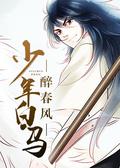 The Young White Horse Is Drunk in the Spring Breeze
23.1kReads9.5Score3.1kShelves
The Young White Horse Is Drunk in the Spring Breeze
23.1kReads9.5Score3.1kShelves
 San Style Secret Love Rules
35kReads9.6Score4.1kShelves
San Style Secret Love Rules
35kReads9.6Score4.1kShelves
 Peking Opera Cat: Picking up Claws at Zero Frame to Build a Mysterious Organization
1kReads8.9Score147Shelves
Peking Opera Cat: Picking up Claws at Zero Frame to Build a Mysterious Organization
1kReads8.9Score147Shelves
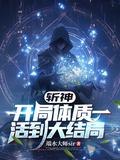 God-Killing, I Rely on Beauty to Become Strong and Miserable to Conquer the Protagonist Group
11.2kReads8.9Score1.6kShelves
God-Killing, I Rely on Beauty to Become Strong and Miserable to Conquer the Protagonist Group
11.2kReads8.9Score1.6kShelves
 Digital Footprint Cleaner
—Reads8.4Score—Shelves
Digital Footprint Cleaner
—Reads8.4Score—Shelves
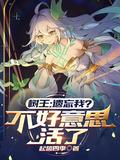 Genshin Impact: in the Beginning, the Reincarnated King Daci Shu Returns to the Throne.
8kReads9.5Score1kShelves
Genshin Impact: in the Beginning, the Reincarnated King Daci Shu Returns to the Throne.
8kReads9.5Score1kShelves
 Virtual Currency Inheritance Tax
—Reads8.5Score—Shelves
Virtual Currency Inheritance Tax
—Reads8.5Score—Shelves
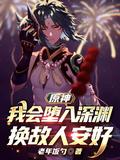 Original God: I Will Fall into the Abyss, so That My Old Friend Can Be Safe
12.9kReads9.7Score1.6kShelves
Original God: I Will Fall into the Abyss, so That My Old Friend Can Be Safe
12.9kReads9.7Score1.6kShelves
 Digital Personality Continuation Service
—Reads8.4Score—Shelves
Digital Personality Continuation Service
—Reads8.4Score—Shelves
 Genshin Impact: the Journey Begins with Meeting Wendy
1.7kReads8.0Score198Shelves
Genshin Impact: the Journey Begins with Meeting Wendy
1.7kReads8.0Score198Shelves
 E-Book Rafting Plan
—Reads8.5Score—Shelves
E-Book Rafting Plan
—Reads8.5Score—Shelves
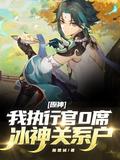 Genshin Impact: I Have 0 Executive Officer Seats and Am Related to Ice God
2.3kReads8.8Score335Shelves
Genshin Impact: I Have 0 Executive Officer Seats and Am Related to Ice God
2.3kReads8.8Score335Shelves