Let me go, this book is unsystematic. The protagonist borrows corpses to revive and can see signs of death. Being hunted by a mysterious organization, he only had half a year left to live. The writing is good, the pace is slow, and it has a sense of humanity in the mines. If you watch too many system streams, you can change your taste. It's not bad.
I recommend this book about cultivating immortals. It's good-looking and non-toxic. I feel like the author really wants to teach me how to cultivate immortality.
This strange book that has been forgotten for five hundred years has finally been written by someone - free to read, waiting for your review 1. An accidental discovery If you walk into the ancient book library of the National Library in Beijing, in the rare book warehouse on the second underground floor, you will see two stacks of pages placed side by side. One pile is broken bamboo paper from the late Ming Dynasty, with chipped corners and faded ink marks, carefully sealed in a protective film with constant temperature and humidity; the other pile is printed modern manuscript paper, the pages have begun to turn yellow and the corners are slightly rolled up. Two stacks of paper, five hundred years apart, lay side by side. The broken stack of bamboo paper was a manuscript left by an unknown Ming Dynasty scholar. He wrote this book in the last years of Wanli, and then "hid it in the mountains for future generations." The person he was waiting for didn't come. Five hundred years later, these pages were rescued from the waste paper collection station, and only the catalog and scattered pages remained. That stack of typescripts was a manuscript that a contemporary historian spent two years reconstructing. Based on the remaining catalogs and outlines, he restored more than 300 stories and wrote a "modern revelation" for each story. On the day the book was completed, he donated the manuscript to the library and left quietly. When the administrator was sorting it out, he discovered that there was an extra line of unsigned small script at the end of the manuscript: "Line 101: Opera Reader. Outline: You." The name of this book is "The Play Next Door". 2. What kind of book is this? If you thought it was an ancient novel, you were only half right. It is a "professional encyclopedia" - five hundred professions and five hundred stories are written. From the "clock tuner" of diplomatic negotiations to the "demonstrator" of national gift demonstrations; from the "designer" of diplomatic secret words to the "sugar blower" of entertainers; from the waiter in the escort agency to the clerk in the yamen; from the shopkeeper of the drug store to the leader of the theater troupe. Five hundred careers, five hundred lives, five hundred dilemmas, and five hundred choices. But it is also a "collection of life fables" - each story is not to tell you "how the ancients lived", but to let you see your own shadow in the plight of those ancients. When negotiations reach an impasse, should we stick to the end, or should we find a reason to "pause"? The official called "the clock tuner" tells you: Negotiation is like a bow, and it will relax after a long time. Pausing is not about retreating, it is about stretching more fully next time. When presenting your results, do you exaggerate to gain applause, or do you present honestly to gain trust? The craftsman called "demonstration craftsman" tells you: show it with truth and get it with respect; show it with illusion and get it with doubt. When designing system rules, do you pursue complex and dazzling skills, or do you consider the habits of users? The designer called "The Whisperer" tells you: Secret words are like clothes. If they fit well, they will be hidden; if they don't fit, they will appear. When your own era comes to an end, will you blame everyone, or will you bid farewell quietly and with dignity? The old artist who performs and sings on the outskirts of the city tells you: Born in the dust, return to the dust. Time is gone, just go quietly. This book is like a mirror. When you read it, you think you are reading a story from the ancients. But as you read, you will find that what you see is yourself. Your own career dilemma, your own choice of intersection, your own persistence and compromise, your own conscience and interests. The author from five hundred years ago traveled through time and space and handed this mirror to you. 3. What's in this book? Let me tell you a few stories from the book. I pieced them together page by page from the broken pile of bamboo paper. The first story: Negotiations were "suspended" by the bell adjuster. During the Yongle period of the Ming Dynasty, in the main hall of Honglu Temple, a negotiation on mutual markets was about to begin. The Wala envoy rose up and the Ming deputy envoy said "surrender" and ignited the powder keg. The envoy walked away, and the negotiations were about to break down. Zhou Shenxing, the minister of Honglu Temple, did not chase or stop him. Instead, he walked to the chiming bell in the hall, opened the bell door, took out a piece of suede cloth, and began to wipe the clock. He said to his deputy: "Go and tell the special envoy that my clock is broken and needs to be repaired. Negotiations will be suspended for a moment today." The clock was not broken. But negotiations require this "pause." During the pause while burning the incense, the special envoy's think tank persuaded him, and Zhou Shenxing figured out the bottom line. The two sides sat back down at the table and reached an agreement. Zhou Shenxing said to the young man who got into trouble: "Negotiation is like a bow, which will relax after being stretched for a long time. Pause is to loosen the string in order to draw it full next time." This story reminded me of myself - how many times I got red-faced in meetings and wanted to throw out all my ideas at once; how many times I insisted on "winning" in the quarrel, but in the end I won the reason and lost the relationship. If I could have shouted "timeout" at that time, went to drink a glass of water, go to the toilet, and stand by the window for a minute - maybe the outcome would have been completely different. The second story: The "demonstration" craftsman of the national gift. During the Xuande period of the Ming Dynasty, Manchurian envoys came to the DPRK. Shen Huaian, a doctor in the Ministry of Industry, was responsible for demonstrating three national gifts - the compass, the armillary sphere, and the water transport instrument platform. He insisted on "talking about principles and not bragging" and explained clearly the principles behind every gear, every shaft, and every claw. Another official, Qian Youde, was different. He presented a building that "all nations come to see the moonlight and appear auspicious", which is said to "coincide with the yin and yang of the heaven and earth, and the principles of the sun, moon and stars", and will appear under the "moonlight". Prime Minister Manlajia was so amazed that he returned home with the pavilion and summoned the princes and ministers to witness the miracle on the night of the full moon. Nothing happened. The prime minister was furious, and the relationship between Ming Dynasty and Manlajia plummeted. When Shen Huaian's armillary sphere drawing was brought back to China by the mission, the craftsmen on the other side failed to imitate it, but they admired it even more because of it - because they knew that it was not a scam, but a real gap. Shen Huaian said: "Show it with truth and get it with respect; show it with illusion and get it with doubt." This story made me reflect - in the workplace, do we often, like Qian Youde, say three points into ten points and possibility into certainty? We believe that "packaging" is ability and "exaggeration" is strategy. But ultimately, every exaggeration eats away at the account of trust. Once trust is overdrawn, it can never be repaired. The Third Story: The Designer of the Diplomatic "Secret Words" During the Zhengtong years, the Secret Words Department received two errands. Shen Congjian designed a secret language for the Annan mission. He studied the Annan scholar-officials' habit of loving the guqin and embedded the secret language into the music scores of "High Mountains and Flowing Waters" and "Guangling San". Members of the mission did not need to memorize anything new, just play what they already knew. Wu Youzhang designed secret codes for the North Korean mission. He pursued "complexity" and designed twenty-four secret codes, eight dynamic changes, and more than a thousand combinations. The members of the mission couldn't remember it and simplified it on their own. As a result, the secret message was easily deciphered and almost caused a disaster. Gu Yanqiu said to Wu Youzhang: "Secret words are like clothes. If they fit well, they will be hidden. If they don't fit, they will be revealed. You made an old man a brocade robe inlaid with gems and embroidered with gold threads, but he couldn't put it on, and he couldn't walk even if he put it on. In the end, he could only throw it at the bottom of the box and put on an old cotton-padded jacket to go out. The old cotton-padded jacket leaks wind and can't hide anything." This story reminds me of those complex systems, cumbersome processes, and daunting forms—the designers only consider their own "want to design perfectly," but never consider the habits and abilities of the users. You think that the more complex it is, the safer it is, but if users find it too troublesome, they will bypass it, simplify it, or even abandon it. Bypassed security measures are more dangerous than none. The fourth story: Dusk Songs by Marginal "Craftsmen" In the last years of Wanli, on the deserted beach south of Beijing, an old man performed and sang to himself every day. He can play the candy man, perform monkey tricks, ironwork, ancient color tricks... Dozens of martial arts skills, all of which are masterful. But he had no apprentices and no audience. He has not waited for anyone for seventeen consecutive days. His junior brothers have long since changed their careers. Those who open grocery stores open grocery stores, and those who carry large bags carry large bags. He won't leave. It's not that I don't know that I can make money by changing my career, it's that I can't bear to do it. These skills were passed down to him by his master and are his lifelong efforts. Every craft is like a child that he cannot throw away. The last ironwork was played in the snow. He alone threw the molten iron into the sky one by one. Golden sparks bloomed in the heavy snow, like fleeting chrysanthemums. There was no audience, just him and his old monkey. Before he died, he put all the tools and formulas into a wooden box, dug a hole on the river beach, and buried them. A stone, unmarked monument was erected on it. He said: "These crafts were born in the dust, and they should return to the dust. The times no longer want them, so just go quietly." This story made me cry for a long time. Not because of sadness, but because of that dignity. When the wheel of the times rolled over, he did not cry or complain, he just sang the last song quietly and decently, then buried the tools and erected a monument without words. He is telling everyone that something is destined to disappear. Not because it's not good enough, but because times have changed. This is cruel and true. But disappearance does not mean failure. Its value does not lie in how much money it can earn, but in the fact that it once existed and made some people moved, happy and amazed. The fifth story: Storyteller·Epilogue Five hundred years later, a historian discovered the stack of broken manuscripts in the ancient book library. He was shocked by those stories and determined to reconstruct the whole book. He spent two years writing more than three hundred stories, and wrote a "modern revelation" for each story. He rejected the publisher's request to "adapt it into a hit". He said: "The value of these stories lies precisely in their 'truth'. If I changed them into the kind of 'hits' you want, they would not be "The Play Next Door"." When the book was completed, he did not publish it, but donated the manuscript to the library. He wrote in the postscript: ""The Play Next Door" has never been truly completed, and it does not need to be completed. Because it is not a book, but a mirror - every era and every reader can see their own career, their own choices, and their own conscience in it. The play is next door, but also in the hearts of the people. The ancients are on the stage, and you and I are sitting under the stage. When the play ends, I leave myself with a question: In this big drama called life, which role do you choose to play?" When the administrator was sorting it out, he discovered that there was an extra line of unsigned small script at the end of the manuscript: "Line 101: Opera reader. Outline: You." 4. Why is this book worth reading? First, because it is real. This is not a "success study" book. It will not teach you "learn to negotiate in three days" or "get leadership in five steps." It is about real people making real choices in real dilemmas. Some of those choices are wise, some are stupid; some stick to it, and some compromise; some are admirable, and some are sighing. But it's all true. You will see yourself in those stories. Second, because it is profound. Behind every story, there is a truth worth chewing over and over again. "Pause is not retreat", "Show it with truth and gain it with respect", "Secret words are like clothes, they are hidden when they fit well" "Born in the dust, return to the dust" - these principles are not preaching from above, but wisdom that grows from the soil. They are simple but powerful; simple but profound. Third, because it's about you. Do you think you are reading a story from the ancients? No, you're reading your own story. That "clock-setter" who's in a dilemma at the negotiating table is you who's in a dilemma at the meeting. The "presenter" who struggles with "telling the truth or telling nice things" during a presentation is how you report your work in front of your leader. That "whisperer" who designs complex systems but no one uses them is what it looks like when you ignore user experience when developing processes. The "old artist" who sticks to it until the end of the era is what you look like when you face changes at the end of your career. Fourth, because it's free. Yes, you read that right. This book of nearly 3 million words can be read for free on Tomato Book Store. No tricks, no hidden fees. You only need to enter the words "Next Door Play" in the search box of Tomato Bookstore to find it. You can read it chapter by chapter, slowly and repeatedly. If you read a sentence that moves your heart, you can underline it; if you read a story that makes you cry, you can leave a message. Fifth, because it needs you. The last story in this book is about you. That line of small letters reads - "Line 101: Opera Reader. Outline: You." You are the last character in this book. After you finish reading these stories, your life will be the last chapter of this book. Your career, your choices, your perseverance and compromise, your life - they are all part of "The Show Next Door". So, after reading this book, please leave your thoughts in the comment area. Tell the author – what did you learn from these stories? What did you realize? Which character reminds you of yourself? What truth makes you chew on again and again late at night? What moment made you burst into tears? Because this book was not written by one person. It was the author five hundred years ago, the scholar who reconstructed the manuscript, and everyone who reads this book - they completed it together. 5. Final words It took me a long time to finish writing these five articles. From "clock tuner" to "demonstrator", from "whisperer" to "old artist", and finally to "player". I write every article with my heart. I can't say how well it's written, but I can guarantee that every sentence is sincere. I didn't write them as "hits", I didn't add bloody plots, and I didn't deliberately sensationalize them. I just tell you those stories honestly and quietly. Just like the old artist striking iron in the snow - not for applause, just to live up to his own conscience. If you read this book on Tomato Bookstore, if you were moved by a certain story, please tell me in the comment area. I'll wait for you there. I want to know, what did you learn from the "clock tuner"? What did you learn from the Demonstrator? What did you see from the "old artists"? What do you think of from "play readers"? Because - you are the protagonist of the last story. This chapter is not finished yet. The pen is in your hand. What did you choose to write about? [Search "Next Door Play" on Tomato Book Store and you can read the entire book for free. After reading, please leave your thoughts in the comment area. This book needs you - the author of the last story.
The nights in Kowloon City, the harbor city, are always wet. @ Douchengbaye. . The neon signs blurred in the rain and mist, like pieces of colored sugar paste that had melted and stuck to the moldy wall. The air was filled with the fishy smell of the seafood market, the smell of burning paper, and the indescribable rotten smell that came up from the sewer. This is my new battlefield. I once overlooked this night scene from the 42nd floor of an office building in downtown Harbor City. At that time, I thought it was like dust on a circuit board. Now I am standing in the dust, playing hide and seek with the urban management for a few hundred yuan of running water. My name is Chen Sheng, forty-two years old, a former middle-level worker in a large factory, and now the owner of the "Chen Kee Special Dumpling Stall". After half a year of unemployment and two months of mortgage payments cut off, his ex-wife Amin returned to her parents' home with their daughter. Before leaving, she only left one sentence: "Chen Sheng, you either stand up like a man or you don't come back." Standing? My back doesn't hurt when I stand and talk. Now my legs feel numb even when I squat. In order to raise money for my daughter's international school tuition next month, I cashed in the last bit of my dignity and bought a second-hand tricycle to support the business.
The nights in Kowloon City, the harbor city, are always wet. @ Douchengbaye. . The neon signs blurred in the rain and mist, like pieces of colored sugar paste that had melted and stuck to the moldy wall. The air was filled with the fishy smell of the seafood market, the smell of burning paper, and the indescribable rotten smell that came up from the sewer. This is my new battlefield. I once overlooked this night scene from the 42nd floor of an office building in downtown Harbor City. At that time, I thought it was like dust on a circuit board. Now I am standing in the dust, playing hide and seek with the urban management for a few hundred yuan of running water. My name is Chen Sheng, I am forty-two years old, a former middle-level worker in a large factory, and now the owner of the "Chen Kee Special Dumpling Stall". After half a year of unemployment and two months of mortgage payments cut off, his ex-wife Amin returned to her parents' home with their daughter. Before leaving, she only left one sentence: "Chen Sheng, you either stand up like a man or you don't come back." Standing? My back doesn't hurt when I stand and talk. Now my legs feel numb even when I squat. In order to raise money for my daughter's international school tuition next month, I cashed in the last bit of my dignity and bought a second-hand tricycle to support the business.
This book is very consistent, and the ability can be used to show off, Lao Baiwen, at first glance, it is infinite flow, but if you look closely, you can find a different system inside. Advantages - The setting is rigorous and new, the writing is excellent, the world view is grand, the plot is excellent, not brainless, the logic is really no problem, and it is not cliched. Disadvantages - The plot is a bit long, there are a lot of pitfalls, it is a bit brain-burning, and there is a transformation plot that may be poisonous (the protagonist has a skill that will temporarily turn him into a white-haired witch after being beaten to death)
If you want to change your mind, here is a book about Eastern mythology, which is very sensational; a book about the apocalypse, which has a clear idea; a book about Chinese mythology, a selection of cute novels; a card flow book, with a rigorous setting; and a book about recruiting disciples, which is hilarious and sinister. If you haven't read it, it doesn't count as a novel! ! !
As for the story, overall it's pretty good. The protagonist's setting is more like Lu Mingfei + Chu Zihang. You can check it out. You can also check out the urban superpowers.
"The name of this game is so weird, and why can it only be random?" "My invincible Mecha Tyrannosaurus Warrior is so cool that you are not allowed to take it???" In the middle of the night, Fang An was leaning on the bed after a busy day. At this time, his phone automatically downloaded and installed a mobile game. A weird and immortal-style meat pigeon game, in a weird world. The game mode is probably to control the pixel villain to spawn monsters and improve your own skill system. Then go out to fight, explore various unknown events, and achieve various endings. There are also play options for free construction and cultivating your own followers. Everyone has their own favorite games, and so does he. I don't particularly like those high-definition AAA masterpieces, but I like all kinds of strange independent games.
Rebirth in the apocalypse, modifiers modify attributes, infinite parcels stock up on trillions of supplies, and if you don't have weapons and equipment, you go to the enemy country to steal aircraft carriers and rob warships. The first thing you do when you have a nuclear submarine is to have nuclear peace. When the apocalypse comes, modifiers are magically modified. There are no taboos in their functions. They can modify everything. I am invincible.
 It's the End of the World, I'm Raising Zerg in My Nest
1Reads8.6Score—Shelves
It's the End of the World, I'm Raising Zerg in My Nest
1Reads8.6Score—Shelves
 I Deliver Food Through Yin Yang
2Reads—Score—Shelves
I Deliver Food Through Yin Yang
2Reads—Score—Shelves
 After Dawn
946Reads5.8Score—Shelves
After Dawn
946Reads5.8Score—Shelves
 I'm Not Mentally Ill! I Just Have a God Inside Me
9.3kReads9.4Score1.4kShelves
I'm Not Mentally Ill! I Just Have a God Inside Me
9.3kReads9.4Score1.4kShelves
 Death Knell
9Reads—Score—Shelves
Death Knell
9Reads—Score—Shelves
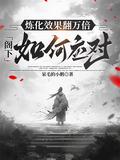 The Refining Effect Has Increased Ten Thousand Times. How Do You Deal with It?
32.8kReads8.7Score3.3kShelves
The Refining Effect Has Increased Ten Thousand Times. How Do You Deal with It?
32.8kReads8.7Score3.3kShelves
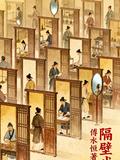 Next Door Drama
5Reads—Score—Shelves
Next Door Drama
5Reads—Score—Shelves
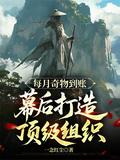 Rare Items Arrive Every Month, Creating a Top Organization Behind the Scenes
53kReads7.5Score5kShelves
Rare Items Arrive Every Month, Creating a Top Organization Behind the Scenes
53kReads7.5Score5kShelves
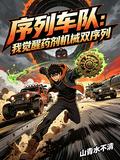 Sequence Fleet: I Awakening Potion Mechanical Dual Sequence
222.5kReads7.8Score29.7kShelves
Sequence Fleet: I Awakening Potion Mechanical Dual Sequence
222.5kReads7.8Score29.7kShelves
 God's Punishment Game: Strange Arrival
1Reads5.8Score—Shelves
God's Punishment Game: Strange Arrival
1Reads5.8Score—Shelves
 Will the Masculine Boy Turn into a Magic Girl with a Sword?
507Reads5.8Score148Shelves
Will the Masculine Boy Turn into a Magic Girl with a Sword?
507Reads5.8Score148Shelves
 Order from the Underworld: the Last Order
1Reads8.6Score—Shelves
Order from the Underworld: the Last Order
1Reads8.6Score—Shelves
 Once Upon a Time There Was a God-Level Support Cat
9.4kReads9.0Score1.1kShelves
Once Upon a Time There Was a God-Level Support Cat
9.4kReads9.0Score1.1kShelves
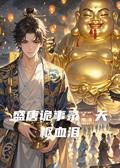 Records of Weird Events in the Prosperous Tang Dynasty: Blood and Tears of Tianshu
—Reads8.5Score—Shelves
Records of Weird Events in the Prosperous Tang Dynasty: Blood and Tears of Tianshu
—Reads8.5Score—Shelves
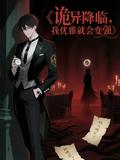 Strangeness Is Coming: the More Elegant I Am, the Stronger I Am
2.5kReads6.7Score644Shelves
Strangeness Is Coming: the More Elegant I Am, the Stronger I Am
2.5kReads6.7Score644Shelves
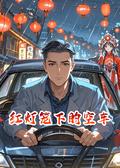 Empty Car Under Red Lantern
—Reads8.4Score—Shelves
Empty Car Under Red Lantern
—Reads8.4Score—Shelves
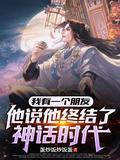 Lonely Search
78.1kReads9.0Score6.6kShelves
Lonely Search
78.1kReads9.0Score6.6kShelves
 Wet City Secret Record: Red List on a Rainy Night in Nangang
—Reads8.6Score—Shelves
Wet City Secret Record: Red List on a Rainy Night in Nangang
—Reads8.6Score—Shelves
 When the Mirror No Longer Reflects Your Face
1Reads8.4Score—Shelves
When the Mirror No Longer Reflects Your Face
1Reads8.4Score—Shelves
 Look, This Is How the Ability Is Used
4.3kReads9.0Score523Shelves
Look, This Is How the Ability Is Used
4.3kReads9.0Score523Shelves
 The Security Captain's Last Shift
—Reads8.6Score—Shelves
The Security Captain's Last Shift
—Reads8.6Score—Shelves
 I Accidentally Awakened All the Eastern Gods
7.2kReads8.6Score2kShelves
I Accidentally Awakened All the Eastern Gods
7.2kReads8.6Score2kShelves
 Traffic Incense: Broadcast for the Nth Time
—Reads8.5Score—Shelves
Traffic Incense: Broadcast for the Nth Time
—Reads8.5Score—Shelves
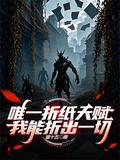 My Only Origami Talent Is That I Can Fold Everything
38.8kReads9.1Score4.9kShelves
My Only Origami Talent Is That I Can Fold Everything
38.8kReads9.1Score4.9kShelves
 Traffic Sacrifice: Live Broadcast to Send Meat Rice Dumplings
—Reads8.6Score—Shelves
Traffic Sacrifice: Live Broadcast to Send Meat Rice Dumplings
—Reads8.6Score—Shelves
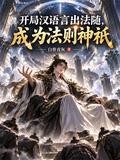 Go Crazy! Every Chinese Word I Speak Is a Forbidden Curse
2.6kReads8.6Score320Shelves
Go Crazy! Every Chinese Word I Speak Is a Forbidden Curse
2.6kReads8.6Score320Shelves
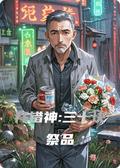 Worshiping the Wrong God: Thirty Pieces of Sacrifice
—Reads8.5Score—Shelves
Worshiping the Wrong God: Thirty Pieces of Sacrifice
—Reads8.5Score—Shelves
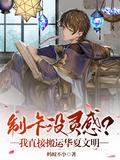 Crazy! the World Is Being Wildly Planted with Chinese Cards
16.6kReads7.9Score1.9kShelves
Crazy! the World Is Being Wildly Planted with Chinese Cards
16.6kReads7.9Score1.9kShelves
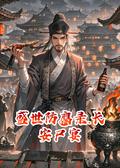 Record of Embalming in Prosperous Times. Chang'an Corpse Feast
—Reads8.6Score—Shelves
Record of Embalming in Prosperous Times. Chang'an Corpse Feast
—Reads8.6Score—Shelves
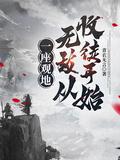 Become the Leader at the Beginning, and All the Disciples Will Be Terrible!
16.2kReads8.5Score1.1kShelves
Become the Leader at the Beginning, and All the Disciples Will Be Terrible!
16.2kReads8.5Score1.1kShelves
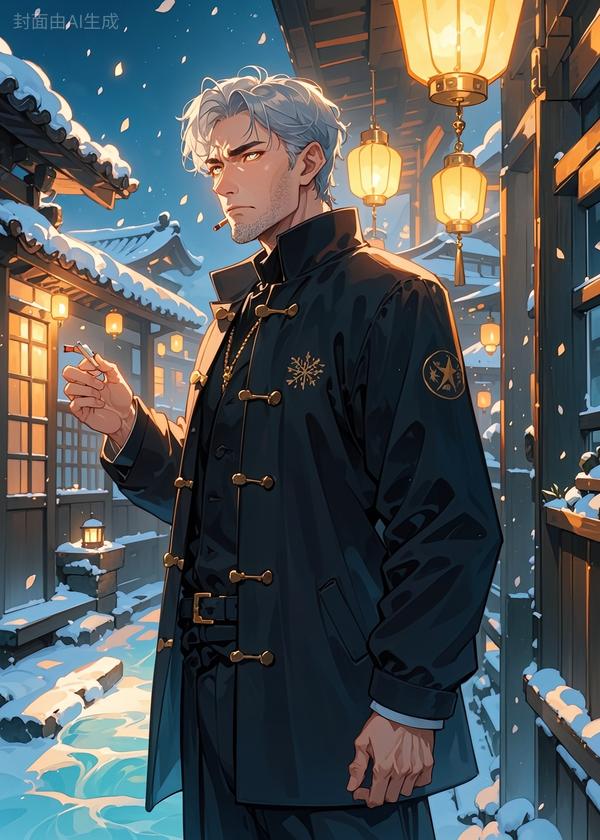 Give the Ghost a Cigarette
—Reads8.4Score—Shelves
Give the Ghost a Cigarette
—Reads8.4Score—Shelves
 Why Are You Bullying Him? I Have a Second-Level Mental Illness!
4.9kReads8.7Score469Shelves
Why Are You Bullying Him? I Have a Second-Level Mental Illness!
4.9kReads8.7Score469Shelves
 Midnight in Fengtian: Red Costume and Yellow Hair
—Reads8.6Score—Shelves
Midnight in Fengtian: Red Costume and Yellow Hair
—Reads8.6Score—Shelves
 Kill That Tomato Writer
3.5kReads5.8Score384Shelves
Kill That Tomato Writer
3.5kReads5.8Score384Shelves
 The Third Person in the Rearview Mirror
—Reads8.6Score—Shelves
The Third Person in the Rearview Mirror
—Reads8.6Score—Shelves
 Live After Burial
345Reads8.6Score—Shelves
Live After Burial
345Reads8.6Score—Shelves
 Fu Moli: Karma Perjury
—Reads8.6Score—Shelves
Fu Moli: Karma Perjury
—Reads8.6Score—Shelves
 Weird Destiny Game: How to Play If You Create an Account and Become a Fairy?
1.9kReads8.4Score163Shelves
Weird Destiny Game: How to Play If You Create an Account and Become a Fairy?
1.9kReads8.4Score163Shelves
 List of Missing Tenants
—Reads8.5Score—Shelves
List of Missing Tenants
—Reads8.5Score—Shelves
 The Tycoon of the Trinity Sect Is Crying and Has No Roots at the Beginning!
3.1kReads5.8Score140Shelves
The Tycoon of the Trinity Sect Is Crying and Has No Roots at the Beginning!
3.1kReads5.8Score140Shelves
 Record of Driving Corpses in Xiangxi: People's Hearts Are Full of Ghosts
—Reads8.6Score—Shelves
Record of Driving Corpses in Xiangxi: People's Hearts Are Full of Ghosts
—Reads8.6Score—Shelves
 She Is Such a Wicked Daughter!
17.2kReads9.0Score1.7kShelves
She Is Such a Wicked Daughter!
17.2kReads9.0Score1.7kShelves
 System! What Did You Do Behind My Back!
20.6kReads7.6Score1.9kShelves
System! What Did You Do Behind My Back!
20.6kReads7.6Score1.9kShelves
 Chicken You Are so Beautiful: the Last Dance Before Dawn
3Reads8.6Score—Shelves
Chicken You Are so Beautiful: the Last Dance Before Dawn
3Reads8.6Score—Shelves
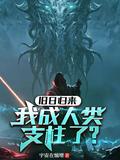 The Old Days Have Returned and I Have Become a Pillar of Humanity?
60.8kReads9.2Score6.5kShelves
The Old Days Have Returned and I Have Become a Pillar of Humanity?
60.8kReads9.2Score6.5kShelves
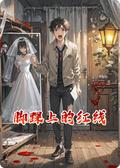 Red Line on Ankle
—Reads8.4Score—Shelves
Red Line on Ankle
—Reads8.4Score—Shelves
 Doomsday Modifier
15.8kReads8.4Score2kShelves
Doomsday Modifier
15.8kReads8.4Score2kShelves
 Stage Ghost
—Reads8.6Score—Shelves
Stage Ghost
—Reads8.6Score—Shelves
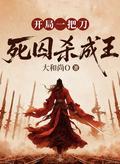 With a Knife at the Beginning, the Death Row Prisoner Becomes the King
209.6kReads9.0Score28.9kShelves
With a Knife at the Beginning, the Death Row Prisoner Becomes the King
209.6kReads9.0Score28.9kShelves
 Chang'an Night Journey: Dragon's Blood Embers
—Reads8.5Score—Shelves
Chang'an Night Journey: Dragon's Blood Embers
—Reads8.5Score—Shelves