🔥Listen to my advice🔥Don't read it🔥Be careful not to fall asleep🔥The first book is Rebirth 80, from the scourge in the courtyard, to the unparalleled national warriors. The second book is a scourge to the sky, a scourge to the earth, and a scourge to you, me and others. [Laugh][laugh][send my heart][send my heart][laugh][laugh]
Top power strategist, look over here! The pace is fast and no nonsense, the plot is exciting, and the writing is top-notch. You can learn a lot after watching it. It can be read by both male and female bookworms. Highly recommended! [Laughs][makes faces]
"The life capsule is locked! Ejection countdown! 3-2-1-!" With a huge thrust, the life capsule broke free and suddenly ejected from the disintegrating Pioneer. Lu Zheng looked back through the porthole and watched helplessly as the Pioneer exploded into a ball of gorgeous but desperate fire under the meteorite flow and the enemy's laser attack. The fire expanded violently, briefly, almost gently, illuminating this cold and desolate star field, as if holding an unwitnessed, silent stellar funeral for it. Then, the light was completely swallowed up by the denser meteorite fragments, leaving not even a trace of debris. It was as if this spaceship, which carried the mission, sweat, and countless ordinary expectations, and the lives inside that could not escape, were just an insignificant swallow in the deep throat of the universe, without even leaving an echo. The autopilot system of the rescue capsule frantically avoided the remaining meteorite fragments and rushed towards the canyon. The violent turbulence made the three people dizzy. The lights in the cabin flashed crazily and alarms sounded one after another. Lu Zheng grabbed the armrest of the seat tightly, veins popped out on his knuckles, and his palms were covered with cold sweat. Zhao Kai and Xia Wan were close together, their faces as pale as paper, and no one spoke. Language is both luxurious and cruel at this moment. The brothers in the living cabin are gone, and the Pioneer is gone. They are three pieces of debris stained with blood that were picked out from the teeth of death by fate. What remains after the disaster is not joy, but a deeper, frozen silence that presses on everyone's chest. The shadow of death is still chasing after me and never goes away. "Can we survive? Can we wait for rescue?" Lu Zheng closed his eyes in despair, "Goodbye my motherland, goodbye my relatives..." "Bang!" With a dull loud noise, the rescue capsule hit the bottom of the asteroid's canyon. The buffer airbag popped up instantly, and the huge impact caused the three people's eyes to go dark and they lost consciousness instantly. Search "Lonely Voyage" to read the full text! The hard-core showdown between the Covenant and the Iron Dome, each chapter is filled with explosive battles and reversal of suspense. The subsequent Jedi counter-attacks, defeating more with less, will make Star Wars fans jump right in!
Instead of relying on martial arts to fight head-on, one mouth alone stirs up the entire court structure. "Eloquence Strategy" + "Chaot Hall Game" + "Long-term Layout"
The game is explosive at the beginning, and there are more treasures as you go to the back. You think you are reading an entertainment novel, until you get to the middle and back parts, and you suddenly realize that you are reading a masterpiece like "Les Misérables."
This is an unpopular and in-depth article with hacked ratings and high quality. It is a hard-core work for men in science and engineering. There is no golden finger of the time-traveling and rebirth system. The subject matter is novel, magical and realistic, the writing is sharp and does not add water, and the funny twists are fast-paced. It is full of suspense and brain-burning reasoning, revealing the secrets of modern high-tech espionage, hacker warfare, and electronic warfare. It is specially designed for old bookworms. After 10 chapters, thieves will start to take over. If it doesn't look good, feel free to comment!
📚Top, intelligent, funny 🍓Space Department No. 6: Someone was reborn from the apocalypse and witnessed the unspeakable situation. The first thing he did was to stock up like crazy. Thanks to his own space, he stocked up like crazy and exaggeratedly. He bought all the goods by the ton, but his uncle couldn't sit still [face covering]
8 Pure originality, lots of fun. ➕Bookshelf, write book reviews. Sing to the moon, why is life? The road is long and bumpy, I am confused and ask God, Heaven is silent, my heart is sad, The mountains are high and the road is dangerous, my clothes are stained with blood, The sea is deep and the waves are rough, I am homeless, The heart of seeking the truth is unimpeded by wind and rain, The mountains and rivers are picturesque, but they are abandoned like walking shoes, There are so many beauties, I can't avoid fear, The heart of pursuing the truth is hard to shake, My hair is white in the hall, I am unable to fulfill my filial piety, My wife is separated, it is difficult to enjoy family life, The heart of seeking the truth will not change in life or death. Raise your sword and ask the sky! Where will the thousand years of practice go? The impermanent soul in life will return. Let's raise a glass and drink a pot of wine together. My heart still guides the sky!
This is the only pure cross talk novel in the world. When cross talk collides with classics, the baggage brought out by two teachers, Guo and Yu, is full of absurd truths and human feelings on the Xitian Road. 🆘
Four stories, four lives, worth a good look. Dear readers: Hello. I don't know if you have this feeling - you scroll through your phone every day and watch a lot of excitement, but after turning off the screen, you feel empty and nothing is left. You want to see something real, something that will calm you down and make you think. Today, I would like to recommend four stories to you. Each of these four stories comes from around us, from ordinary people you may know, may have seen, and may be you. They do not have earth-shattering lives or legends of ups and downs. They are just ordinary people struggling, persevering, and looking for an exit in life. Each story is nearly 20,000 words long. Not long, not short. Just enough for you to read it slowly during a quiet time. After reading, you may have some indescribable feelings - it may be sad, it may be relief, it may be enlightenment, or it may be a gentle sigh after being silent for a long time. That's right. Because a good story doesn't give you answers, it makes you think. --- The first story: "Sighing Under the Locust Tree" Have you ever thought about this question - a rural boy, who worked diligently in an electronics factory for ten years, saved more than 200,000 yuan through frugality, did not smoke, drink or play cards, could cook, wash and clean, and was so good-tempered that he never blushed with anyone. Twenty years ago, such a person would have been a good son-in-law that people from all over the country were clamoring for. But today, he wouldn't be able to marry a wife. His father had been farming all his life and had broken his ribs on a construction site. His hands were covered with calluses and there was always mud embedded in his fingernails that could not be washed away. He spent all his savings and built three brick houses for his son. At that time, this was the best he could give. But today, in these three old houses, you can't even see the girl's face. So the father and son stood under the old locust tree at the entrance of the village and blamed each other. The father scolded his son for not living up to expectations, being unable to speak, and having no future. The son complained that his father was incompetent, failed to save a family, and failed to create good conditions for himself. The two of them insisted on their own opinions and refused to give in to the other, and they were red-faced. But they forgot one thing - they are father and son, not enemies. They are in the same boat, not rivals. The stone in the story is as silent as a real stone. He doesn't like to talk and doesn't know how to make trouble. He has stood on the assembly line for ten years and the money he saved is not enough to cover the betrothal gift. His father, Zhang Laogui, had been trying to be strong all his life, but when it came to his son's marriage, he felt for the first time that he was "incompetent." The two people complained about each other, hurt each other, and did not understand each other. The father smoked cigarettes one after another in the yard late at night, and the son tossed and turned in the rental house in Guangdong, unable to fall asleep. Both of them are suffering, but neither one is willing to bow down first. Until one day, Shi Tou made a decision - to stop working and open his own shop. He saved more than 200,000 yuan in ten years. It was not enough to marry a wife, but it was enough to open a breakfast shop. Get up at three o'clock in the morning every day to make noodles, chop stuffing, and boil soy milk. At half past five, the first cage of steamed buns comes out. At six o'clock, the first guests arrived. He can't speak, but he can laugh. The buns he makes have thin skin and big fillings, the fried dough sticks are crispy, and the soy milk is fragrant. The guests all said: "Although the owner of this store doesn't like to talk, he has real things and real people." His father, Zhang Laogui, also came. He didn't say "I support you," he just walked into the store silently, put on his apron, and started washing dishes. From that day on, father and son no longer argued about "whose fault it was." They make noodles together, chop stuffing together, wash dishes together, and close the shop together. Those barriers, those grievances, and those unspeakable words were all slowly dissolved in sweat. Later, Shitou met a girl. The girl asked him: "Do you like me?" Shi Shi blushed and opened his mouth. But this time, he was not silent. He said - "I... I can't speak. But if you are willing, I will be good to you all my life." The girl said: "Enough. This sentence is enough." The most touching thing about this story is not that Shitou finally married a wife, but the transformation between him and his father from "opposition" to "side by side". When the two people no longer blamed each other, but worked and sweated together, they finally understood that it was no one's fault that their son couldn't marry a wife. Times have changed and they haven't kept up. But as long as father and son are of the same mind, there is no obstacle that cannot be overcome. When reading this story, you may think of your father, the arguments, the silence, and the unspeakable love between you. You may be asking yourself – are we in the wrong place too? Should we also stand together instead of facing each other? The old locust tree is still the same old locust tree. The heart of the tree is empty, but it still sprouts every spring. Why? Because the roots are still there. If your roots are there, you can live. You can read this story for free by searching "Sighing Under the Sophora Tree" on Tomato Bookstore for 30% of the price. --- The second story: "Discovered only after being widowed" Have you ever noticed such a detail - how many times does your cell phone ring in a day? How many times have you received calls for express delivery? How many times has it been harassment to sell insurance? How many times have you been @everyone in a work group? How many times has someone called you just to chat or talk to you? In the story, Lin Xiuying's cell phone never rings once a day. Her husband Lao Chen is gone. Three years ago, I suffered a cerebral hemorrhage and left immediately. Since then, she has lived alone in the three-room courtyard. My son works out of town and makes two or three phone calls a month for three minutes each time. My daughter is studying in college in a provincial capital, and the phone calls are becoming less and less frequent, from three times a week to once a week, and from once a week to once every two weeks. The first thing she does when she wakes up every day is touch her phone. The last thing before going to bed is touching my phone. She uses TikTok. The brush was so heavy that the sky was dark and the ground was dark, and the brush was so heavy that one forgot to sleep and eat. The world on Douyin is lively, with people laughing, singing, and dancing. She laughed, cried, moved, and got angry. Those videos filled a gap in her life and made her feel that there were still people in this world. But every time I turned off the screen, the room returned to deathly silence. The excitement disappeared as quickly as the ebbing tide, leaving her alone, lying in the darkness, surrounded by endless silence. She felt pitiful. It's so pitiful that I can only pass the time by scrolling through Douyin, it's so pitiful that I can only talk to Lao Chen's portrait, I'm so pitiful that I can't even find anyone to talk to. Until one day, she saw a video. In the video, a psychological counselor said something that was like a needle pricking her heart - "TikTok cannot solve your loneliness. It can only temporarily paralyze you. What you need to do is not to escape loneliness, but to learn to live with loneliness." From then on, she began to try to change. She keeps a diary, raises pothos, calls old friends, and learns to draw. She found that life didn't seem so difficult when she didn't regard Douyin as her only refuge. This story is not about Lin Xiuying alone. It is about thousands of people like Lin Xiuying - those who are widowed, live alone, whose children are not around, whose cell phones never ring once a day, and who can only find solace in short videos. When reading this story, you may think of your mother and whether she was scrolling through Douyin when she was at home alone, waiting for your call. You might be wondering – should I call a few more minutes? Should I ask her more, "Are you okay?" Should I go back and see her more often? The most touching thing about this story is that it allows us to see the true appearance of loneliness, and also allows us to see how a person can salvage himself bit by bit in the deepest loneliness. Lin Xiuying didn't wait for anyone to save her, she learned to save herself. This kind of power makes everyone who reads the story cannot help but ask themselves: If one day I am like this, can I stand up like her? You can read this story for 30% free by searching for "Discovered Only After Widow" on Tomato Bookstore. --- The third story: "Two Strange Phenomenons Discovered" Have you ever discovered such a strange phenomenon - if a woman is widowed, nine out of ten men will feel distressed. If a man is widowed, nine out of ten women will dislike him. A woman's loneliness is pitiful, and a man's loneliness is sad. Aunt Zhang is a widow, and neighbors line up to deliver dumplings, fruits, and millet porridge. Everyone felt sorry for her, felt she was pitiful, and felt she needed help. Uncle Li is a widow, and no one goes to his house. Everyone thinks that he is a big man with rough skin and thick flesh. What can't he do? He can take care of himself and doesn't need others to worry about him. When Aunt Zhang's son calls, the neighbors will say, "Your mother is fine. Don't worry, we are here." When Uncle Li's son calls, the neighbors' reaction is: "Are you calling again to ask for money?" Aunt Zhang fell in the alley, and several people rushed to help her. Uncle Li fell down in the alley, and a passerby said, "Be careful," and then left. Why? Because our society has different expectations for men and women. A woman is expected to be "weak" and "in need of protection", so when she loses her husband, everyone feels sorry for her. A man is expected to be "strong" and "not in need of protection," so when he loses his wife, everyone thinks he's fine. But is the man really okay? Lao Ma in the story lives alone in a rental house in a village in the city after his divorce. He comes home from get off work every day and opens the door. The lights are dark, the room is empty, and the pot is cold. He turned on all the lights, but this home was still dead. He said: "Do you know what is most uncomfortable for me after my divorce? It's not that there is no one to cook, it's not that there is no one to wash clothes, and it's not that there is no one to clean. I can do those things myself. The most uncomfortable thing is that when I get home, the lights are dark." No one knows that he is uncomfortable. Because he didn't say it. Just because he doesn't say it doesn't mean he doesn't feel pain. Just because he doesn't cry doesn't mean he doesn't want to cry. Just because he doesn't ask for help doesn't mean he doesn't need help. He just couldn't say it, didn't dare to say it, or it would be useless if he said it. This story, in a humorous and sad way, tears apart the double standards of men and women in this society. It allows us to see that men also feel pain, feel lonely, and need a hug. When reading this story, if you are a woman, you may think of your father, your husband, your son, and their silent moments, and the things behind those "nothings." If you are a man, you may think of those moments when you were "carrying it on", those "somethings" behind those "nothings", those unspeakable loneliness and sadness. The greatest value of this story is that it makes men feel understood and women feel reminded. It tells us that in this world, loneliness does not distinguish between genders, pain does not distinguish between men and women, and everyone deserves to be treated tenderly. For this story, search "Two Newly Discovered Strange Phenomena" on Tomato Book Store and you can read it for 30% free. ---The fourth story: "Who is to Blame?" This story asks a question that many people are asking but few can answer - a thirty-seven-year-old man who has no house, no car, no savings, and is still single. He has helped countless people and loaned out more money than he saved. His self-esteem is so strong that he would rather take out an online loan than talk to his family. His compassion was so overwhelming that he couldn't even take care of himself, and he still wanted to help this person and that person. His name is Sun Dabao. His life, in his own words, is that "people are poor but deeply affectionate, family is poor but have high ambitions, and power is weak but good-hearted". He helped a young man lend him 20,000 yuan and didn't pay it back for three years. He helped his cousin and paid 15,000 yuan for him to go to college. After graduation, his cousin didn't even say thank you. He helped a colleague and lent him two thousand, but the colleague immediately resigned and disappeared. He helps strangers, and Shuidi raises more than 2,000 yuan a year. But when his father fell ill and needed surgery money, he looked through his address book and couldn't borrow the money. He had a strong self-esteem. When he was sick, he didn't go to his family to borrow money. Instead, he went to find an online loan, and the interest rate was horrifyingly high. He was afraid of being looked down upon and would rather give up a better job opportunity than go to an environment where he might be looked down upon. He desperately wants to save face and suffers, but he feels that he has "backbone". His compassion is overwhelming, asking for money from beggars on the roadside, asking for donations from Shuidichou in the circle of friends, helping colleagues when they are busy, and shouldering the difficulties of friends. He helped everyone except himself. Until his sister scolded him and woke him up: "Brother, you love yourself first, then love others. This is not selfishness, this is sobriety." Sun Dabao began to change. He started saying "no", started saving money, and started spending time and energy on himself. He discovered that the sky did not fall, the earth did not sink, and those who alienated him because he said "no" were not worth interacting with in the first place. This story, in a humorous and self-deprecating way, tells how "kindness" turns into "weakness", how "self-esteem" turns into "vanity", and how "emphasis on emotion" turns into "self-abuse." It allows us to see that if a person cannot take care of himself well, he will not be able to take care of others. If a person doesn't even love himself, he has no right to say "I love others." When reading this story, you may laugh at Sun Dabao for being so stupid. You may also cry because you see yourself reflected in him. You may be asking yourself – am I like this too? Did I also lose myself after helping everyone? The most heartbreaking thing about this story is that it forces you to face the fact that your so-called kindness may just be touching yourself. Your so-called self-esteem may just be clinging on. Your so-called emphasis on feelings may be just being mean. But it also gives you hope - it's never too late to change. No matter whether you are thirty-seven, forty-seven, or fifty-seven, as long as you are willing to wake up and change, you will still have a chance. For this story, search "Who's to Blame?" On Tomato Books. You can read 30% for free. ---Written at the end Four stories, four lives, four touches. "Sighing Under the Locust Tree" is about the transformation between father and son from opposition to side by side, and the struggle and reconciliation between two generations under the dilemma of marriage and love in rural areas. "Discovered Only After Being Widowed" tells the story of how a person can salvage himself bit by bit in the deepest loneliness. "Two Newly Discovered Strange Phenomenons" talks about society's double standards for men and women, and the unspeakable loneliness of men. "Who's to Blame?" " Tells the story of how a person who is "poor but deeply affectionate, poor in family but high-minded, weak in power but kind-hearted" can go from confusion to sobriety, and from self-abuse to self-love. Each of these four stories is nearly 20,000 words long. Not long, not short. Just enough for you to read it slowly during a quiet time. In Tomato Book Store, enter the name of the story above and you can read it for 30% free. After reading, if you like it, you can continue reading the remaining 70%; if you don't like it, just put it down without any loss. After reading, if you have any thoughts, touches, or anything to say, please leave a message in the comment area of the story. You can write down what you learned from this story, or you can write down your feelings, your thoughts, and your story. Because, although these stories are written by others, they are all about ourselves. We are all the father or son who stood under the old locust tree and sighed, complaining to each other under the weight of life, but forgetting that we should stand together. We are all Lin Xiuying, scrolling through our phones late at night, looking for a little solace. We are all Uncle Li, carrying everything silently without saying a word about suffering. We are all Sun Dabao. We helped everyone, but almost lost ourselves. These stories are worth putting down your phone and taking a good look at. Not because of how wonderful they are, but because of how real they are. It's so real that you feel – isn't this just talking about me? Yes. I'm just talking about you. It's also talking about me. Talking about each of us. Bring it on. Go to Tomato Bookstore and search for the names of these stories. Make a cup of tea, find a quiet corner, and read slowly. After reading it, come to the comment section and tell me what you think. I'm waiting for you.
Four stories, four lives, worth a good look. Dear readers: Hello. I don't know if you have this feeling - you scroll through your phone every day and watch a lot of excitement, but after turning off the screen, you feel empty and nothing is left. You want to see something real, something that will calm you down and make you think. Today, I would like to recommend four stories to you. Each of these four stories comes from around us, from ordinary people you may know, may have seen, and may be you. They do not have earth-shattering lives or legends of ups and downs. They are just ordinary people struggling, persevering, and looking for an exit in life. Each story is nearly 20,000 words long. Not long, not short. Just enough for you to read it slowly during a quiet time. After reading, you may have some indescribable feelings - it may be sad, it may be relief, it may be enlightenment, or it may be a gentle sigh after being silent for a long time. That's right. Because a good story doesn't give you answers, it makes you think. --- The first story: "Sighing Under the Locust Tree" Have you ever thought about this question - a rural boy, who worked diligently in an electronics factory for ten years, saved more than 200,000 yuan through frugality, did not smoke, drink or play cards, could cook, wash and clean, and was so good-tempered that he never blushed with anyone. Twenty years ago, such a person would have been a good son-in-law that people from all over the country were clamoring for. But today, he wouldn't be able to marry a wife. His father had been farming all his life and had broken his ribs on a construction site. His hands were covered with calluses and there was always mud embedded in his fingernails that could not be washed away. He spent all his savings and built three brick houses for his son. At that time, this was the best he could give. But today, in these three old houses, you can't even see the girl's face. So the father and son stood under the old locust tree at the entrance of the village and blamed each other. The father scolded his son for not living up to expectations, being unable to speak, and having no future. The son complained that his father was incompetent, failed to save a family, and failed to create good conditions for himself. The two of them insisted on their own opinions and refused to give in to the other, and they were red-faced. But they forgot one thing - they are father and son, not enemies. They are in the same boat, not rivals. The stone in the story is as silent as a real stone. He doesn't like to talk and doesn't know how to make trouble. He has stood on the assembly line for ten years and the money he saved is not enough to cover the betrothal gift. His father, Zhang Laogui, had been trying to be strong all his life, but when it came to his son's marriage, he felt for the first time that he was "incompetent." The two people complained about each other, hurt each other, and did not understand each other. The father smoked cigarettes one after another in the yard late at night, and the son tossed and turned in the rental house in Guangdong, unable to fall asleep. Both of them are suffering, but neither one is willing to bow down first. Until one day, Shi Tou made a decision - to stop working and open his own shop. He saved more than 200,000 yuan in ten years. It was not enough to marry a wife, but it was enough to open a breakfast shop. Get up at three o'clock in the morning every day to make noodles, chop stuffing, and boil soy milk. At half past five, the first cage of steamed buns comes out. At six o'clock, the first guests arrived. He can't speak, but he can laugh. The buns he makes have thin skin and big fillings, the fried dough sticks are crispy, and the soy milk is fragrant. The guests all said: "Although the owner of this store doesn't like to talk, he has real things and real people." His father, Zhang Laogui, also came. He didn't say "I support you," he just walked into the store silently, put on his apron, and started washing dishes. From that day on, father and son no longer argued about "whose fault it was." They make noodles together, chop stuffing together, wash dishes together, and close the shop together. Those barriers, those grievances, and those unspeakable words were all slowly dissolved in sweat. Later, Shitou met a girl. The girl asked him: "Do you like me?" Shi Shi blushed and opened his mouth. But this time, he was not silent. He said - "I... I can't speak. But if you are willing, I will be good to you all my life." The girl said: "Enough. This sentence is enough." The most touching thing about this story is not that Shitou finally married a wife, but the transformation between him and his father from "opposition" to "side by side". When the two people no longer blamed each other, but worked and sweated together, they finally understood that it was no one's fault that their son couldn't marry a wife. Times have changed and they haven't kept up. But as long as father and son are of the same mind, there is no obstacle that cannot be overcome. When reading this story, you may think of your father, the arguments, the silence, and the unspeakable love between you. You may be asking yourself – are we in the wrong place too? Should we also stand together instead of facing each other? The old locust tree is still the same old locust tree. The heart of the tree is empty, but it still sprouts every spring. Why? Because the roots are still there. If your roots are there, you can live. You can read this story for free by searching "Sighing Under the Sophora Tree" on Tomato Bookstore for 30% of the price. --- The second story: "Discovered only after being widowed" Have you ever noticed such a detail - how many times does your cell phone ring in a day? How many times have you received calls for express delivery? How many times has it been harassment to sell insurance? How many times have you been @everyone in a work group? How many times has someone called you just to chat or talk to you? In the story, Lin Xiuying's cell phone never rings once a day. Her husband Lao Chen is gone. Three years ago, I suffered a cerebral hemorrhage and left immediately. Since then, she has lived alone in the three-room courtyard. My son works out of town and makes two or three phone calls a month for three minutes each time. My daughter is studying in college in a provincial capital, and the phone calls are becoming less and less frequent, from three times a week to once a week, and from once a week to once every two weeks. The first thing she does when she wakes up every day is touch her phone. The last thing before going to bed is touching my phone. She uses TikTok. The brush was so heavy that the sky was dark and the ground was dark, and the brush was so heavy that one forgot to sleep and eat. The world on Douyin is lively, with people laughing, singing, and dancing. She laughed, cried, moved, and got angry. Those videos filled a gap in her life and made her feel that there were still people in this world. But every time I turned off the screen, the room returned to deathly silence. The excitement disappeared as quickly as the ebbing tide, leaving her alone, lying in the darkness, surrounded by endless silence. She felt pitiful. It's so pitiful that I can only pass the time by scrolling through Douyin, it's so pitiful that I can only talk to Lao Chen's portrait, I'm so pitiful that I can't even find anyone to talk to. Until one day, she saw a video. In the video, a psychological counselor said something that was like a needle pricking her heart - "TikTok cannot solve your loneliness. It can only temporarily paralyze you. What you need to do is not to escape loneliness, but to learn to live with loneliness." From then on, she began to try to change. She keeps a diary, raises pothos, calls old friends, and learns to draw. She found that life didn't seem so difficult when she didn't regard Douyin as her only refuge. This story is not about Lin Xiuying alone. It is about thousands of people like Lin Xiuying - those who are widowed, live alone, whose children are not around, whose cell phones never ring once a day, and who can only find solace in short videos. When reading this story, you may think of your mother and whether she was scrolling through Douyin when she was at home alone, waiting for your call. You might be wondering – should I call a few more minutes? Should I ask her more, "Are you okay?" Should I go back and see her more often? The most touching thing about this story is that it allows us to see the true appearance of loneliness, and also allows us to see how a person can salvage himself bit by bit in the deepest loneliness. Lin Xiuying didn't wait for anyone to save her, she learned to save herself. This kind of power makes everyone who reads the story cannot help but ask themselves: If one day I am like this, can I stand up like her? You can read this story for 30% free by searching for "Discovered Only After Widow" on Tomato Book Store. --- The third story: "Two Strange Phenomenons Discovered" Have you ever discovered such a strange phenomenon - if a woman is widowed, nine out of ten men will feel distressed. If a man is widowed, nine out of ten women will dislike him. A woman's loneliness is pitiful, and a man's loneliness is sad. Aunt Zhang is a widow, and neighbors line up to deliver dumplings, fruits, and millet porridge. Everyone felt sorry for her, felt she was pitiful, and felt she needed help. Uncle Li is a widow, and no one goes to his house. Everyone thinks that he is a big man with rough skin and thick flesh. What can't he do? He can take care of himself and doesn't need others to worry about him. When Aunt Zhang's son calls, the neighbors will say, "Your mother is fine. Don't worry, we are here." When Uncle Li's son calls, the neighbors' reaction is: "Are you calling again to ask for money?" Aunt Zhang fell in the alley, and several people rushed to help her. Uncle Li fell down in the alley, and a passerby said, "Be careful," and then left. Why? Because our society has different expectations for men and women. A woman is expected to be "weak" and "in need of protection", so when she loses her husband, everyone feels sorry for her. A man is expected to be "strong" and "not in need of protection," so when he loses his wife, everyone thinks he's fine. But is the man really okay? Lao Ma in the story lives alone in a rental house in a village in the city after his divorce. He comes home from get off work every day and opens the door. The lights are dark, the room is empty, and the pot is cold. He turned on all the lights, but this home was still dead. He said: "Do you know what is most uncomfortable for me after my divorce? It's not that there is no one to cook, it's not that there is no one to wash clothes, and it's not that there is no one to clean. I can do those things myself. The most uncomfortable thing is that when I get home, the lights are dark." No one knows that he is uncomfortable. Because he didn't say it. Just because he doesn't say it doesn't mean he doesn't feel pain. Just because he doesn't cry doesn't mean he doesn't want to cry. Just because he doesn't ask for help doesn't mean he doesn't need help. He just couldn't say it, didn't dare to say it, or it would be useless if he said it. This story, in a humorous and sad way, tears apart the double standards of men and women in this society. It allows us to see that men also feel pain, feel lonely, and need a hug. When reading this story, if you are a woman, you may think of your father, your husband, your son, and their silent moments, and the things behind those "nothings." If you are a man, you may think of those moments when you were "carrying it on", those "somethings" behind those "nothings", those unspeakable loneliness and sadness. The greatest value of this story is that it makes men feel understood and women feel reminded. It tells us that in this world, loneliness does not distinguish between genders, pain does not distinguish between men and women, and everyone deserves to be treated tenderly. For this story, search "Two Newly Discovered Strange Phenomena" on Tomato Book Store and you can read it for 30% free. ---The fourth story: "Who is to Blame?" This story asks a question that many people are asking but few can answer - a thirty-seven-year-old man who has no house, no car, no savings, and is still single. He has helped countless people and loaned out more money than he saved. His self-esteem is so strong that he would rather take out an online loan than talk to his family. His compassion was so overwhelming that he couldn't even take care of himself, and he still wanted to help this person and that person. His name is Sun Dabao. His life, in his own words, is that "people are poor but deeply affectionate, family is poor but have high ambitions, and power is weak but good-hearted". He helped a young man lend him 20,000 yuan and didn't pay it back for three years. He helped his cousin and paid 15,000 yuan for him to go to college. After graduation, his cousin didn't even say thank you. He helped a colleague and lent him two thousand, but the colleague immediately resigned and disappeared. He helps strangers, and Shuidi raises more than 2,000 yuan a year. But when his father fell ill and needed surgery money, he looked through his address book and couldn't borrow the money. He had a strong self-esteem. When he was sick, he didn't go to his family to borrow money. Instead, he went to find an online loan, and the interest rate was horrifyingly high. He was afraid of being looked down upon and would rather give up a better job opportunity than go to an environment where he might be looked down upon. He desperately wants to save face and suffers, but he feels that he has "backbone". His compassion is overwhelming, asking for money from beggars on the roadside, asking for donations from Shuidichou in the circle of friends, helping colleagues when they are busy, and shouldering the difficulties of friends. He helped everyone except himself. Until his sister scolded him and woke him up: "Brother, you love yourself first, then love others. This is not selfishness, this is sobriety." Sun Dabao began to change. He started saying "no", started saving money, and started spending time and energy on himself. He discovered that the sky did not fall, the earth did not sink, and those who alienated him because he said "no" were not worth interacting with in the first place. This story, in a humorous and self-deprecating way, tells how "kindness" turns into "weakness", how "self-esteem" turns into "vanity", and how "emphasis on emotion" turns into "self-abuse." It allows us to see that if a person cannot take care of himself well, he will not be able to take care of others. If a person doesn't even love himself, he has no right to say "I love others." When reading this story, you may laugh at Sun Dabao for being so stupid. You may also cry because you see yourself reflected in him. You may be asking yourself – am I like this too? Did I also lose myself after helping everyone? The most heartbreaking thing about this story is that it forces you to face the fact that your so-called kindness may just be touching yourself. Your so-called self-esteem may just be clinging on. Your so-called emphasis on feelings may be just being mean. But it also gives you hope - it's never too late to change. No matter whether you are thirty-seven, forty-seven, or fifty-seven, as long as you are willing to wake up and change, you will still have a chance. For this story, search "Who's to Blame?" On Tomato Books. You can read 30% for free. ---Written at the end Four stories, four lives, four touches. "Sighing Under the Locust Tree" is about the transformation between father and son from opposition to side by side, and the struggle and reconciliation between two generations under the dilemma of marriage and love in rural areas. "Discovered Only After Being Widowed" tells the story of how a person can salvage himself bit by bit in the deepest loneliness. "Two Newly Discovered Strange Phenomenons" talks about society's double standards for men and women, and the unspeakable loneliness of men. "Who's to Blame?" " Tells the story of how a person who is "poor but deeply affectionate, poor in family but high-minded, weak in power but kind-hearted" can go from confusion to sobriety, and from self-abuse to self-love. Each of these four stories is nearly 20,000 words long. Not long, not short. Just enough for you to read it slowly during a quiet time. In Tomato Book Store, enter the name of the story above and you can read it for 30% free. After reading, if you like it, you can continue reading the remaining 70%; if you don't like it, just put it down without any loss. After reading, if you have any thoughts, touches, or anything to say, please leave a message in the comment area of the story. You can write down what you learned from this story, or you can write down your feelings, your thoughts, and your story. Because, although these stories are written by others, they are all about ourselves. We are all the father or son who stood under the old locust tree and sighed, complaining to each other under the weight of life, but forgetting that we should stand together. We are all Lin Xiuying, scrolling through our phones late at night, looking for a little solace. We are all Uncle Li, carrying everything silently without saying a word about suffering. We are all Sun Dabao. We helped everyone, but almost lost ourselves. These stories are worth putting down your phone and taking a good look at. Not because of how wonderful they are, but because of how real they are. It's so real that you feel – isn't this just talking about me? Yes. I'm just talking about you. It's also talking about me. Talking about each of us. Bring it on. Go to Tomato Book Store and search for the names of these stories. Make a cup of tea, find a quiet corner, and read slowly. After reading it, come to the comment section and tell me what you think. I'm waiting for you.
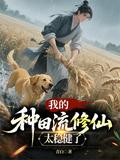 My Farming Style Is Too Stable
162.8kReads8.2Score22.5kShelves
My Farming Style Is Too Stable
162.8kReads8.2Score22.5kShelves
 Avatar: the Higher My Position, the More Vests I Have
12.5kReads7.1Score824Shelves
Avatar: the Higher My Position, the More Vests I Have
12.5kReads7.1Score824Shelves
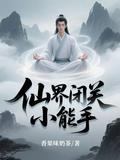 Little Expert in Retreat in the Fairy World
431.4kReads8.5Score53.6kShelves
Little Expert in Retreat in the Fairy World
431.4kReads8.5Score53.6kShelves
 When a Doctor Has a Plug-In
87.2kReads9.5Score12.7kShelves
When a Doctor Has a Plug-In
87.2kReads9.5Score12.7kShelves
 Restart Your Life, Ex-Wife, Get up and Speak First!
48.5kReads9.2Score5.5kShelves
Restart Your Life, Ex-Wife, Get up and Speak First!
48.5kReads9.2Score5.5kShelves
 Full-Time Chinese Medicine Doctor
27.4kReads9.3Score3.7kShelves
Full-Time Chinese Medicine Doctor
27.4kReads9.3Score3.7kShelves
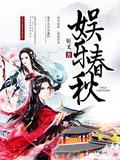 Entertainment Spring and Autumn
57.2kReads9.5Score9kShelves
Entertainment Spring and Autumn
57.2kReads9.5Score9kShelves
 The Song "The Wind Rises" Made the School Beauty Cry for Me and Her Eyes Turned Red.
13.2kReads9.1Score1.1kShelves
The Song "The Wind Rises" Made the School Beauty Cry for Me and Her Eyes Turned Red.
13.2kReads9.1Score1.1kShelves
 Players, Please Respect Yourself. My Brother Is Not a Game Bug.
4.8kReads7.6Score567Shelves
Players, Please Respect Yourself. My Brother Is Not a Game Bug.
4.8kReads7.6Score567Shelves
 Depth Layout
6.8kReads5.8Score1.4kShelves
Depth Layout
6.8kReads5.8Score1.4kShelves
 Rebirth in 80, from the Scourge of the Courtyard to the Unparalleled National Scholar
1.8kReads6.2Score133Shelves
Rebirth in 80, from the Scourge of the Courtyard to the Unparalleled National Scholar
1.8kReads6.2Score133Shelves
 Counter Sutra: Mountain and River Policy
33.1kReads9.4Score3.8kShelves
Counter Sutra: Mountain and River Policy
33.1kReads9.4Score3.8kShelves
 I Seek Death Alone
47.8kReads9.3Score6.3kShelves
I Seek Death Alone
47.8kReads9.3Score6.3kShelves
 Add a Little Bit Every Year to Transform Yourself from a Mountain Villager into a Taoist Ancestor in the Immortal World
1.2MReads9.7Score160.3kShelves
Add a Little Bit Every Year to Transform Yourself from a Mountain Villager into a Taoist Ancestor in the Immortal World
1.2MReads9.7Score160.3kShelves
 Once Upon a Time There Was a Demon Gate
256.9kReads9.6Score34.5kShelves
Once Upon a Time There Was a Demon Gate
256.9kReads9.6Score34.5kShelves
 Gray Fog: Reignited Fire
157.5kReads9.3Score18.6kShelves
Gray Fog: Reignited Fire
157.5kReads9.3Score18.6kShelves
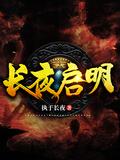 Long Night Dawn
6.5kReads9.1Score653Shelves
Long Night Dawn
6.5kReads9.1Score653Shelves
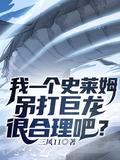 Is It Reasonable for a Slime to Defeat a Giant Dragon?
267.7kReads9.7Score39kShelves
Is It Reasonable for a Slime to Defeat a Giant Dragon?
267.7kReads9.7Score39kShelves
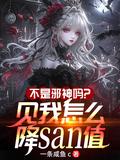 Not an Evil God? See How I Lower the SAN Value
174.1kReads9.6Score22.8kShelves
Not an Evil God? See How I Lower the SAN Value
174.1kReads9.6Score22.8kShelves
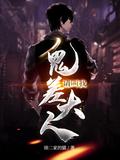 Please Call Me Ghost Master
194.4kReads9.6Score25.5kShelves
Please Call Me Ghost Master
194.4kReads9.6Score25.5kShelves
 Heroic Spirit Simulation, I Have Achieved the Highest Level in All Worlds
67.8kReads8.4Score7.7kShelves
Heroic Spirit Simulation, I Have Achieved the Highest Level in All Worlds
67.8kReads8.4Score7.7kShelves
 Solitary*
—Reads5.8Score—Shelves
Solitary*
—Reads5.8Score—Shelves
 Physics Exploration at the End of the Universe
—Reads—Score—Shelves
Physics Exploration at the End of the Universe
—Reads—Score—Shelves
 Three Inches of Invulnerability Conquers the World
9.7kReads9.3Score883Shelves
Three Inches of Invulnerability Conquers the World
9.7kReads9.3Score883Shelves
 I Warn You! I'm Not Irresponsible If You Laugh.
4.2kReads7.4Score283Shelves
I Warn You! I'm Not Irresponsible If You Laugh.
4.2kReads7.4Score283Shelves
 I Am an Undercover Agent and You Want Me to Support the Entire Sect?
145.6kReads9.3Score13.9kShelves
I Am an Undercover Agent and You Want Me to Support the Entire Sect?
145.6kReads9.3Score13.9kShelves
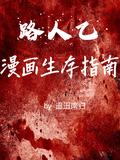 Passerby B Comics Survival Guide
55kReads9.5Score7.4kShelves
Passerby B Comics Survival Guide
55kReads9.5Score7.4kShelves
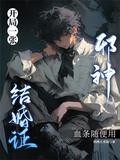 You Start with a Marriage Certificate and the Evil God's Health Bar Can Be Used as You Wish.
65.9kReads9.5Score15.9kShelves
You Start with a Marriage Certificate and the Evil God's Health Bar Can Be Used as You Wish.
65.9kReads9.5Score15.9kShelves
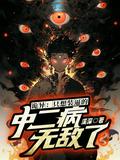 Weird: the Chuunibyou Who Just Wants to Show Off Is Invincible
14.9kReads9.0Score2kShelves
Weird: the Chuunibyou Who Just Wants to Show Off Is Invincible
14.9kReads9.0Score2kShelves
 Team up to Go Home for the New Year: All Teammates Are Goddesses
4.2kReads5.8Score877Shelves
Team up to Go Home for the New Year: All Teammates Are Goddesses
4.2kReads5.8Score877Shelves
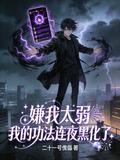 You Think I'm Too Weak, My Skills Turned Dark Overnight
1.2kReads5.8Score160Shelves
You Think I'm Too Weak, My Skills Turned Dark Overnight
1.2kReads5.8Score160Shelves
 **
—Reads5.8Score—Shelves
**
—Reads5.8Score—Shelves
 Reading Books Has Explosive Attributes, Am I Going to Go Against the Grain?
26.1kReads7.3Score3.2kShelves
Reading Books Has Explosive Attributes, Am I Going to Go Against the Grain?
26.1kReads7.3Score3.2kShelves
 Purple Shirt Apocalypse
1.5kReads5.8Score210Shelves
Purple Shirt Apocalypse
1.5kReads5.8Score210Shelves
 Residual Seal
3kReads7.3Score415Shelves
Residual Seal
3kReads7.3Score415Shelves
 My Right Eye Is a God-Level Computer
84.7kReads9.2Score9.8kShelves
My Right Eye Is a God-Level Computer
84.7kReads9.2Score9.8kShelves
 My IQ Can Be Recharged
23.2kReads9.0Score2.5kShelves
My IQ Can Be Recharged
23.2kReads9.0Score2.5kShelves
 Cohabitation Life with the Dragon King's Wife
11.8kReads8.7Score908Shelves
Cohabitation Life with the Dragon King's Wife
11.8kReads8.7Score908Shelves
 Code 137
—Reads—Score—Shelves
Code 137
—Reads—Score—Shelves
 My Journey to Martial Arts Is Not in Modern Times
29.3kReads8.0Score2.4kShelves
My Journey to Martial Arts Is Not in Modern Times
29.3kReads8.0Score2.4kShelves
 How Can I Cultivate Immortality When Surrounded by Scammers?
380Reads—Score—Shelves
How Can I Cultivate Immortality When Surrounded by Scammers?
380Reads—Score—Shelves
 Which Dandy Family Is Stronger? Princess Zhenbei Is the Craziest.
148.5kReads9.4Score28.1kShelves
Which Dandy Family Is Stronger? Princess Zhenbei Is the Craziest.
148.5kReads9.4Score28.1kShelves
 Guo's Crosstalk: a Crooked Commentary on Journey to the West
5.5kReads7.4Score266Shelves
Guo's Crosstalk: a Crooked Commentary on Journey to the West
5.5kReads7.4Score266Shelves
 My Super Power Is to Make People Want to Go to the Toilet Instantly
—Reads8.9Score—Shelves
My Super Power Is to Make People Want to Go to the Toilet Instantly
—Reads8.9Score—Shelves
 Ruan Mei*******
—Reads5.8Score—Shelves
Ruan Mei*******
—Reads5.8Score—Shelves
 Rebirth of America: I Worked Undercover at the Federal Reserve
132Reads5.8Score—Shelves
Rebirth of America: I Worked Undercover at the Federal Reserve
132Reads5.8Score—Shelves
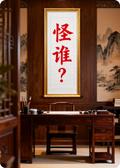 Who Is to Blame?
—Reads8.6Score—Shelves
Who Is to Blame?
—Reads8.6Score—Shelves
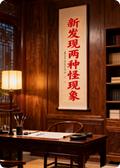 Two New Strange Phenomena Were Discovered.
—Reads8.6Score—Shelves
Two New Strange Phenomena Were Discovered.
—Reads8.6Score—Shelves
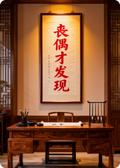 Found Out After Being Widowed.
—Reads8.4Score—Shelves
Found Out After Being Widowed.
—Reads8.4Score—Shelves
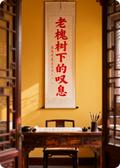 The Sigh Under the Old Locust Tree.
—Reads8.4Score—Shelves
The Sigh Under the Old Locust Tree.
—Reads8.4Score—Shelves