The first book is highly recommended. The protagonist stirs up troubles and is a pure and happy person. Wherever there is excitement, there is the protagonist [laughing evilly]. The neighbors in the courtyard are harmonious, united, friendly and help each other. People gave him the nickname Jie Hu Siheyuan, the protagonist is the first of the five sections of the Siheyuan [laughter]
①: This is a rare readable novel in the Siheyuan series. The character design is reasonable and not exaggerated, and it is not magically modified. Although it also distorts the original setting, the modification is relatively reasonable and readable👍👍👍 ②: There are plug-ins, but no system...
In the first book, the male protagonist is the son of a martyr. He has a good family, is smart and decisive in dealing with things. The second book is about the son of a great man. The male protagonist has a high IQ and uses small inventions such as alarm clocks to help the country transfer foreign currency and help the country develop. The male and female protagonists are childhood sweethearts.
These Siheyuan books are all finished, and they are not too violent. Although they have been rectified, they are within the normal range. Book friends who like Siheyuan must not miss it.
Review of "The Military Life in the Siheyuan" Among the novels with the theme of "Siheyuan", "The Military Life in the Siheyuan" stands out with its unique time-travel setting and passionate and tender narrative. It has no fantasy golden fingers, no exaggerated counterattack excitement, but uses a solid plot and vivid characters to outline a touching story of a small person protecting family ties and sticking to his true heart in the torrent of the times after the war has dissipated. The core setting of the story is very ingenious. Xuan Qing, a barefoot doctor from the Song Dynasty, traveled through time and became He Shaoqing, the hero of the Anti-Japanese War. Two completely different life trajectories intersect here. Xuan Qing's benevolence as a doctor and He Shaoqing's soldier's passion are perfectly integrated, forming the protagonist's most charming traits - he has the fortitude and courage tempered by fighting on the battlefield, charging ahead when facing bandit attacks, and still caring about the safety of his subordinates after being injured; The contrast and complementarity brought about by this dual identity make the characters three-dimensional and full, getting rid of the common single label of the protagonists of similar themes. The depiction of family lines is a highlight of the book, earning enough emotional resonance from readers. The reunion of He Shaoqing and his eldest brother He Daqing, who had been separated for eight years, was not deliberately sensational but poignant in every word. From the disbelief when they first met, to the choking when mentioning the death of his sister-in-law, to the confession when they paid homage to their deceased wife together, the care and guilt, joy and sadness between the two brothers were all naturally revealed through life-like details. The tolerance and guidance of his nephew He Yuzhu and the careful care of his niece He Yuzhu made the image of this iron-blooded battalion commander a little softer. He is not only a "desperate Saburo" on the battlefield, but also a reliable harbor in the eyes of his family. This intertwining of iron-bloodedness and warmth makes the character extremely contagious. The novel also restores the historical background very well. There is no suspended overhead setting, but it is rooted in the real context after the victory of the Anti-Japanese War in 1945. The Tukang in the base area, the alleys of Forty-Nine City, the expensive milk powder in the shopping mall, and the employee dormitories of the steel rolling mill. These details outline the life picture of that era. The social order after the Japanese surrender, the plight of the soldiers and refugees, and the livelihood difficulties of ordinary families all make the story more immersive. The protagonist's journey to find relatives and raise a family under such a background not only reflects the ups and downs of personal destiny, but also reflects the living conditions of ordinary people in the changing times, making the story broader. The neighborhood portraits in the courtyard are equally vivid. The Yi Zhonghai couple who are enthusiastic about taking care of the rainwater, the gossipy Jia Zhang family, the ignorant and naughty He Yuzhu, and the competitive Xu Damao, these characters with different personalities form a neighborhood ecology full of fireworks. The interactions between the protagonist and them are not bloody conflicts, but are more about daily running-in and getting along with each other, such as sending snacks to thank the Yi family for taking care of them, and properly handling misunderstandings caused by neighbors when the nephew showed off a pistol. These plots not only fit the living scenes of the courtyard, but also made the story rhythm relaxed and full of life interest. The most rare thing is the positive values conveyed by the novel. He Shaoqing always adheres to the responsibility of a soldier and the conscience of a doctor. On the battlefield, he charges for the country and the people. In peacetime, he protects his family from wind and rain, and he still maintains goodwill towards strangers. He used his actions to interpret the open-mindedness of "taking care of what comes" and also showed the determination to "protect the ones you love". This kind of growth and persistence that is not dependent on Goldfinger makes the story more powerful and allows readers to feel warmth and positive energy while reading. Overall, "Siheyuan: Military Life" is a masterpiece that combines passion and warmth, texture and warmth. It uses time travel as the guide, family affection as the backbone, and the times as the curtain, creating an impressive protagonist image and telling a guardian story full of fireworks. Whether readers like historical backgrounds, family narratives, or readers who prefer vivid characters, they will all find resonance in the book and it is worth reading carefully.
These books are all written by the same author. It is really a super normal Siheyuan. The people in it have normal reactions and are not as anti-intellectual as other Siheyuan.
The first one is a bit exaggerated, but the others are fine. 1. Sign-in system + multiple female protagonists + tomb robbing + hunting and Chinese martial arts. 2. Silly Zhu's mother did not die. The family was not plotted and left the courtyard. 3. Veterans + Security Section. 4. A portrait artist working at the Public Security Bureau.
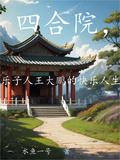 Siheyuan, the Happy Life of Wang Dapeng, a Fun-Loving Man
64.2kReads8.9Score3.1kShelves
Siheyuan, the Happy Life of Wang Dapeng, a Fun-Loving Man
64.2kReads8.9Score3.1kShelves
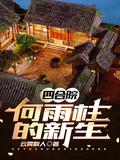 Siheyuan: the Rebirth of He Yuzhu
18.8kReads8.7Score517Shelves
Siheyuan: the Rebirth of He Yuzhu
18.8kReads8.7Score517Shelves
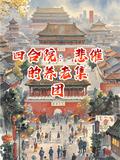 Siheyuan: a Miserable Senior Care Group
53.2kReads8.4Score2.6kShelves
Siheyuan: a Miserable Senior Care Group
53.2kReads8.4Score2.6kShelves
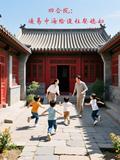 Courtyard: Forcing Yi Zhonghai to Marry Silly Zhu
37.2kReads7.0Score1.8kShelves
Courtyard: Forcing Yi Zhonghai to Marry Silly Zhu
37.2kReads7.0Score1.8kShelves
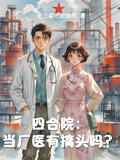 Siheyuan: Does Being a Factory Doctor Lead the Way?
21kReads5.3Score2kShelves
Siheyuan: Does Being a Factory Doctor Lead the Way?
21kReads5.3Score2kShelves
 Siheyuan: Courtyard of a Juehu
9.5kReads5.5Score596Shelves
Siheyuan: Courtyard of a Juehu
9.5kReads5.5Score596Shelves
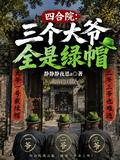 Siheyuan: All Three Uncles Are Cuckolds
56.6kReads6.4Score3.5kShelves
Siheyuan: All Three Uncles Are Cuckolds
56.6kReads6.4Score3.5kShelves
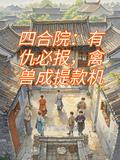 Siheyuan: I Made a Fortune by Breaking Other People's Legs
38kReads5.9Score2.4kShelves
Siheyuan: I Made a Fortune by Breaking Other People's Legs
38kReads5.9Score2.4kShelves
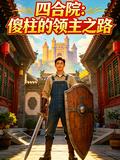 Siheyuan: Shazhu's Road to Lordship
63.6kReads7.0Score3.9kShelves
Siheyuan: Shazhu's Road to Lordship
63.6kReads7.0Score3.9kShelves
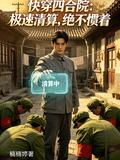 Quickly Travel Through the Courtyard: Liquidate Quickly, Never Get Used to It
34.2kReads8.2Score2kShelves
Quickly Travel Through the Courtyard: Liquidate Quickly, Never Get Used to It
34.2kReads8.2Score2kShelves
 Little Ant in the Siheyuan
47Reads5.8Score—Shelves
Little Ant in the Siheyuan
47Reads5.8Score—Shelves
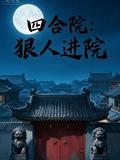 Siheyuan: Ruthless People Enter the Courtyard
144.7kReads6.4Score10.2kShelves
Siheyuan: Ruthless People Enter the Courtyard
144.7kReads6.4Score10.2kShelves
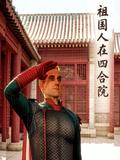 The People of the Motherland Are in the Courtyard
13.6kReads7.4Score843Shelves
The People of the Motherland Are in the Courtyard
13.6kReads7.4Score843Shelves
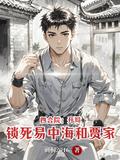 Siheyuan: Lock Yi Zhonghai and Jia Jia at the Beginning
132.9kReads5.9Score10.1kShelves
Siheyuan: Lock Yi Zhonghai and Jia Jia at the Beginning
132.9kReads5.9Score10.1kShelves
 After Traveling Through He Yuyu, the Beginning Turned Out to Be in Baocheng
4.9kReads—Score1.4kShelves
After Traveling Through He Yuyu, the Beginning Turned Out to Be in Baocheng
4.9kReads—Score1.4kShelves
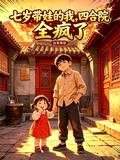 When I Was Seven Years Old and Raising a Baby, the Whole Courtyard Went Crazy.
73.1kReads6.1Score6.2kShelves
When I Was Seven Years Old and Raising a Baby, the Whole Courtyard Went Crazy.
73.1kReads6.1Score6.2kShelves
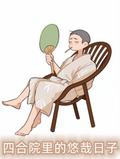 Leisurely Days in the Courtyard
41.1kReads7.7Score2.3kShelves
Leisurely Days in the Courtyard
41.1kReads7.7Score2.3kShelves
 Siheyuan: the Courtyard Is Full of Confidantes
21.3kReads8.2Score1.1kShelves
Siheyuan: the Courtyard Is Full of Confidantes
21.3kReads8.2Score1.1kShelves
 Siheyuan: My Years in the Security Office
42.3kReads8.3Score1.8kShelves
Siheyuan: My Years in the Security Office
42.3kReads8.3Score1.8kShelves
 Courtyard: the Strongest Old Man Yi Zhonghai
3.2kReads8.0Score122Shelves
Courtyard: the Strongest Old Man Yi Zhonghai
3.2kReads8.0Score122Shelves
 Courtyard: Being Low-Key, I Am Invincible
18Reads5.8Score—Shelves
Courtyard: Being Low-Key, I Am Invincible
18Reads5.8Score—Shelves
 Siheyuan: I Just Want to Be a Good Person
13.7kReads8.1Score543Shelves
Siheyuan: I Just Want to Be a Good Person
13.7kReads8.1Score543Shelves
 Siheyuan: Me! Silly Zhu's Brother Asked for a Room at the Beginning
7.4kReads7.6Score154Shelves
Siheyuan: Me! Silly Zhu's Brother Asked for a Room at the Beginning
7.4kReads7.6Score154Shelves
 Siheyuan: Slap Jia Zhang at the Beginning
13.6kReads8.5Score534Shelves
Siheyuan: Slap Jia Zhang at the Beginning
13.6kReads8.5Score534Shelves
 Siheyuan: Time Flies
11.9kReads8.6Score378Shelves
Siheyuan: Time Flies
11.9kReads8.6Score378Shelves
 The Family Is Divided at the Beginning of Siheyuan
3.1kReads8.5Score—Shelves
The Family Is Divided at the Beginning of Siheyuan
3.1kReads8.5Score—Shelves
 This Silly Pillar in the Courtyard Is a Bit Chic
12.1kReads8.9Score382Shelves
This Silly Pillar in the Courtyard Is a Bit Chic
12.1kReads8.9Score382Shelves
 Siheyuan: the Soul of a Junk Guy Travels Through 60 Years
16.6kReads8.9Score648Shelves
Siheyuan: the Soul of a Junk Guy Travels Through 60 Years
16.6kReads8.9Score648Shelves
 Siheyuan: I Am Yi Zhonghai's Biological Son
41.9kReads9.2Score1.9kShelves
Siheyuan: I Am Yi Zhonghai's Biological Son
41.9kReads9.2Score1.9kShelves
 Shura in the Siheyuan
7.9kReads8.9Score329Shelves
Shura in the Siheyuan
7.9kReads8.9Score329Shelves
 Siheyuan Small Citizen
5.4kReads8.9Score137Shelves
Siheyuan Small Citizen
5.4kReads8.9Score137Shelves
 Siheyuan: Let Silly Zhu Do Multiple-Choice Questions at the Beginning
4.9kReads8.8Score201Shelves
Siheyuan: Let Silly Zhu Do Multiple-Choice Questions at the Beginning
4.9kReads8.8Score201Shelves
 Courtyard: My Son Is a Fool
2.9kReads8.9Score—Shelves
Courtyard: My Son Is a Fool
2.9kReads8.9Score—Shelves
 Siheyuan: I Managed to Become the Richest Man by Signing in Every Day
3.9kReads8.9Score156Shelves
Siheyuan: I Managed to Become the Richest Man by Signing in Every Day
3.9kReads8.9Score156Shelves
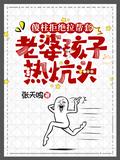 Silly Zhu Refused to Help, and His Wife and Children Were on the Hot Bed
7.5kReads8.8Score340Shelves
Silly Zhu Refused to Help, and His Wife and Children Were on the Hot Bed
7.5kReads8.8Score340Shelves
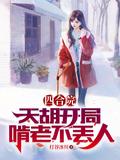 Siheyuan: the Counterattack Life of Young Silly Zhu
27.1kReads8.8Score1.2kShelves
Siheyuan: the Counterattack Life of Young Silly Zhu
27.1kReads8.8Score1.2kShelves
 A New Life in the Courtyard
13kReads8.8Score373Shelves
A New Life in the Courtyard
13kReads8.8Score373Shelves
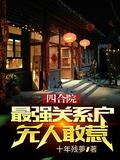 People in the Courtyard Become the Households with the Strongest Connections
30.2kReads8.8Score1.4kShelves
People in the Courtyard Become the Households with the Strongest Connections
30.2kReads8.8Score1.4kShelves
 Sir Wei in the Siheyuan
3.3kReads8.8Score155Shelves
Sir Wei in the Siheyuan
3.3kReads8.8Score155Shelves
 Siheyuan of Silly Pillars
17.1kReads8.8Score793Shelves
Siheyuan of Silly Pillars
17.1kReads8.8Score793Shelves
 Lu Chuan in the Siheyuan
17.3kReads8.8Score691Shelves
Lu Chuan in the Siheyuan
17.3kReads8.8Score691Shelves
 Hundreds of Jinyiwei Households in the Courtyard
11.7kReads8.7Score341Shelves
Hundreds of Jinyiwei Households in the Courtyard
11.7kReads8.7Score341Shelves
 Siheyuan, Fools Like to Watch the Excitement
15.1kReads8.7Score642Shelves
Siheyuan, Fools Like to Watch the Excitement
15.1kReads8.7Score642Shelves
 The Silly Pillar of the Siheyuan Awakens from Time Travel
8.8kReads8.8Score264Shelves
The Silly Pillar of the Siheyuan Awakens from Time Travel
8.8kReads8.8Score264Shelves
 Siheyuan: Obtain the Power of Dragon and Elephant at the Beginning
29.7kReads7.9Score1.6kShelves
Siheyuan: Obtain the Power of Dragon and Elephant at the Beginning
29.7kReads7.9Score1.6kShelves
 Siheyuan: in 1948 There Were No Silly Pillars, Only
191Reads5.8Score—Shelves
Siheyuan: in 1948 There Were No Silly Pillars, Only
191Reads5.8Score—Shelves
 Siheyuan: I Can't Hide My Knife Anymore
12.7kReads7.0Score380Shelves
Siheyuan: I Can't Hide My Knife Anymore
12.7kReads7.0Score380Shelves
 Siheyuan: a Pen at the Beginning and an Iron Rice Bowl at the End
5.5kReads7.9Score218Shelves
Siheyuan: a Pen at the Beginning and an Iron Rice Bowl at the End
5.5kReads7.9Score218Shelves
 The Driver of the Big Truck Started, and His Parents Were Ecstatic
12.8kReads6.6Score579Shelves
The Driver of the Big Truck Started, and His Parents Were Ecstatic
12.8kReads6.6Score579Shelves
 The Story of Little People in the Siheyuan
1.2kReads5.8Score149Shelves
The Story of Little People in the Siheyuan
1.2kReads5.8Score149Shelves