Through the shadow puppets of hundreds of industries, we can see the stage of life for you and me - an in-depth recommendation to read "The Play Next Door" All industries in the world are all stages; and you and me, are we not the people in the drama? If you have ever felt a sense of emptiness amidst the cheers of fluttering sleeves, experienced the panic of imbalance on the ropes of competition, and have been unable to tell the difference between true and false in front of the shadow puppet show with a torrent of information - then please allow me to recommend to you a work that will make you stop, ponder, and then become deeply thoughtful: "The Play Next Door". This is not just a novel. It is a "human theater" built with words, inviting you to withdraw from the center of the boiling stage and retreat to the right place "next door". Here, you can clearly see every exquisite acting skill on stage, and you can also glimpse every string of manipulation behind the scenes; you can immerse yourself in the plot of joys and sorrows, while maintaining a clear-eyed distance. 1. Why is it "next door"? ——A precious reading perspective In the current era of information explosion and loud noises, it is too easy for us to fall into two extremes: either fully immersing ourselves in others' stories and exhausting our tears and passion; or completely withdrawing and responding with cold eyes and ridicule to all humanistic narratives. "The Play Next Door" provides the third possibility: to be a spectator "next door". This location is fantastic. It is different from the perspective of God from above, and it is also different from the perspective of complete empathy. It is like an observer sitting in a theater box - he can clearly see the expressions on the stage and catch a glimpse of the intense preparations behind the side curtains; he can hear the protagonist's generous monologue and capture the almost inaudible sigh of the supporting actor. When you turn the pages of a book from this perspective, reading becomes an exquisite spiritual exercise. You will find that you are cultivating a rare ability: to stay awake while immersed, to empathize without losing judgment, and to appreciate without forgetting to think. Chapter 2 and 3 Peeping at the Leopard: Those ancient metaphors that shine into reality. The three stories you have glimpsed are just the porch of this literary palace. But just from this corner, we can already feel the author's dense and embroidered craftsmanship: "The Water Sleeves of the Theater Pillar" - dedicated to all the tired people in the era of "performing personality" Shen Jinghong's water sleeves are as beautiful as they are thrown out, but how painful it is to take them back. Isn't this a metaphor for the contemporary workplace and social world? The carefully arranged life we have in our circle of friends, the perfectly presented proposals at meetings, the persona we strive to maintain in our interpersonal relationships... Which of these is not a matter of effort? When Shen Jinghong finally chose to "throw away her sleeves" and let it fall, what was she resisting? What are you reclaiming again? This story will ask every modern person who has gradually lost himself in role-playing: Whose applause are you dancing for in your life? "Juggler's Rope" - Written for those of us who are trapped in the quagmire of "involution" and "comparison". Lin Sansheng's transformation from solid rope walking to being obsessed with the dazzling skills of "Flying Silk Dance" is very similar to the success anxiety of contemporary people: always wanting to be higher, more dangerous, and more eye-catching. But what is the true realm of rope? The answer is given in the book: "It's not about being high, it's about being stable; it's not about being in danger, it's about being long-term." When the entire society is advocating "higher, faster and stronger", this book gently reminds: Sustainable success is far more important than short-term glory. Lin Sansheng's ultimate return to basic rope skills is the simplest interpretation of the word "original intention", and it is also a refreshing solution to the impetuous era. "Shadow Puppeteer's Doll" - Lighting up a light in the information fog. In this post-truth era, we are surrounded by countless "shadow puppet shows" every day: the filter life of social media, carefully planned public opinion guidance, news information that is difficult to distinguish true from false... We are all spectators, and we may all become shadow puppeteers unknowingly. Gu Qingshan's choice - whether to use shadow puppets to whitewash peace or use them to illuminate the darkness - tortures every content creator, information disseminator and even ordinary expresser: Is your "shadow puppet" (your words, your voice, your forwarding) promoting illusions or presenting reality? The most shocking thing about this story is that it reveals the responsibility of art and individual conscience in the interplay of light and shadow. 3. All careers are mirrors: Seeing the overlooked truth of life. And this is just the beginning. "The Play Next Door" plans seven volumes and more than a hundred career stories. Imperial examination examiner, academy gatekeeper, animal trainer, storyteller... Every profession is a prism through which to observe the world. With amazing insight, the author extracts the most profound philosophy of life from the most ordinary career details: · The charcoal fire of Mr. Dongxue warms not only the hands of children, but also the immortal fire of a civilization in the cold night; · The broken umbrella of the wandering lecturer not only covers the wind and rain, but also a kind of independence of thought that still persists in the ups and downs; · The beast tamer's whip explores the boundary between power and obedience, and is the eternal game of domestication and resistance; · The crosstalk talking wood is not just a baggage, but also a clever deconstruction of authoritative discourse by market wisdom... The most exquisite thing about these stories is that they never preach directly. The author just lays out those forgotten professions, overlooked details, and despised skills in front of you in detail. But when you finish reading the book, those images will ferment and grow in your heart, making you suddenly realize on an ordinary day - maybe a moment when you are sitting alone on the subway after working overtime, or maybe a moment when you are browsing your mobile phone late at night and suddenly feel empty - it turns out that my current predicament has been played out by the ancients in their respective "professional scripts"; it turns out that the choices that trouble me have been tried and missed by countless souls in the long history. 4. Why must you read this book? In today's world full of fast food literature and cool writing routines, "The Play Next Door" has chosen a more difficult and precious path: it does not please you, but respects you - respects your IQ, respects your thinking ability, and respects your desire for in-depth content. It does not offer simple answers but raises complex questions - about authenticity and performance, freedom and restraint, silence and voice, craft and morality. It does not allow you to escape reality, but allows you to return to reality more clearly - re-examining your life, career and choices with a lens borrowed from the wisdom of the ancients. If you are tired of those recreational readings that are forgotten after reading; if you feel spiritual malnutrition in fragmented reading; if you long for a work that can talk to you, make you grow, and be worth reading again and again after being treasured on the bookshelf for many years - then "The Play Next Door" is just the book you are looking for. 5. Final words: Rehearse your own life in someone else's play. Each of us has to play many roles in our lives: children, partners, parents, employees, leaders, friends... Are there scripts for these roles? Is there a director? Is there an audience? Are we living authentically, or are we performing skillfully? The most precious gift of "The Play Next Door" is that it gives us the opportunity to watch how others perform their plays from a safe distance; and then, with insight and courage, return to the stage of our own lives and perform a play that is more real, freer and soulful. It doesn't directly tell you how to live—that would reduce it to the "puppet-on-a-string" preaching it criticizes. But it will light up more than a hundred lights for you through the stories of more than a hundred souls. At the intersection of lights, you will see the road ahead clearly. The show has started, waiting for you to arrive. I hope that after watching "Next Door" a thousand times, you can step into your own play and live a unique and wonderful life. ——This is all the reason why I recommend "The Play Next Door".
 Tomb Robbery: at the Beginning, My House Was Stolen by My Brother
4.5kReads9.3Score481Shelves
Tomb Robbery: at the Beginning, My House Was Stolen by My Brother
4.5kReads9.3Score481Shelves
 My Game Is Really Not Difficult at All
6.1kReads8.8Score415Shelves
My Game Is Really Not Difficult at All
6.1kReads8.8Score415Shelves
 Nine Refinements of the Soul, Aspiration for the Immortal Path
7Reads8.6Score—Shelves
Nine Refinements of the Soul, Aspiration for the Immortal Path
7Reads8.6Score—Shelves
 Devil's Diary
40.3kReads9.3Score5.1kShelves
Devil's Diary
40.3kReads9.3Score5.1kShelves
 Demon Slayer: My Eyes Can See the Barrage
24kReads9.7Score3.4kShelves
Demon Slayer: My Eyes Can See the Barrage
24kReads9.7Score3.4kShelves
 The Secret of Ten Thousand Beasts Controlling Heaven
49Reads8.6Score—Shelves
The Secret of Ten Thousand Beasts Controlling Heaven
49Reads8.6Score—Shelves
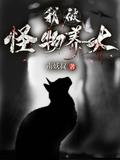 I Was Raised by Monsters
23kReads9.6Score3.4kShelves
I Was Raised by Monsters
23kReads9.6Score3.4kShelves
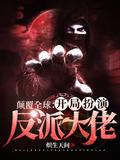 Subvert the World: Start as the Villain Boss
33.2kReads9.4Score3.5kShelves
Subvert the World: Start as the Villain Boss
33.2kReads9.4Score3.5kShelves
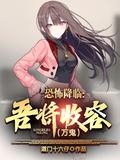 Paper Tie Man: My Ghostland Is the Underworld
982Reads8.6Score100Shelves
Paper Tie Man: My Ghostland Is the Underworld
982Reads8.6Score100Shelves
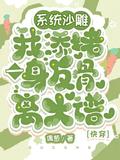 I Am Causing Trouble in the System, and I Am Completely Rebellious.
48.4kReads9.2Score3.3kShelves
I Am Causing Trouble in the System, and I Am Completely Rebellious.
48.4kReads9.2Score3.3kShelves
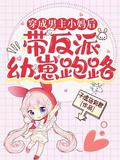 After Dressing up as the Male Protagonist's Little Mother, She Takes the Villain Cub on the Run.
23.8kReads9.4Score2.3kShelves
After Dressing up as the Male Protagonist's Little Mother, She Takes the Villain Cub on the Run.
23.8kReads9.4Score2.3kShelves
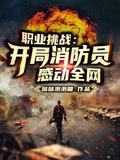 Career Challenge: Starting as a Firefighter, Touching the Whole Network
2.6kReads9.5Score378Shelves
Career Challenge: Starting as a Firefighter, Touching the Whole Network
2.6kReads9.5Score378Shelves
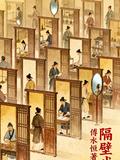 Next Door Drama
5Reads—Score—Shelves
Next Door Drama
5Reads—Score—Shelves
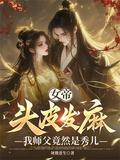 The Empress Was Shocked: My Master, Isn't He a Scum?
14.3kReads8.7Score1.4kShelves
The Empress Was Shocked: My Master, Isn't He a Scum?
14.3kReads8.7Score1.4kShelves
 Online Games: God-Level Assassin, I Am the Shadow!
270.1kReads9.1Score33.2kShelves
Online Games: God-Level Assassin, I Am the Shadow!
270.1kReads9.1Score33.2kShelves
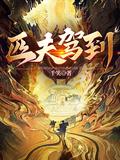 A Common Man Arrives
134.1kReads9.4Score15.8kShelves
A Common Man Arrives
134.1kReads9.4Score15.8kShelves
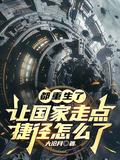 Rebirth of an Academician: Back to 1975 as an Educated Youth
203kReads9.5Score23.4kShelves
Rebirth of an Academician: Back to 1975 as an Educated Youth
203kReads9.5Score23.4kShelves
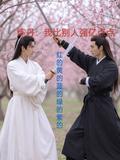 Alchemy: I Am a Billion Points Better Than Others
48Reads5.8Score—Shelves
Alchemy: I Am a Billion Points Better Than Others
48Reads5.8Score—Shelves
 The Live Broadcast of Poisonous Chicken Soup at the Beginning Almost Made the Audience Laugh to Death
37.6kReads8.9Score2.8kShelves
The Live Broadcast of Poisonous Chicken Soup at the Beginning Almost Made the Audience Laugh to Death
37.6kReads8.9Score2.8kShelves
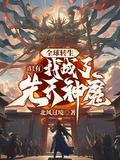 Reincarnated All over the World, Only I Became an Innate God and Demon
11.8kReads7.9Score832Shelves
Reincarnated All over the World, Only I Became an Innate God and Demon
11.8kReads7.9Score832Shelves
 I Know Everything About Cultivating Immortality.
2Reads5.8Score—Shelves
I Know Everything About Cultivating Immortality.
2Reads5.8Score—Shelves
 Mythology: the Acorus Enlightenment
4.5kReads8.8Score258Shelves
Mythology: the Acorus Enlightenment
4.5kReads8.8Score258Shelves
 The Era of Technological Immortality: I Can Bless Understanding
41.6kReads8.8Score3.7kShelves
The Era of Technological Immortality: I Can Bless Understanding
41.6kReads8.8Score3.7kShelves
 I Teach Orphans to Read, but They Slaughter All the Martial Arts!
119.4kReads8.9Score13.1kShelves
I Teach Orphans to Read, but They Slaughter All the Martial Arts!
119.4kReads8.9Score13.1kShelves
 Dao Dao Rewards Hard Work: from the Three Kingdoms Onwards, the World Was Conquered
99Reads5.8Score—Shelves
Dao Dao Rewards Hard Work: from the Three Kingdoms Onwards, the World Was Conquered
99Reads5.8Score—Shelves
 The Secret Case of Qing Ning Hall: the Story of Da Xia's Rape
4Reads8.6Score—Shelves
The Secret Case of Qing Ning Hall: the Story of Da Xia's Rape
4Reads8.6Score—Shelves
 Zhang Sangou's Notes on Getting Rich
47.9kReads8.7Score5.4kShelves
Zhang Sangou's Notes on Getting Rich
47.9kReads8.7Score5.4kShelves
 Hongmeng Yuanzhu: Conferring the God Jiang Qinghan to Eliminate the Nine Heavenly Evils
12Reads8.4Score—Shelves
Hongmeng Yuanzhu: Conferring the God Jiang Qinghan to Eliminate the Nine Heavenly Evils
12Reads8.4Score—Shelves
 The Little Village Doctor Who Controls Ghosts
8.3kReads9.1Score1.2kShelves
The Little Village Doctor Who Controls Ghosts
8.3kReads9.1Score1.2kShelves
 Zhengyang Demon Killing Record: the Evil Pestle Rejuvenates
4Reads8.5Score—Shelves
Zhengyang Demon Killing Record: the Evil Pestle Rejuvenates
4Reads8.5Score—Shelves
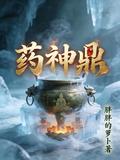 Medicine God Cauldron
98.4kReads9.0Score12kShelves
Medicine God Cauldron
98.4kReads9.0Score12kShelves
 The Unique Needle of Hunan Embroidery: the Son-In-Law Demands His Life
20Reads8.4Score—Shelves
The Unique Needle of Hunan Embroidery: the Son-In-Law Demands His Life
20Reads8.4Score—Shelves
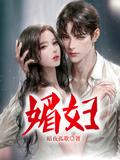 Charming Woman
6.5kReads9.2Score1.2kShelves
Charming Woman
6.5kReads9.2Score1.2kShelves
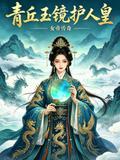 Qingqiu Jade Mirror Protector Emperor
4Reads8.4Score—Shelves
Qingqiu Jade Mirror Protector Emperor
4Reads8.4Score—Shelves
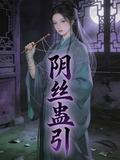 Yin Silk Gu Yin
9Reads8.5Score—Shelves
Yin Silk Gu Yin
9Reads8.5Score—Shelves
 Cultivation Starts from Taking Care of the Master's Wife
—Reads5.8Score—Shelves
Cultivation Starts from Taking Care of the Master's Wife
—Reads5.8Score—Shelves
 Shenzhen, Charming Night
78.1kReads9.6Score10.2kShelves
Shenzhen, Charming Night
78.1kReads9.6Score10.2kShelves
 Beidou Haunted House
5Reads8.6Score—Shelves
Beidou Haunted House
5Reads8.6Score—Shelves
 Practice Yin and Yang, Unite with Joy, and Become the Great Road
234kReads9.1Score33.3kShelves
Practice Yin and Yang, Unite with Joy, and Become the Great Road
234kReads9.1Score33.3kShelves
 The Thousand-Year Jade Plate: Zhaoshan's Unrivaled Game to Eliminate Japanese Traitors
4Reads8.4Score—Shelves
The Thousand-Year Jade Plate: Zhaoshan's Unrivaled Game to Eliminate Japanese Traitors
4Reads8.4Score—Shelves
 Three Thousand Useless Concubines and Concubines, Do You Call This a Cold Palace?
29.6kReads8.8Score3.4kShelves
Three Thousand Useless Concubines and Concubines, Do You Call This a Cold Palace?
29.6kReads8.8Score3.4kShelves
 Po Xuan Embroidery Records of Three Provinces
5Reads8.5Score—Shelves
Po Xuan Embroidery Records of Three Provinces
5Reads8.5Score—Shelves
 Mountain Village
13.3kReads9.1Score1.8kShelves
Mountain Village
13.3kReads9.1Score1.8kShelves
 Xiangtang Youling Tomb: Three Tombs Locking Souls
7Reads8.5Score—Shelves
Xiangtang Youling Tomb: Three Tombs Locking Souls
7Reads8.5Score—Shelves
 Sanguo: Xiao Qiao, Call Your Sister In
45.4kReads9.3Score4.9kShelves
Sanguo: Xiao Qiao, Call Your Sister In
45.4kReads9.3Score4.9kShelves
 Iron-Blooded Heroine Sword
23Reads8.5Score—Shelves
Iron-Blooded Heroine Sword
23Reads8.5Score—Shelves
 Disciple, Keep an Eye on Your Master Wife After You Are Released from Prison.
2.9kReads8.8Score456Shelves
Disciple, Keep an Eye on Your Master Wife After You Are Released from Prison.
2.9kReads8.8Score456Shelves
 In Front of the Coffin in Yinshan Mountain, There Is a Yin Connection, and the Corpse Is Driven Away to Transfer the Soul to Determine the Three Lives.
15Reads8.4Score—Shelves
In Front of the Coffin in Yinshan Mountain, There Is a Yin Connection, and the Corpse Is Driven Away to Transfer the Soul to Determine the Three Lives.
15Reads8.4Score—Shelves
 The End of the World: I Asked You to Stock up on Supplies, but Not on Goddesses
43.3kReads8.9Score4.4kShelves
The End of the World: I Asked You to Stock up on Supplies, but Not on Goddesses
43.3kReads8.9Score4.4kShelves
 Yin and Yang Return to True Secret
25Reads8.6Score—Shelves
Yin and Yang Return to True Secret
25Reads8.6Score—Shelves