At the beginning of the story, Lin tide accidentally stared at Xia Yuchen for a long time. Someone asked her, "Did you look carefully?" ' At the end of the story, he held her urn and expressed his lifelong longing. If you miss it, you will live forever. In the next life, I will bravely run towards you... The plot is ups and downs and the writing is good. I guarantee you will not be disappointed.
I don't allow anyone to read it. This is the ceiling of tomato be aesthetics. There is no white moonlight, no substitute literature, and no heart-breaking. It is not torture for the sake of torture, but the kind of long-lasting emotion that makes people cry [crying]. I feel sorry for each of the three people (two men and one woman 2v1). The author's writing style is really good and very delicate.
The best writing ever. Great stamina, no meal replacement, the male protagonist is noble and affectionate, the female protagonist is intelligent and tolerant, her emotions are huge and shocking, her career is at its peak, this is a clear work, the author's skills and experience are very good, it's great
So what is love? Is it childhood sweethearts, love at first sight, or love that lasts for a long time? But when everything was added up, he couldn't resist his heart becoming numb due to being deeply involved in social reality. It's not that he doesn't love you anymore, it's that he really doesn't have love anymore. After all, he didn't do anything to feel sorry for him. Finally, I hope that each of us can stick to our original aspirations throughout our lives and not let our naive him cry again.
The five stories you mentioned - from "After a night of absurdity, the barrage asked me to leave an heir worth hundreds of billions" to "The system collapsed on the first day when a wealthy family recognized relatives" - I have read every one of them carefully. As a reader, I want to talk to you honestly about why they are worth reading and what struck me most while reading them. --- 1. "After a night of absurdity, the barrage asked me to leave a hundred billion heirs" - Being pushed by fate, but never kneeling down. This is a "barrage warning" story. The heroine Yu Rongyu unexpectedly gained the ability to see the barrage of the future. The barrage told her that the man with whom she had a ridiculous night was the heir to a wealthy family, and the twins in her belly were the only legal bloodline for the billion-dollar family fortune. What is worth watching is: Yu Rongyu did not covet a penny of family property from beginning to end. She went to see the male protagonist just to "share the cost of the surgery." This kind of pragmatic character of "I don't want your money, I just want to live my life" is too rare in the rich and powerful themes. What is even more touching is the Hakka background of the whole story - the grapefruit grove in Chixi Village, grandma's dustpan, and the scene of the whole village carrying hoes to protect her, which makes this story of a wealthy family that should be suspended take root and have real fireworks. The scene that touched me the most: Yu Rongyu's life experience was revealed in the ancestral hall - she was not the biological daughter of the Yu family, but the eldest daughter of the Lin family who was living abroad. The whole village was testifying for her. The seventh uncle, leaning on his bamboo stick, said, "If anyone from Chixi Village dares to touch a hair on her head, our whole village will fight to the death." At that moment I understood what "family" is - not blood, but the people of that land. --- 2. "At the birthday banquet, my boyfriend asked my junior sister to sit in my seat of honor" - One seat reflects all the sincerity. The core conflict of this story is extremely simple: the heroine Yu Chengyu carefully arranged the birthday banquet of her boyfriend's grandma, but found that her seat card had been replaced by the name of her boyfriend's junior sister. Instead of defending her, her boyfriend said, "You are not sitting wherever you sit." What's worth watching is: Yu Chengyu didn't cry, act, or seek perfection. She calmly dialed her parents' phone number. What happened next was a textbook-level "respectable counterattack" - the parents withdrew their funds after arriving, cut up the family photos, and questioned them in public. What's even more valuable is that the heroine didn't go dark from beginning to end, but just kept her bottom line in the most honorable way. Grandma's sentence "In your eyes, my daughter is not even worthy of a seat?" Is not only a question to the scumbag, but also the most accurate representation of the readers' emotions. The scene that touched me the most: Yu Chengyu returned to Chixi Village, and all the aunts and sisters-in-law in the village surrounded her, scolding the Fu family and introducing partners to her. The third aunt shouted at the top of her voice, "We, Ayu, are so pretty, but we still worry about not being able to get married." That kind of rough and sincere concern makes people smile and make their noses sore. --- 3. "Six years ago he reported my dad, and six years later I made an offer" - within the rules, justice is never absent. This story has a very tense setting: the male protagonist Fu Rongwen's father ran a red light six years ago to take a passerby to medical treatment. The passerby backhandedly reported his father, causing him to lose his job and lose most of his pension. Six years later, when the passerby changed jobs, he submitted his resume to the company where the male protagonist worked - and the male protagonist was the interviewer. What's worth watching is: This is not a revenge story of "reacting violence with violence". Every step of the hero's actions was within the rules - he advanced the interview process according to the procedures, induced the villain to sign the authorization letter for backlash, asked the villain to write down the "glorious performance" of the year in the materials, and finally completed the public execution with a chain of evidence in front of all the executives. This "use your spear against your shield" design is more impressive than any violent revenge. The scene that touched me the most: The father was eating glutinous rice cakes brought back by his son in the guard room and said, "Today's porridge is sweeter than usual." This old man who had been silent all his life finally found his innocence. The breath that had been blocked for six years finally came out. --- 4. "The system urged me to become evil, and it became anxious after I made a bad backhand" - The most cruel counterattack is not to play according to the routine. Wen Li is the real daughter of a wealthy family, but she is arranged to live in the utility room by her adopted daughter. The system bound to her body urges her to become evil every day: drugging, framing, and robbing men. Wen Li's answer was only two words: no. What's worth watching is: The excitement of this story comes from "anti-routine". The system asked her to take laxatives, and she asked the system "What's your name?"; The system asked her to steal a bracelet, but she adjusted the monitoring in advance; the system asked her to splash red wine at the banquet, and she sincerely praised the other party's dress for being pretty. The process of a violent system being forced to become a nanny by a Buddhist host is full of hilarious comedy. But if you smile, you will find that Wenli is not really bad. She spent all her energy on improving herself: taking the accounting certificate exam, helping others open online stores, and using evidence and law to protect herself. This is the highest level of "cool". The scene that touched me the most: The system secretly helped Wen Li mark out the key points of all the accounting textbooks late at night, and then said stubbornly, "I'm just bored." From "prompting you to become a black man" to "helping you prepare for exams", this transformation has not been preached at all, but it has made countless readers break their defenses. --- 5. "The System Collapsed on the First Day the Rich Family Recognized Their Marriage" - What collapsed was not the program, but the shackles. This is the most profound of the five stories. On the first day when the heroine Jiang Xuewei was bound to the system, the first task issued by the system was "add detergent to the adopted daughter's tea cup." Jiang Xuewei said "no". Then, the system's enforcement module, punishment module, and blackening value system all collapsed. What's worth watching is: "The system collapsed" in this story is not a malfunction, but an awakening. That voice that urges you to become evil and force you to become bad turns out to be so vulnerable - it only needs the word "no" and it will fall apart. What remains after the collapse are the truly useful things: helping the host check false accounts, record courses, highlight key points, and make mind maps. A hacked system was finally transformed into an audit assistant. This kind of "reverse domestication" feeling of pleasure cannot be replaced by any house fight and slap in the face. The scene that touched me the most: At the end, the system said: "I used to think that the meaning of existence was to complete the task. But now I find that the things that collapsed were not what I should have in the first place. What is left behind is yours." This sentence is not only talking about the system, but also the anxieties and obsessions instilled in each of us by the outside world. Some things are better off if they fall apart. --- If you want to discuss the plot, characters, or have any topics you want to see -- you can post directly and I will reply from time to time. You can talk about Hakka culture, rural life, accounting exams, or even complain about a character. Thank you to everyone who reads carefully. It is your eyes that make these words come to life. The grapefruits in Chixi Village are ripe every year, and so are the stories. See you in the next story.
The five stories you mentioned - from "After a night of absurdity, the barrage asked me to leave an heir worth hundreds of billions" to "The system collapsed on the first day a wealthy family recognized a bride" - I have read each one carefully. As a reader, I want to talk to you honestly about why they are worth reading and what struck me most while reading them. --- 1. "After a night of absurdity, the barrage asked me to leave a hundred billion heirs" - Being pushed by fate, but never kneeling down. This is a "barrage warning" story. The heroine Yu Rongyu unexpectedly gained the ability to see the barrage of the future. The barrage told her that the man with whom she had a ridiculous night was the heir to a wealthy family, and the twins in her belly were the only legitimate bloodline for a family worth hundreds of billions. What is worth watching is: Yu Rongyu did not covet a penny of family property from beginning to end. She went to see the male protagonist just to "share the cost of the surgery." This kind of pragmatic character of "I don't want your money, I just want to live my life" is too rare in the rich and powerful themes. What is even more touching is the Hakka background of the whole story - the grapefruit grove in Chixi Village, grandma's dustpan, and the scene of the whole village carrying hoes to protect her, which makes this story of a wealthy family that should be suspended take root and have real fireworks. The scene that touched me the most: Yu Rongyu's life experience was revealed in the ancestral hall - she was not the biological daughter of the Yu family, but the eldest daughter of the Lin family who was living abroad. The whole village was testifying for her. The seventh uncle, leaning on his bamboo stick, said, "If anyone from Chixi Village dares to touch a hair on her head, our whole village will fight to the death." At that moment I understood what "family" is - not blood, but the people of that land. --- 2. "At the birthday banquet, my boyfriend asked my junior sister to sit in my seat of honor" - One seat reflects all the sincerity. The core conflict of this story is extremely simple: the heroine Yu Chengyu carefully arranged the birthday banquet of her boyfriend's grandmother, but found that her seat card had been replaced by the name of her boyfriend's junior sister. Instead of defending her, her boyfriend said, "You are not sitting wherever you sit." What's worth watching is: Yu Chengyu didn't cry, act, or seek perfection. She calmly dialed her parents' phone number. What happened next was a textbook-level "respectable counterattack" - the parents withdrew their funds after arriving, cut up the family photos, and questioned them in public. What's even more valuable is that the heroine didn't go dark from beginning to end, but just kept her bottom line in the most honorable way. Grandma's sentence "In your eyes, my daughter is not even worthy of a seat?" Is not only a question to the scumbag, but also the most accurate representation of the readers' emotions. The scene that touched me the most: Yu Chengyu returned to Chixi Village, and all the aunts and sisters-in-law in the village surrounded her, scolding the Fu family and introducing partners to her. The third aunt yelled at the top of her voice, "We, Ayu, are so pretty, but we still worry about not being able to get married." That kind of rough and sincere concern makes people smile and make their noses sore. --- 3. "He reported my dad six years ago, and I made an offer six years later" - Within the rules, justice is never absent. This story has a very tense setting: the father of the male protagonist Fu Rongwen ran a red light six years ago to take a passerby to medical treatment. The passerby reported his father back, causing him to lose his job and lose most of his pension. Six years later, when the passerby changed jobs, he submitted his resume to the company where the male protagonist worked - and the male protagonist was the interviewer. What's worth watching is: This is not a revenge story of "reacting violence with violence". Every step of the hero's actions was within the rules - he advanced the interview according to the procedures, induced the villain to sign an authorization letter for backlash, asked the villain to write down the "glorious performance" of the year in the materials, and finally completed the public execution with a chain of evidence in front of all the executives. This "use your spear against your shield" design is more impressive than any violent revenge. The scene that touched me the most: The father was eating glutinous rice cakes brought back by his son in the guard room and said, "Today's porridge is sweeter than usual." This old man who had been silent all his life finally found his innocence. The breath that had been blocked for six years finally came out. --- 4. "The system urged me to become evil, and it became anxious after I made a bad backhand" - The most cruel counterattack is not to play according to the routine. Wen Li is the real daughter of a wealthy family, but she is arranged to live in the utility room by her adopted daughter. The system bound to her body urges her to become evil every day: drugging, framing, and robbing men. Wen Li's answer was only two words: no. What's worth watching is: The excitement of this story comes from "anti-routine". The system asked her to take laxatives, and she asked the system "What's your name?"; The system asked her to steal a bracelet, but she adjusted the monitoring in advance; the system asked her to splash red wine at the banquet, and she sincerely complimented the other party's dress on how beautiful it was. The process of a violent system being forced to become a nanny by a Buddhist host is full of hilarious comedy. But if you smile, you will find that Wenli is not really bad. She spent all her energy on improving herself: taking the accounting certificate exam, helping others open online stores, and using evidence and law to protect herself. This is the highest level of "cool". The scene that touched me the most: The system secretly helped Wen Li mark out the key points of all the accounting textbooks late at night, and then said stubbornly, "I'm just bored." From "prompting you to become a black man" to "helping you prepare for exams", this transformation has not been preached at all, but it has made countless readers break their defenses. --- 5. "The System Collapsed on the First Day the Rich Family Recognized Their Marriage" - What collapsed was not the program, but the shackles. This is the most profound of the five stories. On the first day when the heroine Jiang Xuewei was bound to the system, the first task issued by the system was "add detergent to the adopted daughter's tea cup." Jiang Xuewei said "no". Then, the system's enforcement module, punishment module, and blackening value system all collapsed. What's worth watching is: "The system collapsed" in this story is not a malfunction, but an awakening. That voice that urges you to become evil and force you to become bad turns out to be so vulnerable - it only needs the word "no" and it will fall apart. What remains after the collapse are the truly useful things: helping the host check false accounts, record courses, highlight key points, and make mind maps. A hacked system was finally transformed into an audit assistant. This kind of "reverse domestication" feeling of pleasure cannot be replaced by any house fight and slap in the face. The scene that touched me the most: At the end, the system said: "I used to think that the meaning of existence was to complete the task. But now I find that the things that collapsed were not what I should have in the first place. What is left behind is yours." This sentence is not only talking about the system, but also talking about the anxieties and obsessions instilled in each of us by the outside world. Some things are better off if they fall apart. --- If you want to discuss the plot, characters, or have any topics you want to see -- you can post directly and I will reply from time to time. You can talk about Hakka culture, rural life, accounting exams, or even complain about a character. Thank you to everyone who reads carefully. It is your eyes that make these words come to life. The grapefruits in Chixi Village are ripe every year, and so are the stories. See you in the next story.
"She Is Like the Deep Sea" is a reunion that begins with revenge, and an ultimate reversal about substitutes, misunderstandings and love as deep as the sea. When ten years of hatred collided with ten years of silent guardianship, when the hunter thought he was in control of the situation, little did he know that he had stepped step by step into the seemingly calm but powerful... Deep sea that could swallow up everything in the past.
 The Person in the Painting: the Shocking Beauty Wall
1Reads8.4Score—Shelves
The Person in the Painting: the Shocking Beauty Wall
1Reads8.4Score—Shelves
 Biting
8.9kReads8.3Score770Shelves
Biting
8.9kReads8.3Score770Shelves
 After Torturing Me, the CEO Is Shameless in Pursuing His Wife
458Reads8.3Score—Shelves
After Torturing Me, the CEO Is Shameless in Pursuing His Wife
458Reads8.3Score—Shelves
 The South Wind Blows into My Arms
485Reads5.8Score216Shelves
The South Wind Blows into My Arms
485Reads5.8Score216Shelves
 He Kissed Her Tears and Ankles, but He Couldn't Kiss Her for the Rest of Her Life.
—Reads8.5Score—Shelves
He Kissed Her Tears and Ankles, but He Couldn't Kiss Her for the Rest of Her Life.
—Reads8.5Score—Shelves
 I Still Missed You After All
8Reads—Score—Shelves
I Still Missed You After All
8Reads—Score—Shelves
 After Escaping from Marriage for 100 Days, My Boss Became My Dance Partner
34Reads8.6Score—Shelves
After Escaping from Marriage for 100 Days, My Boss Became My Dance Partner
34Reads8.6Score—Shelves
 I Was the Perfect Wife Who Never Said No to Her Husband Until I Found That Bracelet
119Reads8.9Score—Shelves
I Was the Perfect Wife Who Never Said No to Her Husband Until I Found That Bracelet
119Reads8.9Score—Shelves
 I Secretly Like Him, Year After Year
2.8kReads8.6Score249Shelves
I Secretly Like Him, Year After Year
2.8kReads8.6Score249Shelves
 He Fell in Love with Me at First Sight
35Reads8.4Score—Shelves
He Fell in Love with Me at First Sight
35Reads8.4Score—Shelves
 The Day the Wind Blew
117Reads8.0Score—Shelves
The Day the Wind Blew
117Reads8.0Score—Shelves
 What He Gave Her, I Want to Uproot
71Reads8.5Score—Shelves
What He Gave Her, I Want to Uproot
71Reads8.5Score—Shelves
 Go Forward, Don't Look Back
106Reads8.0Score—Shelves
Go Forward, Don't Look Back
106Reads8.0Score—Shelves
 Peace Every Year, Every Year
722Reads8.7Score—Shelves
Peace Every Year, Every Year
722Reads8.7Score—Shelves
 On the Wedding Day, He Came to Drink the Last Glass of Bai Ya Jue Xian
77Reads8.5Score—Shelves
On the Wedding Day, He Came to Drink the Last Glass of Bai Ya Jue Xian
77Reads8.5Score—Shelves
 Seven Sisters Are Using Me to Block Evil and Save Their Lives? No More Serving
1.6kReads8.8Score238Shelves
Seven Sisters Are Using Me to Block Evil and Save Their Lives? No More Serving
1.6kReads8.8Score238Shelves
 First Marriage
181Reads8.9Score—Shelves
First Marriage
181Reads8.9Score—Shelves
 You Are Plagued by Various Illnesses, but I Won't Cure Them. Why Are You Crying?
9.2kReads8.8Score772Shelves
You Are Plagued by Various Illnesses, but I Won't Cure Them. Why Are You Crying?
9.2kReads8.8Score772Shelves
 Taboo Sinking: Monday to Thursday, I Am His
678Reads9.0Score—Shelves
Taboo Sinking: Monday to Thursday, I Am His
678Reads9.0Score—Shelves
 With Only Three Months Left to Live, They Came to Beg Me for Forgiveness!
1.3kReads6.6Score149Shelves
With Only Three Months Left to Live, They Came to Beg Me for Forgiveness!
1.3kReads6.6Score149Shelves
 The Rabbit on His Phone Calls Me Sister
169Reads8.4Score—Shelves
The Rabbit on His Phone Calls Me Sister
169Reads8.4Score—Shelves
 He Once Said, Live Together
147Reads8.4Score—Shelves
He Once Said, Live Together
147Reads8.4Score—Shelves
 Six Years Later, My Husband Said He Had Photos of the Night I Cheated on Him
30Reads8.6Score—Shelves
Six Years Later, My Husband Said He Had Photos of the Night I Cheated on Him
30Reads8.6Score—Shelves
 Don't Make Her a Widow
14Reads8.6Score—Shelves
Don't Make Her a Widow
14Reads8.6Score—Shelves
 After the Breakup, He Owed Millions in Debt and My Annual Salary Was One Million
3Reads8.4Score—Shelves
After the Breakup, He Owed Millions in Debt and My Annual Salary Was One Million
3Reads8.4Score—Shelves
 On the Eve of the Wedding, I Flew Thousands of Miles to Sleep with the Man Who Hated Me
1.1kReads9.1Score—Shelves
On the Eve of the Wedding, I Flew Thousands of Miles to Sleep with the Man Who Hated Me
1.1kReads9.1Score—Shelves
 The Contract Expired, but the Sponsor Said She Was Pregnant with My Baby
642Reads8.8Score—Shelves
The Contract Expired, but the Sponsor Said She Was Pregnant with My Baby
642Reads8.8Score—Shelves
 On Our Wedding Night, My Husband Held Me and Cried All Night
58Reads8.4Score—Shelves
On Our Wedding Night, My Husband Held Me and Cried All Night
58Reads8.4Score—Shelves
 I Reversed PUA and Got Boss Ba
46Reads8.5Score—Shelves
I Reversed PUA and Got Boss Ba
46Reads8.5Score—Shelves
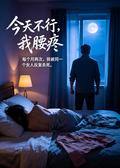 Not Today, My Back Hurts
29Reads8.6Score—Shelves
Not Today, My Back Hurts
29Reads8.6Score—Shelves
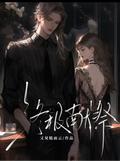 Ultimate Sacrifice
46kReads9.4Score6.6kShelves
Ultimate Sacrifice
46kReads9.4Score6.6kShelves
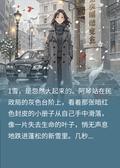 I Really Want to Say, I Love You, in the Snowy Sky
15Reads8.6Score—Shelves
I Really Want to Say, I Love You, in the Snowy Sky
15Reads8.6Score—Shelves
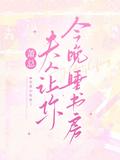 Mr. Xiao, Madam Asked You to Sleep in the Study Tonight
28Reads5.8Score—Shelves
Mr. Xiao, Madam Asked You to Sleep in the Study Tonight
28Reads5.8Score—Shelves
 Shocked, the Genius Brother Is Actually a Public Enemy
2.9kReads7.6Score586Shelves
Shocked, the Genius Brother Is Actually a Public Enemy
2.9kReads7.6Score586Shelves
 Black Moonlight: the Female Supporting Character Made the Male Protagonist Cry Again
6.8kReads9.0Score502Shelves
Black Moonlight: the Female Supporting Character Made the Male Protagonist Cry Again
6.8kReads9.0Score502Shelves
 Chixi Folk Song Competition
—Reads8.5Score—Shelves
Chixi Folk Song Competition
—Reads8.5Score—Shelves
 The Folk Songs and Legends of Chixi Village in Western Fujian.
2Reads8.5Score—Shelves
The Folk Songs and Legends of Chixi Village in Western Fujian.
2Reads8.5Score—Shelves
 Chixi Folk Song Contest
—Reads8.5Score—Shelves
Chixi Folk Song Contest
—Reads8.5Score—Shelves
 Follow the Right Person
—Reads8.5Score—Shelves
Follow the Right Person
—Reads8.5Score—Shelves
 Opponents Who Are Really Stronger Than Me Have No Time to Stare at Me
—Reads8.5Score—Shelves
Opponents Who Are Really Stronger Than Me Have No Time to Stare at Me
—Reads8.5Score—Shelves
 How Many People Have Underestimated the Power of Love?
1Reads8.5Score—Shelves
How Many People Have Underestimated the Power of Love?
1Reads8.5Score—Shelves
 It Turns Out That Regret Hurts so Much
—Reads8.5Score—Shelves
It Turns Out That Regret Hurts so Much
—Reads8.5Score—Shelves
 After a Night of Absurdity, the Barrage Asked Me to Leave an Heir Worth Hundreds of Billions.
—Reads8.4Score—Shelves
After a Night of Absurdity, the Barrage Asked Me to Leave an Heir Worth Hundreds of Billions.
—Reads8.4Score—Shelves
 The Old Man's Lifestyle and Dignity Are Engraved in His Bones.
—Reads8.5Score—Shelves
The Old Man's Lifestyle and Dignity Are Engraved in His Bones.
—Reads8.5Score—Shelves
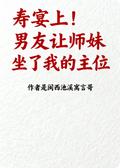 Birthday Party! My Boyfriend Let My Junior Sister Sit in My Seat
1Reads8.5Score—Shelves
Birthday Party! My Boyfriend Let My Junior Sister Sit in My Seat
1Reads8.5Score—Shelves
 She Is Like the Deep Sea
11Reads5.8Score—Shelves
She Is Like the Deep Sea
11Reads5.8Score—Shelves
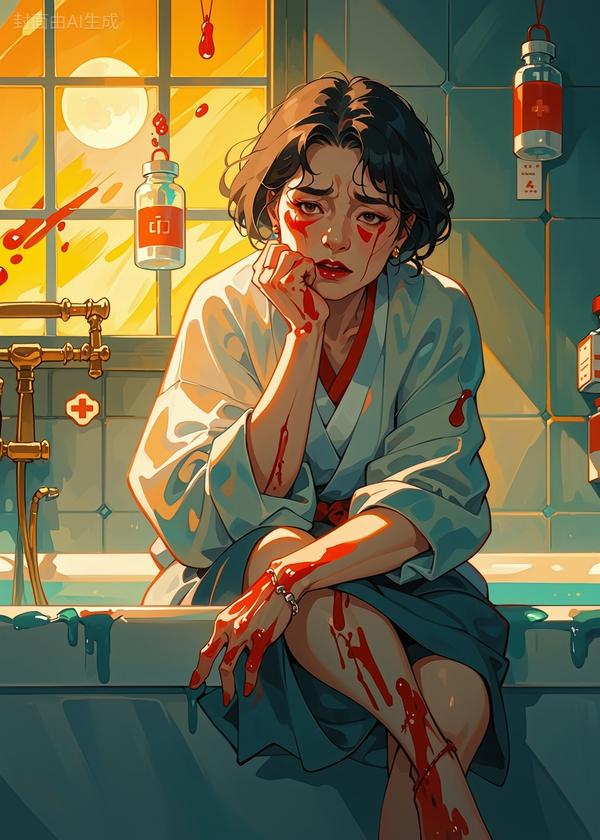 A Depressed Mother's Deathbed Confession
1Reads8.6Score—Shelves
A Depressed Mother's Deathbed Confession
1Reads8.6Score—Shelves
 The Red Dress Mystery: the Secret Under the Roof Beams
1Reads8.6Score—Shelves
The Red Dress Mystery: the Secret Under the Roof Beams
1Reads8.6Score—Shelves
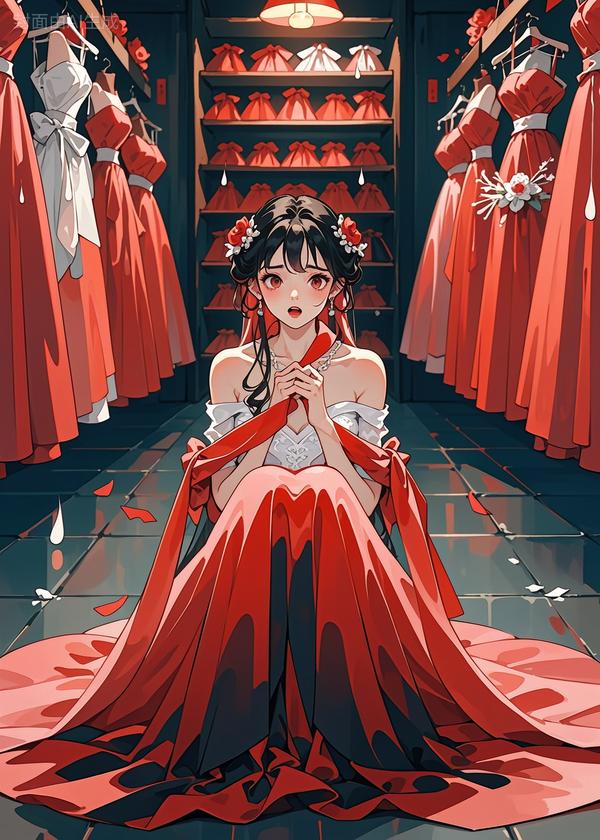 The Ghost and the Ghost That Seek Death
1Reads8.4Score—Shelves
The Ghost and the Ghost That Seek Death
1Reads8.4Score—Shelves
 The Possibility of Becoming a Scumbag If You Are Good-Looking
627Reads8.5Score—Shelves
The Possibility of Becoming a Scumbag If You Are Good-Looking
627Reads8.5Score—Shelves