The Coexistence of Wood and Silk in Wuzhen In Wuzhen during the Wanli period, running water surrounded the bluestone road, and the bridge holes reflected the white walls and black tiles. Most of the people in the town relied on crafts to make a living. Carpenter Shen Ahe's shop is in Dongzha, and the sound of planes scraping through wood floats out with the first ray of sunlight every morning; embroiderer Lin Azhi's embroidery work is in West Market, with colorful threads winding flowers and birds on plain cloth, which always attracts the attention of women passing by when she finishes work in the evening. The two met at the "Silkworm Flower Party" during the Qingming Festival. That day, Ahe helped his neighbor repair a wooden boat. He squeezed in the crowd to watch Canniang worship the gods. He was still holding a small unpolished peach wood comb in his hand - he originally wanted to make it for his mother. Suddenly someone bumped into him, and the mahogany comb fell to the ground, and was picked up by a pair of hands stained with fine silk threads. "Your comb hasn't been polished yet." Azhi looked up, with a fresh broad bean flower on her temples and a silk handkerchief embroidered with half a mandarin duck in her hand. Ah He blushed when she took the comb, saw the mandarin duck wings on the silk handkerchief, and blurted out: "It would be better if the thread color of these wings is added with a little light gold, like the morning light shining on the water." Ah Zhi was stunned for a moment, then smiled - after three years of embroidering mandarin ducks, no one has ever said that. After that, Ah He's shop had some small embroidery items: the embroidery frame made for Ah Zhi, which was polished smooth and without hooking; the wooden box for holding silk threads, each grid was engraved with the name of a flower. Ah Zhi often went to the shop to embroider a cloth cover for Ah He's tool box, and even the handle of the plane was wrapped with anti-slip colored thread. Within half a year, everyone in the town knew that Carpenter Shen and Lin Xiu Niang were getting married. In the first three months of marriage, life was as sweet as maltose boiling on the stove. Ah Zhi gets up early every day and puts Ah Zhi's embroidered fabric in a bright spot by the window before opening the shop door. Ah Zhi finishes work in the evening and always brings freshly steamed rice cakes with her, waiting for Ah Zhi to put down the planer to eat together. But when the novelty disappears like the morning fog, the "little bumps" in life appear. Ah He is a tidy person. He sweeps away the shavings and sawdust every day, and the chisels in the toolbox are arranged like soldiers in formation. But when Ah Zhi was doing her embroidery work, the ends of colored threads would inevitably fall to the ground. Sometimes she would be late for work, and there would still be piles of unattended silk threads next to the embroidery bed. Ah He didn't say anything at first and just helped clean it up silently, but as time went by, he inevitably muttered: "If the threads get tangled in the wood, the planing work will be defective." Ah Zhi felt aggrieved after hearing this: "The embroidery work has to meet the deadline, how can I always take care of the cleaning? Don't the scraps from your wood planing sometimes fall on my embroidery cloth?" What made the two of them even more troubled was their schedule. Ah Zhi is used to going to bed early, and her eyes are tired after a day of embroidering, so she wants to rest as soon as it gets dark; but Ah Zhi often takes on some urgent tasks, such as a family that wants to marry their daughter, and they are urged to make a wedding bed, and they have to stay up late to plan materials and carve patterns. The sound of a plane at night always wakes up Ah Zhi who has just fallen asleep. One time, a wealthy man in the town wanted to make a complete wedding set for his son, and Ahe was given half a month to complete it. Ah He hadn't slept well for five nights in a row, and his eyes were full of red bloodshot eyes. On the sixth night, Ah Zhi was so disturbed by the sound of the plane that she sat up and shouted through the door: "Can't we do it during the day? I haven't slept well these past few days!" Ah He was worrying about a piece of hardwood, and became angry when he heard this: "I have to help people repair tables and chairs during the day. How can I finish it if I don't stay up late? Can't you take more care?" There was no sound in the door panel. Ah He was stunned, put down the plane and pushed the door in. He saw Ah Zhi wiping her tears and embroidering a mandarin duck with half of one wing missing. His heart softened, but he did not apologize. He turned around and returned to the workshop - the stubbornness of the young man made him embarrassed. Early the next morning, Ah He didn't go to the shop. He sat on the stone bridge in a daze with the unpolished peach wood comb. There was an old craftsman by the bridge who had been repairing wooden boats all his life. Seeing his sad face, he handed over a bowl of hot tea: "Ah He, are you having trouble with your wife?" Ah He sighed and told what happened at night. The old craftsman touched the wood grain on the boat board and smiled: "You kid, do you think that if you like someone, you just make something nice for her? When your wife and I were young, she weaved fishing nets and I repaired the boat. She thought I was fishy, and I thought her fishing nets took up space. I quarreled countless times. Later I realized that liking is like making a boat. Putting two pieces of freshly cut wood together seems to work, but the wood grains are not smooth and the heights are uneven. If you want it to last, you have to dig out each other's 'edges'. Only if she obeys your temper and you adapt to her habits can they fit together perfectly and form a stable bed and a boat that can withstand waves. " Ah He pinched the mahogany comb in his hand, and suddenly remembered Ah Zhi's smile when she picked up the comb, and the cloth cover she embroidered for the tool box - it wasn't that Ah Zhi was inconsiderate of him, but she just couldn't stand the lack of sleep; it wasn't that he didn't love Ah Zhi, but he was driven out of patience by the construction deadline. He stood up and ran to the shop. When passing by the cloth store, he also bought a small roll of light gold thread. When she got home, Ah Zhi was sitting in front of her embroidery bed, but she didn't take any needle or thread. Ahe walked over and put the light gold thread in her hand: "A few days ago, I said that your mandarin duck wings were less light gold, so I bought some, you can try it." Then he pointed to the workshop: "I moved your embroidery frame to the window, and put a wooden box next to it, and the thread can be thrown in at any time. From now on, when I stay up late to work, I will use a small plane, make a soft sound, and put a cotton ball next to your pillow so that I can't disturb you." Ah Zhi raised her head, with red marks in her eyes, but she smiled: "It's not my fault, I shouldn't lose my temper with you." She took out a cloth bag from the drawer, which contained a pair of cloth shoes embroidered with the word "An": "You always step on wood, and the soles are easy to wear out, so I made you a pair of thick soles. When you stay up late, I will warm the porridge for you." That afternoon, people in Wuzhen heard the sound of Carpenter Shen's plane again, but it was lighter than usual; in front of Lin Xiu Niang's embroidery bed, there was a wooden box for holding threads, with a small broad bean flower carved on the lid - the flower on Ah Zhi's temple when they met. Two years later, a heavy rain in early summer washed away the "Wangen Bridge" in Wuzhen Nanzha. The bridge is the only way for people in the town to enter and exit the West Market. Without the bridge, the salesmen carrying burdens and farmers pushing carts would have to take a long detour. The mayor convened everyone to discuss repairing the bridge, but no one dared to take the lead - repairing the bridge required taking care of the craftsmen, counting the wood, and raising money, which was very troublesome. Ah He was helping people repair the wooden basin. When he heard the news, he stood up: "I will take care of the craftsmen and the wood. I can look at the quality of the wood and understand the mortise and tenon structure of the bridge." As soon as he finished speaking, Ah Zhi also came over: "I'm here to collect money and food. The women in the town all know me. I'll tell them and they are willing to believe it." For the next three months, Ah He went to the riverside every day before dawn to take measurements and draw drawings. At noon, he ate a rice ball sent by Ah Zhi, and then discussed with the masons and carpenters how to build bridge piers. Ah Zhi carried a blue cloth bag, knocked on doors, calculated the amount of silver to donate with the shopkeeper, and told the farmers how much rice they needed. At night, she had to write down the accounts one by one and show them to everyone. One time, there was not enough wood, and Ah He was so anxious that his mouth blistered. When Azhi found out, she took out her personal savings and went to a neighboring town to buy three loads of pine wood. Ah He looked at the pine wood and his eyes turned red: "That's the money you are going to use to make longevity materials for your mother." Ah Zhi patted his hand: "My mother is still healthy, and the longevity materials are two years later. It will be fine. If the bridge is not repaired, it will be inconvenient for many people in the town." When the bridge was repaired, the whole town came to celebrate. The mayor held Ah He and Ah Zhi's hands, stood on the bridge and said, "The bridge can only be built because of them. When I was young, I thought that two people's life depended on the joy when they first met. Now I understand that love is just the starting point of a bridge. What can make a bridge withstand wind and rain is the mutual tolerance of two people and the strength to carry it together in times of trouble - just like the beams and pillars of this bridge, if any of them are missing, they will not be able to stand." That night, Ah He and Ah Zhi sat on the new bridge and looked at the moonlight in the river. Ah He took out something from his arms. It was a small wooden box, which contained the peach wood comb - he had polished it when he had time in the past few years, and the teeth of the comb were so bright that they could reflect the silhouette of a person. "Ah Zhi," he said softly, "when we first got married, I thought that liking her was enough. But now I know that being able to tidy up threads, cook porridge, and build bridges with you is more practical than liking her." Ah Zhi took the wooden comb, combed her hair around her temples, and took out a silk handkerchief from her sleeve, with two small bridges embroidered on it, and two people standing in the middle of the bridge. "Yes," she said, "Everyone can say that we are in love with each other, but life goes by day by day. You understand my lack of sleep, and I understand you rushing to work. When things happen, we work together without making a fuss. This is how we really live." Later, Ah He and Ah Zhi had a son and a daughter. Their son learned carpentry from Ah Zhi, and their daughter learned embroidery from Ah Zhi. People in Wuzhen often see that in the evening, the sound of Shen Ahe's plane has stopped, Lin Azhi has put away her embroidery thread, and the family is walking slowly on the bridge with a lantern, and their shadows are very long. Later, when young couples in the town had disagreements, the older generation would always say: "Go and see Wangen Bridge and think about Carpenter Shen and Xiu Niang Lin - liking is the beginning, tolerance is the future." That bridge, like the days of Ah He and Ah Zhi, has gone through wind and rain, but has always stood there steadily, looking at the flowing water of Wuzhen, year after year.
Pick any book at random, and it has learning value. Learn Chinese medicine in the medicine box, and learn alchemy in The Water of Rebirth to Warm Life!
Poetry? Perhaps. You can learn how the author writes poetry (probably). The author is a member of a poetry society. This is the kind of book that people who like it will like it very much, but people who don't like it can't read it at all, because his ability to write plots really doesn't have much plot. This author is my friend. If you have any questions, you can contact me directly and I will help you pare him. This guy added a bunch of poems and music he wrote, interspersed throughout the book, in every chapter. I have read a lot of online articles, and this kind of literary style is still interesting. If you like ancient poetry or something, you can read it.
 Minimalist History of China: Overview of the Five Hus and Sixteen Kingdoms and a Complete List of Emperors
200Reads9.4Score—Shelves
Minimalist History of China: Overview of the Five Hus and Sixteen Kingdoms and a Complete List of Emperors
200Reads9.4Score—Shelves
 The Magical Northern Wei Dynasty
611Reads9.5Score188Shelves
The Magical Northern Wei Dynasty
611Reads9.5Score188Shelves
 Spring and Autumn 2: the Rise of Overlord
20Reads8.6Score—Shelves
Spring and Autumn 2: the Rise of Overlord
20Reads8.6Score—Shelves
 The Sound on the Blade: the Path to Glory of a Famous General in Troubled Times
173Reads9.4Score—Shelves
The Sound on the Blade: the Path to Glory of a Famous General in Troubled Times
173Reads9.4Score—Shelves
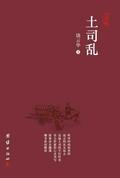 Tusi Chaos
61Reads9.1Score—Shelves
Tusi Chaos
61Reads9.1Score—Shelves
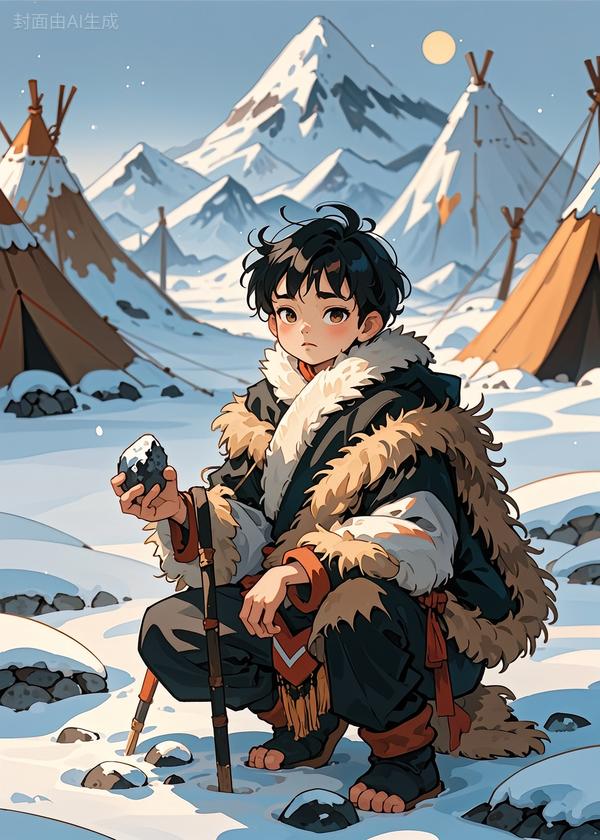 Tyrant SSR at the Beginning: Shi Hu's Killing Chess Game, Parricide and Butchering Finally Overthrown Zhao
2Reads8.6Score—Shelves
Tyrant SSR at the Beginning: Shi Hu's Killing Chess Game, Parricide and Butchering Finally Overthrown Zhao
2Reads8.6Score—Shelves
 I, the Orphan of Shatuo, Have Lived in Arrow Town for Five Generations
1Reads5.8Score—Shelves
I, the Orphan of Shatuo, Have Lived in Arrow Town for Five Generations
1Reads5.8Score—Shelves
 Common Knowledge of Chinese Studies That Middle School Students Must Know
5Reads8.6Score—Shelves
Common Knowledge of Chinese Studies That Middle School Students Must Know
5Reads8.6Score—Shelves
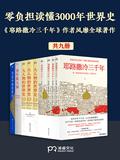 Three Thousand Years of Jerusalem (The Author's Popular Historical Work Around the World, Nine Volumes in Total)
203Reads9.4Score—Shelves
Three Thousand Years of Jerusalem (The Author's Popular Historical Work Around the World, Nine Volumes in Total)
203Reads9.4Score—Shelves
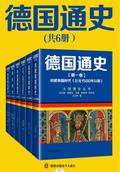 General History of Germany (Six Volumes)
—Reads5.8Score—Shelves
General History of Germany (Six Volumes)
—Reads5.8Score—Shelves
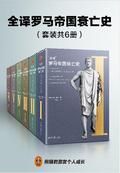 Complete Translation of the History of the Decline and Fall of the Roman Empire (Six Volumes)
462Reads9.3Score174Shelves
Complete Translation of the History of the Decline and Fall of the Roman Empire (Six Volumes)
462Reads9.3Score174Shelves
 Centenary Nankai Japanese Research Library
—Reads8.4Score—Shelves
Centenary Nankai Japanese Research Library
—Reads8.4Score—Shelves
 Hengji Fengjie
12Reads5.8Score—Shelves
Hengji Fengjie
12Reads5.8Score—Shelves
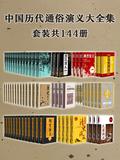 A Complete Collection of Popular Chinese Novels from Past Dynasties
1.2kReads9.5Score232Shelves
A Complete Collection of Popular Chinese Novels from Past Dynasties
1.2kReads9.5Score232Shelves
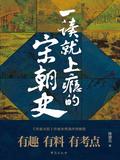 A History of the Song Dynasty That Will Make You Addicted Once You Read It
1.4kReads9.3Score330Shelves
A History of the Song Dynasty That Will Make You Addicted Once You Read It
1.4kReads9.3Score330Shelves
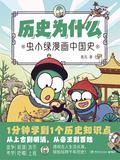 Why History: a History of China in Chongxiaolu Comics
438Reads9.5Score210Shelves
Why History: a History of China in Chongxiaolu Comics
438Reads9.5Score210Shelves
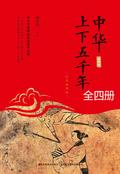 Five Thousand Years of China (Color Illustrated Edition)
11kReads9.6Score1.7kShelves
Five Thousand Years of China (Color Illustrated Edition)
11kReads9.6Score1.7kShelves
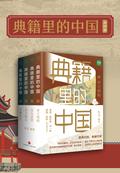 China in the Classics
564Reads9.2Score219Shelves
China in the Classics
564Reads9.2Score219Shelves
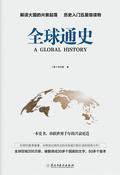 Global History
2.6kReads8.7Score947Shelves
Global History
2.6kReads8.7Score947Shelves
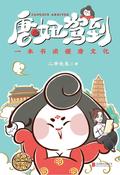 Tang Niu Arrives: Understanding Tang Culture in One Book
130Reads9.4Score—Shelves
Tang Niu Arrives: Understanding Tang Culture in One Book
130Reads9.4Score—Shelves
 The Dawn of the Galaxy Part 2
299Reads—Score—Shelves
The Dawn of the Galaxy Part 2
299Reads—Score—Shelves
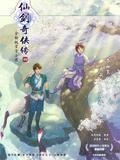 Legend of Sword and Fairy IV (Original TV Series of the Same Name Starring Ju Jingyi & Chen Zheyuan)
474Reads9.2Score115Shelves
Legend of Sword and Fairy IV (Original TV Series of the Same Name Starring Ju Jingyi & Chen Zheyuan)
474Reads9.2Score115Shelves
 Rain Hengfeng Kuang Volume 2
2Reads7.8Score—Shelves
Rain Hengfeng Kuang Volume 2
2Reads7.8Score—Shelves
 A Brief History of Christmas
5Reads9.1Score—Shelves
A Brief History of Christmas
5Reads9.1Score—Shelves
 Common Knowledge of Ancient Chinese Culture
130Reads8.6Score—Shelves
Common Knowledge of Ancient Chinese Culture
130Reads8.6Score—Shelves
 Medicine Box Scent
111Reads5.8Score—Shelves
Medicine Box Scent
111Reads5.8Score—Shelves
 Rebirth of Water and Warm Life
3Reads5.8Score—Shelves
Rebirth of Water and Warm Life
3Reads5.8Score—Shelves
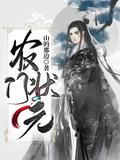 Number One Scholar in Agriculture
13.8kReads9.3Score1.2kShelves
Number One Scholar in Agriculture
13.8kReads9.3Score1.2kShelves
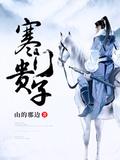 A Noble Son from a Poor Family
43.3kReads9.1Score4.3kShelves
A Noble Son from a Poor Family
43.3kReads9.1Score4.3kShelves
 A Brief History of the World
181Reads9.3Score—Shelves
A Brief History of the World
181Reads9.3Score—Shelves
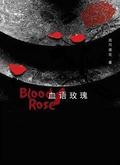 Blood Whisper Rose
4.7kReads9.2Score734Shelves
Blood Whisper Rose
4.7kReads9.2Score734Shelves
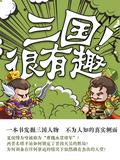 Three Kingdoms Is Very Interesting
15Reads9.2Score—Shelves
Three Kingdoms Is Very Interesting
15Reads9.2Score—Shelves
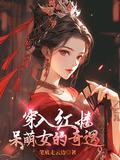 Entering the Red Mansion: the Adventures of a Cute Girl
—Reads5.8Score—Shelves
Entering the Red Mansion: the Adventures of a Cute Girl
—Reads5.8Score—Shelves
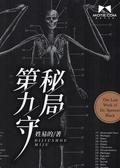 Ninth Secret Bureau
39.5kReads9.2Score5.7kShelves
Ninth Secret Bureau
39.5kReads9.2Score5.7kShelves
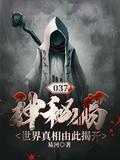 My Years in the 037 Special Operations Team
14.2kReads9.2Score1.7kShelves
My Years in the 037 Special Operations Team
14.2kReads9.2Score1.7kShelves
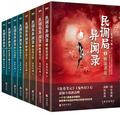 Anecdotes About the Polling Bureau (8 Volumes in Total)
46.9kReads9.6Score8.1kShelves
Anecdotes About the Polling Bureau (8 Volumes in Total)
46.9kReads9.6Score8.1kShelves
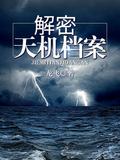 Decrypt the Secret Files
13Reads5.8Score—Shelves
Decrypt the Secret Files
13Reads5.8Score—Shelves
 Those Years, Those Cities, Those People
—Reads—Score—Shelves
Those Years, Those Cities, Those People
—Reads—Score—Shelves
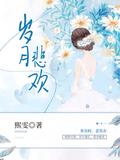 Years of Joy and Sorrow
5.5kReads9.2Score718Shelves
Years of Joy and Sorrow
5.5kReads9.2Score718Shelves
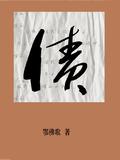 Debt
15.1kReads9.3Score2kShelves
Debt
15.1kReads9.3Score2kShelves
 3 Years of Online Loan
150Reads—Score—Shelves
3 Years of Online Loan
150Reads—Score—Shelves
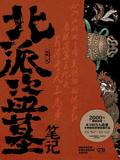 From the Autobiography of a Tomb Robber
607.7kReads9.6Score47.3kShelves
From the Autobiography of a Tomb Robber
607.7kReads9.6Score47.3kShelves
 Monster Code: Journey to the West
209Reads9.3Score—Shelves
Monster Code: Journey to the West
209Reads9.3Score—Shelves
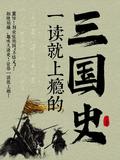 A History of the Three Kingdoms That Will Make You Addicted as Soon as You Read It
1.3kReads9.4Score133Shelves
A History of the Three Kingdoms That Will Make You Addicted as Soon as You Read It
1.3kReads9.4Score133Shelves
 Once He Traveled Through Time, He Would Marry the Disabled Prince and Become the Favorite of the Group.
170Reads5.8Score—Shelves
Once He Traveled Through Time, He Would Marry the Disabled Prince and Become the Favorite of the Group.
170Reads5.8Score—Shelves
 Living with the Boss, I Am so Strong That I Can Fly
148Reads5.8Score—Shelves
Living with the Boss, I Am so Strong That I Can Fly
148Reads5.8Score—Shelves
 Quickly Travel Through the Second Personality
55Reads5.8Score—Shelves
Quickly Travel Through the Second Personality
55Reads5.8Score—Shelves
 Eye-Catching
—Reads8.5Score—Shelves
Eye-Catching
—Reads8.5Score—Shelves
 The Legend of Bao Shu Tong
18Reads8.1Score—Shelves
The Legend of Bao Shu Tong
18Reads8.1Score—Shelves
 Popular Interpretation of the Emperor's Internal Classics
26Reads8.2Score—Shelves
Popular Interpretation of the Emperor's Internal Classics
26Reads8.2Score—Shelves