In this list
Reader notes translated by Google Translate
168
-
1
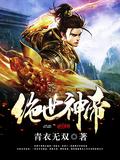 Peerless Divine Emperor 绝世神帝
With one finger, he determines the fate of the world; with a wave of his hand, he plucks the stars! A crystal from a mysterious place changes the fate of a destitute young man. Starting out at Luoshan Sect, he rises to fame step by step, shattering the heavens with his fists and crushing the stars beneath his feet, until at last he challenges the gate to the Imperial Realm, which no one has ever managed to open.
13.1kReads8.3Score1.6kShelves
Peerless Divine Emperor 绝世神帝
With one finger, he determines the fate of the world; with a wave of his hand, he plucks the stars! A crystal from a mysterious place changes the fate of a destitute young man. Starting out at Luoshan Sect, he rises to fame step by step, shattering the heavens with his fists and crushing the stars beneath his feet, until at last he challenges the gate to the Imperial Realm, which no one has ever managed to open.
13.1kReads8.3Score1.6kShelves
Reader note
-
2
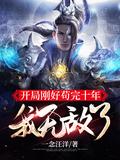 War God Rampage 战神狂飙
Ye Wuqian was born with peerless talent, a dazzling genius. But to uncover the mystery of his origins, he willingly vanished from the world, pretending to be a good-for-nothing as he refined the source of the Sacred Battle Art for a full ten years! Now his ten years are up, and the true dragon has returned! An invincible path begins, one where he crushes countless prodigies and geniuses, smashes every royal and divine physique, and tears apart the legends of the heavens, making the myriad worlds
41.5kReads9.1Score1.1kShelves
War God Rampage 战神狂飙
Ye Wuqian was born with peerless talent, a dazzling genius. But to uncover the mystery of his origins, he willingly vanished from the world, pretending to be a good-for-nothing as he refined the source of the Sacred Battle Art for a full ten years! Now his ten years are up, and the true dragon has returned! An invincible path begins, one where he crushes countless prodigies and geniuses, smashes every royal and divine physique, and tears apart the legends of the heavens, making the myriad worlds
41.5kReads9.1Score1.1kShelves
Reader note
-
3
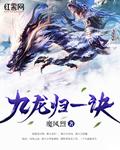 The Nine Dragons Return to One Art 九龙归一诀
He gains a treasure of chaos and cultivates the Nine Dragons Returning as One. He cleaves through the sun, moon, and stars, and slays demons from the ages. With Lu Chen's arrival, the winds and clouds stir, and the gods and ghosts of the Myriad Worlds tremble. Drunk in the arms of beautiful women, he brings joy to their faces; with the Three Thousand Great Dao, he saves all living beings.
39.6kReads9.1Score1kShelves
The Nine Dragons Return to One Art 九龙归一诀
He gains a treasure of chaos and cultivates the Nine Dragons Returning as One. He cleaves through the sun, moon, and stars, and slays demons from the ages. With Lu Chen's arrival, the winds and clouds stir, and the gods and ghosts of the Myriad Worlds tremble. Drunk in the arms of beautiful women, he brings joy to their faces; with the Three Thousand Great Dao, he saves all living beings.
39.6kReads9.1Score1kShelves
Reader note
-
4
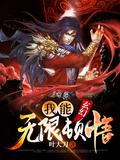 Fantasy: My Sudden Enlightenment of the Chaos Physique 玄幻,我顿悟了混沌体
Xiao Yun's System has only one function: epiphany! Ordinary constitution? Have an epiphany and gain the Chaos Body! Cultivation technique too difficult? Have an epiphany and reach perfection! Divine ability too difficult? Have an epiphany and reach perfection! There's nothing an epiphany can't solve. And if there is, then have an epiphany ten times, a hundred times...
64.9kReads9.1Score8kShelves
Fantasy: My Sudden Enlightenment of the Chaos Physique 玄幻,我顿悟了混沌体
Xiao Yun's System has only one function: epiphany! Ordinary constitution? Have an epiphany and gain the Chaos Body! Cultivation technique too difficult? Have an epiphany and reach perfection! Divine ability too difficult? Have an epiphany and reach perfection! There's nothing an epiphany can't solve. And if there is, then have an epiphany ten times, a hundred times...
64.9kReads9.1Score8kShelves
Reader note
-
5
 I Am Unaware That I Am the Peerless Martial God 玄幻:原来我是绝世武神
Yi Feng transmigrates to a world of cultivation. Unfortunately, he has no hope of becoming an immortal, so he can only remain a mortal and hopes to live a peaceful life. But he has no idea... The dog he took in became a mighty demon king after eating his food. The kitchen knife he casually forged became an unparalleled divine weapon, sparking a fierce scramble among countless powerful figures. The young disciple he took in became an Immortal King after practicing his cultivation technique, usher
29.2kReads9.0Score3.8kShelves
I Am Unaware That I Am the Peerless Martial God 玄幻:原来我是绝世武神
Yi Feng transmigrates to a world of cultivation. Unfortunately, he has no hope of becoming an immortal, so he can only remain a mortal and hopes to live a peaceful life. But he has no idea... The dog he took in became a mighty demon king after eating his food. The kitchen knife he casually forged became an unparalleled divine weapon, sparking a fierce scramble among countless powerful figures. The young disciple he took in became an Immortal King after practicing his cultivation technique, usher
29.2kReads9.0Score3.8kShelves
Reader note
-
6
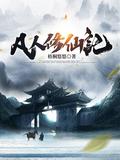 A Mortal’s Journey to Immortality 凡人修仙记
[Xuanhuan] [Mortal Protagonist] [No System] [Slow Burn] [Swordsmanship] [Mystery] After a war that lasted ten thousand years, heaven and earth shattered, three races stood side by side, and divine artifacts sank into oblivion. A mountain boy with no spiritual roots sets out from the mortal world to avenge a great wrong, enduring hardship after hardship. With one sword, he forges ten thousand; with his Dao heart, he enters a demonic tribulation! Wielding the sword in his hand, he cannot kill ever
117kReads8.9Score7kShelves
A Mortal’s Journey to Immortality 凡人修仙记
[Xuanhuan] [Mortal Protagonist] [No System] [Slow Burn] [Swordsmanship] [Mystery] After a war that lasted ten thousand years, heaven and earth shattered, three races stood side by side, and divine artifacts sank into oblivion. A mountain boy with no spiritual roots sets out from the mortal world to avenge a great wrong, enduring hardship after hardship. With one sword, he forges ten thousand; with his Dao heart, he enters a demonic tribulation! Wielding the sword in his hand, he cannot kill ever
117kReads8.9Score7kShelves
Reader note
-
7
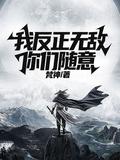 I'm Invincible Anyway, Do Whatever You Want 我反正无敌,你们随意
My new book, Marry a Wife to Grow Stronger and Build an Invincible Immortal Clan, is now available. Hope you enjoy it. Ye Changsheng transmigrates into a fantasy world, awakening the Chaotic Sword Physique from the start and acquiring a sign-in System. He signs in at the Sword Grave and obtains the Immortal-Slaying Sword Formation. He signs in at Heaven Mountain and gains the Divine Art, Heaven's Funeral. He signs in at the Divine Kingdom and obtains the greatest divine meridian of all time. He
13.1kReads8.9Score1.1kShelves
I'm Invincible Anyway, Do Whatever You Want 我反正无敌,你们随意
My new book, Marry a Wife to Grow Stronger and Build an Invincible Immortal Clan, is now available. Hope you enjoy it. Ye Changsheng transmigrates into a fantasy world, awakening the Chaotic Sword Physique from the start and acquiring a sign-in System. He signs in at the Sword Grave and obtains the Immortal-Slaying Sword Formation. He signs in at Heaven Mountain and gains the Divine Art, Heaven's Funeral. He signs in at the Divine Kingdom and obtains the greatest divine meridian of all time. He
13.1kReads8.9Score1.1kShelves
Reader note
-
8
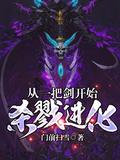 Evolution Through Slaughter, Starting with a Sword 从一把剑开始杀戮进化
He transmigrates and becomes a sword!? By killing, he earns evolution points. Starting out as a broken old sword, he becomes a legendary, epic magic sword!
2.3kReads7.6Score233Shelves
Evolution Through Slaughter, Starting with a Sword 从一把剑开始杀戮进化
He transmigrates and becomes a sword!? By killing, he earns evolution points. Starting out as a broken old sword, he becomes a legendary, epic magic sword!
2.3kReads7.6Score233Shelves
Reader note
-
9
 I Don't Want to Get Hurt, So I Put Every Point into Defense 因为怕痛所以全点防御力了
Bathing in magma, sleeping in ancient killing formations; Riding a heavy armored vehicle to rampage across other worlds; Taking on immortals and Buddhas with a Gundam police robot and Godzilla... I got myself a Stat System, and from then on, I put every point into defense! What can I say? I'm afraid of pain! The Great Golden Immortals in other worlds are all vicious, and every one of them knows the Great Heavenly Dragon technique. They hold little meetings every day to figure out how to break th
6.4kReads8.6Score719Shelves
I Don't Want to Get Hurt, So I Put Every Point into Defense 因为怕痛所以全点防御力了
Bathing in magma, sleeping in ancient killing formations; Riding a heavy armored vehicle to rampage across other worlds; Taking on immortals and Buddhas with a Gundam police robot and Godzilla... I got myself a Stat System, and from then on, I put every point into defense! What can I say? I'm afraid of pain! The Great Golden Immortals in other worlds are all vicious, and every one of them knows the Great Heavenly Dragon technique. They hold little meetings every day to figure out how to break th
6.4kReads8.6Score719Shelves
-
10
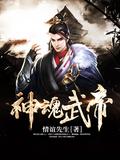 The Divine Soul Martial Emperor 神魂武帝
“My goal is to conquer every beautiful woman on the continent.” Lin Yan sat on the dragon throne, gazing at the stunning women gathered below him, and curled his lips into a mischievous smile. Before Lin Yan, even the greatest geniuses could only be crushed.
548Reads6.7Score100Shelves
The Divine Soul Martial Emperor 神魂武帝
“My goal is to conquer every beautiful woman on the continent.” Lin Yan sat on the dragon throne, gazing at the stunning women gathered below him, and curled his lips into a mischievous smile. Before Lin Yan, even the greatest geniuses could only be crushed.
548Reads6.7Score100Shelves
Reader note
-
11
 King of Myriad Forms 万相之王
There are ten thousand aspects between heaven and earth. I, Li Luo, will one day become the King of Ten Thousand Aspects. Another epic fantasy from Tian Can Tu Dou, following Yuan Zun.
3.4kReads9.2Score251Shelves
King of Myriad Forms 万相之王
There are ten thousand aspects between heaven and earth. I, Li Luo, will one day become the King of Ten Thousand Aspects. Another epic fantasy from Tian Can Tu Dou, following Yuan Zun.
3.4kReads9.2Score251Shelves
-
12
 The Great Dao Is the Pinnacle 大道为巅
[Qingfeng's new novel, This Player Has a Problem in the Head, is serializing now and has plenty of chapters ready to binge] Ning Yuan bears the blood of an emperor and has had his six senses sealed. He ends up stranded in a peerlessly perilous place, but turns misfortune into fortune when the greatest Sword God of all time takes him in. He becomes the Fist Ancestor's disciple, coming and going through the deadly land as if it were deserted, digging for treasures and farming. From then on, he vow
12.1kReads9.2Score948Shelves
The Great Dao Is the Pinnacle 大道为巅
[Qingfeng's new novel, This Player Has a Problem in the Head, is serializing now and has plenty of chapters ready to binge] Ning Yuan bears the blood of an emperor and has had his six senses sealed. He ends up stranded in a peerlessly perilous place, but turns misfortune into fortune when the greatest Sword God of all time takes him in. He becomes the Fist Ancestor's disciple, coming and going through the deadly land as if it were deserted, digging for treasures and farming. From then on, he vow
12.1kReads9.2Score948Shelves
Reader note
-
13
 Intrepid Blade’s Path in the Snow 雪中悍刀行
The jianghu is a beaded curtain. Great and small figures are its beads; great and small stories, the strings that bind them. And loyalty and affection are the spirit that gives those beads their luster. The story is drawing to a close. The final chapter will end with those words: “Waiter, bring us some wine.”
11.7kReads9.7Score701Shelves
Intrepid Blade’s Path in the Snow 雪中悍刀行
The jianghu is a beaded curtain. Great and small figures are its beads; great and small stories, the strings that bind them. And loyalty and affection are the spirit that gives those beads their luster. The story is drawing to a close. The final chapter will end with those words: “Waiter, bring us some wine.”
11.7kReads9.7Score701Shelves
-
14
 Sword of Coming 剑来
The world is vast, and anything is possible. I, Chen Ping’an, have but one sword. With it, I can move mountains, overturn seas, subdue demons, suppress devils, command gods, pluck stars, sever rivers, level cities, and split the heavens!
38.7kReads9.7Score1.1kShelves
Sword of Coming 剑来
The world is vast, and anything is possible. I, Chen Ping’an, have but one sword. With it, I can move mountains, overturn seas, subdue demons, suppress devils, command gods, pluck stars, sever rivers, level cities, and split the heavens!
38.7kReads9.7Score1.1kShelves
-
15
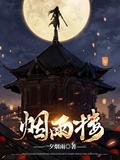 Misty Rain Tower 烟雨楼
[The print edition is now available nationwide at all major retailers] "Traditional xuanhuan" "No harem" In the land of Jiuzhou stands a tower called the Misty Rain Tower. Its master, Li Qingzhi, is hailed as a peerless prodigy, holding life and death in his hands beneath the cover of night. Yet what the world doesn’t know is that someone else stands behind the Misty Rain Tower, its true founder. Using the guise of a spoiled young master as cover, he manipulates the winds and clouds and plots ac
896.8kReads9.6Score233.1kShelves
Misty Rain Tower 烟雨楼
[The print edition is now available nationwide at all major retailers] "Traditional xuanhuan" "No harem" In the land of Jiuzhou stands a tower called the Misty Rain Tower. Its master, Li Qingzhi, is hailed as a peerless prodigy, holding life and death in his hands beneath the cover of night. Yet what the world doesn’t know is that someone else stands behind the Misty Rain Tower, its true founder. Using the guise of a spoiled young master as cover, he manipulates the winds and clouds and plots ac
896.8kReads9.6Score233.1kShelves
-
16
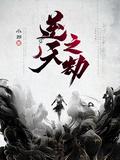 The Calamity That Defied Heaven 逆天之劫
[No System] What kind of monster could make people this afraid? He was deemed taboo from the moment he was born and branded the Child of Calamity. The myriad races had to convene to judge and condemn him. In the end, everything was sealed away from him, and he was sentenced to eternal exile. But fate cannot be defied! He will return, bringing endless calamity and becoming the tribulation of the heavens. The heavens will fall, the gods will perish, all because of one man. The Sacred Evil Strange
12Reads—Score—Shelves
The Calamity That Defied Heaven 逆天之劫
[No System] What kind of monster could make people this afraid? He was deemed taboo from the moment he was born and branded the Child of Calamity. The myriad races had to convene to judge and condemn him. In the end, everything was sealed away from him, and he was sentenced to eternal exile. But fate cannot be defied! He will return, bringing endless calamity and becoming the tribulation of the heavens. The heavens will fall, the gods will perish, all because of one man. The Sacred Evil Strange
12Reads—Score—Shelves
Reader note
-
17
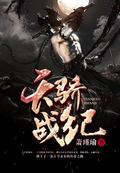 The Chronicles of the Heavenly Prodigy 天骄战纪
An abandoned baby raised in the prisons of a mining town unlocks the treasured Heaven-Reaching Secret Realm and defies fate to embark on a path to the heavens! He was born into the Lin clan of the Forbidden City in the Ziyao Empire. At birth, Yun Qingbai stole his source spirit vein and abandoned him in the wilderness. Later, he masters spirit patterns, comprehends the wisdom of the ages, slaughters demons and gods, and bursts onto the scene to write a legend unlike any in history!
294Reads9.0Score—Shelves
The Chronicles of the Heavenly Prodigy 天骄战纪
An abandoned baby raised in the prisons of a mining town unlocks the treasured Heaven-Reaching Secret Realm and defies fate to embark on a path to the heavens! He was born into the Lin clan of the Forbidden City in the Ziyao Empire. At birth, Yun Qingbai stole his source spirit vein and abandoned him in the wilderness. Later, he masters spirit patterns, comprehends the wisdom of the ages, slaughters demons and gods, and bursts onto the scene to write a legend unlike any in history!
294Reads9.0Score—Shelves
Reader note
-
18
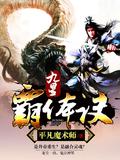 Nine Star Hegemon Body Art 九星霸体诀
Was he an Alchemy Emperor reborn, or had he fused with another soul? Long Chen was a talentless youth whose spiritual root, spiritual blood, and spiritual bone had been stolen. Relying on the divine alchemy techniques in his memories, he cultivates the mysterious Nine-Star Hegemon Body Art, pierces through layer upon layer of mystery, and uncovers a world-shaking plot. He commands the universe in his palm, treads upon the sun and moon, and suppresses evil spirits and wicked gods. Rumor has it in
208.1kReads9.3Score10.6kShelves
Nine Star Hegemon Body Art 九星霸体诀
Was he an Alchemy Emperor reborn, or had he fused with another soul? Long Chen was a talentless youth whose spiritual root, spiritual blood, and spiritual bone had been stolen. Relying on the divine alchemy techniques in his memories, he cultivates the mysterious Nine-Star Hegemon Body Art, pierces through layer upon layer of mystery, and uncovers a world-shaking plot. He commands the universe in his palm, treads upon the sun and moon, and suppresses evil spirits and wicked gods. Rumor has it in
208.1kReads9.3Score10.6kShelves
-
19
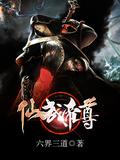 Immortal Martial Emperor 仙武帝尊
Nine thousand years ago, the Immortal Martial Emperor led a million divine generals into the ancient primordial wilderness. Not one of them returned, and only a wisp of true fire remained in the world. Nine thousand years later, Ye Chen, a discarded disciple, was driven from his sect and left with nowhere to go. By a twist of fate, he came into possession of the true fire and set foot on the path of immortal martial cultivation once more. This is a world where gods, demons, immortals, and Buddha
70.4kReads9.1Score15.6kShelves
Immortal Martial Emperor 仙武帝尊
Nine thousand years ago, the Immortal Martial Emperor led a million divine generals into the ancient primordial wilderness. Not one of them returned, and only a wisp of true fire remained in the world. Nine thousand years later, Ye Chen, a discarded disciple, was driven from his sect and left with nowhere to go. By a twist of fate, he came into possession of the true fire and set foot on the path of immortal martial cultivation once more. This is a world where gods, demons, immortals, and Buddha
70.4kReads9.1Score15.6kShelves
-
20
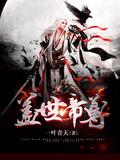 The Peerless Emperor 盖世帝尊
At the end of an era, kings vie for supremacy, demons rise in droves, and all seek the path to immortality. A sleepy young man turns misfortune into fortune, sanctifies his mortal body, and covers the heavens with a flick of his finger, looking down on the ages as their unrivaled sovereign! But who can remain eternal alongside time?
210Reads8.5Score—Shelves
The Peerless Emperor 盖世帝尊
At the end of an era, kings vie for supremacy, demons rise in droves, and all seek the path to immortality. A sleepy young man turns misfortune into fortune, sanctifies his mortal body, and covers the heavens with a flick of his finger, looking down on the ages as their unrivaled sovereign! But who can remain eternal alongside time?
210Reads8.5Score—Shelves
-
21
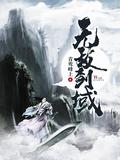 Unrivaled Sword Domain 无敌剑域
If killing isn't for showing off, then it's meaningless. If living isn't for showing off, you might as well be dead. When you kill, leave the land strewn with corpses. When you show off, do it at the pinnacle, undefeated! Search the site for the sequel to this book: A Sword Reigns Supreme
2.3kReads9.1Score1kShelves
Unrivaled Sword Domain 无敌剑域
If killing isn't for showing off, then it's meaningless. If living isn't for showing off, you might as well be dead. When you kill, leave the land strewn with corpses. When you show off, do it at the pinnacle, undefeated! Search the site for the sequel to this book: A Sword Reigns Supreme
2.3kReads9.1Score1kShelves
-
22
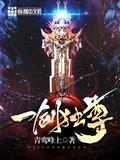 One Sword to Become Supreme 一剑独尊
In this prequel to "The Invincible Sword Domain", young Ye Xuan faces pressure from his family. To protect his beloved younger sister, he stumbles upon a lost sword technique by chance and begins a long journey of cultivation. Follow Ye Xuan as he defies fate, becomes a legendary Sword Immortal, and reaches the pinnacle of life!
7.2kReads9.1Score5.2kShelves
One Sword to Become Supreme 一剑独尊
In this prequel to "The Invincible Sword Domain", young Ye Xuan faces pressure from his family. To protect his beloved younger sister, he stumbles upon a lost sword technique by chance and begins a long journey of cultivation. Follow Ye Xuan as he defies fate, becomes a legendary Sword Immortal, and reaches the pinnacle of life!
7.2kReads9.1Score5.2kShelves
-
23
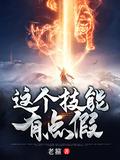 This Skill Is a Little Fake 这个技能有点假
The Demon Nation has descended, and the world of cultivation is in turmoil. Countless mighty cultivators have suffered devastating defeats and retreated to the Xuantian Sect. Mo Qi, fresh from his bath: “How dare you, vile demon! I could tell at a glance that you weren’t human. Boundless Celestial Worthy, behold my Fireball Spell!” A mighty demon: “A Fireball Spell? Hahahaha! Are you trying to laugh me to death? I am a great demon born of heaven and earth, ruler of all spirits, deathless and ete
118Reads8.8Score—Shelves
This Skill Is a Little Fake 这个技能有点假
The Demon Nation has descended, and the world of cultivation is in turmoil. Countless mighty cultivators have suffered devastating defeats and retreated to the Xuantian Sect. Mo Qi, fresh from his bath: “How dare you, vile demon! I could tell at a glance that you weren’t human. Boundless Celestial Worthy, behold my Fireball Spell!” A mighty demon: “A Fireball Spell? Hahahaha! Are you trying to laugh me to death? I am a great demon born of heaven and earth, ruler of all spirits, deathless and ete
118Reads8.8Score—Shelves
Reader note
-
24
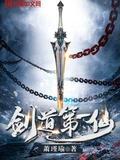 The Supreme Sword Immortal 剑道第一仙
I am the sword cultivator of the mortal world through the ages, the foremost immortal above all the heavens.
1.1kReads9.2Score163Shelves
The Supreme Sword Immortal 剑道第一仙
I am the sword cultivator of the mortal world through the ages, the foremost immortal above all the heavens.
1.1kReads9.2Score163Shelves
Reader note
-
25
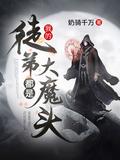 All My Disciples Are Great Demons 徒弟都是大魔头
When he first arrived in the fantasy world, he was stuck with a good-for-nothing template. The only way to defy fate and change his life was to take 108 disciples and pass down 108 inheritances of the Great Dao. But Ye Bei reached the end of his lifespan without ever seeing that day come. Three hundred years after his death, all his disciples had mastered their inheritances. He defied fate, changed his destiny, and returned to the fantasy world. But he discovered that the fantasy continent had a
2.6kReads9.0Score1.3kShelves
All My Disciples Are Great Demons 徒弟都是大魔头
When he first arrived in the fantasy world, he was stuck with a good-for-nothing template. The only way to defy fate and change his life was to take 108 disciples and pass down 108 inheritances of the Great Dao. But Ye Bei reached the end of his lifespan without ever seeing that day come. Three hundred years after his death, all his disciples had mastered their inheritances. He defied fate, changed his destiny, and returned to the fantasy world. But he discovered that the fantasy continent had a
2.6kReads9.0Score1.3kShelves
Reader note
-
26
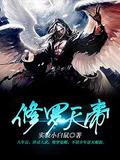 Asura Heavenly Emperor 修罗天帝
Eight years ago, a sudden upheaval struck Thunderclap Ancient City overnight. Qin Ming, the young lord of the city, was sent to Qingyun Sect as a servant, while two hundred thousand residents were driven into the Great Azure Mountain and enslaved. Eight years later, after tempering his spirit and entering the martial path, the unyielding youth awakens as a demon of slaughter and rises against the heavens. Give me a blade, and I can shatter the sky. Give me a sword, and I can point it toward the
33kReads9.2Score3.3kShelves
Asura Heavenly Emperor 修罗天帝
Eight years ago, a sudden upheaval struck Thunderclap Ancient City overnight. Qin Ming, the young lord of the city, was sent to Qingyun Sect as a servant, while two hundred thousand residents were driven into the Great Azure Mountain and enslaved. Eight years later, after tempering his spirit and entering the martial path, the unyielding youth awakens as a demon of slaughter and rises against the heavens. Give me a blade, and I can shatter the sky. Give me a sword, and I can point it toward the
33kReads9.2Score3.3kShelves
Reader note
-
27
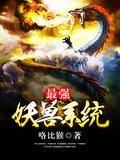 The Strongest Monster Beast System 最强妖兽系统
“Who would’ve thought that I, the mighty Burning Heaven Dragon Emperor, would be reborn as an animal!” As one of the Eight Title-Holding Martial Emperors, Xiao Long was furious. What annoyed him even more was that this body came with a strange System: killing people could level him up, and eating food gave him experience. Wasn’t that just asking for the world to descend into chaos? And so Xiao Long set out on history’s most outrageous path against humanity.
4.1kReads8.9Score473Shelves
The Strongest Monster Beast System 最强妖兽系统
“Who would’ve thought that I, the mighty Burning Heaven Dragon Emperor, would be reborn as an animal!” As one of the Eight Title-Holding Martial Emperors, Xiao Long was furious. What annoyed him even more was that this body came with a strange System: killing people could level him up, and eating food gave him experience. Wasn’t that just asking for the world to descend into chaos? And so Xiao Long set out on history’s most outrageous path against humanity.
4.1kReads8.9Score473Shelves
-
28
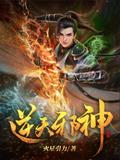 Against the Gods 逆天邪神
The animated series of the same name is now streaming on iQIYI! Wielding the Pearl of Heavenly Poison, bearing the blood of the Evil God, and cultivating power that defies heaven, a generation’s Evil God reigns supreme!
4.9kReads9.3Score311Shelves
Against the Gods 逆天邪神
The animated series of the same name is now streaming on iQIYI! Wielding the Pearl of Heavenly Poison, bearing the blood of the Evil God, and cultivating power that defies heaven, a generation’s Evil God reigns supreme!
4.9kReads9.3Score311Shelves
Reader note
-
29
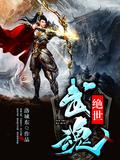 Peerless Martial Soul 绝世武魂
The hit action anime adapted from the novel is now airing. On Dragon Vein Continent, countless races and sects stand side by side, and martial artists rule. The strong can destroy heaven and earth, while the weak crawl like ants. The young Chen Feng has an iron-like dantian and cannot cultivate, enduring contempt at every turn. Then he obtains the Supreme Dragon Blood and a mysterious ancient cauldron, and rises against the odds, emerging like a shooting star! He cultivates an unparalleled legac
8kReads8.8Score846Shelves
Peerless Martial Soul 绝世武魂
The hit action anime adapted from the novel is now airing. On Dragon Vein Continent, countless races and sects stand side by side, and martial artists rule. The strong can destroy heaven and earth, while the weak crawl like ants. The young Chen Feng has an iron-like dantian and cannot cultivate, enduring contempt at every turn. Then he obtains the Supreme Dragon Blood and a mysterious ancient cauldron, and rises against the odds, emerging like a shooting star! He cultivates an unparalleled legac
8kReads8.8Score846Shelves
-
30
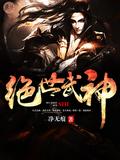 Peerless Martial God 绝世武神
On the Jiuxiao Continent, martial arts reign supreme. The weak live ordinary lives and suffer at the hands of others, while the wrath of the strong leaves rivers of blood in its wake.
125.9kReads9.1Score12.3kShelves
Peerless Martial God 绝世武神
On the Jiuxiao Continent, martial arts reign supreme. The weak live ordinary lives and suffer at the hands of others, while the wrath of the strong leaves rivers of blood in its wake.
125.9kReads9.1Score12.3kShelves
-
31
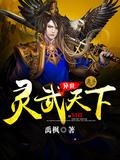 Spiritual and Martial Conqueror 异世灵武天下
After transmigrating, he becomes the dead young master's good-for-nothing body and meets the mysterious elder Uncle Nan. For family, for the women he loves, and for the people dearest to him, Lu Shaoyou rises step by step from a good-for-nothing to a powerful expert. The road to power is covered in thorns, but nothing can stop a heart set on becoming strong. He sleeps with beauties in his arms and wakes with the fate of the world in his hands. They say that reaching the pinnacle of the Martial D
29kReads8.7Score3.7kShelves
Spiritual and Martial Conqueror 异世灵武天下
After transmigrating, he becomes the dead young master's good-for-nothing body and meets the mysterious elder Uncle Nan. For family, for the women he loves, and for the people dearest to him, Lu Shaoyou rises step by step from a good-for-nothing to a powerful expert. The road to power is covered in thorns, but nothing can stop a heart set on becoming strong. He sleeps with beauties in his arms and wakes with the fate of the world in his hands. They say that reaching the pinnacle of the Martial D
29kReads8.7Score3.7kShelves
-
32
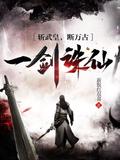 Heavenly Martial Path 武道凌天
In the world of martial arts, the strong rule! Fists and power go hand in hand, and the strong make the rules! A young man defies heaven, rises above his rivals, and forges rules of his own. There’s nothing a single sword can’t settle. If one sword won’t do, use two! The slumbering dragon has awakened; one roar shakes a thousand mountains! With sacred blood in his veins and the sword in his hand, he rises by crushing the geniuses of every world. If you refuse to submit, then fight! This is a pat
16kReads8.9Score901Shelves
Heavenly Martial Path 武道凌天
In the world of martial arts, the strong rule! Fists and power go hand in hand, and the strong make the rules! A young man defies heaven, rises above his rivals, and forges rules of his own. There’s nothing a single sword can’t settle. If one sword won’t do, use two! The slumbering dragon has awakened; one roar shakes a thousand mountains! With sacred blood in his veins and the sword in his hand, he rises by crushing the geniuses of every world. If you refuse to submit, then fight! This is a pat
16kReads8.9Score901Shelves
-
33
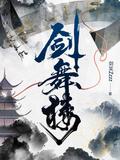 Sword Dance Tower 剑舞楼
(I’m currently focused on serving the country through aviation, so updates are a little slow...) Now that I’m past thirty, I want a little daughter more than ever. But the world is full of dangers and uncertainty, and there are so many troubles. I’m already worrying before even becoming a father. Writing this book has also meant recording everything I’ve experienced, encountered, heard, and seen on the road to fatherhood. I’ve read the Confucian classics, the Daoist way of following nature, and
2Reads—Score—Shelves
Sword Dance Tower 剑舞楼
(I’m currently focused on serving the country through aviation, so updates are a little slow...) Now that I’m past thirty, I want a little daughter more than ever. But the world is full of dangers and uncertainty, and there are so many troubles. I’m already worrying before even becoming a father. Writing this book has also meant recording everything I’ve experienced, encountered, heard, and seen on the road to fatherhood. I’ve read the Confucian classics, the Daoist way of following nature, and
2Reads—Score—Shelves
Reader note
-
34
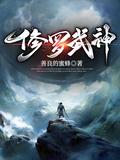 Martial God Asura 修罗武神
As for potential, I may not be a genius, but I can master profound arts and martial techniques without a teacher. As for strength, no matter how many treasures you possess, you still cannot match my army of World Spirits. Who am I? The people of the world see me as an asura, but they don’t know that I used the asura path to become a Martial God.
125kReads8.7Score6kShelves
Martial God Asura 修罗武神
As for potential, I may not be a genius, but I can master profound arts and martial techniques without a teacher. As for strength, no matter how many treasures you possess, you still cannot match my army of World Spirits. Who am I? The people of the world see me as an asura, but they don’t know that I used the asura path to become a Martial God.
125kReads8.7Score6kShelves
Reader note
-
35
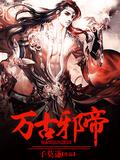 The Eternal Evil Emperor 万古邪帝
He died because of the Emperor’s Scripture, and lived because of the Emperor’s Scripture… A reborn alchemy genius, burdened by a blood feud, cultivates the ancient scripture of the Great Emperor and sets out on the path of revenge. He pushes forward through adversity and survives against all odds, ultimately becoming a peerless War Emperor who looks down upon the ages and rules the universe in every direction! He buries his desire for revenge deep within and cultivates power that defies the heav
8.2kReads8.7Score927Shelves
The Eternal Evil Emperor 万古邪帝
He died because of the Emperor’s Scripture, and lived because of the Emperor’s Scripture… A reborn alchemy genius, burdened by a blood feud, cultivates the ancient scripture of the Great Emperor and sets out on the path of revenge. He pushes forward through adversity and survives against all odds, ultimately becoming a peerless War Emperor who looks down upon the ages and rules the universe in every direction! He buries his desire for revenge deep within and cultivates power that defies the heav
8.2kReads8.7Score927Shelves
Reader note
-
36
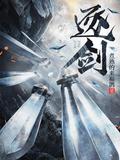 Chasing the Sword 逐剑
[Traditional fantasy] [One female lead] [Lone cultivator] [No transmigration or rebirth] One day, if I hold a sword in my hand, even the saints of the world will bow their heads! One man, one dog, and one sword: together, they stir up a storm across the Six Provinces! After enduring the darkest moment of his life, the boy leaves the city at sunset with a sword on his back. How does he end up with white hair overnight, wearing a ghost mask and wielding a sharp blade, becoming the “Executioner” in
36kReads9.0Score3.7kShelves
Chasing the Sword 逐剑
[Traditional fantasy] [One female lead] [Lone cultivator] [No transmigration or rebirth] One day, if I hold a sword in my hand, even the saints of the world will bow their heads! One man, one dog, and one sword: together, they stir up a storm across the Six Provinces! After enduring the darkest moment of his life, the boy leaves the city at sunset with a sword on his back. How does he end up with white hair overnight, wearing a ghost mask and wielding a sharp blade, becoming the “Executioner” in
36kReads9.0Score3.7kShelves
Reader note
-
37
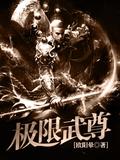 Ultimate Martial Venerable 极限武尊
“Martial artists wield tremendous strength. Qi cultivators are unpredictable. Lu Fan is a practitioner of both martial arts and qi cultivation. I was an ordinary man, but fate had other plans. Yin and yang in my left hand, heaven and earth in my right. Above heaven and below heaven, I alone reign supreme!”
15.4kReads8.9Score2.2kShelves
Ultimate Martial Venerable 极限武尊
“Martial artists wield tremendous strength. Qi cultivators are unpredictable. Lu Fan is a practitioner of both martial arts and qi cultivation. I was an ordinary man, but fate had other plans. Yin and yang in my left hand, heaven and earth in my right. Above heaven and below heaven, I alone reign supreme!”
15.4kReads8.9Score2.2kShelves
-
38
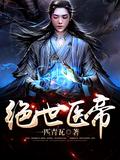 The Peerless Medical Emperor 绝世医帝
Unable to cultivate, yet he mastered peerless medical arts. Refining medicines and pills came as easily as eating and drinking, and even ninth-grade Emperor Pills were effortless for him to make. Yun Mo, whose medical arts had reached the divine, raised a God Emperor of astounding strength. Yet the God Emperor he had treated as his own child suddenly turned against him, bringing about his death. When he opened his eyes, Yun Mo discovered that he had not only been reborn, but could also cultivate
16.4kReads8.9Score2.1kShelves
The Peerless Medical Emperor 绝世医帝
Unable to cultivate, yet he mastered peerless medical arts. Refining medicines and pills came as easily as eating and drinking, and even ninth-grade Emperor Pills were effortless for him to make. Yun Mo, whose medical arts had reached the divine, raised a God Emperor of astounding strength. Yet the God Emperor he had treated as his own child suddenly turned against him, bringing about his death. When he opened his eyes, Yun Mo discovered that he had not only been reborn, but could also cultivate
16.4kReads8.9Score2.1kShelves
-
39
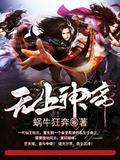 The Supreme God Emperor 无上神帝
Mu Yun, an immortal king of his generation, is reborn ten thousand years later as a useless instructor bullied by everyone? Troublemaking students? Kneel before this immortal king. A beauty offers herself to him? Sorry, you're not worthy. Back to the top, starting as an instructor
9kReads8.9Score1.3kShelves
The Supreme God Emperor 无上神帝
Mu Yun, an immortal king of his generation, is reborn ten thousand years later as a useless instructor bullied by everyone? Troublemaking students? Kneel before this immortal king. A beauty offers herself to him? Sorry, you're not worthy. Back to the top, starting as an instructor
9kReads8.9Score1.3kShelves
-
40
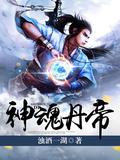 The Divine Soul Pill Emperor 神魂丹帝
After ten years of perseverance, the young man is brutally killed when his fiancée steals his martial soul! After transmigrating and awakening a mysterious martial soul, Qin Lang vows never to let anyone else control his fate again! He will cultivate like mad and shatter his fiancée’s scheme! He will grow stronger and take control of his destiny! He will laugh proudly across the world and become an Emperor of Alchemy!
3.9kReads8.8Score317Shelves
The Divine Soul Pill Emperor 神魂丹帝
After ten years of perseverance, the young man is brutally killed when his fiancée steals his martial soul! After transmigrating and awakening a mysterious martial soul, Qin Lang vows never to let anyone else control his fate again! He will cultivate like mad and shatter his fiancée’s scheme! He will grow stronger and take control of his destiny! He will laugh proudly across the world and become an Emperor of Alchemy!
3.9kReads8.8Score317Shelves
-
41
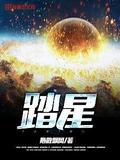 Treading the Stars 踏星
A vast universe, countless races! Grand battle techniques, the Ten Judges rise above all! Ancient clans with unique surnames, the Top Hundred Battle Rankings! In my name, I tread upon the stars! One day in the year 2200, when humanity first set foot on Neptune, they found a battle blade and a corpse standing upright!!! The author has already completed an older novel, The Ultimate Throne of Doomsday, at over three million words. It was never once put on hiatus, guaranteed reliable!
2.5kReads9.3Score171Shelves
Treading the Stars 踏星
A vast universe, countless races! Grand battle techniques, the Ten Judges rise above all! Ancient clans with unique surnames, the Top Hundred Battle Rankings! In my name, I tread upon the stars! One day in the year 2200, when humanity first set foot on Neptune, they found a battle blade and a corpse standing upright!!! The author has already completed an older novel, The Ultimate Throne of Doomsday, at over three million words. It was never once put on hiatus, guaranteed reliable!
2.5kReads9.3Score171Shelves
Reader note
-
42
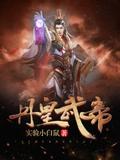 Pill Emperor, Martial Emperor 丹皇武帝
A hundred thousand white-clad warriors raise their blades to defend Heaven’s Gate! A million evil spirits carry coffins to wage war on Kunlun! Phoenix coronets and bridal robes, bloodied gowns and withered faces, bone lanterns and bloody candles illuminate the cycle of reincarnation! A thousand years ago, a divine emperor fought his way to supremacy on the battlefield of a hundred clans, founding an eternal divine dynasty and striving for the supreme imperial throne, hoping to establish the Nint
14.7kReads8.9Score1.4kShelves
Pill Emperor, Martial Emperor 丹皇武帝
A hundred thousand white-clad warriors raise their blades to defend Heaven’s Gate! A million evil spirits carry coffins to wage war on Kunlun! Phoenix coronets and bridal robes, bloodied gowns and withered faces, bone lanterns and bloody candles illuminate the cycle of reincarnation! A thousand years ago, a divine emperor fought his way to supremacy on the battlefield of a hundred clans, founding an eternal divine dynasty and striving for the supreme imperial throne, hoping to establish the Nint
14.7kReads8.9Score1.4kShelves
-
43
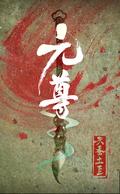 Origin Master 元尊
Heaven and earth are the furnace, all things are copper, yin and yang are the coals, and creation is the smith. In the struggle for fortune, serpents and sparrows devour dragons. Will the serpent and sparrow reign supreme, or will the holy dragon rise and tower above all living beings? This is a world where qi rules the universe, vast and magnificent. With a breath of qi, one can move mountains, overturn seas, turn the heavens upside down, and command yin and yang and the cosmos. The world’s sou
5.3kReads9.2Score496Shelves
Origin Master 元尊
Heaven and earth are the furnace, all things are copper, yin and yang are the coals, and creation is the smith. In the struggle for fortune, serpents and sparrows devour dragons. Will the serpent and sparrow reign supreme, or will the holy dragon rise and tower above all living beings? This is a world where qi rules the universe, vast and magnificent. With a breath of qi, one can move mountains, overturn seas, turn the heavens upside down, and command yin and yang and the cosmos. The world’s sou
5.3kReads9.2Score496Shelves
-
44
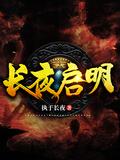 The Eternal Night’s Long Song 永夜长歌
A demon crawling out of the depths of hell lets out a furious roar at the gods enthroned above. People piled high like livestock twist, collapse, go mad, and vanish in the darkness... Someone opens their eyes in the eternal night, kindling a lamp with their life and writing an epic in blood.
4.6kReads9.1Score374Shelves
The Eternal Night’s Long Song 永夜长歌
A demon crawling out of the depths of hell lets out a furious roar at the gods enthroned above. People piled high like livestock twist, collapse, go mad, and vanish in the darkness... Someone opens their eyes in the eternal night, kindling a lamp with their life and writing an epic in blood.
4.6kReads9.1Score374Shelves
Reader note
-
45
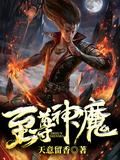 Supreme Gods and Demons 至尊神魔
My new work is out! You can read it on Tomato Novel. I hope you enjoy it. Your support is what keeps me writing, and I'll do my best to tell every story well!
13.2kReads8.6Score1.7kShelves
Supreme Gods and Demons 至尊神魔
My new work is out! You can read it on Tomato Novel. I hope you enjoy it. Your support is what keeps me writing, and I'll do my best to tell every story well!
13.2kReads8.6Score1.7kShelves
Reader note
-
46
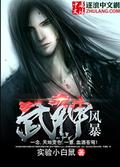 Martial God Storm 武神风暴
A boundless continent, vast seas, forbidden lands where life cannot survive, wicked forests, and endless primeval mountains. The world gave rise to ten golden ancient clans, alongside countless sacred lands and empires. They looked down upon all living beings and trampled everything beneath them. One thought could change the color of heaven and earth; one whim could spill blood across the sky. Here, billions of living beings revered martial strength, and empires prospered through the power of th
718Reads8.8Score105Shelves
Martial God Storm 武神风暴
A boundless continent, vast seas, forbidden lands where life cannot survive, wicked forests, and endless primeval mountains. The world gave rise to ten golden ancient clans, alongside countless sacred lands and empires. They looked down upon all living beings and trampled everything beneath them. One thought could change the color of heaven and earth; one whim could spill blood across the sky. Here, billions of living beings revered martial strength, and empires prospered through the power of th
718Reads8.8Score105Shelves
-
47
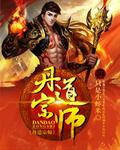 Alchemy Master 丹道宗师
The animated series of Grandmaster of Alchemy is now streaming! Qin Yichen returns to his youth with more than ten thousand years of memories. His mastery of spiritual power, advanced pill recipes, high-level martial arts, and secret manuals: he has it all. This time, he will leave no regrets. A gentle imperial princess, a willful and unruly witch, and a sacred, icy goddess all cross paths with him.
13.4kReads8.2Score1.9kShelves
Alchemy Master 丹道宗师
The animated series of Grandmaster of Alchemy is now streaming! Qin Yichen returns to his youth with more than ten thousand years of memories. His mastery of spiritual power, advanced pill recipes, high-level martial arts, and secret manuals: he has it all. This time, he will leave no regrets. A gentle imperial princess, a willful and unruly witch, and a sacred, icy goddess all cross paths with him.
13.4kReads8.2Score1.9kShelves
-
48
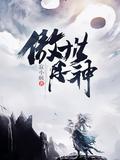 Proud God of Alchemy 傲世丹神
A good-for-nothing young man receives an unparalleled legacy, gains a heaven-defying divine meridian, learns peerless techniques, and masters extraordinary alchemy. From then on, his path in martial arts is smooth sailing, and he looks down on all under heaven!
5kReads8.8Score574Shelves
Proud God of Alchemy 傲世丹神
A good-for-nothing young man receives an unparalleled legacy, gains a heaven-defying divine meridian, learns peerless techniques, and masters extraordinary alchemy. From then on, his path in martial arts is smooth sailing, and he looks down on all under heaven!
5kReads8.8Score574Shelves
-
49
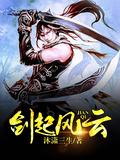 Where the Sword Rises, Storms Gather 剑起风云
In these turbulent times, it is not the world that is in chaos, but people’s hearts. The Gu family, loyal servants of the Tianfeng Kingdom, are heroes through and through. But fate is fickle. The heir to this illustrious military family spent twenty years in a daze, becoming the target of countless whispered insults and mockery. Then, on the young heir’s twentieth birthday, memories of his previous life suddenly returned. What troubles him most is realizing he seems to have done a lot of foolish
64kReads9.0Score7.3kShelves
Where the Sword Rises, Storms Gather 剑起风云
In these turbulent times, it is not the world that is in chaos, but people’s hearts. The Gu family, loyal servants of the Tianfeng Kingdom, are heroes through and through. But fate is fickle. The heir to this illustrious military family spent twenty years in a daze, becoming the target of countless whispered insults and mockery. Then, on the young heir’s twentieth birthday, memories of his previous life suddenly returned. What troubles him most is realizing he seems to have done a lot of foolish
64kReads9.0Score7.3kShelves
Reader note
-
50
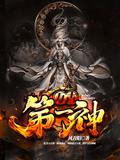 The First God of Ten Thousand Ages 万古第一神
[This Year's Hottest Xuanhuan Power Fantasy] Li Tianming could laugh himself awake just thinking about it. His pets were all legendary Primordial Chaos Behemoths. His family's chicken was the “Eternal Inferno Phoenix,” which fed on the sun. His black cat was the “Primordial Chaos Thunder Demon,” which refined the Myriad Worlds with thunder. Even the cockroach in his home was the “Myriad Worlds Immortal Beast,” with a trillion undying clones... From then on, he commanded ten Primordial Chaos Behe
22.5kReads9.1Score1.1kShelves
The First God of Ten Thousand Ages 万古第一神
[This Year's Hottest Xuanhuan Power Fantasy] Li Tianming could laugh himself awake just thinking about it. His pets were all legendary Primordial Chaos Behemoths. His family's chicken was the “Eternal Inferno Phoenix,” which fed on the sun. His black cat was the “Primordial Chaos Thunder Demon,” which refined the Myriad Worlds with thunder. Even the cockroach in his home was the “Myriad Worlds Immortal Beast,” with a trillion undying clones... From then on, he commanded ten Primordial Chaos Behe
22.5kReads9.1Score1.1kShelves