★ "Why apologize?" "Why not apologize?"
★ A penetrating analysis of how differences in the ways Japan and Germany reflect on World War II came about.
[About the Author]
Zhengzheng Changshu was born in Hiroshima, Japan, in 1963. He holds a PhD in regional cultural studies from the University of Tokyo Graduate School and is currently a professor of law at Kanazawa University. His areas of specialization include the history of social thought and comparative literary history. His books include Currency Space, The Left Turn of Postmodernity, Traces of the "Hidden God," "Law" and "Things Beyond the Law," The Community of Law, History and Justice, and On "Unfreedom."
[About the Book]
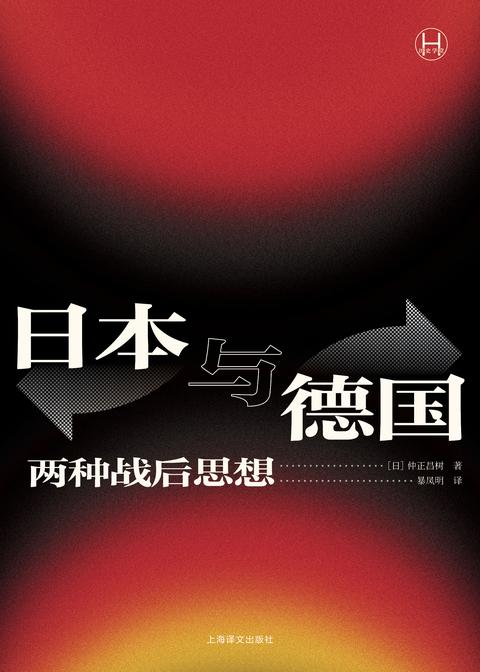
After World War II, questions of war responsibility and national apologies sparked conflicts and controversy, to varying degrees, within Japan and Germany and between each country and its neighbors. Eighty years after the end of the war, Germany's approach to reflecting on its history is widely praised around the world, while Japan still finds itself embroiled in public controversy over historical issues from time to time. Why is there such a vast difference between the two?
The author, a Japanese-born researcher of German intellectual history, seeks to present the many facets of this issue in an accessible yet thorough way. Although postwar thought in Germany and Japan may appear similar, there are significant differences. These stem both from the countries' differing modern histories and sociocultural backgrounds, and from the international order after the war. The author examines differences in how the victorious powers judged and dealt with the two countries, how they understood war responsibility, the forms their postwar states took, and the regional environments in which they found themselves. Particular attention is given to differences in the ideas of the two countries' intellectuals and the influence those ideas had on their citizens. This offers a comprehensive and profound perspective on why Japan and Germany differ in their attitudes toward historical issues. The author also hopes that, by understanding these differing historical contexts, Japanese society will learn more from Germany and draw on its example to resolve lingering historical issues with its East Asian neighbors.