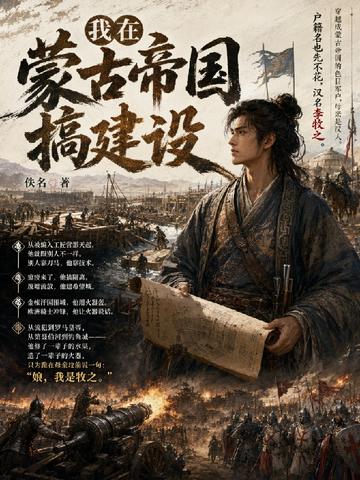
Modern engineer Li Muzhi transmigrates into the body of an orphaned Semu military household member in the Mongol Empire.
His Han Chinese mother secretly teaches him Chinese characters and gives him the name “Muzhi.”
His registered name is also Yixian Buhua. This identity saves his life, but leaves him answering the same question for the rest of it: Who am I, really?
From the day he is assigned to the army's craftsman corps, he has only one goal: to survive.
But he survives differently from everyone else.
Others rely on swords and horses. He relies on technology.
When plague breaks out in Khorasan, he builds quarantine zones and introduces disinfection measures, saving the lives of an entire city.
Exiled to the ruins along the Dnieper, at the westernmost edge of the empire, he takes twenty people with him to dig wells, build walls, and cultivate the land. Together, they raise a city of hope from the ruins.
When the Golden Horde lays siege to the city, he uses firearms to shatter the charge of the steppe cavalry.
When Europe's knights line up along the Danube, his rotating three-rank firing formation makes armored knights a thing of the past.
From convict to king of the north, from Roman emperor to Great Khan of all the Mongols,
he relies not on swords, but on canals, plows, firearms, and a law stone engraved with the words “Regardless of birth.”
He conquers half the world, only to discover that he cannot conquer the question in his own heart.
Sixty-three years later, he returns to a nameless grave outside Diaoyu Fortress. Kneeling, he sets down a handful of black soil from the Dnieper.
“Mother, I'm Muzhi.”