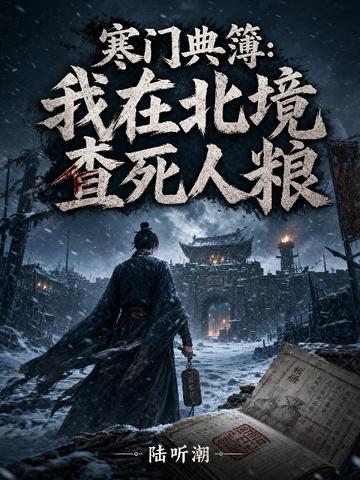
Shen Yanzhou should have placed first in the imperial examinations. On the eve of the palace examination, he was accused of cheating by hiding notes, stripped of his scholarly status, and exiled to Qingli County, a desolate county on the northern frontier. A line in red ink on his transfer order read: Once this man takes office, he must not leave the county.
On his first day in office, he dug up four old ledgers.
The household register, grain register, military register, and burial register: the dead were drawing rations, the living were listed among the dead, the military households were short by three hundred men, yet the county granaries were reported full year after year. The records were all fake. Everyone in the county knew it, but not one person dared speak up.
The county magistrate invited him for tea and told him not to meddle. The company commander told him to get lost and stay out of military affairs. The woman who ran the post station warned him: after dark, don't leave the city.
On a night of first snow, a beacon tower abandoned for ten years was lit. A soldier who had died in battle ten years earlier knocked on the county office's door and handed over half of a bloodstained military token.
Engraved on the back of the token were the words: Beyond the snow line, there are still people alive.
Shen Yanzhou followed the accounts and investigated. What he uncovered was not a single corruption case, but a garrison the imperial court had erased from every record.
The defeat at Qingliguan ten years ago had not been at the enemy's hands.
And now, Zhao Wuji, the Northern Frontier's transport commissioner, was entering the city through the snow.